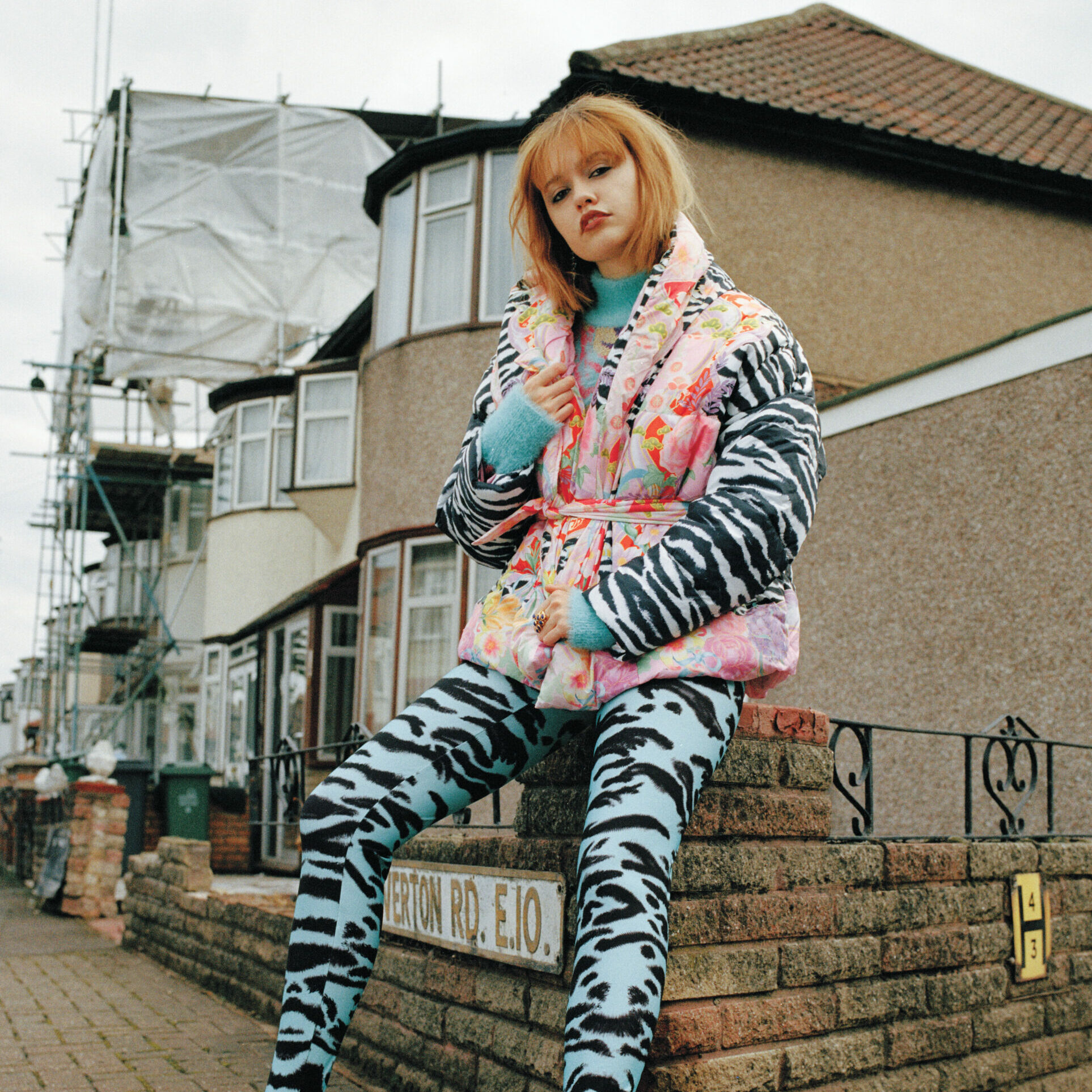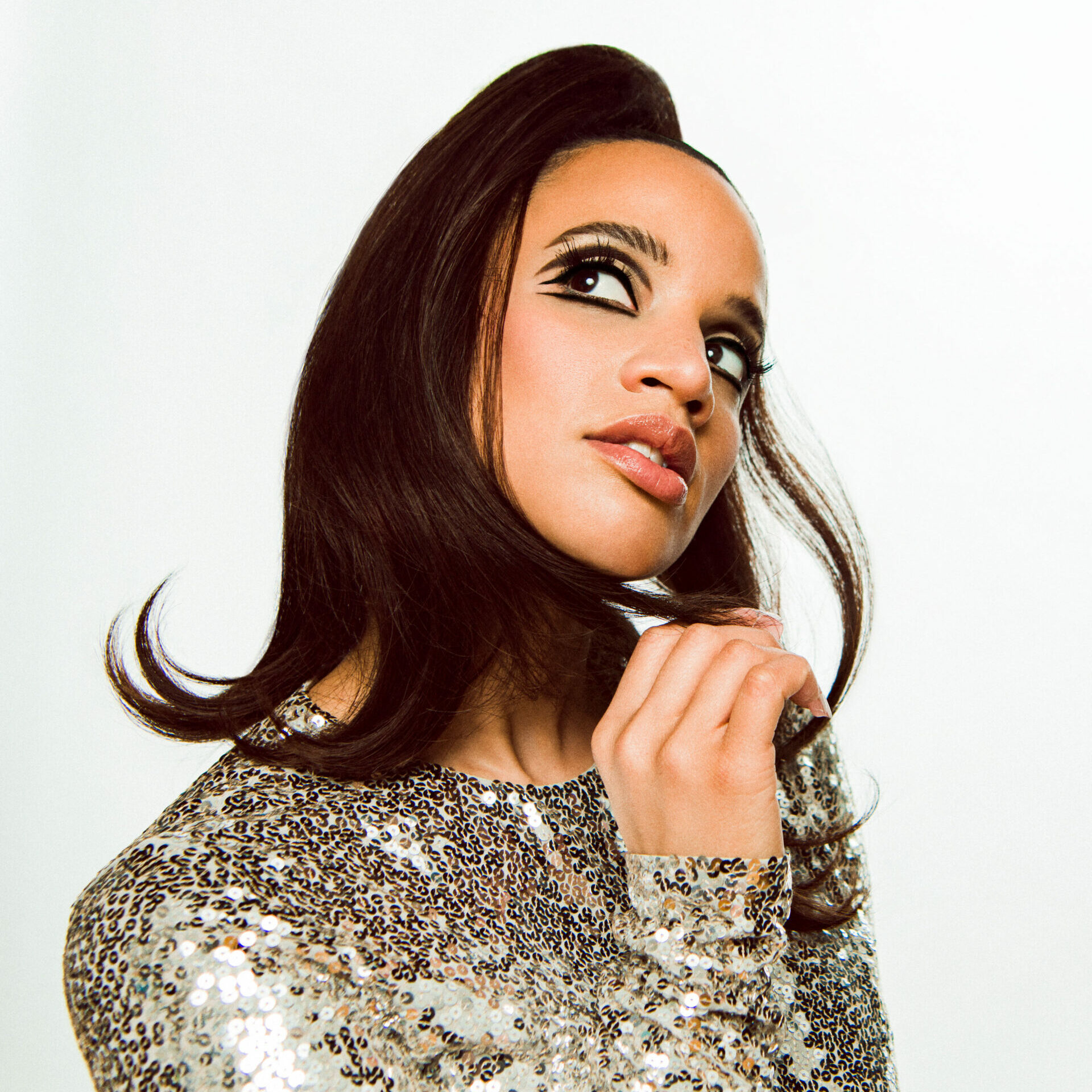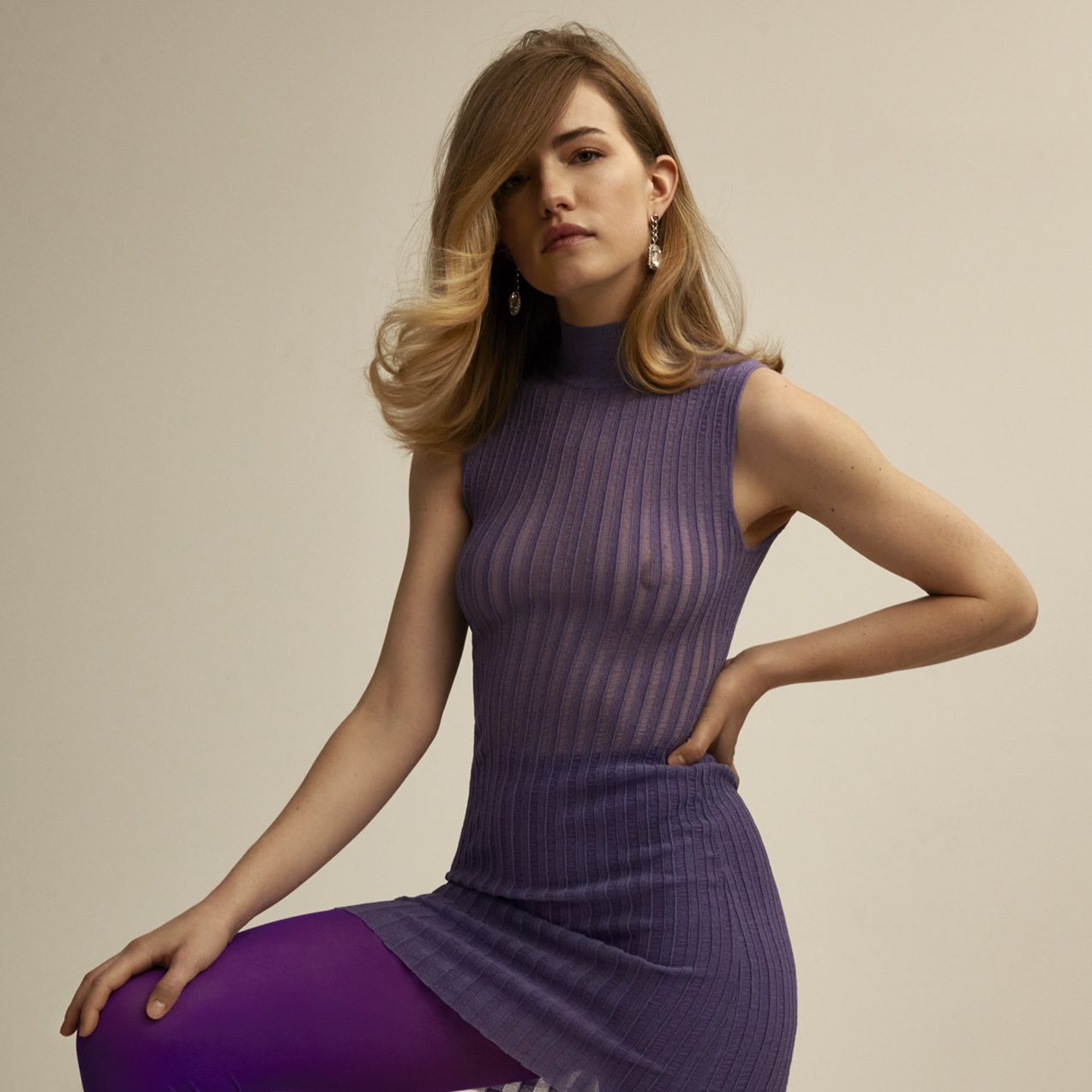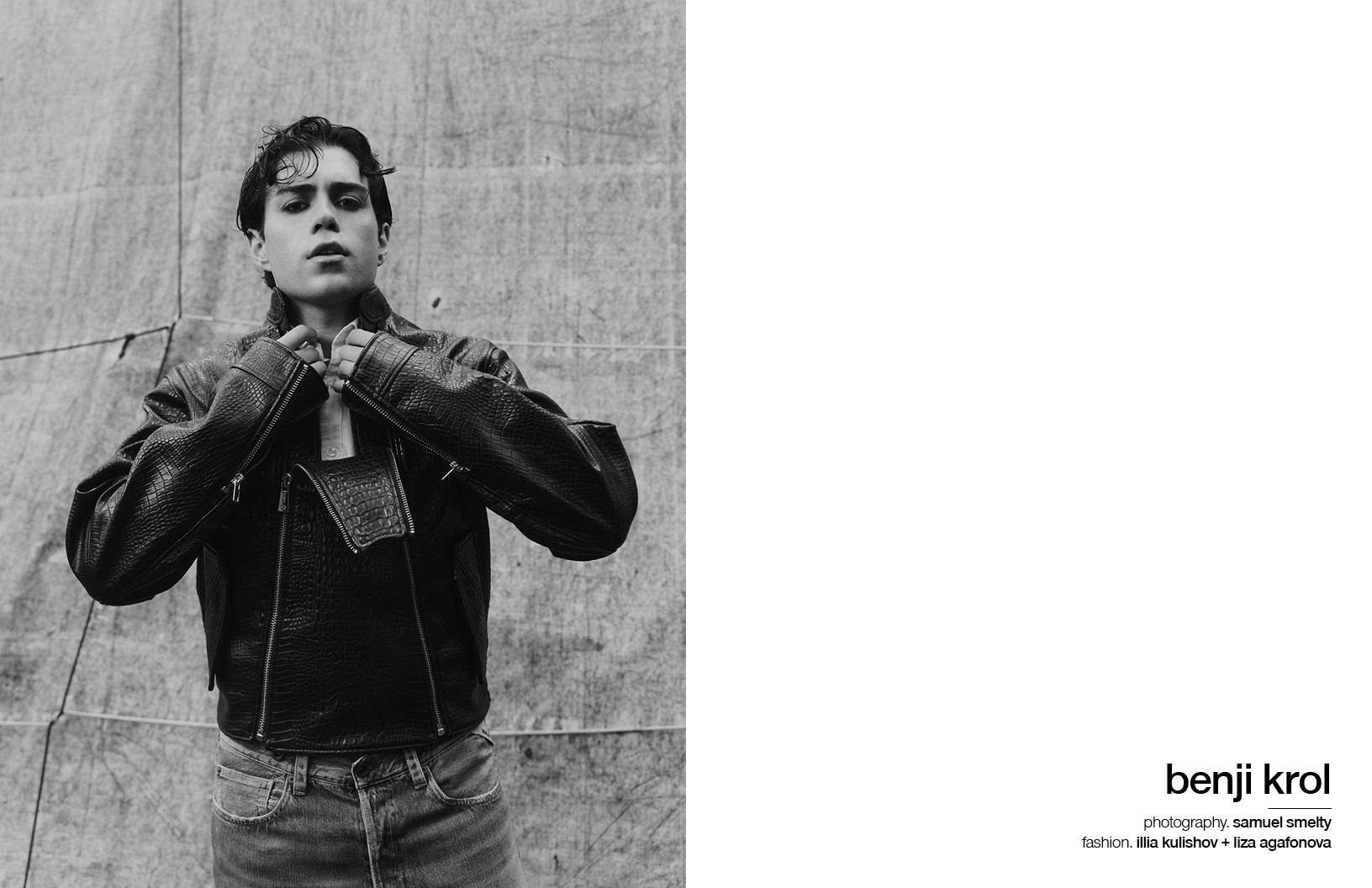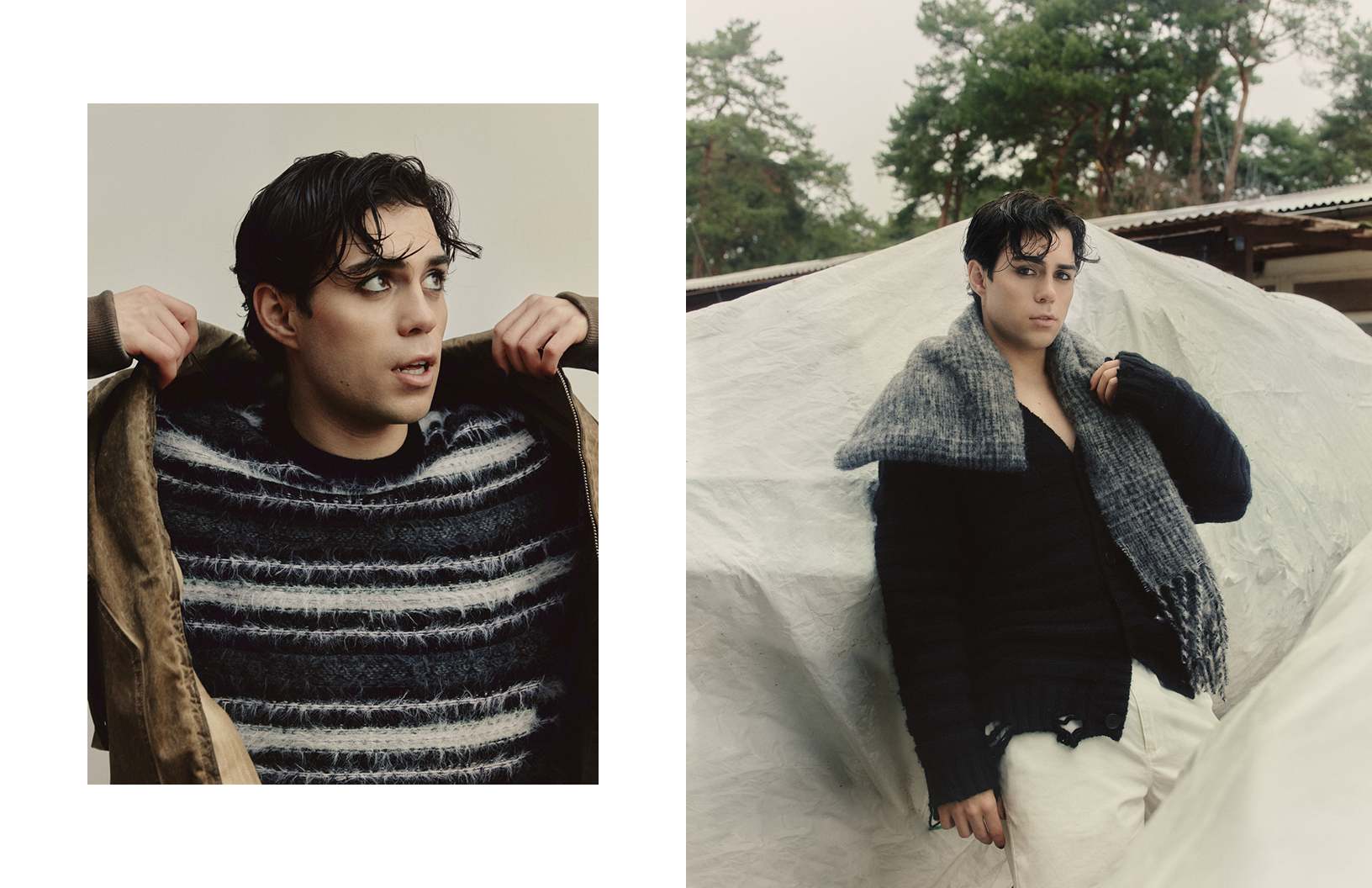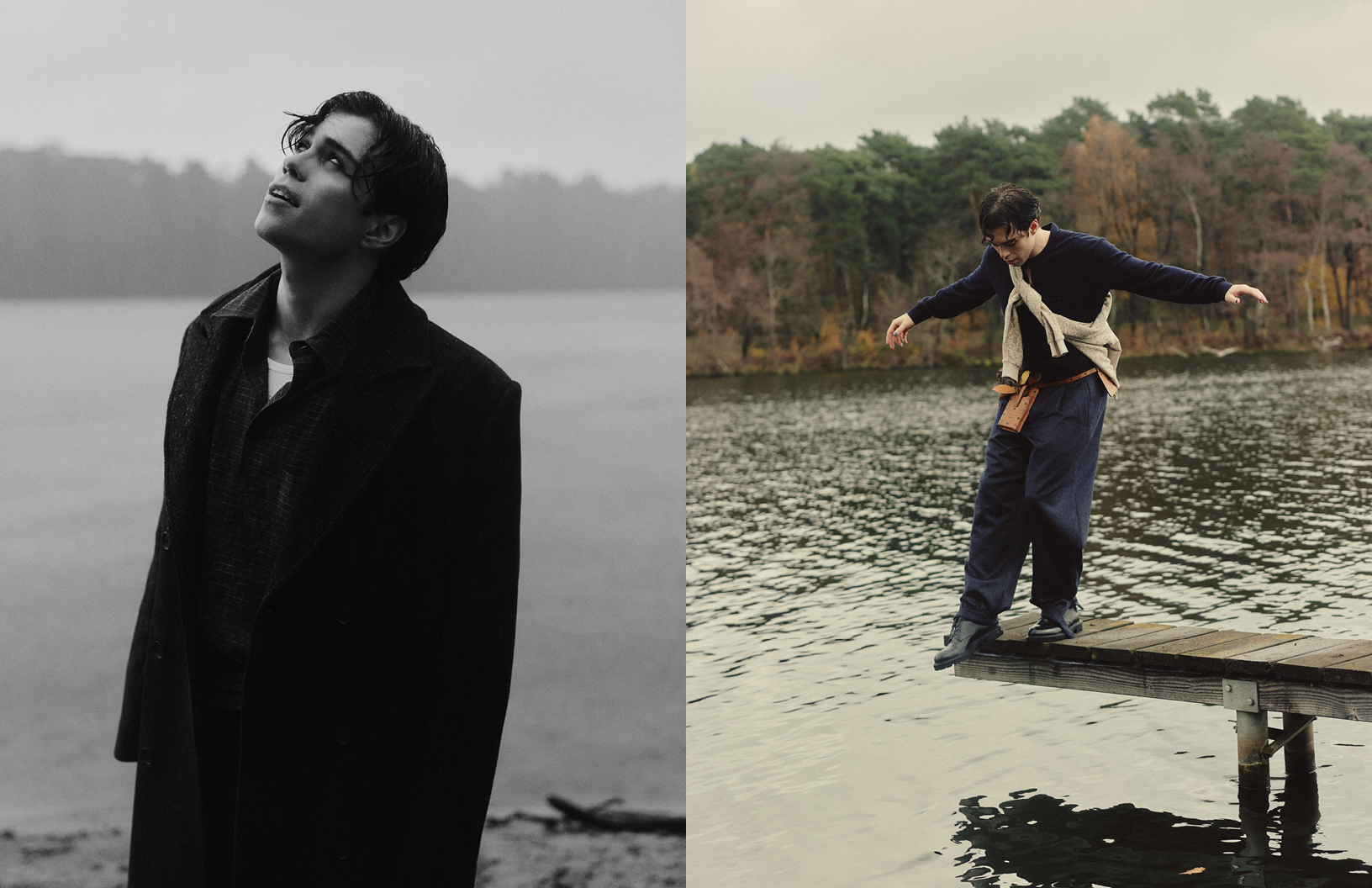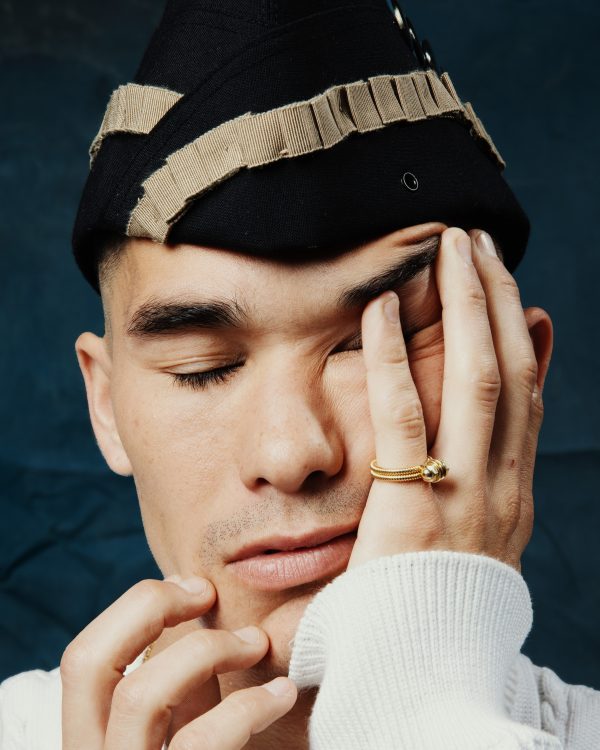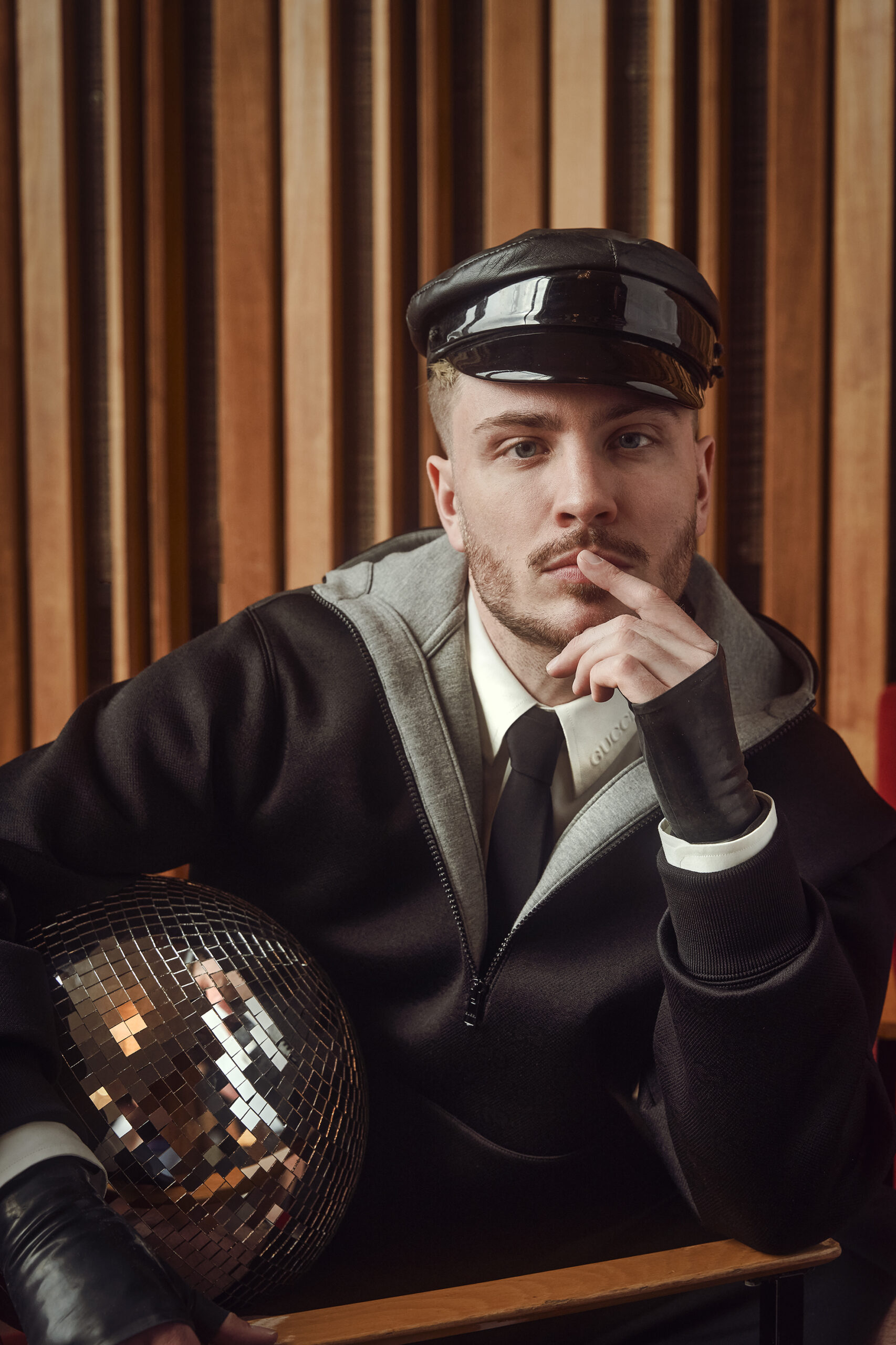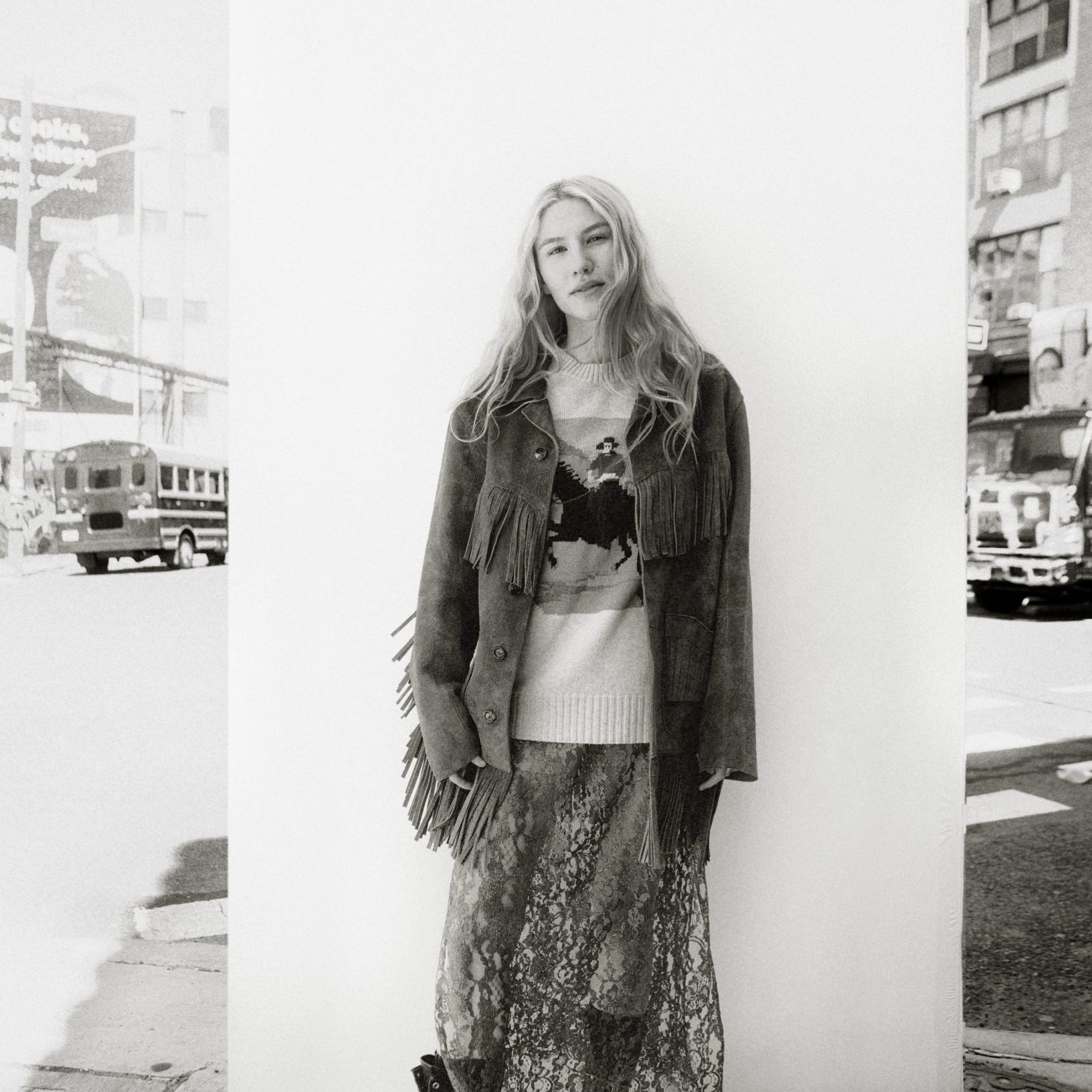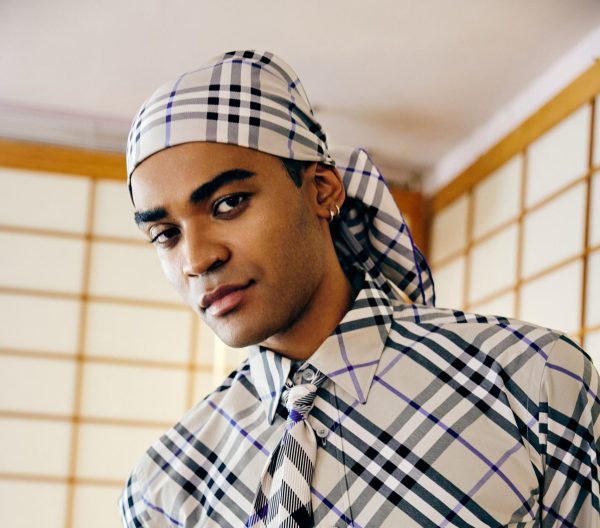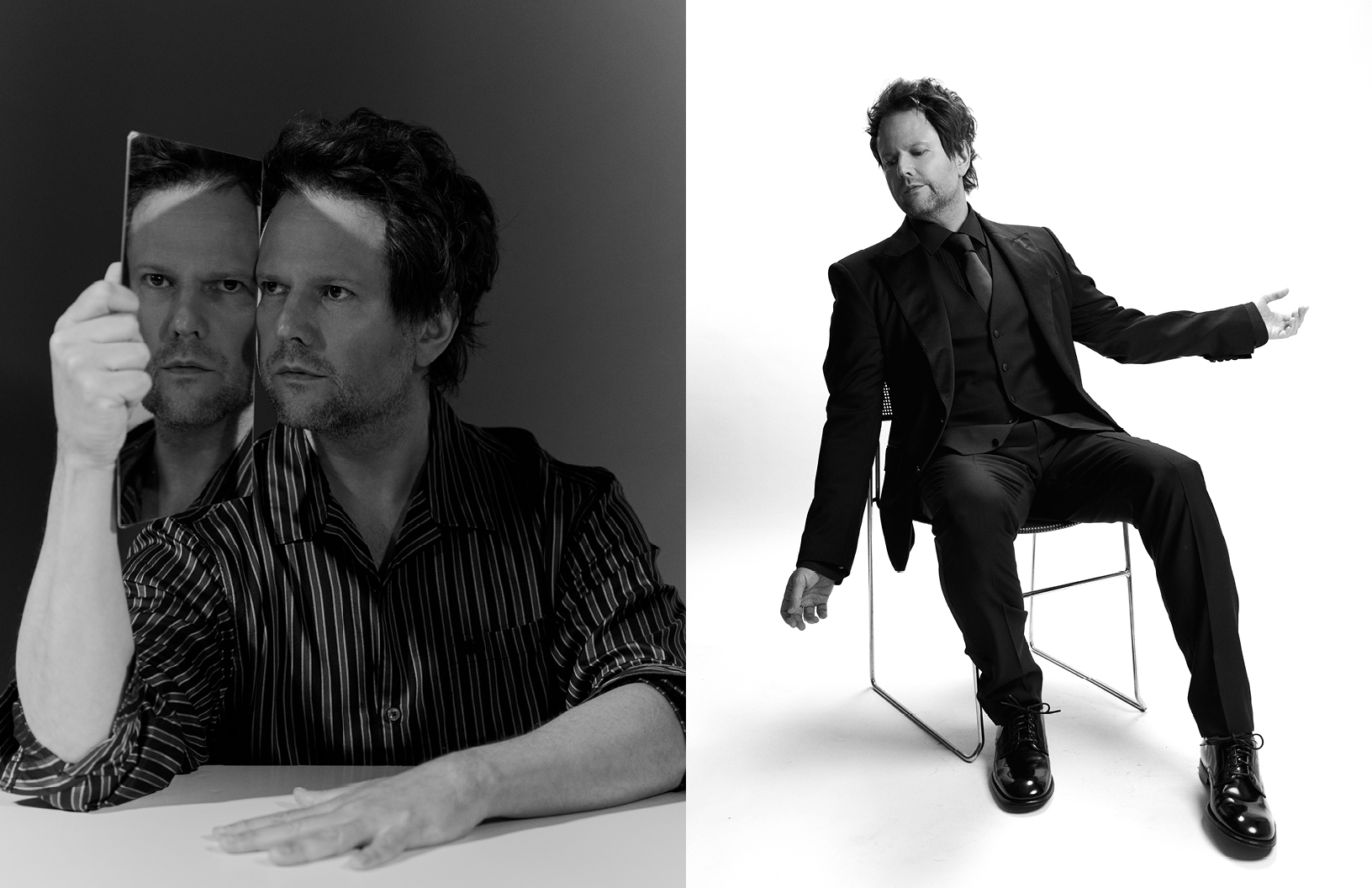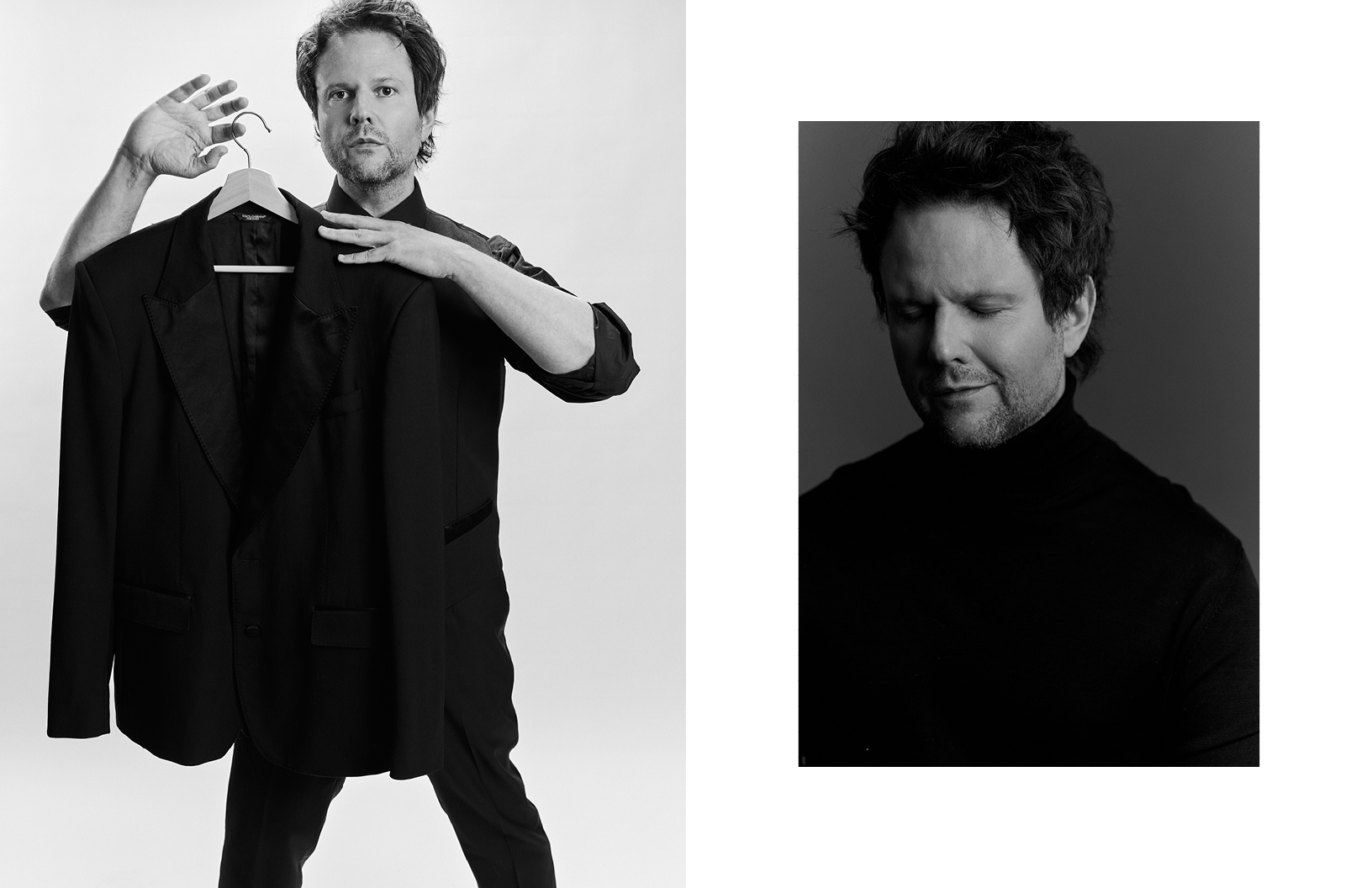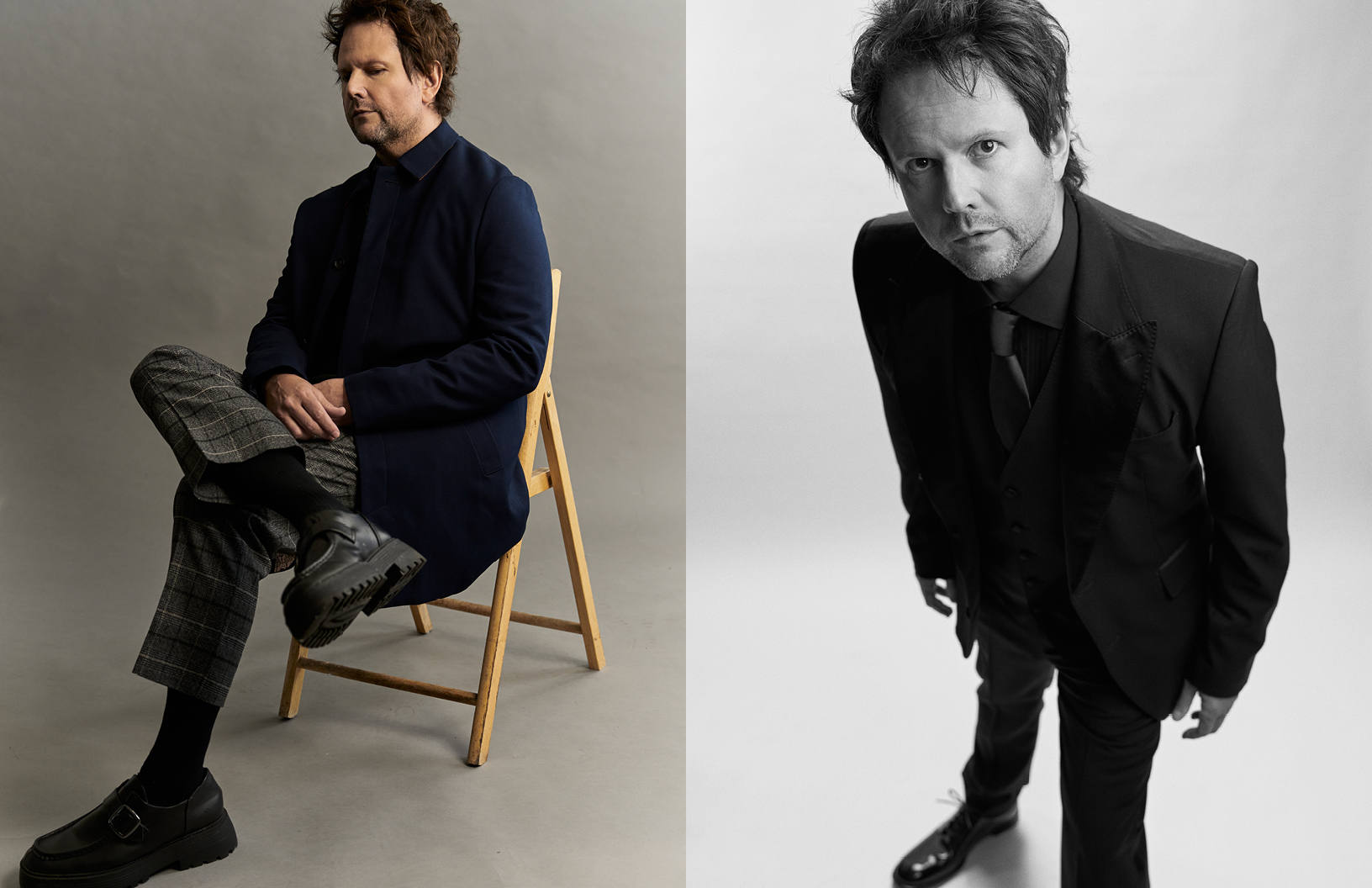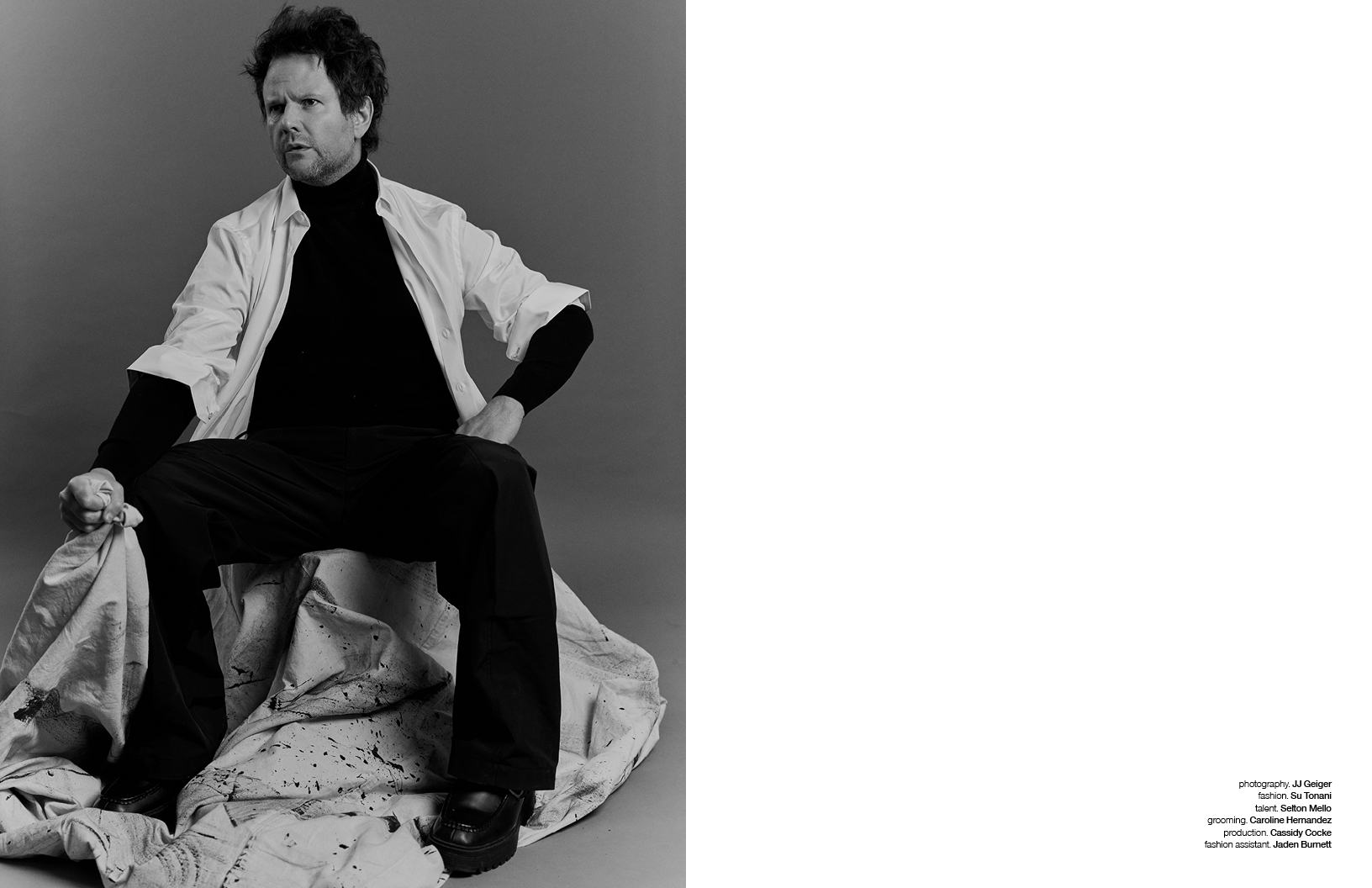


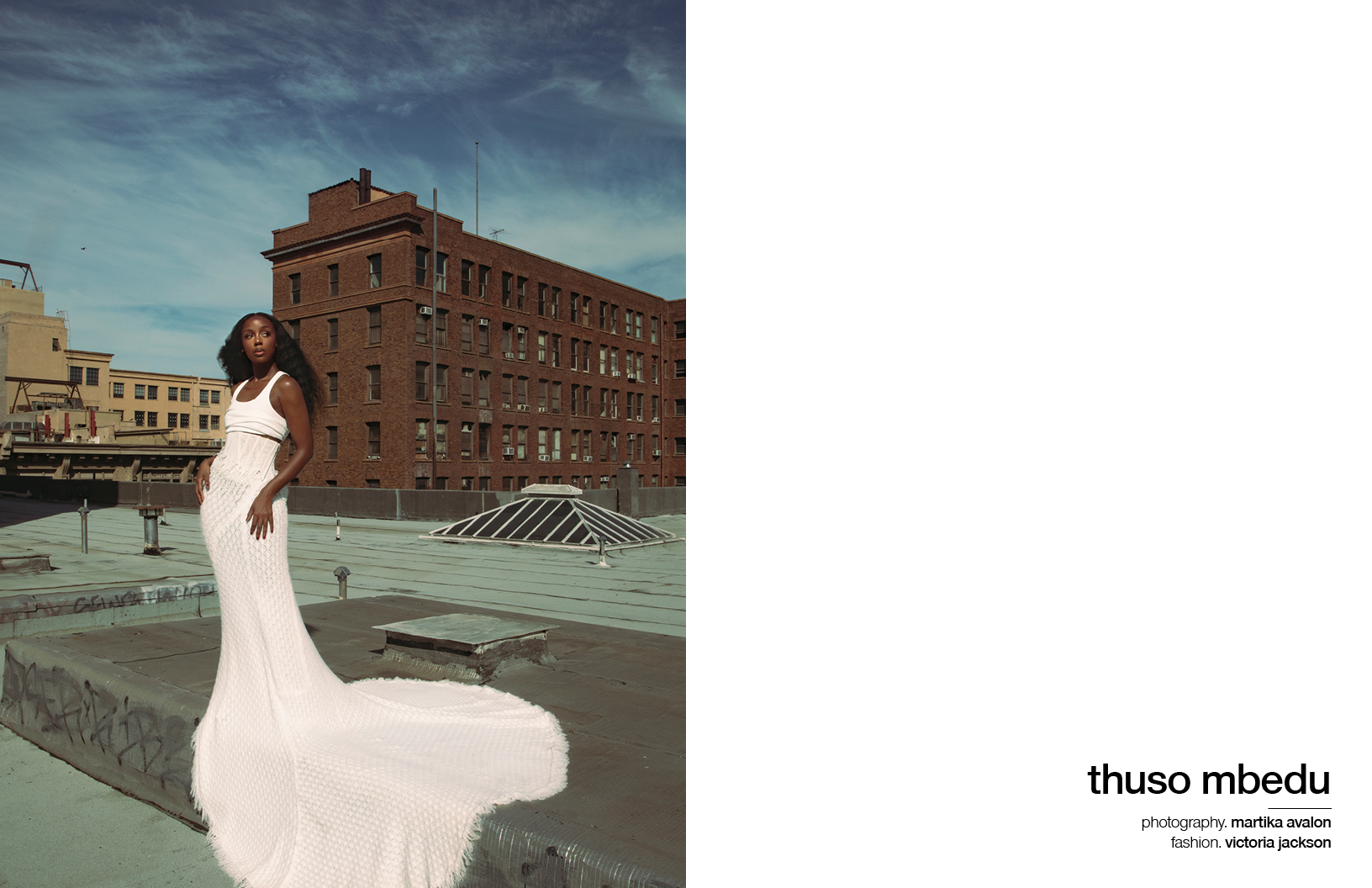
top + skirt. Salih Balta
In HBO’s Task, everybody is running from something. Created by Mare of Easttown’s Brad Ingelsby, the series returns to the same working-class Pennsylvania setting, but trades the suspense of a whodunit for something more emotionally charged. At one point, a character deadpans, “I’ve kidnapped the most depressing human,” and while the line itself might draw a laugh, it captures the essence and at times bleakness of a show where everyone carries the weight of their past.
Thuso Mbedu’s character, her first contemporary American role, following acclaimed performances in Is’Thunzi, The Underground Railroad, and The Woman King, is no exception. Aleah Clinton is a steely, emotionally guarded police officer assigned to a task force investigating a robbery that spirals into something much darker. Aleah’s all-business, no-nonsense demeanour, at first glance, stands in stark contrast to the warmth of the actress.
In conversation with Schön!, Thuso Mbedu explains how she still finds points of connection with Aleah, built the character from the inside out, and why storytelling has always been about healing for her.
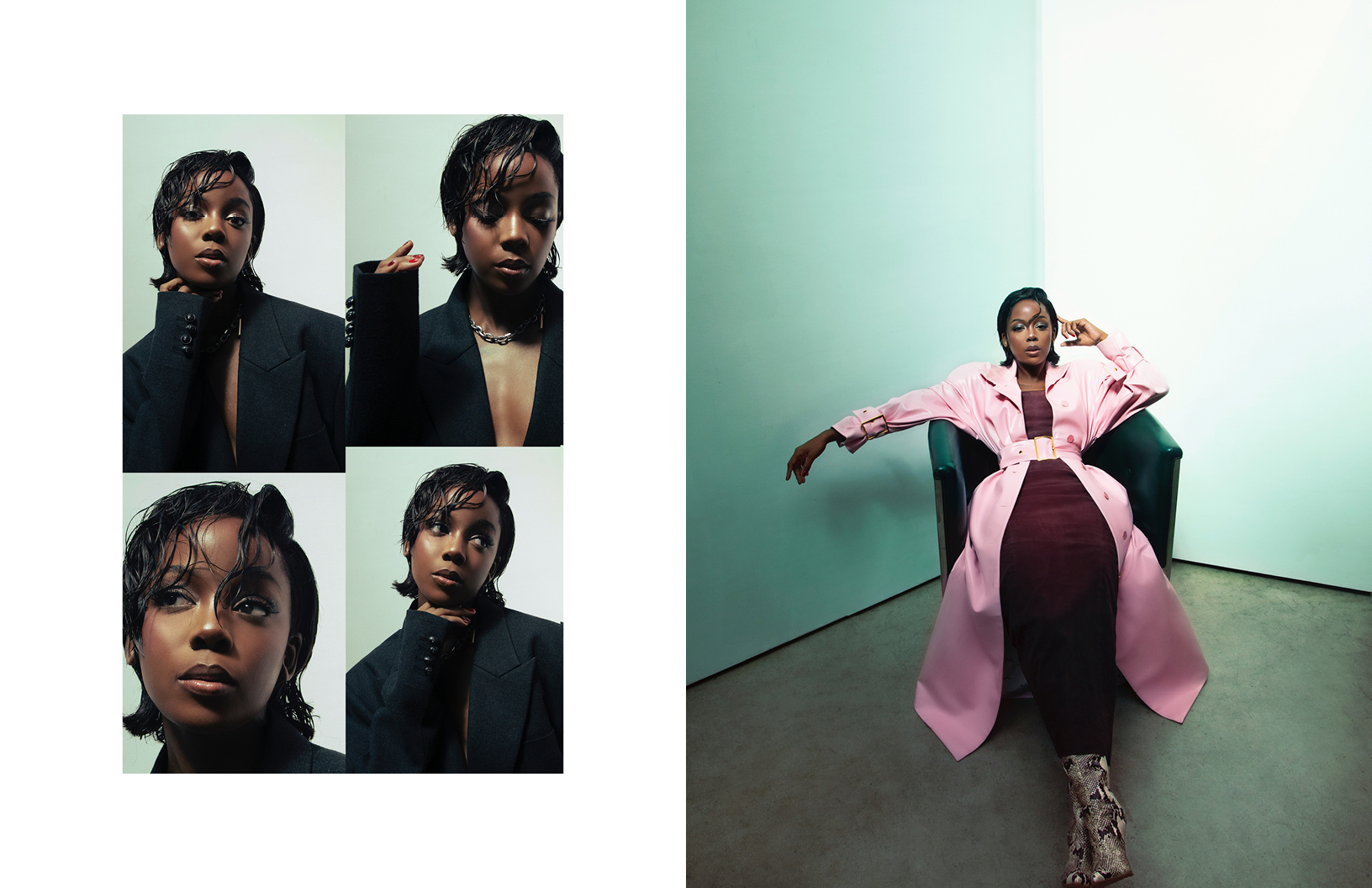
full look. Falguni Shane Peacock
opposite
trench coat. Rowen Rose
boots. FLOR DE MARIA
You grew up and began your career in South Africa, and you also trained formally in performance and acting. So, before we get into Task, I’m curious, as someone who’s worked across continents and genres, what is it that you generally look for in a project?
It was in my second year of university that I understood my goal wasn’t just social change. I really wanted to use drama and performance as a means of healing people. That’s always been the thing. Before I went into acting, I actually wanted to be in the medical field. As a person who had skin allergies, I wanted to make people’s lives better through medicine. But then I realised that I could connect with people through performance and drama, and I wanted to use that as a tool for social change.
I even had this random thought last week when I was like, “Oh, I guess I’ve always wanted to heal in some way, whether through medicine or now through performance.” So that’s been my guiding principle. For me, it’s never about being on-screen just for the sake of being on-screen. Anybody else can do that. I want to add something positive to the world.
In Task, your character, Aleah, carries a difficult past that shapes who she is…
Yes, Aleah is one who was dealt some very bad cards. She was married to an abuser who ended up smashing her face, and she now has steel plates under her face that the audience can’t immediately see. In building her character, I created someone who chose to get into this line of work to provide something for the next person that wasn’t afforded to her.
How did you begin building her inner life with all its complexities?
I’ve always enjoyed building the psychology of a character. For me, building that is about understanding the given circumstances. That comes from going through the scripts and understanding their backstory, and really exploring what led them to be where they are.
First, you read what’s on the page, and with Task, everything was already there. We also had multiple drafts of the character. What appears on-screen isn’t necessarily everything we shot, so there was a lot to work with. In a previous draft, for example, there was a scene where my character, Aleah, was with her mom, showing her in a completely different light. That process allowed me to build a fully realised character, even if not all of it makes it to the screen.
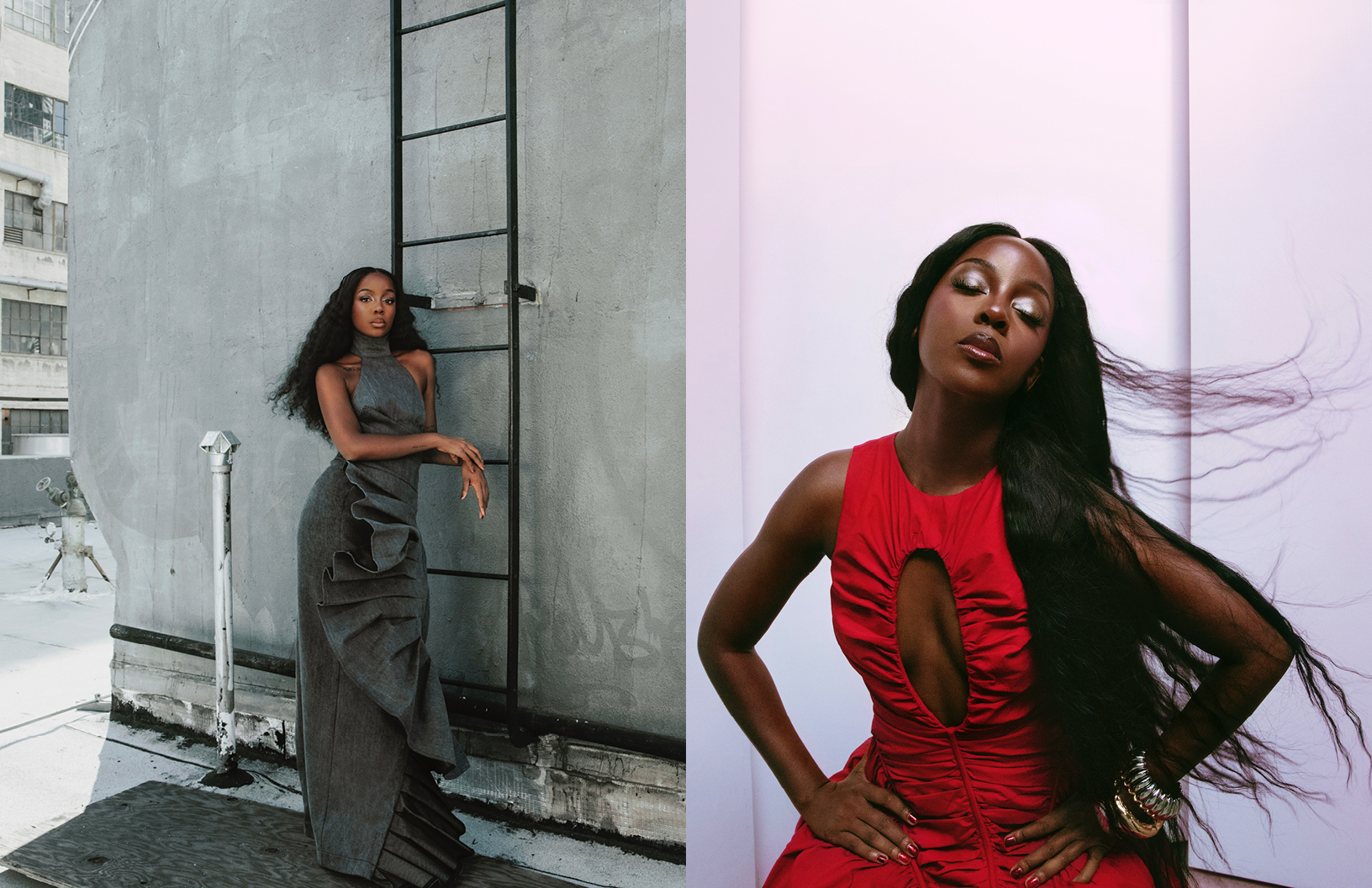
top + skirt. Megan Renee
opposite
dress. 1389 Woodliff
What kind of research or preparation helped you step into Aleah’s world and experiences?
When I was doing research, reading case studies or watching YouTube videos of women who were domestic violence survivors, I observed how they hold themselves, even when talking about what they’d gone through. I also did more in-depth searches, specifically looking for women who had survived domestic violence and were in law enforcement. Many of them entered the field because when they tried to report their abuse, they were dismissed. They wanted to make sure that wouldn’t happen to the next person.
While you were going through those real life examples, were there particular resources or conversations that stayed with you?
There was one woman, I think she was from the UK, who was a chief of police and had endured domestic violence from her husband for a long time. I watched a press conference where she shared her story publicly for the first time. I connected with her stillness—if you just looked at her face, you might think she was completely disconnected from what she was saying. But observing her body language, you could see the tension she was holding in, which came through in her voice. The mic picked up subtle things, like the rhythm of her swallowing, showing how hard she was trying to remain in control. That became the decision I also made for Aleah.
One thing that struck me personally was that, despite what she has gone through, Aleah is a character that is anything but fragile.
Oh, absolutely, Aleah has dealt with a lot and yet, she will not go down without a fight. That’s the energy I really appreciated about Aleah because I feel like many of us could afford to do that, but we’ve been taught to shrink back.
It is something I actually have to remind myself of in this industry. When you get to Hollywood, and there are big names everywhere, it can be overwhelming, but the truth is – you auditioned, and you’re here on merit. Stand your ground and don’t shrink back.
I love the parallel you just drew to Hollywood because when I was watching the show I was thinking that, in a way, an ensemble in real life is a lot like the one we see on Task — a group of people assembled, sometimes without any prior connection, all working toward a shared goal. How did the dynamic within the cast compare to the dynamic within the story?
Yes, there’s quite a parallel, actually. It differs project to project, but I’m naturally introverted, so I usually observe before connecting, but on set, there’s no time for that. What was different with Task was that my character didn’t actually need to get along with the others at all.
I lost a really good friend a week before shooting. Production was incredibly kind and supportive, but because of the loss, I stayed home, sorting through my emotions. With time, I tried to return to the mentality of learning as much as I could on set. Then I lost another friend, which made me retreat even more. In a way, that aligned with Aleah’s character. It wasn’t nice for me personally, but I was glad it happened on a production where the character could be empathetic to that experience. I could draw on that isolation naturally, rather than forcing it.
Even being somewhat separate worked for the character. Aleah prefers to work solo. Even joining the task force is professional and transactional: “I’m not here to make friends, we’re here to solve this case.” They start with a robbery investigation, which escalates to kidnapping, extending the case longer than planned.
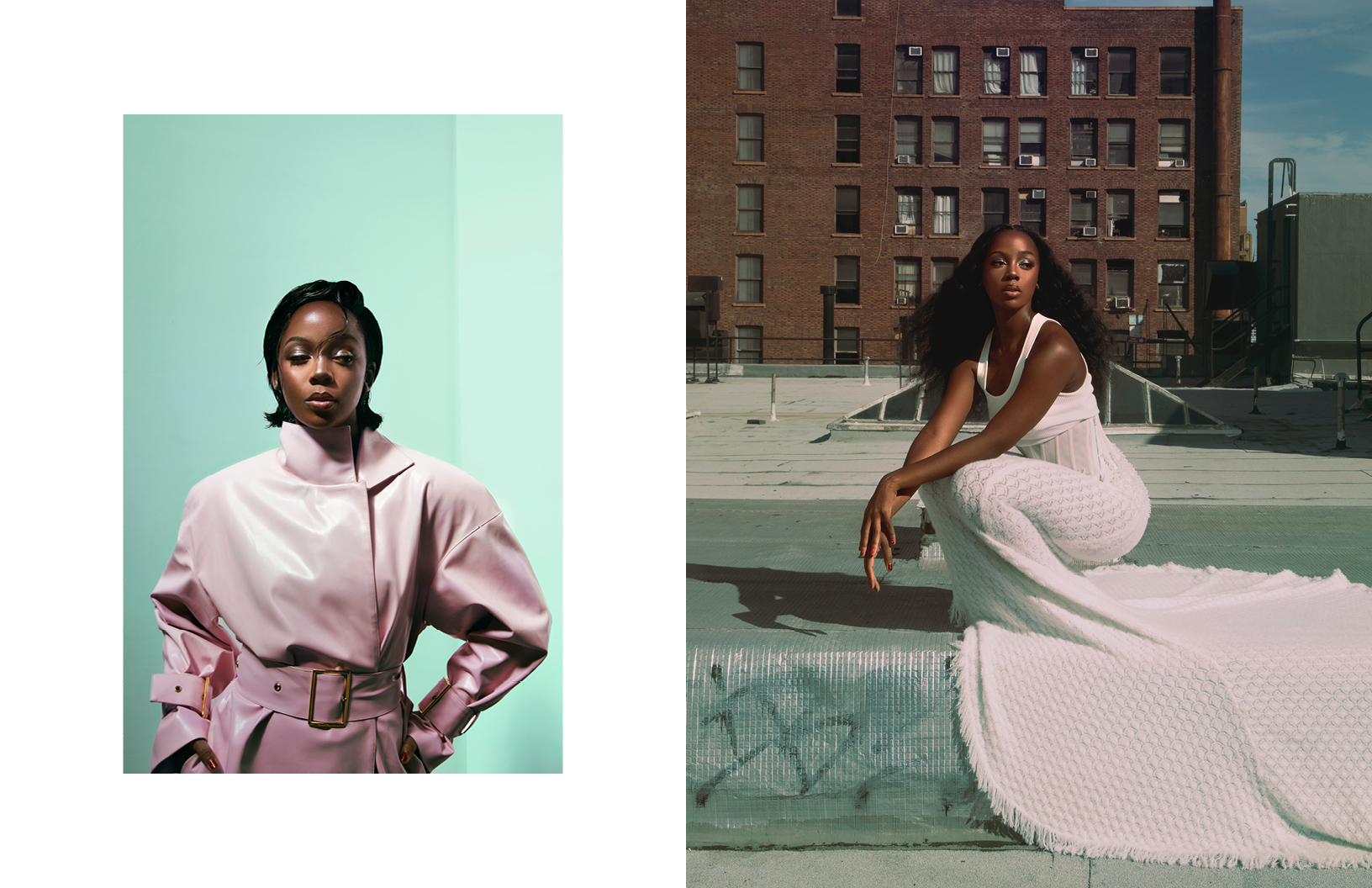
trench coat. Rowen Rose
opposite
top + skirt. Salih Balta
In a way, the story of Task is also about grief and finding light, as well as a question of morality. While it may seem clear-cut at first, it quickly becomes difficult to separate right from wrong, and the ‘good’ from the ‘bad’. When you were filming, did you ever struggle to separate your sense of what’s ‘good’ or ‘bad’ from the different characters choices?
I think for me, and I don’t know if other actors do this, in every script, in every role, when you read it, you shouldn’t be reading it and imposing your morals on the characters. With Task, in telling the stories and removing that judgment, you’re showcasing a human being just trying to survive. Their decision-making might not necessarily be good in the moment, but they’re not bad people.
I imagine the physicality of the role, from the weapons handling to the FBI-gear, also must have helped to get you out of our your mind and body and into character?
Oh yes, let me tell you, those FBI-vests change your posture – I normally slouch, but you can’t slouch in that thing. There’s an authority that comes with it. And honestly? We all felt like the coolest people.
FBI-vests aside, what kind of training and skills did you pick up on over the course of proaction?
During pre-production, we were doing weapons handling and consulting Chief Dave Obzud from the Easttown Township Police Department. We did sessions for weapons and police force training, which we did collectively. That made sense for the task force since our characters would have that training and, whether they liked it or not, knew how to work as a team.
Additionally, Chief David gave us access to his detectives to ask questions and do ride-alongs. Every detective I spoke to, when I mentioned that Aleah was specifically from Chester, their eyes would open wide, and they’d say, “Oh, whoa. She is hardcore,” just because it’s such a tough environment.
The final season of Task wraps up the main storyline for Aleah and the team, but the show’s universe feels open-ended. Do you see opportunities for the story, or the characters, to continue in the future?
Yes, with Aleah, the last time we see her is after things have gone down, but we had actually shot a scene between her and Martha that set the character up for something super fun. It was cut because the show was too long, and the audience won’t miss it.
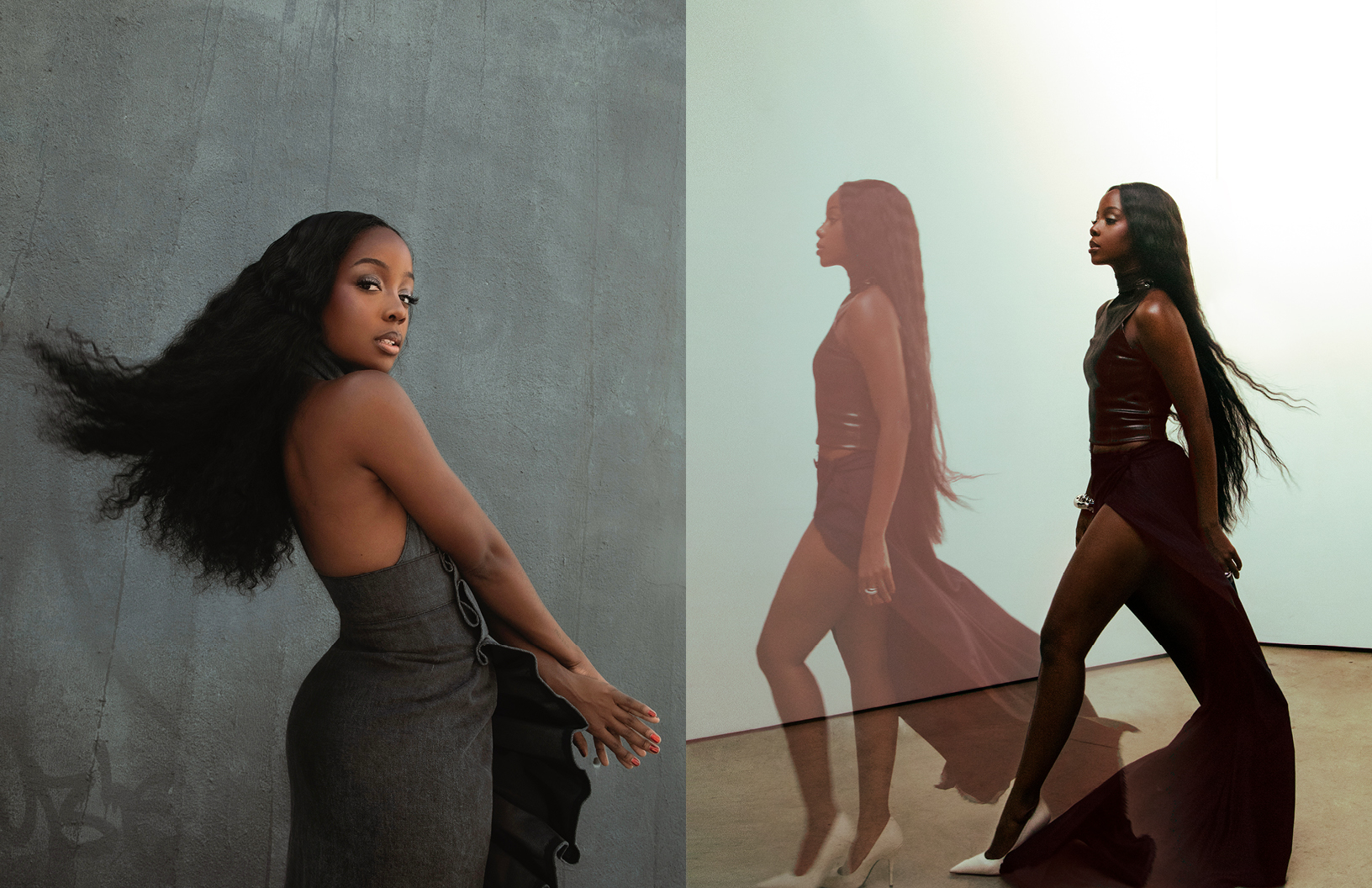
top + skirt. Megan Renee
opposite
top. Margier Paris
skirt. Salih Balta
heels. FLOR DE MARIA bracelets + ring. Alexis Bittar
I think that’s one of the really cool things about the universe of Task: it doesn’t feel closed. There’s always potential for more to come out of it. Maybe we’ll see Mare and Tom meet at some point?
Hopefully, they won’t sit down to drink together, but yes, I truly hope we’ll return to the universe around Task again and hear more of the ‘Delco’ accent in the future…
Oh god, I was so lucky because before we even started dialect coaching, they decided not to give her a specifically Philly or ‘Delco’ accent. African-American is fine, they decided, she would have moved away for school anyway. But everybody else did such a great job, I am really proud of them.
Going back to the idea of a reunion, you’re about to have one with Gina Prince-Bythewood for Children of Blood and Bone…
Yeah, I first read the book in 2015, after arriving in the US. The first thing my agent did was give me this book and said, “Take a look and let me know.” I fell in love with it immediately. I remember thinking about it while shooting The Underground Railroad, and I really wanted to be part of the story.
Having worked with Gina on The Woman King and then getting the opportunity to work with her here again was exciting. When we previously worked together, we were learning each other’s directing style and what one brings to the performance. Coming into this project, it felt like we were truly speaking the same language.
Children of Blood and Bone is set for a 2027 release, so while we are already looking into the future, are there roles or genres you haven’t had the chance to explore yet that you’d love to take on?
In the future, I would actually like to be challenged with something that really goes heavy into the psychology of a character, to the point where it almost makes them an antagonist. I would love that challenge. I can imagine myself struggling with it in real life because I like being in a place with my characters where I’m questioning whether I can even do it. On the other side of that is growth.
I’ve also never played a lighter, romantic, or comedic character, and that’s something I’d like to explore.
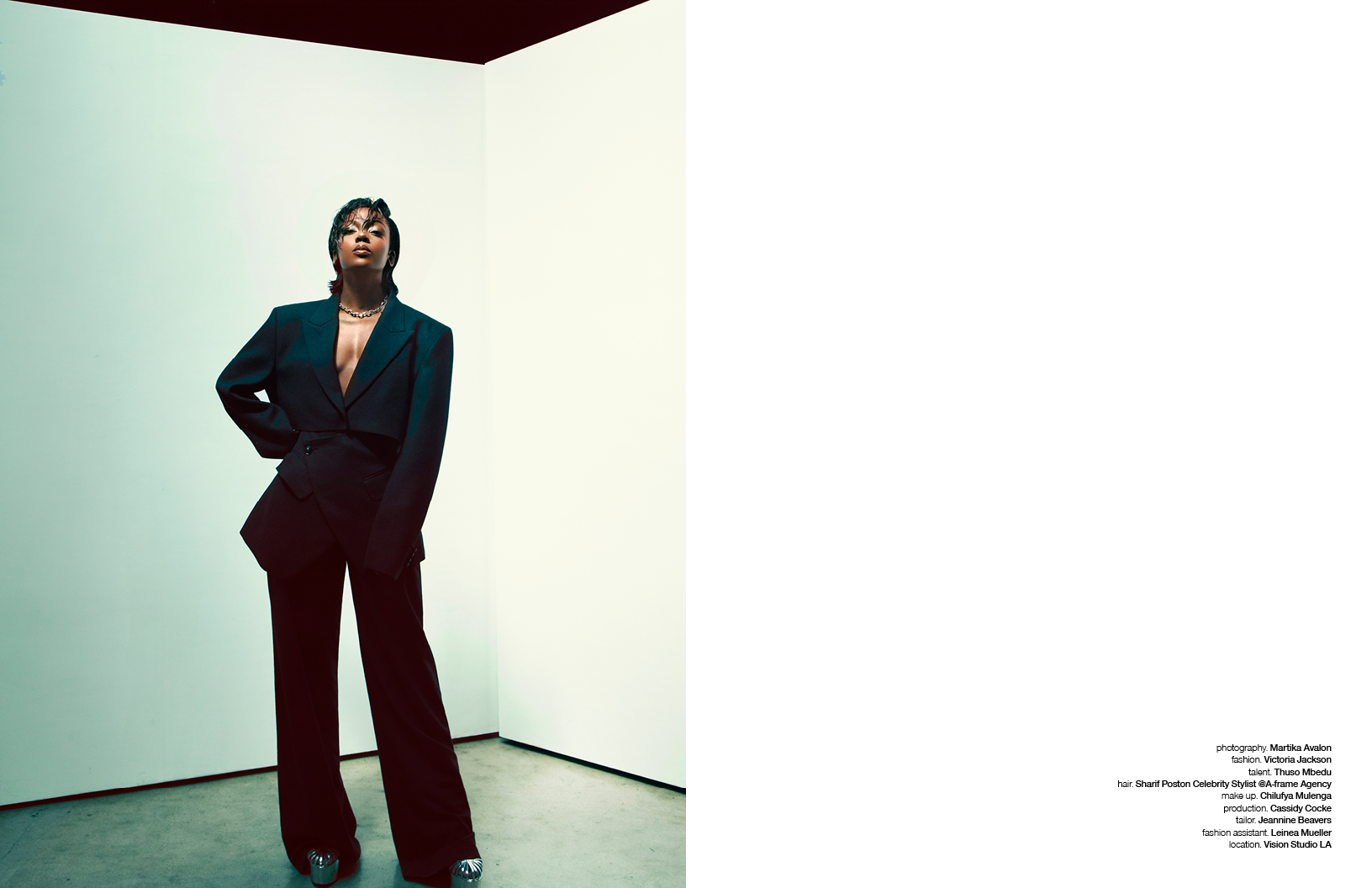
full look. Falguni Shane Peacock
heels. Alevi Milano
Task is airing now on HBO.
photography. Martika Avalon
fashion. Victoria Jackson
talent. Thuso Mbedu
hair. Sharif Poston Celebrity Stylist @A-frame Agency
make up. Chilufya Mulenga
production. Cassidy Cocke
tailor. Jeannine Beavers
fashion assistant. Leinea Mueller
location. Vision Studio LA
interview. Jule Scott