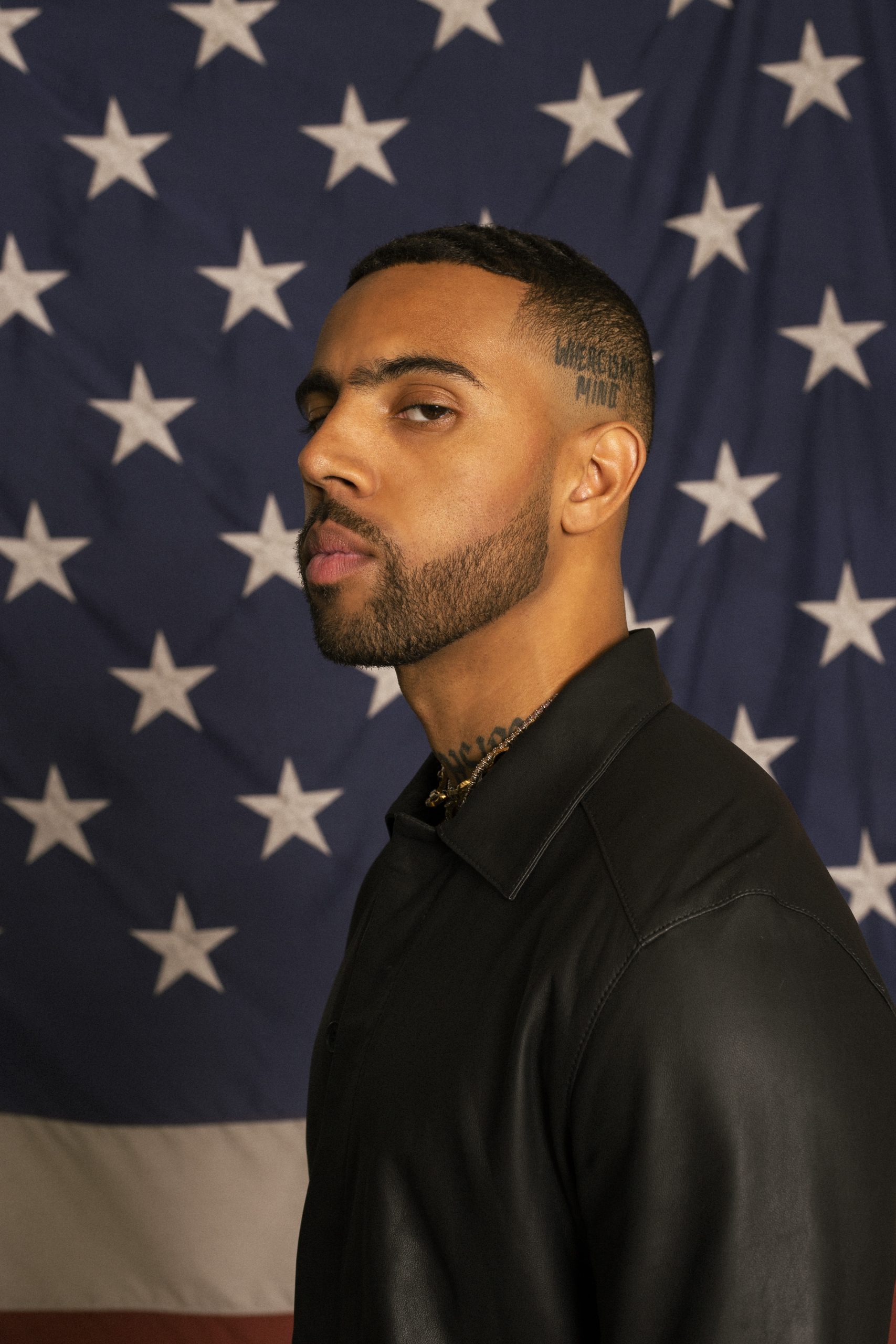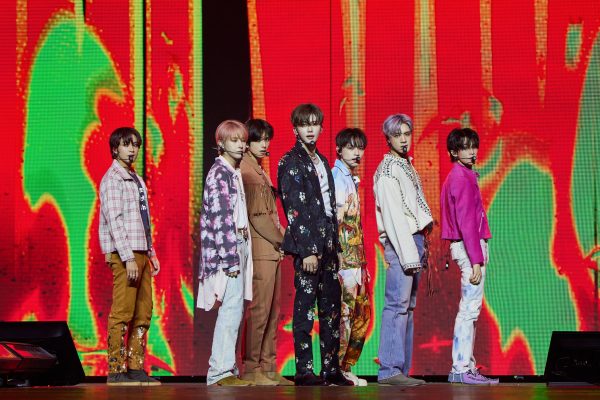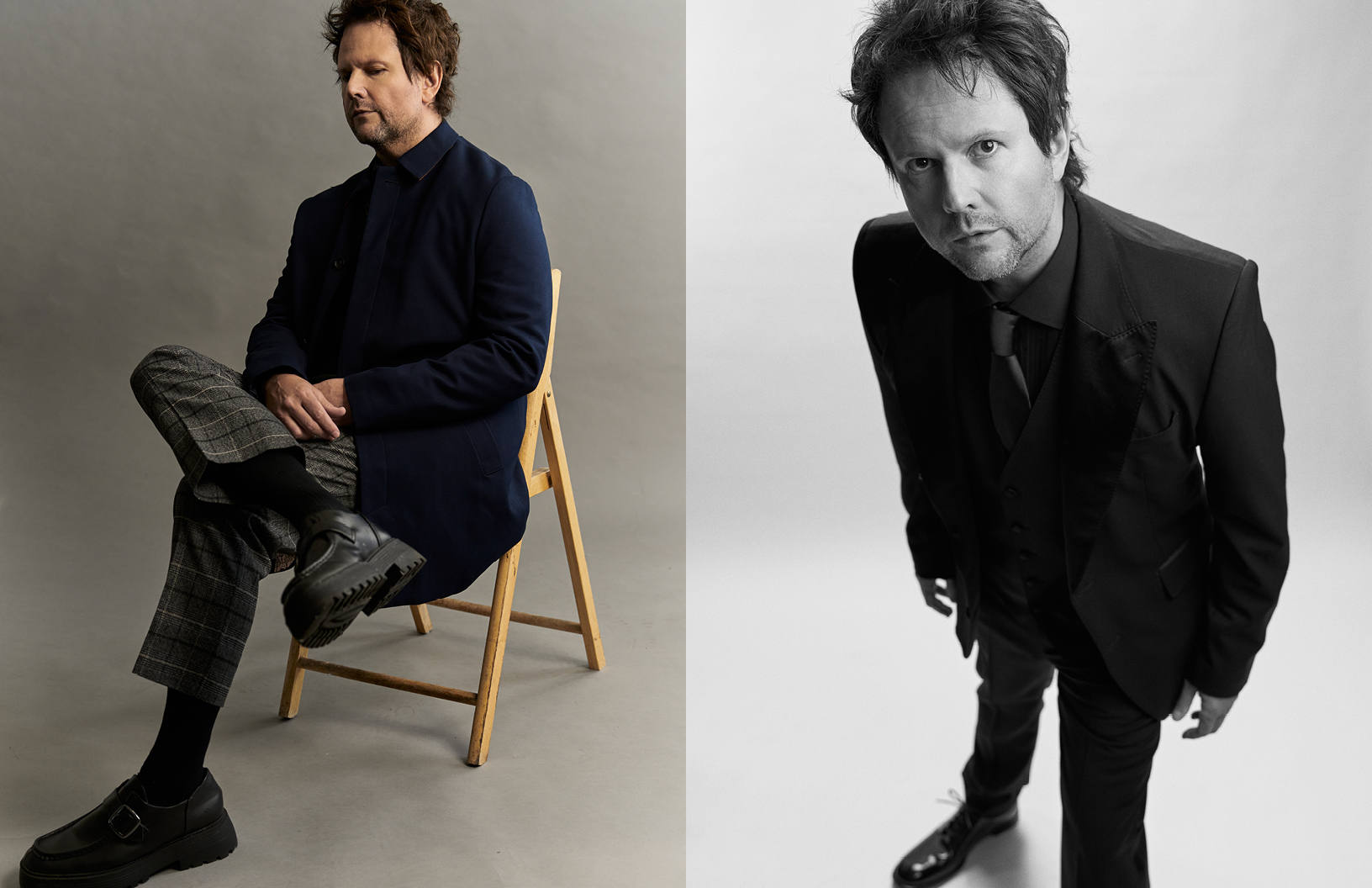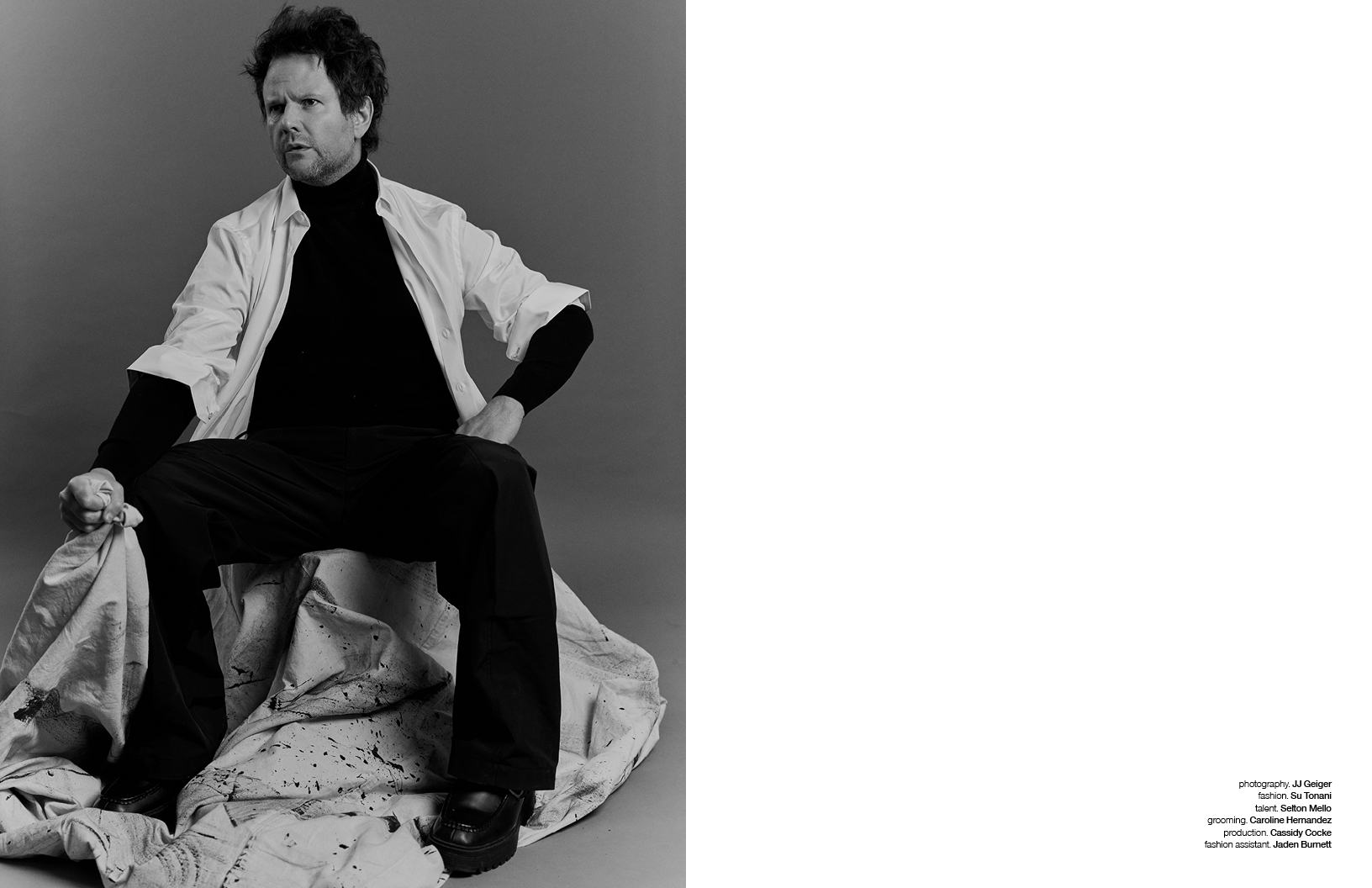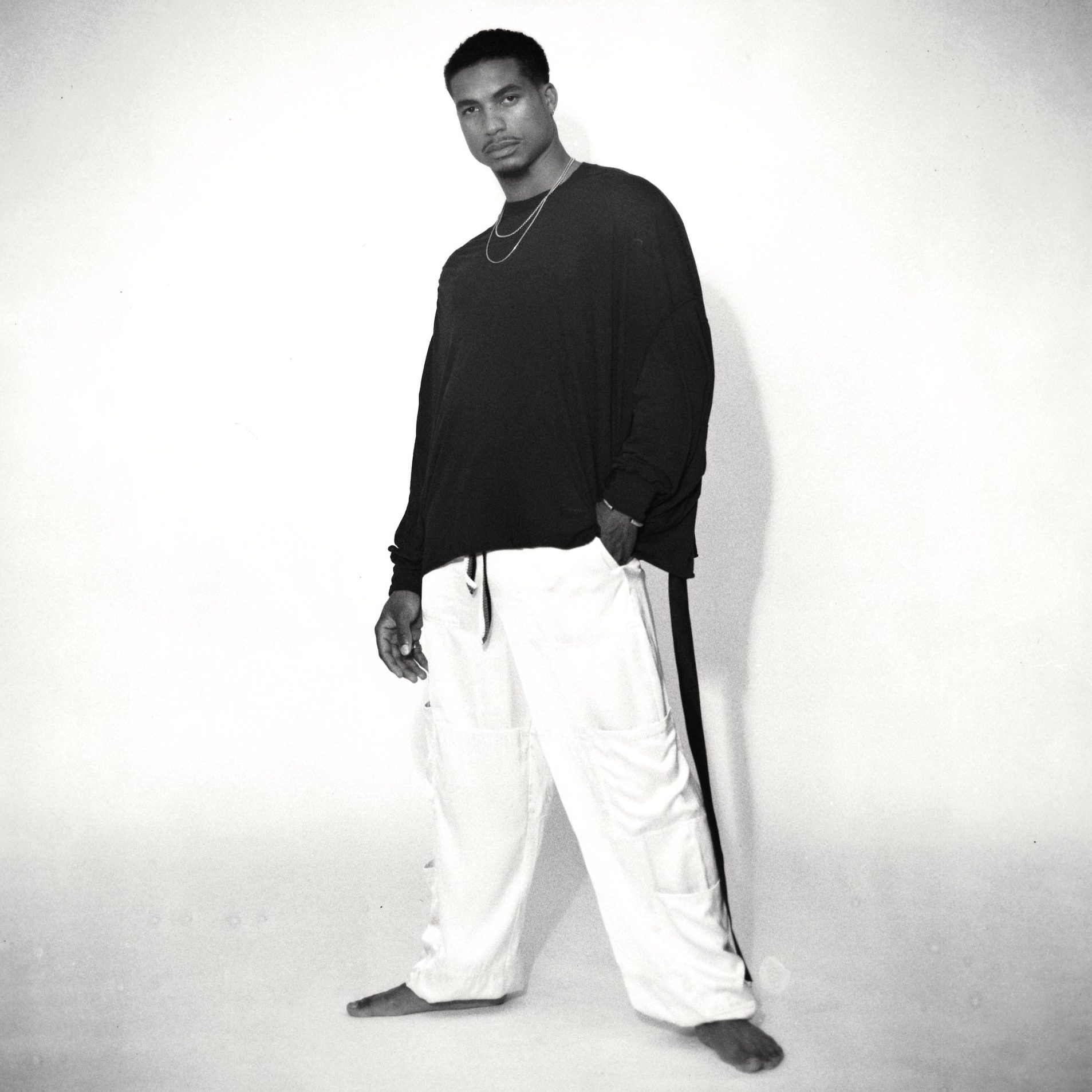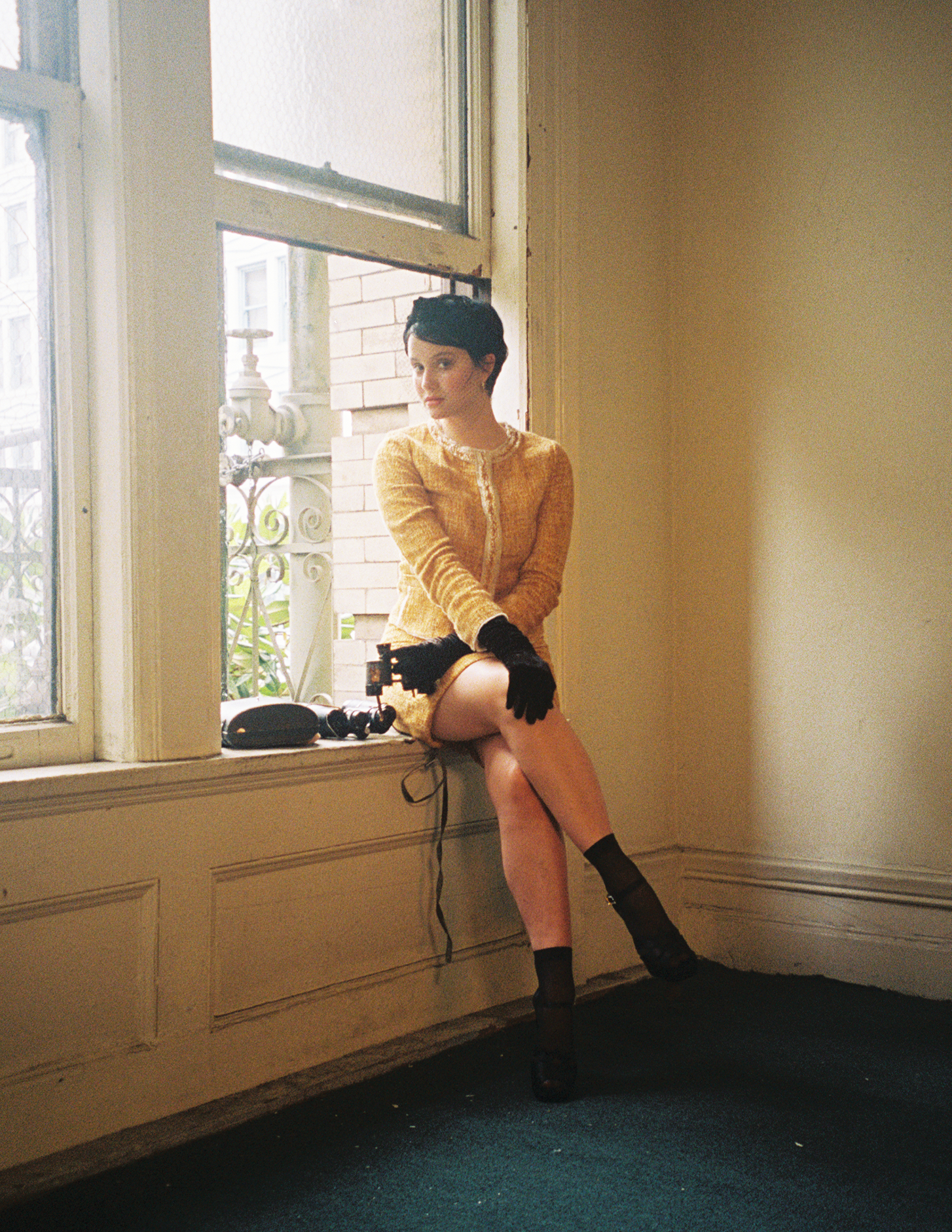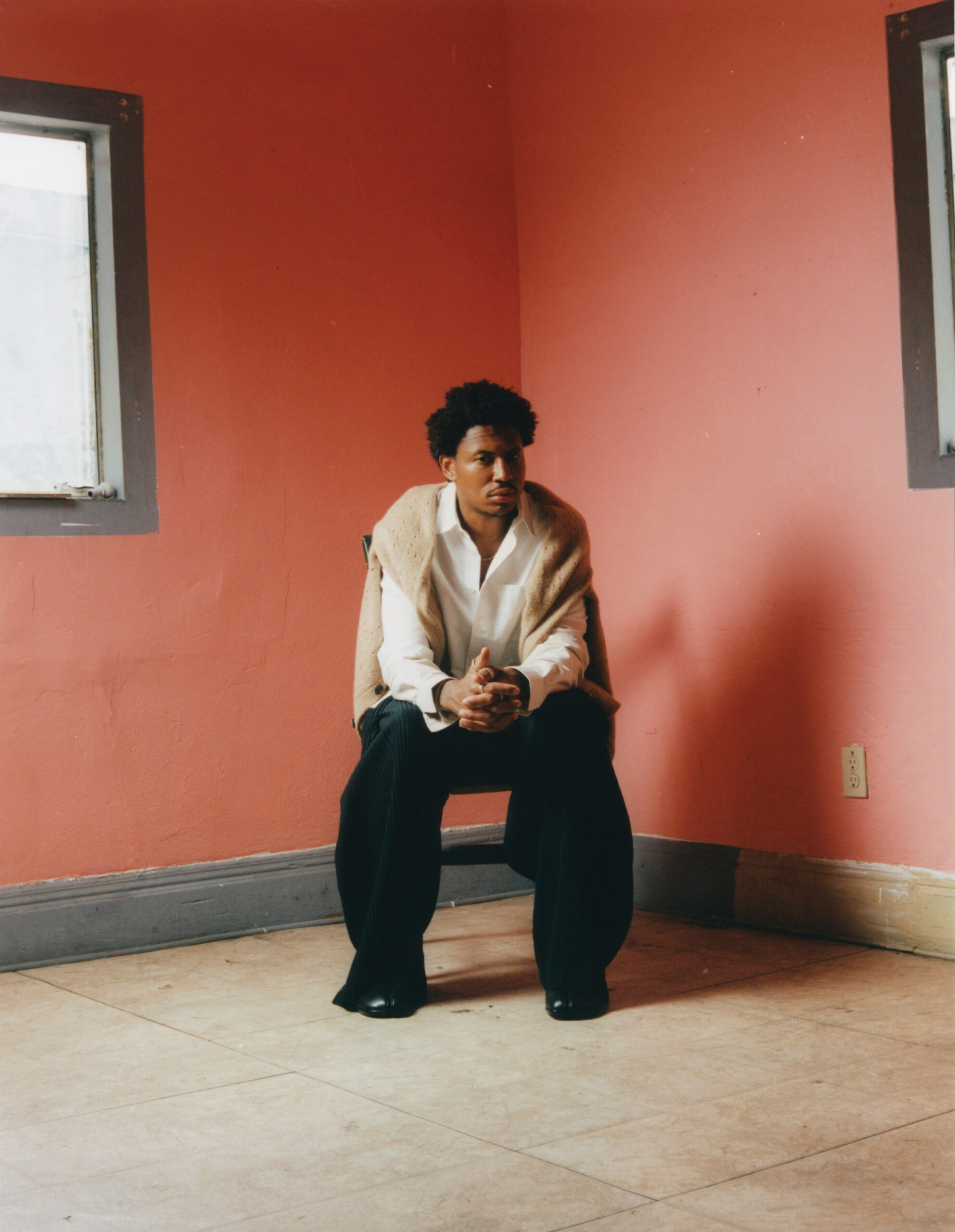



A year after dropping their self-titled 2024 album — a record hailed as both a “career-defining moment” and a “time capsule” of pop-punk maturity — State Champs aren’t exactly interested in standing still. The New York band have spent the past twelve months touring, reinventing, and rediscovering what it means to grow up while keeping their youthful spark intact.
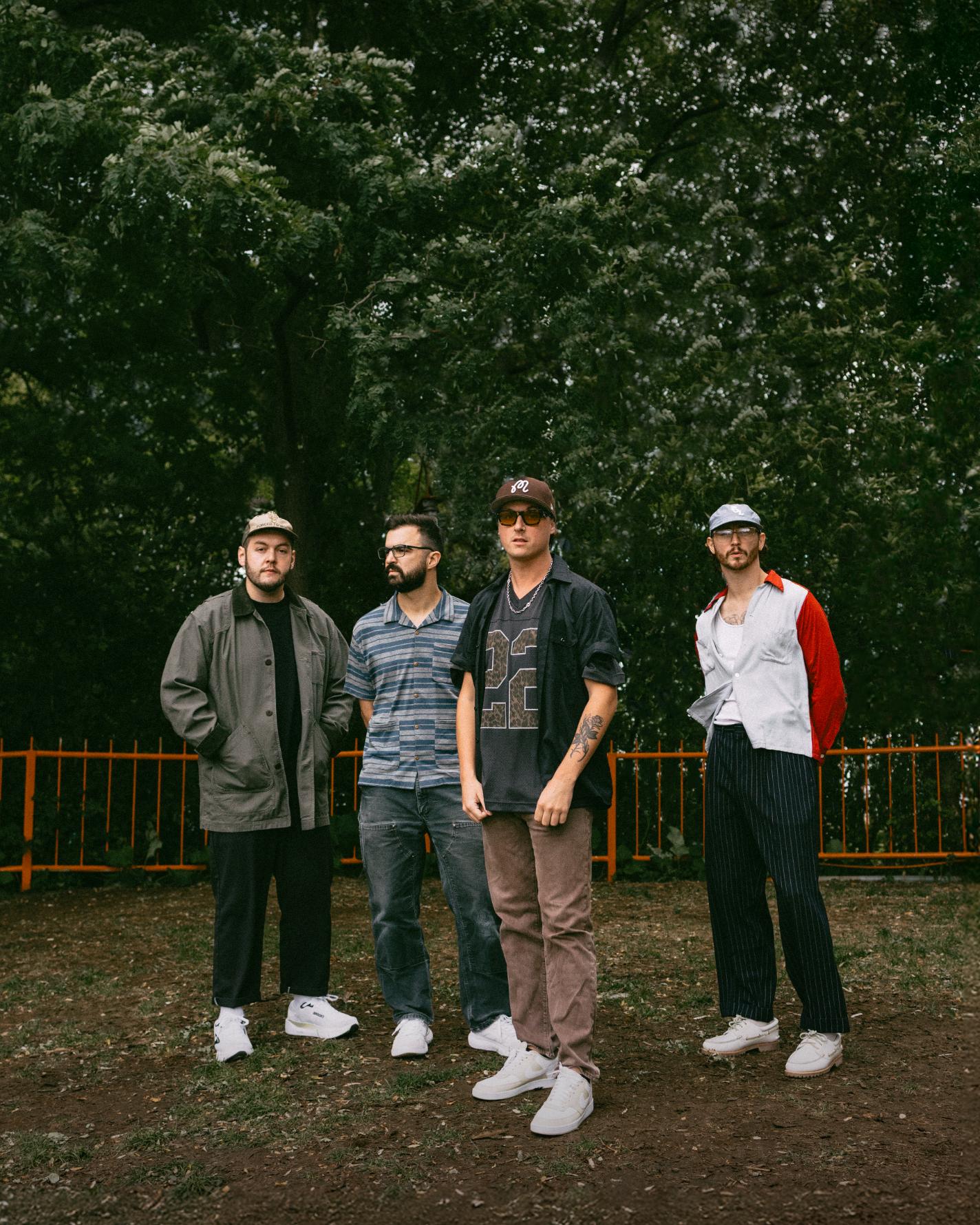
Over fifteen years in, State Champs are no longer the fresh-faced newcomers of pop-punk’s revival era; they’re seasoned songwriters, friends who’ve weathered real life together, and artists learning to embrace vulnerability without losing their edge. Frontman Derek DiScanio, bassist Ryan Scott Graham, drummer Evan Ambrosio and lead guitarist Tyler Szalkowski are redefining what “classic Champs” means in 2025. The cracked trophies that once symbolized their imperfect triumphs have now shattered completely — but instead of loss, the band sees it as rebirth.
In conversation with Schön!, DiScanio and Graham open up about rebuilding from within — from creative independence to emotional honesty — and why destruction can sometimes be the most rewarding form of growth.

Your self-titled album in late 2024 was described as a career-defining “time capsule.” A year later, does it still feel like the definitive State Champs record, or has your perspective already shifted?
Derek: That year, in the years since coming, I don’t think my relationship has really changed. The mindset now makes it rewarding, being that we’re playing some of it live, and it’s been out long enough for the fans to relate to it and tell their own stories from it. I think that’s the part that makes it more of a successful, rewarding nature for us at this point.
Ryan: I feel like we set out to try to cover the bases of our careers. And it’s really cool to see what fans are gravitating toward, what songs mean something to them, and building on that, too. We just put out a new song, and we’re like, it could have easily been on that record, but it also could have been on Around the World and Back or Living Proof. Derek: The fans have been saying stuff like that too, like, “Oh, this feels like classic Champs,” or “classic Champs with a twist,” or something they didn’t think we would ever do, but it still feels like the integrity is there. That was the idea from the start.
Ryan: I mean, it still feels new. We’re playing a song on this tour from that record we haven’t played live yet. Playing it now feels rewarding and gives a new sense of excitement; it’s refreshing, even though it came out a year ago, and we had been listening to it for probably a year before that.
When you release a body of work, do you see this like a chapter closing or a chapter opening?
Ryan: It’s a little bit of both. You work on it so hard behind the scenes. People don’t really understand that. We were writing the songs for about a year, then you start demoing, then recording, then branding and the artwork. There’s so much behind the scenes that isn’t just music. Then, when it comes out, it feels like people listen to it and say, “Okay, cool, album’s out, what’s next?” And I’m like, “Are you kidding me?” People ask, “New music? Does this mean a new record?”
Derek: People’s attention spans only last so long. I also agree it’s probably time. Like next week, people would be asking, “So when are we gonna get something new?” You never really know. And we just want to keep people on the edge of their seats.
Ryan: It’s a great question, honestly, because it does start a different era. Once it comes out, it’s like, “Okay, this is the self-titled era,” or whatever it is. And yeah, I think you take different swings.
I heard the re-recording for “(For The) Hell of It,” which is out in November. It’s a different interpretation — reimagined, very piano-driven, urban, which is interesting for you with your vocals, Derek. What was it about that song in particular that made you want to go in this different direction?
Derek: I think it was the oddball, kind of ballad-y song on the self-titled, so it only made sense. I had always thought it would make a very cool, stripped-down, reimagined ballad version. We had a couple of different ideas for it, but we were able to collaborate with a buddy of ours, Saxl Rose. There’s some saxophone in there, too, and he helped improve the arrangement and layout of this new style of production, taking a total 180 from a sonic point. It’s one of my favourites on the self-titled, so I thought it deserved a rebrand and a second push. I like how it turned out. Very different dynamic.
Ryan: It feels like one of the more accessible songs on the record anyway, so doing another version just made sense.
I listened to a verse of the original and then a verse of the new one. It’s really cool to see the juxtaposition between the two.
Derek: The thing is, it’s still the same song. There are a lot of the same elements that live in both versions. But if someone hears one and then the other, they’d be like, “Whoa.”
Ryan: The hope is that the reimagined version looks new to some people — maybe they haven’t heard the album version. If it reaches somebody, that’s great, because I think we’ve got range. We can do the chill stuff, we’ve done acoustic in the past, and it’s done really well, and then we do the pop-punk stuff. But the new songs are heavy as well. There’s a span — we’re trying to do a little bit of everything.
I want to ask about the imagery of the single — the smashed trophy versus the cracked trophies on the self-titled. That must mean something.
Derek: Yeah. The idea of the trophy is that nothing is ever as perfect as it seems. There are ups and downs, distressing, and weathering. We’ve been doing this longer than we think at this point — we’re 15 years into our band. It’s half of our life, and it’s definitely altered our perception of who we are as a team and as individuals. So the idea of the trophy — besides the obvious “State Champs, champion trophy” being a little too on the nose — is that there are moving parts to everything. Even if there are things that can break you down, you can always put the pieces back together.
I love the concept of redefining perfection, especially as artists. You can never actually get a song perfect. There’s always going to be something where you feel like, “Oh, I could’ve done this differently.”
Derek: It’s almost, in my eyes, a celebration of destruction and rebuilding, if you will.
Ryan: It’s a really good reminder of what we’ve been through too. As Derek said, we’ve been a band for so long, and we’ve had ups and downs — not just as a band, but in personal relationships too. A big part of this record was that our lives had been so different for so long individually. We wanted to get back on the same page, have fun again, be brothers, and make a record that reflects that. That was a conversation we had going into the writing of the record — what’s this going to sound like, what’s it going to be like? I feel really proud that we accomplished that.
Derek: The branding [with the trophy], we thought it was time to do it for the self-titled album, but let’s be intentional about it.
Derek, when the album initially dropped, you discussed going into adulthood and how everybody else in the band was buying homes, having kids, getting married, while you felt a little out of step. I wanted to ask about your relationship with that, and how that has changed for you?
Derek: It’s funny looking back on that now, it feels like a different chapter. I’ve found independence with that, and maybe the process of writing songs like “Too Late to Say” helped. Now, telling the stories after the record’s been out and realizing how much it connected with other people — even friends and peers — kind of made me grow up a little bit. I think, “Damn, that feels like ages ago now,” but everything is still growing. It always feels like we’ll be kids living this lifestyle. But with that comes struggles — making decisions like moving into a place on your own, starting a family, buying a house. There are more steps as we grow, and maybe there will be more songs that come with each chapter. It feels like I’ve taught myself and learned from my own words, in a way.
Ryan: I was gonna say, to me it felt like I was watching someone’s therapy as we were writing.
Derek: Yeah, which was scary to me.
Yeah, because the idea of being perceived as a songwriter is terrifying, but to be perceived by your peers in such a vulnerable way — that’s the scariest thing.
Derek: I used to just write words and hope they sounded good. Now it’s like, “No, let’s talk about this first. How does it really make you feel?” And that makes the song so much better. It really does, every time.
Ryan: Each record was a little different, too. Derek would bring us something, and I’d go through it, maybe with a red pen, crossing things out, saying, “This part doesn’t make sense,” or, “Maybe this is what you mean. Let’s refine it.”
Derek: He’s being humble. He’d say, “This doesn’t make any sense at all. What are you really trying to say?”
Ryan: It was like, “All right, Derek, sit down and talk to me. What do you want to say? Let’s start there.”
Derek: I wasn’t really willing to do that before.
Ryan: Exactly. That’s why this record felt different. I was so happy you finally felt comfortable enough to be open about it.
Derek: I don’t know if I’ll ever be fully comfortable being that vulnerable, doing what we do. But it’s a stepping stone each time, and it feels better.
With writing “Common Sense,” where was your mind at?
Derek: I think every relationship is a process, and I’m just telling stories. It’s a time capsule of my own life. This one will always be a “who hurt you” type of song. But that’s music. “Common Sense” was definitely a realization, a lightbulb moment, when it comes to putting your time into something and realizing it wasn’t worth it.
Ryan: Well, not that it wasn’t worth it, but it just wasn’t right. I feel like you learned from that. You’re already a different person than you were when you were in that relationship. Looking back on it, when we were talking about what you wanted to say and stamp the song with, it was like, “I just wish I had known.” But coming out on the other end, you learned a lot.
Derek: Whenever something doesn’t go someone’s way, it’s always “I wish” or “I learned” in hindsight. But with that comes something you can take with you moving forward. There’s a push and pull with both of those ideas, and that’s what “Common Sense” is based around.

Do you feel like you need to write something to get it out of your system?
Derek: Maybe. Maybe that’s just me not wanting to specifically talk about it with someone human — putting it down on paper and subtly sharing it with the world. Almost more of an exposing factor. It’s always clues everywhere. Sometimes I don’t even know what I’m saying, and afterwards I’m like, “Oh shit, yeah, that was really trying to come out.” But now we’re honing in before the song comes out, while we’re still writing it, so we can go more in-depth. My thing was, if you go too specific, people won’t relate to it as much. But that’s not the case. People can still take your specific ideas and say, “Whoa, that reminds me of — ” So I’m getting better and better at that.
I was checking out Reddit earlier, and people are saying your songwriting has really grown — they’re proud of you. Specifically, “Golden Years” — people said that song showed vulnerability they’d never experienced from you.
Derek: I think it’s just us. We considered ourselves the young, fresh, exciting baby band learning our way for so long. But we can’t say that anymore. We’re 15 years in. We’re in our 30s — some married, some with kids. It’s like, no, let’s tell the story. Let’s shed light on what we’ve learned and how we’ve grown. But at the same time, I’m saying we’re still just kids, man. So it’s the balance of both.
Yeah, it’s like the Peter Pan syndrome.
Ryan: It’s about writing age-appropriate music. I don’t want to be the 40-year-old rocker still saying, “I want to party all the time.”
Derek: You can only hate your town for so long — find a better one. “Golden Years” talks about that. You can only hate your town until it’s time to actually do something about it.
What would you guys manifest for yourselves over the next year, as a band or personally?
Derek: As a band, it’s a big page-turning experience right now, and will be over the next couple of years. Mainly about taking independence as a group from the behind-the-scenes, big-picture stuff. From a business standpoint, there are a lot of decisions to be made that I think will ultimately be for the better — keeping us intact and bringing a brighter future. But we’re still deciding what that is.
Ryan: Specifically, yeah. Independence has always been important for us. We’ve been on a small, independent label forever, and it’s been amazing. But I feel like it’s time to take some risks. We’re slowly moving in that direction. What does it look like? We don’t really know yet. We’re having the conversation. Saying it out loud feels like manifestation.
“Common Sense” is out now.
photography. Ian Flynn
interview. Kelsey Barnes
special thanks. Big Picture Media