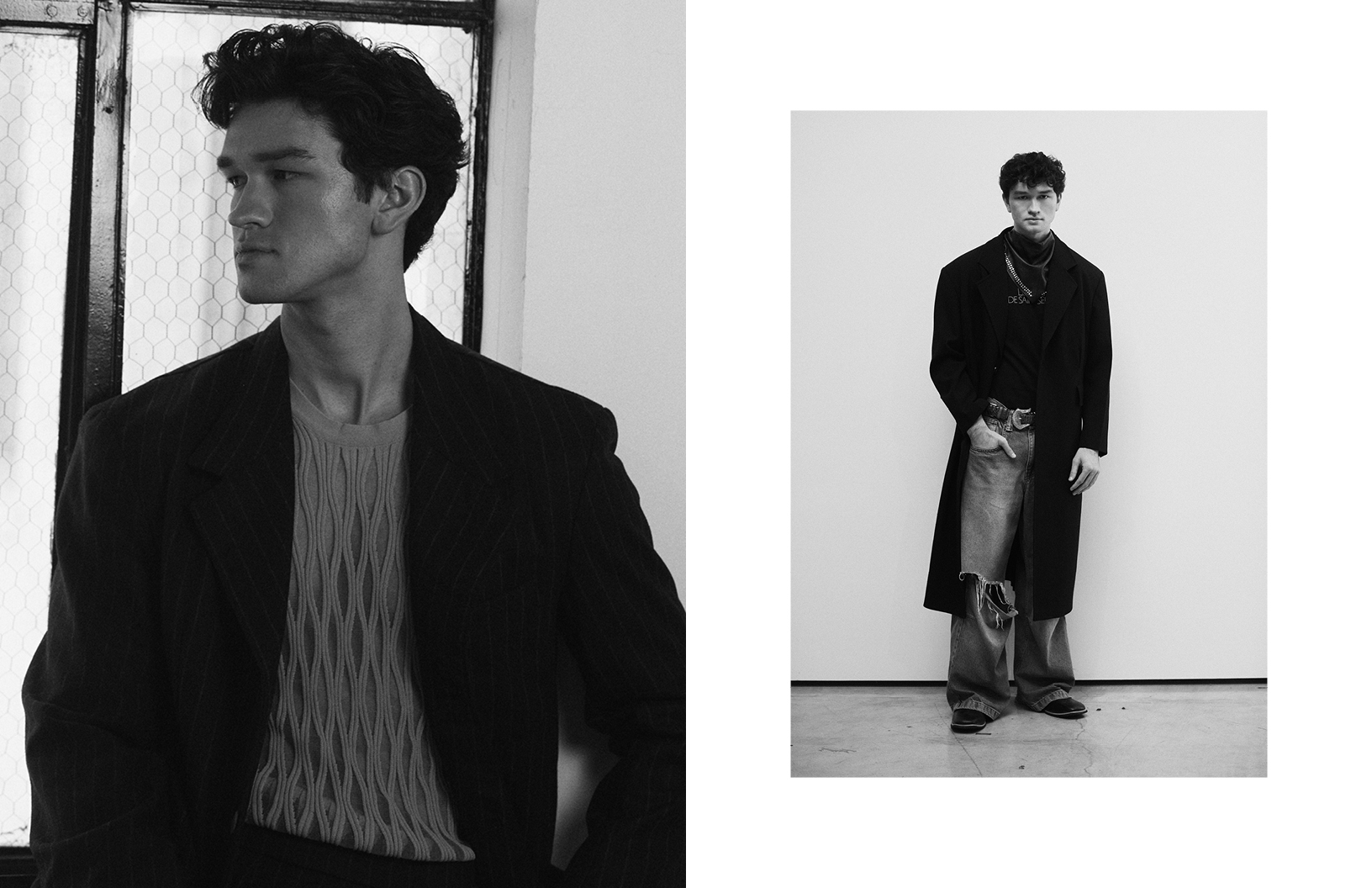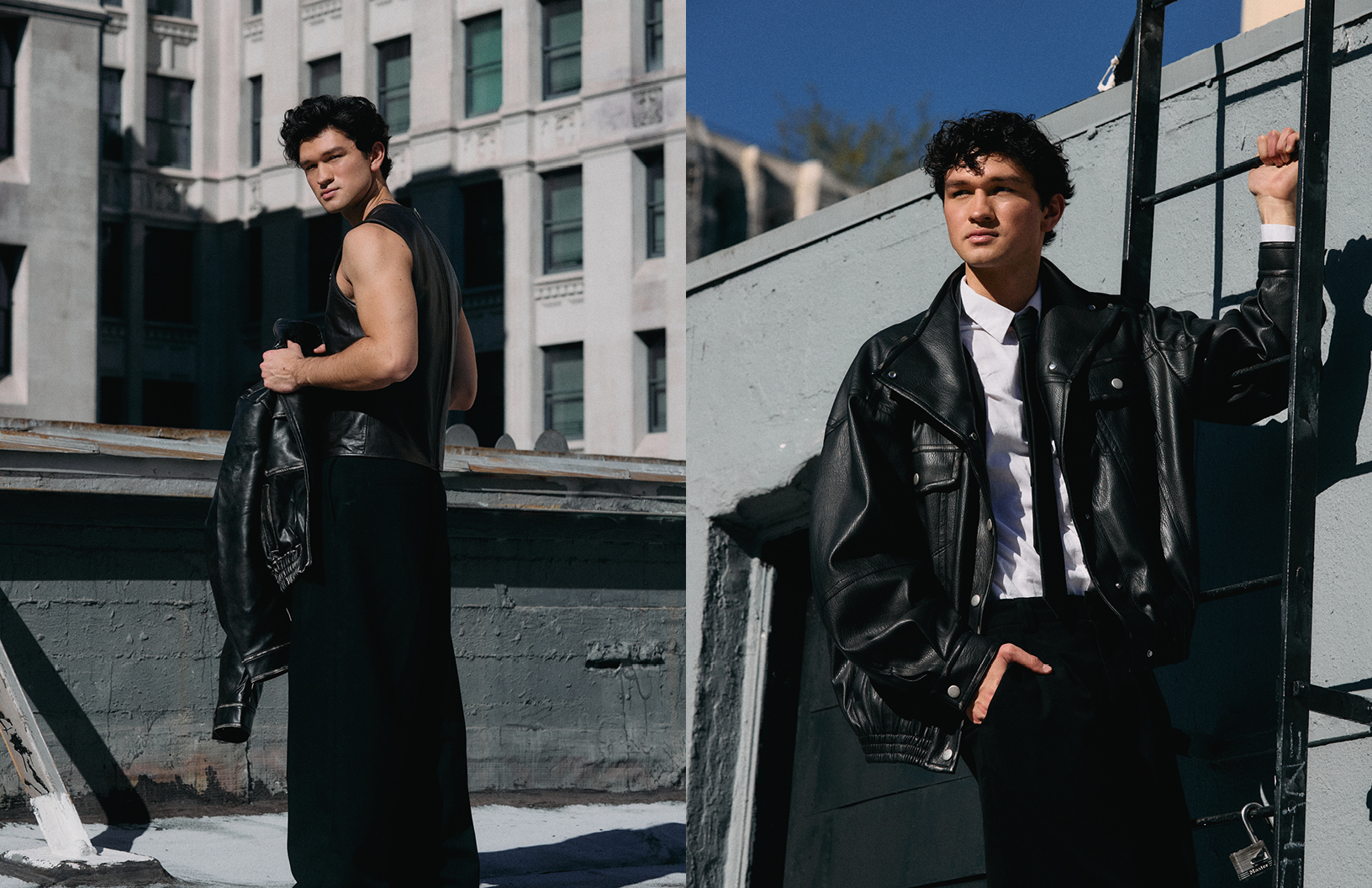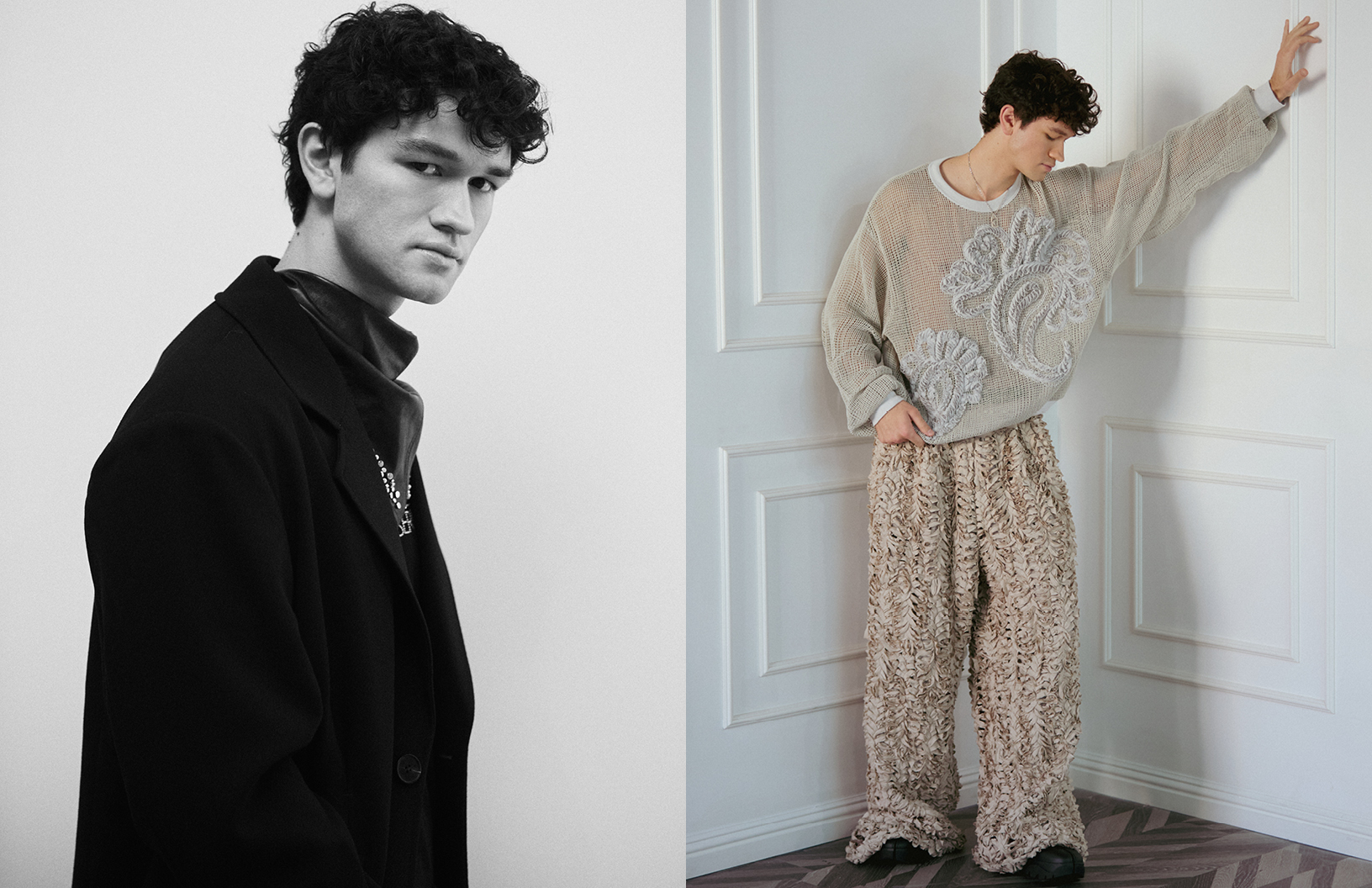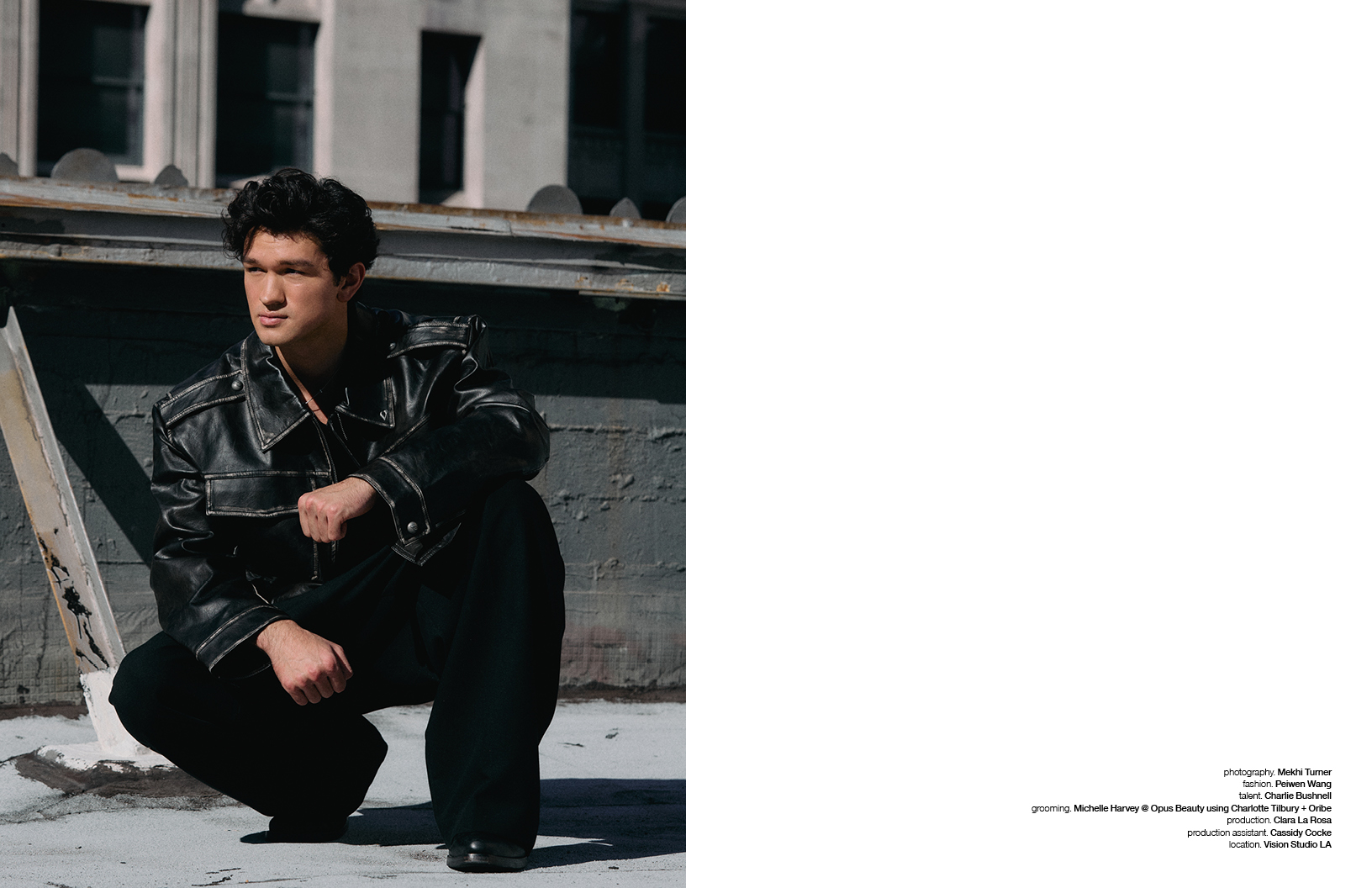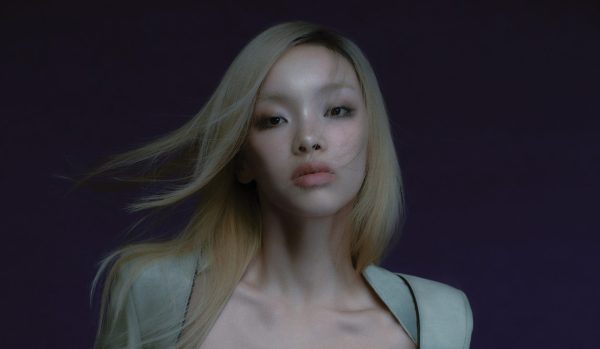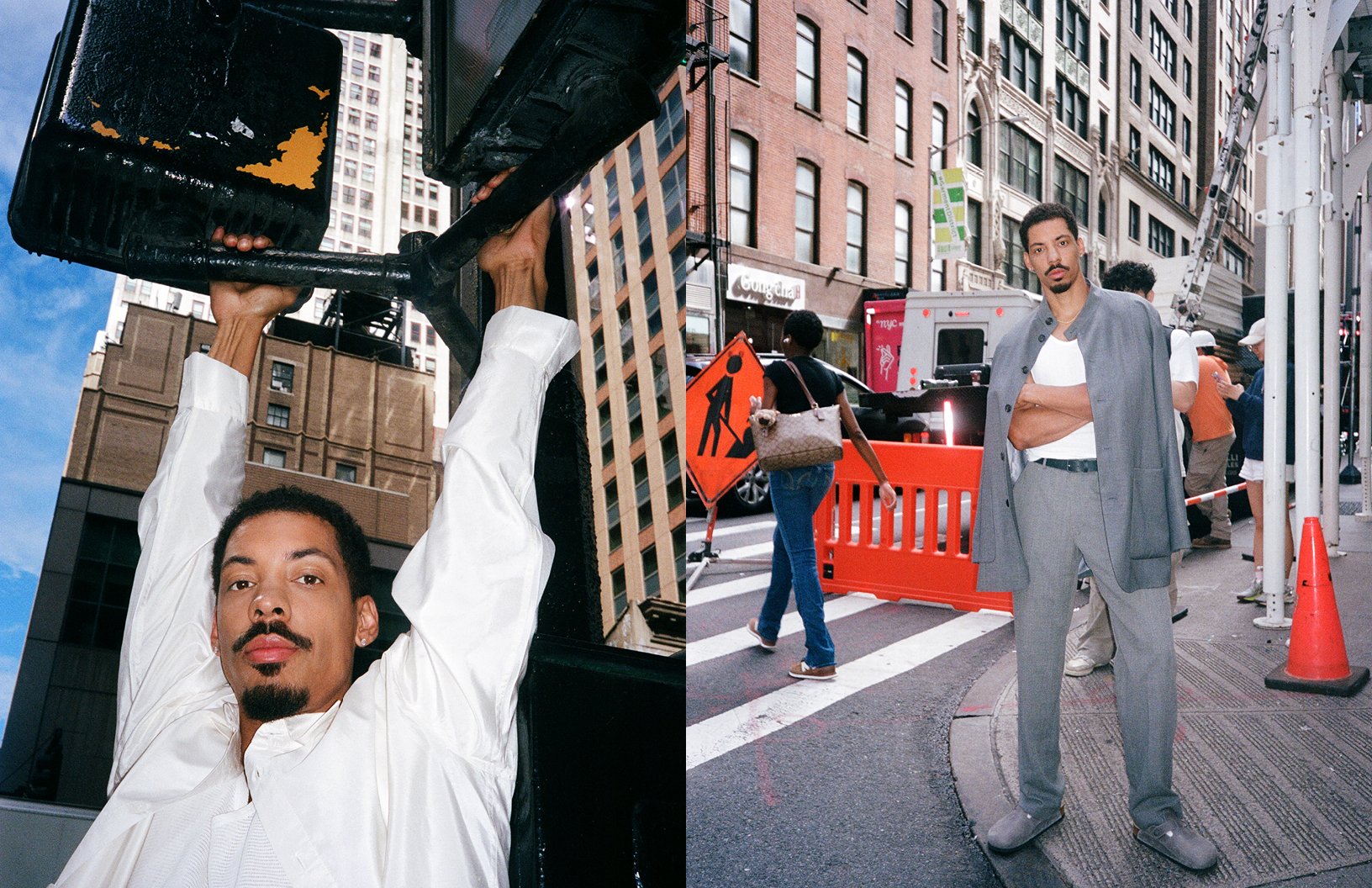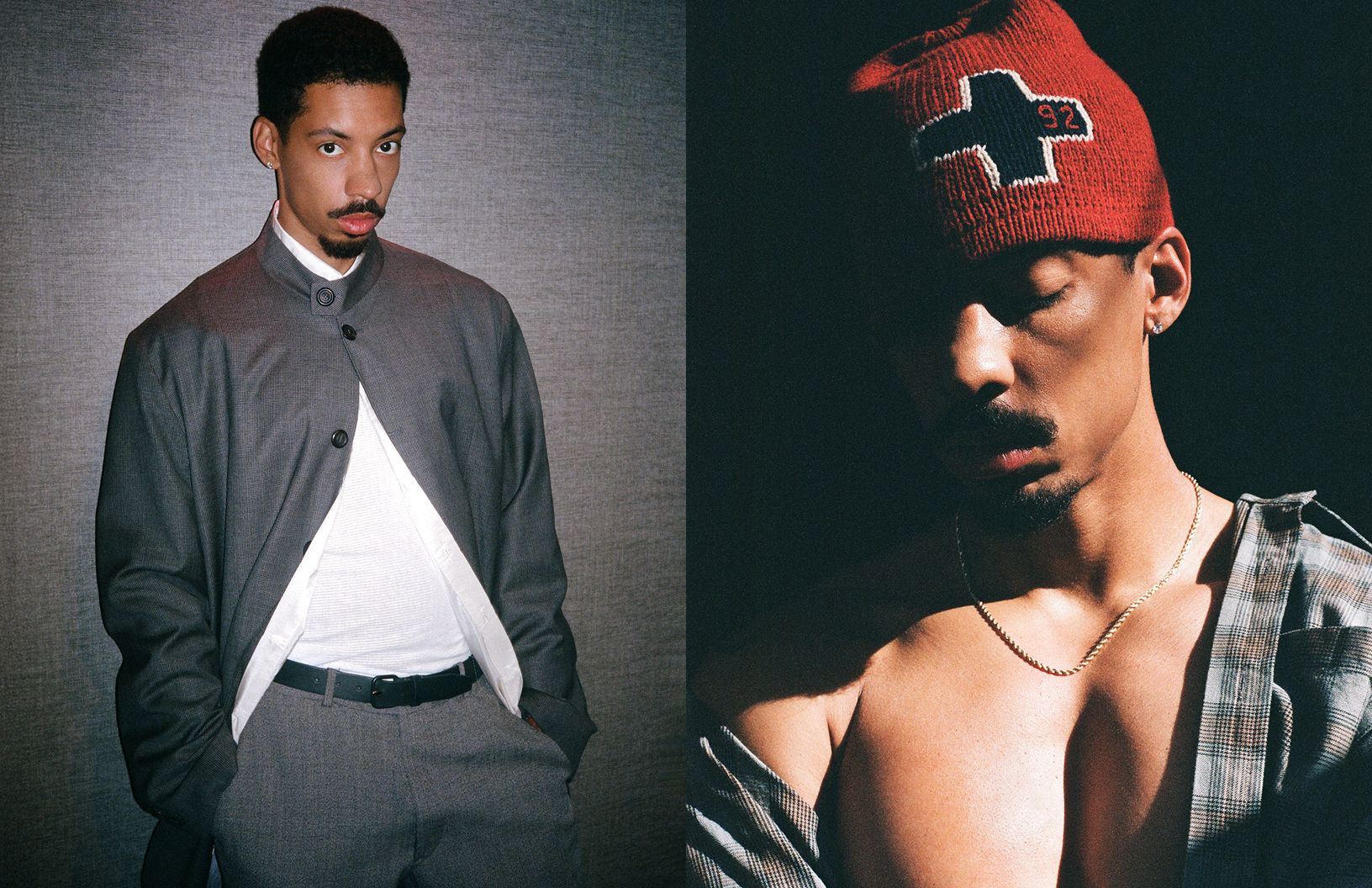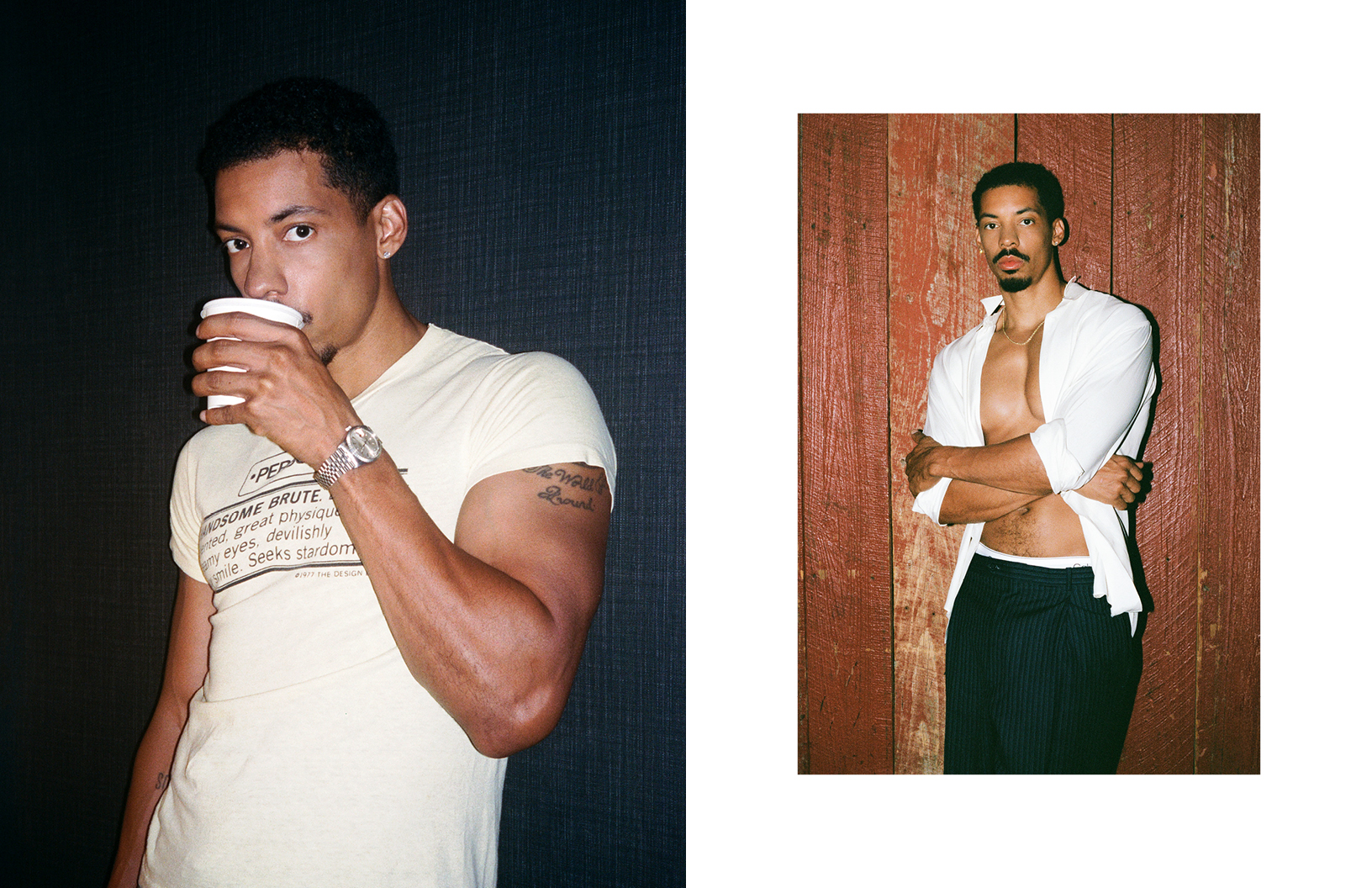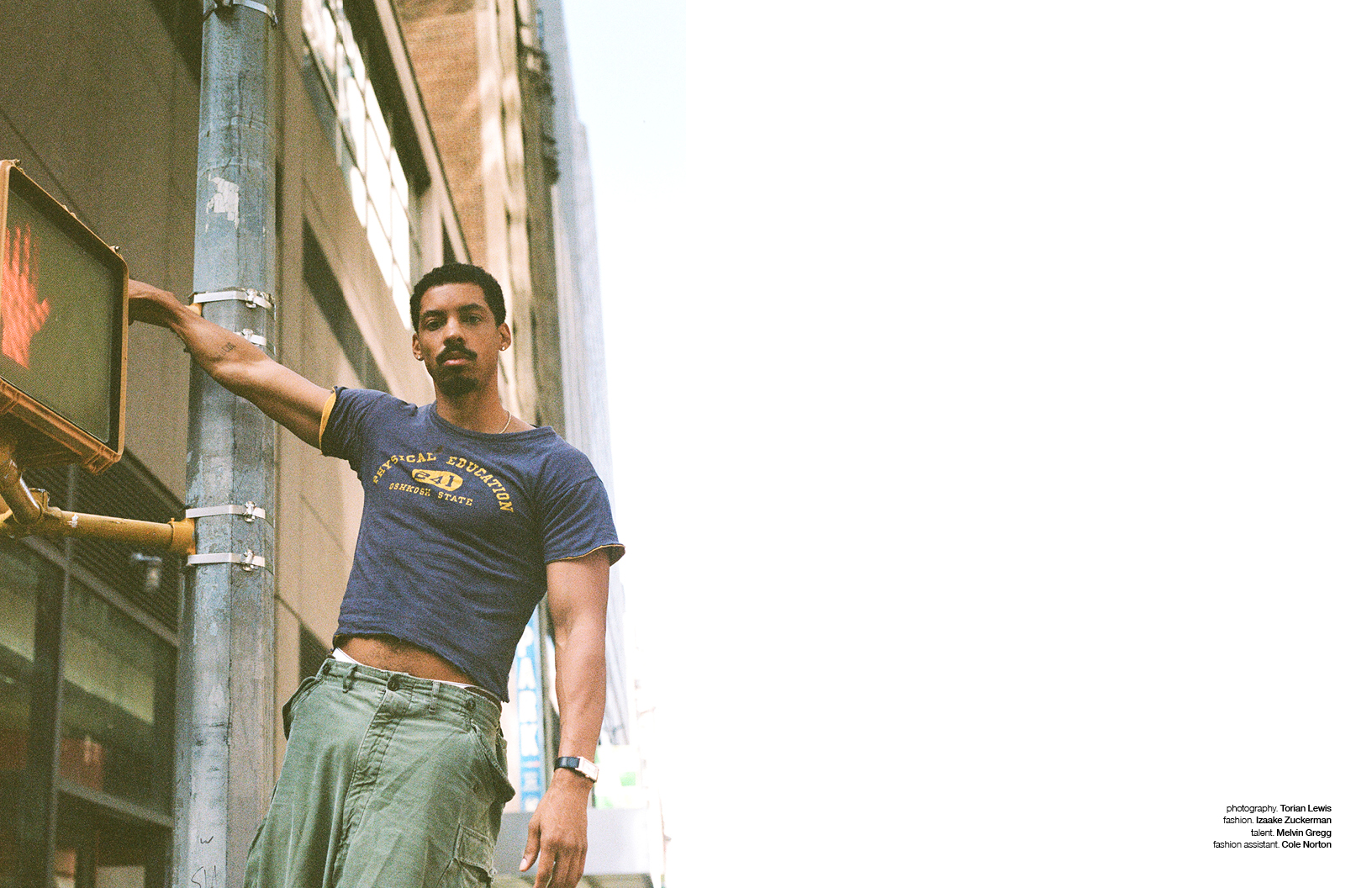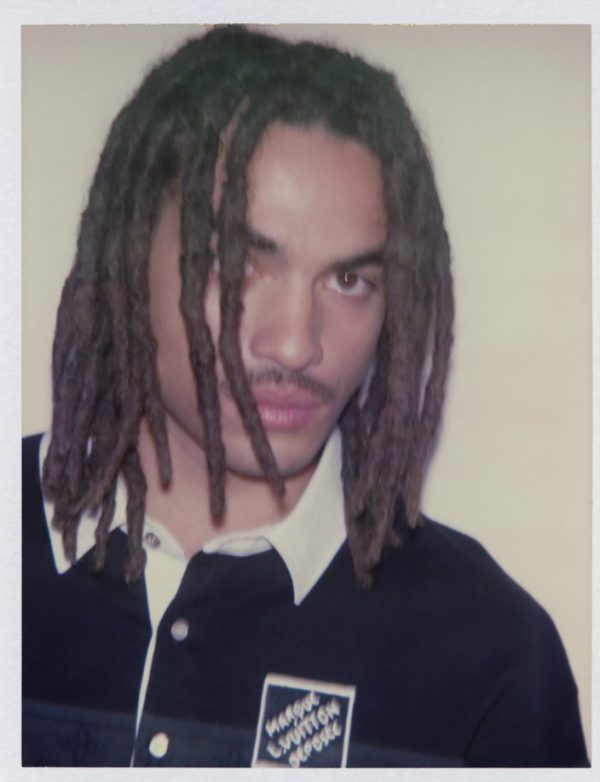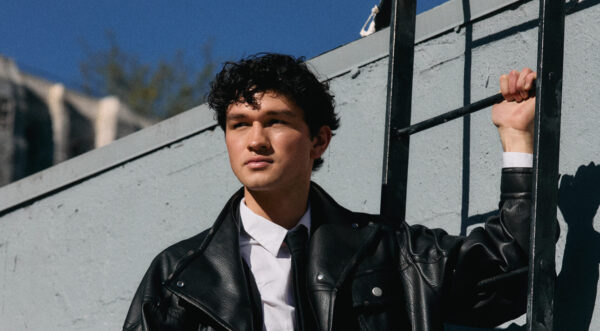


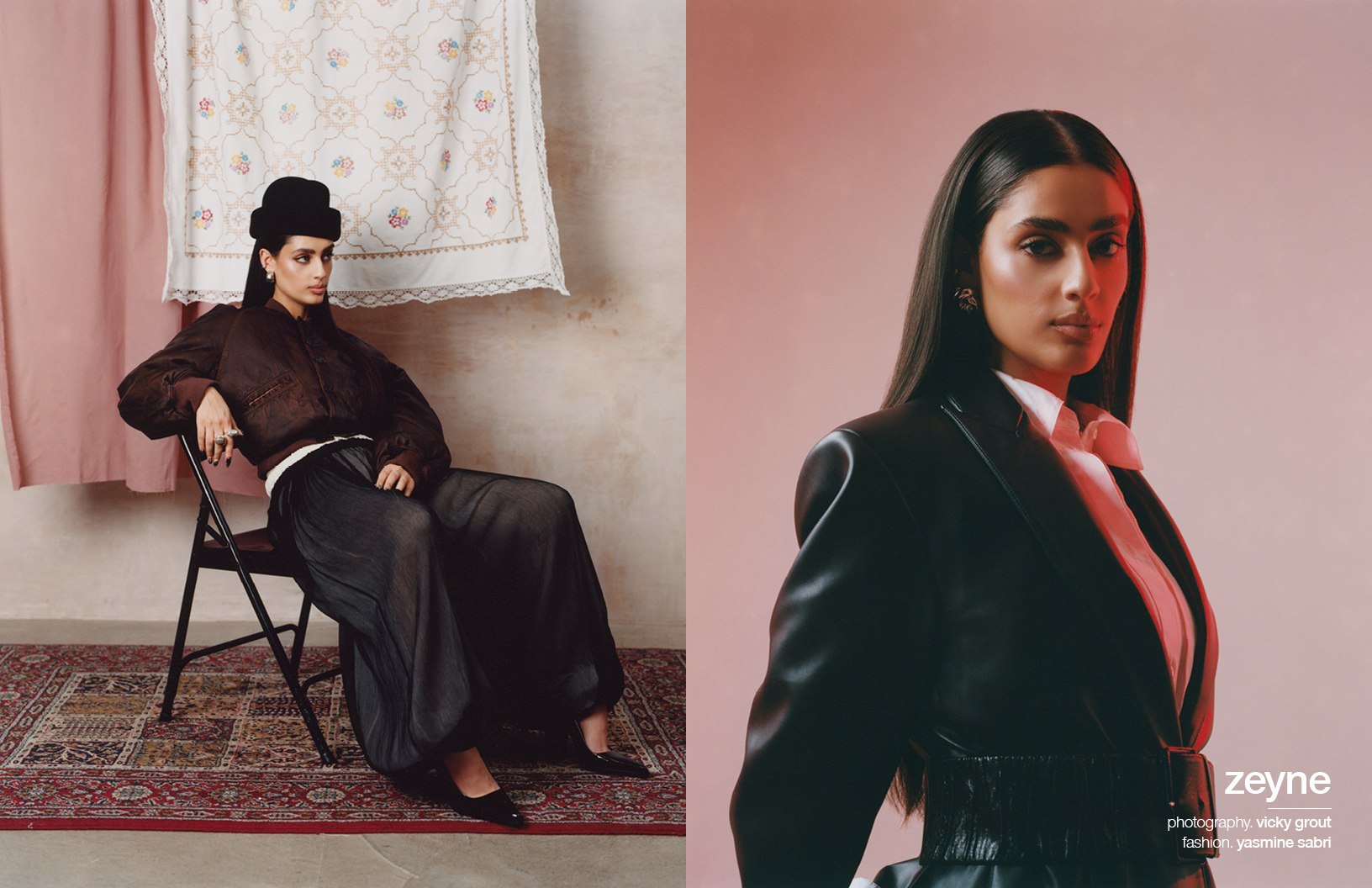
Zeyne is emerging as one of the most compelling voices of her generation. She stands as a modern muse for Arabic music with a clear understanding that the future doesn’t arrive through erasure but through evolution. “It’s the responsibility of us as artists, as filmmakers, as painters to speak up, represent and reflect the times,” she tells Schön! over Zoom.
Everything the Palestinian-Jordanian singer puts forward is done without negotiating her identity. Her debut album ‘AWDA’ — meaning return in Arabic — is an intimate exploration of return to self, to memory and to meaning. Written entirely in Arabic, it tells her story without need for translation as it speaks entirely on its own terms. “That was very intentional. I wanted to tell my story fully in Arabic. The language itself is so beautiful, I didn’t want to include just a few words here and there in English, or in another language, just to make it easier to commercialise,” she says.
Sonically, it’s measured and emotive, leaving as much space for reflection as it does for release. Zeyne explores the arcs of love, grief, mental health, origin, belonging and displacement. These are all personal experiences that inevitably echo collective ones, allowing the album to function as both an intimate diary and a wider cultural statement. “We’ve gone through so much as a community [and] as a region so it talks about returning to so many parts of yourself if you’re ready to confront them,” she explains.
Beyond the music, Zeyne’s visual language is just as considered. She doesn’t reference heritage as an ornament, she inhabits it with the same intention that defines her sound. “That’s one of the few ways we can keep our identity alive. Through art, through dance, through music, through shared memory,” she says.
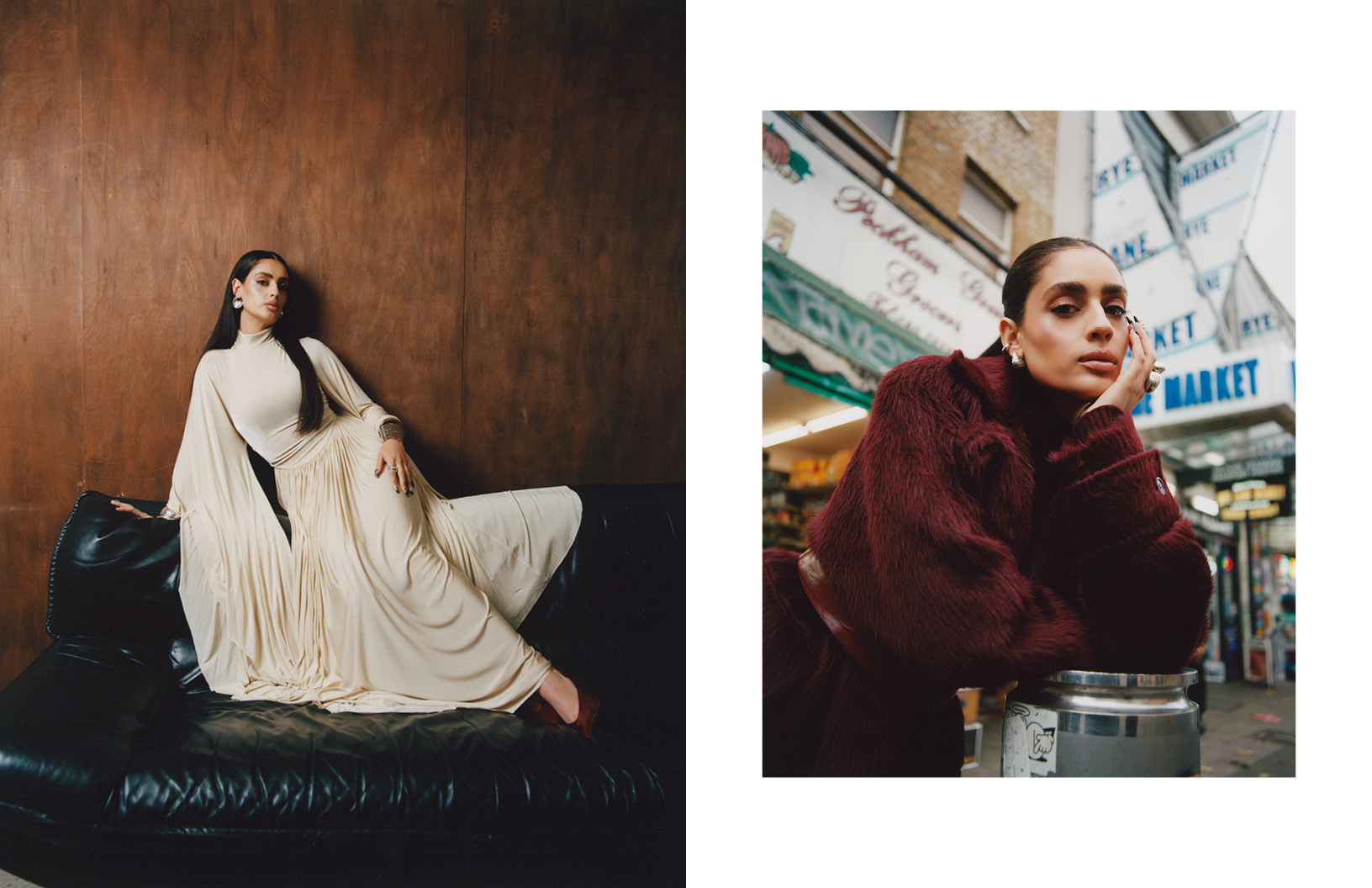
Marrying tradition with contemporary experimentation, her work is rooted in Palestinian ancestry but shaped by a generation that refuses to inherit it passively, instead making space where there was once friction. “We always had this imposed narrative on us that we’re just not enough as Arabs,” she says. “I wanted to challenge that and say…we are enough as we are.” In doing so she claims full authorship over the narrative, reshaping the space she moves through rather than asking to enter it.
To experience Zeyne is to witness a return that looks forward. She is a reminder that identity, when embraced fully, can be both an anchor and a horizon. Fresh from her tour of the Gulf, Schön!’s 2025 Rising Star opens up about keeping her culture alive, the rise of Arab stars in mainstream music and how she’d love to take legendary Lebanese singer Fairuz out for lunch.
Hey Zeyne, thank you for joining us! You released your debut album ‘AWDA’ which means “return” in Arabic. What parts of yourself did this album ask you to return to the most?
I realised that, as I was finishing the album, I had just been writing about the past year and a half of my life. It felt like I lost myself with the amount of things that were happening. Then by the end of it, I felt like I was slowly coming back to myself. It’s truly just a cycle. We’re always going to be going through life, losing ourselves and then finding ourselves again through community and through identity.
Let’s talk about the opening monologue on the first track ‘Asli Ana.’ It introduces these ideas very powerfully. What did starting the album that way mean for you?
The whole album starts with ‘Harrir Akla [Free Your Mind]’ and ‘Asli Ana [My Origin].’ They’re a statement at the beginning of the album to let the listener know exactly who they’re listening to. Someone who is unapologetic about their identity, about who they are, where they come from, their roots, their heritage, their lineage – everything that makes them who they are.
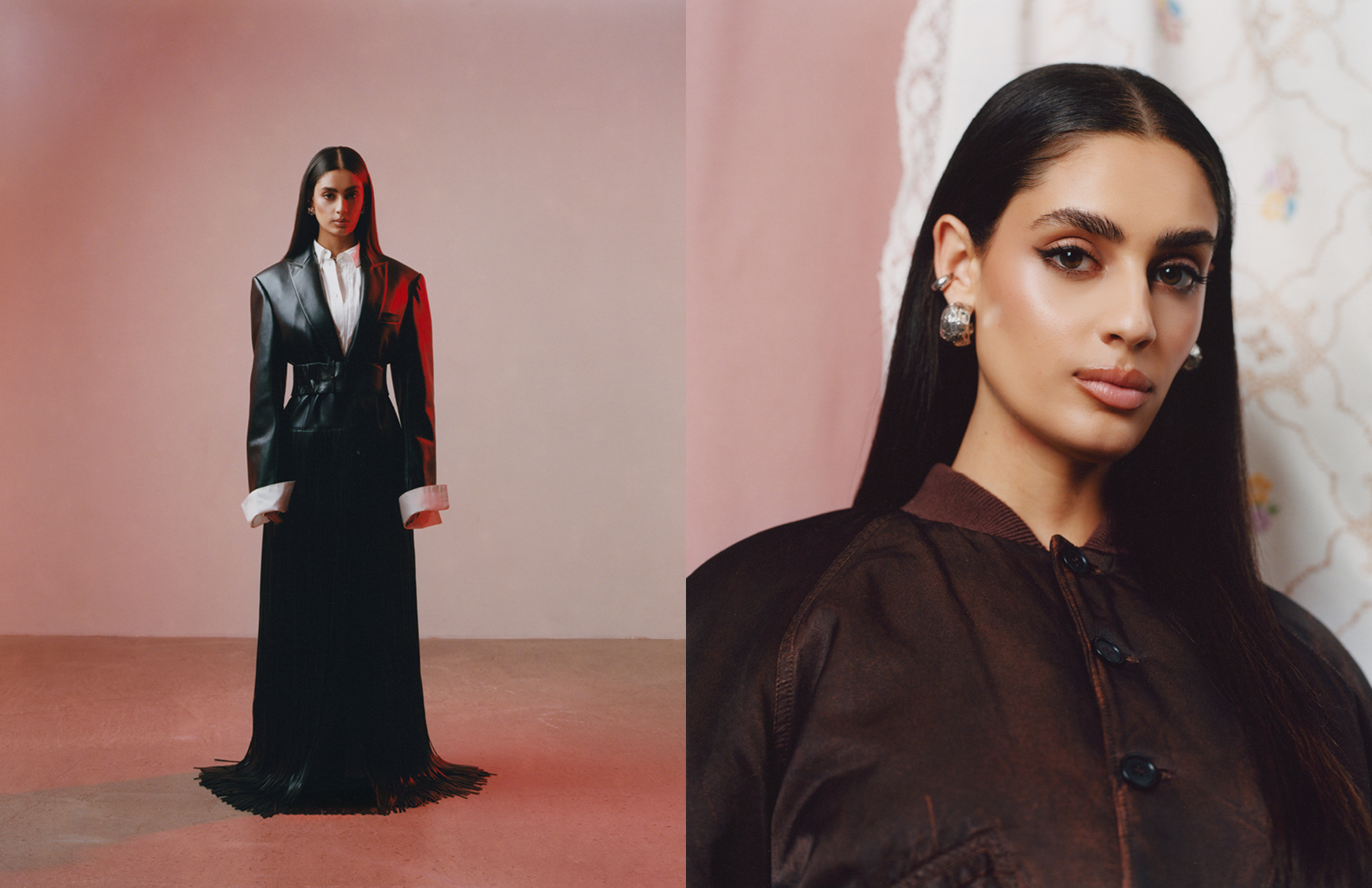
Listening to the album, it feels very personal. How does the theme of identity unfold through ‘AWDA’?
It goes through different themes of loving yourself and then finding love, running out of love, confronting yourself [and] your mental health, going through grief and then realising when you’re at rock bottom that there is hope. There is a chance to find yourself again and regain that strength and resilience through the people that are around you. We tend to forget where we come from and who we are as a people. ‘Kollo Lena [It’s All Ours]’ which is the end track talks about the kind of people we [Palestinians] are, how we have unbreakable spirits and unerasable culture. I was inspired a lot by Mahmoud Darwish’s poem, ‘On this land.’ He’s just my favorite poet in the world.
How does that sense of self translate into your visual identity? Particularly in your music videos.
If you want to represent culture visually, it has to be based on research. It can’t be based on surface level, stereotypical accessories that people are used to. For example, the keys on the black outfits in the ‘Asli Ana’ clip. The story behind the keys is that in 1948, a lot of people were forcibly displaced from their homes and were promised they would be able to come back after a couple of weeks. So, a lot of people held onto their keys. My grandmother still has hers to this day. It’s a reminder that we’re never letting go of the keys. They symbolise the right to return. What [creative director] Farah did was use newer looking versions of the keys to represent our generation holding onto that promise. It’s not just our grandparents. Also, I love referencing other artists. Slimane Mansour was a painter that we referenced. We recreated one of his paintings, the one with all the farmers harvesting.
That carries into your performance, as well. Dabkeh has become central there.
Dabkeh is the traditional Levantine dance. Living in Jordan, where almost half of the population is also Palestinian, we have many Dabkeh groups. The one that I was in is Palestinian. It’s called the Al Quds folkloric group. I joined it when I was five, my mum used to run the group. For the longest time during school years, I was a bit shy to tell my friends that I did that because somehow being connected to your roots wasn’t cool and we always wanted to do what the West did. In my family, maintaining cultural ties through storytelling, through making sure that we have good relationships with our grandparents, traditions – it was very important.
Can you tell us more about that?
It was really special because it’s not just dancing, it was being a part of a community. In a time where people are trying to erase our culture and ethnically cleanse Palestinians, it’s very important for us to hold on to what we have. Dabkeh originates from people who used to jump on the soil when harvesting. It was a mechanism to make the soil more fertile. It evolved into them connecting hands and singing folkloric songs. They literally created that dance from our land. So yes, it looks really cool, but it’s also a very intimate personal dance for Palestinians. When I’m singing about decolonising your mind, embracing your identity, and about unbreakable spirit, it’s important to match that on a performance and movement level.
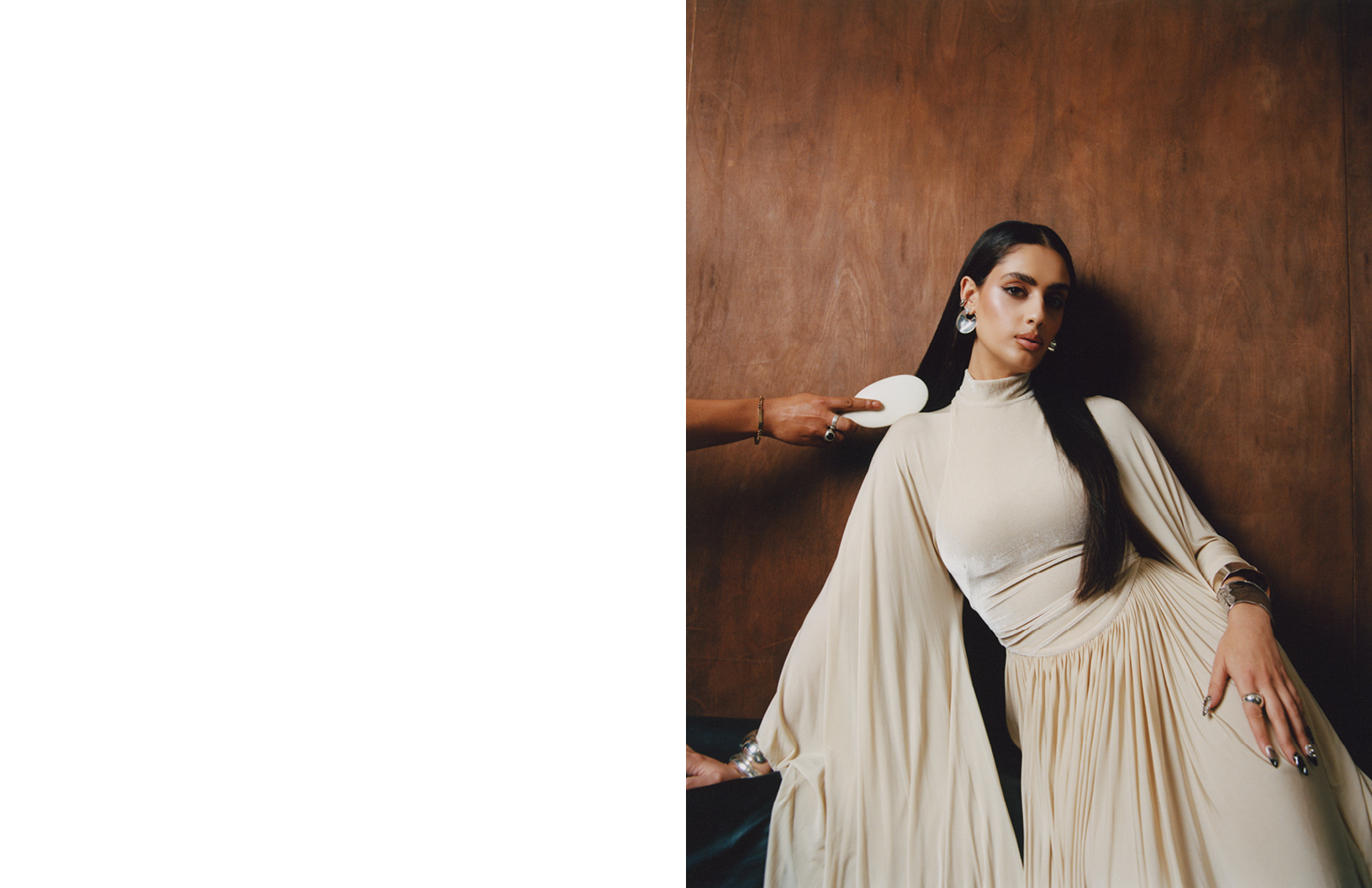
It feels like artists of your generation are shaping a whole new language around what it means to be an Arab singer today. What does that look like from your perspective?
As time will pass, more and more artists are going to emerge. Growing up I didn’t have that. I didn’t have a Palestinian female artist to look up to or someone that I could resonate with from my own generation. Hopefully it also inspires the younger generation to be proud of where they come from and not shy away from that. I remember when I was in university people would ask, “where are you from?” I would say “Palestine, Jordan,” [and] they would just give me a weird look. I’m pretty sure if this happened now it might evoke a different emotion which is really cool. I think the shift is not only in music, it’s the general conversation around the world about Arabs in general. I feel like everything Arab related is now becoming more popular.
What does singing in Arabic mean to you?
There’s a shift in how people look at the Arabic language. We have the most poetic and romantic language to exist. It’s so cool to see people from all around the world sending me messages saying they don’t understand Arabic but they’re starting to learn the language. It’s very touching when I get these messages because it feels like we’re bringing people closer to who we are and not trying to bend over to kind of get to them. The Arabic language is becoming a bridge in my music.
You’ve described yourself as a dreamer. As you look ahead into the new year which dreams feel realised and which ones are still calling you?
I’m finally doing my headlining tour in the spring which I’ve wanted to do for a really long time. It’s very surreal for me. You know what I would love to do? I’d love to sit down with Fairuz. Just for lunch or breakfast or anything she wants.
This Schön! online exclusive has been brought to you by
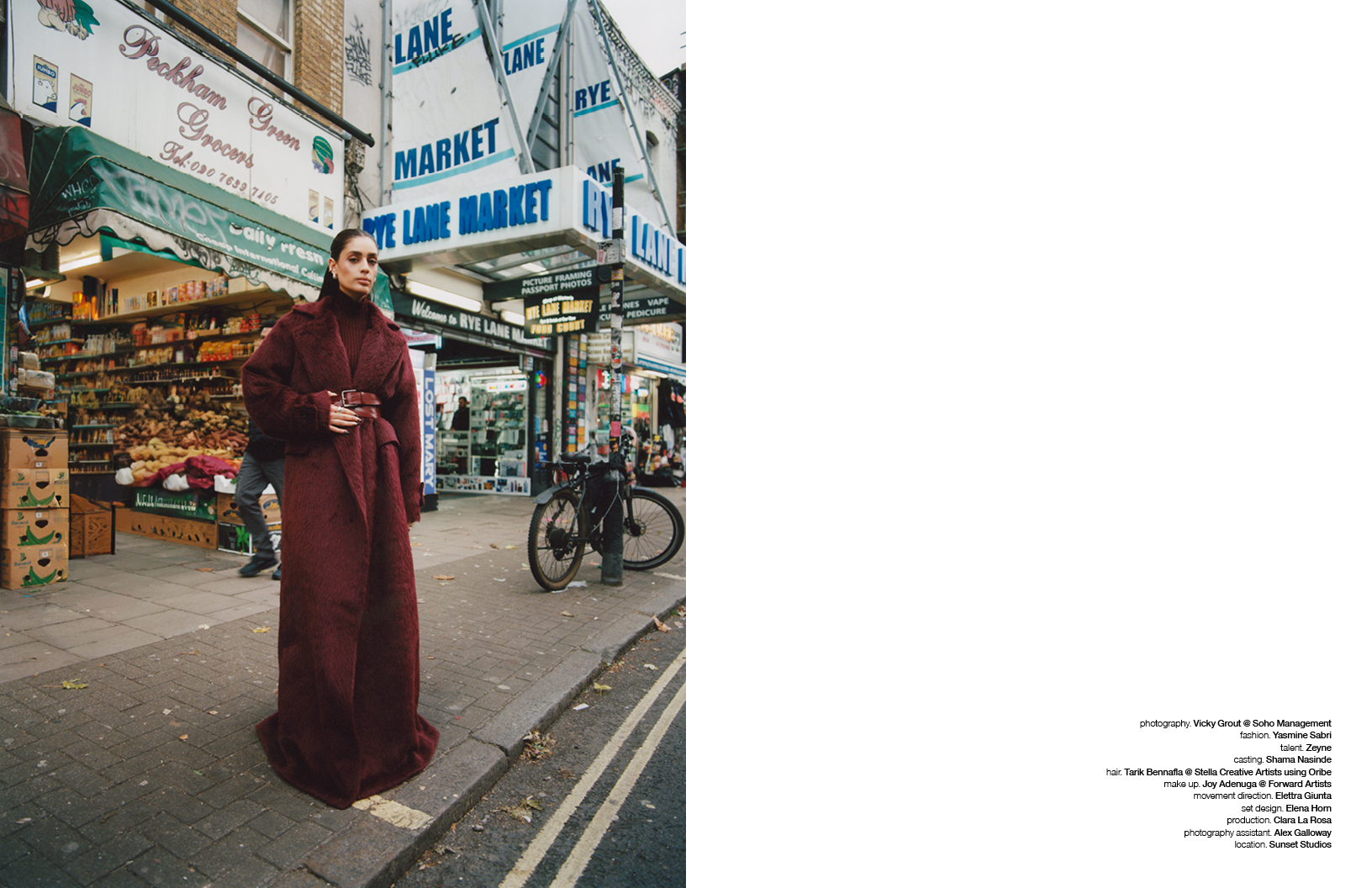
photography. Vicky Grout @ Soho Management
fashion. Yasmine Sabri
talent. Zeyne
casting. Shama Nasinde
hair. Tarik Bennafla @ Stella Creative Artists using Oribe
makeup. Joy Adenuga @ Forward Artists Movement
movement direction. Elettra Giunta
set designer. Elena Horn
photography assistant. Alex Galloway
production. Clara La Rosa
location. Sunset Studios
words. Sarah Diab