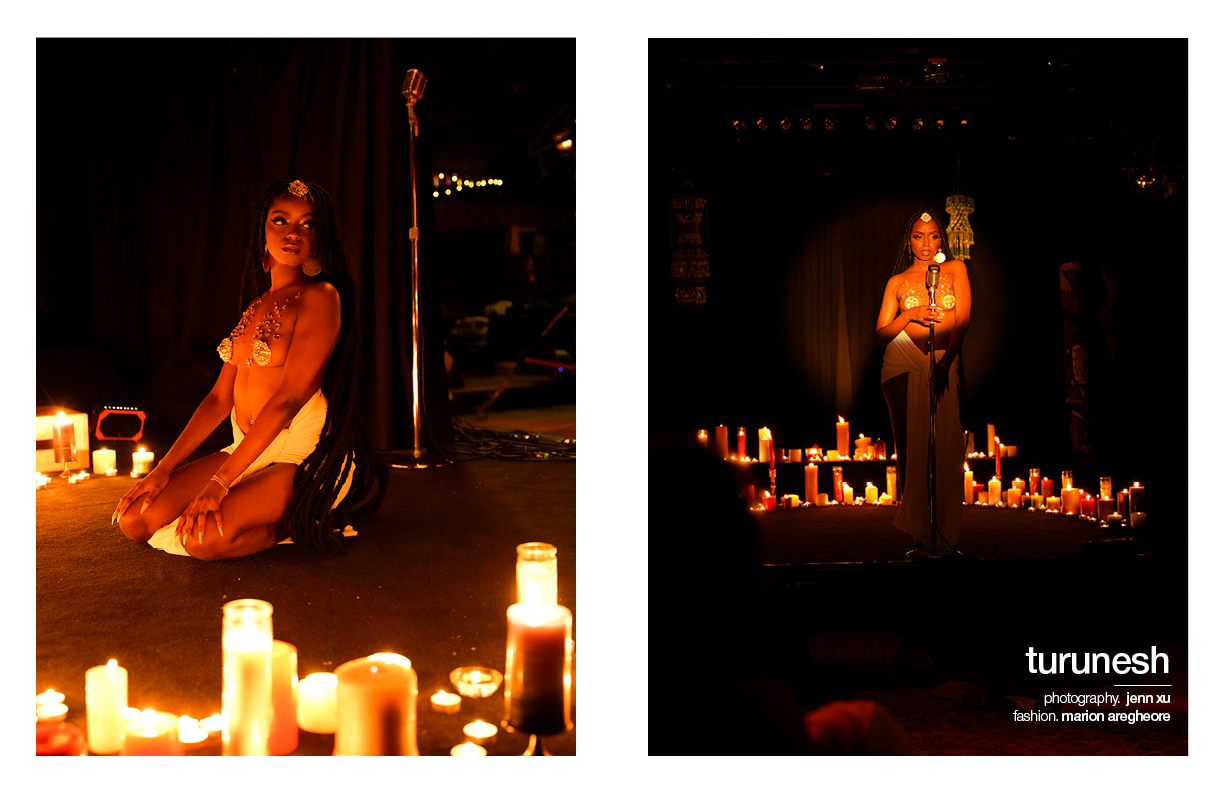
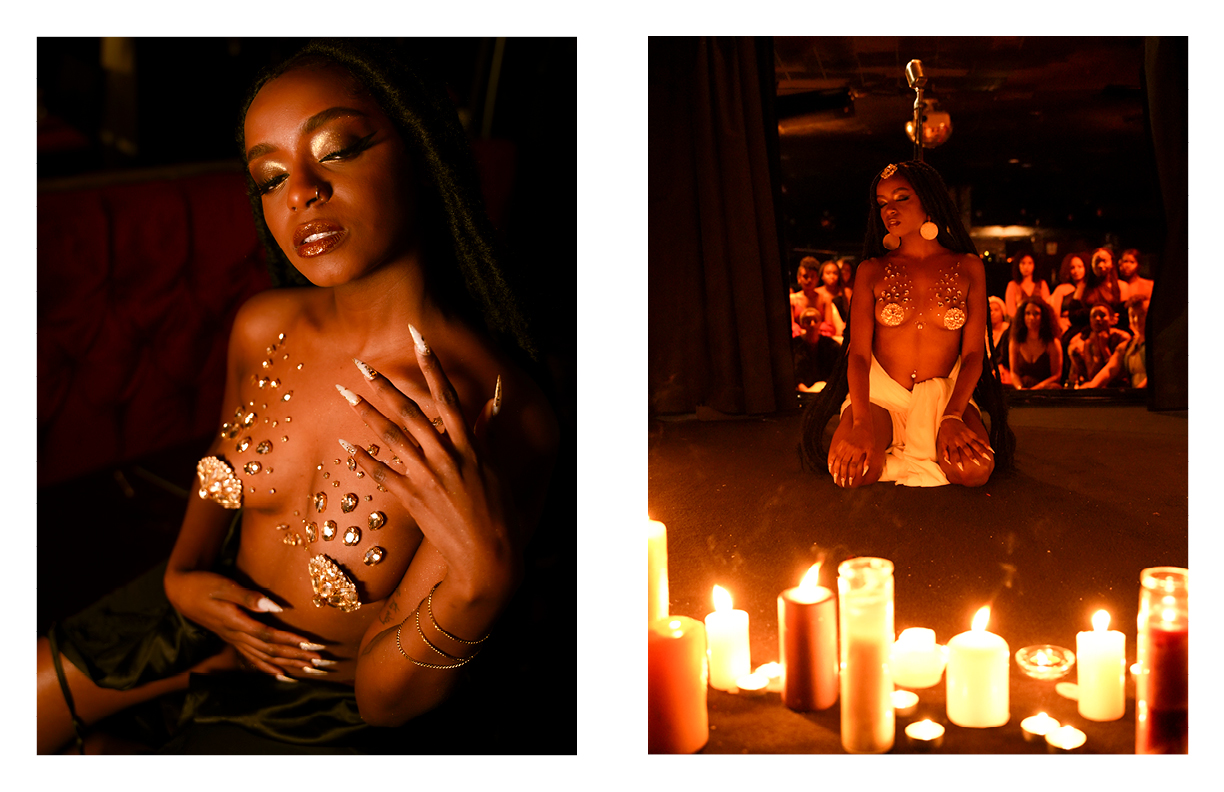
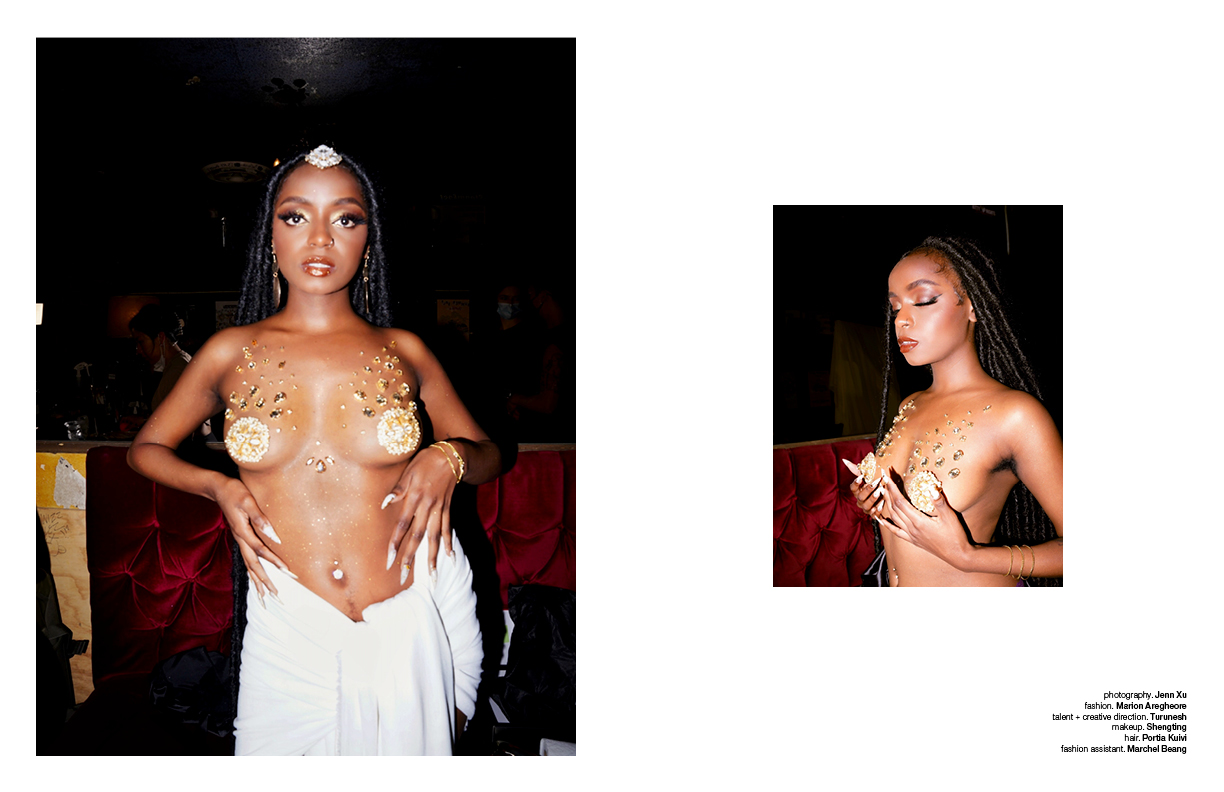
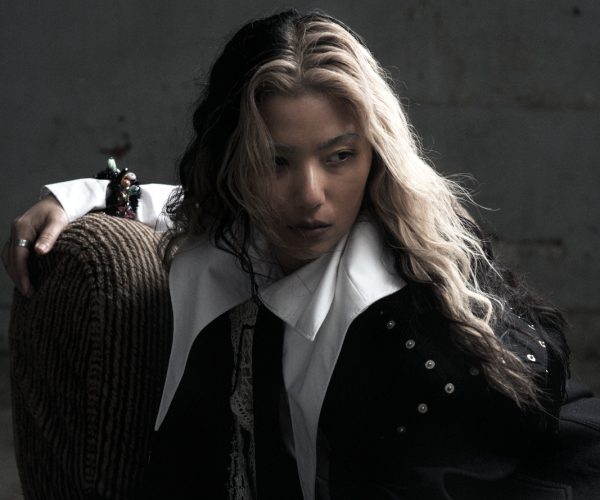
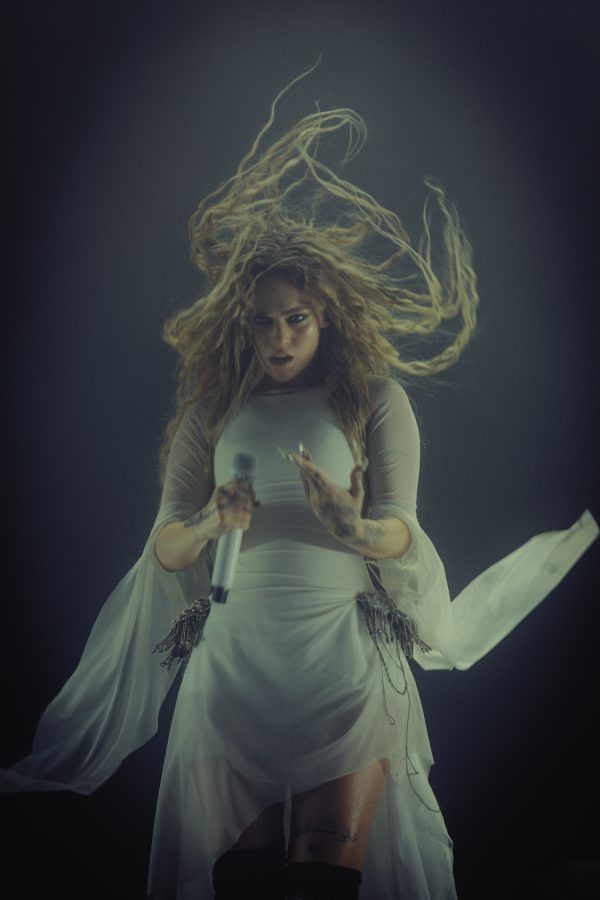
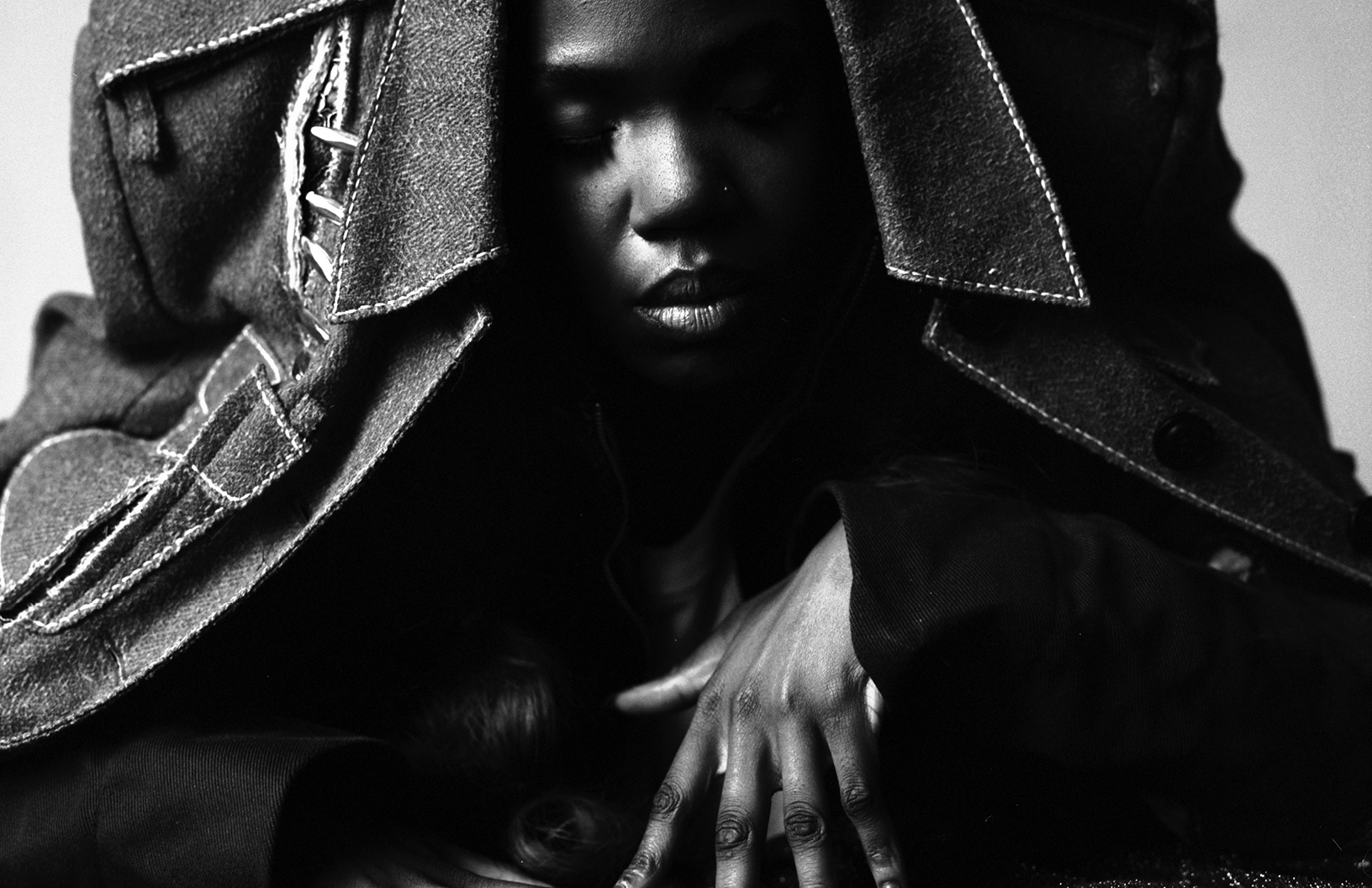
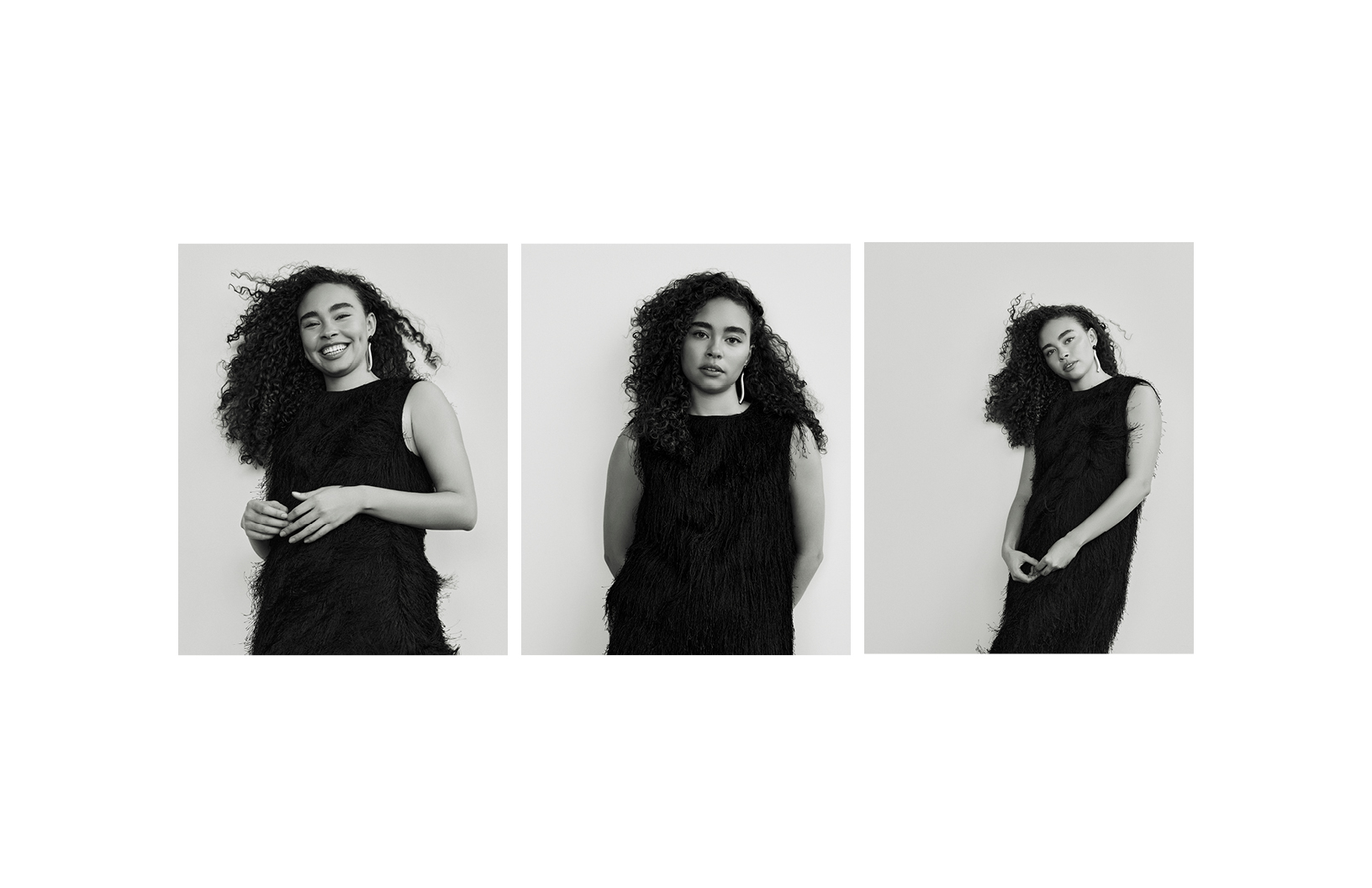
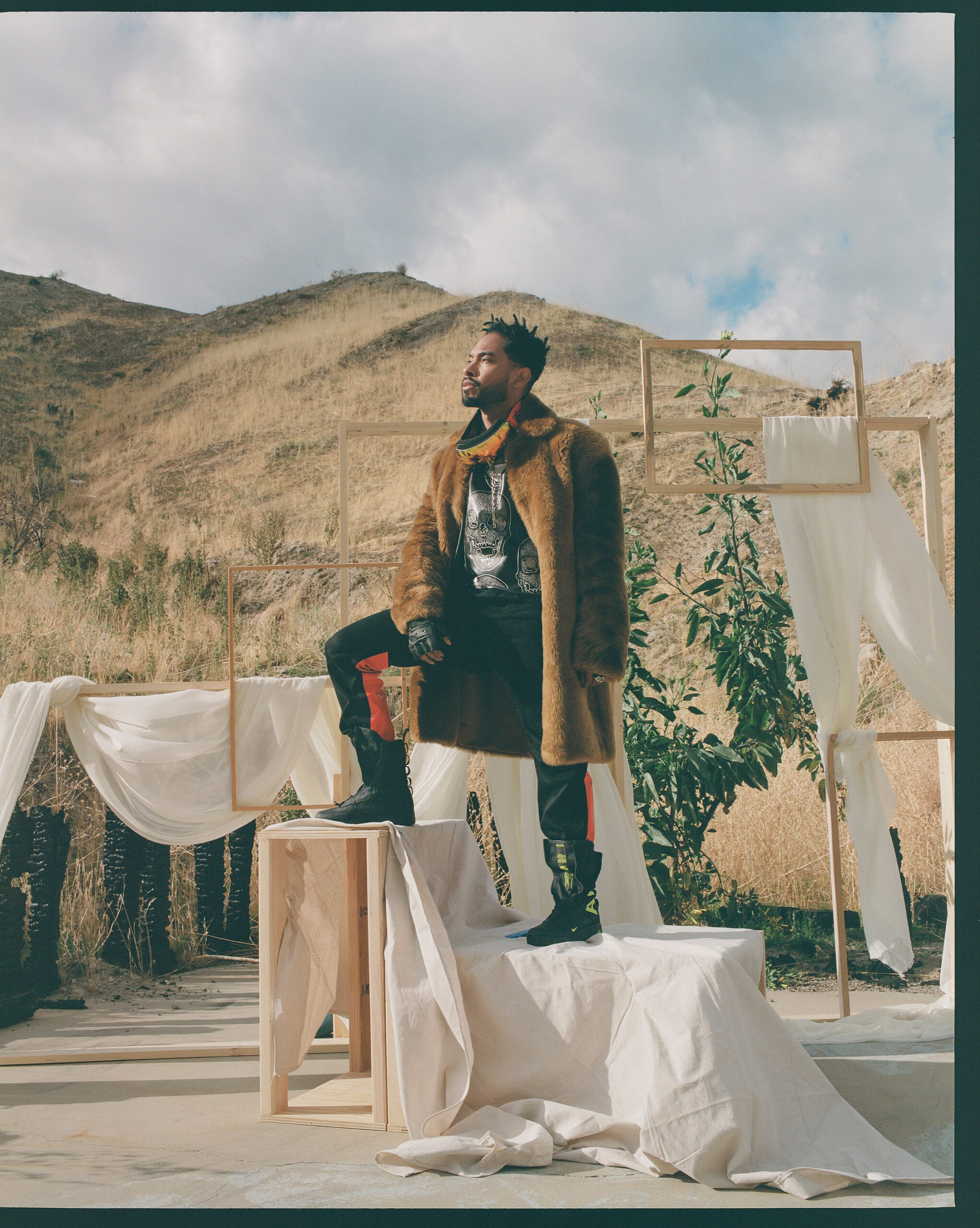
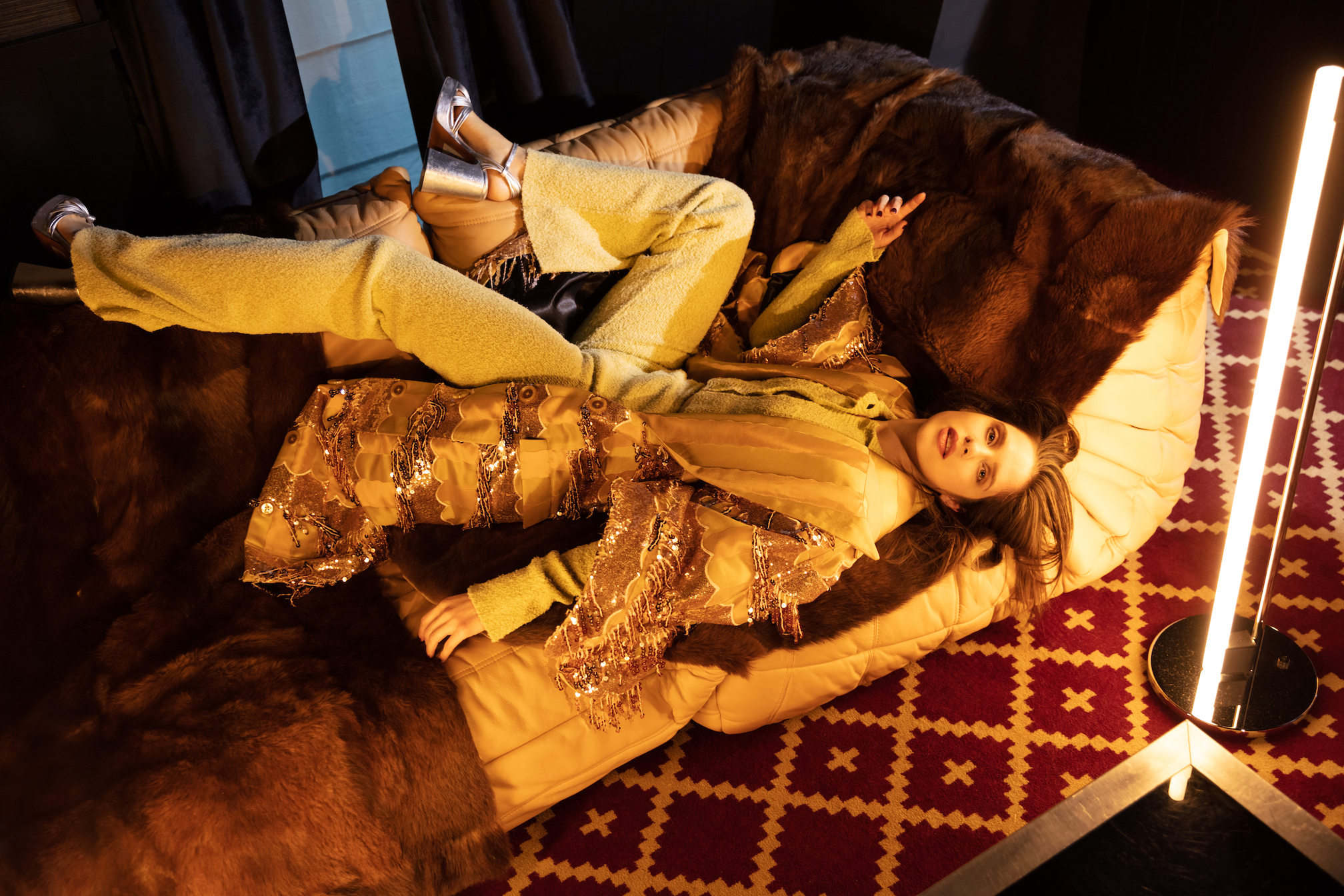
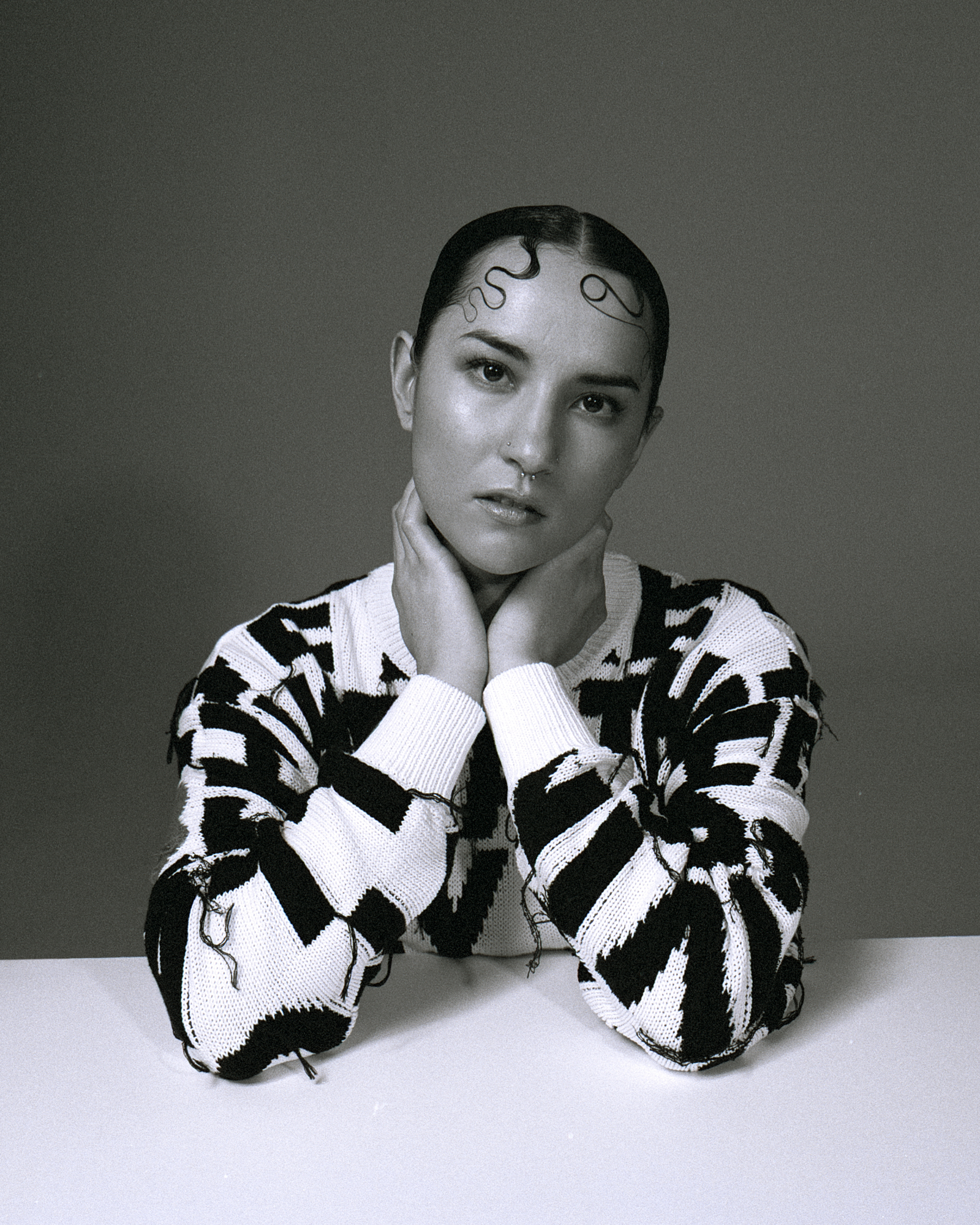
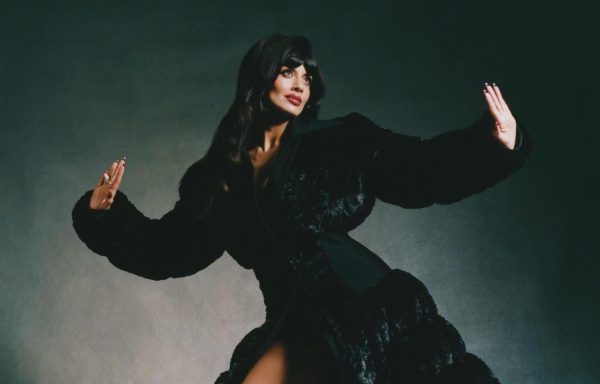
There is nobody quite like Turunesh in the African music scene. Determined to put Tanzanian capital Dar es Salaam on the map, much of her lyricism, melodies and inspiration comes from the East African coastlines that raised her. “All credit to my artistry goes to growing up [in East Africa,]” she says proudly. Today, the twenty-four-year-old, Vancouver-based artist is a force to be reckoned with. She is challenging the mainstream perception of who and what comprises African music through her seamless blend of neo-Afro-soul and R&B whilse pulling inspiration from the Swahili sounds of Unyago music. As a refreshing new face, Turunesh is reviving the rhythmic Zanzibari-style melodies of Taarab music but with a contemporary feminist flair.
Turunesh’s earliest memories of being passionate about music date back to her childhood. “I always wanted to be chosen to perform when I was a kid,” she says. Yet despite knowing that music was special to her, the decision to pursue a career as a singer-songwriter came much later. “I knew how music made me feel and that was special to me. I just didn’t think a career in music was an option for me. Music was always a passion project for me,” she recalls. Even though she was doing shows at the tender age of 16, it wasn’t until her second year of university that she understood her desire to pursue music was more than just a passion project. “I spent a month in London by myself. I didn’t know anybody there, just going to gigs. The stage is where I felt the most alive and I realised this is what I wanted to do.”
Turunesh’s fearless courage is what makes her music so unique. She is not afraid to use her lyricism to explore her identity and femininity. More importantly, she is not afraid to bring her audience along with her on a journey of self-exploration and discovery. “Our purpose as musicians is not always rooted in what our audience needs. Sometimes it’s what we as musicians need. It’s about the healing we are going through. Our music is a vessel for our own self exploration and through that there is an alignment in what we need and what our audience wants.”
Satin Cassette, Turunesh’s latest album, is rich with taboo lexicons rooted in the poetic exploration of sensual liberation, afro-syncretism and herbalism. A true feminist champion of the East African alternative art scene, Turunesh’s silky and sultry voice is pushing the envelope for women in the African diaspora, prompting them to reclaim their power. According to Turunesh, decentering the masculine voice and the patriarchy is crucial for women in their process of recouping. It makes sense that in a lot of her songs, Turunesh is concerned with centering “the female voice, the female body and [centering] female pleasure to reclaim that power.” When asked what sensual liberation means and looks like, Turunesh explains that “for me, sensual liberation is the simple things. Being able to wear what I want, being able to explore my sexuality without any fear of judgment and being able to speak freely. The most important thing about sexual liberation is that you are doing it for yourself. It’s the process of reclaiming your own power and that is what I try to do with my music.”
Turunesh’s latest music video, Coco Marijuana, is a mosaic of her feminist values and the traditional melodies of the Swahili Taarab music that inspires her. Directed by rising Australian director Sebastian Hill-Esbrand, Coco Marijuana explores indigenous beliefs around female sexuality and the role of women in traditional African societies. The music video depicts a traditional unyago ceremony – a Swahili ritual to celebrate the coming of age of women—with a modern twist. Hill-Esbrand explains that “to sway the lines of sensuality and be authentic to the ritualistic properties of the [unyago] ceremony, we created a sensual choreography” that is central to the music video, one that would emphasise the restoration of beauty and ownership of one’s sexuality. As such, Turunesh’s innovatively creative work leans on a pledge to Pan-Africanism and African Feminism, unlike any other African artist in the scene right now.
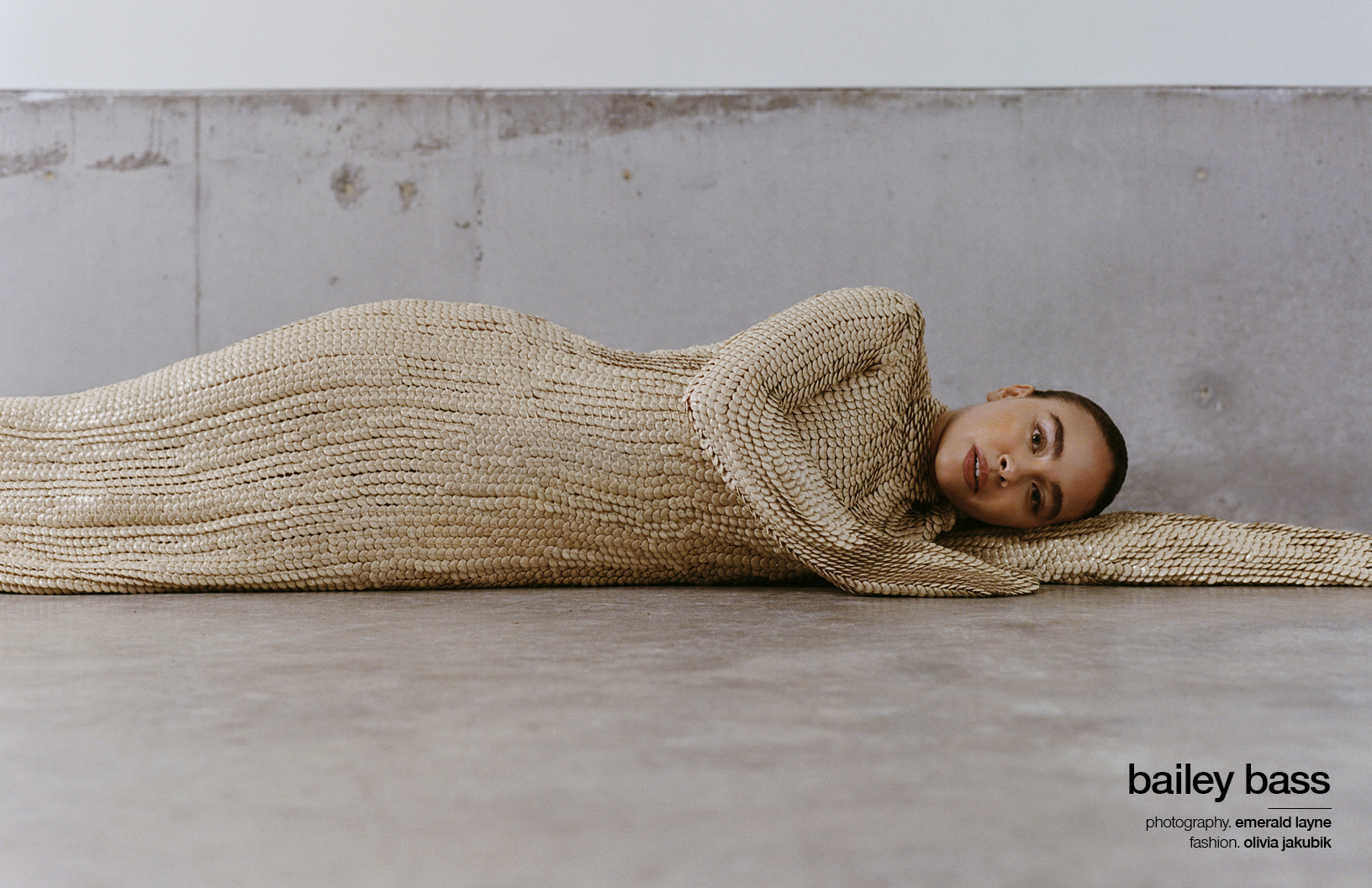
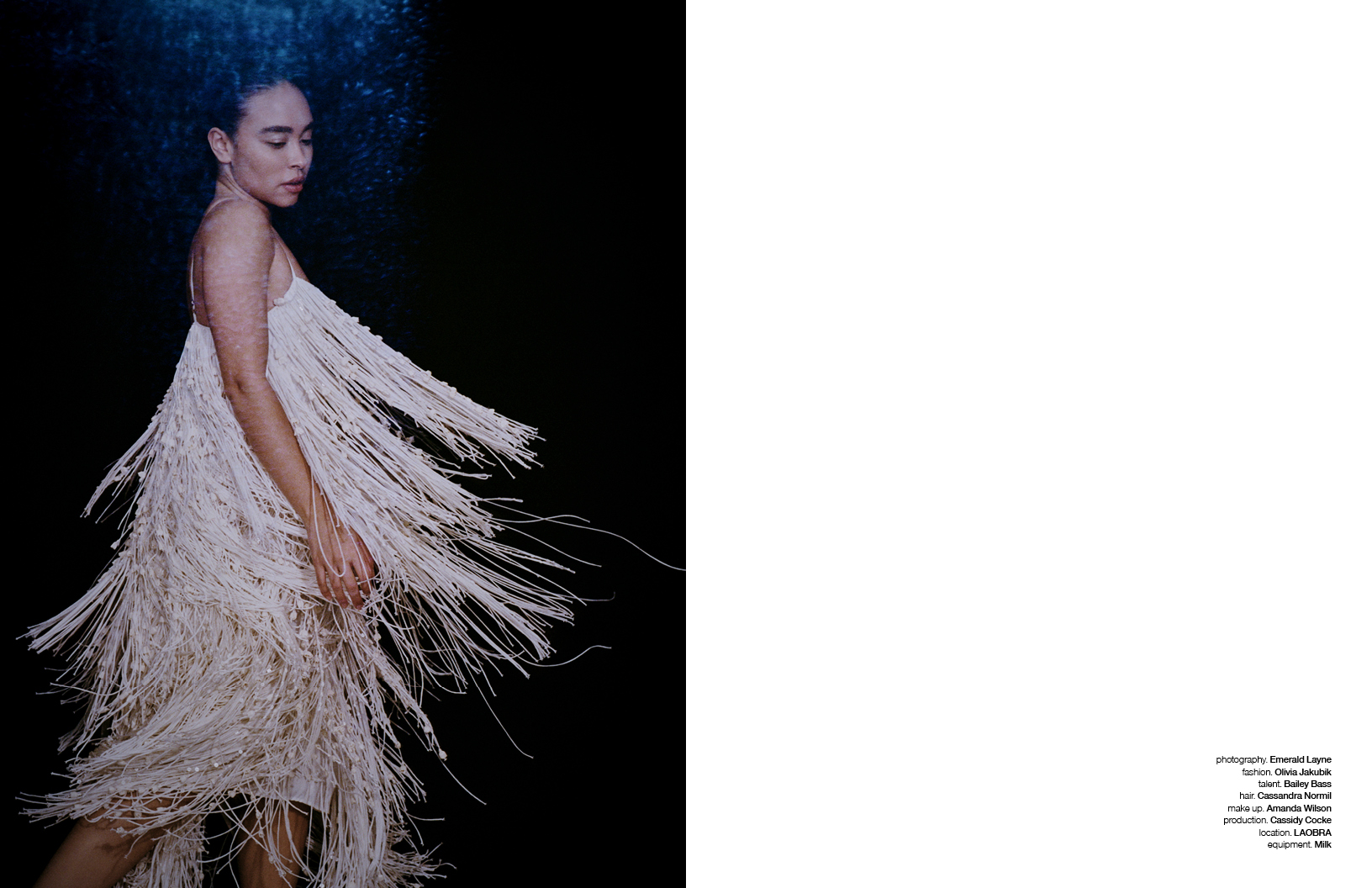
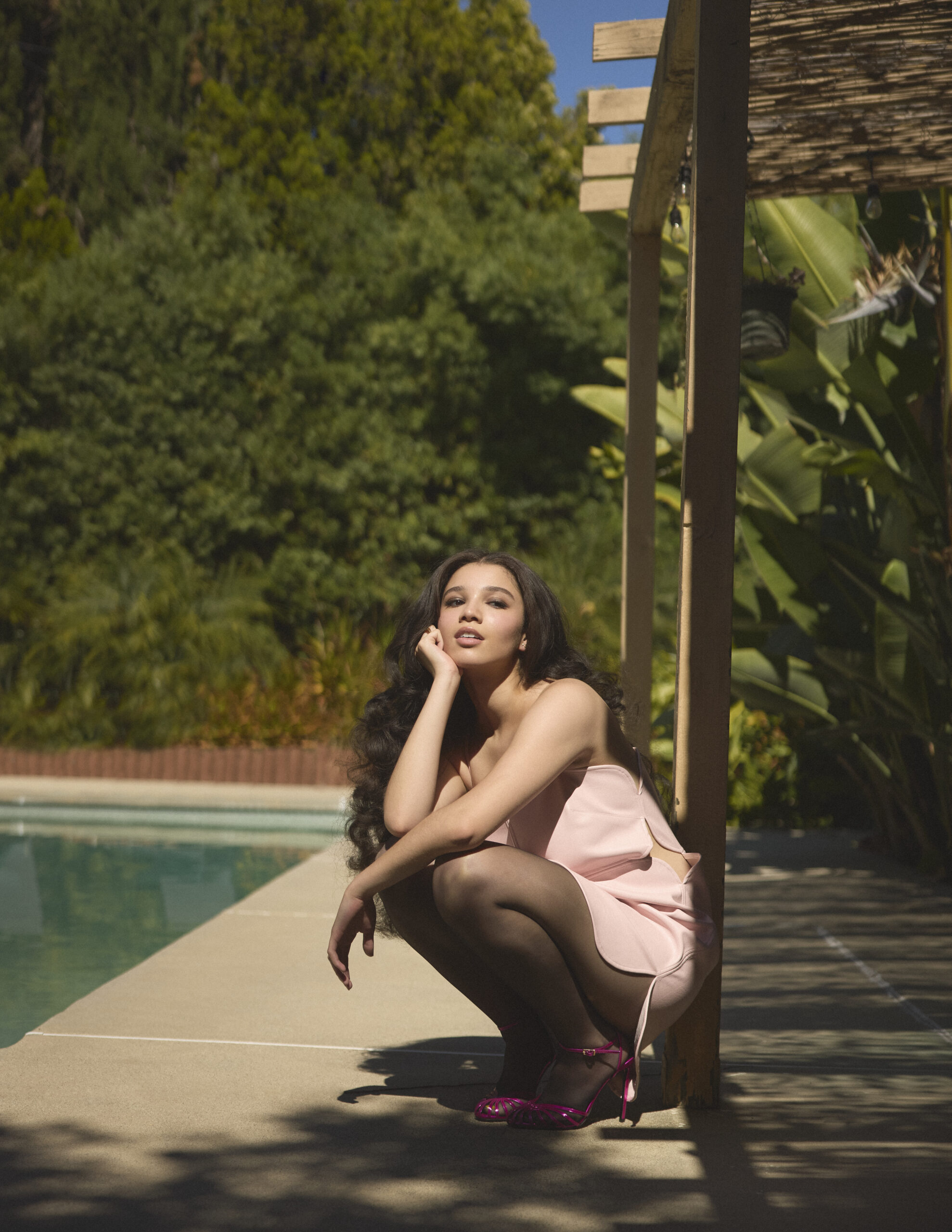
There are two types of people in the world. Specialists and multidisciplinary individuals. That’s not to say a specialist can’t be multidisciplinary at all, or vice versa. But what’s intriguing about Bailey Bass is her positioning at the intersection of the Venn diagram, which we get a glimpse of in our conversation. She’s taken on many roles not only as an actress, but also in her personal life, connecting ideas across fields like psychology, a resurgence of hobbies, and writing.
In ‘Avatar: Fire and Ash’, Bailey’s character, Tsireya, continues to serve as an emotional anchor within Pandora, embodying empathy, resilience, and quiet strength amid growing chaos. Through her, the film explores how tenderness can coexist with ferocity, and how choosing empathy in moments of destruction becomes a form of resistance in itself. All of which Bailey parallels in her personal life.
In between bouts of laughter and a charming zest for life, Bailey Bass speaks to Schön! about her metrics for success, a newly set up career wall, and of course, ‘Avatar: Fire and Ash’.
Congratulations on the release of ‘Avatar: Fire and Ash’. You’re playing the very graceful yet strong Tsireya. When joining the ‘Avatar” world, what excited you?
I didn’t know what was going on. It was my first movie. This is my new normal, and I think I was just excited to work. I’ve been auditioning since I was five. I booked it when I was twelve – that’s a long time before you get to live out your dream. I had really low expectations, but I’m just so excited to be a part of a franchise that’s been a part of my life for so long.
That’s insane. It’s a relatively short period of time to make it big, but when you’re 12, that’s half the life that you’ve been auditioning.
Oh my God, no, it’s such a long time. They say give Hollywood seven years, and I guess it’s true. It’s a short time in your life, but the rejection is really hard. I was modelling so much that I had filler — it didn’t hit me the way it hits me now, where I’m ready for the next role. I don’t have much to complain about when I’ve played really nuanced female leading characters I can actually be proud of.
It takes a lot of women ahead of me to have paved the path where I don’t feel objectified in my first roles, which I feel like was kind of a rite of passage that a lot of women had to go through for a long time in the industry. That doesn’t seem to be something we have to do anymore, even though there’s still much more to go. I’m grateful that a lot of the roles that I’ve played with Claudia and Tsireya have been so strong and empowering.
That’s so nice to hear, I’m glad that your experience has showed change in the industry.
Well, it’s still hard, I’m still a woman, but I’m just grateful for my character. I mean, there’s still a long way to go.
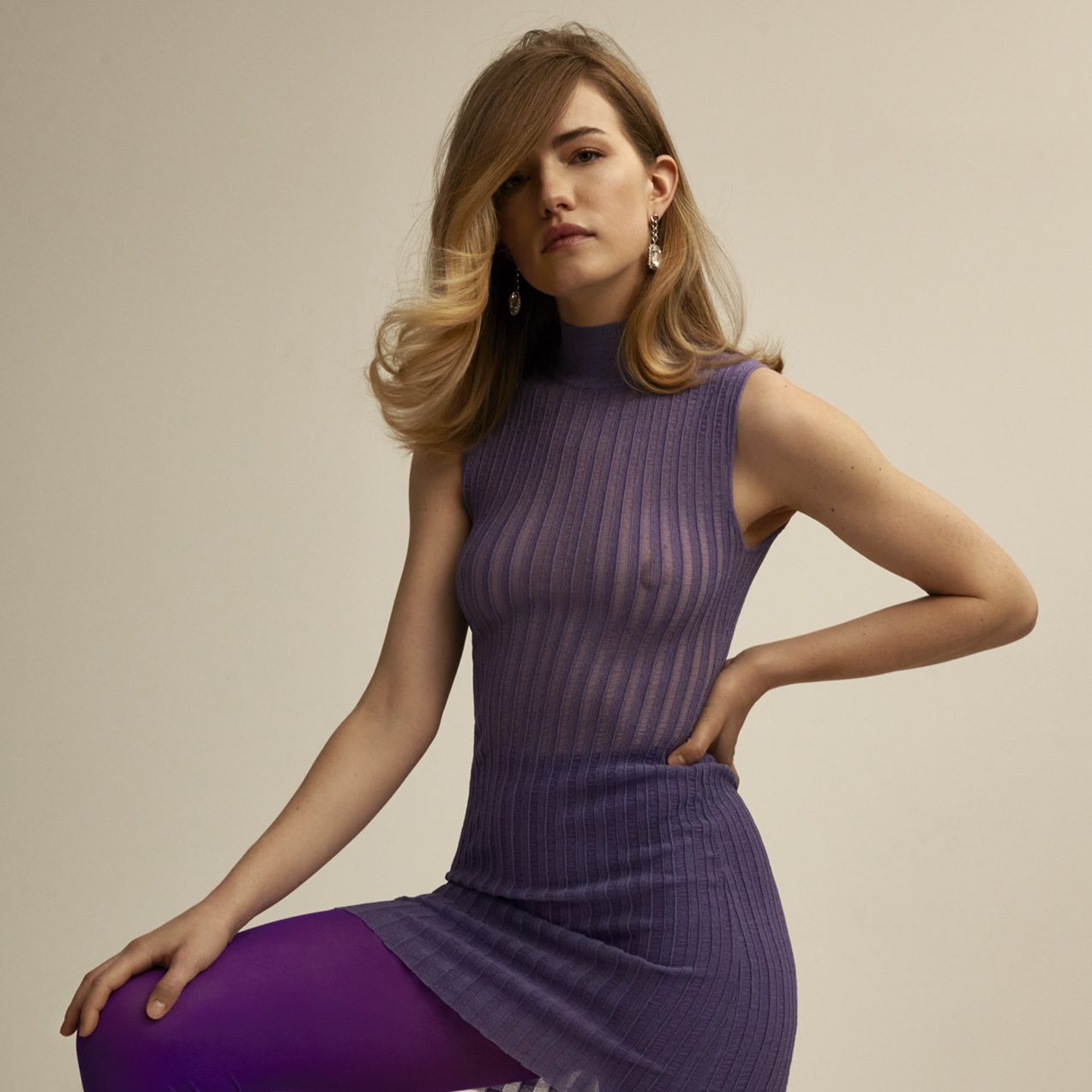
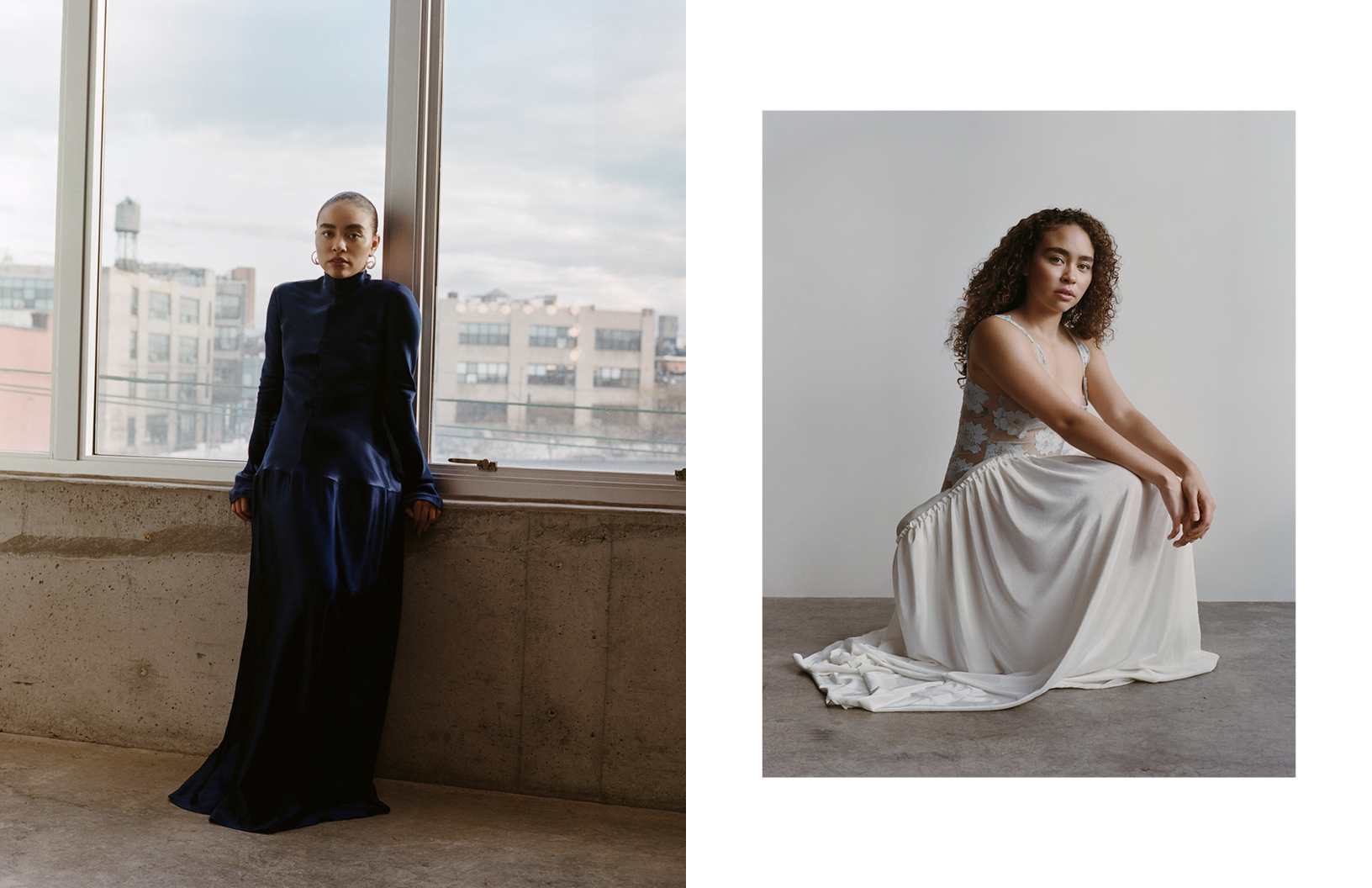
dress. Loulou de Saison
earrings. Agmes
opposite
dress. Stella McCartney
earrings. Saulé @ Yaya Pubicity
Of course, one little win at a time. When playing Tsireya, did you find yourself reaching areas that, in yourself, as Bailey, you maybe hadn’t explored before?
I didn’t know how to swim. It was three girls at the end of the audition process, and I remember I was paired with the boys, and that was a blessing in disguise for the swimming part because I was like, “I’m not gonna let them beat me. I’m gonna fake it till I make it.” I honestly thank that moment of being paired with a boy who clearly has been swimming his whole life, and I barely knew how to doggy paddle. I had to prove myself very quickly.
Kirk Krack, who is an amazing freediving instructor — he’s worked with Navy SEALs and Tom Cruise on ‘Mission Impossible’. He said at the end of filming, where I had a breath hold of six minutes and 30 seconds, and I was almost leading the chart when it came to swimming… He says, “You grew so much.” Because they wrote in their notes in the audition process, “she needs work, but has a lot of potential.”
That’s so funny. I tried holding my breath and could only do about 50 seconds.
That’s still a long time. I can still do a minute. I love it when gym bros are like, “let’s do a breath hold competition,” and I always beat them. That feels so good. Fuck their push-ups.
Are there any traits from Tsireya that you had in common, or traits that you would like to adopt from her?
I had a lot of similarities to Tsireya from [‘Avatar’] two and three. James Cameron (Jim), our director, and Margery Simkin, the casting director, is a badass. I love her. She’s a legend in the game, and she knew, even though my audition was shit, that the empathy was there. I always had that compassion and empathy for other people.
Growing up really low income — I’m first generation — the family I grew up with had that immigrant mindset of ‘we will make it through, this is better than where we came from’ and I’d be like, ‘well, this is still not great’ and they’d say, ‘but we can do it.’ I already had those qualities. 2025 was really hard being an American and being in the United States. I’ve definitely been hardened by it.
I’m really interested to see, as we’ve seen the chaos in ‘Fire and Ash’ and the chaos that I’ve experienced as Bailey in the world, what that’s going to mean for Tsireya’s empathy, because I’ve seen it in myself. I don’t think Jim and Margie are mind readers and can predict the future, but I think they knew I had enough goodness in me that if you start from that place, it’s easy to shape and add the trauma in afterwards, which I have enough of as well.
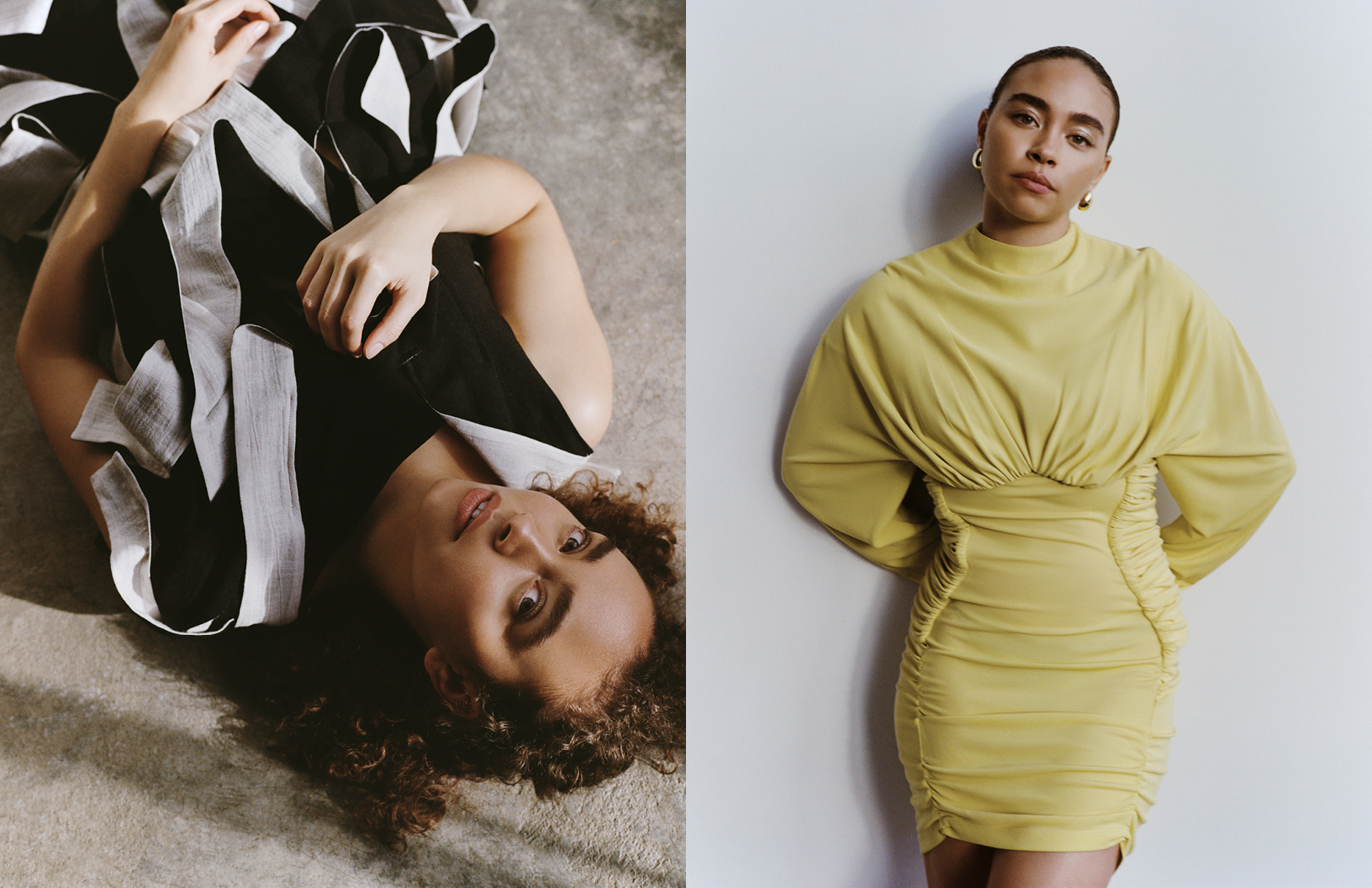
full look. Burberry
Oh dear, why are you giggling?
You have to laugh. There are actually studies that show that people who’ve experienced the most trauma are the funniest.
It’s like they say, if you don’t laugh, you’ll cry.
Exactly. It’s 2026, we’ve persevered! That’s why — what I talked about in the beginning — those little moments, it’s still not fair. It’s still frustrating, but I realised that you have to be a part of the system to change the system, and have compassion for yourself. I didn’t decide to be born in a brown female body, but what can I do to create the change I want to see? I know you know, but that’s a tough pill to swallow, and I swallow it every day. Being a part of the system and smiling and being nice helps me make much more change, which I know sometimes I just want to pop off the internal rage. I’m a New Yorker. I’m like, ‘someone shove me on the subway, this needs to come out.’
So now that ‘Avatar’ has wrapped, what stayed with you the most? Was it the character, the people, maybe a specific moment on set?
I forget. Actually, I’m going to show you — I created a career wall in my new apartment. It’s still in the making. This is from ‘Interview With the Vampire’ — it’s not done, I still need them to send stuff from ‘Fire and Ash’. Seeing this every day has actually made me remember all that I’ve achieved because it’s really easy to think, ‘I have four more semesters of school before I can even apply to grad schools,’ or ‘I really want to produce this project, and it still has so much more to go.’ But it’s like, look how far you’ve come.
Honestly, I wish I could say what stuck with me was that you have to keep going, that bravery is really important. The issue with me is that, because I’m such a perfectionist, it doesn’t stay with me. So having those reminders, a good therapist, journaling, and having really good friends that tell you you’re doing great. What makes me great at my job is that I keep striving to be better. And yes, that’s great, but I am glad that I made this wall because it reminds me of how far I’ve come. I’ve been working since I was two.
That’s unbelievable, by the way.
Yeah, I go to Columbia University to study psychology, and going back to school has helped me feel like a kid because I had to grow up so fast. I’ve been working with adults, even on ‘Avatar,’ I was the only teen girl, and Trinity was seven, so that was isolating. There were gaps in my childhood, so I’m grateful for — as much as I’m still working, still love being in entertainment — having those moments of normalcy because I do feel like I’ve played as an actor more than I’ve played as a kid.
dress. Angelina Poppy @ REP Agency
earrings. Agmes
rings. Swarovski
opposite
dress. Loulou de Saison
earrings. Agmes
You’ve also balanced growing up, working, and evolving creatively all at once. How do you protect your sense of self outside of acting and work?
I have really good friends and a community. I’m gonna start knitting, having hobbies that have nothing to do with work, because as a child, my hobby became my job. So, as I’m entering my adulthood, finding things that I don’t want to make a career out of, something that’s genuinely just fun for me. I love reading, I read every day, that’s really important to me and having some type of routine, because [work] is freelance and every day does look different. Having routine things that I don’t get paid for is really important because it reminds me that my self-worth is in me just being me. But it’s definitely not easy.
I have jobs outside acting — I work as a research assistant and comms person for a nonprofit on campus, I grant write for half the story, but being able to use different parts of my brain and also not boxing myself in. I know I’ve talked about school so much, but that’s reminding myself I’m not linear. I’m not just an actress, even though that’s filled so much of my life; I am so much more than this one thing, and I love that we live in an era where people can have multiple jobs and be multifaceted, and that is celebrated.
With multifaceted freelancing, ‘Avatar’ being such a huge film, and working since you were two, what does success mean to you now? Has it changed at all within your life?
I check in with ‘am I happy?’ I’ve reached a point in my career where there are so many people on the email chain, and I have not seen all of them in person, but they’re all working really hard to achieve a mutual goal. But that goal in education is not going to be the same in acting. Growing up as a kid actor, you want your team to be a part of every aspect of your life. I’ve had to realise my manager’s not necessarily gonna care if I get an A on this essay, and that is okay. So, remembering that I’m leading the ship and that success stems from ‘Am I happy?’
That’s tough when so much of my success has been being an A student in school and working on set, being a really good friend, daughter and sibling, and being able to get everything done on time — that is what success meant to me. It honestly slipped me into such a deep depression when I realised as an adult, I have to check in on myself now, I’m not a kid anymore. That transition, while also being in the limelight, and wanting to be really good at my job, was not easy. Going back to those pillars of, ‘Am I happy? Did I read today? Did I go outside today? Did I do things that fill my cup?’
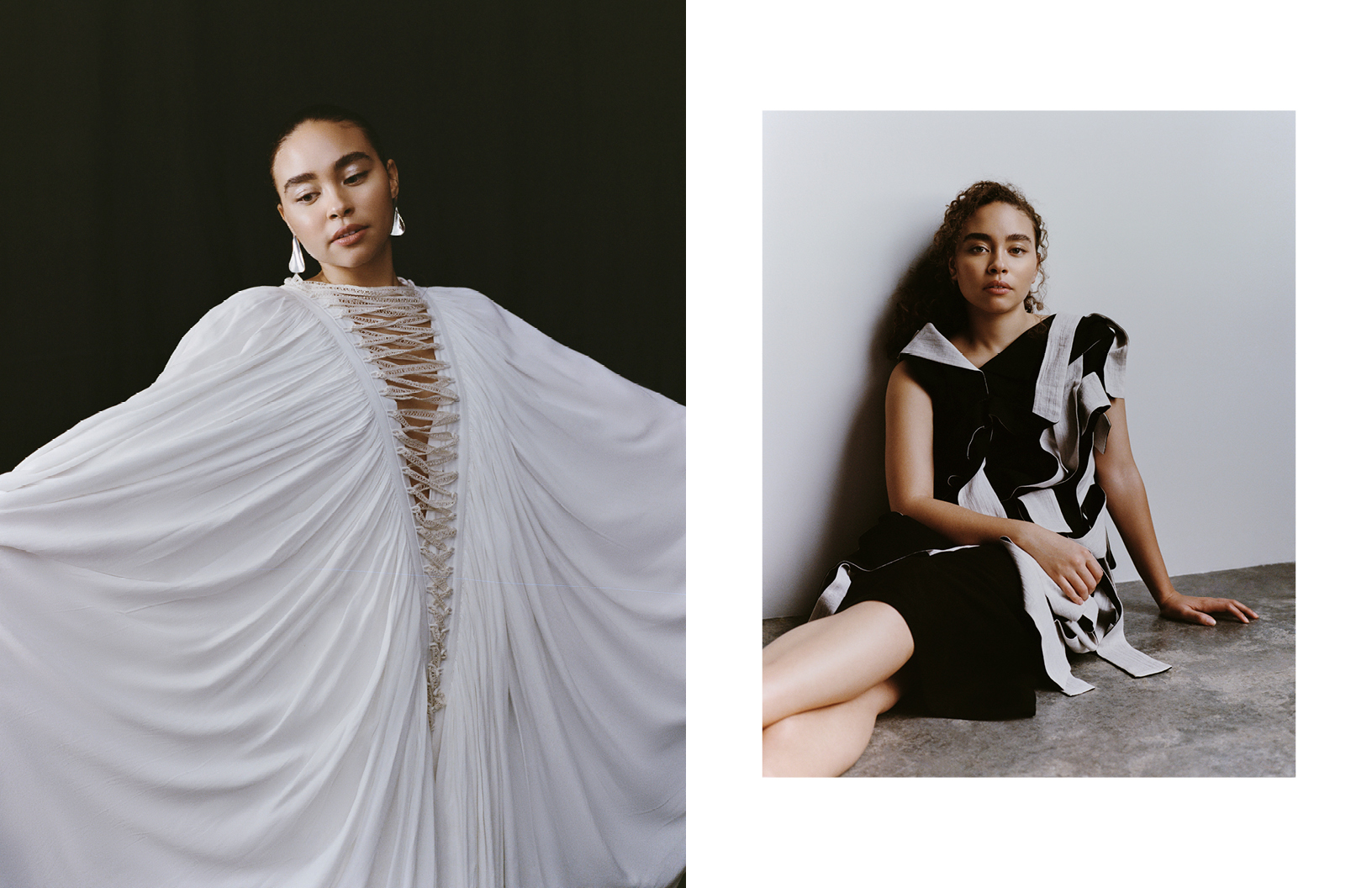
dress. Loulou de Saison
earrings. Agmes
I love that happiness is your priority. With ‘Avatar: The Way of Water’ press tour being your first time out of the country, and now fresh off the ‘Avatar: Fire and Ash’ tour, which place have you loved the most, and are there any places you’ve yet to tick off the bucket list?
I went to Canada for like three hours because we crossed the border a couple of weeks before the press tour. That doesn’t really count, we went go-karting in Niagara Falls, and they didn’t even stamp my passport. Even being Belarusian and never being to Belarus — I speak Russian, I am so ingrained in the culture, so people think I’m from there when I speak about it. I’m grateful that I grew up in Gravesend, Brooklyn, immersed in so many cultures.
I went to Malta for the Malta Film Festival. It’s such a special country, and I feel like it needs to be highlighted so much more. They’ve done so much for the film industry. I went to the tanks there because they knew I worked on ‘Avatar’, so we were geeking out about the tech. Malta will always have a special place in my heart. The people are so amazing.
Italy is one of my favourite places. Going to Milan for the ‘Fire and Ash’ press tour was amazing. I really want to go to Iceland, to go hiking in Argentina for a week. I’m an adventure seeker, and I want to go somewhere that’s exciting. Alaska is on my list for this year, and Thailand for a girls’ trip. I went skydiving for my 18th birthday in Arizona. I want to do the crazy stuff that. I ate a cockroach on set when I was eight. Been there, done that.
Did it taste okay?
It tastes spicy and crispy. No, it wasn’t a cockroach, it was a cricket. It builds a great personality.
Looking ahead, are there any new projects in the pipeline? Any genres, roles, or stories that you want to get into? What’s next for Bailey?
I really hope we make more ‘Avatars’. I love that I’ve continued being in this weird character actor space. I have said for years that I want to be in the ‘Game of Thrones’ franchise, and the fans want it too. Every time she speaks Russian, they’re like, ‘why does it sound Targaryen?’ It’s because I grew up in America and my accent isn’t great.
I want to continue doing things that feel really epic. Give me character work, and I just shine. I think it’s because I feel so removed from myself, but I also see the sensitivity in the characters. I am excited to eventually go to grad school and continue doing psych research. I’m fascinated by studying how much work you have to put in to be great. It’s quite niche, but the people I’ve worked with say ‘research is me search,’ so continuing to not put myself in a box and seeing where it goes.
But honestly, my grandma asks, ‘what are your dreams for months from now?’ I kind of have them, but I could get a call and be in a different country, which I will be at the end of this month, which is what happens. It’s two weeks at a time. I’m here for the vibes, and the vibes have been great.
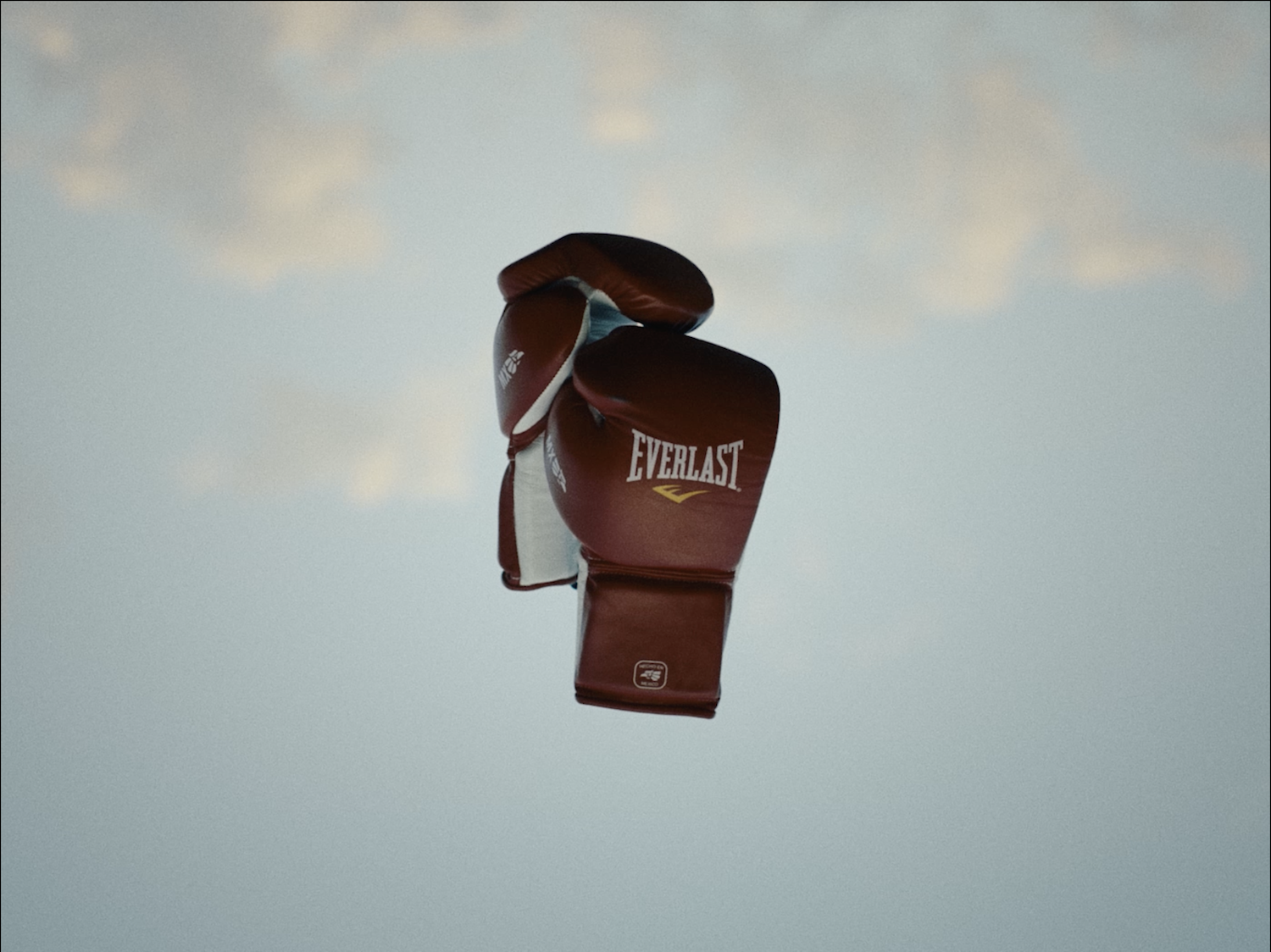
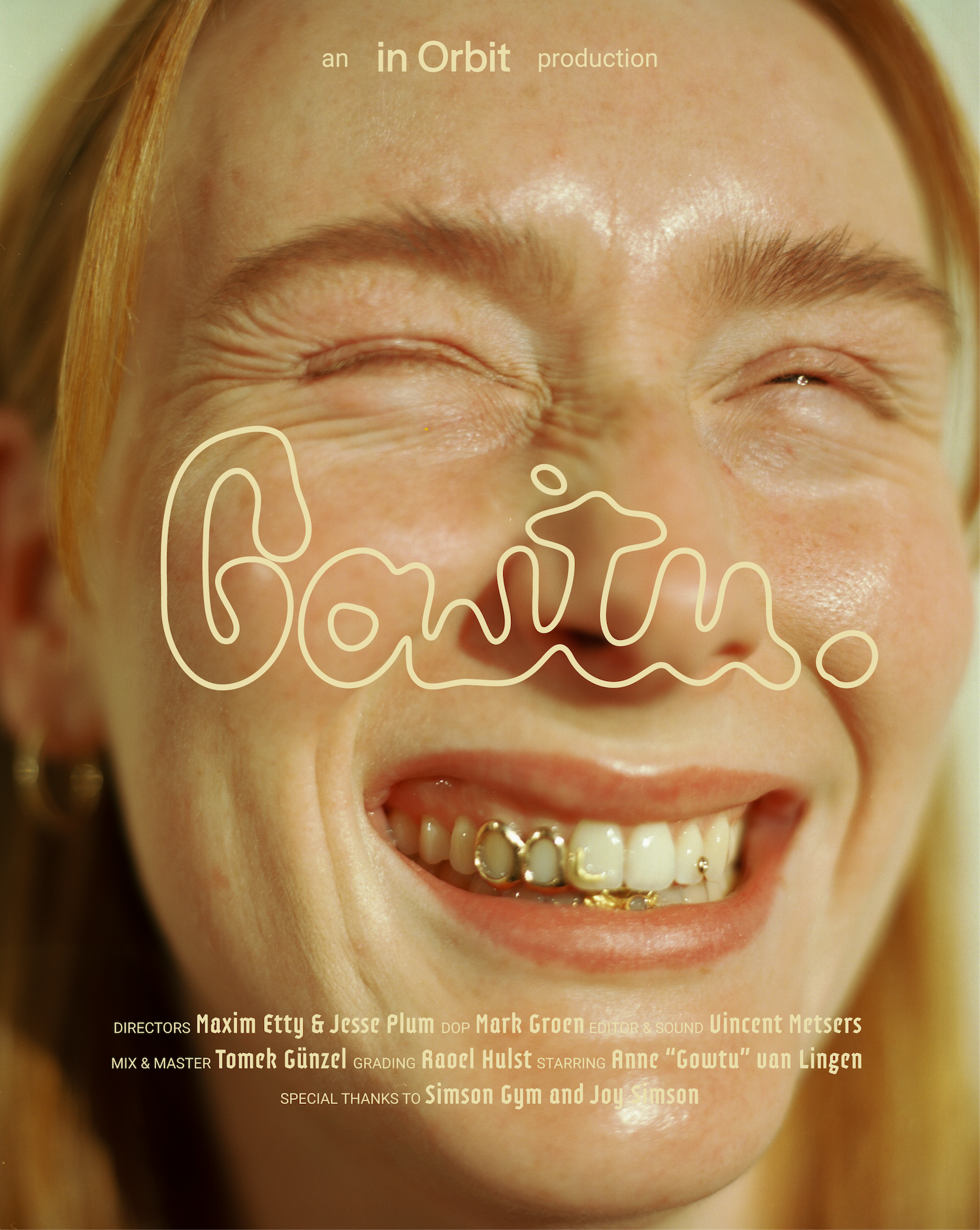
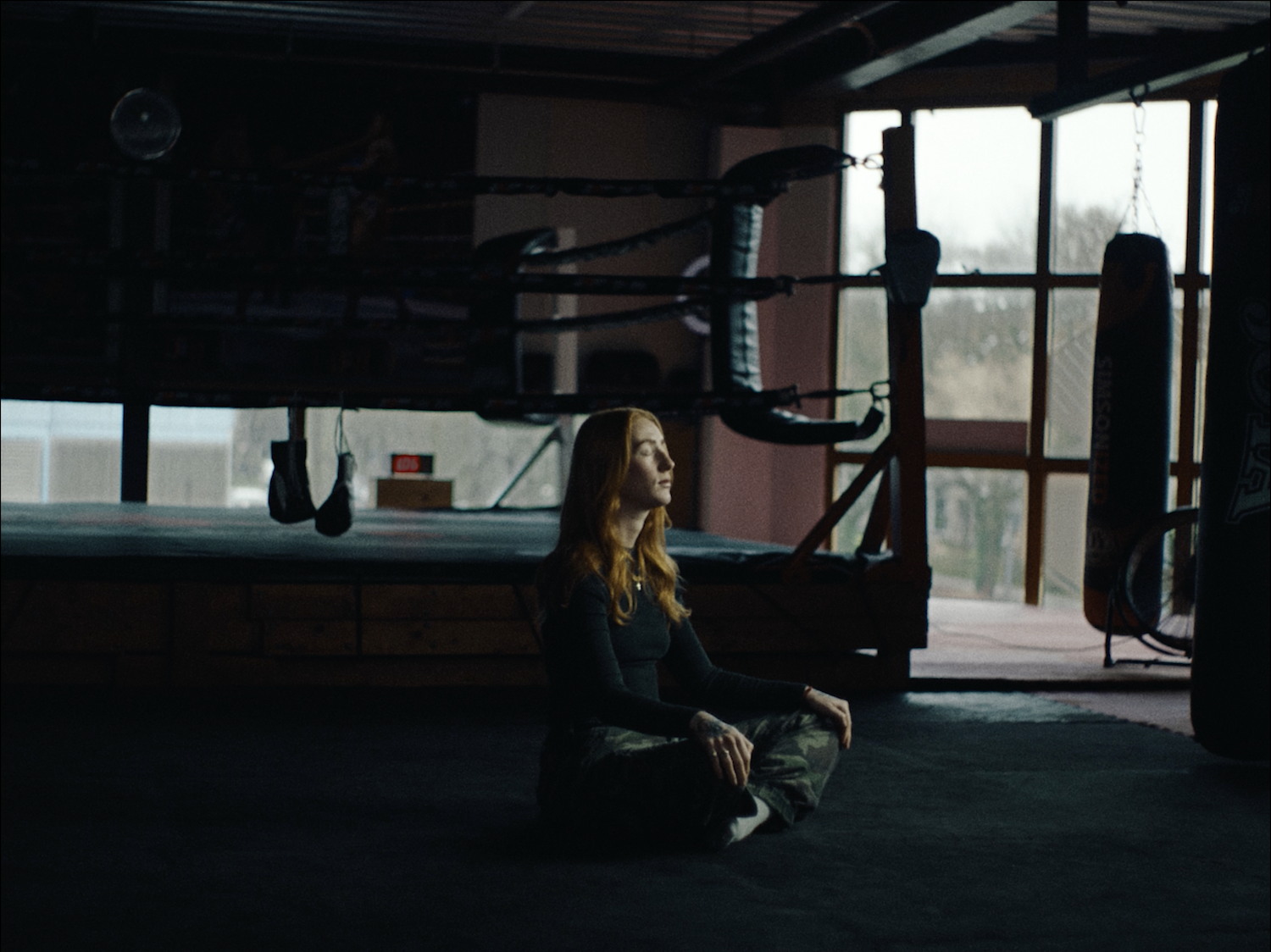
Boxing offered Anne ‘Gowtu’ van Lingen a way to find her voice after a childhood where she at times felt overlooked, left navigating a chaotic environment without a safety net. The new short documentary titled ‘GOWTU’ follows this transition from a girl lost in the noise to a woman who discovered her strength through the rhythmic discipline of the sport. It reveals how a physical outlet provides a primary tool for confronting the past and finding a way to speak up.
“I still remember the moment when boxing turned into something more than just a sport. I wasn’t in a good place mentally and suddenly everything from my past that I had suppressed or never processed came back,” confesses Gowtu in the film. “And I noticed that boxing really became an outlet for me to regulate my emotions.”
Gowtu is a familiar face in Amsterdam’s boxing scene and regularly gives training sessions at Simson Gym. She recently appeared in the ring at the Johnny Mosterd Memorial at Club Panama.
Maxim Etty and Jesse Plum, two self-taught directors based in Amsterdam, collaborated to bring this narrative to the screen. Etty utilises a background in illustration and commercial film to pull clarity out of visual chaos, giving the project a raw yet polished finish. Plum focuses on the authentic connection between people and their environment. Their combined efforts captured the intimate details of Gowtu’s life and her current dedication to supporting others.
Reports from Dutch NGO Injebol show that one in four young adults struggle with mental health due to rising rates of anxiety and depression. Gowtu now spends her time training youth who carry their own heavy histories, showing them that the gym is a place where they can finally belong. “Sometimes you see kids struggle and not really know how to express it. I often recognise parts of myself with the kids I work with,” she explains.
The project supports initiatives that contribute to raising awareness of mental health among young people. Documenting Gowtu’s transition into a mentor allows the filmmakers to show that the weight of a difficult past can be transformed into motivation.
Viewers can find the documentary online, where it acts as a call to action for anyone feeling isolated by their circumstances. Like many others, Gowtu’s story proves that the journey towards healing often starts with a single step into the light, reminding us that resilience is built through discipline and the support of a group that understands the struggle. For those who feel they need someone to talk to, the film points directly to the resources provided by Injebol.
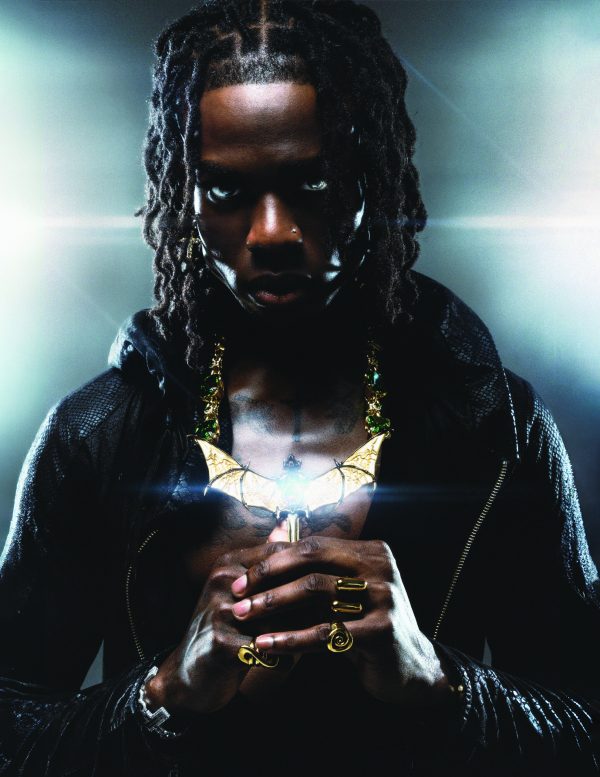
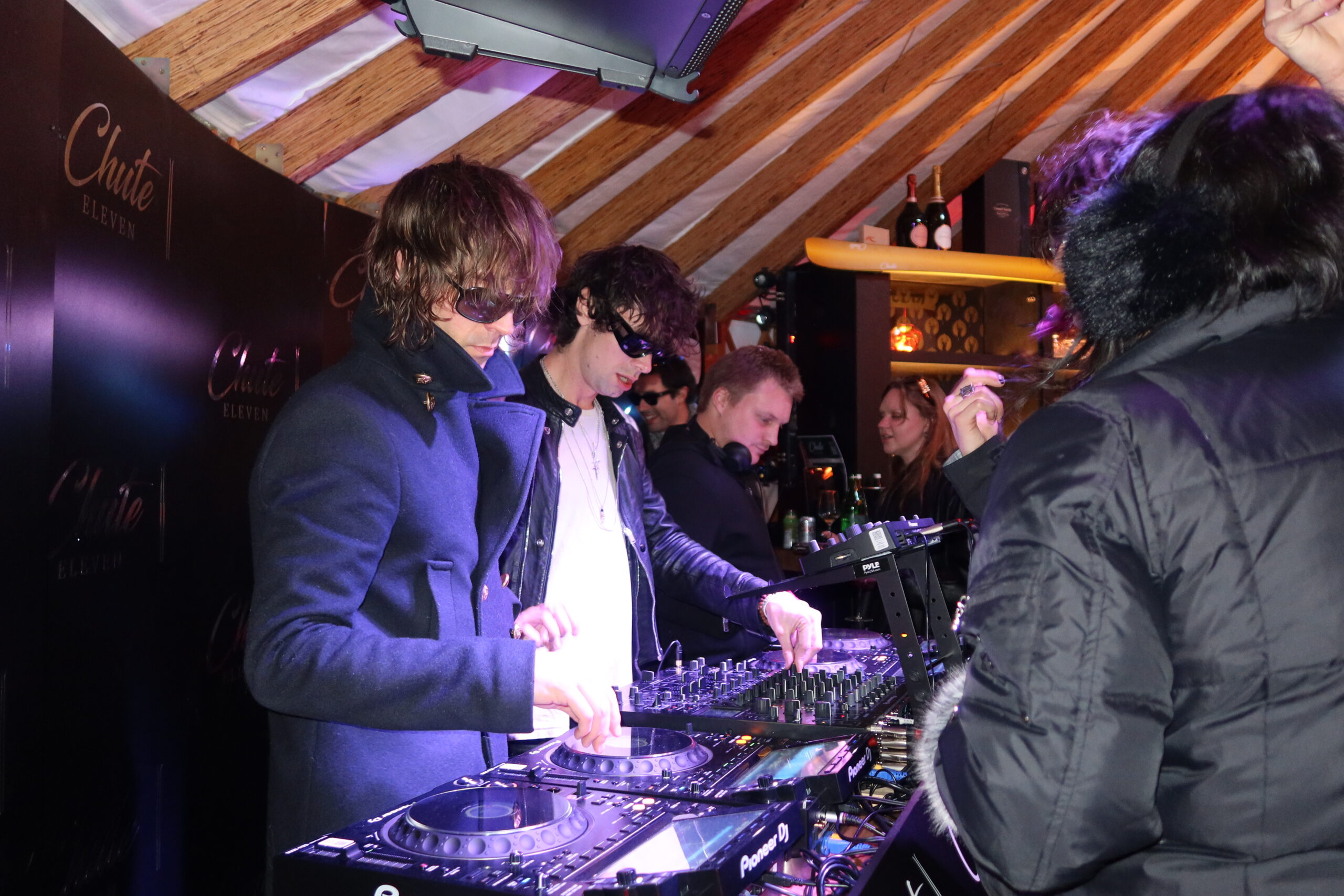
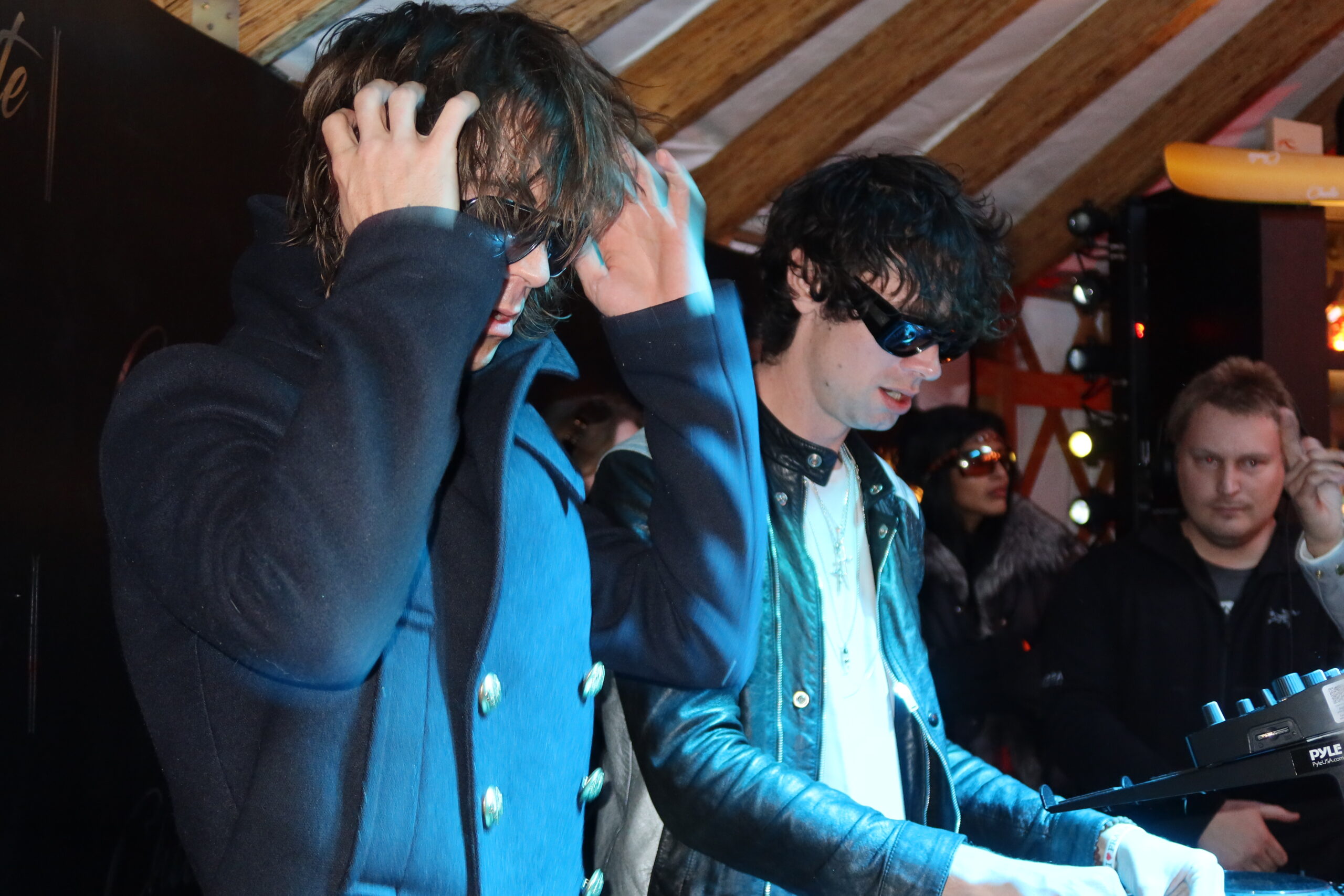
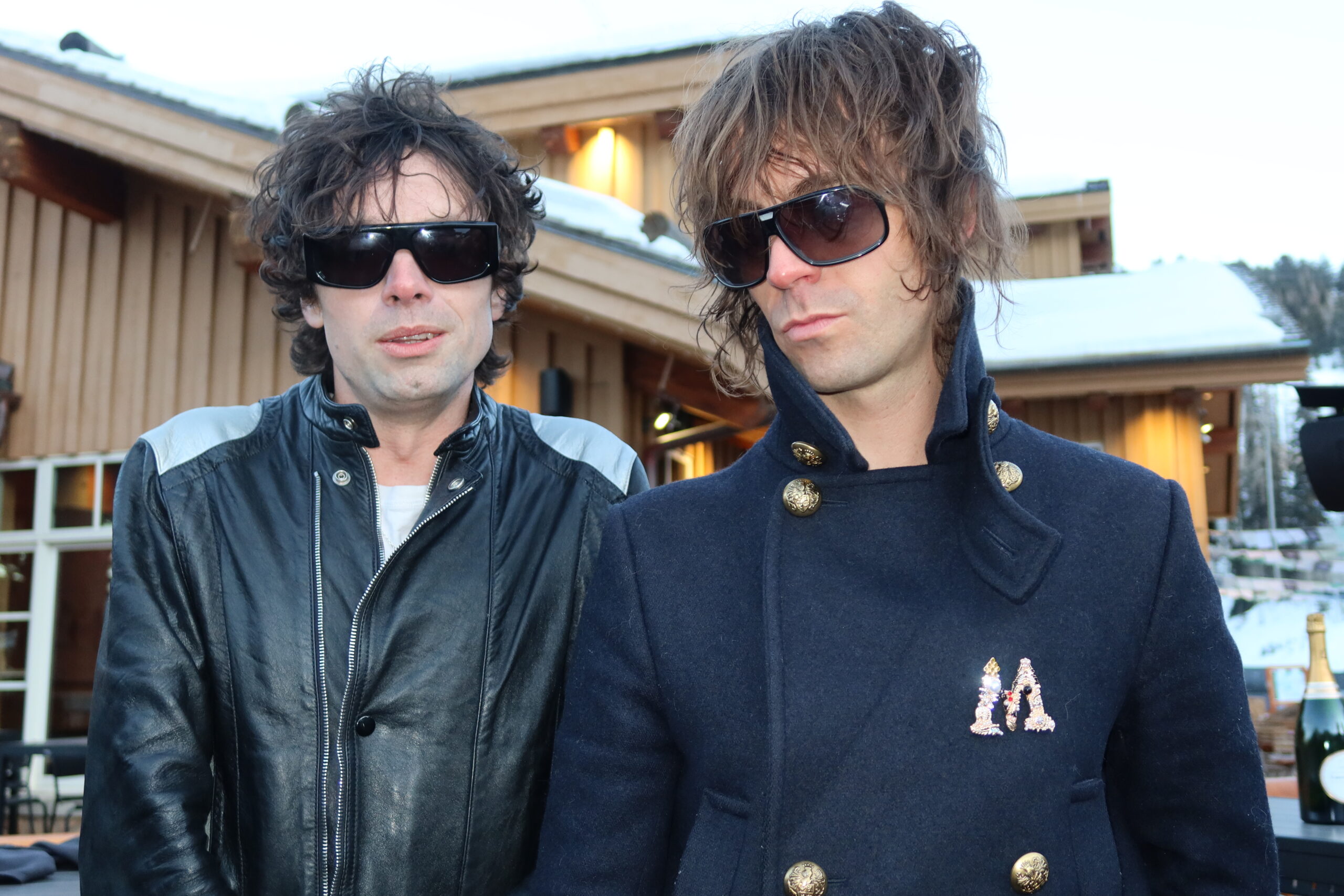
Up a winding road from Park City, Utah’s Main St, The Hellp lit up Deer Valley Resort’s Chute Eleven bar with an electric DJ set surrounded by snowy slopes as the city celebrated the Sundance Film Festival below. An indie electronic duo out of LA, The Hellp (Chandler Lucy and Noah Dillon), has been on a major tear as of late, with their song “Here I Am” from their 2025 album “Riviera” going viral and regularly opening for 2hollis.
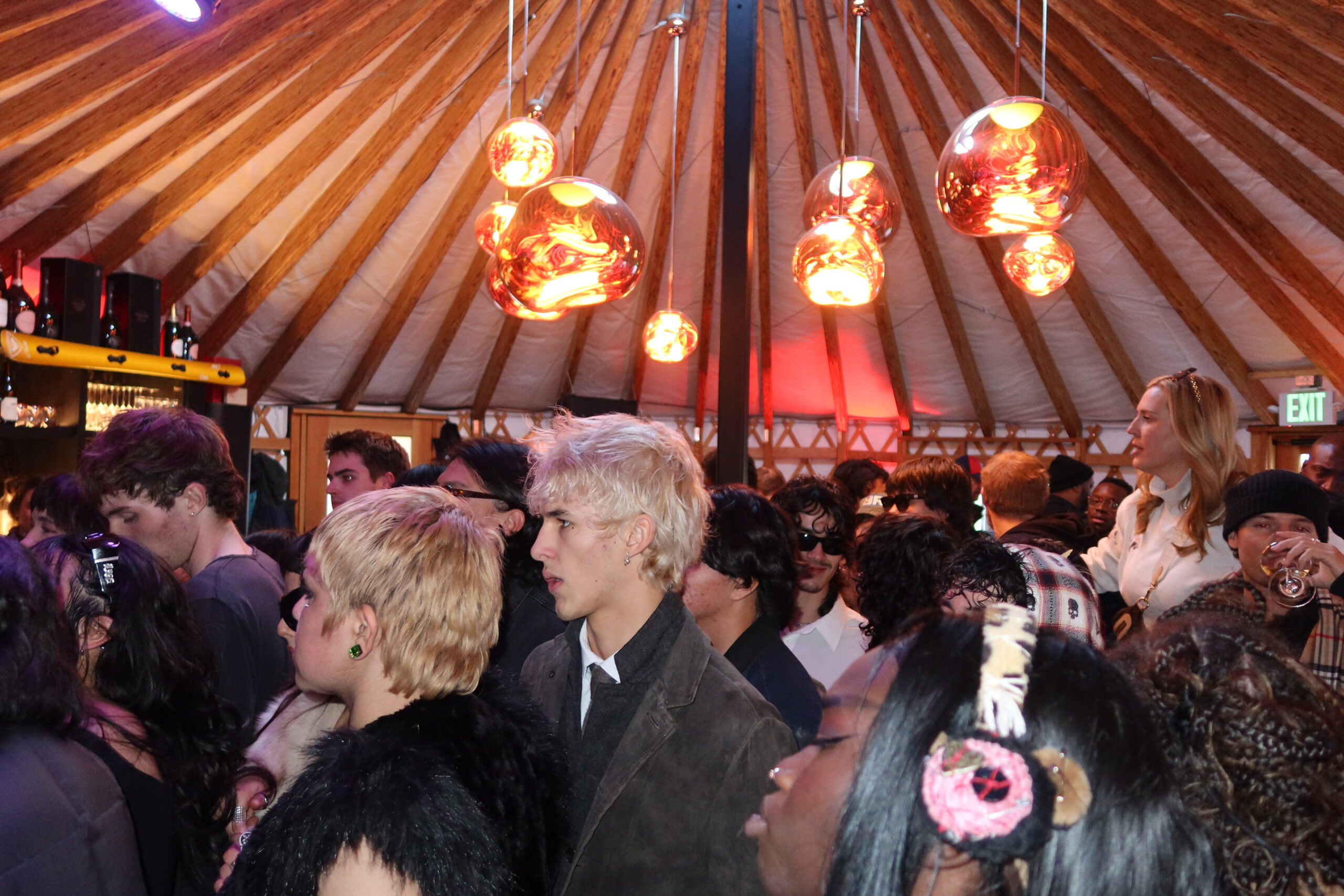
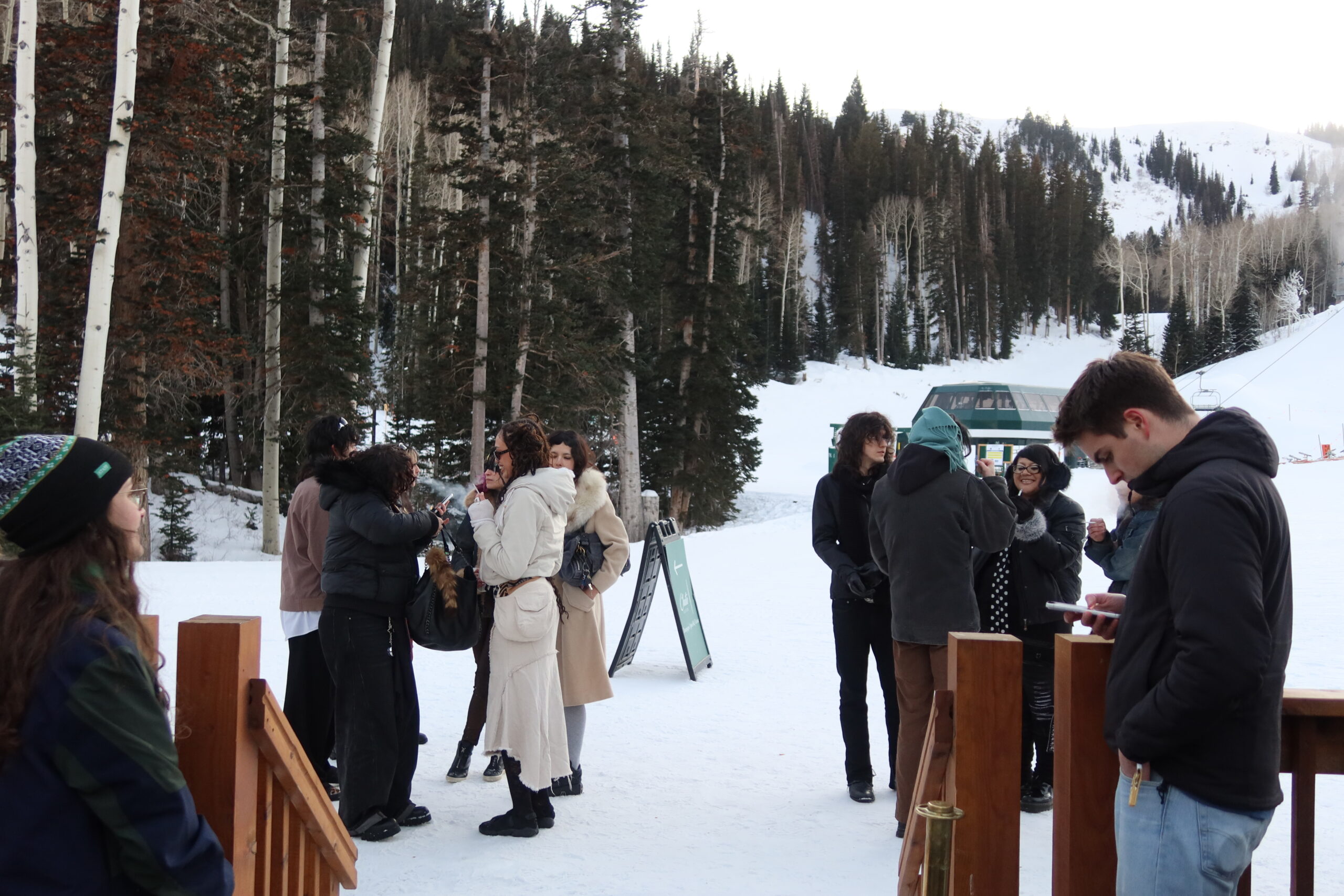
Lucy and Dillon commanded the room with a set of decks spinning tracks of theirs like “Caustic” from behind blackout sunglasses. Fans packed the champagne yurt’s après-ski interior and encircled the duo, clad in fur, leather, and lace, amidst strobe lights and camera flashes.
As the sun went down over the Rocky Mountains, The Hellp spun a final encore and looked towards their future. “We’ve got more ground to cover, so there is no sense in feeling nothing until it’s over,” said Lucy. “Never DJed in the snow before. It doesn’t feel any different than how it always has, though, every experience is a part of our unending revolution,” said Dillon.