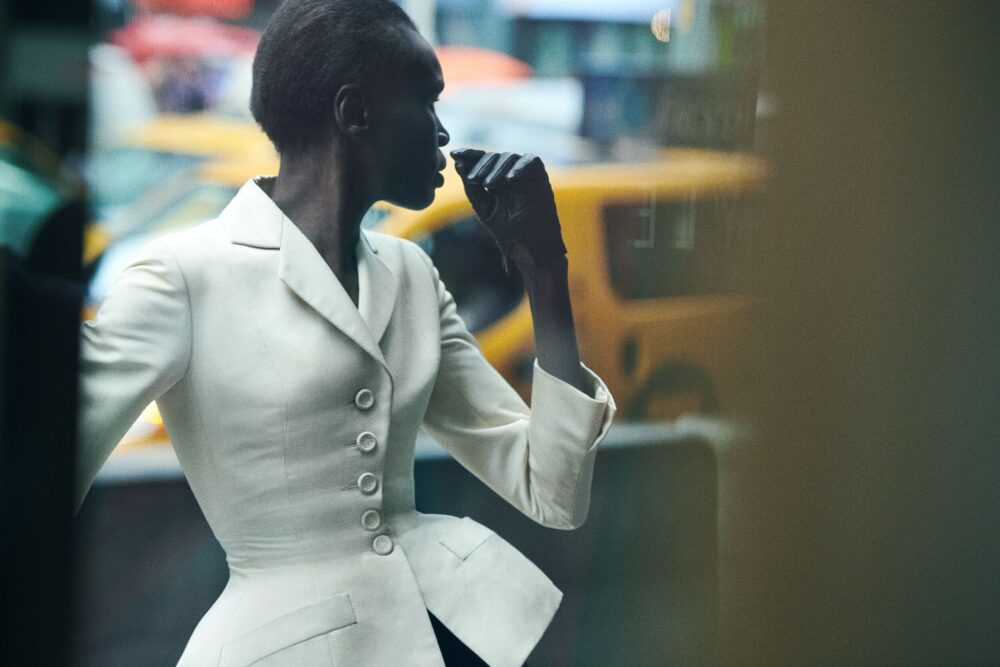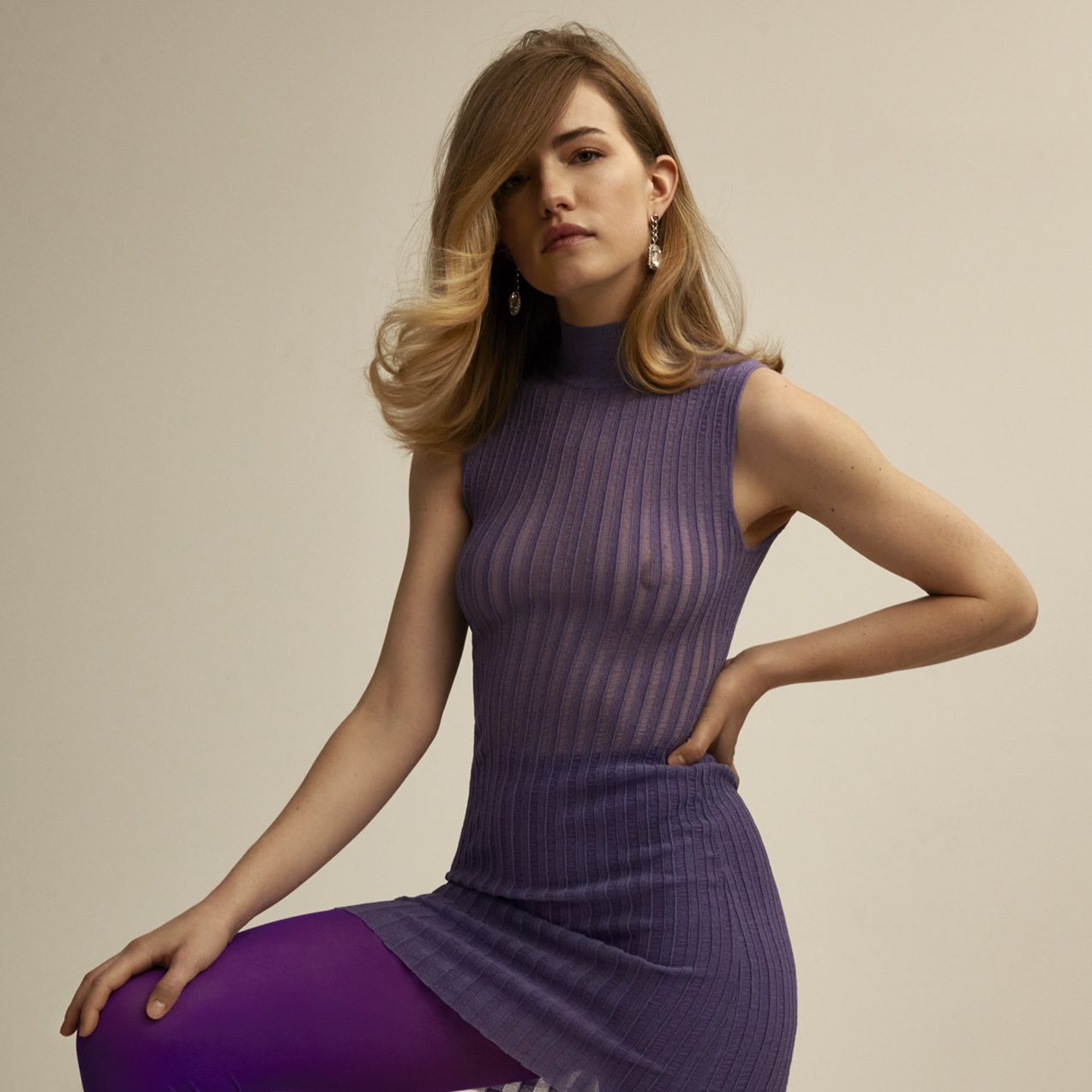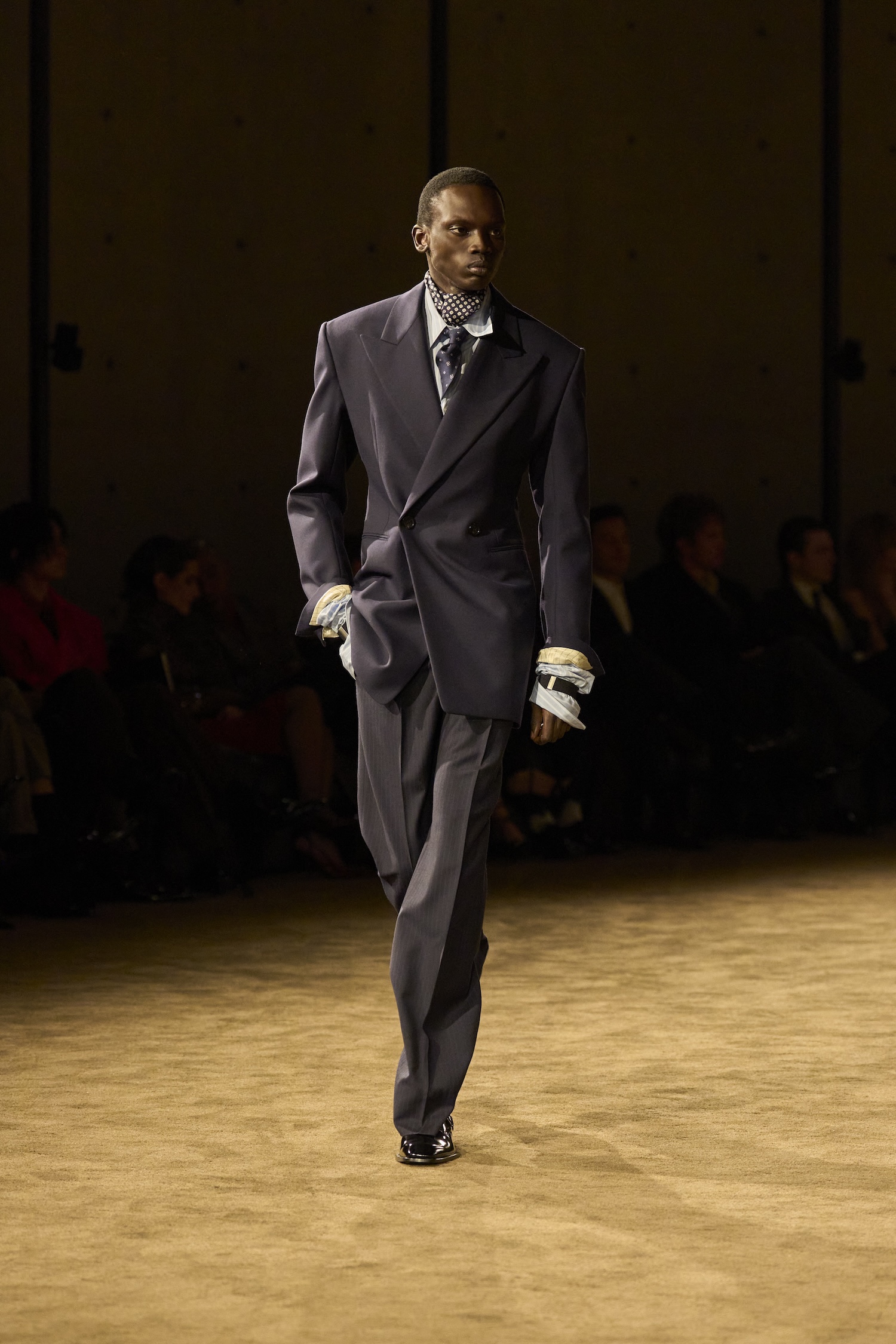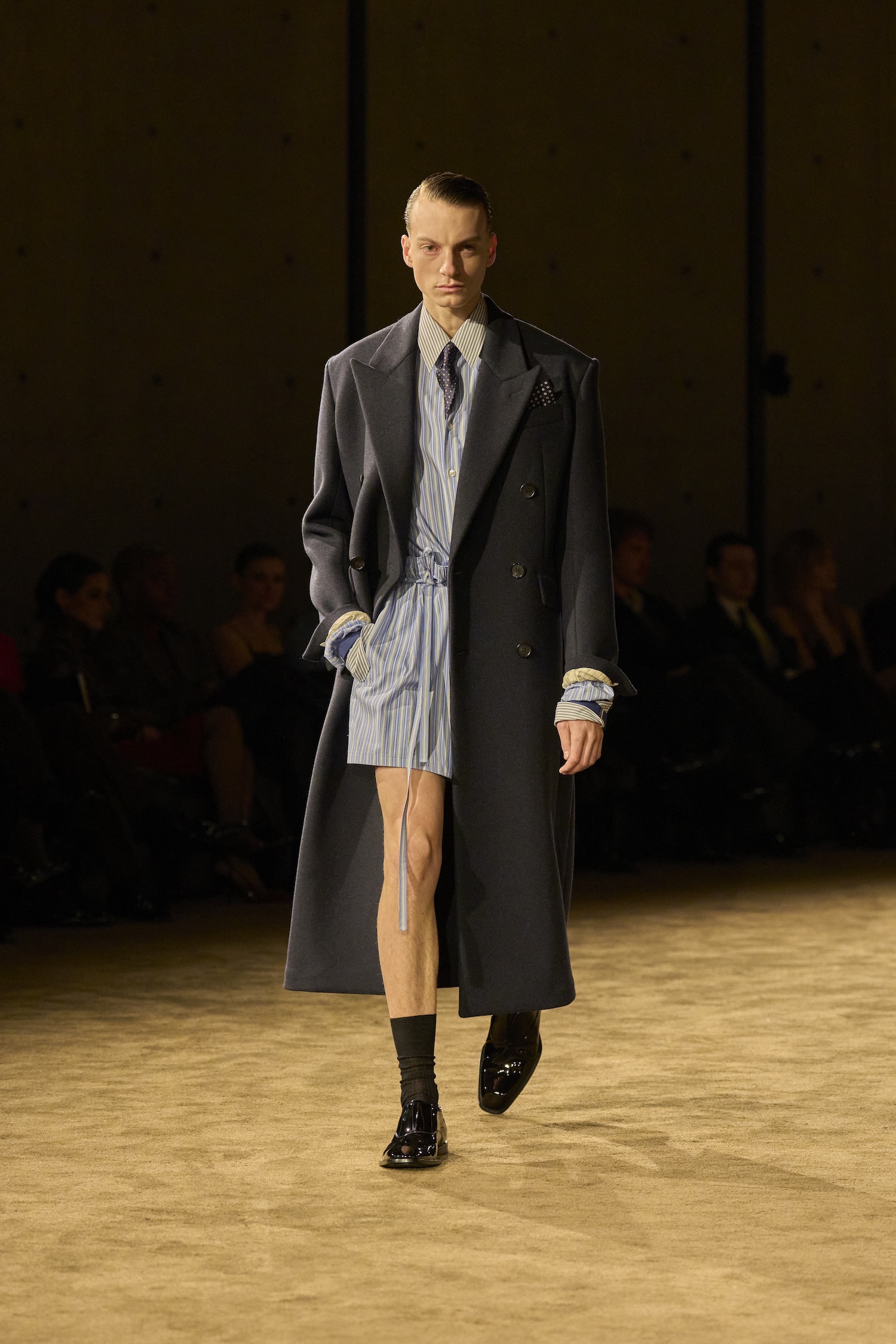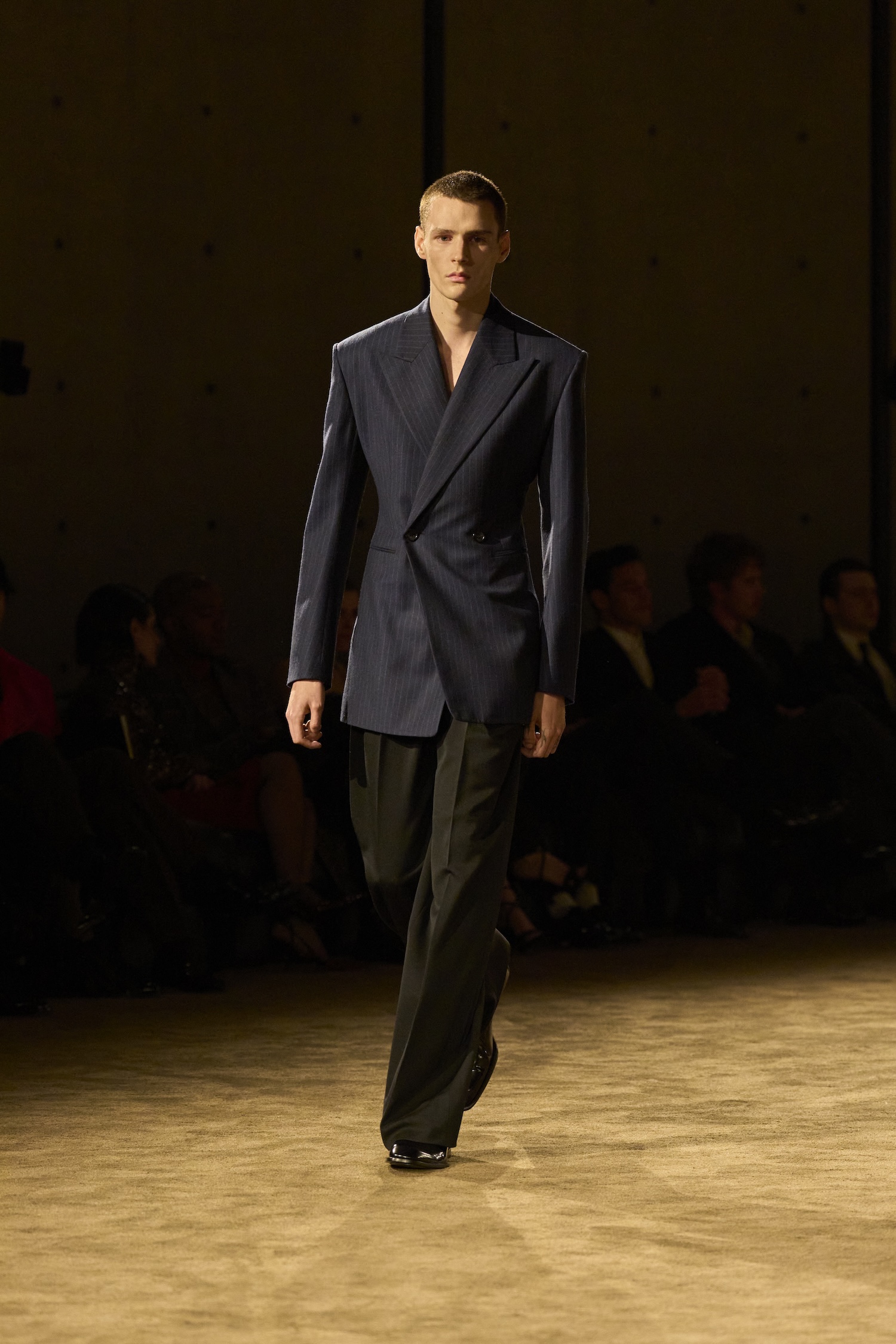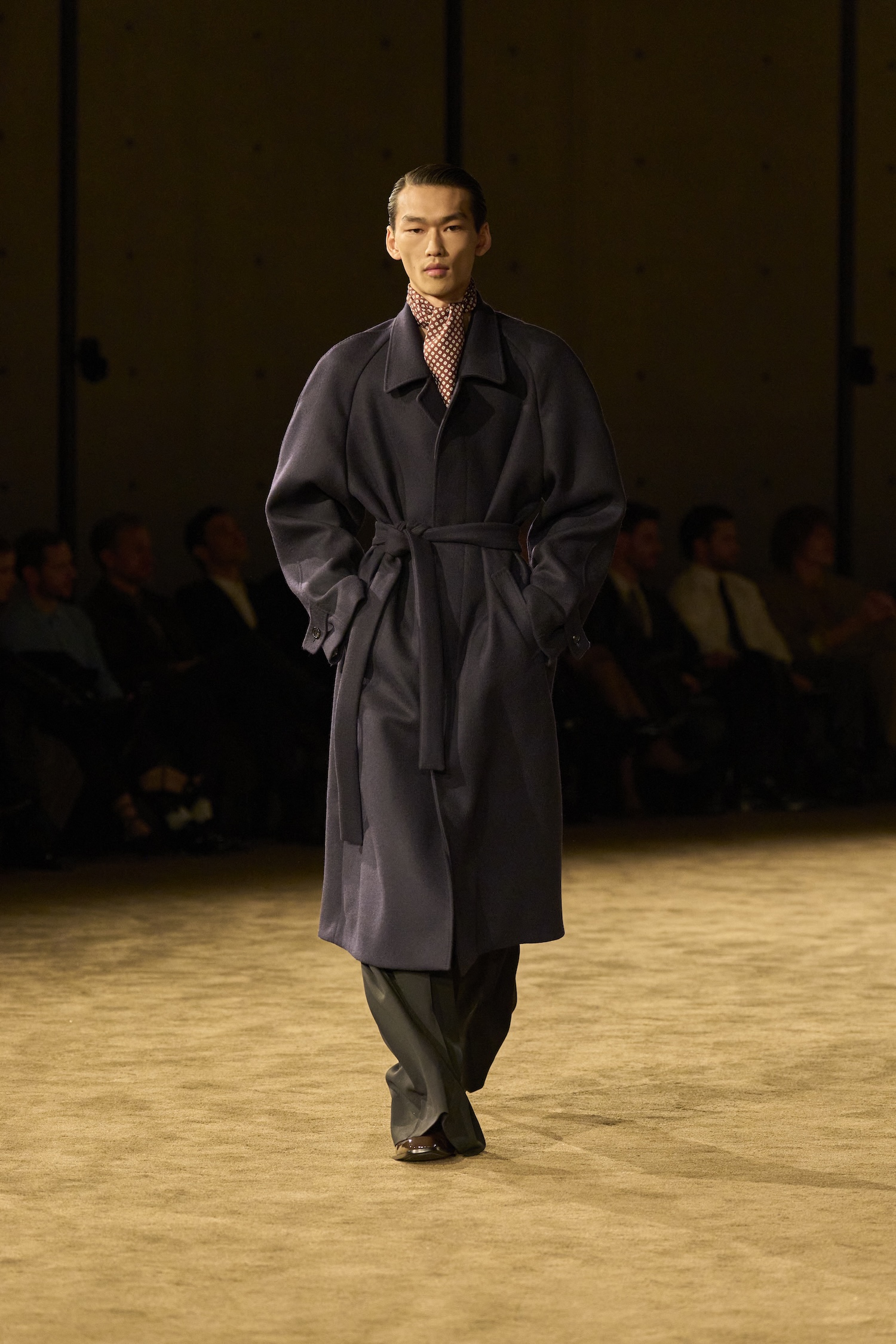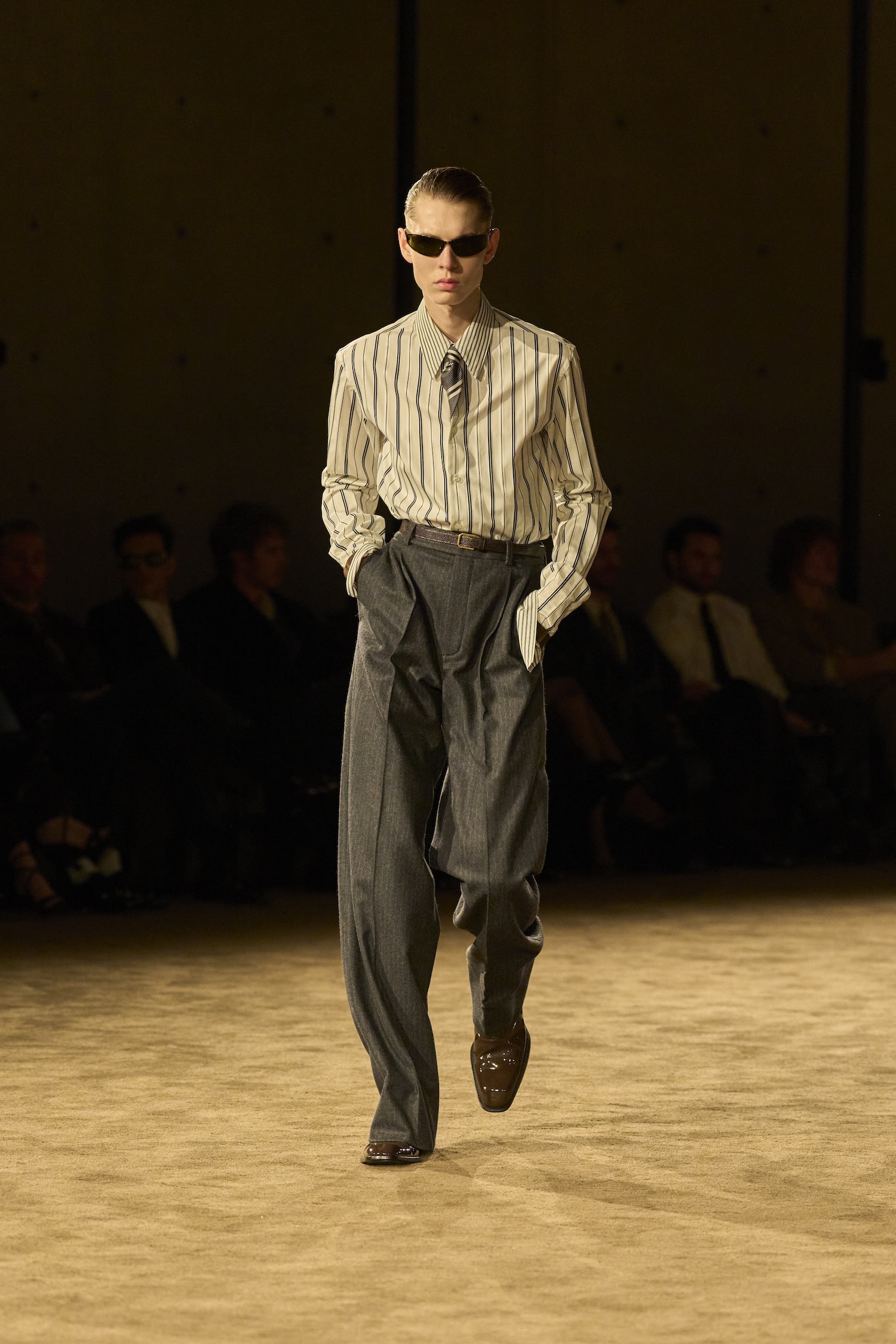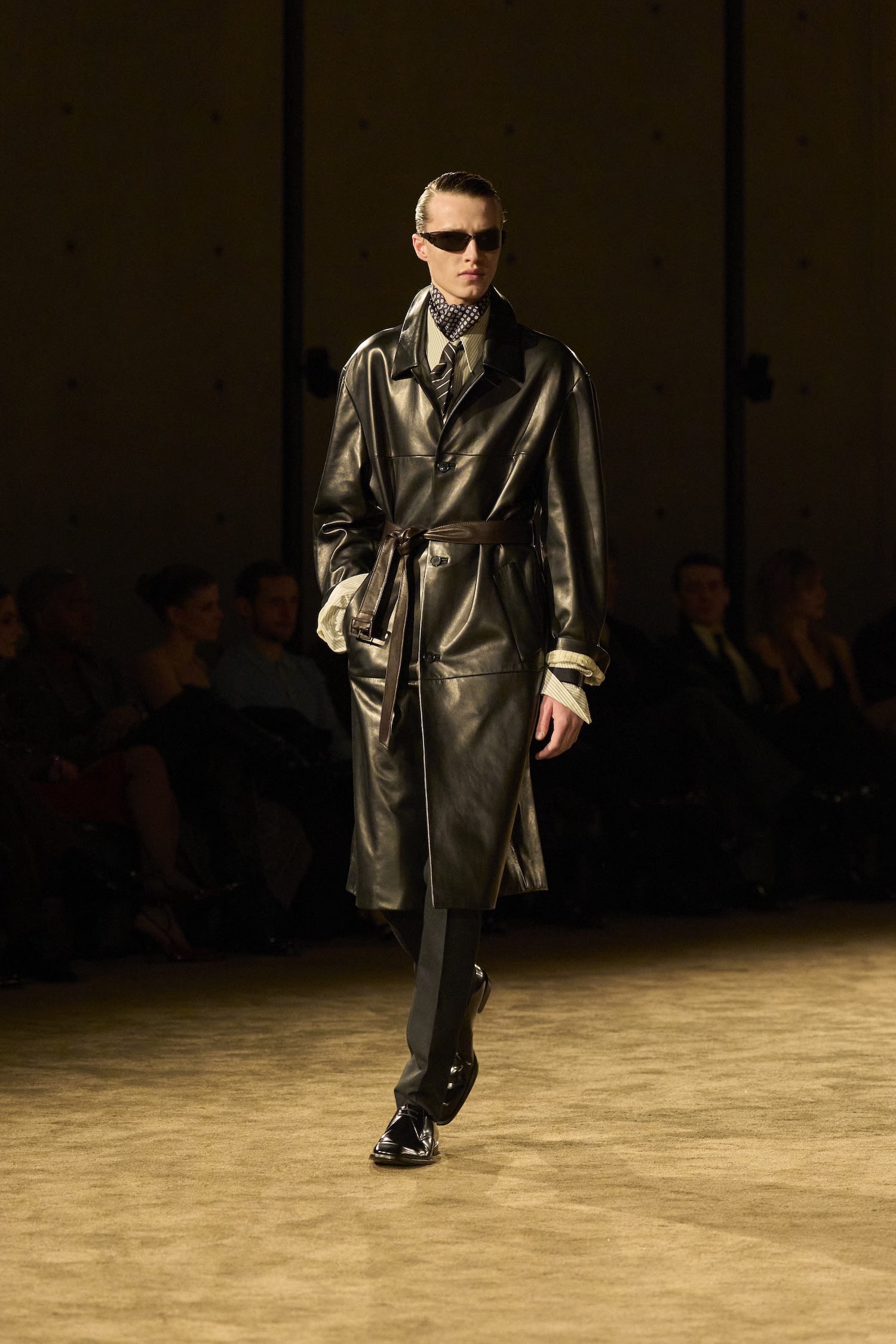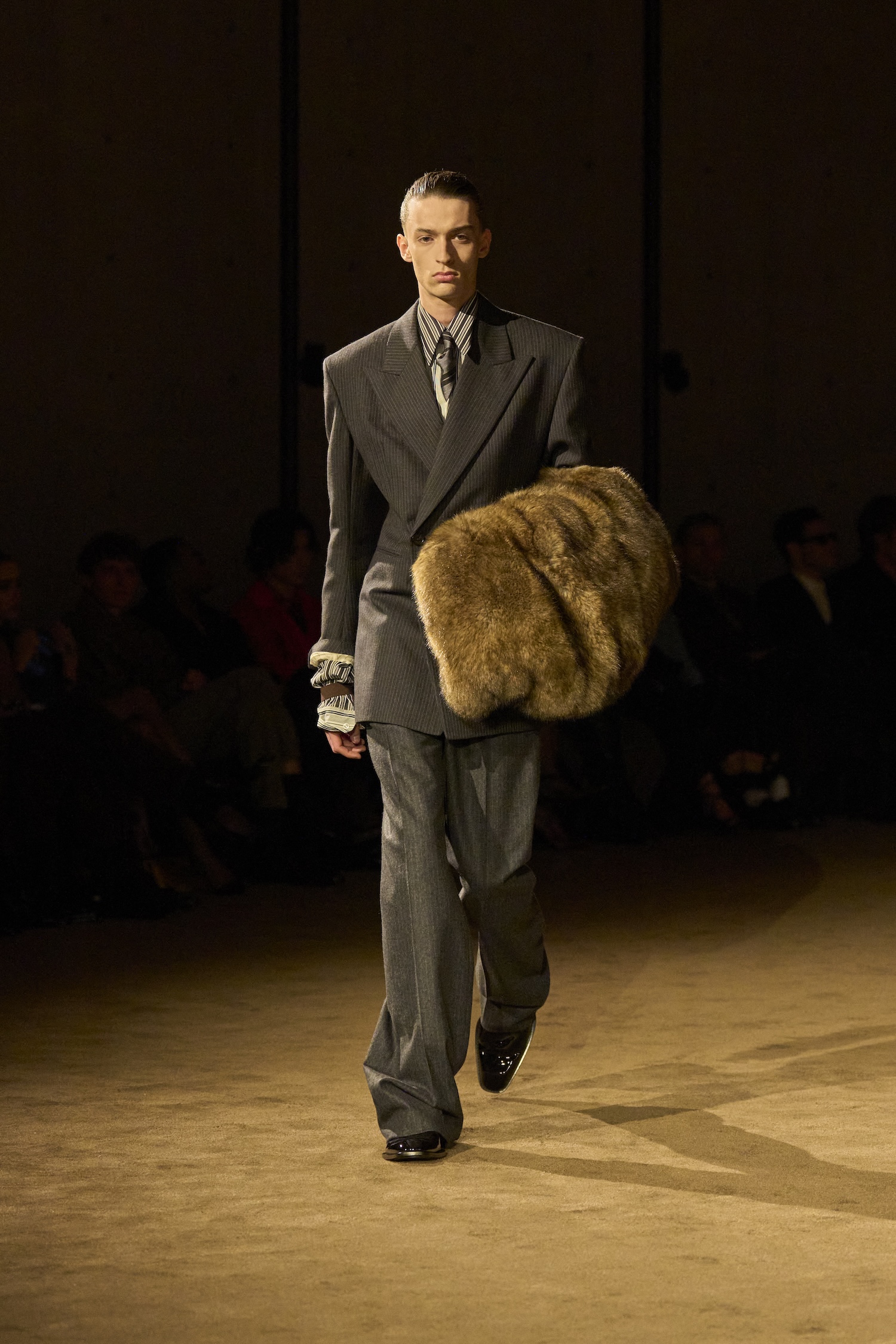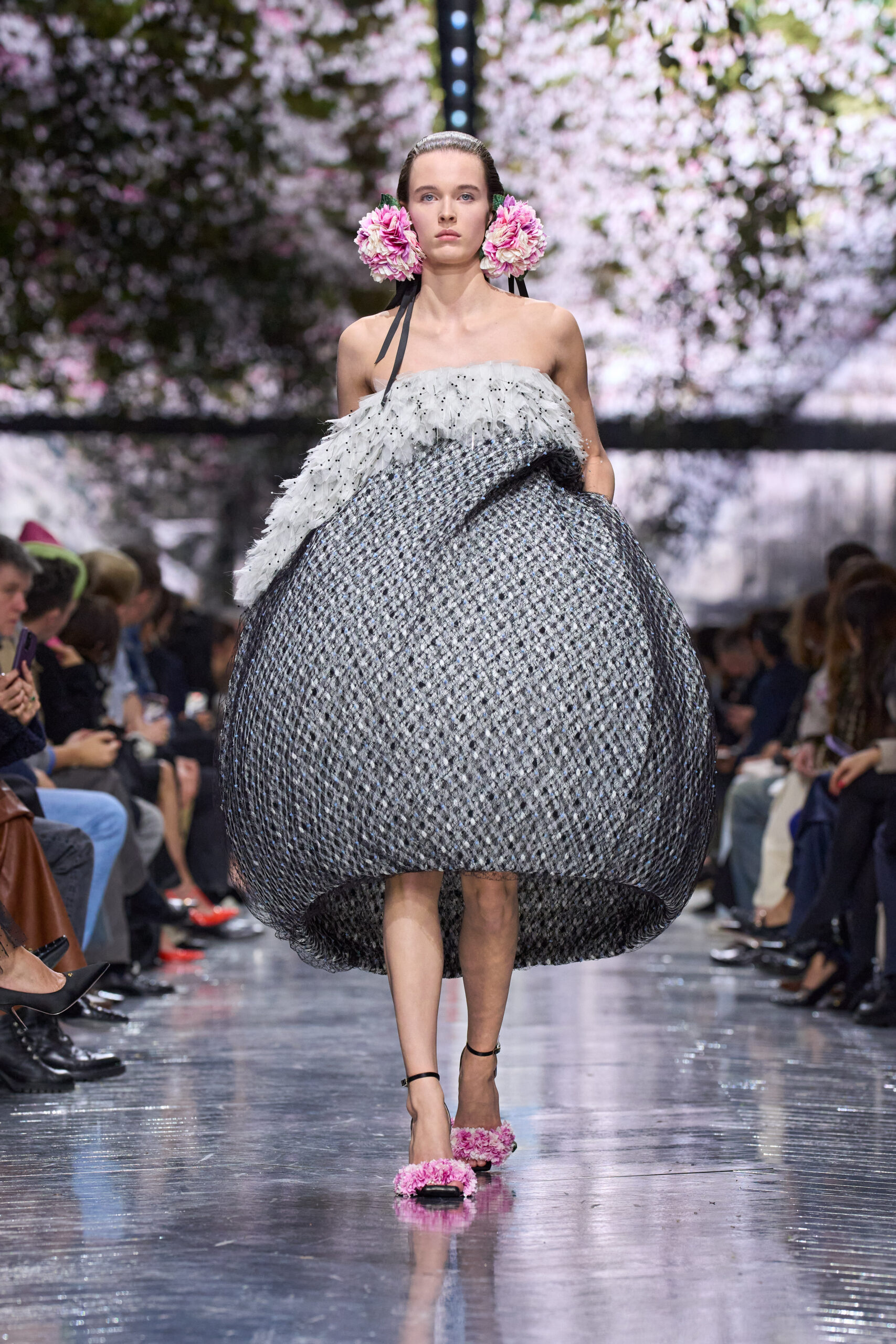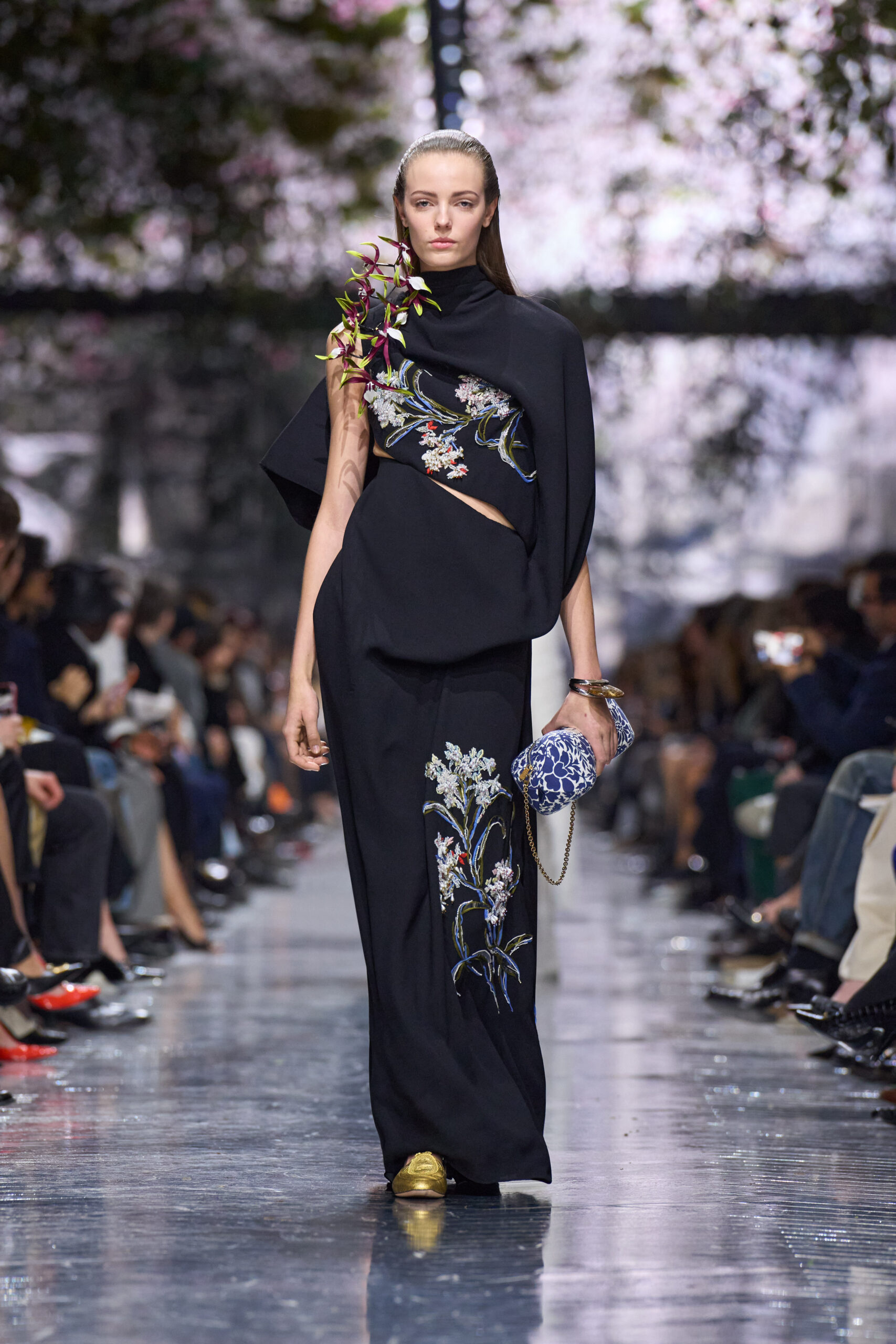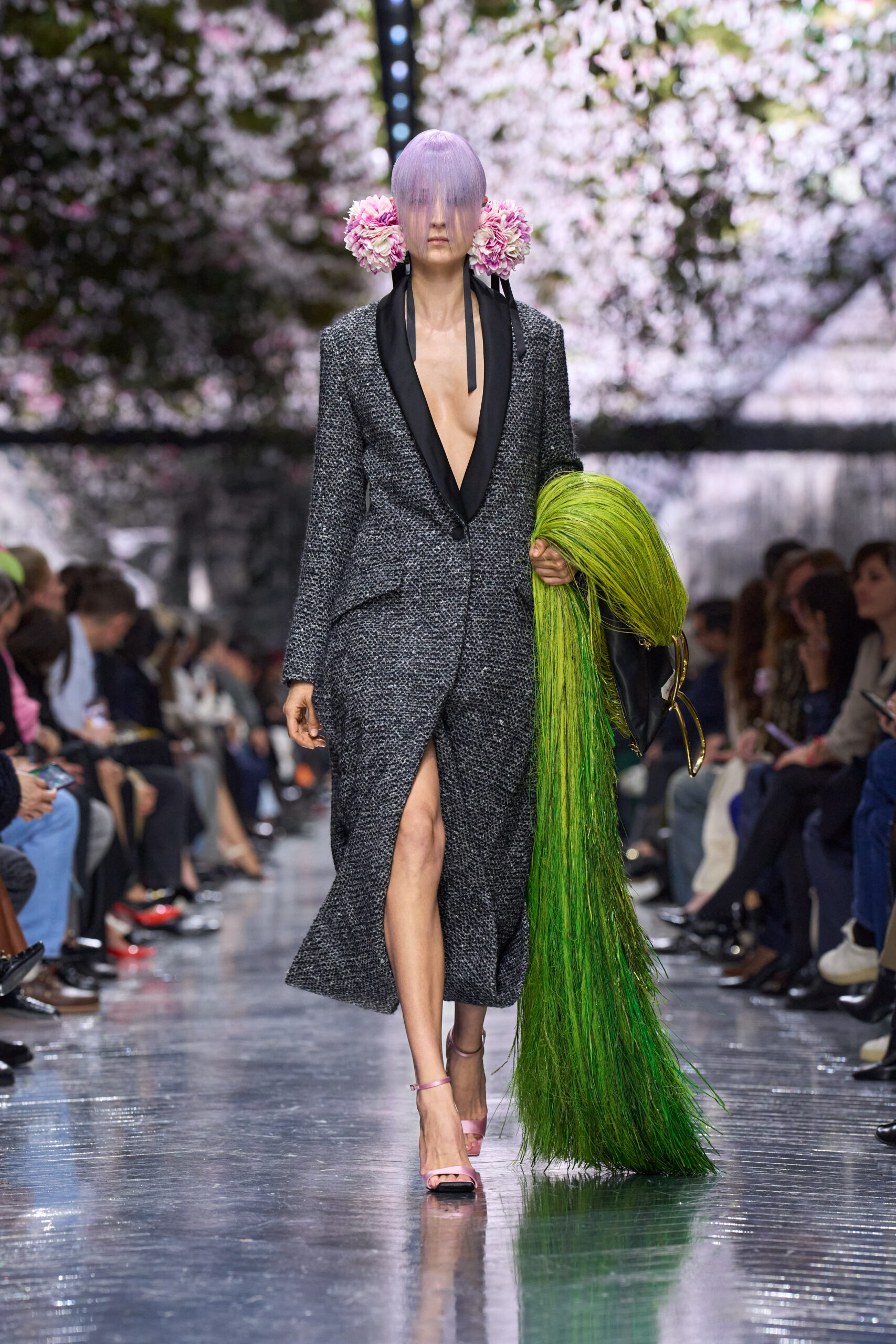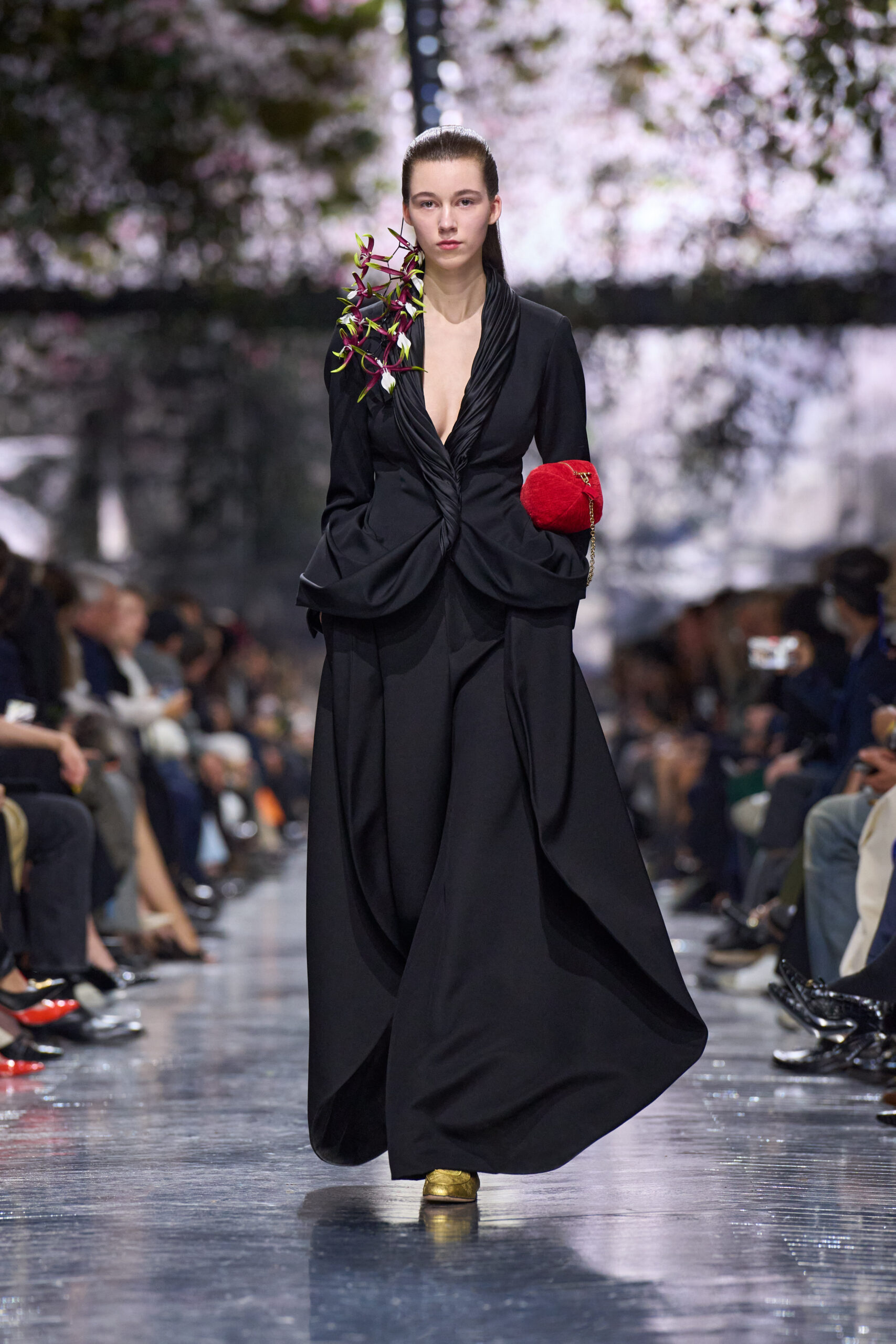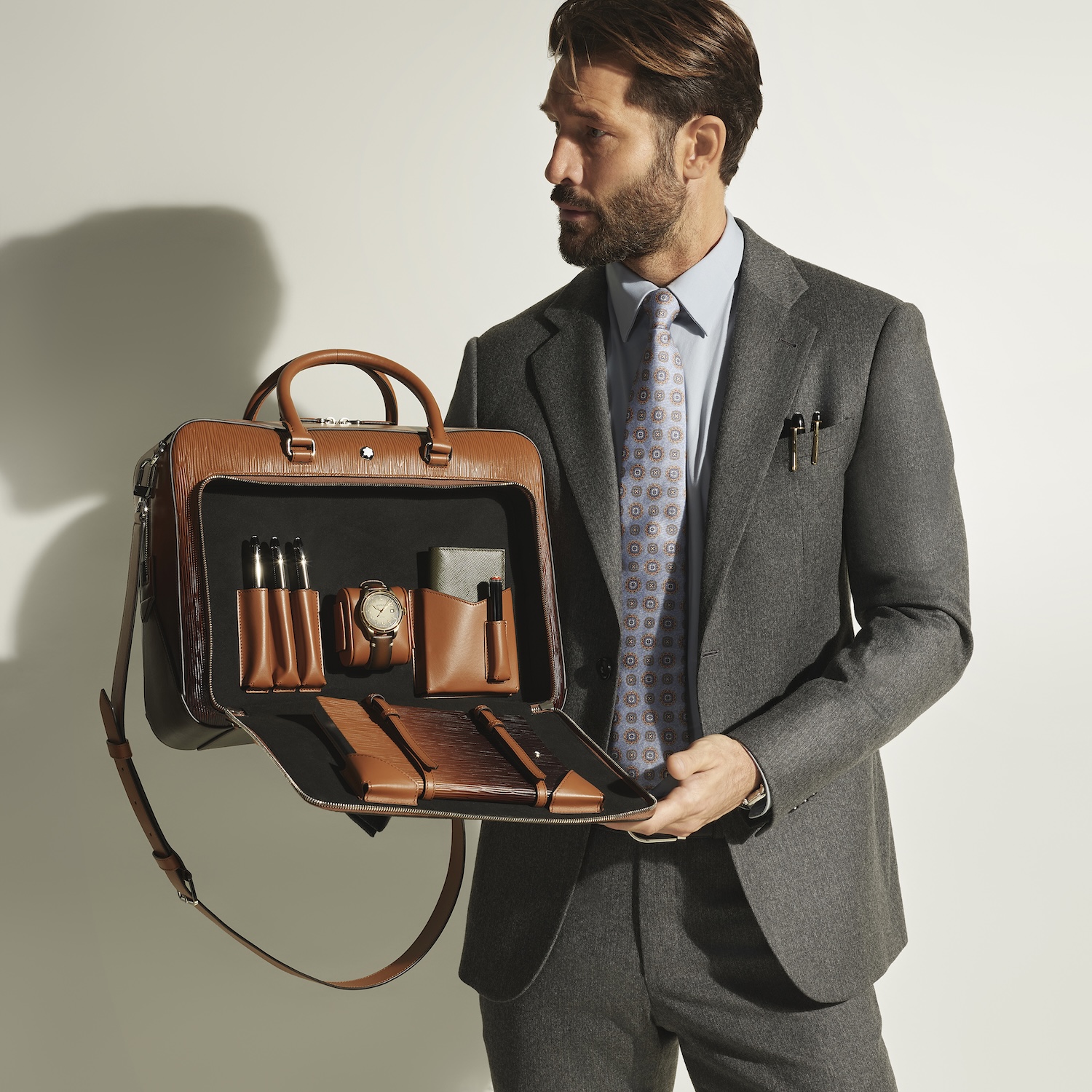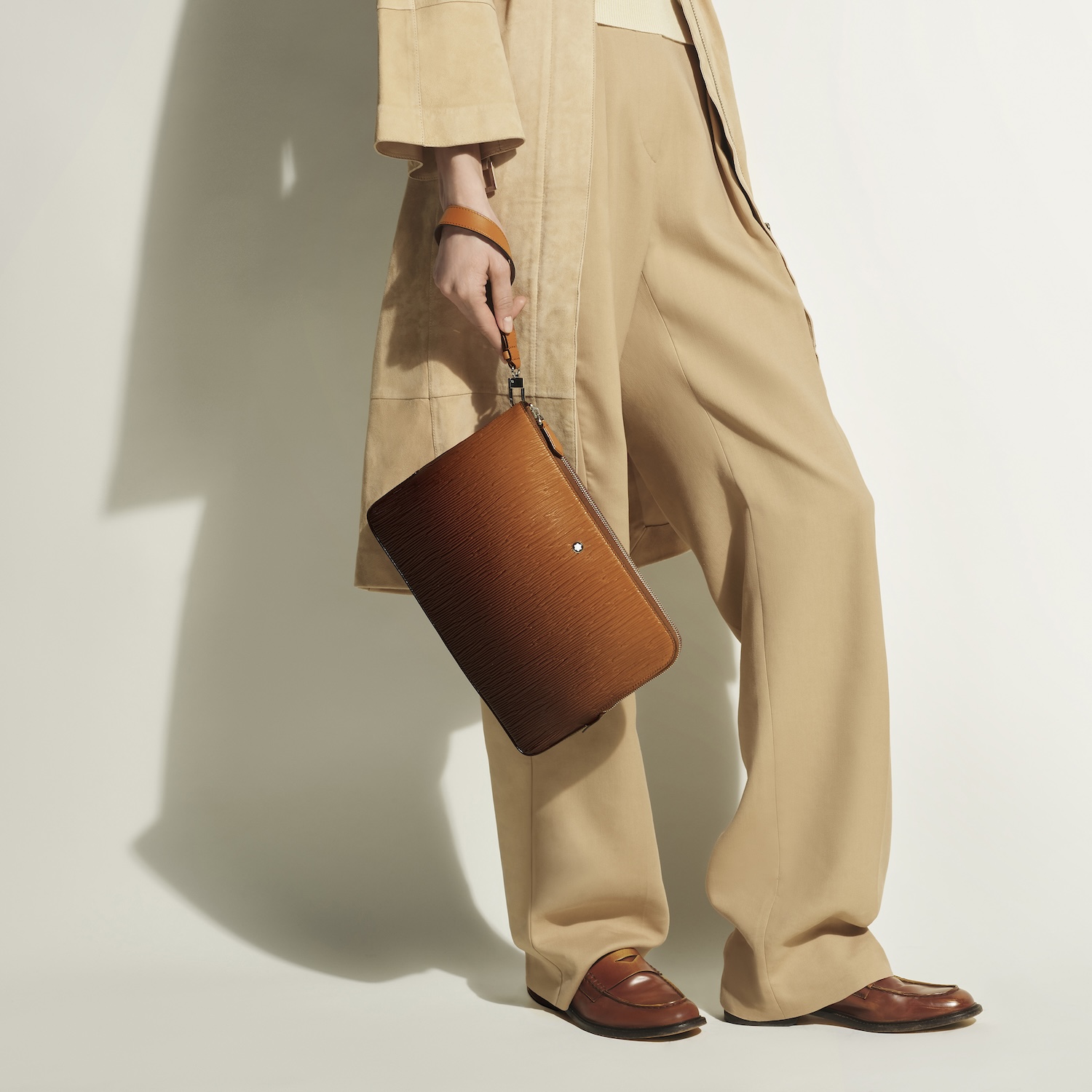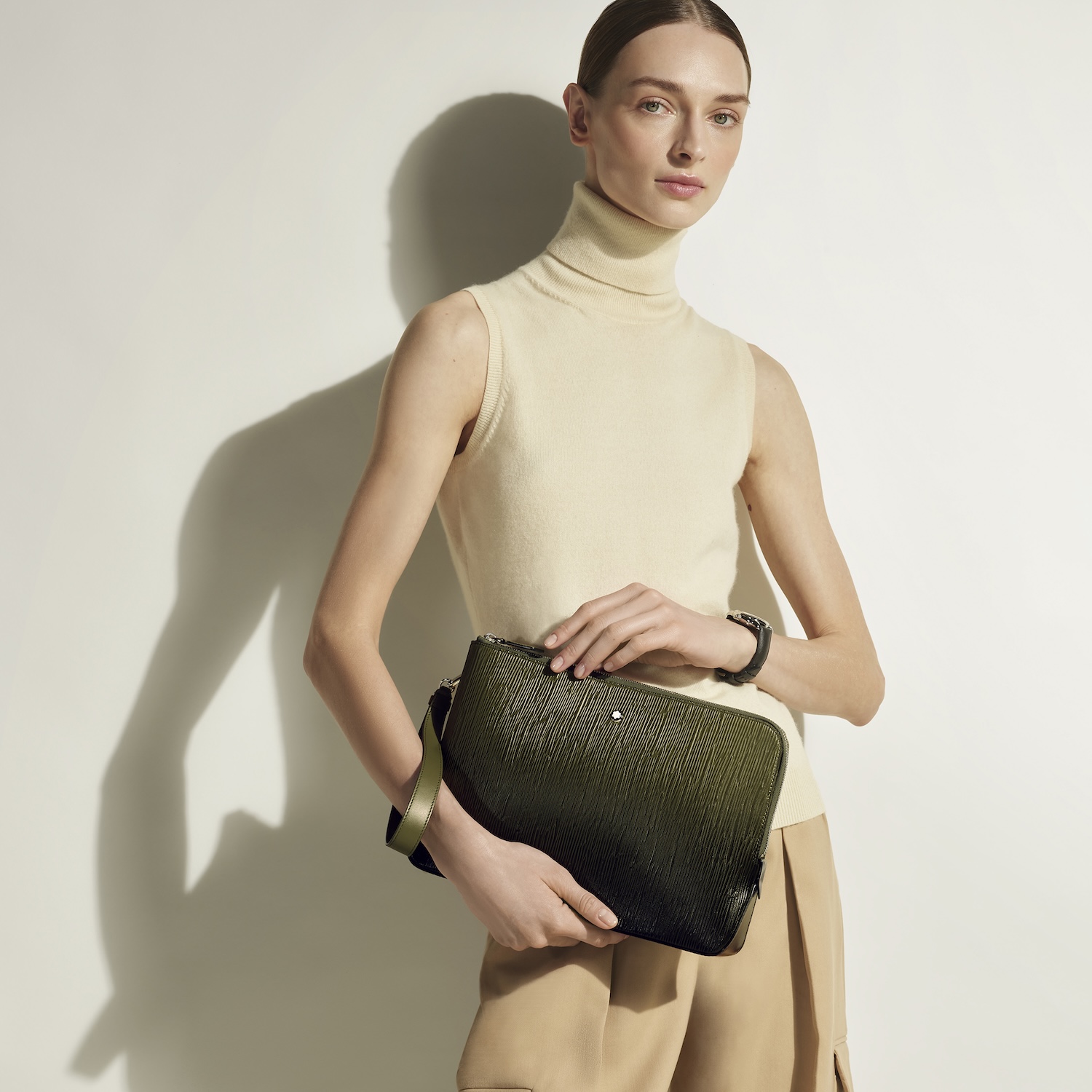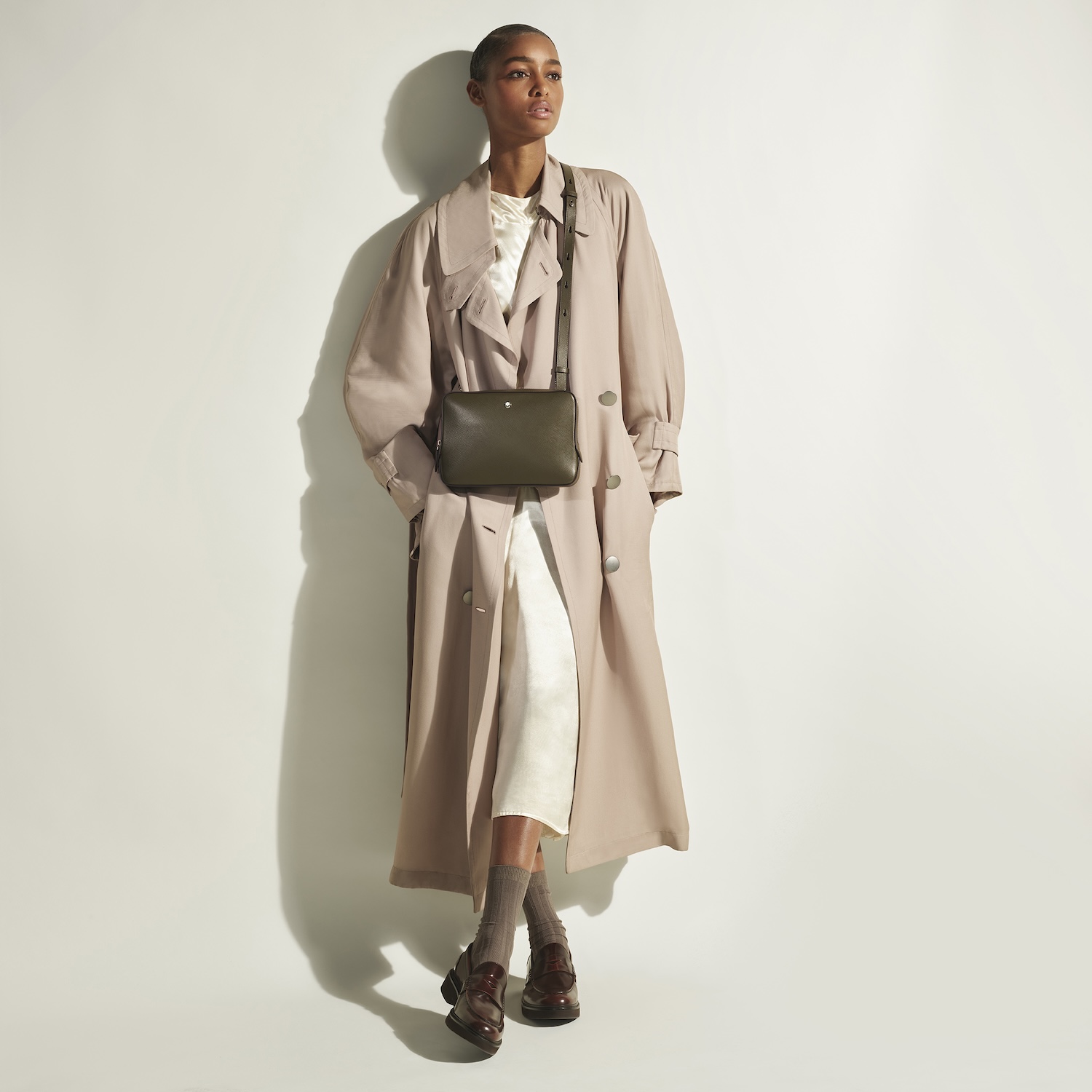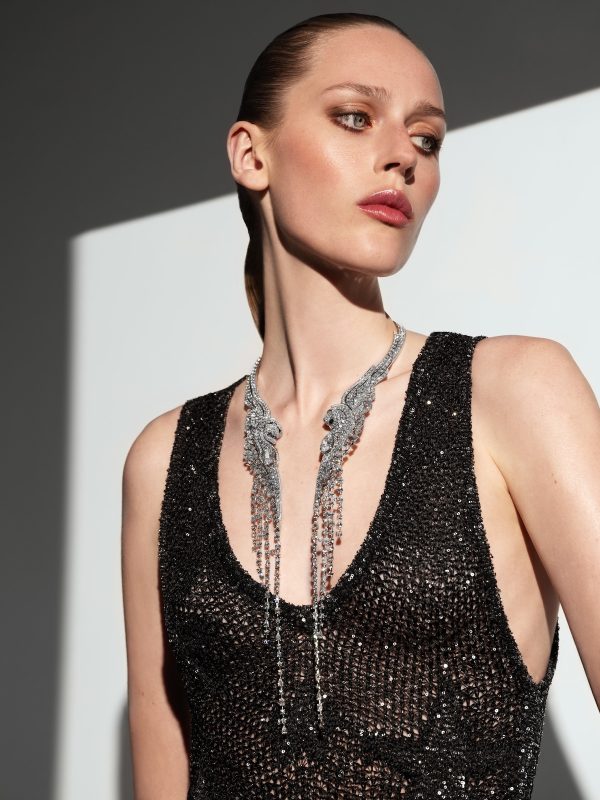


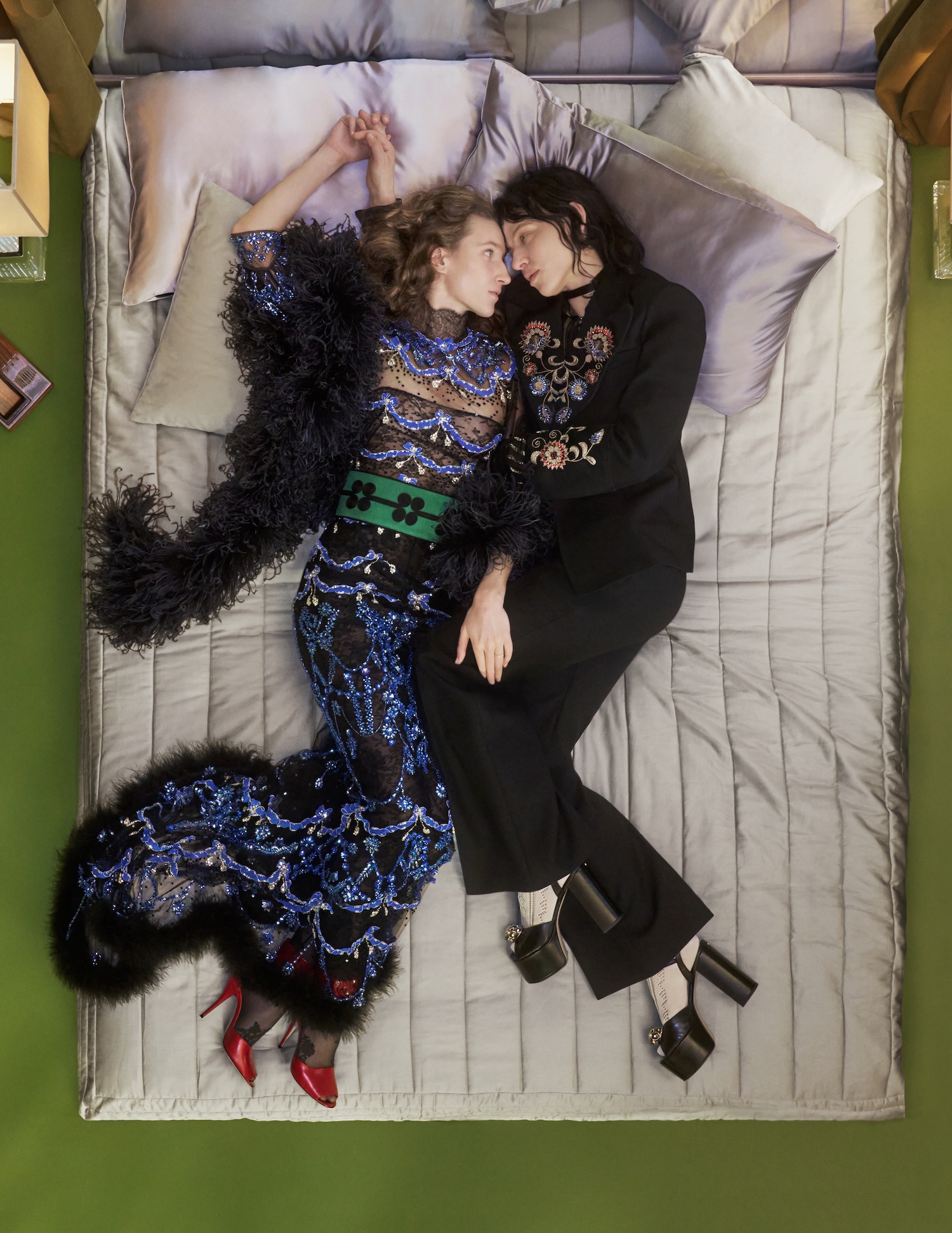
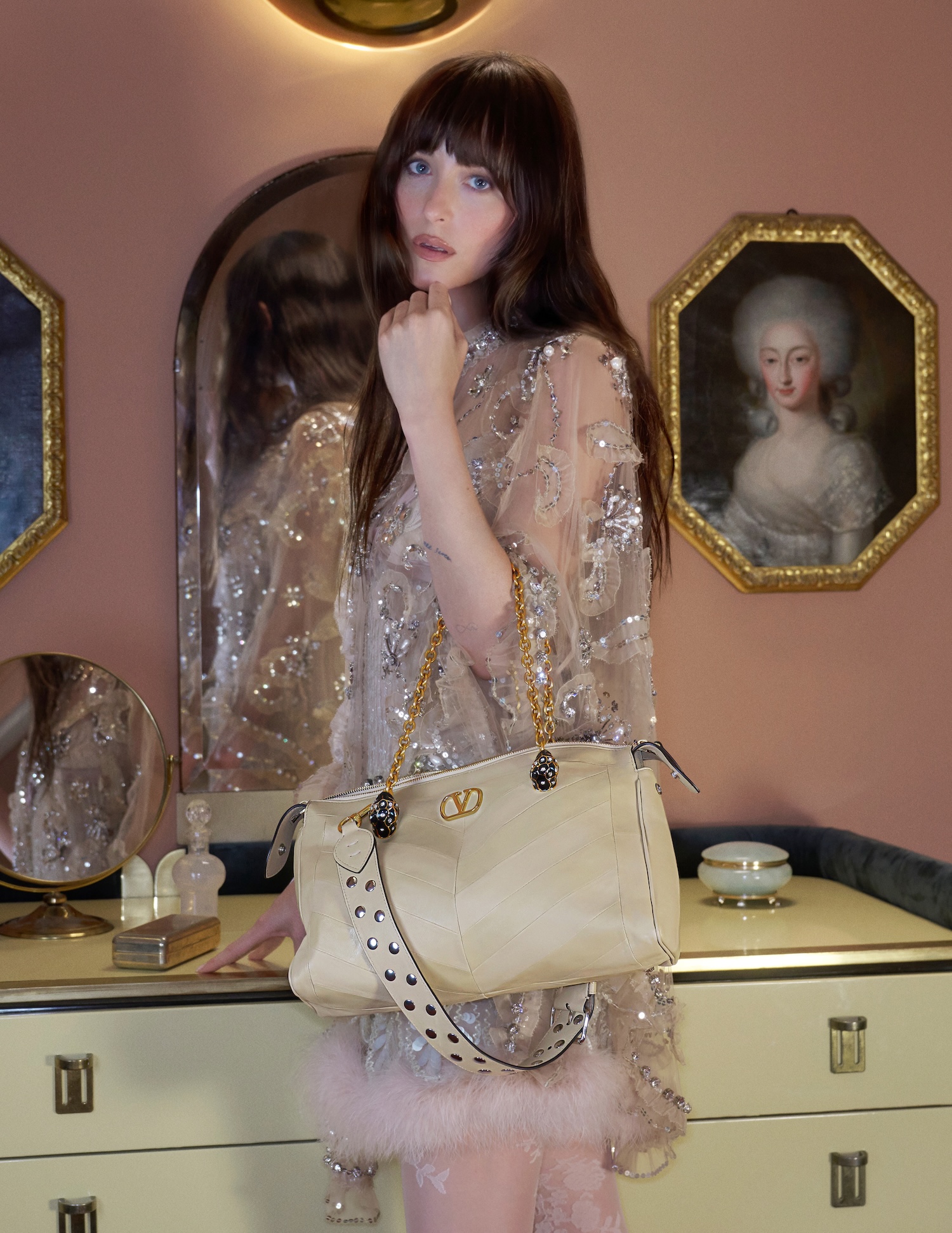
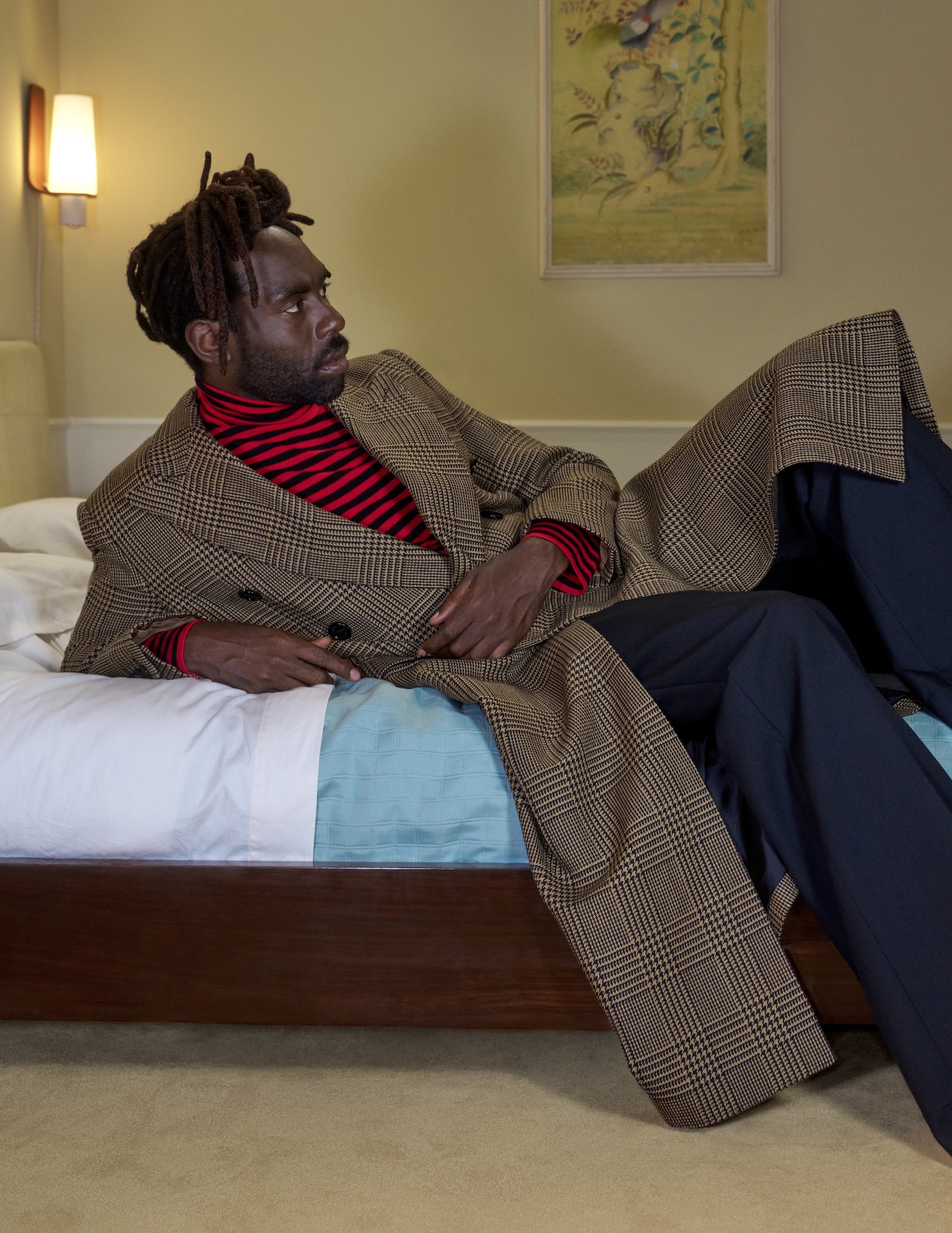
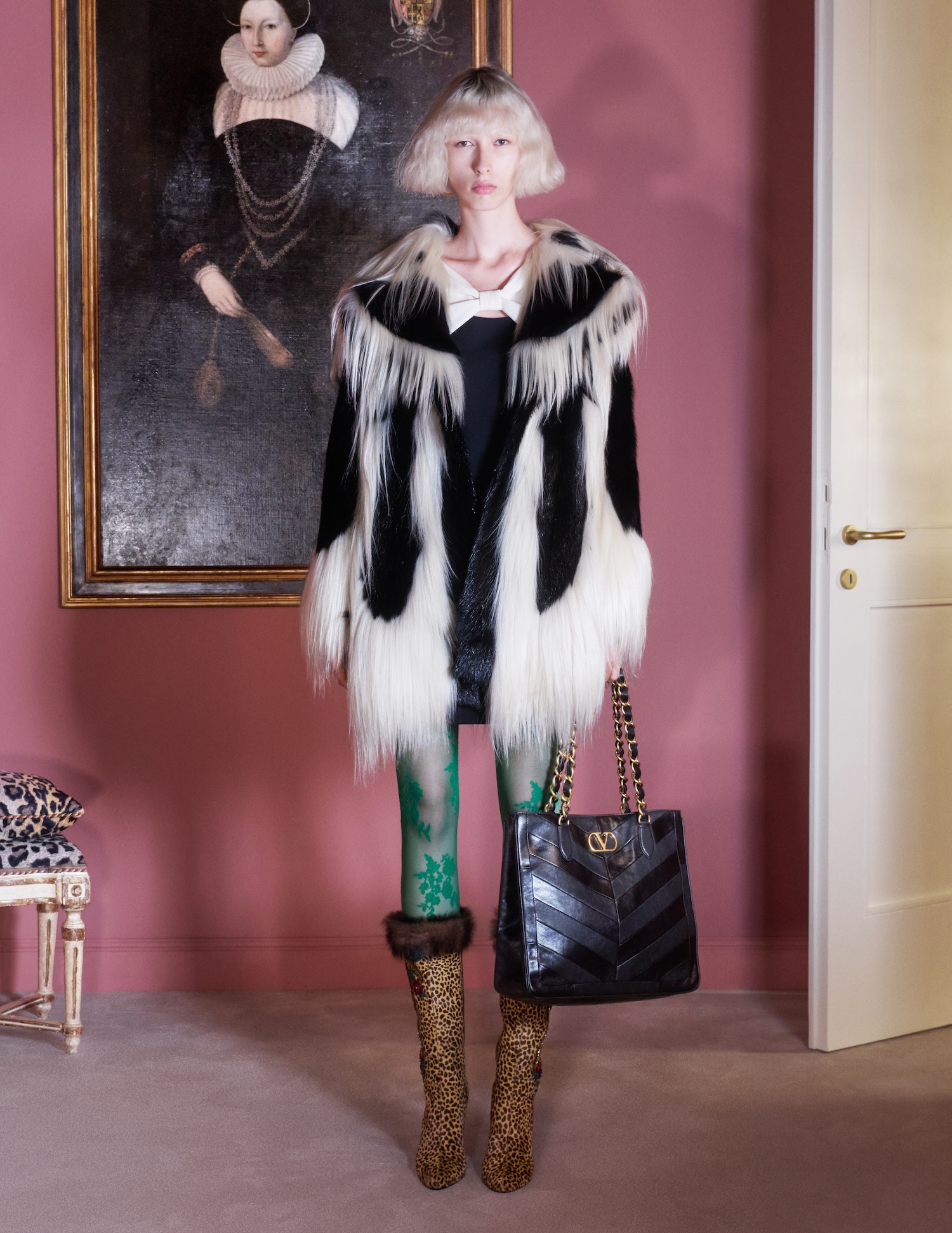
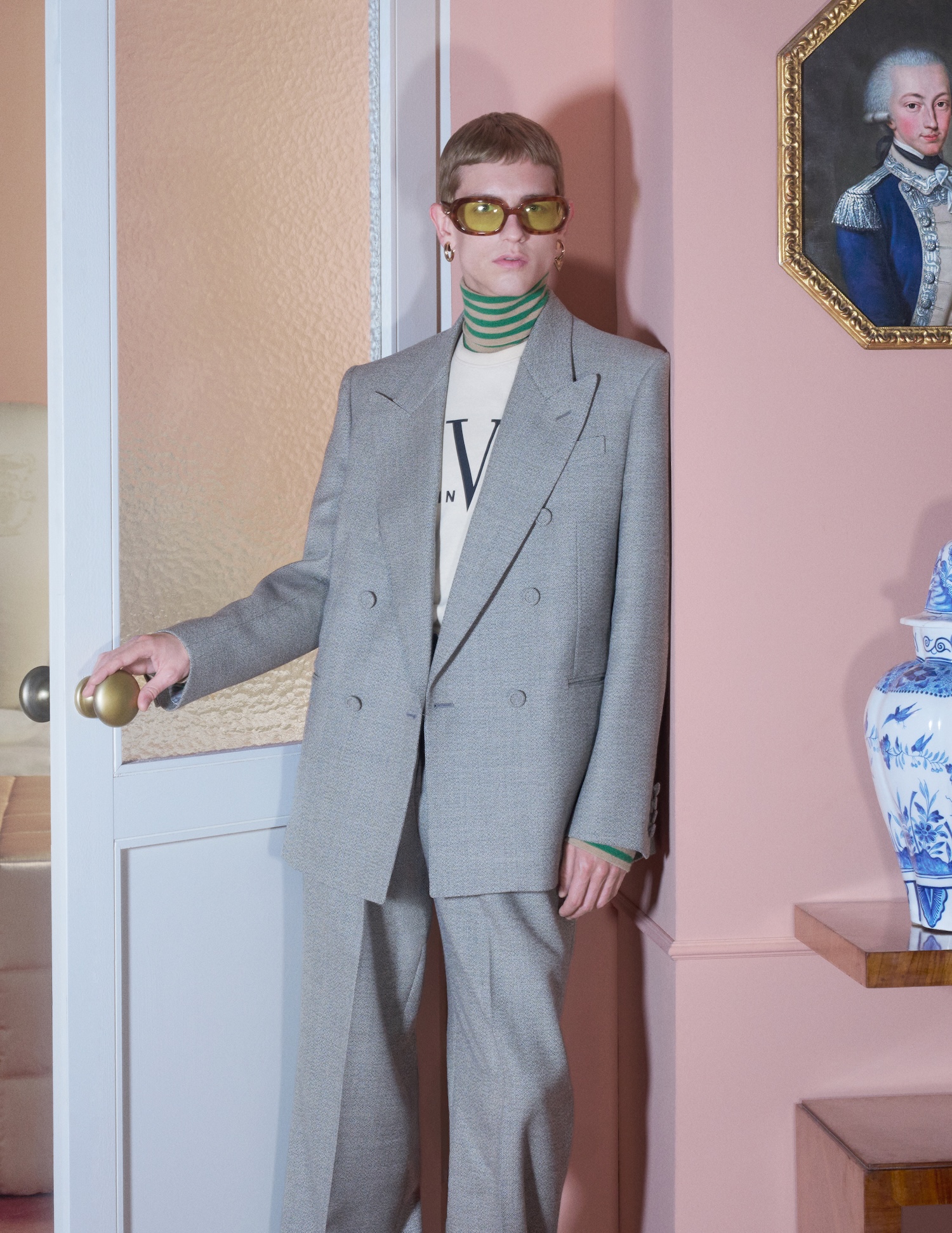
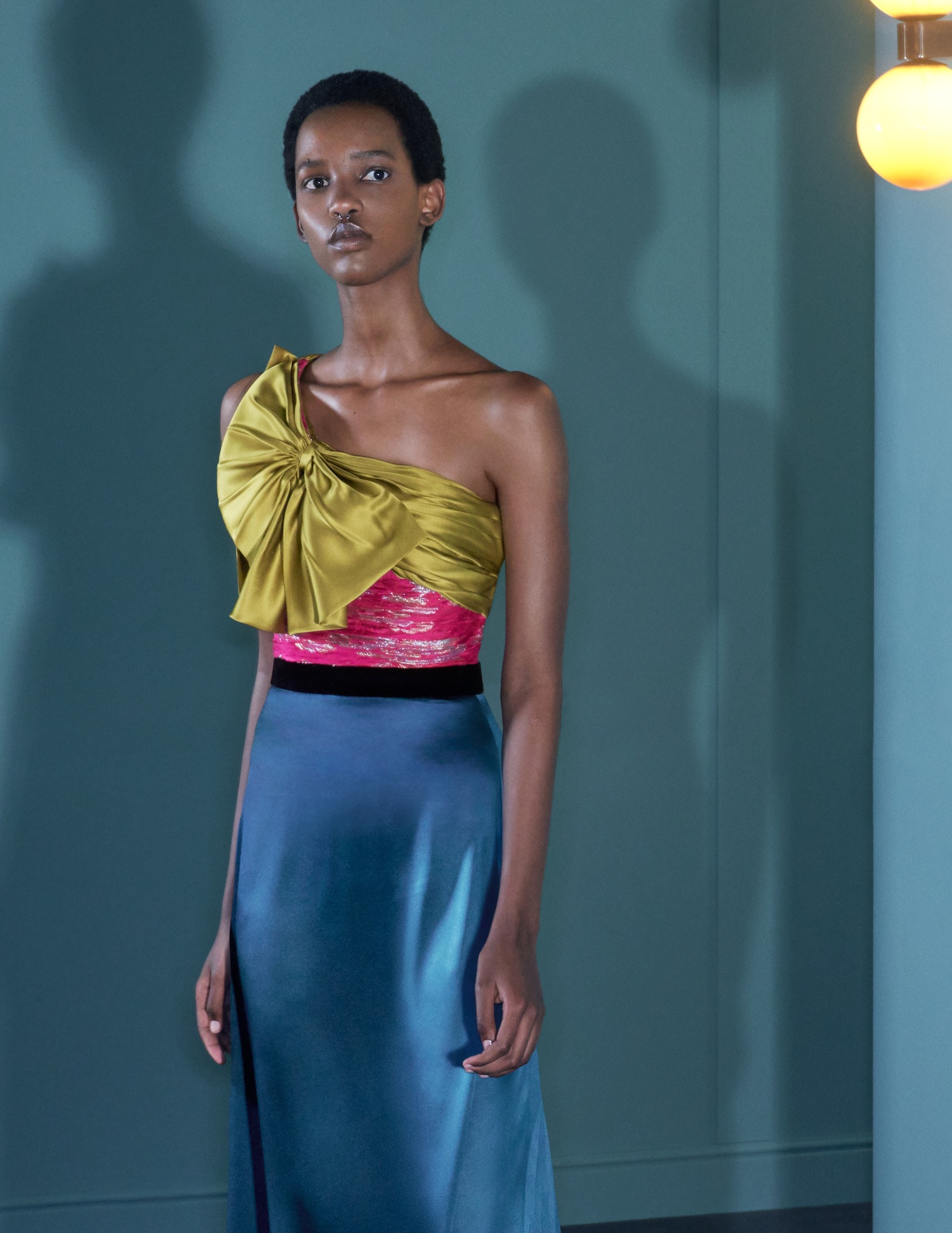
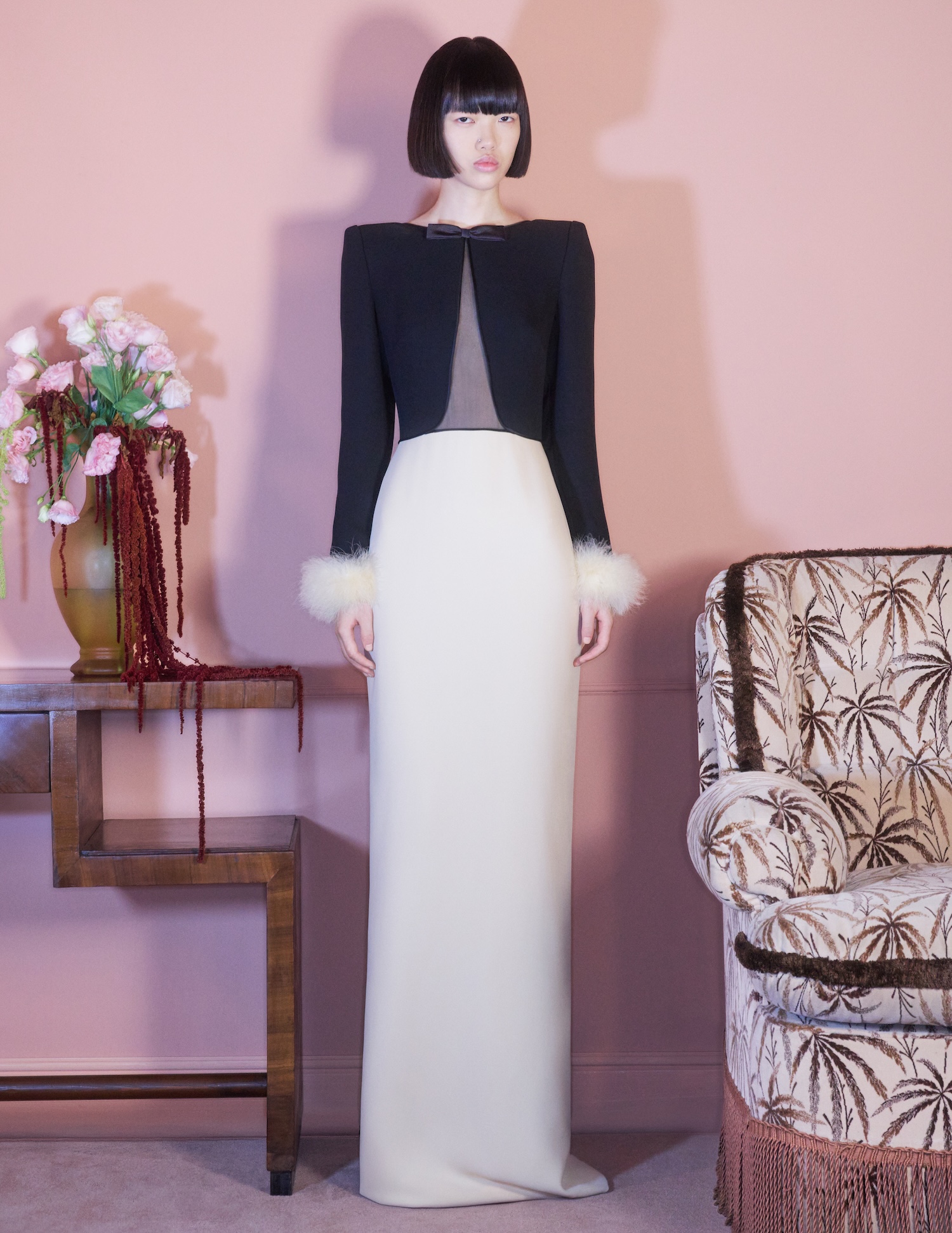
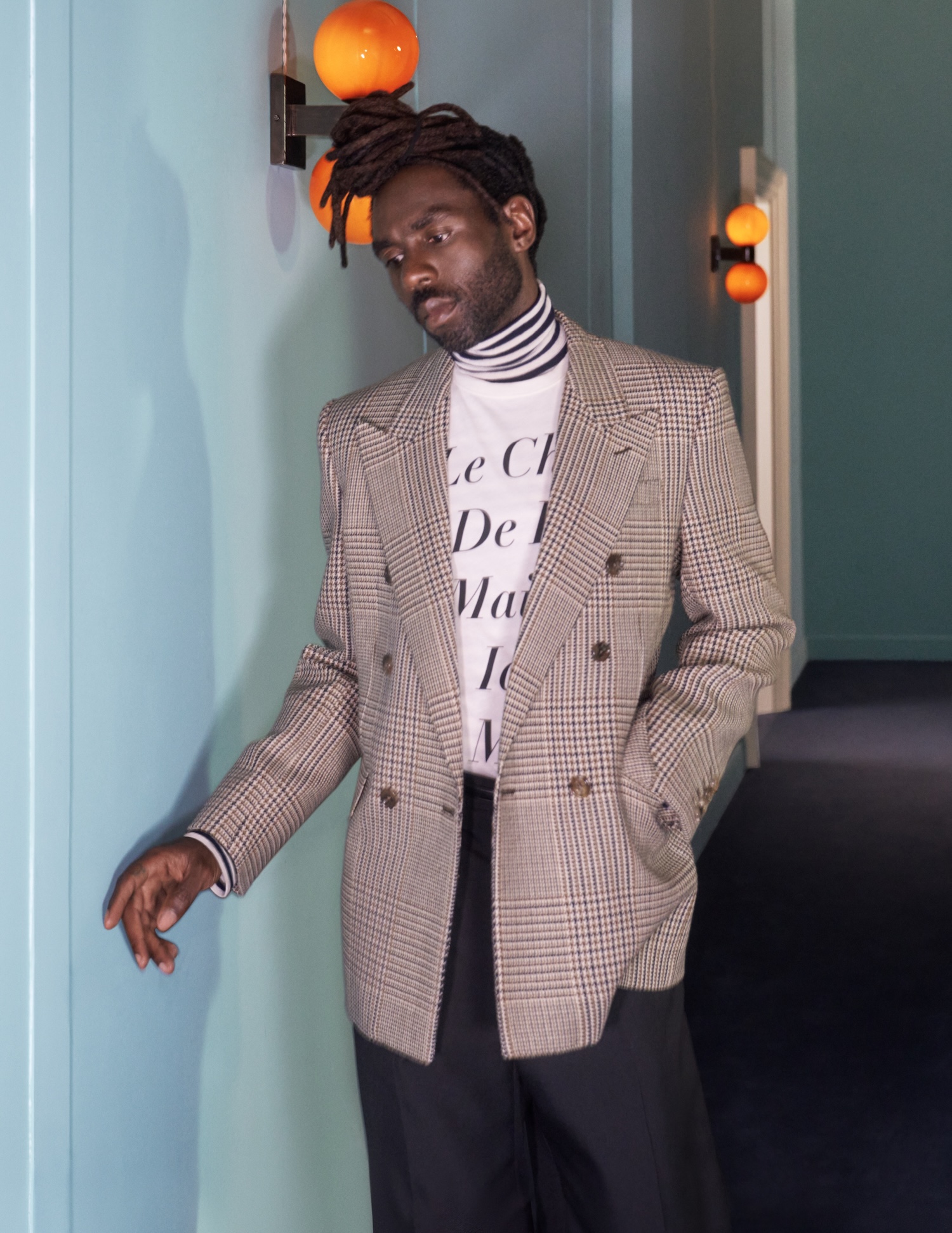
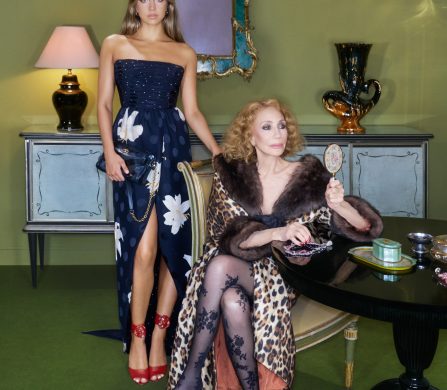
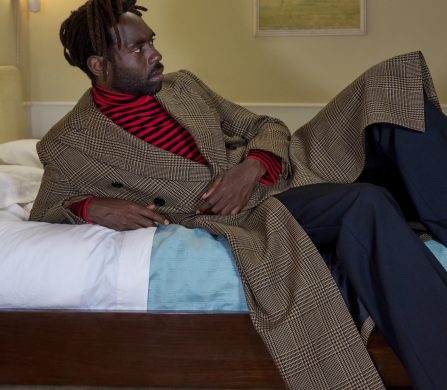
It’s that strange hour in a hotel, long after check-in but just before sleep. The world outside feels muffled, reality gets a bit soft, and you’re alone with your thoughts. This is the intimate, in-between world that Alessandro Michele has built for his new Valentino Cruise 2026 campaign, ‘Nocturne.’
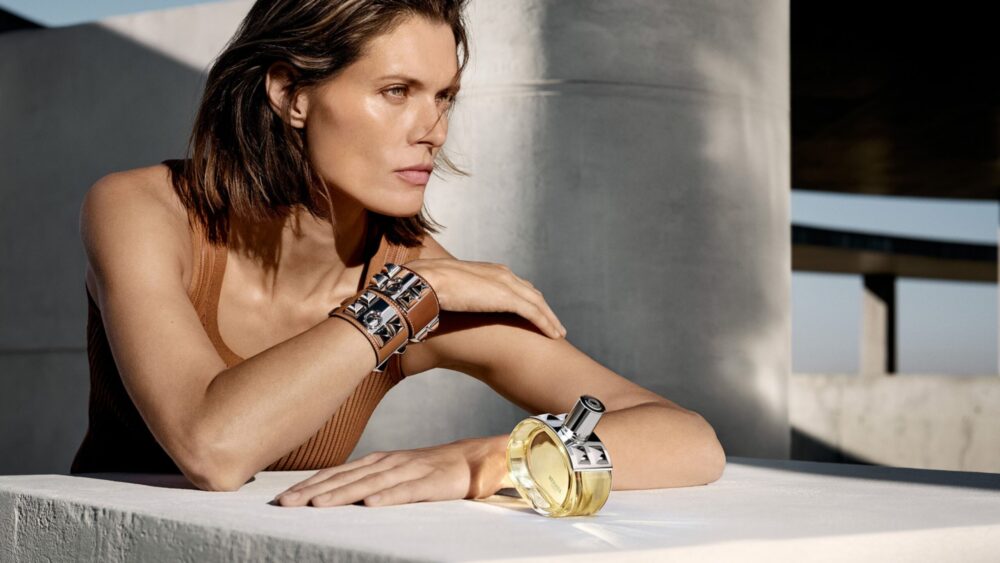
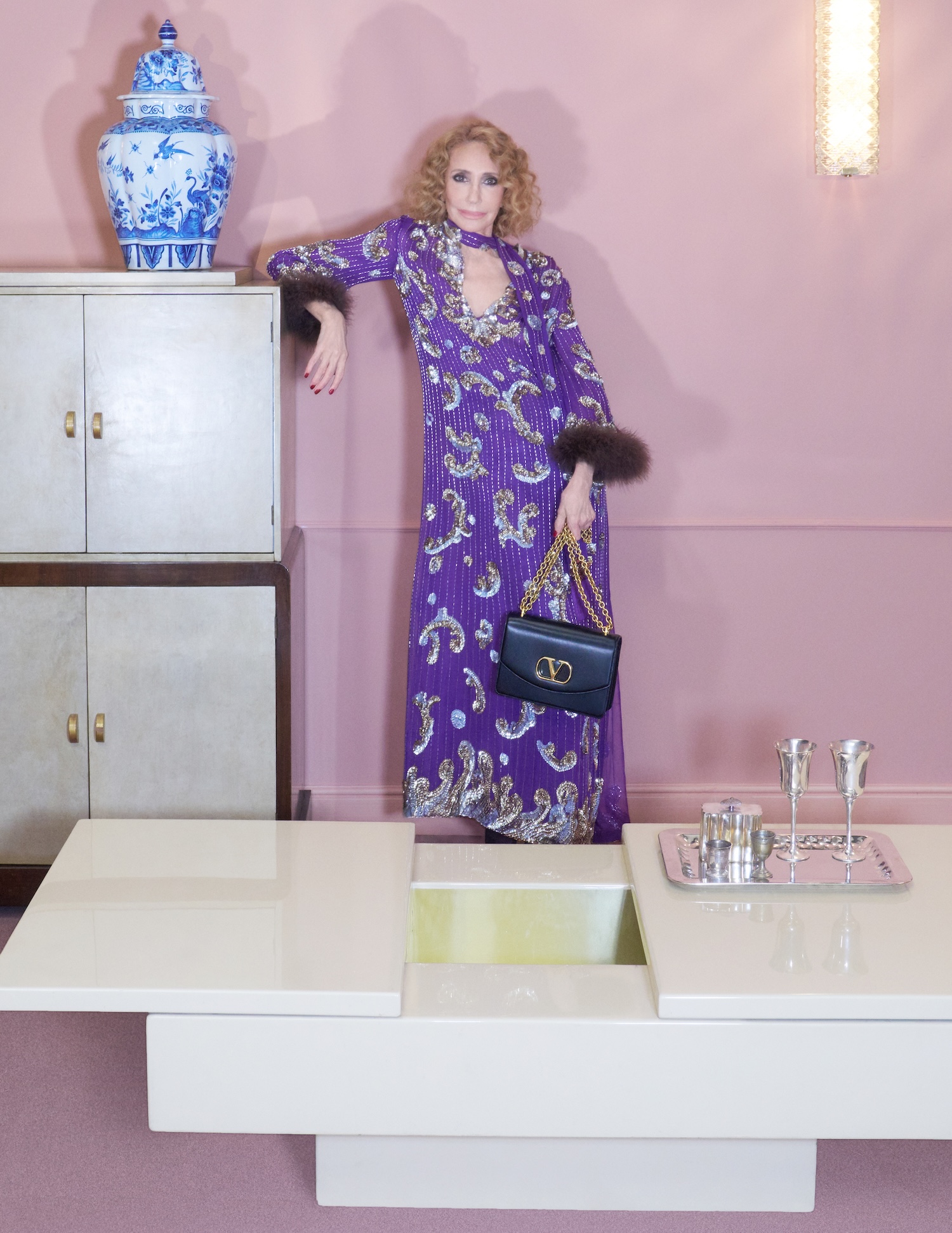
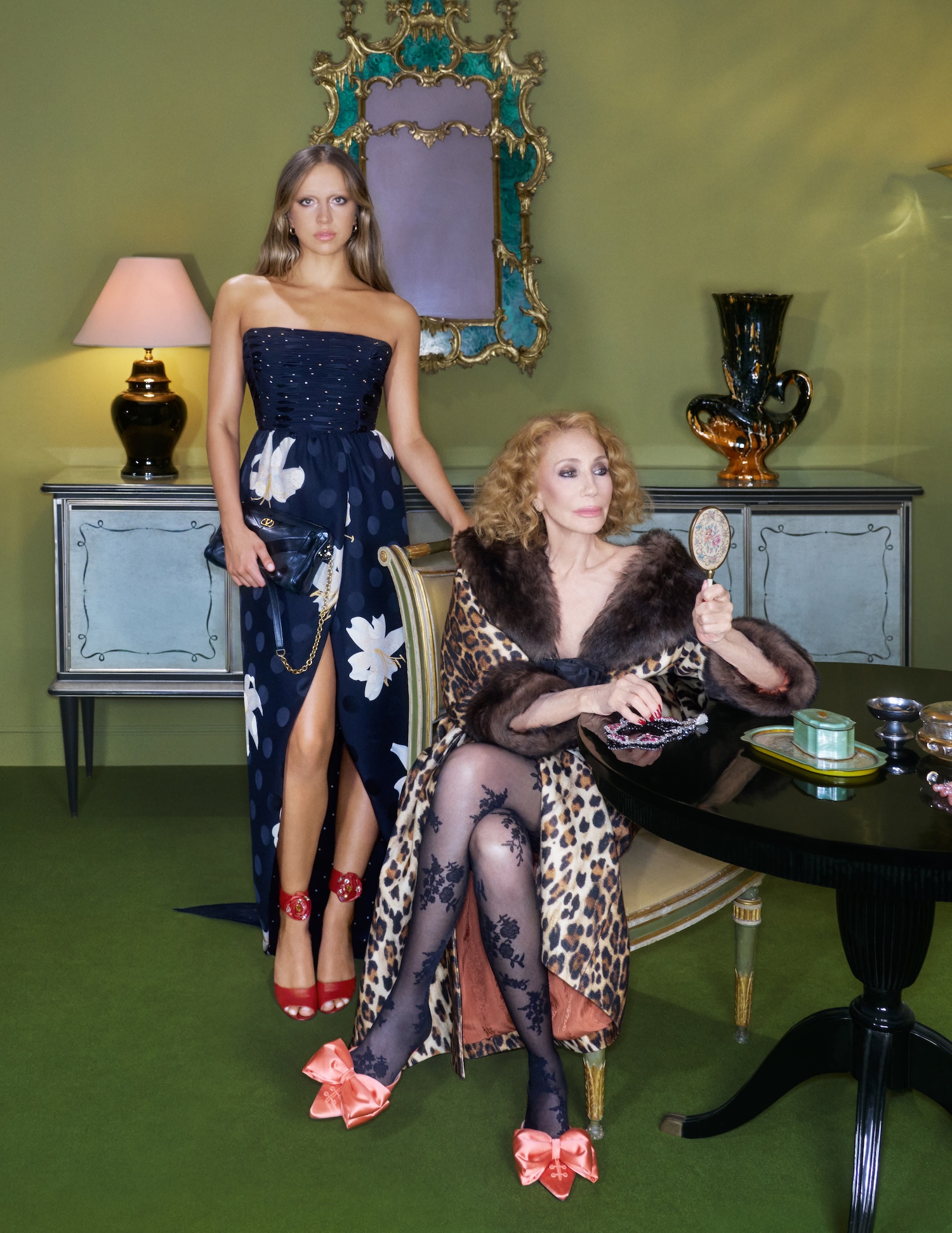
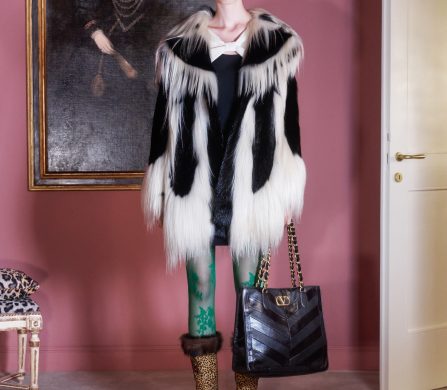
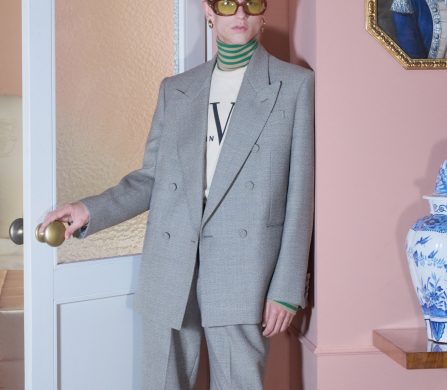
Shot by Marili Andre, the campaign feels like a deeply cinematic, almost voyeuristic portrait of beautiful people, all beautifully isolated in their own rooms, all listening to the same Chopin piece, ‘Nocturne in E Flat.’
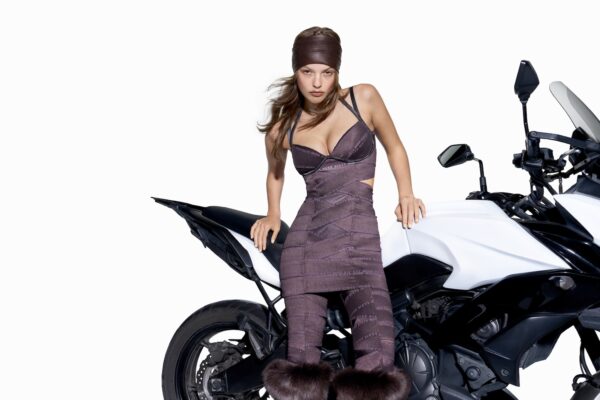
Michele’s filled this “human hive” of a hotel with his new court, a brilliantly eclectic mix of people. His long-time muse and Hollywood confidante, Dakota Johnson, is of course present, looking perfectly at home laid on the floor speaking over the phone. She’s joined by Gen-Z pop superstar Tate McRae, who swaps her signature high-energy dance routines for a moment of personal reflection.
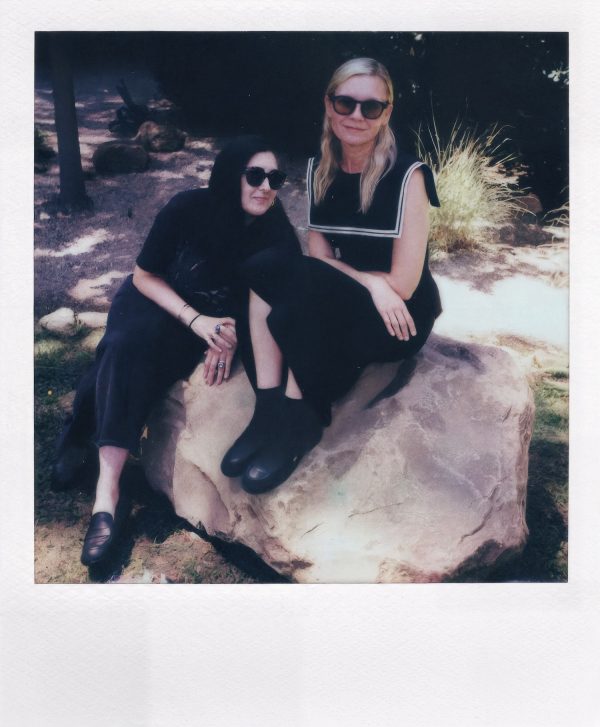
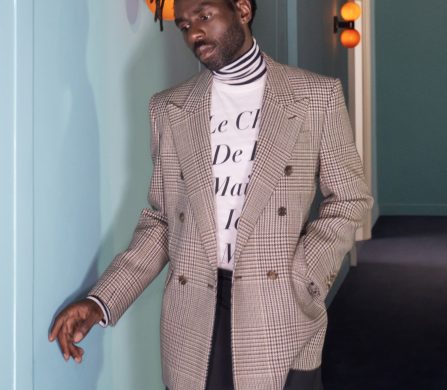
But this is a Michele production, so the cast has to have that high-culture twist. Music polymath Dev Hynes (AKA Blood Orange) and the famously intense German performance artist Anne Imhof are in the mix, alongside the ultimate 1970s style legend, Marisa Berenson. And the clothes, styled by Jonathan Kaye, are the entire point.
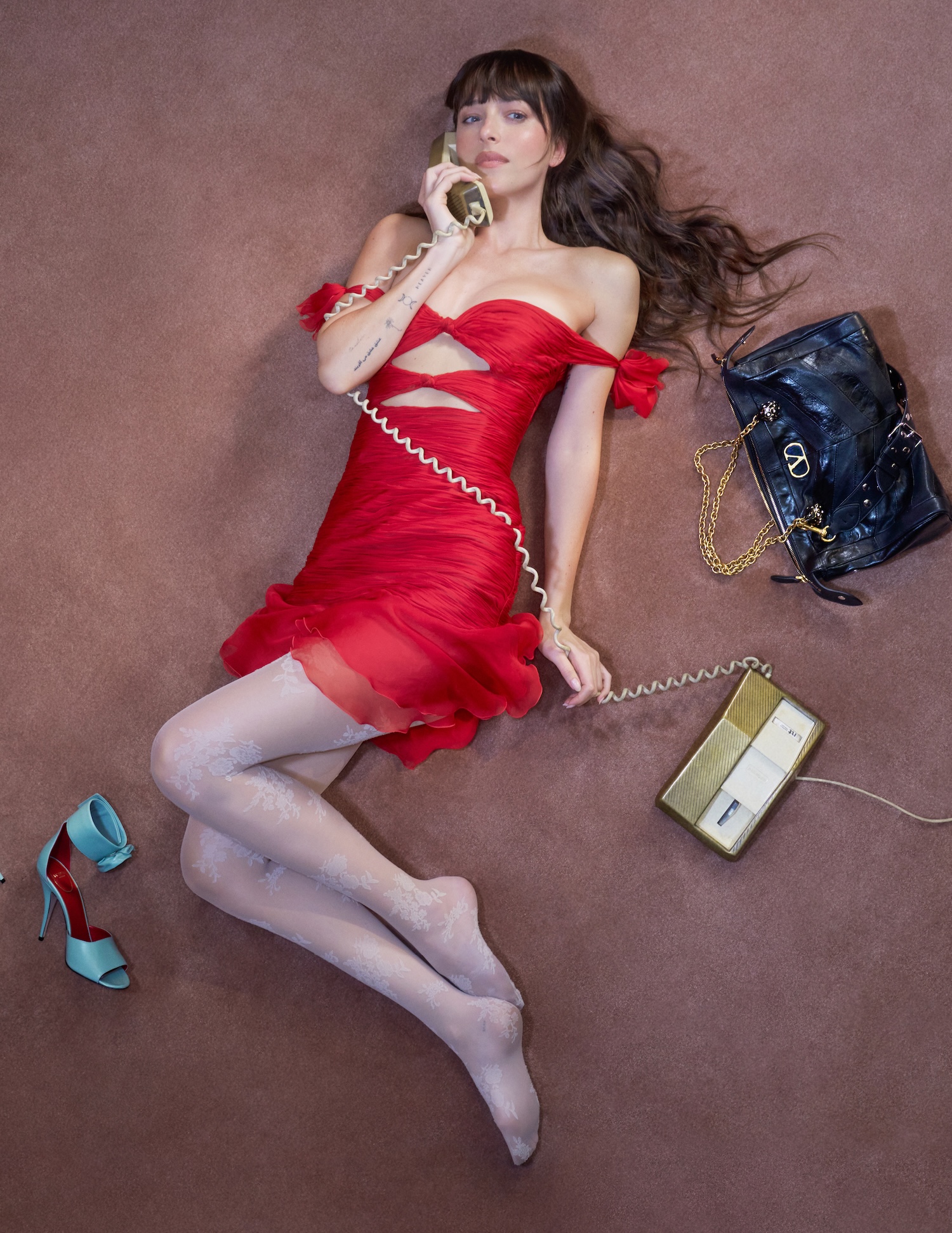
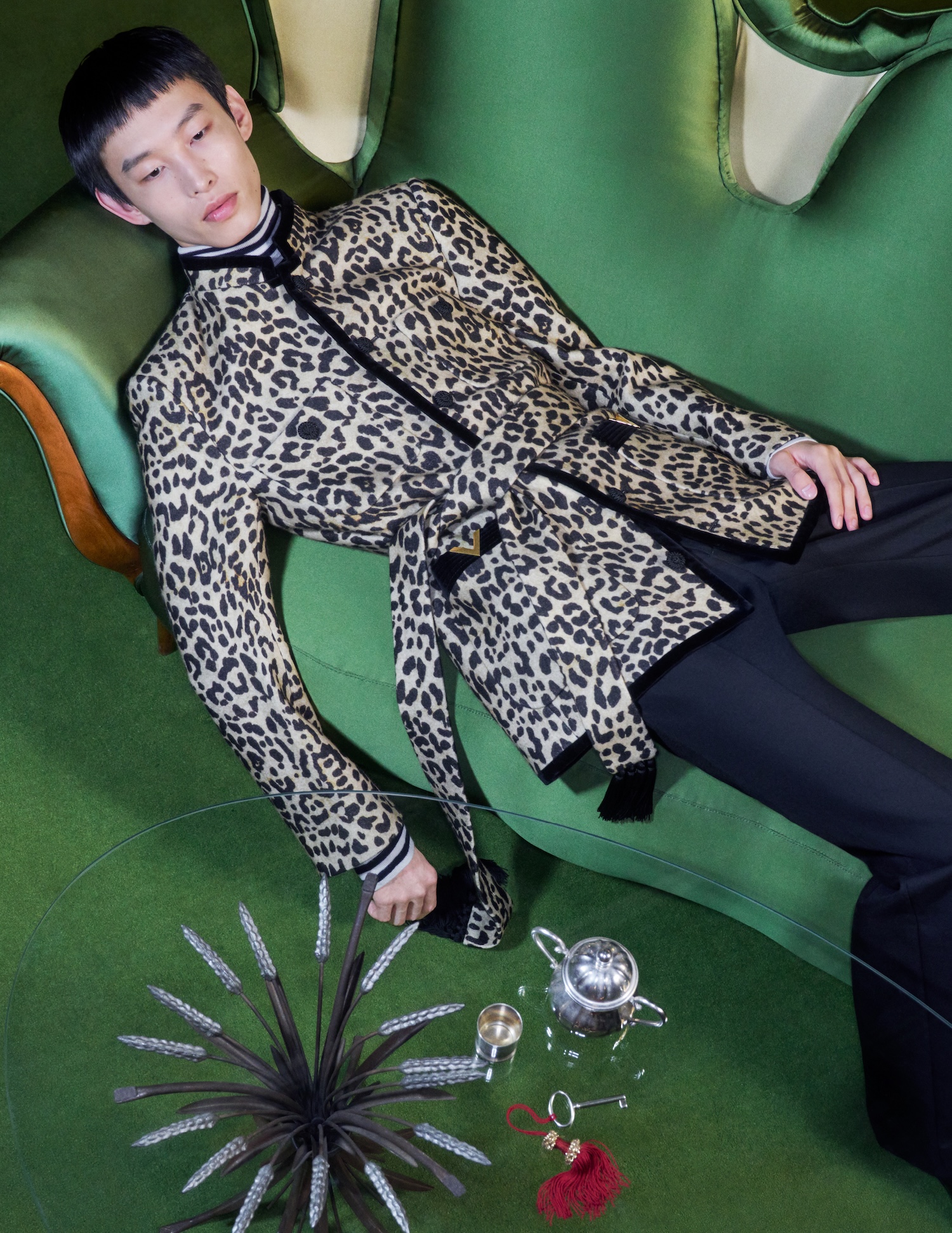
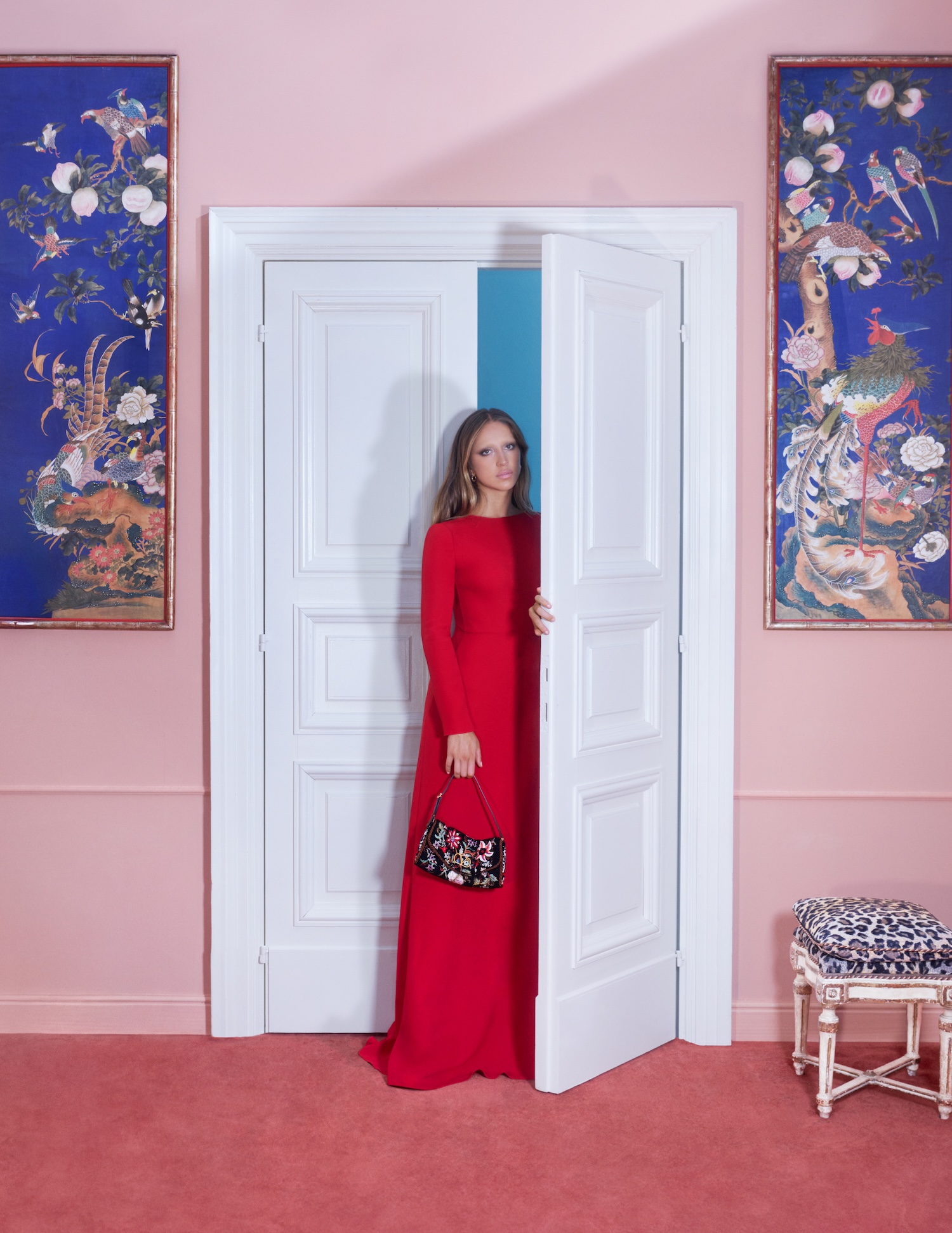
This campaign is the visual proof of the new chapter Michele started on his debut Valentino runway. If his Gucci was a joyful, eccentric, magpie-like explosion, his Valentino is proving to be about a much softer, more personal and deeply human romance.
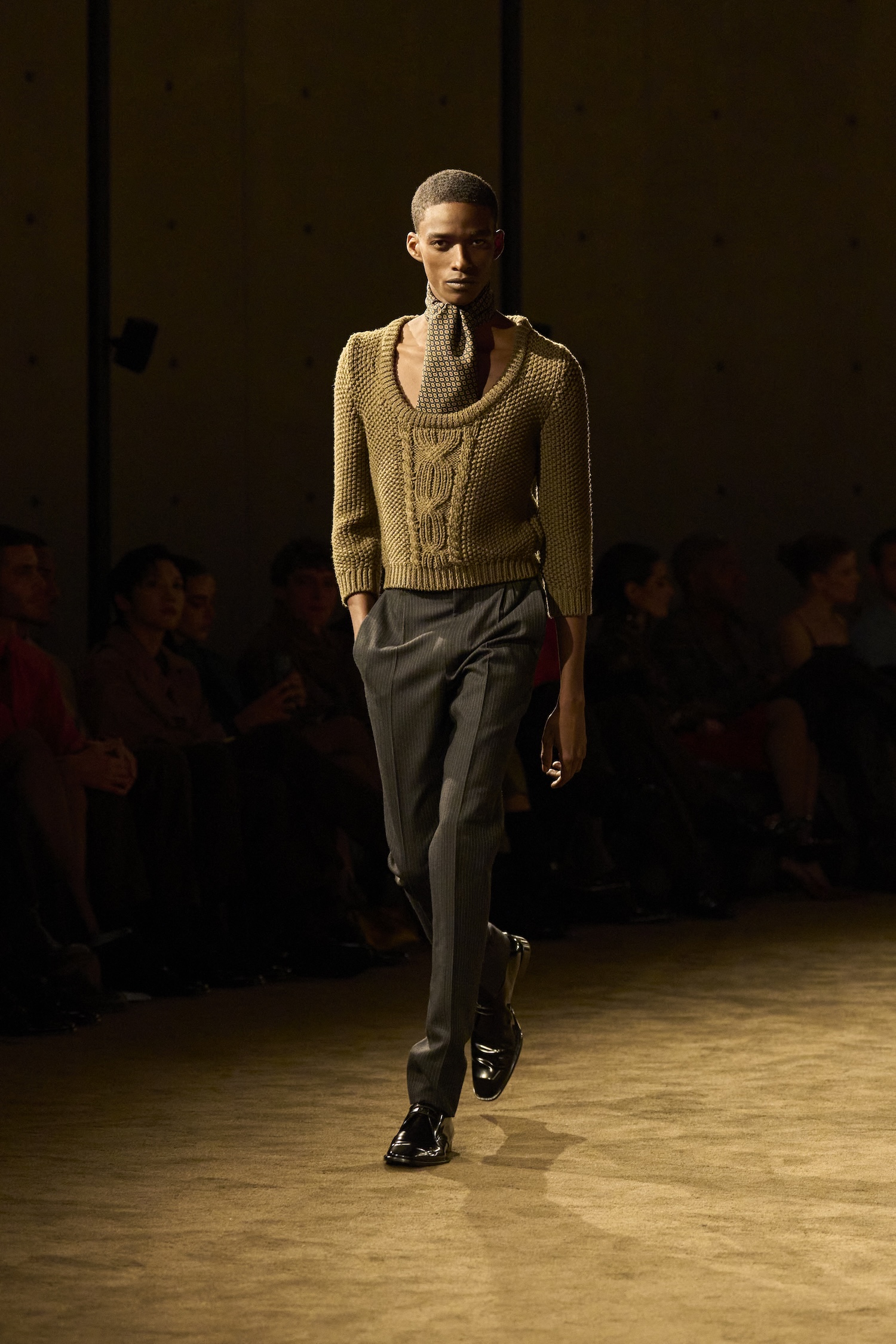
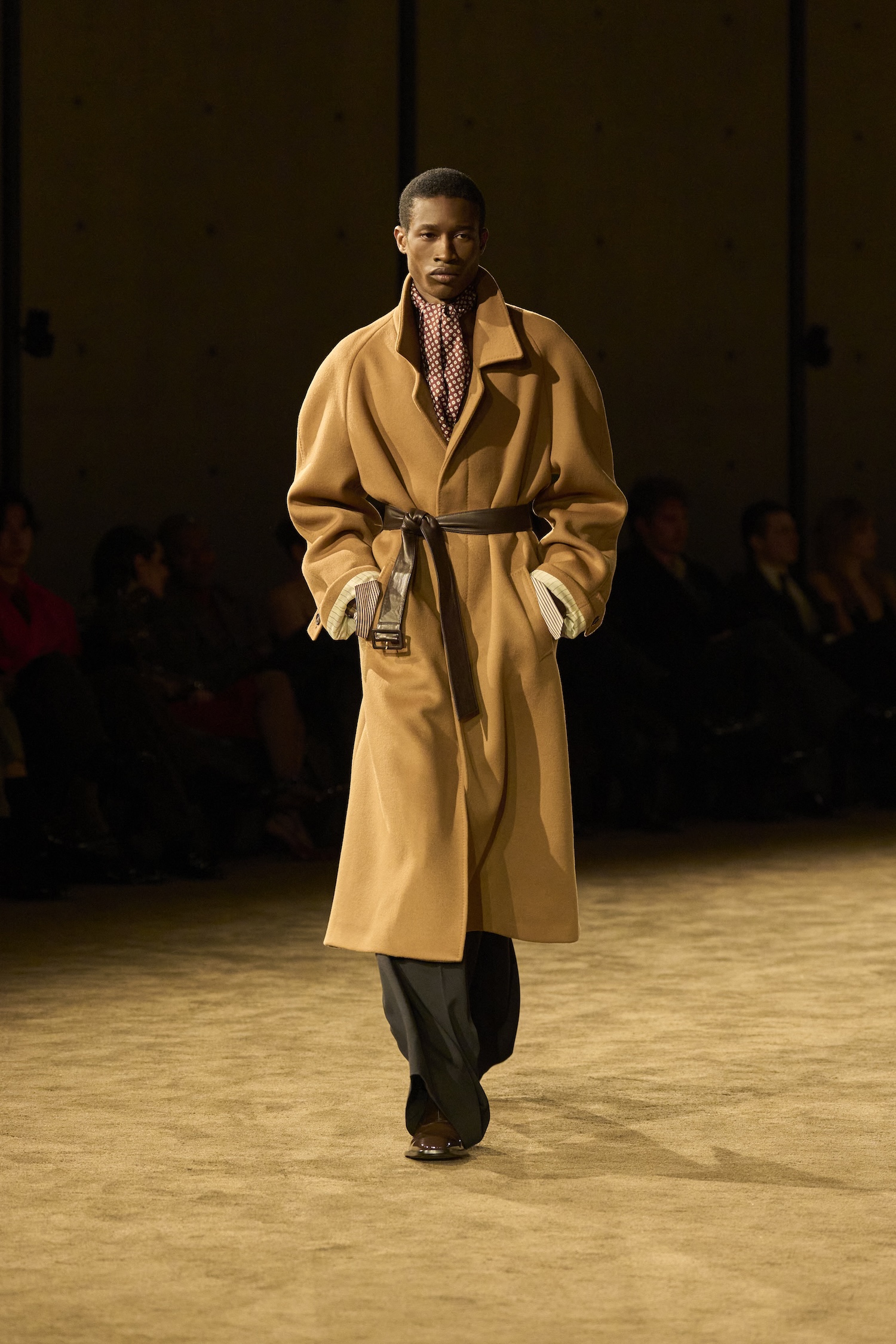
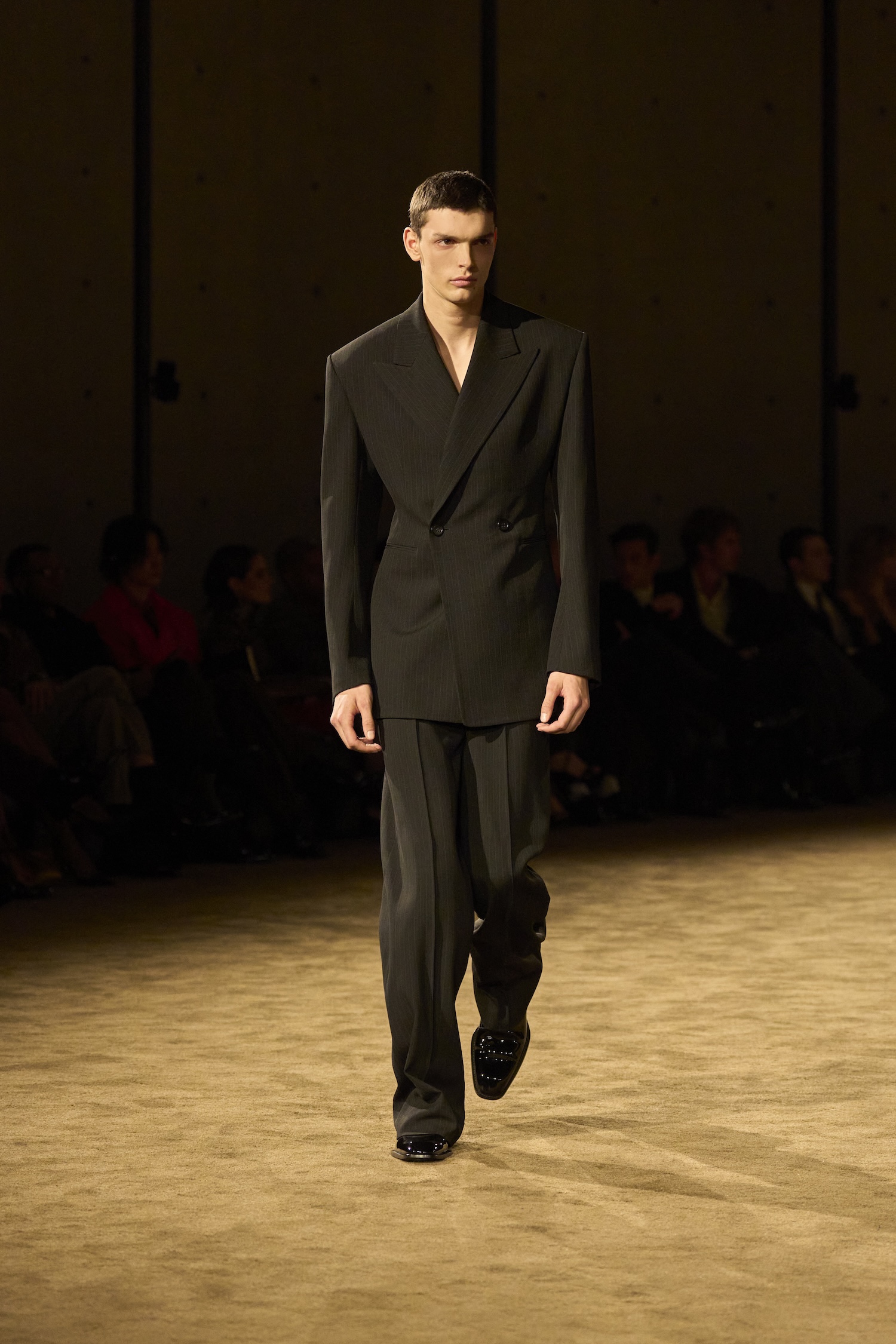
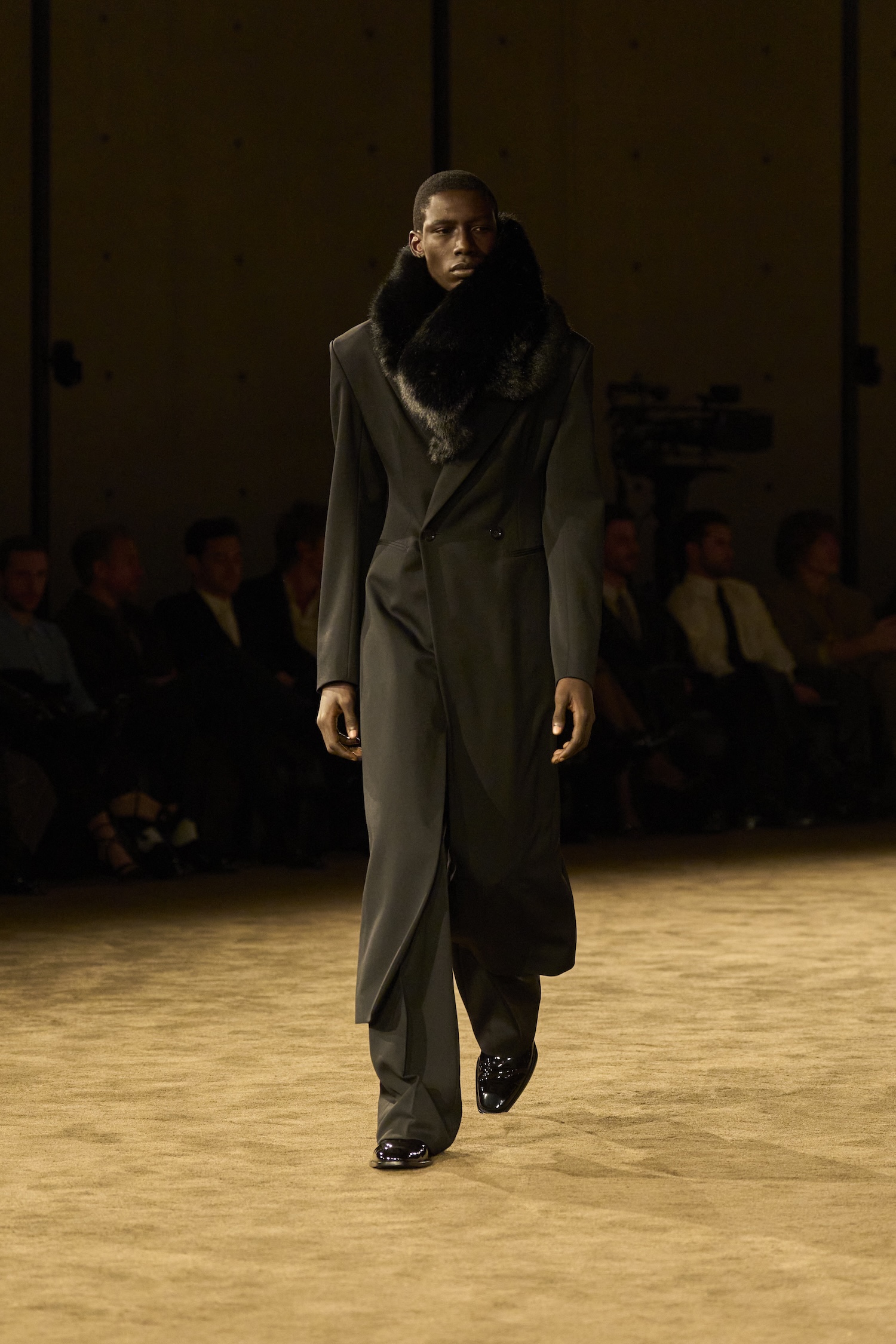
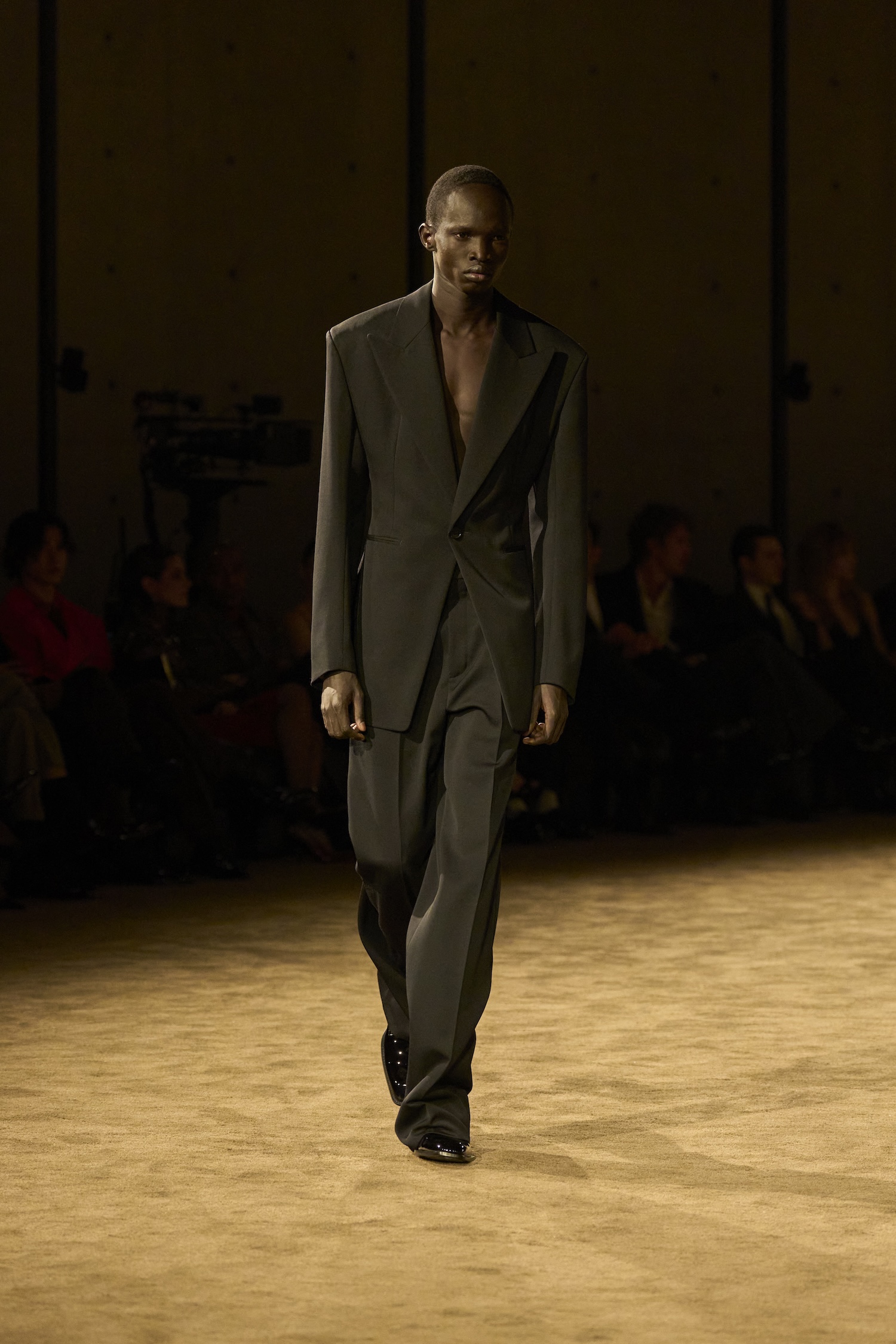
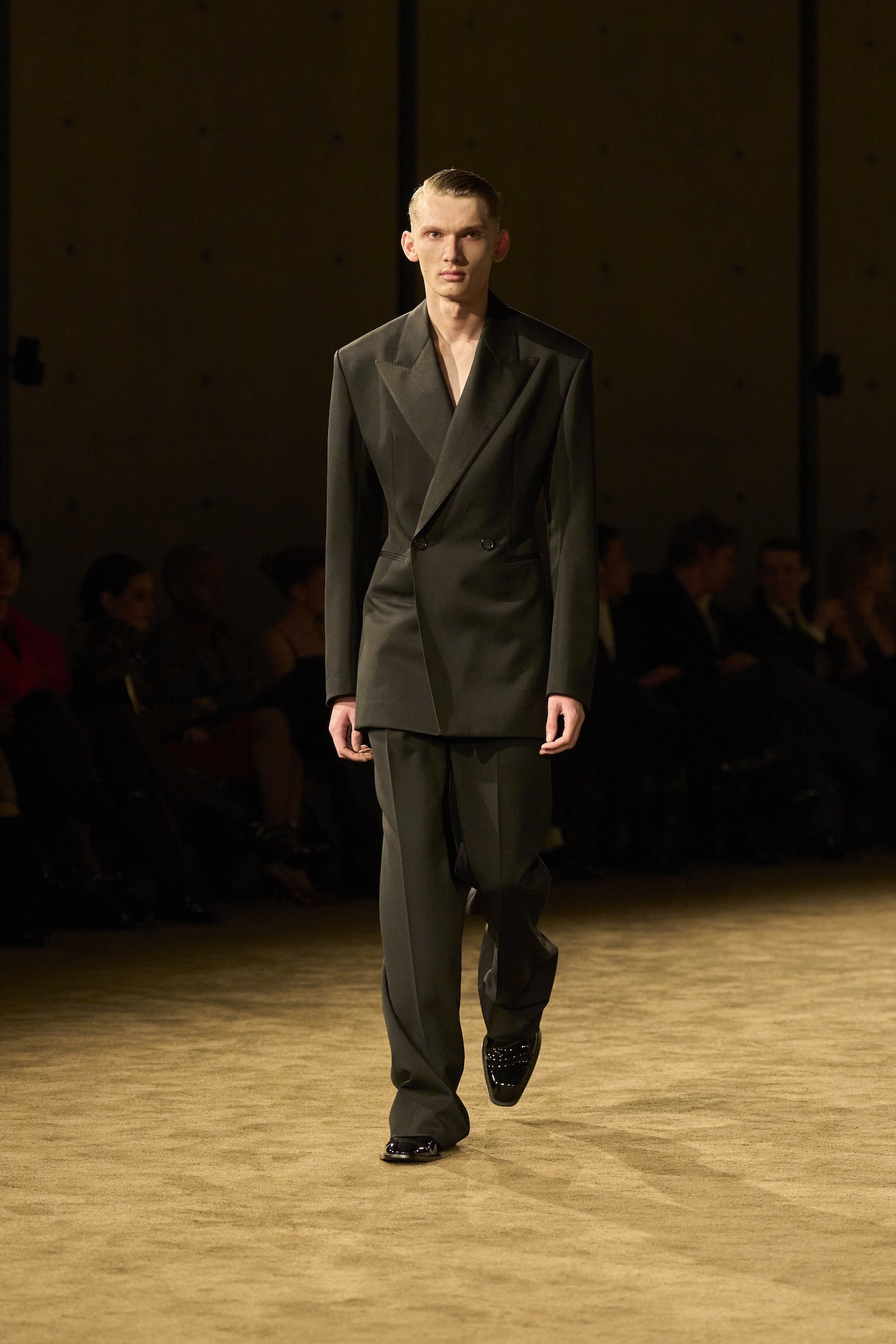
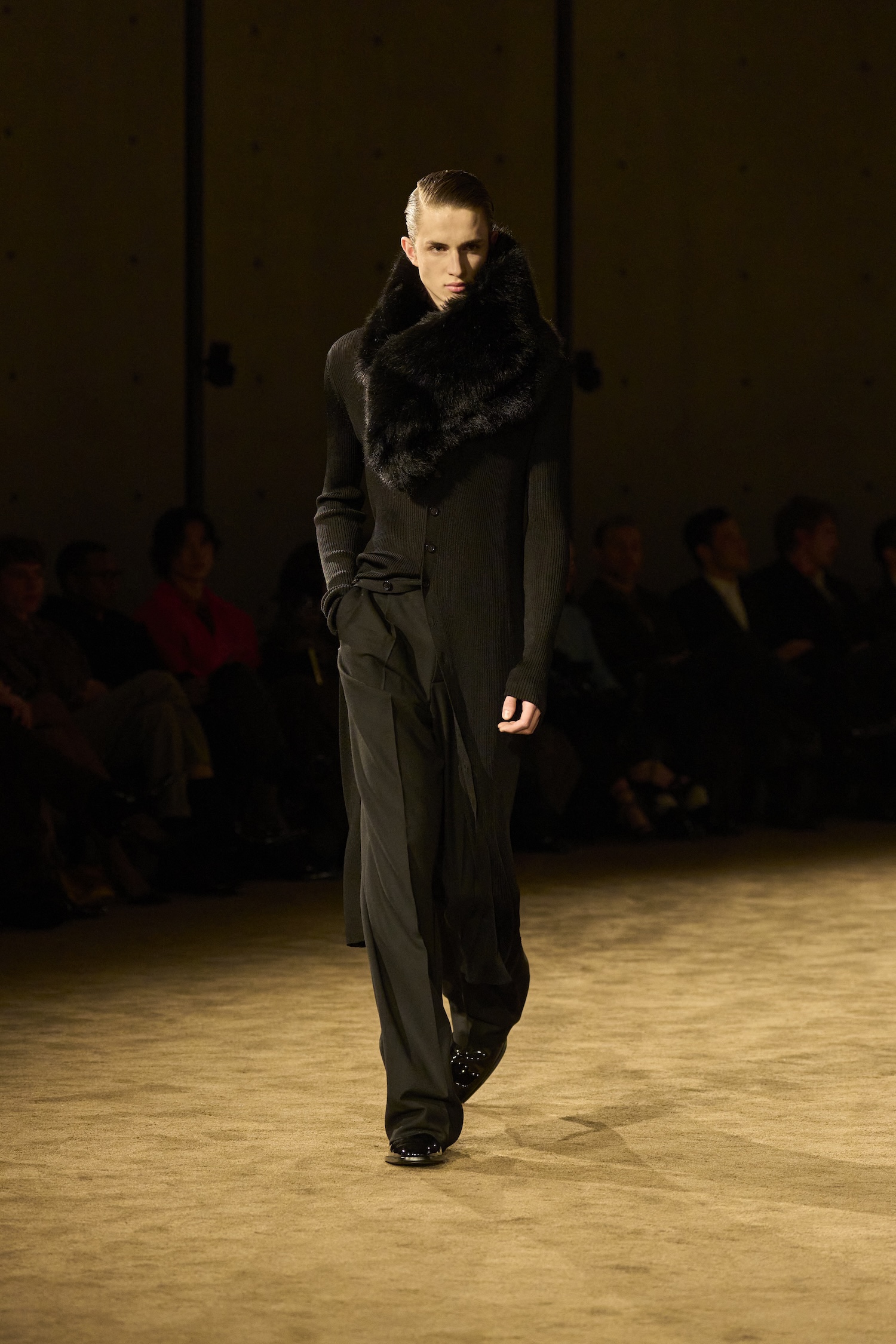
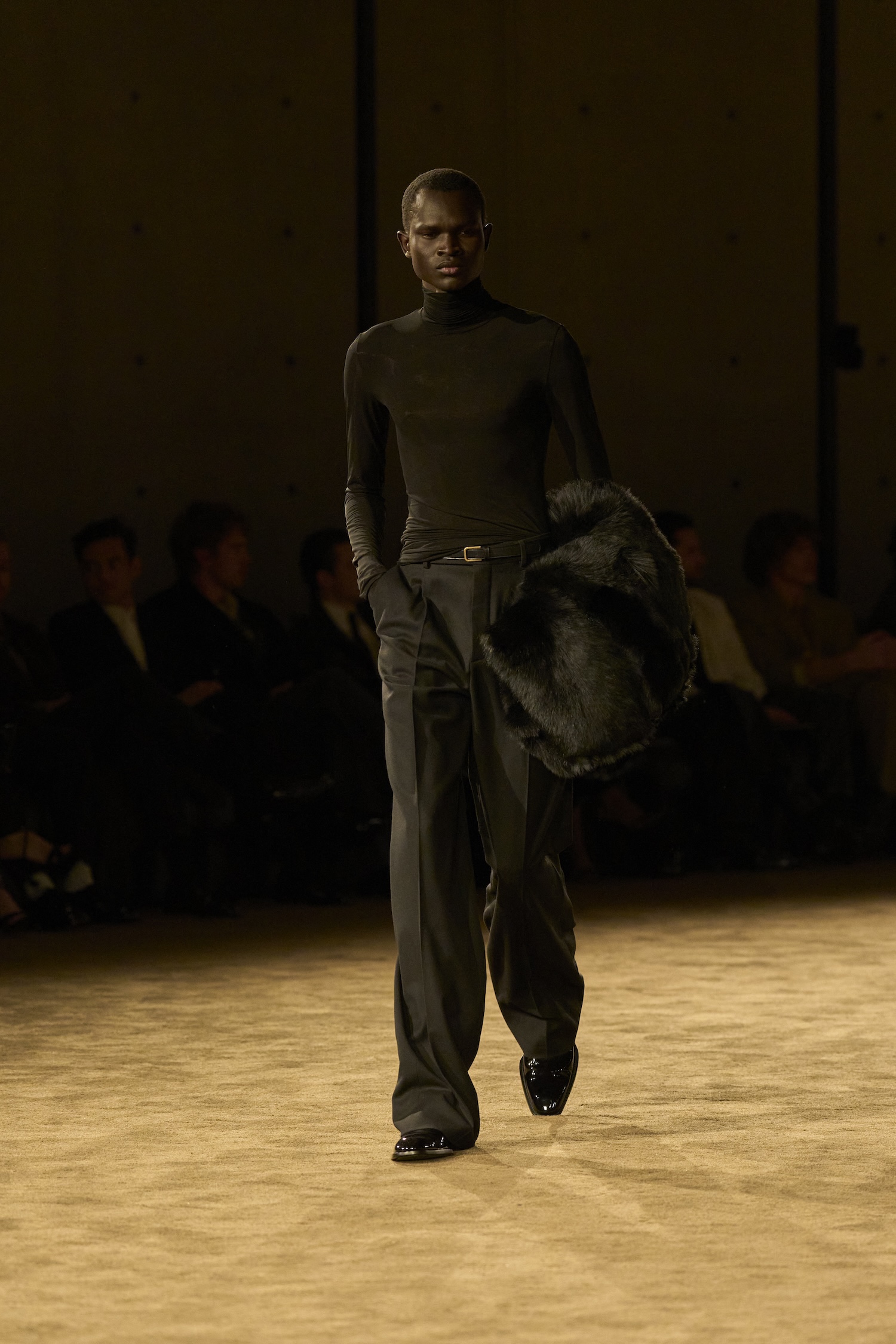
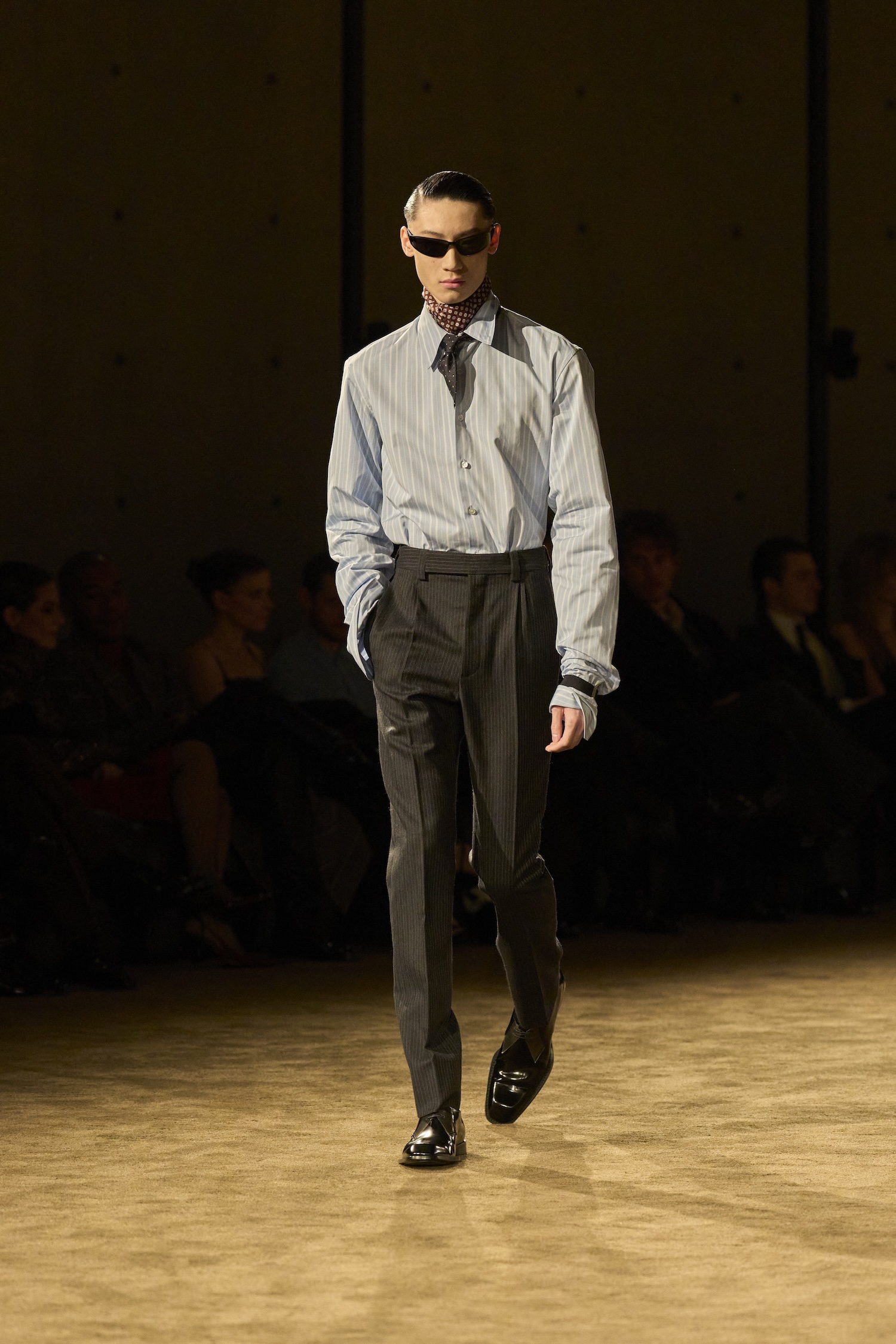
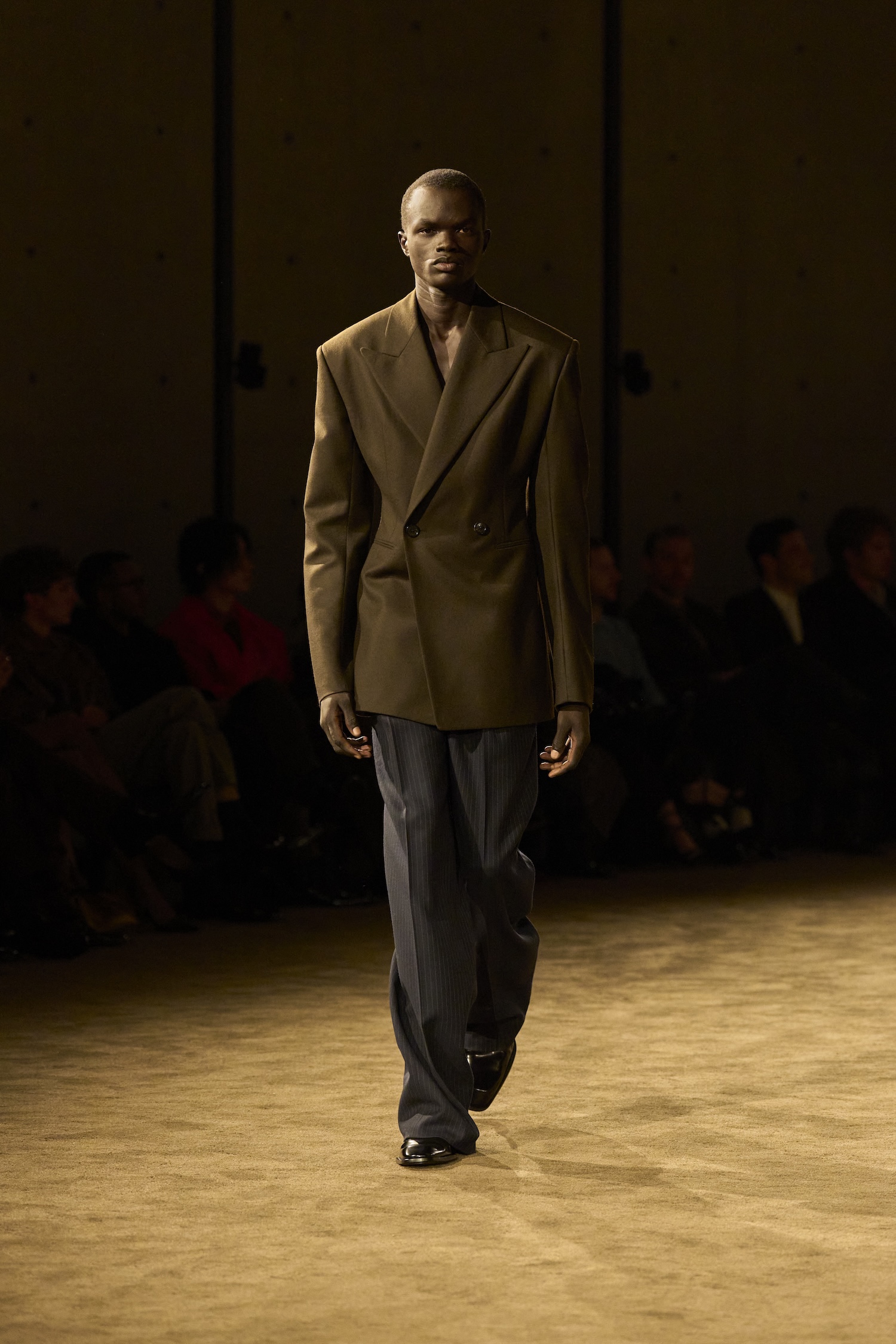
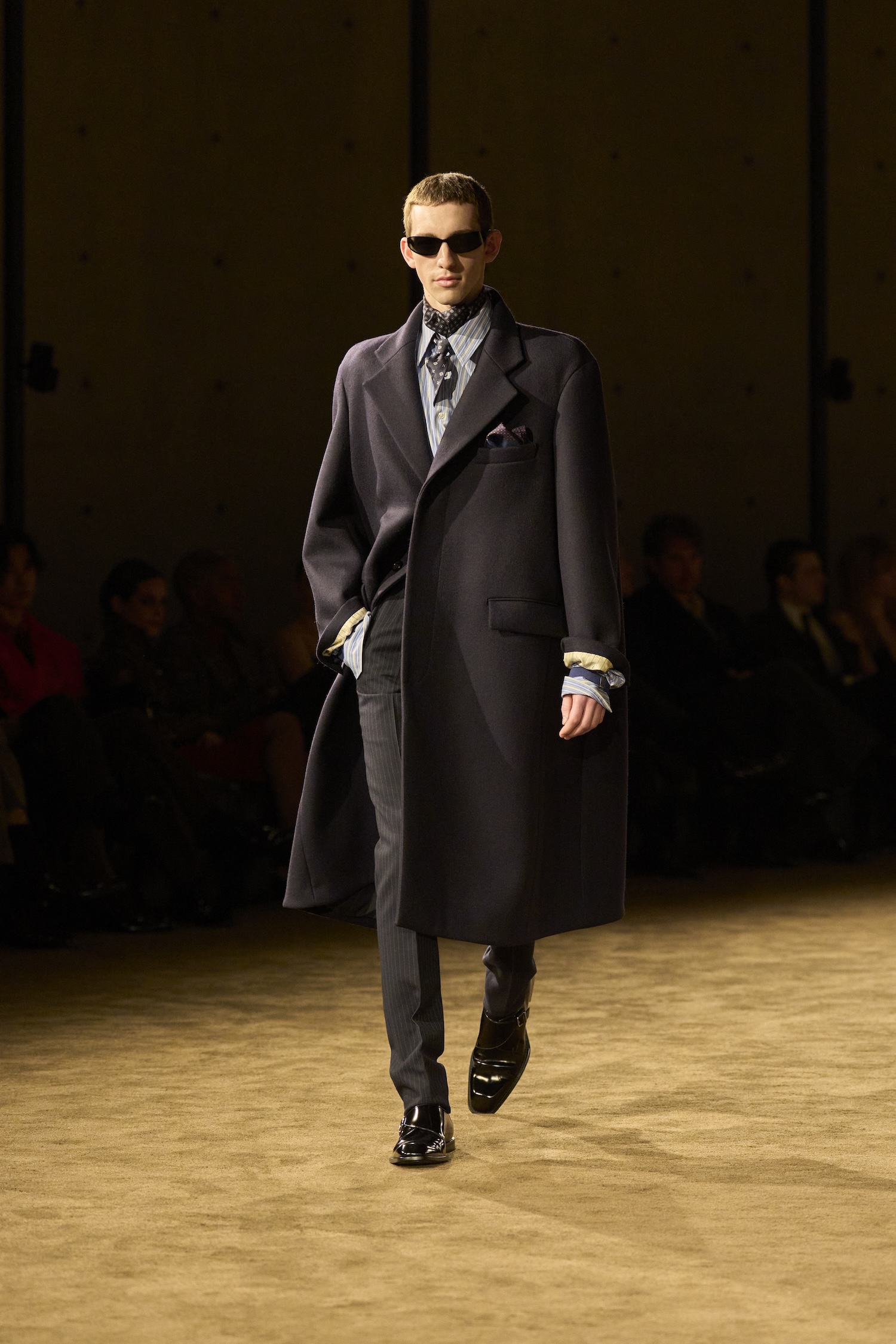
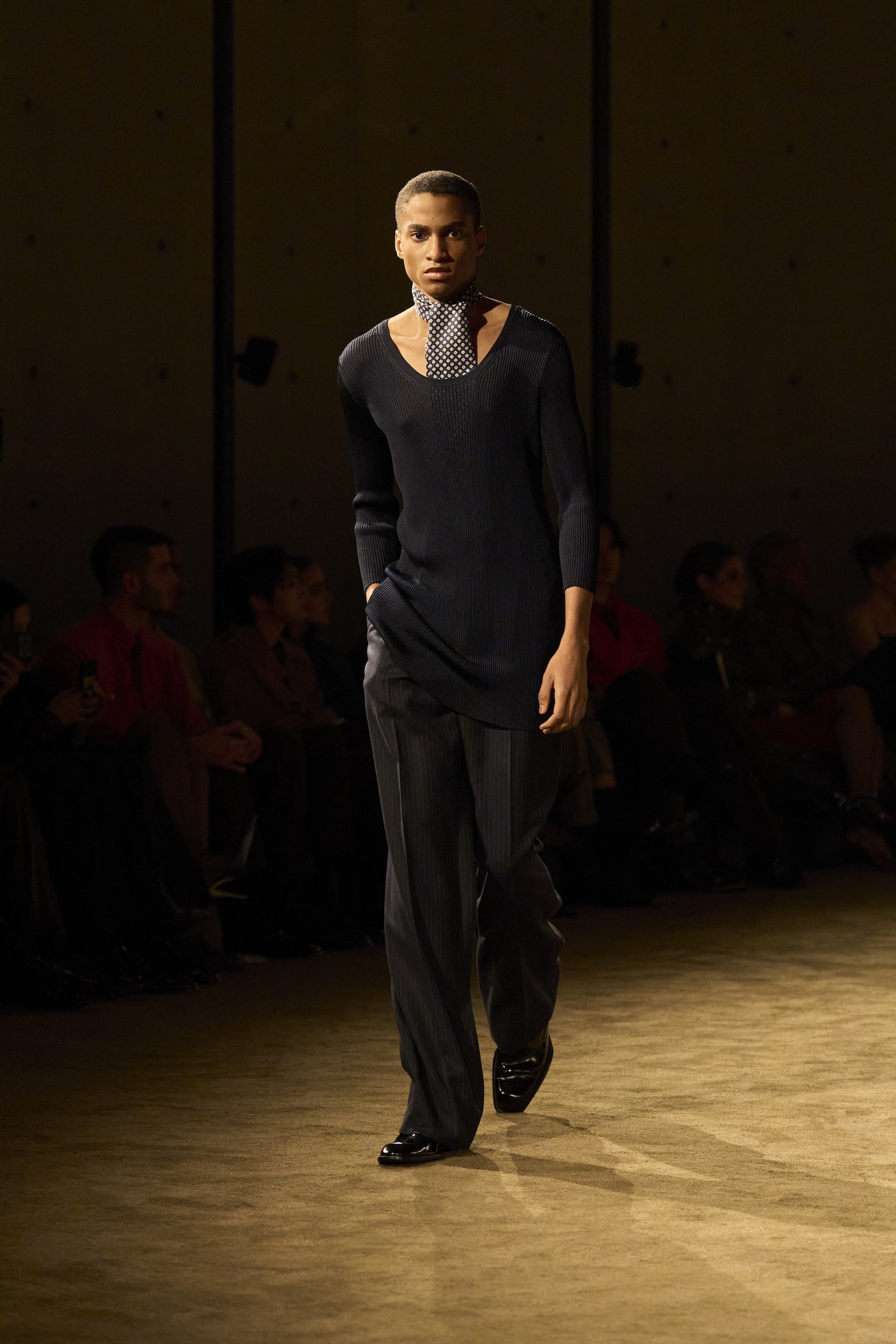
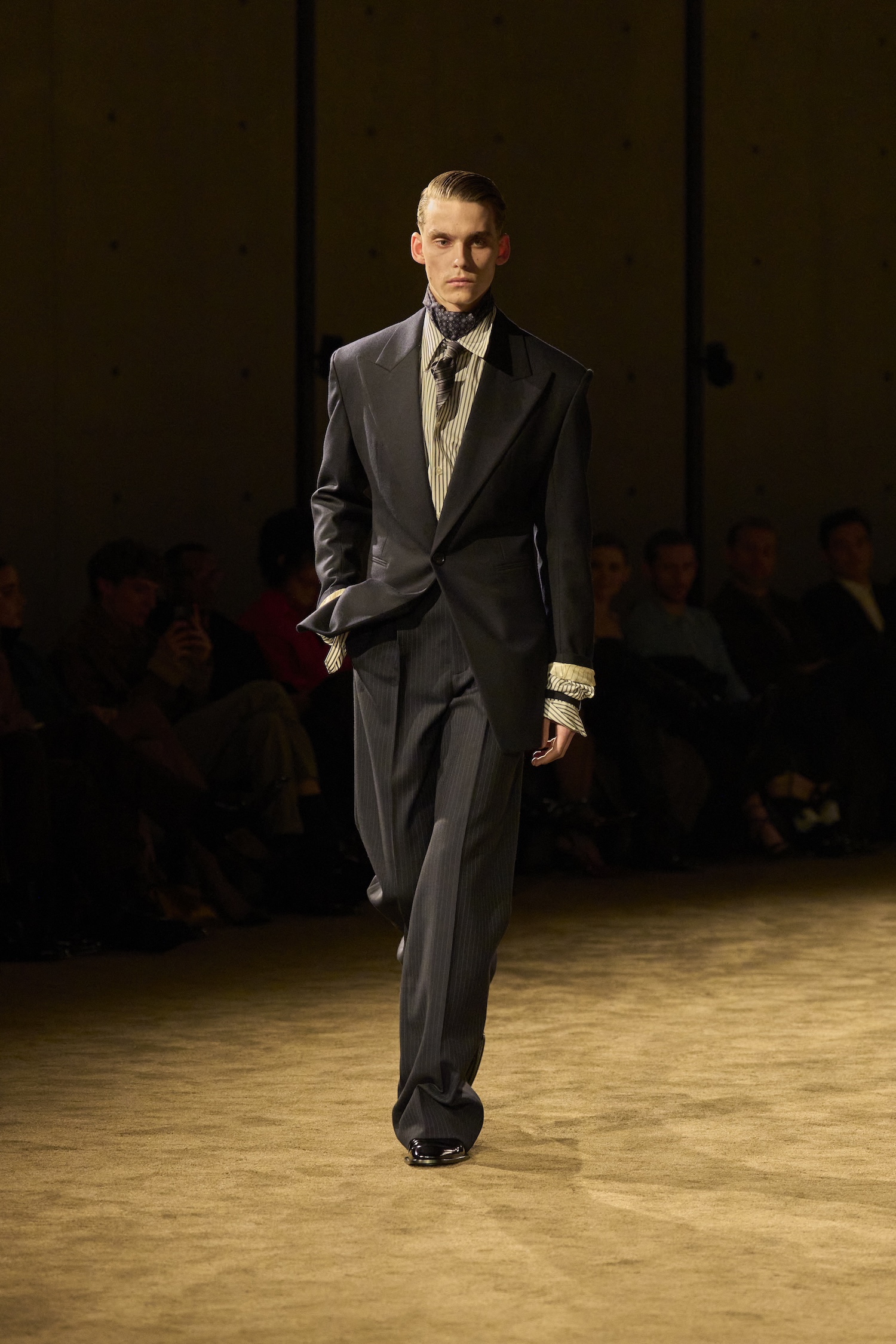
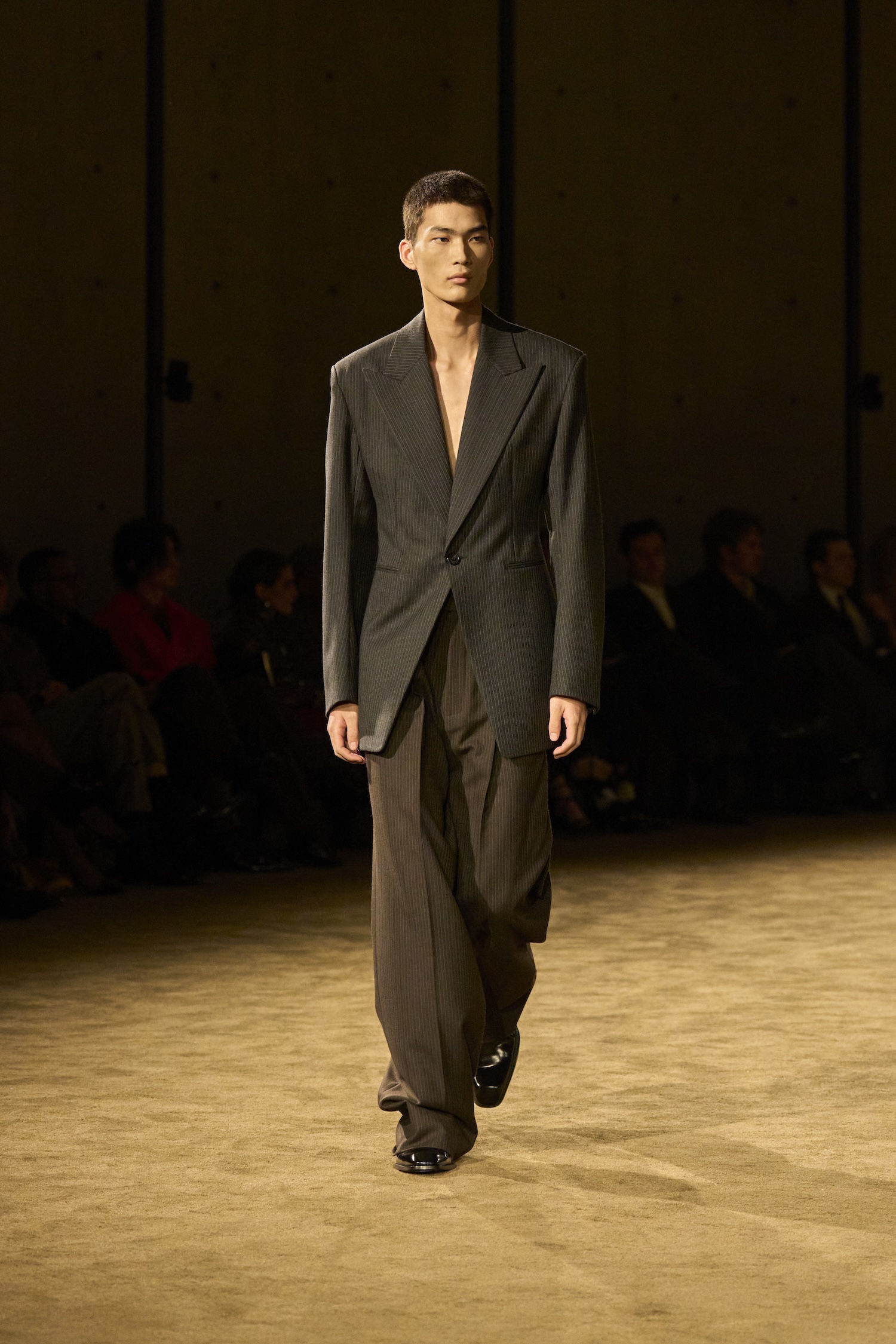
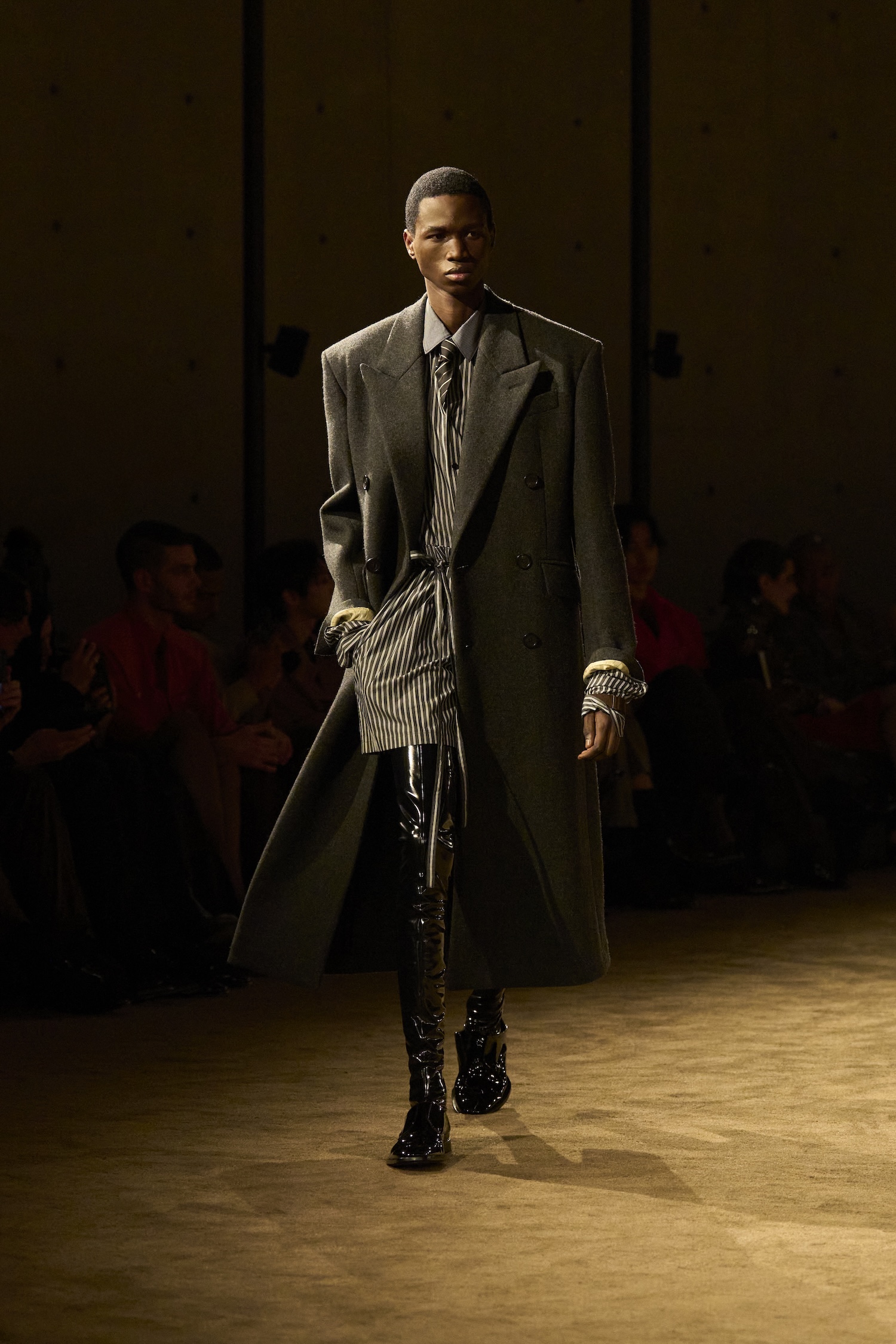
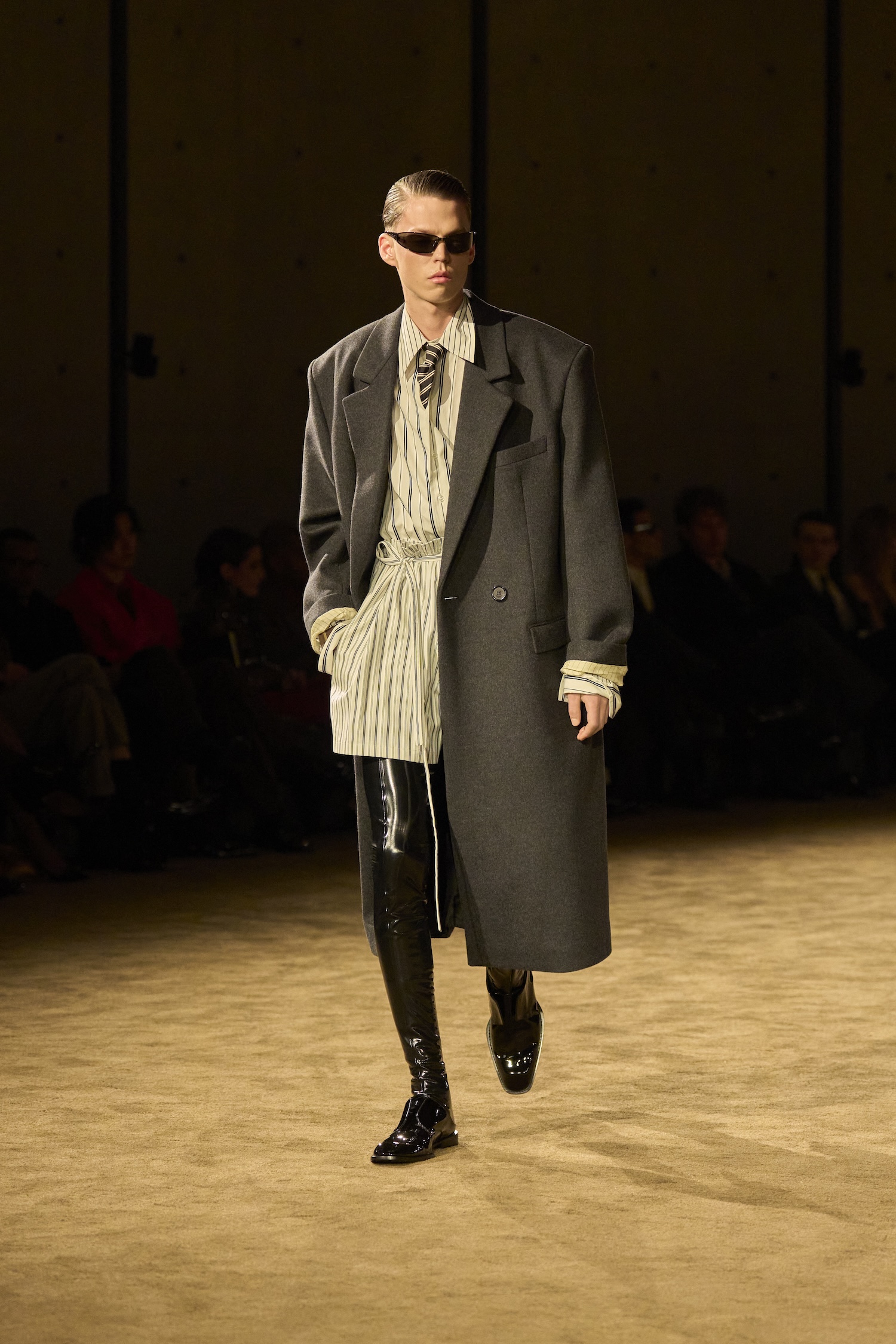
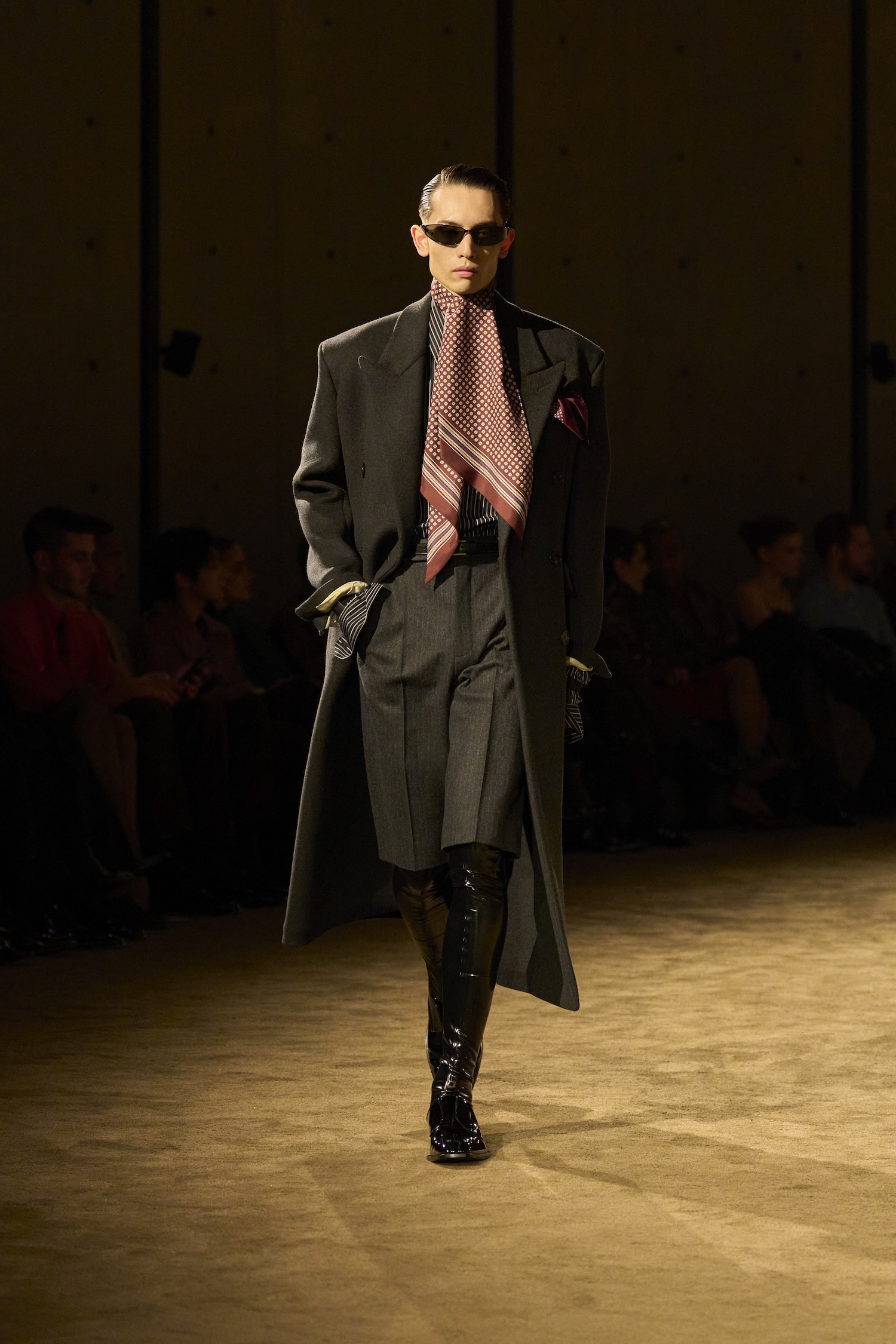
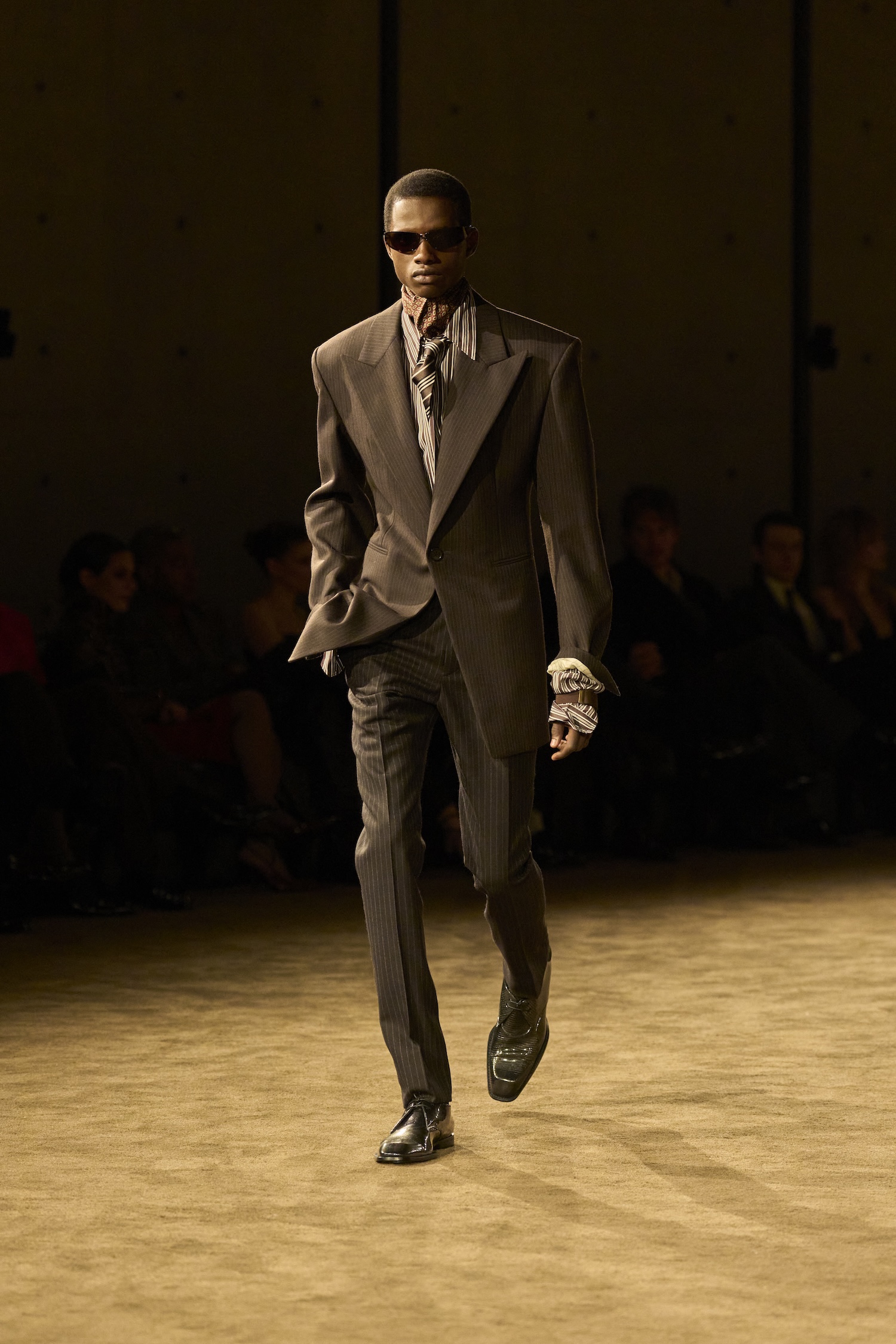
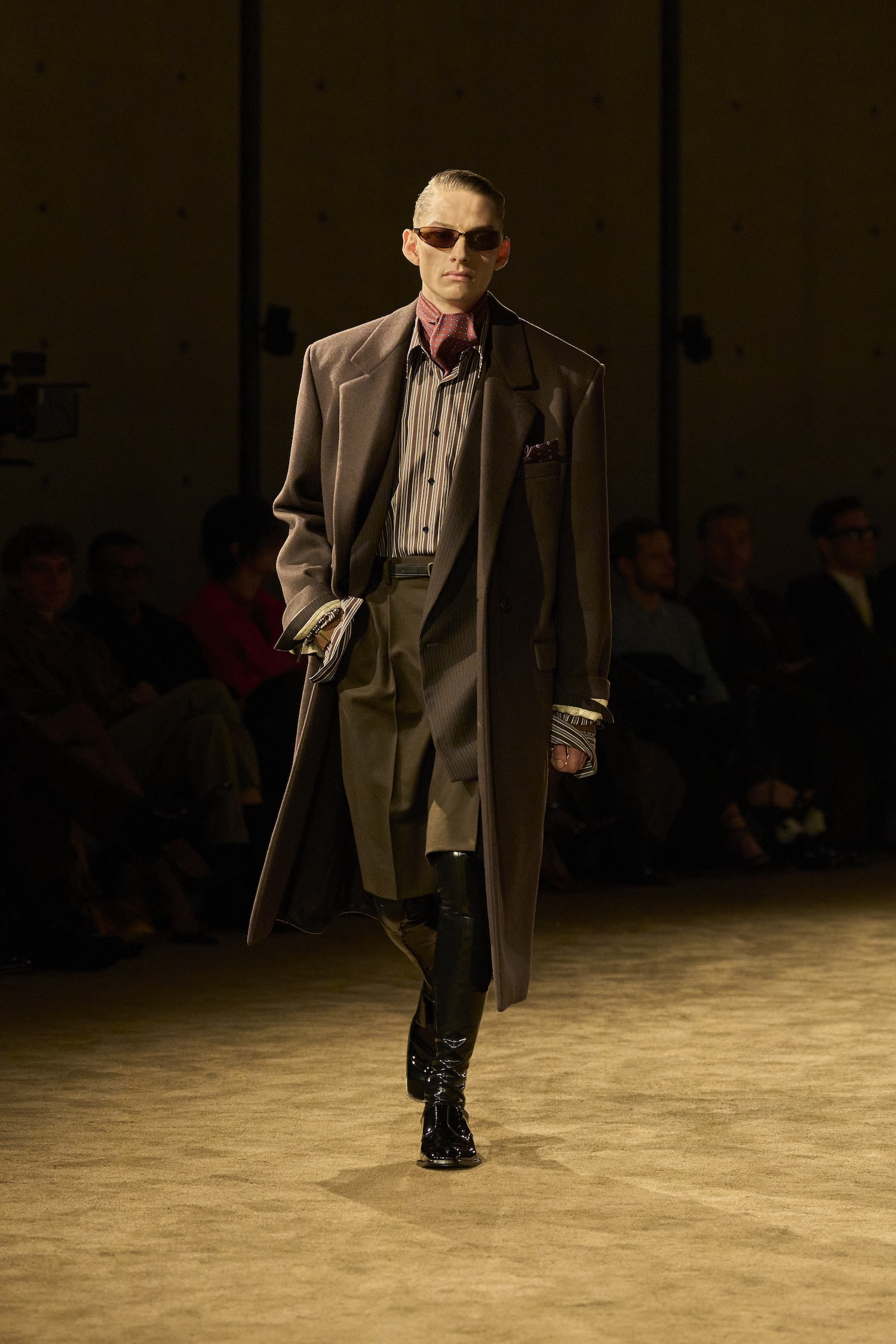
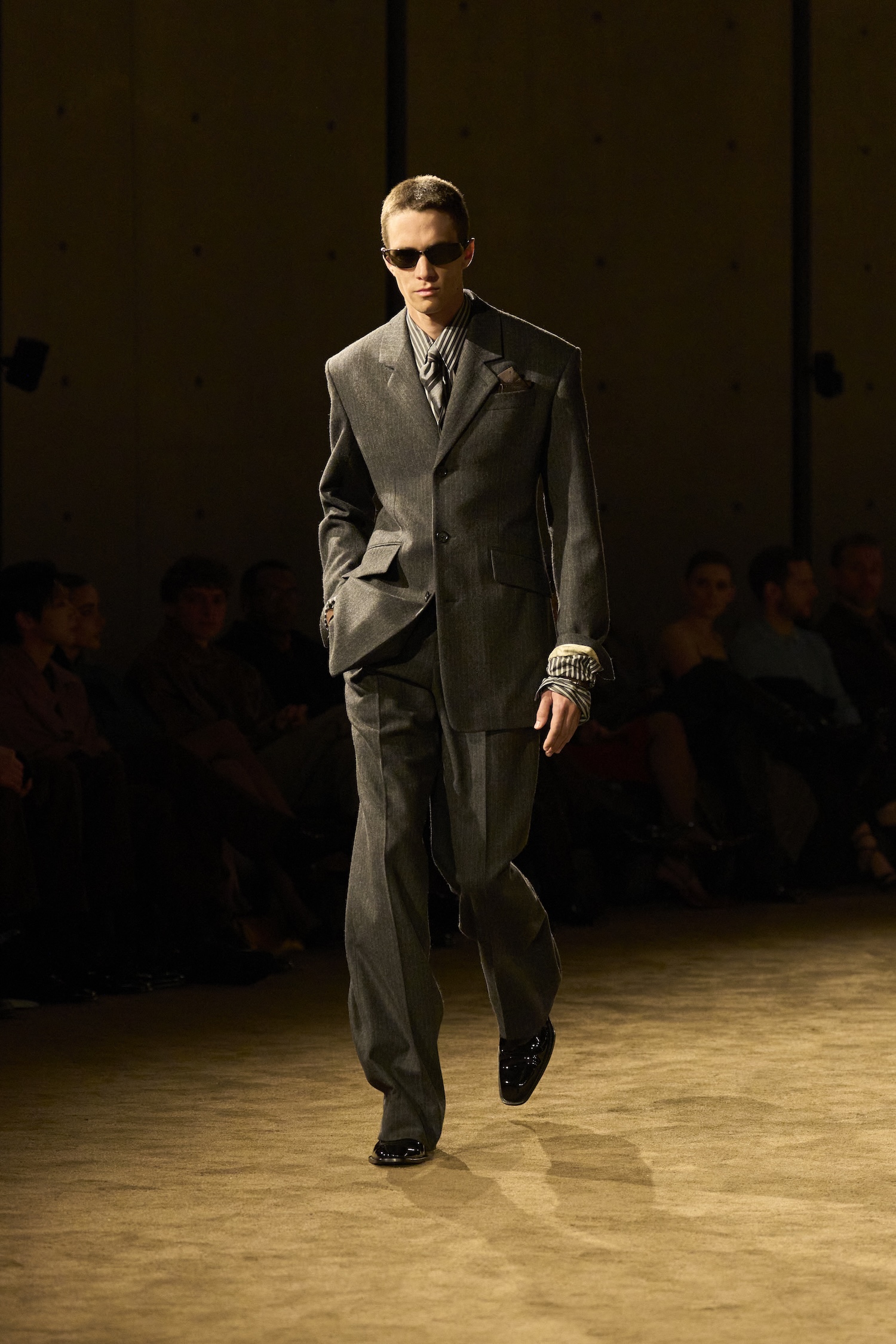
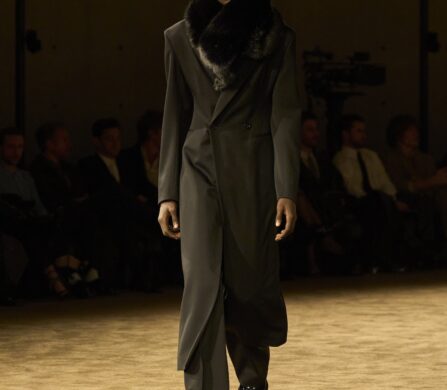
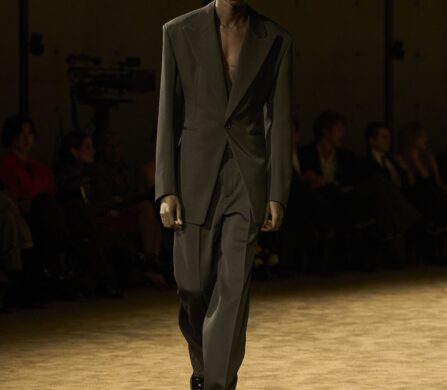
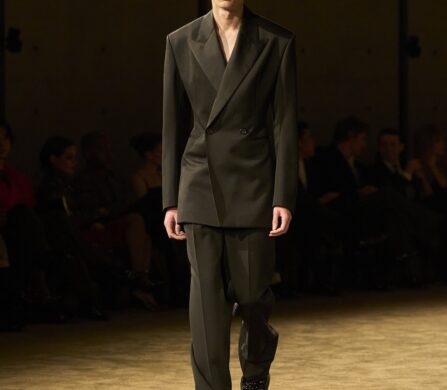
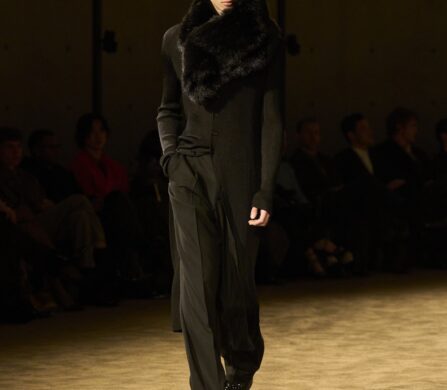
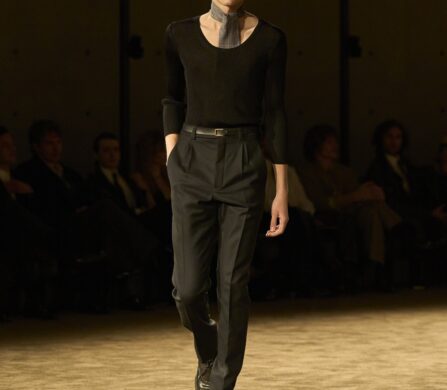
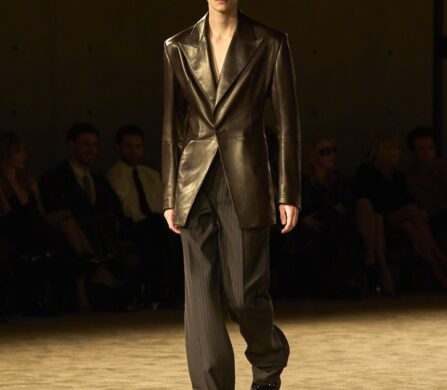
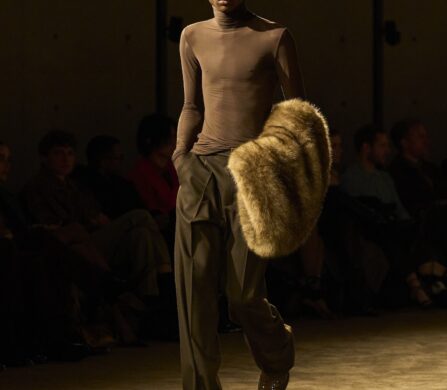
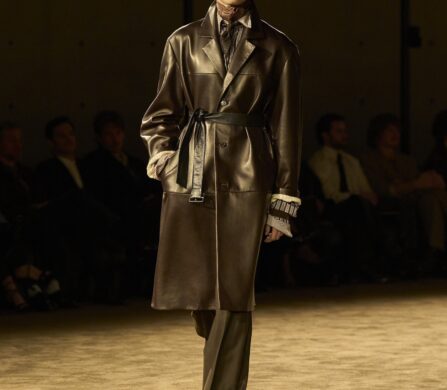
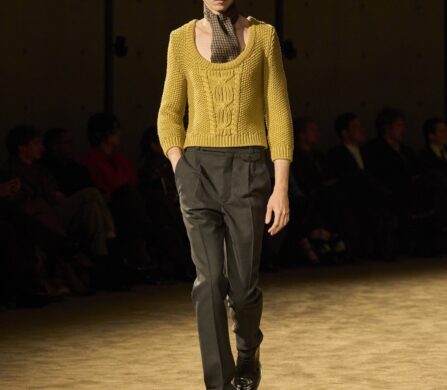
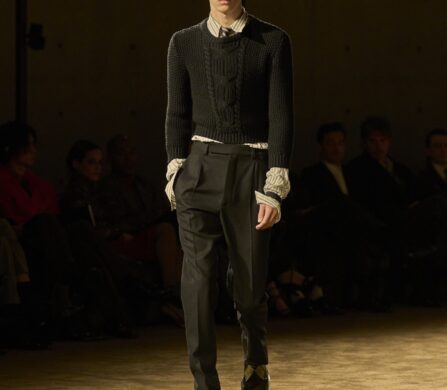
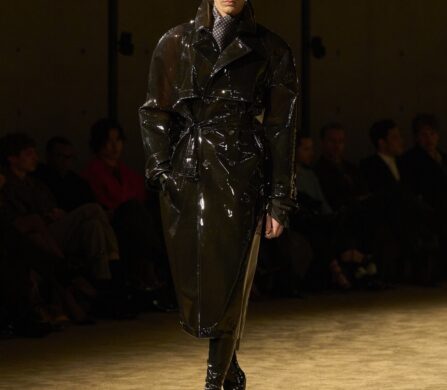
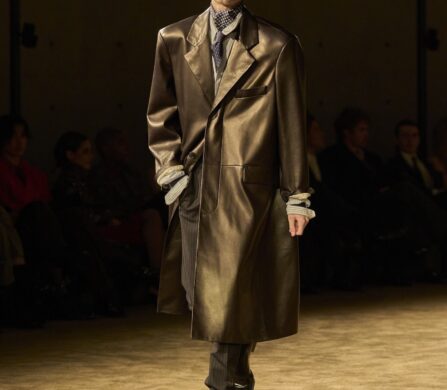
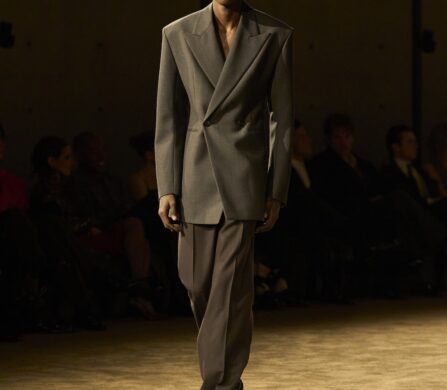
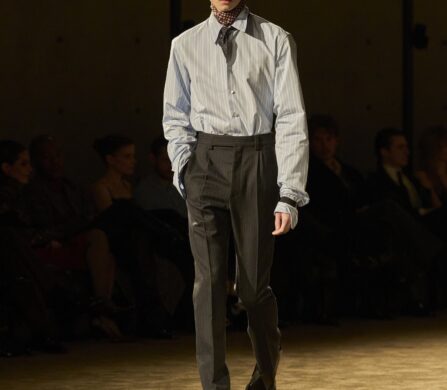
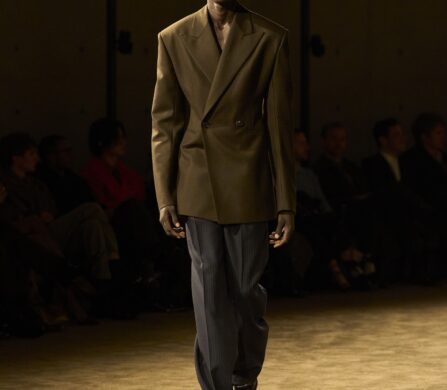
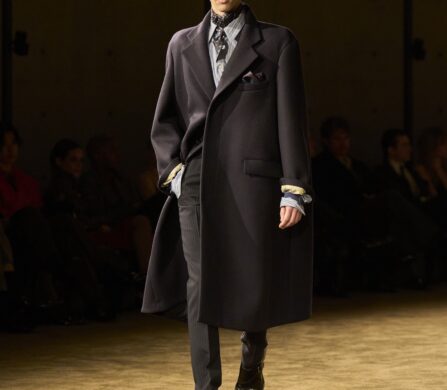
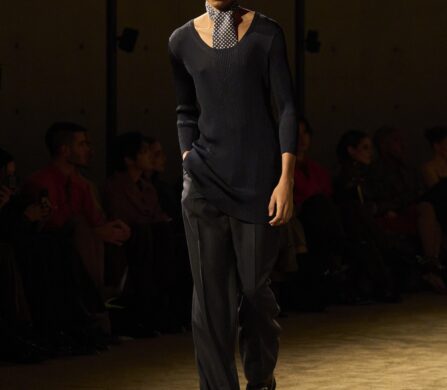
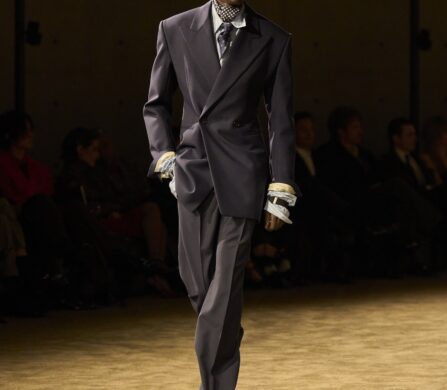
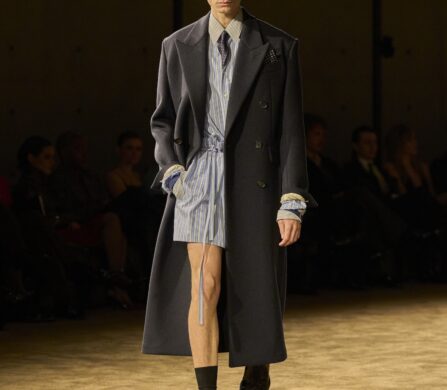
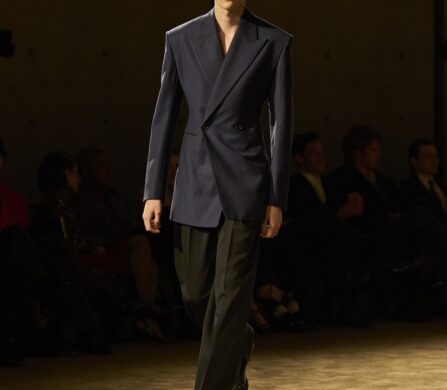
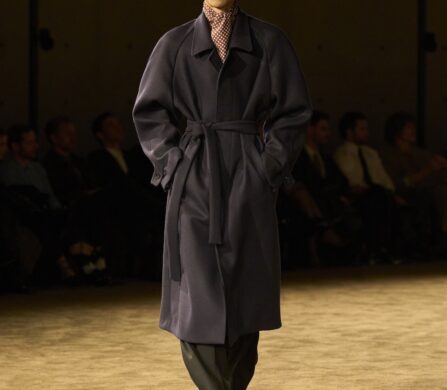
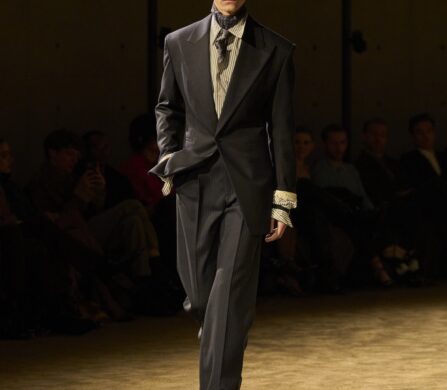
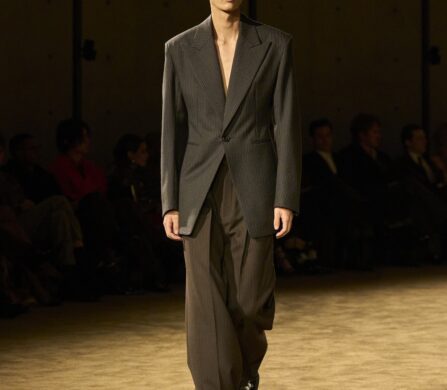
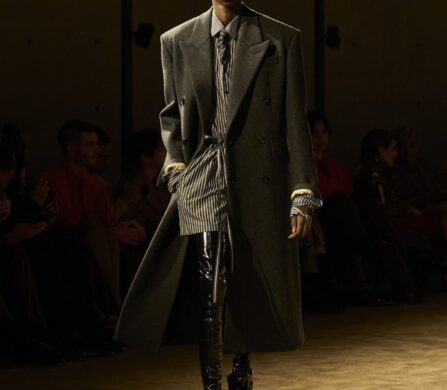
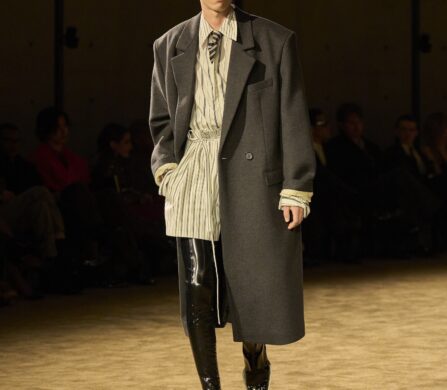
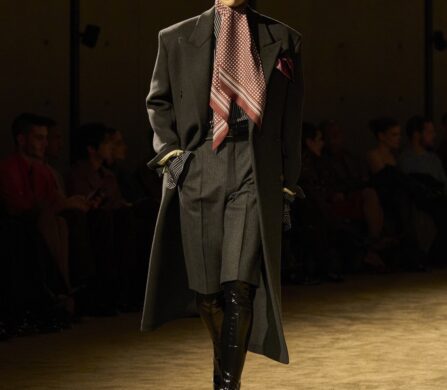
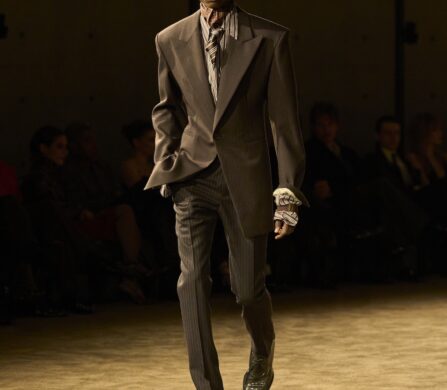
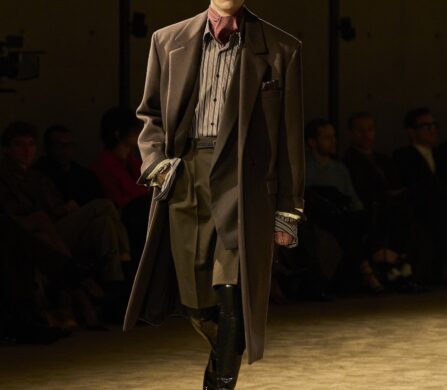
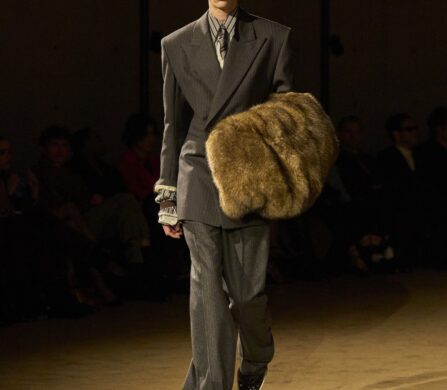
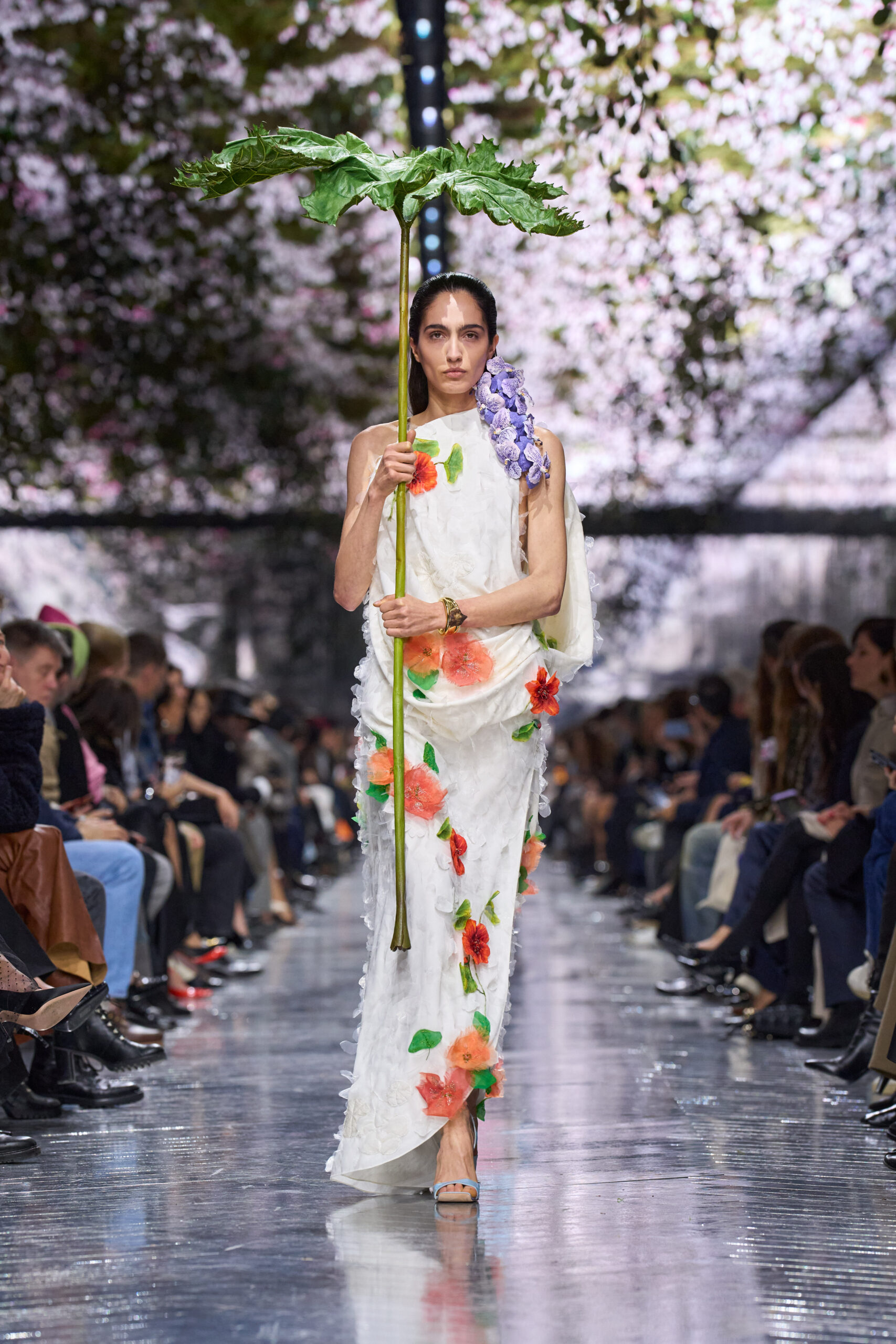
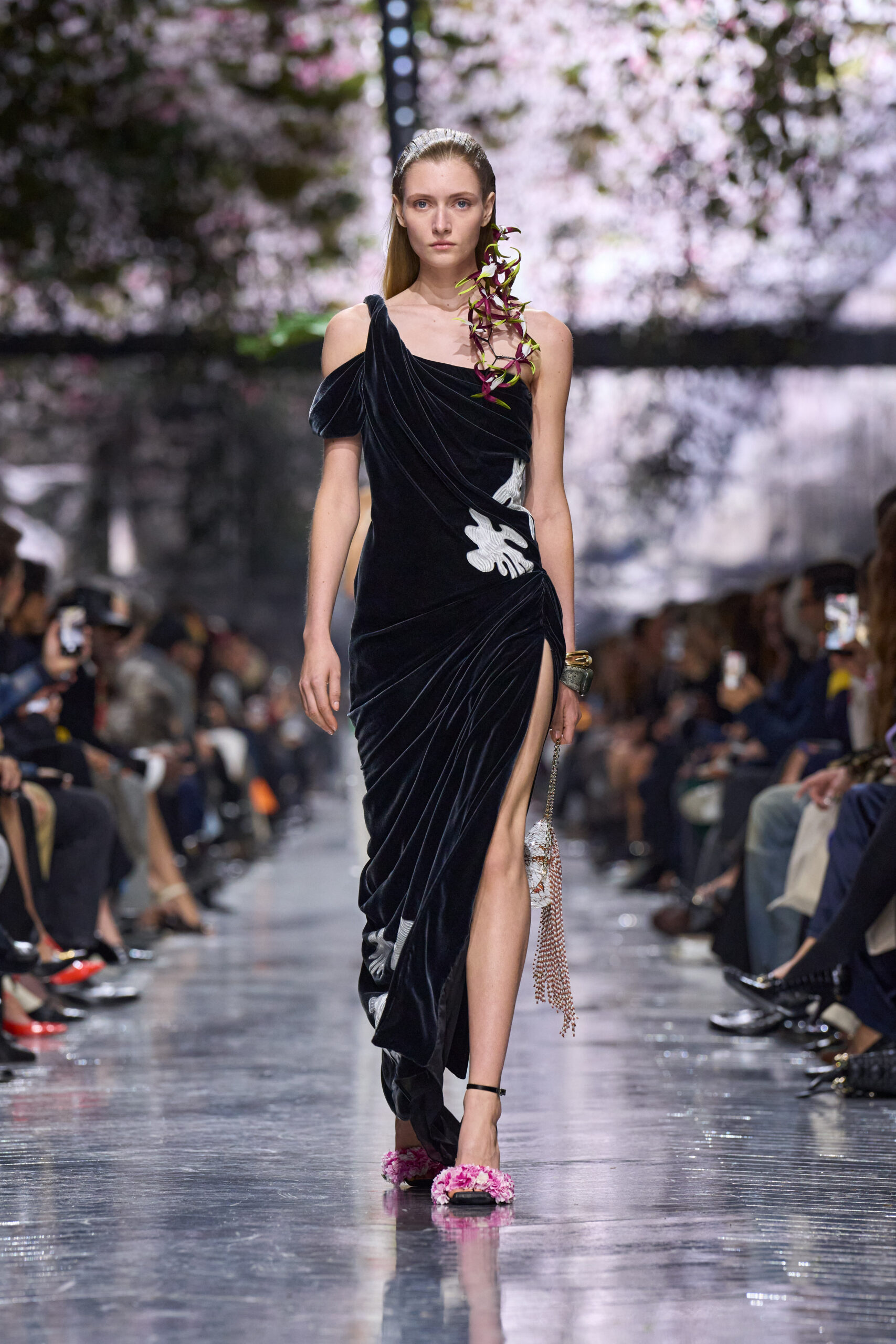
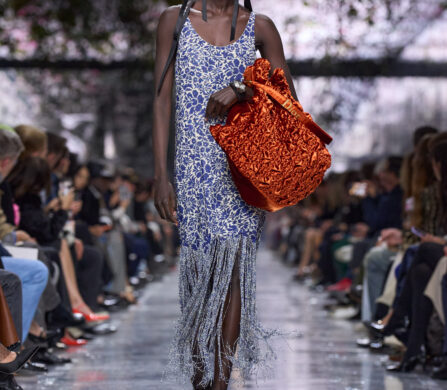
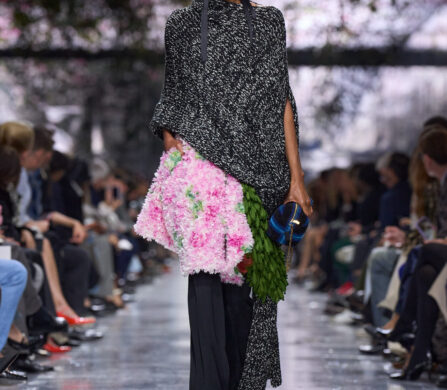
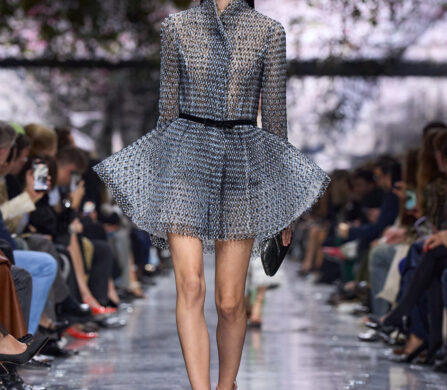
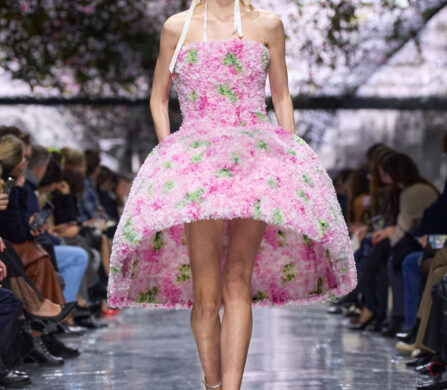
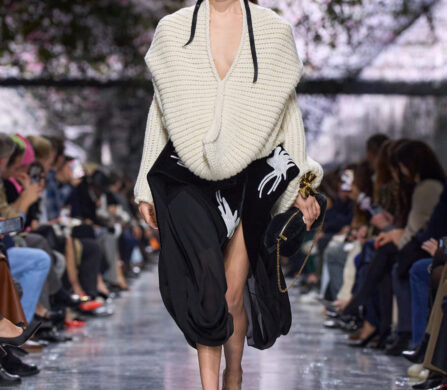
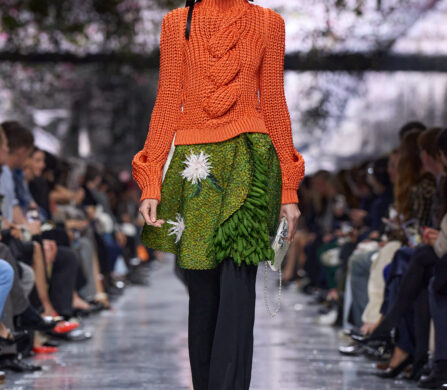
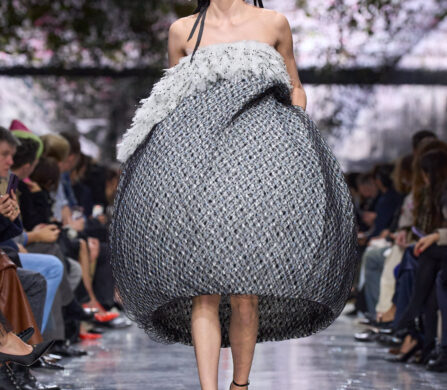
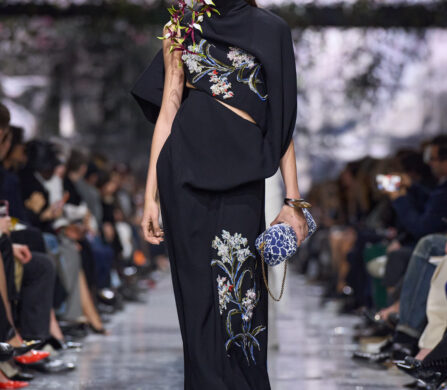
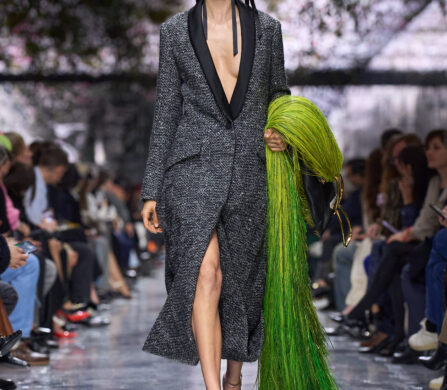
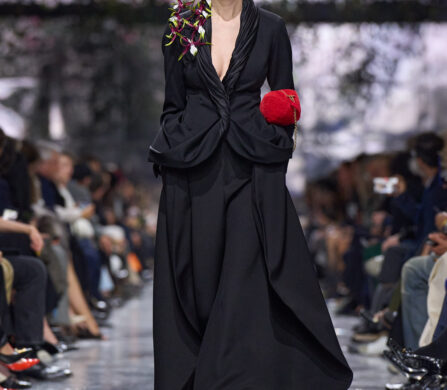
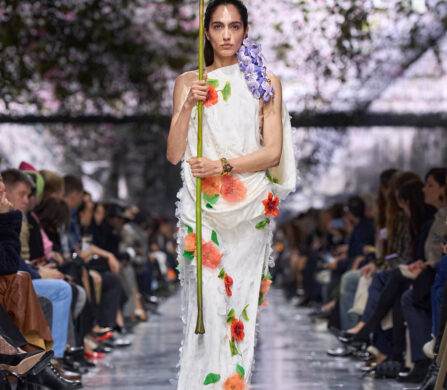
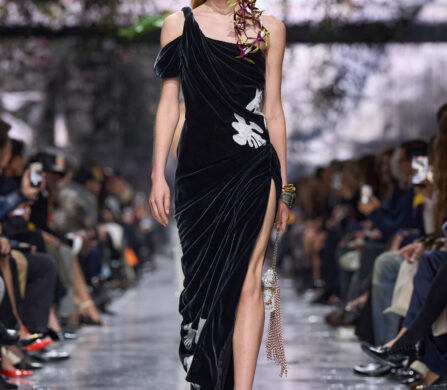
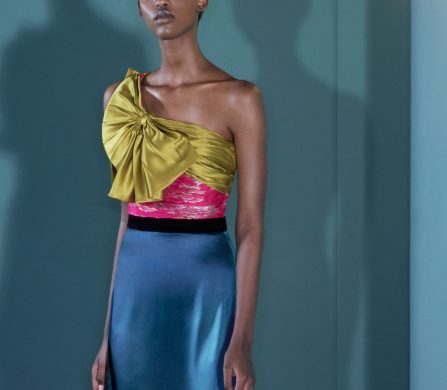
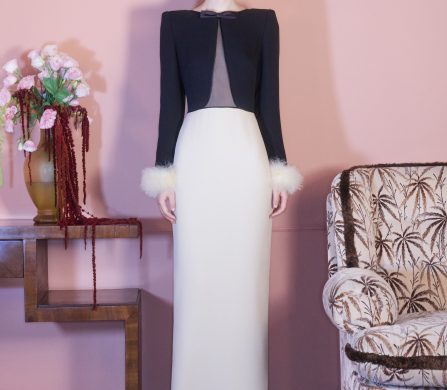
The fashion here is the perfect uniform for this so-called “slow abandonment.” We see the fluid, nightgown-esque dresses, the softly structured tailoring and the languid, deconstructed silhouettes that dominated his recent show. These are clothes that, as the brand says, “lose weight and stop judging.” It is a wardrobe designed for vulnerability and intimacy, not for peacocking.
The concept is surprisingly deep for a fashion campaign. Michele is using the hotel as a metaphor for modern life: we are all in “a place of proximity without contact, where parallel solitudes breathe within the same time and thoughts intertwine through thin walls,” he notes. It’s a melancholy thought, but by setting it to Chopin and showing all these incredible people in this shared, dreamy state, he makes that isolation feel beautiful, romantic and, weirdly, like a collective, shared experience.
Find out more here.
photography. courtesy of Marili Andre
words. Gennaro Costanzo