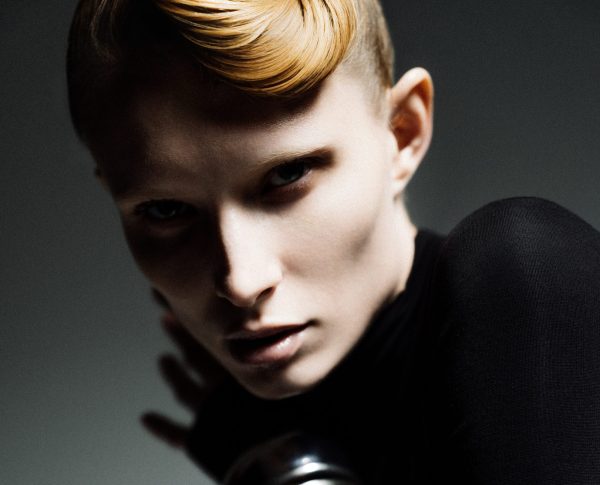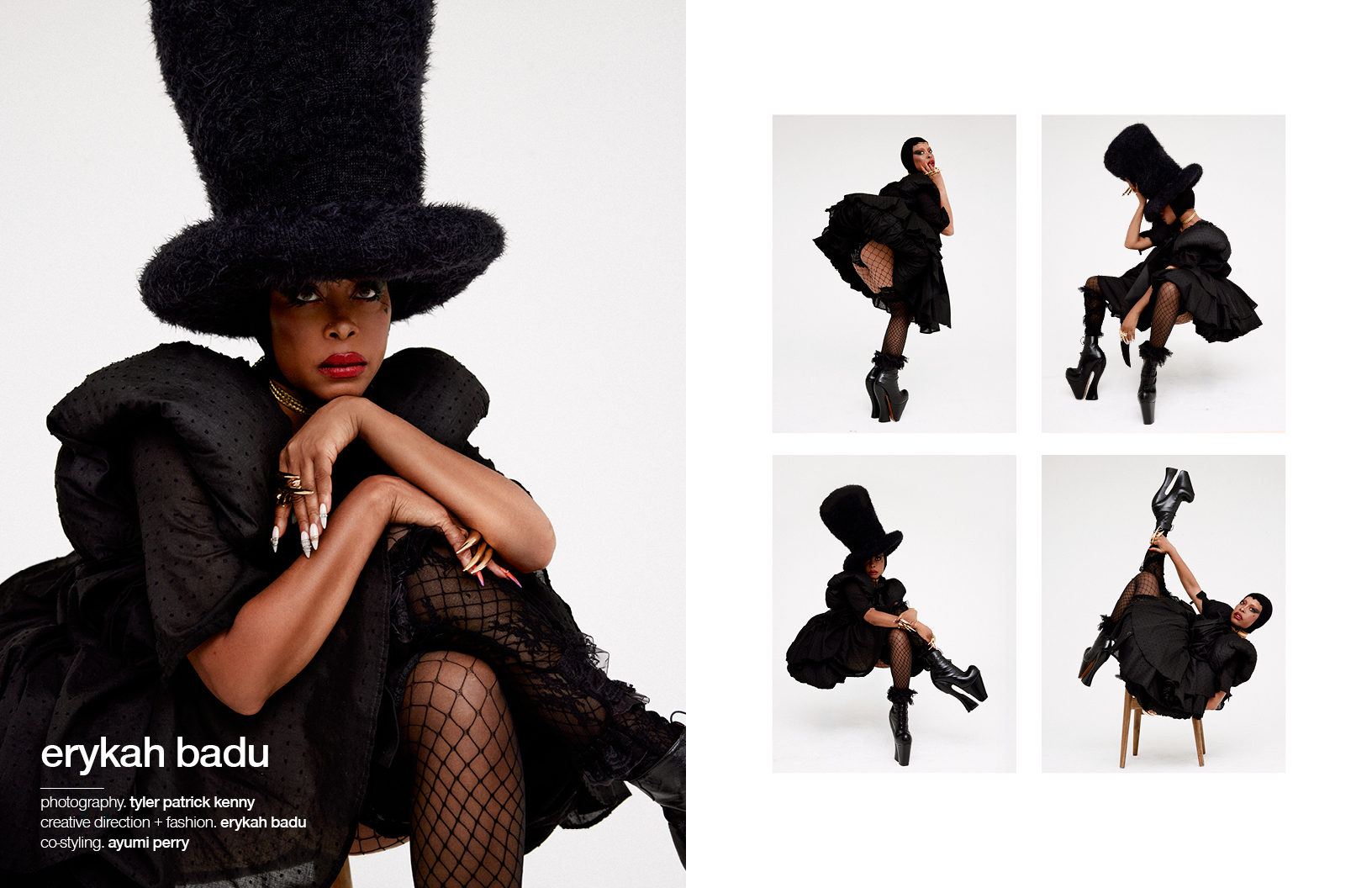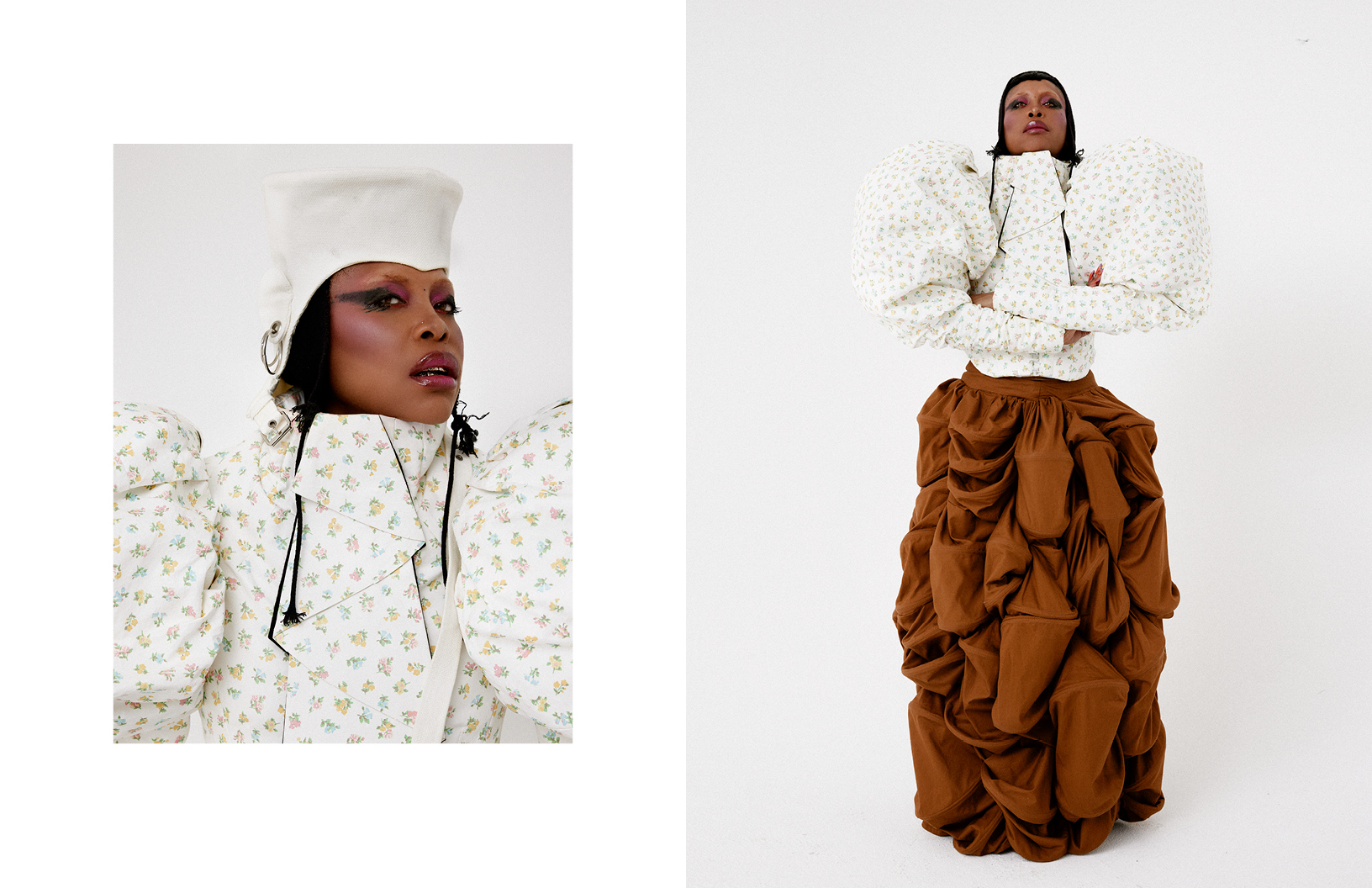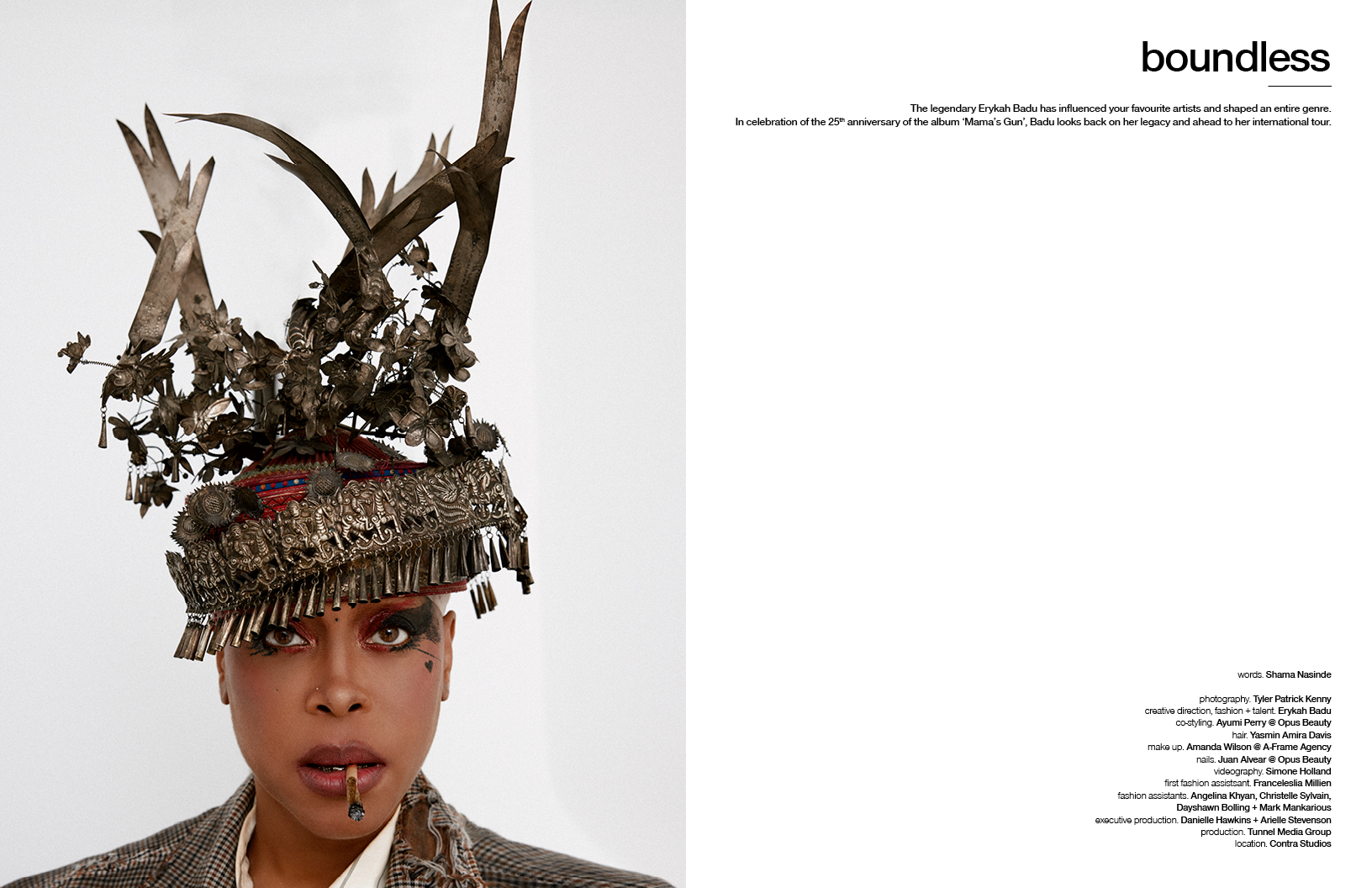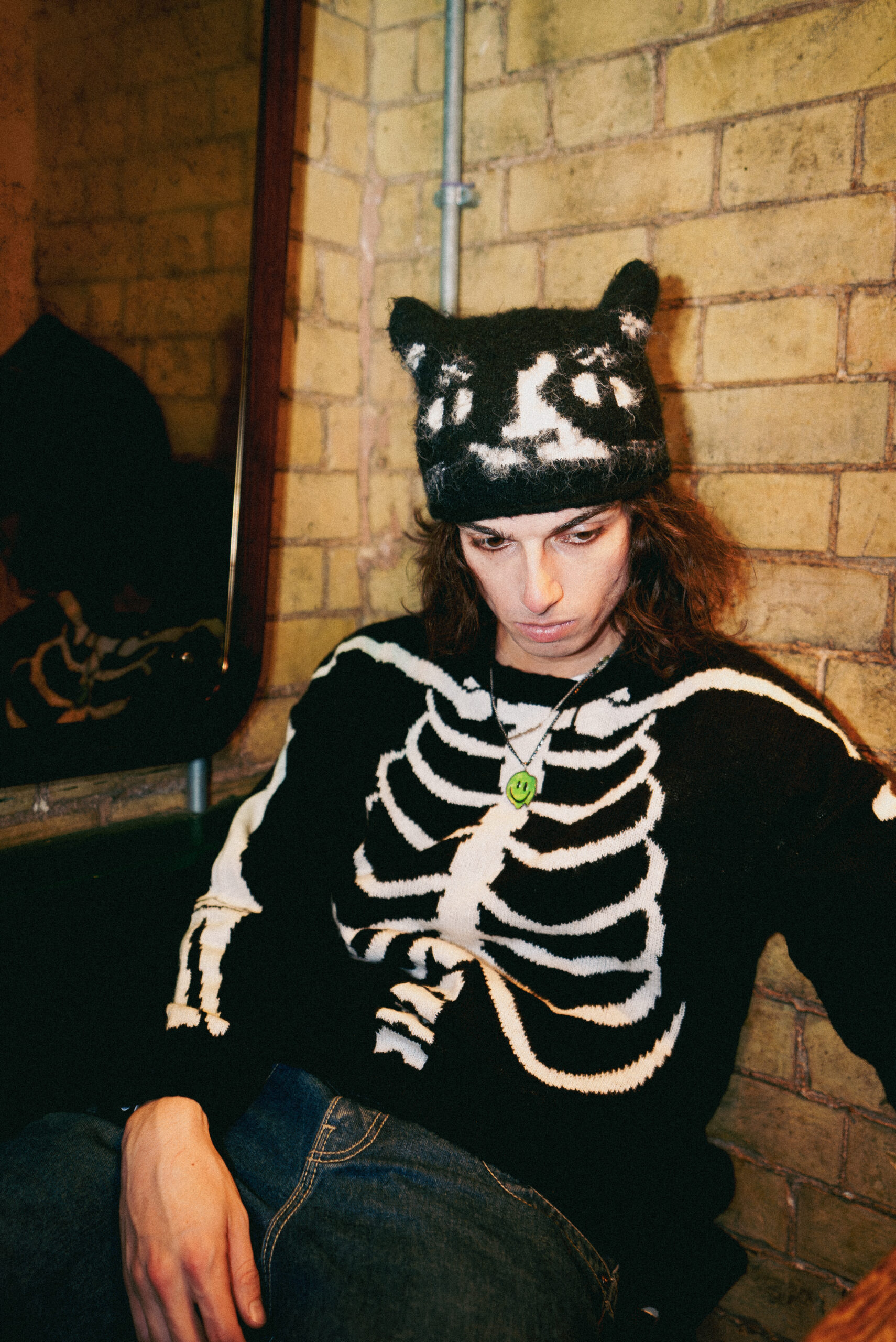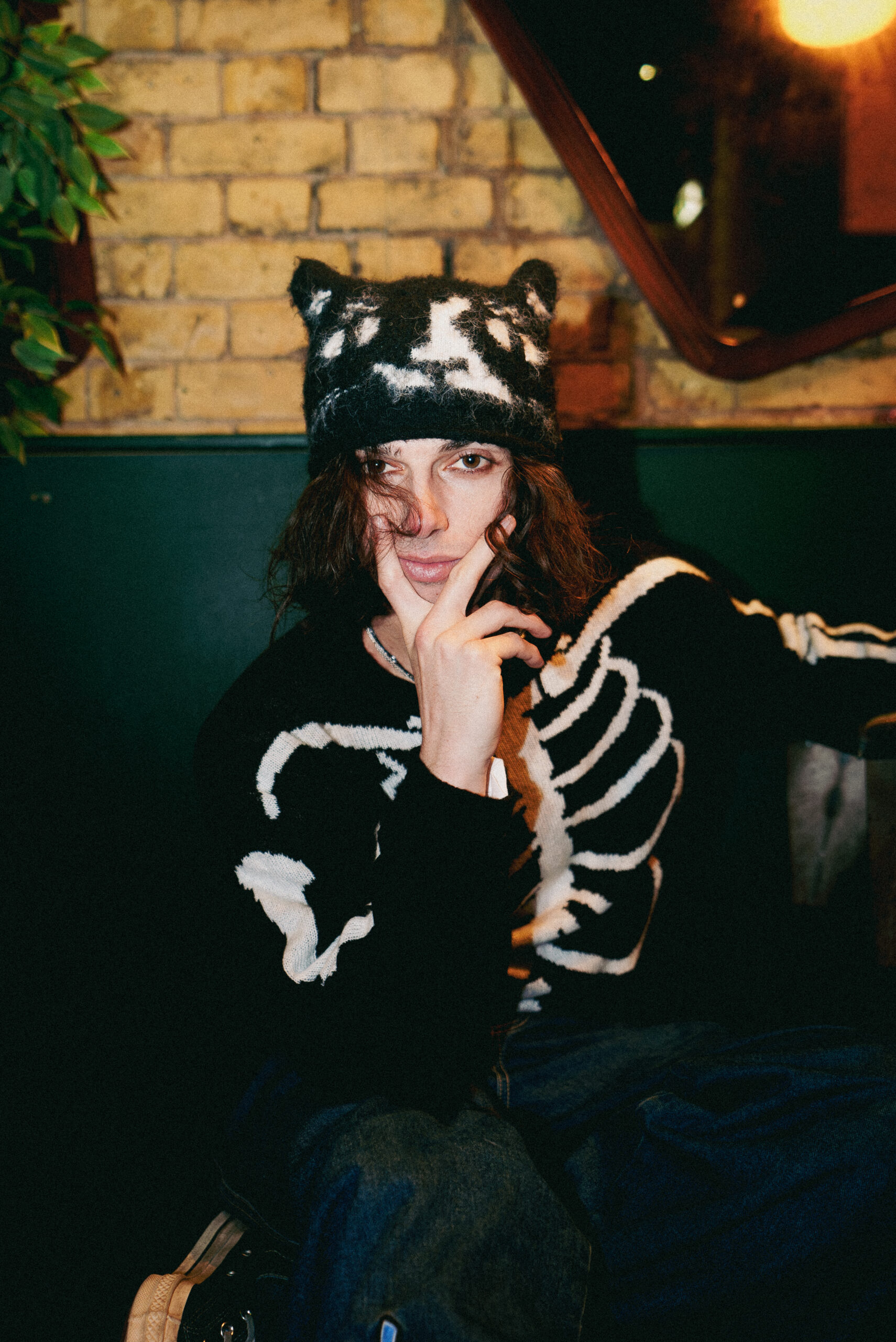


dress. Retrofête
bracelet. Keane
“I often joke that Beauty Access is and continues to be an entity that creates itself,” says Isan Elba, recalling the first event that unexpectedly set her on a mission. What began as a gathering of donated products revealed a staggering truth — six people alone contributed over a thousand items. That excess sparked a question that would change her path: how can the beauty industry’s surplus be transformed into support for those who have none?
The answer became Beauty Forward, Elba’s nonprofit built on a simple but powerful model: collect, verify, deliver. Since then, she and her team have distributed thousands of products, partnered with organizations like Women In Need, and developed custom technology to track every donation. For Elba, though, it’s never been just about the numbers. “When people think of beauty, their first thought is makeup, but actually it includes basic hygiene products that every human should have a right to.”
Her vision blends sustainability, social impact, and style into something more enduring than any trend. “There will never be a perfect balance,” she admits, “but my goal is for beauty companies—or any company, for that matter—to adopt our values into their current models.”
In conversation with Schön!, Elba opens up about the challenges, the surprises, and the legacy she hopes to leave: proving that beauty can be more than skin deep.

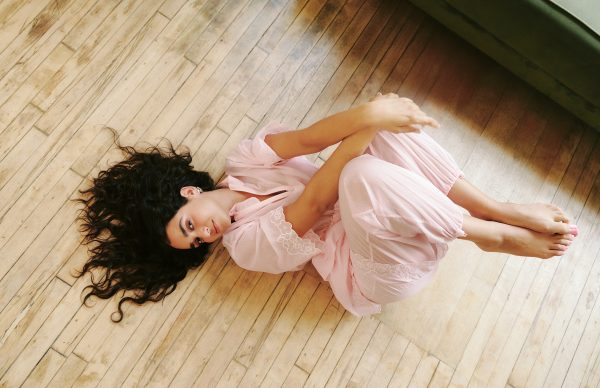
dress. Barrientos
earrings. Retrofête
bracelets. Dinosaur Designs + Alexis Bittar
opposite
top + skirt. Jane Wade
shoes. Larroudé
earrings. Dinosaur Designs
bracelets. Alexis Bittar
What inspired you to start Beauty Access, and how did that idea evolve into launching Beauty Forward as a nonprofit?
I often joke that Beauty Access is and continues to be an entity that creates itself. My career as a digital creator opened my eyes to the overconsumption of products and the lack of physical community that I had the opportunity to interact with. The first-ever Beauty Access event had no intention of developing, let alone becoming a social enterprise, but the experience and aftermath pushed me to dive in deeper. Beauty Forward evolved into a non-profit organization after brainstorming a way that donors could rehome their mountain of excess products and recipients could provide quality products to those without at no cost.
You’ve described the beauty industry’s waste problem as a key motivator. How did you first recognize the scale of that issue?
The first Beauty Access event. We estimate that over a thousand products were donated by six people alone. If other creators like me had that problem, then imagine just how many products out there go to waste.
What was the moment when you knew this idea could become something larger than just your own personal project?
It was really after our second event, the Beauty Access Cafe and Donation Drive, that I realized that I had to make it something bigger than myself. I dove into researching about ESG metrics, data on beauty waste, and the juxtaposition between those who can’t even afford basic products such as bodywash, to those who didn’t even blink at another product to add to the pile.

top + skirt. Jane Wade
earrings. Dinosaur Designs
bracelets. Alexis Bittar
opposite
dress. TTSWTRS
accessories. Margarida Feijão
earrings. Alexis Bittar
ring. Ming Yu
Beauty Forward uses a “collect, verify, deliver” model. Can you walk us through how that works in practice?
Through our website, donors can have their products picked up from their door via courier or drop them off at us. From the collection, we check and log every single product that comes into our possession using a custom inventory app we had to create to provide a realistic view of what we collect. From there, we have partnered with Women In Need to provide monthly product distributions. It has taken quite a while to develop this model, and it is constantly being improved. We successfully beta tested our program, and I am beyond excited for this to finally launch.
You’ve already distributed over 3,000 products and are aiming for 15,000 annually with Women In Need. What does scaling responsibly look like for you?
Putting the people first. When people think of beauty, their first thought is makeup, but actually, it includes basic hygiene products that every human should have a right to. As we scale, our goal is to provide the women of WIN with the dignity of choice that everyone deserves.
How does your custom technology help streamline donations and ensure products actually reach those who need them?
We can track what products we have in our inventory, as well as whether they are an essential, like deodorant, or a non-essential like mascara. We can also track where the product was from and when it leaves our inventory. It is a long process, but it is important to have clear transparency for all donors, recipients, and staff of WIN.
What has surprised you the most so far about building a nonprofit in the beauty space?
A majority of beauty brands have initiatives aimed at reducing the harm they do to the earth and in ways the community, but very few have created genuine solutions to obvious problems. I am surprised that Beauty Forward was not created sooner as a cornerstone for the industry.
Beauty Access events — like the cafe donation drive and the inaugural teen workshop — combine community, education, and beauty. Why is it important to you to create experiences, not just donations?
Knowledge is power, and in order for sustainability and community to thrive, we must make the conversations and knowledge around these principles more accessible. It is important that “consumers” and brands have access to more events that provide value to everyone, not just products.
How do you decide which brands or creators to partner with, and what makes a collaboration feel authentic?
When asking for collaborations, we have been shot down quite a few times, but every time that has happened, the right partner came forward to help. This is real work, not just a way to stamp your name on something to look good. Authenticity is imperative when working on something like this, and those who have an openness to do the work and forward-thinking ideas make collaboration easy.

dress. Barrientos
earrings. Retrofête
bracelets. Dinosaur Designs + Alexis Bittar
shoes. Dolce Vita
opposite
dress. Retrofête
bracelet. Keane
What role do you see creators and influencers playing in driving systemic change in beauty, beyond marketing products?
I kind of see it the other way around. I think the beauty industry is changing because our economy is putting more pressure on people to make more intentional purchases, which goes against the current nature of trends. If creators and influencers want to stay afloat, they need to create value. Those with something real to say about beauty will thrive, and those just there to sell products will not.
You’re blending sustainability, social impact, and beauty. How do you keep all three pillars balanced as the company grows?
It’s all about learning and keeping my eye on the prize. There will never be a perfect balance because we can never really be perfect, but my goal is for beauty companies, or any company for that matter, to adopt our values into their current models and to help them do that.
What kind of feedback have you received from the women and communities receiving these products?
I have been into the shelters and community centers a few times now, and every time I walk out, I am filled with more motivation. When handing out products at a shelter in Harlem, there were many times when I had to encourage the women to take more products because they didn’t understand that they could take whatever they desired.
How do you measure “impact” — is it in numbers, stories, or a mix of both?
My measure of impact is both. Sometimes it’s the analytical numbers behind products donated to those who received it. Other times it’s discovering a problem and fixing it. Raising awareness about overconsumption is also a measure of impact for me. I hope my work can encourage others as well.
What advice would you give to other young founders who want to build a mission-driven company in an industry as fast-paced as beauty?
If you are in it for money or recognition, literally just stop where you are. You have to find joy in creating and helping others. My motivation is different than other young founders creating companies. When others wake up and think, “how can I make more revenue?”, I think, “how can I get more products and education to those who need it?”, which requires genuine purpose and drive.
When you imagine Beauty Forward five or ten years from now, what do you hope its legacy will be?
Beauty Forward is a circular economy model, and I hope that if I can prove that this works, it can be applied to food, clothing, and beyond. The legacy I want to create is centred around changing our ideology around consumption and to poke at a larger issue.

dress. TTSWTRS
wang shoes. Malone Souliers
accessories. Margarida Feijão
earrings. Alexis Bittar
ring. Ming Yu
This Schön! editorial has been produced by
photography. Quadir Moore
fashion. Greg Emmanuell
model. Isan Elba
hair. Roddi Walters
make up. Ryann Carter
set design. Luz Harmon
digi tech. Obi Does
retouch. Vakhitova
photography assistant. Dylan Gue
location. Lenzu Studio