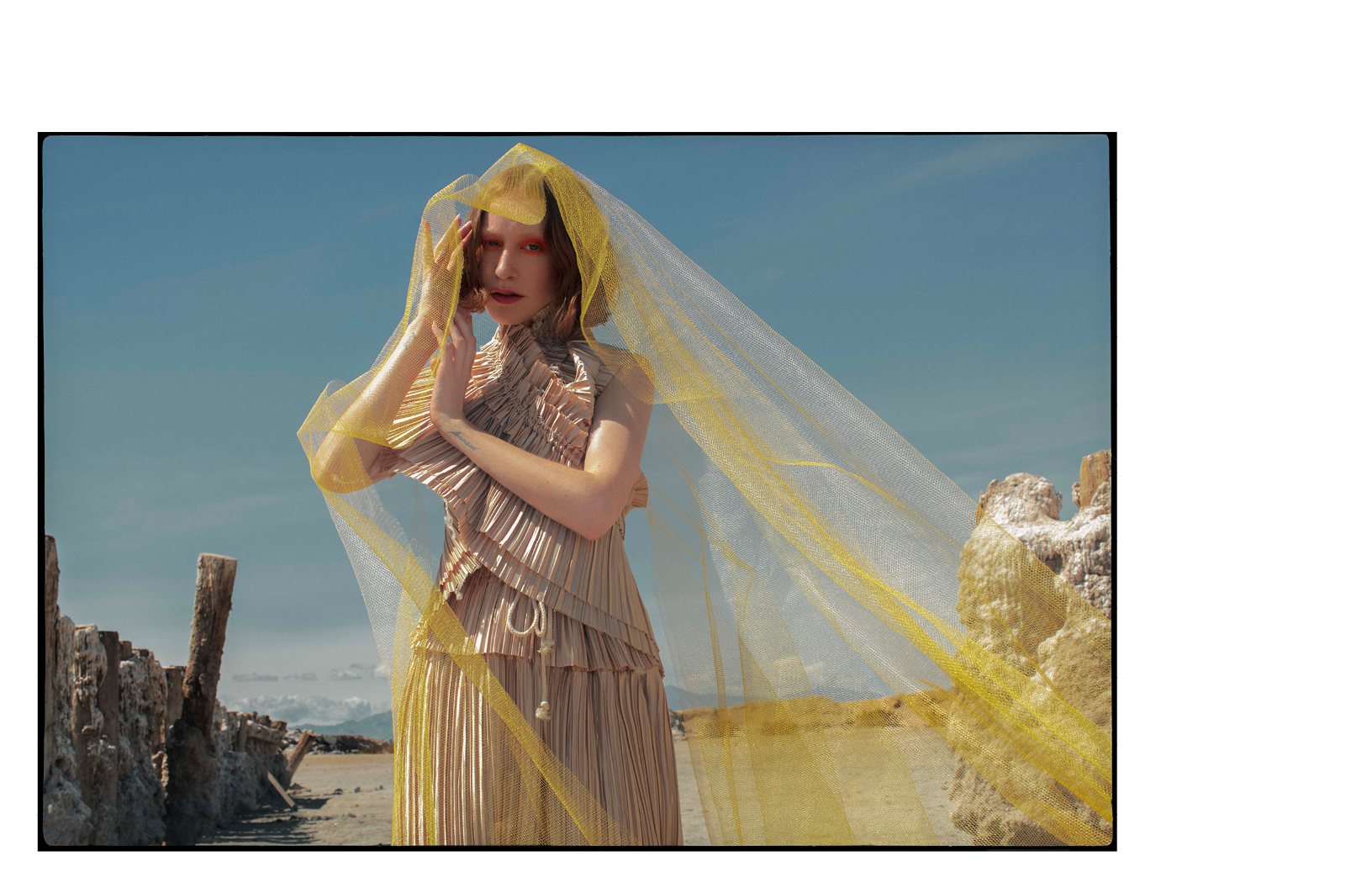
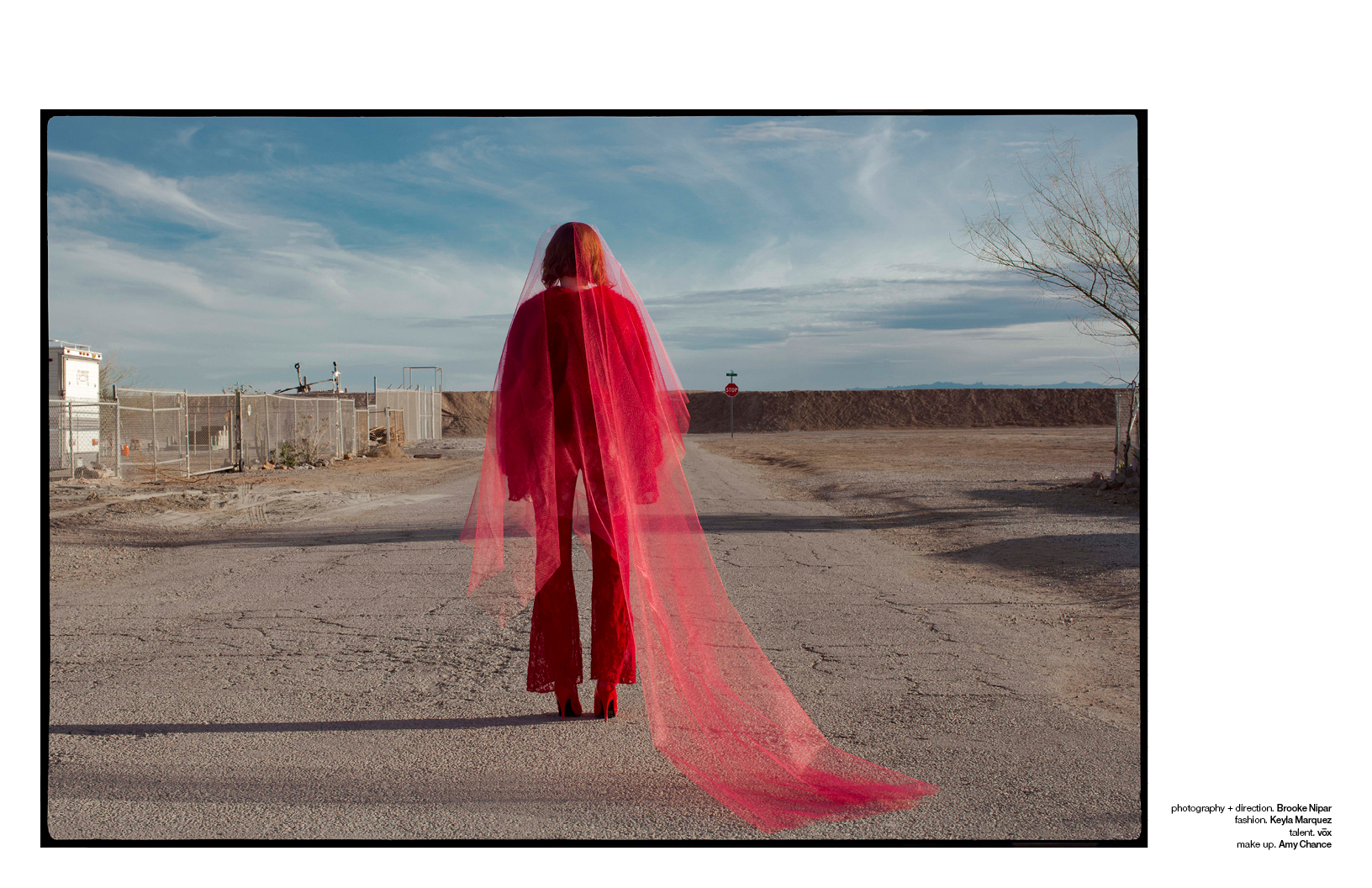
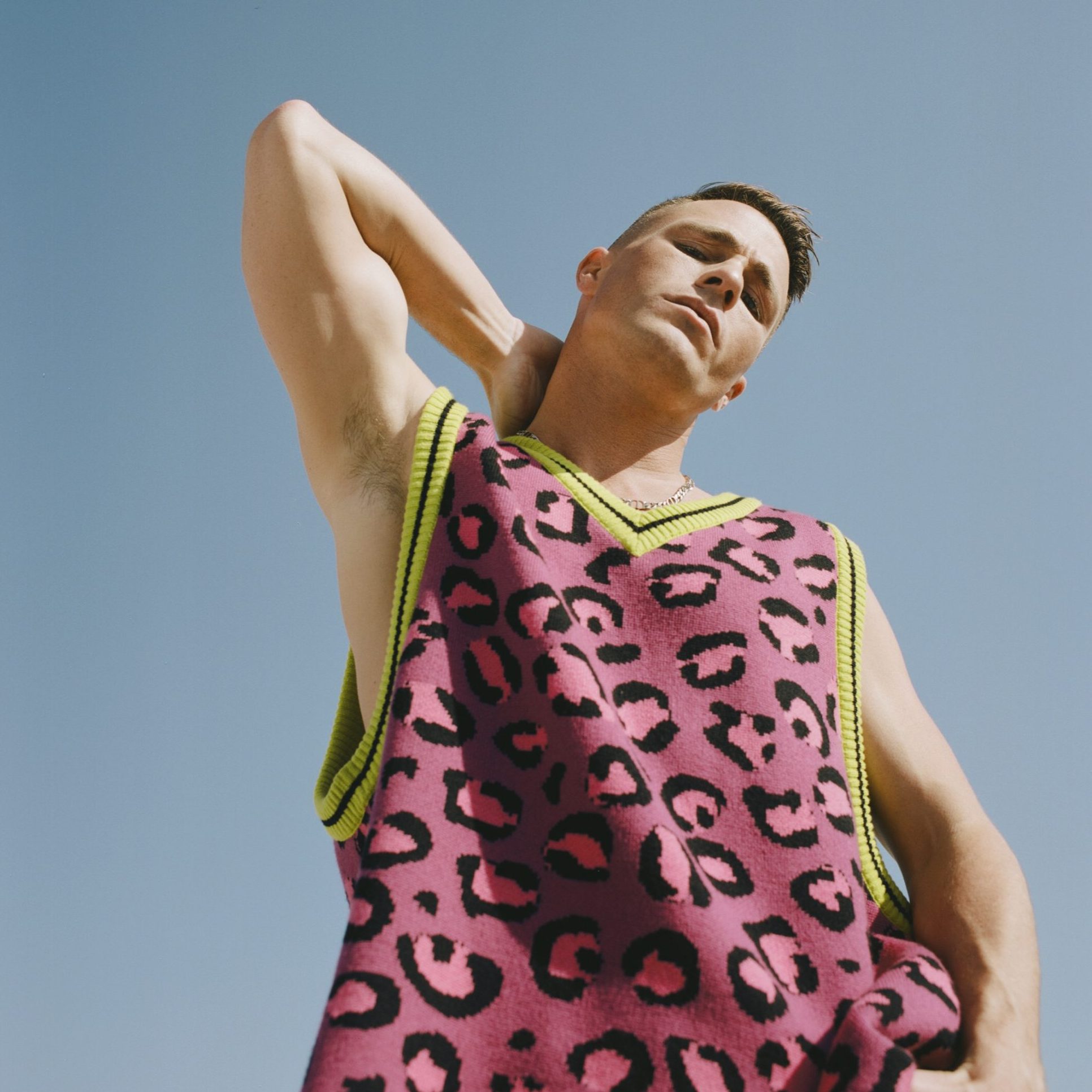
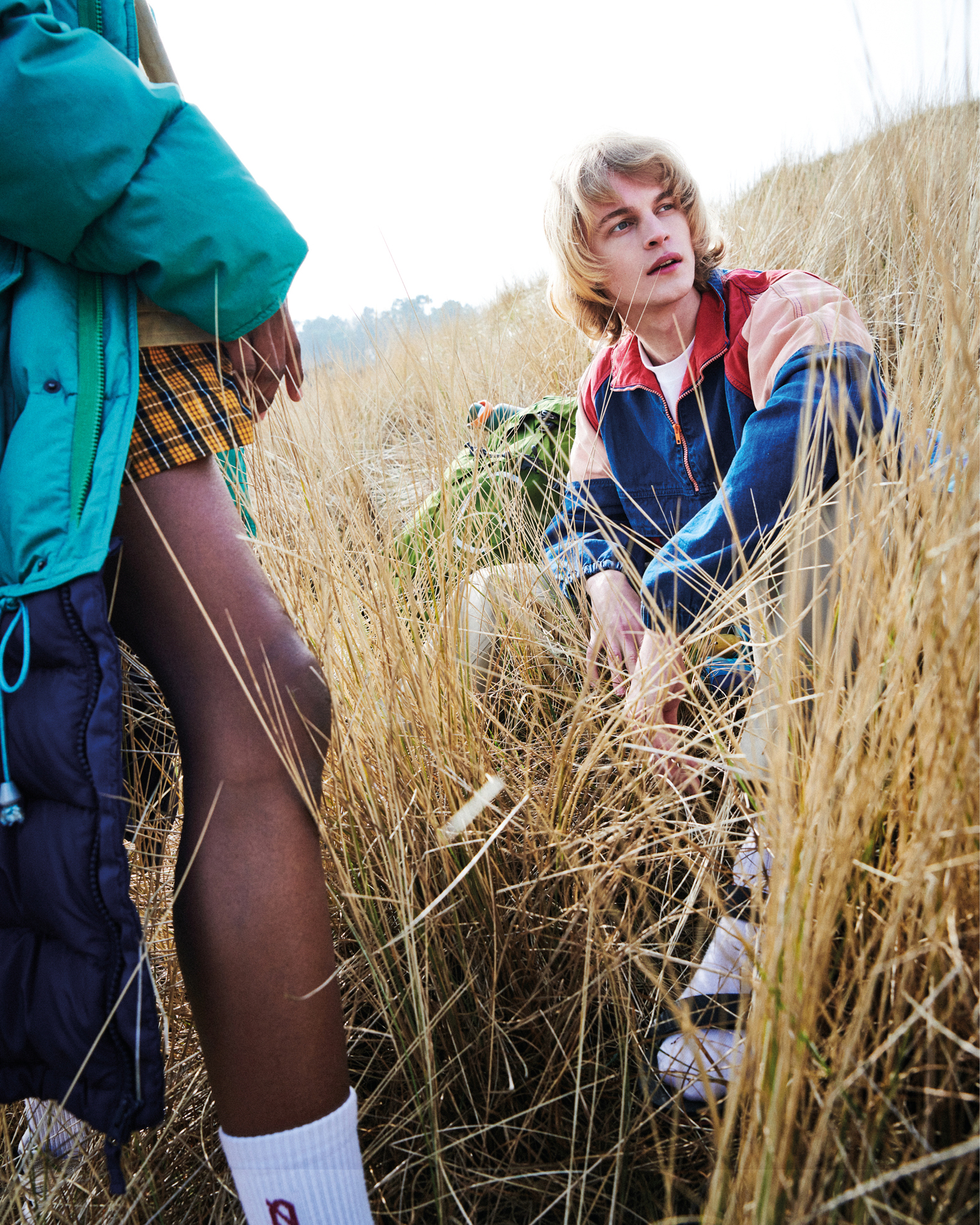
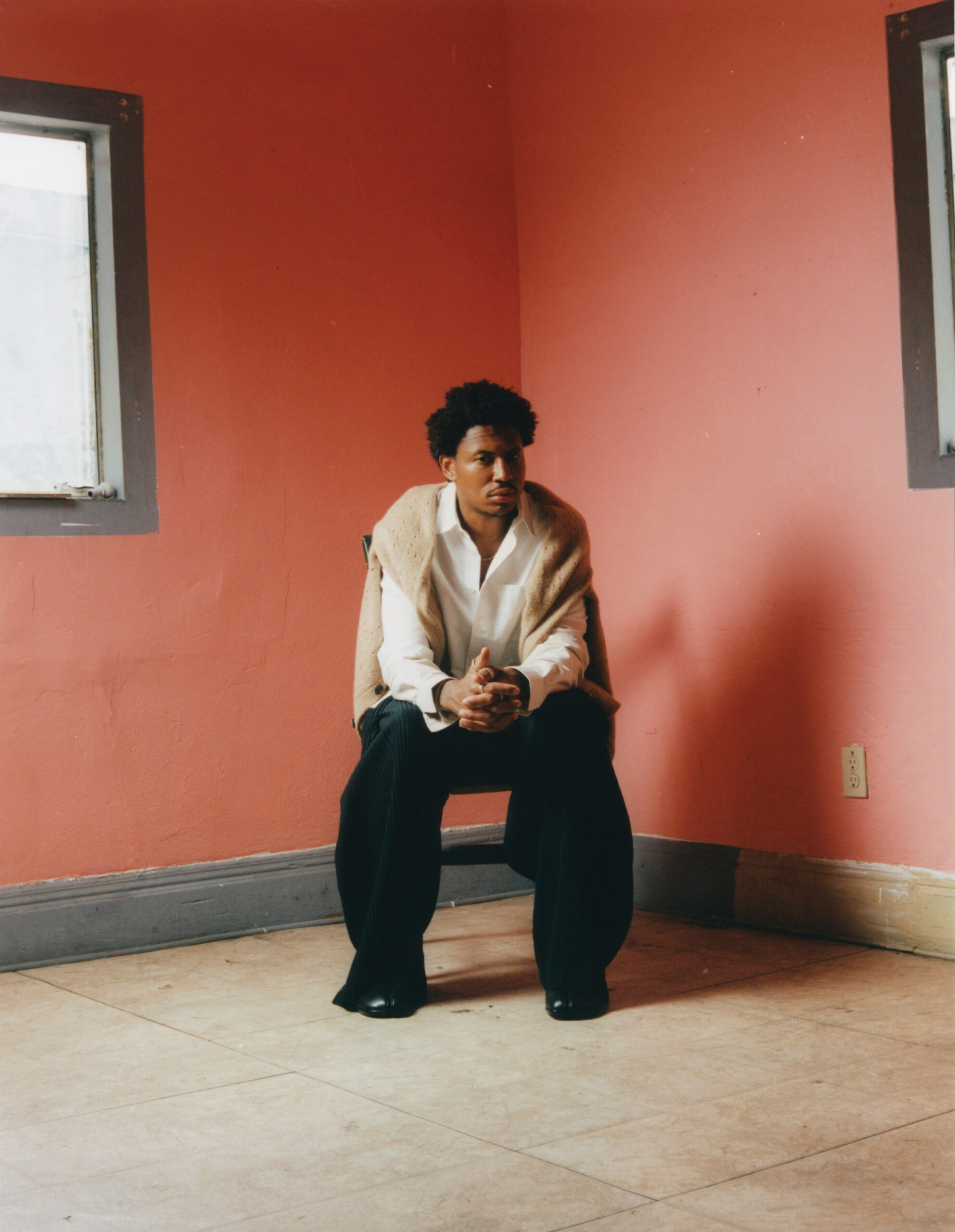
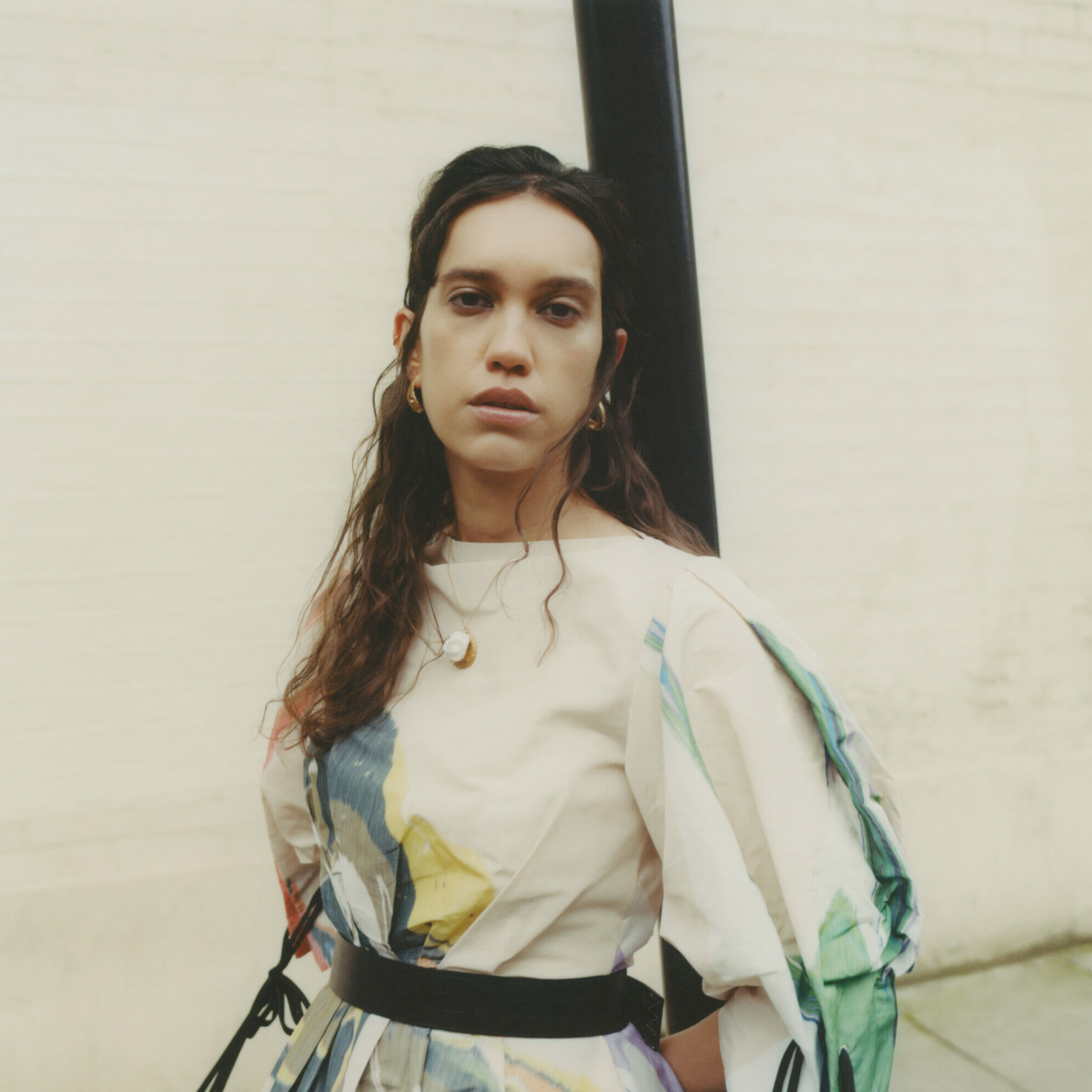
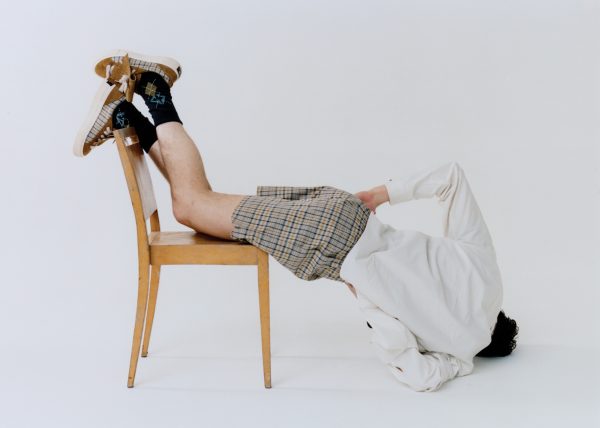
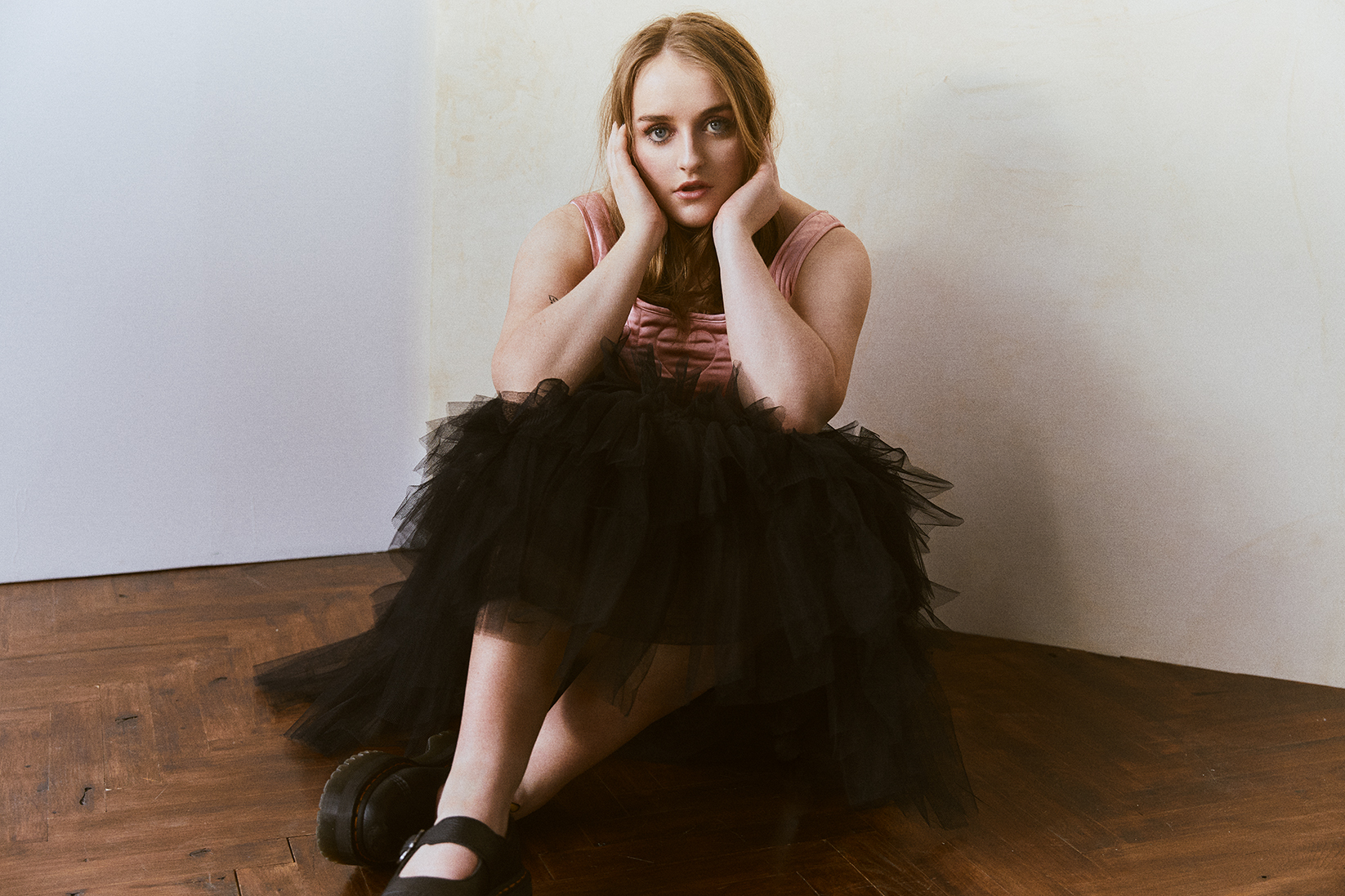
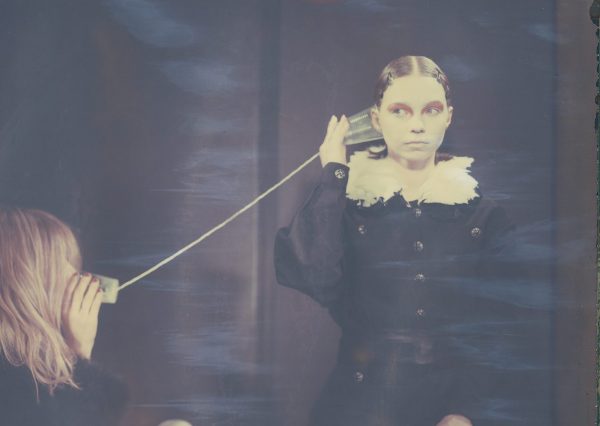
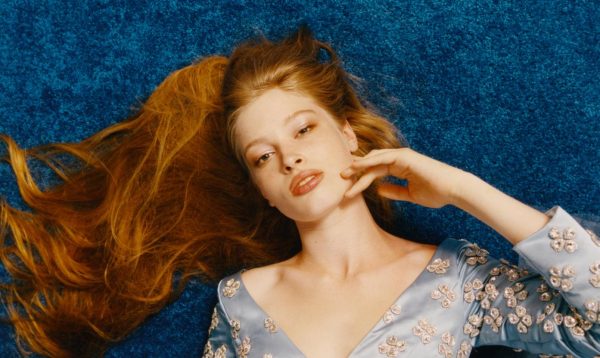
Powerful yet fragile, vōx appears as a goddess on a sinners’ land in her veiled looks. When on stage, the singer’s mesmerizing aura makes you forget the world around you, leading you to focus solely on her captivating voice. She is gentle. She is wavy. She is the calm inner voice inside you. The Los Angeles-based artist focuses her music on her deepest thoughts and is courageous enough to sing about them out to the world. Having overcome depression in her younger years, vōx uses her passion for music to speak up about mental health and her way of dealing with such issues, all the while giving hope through her hypnotizing melodies. Not afraid to show her vulnerabilities, her songs are empowering anthems for not only her listeners but also herself. From performing in churches to being one of the participants of this year’s Red Bull Music Academy in Berlin, vōx is thrilled to expand her horizons and reach many others outside the States. We catch up with the mesmerizing artist to find out what lies under the veil and her upcoming music drops.
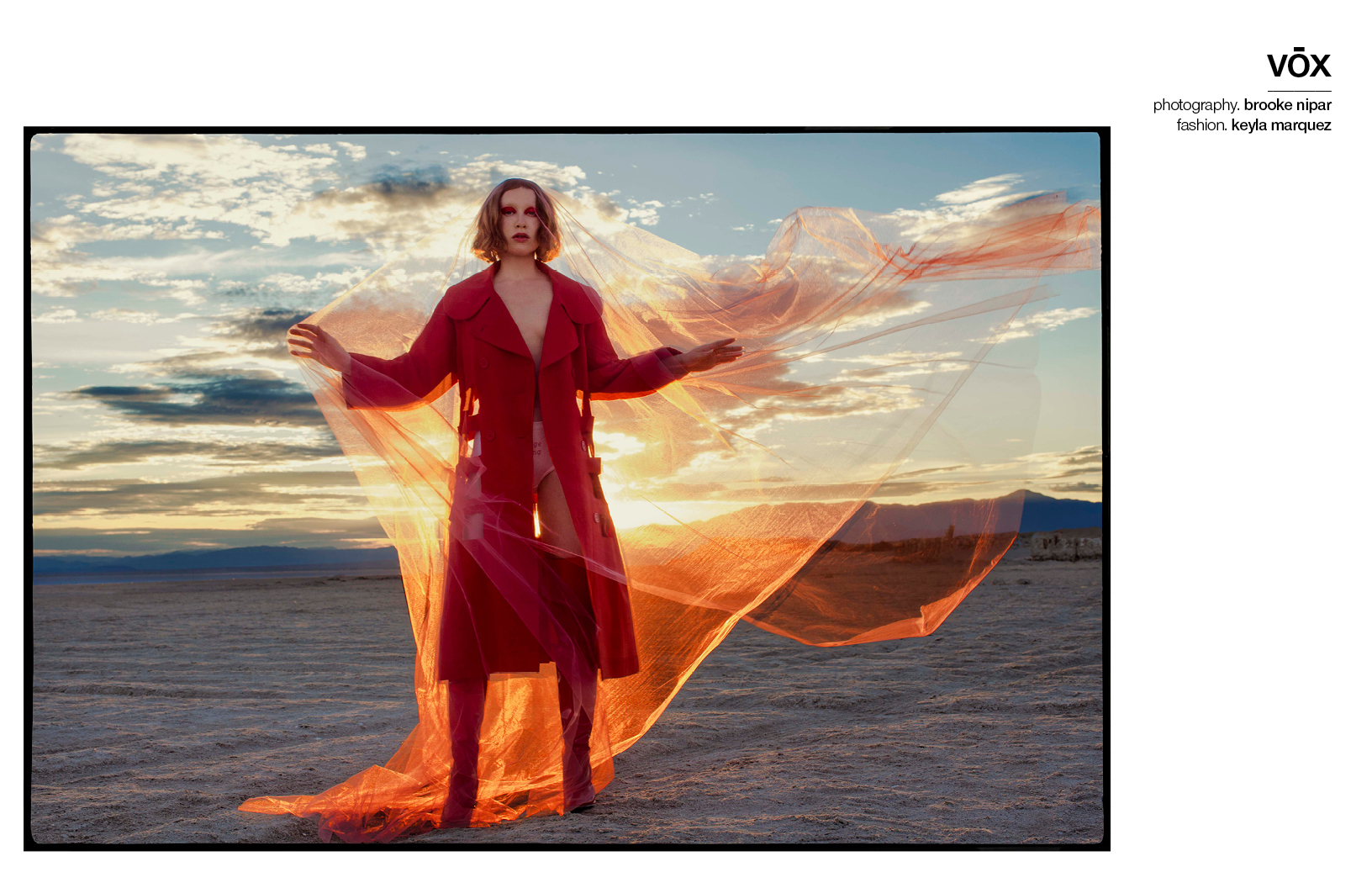
jacket. Nancy Stella Soto
shoes. Playmates of Hollywood
You usually perform veiled and it has become kind of your trademark look. Could you talk a bit about why is that?
Veils are historically used to cover someone sacred or significant. At the same time, it’s protective, and the symbolism of obscuring who I am physically when I perform is important to me.
Your debut EP, I Was Born, features songs about “coping with anxiety and discovering the power within yourself”. Could you talk a bit about the experiences that have influenced your music, and how?
One of my most significant influences was my isolated teenage years. I felt very alone and I struggled a lot with depression and suicidal thoughts. The music that I listened to was like my lifeline. The catalyst for writing my own songs was the hope that I could help others who are struggling. More specifically to I Was Born, creating the EP and thus realizing that vōx was within me helped me discover a power I never knew I had.
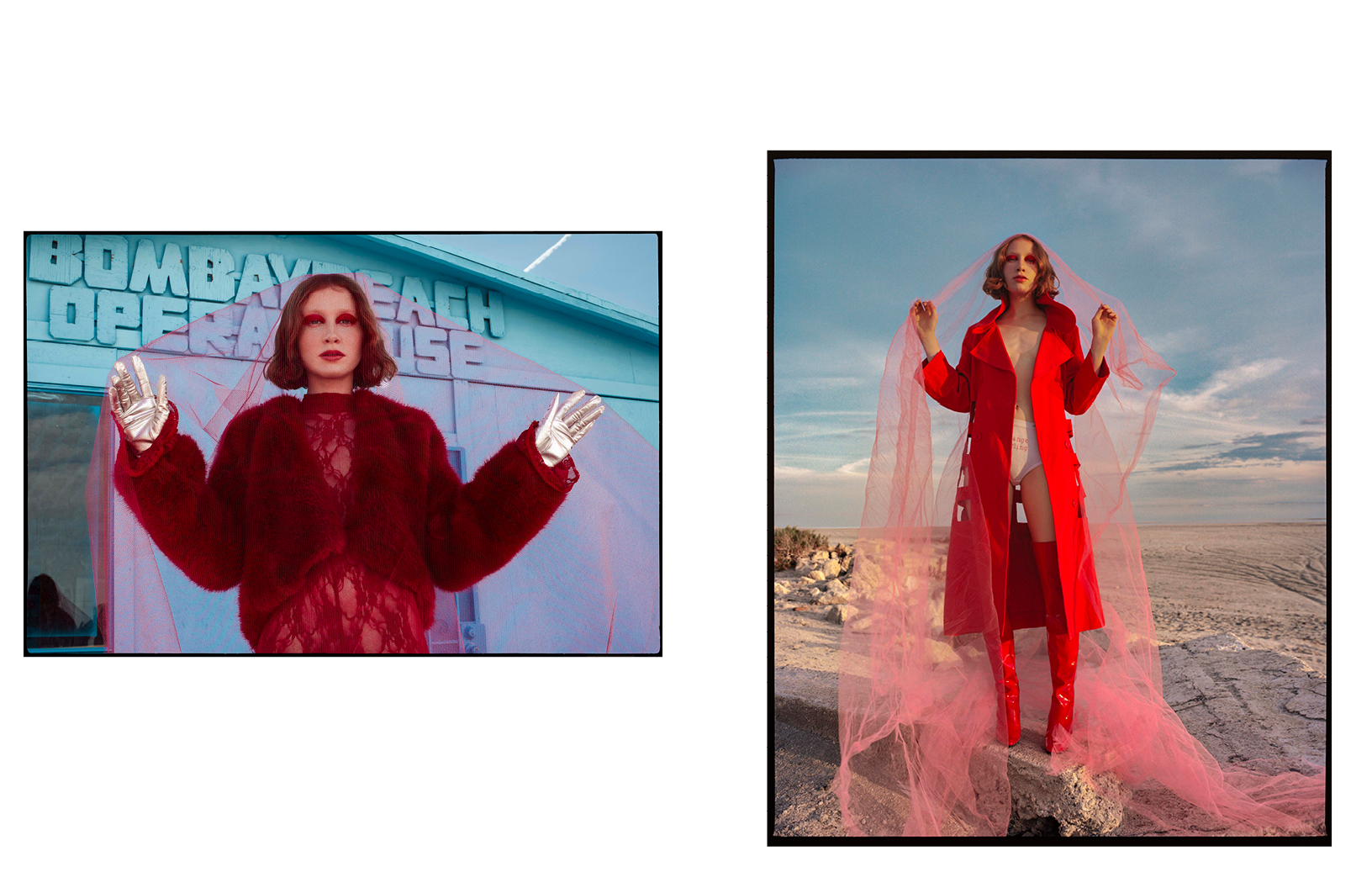
jumpsuit + faux fur jacket. Santa Maria Love
shoes. Playmates of Hollywood
opposite
jacket. Nancy Stella Soto
shoes. Playmates of Hollywood
What influences your creative process when writing music?
The music I’m listening to and the visuals that are moving me are definitely vital to my process, but mostly when I write I want to dig deeper into myself. I always want to share my most raw experiences and through that allow others to be less afraid to share themselves.
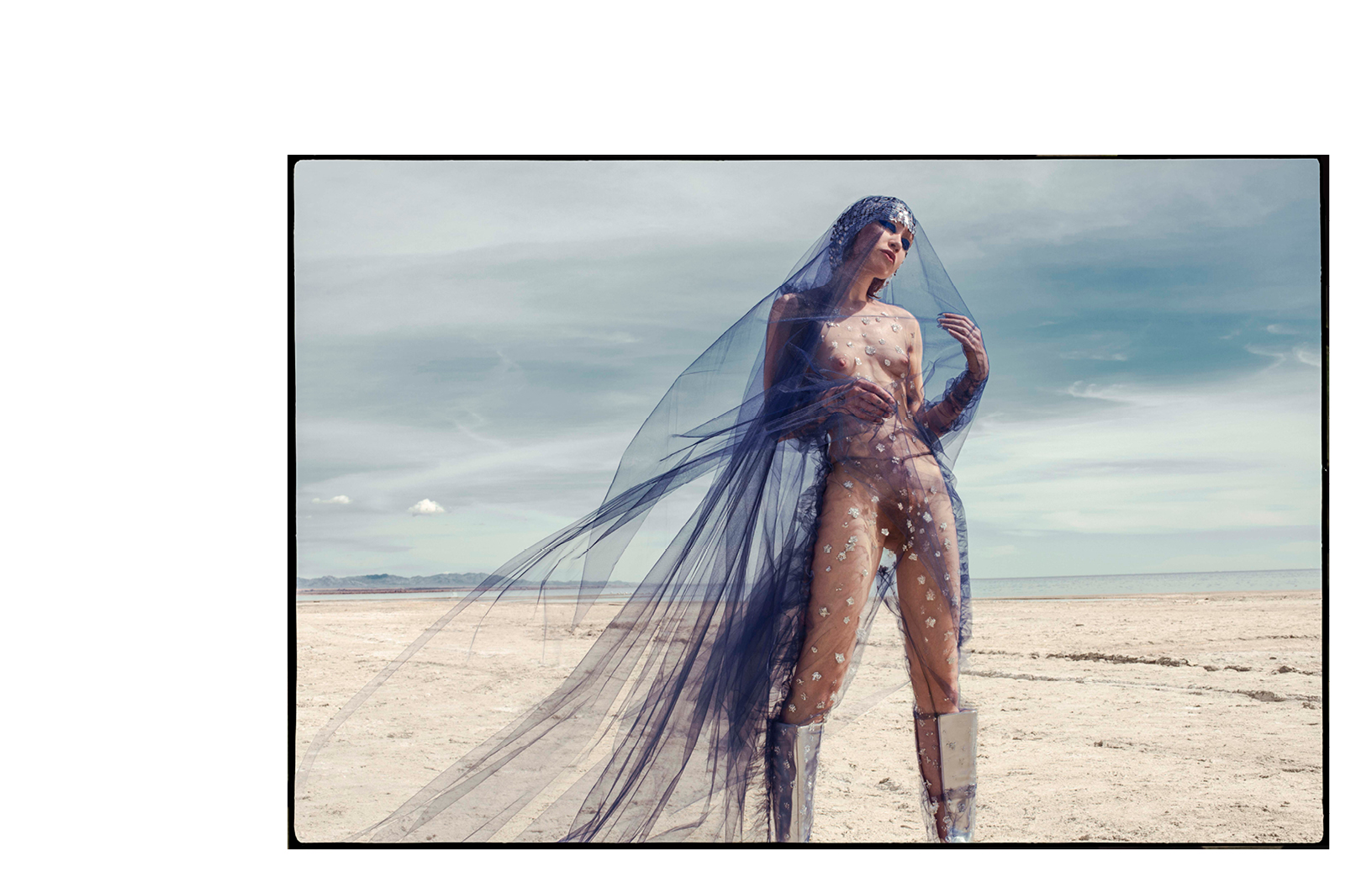
jumpsuit. Jessica Kao
shoes. Playmates of Hollywood
head piece. Custom made
To celebrate its release, last May, you performed a show at the Pico Union Project in LA — a very peculiar location. How was the experience of singing your songs in a church?
Yes! Pico Union Project is the oldest synagogue in Los Angeles. The experience was very healing for me. Growing up in the church, I didn’t feel like I fit in. I was too weird. I was too sad. I wasn’t listening to the right music or writing the right music. Performing in churches was my way of reclaiming that space on my own terms.
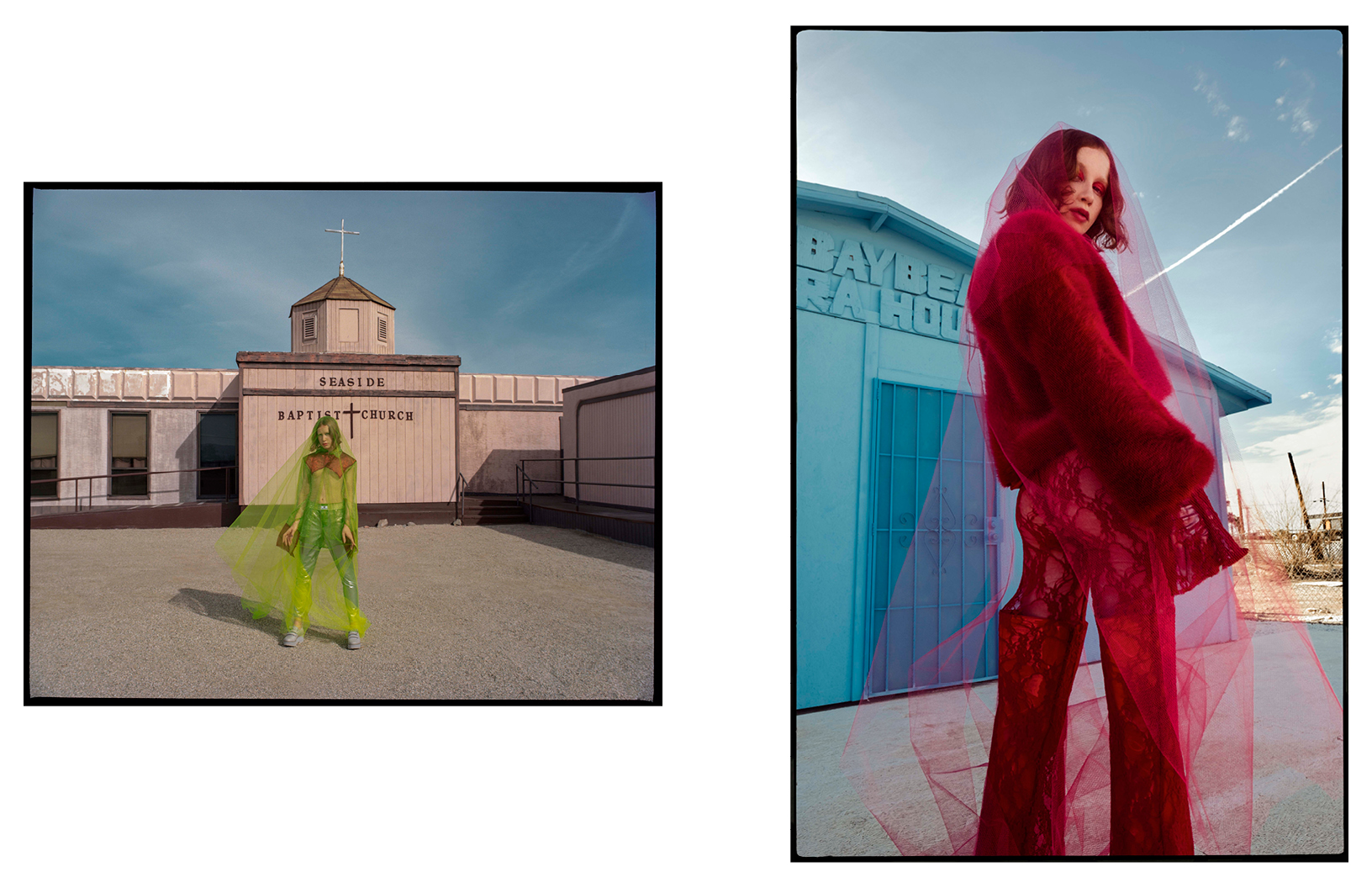
top + shorts. GypsySport
trousers. Vintage
trainers. Deubieta
opposite
jumpsuit + faux fur jacket. Santa Maria Love
shoes. Playmates of Hollywood
I Still Care is a harmonious song about your interpretation of seeking others’ acceptance, and the video, a one-take film, captures your vulnerability, and yet, gives strength to its viewers. Could you talk a bit about elaborating on the idea behind this video?
The music video has a lot of layers to it, which I love. Everyone in the video are also LA artists. Are these fellow creatives (literally) adorning me and lifting me up or are we all just playing our parts pushing for our own spotlight? I like that it toys with both of those narratives simultaneously.
top + trousers. Desiree Klein
shoes. Playmates of Hollywood
You used to make music under your own name, back in 2012, but then changed to ‘vōx’ as your stage name. What made you change it? Did it signal a grander shift?
I changed my name initially simply because the new project was nothing like my previous work. But as I’ve grown into vōx, it’s become a much bigger change and more positive shift than I ever could have imagined.
jumpsuit + faux fur jacket. Santa Maria Love
shoes. Playmates of Hollywood
You are invited to Red Bull Music Academy in Berlin for their 20th anniversary later this year. Are you excited about it? What do you see coming next?
I’m super excited! I really think the work Red Bull does with musicians is incredibly inspiring. They’re an amazing support for independent artists. I haven’t had a chance yet to perform as vōx in Europe, and Berlin is one of my favourite cities. In the immediate future, I’m releasing a few hip-hop covers starting at the end of June. I’m also currently working on new originals and collaborations with other artists that I’m excited to start sharing next year.
vōx‘s first hip-hop cover will be dropping soon. Check it out here.
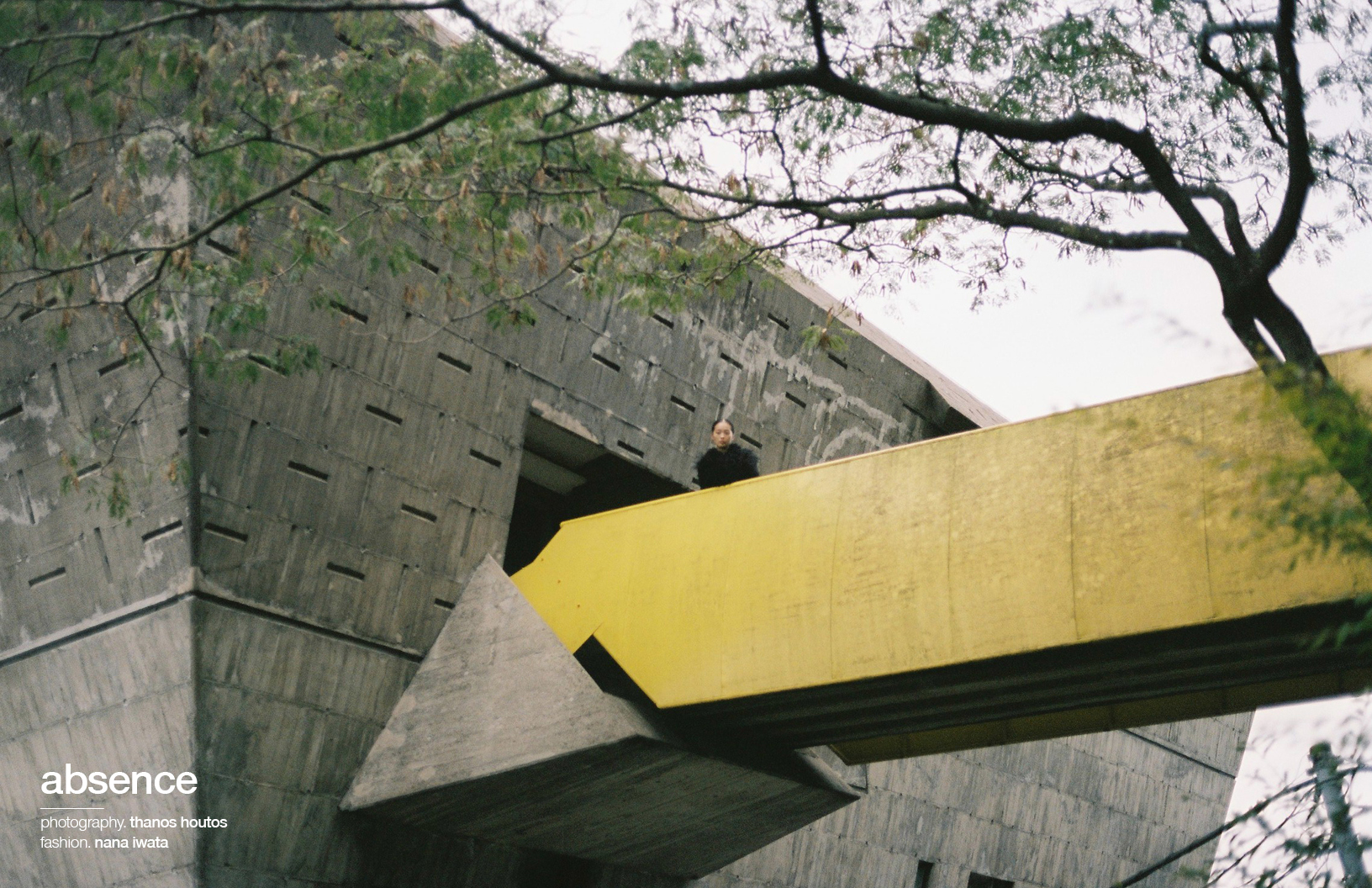
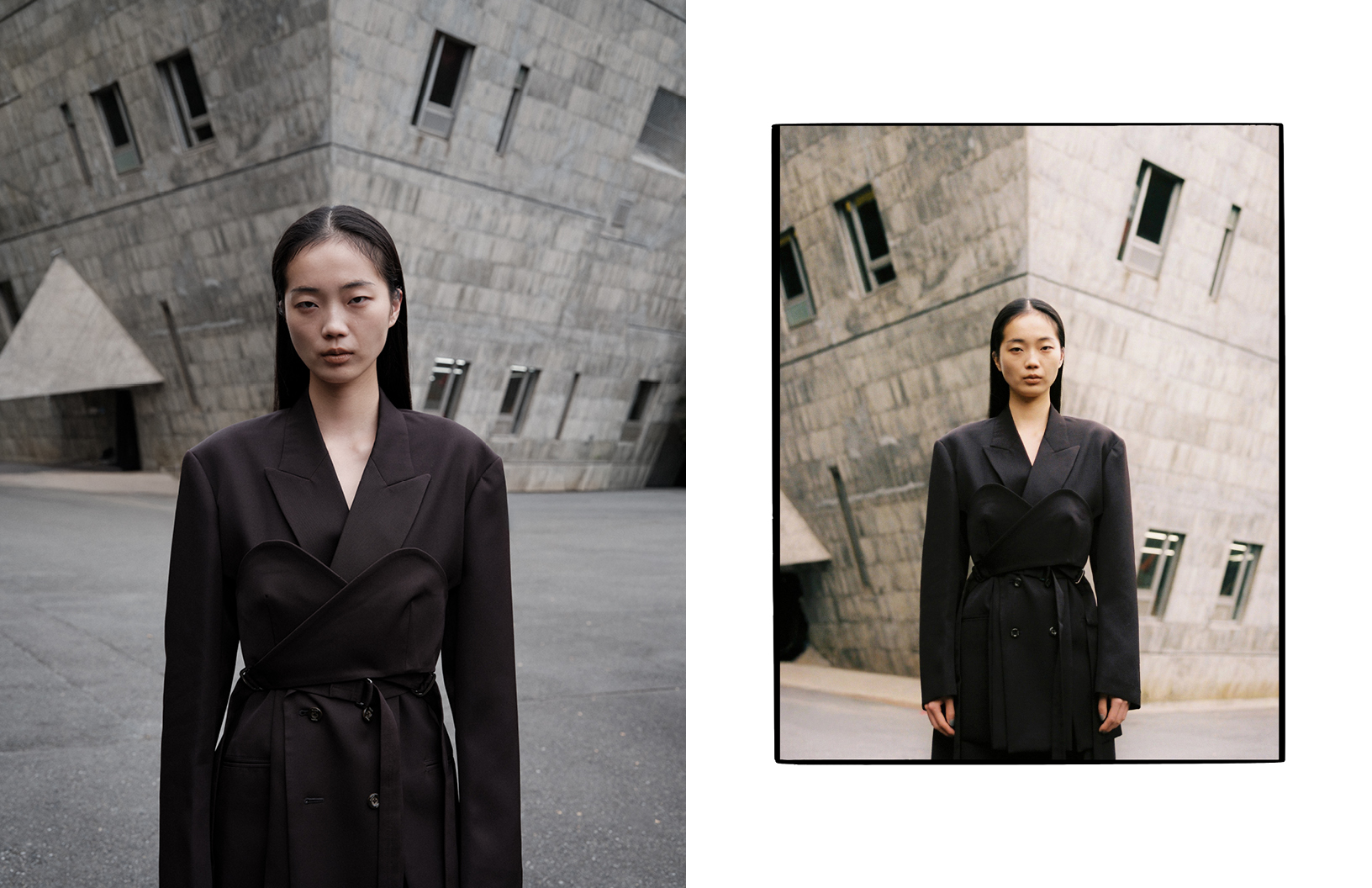
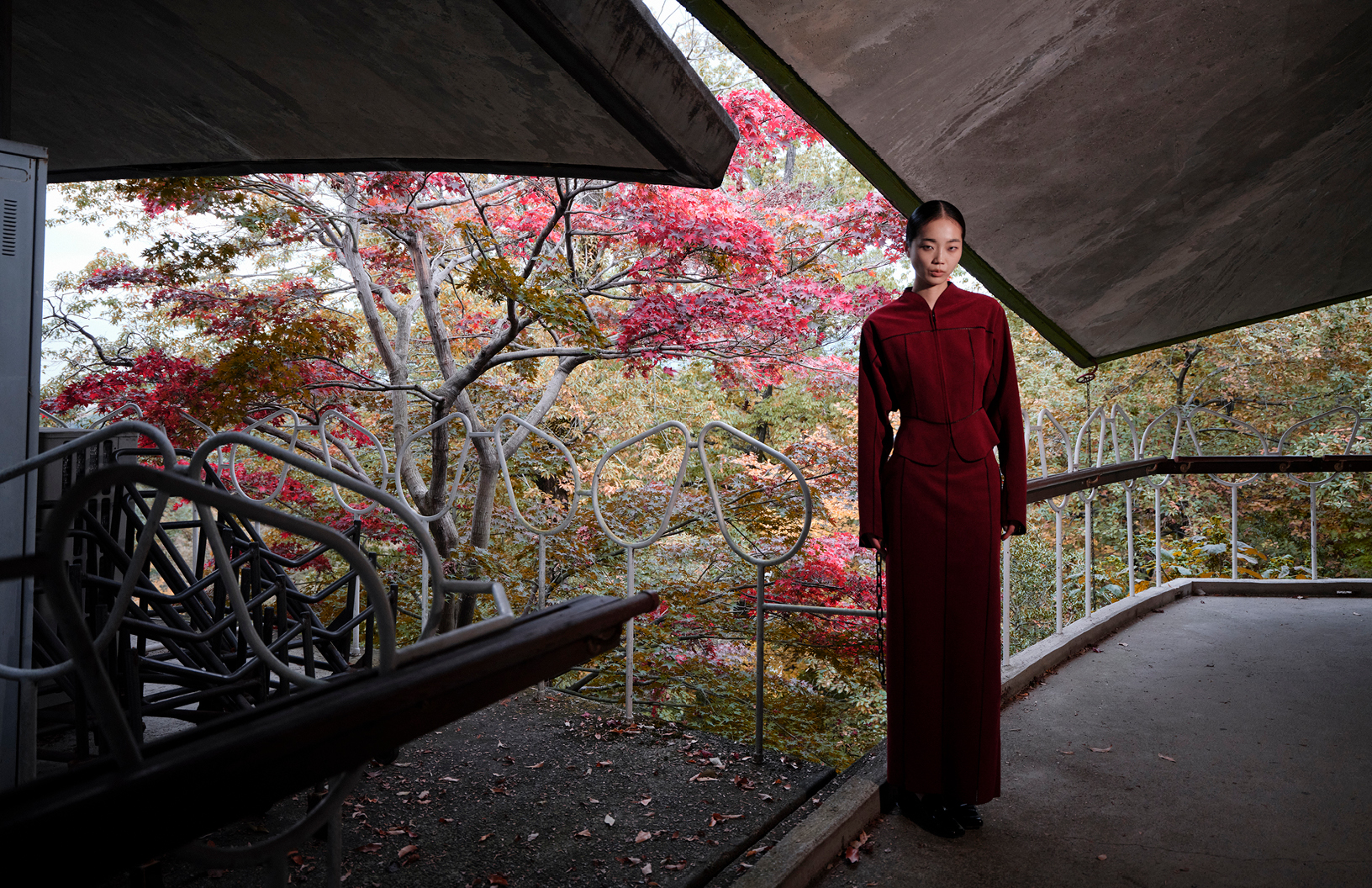
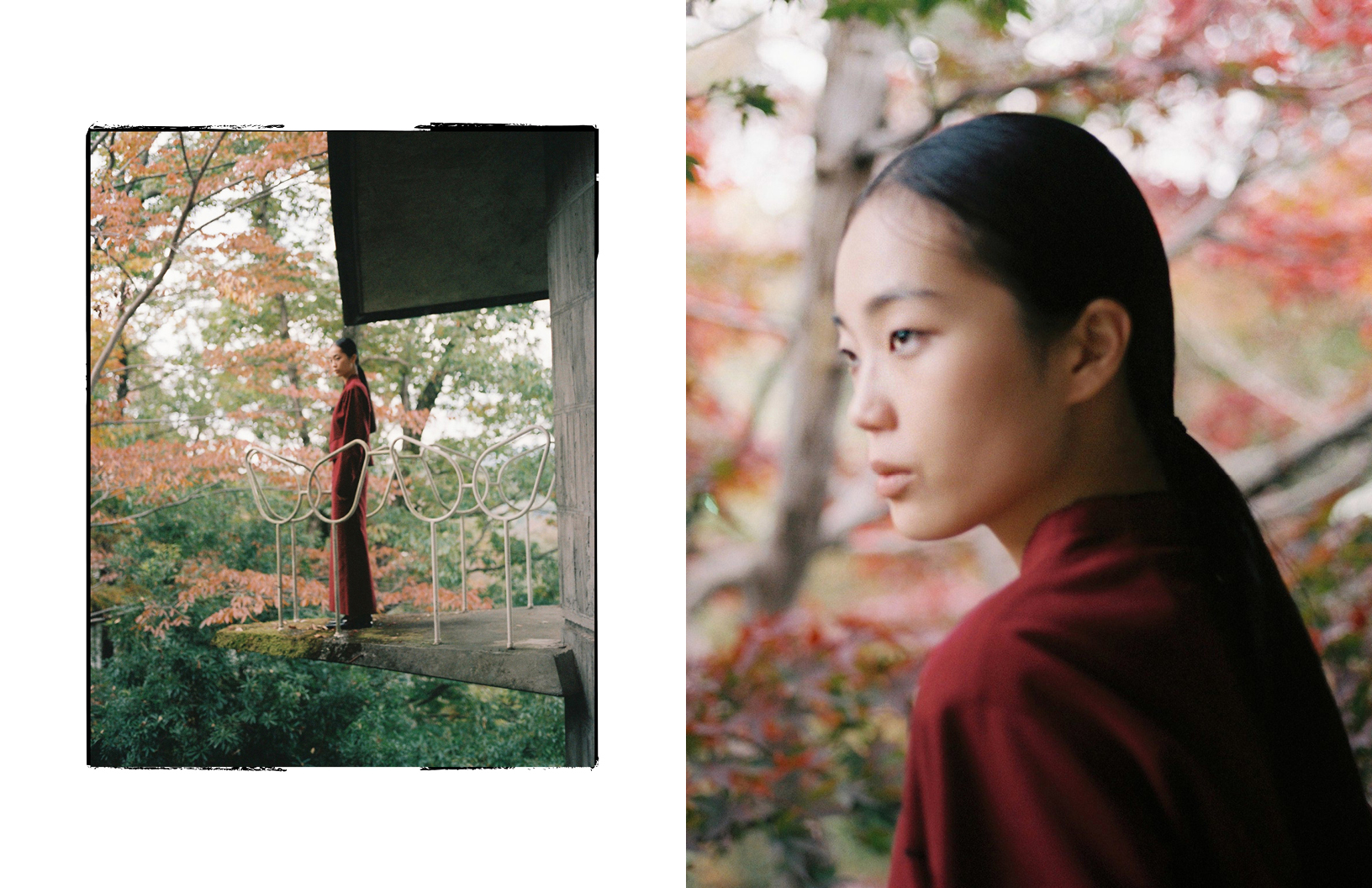
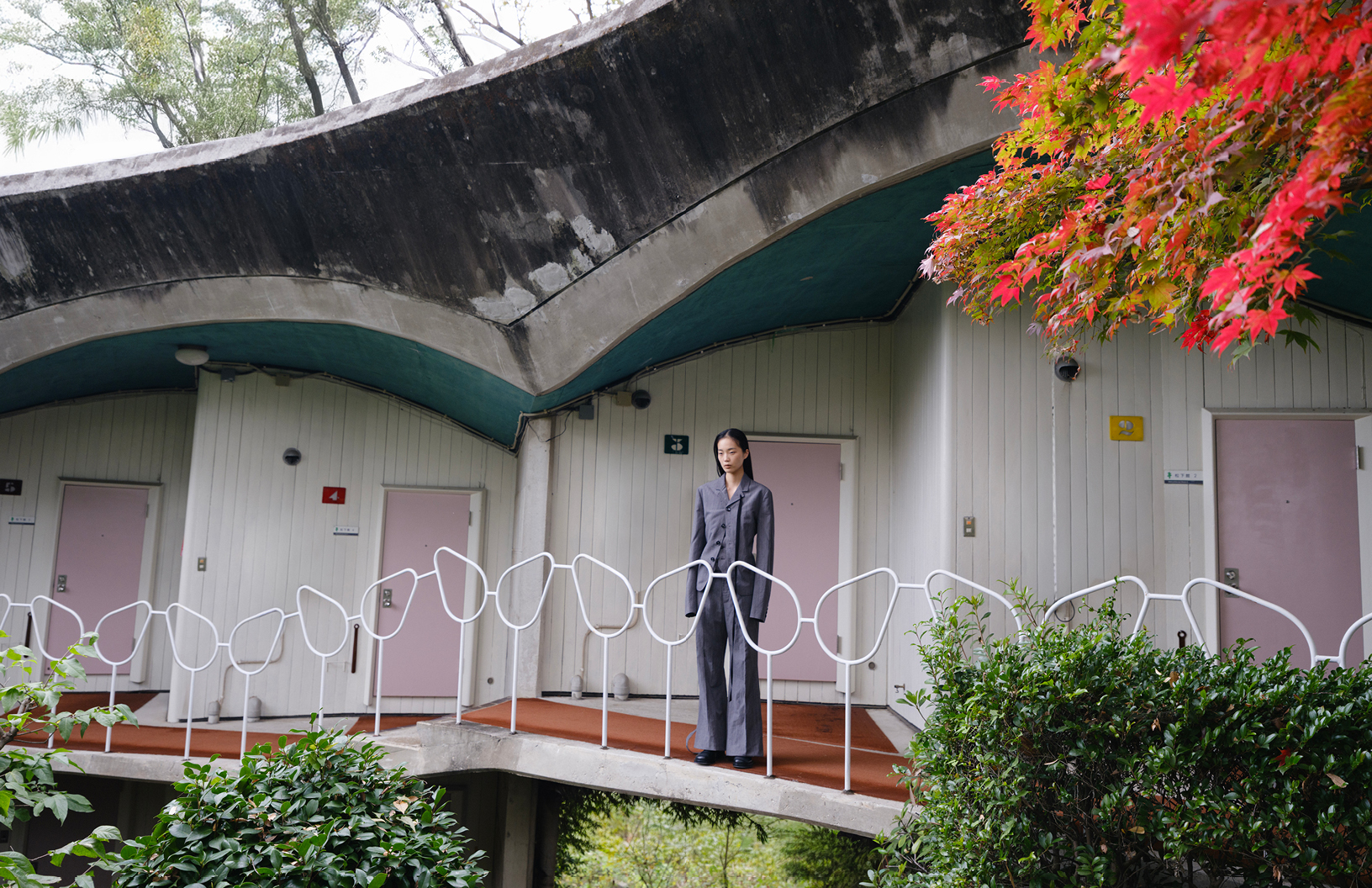
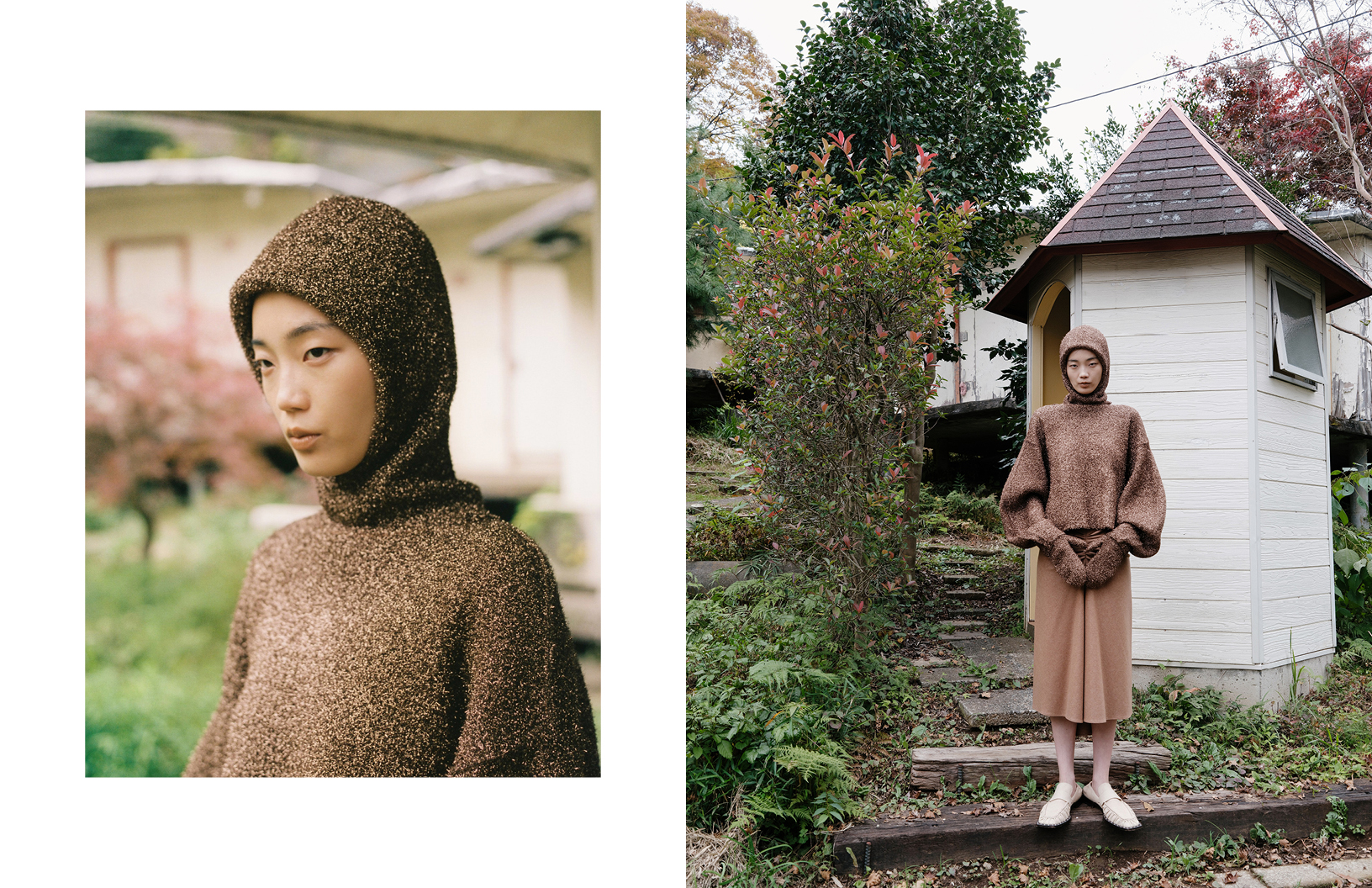
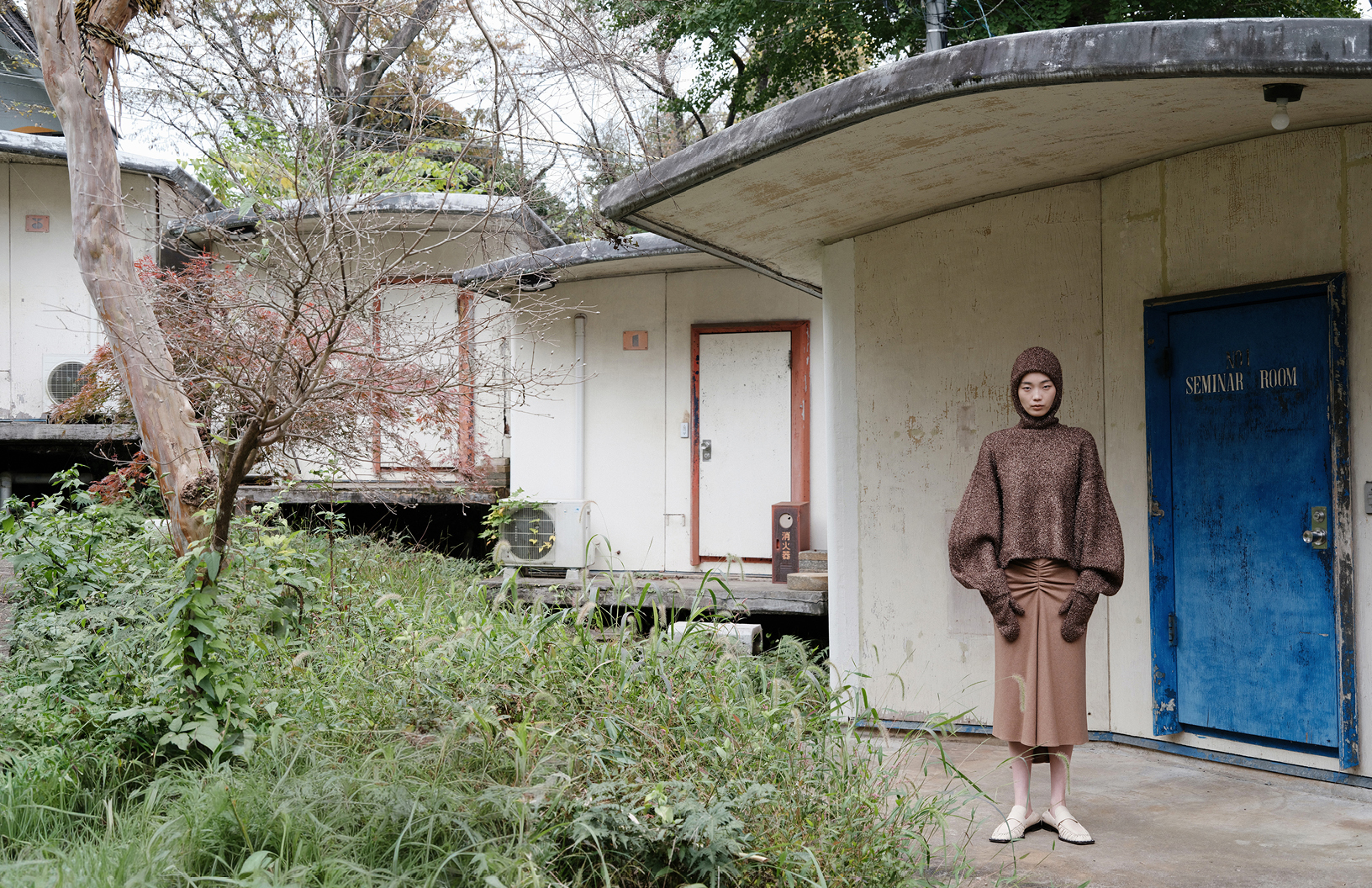
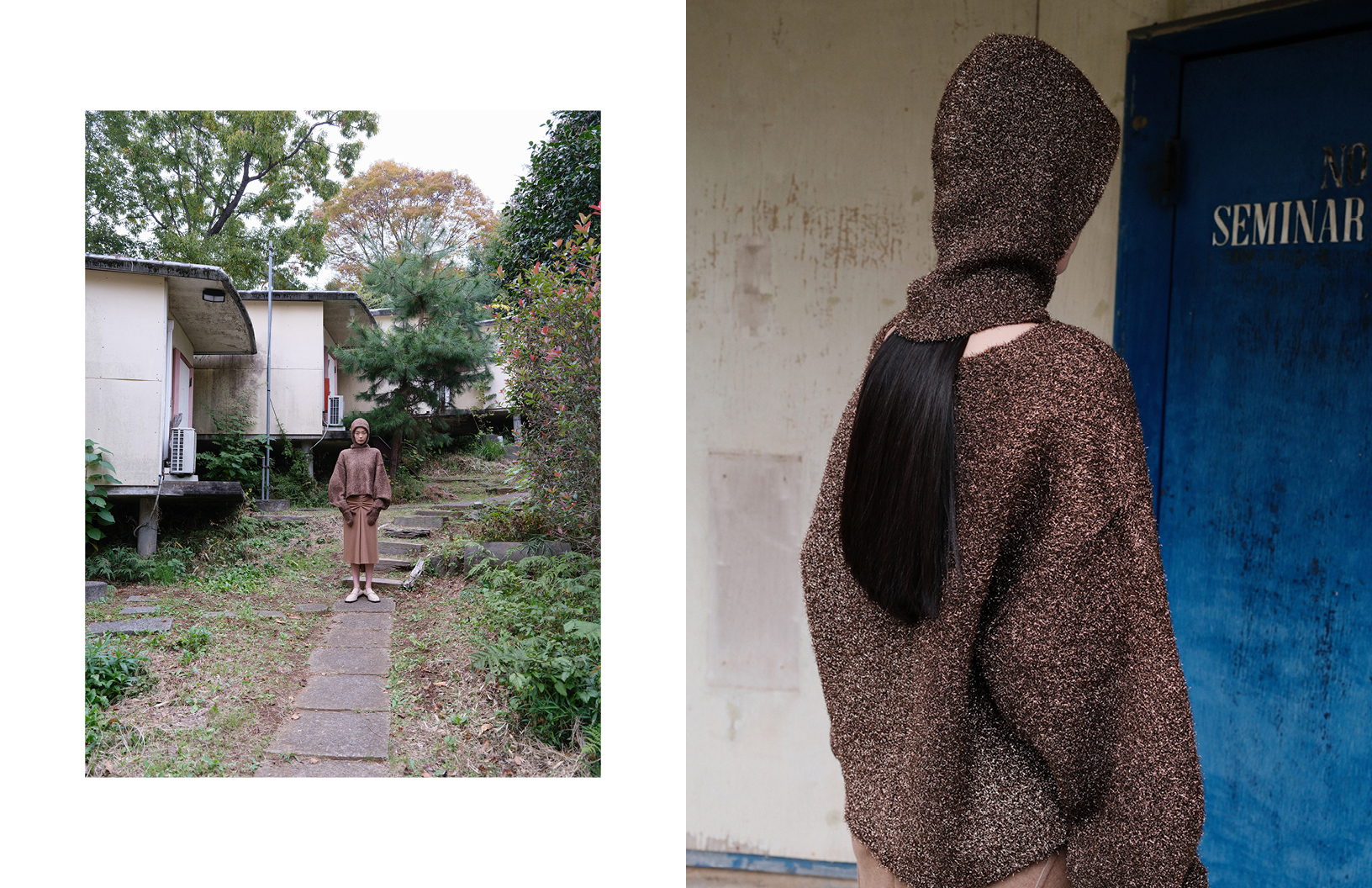
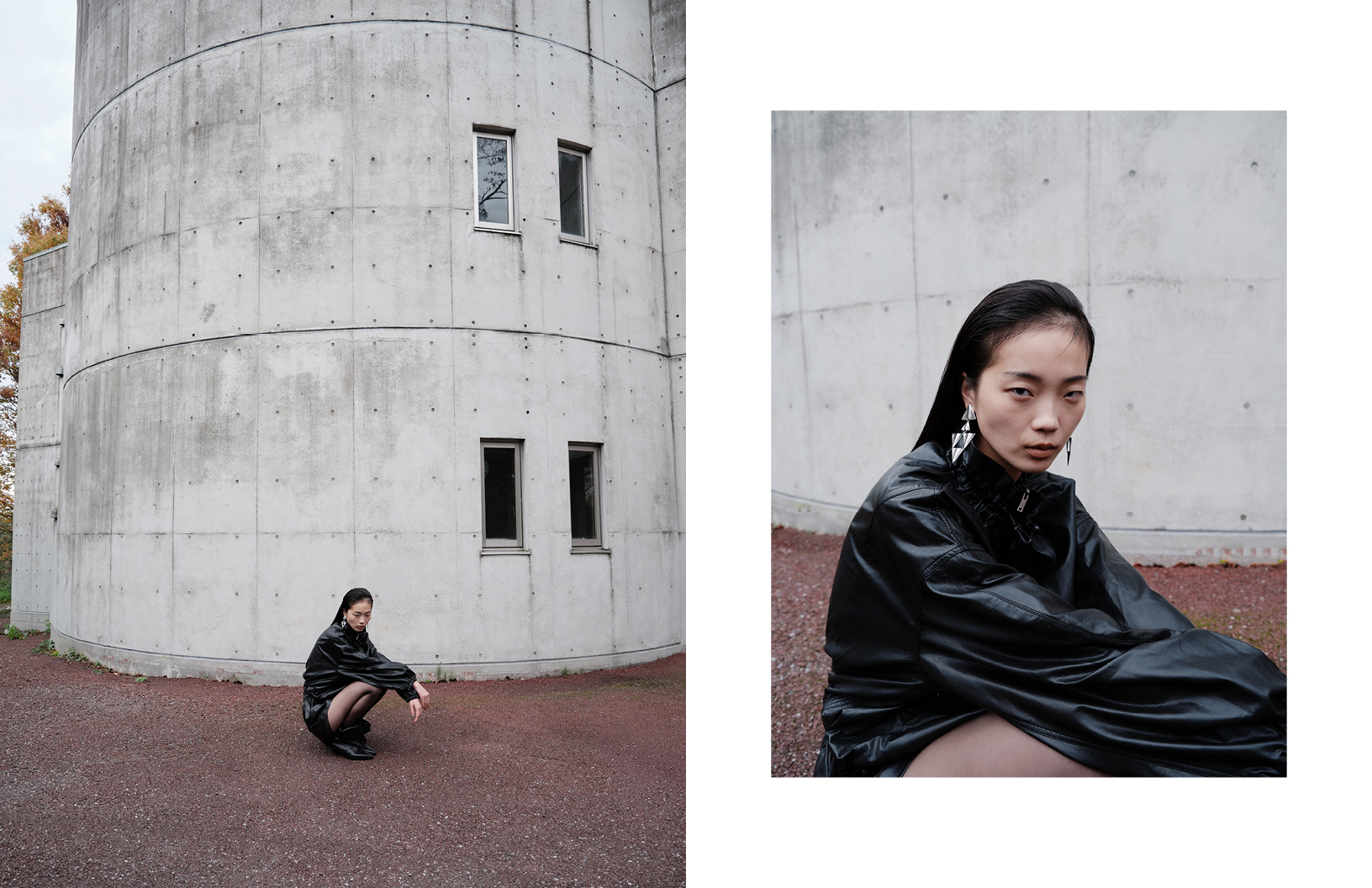
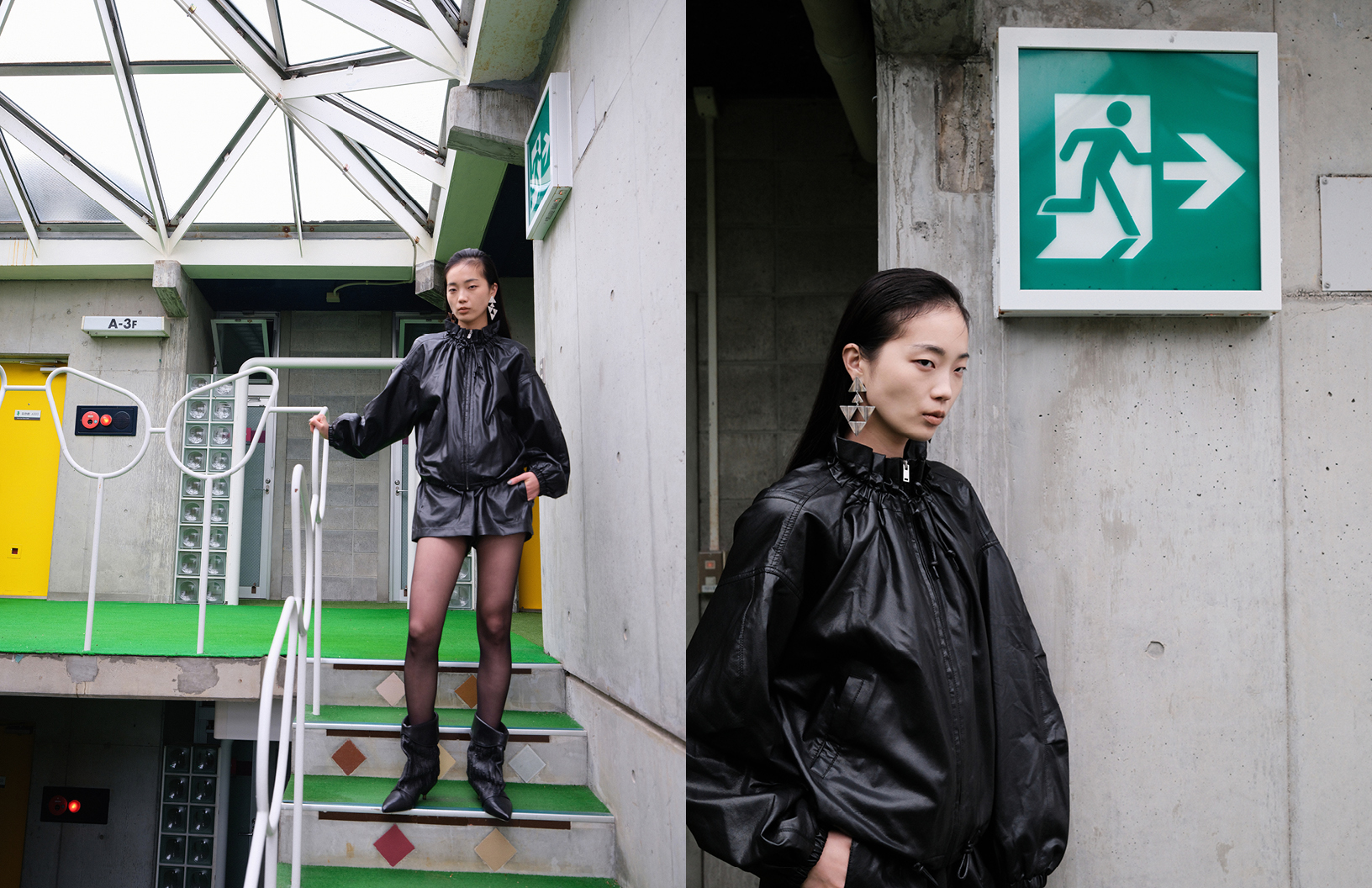
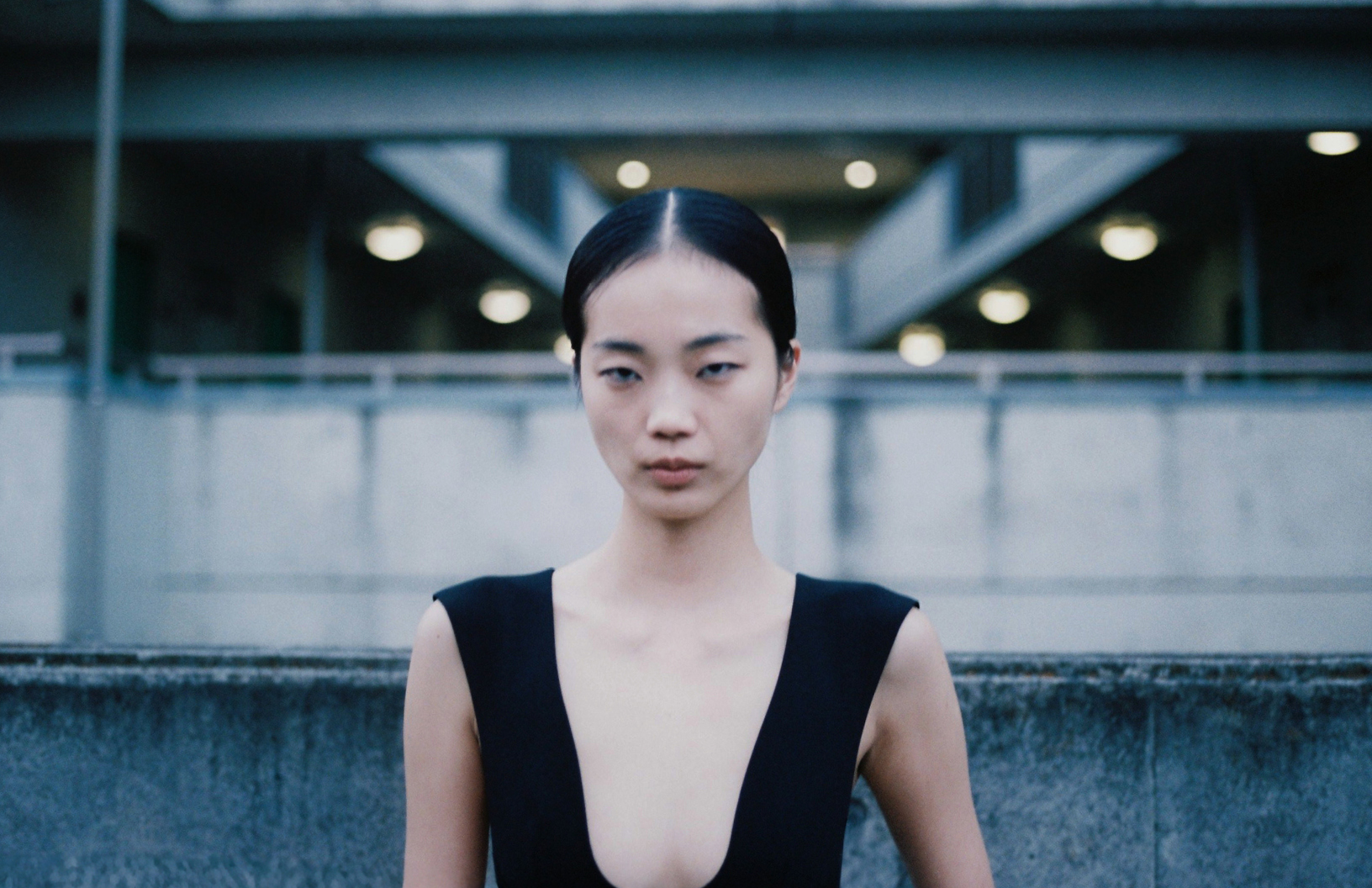
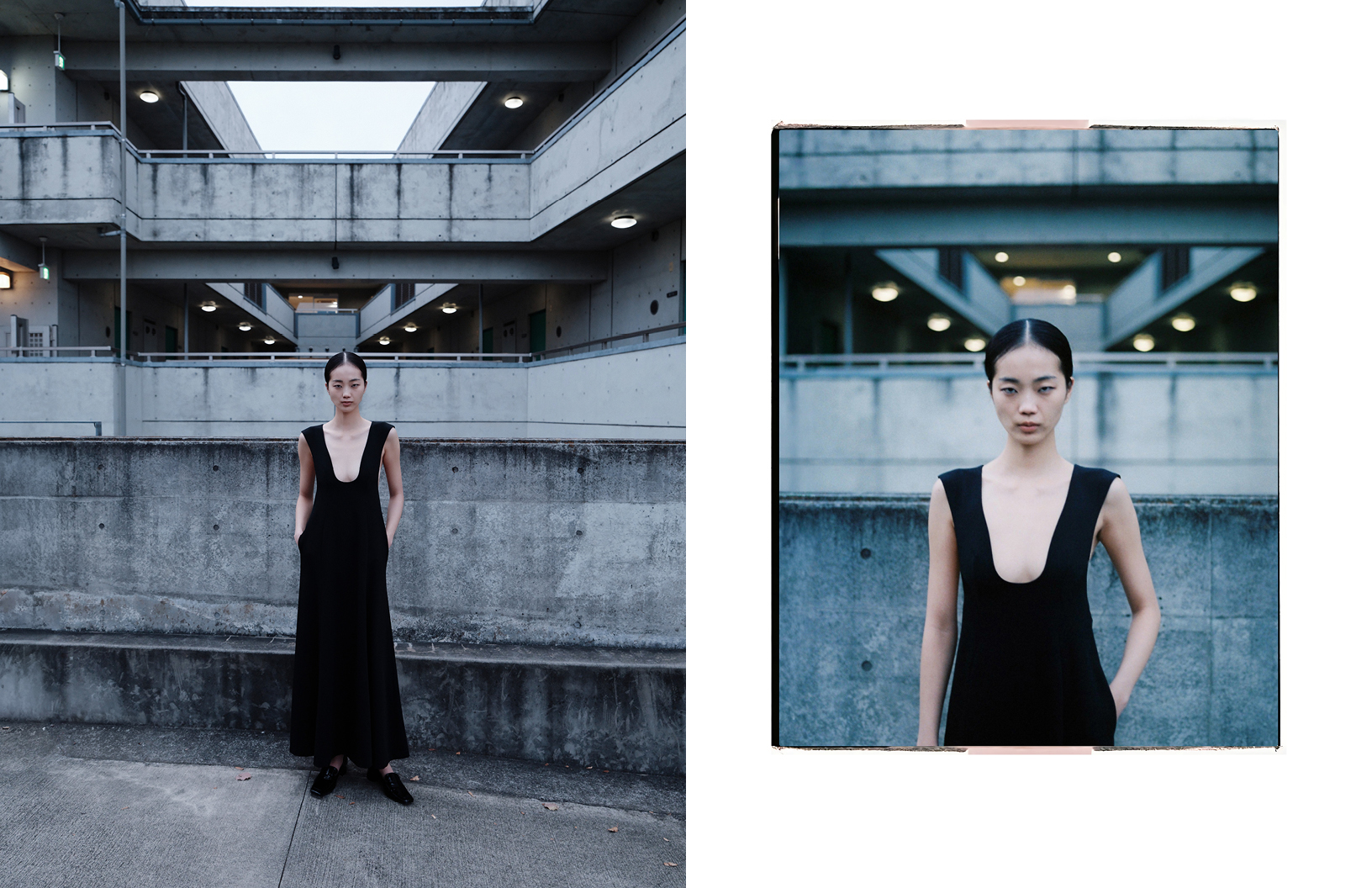
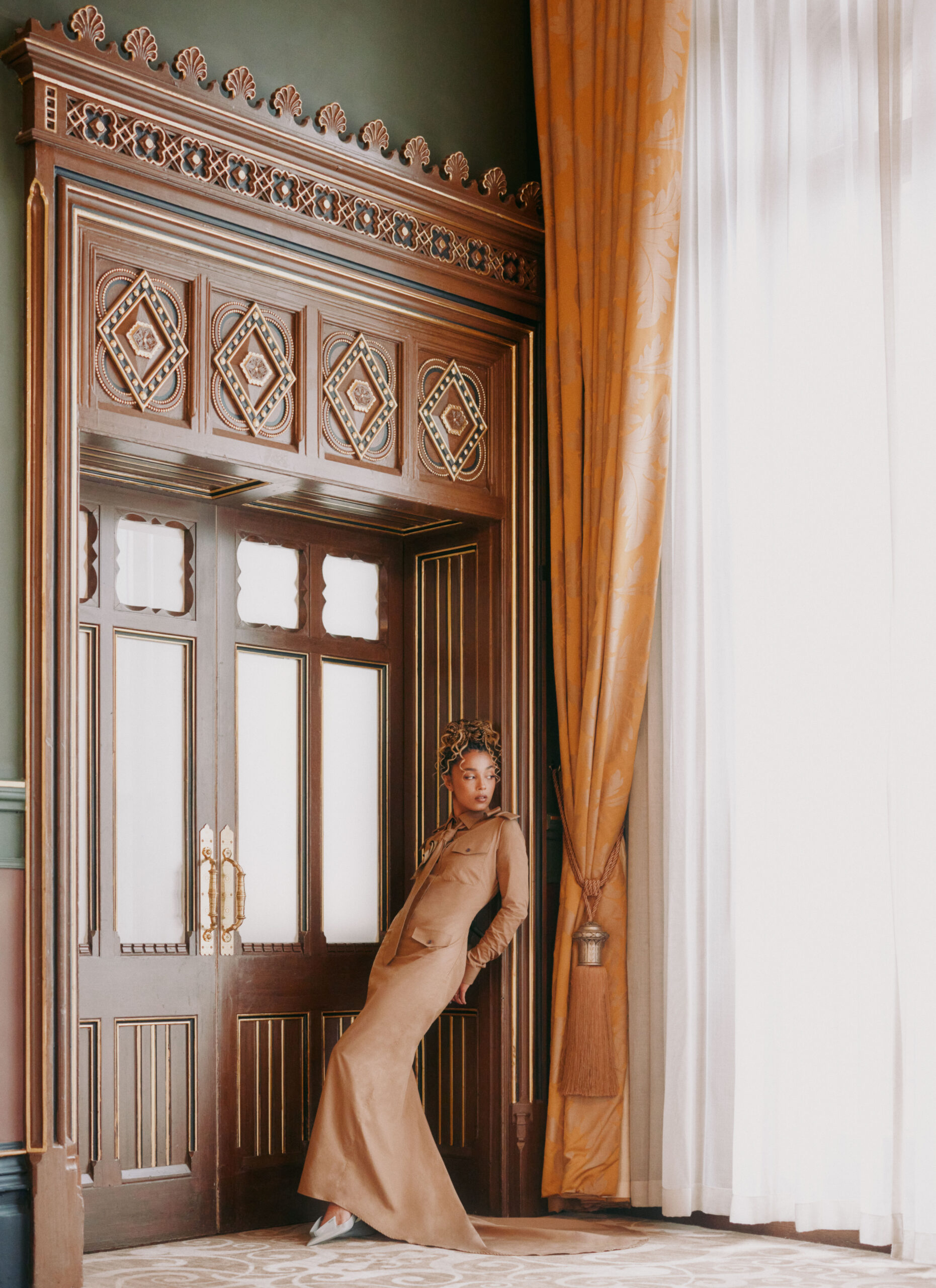
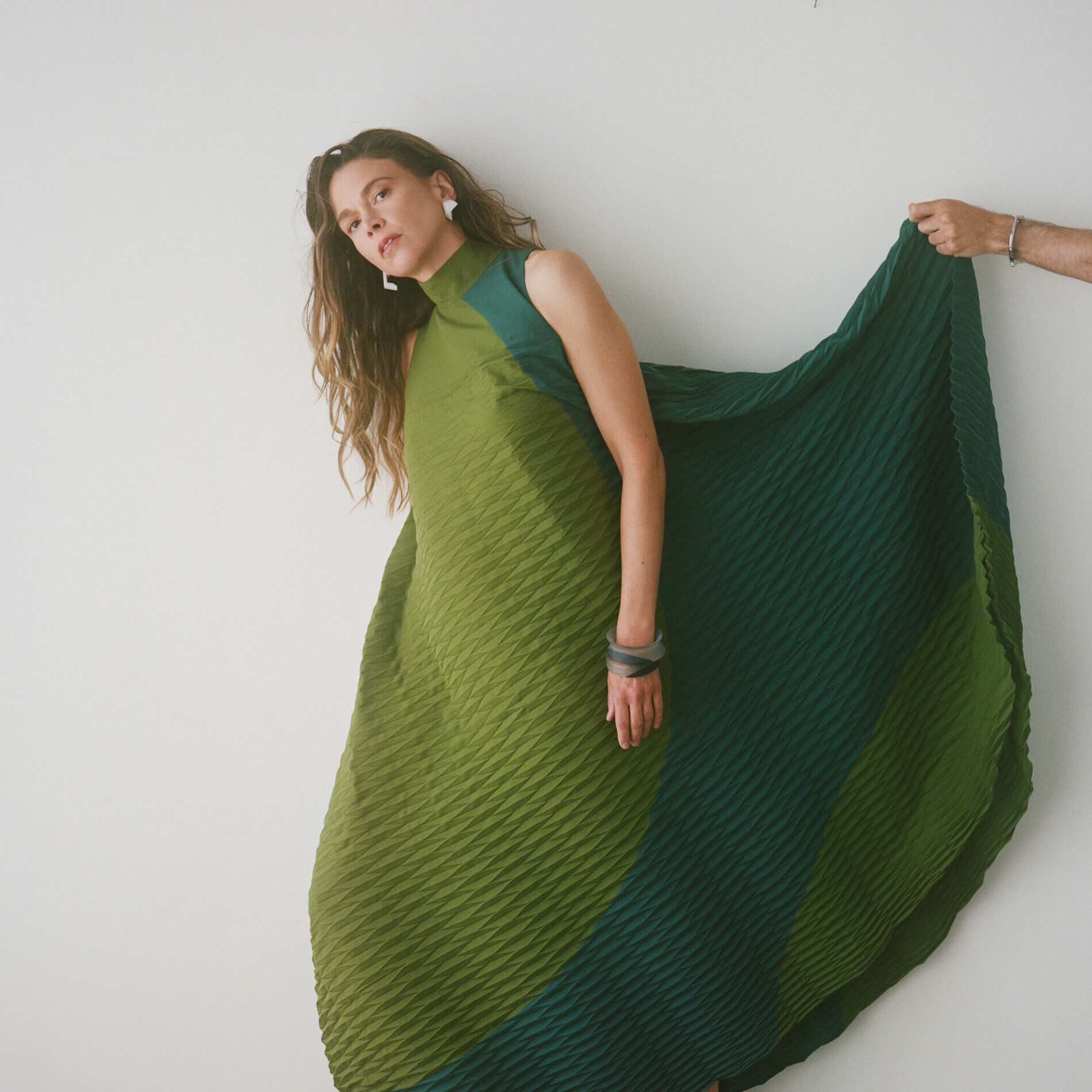
Stillness asserts itself as a presence. Within a sculptural environment of inverted geometry and raw concrete, mass and gravity seem suspended, and the human form navigates between monumentality and restraint. The space evokes a quiet tension — austere yet expressive — where scale, light, and perception coexist with fleeting moments of calm.
Set in Tokyo, far from the city’s pace and density, and framed by mountain and forest, the imagery unfolds in a delicate balance between architecture, nature, and body. Moments of distance and restraint shape the atmosphere. Captured through a dialogue of digital and film photography, this Schön! editorial embraces texture, materiality, and timeless imperfection. Lensed and art-directed by Thanos Houtos, with fashion by Nana Iwata, featuring Lu Hongfei with hair by Mayo Osakabe and makeup by Natsumi Yamamoto.
full look. UJOH
opposite
full look. UJOH
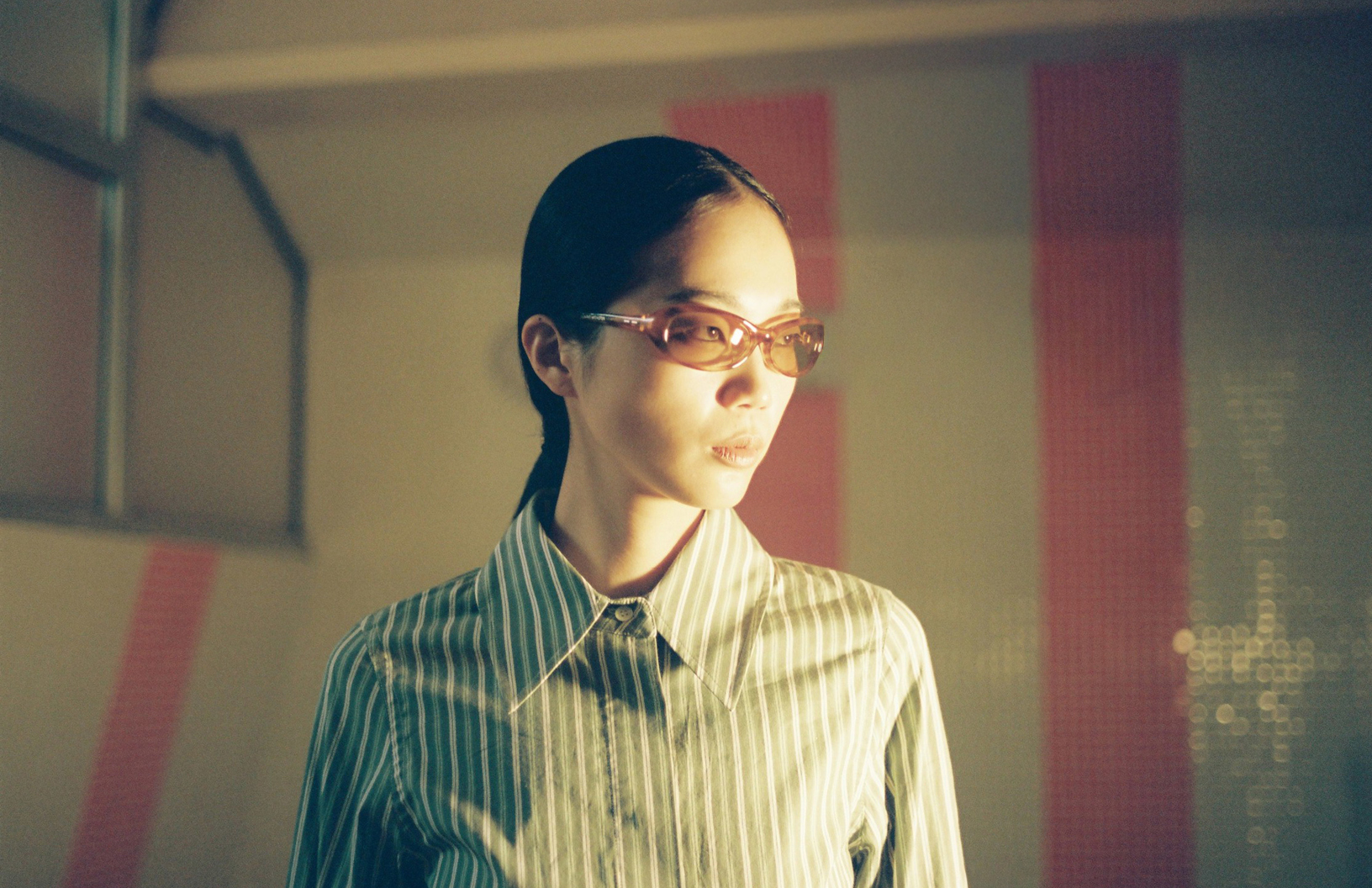
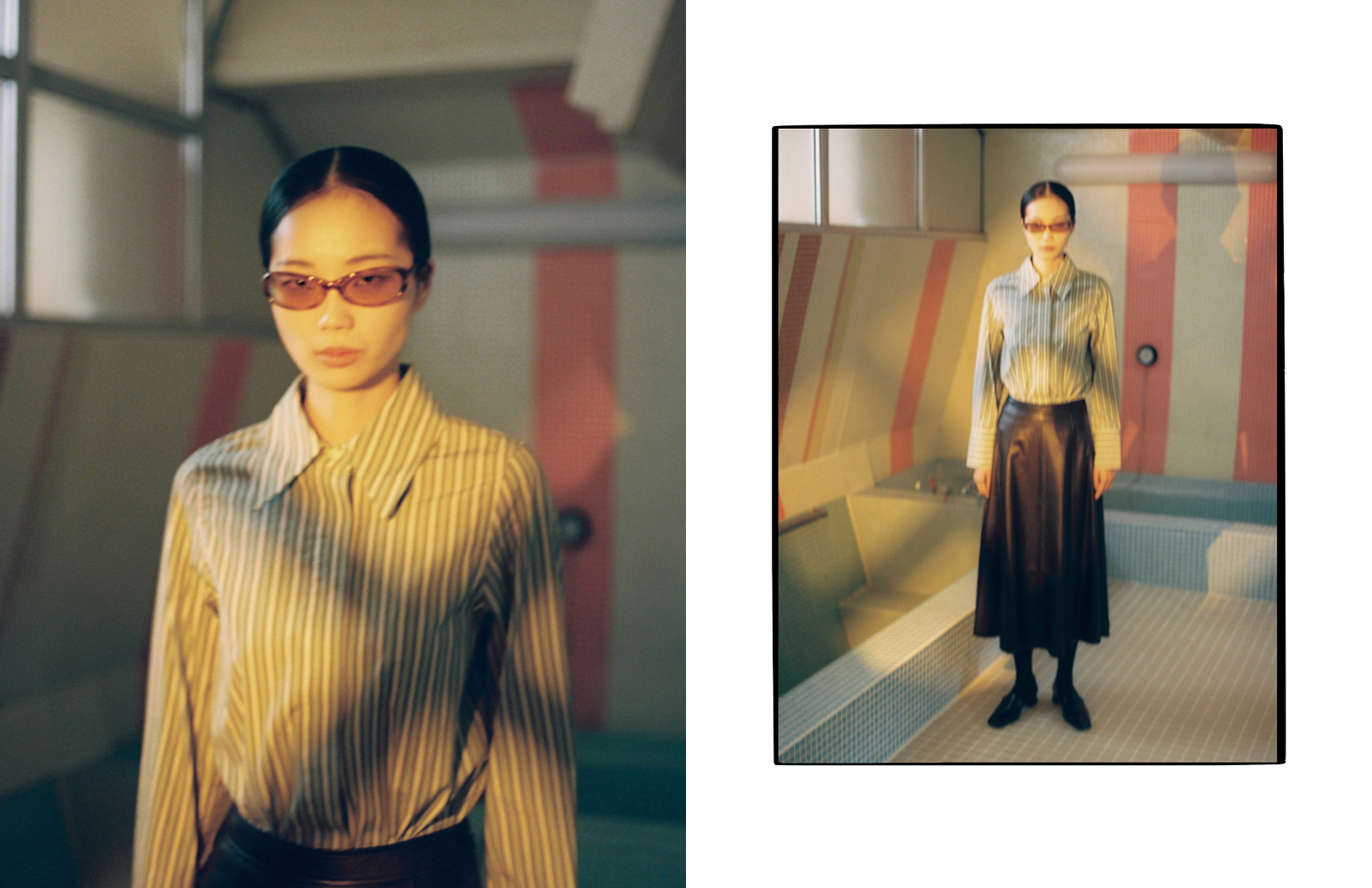
full look. Mame Kurogouchi
full look. Mame Kurogouchi
opposite
full look. Mame Kurogouchi
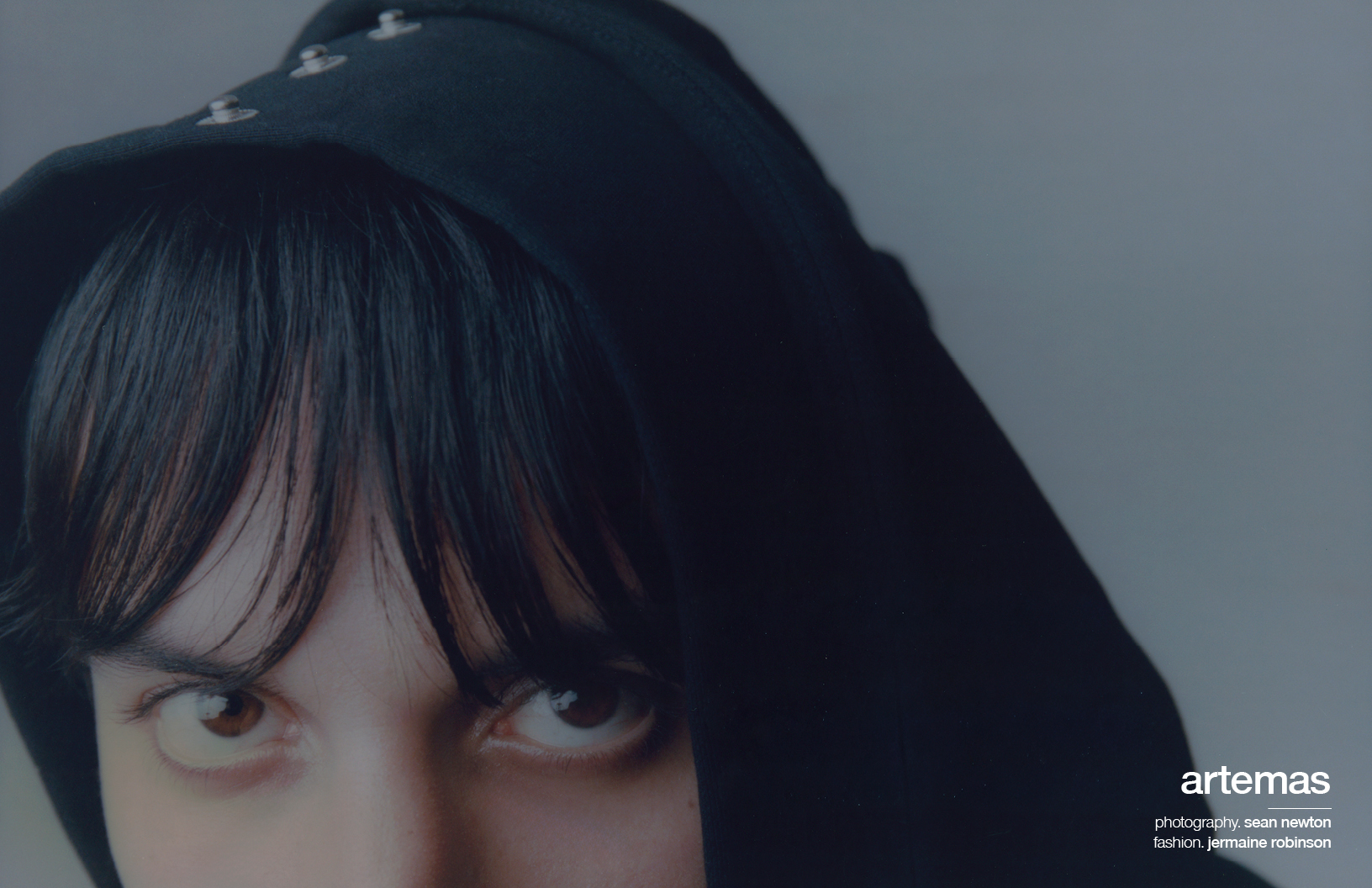
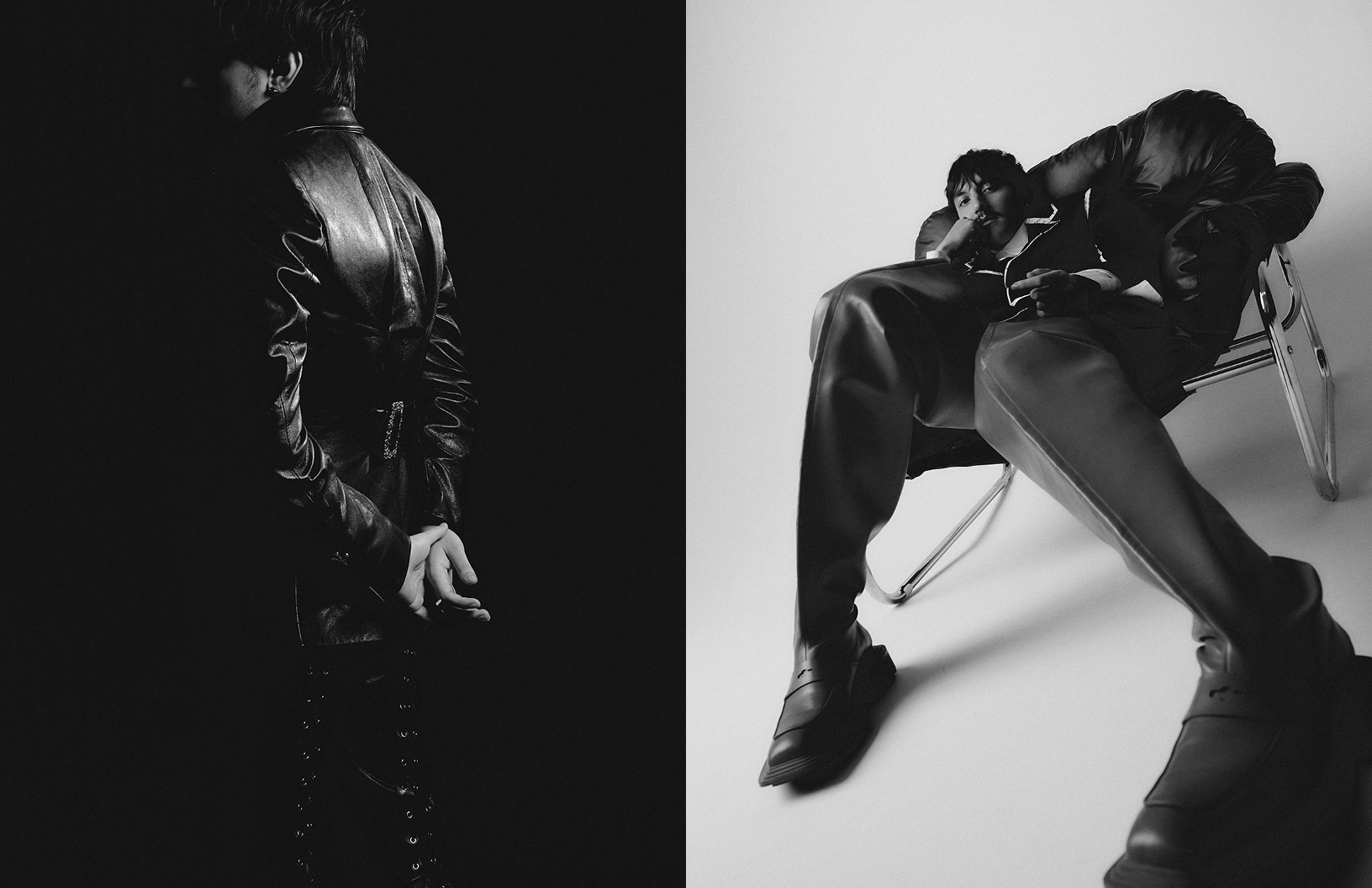
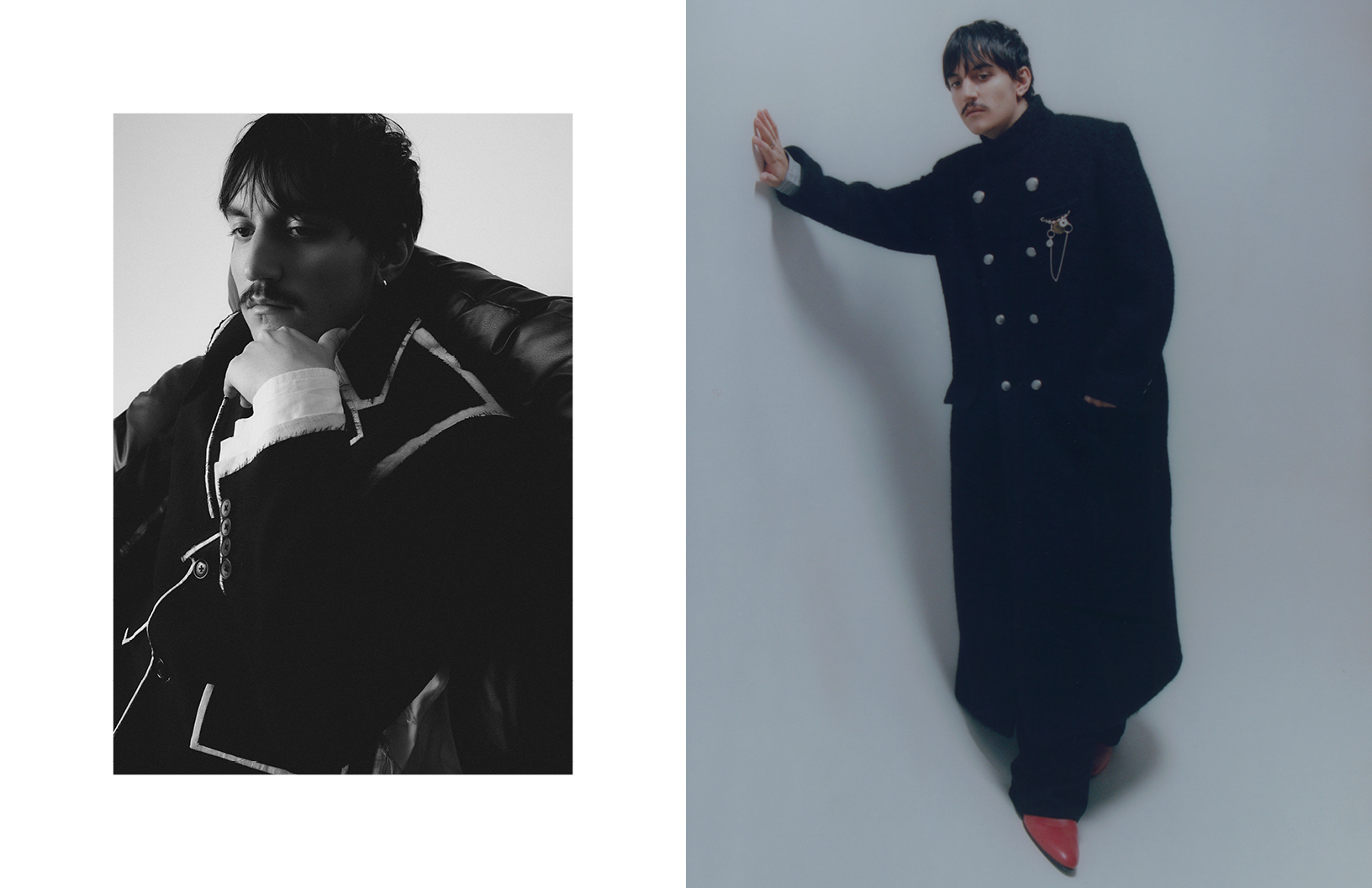
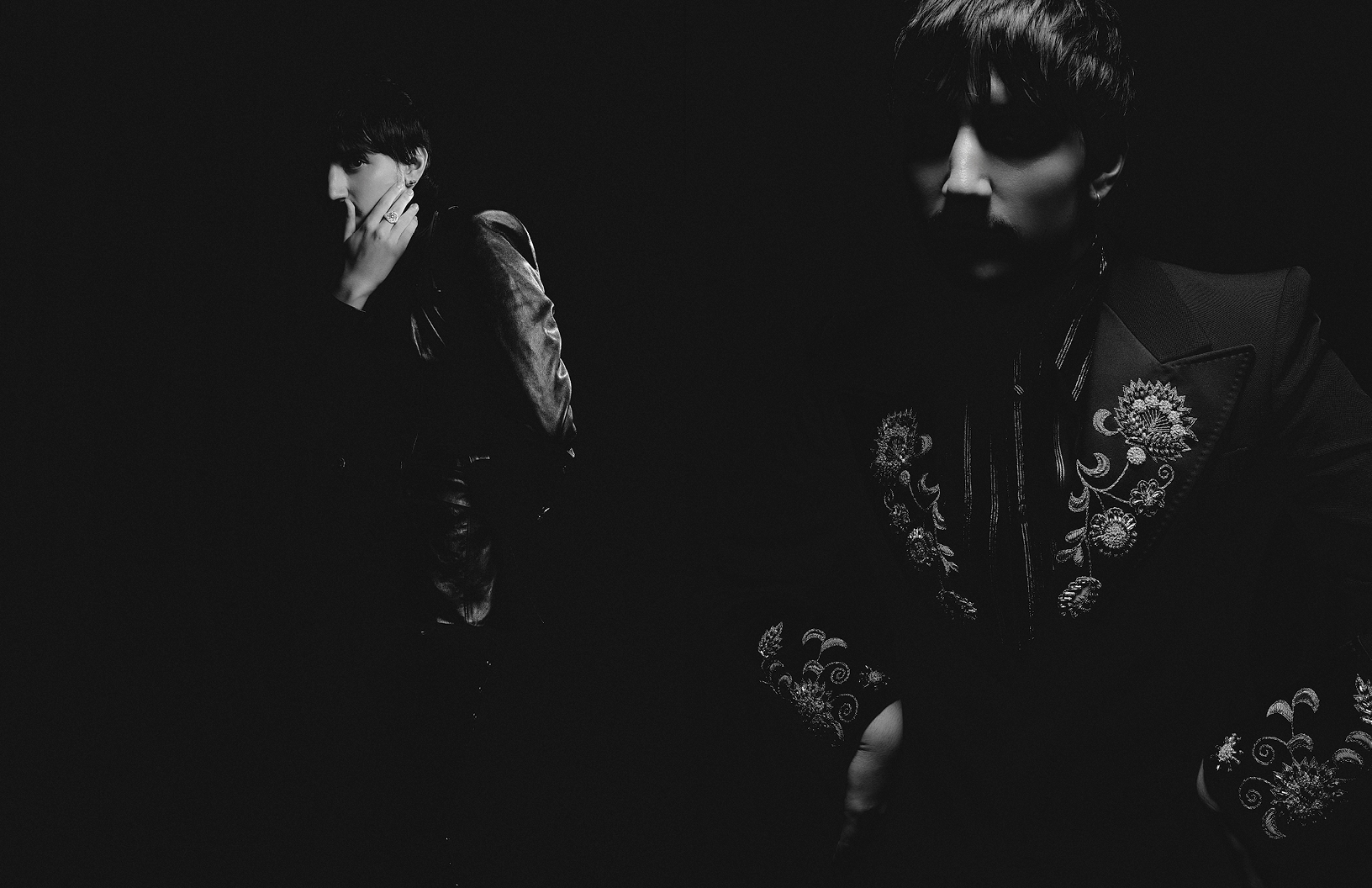
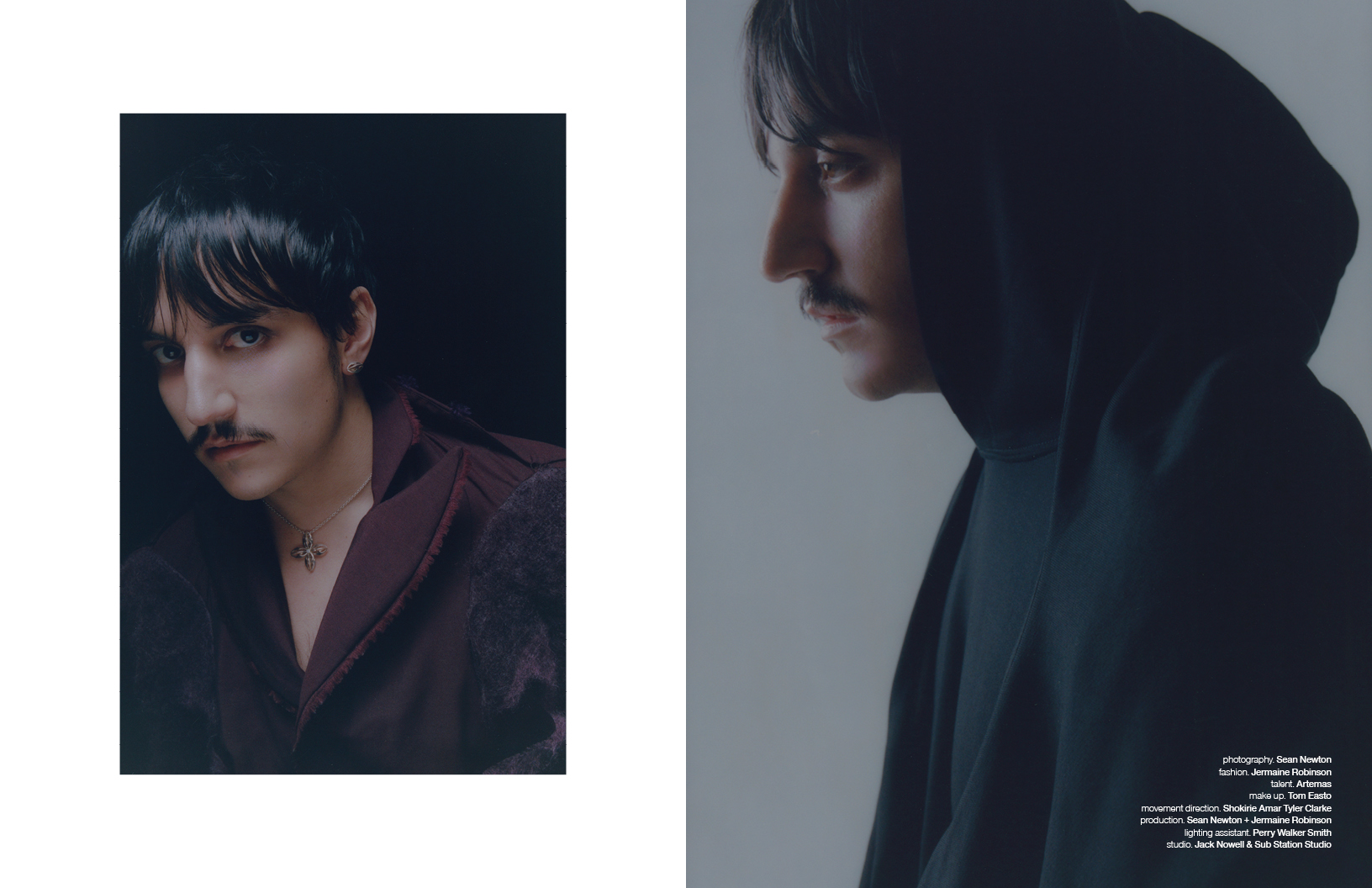
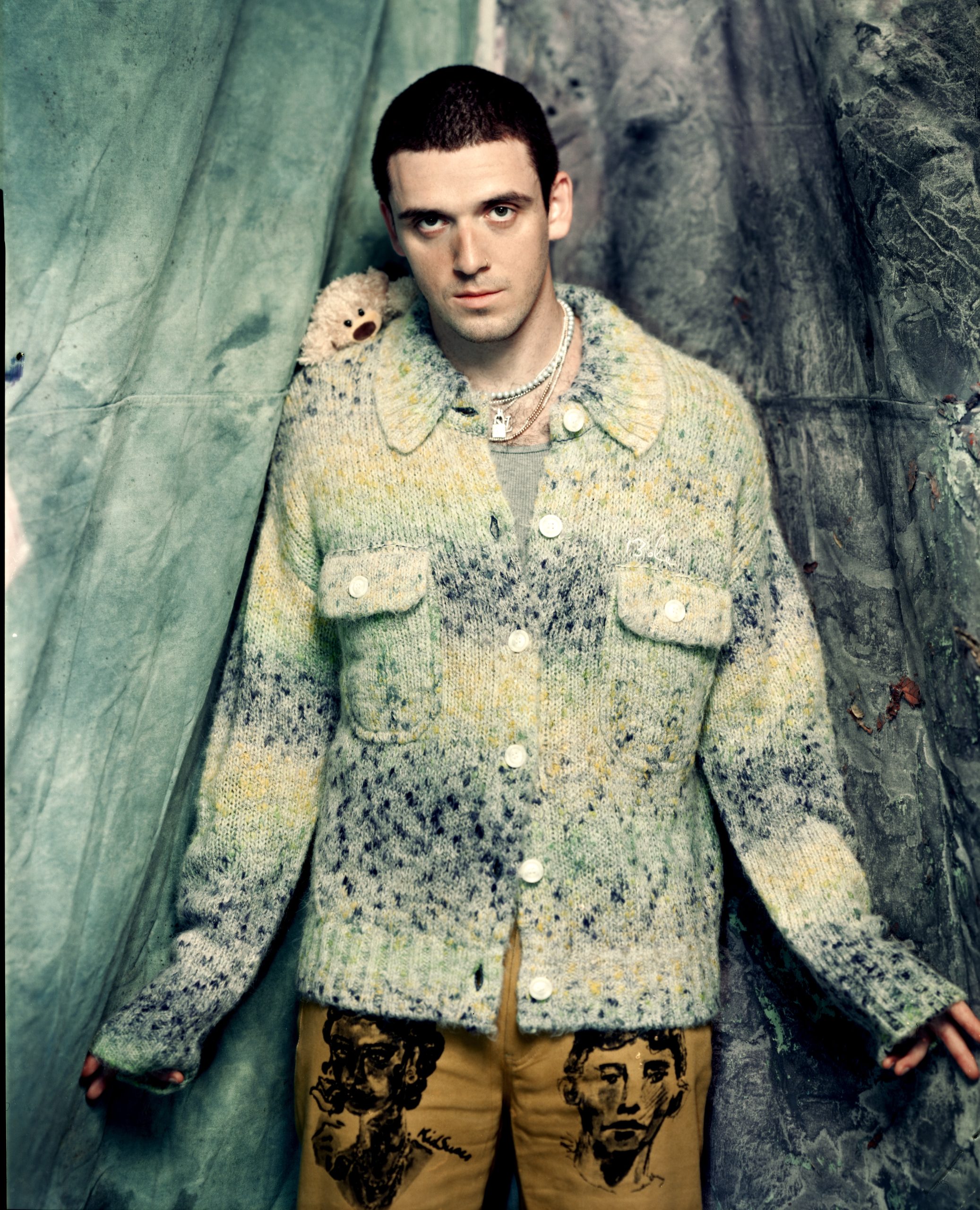
Artemas doesn’t romanticize the process — he trusts it. What started as an attention-seeking urge and a teenage obsession with Nirvana has evolved into an instinct-led, genre-blurring career built on feeling rather than calculation. From scrapping entire eras to accidentally landing the most streamed song in the world, Artemas has followed his gut at every turn. His third mixtape, LOVERCORE, captures that freedom in full: dramatic, synth-soaked love songs that feel physical, messy, and alive. Written largely in motion — between tours, sleepless nights, and subconscious flow states — the project marks a shift toward more live, band-driven energy, and a new chapter he’s eager to bring to the stage in 2026.
graphic t- shirt + trousers. The Society Archive
opposite
full look. Feng Chen Wang
boots. untitlab
What first made you want to create music, and when did you realize it was something you wanted to seriously pursue?
I was always an attention seeker. I grew up wanting to be an actor, but I fell in love with Nirvana when I was 16 and have taken it seriously ever since. I tried being in bands at school, but no one was taking it seriously.
Who or what were your biggest influences when you were first starting out as an artist?
I loved all the classic grunge stuff in the ’90s and then kind of went on this long journey. The early The Weeknd trilogy was super important for me to make the leap from bands to more contemporary stuff. I liked the mystique and the antihero he was presenting himself as. Nostalgia, Ultra too. I love the freedom they both have in those mixtapes, and that’s how I want to feel in the studio.
Early on, what was the biggest challenge you faced trying to find your sound?
Once I stopped forcing it and let the music process just be free and not calculated, I started doing things that I recognize as Artemas traits. I’ve spent the vast majority of my 20s pushing buttons and moaning into a microphone, so I think that helped.
Looking back now, is there a moment in your early career that feels like a turning point for you?
I had been making these dark R&B demos on the side of the old iteration of my project. It felt so strange at first, but I just fell in love with the world I was creating. I scrapped everything I had put out to that point, and what followed was six months that ended with having the most streamed song in the world for something like two weeks. At the start, I literally had about 100 fans.
full look. Feng Chen Wang
opposite
full look. Isabel Marant
When you sit down to make music, what usually comes first for you — a melody, a lyric, or a feeling?
I lay down some kind of vibe — chords, a beat, whatever. Then I get on the mic, and whatever the first melodies I spew out are tend to become the song. It’s all instinctual.
For LOVERCORE, did you go into the project with a clear vision, or did it reveal itself as you worked?
For the first time ever, yes. Although about half the songs were already written when I came up with the concept. I think I was trying to define what I was making or what I was trying to do. It’s definitely the most selfish thing I’ve made.
How do you know when a song is “finished,” especially when emotions are still evolving?
When you start spending hours on a song and then listen to the previous version and it’s not better. It’s either the easiest thing in the world or a fucking slog.
Your third mixtape, LOVERCORE, dropped earlier this fall. How would you describe this project compared to your previous releases?
It feels like a band. Definitely more live than my previous stuff. I was listening to a lot of ’80s new wave and electropop. The songs are more songy for sure.
What does the title LOVERCORE mean to you, and how does it reflect the themes of the mixtape?
It’s a collection of overly dramatic, reverb-soaked, synthy love songs, and it felt good and looked good written down. I saw two comments back to back the other day that said, “This is a great title,” and “Corny title.”
full look. Kate Bigwood
jewellery. Skythè
opposite
full look. Valentino
Was there a specific emotion, experience, or period in your life that inspired this project?
It must be my subconscious. I don’t know where the songs and themes come from. I don’t know why my lyrics are so intense and physical. I’ve spent the last few years traveling the world on tour, so my sleep is fucked and I live in this weird bubble. I guess that’s made it easier to tap into a flow state.
Is there a track on the mixtape that feels especially personal or important to you?
“As I Wave Goodbye” is heavily slept on. It makes me really sad in a good way when I listen to it.
Your music often connects deeply with listeners — what do you hope people feel or take away after hearing LOVERCORE?
They can feel what they want to feel. I hope there are moments that give them goosebumps. When a song really moves me, I feel it physically.
You’re heading out on tour in 2026 — how are you feeling about bringing this era of your music to the stage?
I can’t wait. Playing the same songs for as long as I did was getting tiresome.
What can fans expect from the 2026 tour that might be different from your past live shows?
No spoilers.
How does performing live influence the way you create or think about music in the studio?
I’m trying to write longer songs.
As you move into 2026, what are you most looking forward to — both creatively and personally — and what are you manifesting for the next year?
I’ve got to wrap up this damn new music I’ve been cooking before I go on tour in a month.
full look. Frankie Yiakoumi Staples
jewellery. Skythè
opposite
full look. Oriol Clavell
full look. Dolce & Gabbana
opposite
shirt. Paul Smith
turtleneck. Dolce & Gabbana
trousers. Helmut Lang
shoes. ASOS
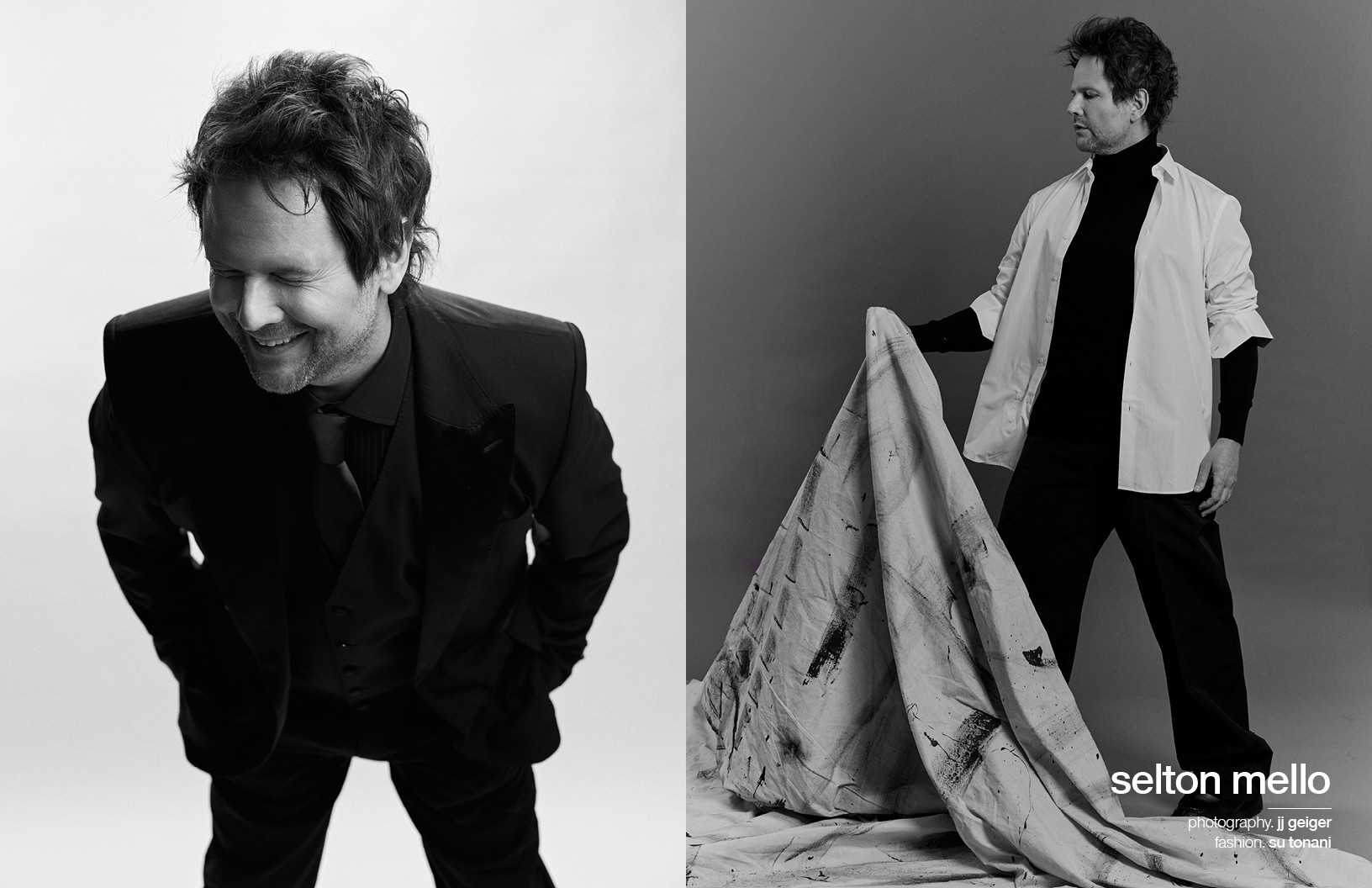
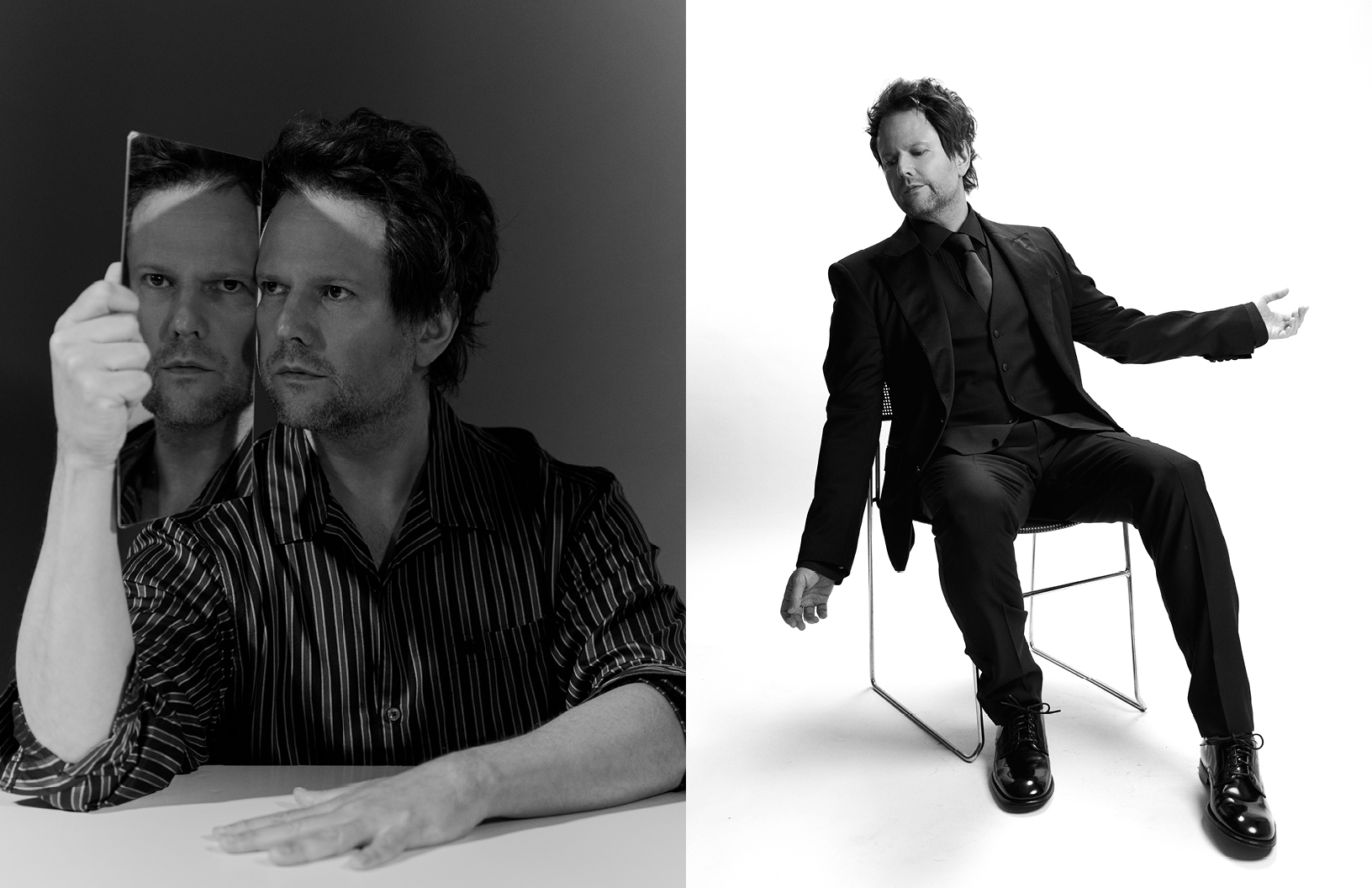
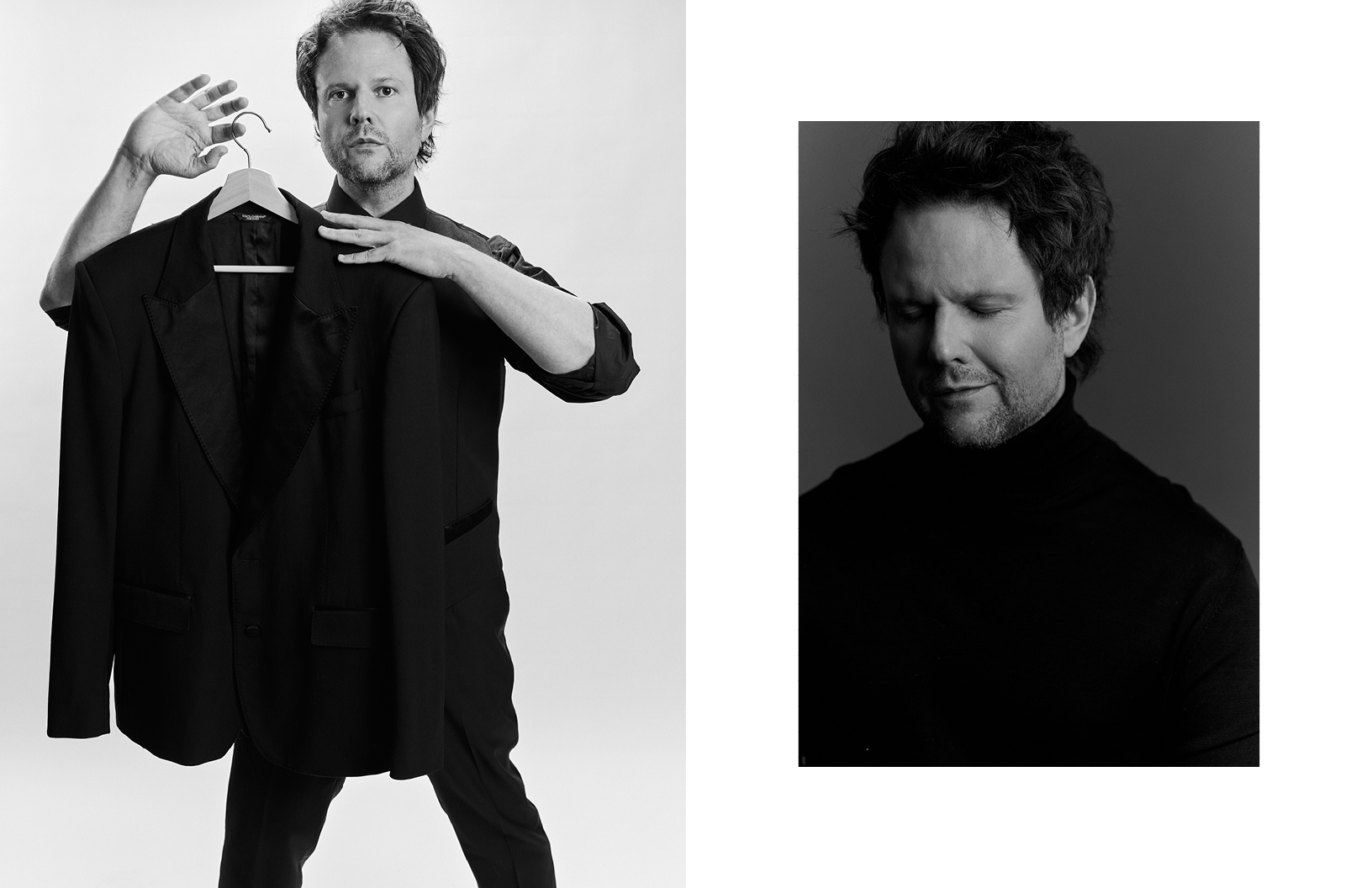
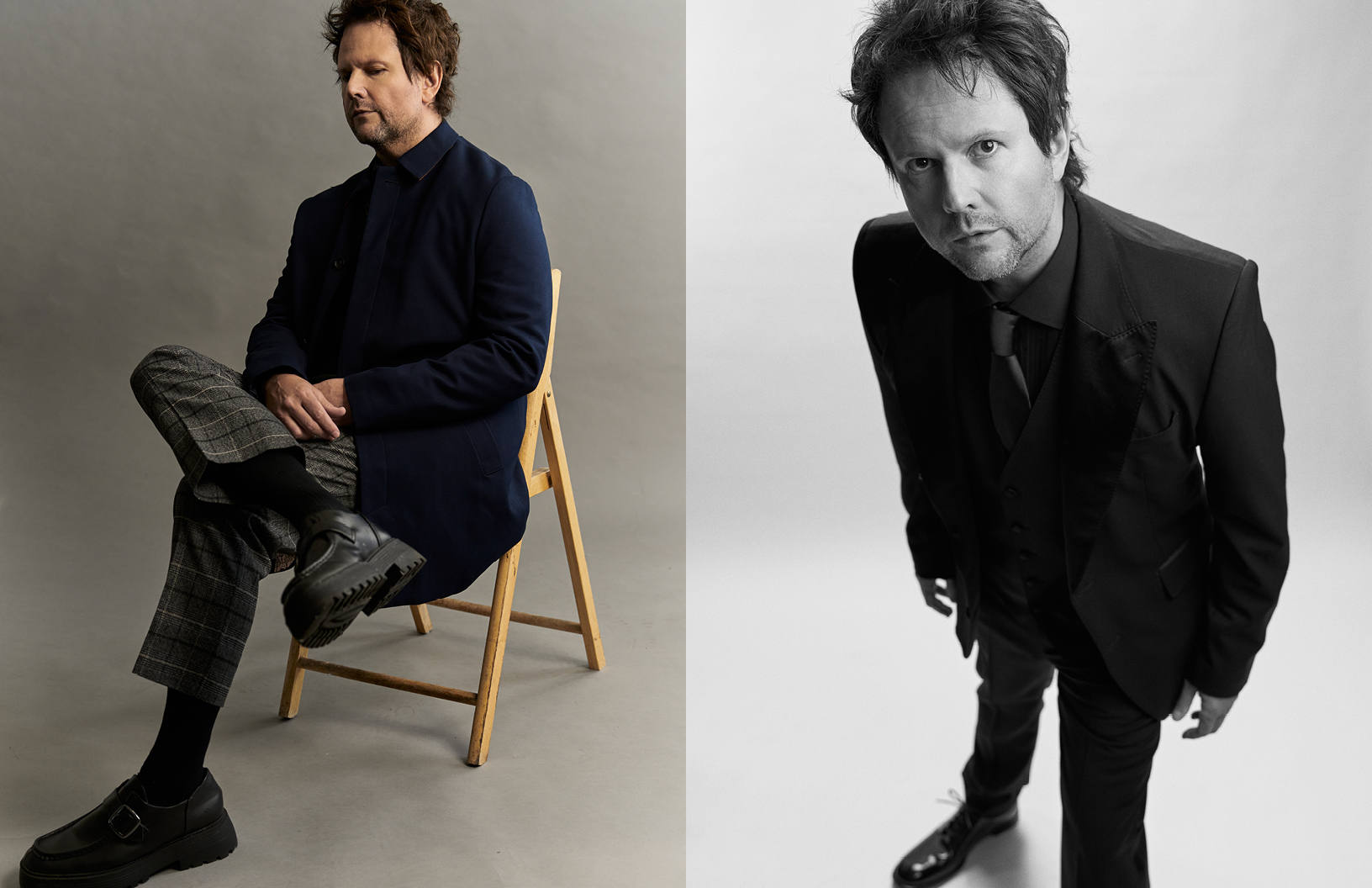
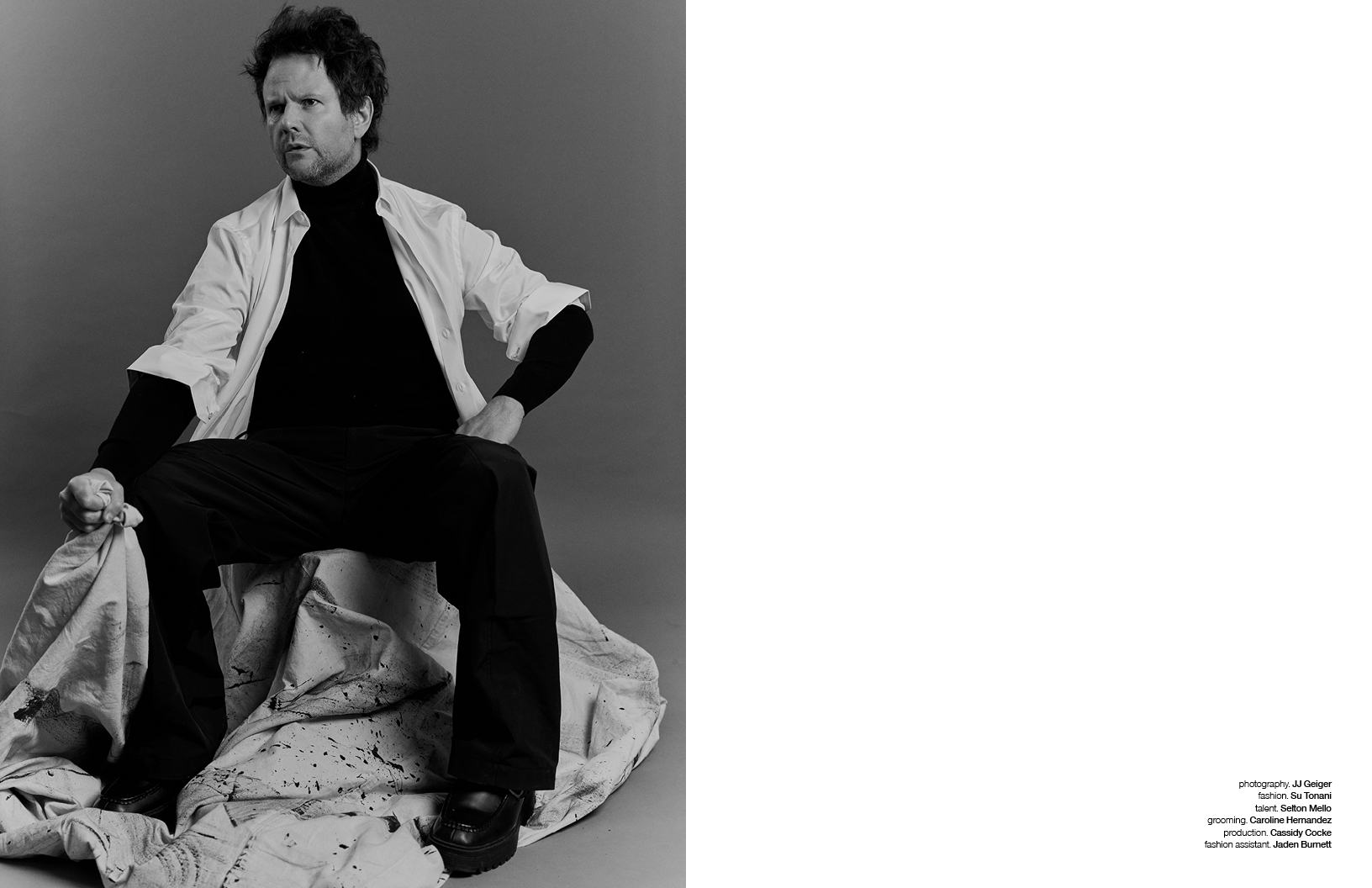
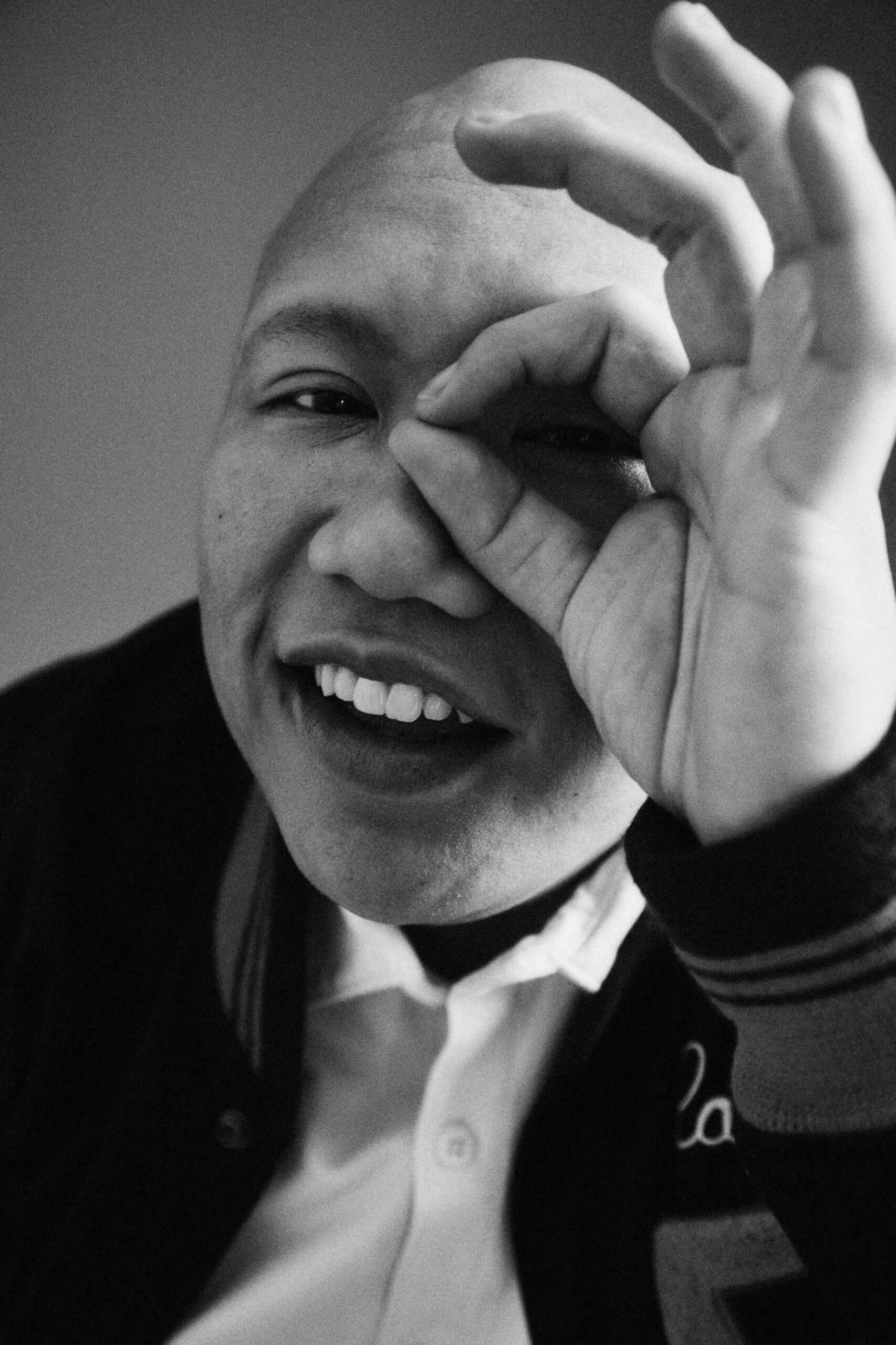
Selton Mello has been on Brazilian screens since he was a child. He first appeared on television at the age of eight and over the years has established himself as an actor, director, and creative force in Brazilian culture. His career is marked by incredible versatility, from comedy to drama, from mainstream hits to arthouse projects, and by an emotional depth that brings every character to life.
Now, after more than four decades in the spotlight, Mello is entering a new chapter. With international projects like ‘Anaconda’, he is reaching audiences beyond Brazil, driven by the same curiosity, creativity, and playful imagination that have guided him since childhood.
Speaking to Schön!, Mello reflects on the joys and challenges of acting and directing, the dreams he has realised along the way, and Mini Selton, the little boy who still accompanies him on every creative journey.
shirt. Lacoste
trousers. Saint Laurent
opposite
full look. Dolce & Gabbana
You started acting at a very young age and grew up in front of the camera. How did beginning so early shape your relationship with acting?
I have been an actor since I was a child, and in Brazil, people literally watched me grow up. They saw me on television from the time I was about eight years old. Starting so young was a gift because I learned very early what this craft really is. The most beautiful thing about acting is that it opens a world of imagination. I learned that as a child, and I never allowed that little boy to leave me. I always walk with mini Selton, who reminds me why I do this. It is about having fun, about playing, about using creativity.
Can you tell us about your early years and how you first got into television and acting?
My parents were not related to the arts at all. My father worked in a bank, and my mother was a housewife. So it was my idea to go into television. I literally asked my mother to take me there and said, “Mum, I want to go on television. I want to sing on television.” I started singing on small programs, then commercials, soap operas, and later films. Even as a boy, I felt I knew my path. I was very introverted and more into imagination than adventure. I loved playing guitar, watching films, and reading books. That little boy did what he always dreamed of.
So, it was the fantasy world that drew you in?
Yeah, exactly. I wanted to leave reality for a while and experience something different. It was beautiful.
Your new movie ‘Anaconda’ tells the story of friends coming together to realise a dream that once felt out of reach. What does fulfilling this dream mean to you today, both personally and for Brazilian actors who share similar ambitions?
I always dreamed of making films, but a Hollywood film, a movie with Jack Black, felt very distant, almost impossible. This film is amazing because it is crazy, funny, and full of adventure and action, but at the same time it has a lot of heart. It is about friends trying to make a film in order to realise a dream, and somehow, through this project, I am realising a dream too. Not only for myself, but for my generation and for Brazilian actors who share the same dream. They can look at it and think, my God, Selton did it, so it is possible to dream big. That is a beautiful feeling. Mini Selton is very happy right now.
What were the first films you saw at the cinema that made a strong impression on you as a child?
I think some of the first films I ever watched in a movie theatre were E.T. and Superman with Christopher Reeve, who was such an amazing actor. I remember going to the cinema and feeling that experience so strongly. At that time, I never thought I would become a film actor myself.
full look. Dolce & Gabbana
opposite
turtleneck. Dolce & Gabbana
What makes ‘Anaconda’ different from your previous work, and what does this international exposure mean for you?
Before, all my films were mostly in Brazil. Now, this one is huge and will be seen everywhere on the planet. That’s very exciting. It means that a lot of people will know me from this film, and if they like me, they’ll go on to discover my other work, like I’m Still Here. I’ve always tried to keep a balance in my career, moving between big blockbusters and independent arthouse films, and I like jumping between different worlds. That’s what I’ve always done in Brazil, and now I hope to bring the same sense of balance to an international audience.
But how do you decide whether a role is right for you?
I think it’s always a mix. Sometimes it is the director I admire, sometimes the actors I want to work with, and of course, it has to be a great character. I had this combo with ‘Anaconda’. Tom Gormican is a very talented guy, and I will be eternally grateful to him, the casting directors, and the producers who gave me this opportunity. I’ve done almost forty films in Brazil, including as director, writer, and producer, but I’ve never experienced anything like this, being known worldwide. It’s crazy.
How did you get involved in the project, and what drew you to the script and your character?
This film came to me right after the huge success of I’m Still Here. In the middle of that moment, this project appeared. They said it was a Brazilian character and that they had seen I’m Still Here. We did a Zoom conversation, read a few scenes, and then they said, “It’s you.” It was October last year, and they were going to start shooting in early December. Everything happened so fast, but I was so excited to work with these legends, Jack Black, Paul Rudd, Thandiwe Newton, and Steve Zahn, and with such an amazing character. It felt like a gift from the universe, a chance to show my possibilities, especially knowing how much support I have from people in Brazil.
Your character Santiago, is key to the story. What makes him stand out to you?
This is exactly the kind of character I love, full of layers. He’s a bit eccentric, a little crazy, and sometimes awkward in a funny way. At the same time, he is very serious about his friendship with his snake, Heitor, who has been his friend since he was a baby. He cares deeply about this bond, which is both crazy and heartwarming. The character feels so real and so unreal at the same time, and he is incredibly charismatic.
Santiago has a close bond with a snake, yet you never actually worked with a real snake on set. What was it like acting under those circumstances, and how did it feel seeing the finished film? Yes, it’s a film about snakes, and I didn’t see a single snake on set. It was all CGI, which was incredible and completely new to me. I grew up watching these huge films, and we don’t really have this kind of production in Brazil, with that scale and budget. As a director, it was fascinating to see how they managed such a big project.
And when I watched the finished film, it was super cool. I watched it like a regular audience, and I thought, Oh my God, look, we actually have a snake here. It was amazing. The work they did is incredible, super well done. And it’s not just that. It’s also how well they handled the mix of genres. That’s so hard to succeed at, but Tom did a fantastic job putting all the pieces together.
jacket. Burberry
shirt. Paul Smith
trousers. Ralph Lauren
shoes. ASOS
socks. Uniqlo
opposite
full look. Dolce & Gabbana
How does your experience as a director influence the way you act? Are there differences in how you approach a role?
When I’m acting, I bring my experience as a director with me, and that changes the way I work. I know the challenges a director faces and how they have to think about hundreds of things at the same time. So I try to avoid silly questions and focus on the right ones. I aim to be the best partner I can be because I understand what it takes to manage a set.
For example, on ‘Anaconda’, Tom wanted a very serious approach for the character, and I just delivered what he asked for. In the middle of all the craziness with the snakes and the chaos, we filmed scenes like the snake funeral, which is surreal and almost unreal. I also drew on real emotions, like the loss of a friend or a part of my family, which made the scenes both funny and touching. It was a great decision by Tom to give me that direction, and I trusted him completely. I just focused on delivering it.
And how did you become a director?
I’ve been an actor since I was a kid, but in my thirties, I started asking myself what else? I wanted new challenges and to expand my horizons. I began directing with a short film, and it opened a whole new world for me. Suddenly, I was thinking about thirty characters at once: the tone, the editing, the music, and the pace. That’s when I felt truly happy, using my imagination like the boy I used to be.
Since then, I’ve directed feature films, including The Clown, which was a huge success in Brazil and internationally, and the Brazilian version of In Treatment. Recently, I finished La Perra, my first Spanish-language film, and now with ‘Anaconda’, a Hollywood English-language film. Working in different languages and cultures, facing the challenge of expressing myself in new ways, and seeing the world from new perspectives is what drives me. It’s all about exploring, expanding, and finding out what else I can do.
You are celebrating forty years of your career this year. What does this moment mean to you personally?
I released a book, a kind of biography, to mark these forty years in the arts and to honour my mother. I lost my mother two years ago to Alzheimer’s. Anyone reading this who has a family member with Alzheimer’s will understand what I mean. This disease is about memory loss. So, as I celebrate forty years of my career, I am also celebrating her and the memories we shared and feeling grateful that I can still remember and tell our story.
Your next film, ‘Bury Your Dead’, seems very different from Anaconda. Can you tell us more about it and your role in the film?
‘Bury Your Dead’ is a very unique film and hard to define. It’s apocalyptic, it’s horror, but it’s also an arthouse movie, a great mix of genres. I play the lead, Edgar Wilson, a man who collects dead animals from the road and carries a devil inside him. He is a crazy, deep character, and it was an intense experience to bring him to life. The film will be released in the US in January. I’m very excited that after ‘Anaconda’, people will get to see this completely different and unusual film. It’s new, and new is always great.
Do you feel that with every movie you do, you discover something new about yourself?
Yes, absolutely. It’s always a beautiful experience. I feel like it’s a two-way street. When you give something to a character, you learn from them, but at the same time, they leave something with you. I’m not a father. I don’t have kids, but I have a lot of characters, and they are like my children. I take care of them, and they stay with me forever. They walk with me.
Acting is a wonderful craft because it allows you to live many lives. In Brazil, we have a saying that a cat has seven lives, and as an actor, I feel we can live even more. It’s fascinating to explore all these different lives and perspectives.
Imagine you could tell a story about yourself. How would you shape the character?
He would be a dreamer, because even as a little boy, he dreamed big. Mini Selton is focused and persistent, and he always reminds me to dream. He keeps me connected to imagination and creativity and has guided me through every choice in my career.
shirt. Paul Smith
turtleneck. Dolce & Gabbana
trousers. Helmut Lang
shoes. ASOS