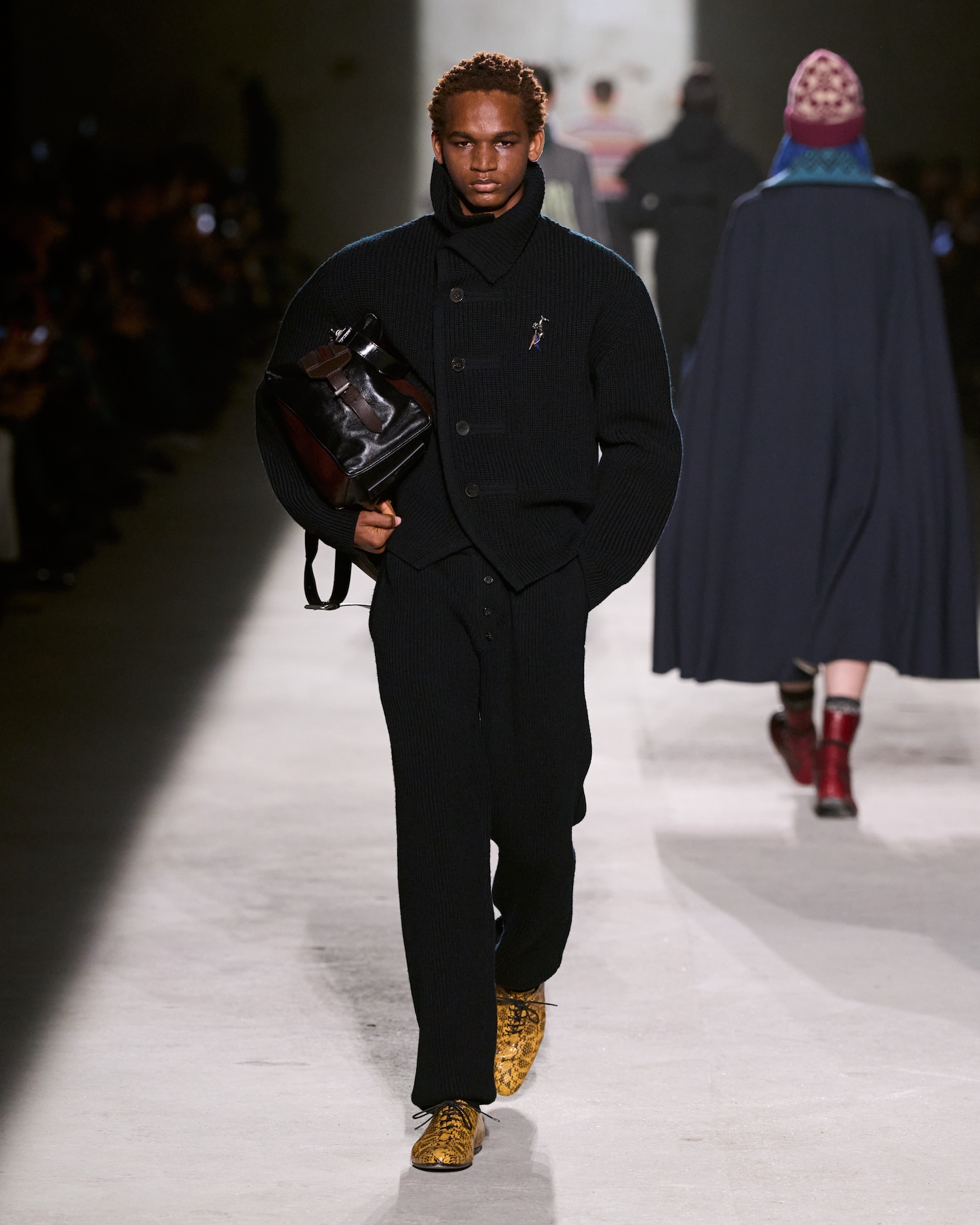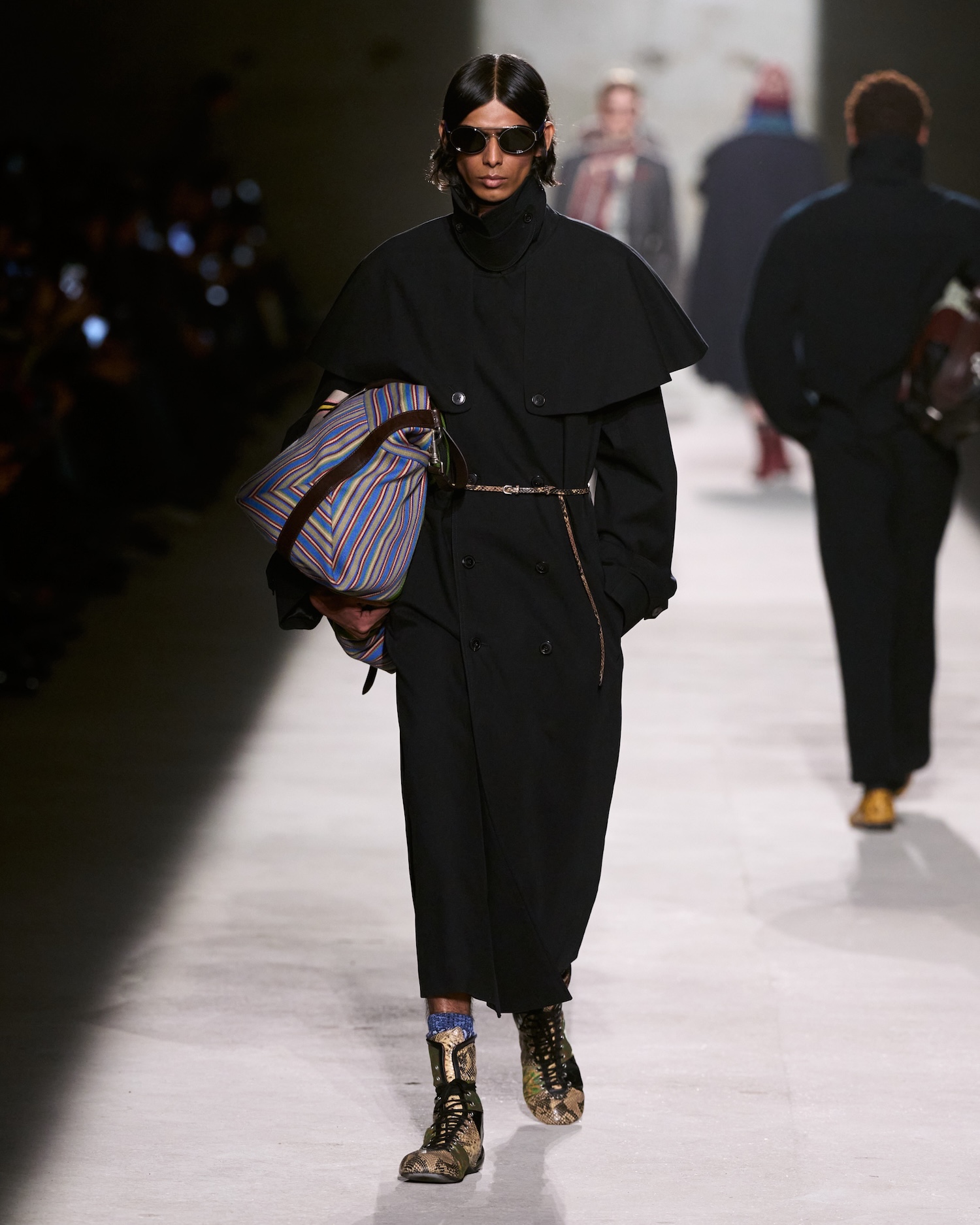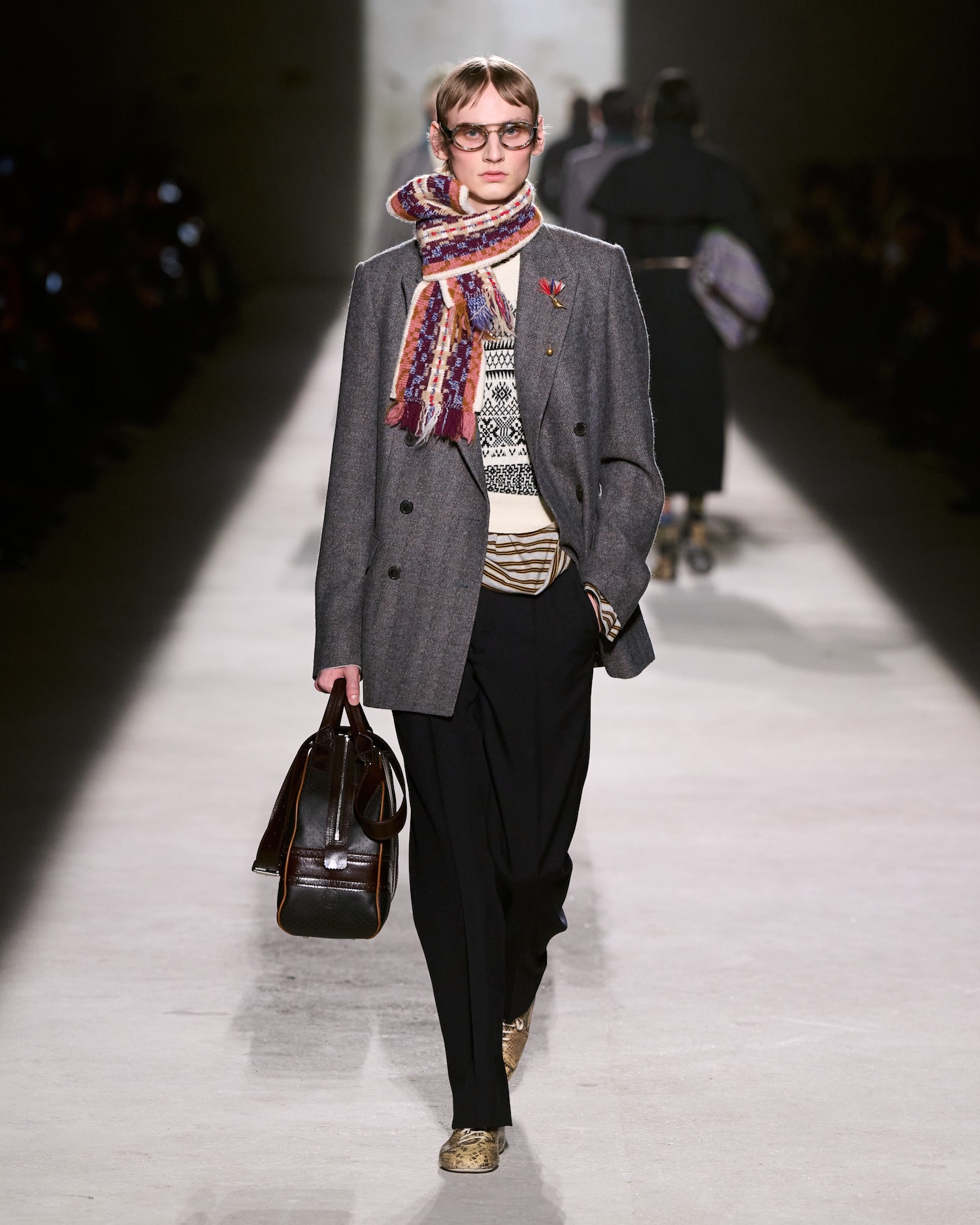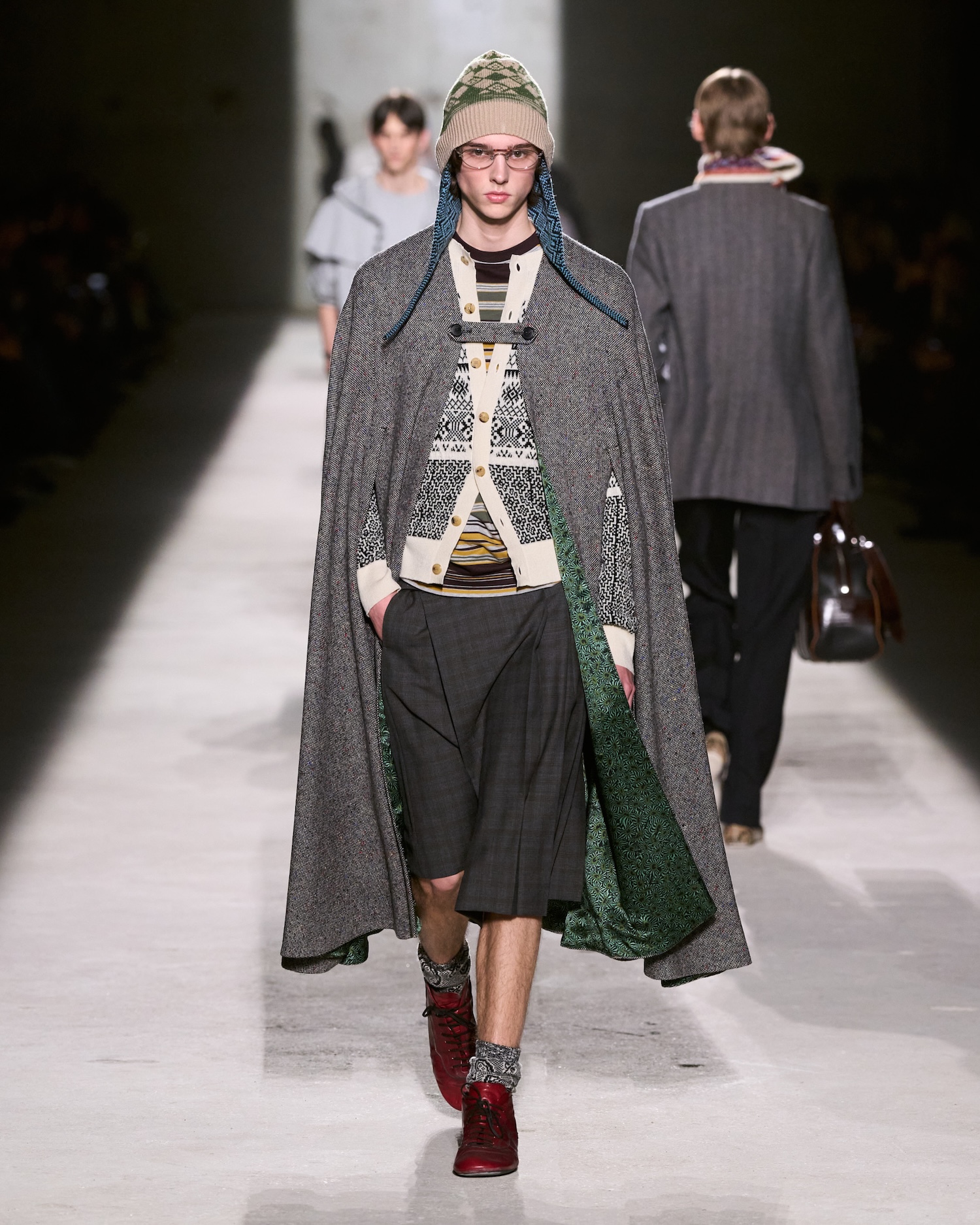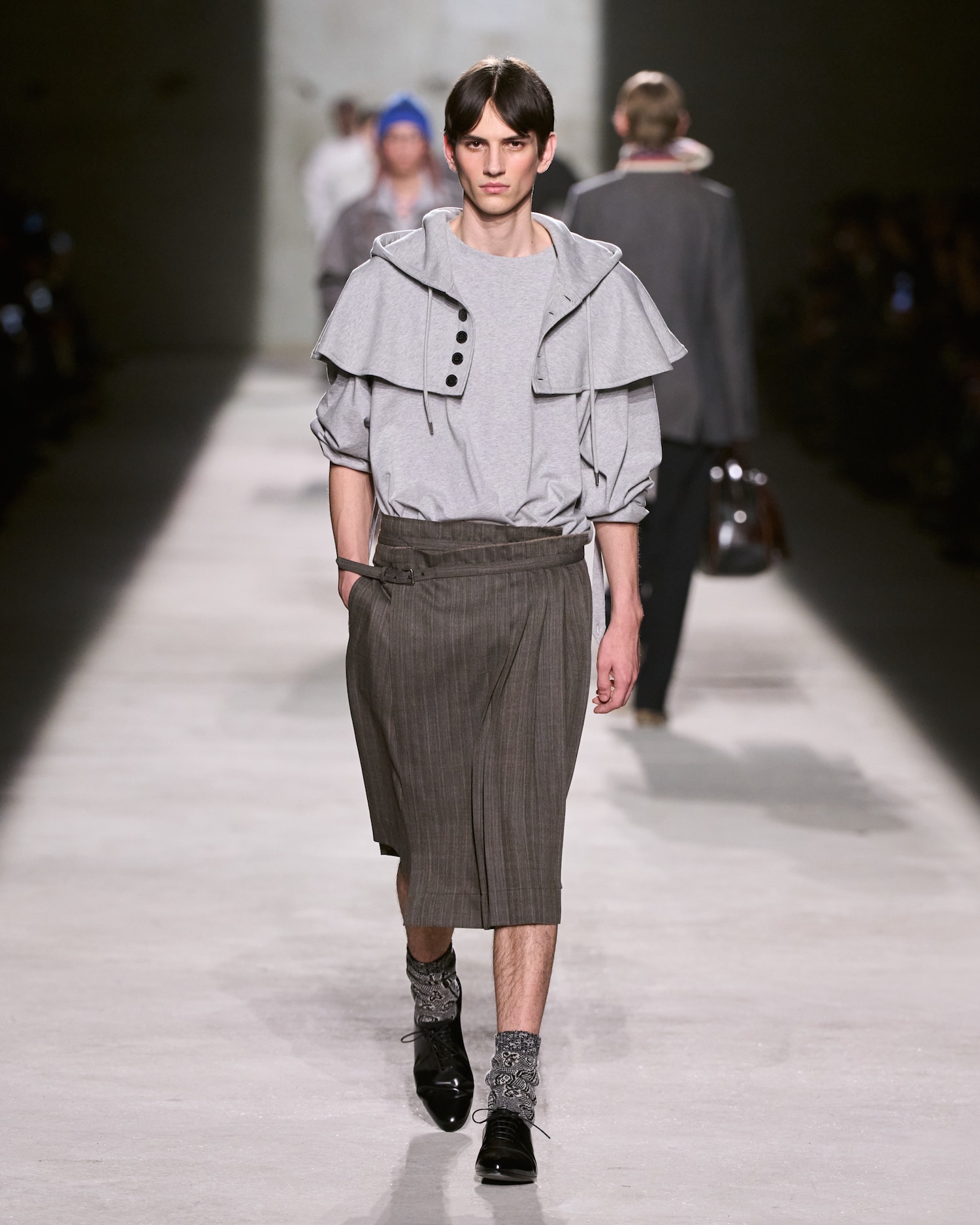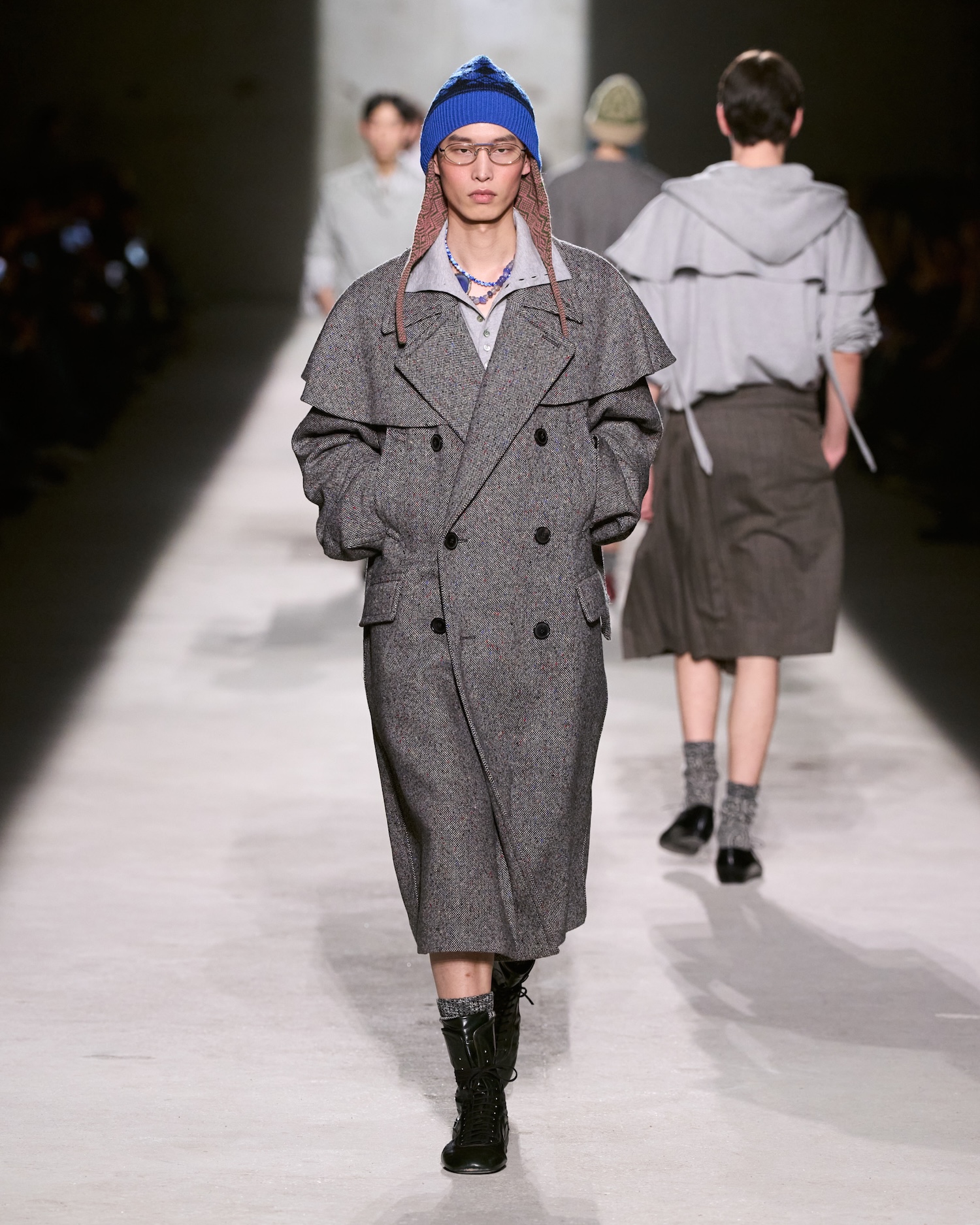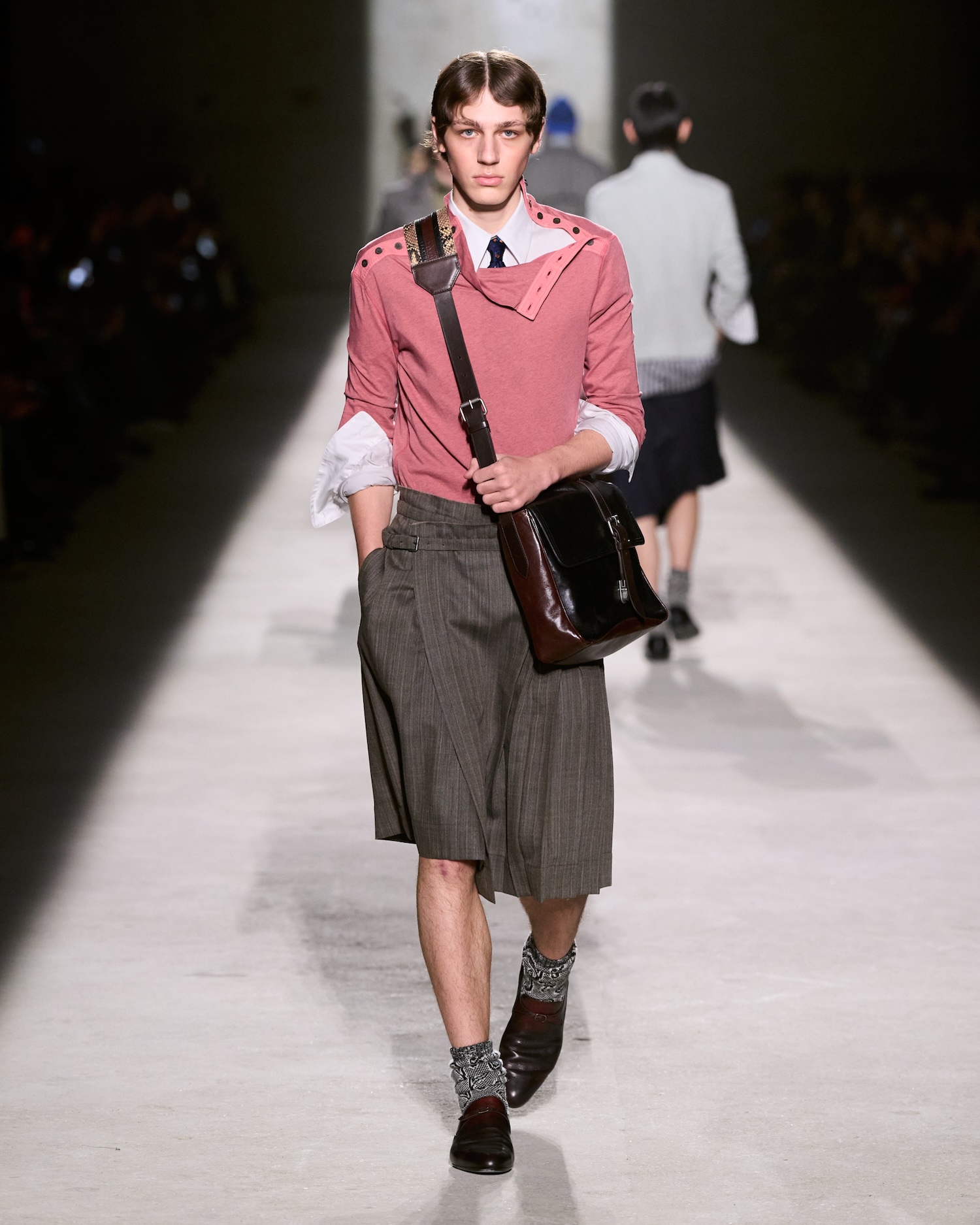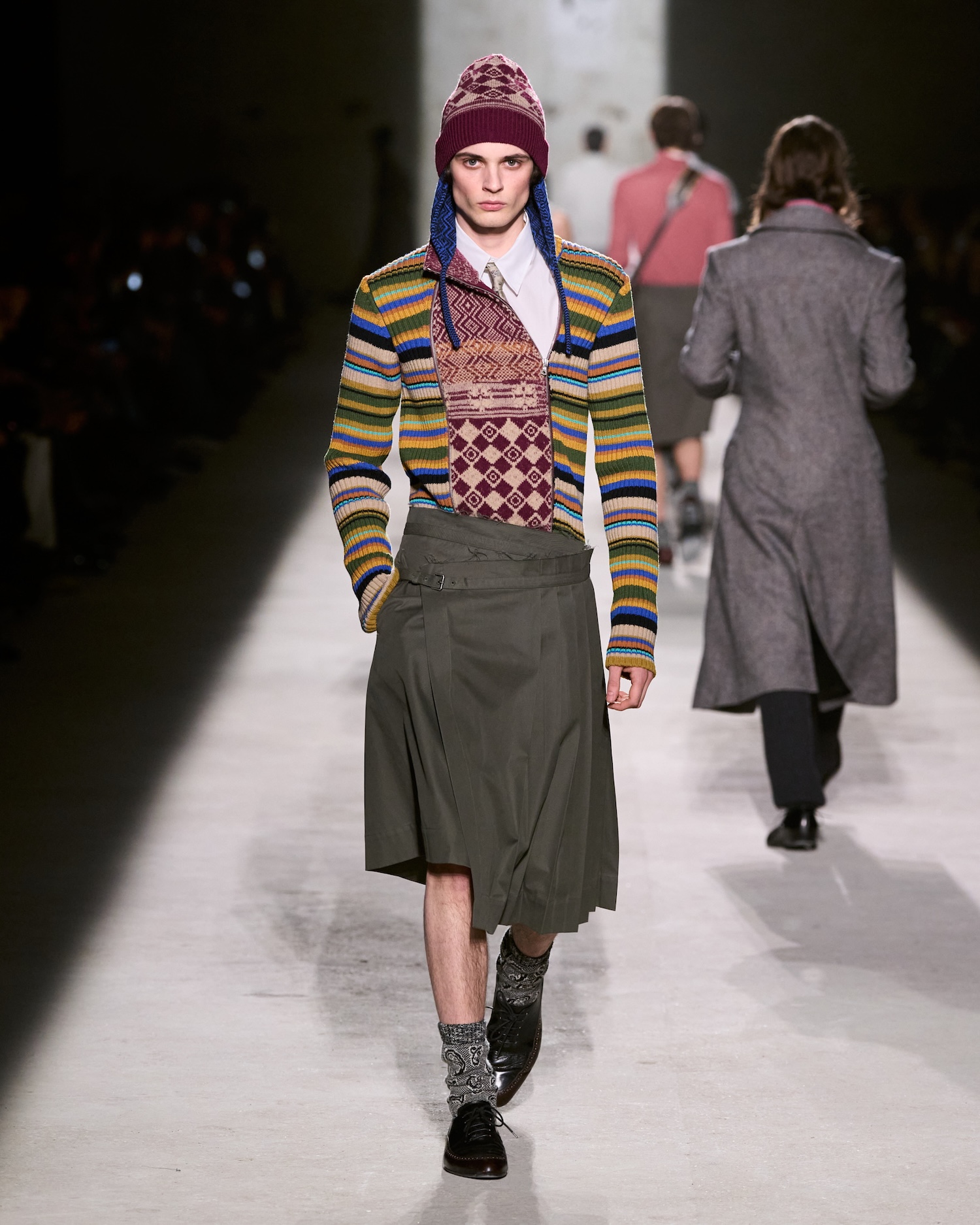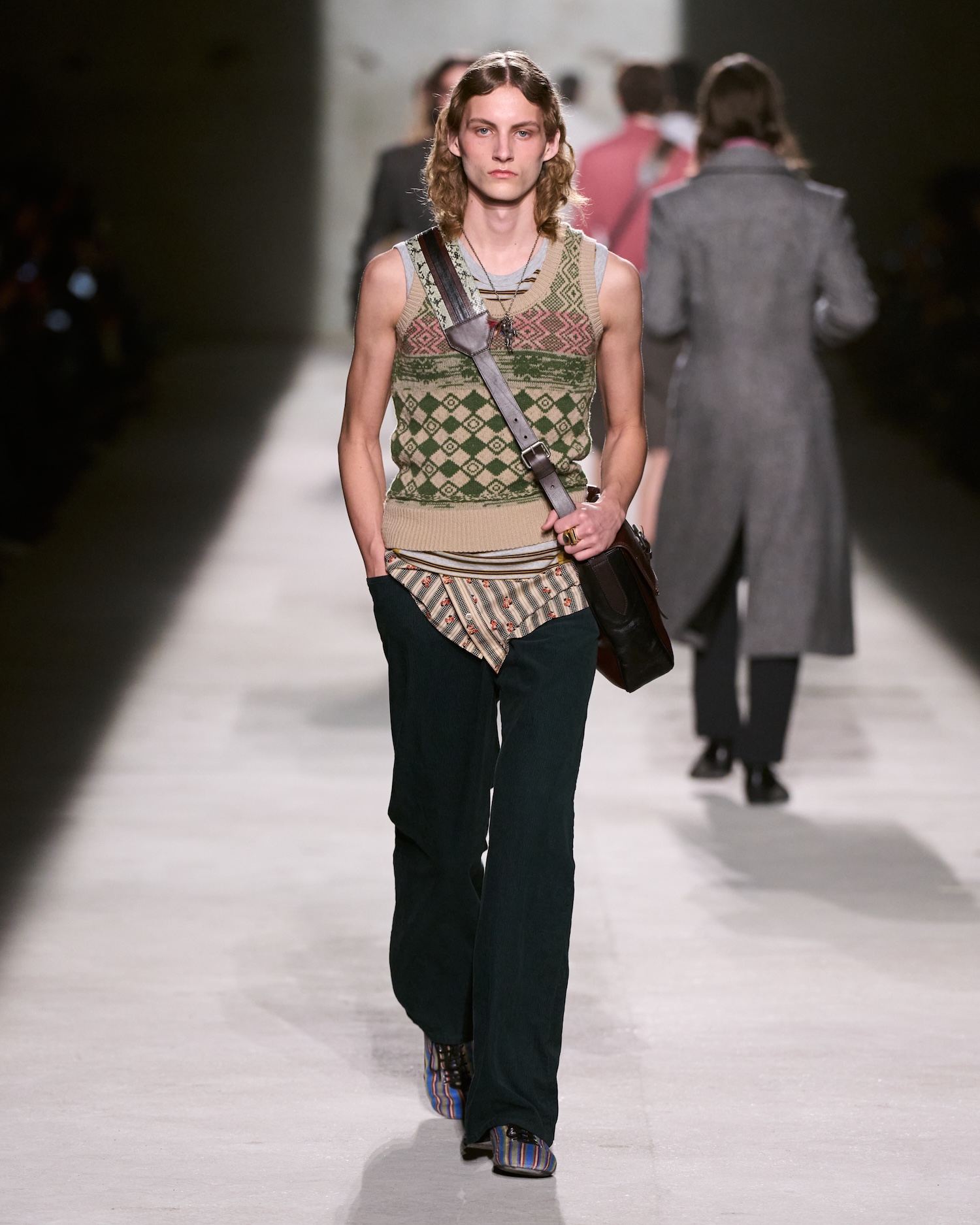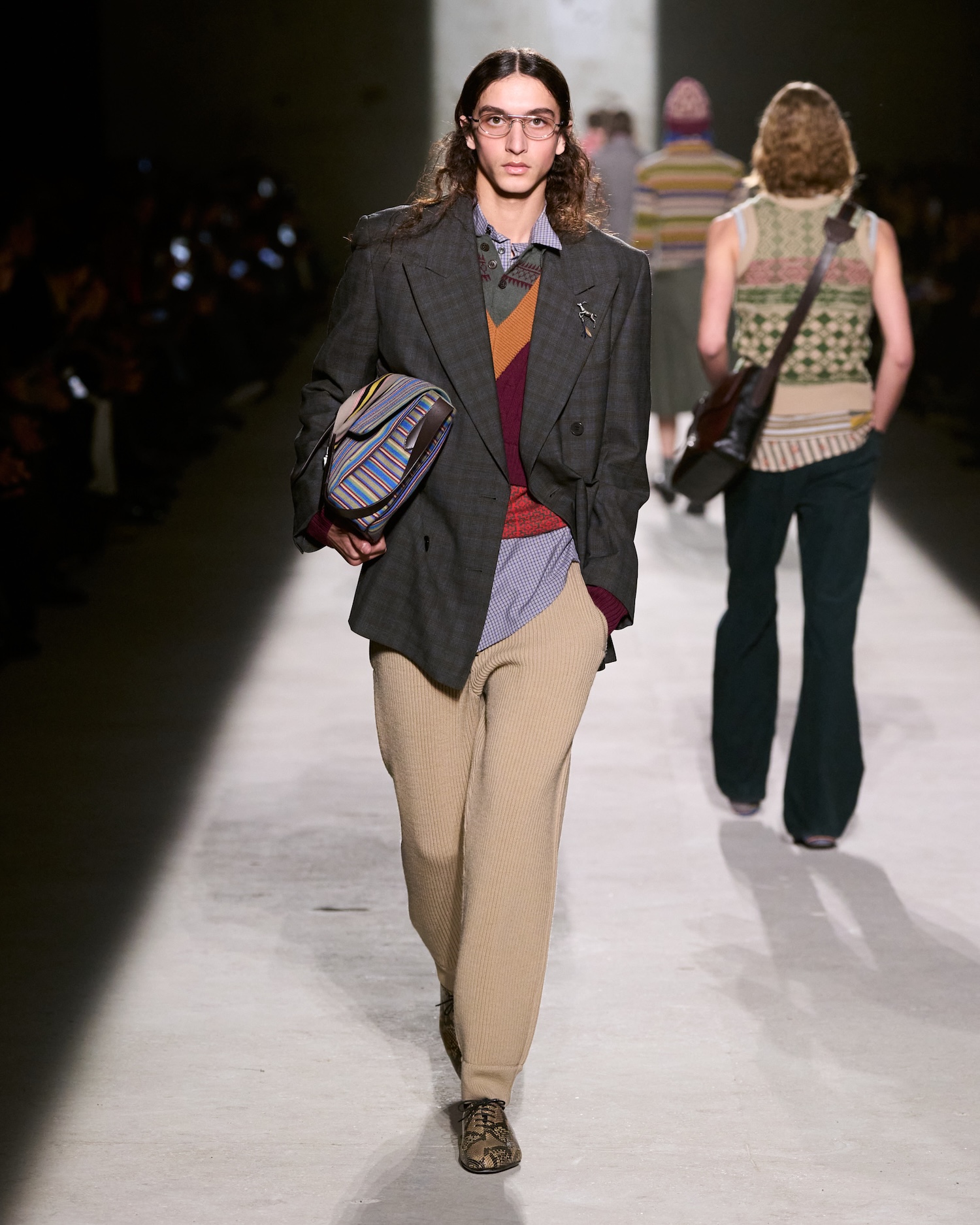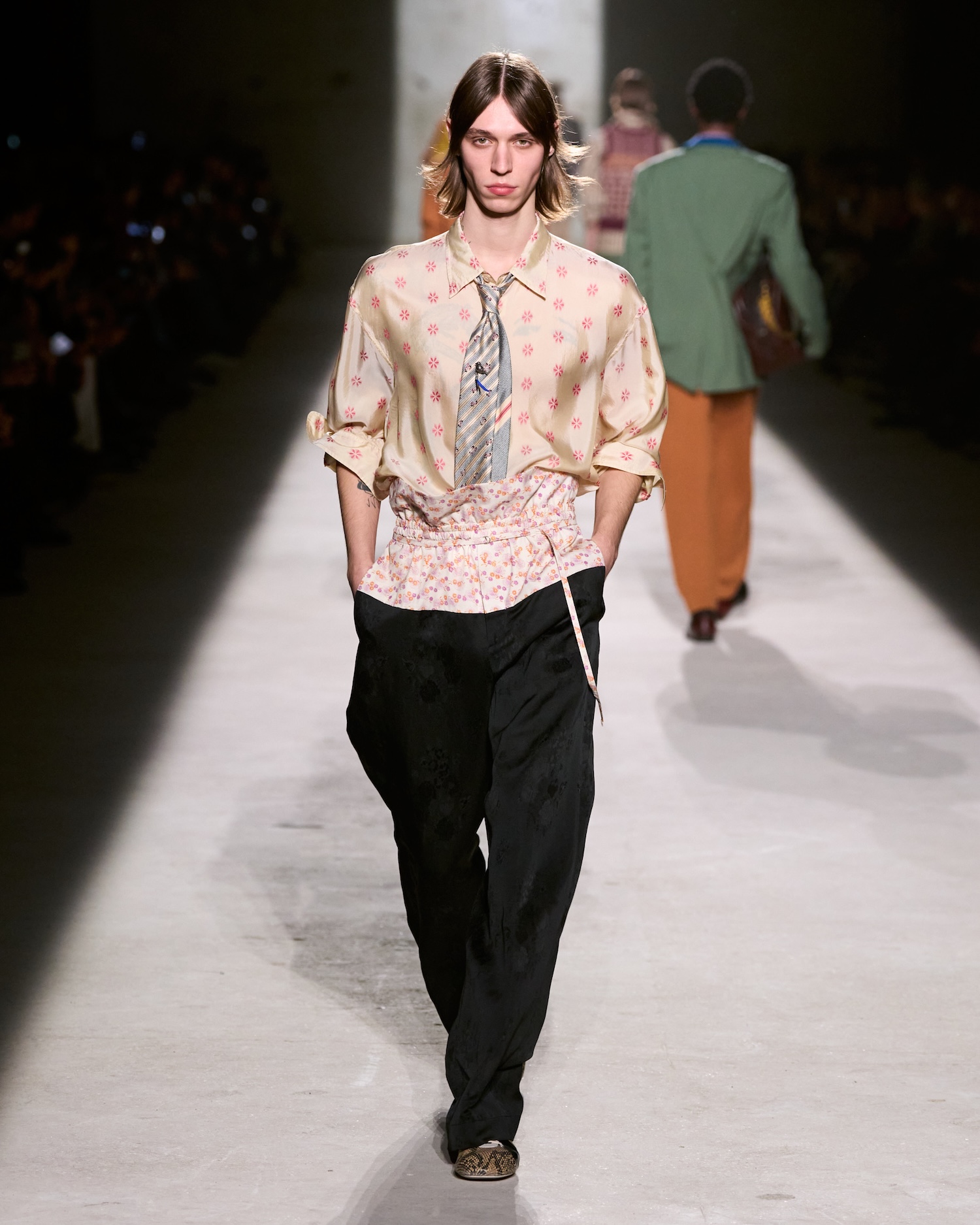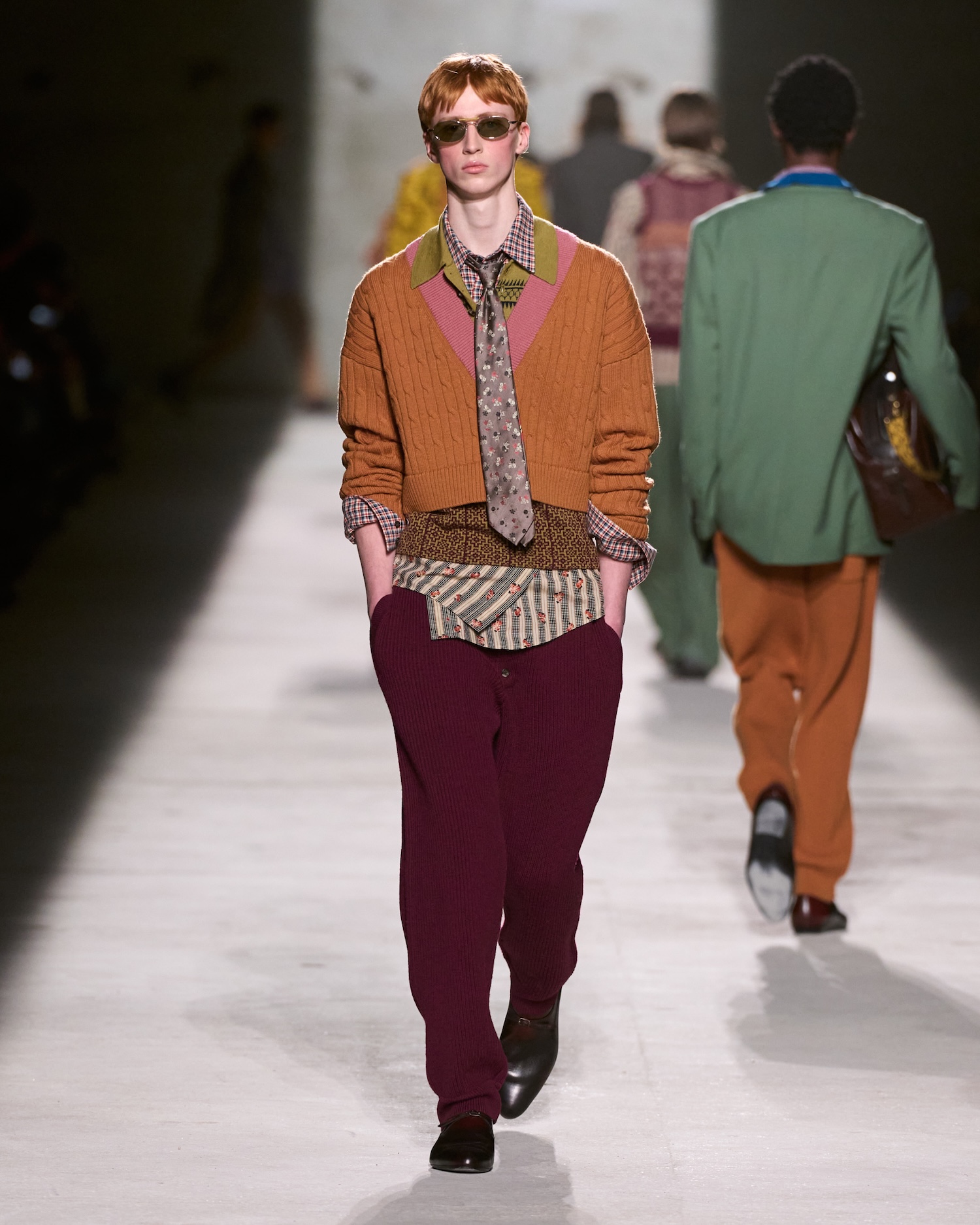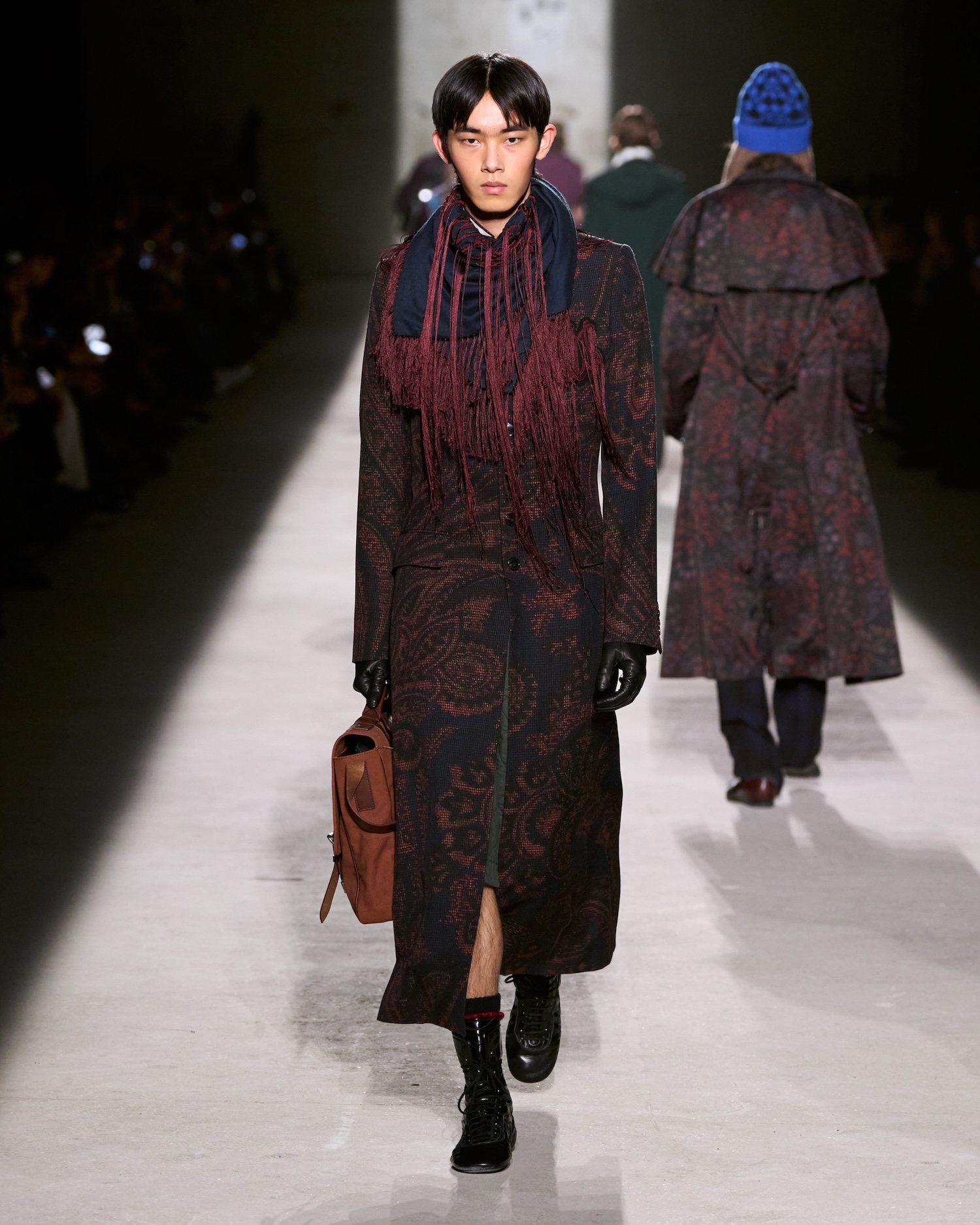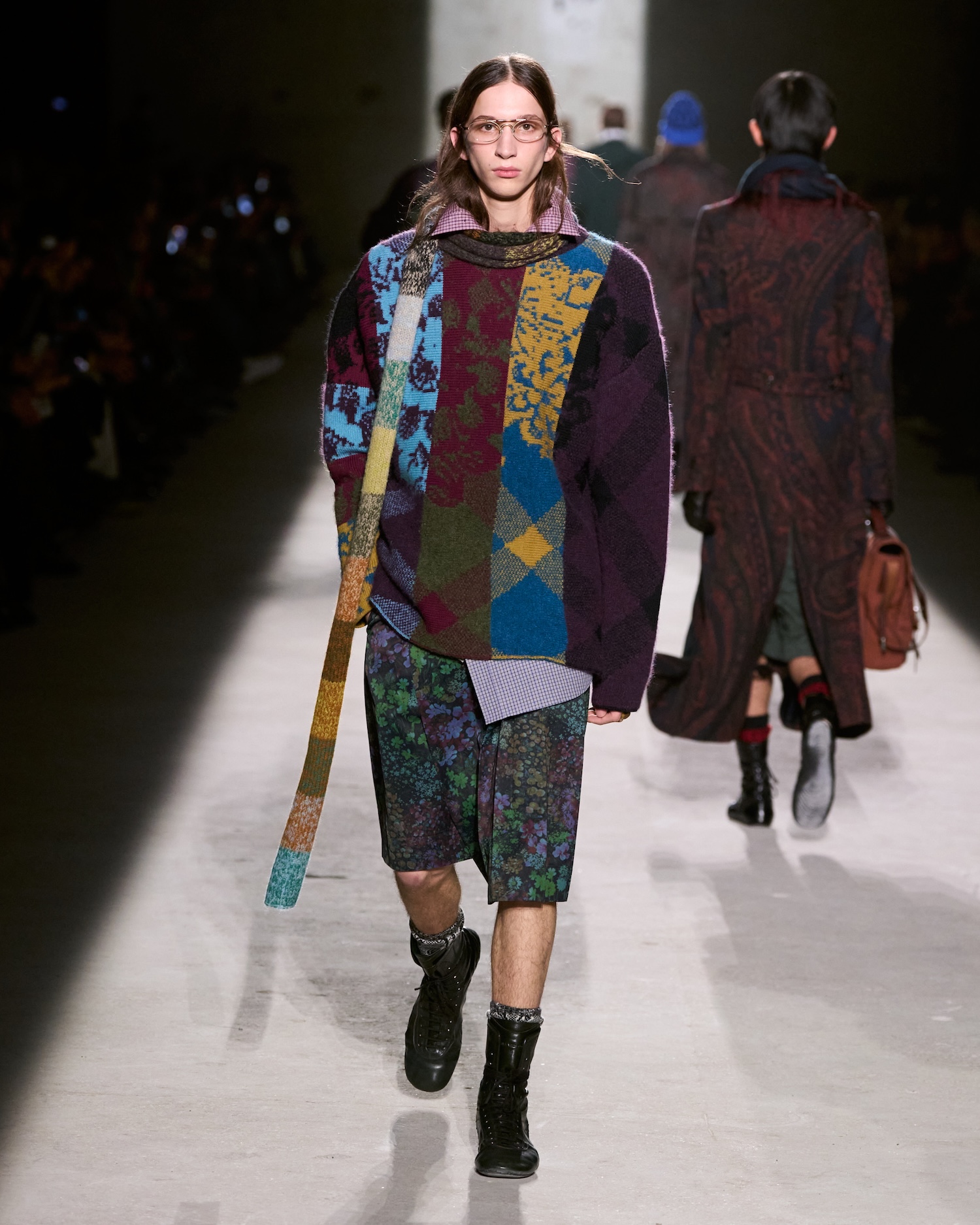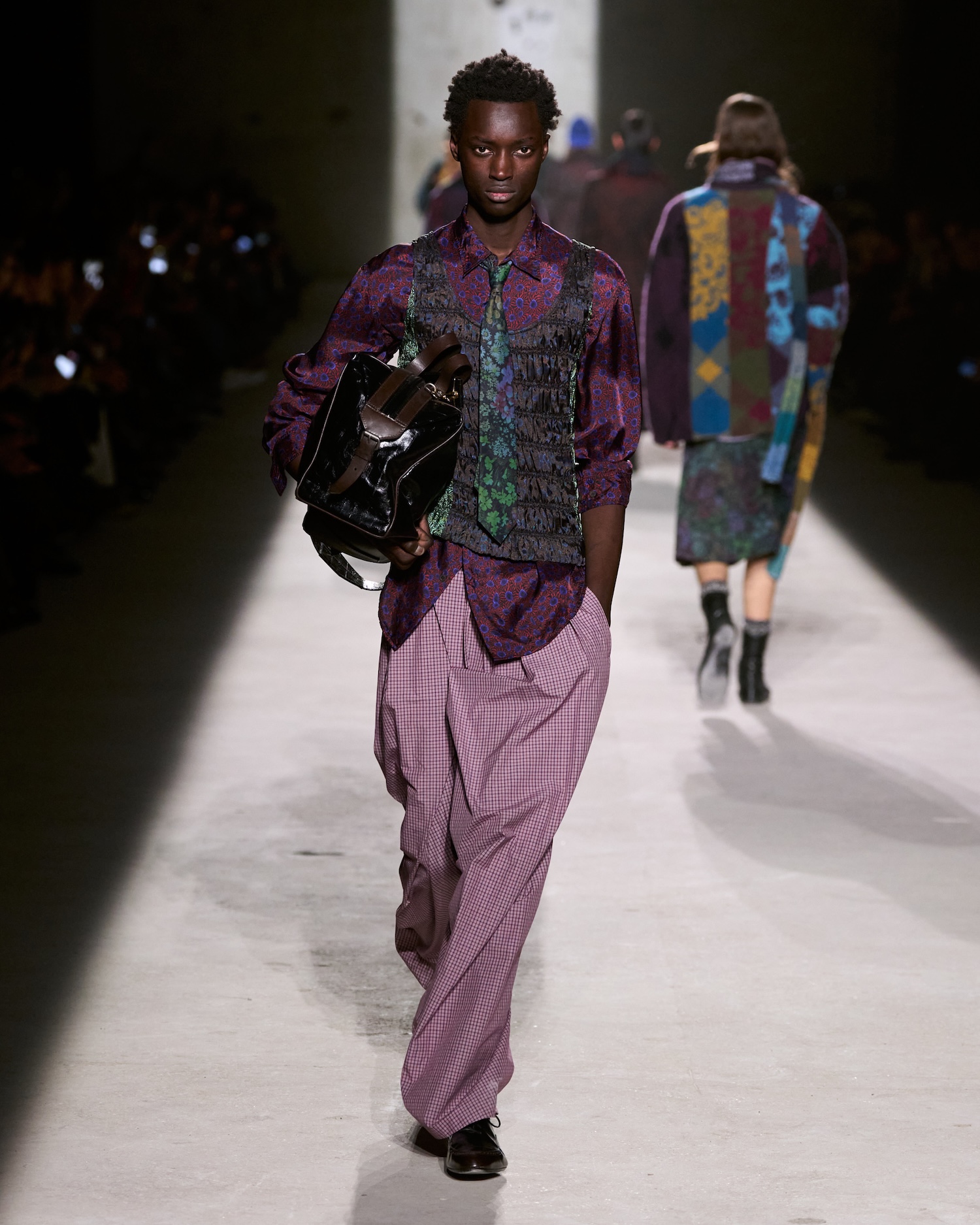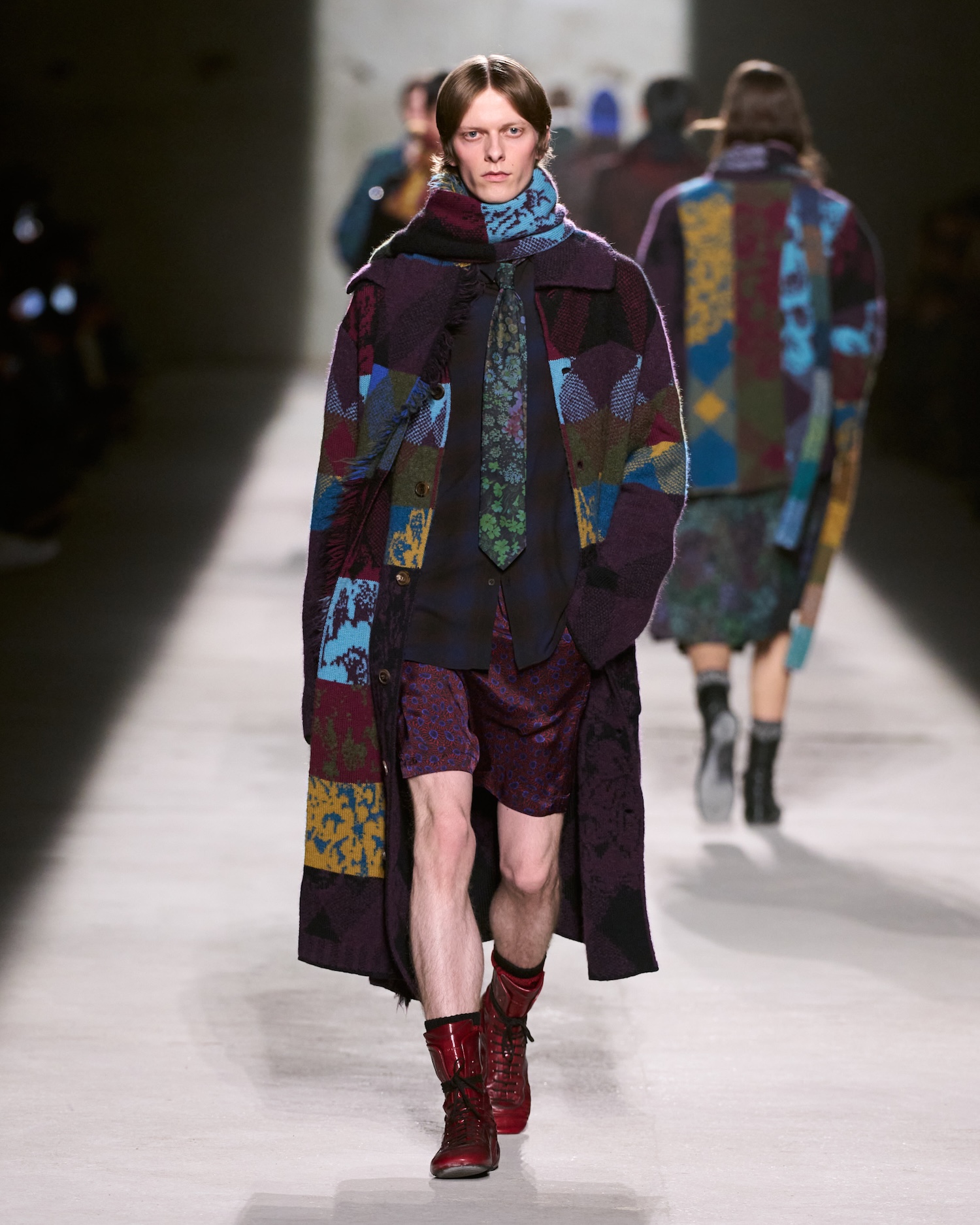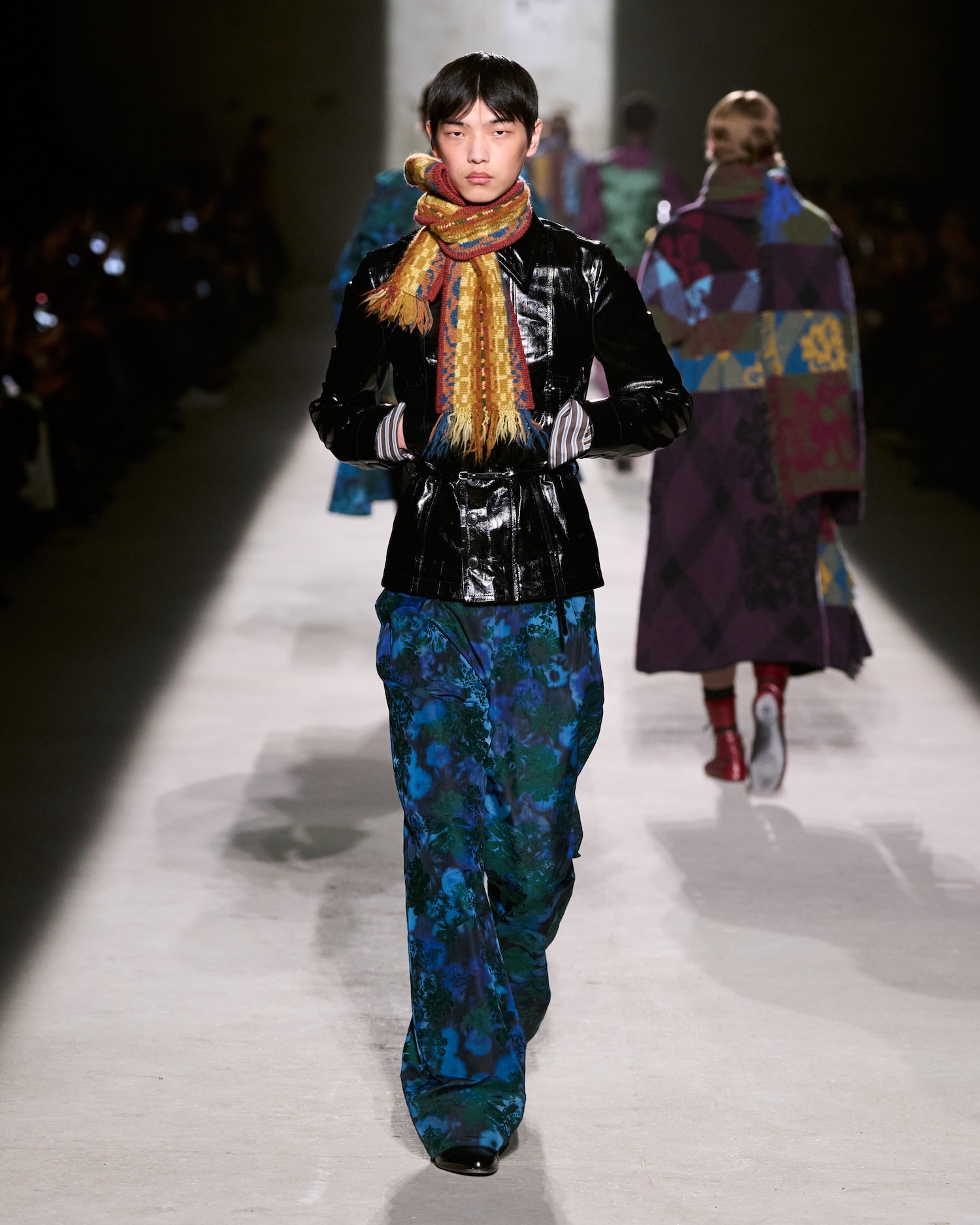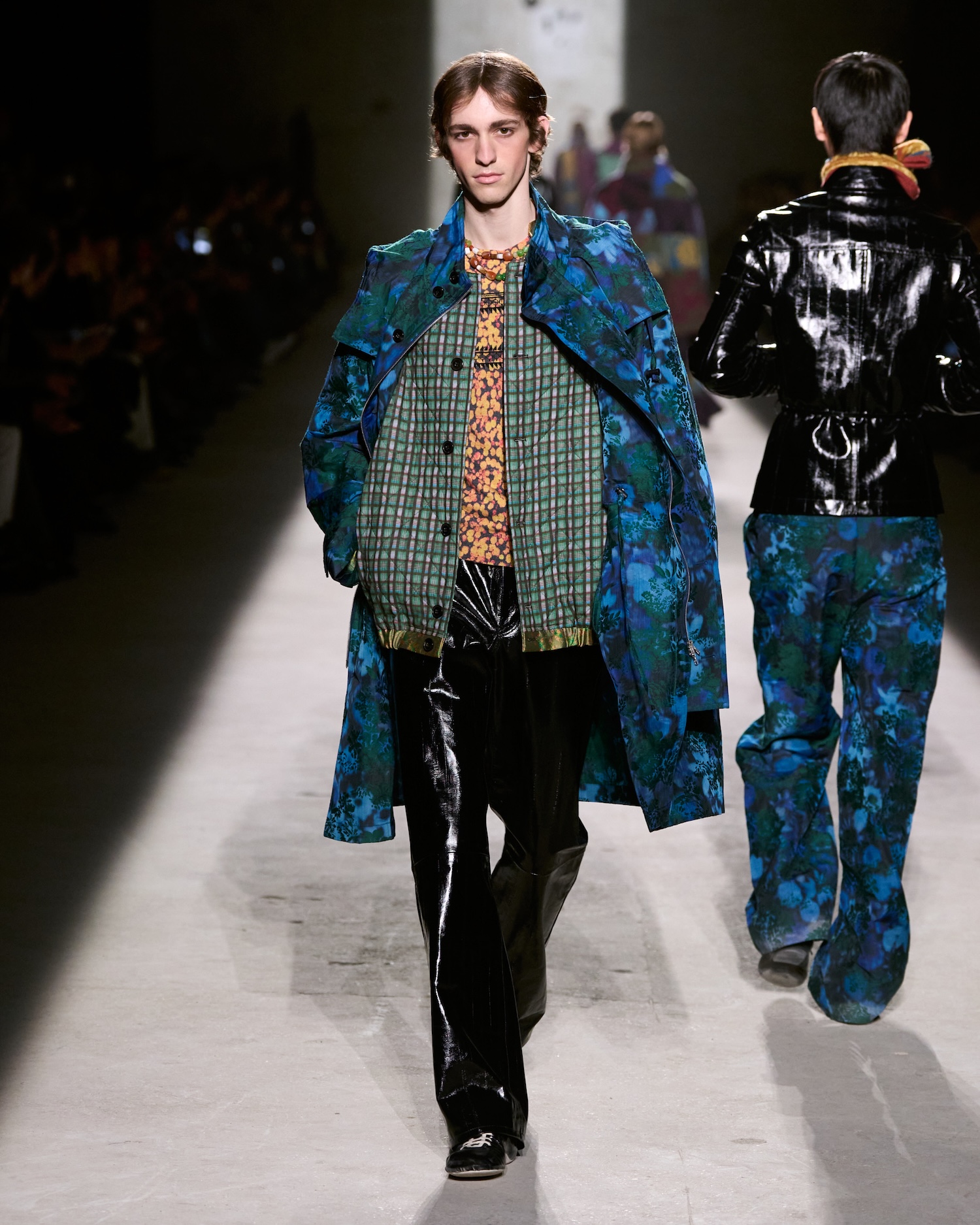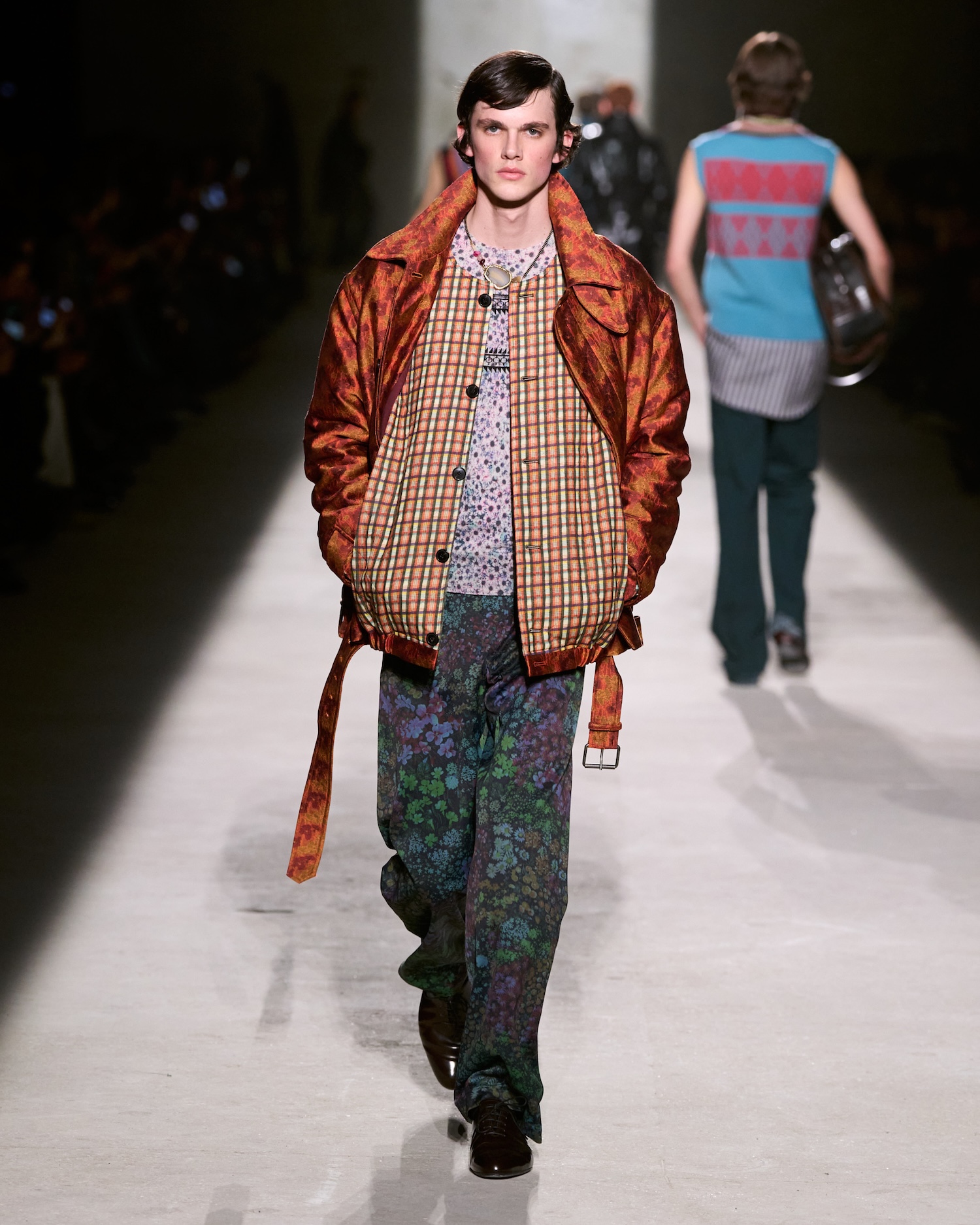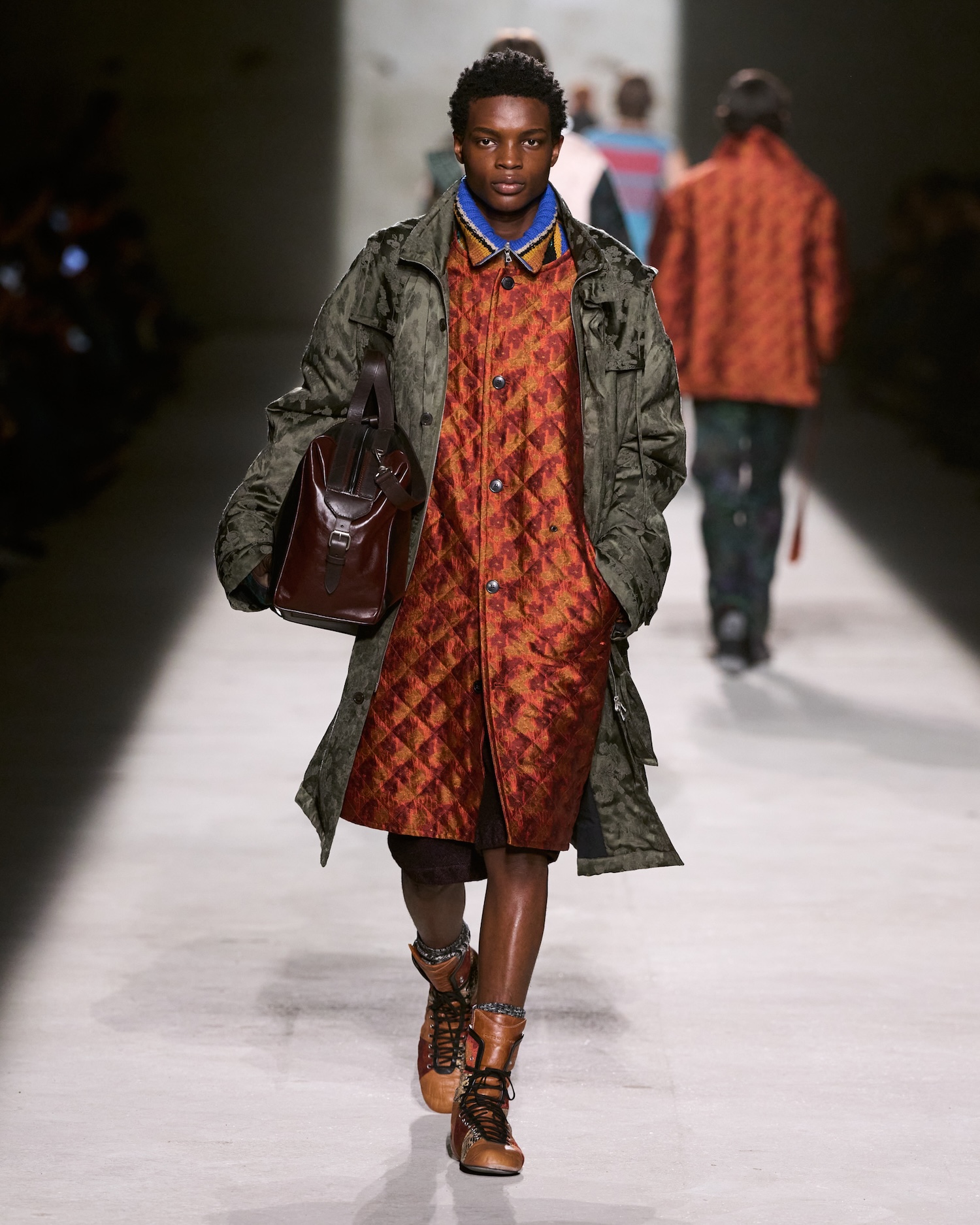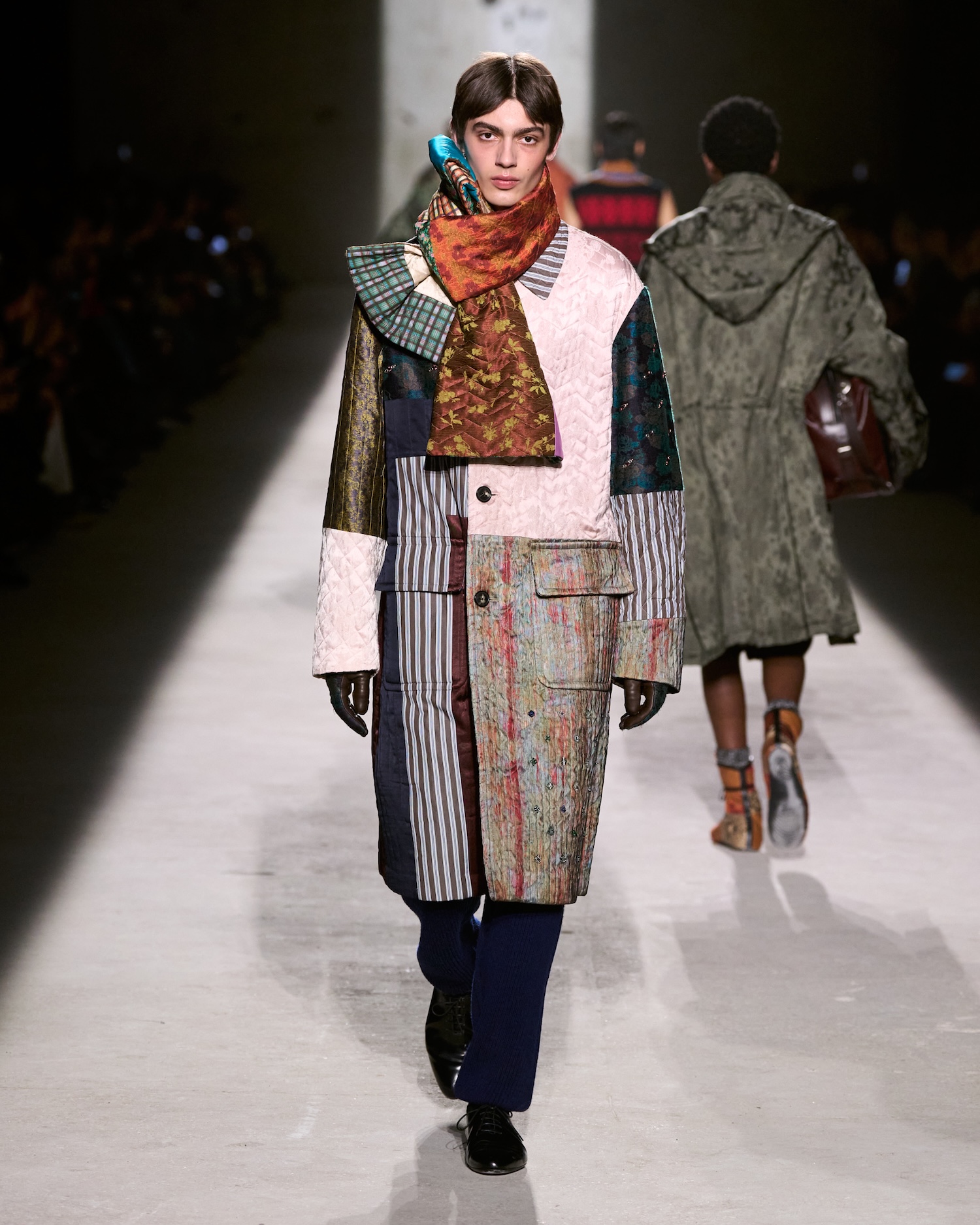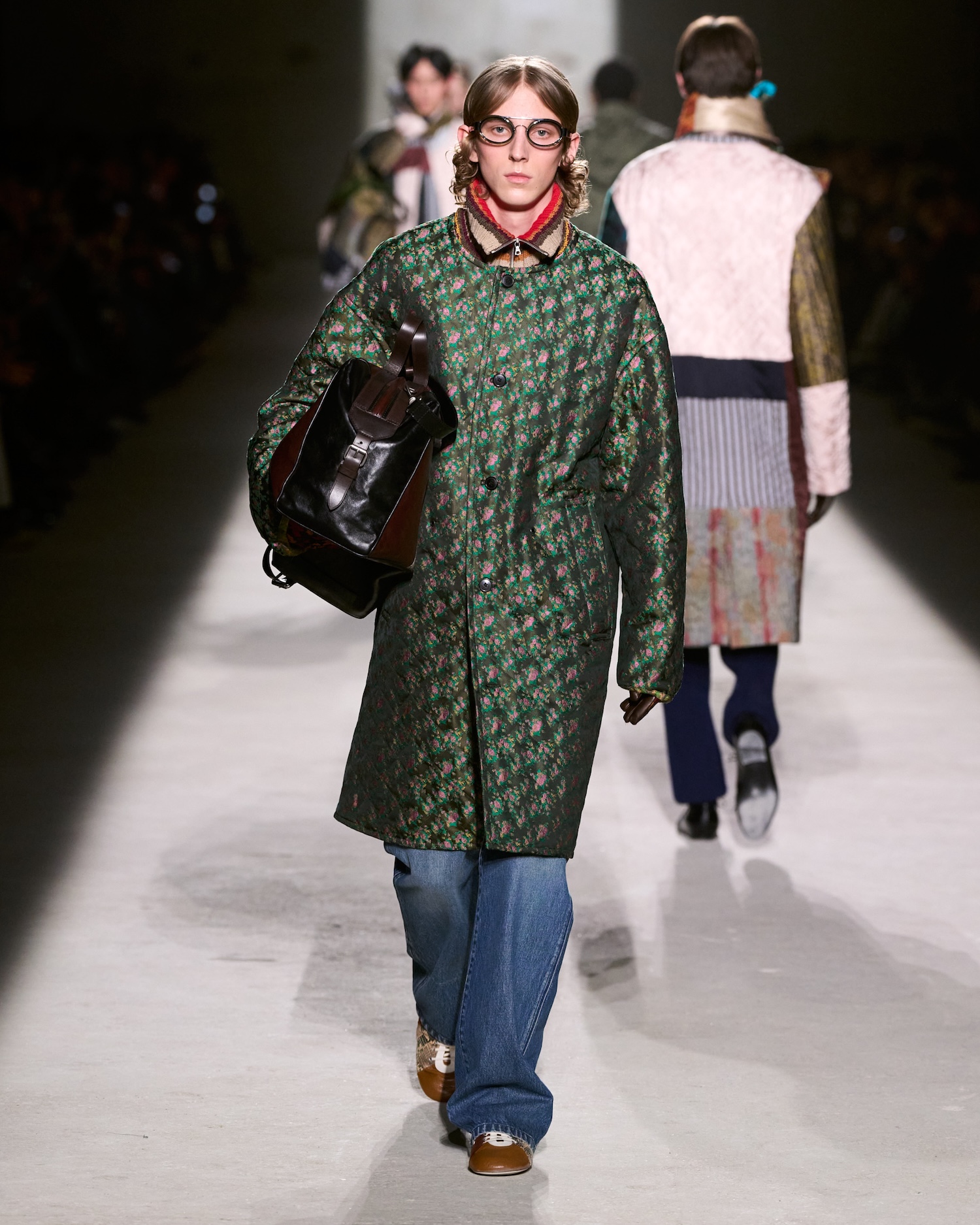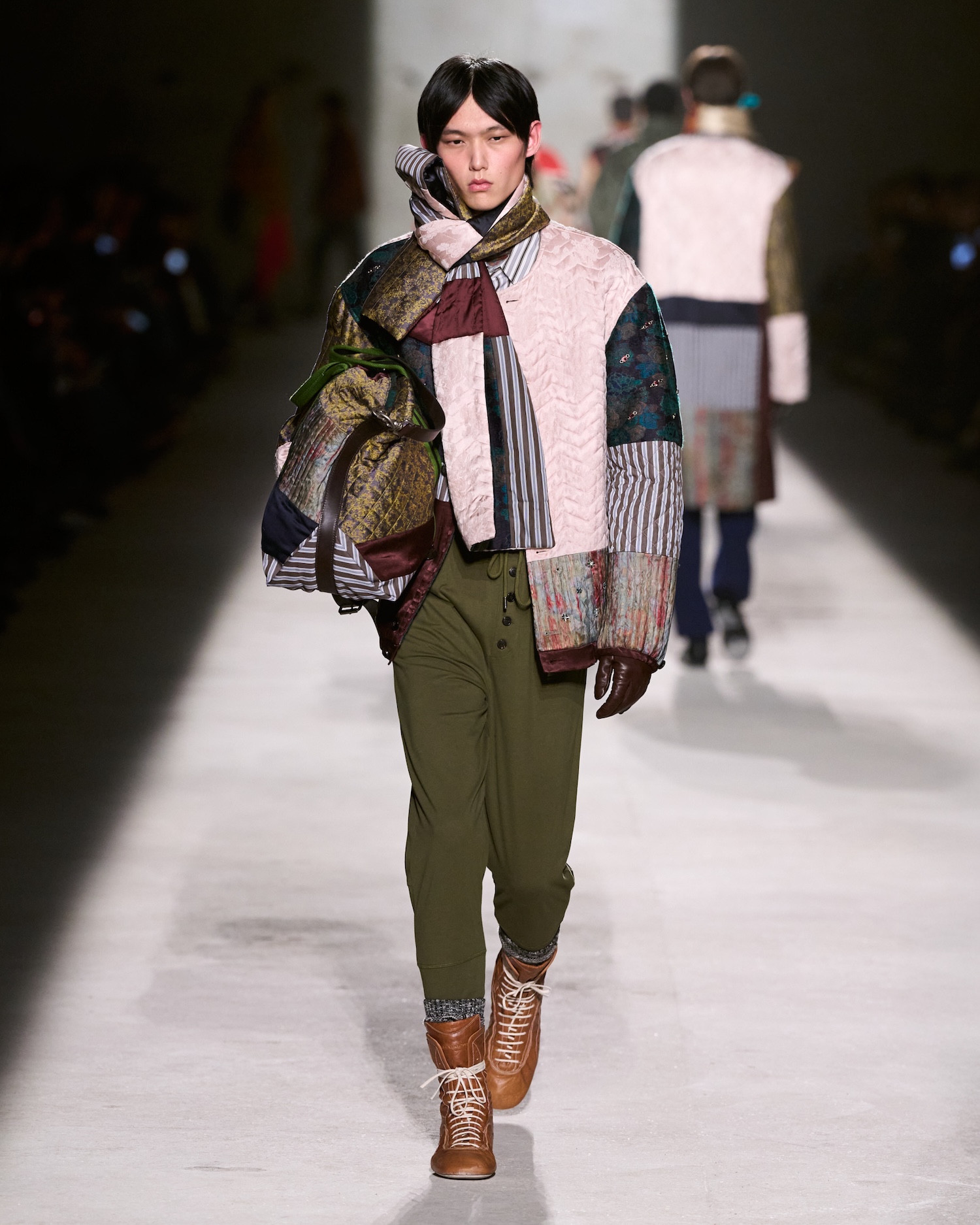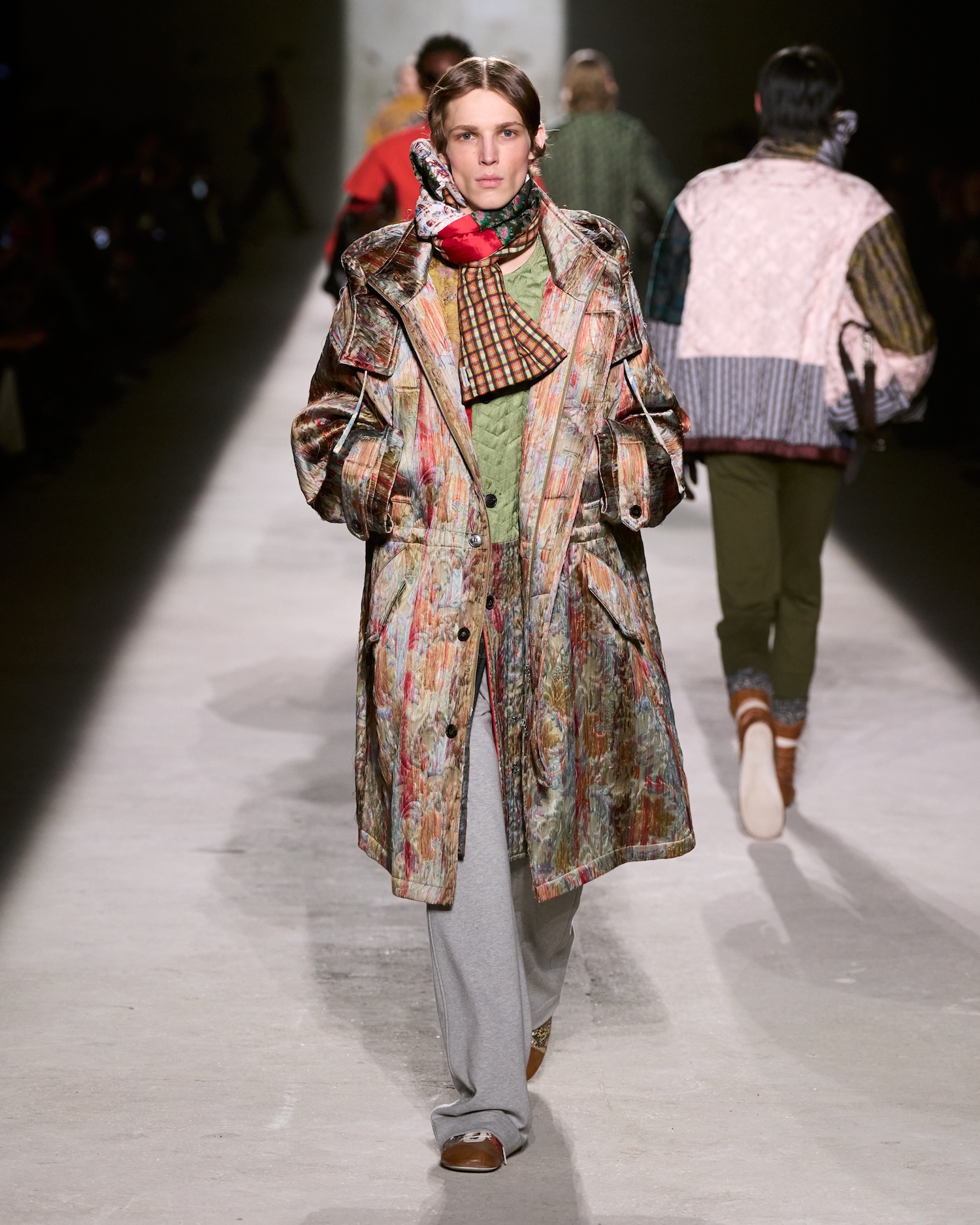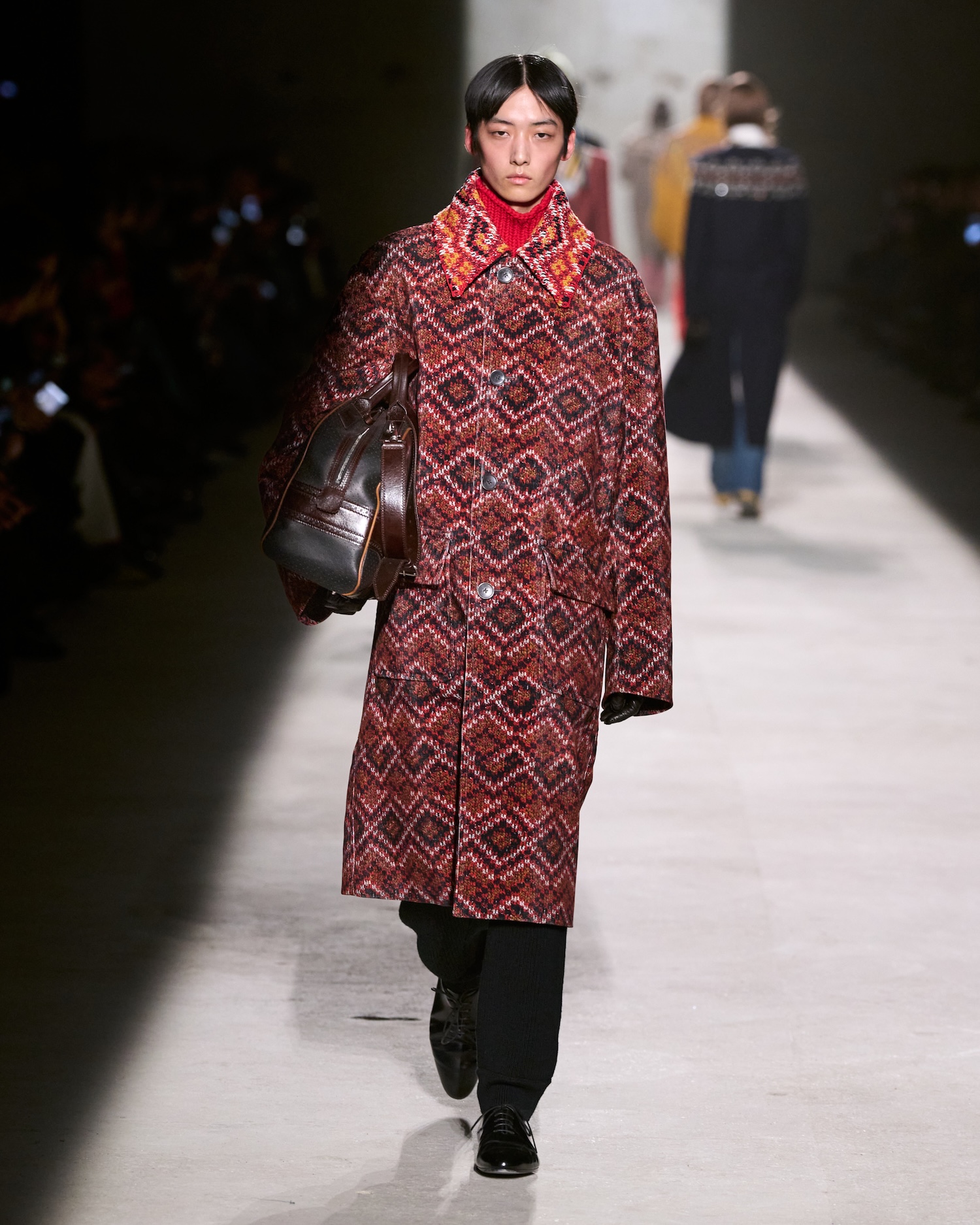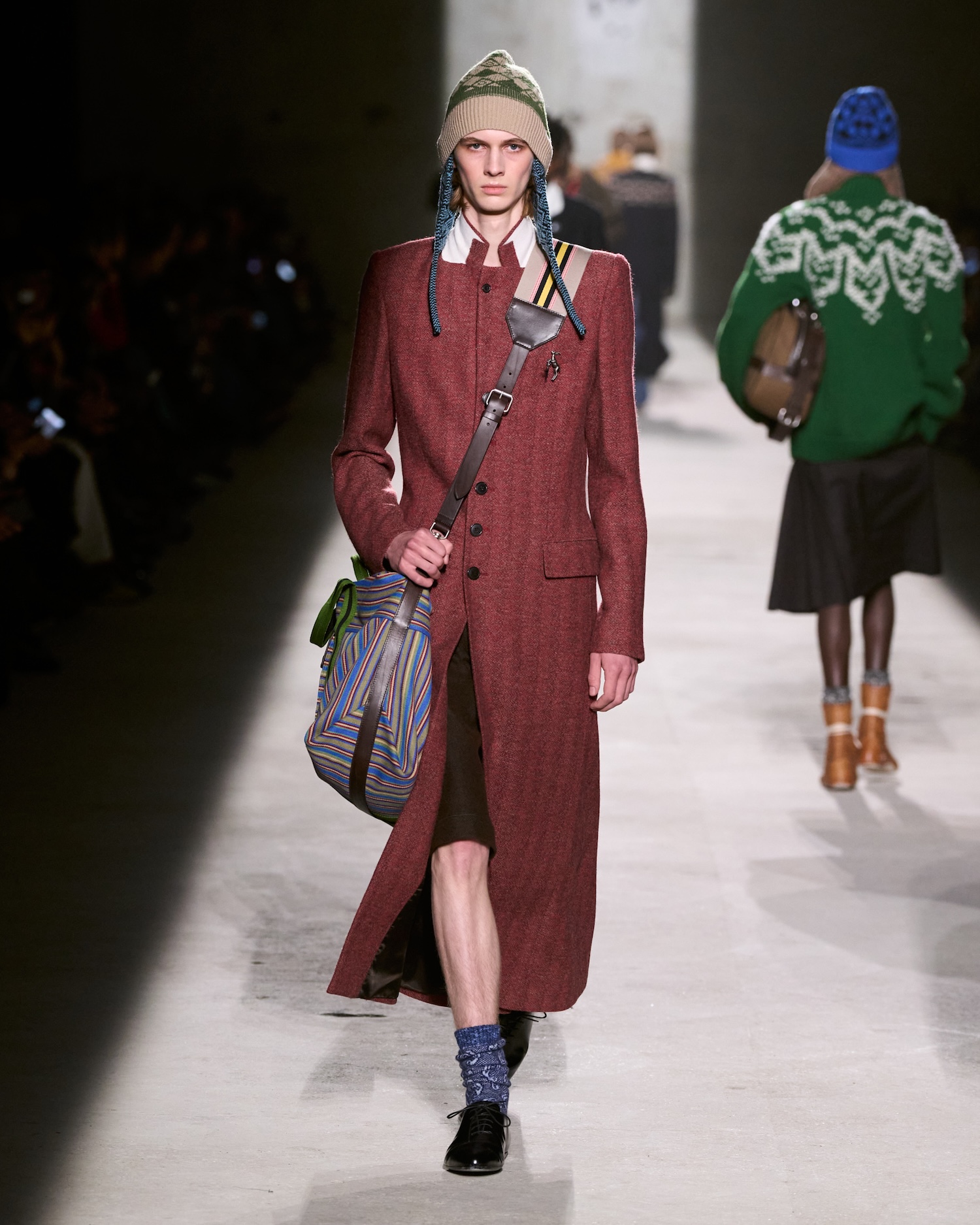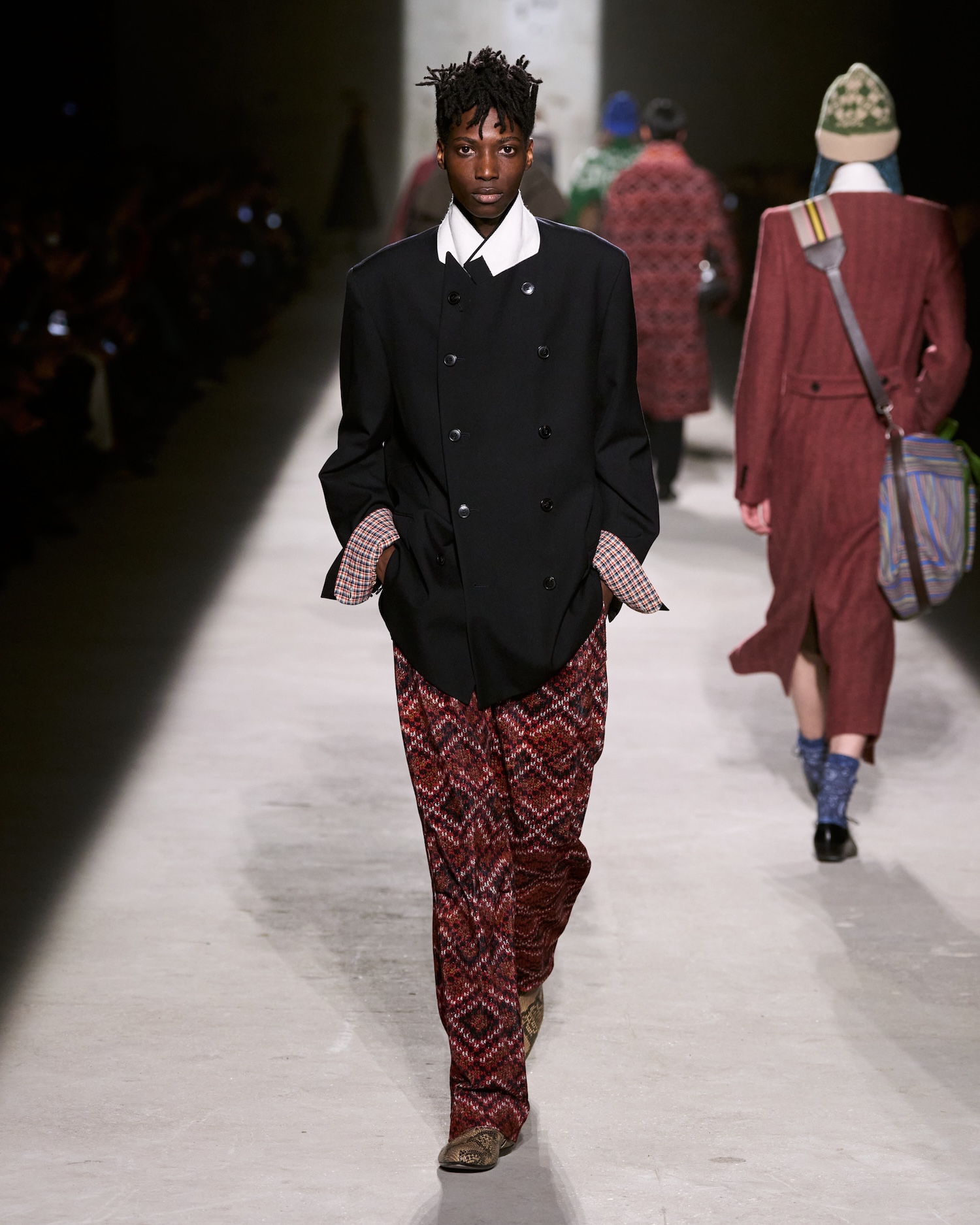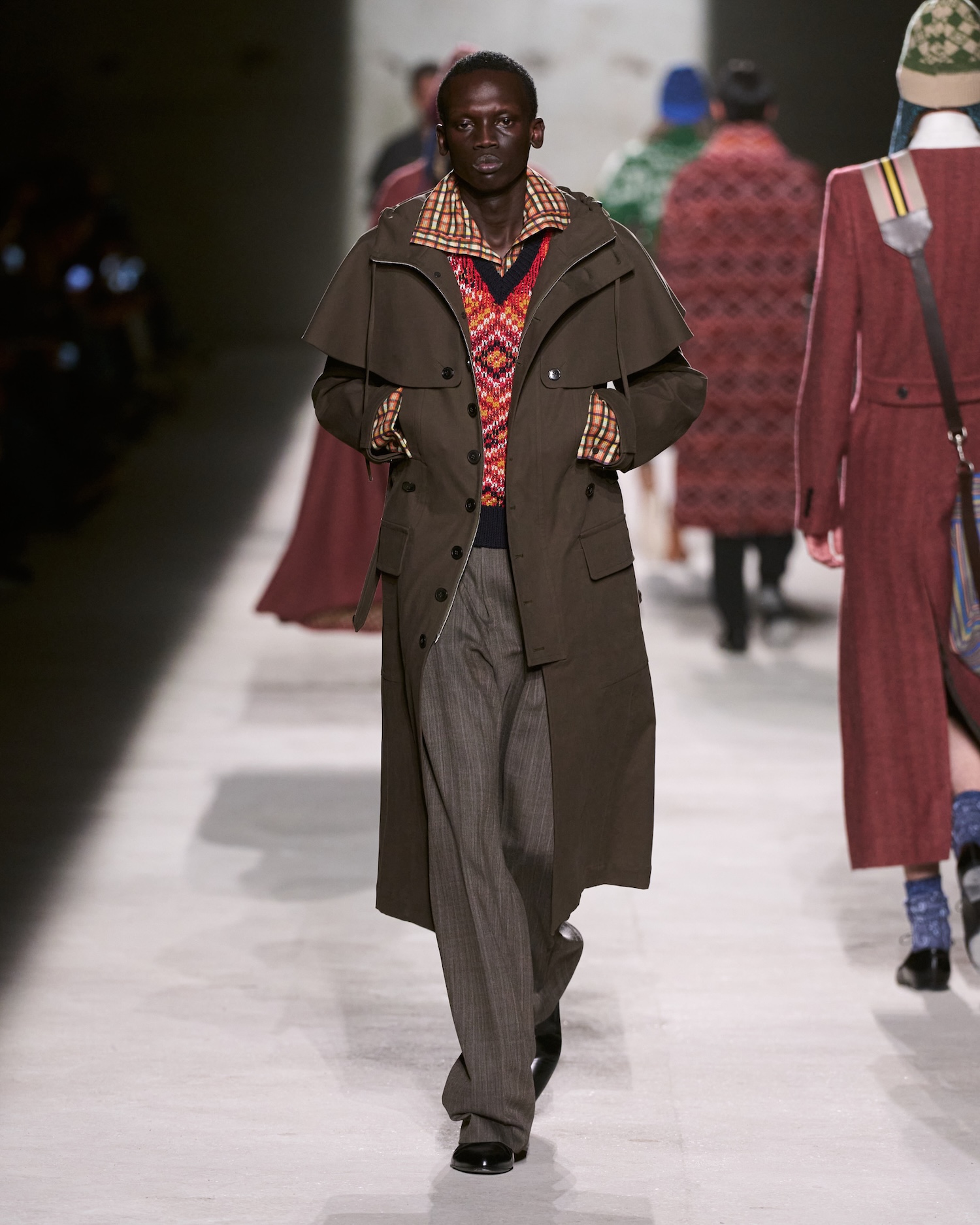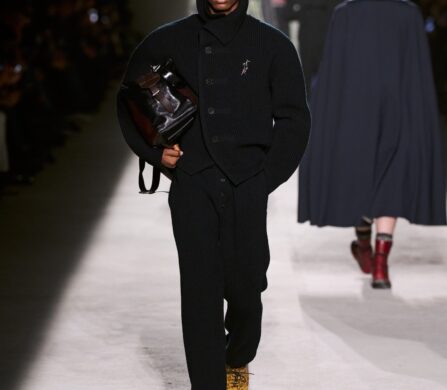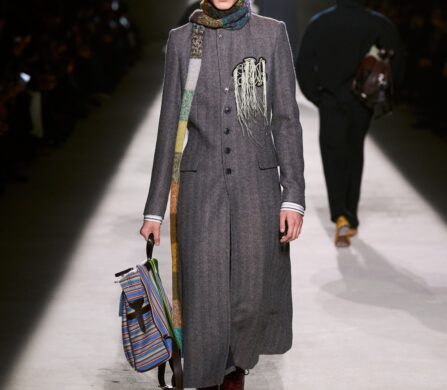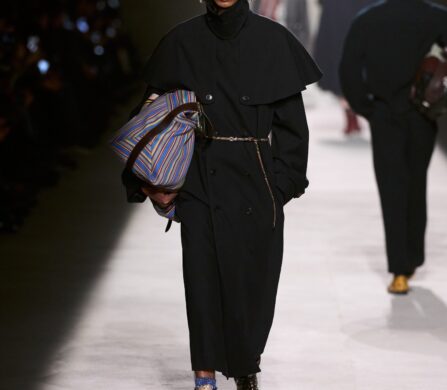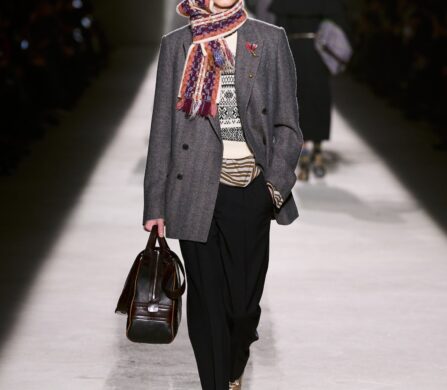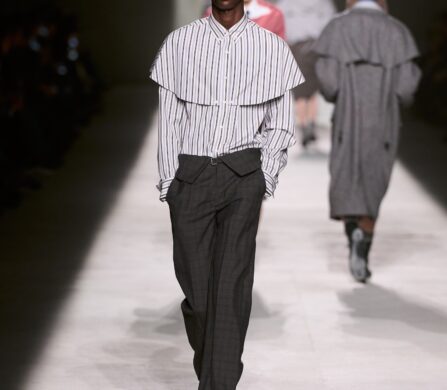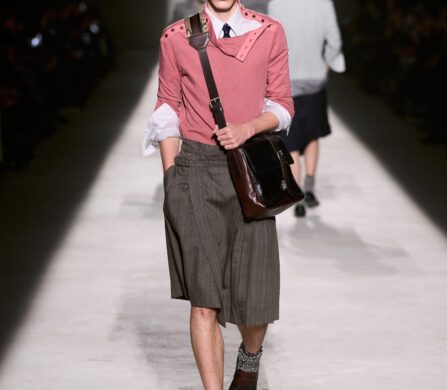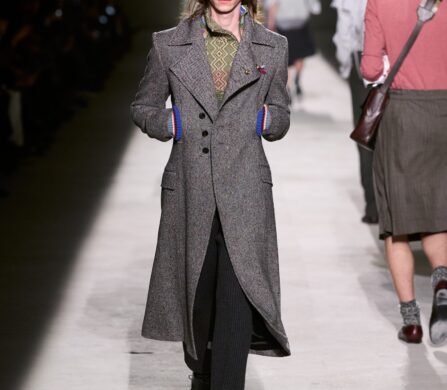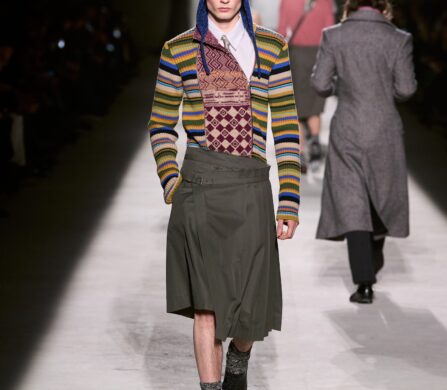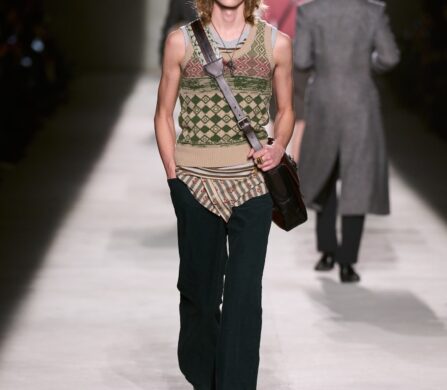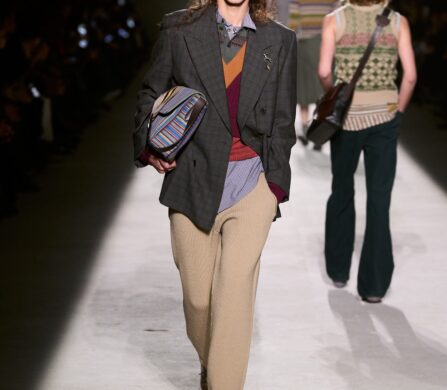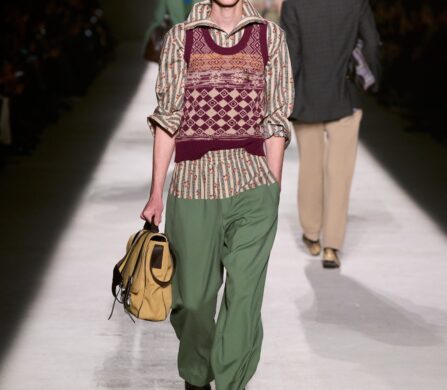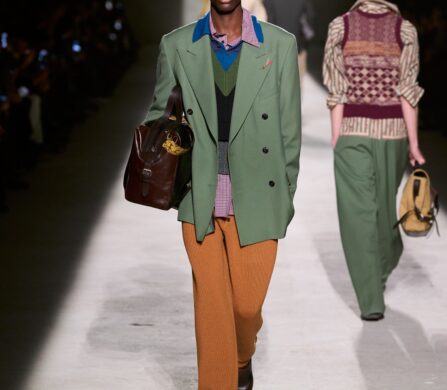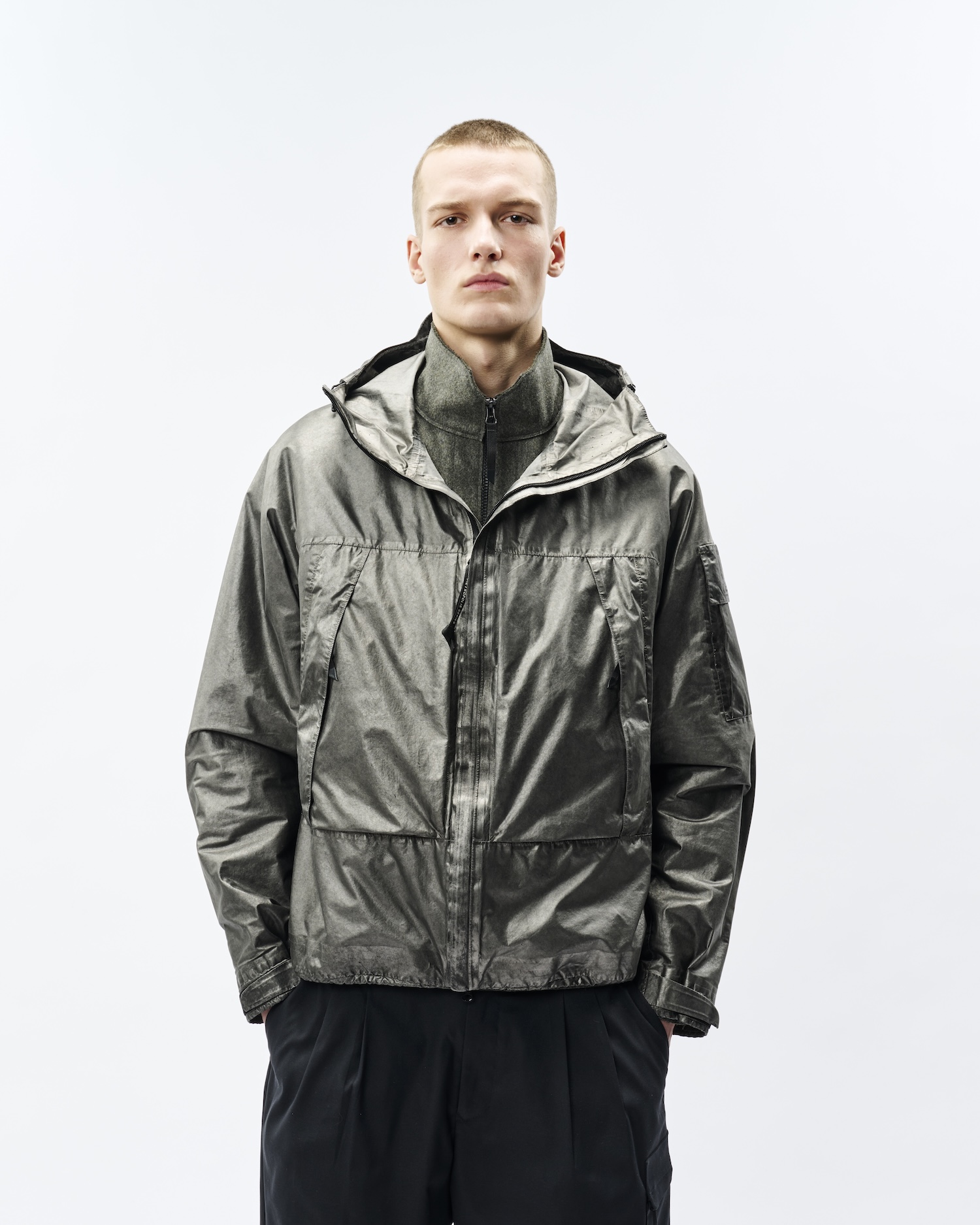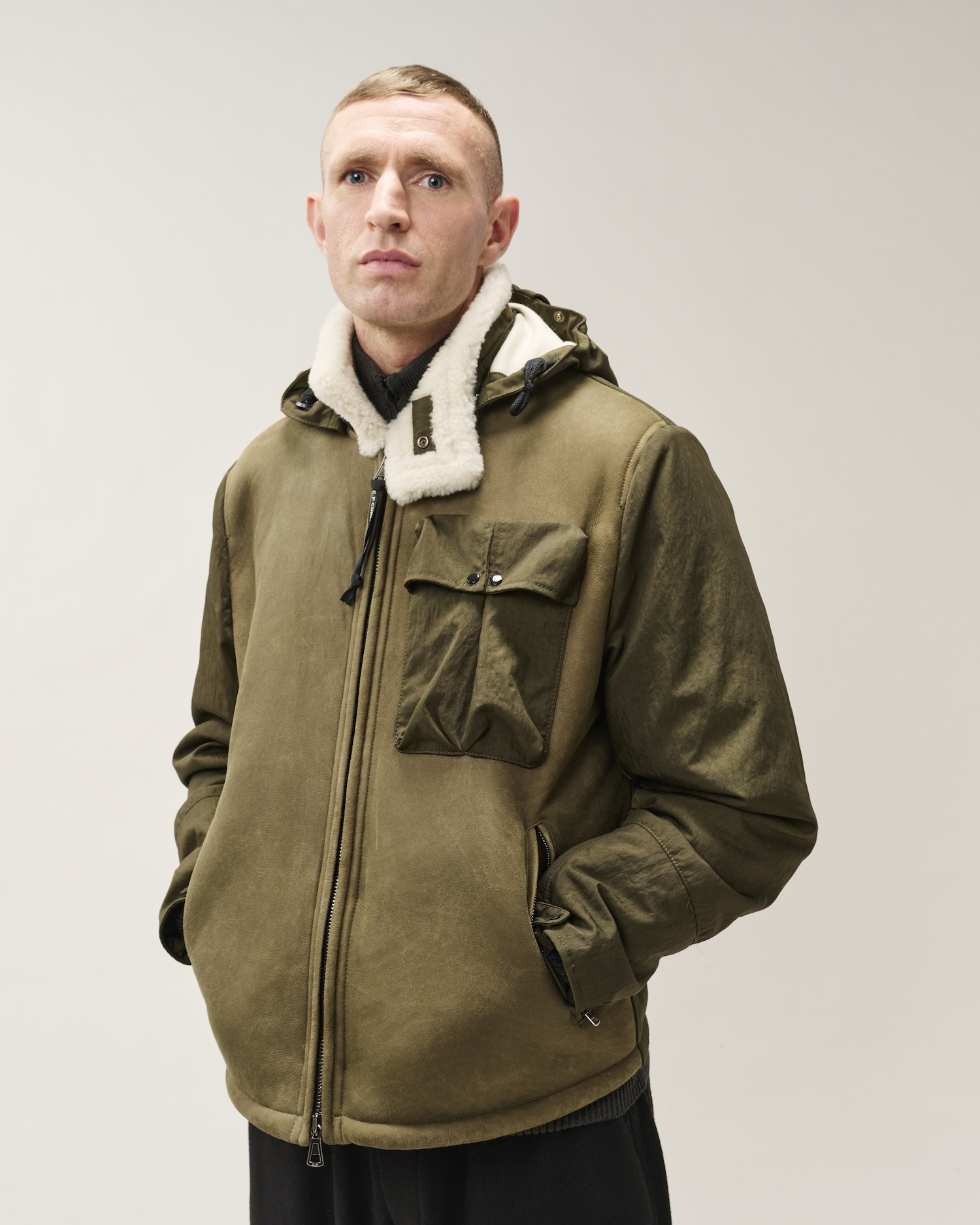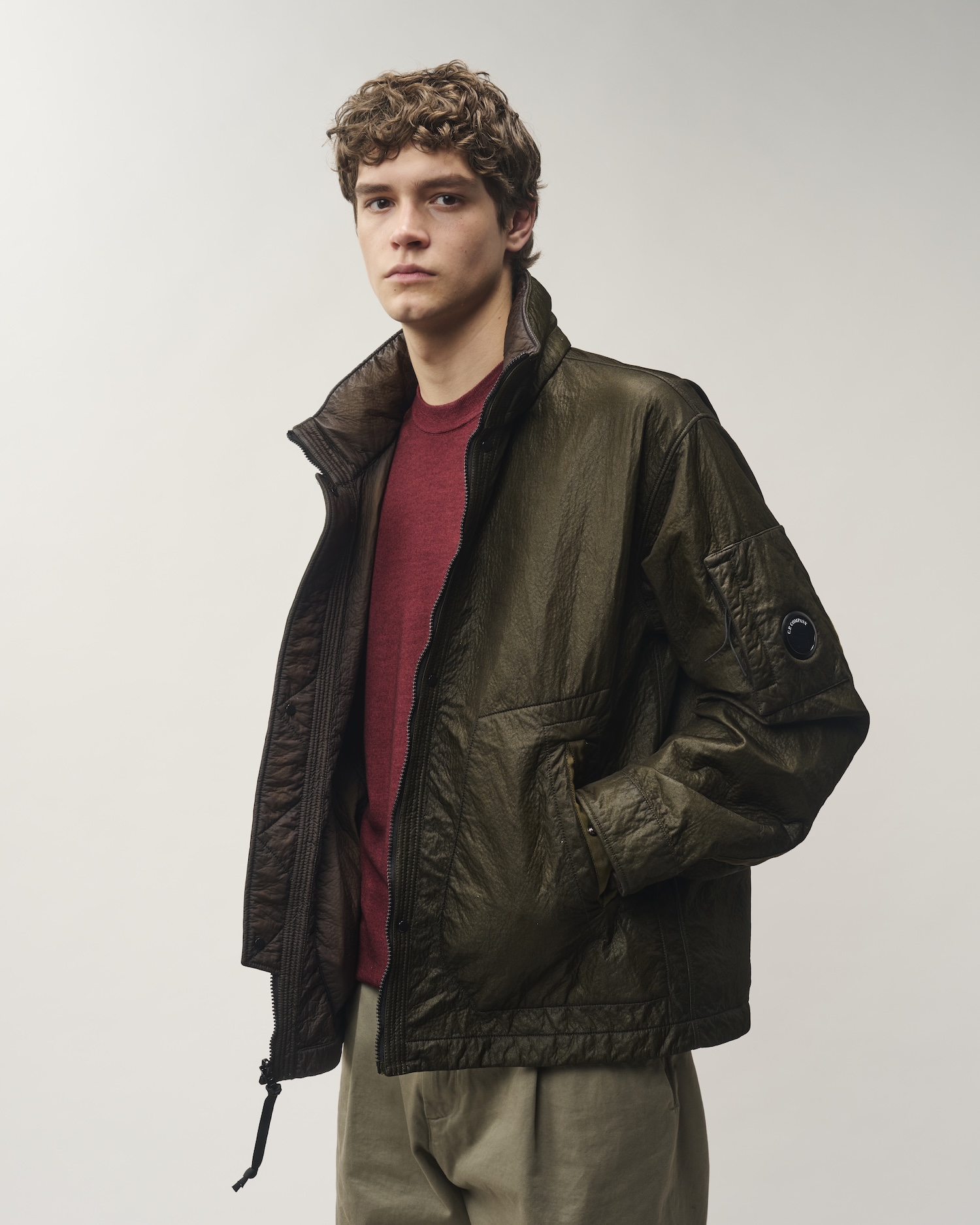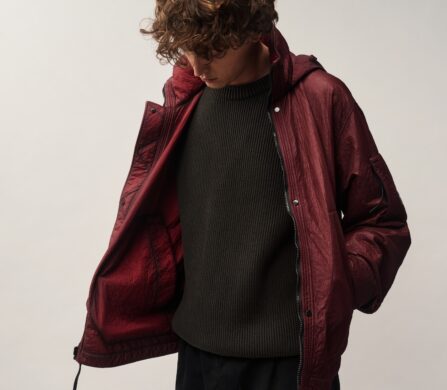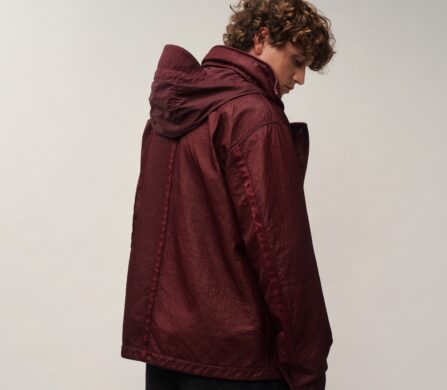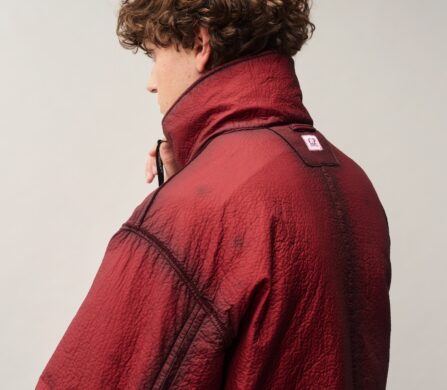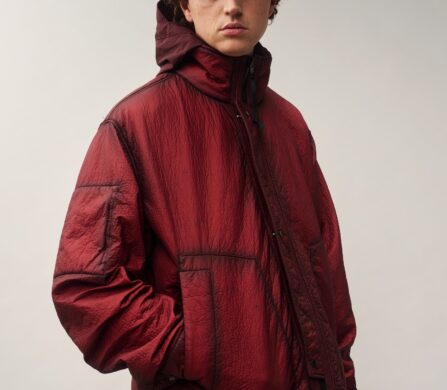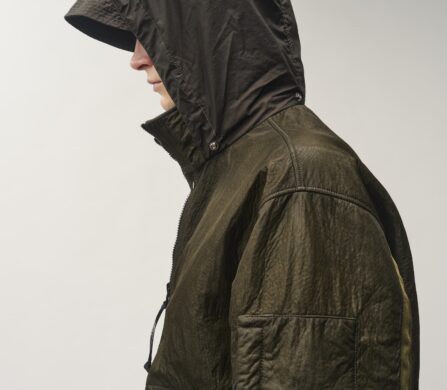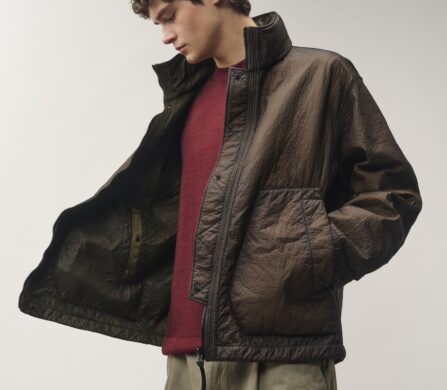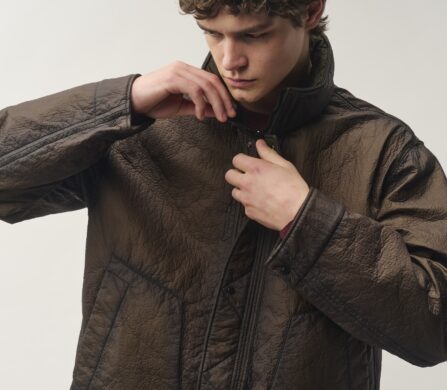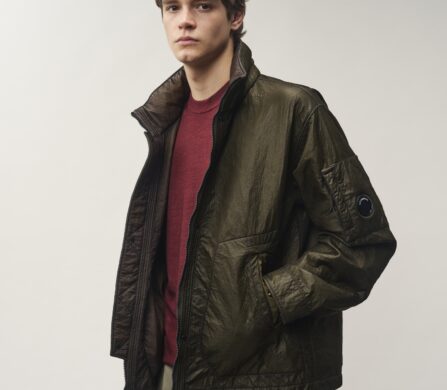


At some point, fashion taught us that wanting less was a failure. August Bard Bringéus built a brand on proving the opposite. Ten years after launching Asket, he is now running a company that has deliberately stopped adding new styles to its men’s collection. Fifty permanent garments with no new seasons or trends. In an exclusive interview with Schön!, Bringéus talks about the Last Product, the nightmare of perfecting a T-shirt sleeve and why true transparency is still a manual job.
The idea began with a familiar frustration. Bringéus and his co-founder, Jakob Dworsky, were business students staring at wardrobes full of clothes yet feeling underdressed. They began tracking what they actually wore and the list shrank fast. The same classic pieces came back every time. Meanwhile, the industry pushed constant novelty, shorter lifespans and rising volumes. “The industry is based on creating novelty, on planned obsolescence, on telling us what to wear and then telling us not to wear it anymore,” Bringéus says.
The response was to reject fashion logic altogether. Instead of seasonal collections, they built what they call a ‘Permanent Collection.’ Each garment is designed to exist indefinitely. Development can take two years and launches happen in limited quantities. Customer feedback feeds directly into ongoing refinement.

This year, the men’s line reached its final form with its fiftieth piece. “There are not going to be any more styles in the men’s collection,” Bringéus says. “It’s just 50 slots and then we continue to refine them over time.”
Asket’s decade-long commitment to radical simplicity has been defined by concrete achievements that set it apart. The Stockholm-based brand successfully built a business model proven to be commercially viable while prioritising durability and transparency.
Key milestones include implementing a comprehensive two-dimensional sizing system (Size plus Length) to ensure a perfect fit; concentrating 100 per cent of manufacturing in high-standard EU factories (Portugal and Italy); and developing the ‘Revival Programme,’ which offers free repairs and a deposit scheme to push towards fibre-to-fibre circularity. Most notably, they established the ‘Full Traceability’ standard, tracking every supplier from fibre to finished garment.
This slow structure unlocked something deeper than product development: it made real transparency possible. Asket is known for showing every step of its supply chain, from cotton farm to finished garment. “You would expect some kind of blockchain solution,” Bringéus says. “But the reality is that our traceability is 100 per cent manual work.”


That first T-shirt became the brand’s reference point. Designed by two students with no formal textile training, it began as an exercise in dissatisfaction. Bringéus recalls: “It turned out that to achieve our perfect version of the T-shirt, it was this ‘Frankenstein-style’ of sleeve length from here, the fabric from there, the collar from there.”
The critical breakthrough was the sleeve angle. A vintage reference to the iconic tees worn by Marlon Brando or James Dean fell perfectly at ninety degrees along the arm, creating a masculine, tailored silhouette rather than flaring out like a bell. But replicating it delayed the launch by months and took twenty prototypes. “That sleeve took three times as long to sew as a regular one,” Bringéus says. “The factory in Portugal was so tired of us.”
Fit became an obsession. It also led to one of the brand’s most defining decisions. Realising that standard S-XL sizing failed tall, thin men (like co-founder Dworsky), they introduced length options (Short, Regular, Long) for every size. It was an operational headache that major brands avoid, but for Asket, it was non-negotiable.


For Bringéus, timeless design leaves no room for visual distraction. “You can’t hide anything with prints, logos or oversized fits,” he says. “This is true for our classic wool trousers too. Some garments, like the turtleneck, might come and go in popularity, but they are always relevant.It’s all about the fit and the fabric.”
True traceability, he explains, depends on permanence. If products constantly change, suppliers rotate and transparency collapses under its own weight. With fixed garments, the brand works backwards from known fibres. Yarn, fabric, thread, zips and buttons are traced by hand through direct supplier relationships.
“We actually have a long relationship with every single part of the supply chain,” he says. Despite a decade of progress across the industry, this remains rare. “80 per cent of brands still do not know where their fibres come from,” he says, citing the latest ‘Textile Exchange’ findings.
Cost remains the unavoidable tension. European manufacturing is more expensive and labour standards are higher, partly thanks to their protected unionisation. Bringéus sees this not as a drawback but as a line that cannot be crossed. “We want everyone who creates our products to live an equitable life,” he says.
Longevity, however, brings its own commercial contradiction. A recent customer told him that his eight-year-old denim was still going strong. Great for the wearer but questionable for turnover. To counter the anti-business nature of longevity, Asket has leaned into the Revival Programme. They offer repair kits, in-store repairs and a buy-back scheme for end-of-life garments. The goal is a circular loop where old wool sweaters are broken down to spin new yarn – a process they are already testing. “We don’t want to leave the responsibility with the customer alone,” Bringéus says.
Eventually, repair reaches its limit. That is where the ‘Revival and Deposit’ programme takes over. Customers can return old garments for either resale or recycling. Around 70 per cent of what comes back is repaired and resold through Asket’s second-hand system. The remaining 30 per cent is being saved for fibre-to-fibre recycling at scale. Wool is already circulating, along with old garments broken down in Italian mills and spun into new yarn. The system exists to keep materials in motion once a piece genuinely reaches the end of its life.
With the men’s collection now complete, the future centres on two tracks. The women’s line is being rebuilt and still has room to grow. The men’s range will remain fixed but not static. Limited experimental runs may explore material innovation or heritage manufacturing beyond what suits the permanent line.


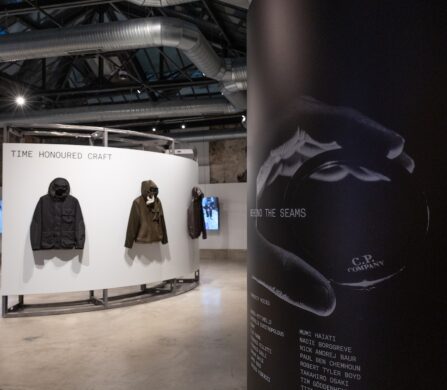
For a decade, Asket has tried to lead by example, showing that radical transparency and slow production are possible. But Bringéus isn’t naive. He knows that a Swedish brand selling high-quality essentials isn’t enough to stop the tidal wave of fast fashion on its own. They recently used a pop-up shop in Berlin to test the market, showcasing how physical presence supports the repair and take-back programs
“The big change isn’t going to happen until we have regulation in place,” he says. His reasoning is simple, brutal maths. “If you have a T-shirt that costs five euros and you have one that costs 50 euros, most people are going to get the one that costs five euros. You need to remove that option.”
So, if inspiration isn’t enough, what is Asket’s role for the next ten years? Bringéus sees the company as a proof-of-concept for the sceptics. “Our big opportunity is to show that it is a viable business,” he says. “It’s not that we’re losing money every year. We can actually do this and it works.”
By staying profitable without succumbing to the churn of trends, Asket is stripping away the excuses used by bigger conglomerates. They are proving that you don’t need planned obsolescence to keep the lights on. You can survive by selling less, as long as you sell better.
“We can change one customer at a time,” he says. “Move people into that philosophy.” It’s a slow revolution, stitched together one conscious decision at a time. But as the last decade has proven, Asket isn’t in a rush.

Find out more about Asket here.
photography. courtesy of Tonya Matyu, Asket
words. Gennaro Costanzo