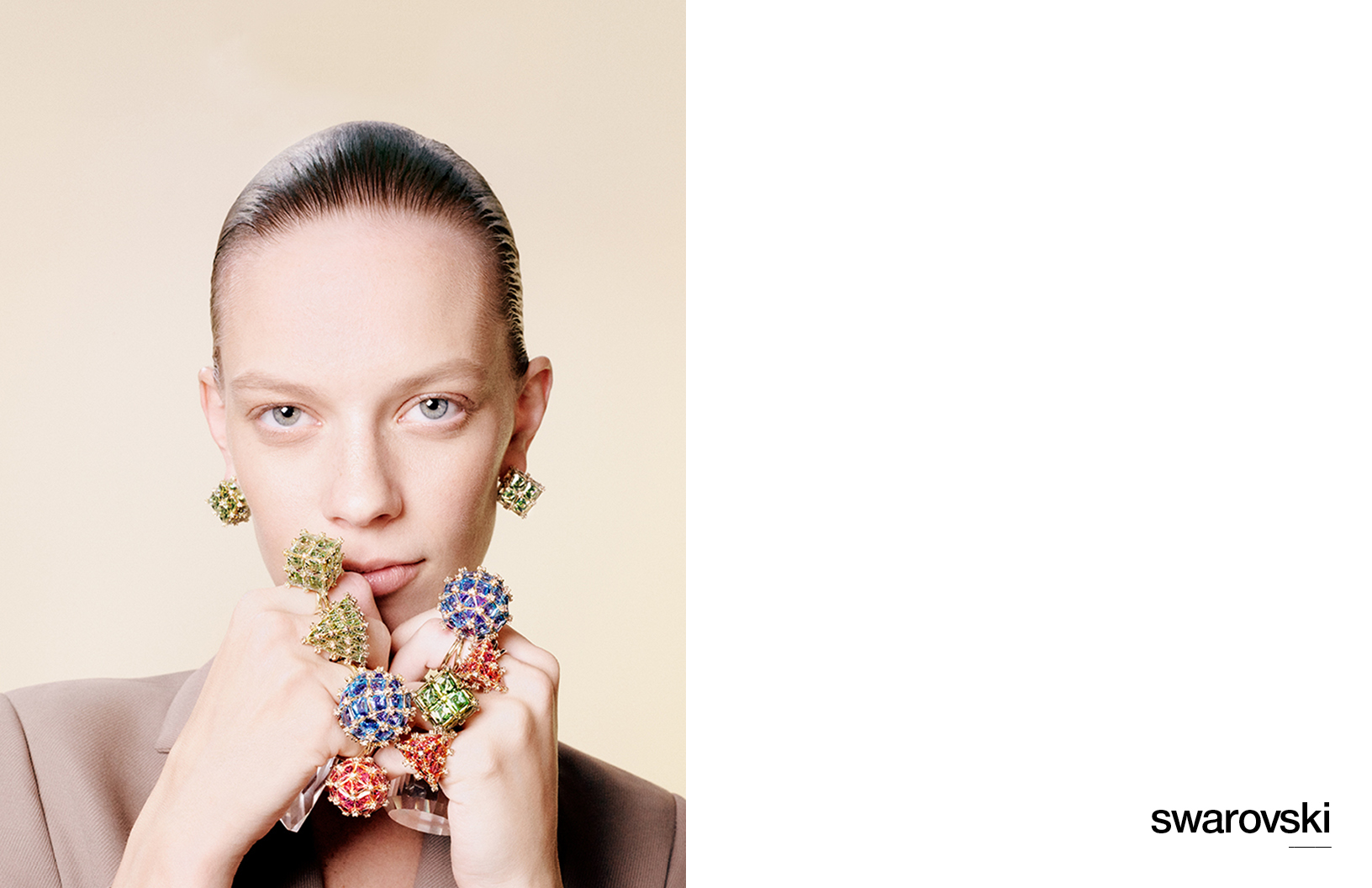
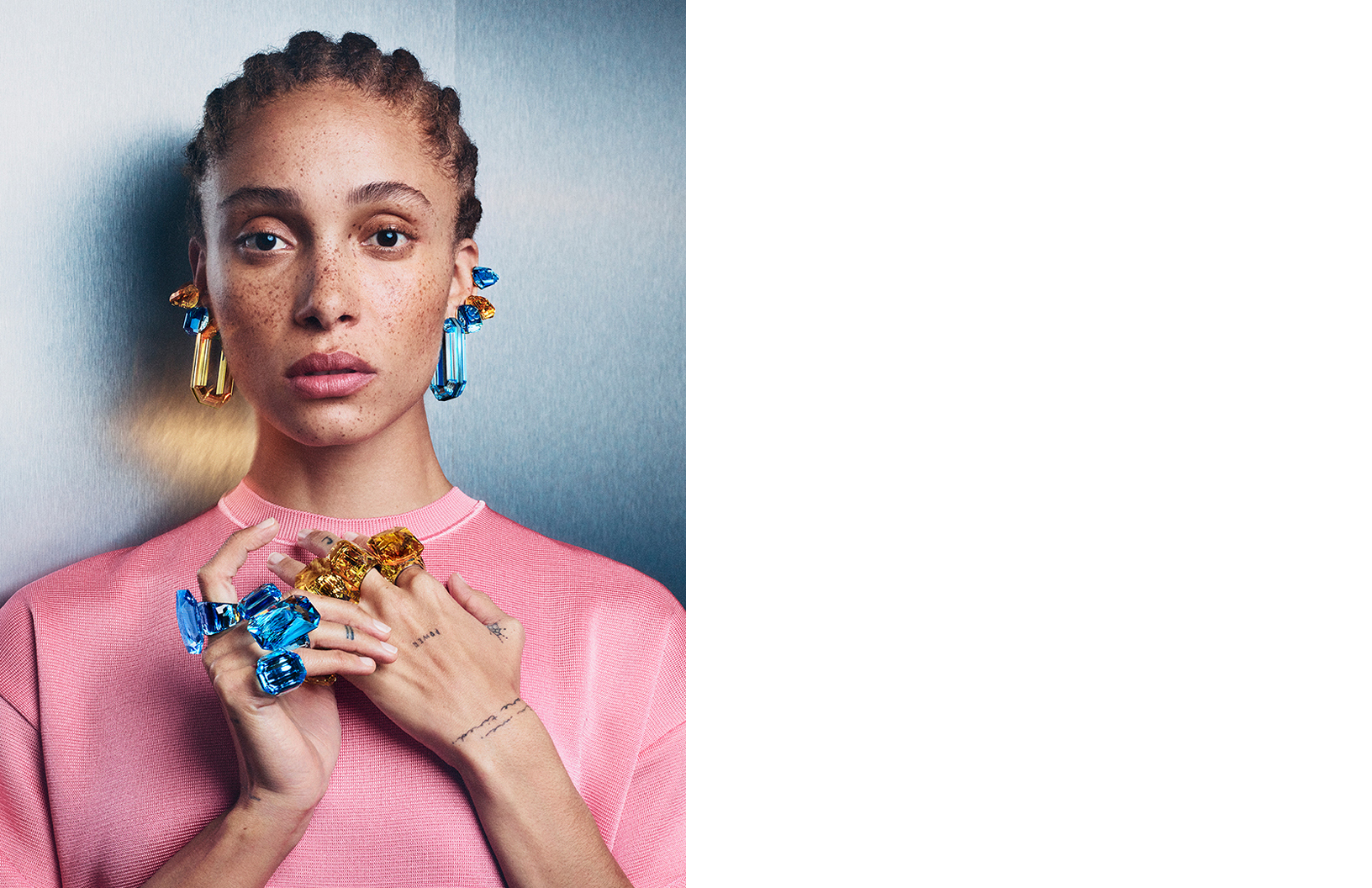
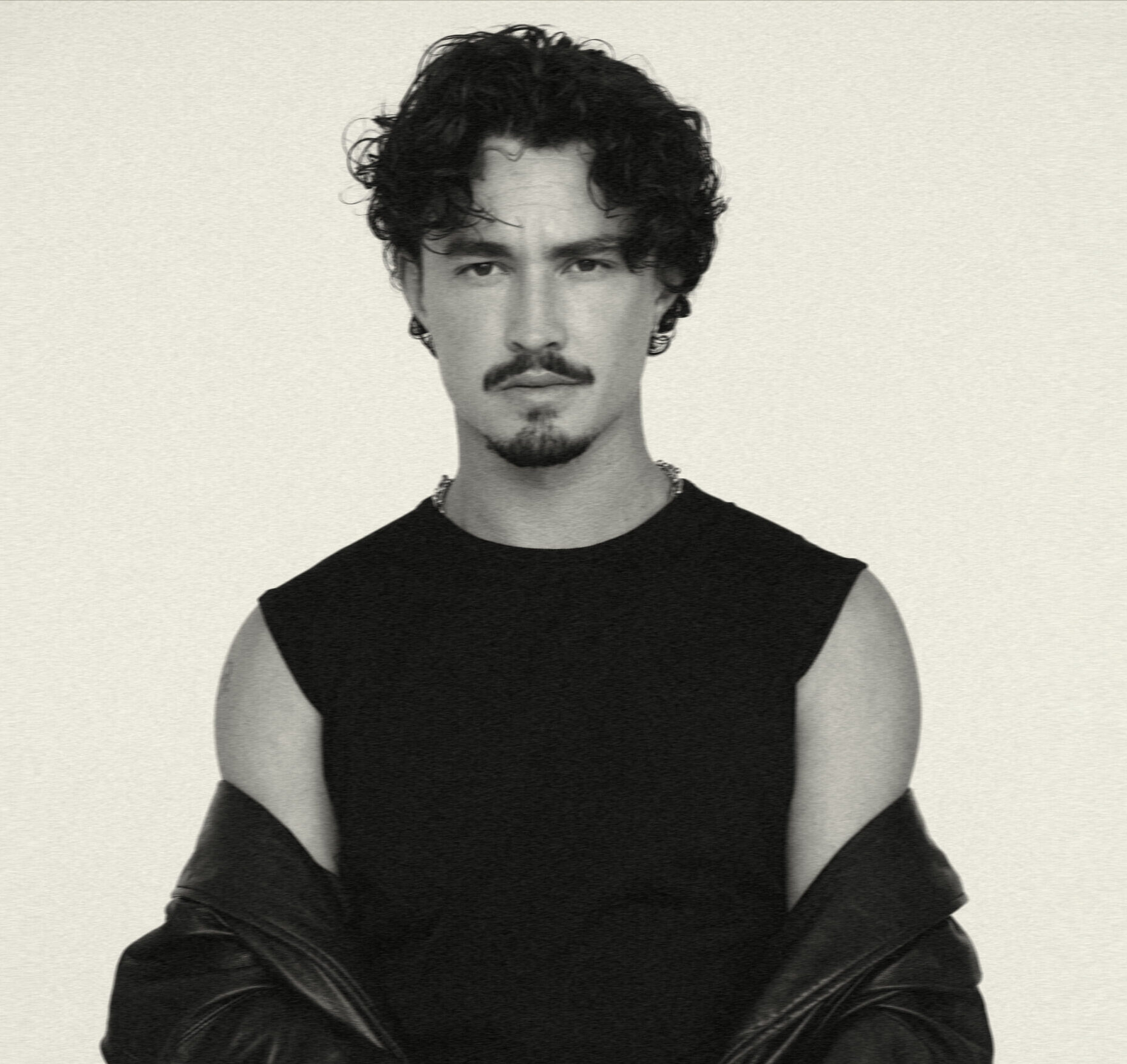
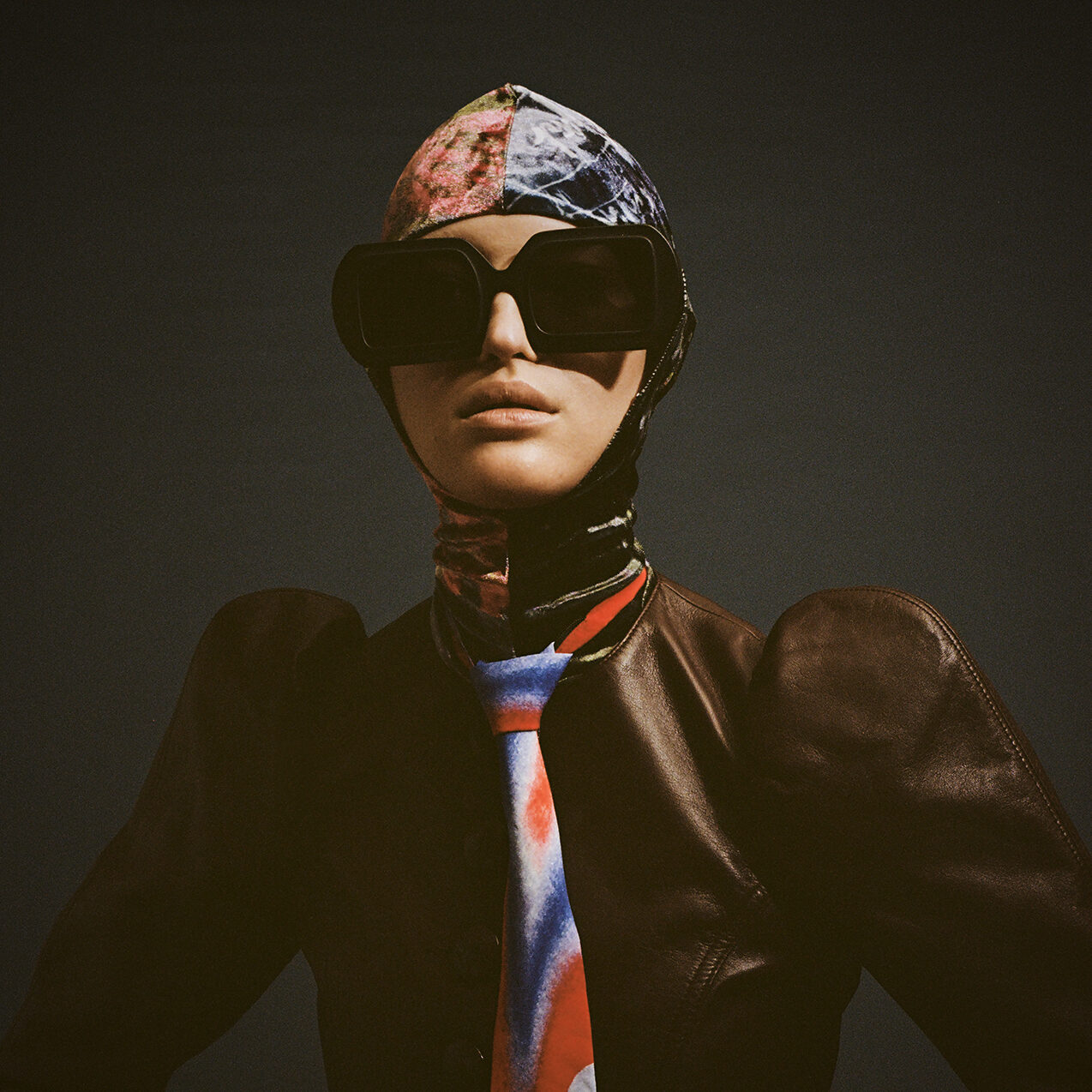
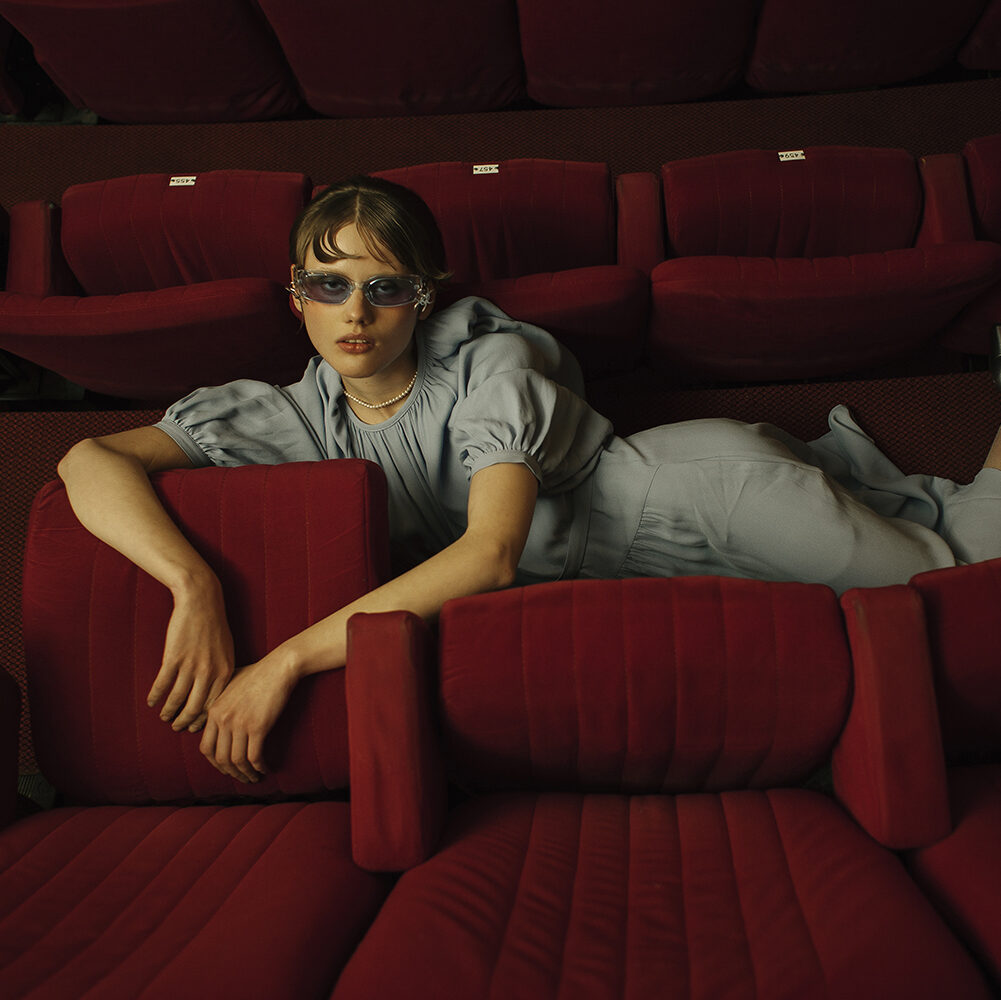
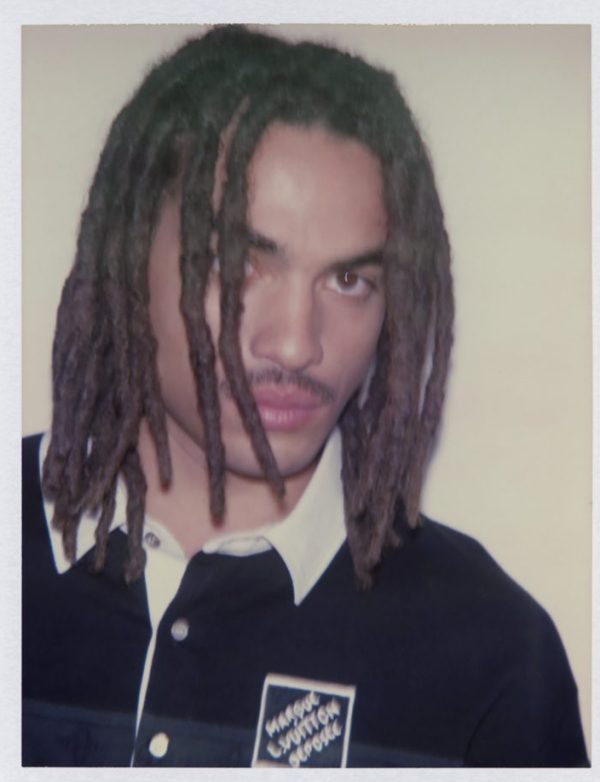
Since its establishment in 1895, Swarovski has pushed the boundaries of possibility with magnificent jewellery, sculptures and experiences that lead style trends for years to come. 2021 is no different, and the well-known Austrian company recently unveiled an exciting collection highlighting new designs with impressive attention to detail and understanding of the current fashion landscape.
This past year, statement pieces and chunky jewellery inspired by the Y2K style circulated social media feeds and pages. As temperatures rise and options for outfits and layering are limited, accessories such as stackable rings of multiple sizes and shapes and layered necklaces of different lengths became extremely popular within our digital spaces. Now that quarantine and isolation restrictions have lessened, we can experience these stunning looks physically once more, and Swarovski has the perfect pieces to do it. Designed by creative director Giovanna Engelbert, Swarovski’s new “Collection I” contains over one hundred pieces that are not only visually beautiful, but reflect the renewed, youthful spirit that commands our present moment.
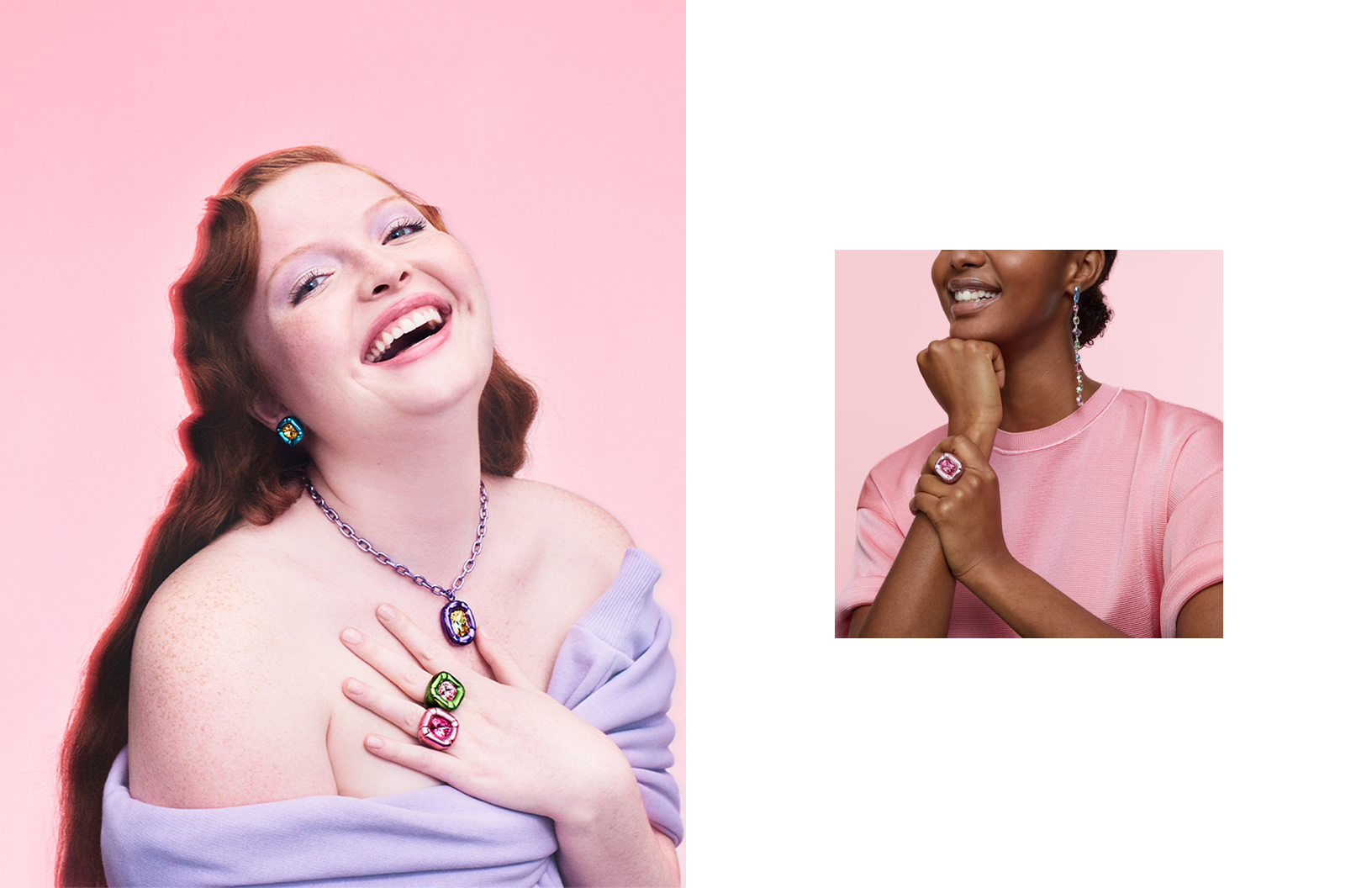
ring. Swarovski Dulcis Cocktail Ring
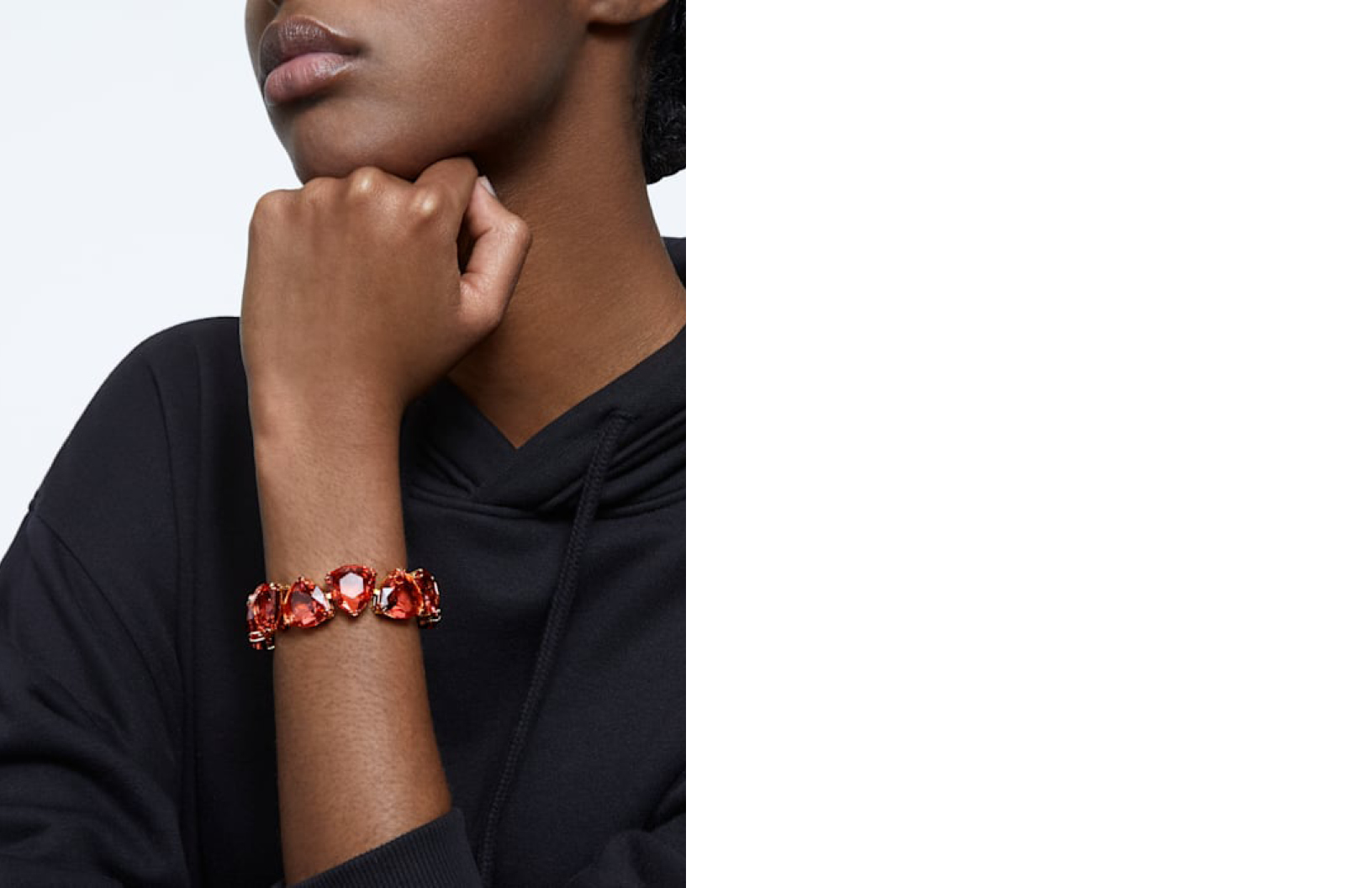
bracelet. Swarovski Lucent Cocktail
Starting with the labels’ new cocktail rings, these jewellery pieces are effortlessly cool and nostalgic for the 2000s, almost like a beautifully ornate Ring Pop — minus the edible gem, naturally. The DULCIS cocktail ring’s pink crystal is positioned in the middle of pink or green metals, which contrast with their velvety, pillow-like appearance. With multiple rings to choose from that can be paired, stacked together or worn individually, the options for these stylish pieces are versatile and fun. In keeping with the theme of jewellery for the hands and wrists, the MILLENIA bracelet’s padparadscha crystals are a sparkling delight for the eyes.
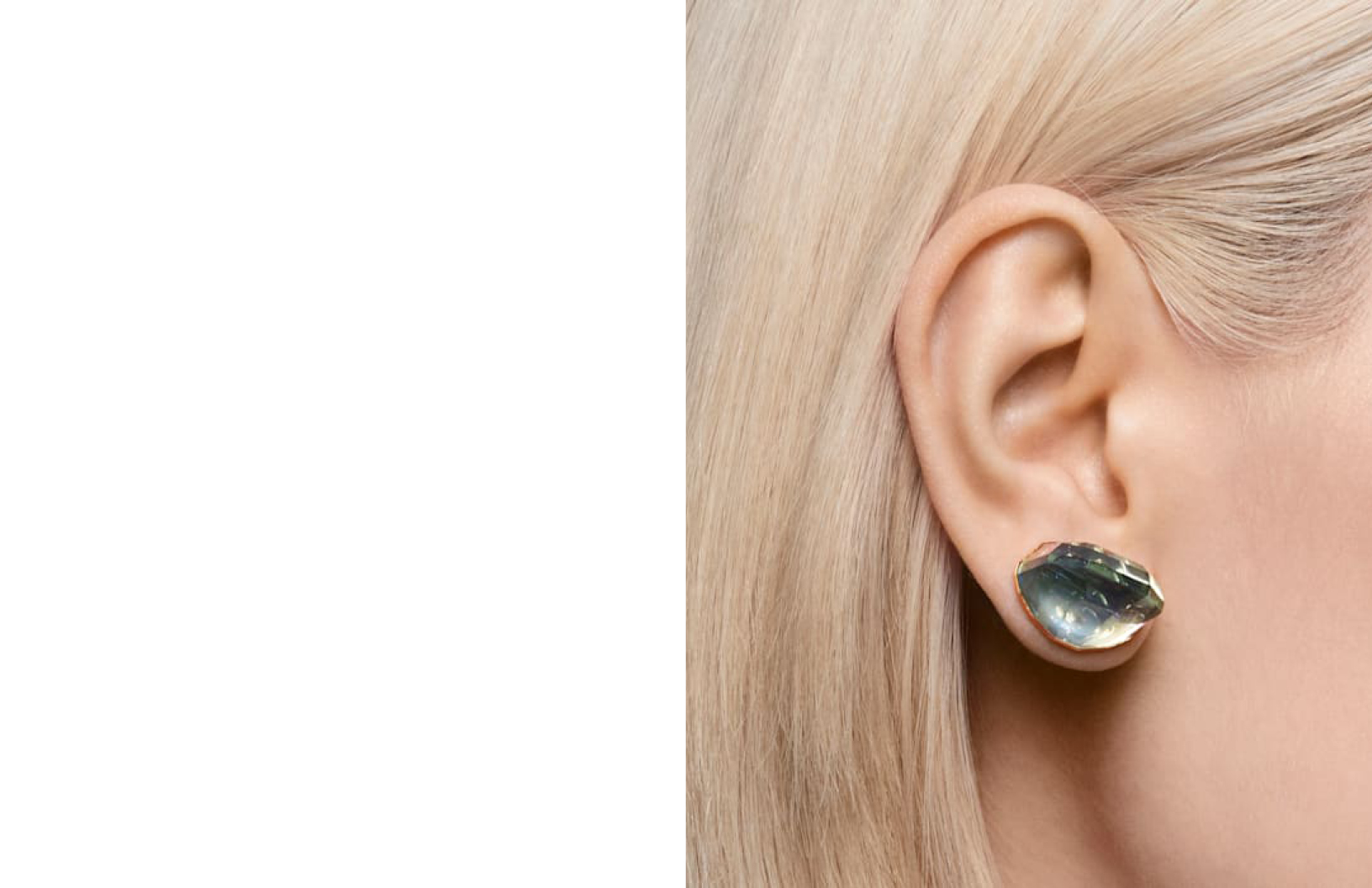
earrings. Swarovski Lucent
earrings. Swarovski Lucent
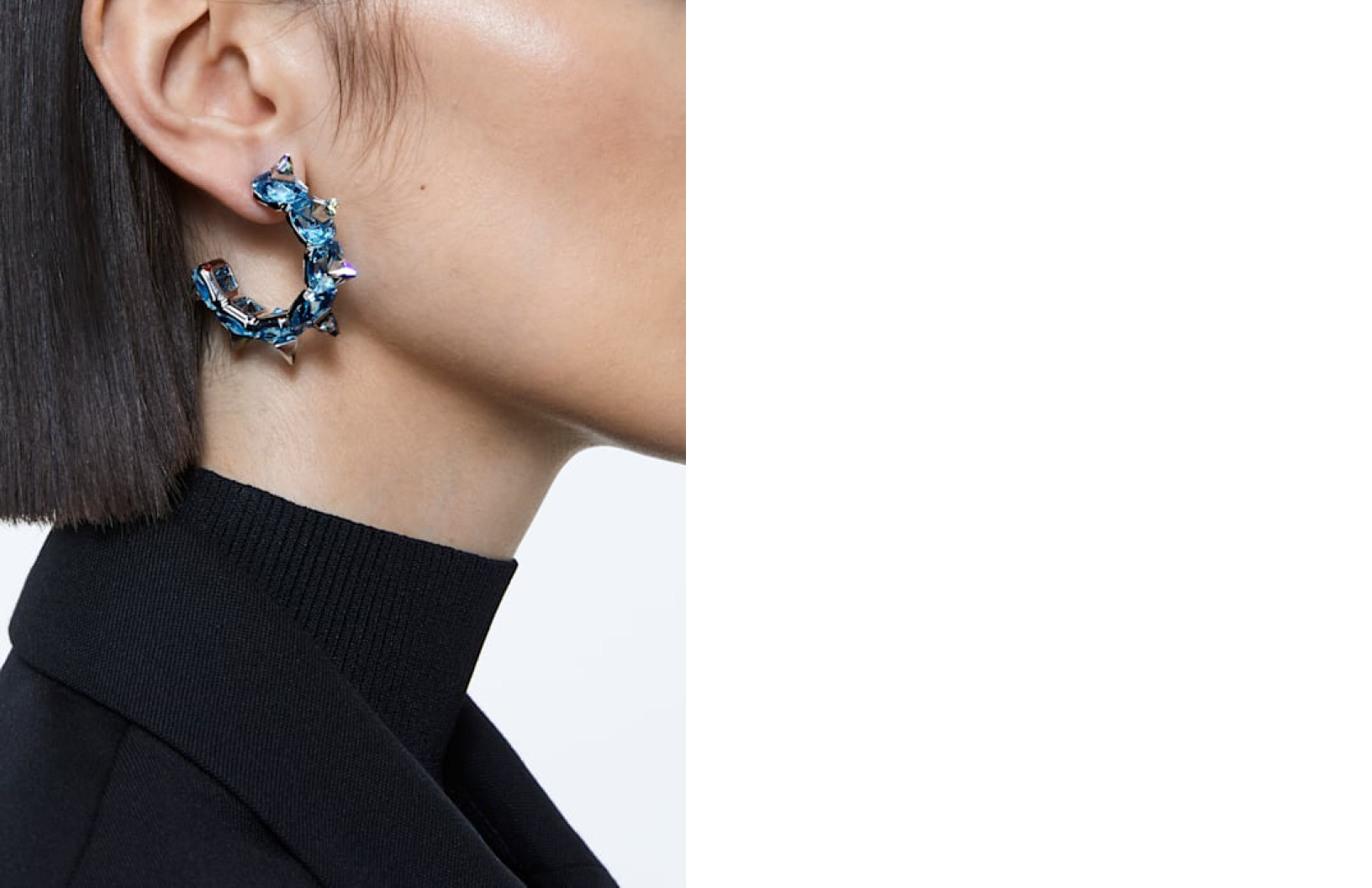
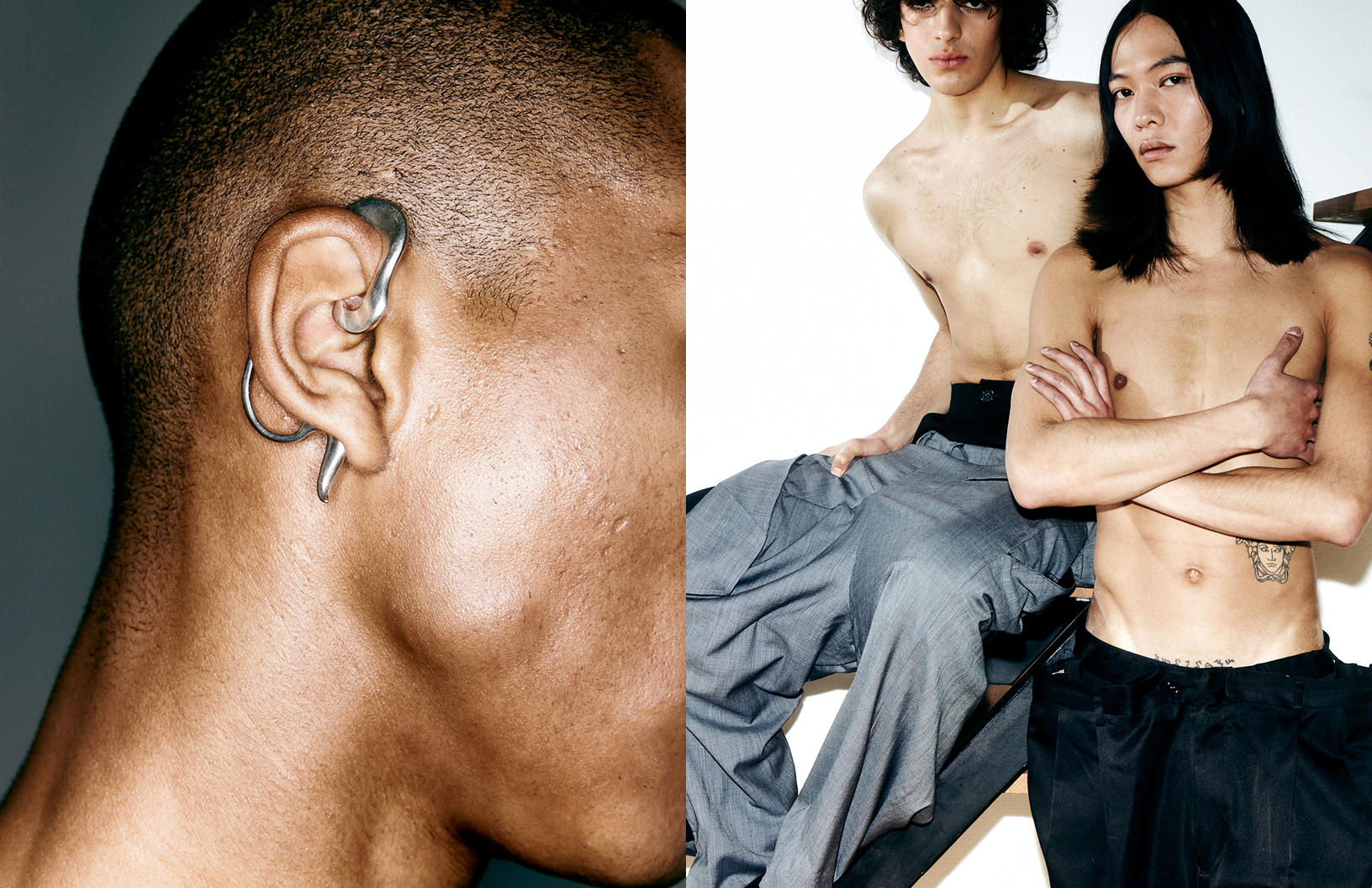
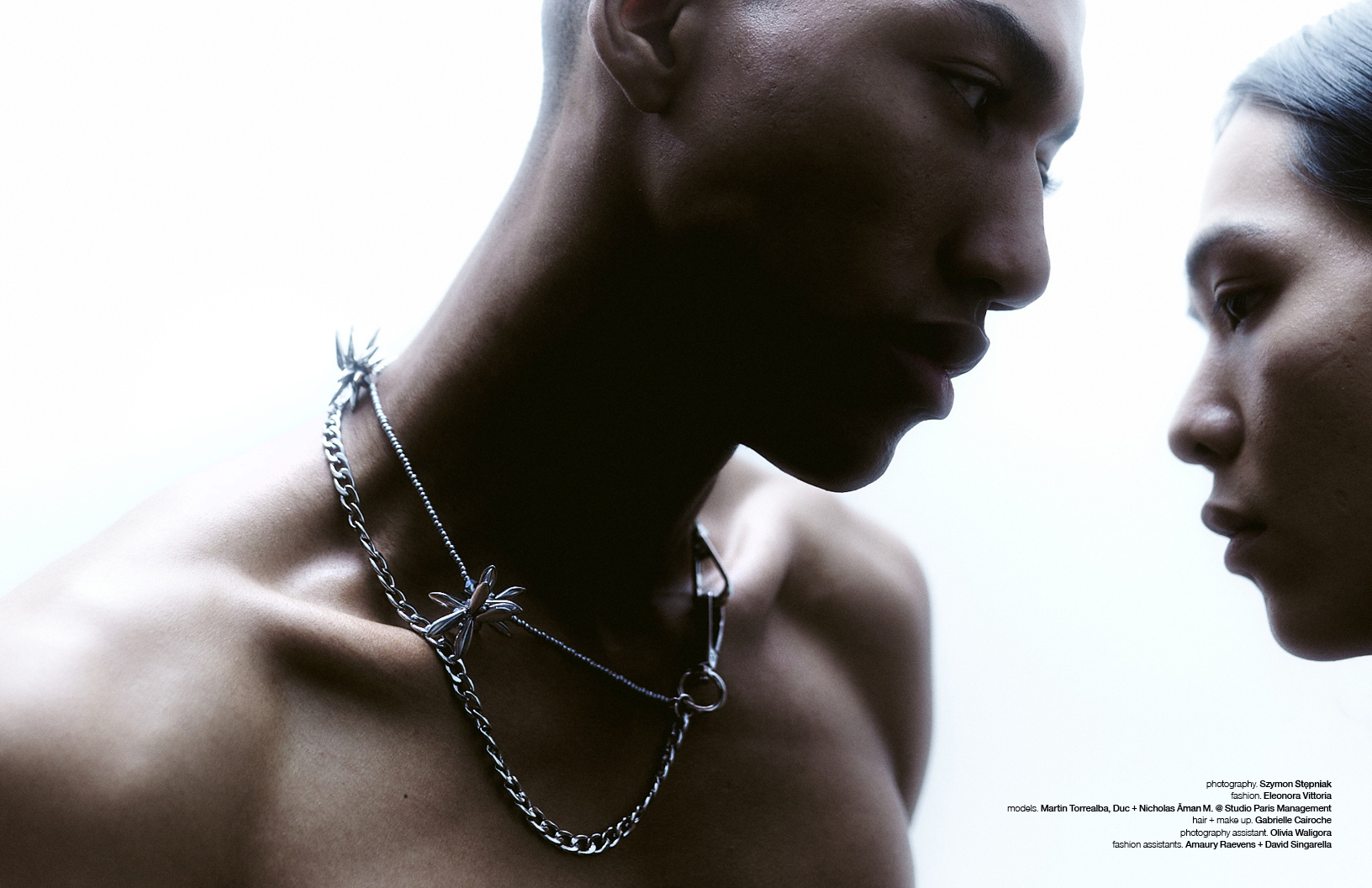
For your ears, Swarovski keeps the colour going with its LUCENT earrings — octagon cut crystal divided in two to create an eye-catching look available in a variety of hues including, our favourite, a sublime ocean blue. Other earrings carry a delightfully nostalgic flair. The CHROMA collection’s earrings are edgy and sweet at the same time, owing both to their uniquely spiky blue pyramids paired with cushion cut crystals. Another distinctive collection piece from CURIOSA includes an elaborate, single stud earring designed with triangle princess cut stones and detailed framed embellishments, thus creating a tufted impression.
These hot months are all about striking accessories that are not the afterthought to an outfit, but instead are the focus. Though minimalist jewellery staples will continue to retain their timeless and beloved beauty, it is unsurprising that we look forward to wearing vibrant pieces and introducing bold looks as life slowly, and carefully, molds to a new, optimistic reality.
earrings. Swarovski Chroma Creolen
Explore all of Collection 1 on Swarovski’s website.
Follow Swarovski on Instagram.
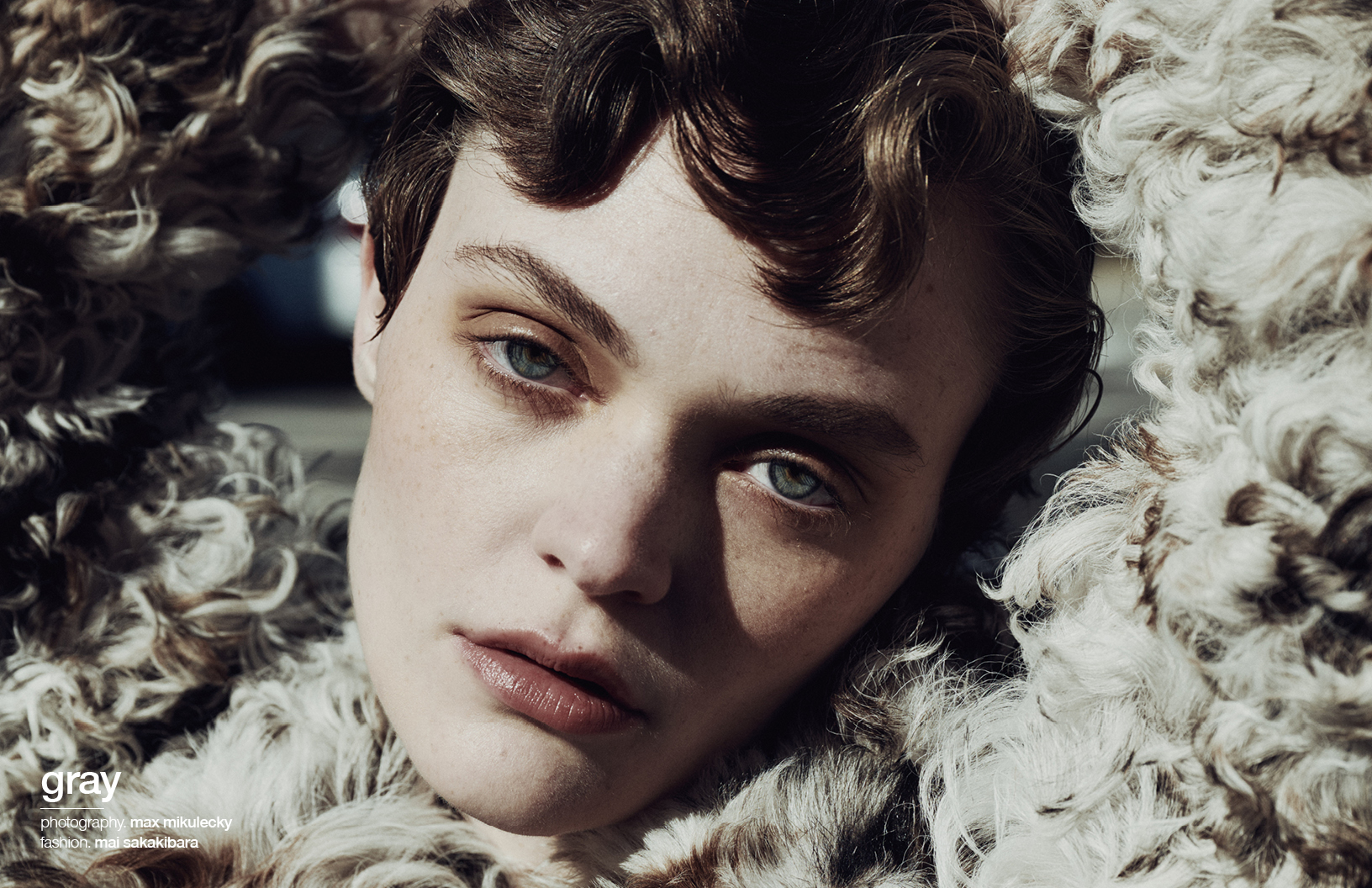
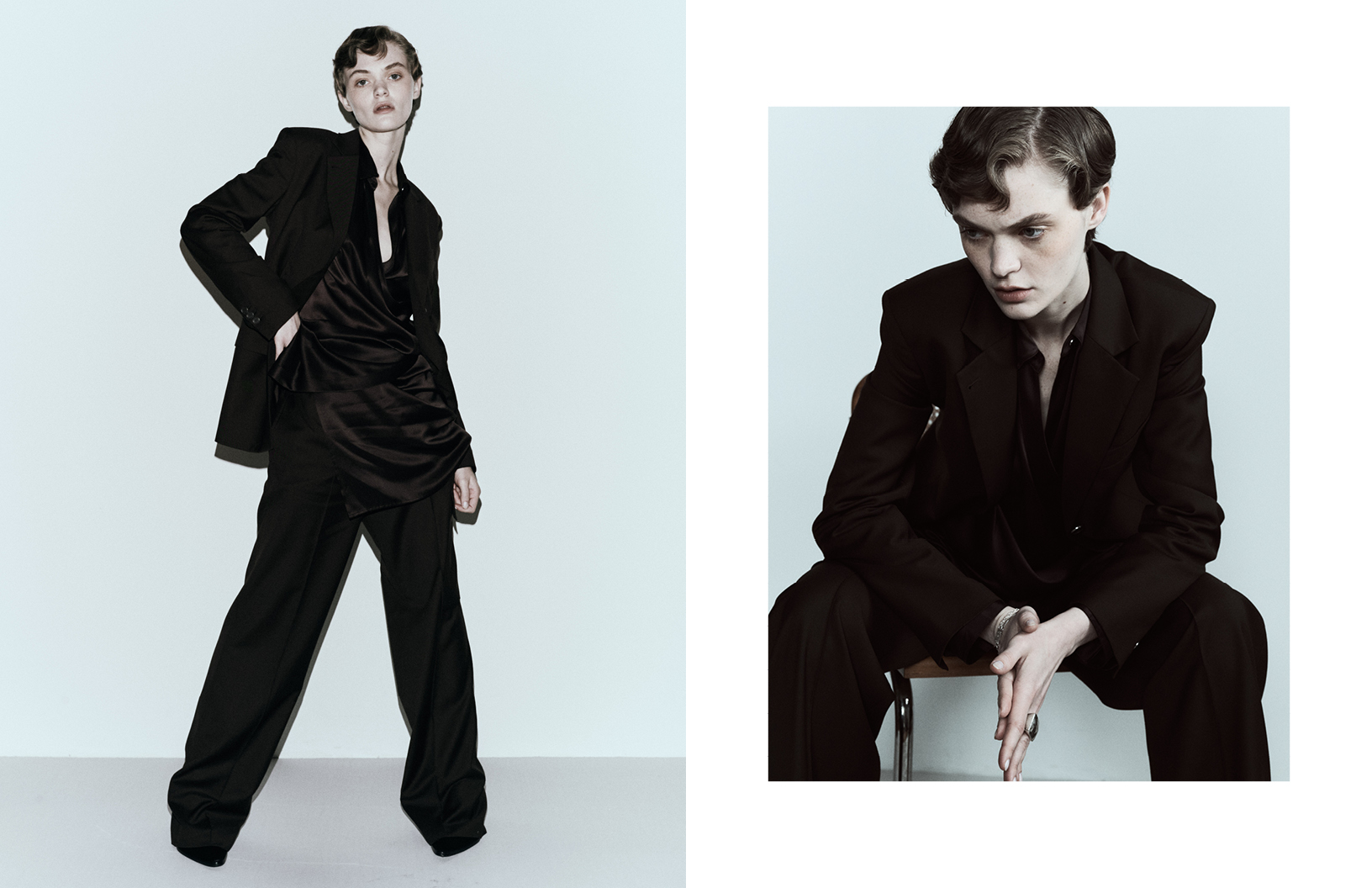
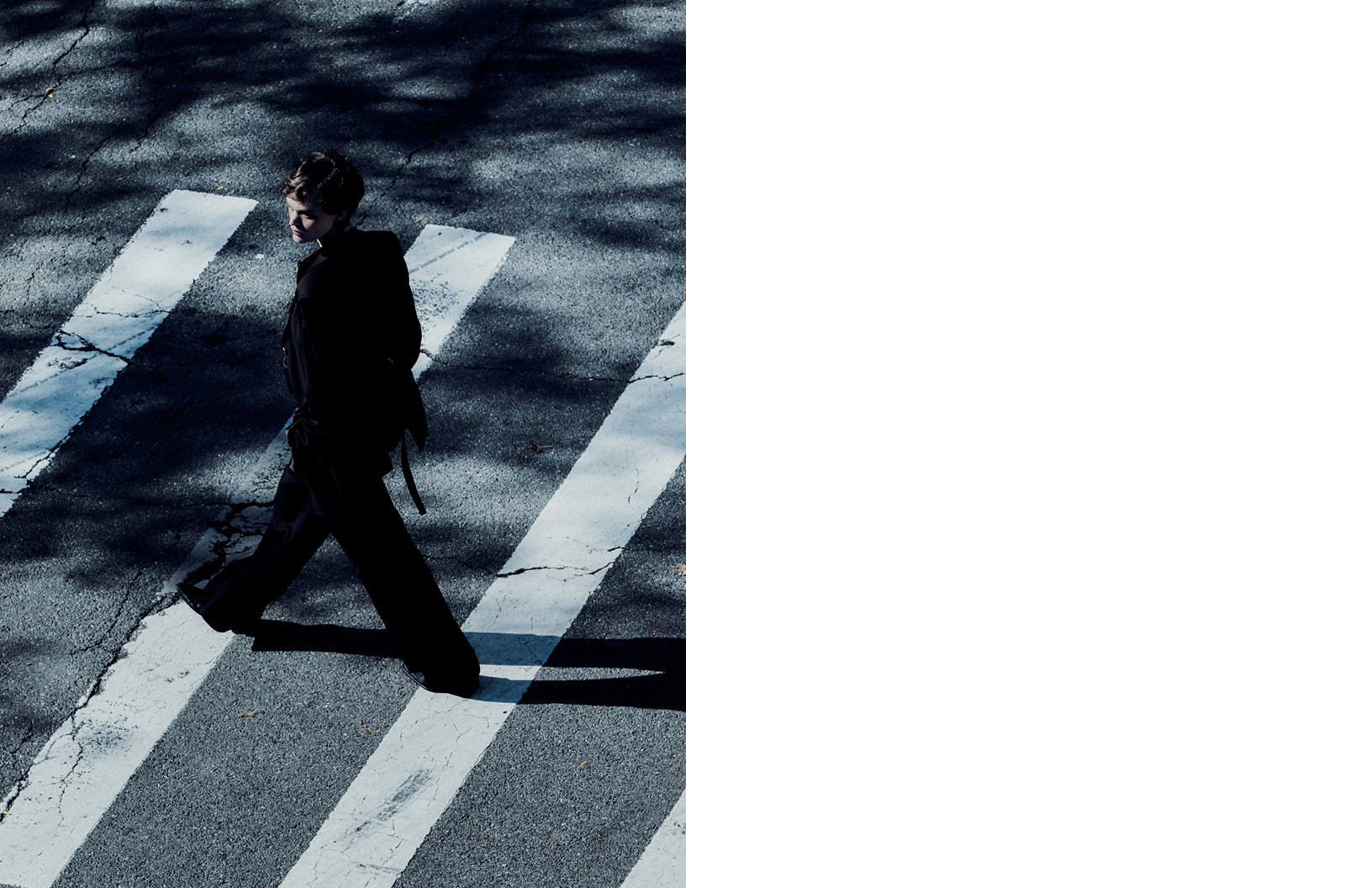
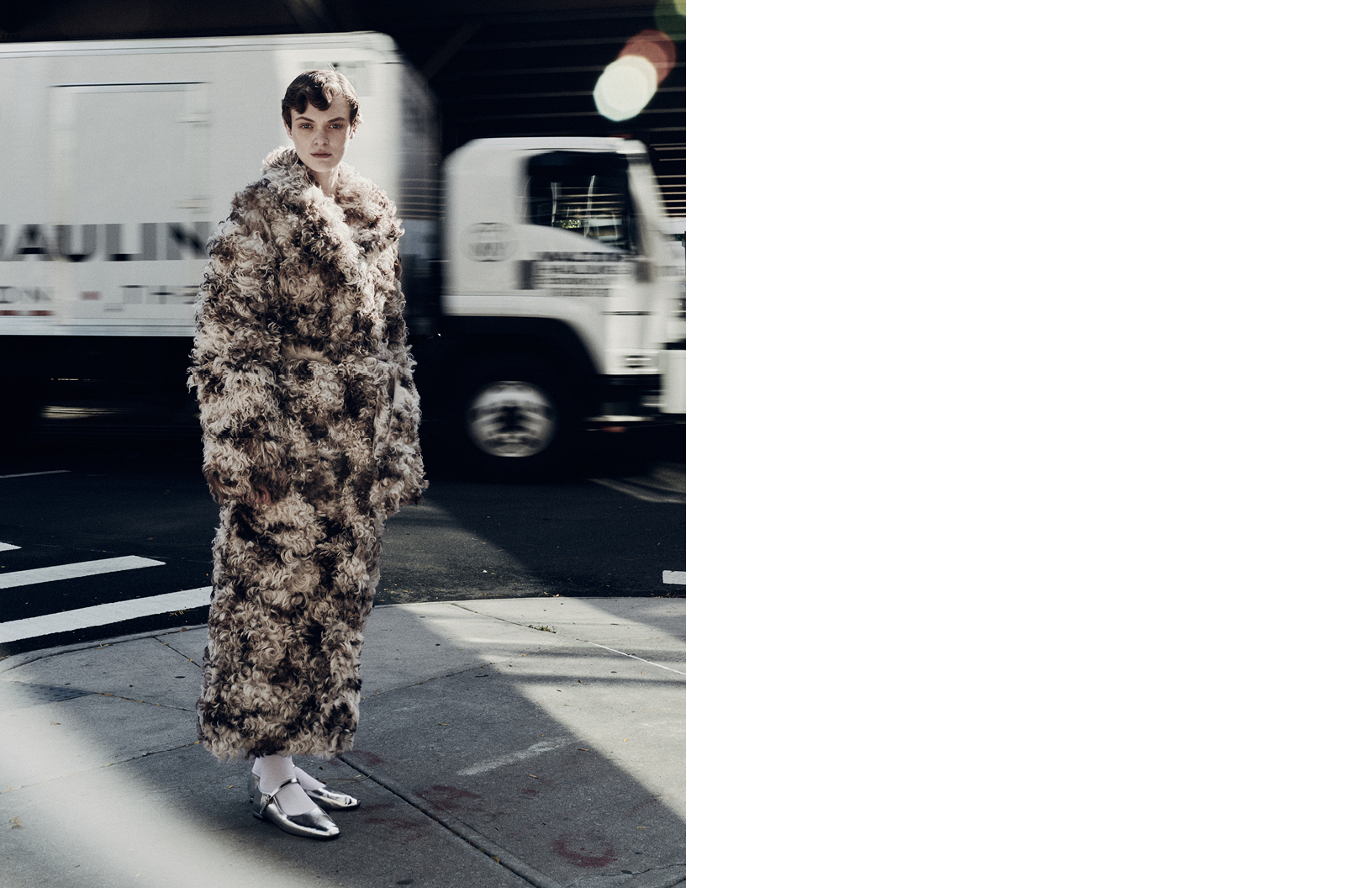
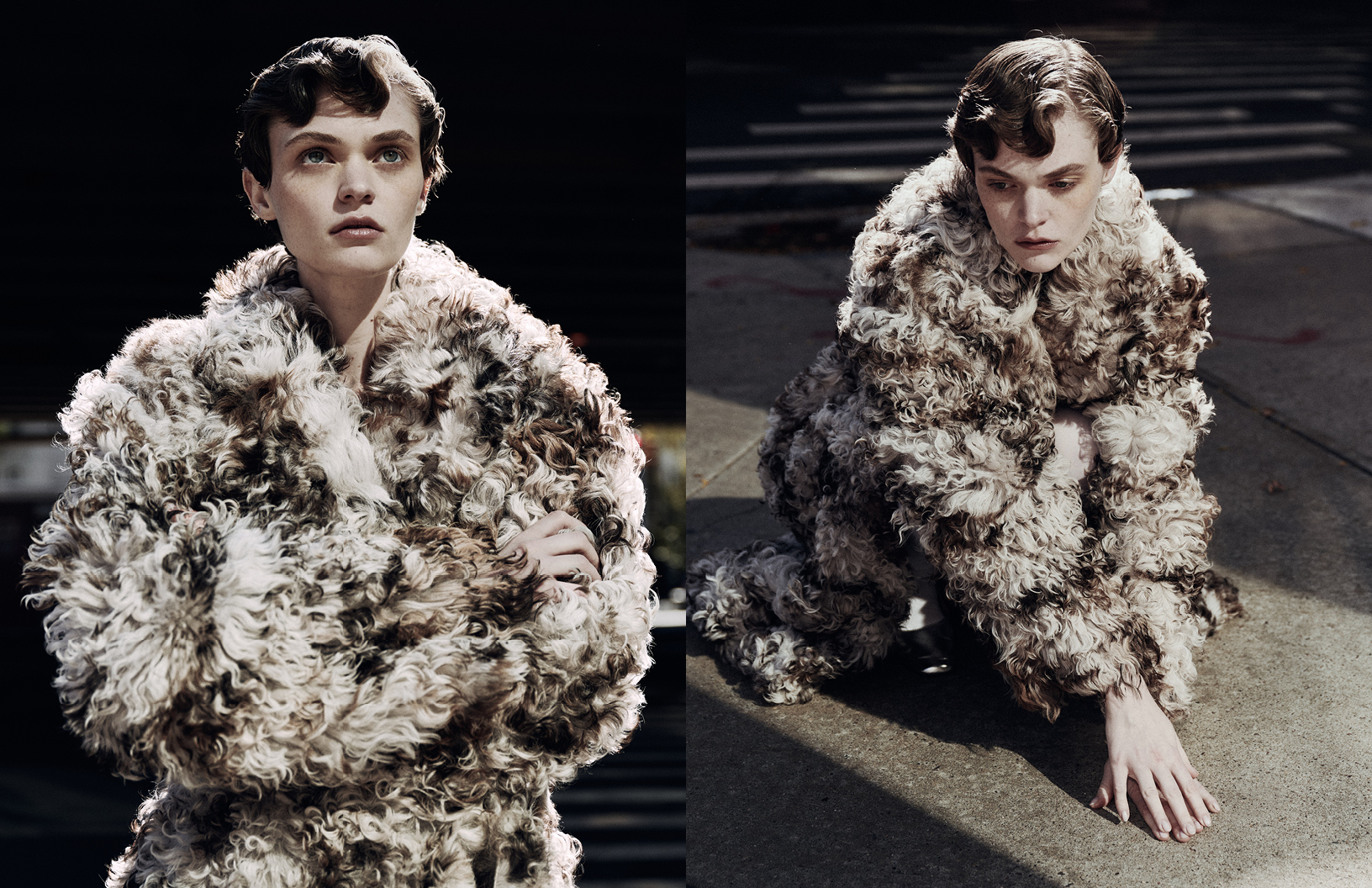
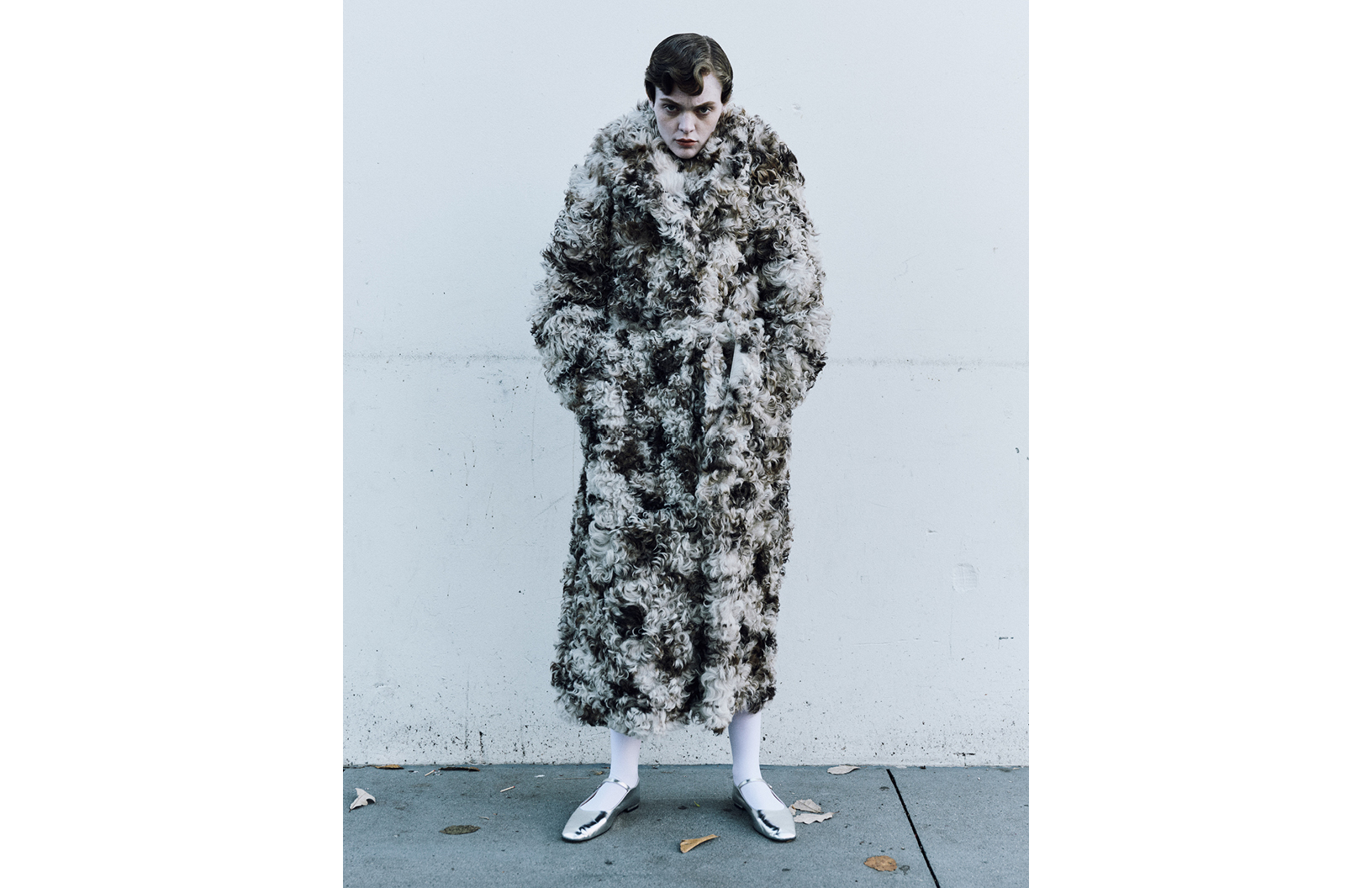
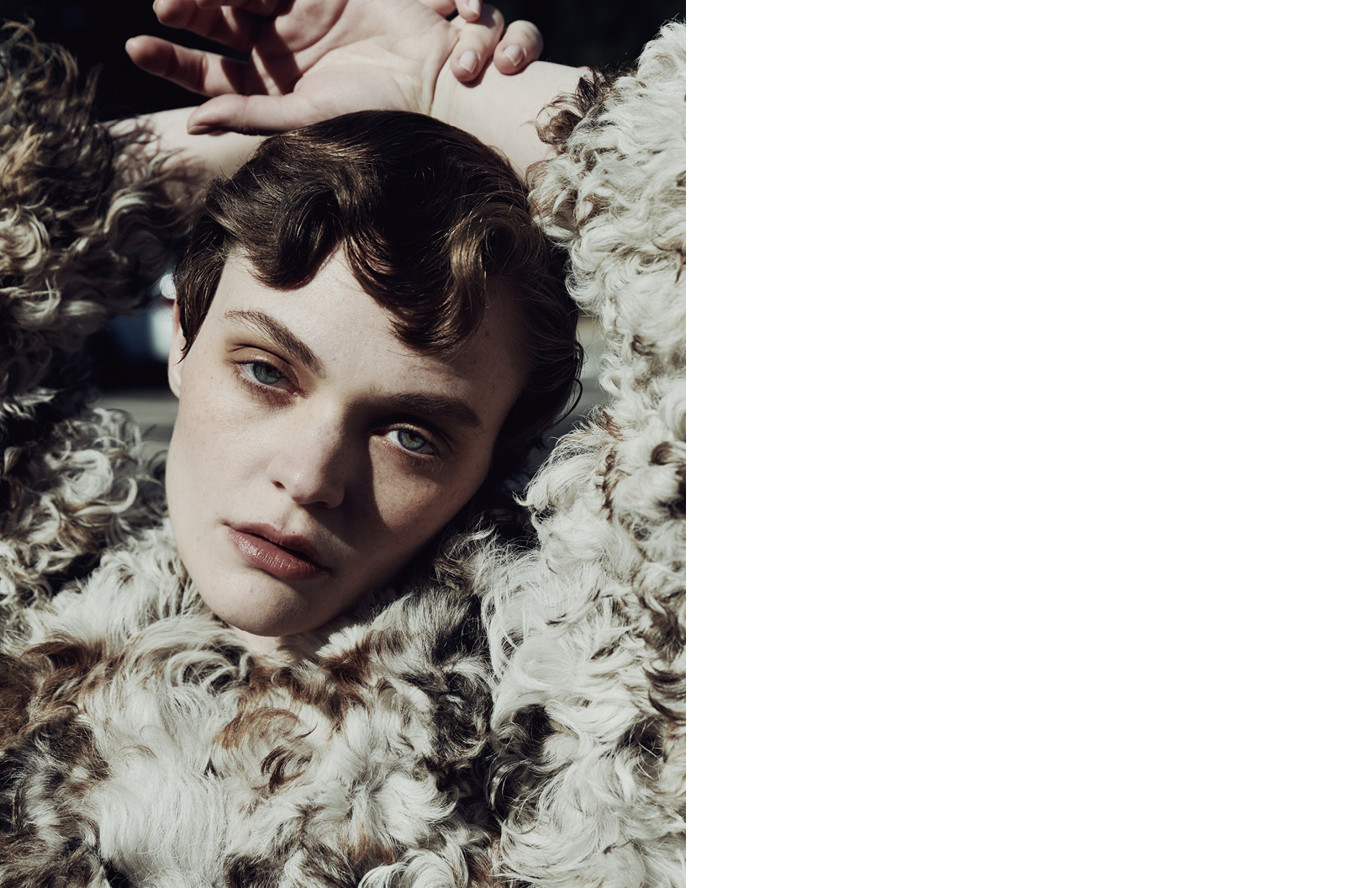
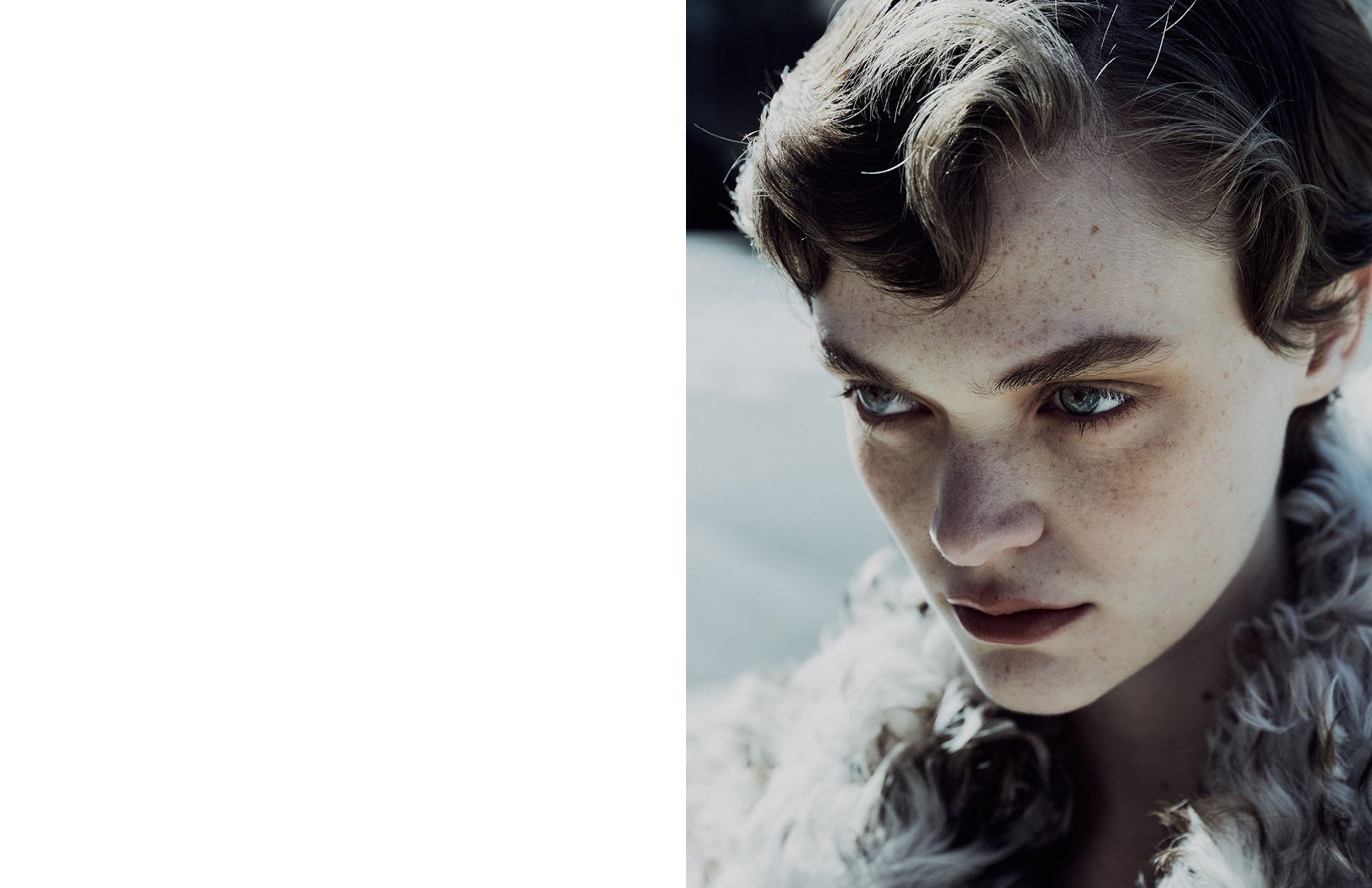
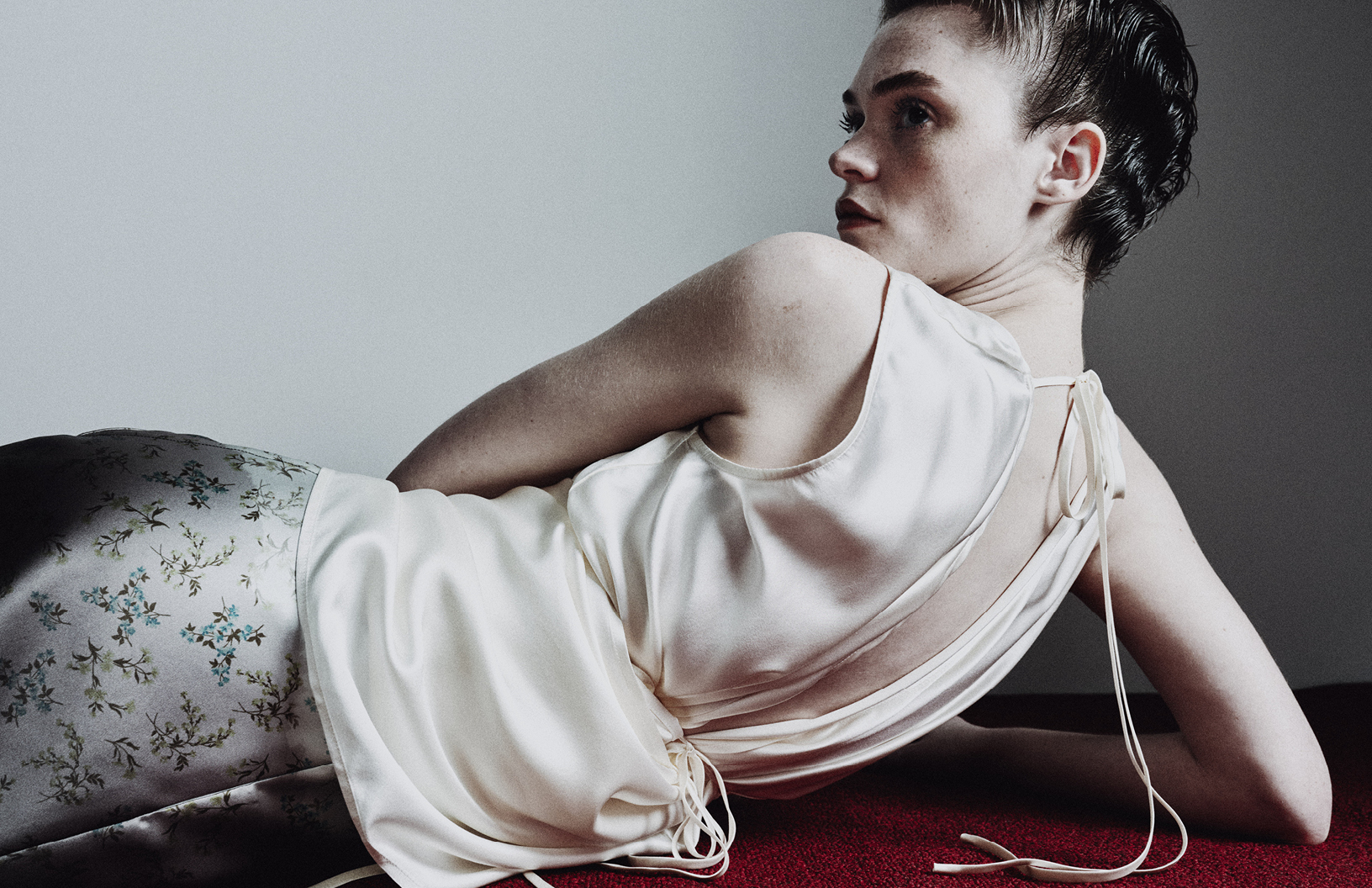
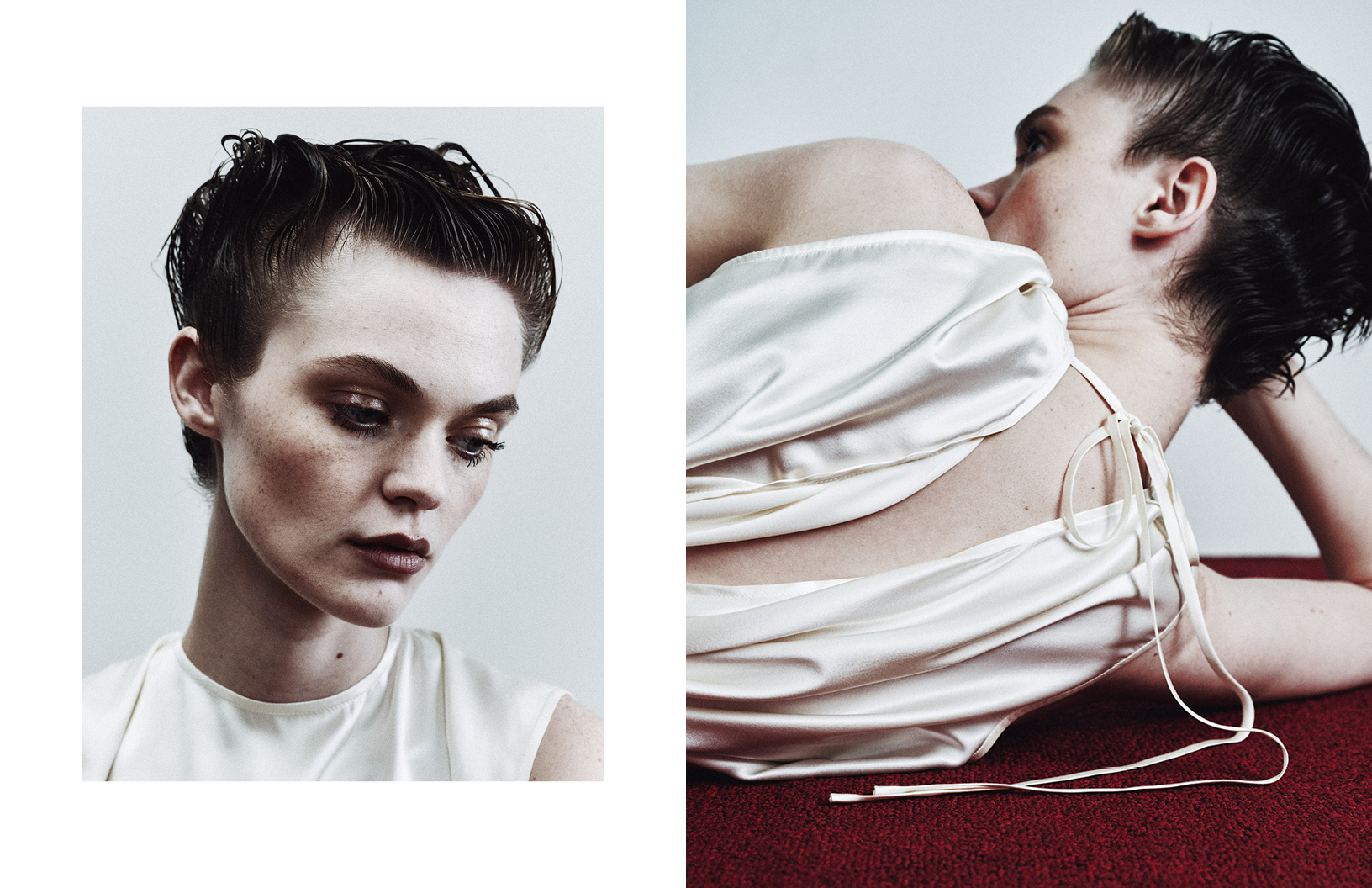
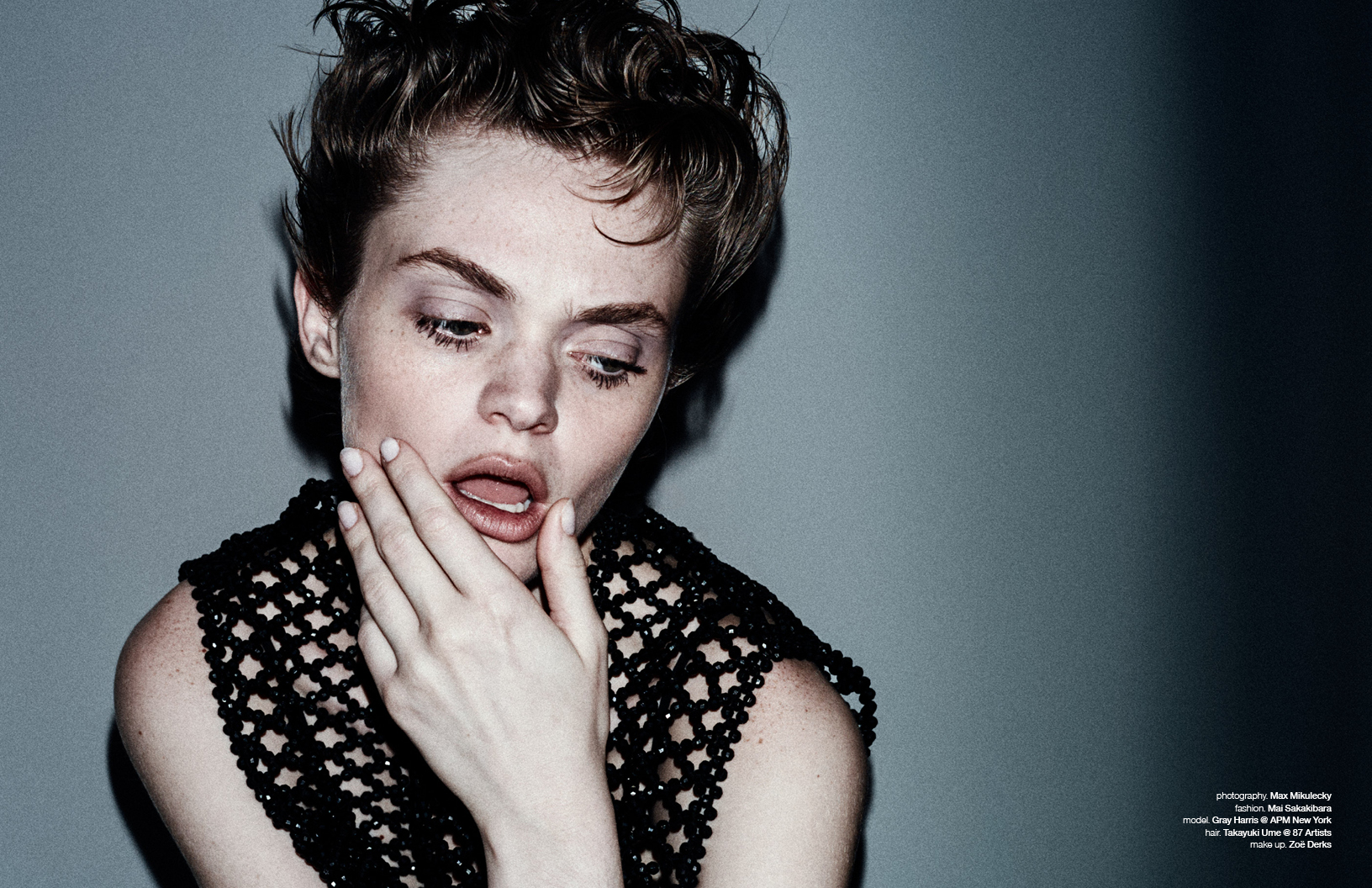
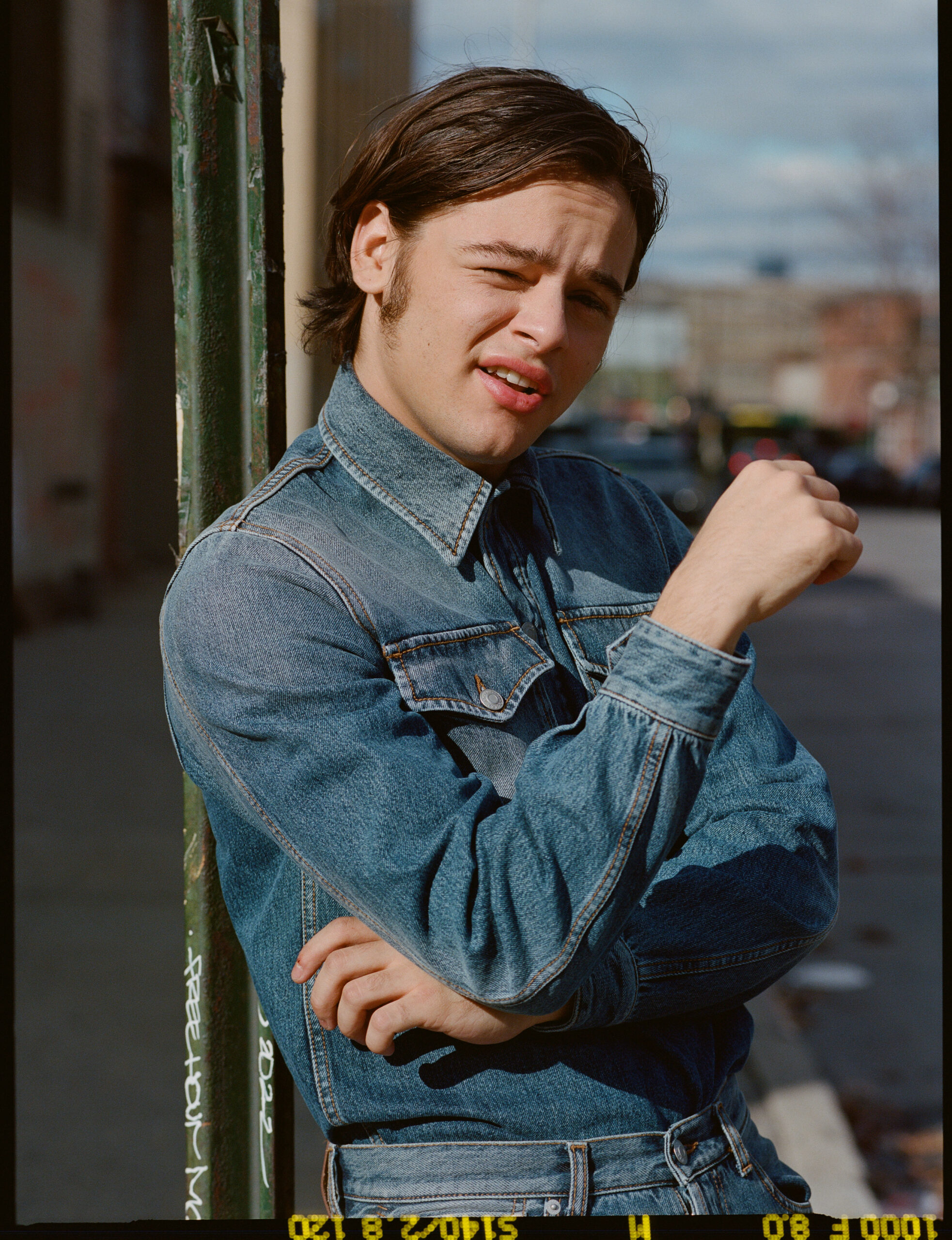
Step into Gray Harris‘ world in this Schön! editorial captured by photographer Max Mikulecky with fashion by Mai Sakakibara who styles Harris in looks by Ulla Johnson, Helmut Lang and others. Hair by stylist Takayuki Ume with make up by artist Zoë Derks.
jacket, shirt + trousers. Helmut Lang
shoes. Stylist’s Own
opposite
jacket, shirt + trousers. Helmut Lang
jacket, shirt + trousers. Helmut Lang
shoes. Stylist’s Own
faux fur coat. Ulla Johnson
flats + tights. Stylist’s Own
faux fur coat. Ulla Johnson
opposite
faux fur coat. Ulla Johnson
faux fur coat. Ulla Johnson
flats + tights. Stylist’s Own
faux fur coat. Ulla Johnson
faux fur coat. Ulla Johnson
top. Helmut Lang
midi skirt. Jill Sander
top. Helmut Lang
opposite
top. Helmut Lang
top. Stylist’s Own
opposite
top. Stylist’s Own
top + dress. Stylist’s Own
opposite
top + dress. Stylist’s Own
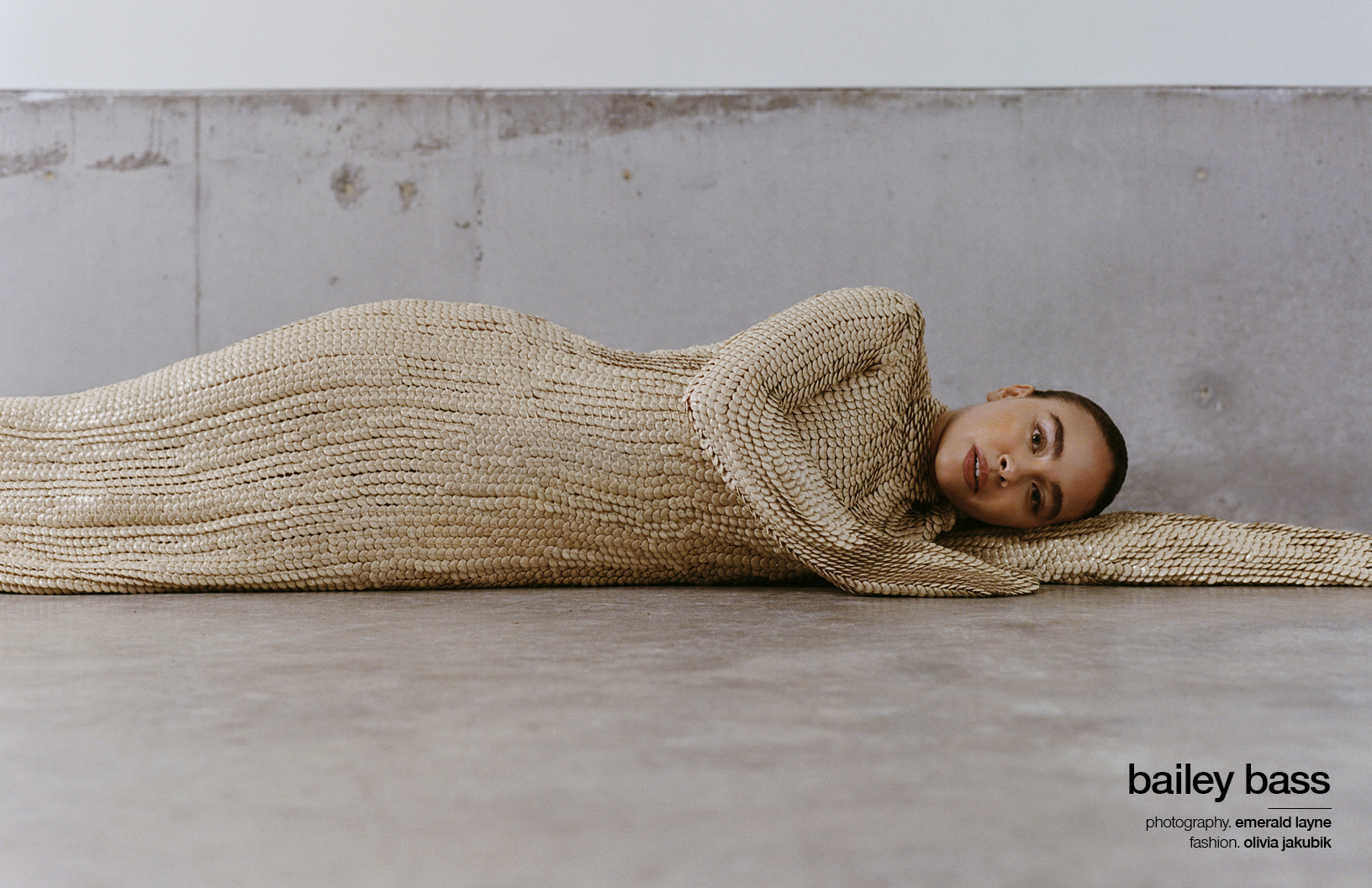
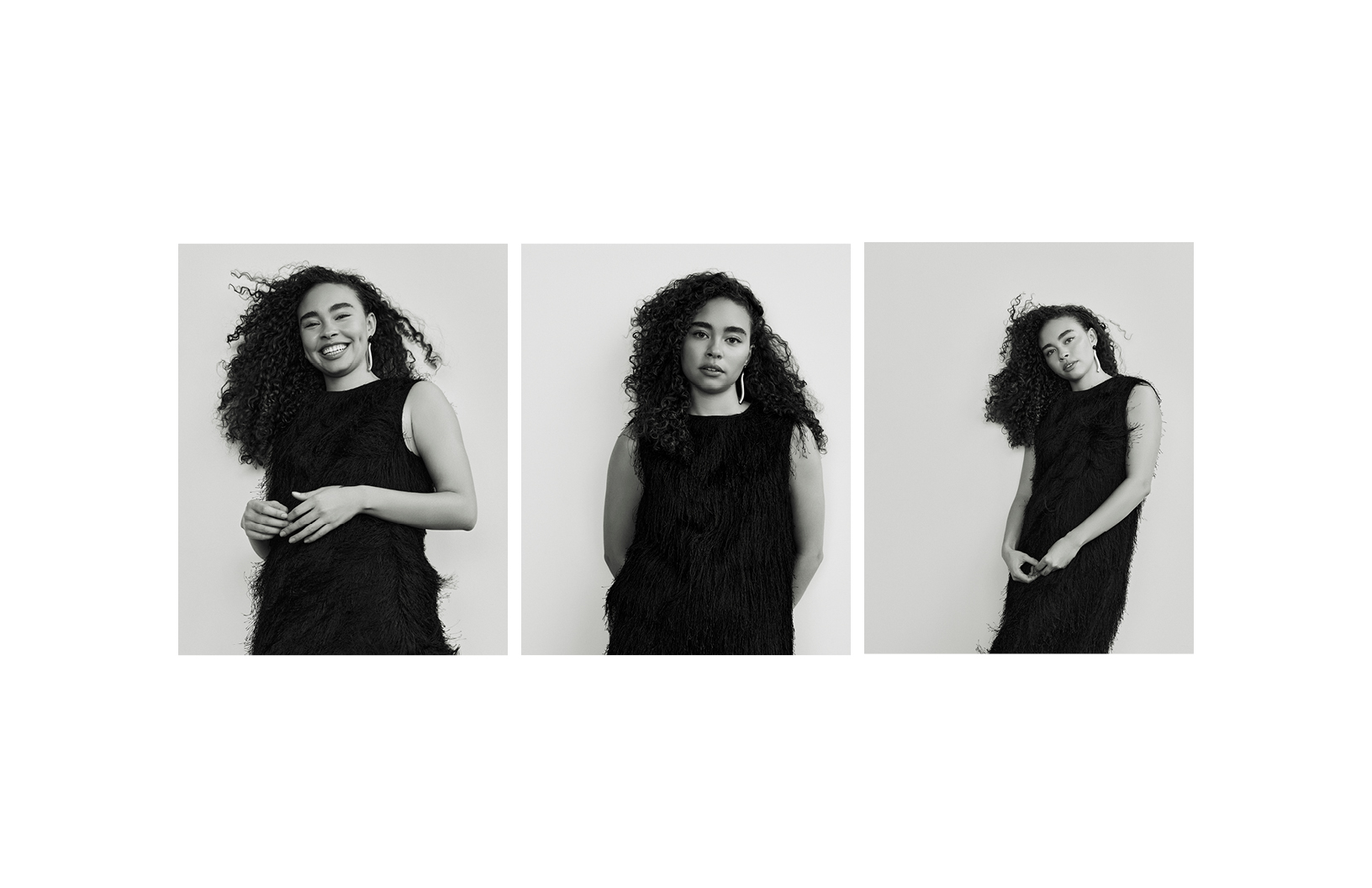
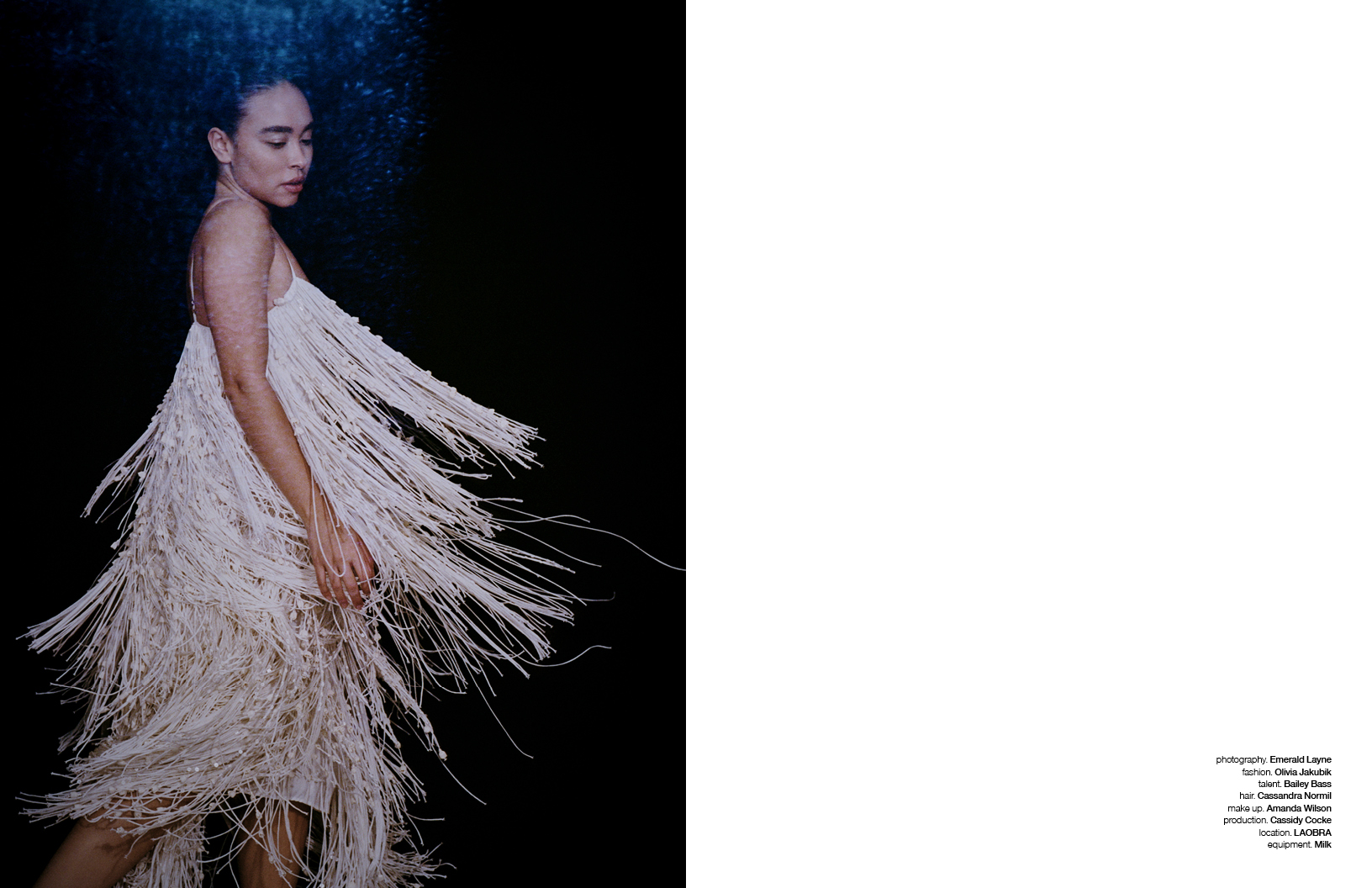
There are two types of people in the world. Specialists and multidisciplinary individuals. That’s not to say a specialist can’t be multidisciplinary at all, or vice versa. But what’s intriguing about Bailey Bass is her positioning at the intersection of the Venn diagram, which we get a glimpse of in our conversation. She’s taken on many roles not only as an actress, but also in her personal life, connecting ideas across fields like psychology, a resurgence of hobbies, and writing.
In ‘Avatar: Fire and Ash’, Bailey’s character, Tsireya, continues to serve as an emotional anchor within Pandora, embodying empathy, resilience, and quiet strength amid growing chaos. Through her, the film explores how tenderness can coexist with ferocity, and how choosing empathy in moments of destruction becomes a form of resistance in itself. All of which Bailey parallels in her personal life.
In between bouts of laughter and a charming zest for life, Bailey Bass speaks to Schön! about her metrics for success, a newly set up career wall, and of course, ‘Avatar: Fire and Ash’.
Congratulations on the release of ‘Avatar: Fire and Ash’. You’re playing the very graceful yet strong Tsireya. When joining the ‘Avatar” world, what excited you?
I didn’t know what was going on. It was my first movie. This is my new normal, and I think I was just excited to work. I’ve been auditioning since I was five. I booked it when I was twelve – that’s a long time before you get to live out your dream. I had really low expectations, but I’m just so excited to be a part of a franchise that’s been a part of my life for so long.
That’s insane. It’s a relatively short period of time to make it big, but when you’re 12, that’s half the life that you’ve been auditioning.
Oh my God, no, it’s such a long time. They say give Hollywood seven years, and I guess it’s true. It’s a short time in your life, but the rejection is really hard. I was modelling so much that I had filler — it didn’t hit me the way it hits me now, where I’m ready for the next role. I don’t have much to complain about when I’ve played really nuanced female leading characters I can actually be proud of.
It takes a lot of women ahead of me to have paved the path where I don’t feel objectified in my first roles, which I feel like was kind of a rite of passage that a lot of women had to go through for a long time in the industry. That doesn’t seem to be something we have to do anymore, even though there’s still much more to go. I’m grateful that a lot of the roles that I’ve played with Claudia and Tsireya have been so strong and empowering.
That’s so nice to hear, I’m glad that your experience has showed change in the industry.
Well, it’s still hard, I’m still a woman, but I’m just grateful for my character. I mean, there’s still a long way to go.
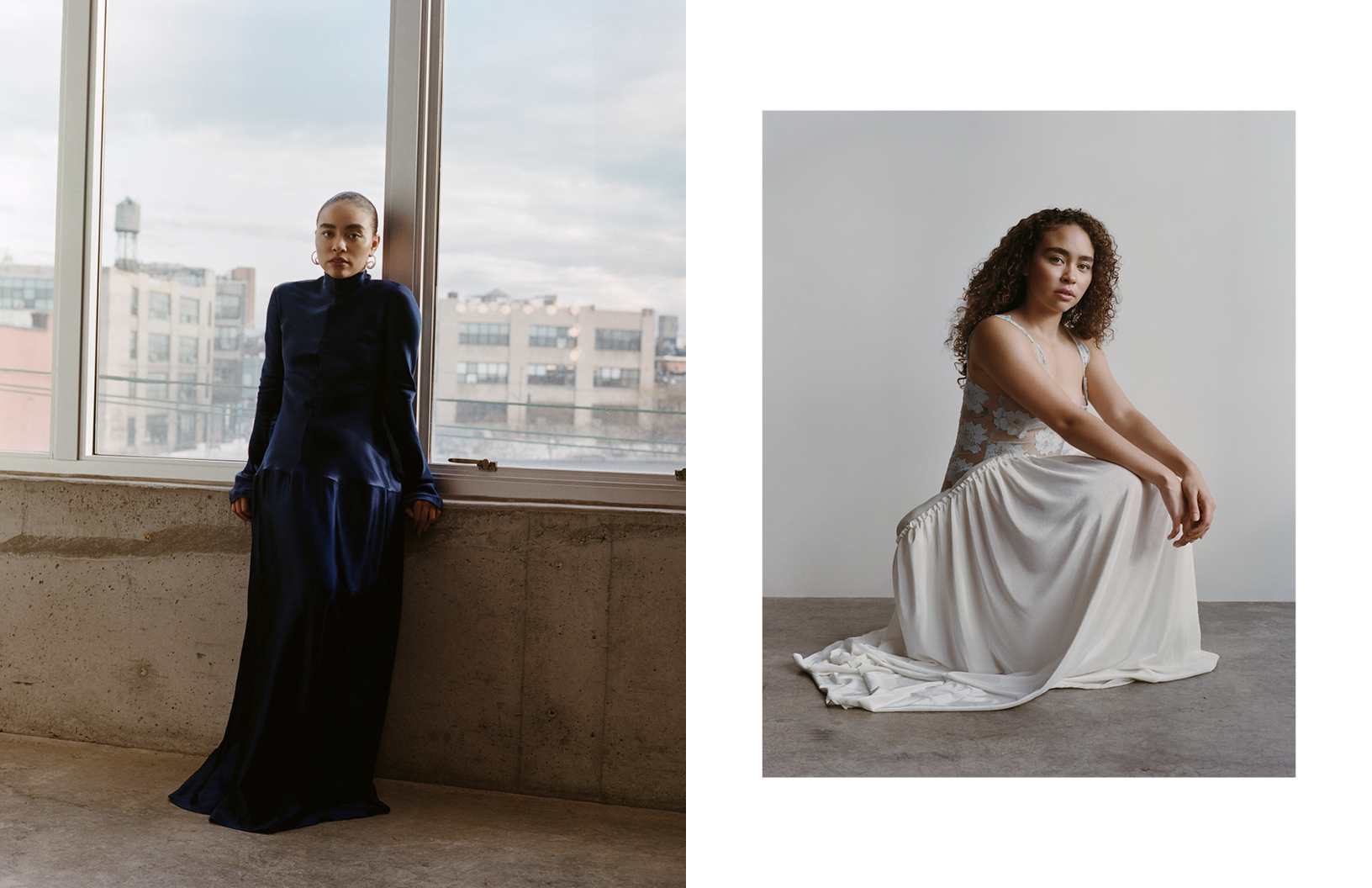
dress. Loulou de Saison
earrings. Agmes
opposite
dress. Stella McCartney
earrings. Saulé @ Yaya Pubicity
Of course, one little win at a time. When playing Tsireya, did you find yourself reaching areas that, in yourself, as Bailey, you maybe hadn’t explored before?
I didn’t know how to swim. It was three girls at the end of the audition process, and I remember I was paired with the boys, and that was a blessing in disguise for the swimming part because I was like, “I’m not gonna let them beat me. I’m gonna fake it till I make it.” I honestly thank that moment of being paired with a boy who clearly has been swimming his whole life, and I barely knew how to doggy paddle. I had to prove myself very quickly.
Kirk Krack, who is an amazing freediving instructor — he’s worked with Navy SEALs and Tom Cruise on ‘Mission Impossible’. He said at the end of filming, where I had a breath hold of six minutes and 30 seconds, and I was almost leading the chart when it came to swimming… He says, “You grew so much.” Because they wrote in their notes in the audition process, “she needs work, but has a lot of potential.”
That’s so funny. I tried holding my breath and could only do about 50 seconds.
That’s still a long time. I can still do a minute. I love it when gym bros are like, “let’s do a breath hold competition,” and I always beat them. That feels so good. Fuck their push-ups.
Are there any traits from Tsireya that you had in common, or traits that you would like to adopt from her?
I had a lot of similarities to Tsireya from [‘Avatar’] two and three. James Cameron (Jim), our director, and Margery Simkin, the casting director, is a badass. I love her. She’s a legend in the game, and she knew, even though my audition was shit, that the empathy was there. I always had that compassion and empathy for other people.
Growing up really low income — I’m first generation — the family I grew up with had that immigrant mindset of ‘we will make it through, this is better than where we came from’ and I’d be like, ‘well, this is still not great’ and they’d say, ‘but we can do it.’ I already had those qualities. 2025 was really hard being an American and being in the United States. I’ve definitely been hardened by it.
I’m really interested to see, as we’ve seen the chaos in ‘Fire and Ash’ and the chaos that I’ve experienced as Bailey in the world, what that’s going to mean for Tsireya’s empathy, because I’ve seen it in myself. I don’t think Jim and Margie are mind readers and can predict the future, but I think they knew I had enough goodness in me that if you start from that place, it’s easy to shape and add the trauma in afterwards, which I have enough of as well.
full look. Burberry
Oh dear, why are you giggling?
You have to laugh. There are actually studies that show that people who’ve experienced the most trauma are the funniest.
It’s like they say, if you don’t laugh, you’ll cry.
Exactly. It’s 2026, we’ve persevered! That’s why — what I talked about in the beginning — those little moments, it’s still not fair. It’s still frustrating, but I realised that you have to be a part of the system to change the system, and have compassion for yourself. I didn’t decide to be born in a brown female body, but what can I do to create the change I want to see? I know you know, but that’s a tough pill to swallow, and I swallow it every day. Being a part of the system and smiling and being nice helps me make much more change, which I know sometimes I just want to pop off the internal rage. I’m a New Yorker. I’m like, ‘someone shove me on the subway, this needs to come out.’
So now that ‘Avatar’ has wrapped, what stayed with you the most? Was it the character, the people, maybe a specific moment on set?
I forget. Actually, I’m going to show you — I created a career wall in my new apartment. It’s still in the making. This is from ‘Interview With the Vampire’ — it’s not done, I still need them to send stuff from ‘Fire and Ash’. Seeing this every day has actually made me remember all that I’ve achieved because it’s really easy to think, ‘I have four more semesters of school before I can even apply to grad schools,’ or ‘I really want to produce this project, and it still has so much more to go.’ But it’s like, look how far you’ve come.
Honestly, I wish I could say what stuck with me was that you have to keep going, that bravery is really important. The issue with me is that, because I’m such a perfectionist, it doesn’t stay with me. So having those reminders, a good therapist, journaling, and having really good friends that tell you you’re doing great. What makes me great at my job is that I keep striving to be better. And yes, that’s great, but I am glad that I made this wall because it reminds me of how far I’ve come. I’ve been working since I was two.
That’s unbelievable, by the way.
Yeah, I go to Columbia University to study psychology, and going back to school has helped me feel like a kid because I had to grow up so fast. I’ve been working with adults, even on ‘Avatar,’ I was the only teen girl, and Trinity was seven, so that was isolating. There were gaps in my childhood, so I’m grateful for — as much as I’m still working, still love being in entertainment — having those moments of normalcy because I do feel like I’ve played as an actor more than I’ve played as a kid.
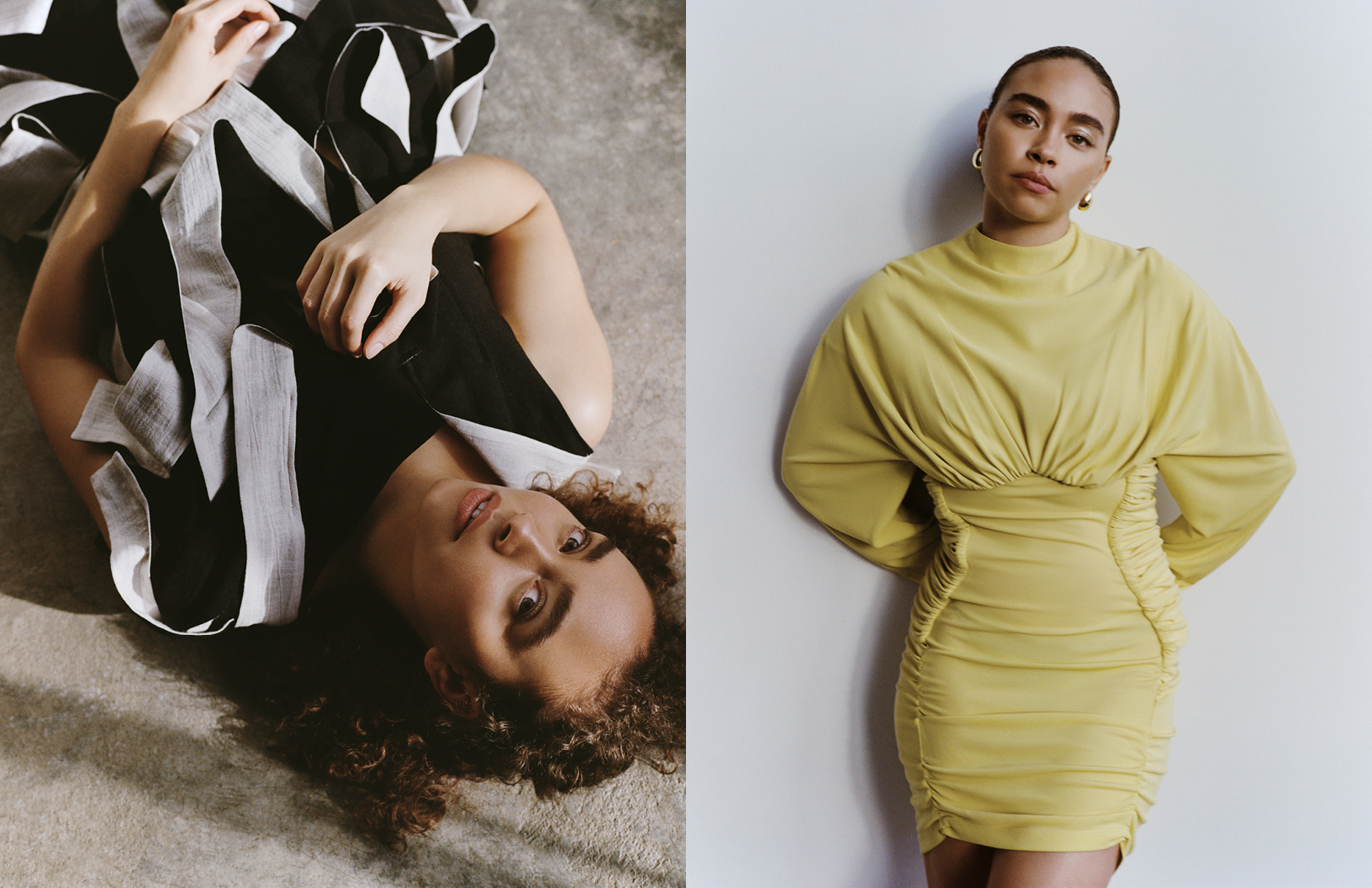
dress. Angelina Poppy @ REP Agency
earrings. Agmes
rings. Swarovski
opposite
dress. Loulou de Saison
earrings. Agmes
You’ve also balanced growing up, working, and evolving creatively all at once. How do you protect your sense of self outside of acting and work?
I have really good friends and a community. I’m gonna start knitting, having hobbies that have nothing to do with work, because as a child, my hobby became my job. So, as I’m entering my adulthood, finding things that I don’t want to make a career out of, something that’s genuinely just fun for me. I love reading, I read every day, that’s really important to me and having some type of routine, because [work] is freelance and every day does look different. Having routine things that I don’t get paid for is really important because it reminds me that my self-worth is in me just being me. But it’s definitely not easy.
I have jobs outside acting — I work as a research assistant and comms person for a nonprofit on campus, I grant write for half the story, but being able to use different parts of my brain and also not boxing myself in. I know I’ve talked about school so much, but that’s reminding myself I’m not linear. I’m not just an actress, even though that’s filled so much of my life; I am so much more than this one thing, and I love that we live in an era where people can have multiple jobs and be multifaceted, and that is celebrated.
With multifaceted freelancing, ‘Avatar’ being such a huge film, and working since you were two, what does success mean to you now? Has it changed at all within your life?
I check in with ‘am I happy?’ I’ve reached a point in my career where there are so many people on the email chain, and I have not seen all of them in person, but they’re all working really hard to achieve a mutual goal. But that goal in education is not going to be the same in acting. Growing up as a kid actor, you want your team to be a part of every aspect of your life. I’ve had to realise my manager’s not necessarily gonna care if I get an A on this essay, and that is okay. So, remembering that I’m leading the ship and that success stems from ‘Am I happy?’
That’s tough when so much of my success has been being an A student in school and working on set, being a really good friend, daughter and sibling, and being able to get everything done on time — that is what success meant to me. It honestly slipped me into such a deep depression when I realised as an adult, I have to check in on myself now, I’m not a kid anymore. That transition, while also being in the limelight, and wanting to be really good at my job, was not easy. Going back to those pillars of, ‘Am I happy? Did I read today? Did I go outside today? Did I do things that fill my cup?’
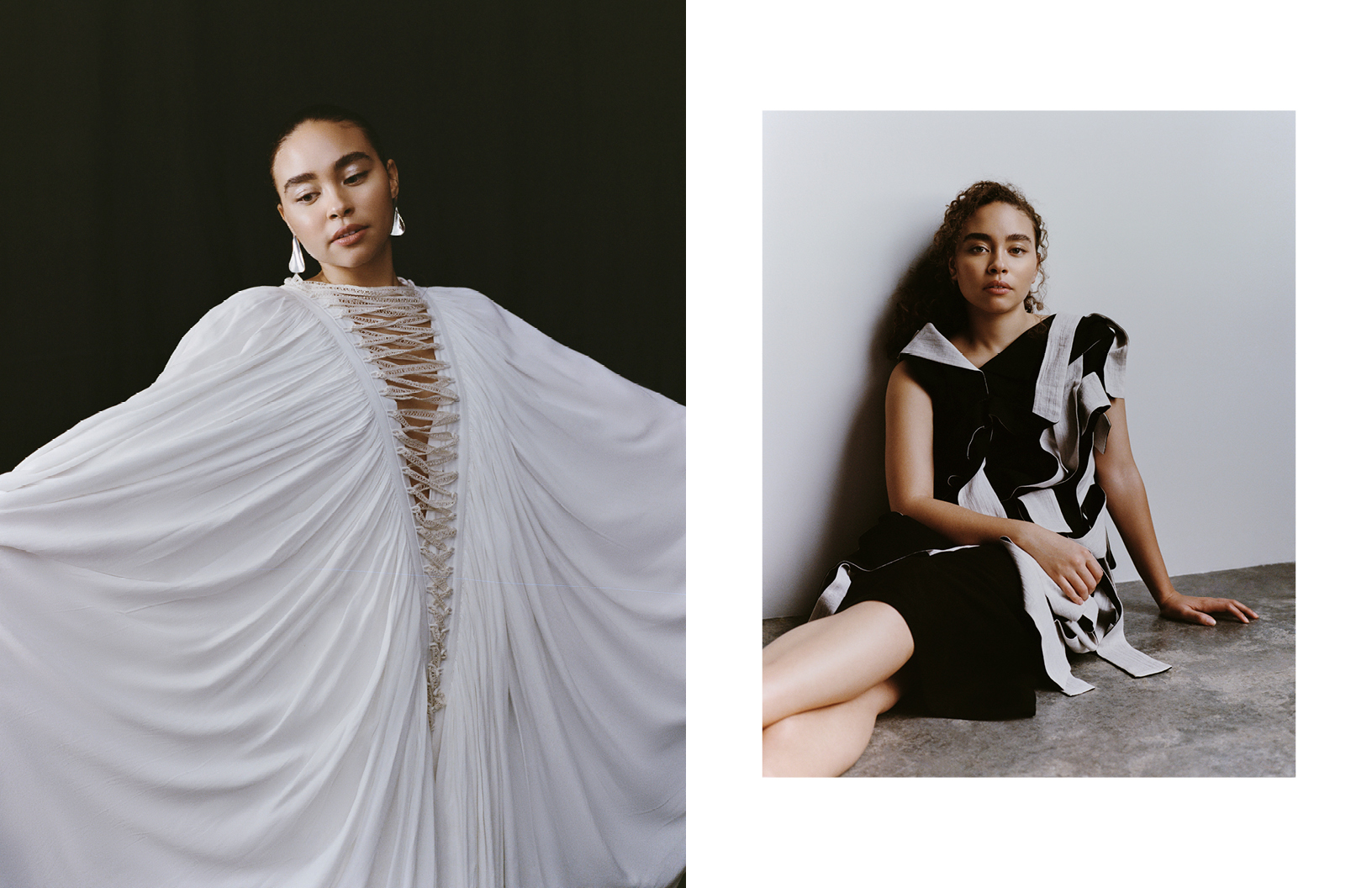
dress. Loulou de Saison
earrings. Agmes
I love that happiness is your priority. With ‘Avatar: The Way of Water’ press tour being your first time out of the country, and now fresh off the ‘Avatar: Fire and Ash’ tour, which place have you loved the most, and are there any places you’ve yet to tick off the bucket list?
I went to Canada for like three hours because we crossed the border a couple of weeks before the press tour. That doesn’t really count, we went go-karting in Niagara Falls, and they didn’t even stamp my passport. Even being Belarusian and never being to Belarus — I speak Russian, I am so ingrained in the culture, so people think I’m from there when I speak about it. I’m grateful that I grew up in Gravesend, Brooklyn, immersed in so many cultures.
I went to Malta for the Malta Film Festival. It’s such a special country, and I feel like it needs to be highlighted so much more. They’ve done so much for the film industry. I went to the tanks there because they knew I worked on ‘Avatar’, so we were geeking out about the tech. Malta will always have a special place in my heart. The people are so amazing.
Italy is one of my favourite places. Going to Milan for the ‘Fire and Ash’ press tour was amazing. I really want to go to Iceland, to go hiking in Argentina for a week. I’m an adventure seeker, and I want to go somewhere that’s exciting. Alaska is on my list for this year, and Thailand for a girls’ trip. I went skydiving for my 18th birthday in Arizona. I want to do the crazy stuff that. I ate a cockroach on set when I was eight. Been there, done that.
Did it taste okay?
It tastes spicy and crispy. No, it wasn’t a cockroach, it was a cricket. It builds a great personality.
Looking ahead, are there any new projects in the pipeline? Any genres, roles, or stories that you want to get into? What’s next for Bailey?
I really hope we make more ‘Avatars’. I love that I’ve continued being in this weird character actor space. I have said for years that I want to be in the ‘Game of Thrones’ franchise, and the fans want it too. Every time she speaks Russian, they’re like, ‘why does it sound Targaryen?’ It’s because I grew up in America and my accent isn’t great.
I want to continue doing things that feel really epic. Give me character work, and I just shine. I think it’s because I feel so removed from myself, but I also see the sensitivity in the characters. I am excited to eventually go to grad school and continue doing psych research. I’m fascinated by studying how much work you have to put in to be great. It’s quite niche, but the people I’ve worked with say ‘research is me search,’ so continuing to not put myself in a box and seeing where it goes.
But honestly, my grandma asks, ‘what are your dreams for months from now?’ I kind of have them, but I could get a call and be in a different country, which I will be at the end of this month, which is what happens. It’s two weeks at a time. I’m here for the vibes, and the vibes have been great.