the cupra experience | primavera sound barcelona 2022
Barcelona’s brilliance lies in the pulse of itscultural innovators. The city’s balmy weather and graffiti lined streets are an incubator for bold minds and boundary pushers. It’s this boundless state of mind that epitomises Cupra, the rebellious and youngest member of the Volkswagen group. Launched in 2018, the trailblazing automotive brand doesn’t have the ties of heritage holding it back, so takes an entirely experimental approach when it comes to design. “We are a new brand so we can actually invent how we want to be. You have a white paper in front of you and you can decide if you want it to be like that or like that,” Cupra’s design director Jorge Diez tells Schön! on a warm evening next to Sitges Terramar, one of the world’s first racetracks.
Inside of a futuresque structure lined with mirrors, Cupra showed off their present and future creations, emphasising that they want their cars to become a part of the metaverse. It’s an ambitious endeavour, but the passionate wonder of the team makes every idea sound all the more tangible. “We don’t want to make mainstream because when you go mainstream you need to make a lot of compromise and we don’t want any compromise,” says Diez. With a background in industrial and car design, Diez speaks of influences that are considerate, imaginative and blur the bond behind human and machine. “The steering wheel has buttons almost like a gaming console because the new generation uses their hands much more,” he says.
In Europe and beyond, Cupra are carving their name as a stylish option for electric car lovers. The design details are both architectural and mindful of a future where sustainable choices are no longer an option but a necessity. “Normally when you create a seat, it’s like fashion, you cut the leather and you have a lot of waste material,” says Diez on the eco-conscious steps Cupra are taking. “For us, what we’re doing with the interiors is using a 3D technology [where] you use exactly the amount of material that you need for one piece so you dont have any waste.”
On a human level, the footprints of beachside Barcelona feature in subtle and thoughtful ways, with the liveliness of the city itself being the beating heart of every design. “We use copper elements on the inside, this represents the morning light in El Born, a neighbourhood in Barcelona. The sunrise is crazy and kind of copper against all the buildings of the old town because of the stone,” says Diez. “In Barcelona, when we create a car, we don’t only bring design but we bring the culture,” he adds.
It makes perfect sense, then, that Cupra teamed up with legendary Primavera Sound. Barcelona’s staple music festival was headlined by stars like Megan Thee Stallion, Dua Lipa, Tame Impala and Tyler, the Creator this year. Cupra’s main stage showcased a diverse selection of artists from American R&B singer Giveon to cult rapper Playboi Carti and Brit-Soul favourite Celeste. MeanwhileDJs played into the early hours of sunrise at Cupra’s Boiler Room stage which was an immersive festival highlight.
Following Primavera Sound’s two-year hiatus, the energy of the crowd felt like a collective sigh of relief at finally being able to indulge in the live music experience again. Much like the festival’s global audience, as the interest in Cupra becomes increasingly international, they continue to prove themselves as a shining forerunner when it comes to cars with conscience and character.
Special thanks to CUPRA and Primavera Sound Festival.
photography. Courtesy Azienda di Soggiorno e Turismo di Bolzano
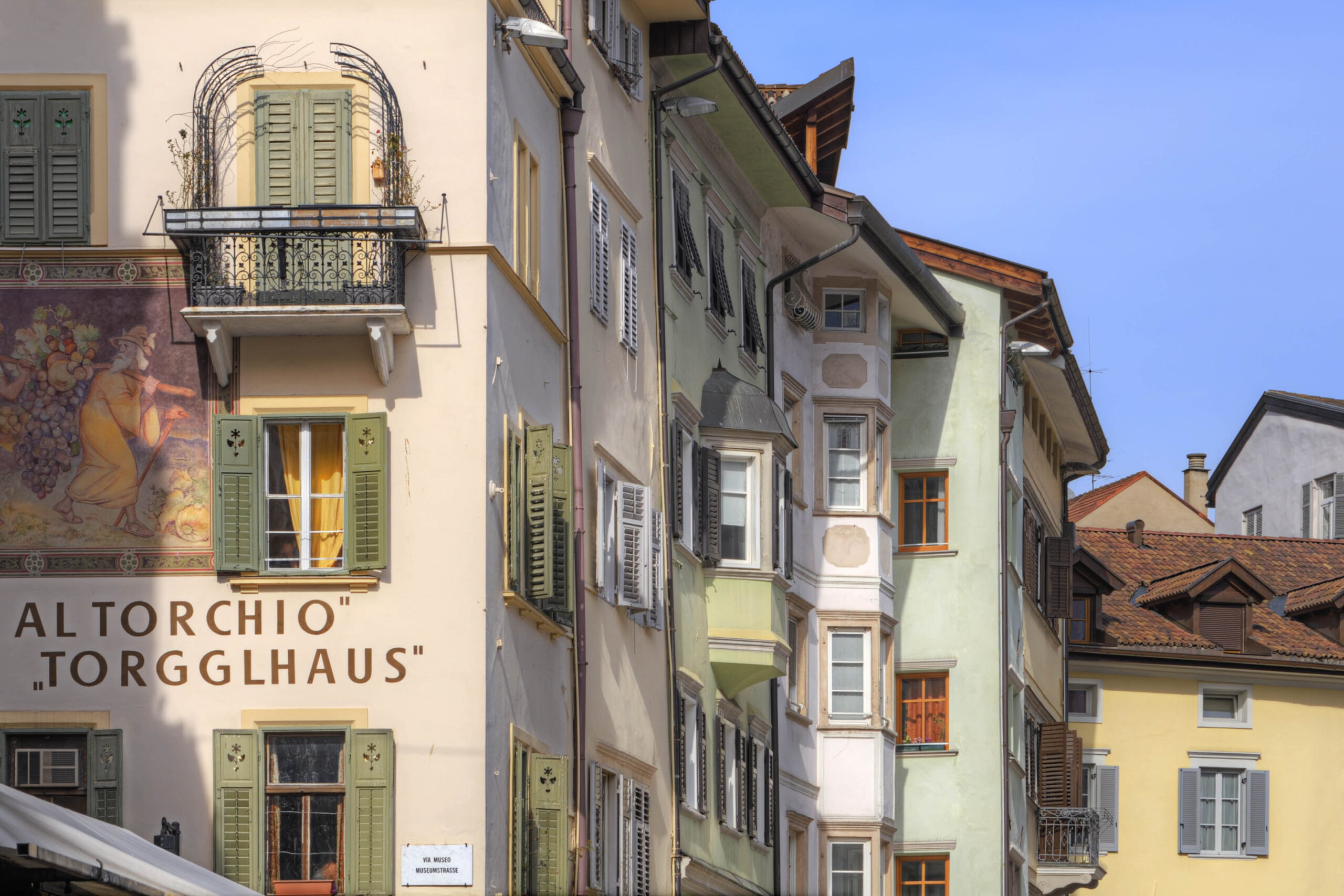
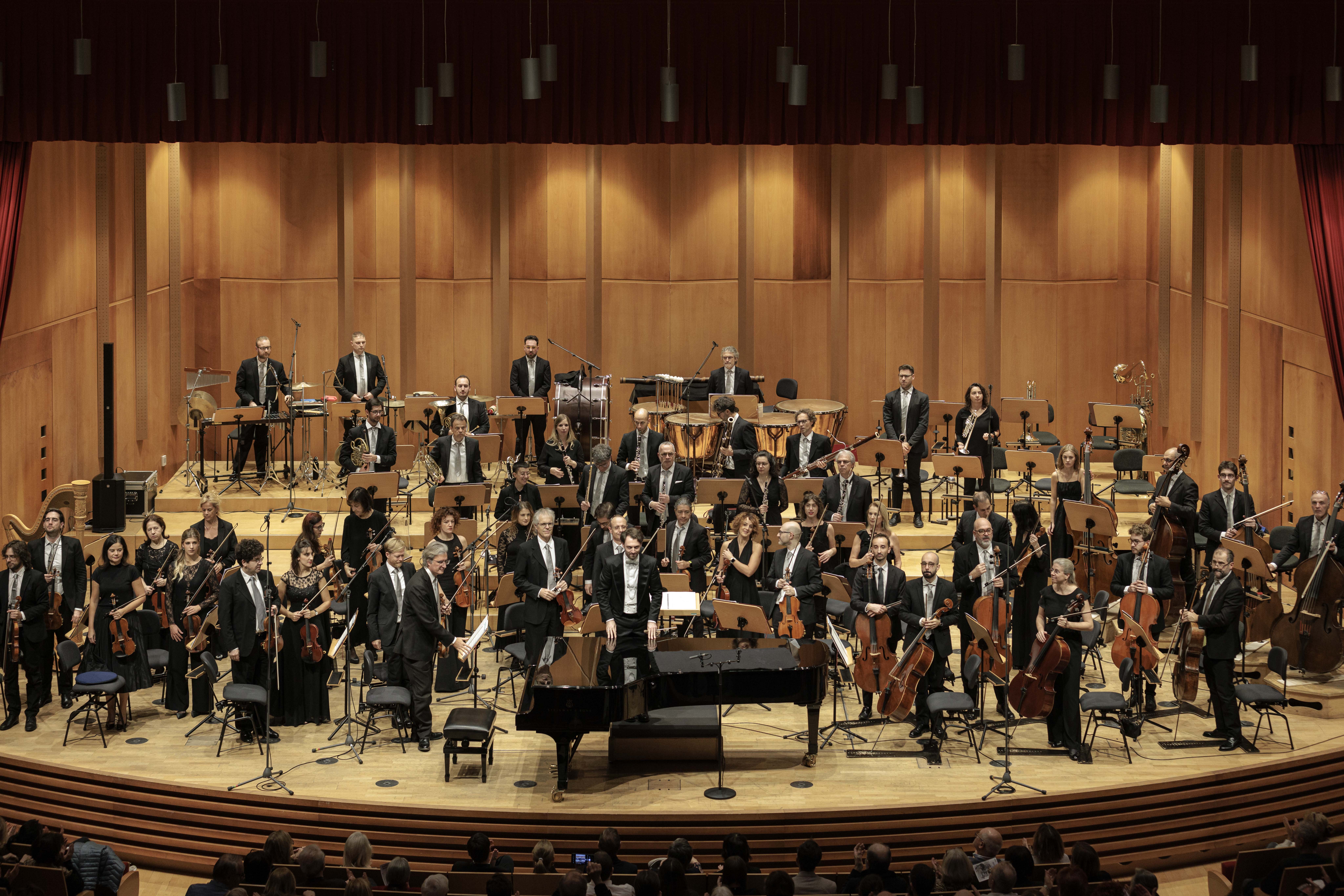
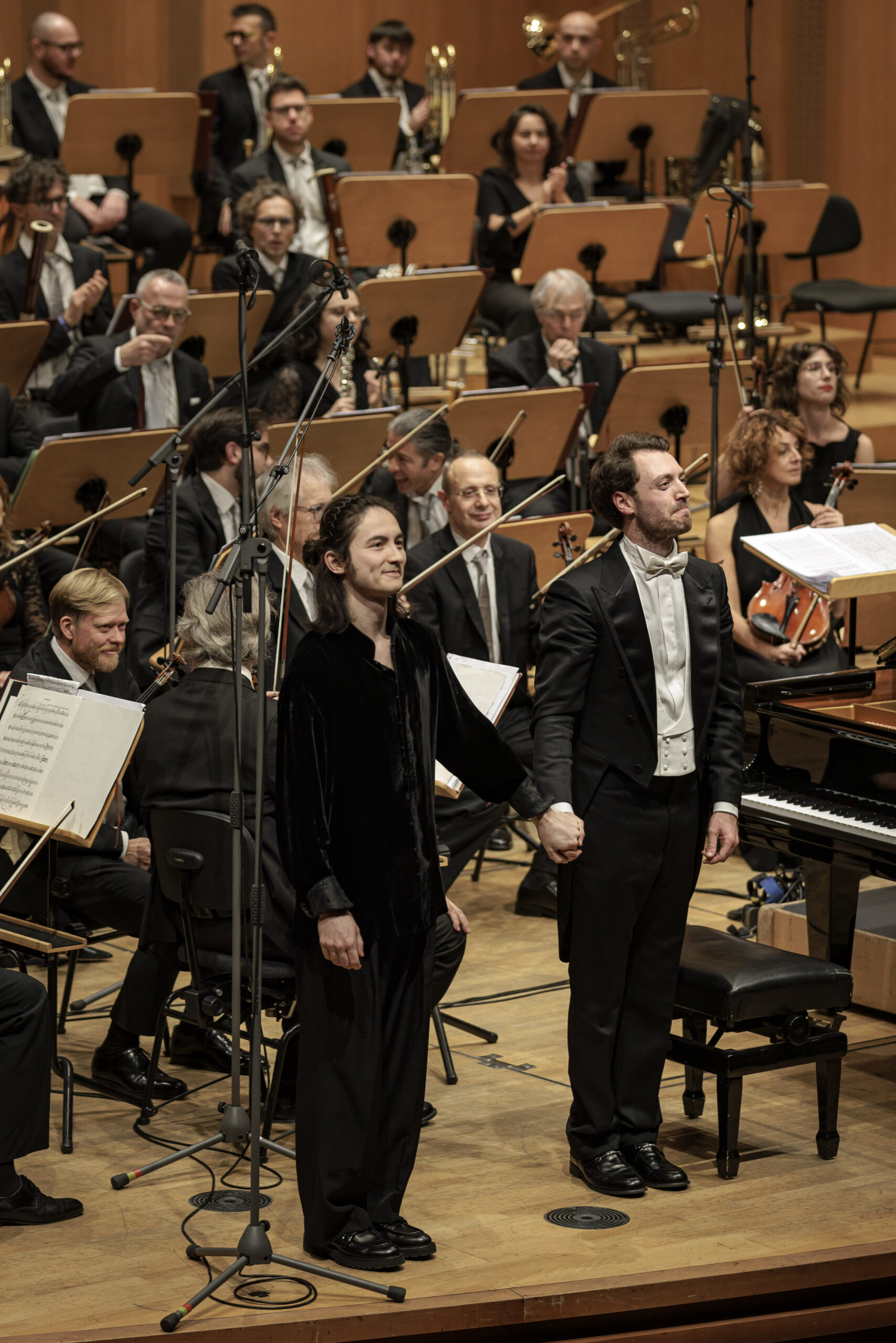
Crowned as a UNESCO Creative City of Music since 2023, the sounds of Bolzano are best experienced in the echo of its concert halls, at late night orchestra rehearsals with Stadt Kapelle Bozen, or in the hallways of its world class music schools. The alpine city may be towered by the Dolomites, but at its very core lies a rich culture shaped by the arts. Schön! hopped on a direct flight from London on South Tyrol’s boutique airline, SkyAlps, to explore Bolzano through the musical fabric that makes it one of the most unique destinations in northern Italy.
photography. Tiberio Sorvillo
In Bolzano, the pride they have for their musical heritage is ubiquitous. If you stop by the Parkhotel Laurin for a drink, you’ll find jazz. And don’t be surprised if you hear concerts taking place everywhere from the local prison to retirement homes and kindergartens. The musical pulse of the city is fuelled by infrastructure that provides locals with the best in musical education. “It’s super important to still invest in classical music,” says Professor Philipp von Steinaecker. He was a student himself long before he became the Director of the Mahler Academy which nurtures young talent who want to become orchestra musicians. “The beauty in music is that you you take these pieces that were written maybe 200 years ago but you have to recreate them in the moment. So, it’s not like you press a button or you show a painting, actual people have to redo [it,]” he says.
Music becomes its own lingua franca in Bolzano, transcending the need for translation. “There was always strong interest in music because you can offer symphony orchestra concerts without doing one for the Italians and one for the German [speakers,]” Steinaecker explains. “You can also open to other countries very easily because it’s completely abstract. It’s just a sound but it speaks to you directly or it doesn’t…the first connection is always emotional and that’s always a great starting point.”
photography. Luca Guadagnino
Bolzano poetically embraces its Austrian-Italian roots and it shows in every aspect of the city from its architecture to its symphonies. “Music doesn’t have any borders. We play and stay together, we create community,” says Monica Loss, General Director of the Haydn Foundation, a non-profit that connects the languages and cultures that define Bolzano through music. From contemporary dance to orchestra and opera performances, they organise around 250 events throughout the year. “We want to create bridges,” Loss tells Schön! “Not only between the two provinces, but also at national and international level.”
The arts scene in Bolzano may be rooted in tradition, but its reputation for artistic excellence is also a hub for refreshing talent like Leonie Radine, curator at contemporary art museum, Museion, and Principal Conductor of the Haydn Orchestra Alessandro Bonato, who is a tour de force named as one of Forbes Italia’s Under 30 figures of arts and culture. Each are testament to the power of art in building community and connection across generations.
photography. Luca Guadagnino
photography. Courtesy of Azienda di Soggiorno e Turismo di Bolzano + Tiberio Sorvillo + Luca Guadagnino
words. Shama Nasinde
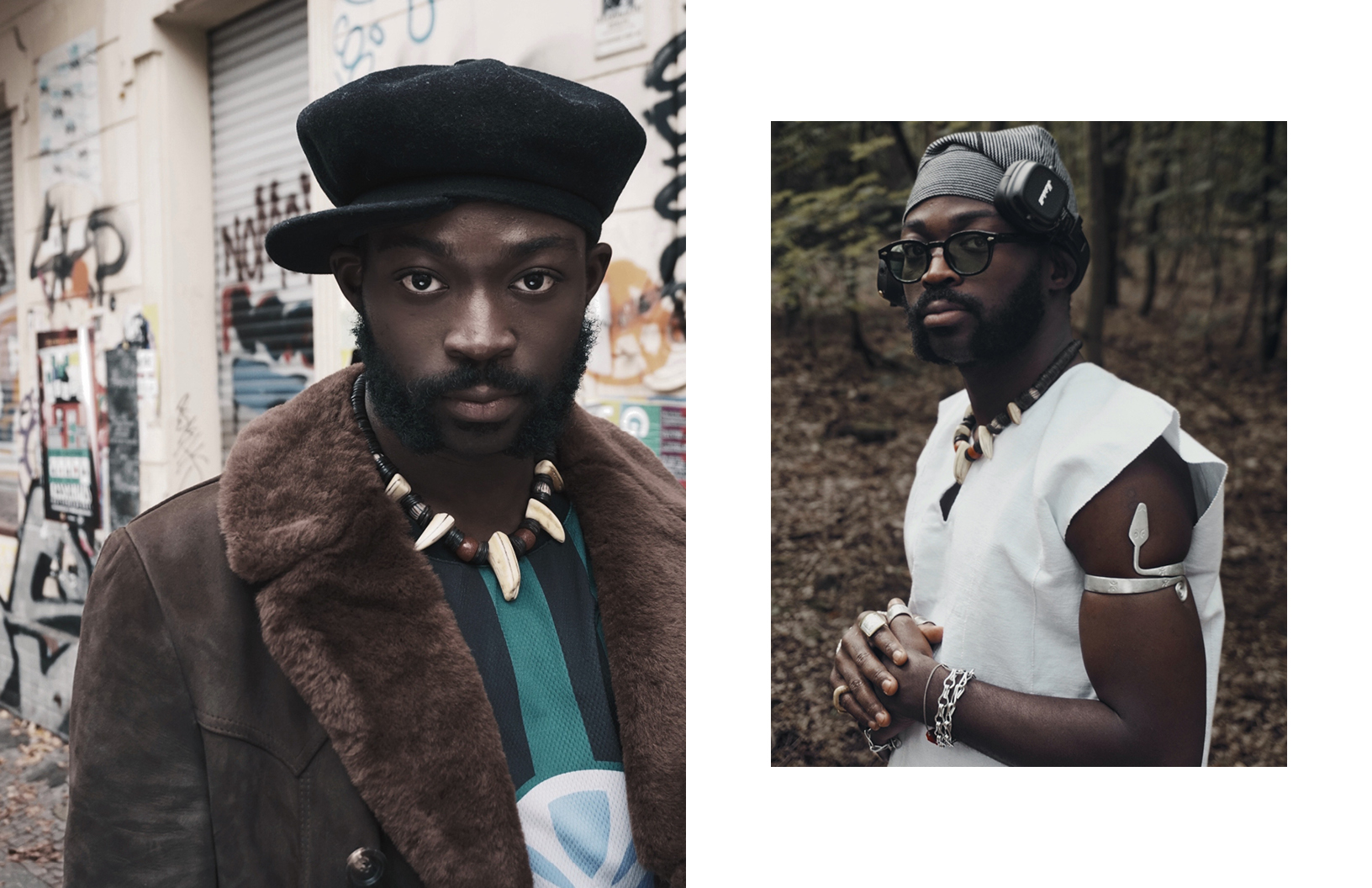
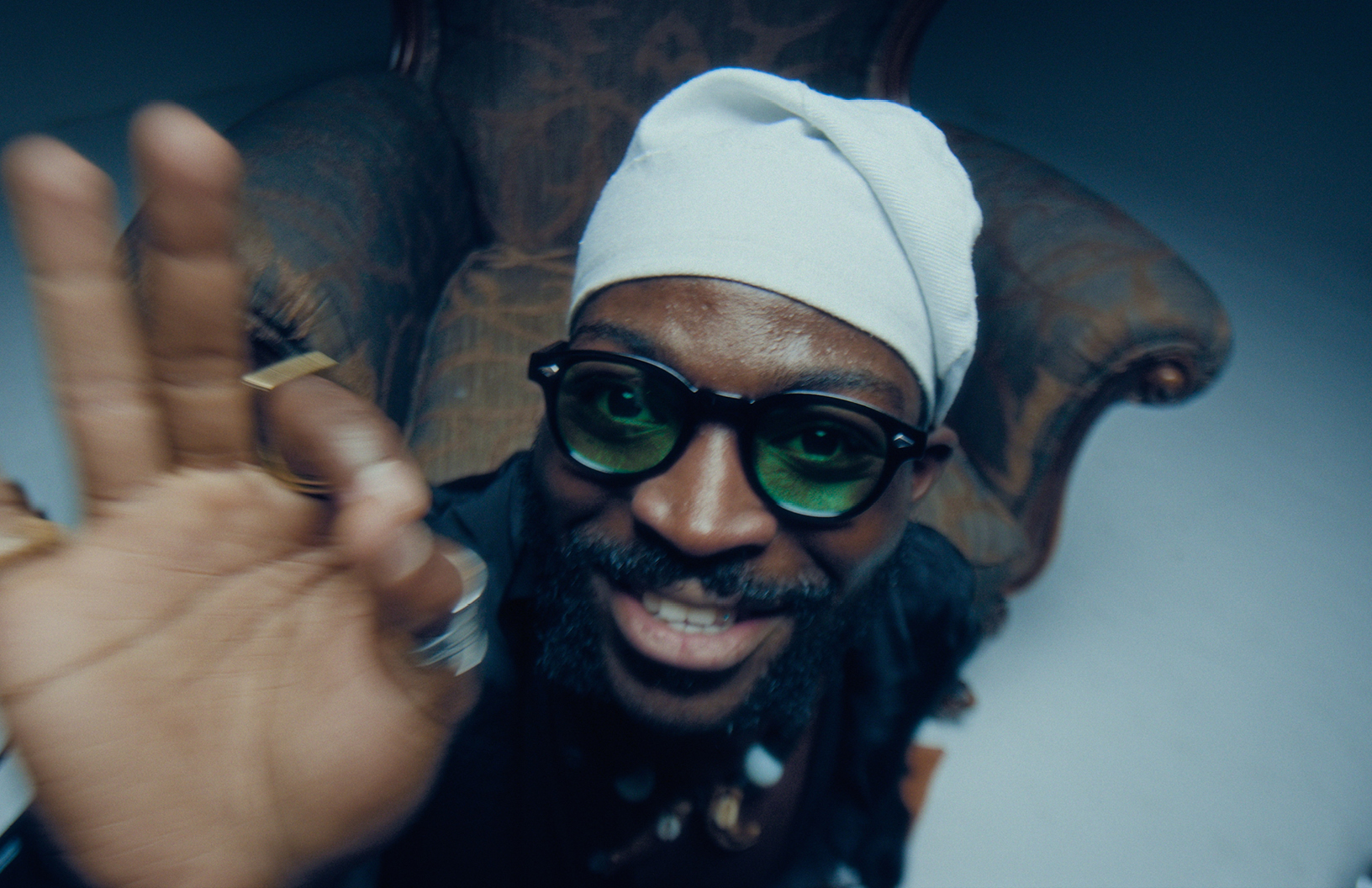
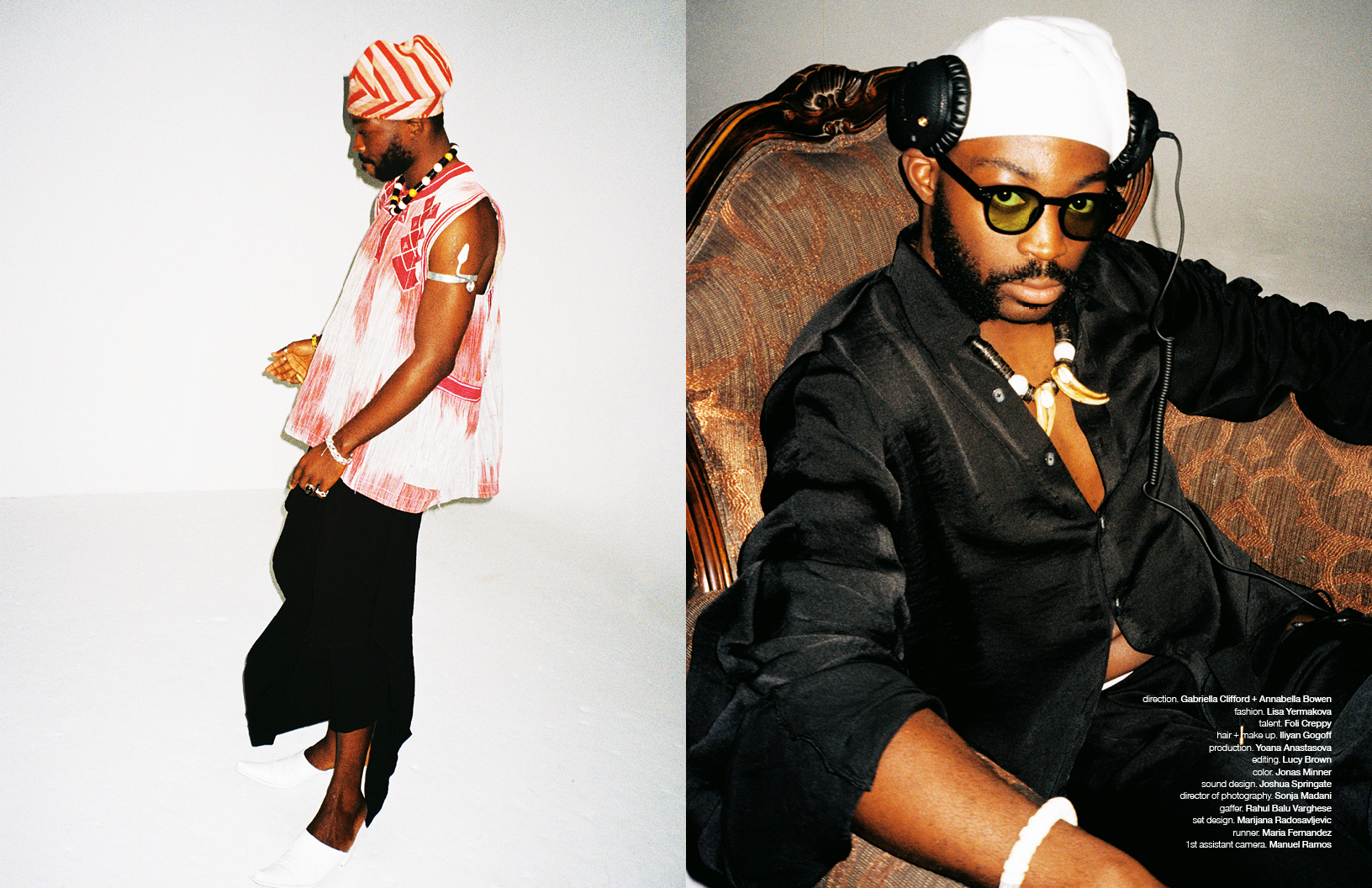
For Berlin-based visual storyteller Foli Creppy, music plays a different but equally essential role. Born in Benin and shaped by movement, rhythm, and image, his creative process lives somewhere between control and surrender. “When I’m in a flow state, I don’t feel like I’m directing anymore,” he says for Schön!’s profile series. “I feel like a vessel — like being on a dance floor.” It’s one of the few moments where he feels completely free.
That openness is deeply personal. After initiation with the babalawos in Benin, Foli received the name Deze, a name that reflects who he is at his core. It’s a reminder that identity isn’t fixed, but carried, learned, and embodied over time. Berlin’s creative scene, he says, is strange, ambitious, and full of characters; a place where contrasts coexist. For Foli, every culture holds something to learn from, something you can move with rather than against.
He’s not trying to fit a mold, only to show up as himself. Music, in particular, grounds him.Marshall’s Major V headphones allow him to remain immersed, focused, and connected to the sound while navigating the city. Whether walking, observing, or creating, they offer a private space where ideas can form and flow uninterrupted. Music has always found ways to guide creative instinct. What creators and storytellers like Foli share is a belief in giving that instinct free rein, whether it’s to wander, to absorb, or to become something entirely new. “I believe that in every culture there are things you can use to your advantage, things you can learn from places and from people. I’m simply trying to be who I am.”
top + hat. Talent’s Own
skirt. AUTEL Studio
shirt. Mowalola
hat. Kangol
custom-made jewellery in ghana. Talent’s Own
opposite
headphones. Marshall MAJOR V
top, hat + custom-made jewellery in ghana. Talent’s Own
shirt. AUTEL Studio
hat + custom-made jewellery in ghana. Talent’s Own
left to right
headphones. Marshall MONITOR III A.N.C.
top + hat. Talent’s Own
headphones. Marshall MONITOR III A.N.C.
shirt + trousers. AUTEL Studio
hat + custom-made jewellery in ghana. Talent’s Own
top + hat. Talent’s Own
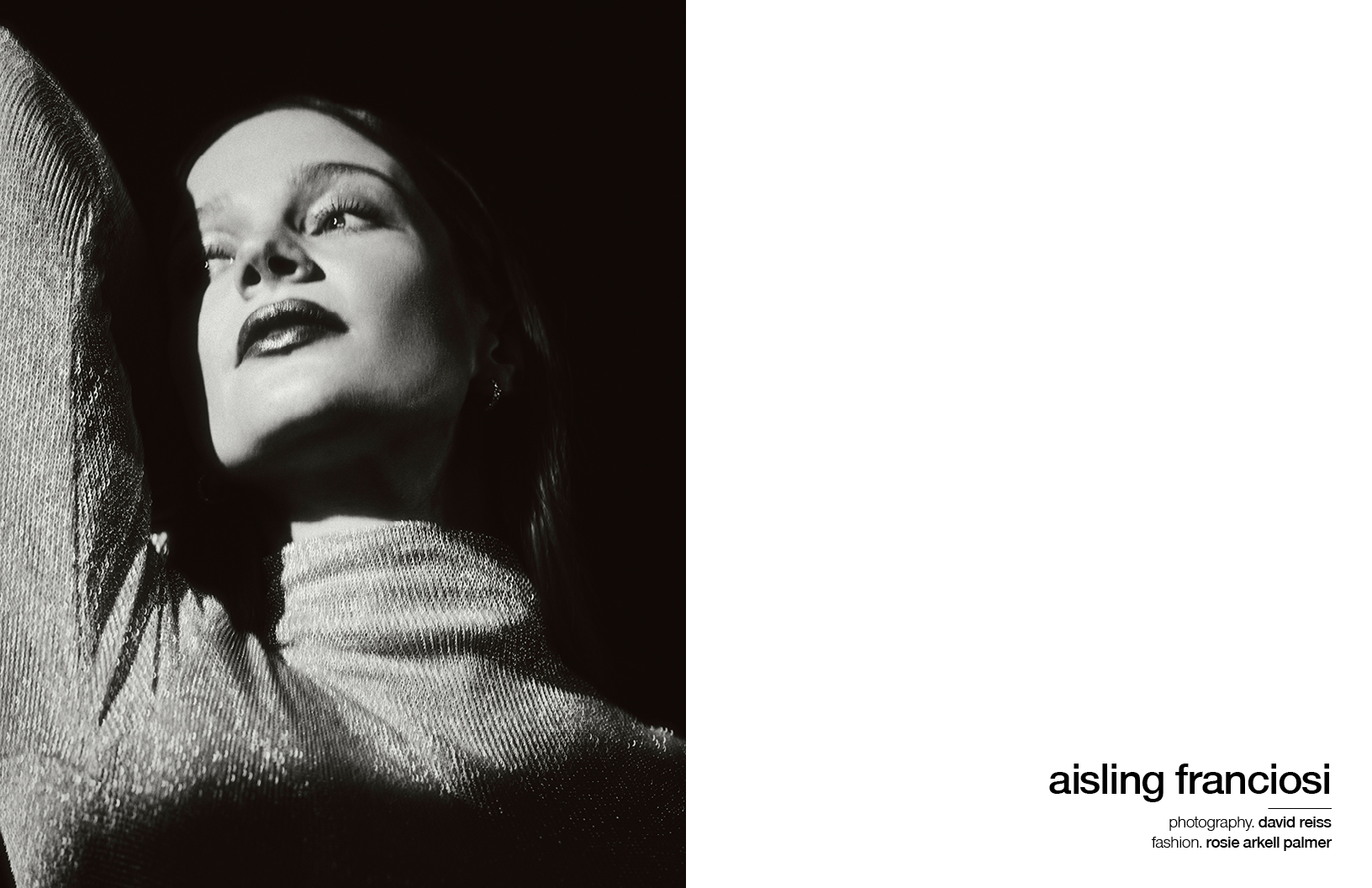
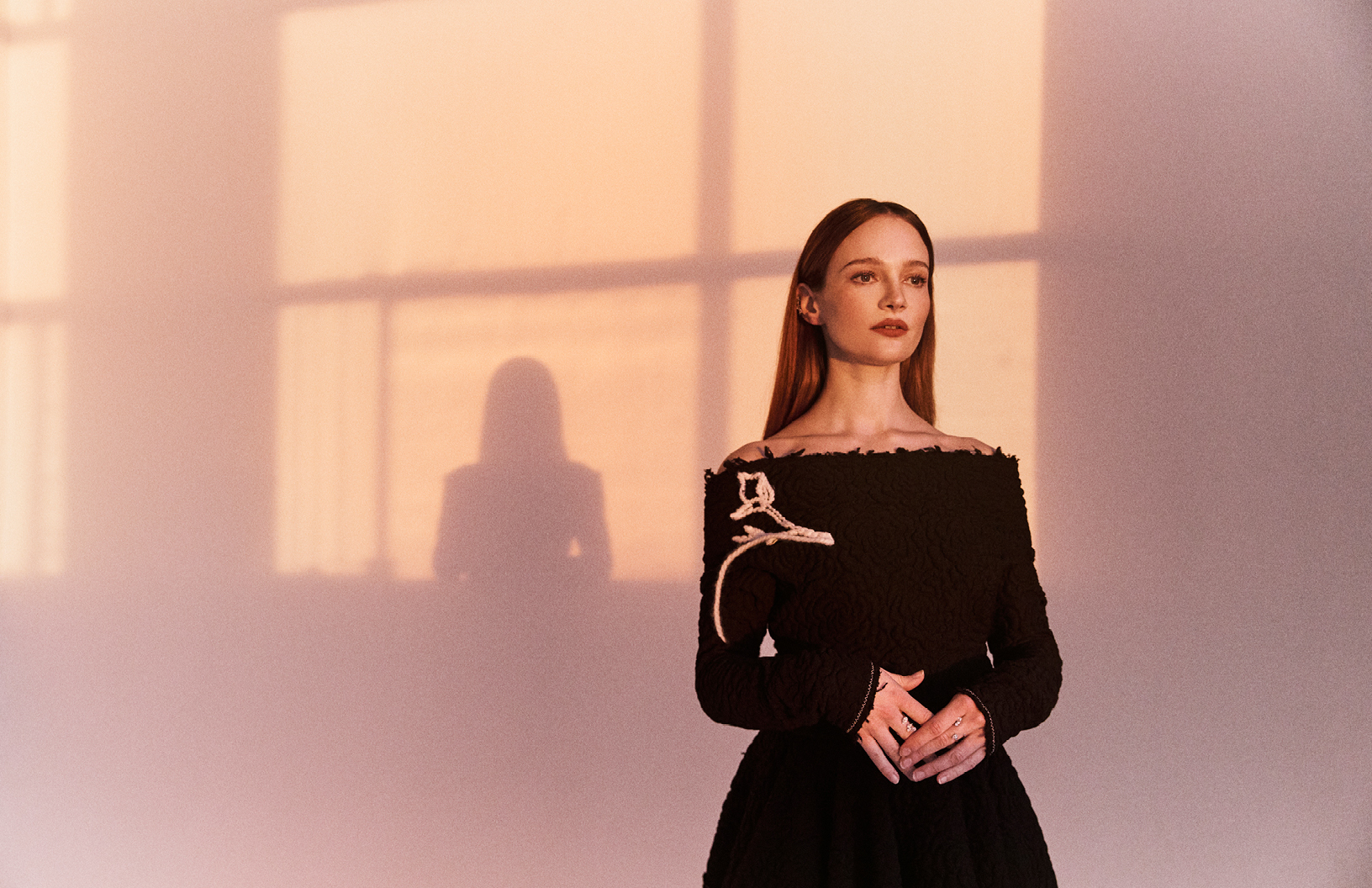
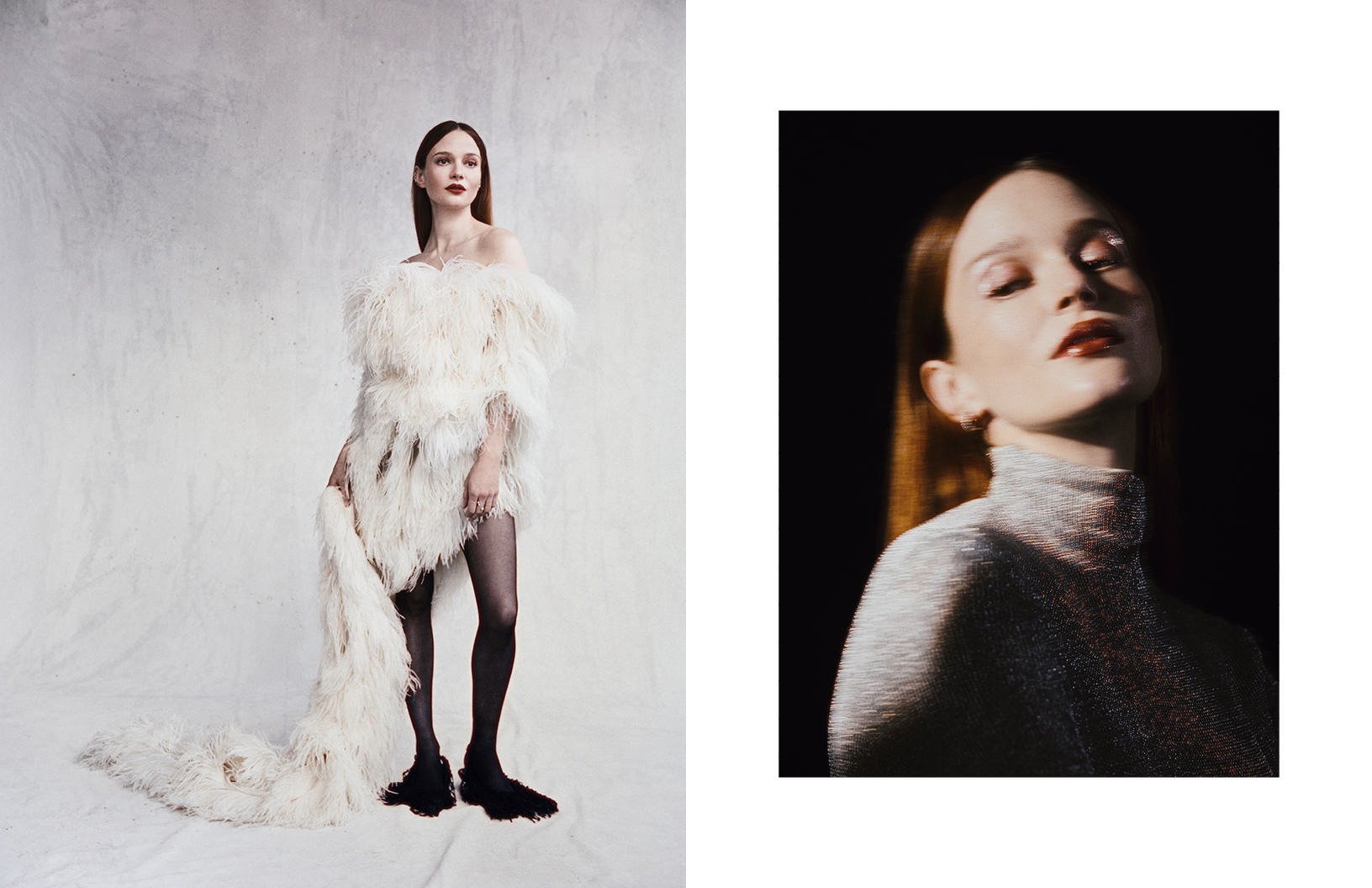
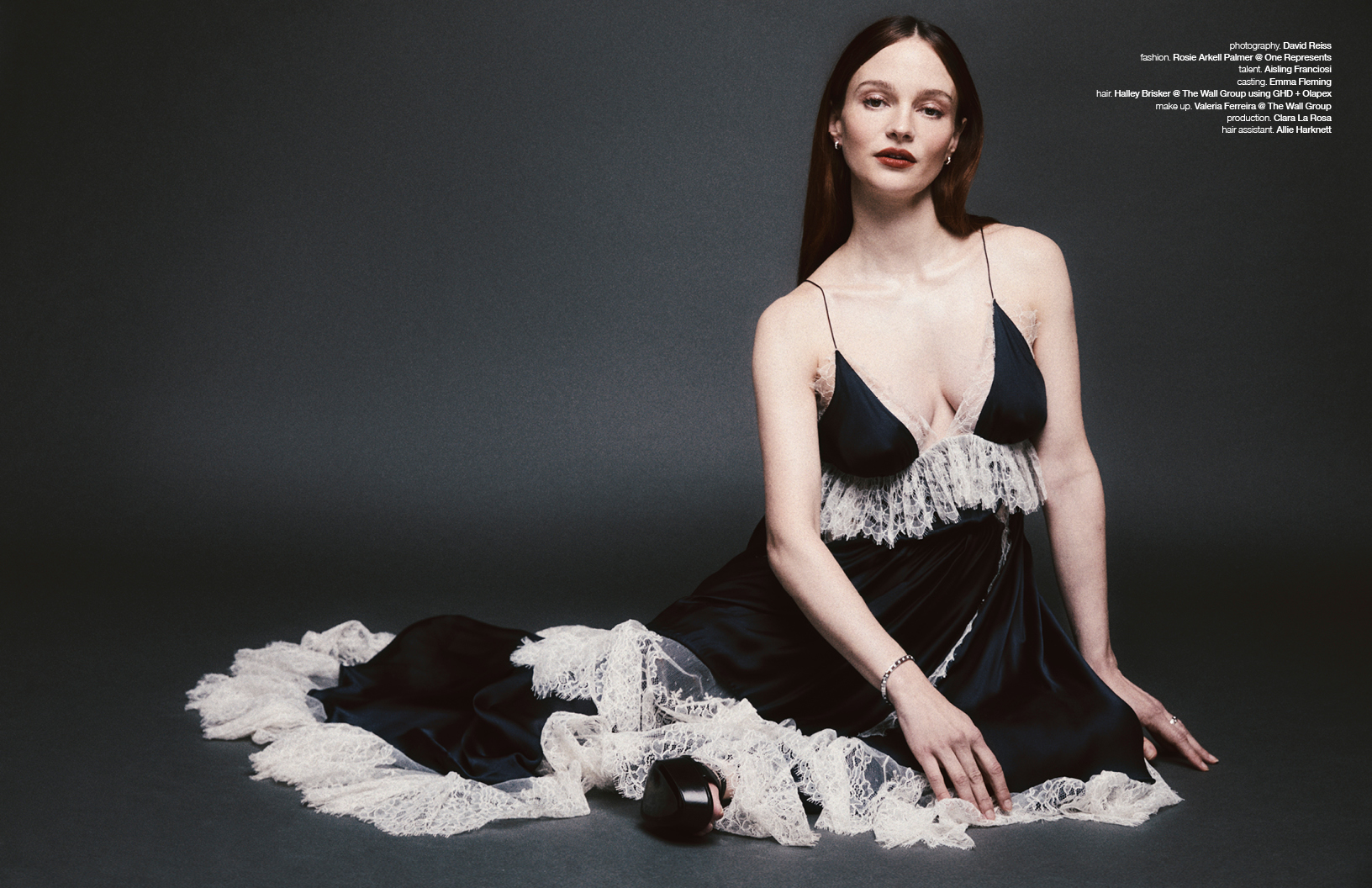
From ‘The Nightingale’ to ‘Speak No Evil’, Aisling Franciosi has built a career portraying women haunted by unspoken histories – rage buried beneath grief, tenderness hardened by survival. Now, in Kurt Sutter’s new Western saga ‘The Abandons’, she returns in a different register: quiet power. As Trisha Van Ness, the heiress to a ruthless dynasty, Franciosi plays a woman caught between privilege and entrapment, loyalty and rebellion.
Speaking to Schön!, Franciosi reflects on the volatility of Western narratives, the emotional architecture of ambition, and the thrill – and terror – of stepping into a character whose strength lives not in violence alone, but in restraint.
dress. Alberta Ferretti
opposite
dress. Khyeli
jewellery. Repossi
Trisha Van Ness is fierce, guarded, and caught between loyalty and ambition. When you first met her on the page, what part of her felt closest to you – and what part felt most foreign?
This way of working was quite new to me in that, you know, I signed up to this just having read a pilot. I got to know Trisha’s character as they were writing for her, which is a very new and different way of working for me. I think on the page, I felt that I could really connect with her being underestimated.
She’s underestimated by her family, by her mother in particular, and this frustrates her as she caresses ambition, has a lot to offer. And it’s not only her being shut out of the family’s business, but she feels a complete disconnect in terms of any affection or love from her family. There is a fire that the indignation at being underestimated can bring out in someone; I was curious to see where that would lead her.
You’ve often played women carrying something heavy – grief, trauma, buried rage. How do you locate the soft, human center inside characters shaped by violence?
I think there’s a part of me that finds playing those kinds of characters quite cathartic. In my day-to-day life, I tend to expect myself to be a bit softer and maybe a bit more positive: I don’t necessarily allow myself to express negative emotions so easily. And so I find it extremely rewarding when I get to play these characters who are just letting their rage out in whatever way they need to.
So for me, it’s more about tapping into the rage or the defiance or the indignation. Rather than struggling to find the softness in them, I feel like I myself as a person, can bring a little bit of that to them.
Your performances rely on stillness and interiority – and they speak loudly. Where does that come from?
I don’t have a specific process. And it’s something I used to be a bit embarrassed about, if I was asked, How do you do this? The truth is, I’m not always quite sure. I think the stillness is the only thing I want to try and achieve in a scene, regardless of everything else; it’s something that always feels real for a character, even if the world they exist in is a heightened one. I think this may be my attempt to make the character feel very grounded and real.
dress. Erdem
jewellery. Repossi
‘The Abandons’ is your first Western. Beyond dust and gunfire, was there something in the moral landscape of the frontier that resonated with your life now?
I believe the world is in quite a volatile space right now. And I don’t think it’s any surprise that Westerns are having a real resurgence because they offer a setup we know so well. It’s nostalgic – about good and evil, where there are good guys and bad guys. People find comfort in that.
But if the good guys do something bad, just because they’re the good guys, does it make it any less bad? Being able to look at morality through the lens of a Western can bring a strange comfort.
The Van Ness family is powerful but also secretive and fractured. Did working inside a story about dynastic pressure make you reflect on your own family dynamics or upbringing in any surprising ways?
Playing alongside Gillian (Anderson), I feel so lucky that my mom is my best friend. Mother-daughter relationships can get complex. During shooting, I did find myself thinking, Thank god I have such a good relationship with my mom.
‘The Abandons’ explores territory – literal and emotional. What would you fight to protect?
Family. I think we all like to believe we would behave in very moral ways always, but I could see myself possibly being led astray if it came to protecting my family.
Violence and tenderness coexist in Kurt Sutter’s world. How do you find humanity in that duality?
It comes back to understanding what drives a character – their background, how their stories have shaped them. With Trisha, I wanted to understand her dreams and how she could pursue them in a world so oppressive. The more she leans into what she wants, the more she’s at odds with her environment. To my mind, the drama comes from those things clashing.
Was there a moment on set when you thought, This is new territory?
Something I had never really done was play a character who’s the rich girl in town, someone refined. I don’t usually get those roles. You think of them differently from a scruffy or traumatized character.
Did Trisha leave anything with you after filming wrapped?
I came away thinking again that the relationships you have can really shape the course of how events unfold in your life. When we see Trisha at the end – I can’t give anything away – but you’re left wondering, Oh God, what is she going to do next? If we were to explore further, I’d be very curious where she ends up. But I don’t think every role should leave you feeling like you’ve given yourself away forever.
Women in Westerns are often sidelined or symbolic. What did you want to complicate about this archetype?
With ‘The Abandons’, rules are more lax – it’s the wild West after all. You have this young woman who expects more for herself and doesn’t want to buy into societal expectations. She’s inspired by her mother, who is a badass, yet it’s her mother imposing those very rules on her.
And honestly, Lena (Headey) and Gillian do so much of the heavy lifting in showing that women were very much central to this world.
You’ve spoken about the emotional toll of ‘The Nightingale’. Did a large-scale ensemble like ‘The Abandons’ shift something for you creatively?
With ‘The Nightingale’, I had months to get the character in my bones. Heavy material, yes, but incredibly satisfying. With ‘The Abandons’, I was discovering my character while filming. It’s a new skill – learning how to bring artistic merit to very different kinds of productions.
You return again and again to psychologically complex women. What part of you keeps gravitating there?
I think it’s a combination of being satisfied with those roles and the industry seeing you do something well, so they think of you only that way. And as long as the writing is good, I’m not going to turn something down just because it’s dark. But recently I’ve had chances with comedy with ‘Twinless’, which was my first. I didn’t always know what I was doing, but I really enjoyed it. Some of the parts I’ve been given have spoiled me – ‘The Nightingale’, especially. It stretched me so much. And I feel very lucky for that. I never want to not acknowledge that.