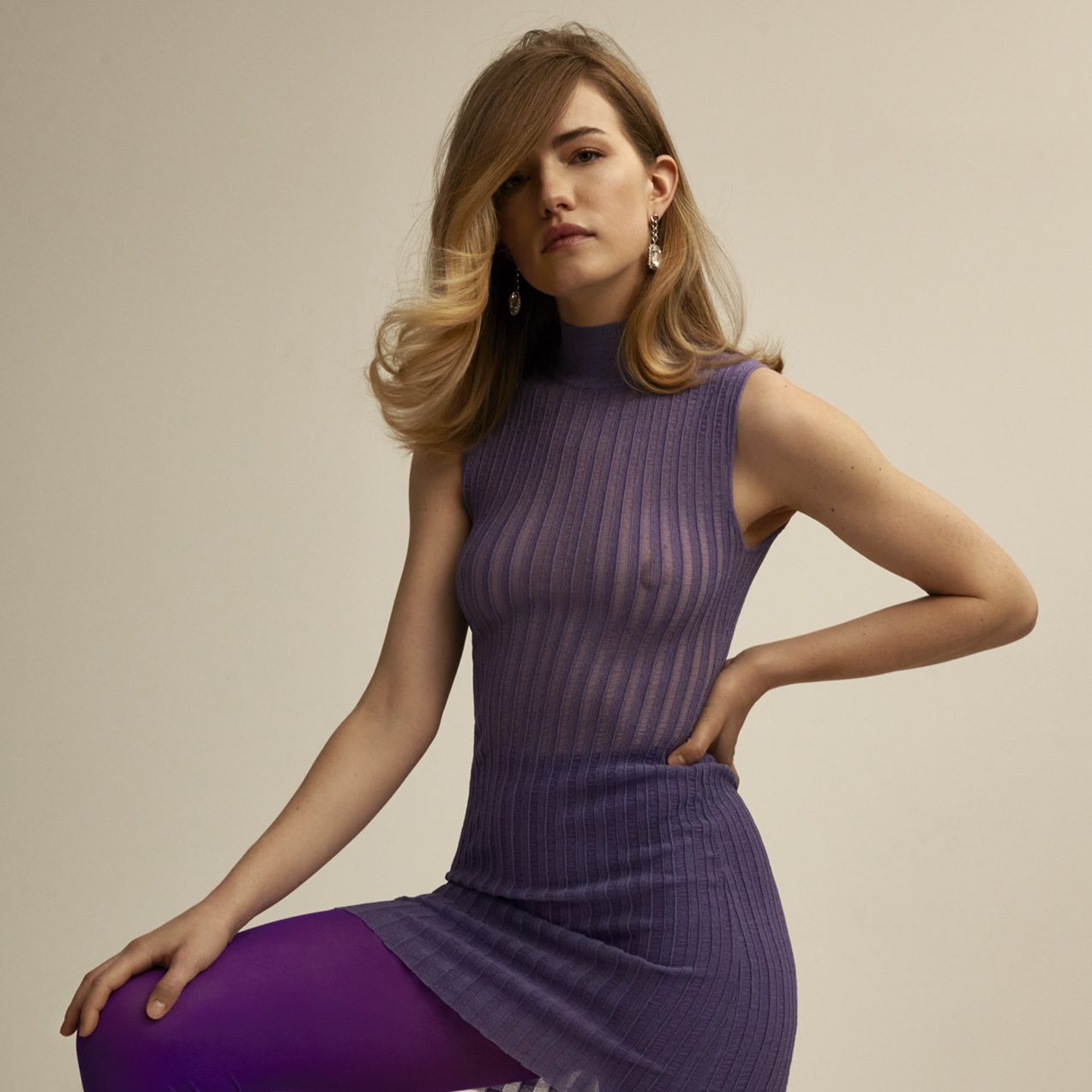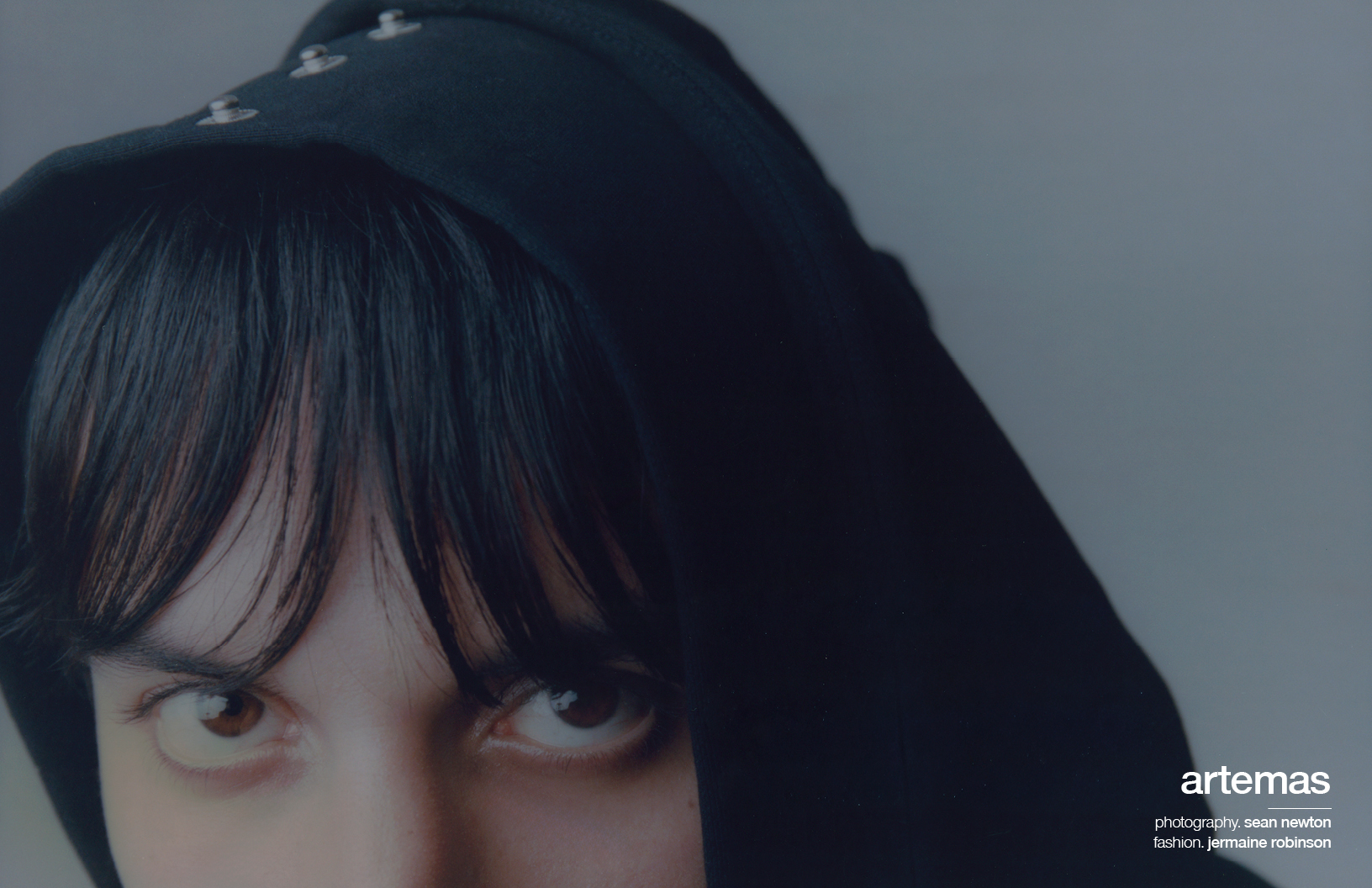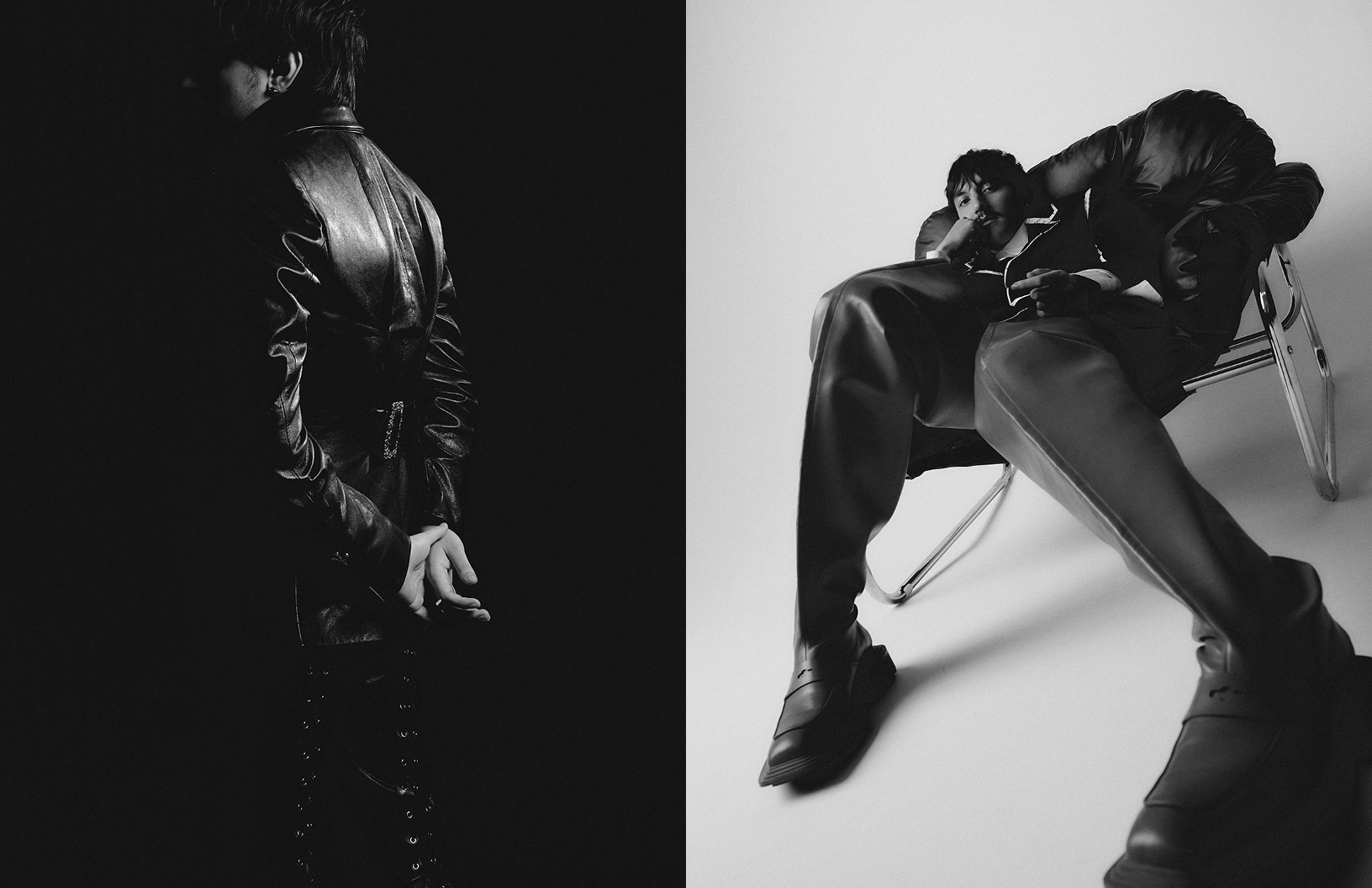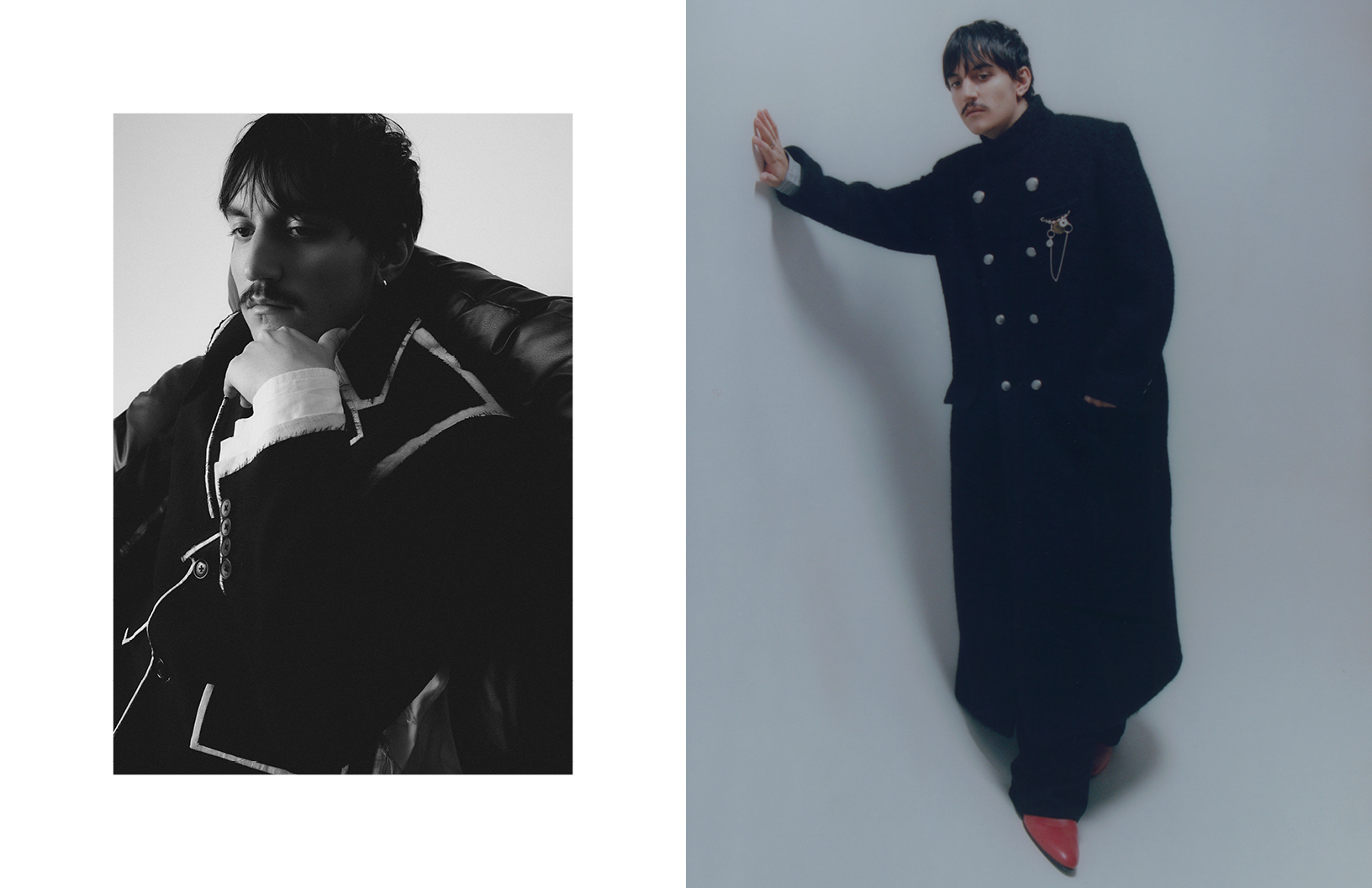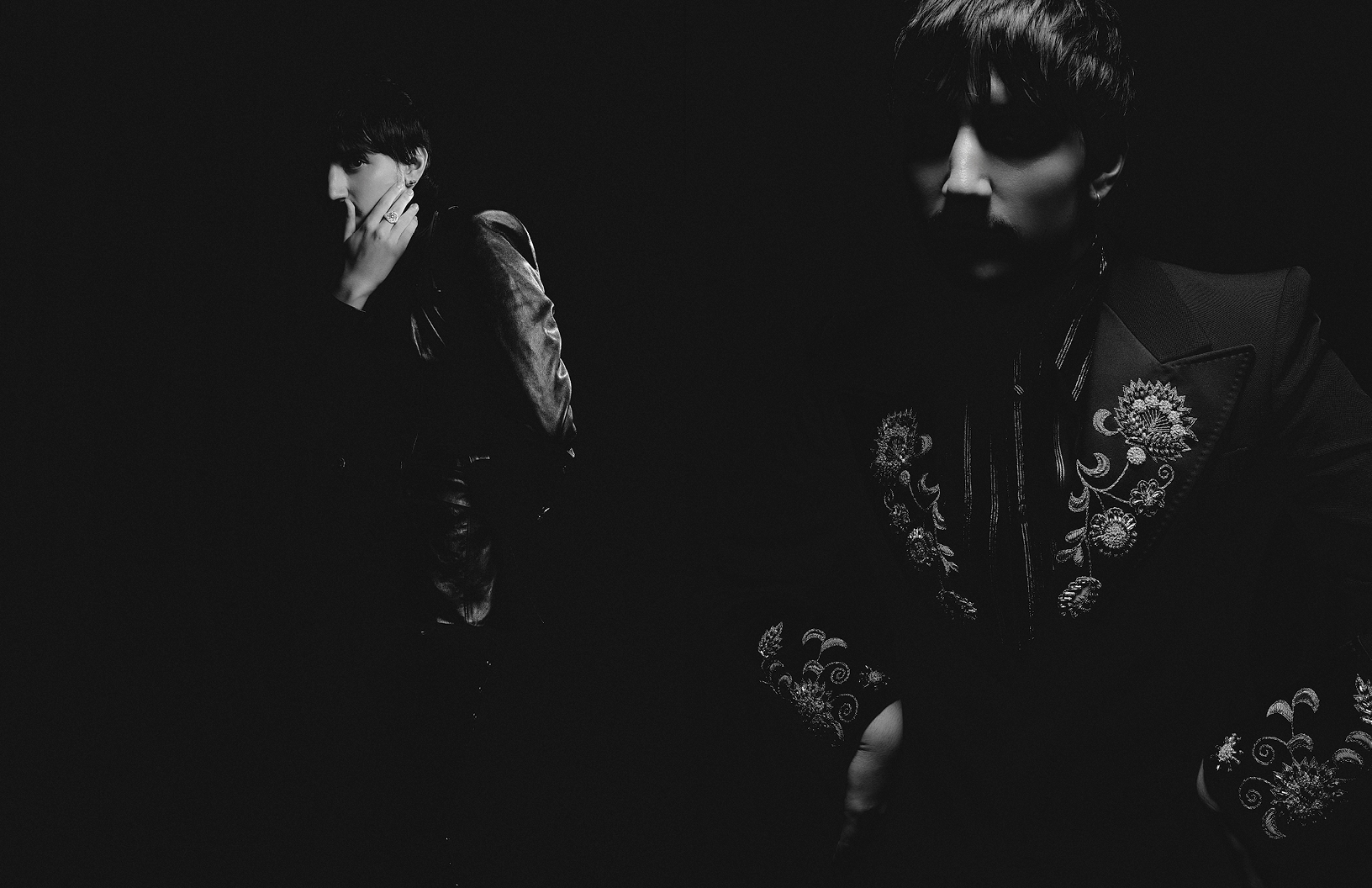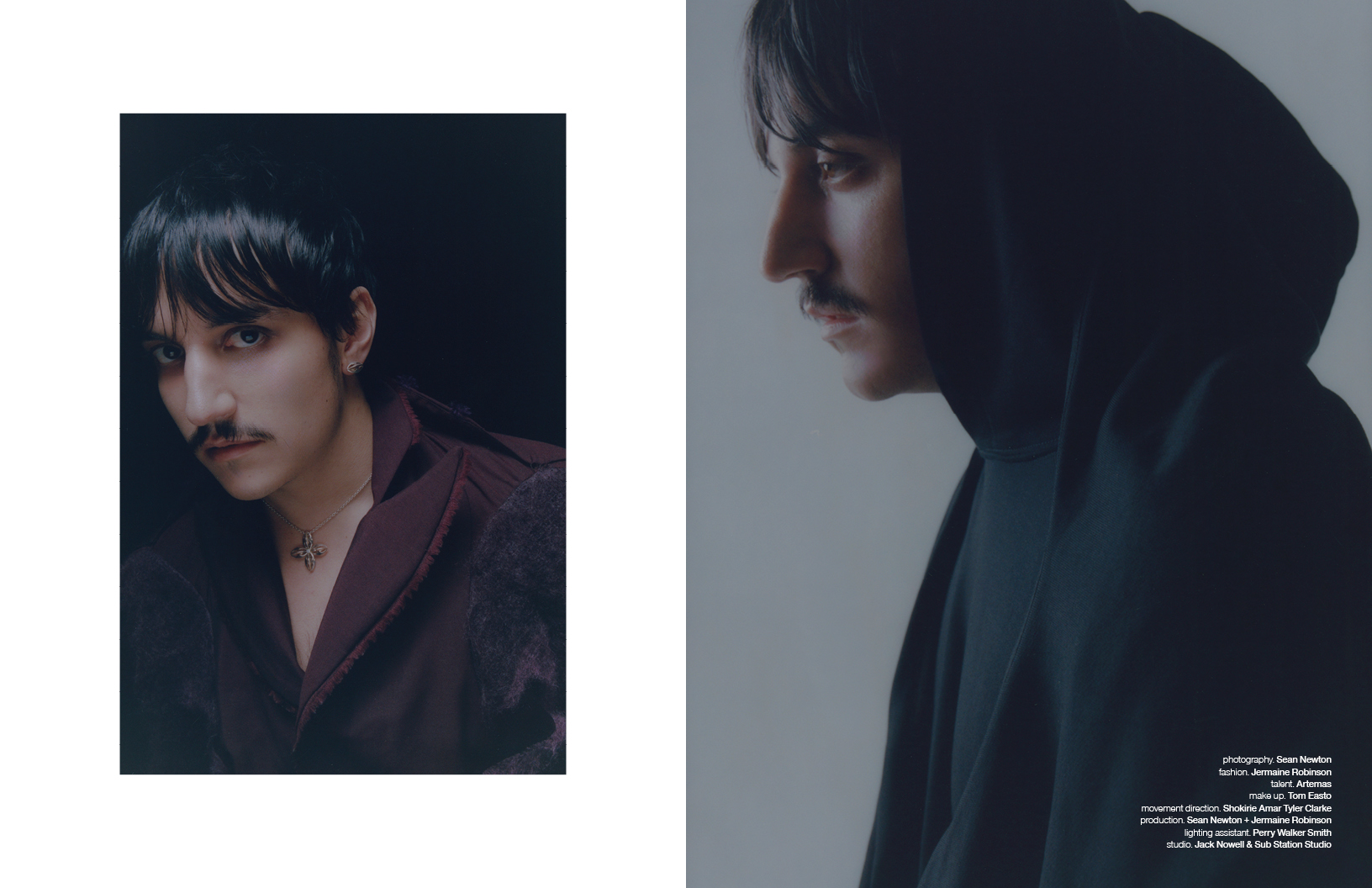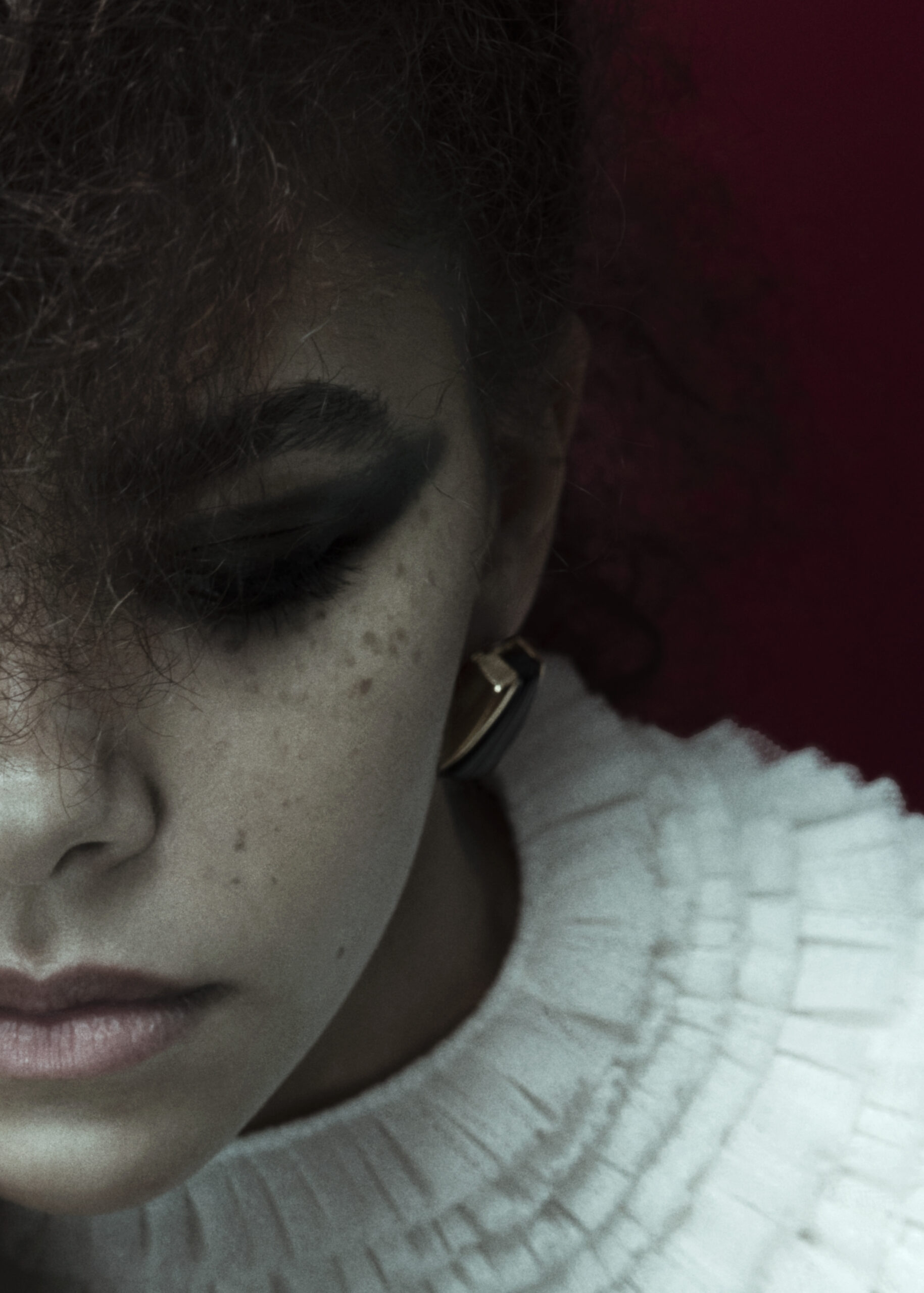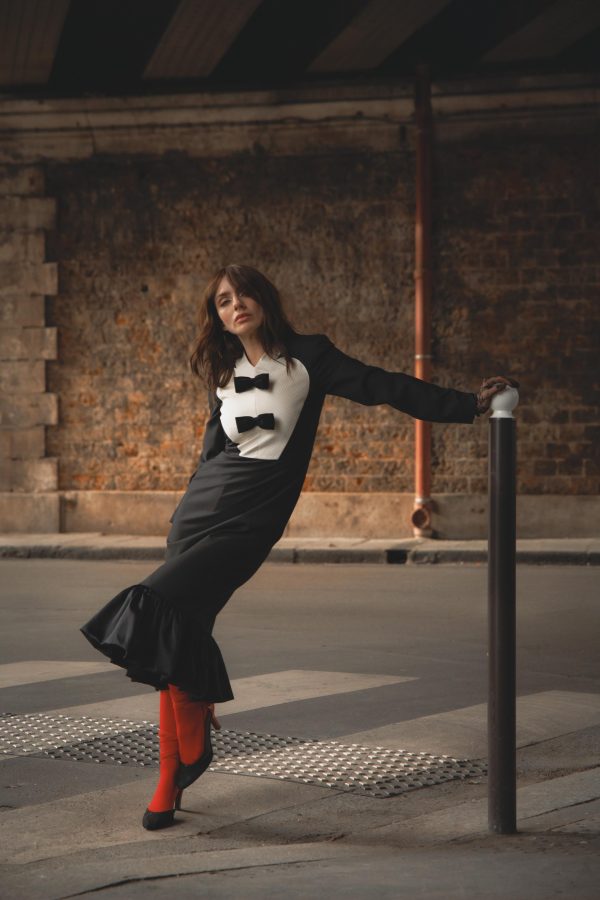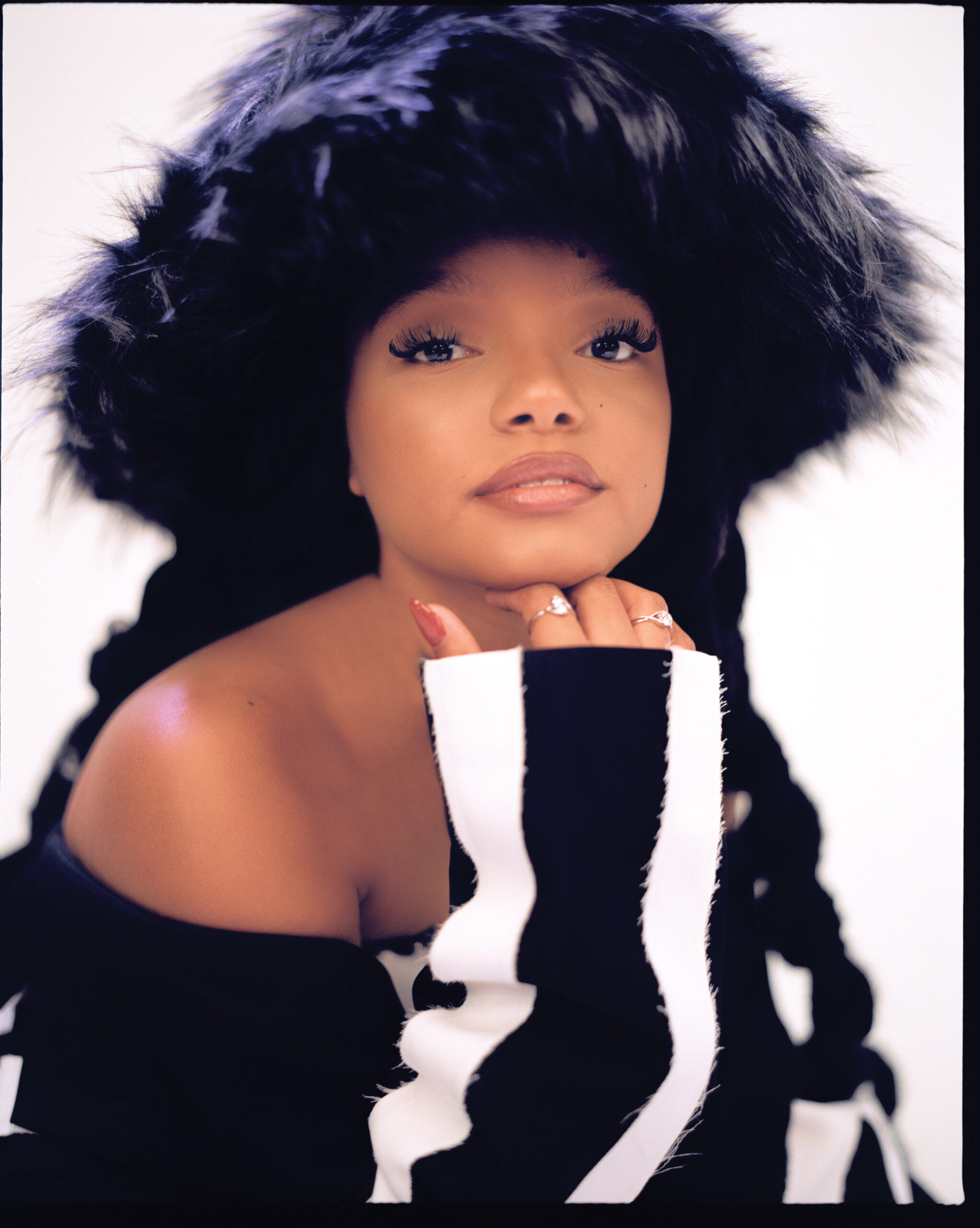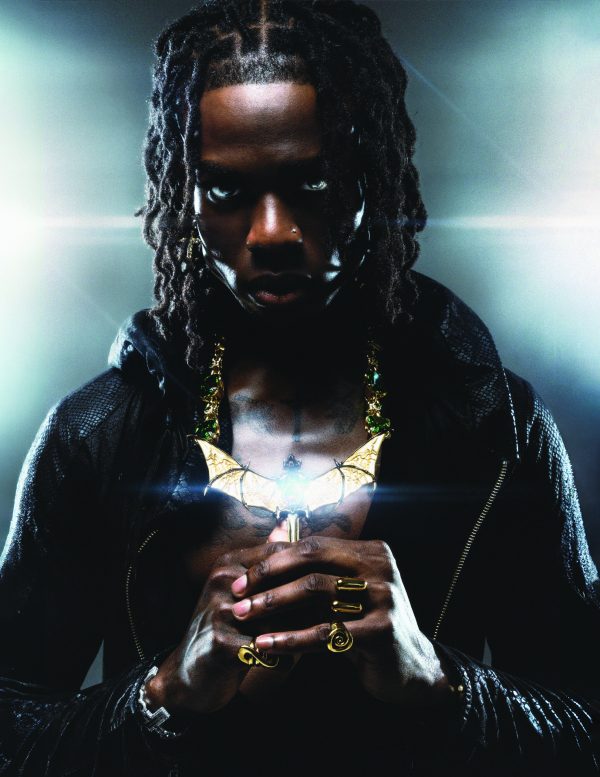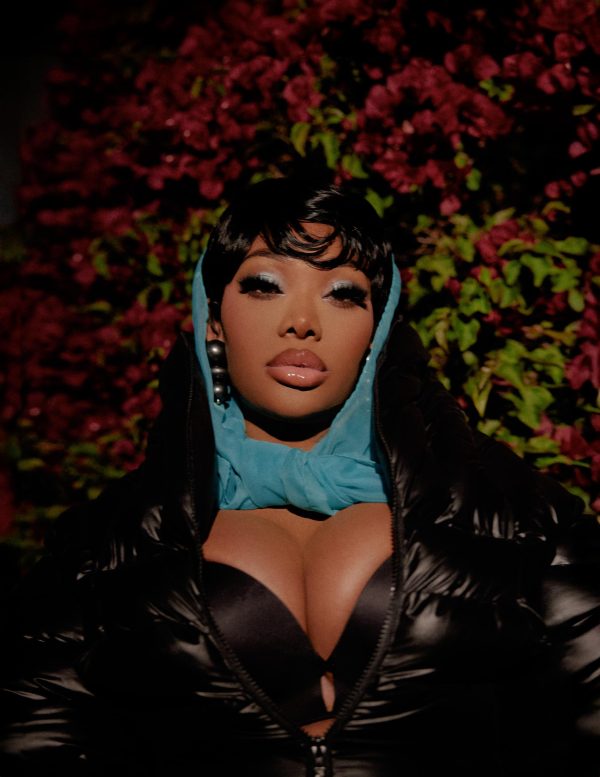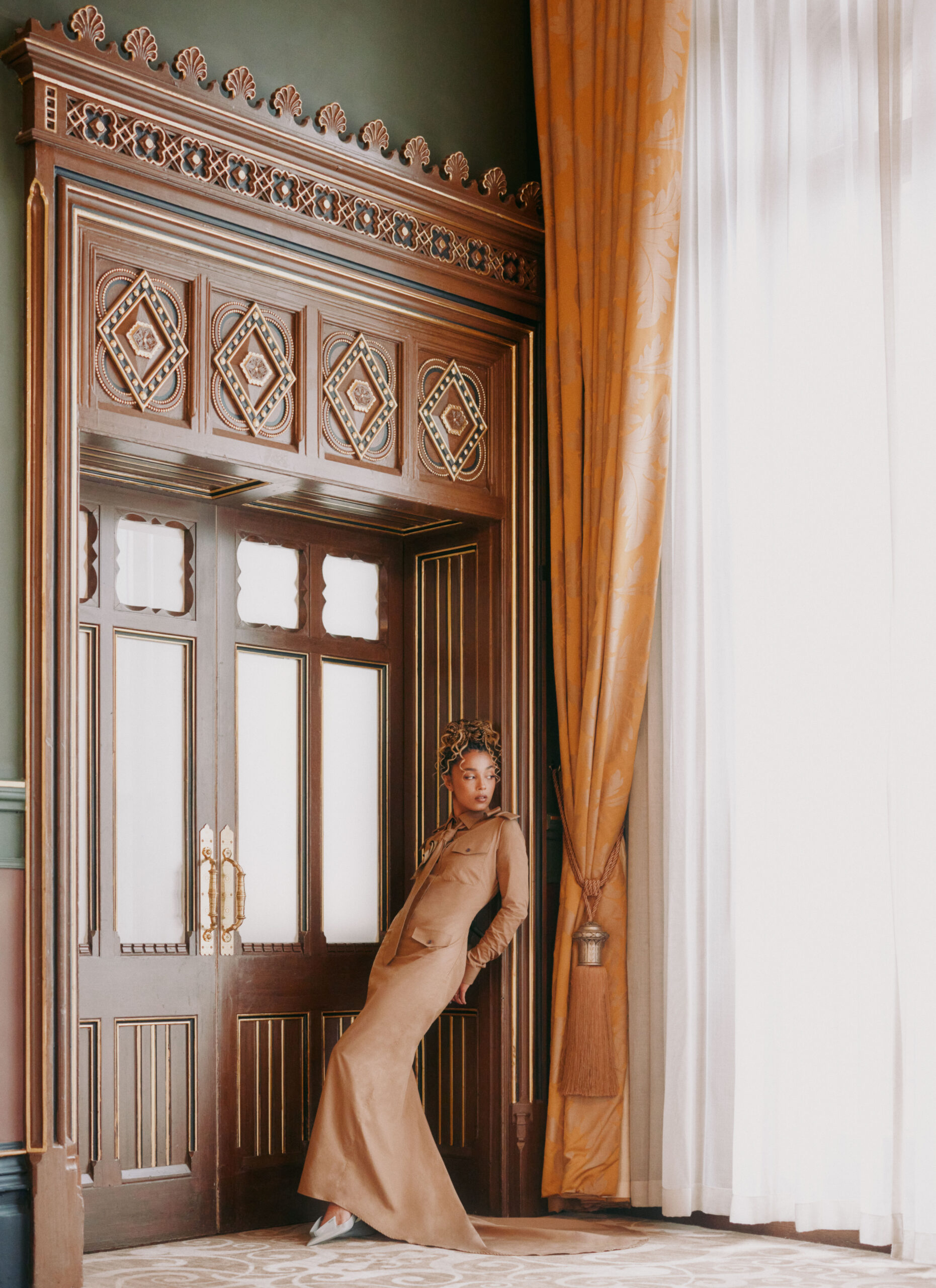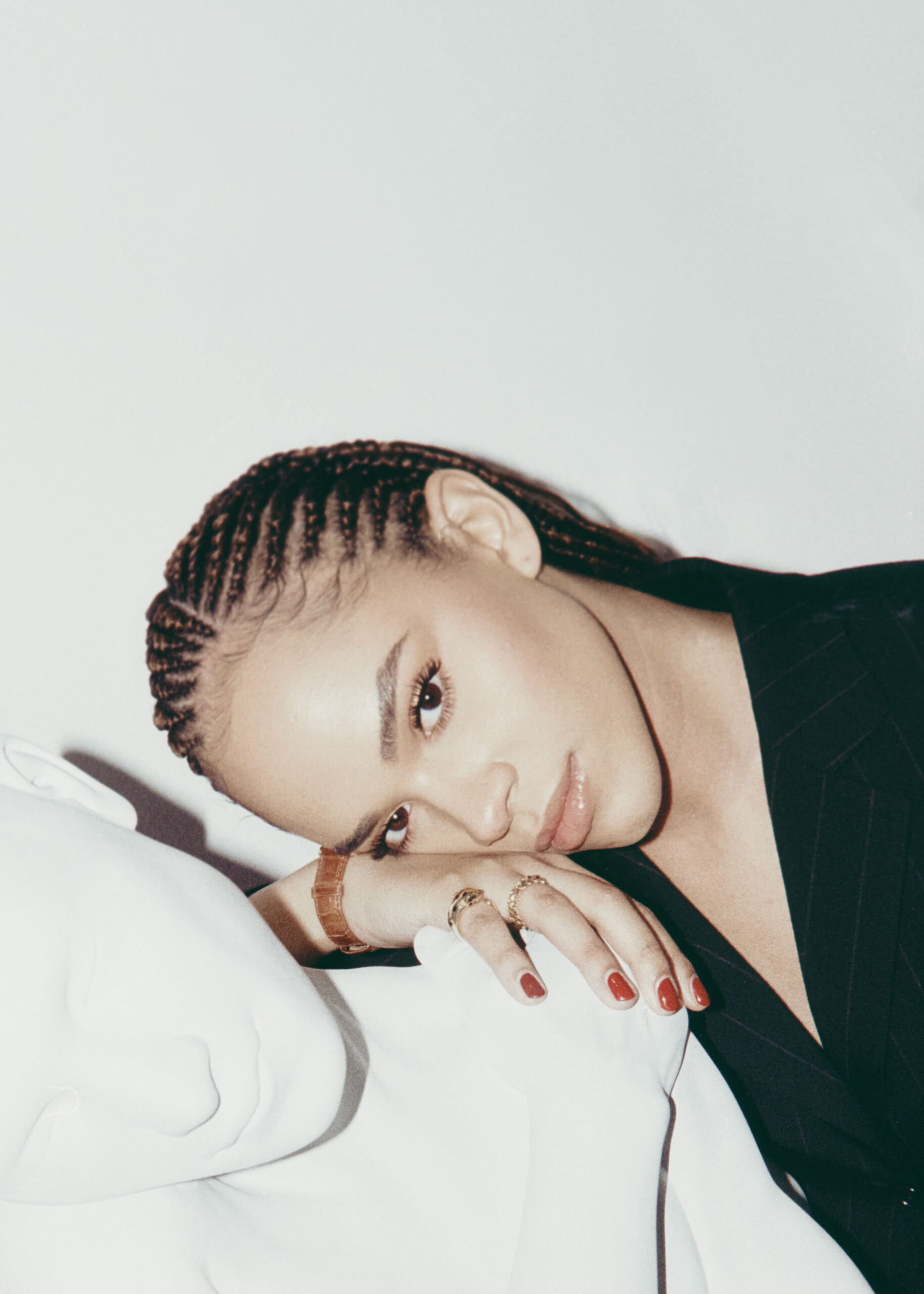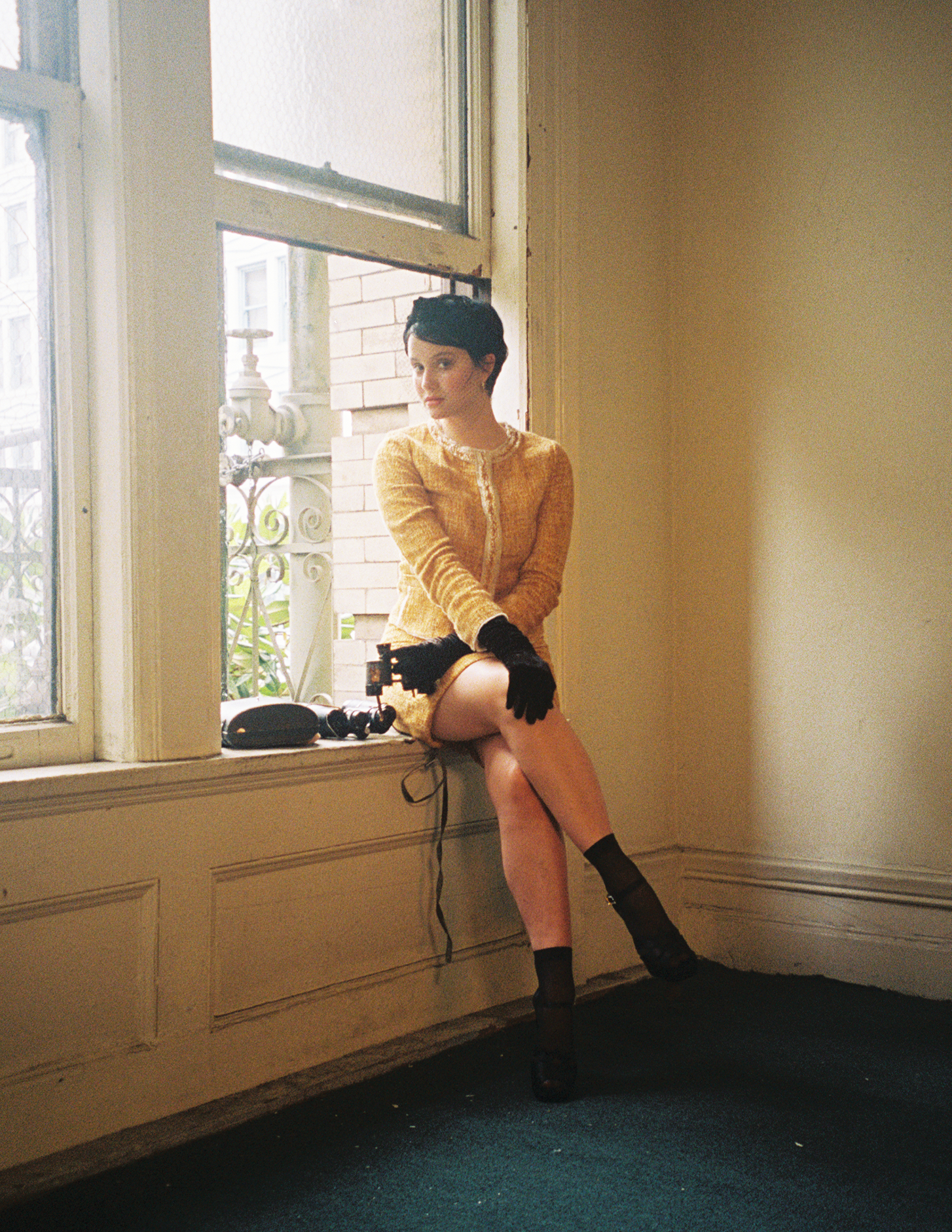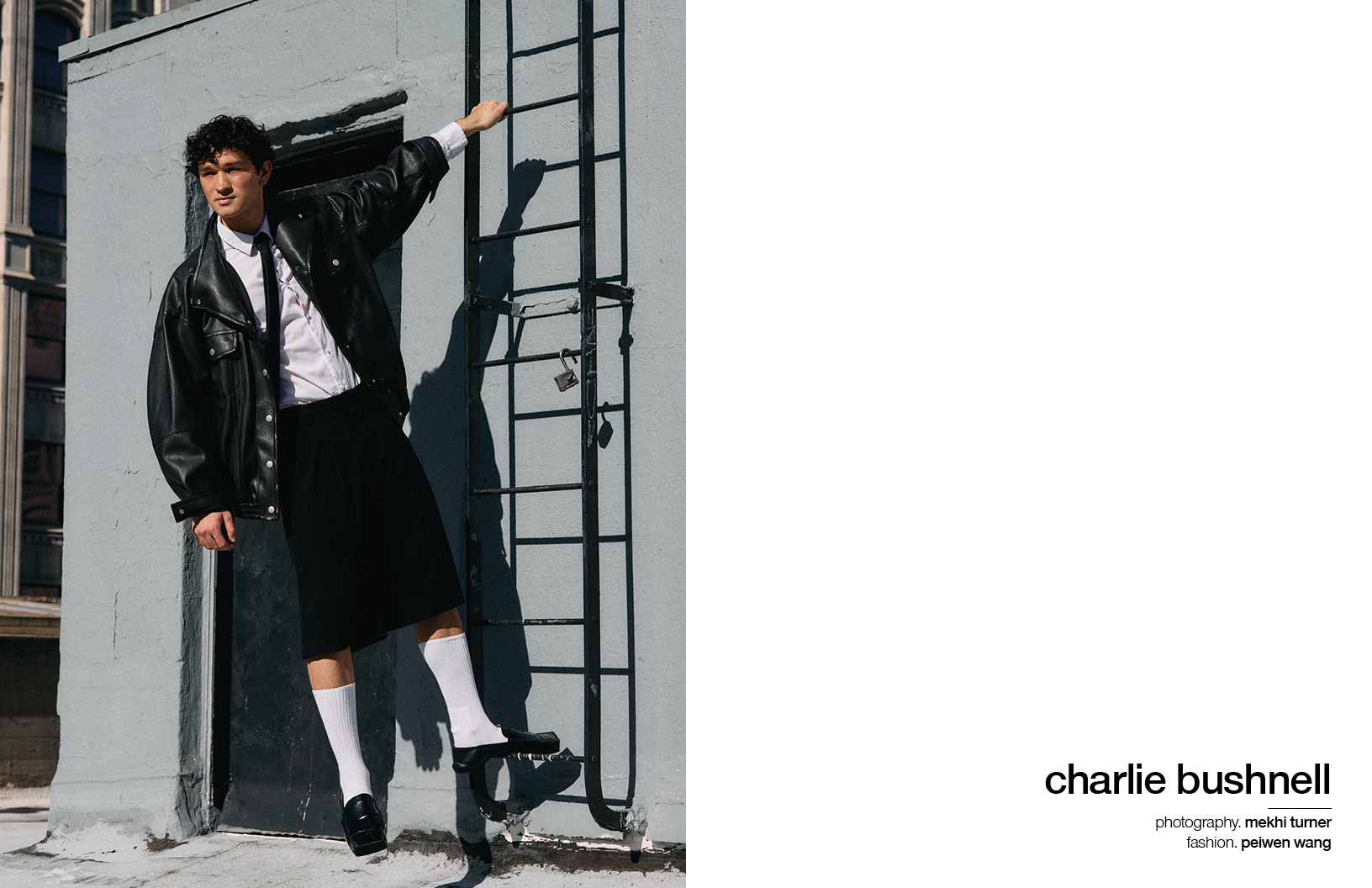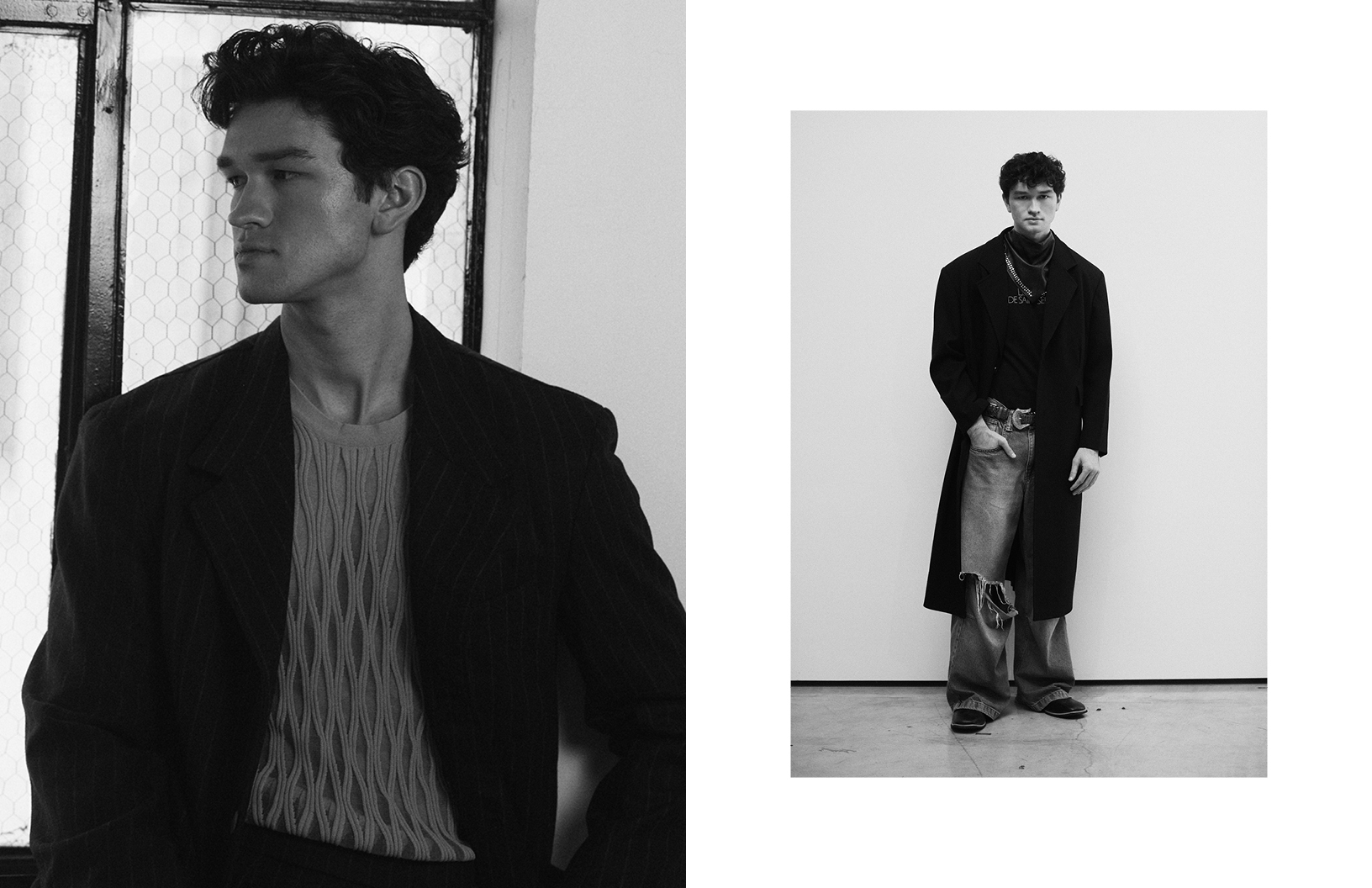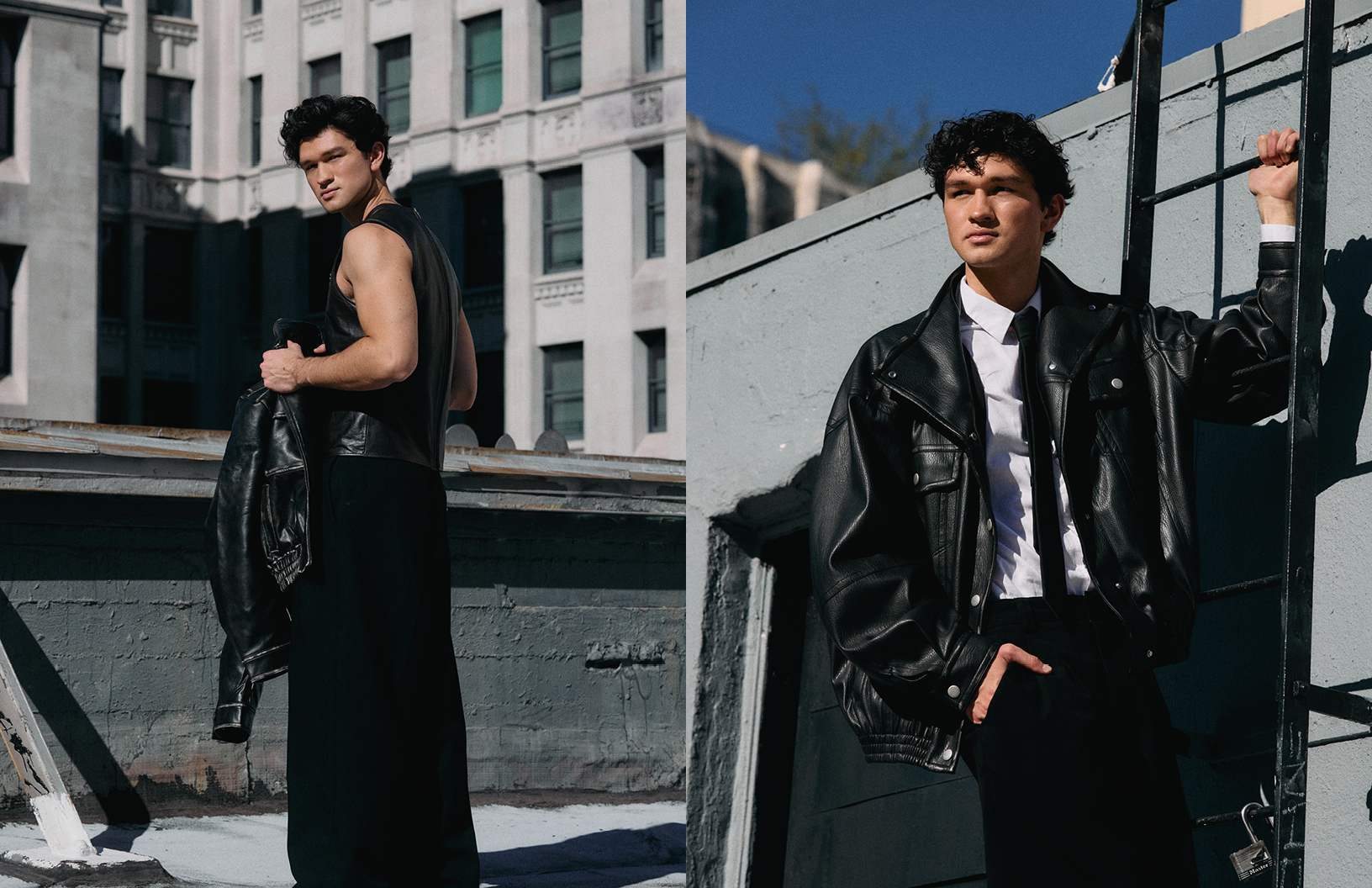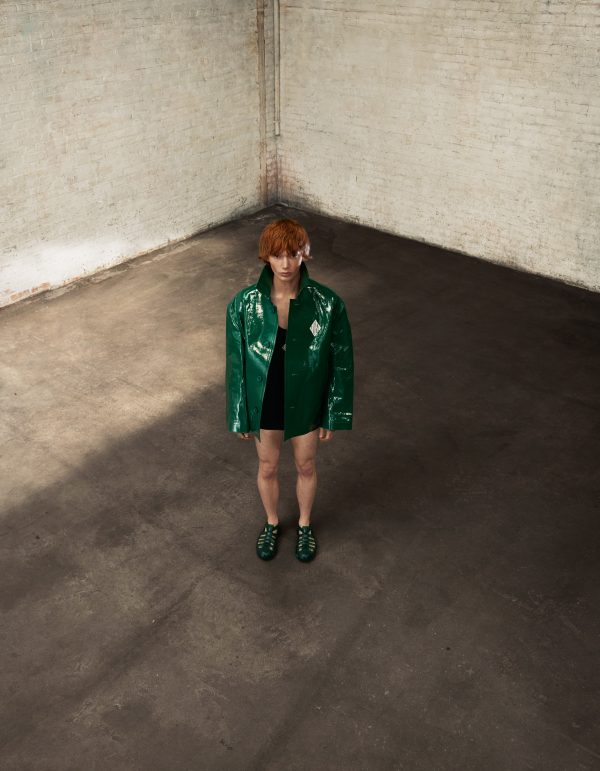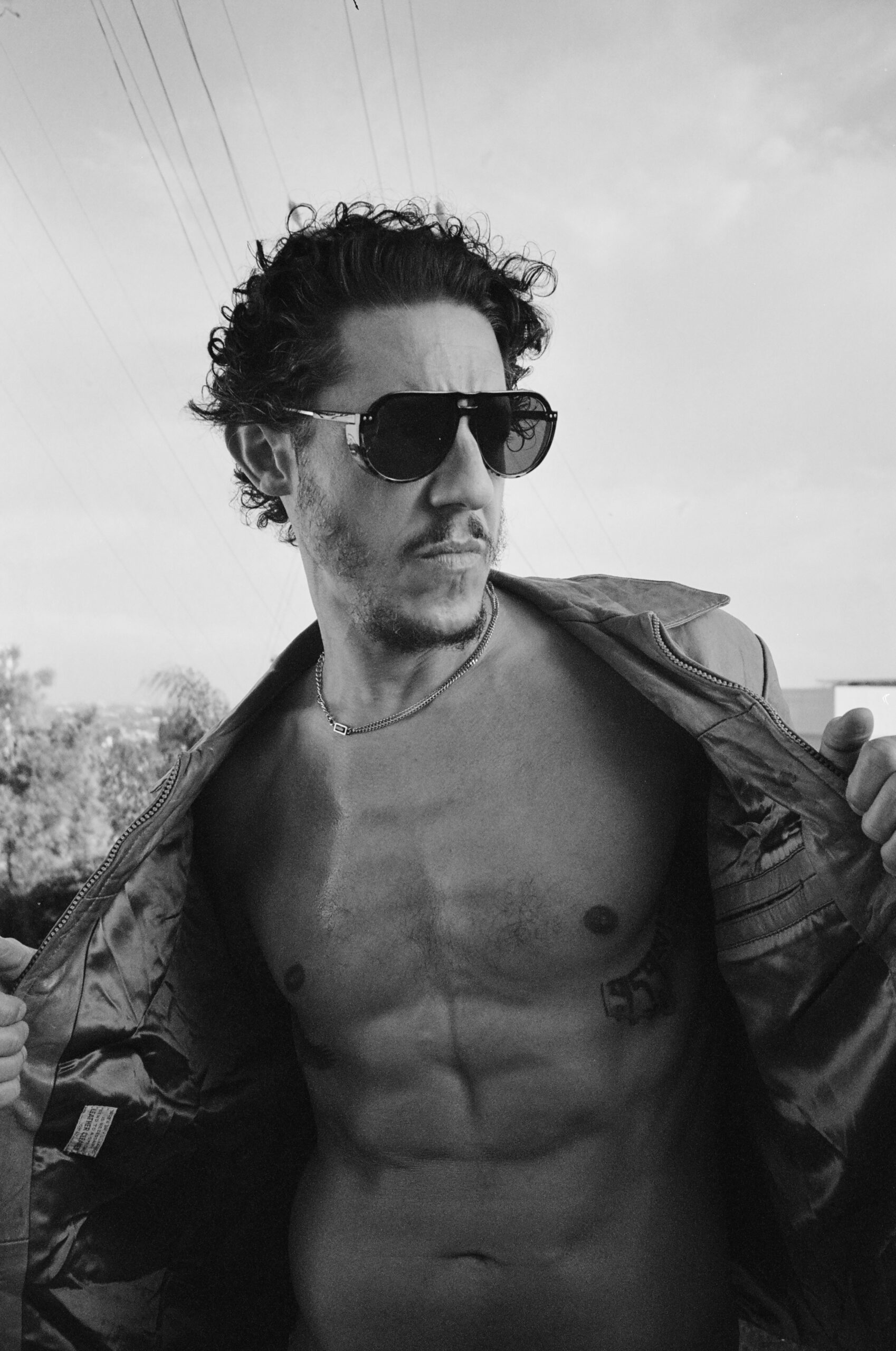


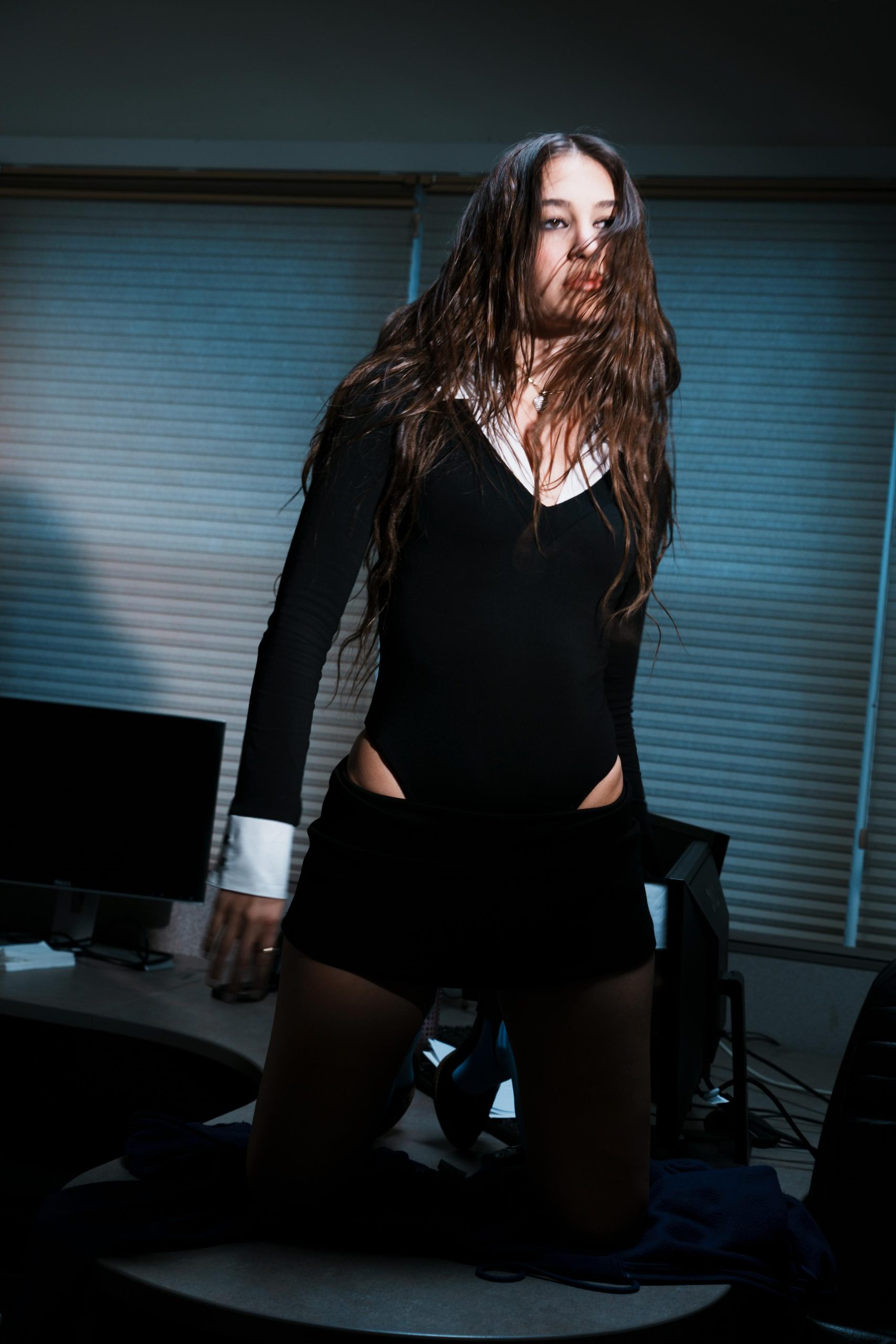
“I keep saying that I make songs to scream along to, to jump to, to express yourself – and this rule still applies,” admits 24-year-old Inci Gürün, known as Inji, whose latest mixtape ‘SUPERLAME’ has just premiered. “I consider my music ‘communal’: it’s not about me, it’s for everyone, and I want it to resonate with every single listener,” she adds.
After going through a difficult break-up and starting to live in a brand-new city, New York, Inji is ready for another chapter, both in her private life and her professional career. Sometimes she still feels “superlame,” as the eponymous title implies, but who knows what might be her next step. After releasing her new music, she takes the time to explore all of the above. For now, the only thing that matters to Inji is making some noise with her fans during the upcoming tour promoting the mixtape.
In conversation with Schön!, Inji opens up about ‘SUPERLAME’, discusses her music aesthetics, recent personal U-turns, and explains what it really means for a Turkish artist to sing and express herself in English.
When was the last time you felt “superlame”?
All the time, can I say that? [Laughs]. I get this sentiment practically every week. Feeling “superlame” is connected to this age-driven self-doubt, where you can feel like, “Oh, I’m screwing things up, all the decisions I made are wrong, everything I make sucks or is lame or is faulty.” Then, in a few hours, I’ll be like, “Nah, I’m great, I love my music, I’m so cool, I’m chill,” but it’s like an existential dread that comes on pretty regularly. To answer your question: probably the last time I felt it was yesterday.
So we’re still waiting for your super lame moment today, right?
Let’s see if it comes, or let’s see if today is another fantastic day!
What does it exactly mean to you?
I remember that I was talking to people I created this mixtape with, and I kept saying I feel like I’m making something good, and then I think it is lame. But, at some point, I’ve decided I’m gonna put out those tracks anyway, and it felt truly liberating. I just wanted to have a music record that we can dance to and have fun together. Some people might judge my music as “superlame.” But I don’t really care anymore – I’m still gonna do it the way I want it.
The title also connects to the moment when you’re in your twenties and you compare yourself to everyone and everything, especially when you enter social media and start following other people’s lives. It’s tough to find a balance – you just feel “superlame” when you think that someone is having it better than you do; that someone ambitious might be achieving more at the same age as yours, and you suddenly have this feeling that you will never be in the same place. It’s an existential anxiety, which we have to accept. I wanted this album to feel really freeing. This is a space to feel lame and stop caring about it, at least for a while!
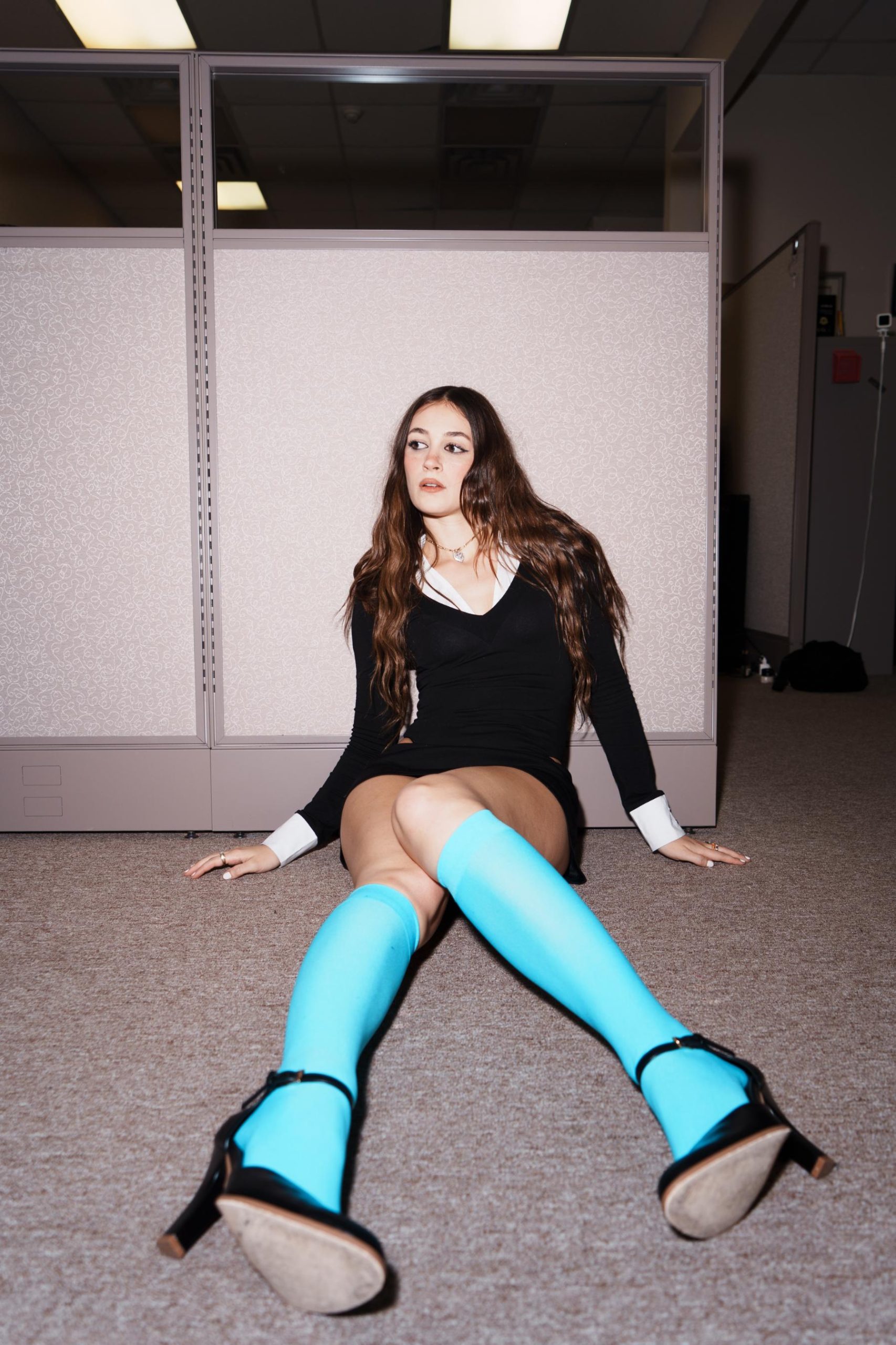
What else can we expect from ‘SUPERLAME’?
I keep saying that I make songs to scream along to, to jump to, to express yourself – and this rule still applies. I consider my music “communal”: it’s not about me, it’s for everyone, and I want it to resonate with every single listener. ‘SUPERLAME’ is a crash-out party record – it’s chaotic, superbly intense and hugely fast. What makes it special is that it offers, I hope, an excellent dance production with some pop storytelling, which I’m trying to bring into a dance space. It’s a mixtape because I want my debut album to be different, more mature, as if it’s the best record I will ever make. It’s a collection of songs that were my own experiments, which deserved to be published in a mixed form like this.
There are those quite telling lines on one of your tracks, “In a Mood”, that perfectly sum up Gen Z’s bafflement regarding their love life. They go like that: “Goin’ out, got a man/And he’s holding my hand/But I’m thinking of you/And I’m in a mood.” Is it a personal statement? Is writing a track like this something therapeutic for you when you say certain things out loud and acknowledge them?
I’ve recently gone through a massive breakup, which was also – apparently – a creative one, allowing me to try something new with my lyrics and achieve a new sound. Before, my ex-partner had been producing my music with me, so ending this relationship meant changing everything. Suddenly, I had to ruin the life I had built around me and start over, which wasn’t ideal for everyone included in this situation. Most of these songs have a heartfelt feeling somewhat embedded in them. When I returned to “In a Mood” after a while, I found it incredibly simple. This is what I wanted it to be – personal, real and emotional, too.
It’s quite a bold song, as it requires a lot of self-confidence to admit your true feelings. Do you feel that being honest with your audience is a key to success in today’s reality?
People see through everything these days, and the Internet is an honest and critical place. When they see you’re fake and not authentic, they will immediately call it out with no reserve. This is why the only time I can write a so-called “good” song is when it’s real. Otherwise, people won’t be able to connect to it and will immediately feel that some fakeness creeps into my songwriting.
Is this why you think your love tunes and dance-pop bangers resonate with your listeners?
It must be the reason, yes! It’s like hugging your friend when they’re sad – this must be something that comes naturally and entirely from you. It’s the only way this will work.
Any other highlights from ‘SUPERLAME’? Something that you’re particularly proud of?
Most of these songs represent a huge upgrade compared to my previous music. Although the main goal was to create these dance-like bangers, they suddenly became rather honest and personal. It hasn’t happened before on that scale, but here we are!
Are music videos a substantial part of your art? We don’t live in the MTV era anymore, but you still put a lot of effort into your visualizers and videos.
Labels won’t finance your music videos anymore, so I have to pay for them out of my own pocket. I’m so passionate about them – I always want to surprise my fans with something new! They deserve everything, so this is why I try to give them more than the “bare minimum”. Sometimes, you need more than a song to express yourself to your audience. This is when music videos enter and allow me to visualise certain elements.
Do you feel like a voice of your own generation? Do you even aspire to be one? Or you’re just a 24-year-old musician who wants to show her true self through her music?
Not really! I don’t make any revolutionary statements, I don’t sing about politics, and I’m not from a place to even talk about it. My music is serious, but at the same time, it’s not that serious. Let’s say I’m saying something important about my generation’s problems, but let’s be honest – I’m not gonna change the world with my songs! [laughter].
You write your music in English, which is not your native language. Where and when did you find the confidence? It’s not that obvious that we have a young artist from a country like Turkey who decides to do that.
I’ve learned my English at school (and from Disney Channel!) [Inji laughs]. Since then, no one has ever asked me this. If I have to be completely honest, I think I’ve always had this kind of confidence to both communicate and sing in English; it’s just in my veins! Also, and this is interesting, I would never write a song in Turkish.
Seriously? Like never, never?
I’m just a much better writer in English. Perhaps the reason behind this is that I’ve only written songs in it. I hear certain ideas in Turkish music, and I try to translate them into English. Yet, it doesn’t always work – these are two different languages, so there’s always something lost in translation.

Do you feel like the same person when you’re singing about yourself and your feelings in English?
I guess I’m still the same person; it doesn’t really change anything.
There’s also something alluring in your musical style because you’re trying to create timeless pop and leave a trace of your national heritage in your songs. Do you think about achieving this balance in your music? Or does it come organically?
All of that is organic – I never calculate what I’m trying to achieve in my music. It’s not Turkish pop, but at the same time, it’s not typical dance music, as well. I don’t know if I should call it timeless, though…
Would you like to know why I called it “timeless”?
Surprise me!
Well, it’s in FC26’s soundtrack. If it makes it there, your music will live forever.
Does it mean I have to play it now? I guess so!
So, what makes music timeless for you? When do you know that you’re listening to something unique?
I have always been a huge fan of lyrics, so what makes me enthusiastic about a song or artist is how they write and what they write about, more so than the actual production. It’s just incredible writing that makes a song timeless or a hit. Genre comes and goes, but it’s the lyrics that will stay with you and haunt you, if they hit close to home.
One more thing, just before we wrap up. I’ve gone through a lot of YouTube comments under your songs, and the word that reappears is “special.” Is it difficult to stand out from the crowd in the 21st century as a musician? Or maybe it only requires you to be yourself? Perhaps that’s the trick?
The trick is having the guts to be yourself and admit when the songs you’ve just written might be “bad” and should never see daylight. You have to respect both yourself and your fans. Some artists don’t do that! Sometimes, it takes me a while to come up with something that will be – actually – “unique,” or at least worth pursuing.
Are you truly yourself as Inji? Or is it just an alter ego?
It’s not an alter ego, it’s definitely me, but there’s some performative aspect that is there when I’m on stage, acting and enjoying myself with the rest of the audience. Being “performative” means that I’m trying. So, Inji is me, but exaggerated [laughter].
‘SUPERLAME’ is out now.
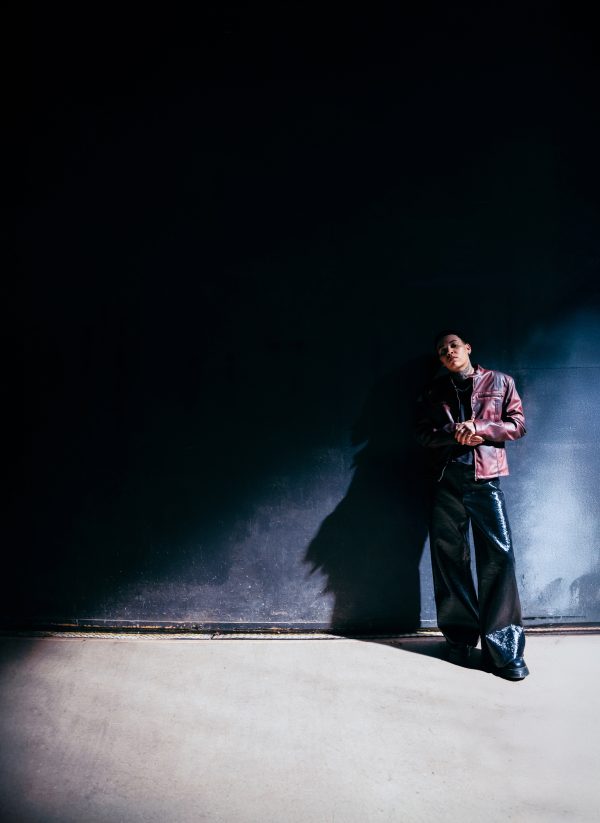
photography. Hellen Elizondo
interview. Jan Tracz