Unlike many of the established old London hotels steeped in history and tradition, ME London in Aldwych, opened in 2013, seems to revel in its status as the new kid on the block. London is world renowned for its luxury hotels yet the contemporary and state of the art, ME London truly is a cut above the rest.Situated close to theatres, shopping, nightlife and bars, the hotel takes full advantage of its prime position within one of the most cosmopolitan cities in the world, providing both an oasis for guests and adding to London’s famous nightlife within its two restaurants, rooftop bar and two lounges.
ME London
The ME London is situated on the ground previously occupied by the Gaiety theatre which was damaged during WWII, torn down and turned into an office block in the 1960s. The modern building was purchased by Meliá who recruited world famous architects, Foster and Partners to design the hotel. The result is something quite spectacular. State of the art technology, immaculate finishes and unsurpassed luxury come standard. The hotel embraces darkness, with black lifts, black reception, black corridors and black foyers giving the whole hotel an almost space age ambience. That is until you reach the rooms which could not be more in contrast. Finished in pale leather and taking full advantage of the natural light, large panoramic windows look over Trafalgar Square, the Thames, Battersea Power Station and the thriving theatre district of Covent Garden.
ME London
Perhaps the most luxurious aspect of ME London is not its contemporary features and design but its “aura”. Each guest’s stay is orchestrated by the Aura Manager whose job description sits somewhere between concierge and the person responsible for maintaining the ambience of the place. Catering to the bespoke needs of each guest, the mantra of the hotel seems to scream, it’s all about ME. General Manager, Guillame Marly who has over 20 years experience in the luxury hotel industry, believes that it is ME London’s attention to the individual needs of the guests that sets it apart from other hotels, “power is now in the hands of our guests, which is the way it should be.” Certainly websites like Trip Advisor have given hotel guests a forum to voice their concerns alongside accolades, a development which has had an enormous impact on the hotel industry. As far as for the future of ME London, Guillaume Marly has big plans. The next phase will focus on injecting “warmth into room décor” and ensuring that the packaging of services for guests is like “unwrapping a gift”. Although the hotel is already the epitome of modern luxury, the idea of further improvements is exciting. To use the brand’s own motto, “ME, it becomes you.”
ME London
See more of the ME London within our exclusive Schön! online editorial featuring Adam Lambert shot on location here
The ME London is situated at 336-337 The Strand, London WC2R 1HA. Rooms start at £384.
A world of crisp tailoring and a startling black and white palette is shot by Artur Szymocha in this Schön! online editorial. Model Aleksander Dynowski wears Gucci, Jil Sander, and Loewe styled by Jakub Koper with hair by Arkadiusz Ukleja and make up by Cincior.
sweater, long sleeves, skirt + hat. COS
boots. Vintage Archive
bag. Archive
tights. Uniqlo
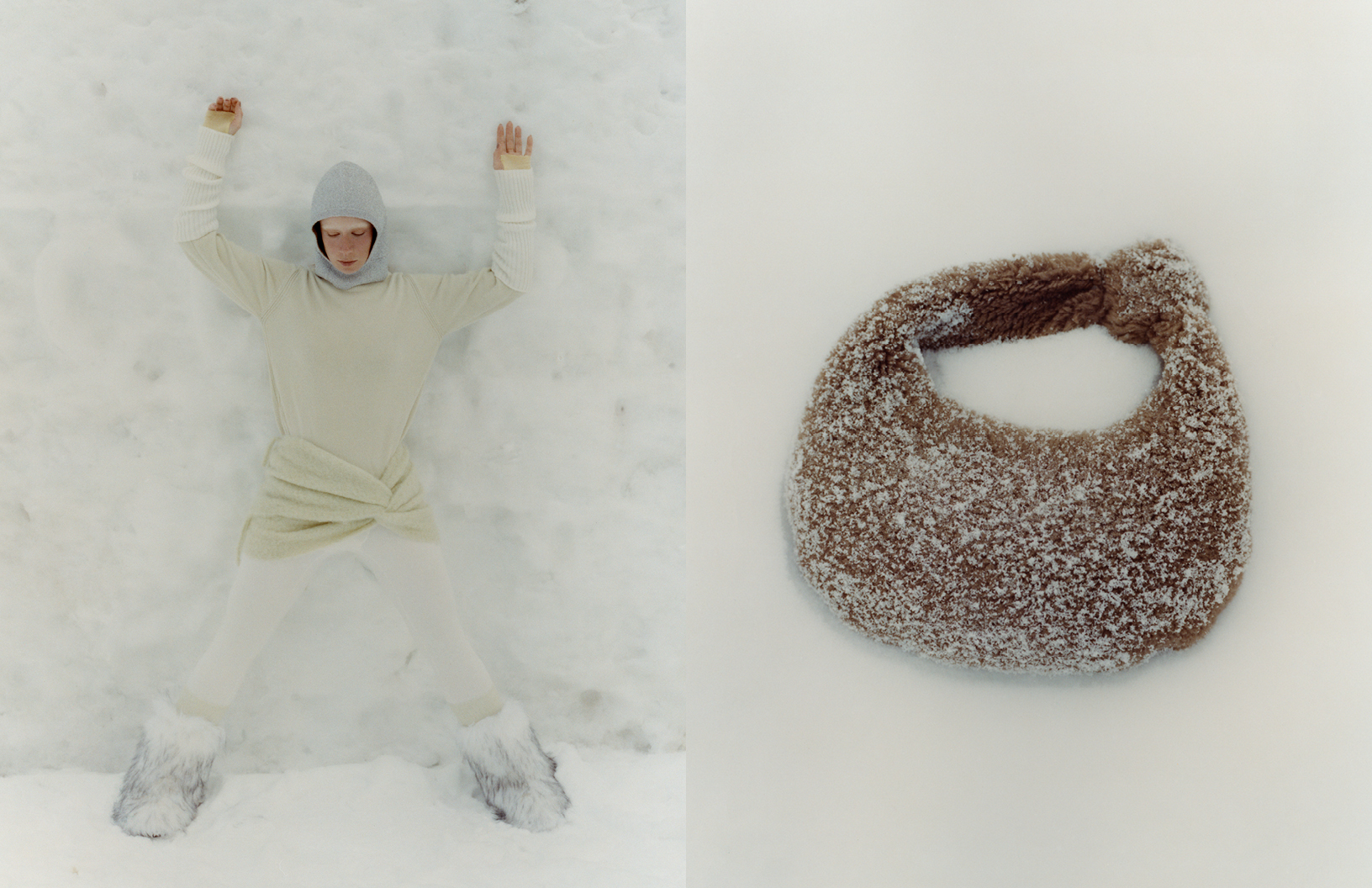
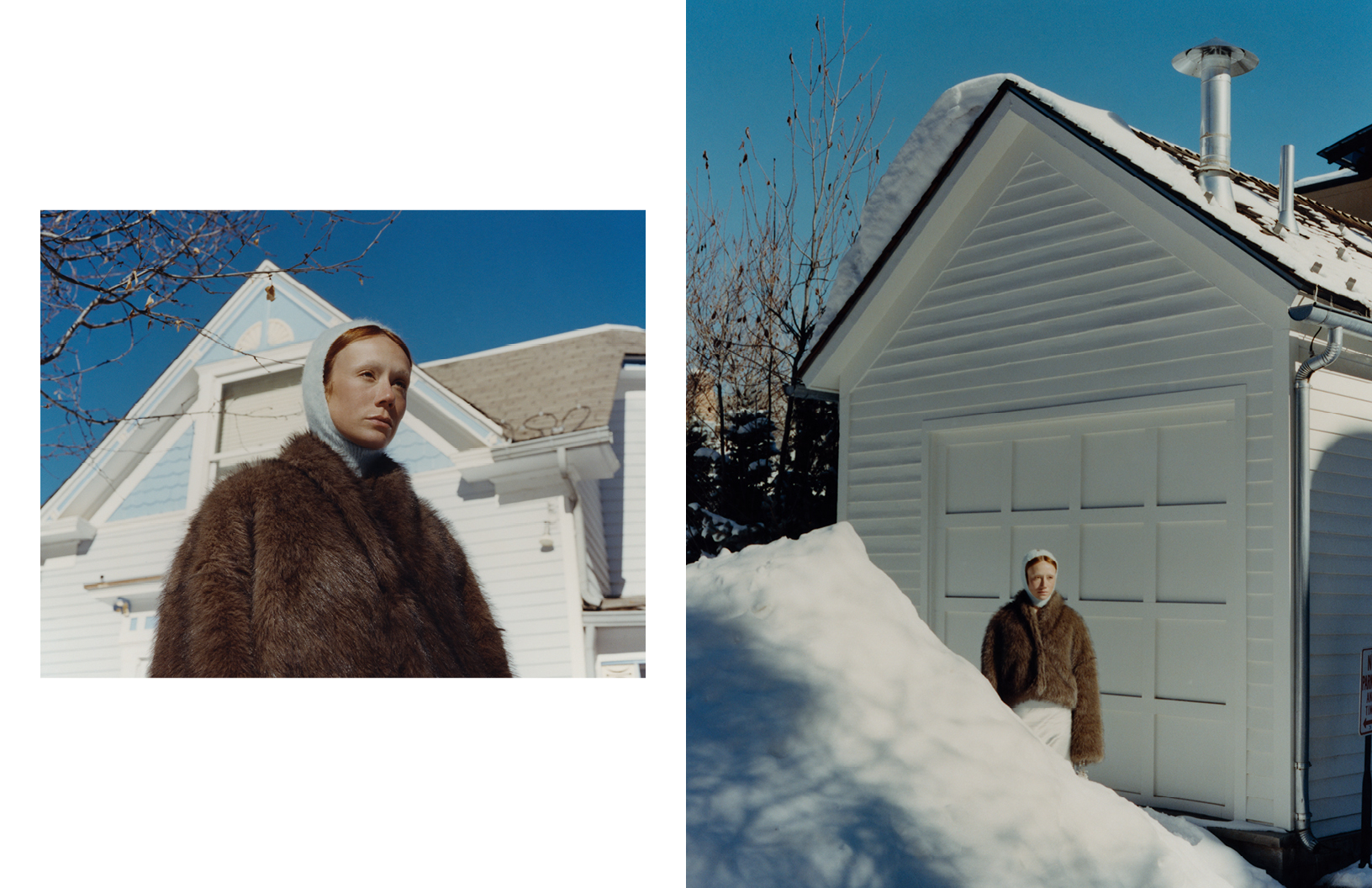
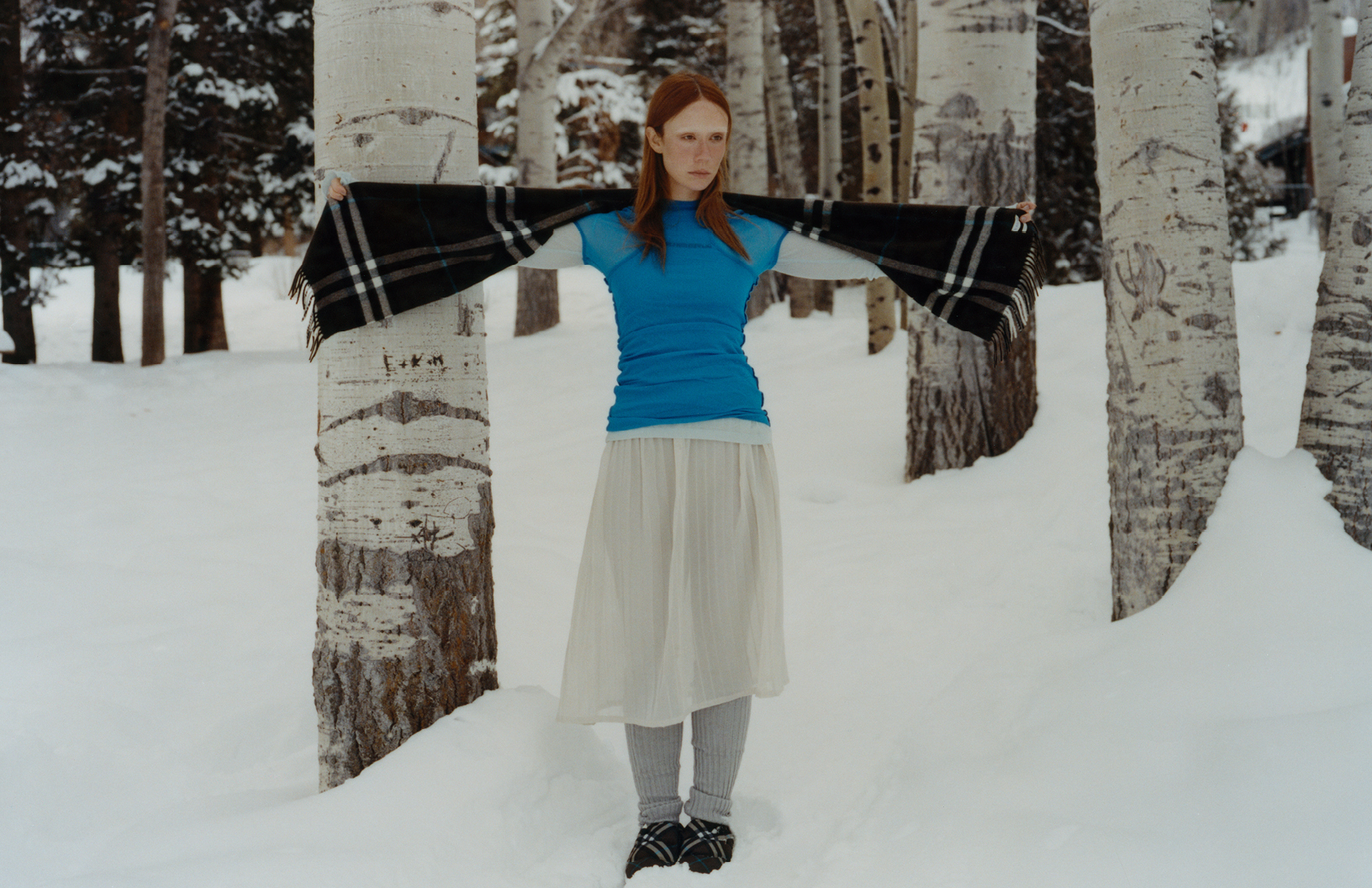
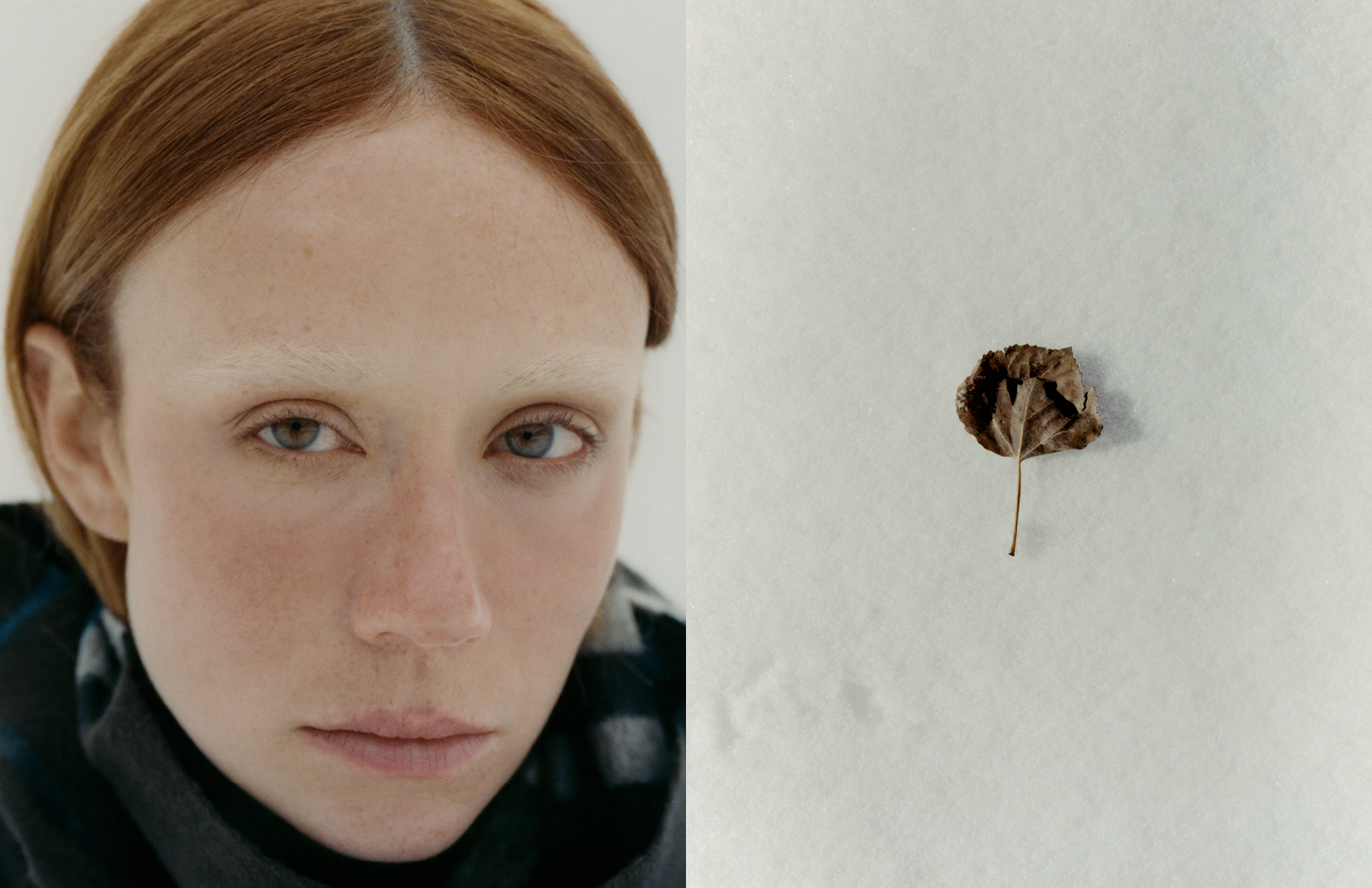
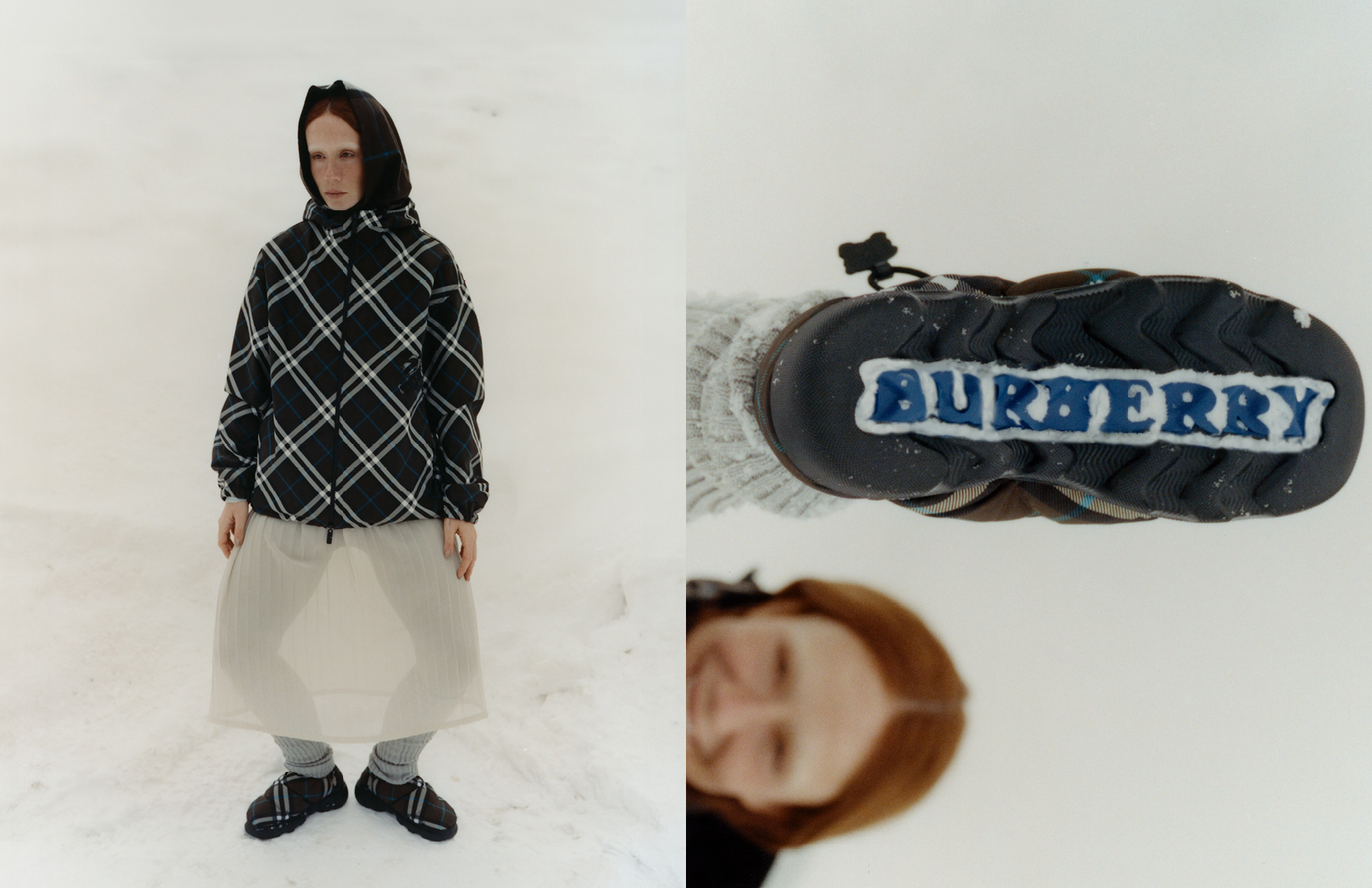
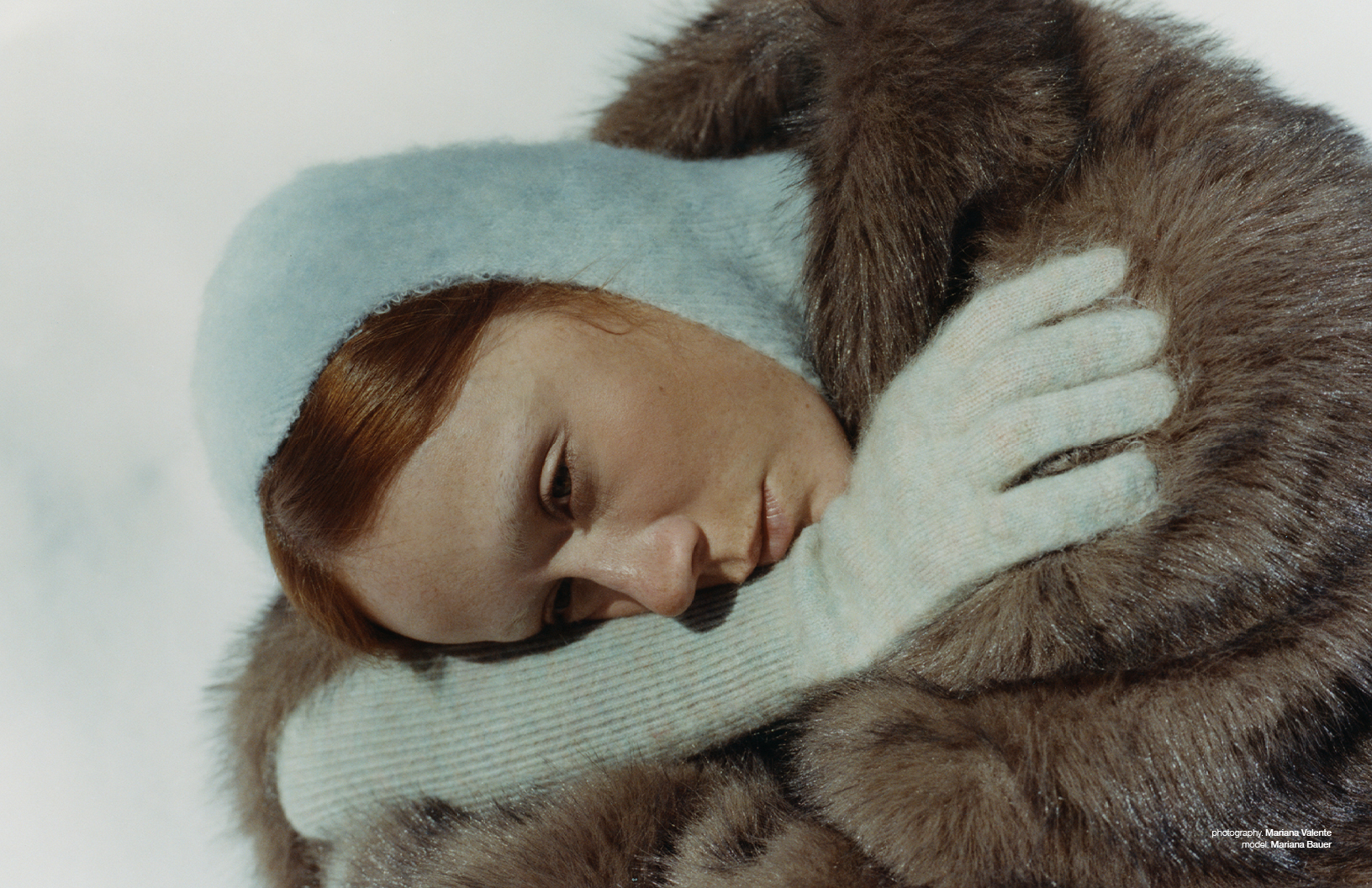
Take a snowy stroll with photographer Mariana Valente and model Mariana Bauer who wears cozy looks by Burberry, Moon Boot, Jean Paul Gaultier and others.
sweater, long sleeves, skirt + hat. COS
boots. Vintage Archive
tights. Uniqlo
opposite
bag. Archive
jumpsuit + long sleeves. Zara
hat. Intage Archive
opposite
jumpsuit + long sleeves. Zara
skirt. Source Unknown
shoes. Moon Boot
hat. Intage Archive
gloves + gaiter. Archive
fur coat. Vintage Archive
hat. Sinéad O’Dwyer
opposite
fur coat. Vintage Archive
dress. Zara
shoes. Moon Boot
hat. Sinéad O’Dwyer
gloves. Meryl Rogge
top. Jean Paul Gaultier
long sleeves. COS
skirt. Brocki
shoes. Burberry
scarf. Burberry
gloves. Meryl Rogge
gaiter. Archive
jacket + scarf. Burberry
jacket + shoes. Burberry
top. Jean Paul Gaultier
skirt. Brocki
scarf. Burberry
gaiter. Archive
opposite
jacket, shoes + scarf. Burberry
fur coat. Vintage Archive
hat. Sinéad O’Dwyer
gloves. Meryl Rogge
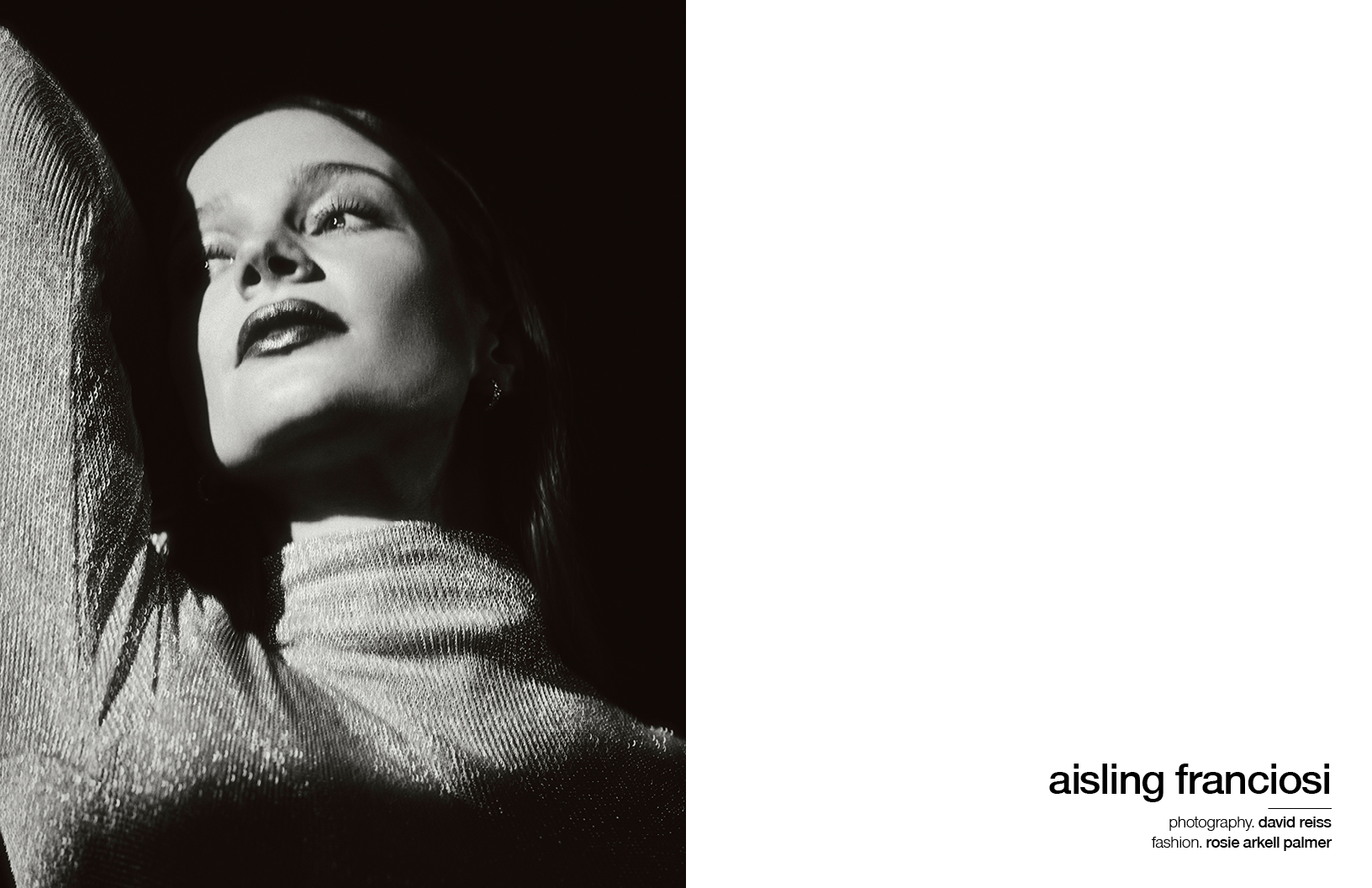
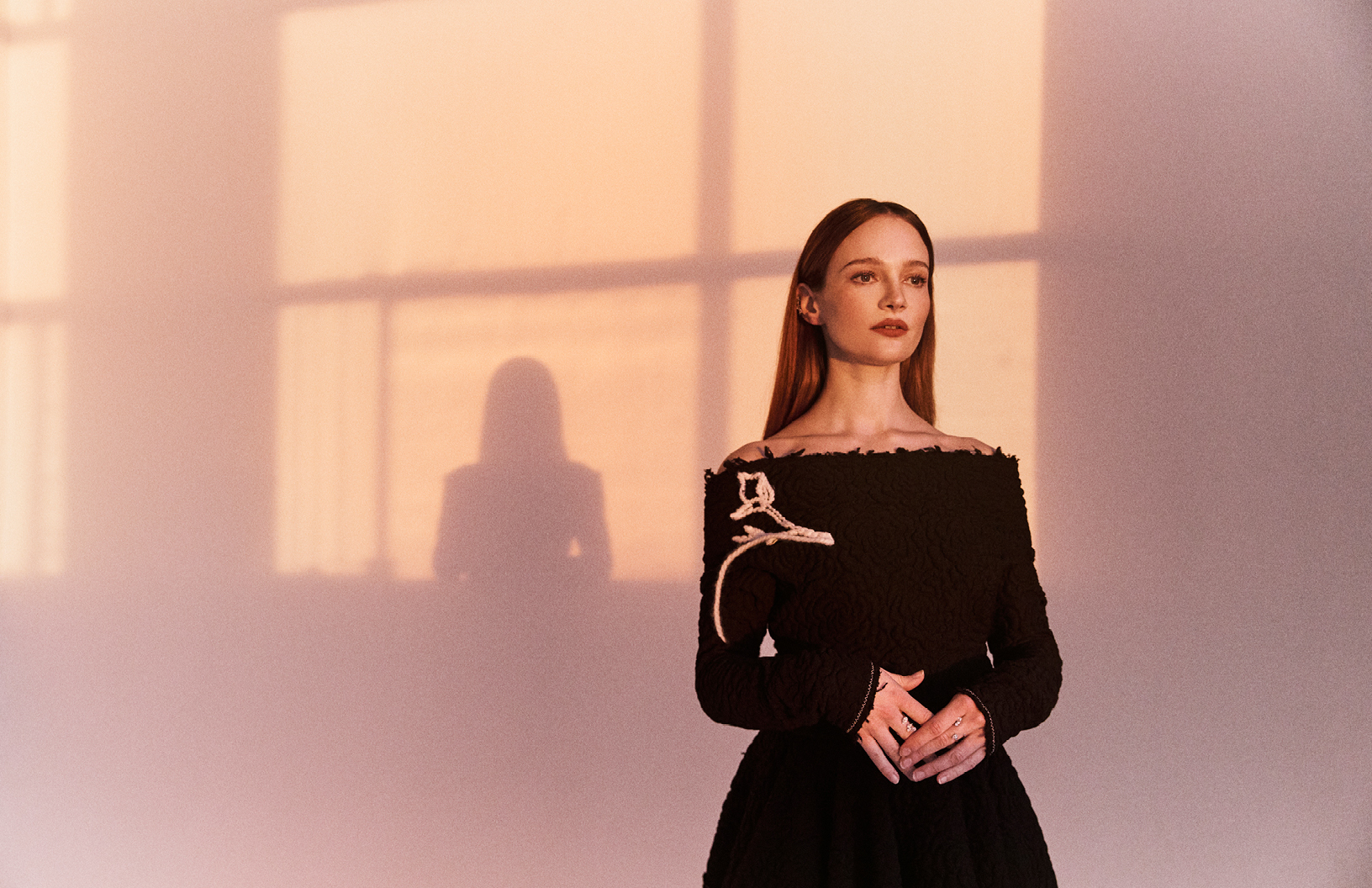
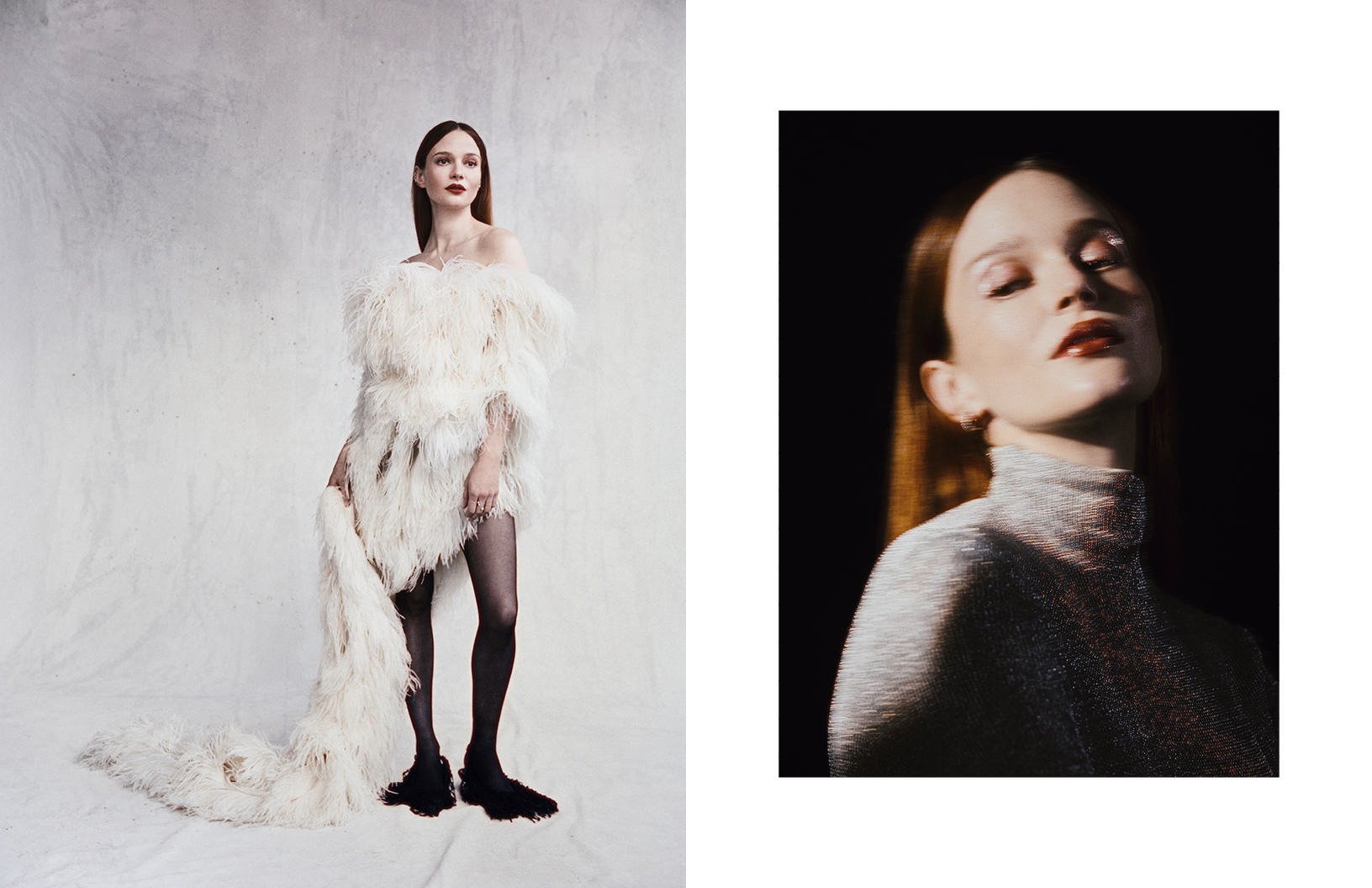
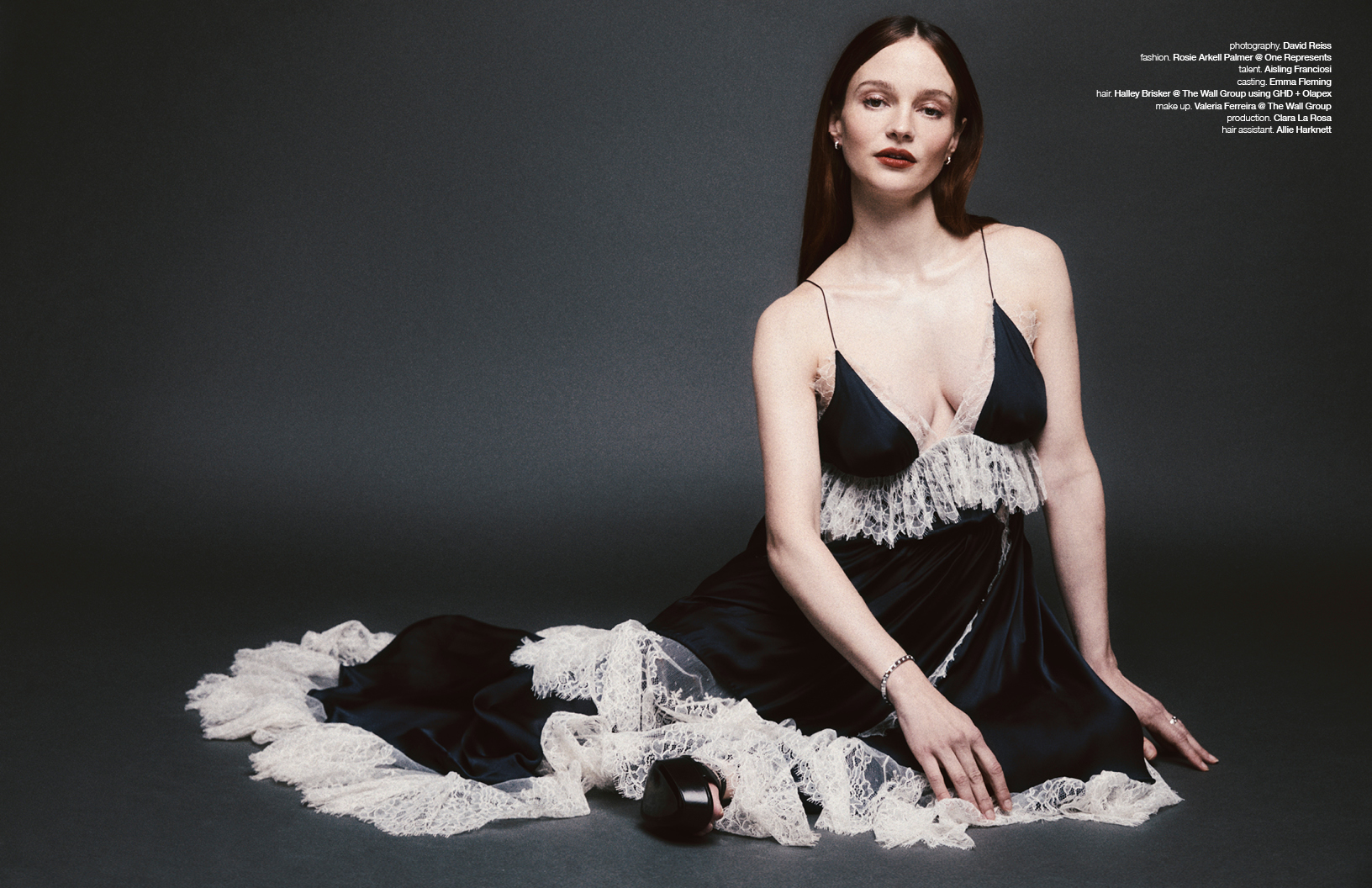
From ‘The Nightingale’ to ‘Speak No Evil’, Aisling Franciosi has built a career portraying women haunted by unspoken histories – rage buried beneath grief, tenderness hardened by survival. Now, in Kurt Sutter’s new Western saga ‘The Abandons’, she returns in a different register: quiet power. As Trisha Van Ness, the heiress to a ruthless dynasty, Franciosi plays a woman caught between privilege and entrapment, loyalty and rebellion.
Speaking to Schön!, Franciosi reflects on the volatility of Western narratives, the emotional architecture of ambition, and the thrill – and terror – of stepping into a character whose strength lives not in violence alone, but in restraint.
dress. Alberta Ferretti
opposite
dress. Khyeli
jewellery. Repossi
Trisha Van Ness is fierce, guarded, and caught between loyalty and ambition. When you first met her on the page, what part of her felt closest to you – and what part felt most foreign?
This way of working was quite new to me in that, you know, I signed up to this just having read a pilot. I got to know Trisha’s character as they were writing for her, which is a very new and different way of working for me. I think on the page, I felt that I could really connect with her being underestimated.
She’s underestimated by her family, by her mother in particular, and this frustrates her as she caresses ambition, has a lot to offer. And it’s not only her being shut out of the family’s business, but she feels a complete disconnect in terms of any affection or love from her family. There is a fire that the indignation at being underestimated can bring out in someone; I was curious to see where that would lead her.
You’ve often played women carrying something heavy – grief, trauma, buried rage. How do you locate the soft, human center inside characters shaped by violence?
I think there’s a part of me that finds playing those kinds of characters quite cathartic. In my day-to-day life, I tend to expect myself to be a bit softer and maybe a bit more positive: I don’t necessarily allow myself to express negative emotions so easily. And so I find it extremely rewarding when I get to play these characters who are just letting their rage out in whatever way they need to.
So for me, it’s more about tapping into the rage or the defiance or the indignation. Rather than struggling to find the softness in them, I feel like I myself as a person, can bring a little bit of that to them.
Your performances rely on stillness and interiority – and they speak loudly. Where does that come from?
I don’t have a specific process. And it’s something I used to be a bit embarrassed about, if I was asked, How do you do this? The truth is, I’m not always quite sure. I think the stillness is the only thing I want to try and achieve in a scene, regardless of everything else; it’s something that always feels real for a character, even if the world they exist in is a heightened one. I think this may be my attempt to make the character feel very grounded and real.
dress. Erdem
jewellery. Repossi
‘The Abandons’ is your first Western. Beyond dust and gunfire, was there something in the moral landscape of the frontier that resonated with your life now?
I believe the world is in quite a volatile space right now. And I don’t think it’s any surprise that Westerns are having a real resurgence because they offer a setup we know so well. It’s nostalgic – about good and evil, where there are good guys and bad guys. People find comfort in that.
But if the good guys do something bad, just because they’re the good guys, does it make it any less bad? Being able to look at morality through the lens of a Western can bring a strange comfort.
The Van Ness family is powerful but also secretive and fractured. Did working inside a story about dynastic pressure make you reflect on your own family dynamics or upbringing in any surprising ways?
Playing alongside Gillian (Anderson), I feel so lucky that my mom is my best friend. Mother-daughter relationships can get complex. During shooting, I did find myself thinking, Thank god I have such a good relationship with my mom.
‘The Abandons’ explores territory – literal and emotional. What would you fight to protect?
Family. I think we all like to believe we would behave in very moral ways always, but I could see myself possibly being led astray if it came to protecting my family.
Violence and tenderness coexist in Kurt Sutter’s world. How do you find humanity in that duality?
It comes back to understanding what drives a character – their background, how their stories have shaped them. With Trisha, I wanted to understand her dreams and how she could pursue them in a world so oppressive. The more she leans into what she wants, the more she’s at odds with her environment. To my mind, the drama comes from those things clashing.
Was there a moment on set when you thought, This is new territory?
Something I had never really done was play a character who’s the rich girl in town, someone refined. I don’t usually get those roles. You think of them differently from a scruffy or traumatized character.
Did Trisha leave anything with you after filming wrapped?
I came away thinking again that the relationships you have can really shape the course of how events unfold in your life. When we see Trisha at the end – I can’t give anything away – but you’re left wondering, Oh God, what is she going to do next? If we were to explore further, I’d be very curious where she ends up. But I don’t think every role should leave you feeling like you’ve given yourself away forever.
Women in Westerns are often sidelined or symbolic. What did you want to complicate about this archetype?
With ‘The Abandons’, rules are more lax – it’s the wild West after all. You have this young woman who expects more for herself and doesn’t want to buy into societal expectations. She’s inspired by her mother, who is a badass, yet it’s her mother imposing those very rules on her.
And honestly, Lena (Headey) and Gillian do so much of the heavy lifting in showing that women were very much central to this world.
You’ve spoken about the emotional toll of ‘The Nightingale’. Did a large-scale ensemble like ‘The Abandons’ shift something for you creatively?
With ‘The Nightingale’, I had months to get the character in my bones. Heavy material, yes, but incredibly satisfying. With ‘The Abandons’, I was discovering my character while filming. It’s a new skill – learning how to bring artistic merit to very different kinds of productions.
You return again and again to psychologically complex women. What part of you keeps gravitating there?
I think it’s a combination of being satisfied with those roles and the industry seeing you do something well, so they think of you only that way. And as long as the writing is good, I’m not going to turn something down just because it’s dark. But recently I’ve had chances with comedy with ‘Twinless’, which was my first. I didn’t always know what I was doing, but I really enjoyed it. Some of the parts I’ve been given have spoiled me – ‘The Nightingale’, especially. It stretched me so much. And I feel very lucky for that. I never want to not acknowledge that.