

Görlitz, Saxony, is one of those rare German towns where history wanders in the air, imagining one’s mind into the stories from the Middle Ages and the Via Regia, the ancient “Royal Road” that once connected Europe’s great cities through trade. Located near the Polish border, it’s here where one of Birkenstock’s main factories stands. A place where heritage and innovation meet under one roof. Schön! was invited to wander through the scents of leather, cork, and quiet craftsmanship, where machine sounds blend with the steady pace of human hands. What becomes immediately clear is that each Birkenstock is born from precision, patience, and an artisanal process shaped by centuries of skill. An unwavering belief in the anatomy of comfort. To understand this fully, one must look back at how a family of German shoemakers turned a simple idea into an $8 billion brand into one of the most successful footwear brands in the world.

A Heritage of Rebellion and Reform
The Birkenstock story began with generations of shoemakers in rural Germany, but its transformation took root in the late 19th century. When Konrad Birkenstock moved to Frankfurt, which was then a hub for forward-thinking shoe reformers, he began reimagining what shoes could do for the human body. Fascinated by the mechanics of movement and the natural design of the foot, he created the contoured shoe and a flexible insole which he later called footbed – a revolutionary invention that combined medical insight with everyday wear. The human foot is an extraordinary complexion of bones, muscles, tendons and ligaments, engineered to move, balance and absorb shock. Modern life, with hard surfaces and rigid footwear, interrupts our natural rhythm and often causes discomfort or postural issues. This inspired Konrad to his groundbreaking orthopedic innovations, and later his son Carl Birkenstock, to further develop the footbed and promote their understanding of healthy feet. A system recreating the benefits of walking barefoot on soft, uneven terrain. The gentle contour of sand is translated into even pressure distribution, full arch support and natural shock absorption.
This philosophy of marrying function with comfort was carried forward by Karl Birkenstock in the 1960s, who transformed the orthopedic footbed into the first footbed-sandal, the now-iconic Madrid. Unisex, practical, and completely at odds with the high-heeled trends of the era. Overlooked at first, persistence and purpose allowed the shoe to move from clinics into the hands of creatives and counterculture communities. But in the 1970s it had become a symbol of individuality and authenticity. From free-spirited hippies to runway models, from Steve Jobs to Kate Moss, Birkenstock has always celebrated feet as natural instruments of movement. Its 2003 collaboration with Heidi Klum marked the brand’s full embrace by the fashion world and proved that comfort, health, and style are not exclusive but intertwined. Every Birkenstock continues to honor the philosophy that healthy, well-supported feet are the foundation of natural movement and posture, allowing the body to move as it was designed to.

Crafting the Icon: Inside a Birkenstock Factory
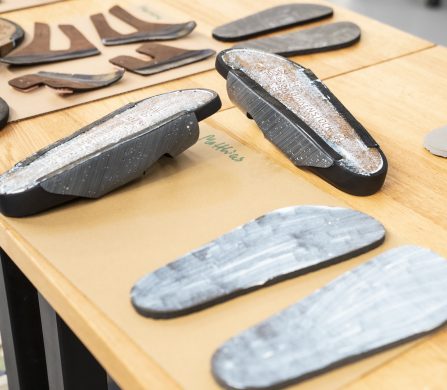
Behind every iconic Birkenstock lies a process that transforms raw materials into pure function. Combining tradition, precision, and patience. At the core of it all is the footbed that is unchanged for decades and entirely produced in Germany. Every pair begins as an idea traced from the most natural template: the human footprint where they translate the simplicity of stepping in sand. The materials alone tell a story of global care. Latex, harvested from trees in Malaysia, is sourced with attention to sustainability and quality. Cork comes from Portugal, jute from India and Bangladesh, with the factory processing it into the bespoke footbeds that are core to its product universe. Each component is meticulously measured and mixed. A secret formula of fine and coarse cork blended with latex is then molded into the footbed for which Birkenstock is world-famous. Walking through the Görlitz factory, one is immediately struck by the deep aroma of raw materials, the subtle sounds of machinery and the choreography of human hands at work. A dedicated team here shapes countless footbeds every day, each undergoing a meticulous coating process that makes them water-resistant yet breathable. Because every leather skin is unique, the footbeds are always produced in pairs, maintaining consistency while honoring the natural variations of materials.
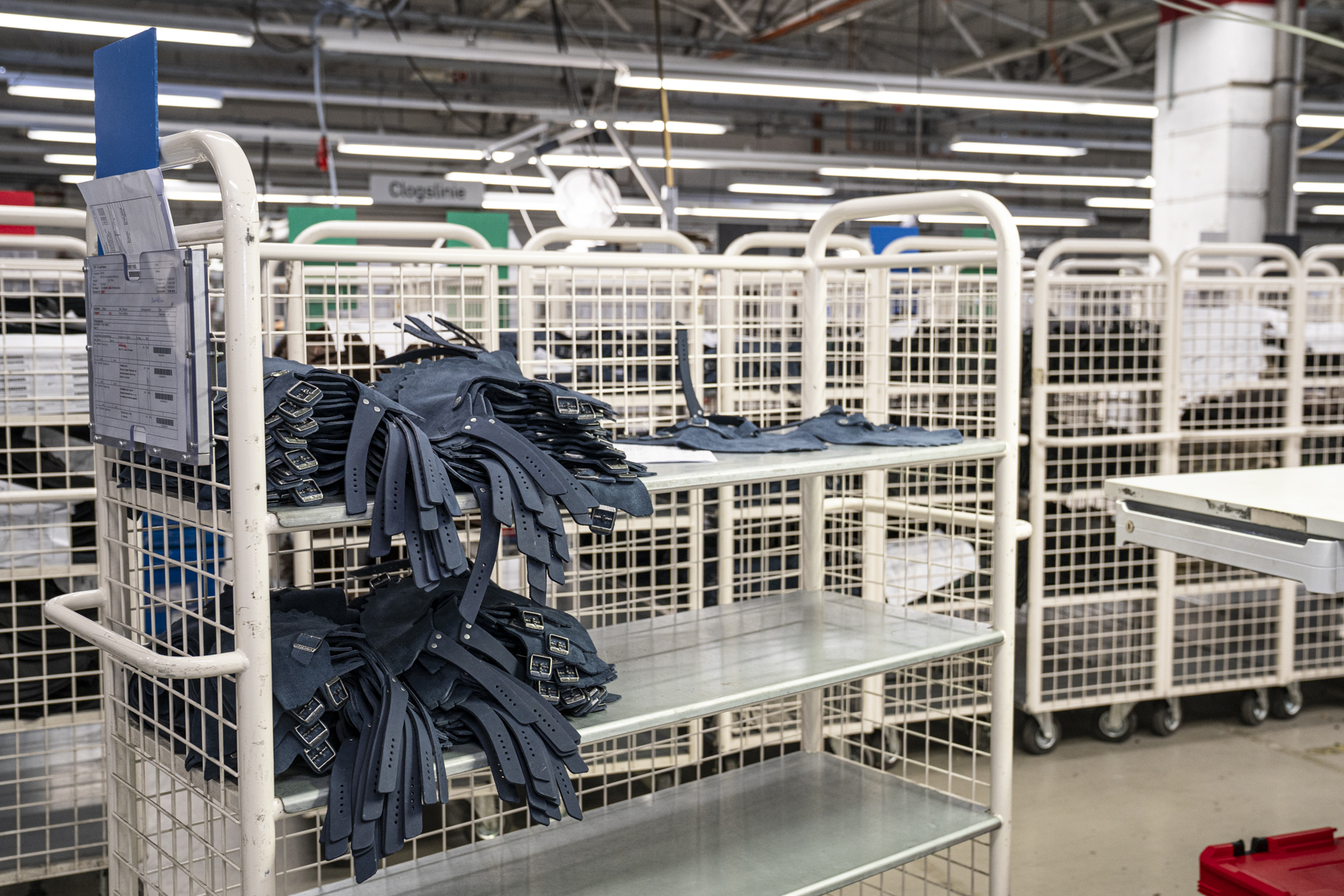
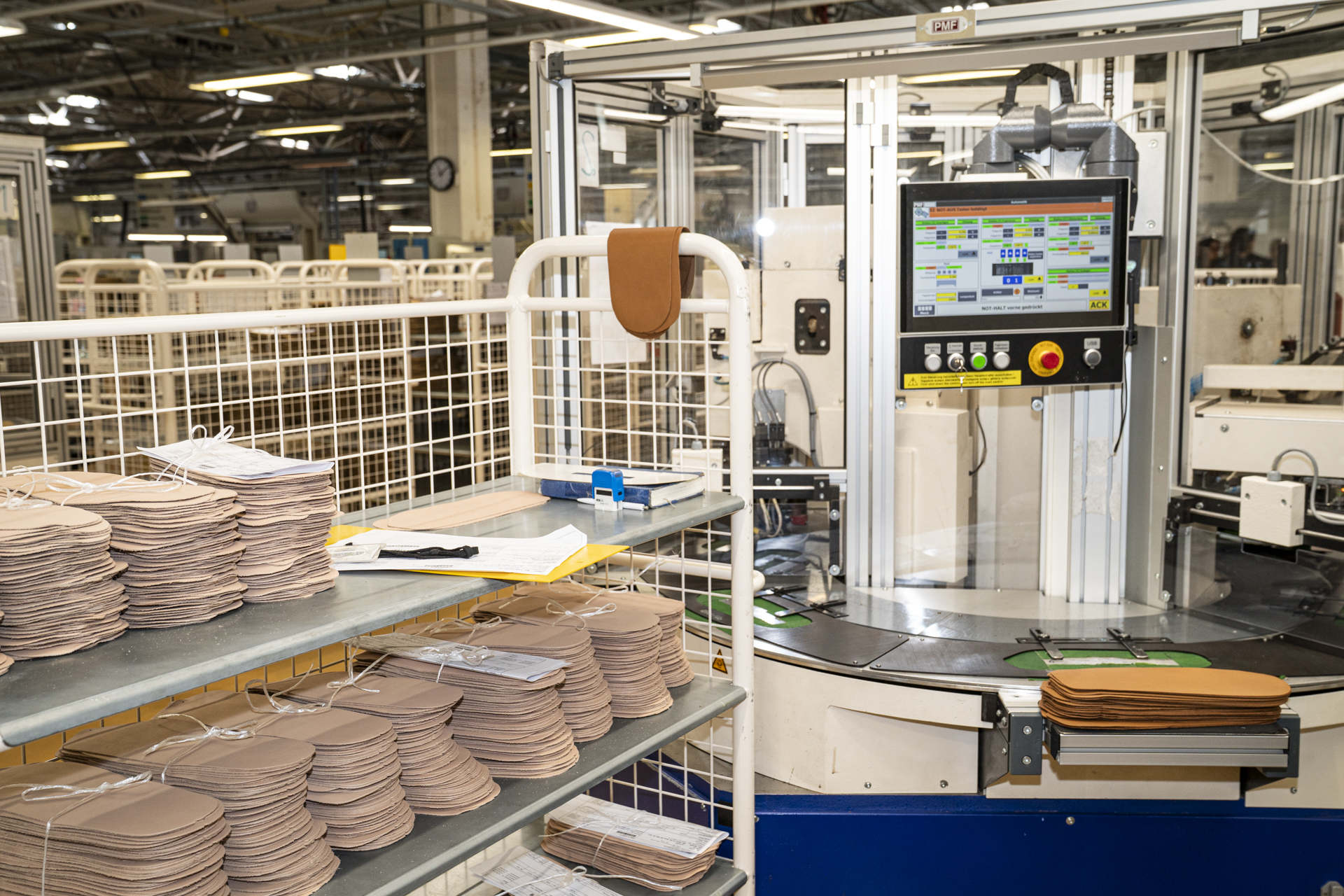
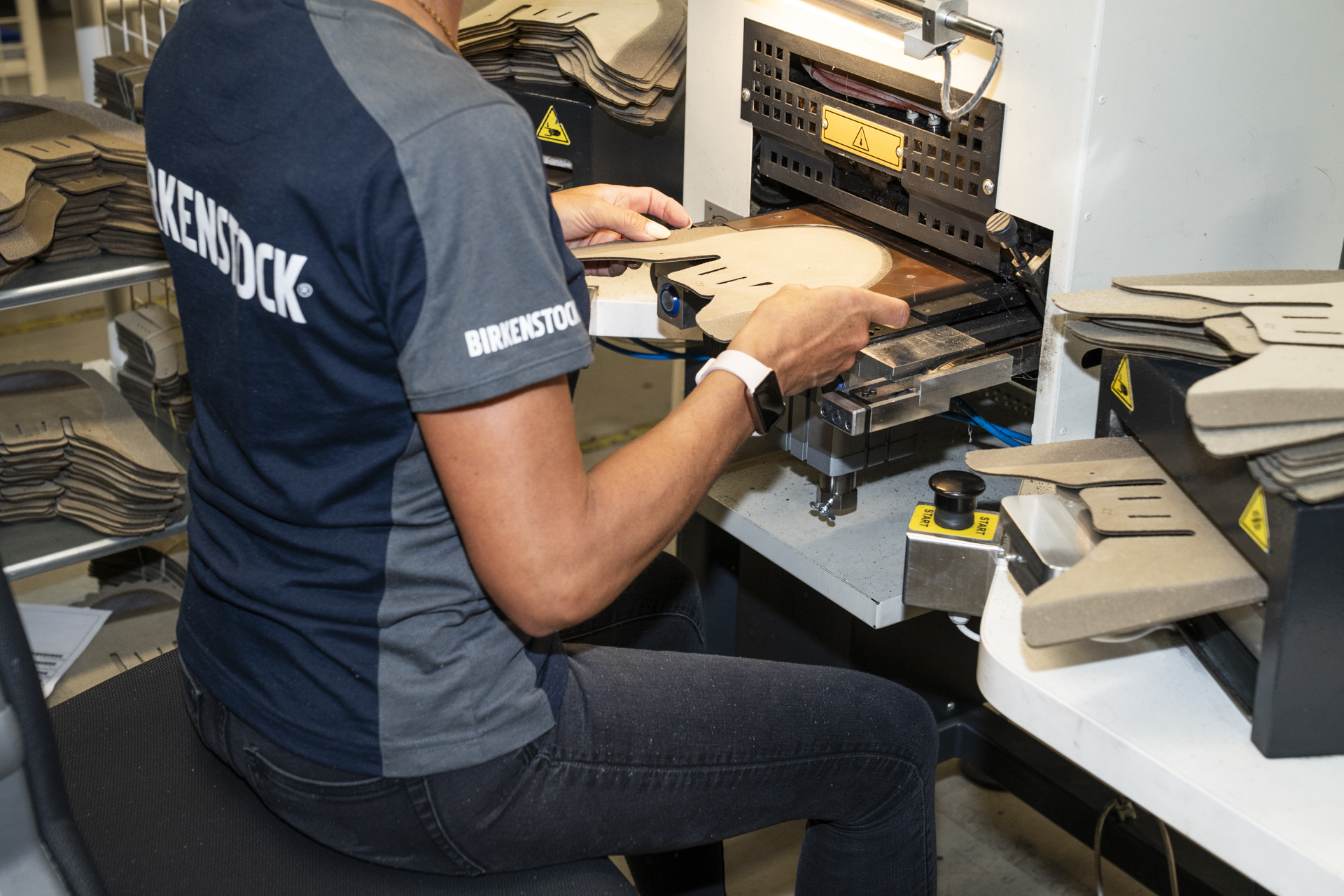
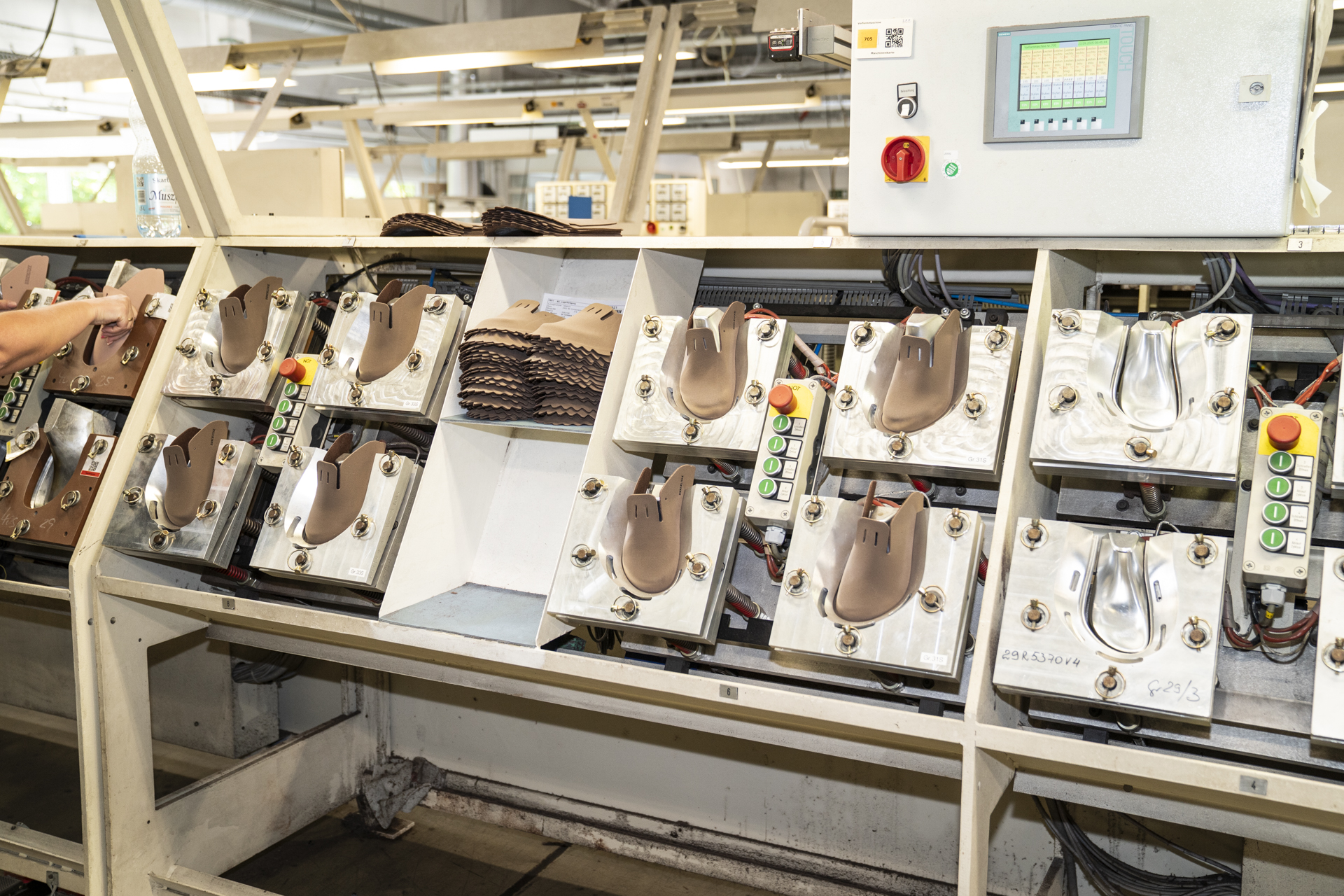
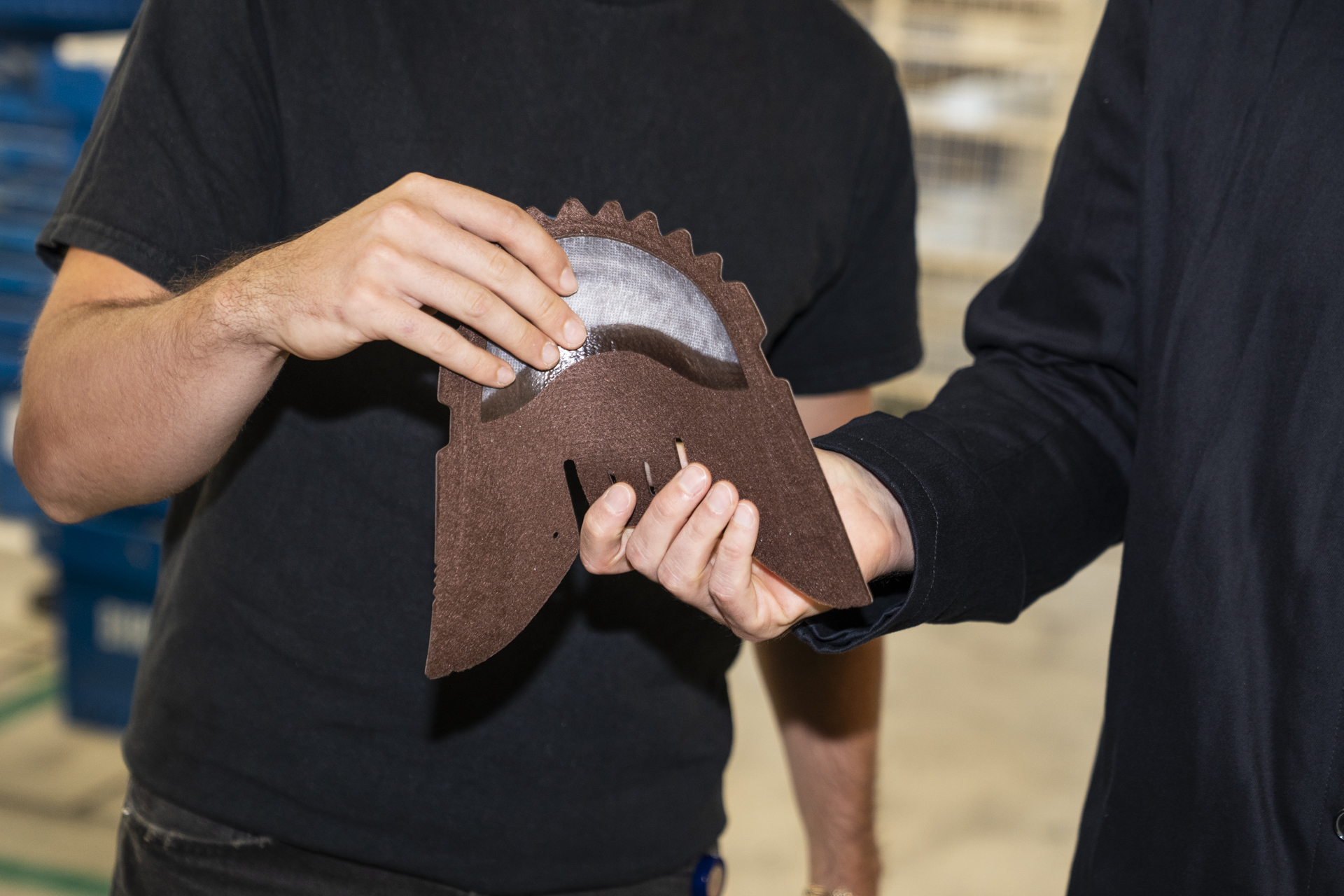
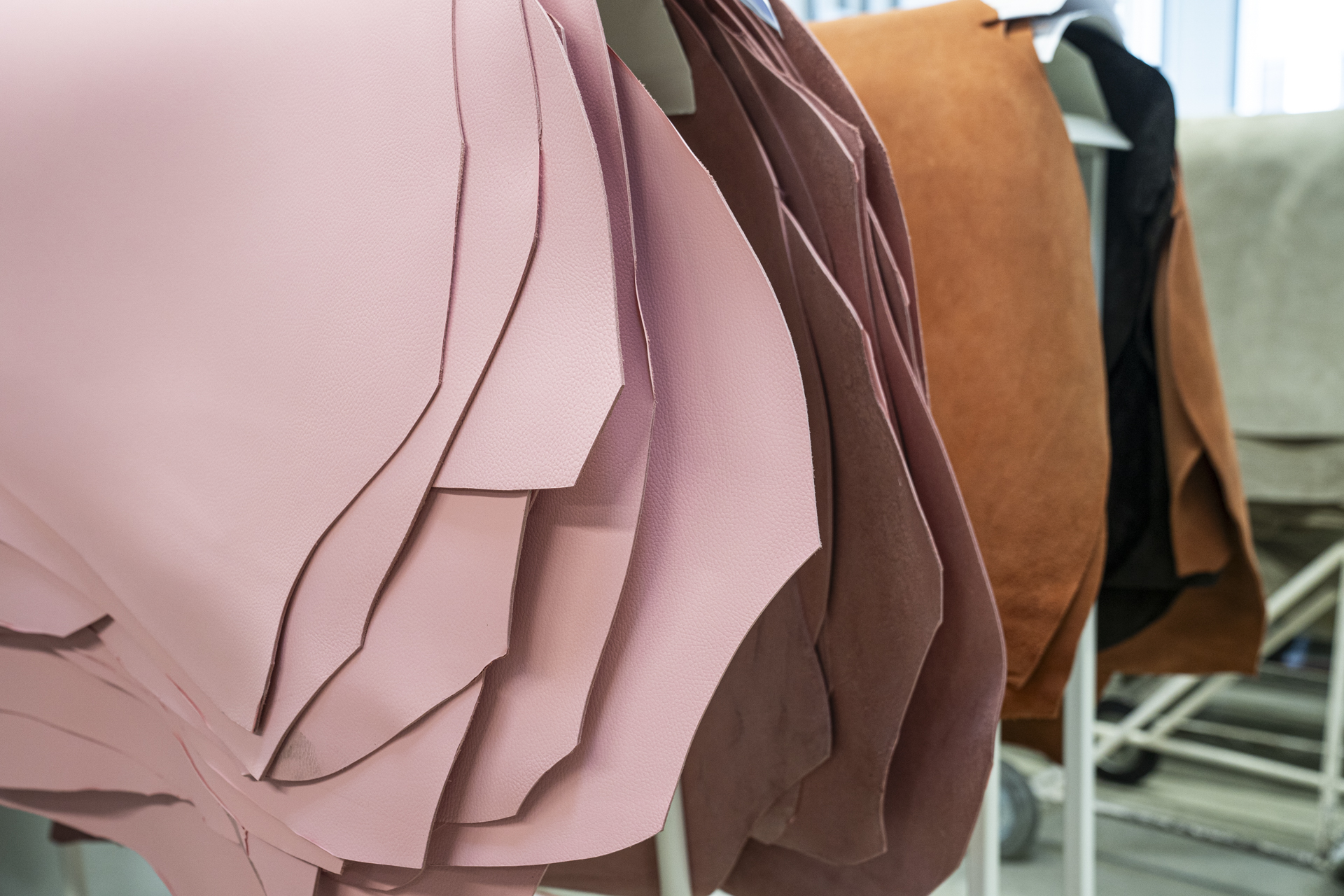
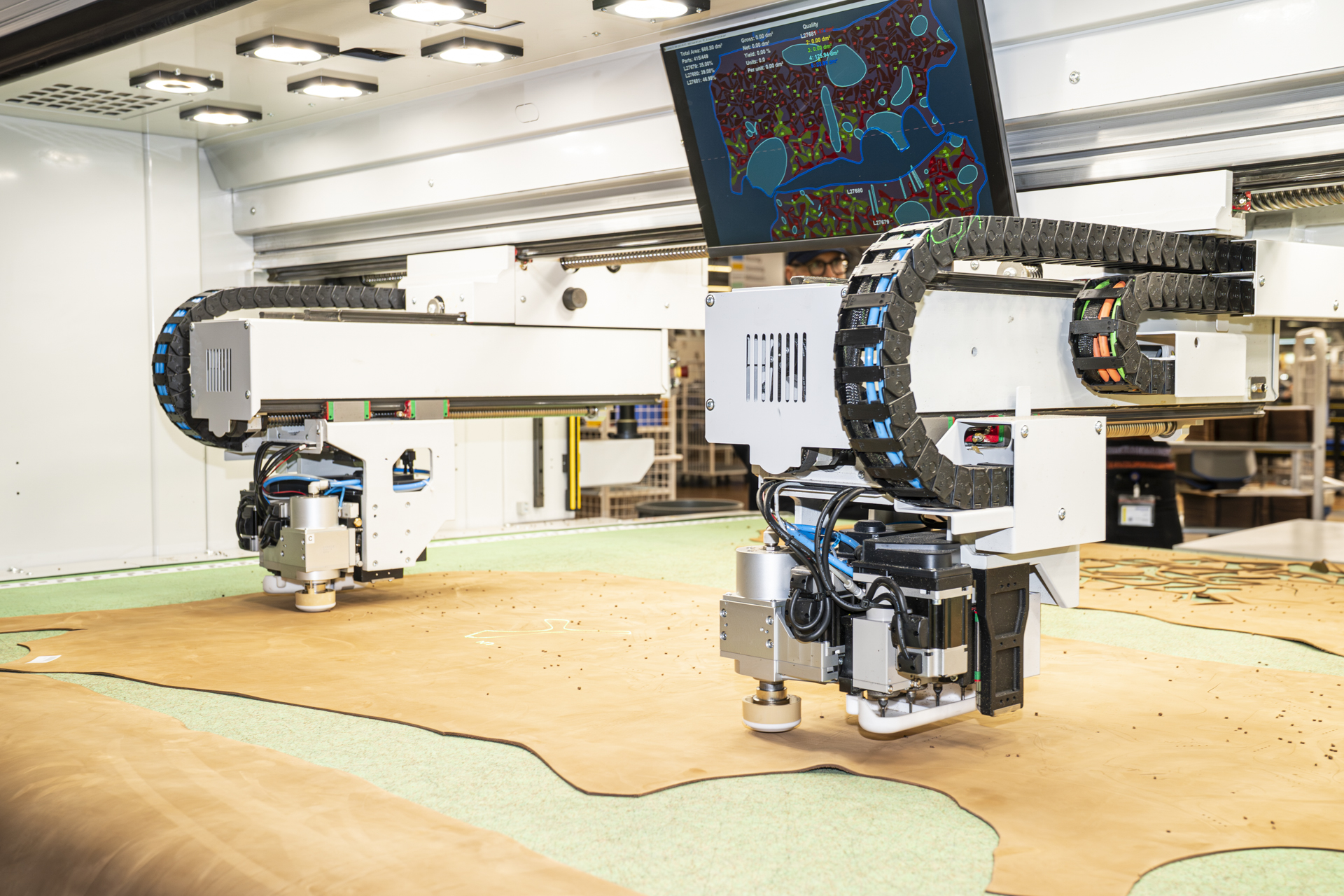
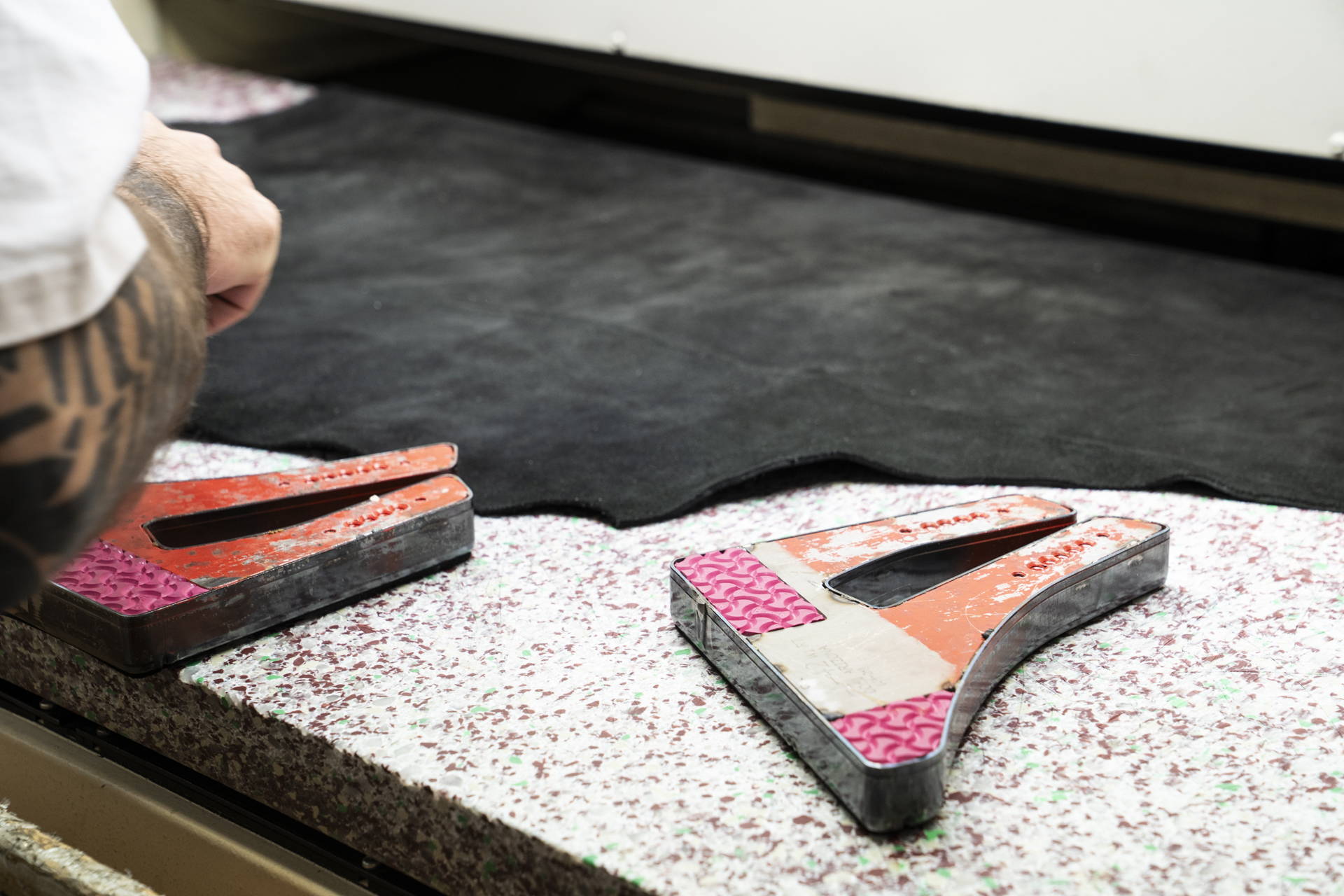
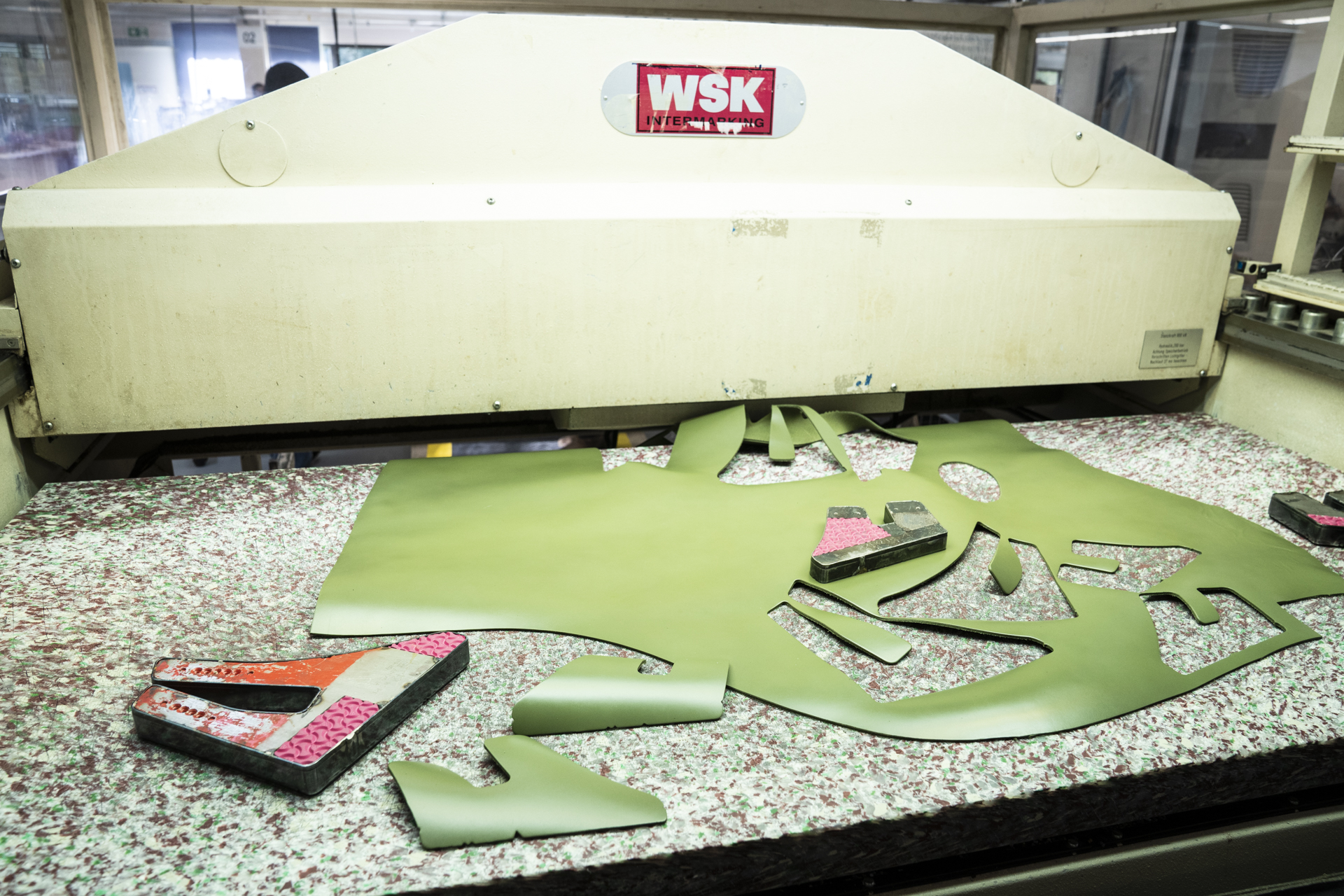
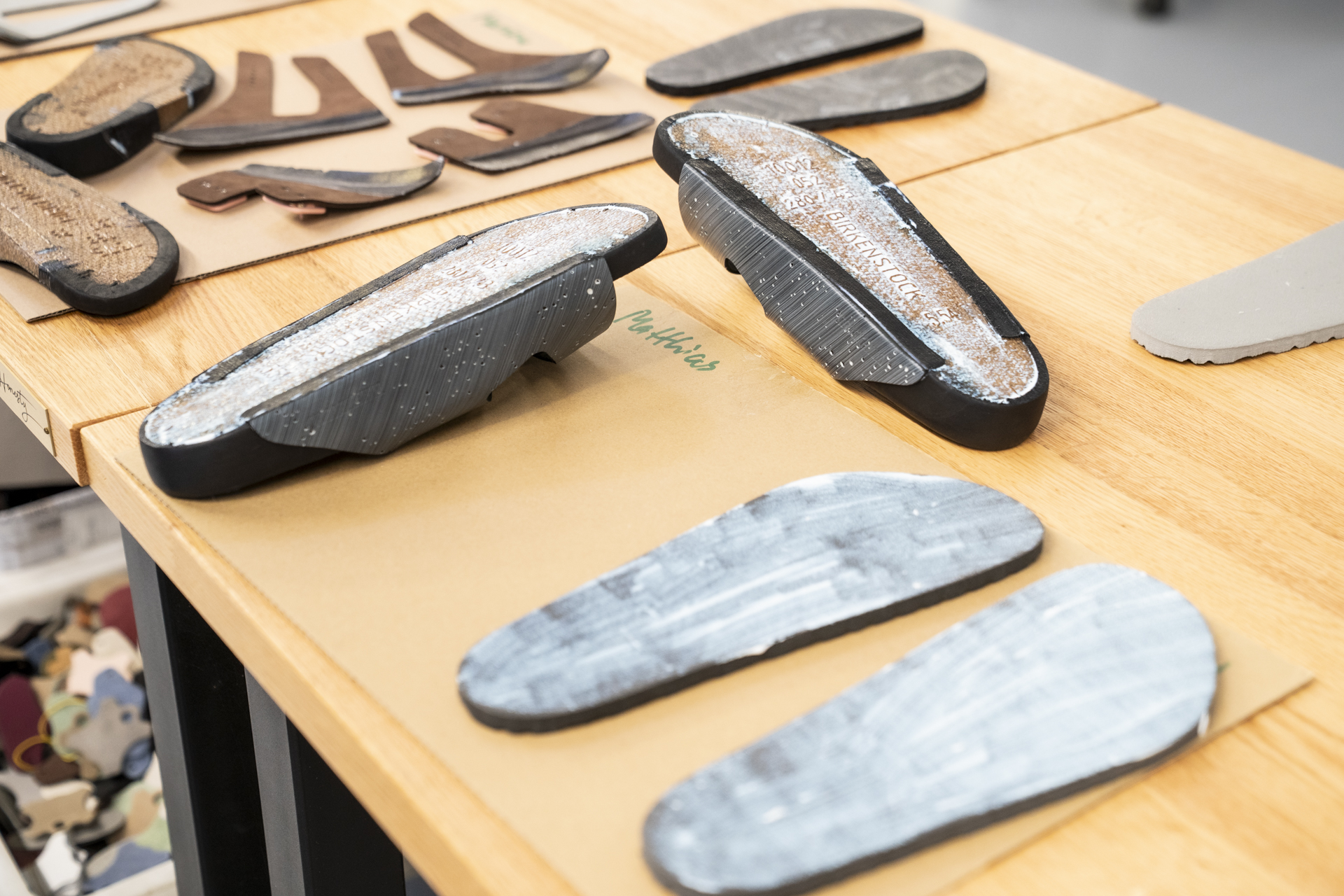
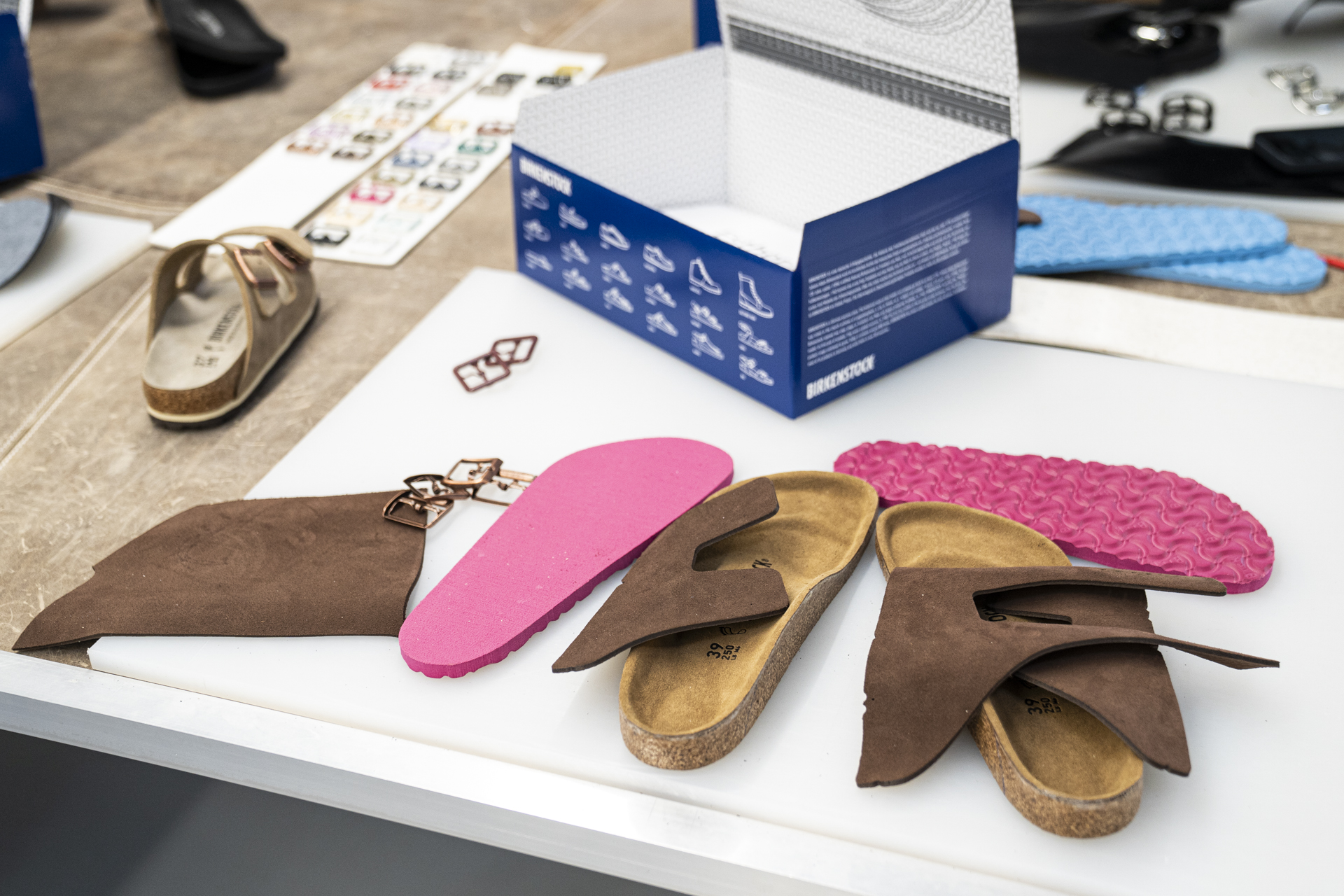


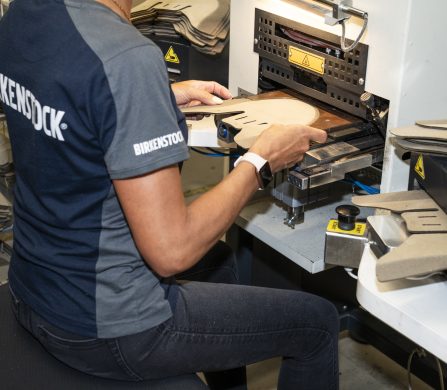
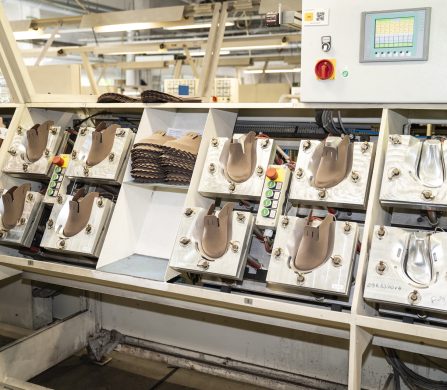
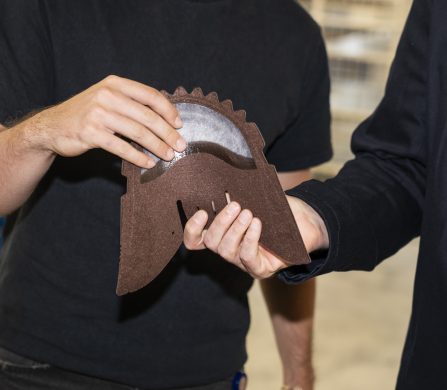

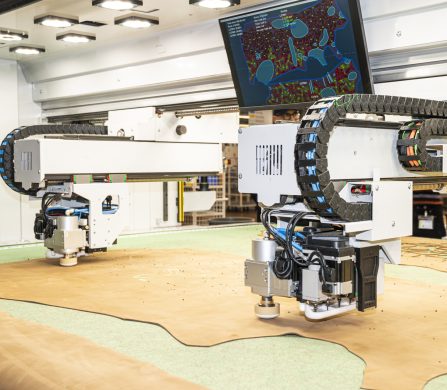
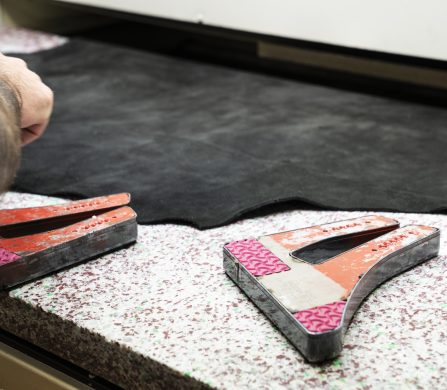
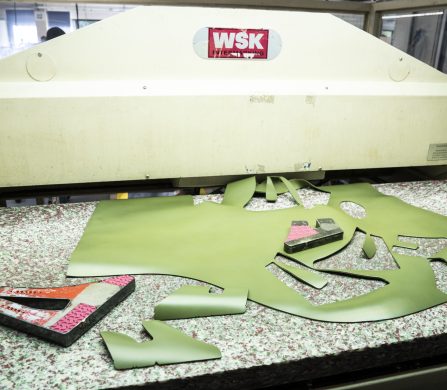
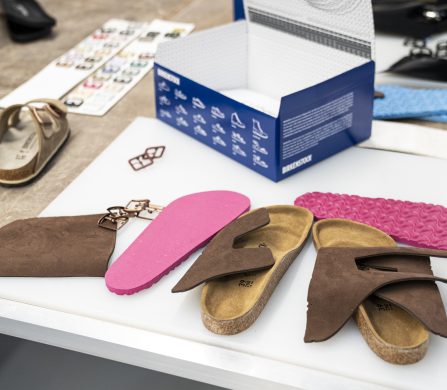
Once the footbed is ready, the process moves to leather selection. Each skin is pre-examined for marks and imperfections. Birkenstock works with very thick leather for its uppers, something that sets them apart from other industry players. For the upper of the Boston, the brand’s iconic clog silhouette, the leather is then molded in a dedicated and customized machine. Branded buckles and rivets are attached by hand, completing the signature Birkenstock aesthetic. The scale of production is astonishing: Every day, hundreds of thousands of shoes leave the factories across Germany, where a large team brings exceptional craftsmanship to each pair. Daily, employees shape and assemble an impressive amount of leather into carefully crafted sandals, combining industrial efficiency with a human touch. Birkenstock continues to innovate and thoughtfully grow its archive of more than 700 silhouettes with seasonal updates, colour iterations, new materials and newness from outsoles to buckles while remaining true to the footbed at the core of each product and their craftsmanship and proof that luxury doesn’t need to abandon the quiet beauty of a hand-finished shoe.

Style Statements
What began as a functional German shoemaker’s remedy for tired feet, has now quietly turned into a major fashion narrative. Birkenstock’s journey into high style is neither accidental nor superficial but rooted in craftsmanship and function elevated by smart creative alliances and modern presentation.
In 2018, Birkenstock launched its premium imprint, 1774, named after the year to which Birkenstock’s shoemaking tradition can be traced to, and based in Paris. With 1774, the brand reinterprets core silhouettes through luxury materials and design detailing. Functionality in a refined form. It’s here that the brand invites icons of luxury and street alike for a shared vision of their core: Manolo Blahnik, ADER ERROR, as well as partners such as Dior, Valentino, Kith and Fear of God.
Why does it work? Because Birkenstock has never abandoned its functional core. The cork‑latex footbed with full‑arch support remains, but it has been reframed as a marker of quality rather than a medical necessity. The fashion collaborations don’t dilute the heritage. They spotlight it, making the brand’s comfort architecture a style credential rather than a compromise.
Birkenstock’s elevation into the fashion sphere didn’t happen because they abandoned their origins, they amplified them. The sandal that once served orthopedic clinics, doctor’s offices or served subcultures across the globe as a symbol of counterculture now suits runways, boutiques and daily street style. In each evolutionary chapter, the same principles of function, support and human‑first design remain at its centre.

photography. Daniel Woeller
words. Dave Lantinga