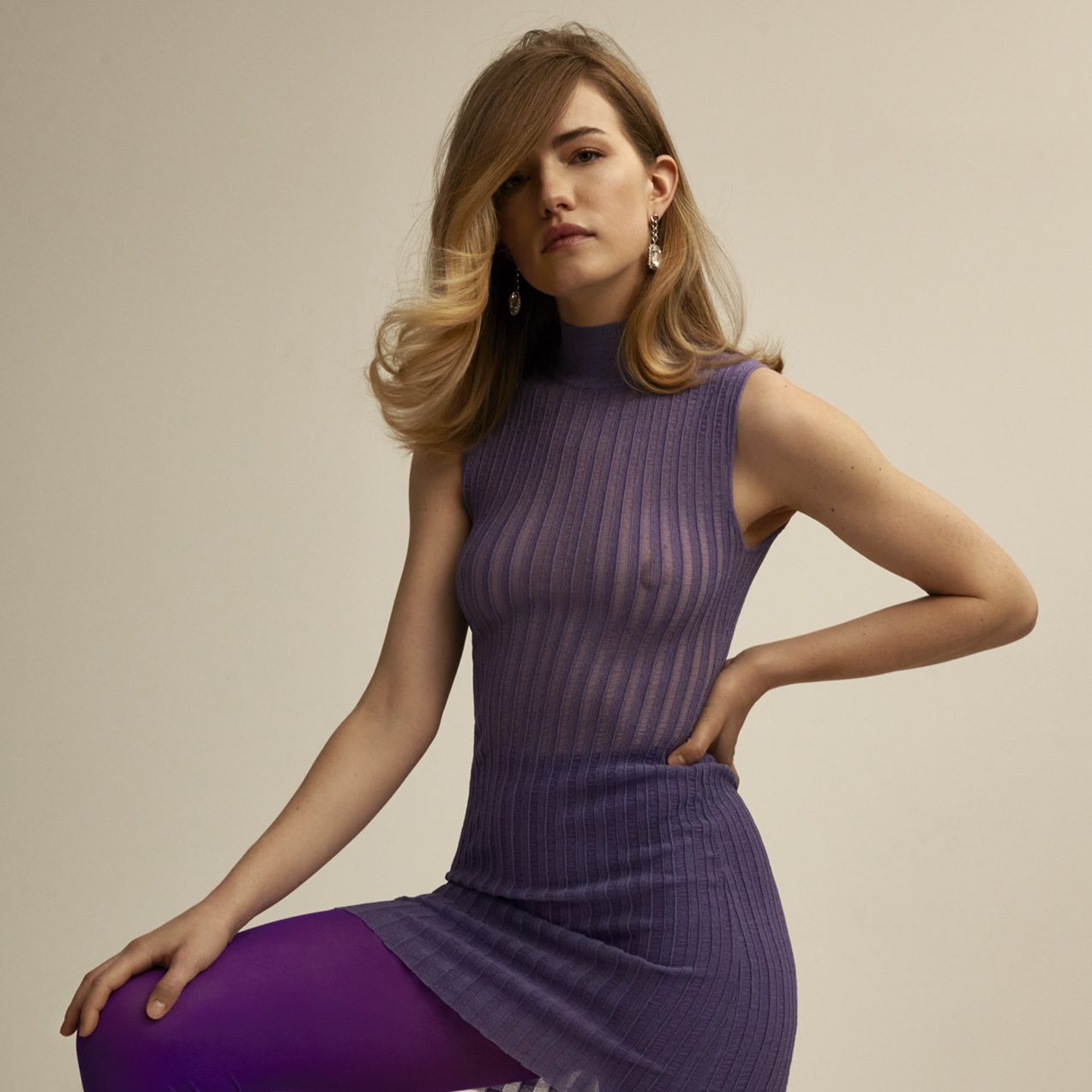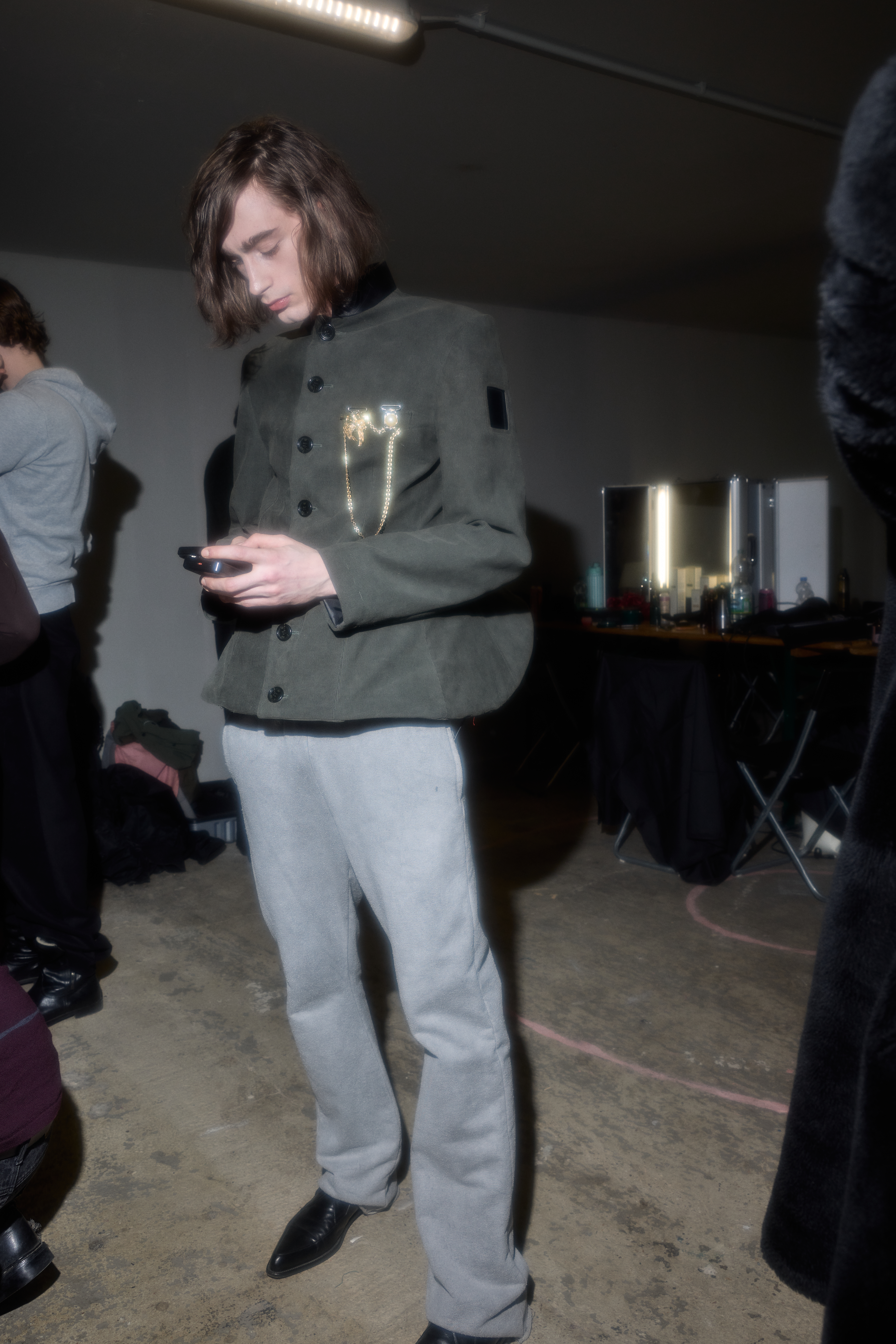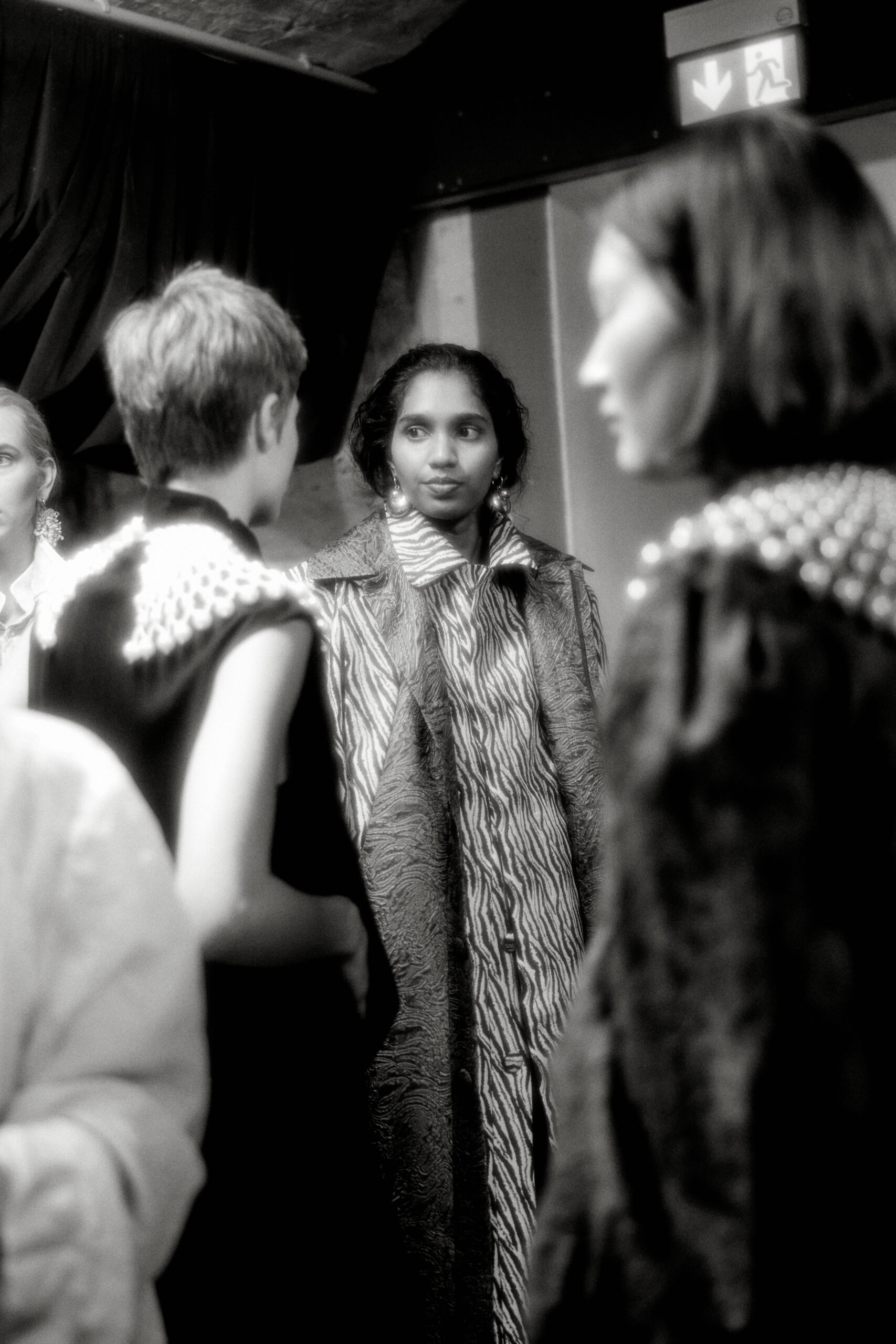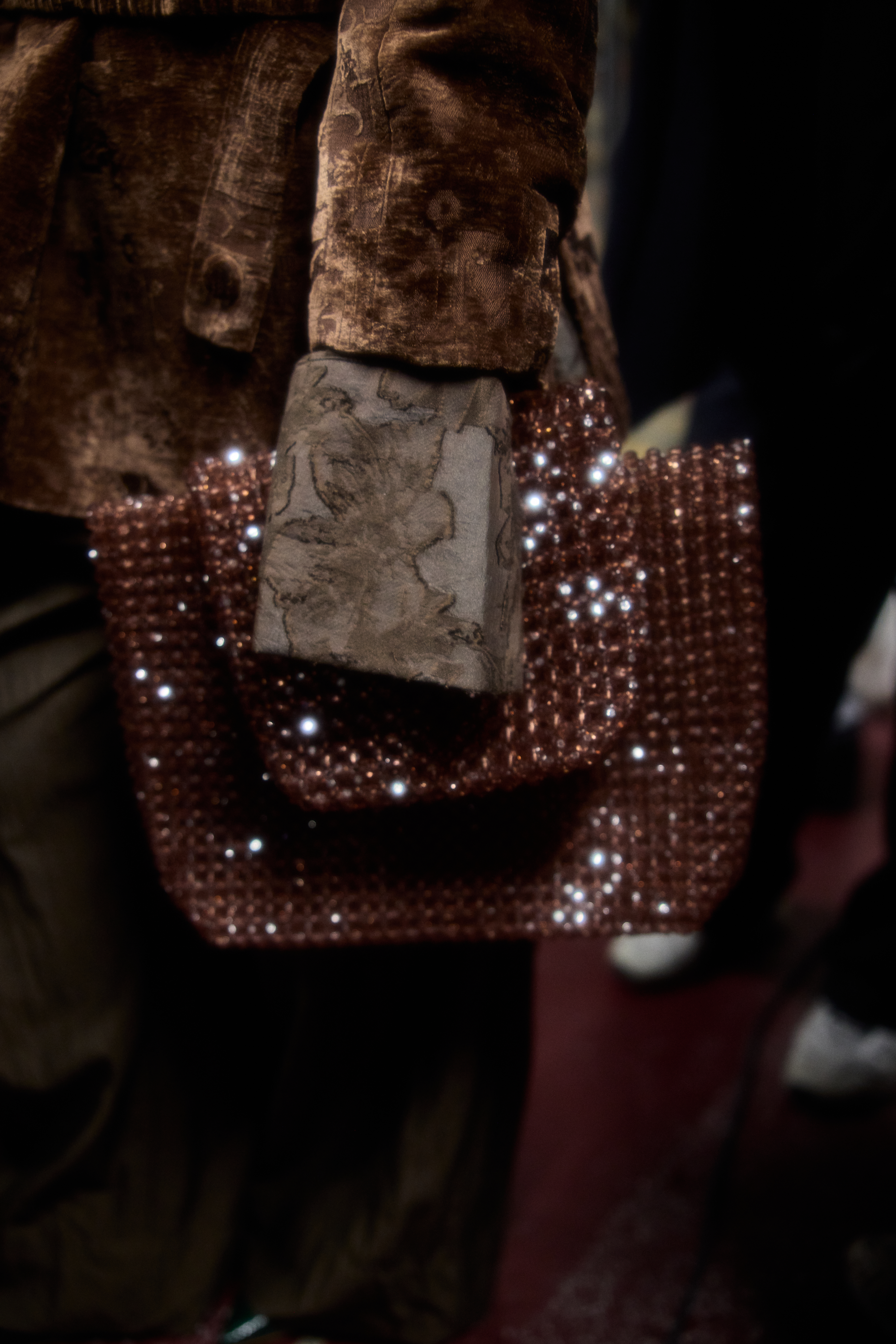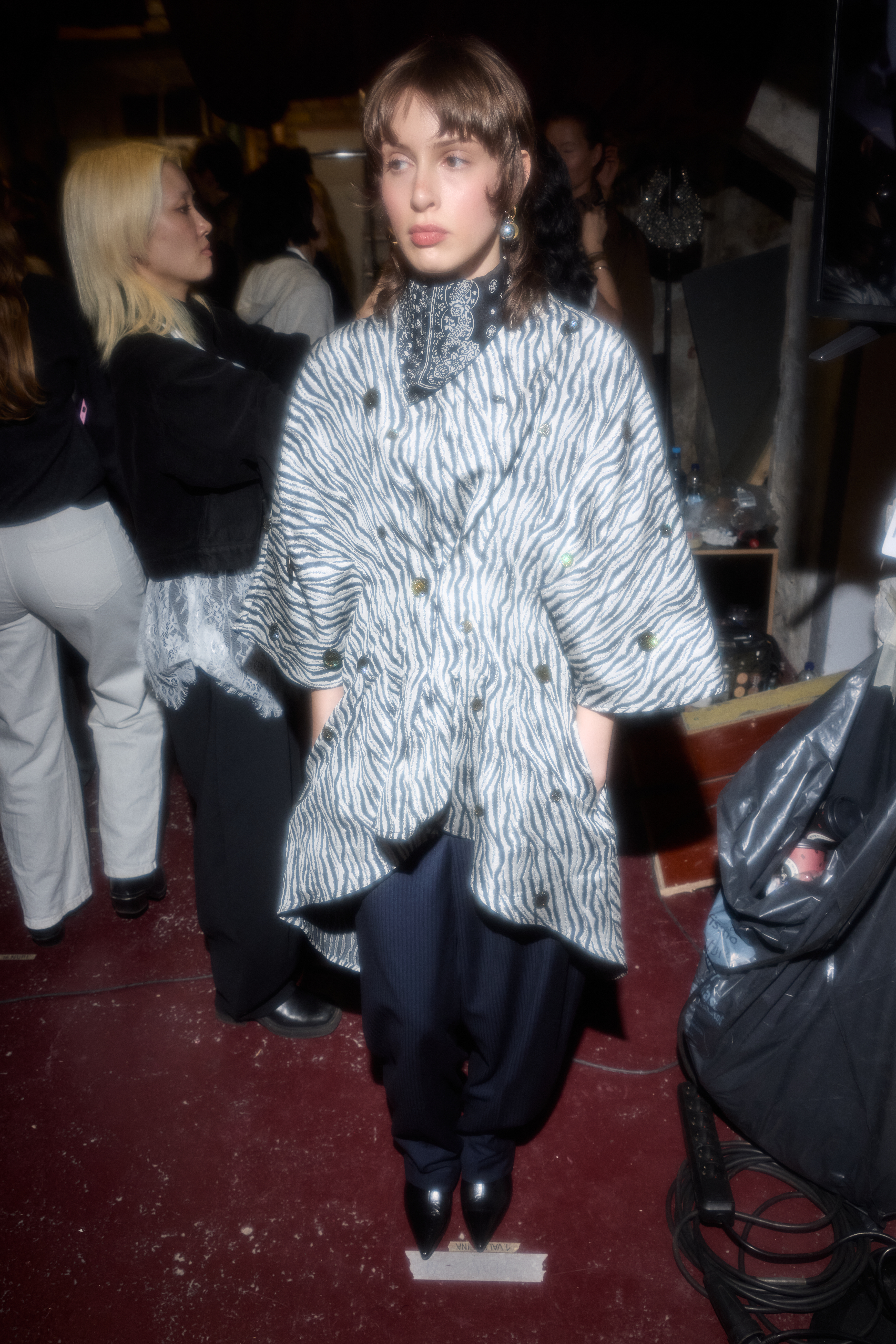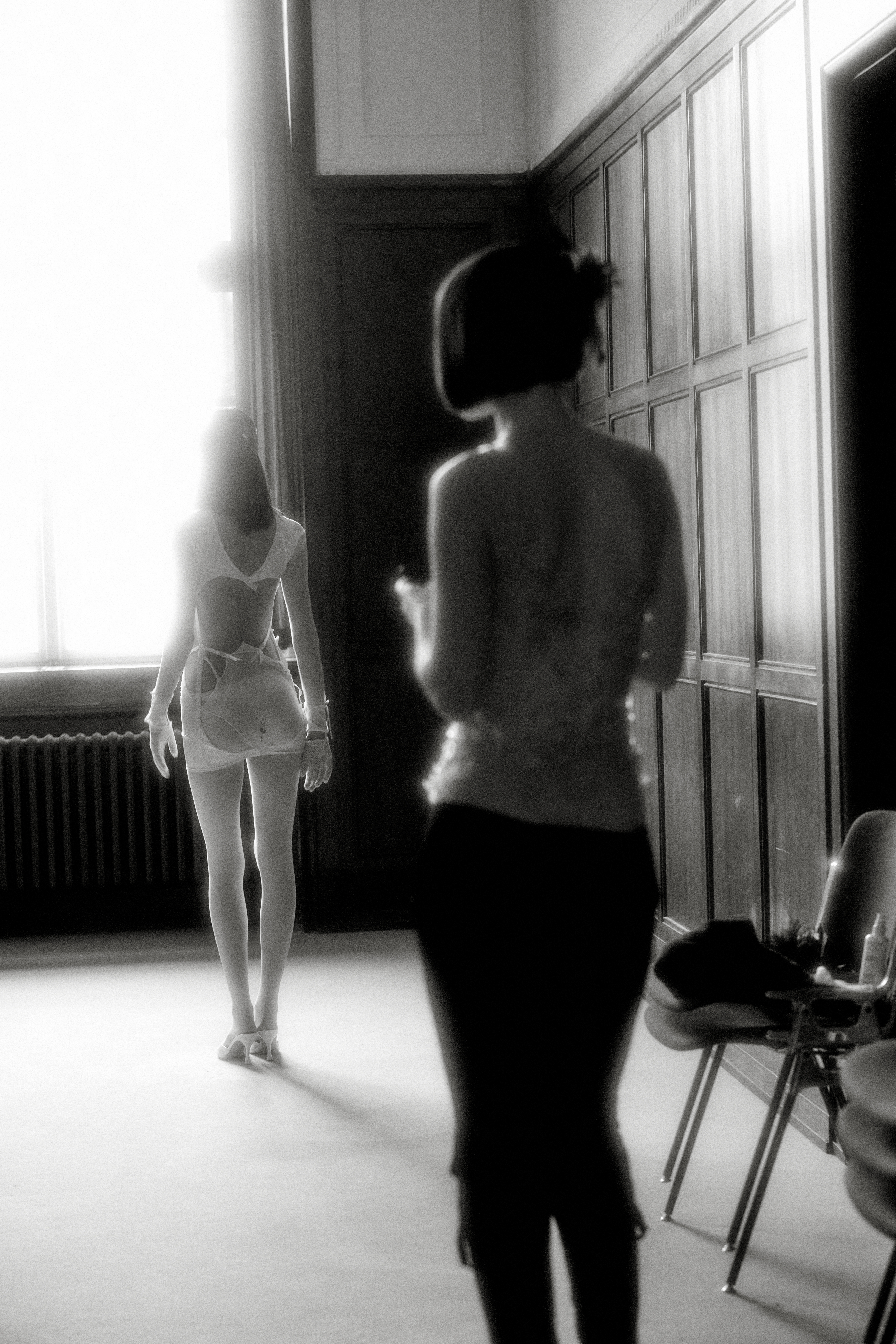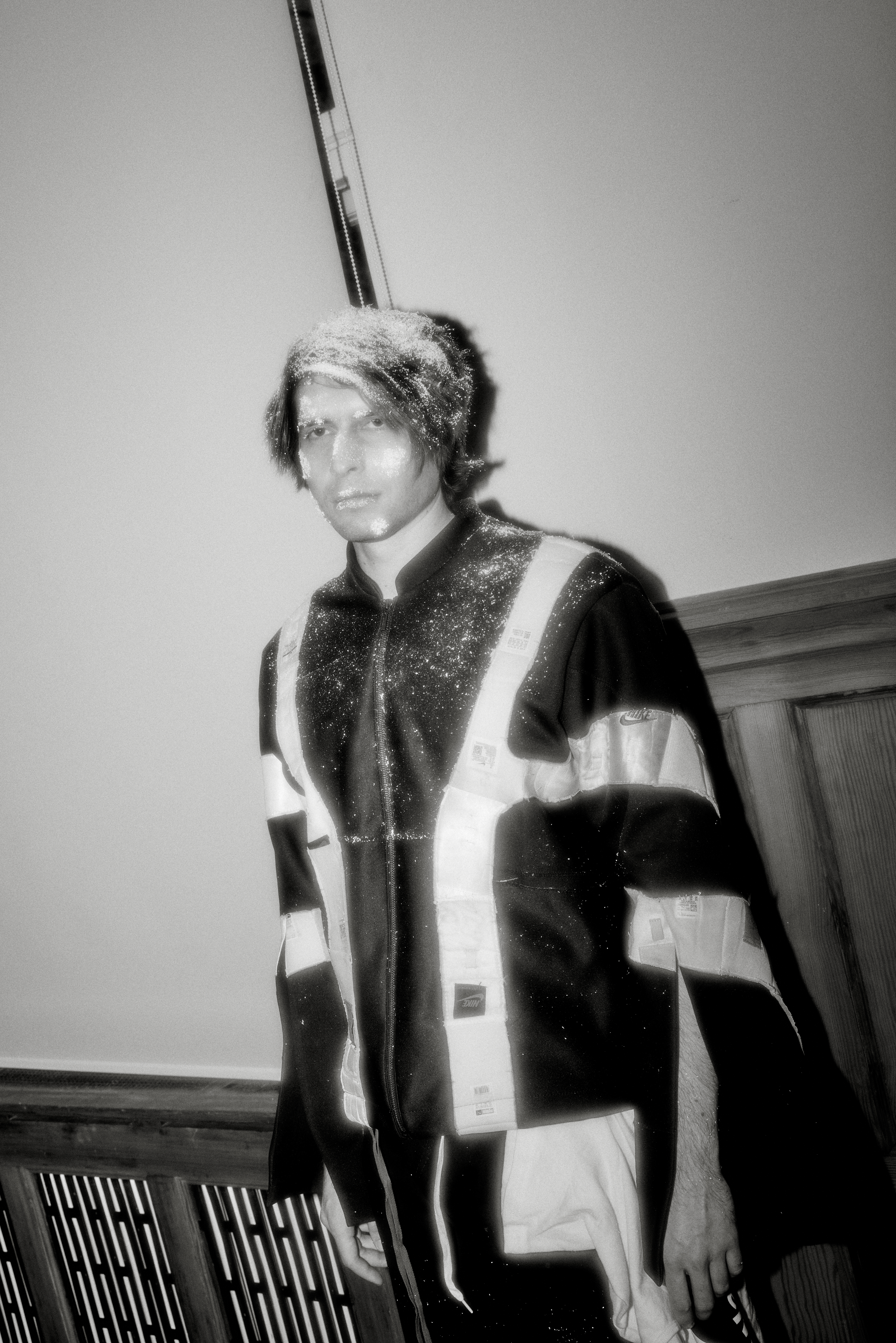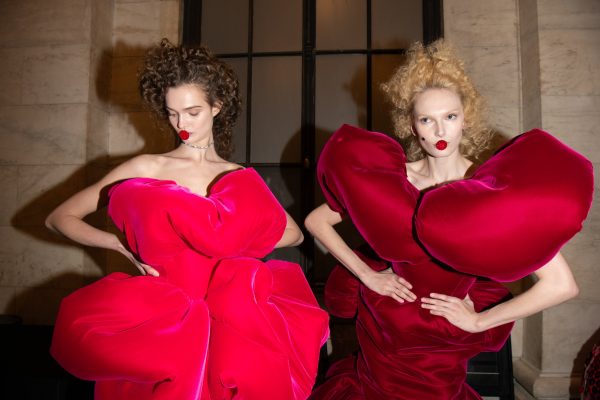


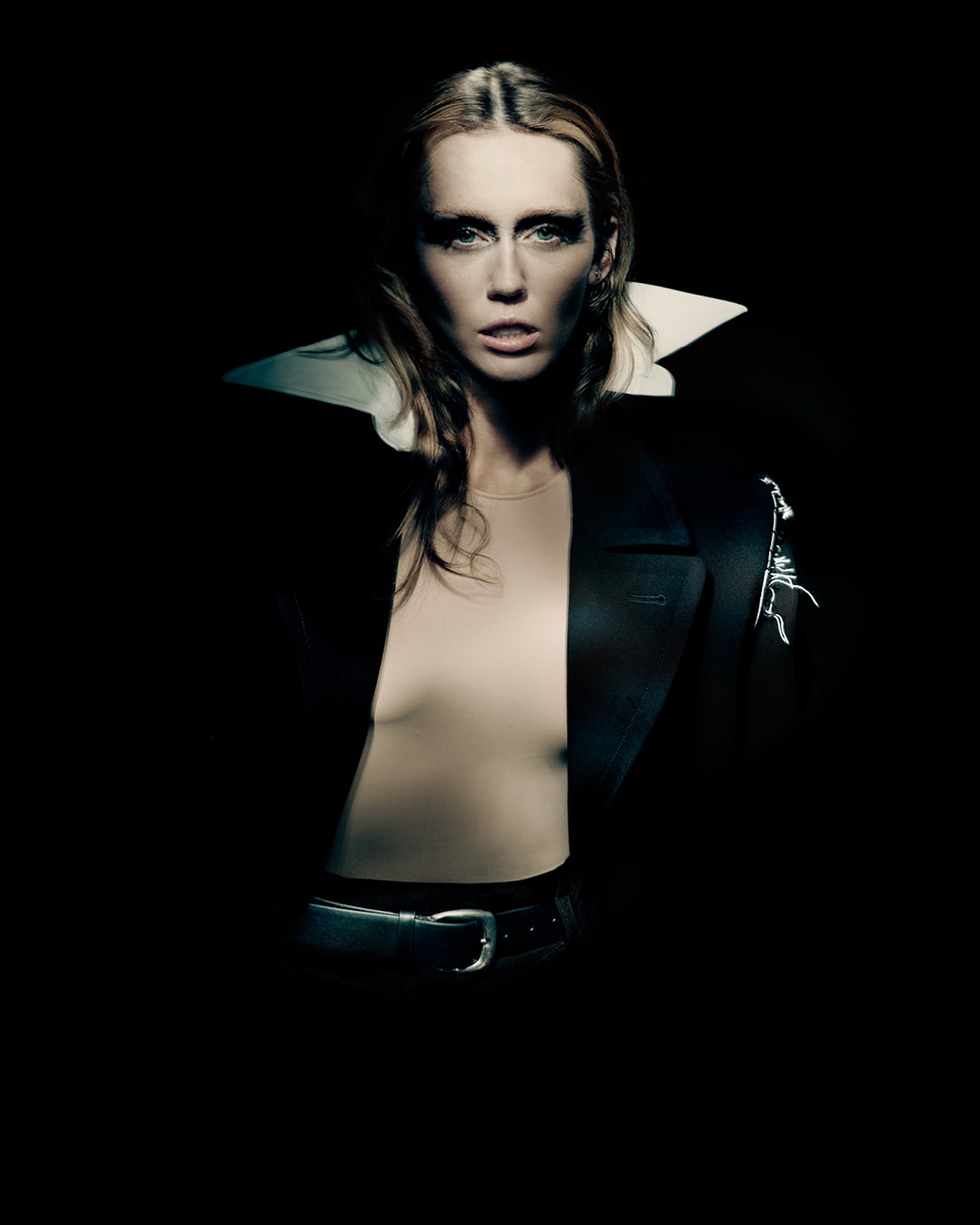
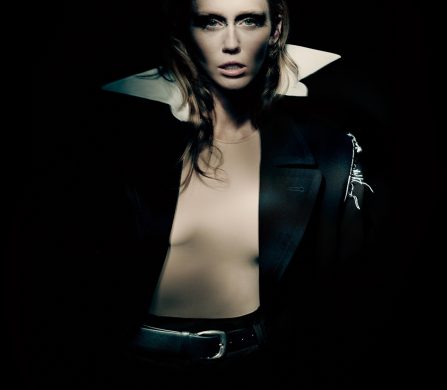
In what feels like a statement moment, Maison Margiela has finally unveiled its Autumn/Winter 2025 Avant-Première collection with none other than Miley Cyrus at its centre. In a rare turn for the house, this marks the first time Margiela has named a celebrity face ever since its foundation in 1988, and fittingly, it’s a visual poem captured by Paolo Roversi.
The campaign strips everything back to its essence, creating soft, atmospheric portraits where light and shadow frame a collection built on memory, identity, and transformation. Cyrus moves through Roversi’s lens almost like a figure caught between past and present.
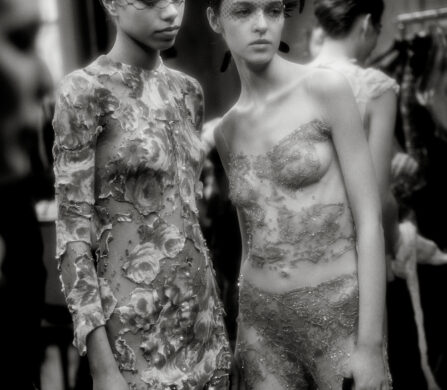
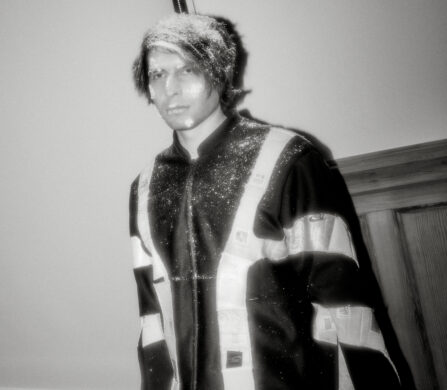
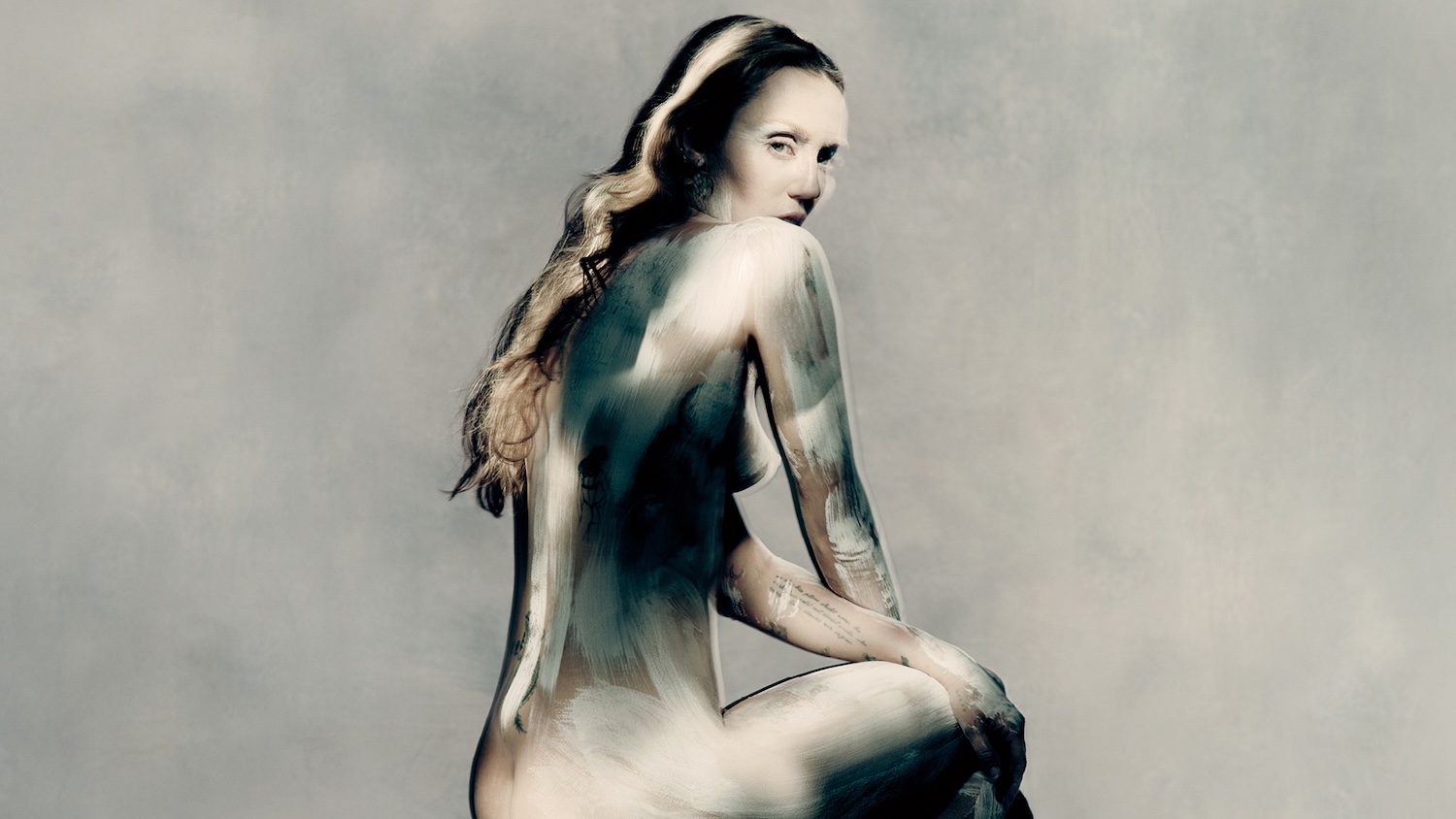
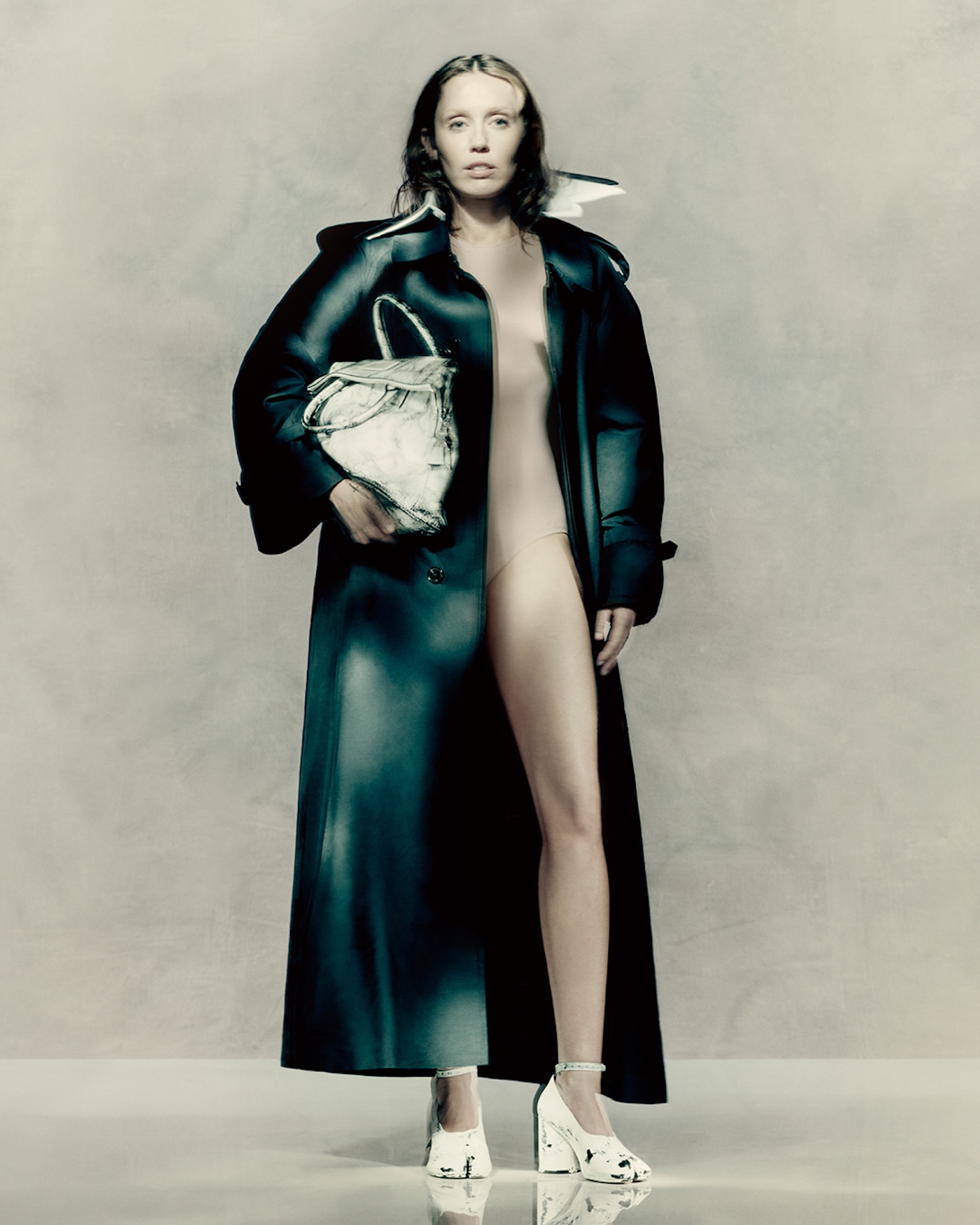
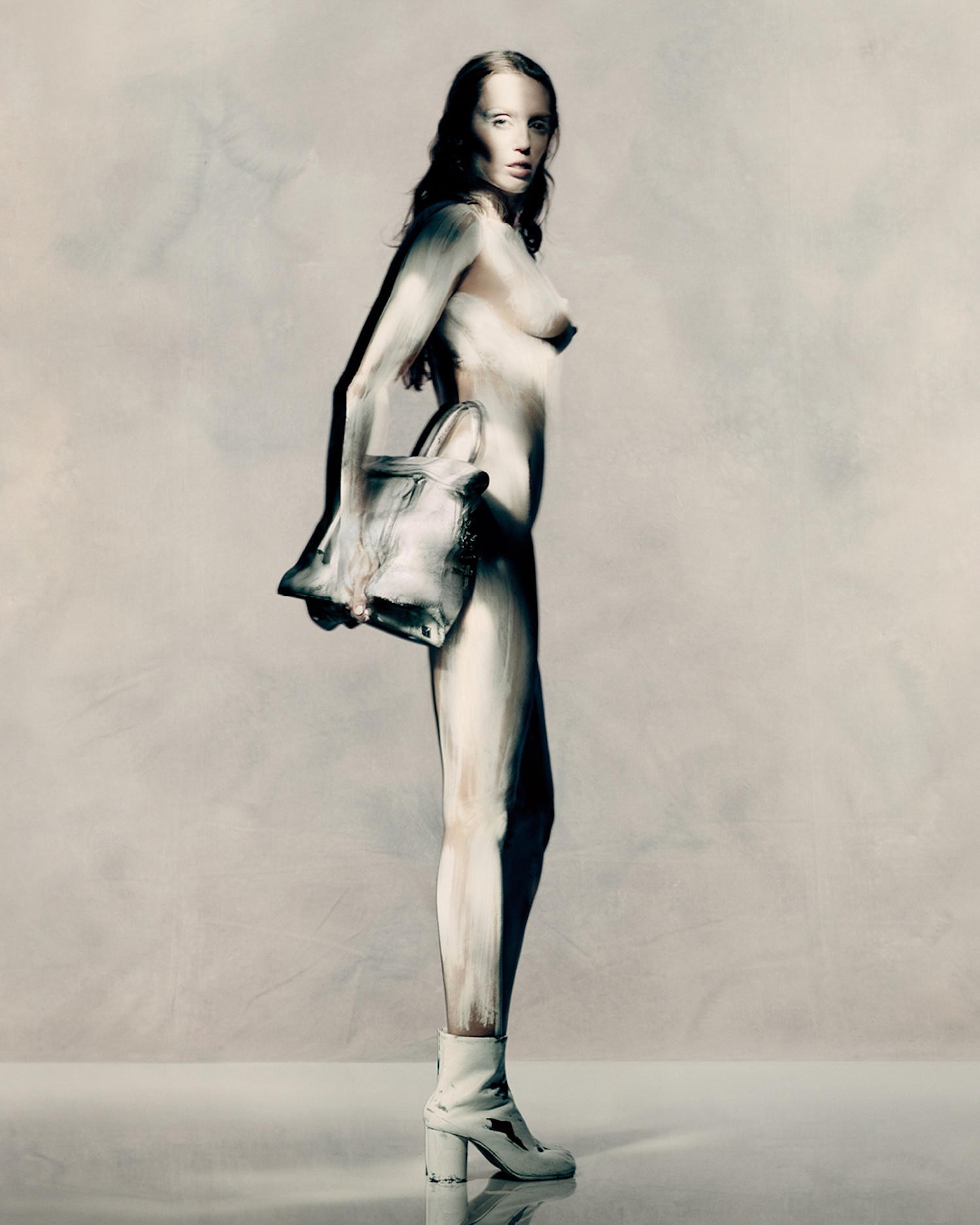
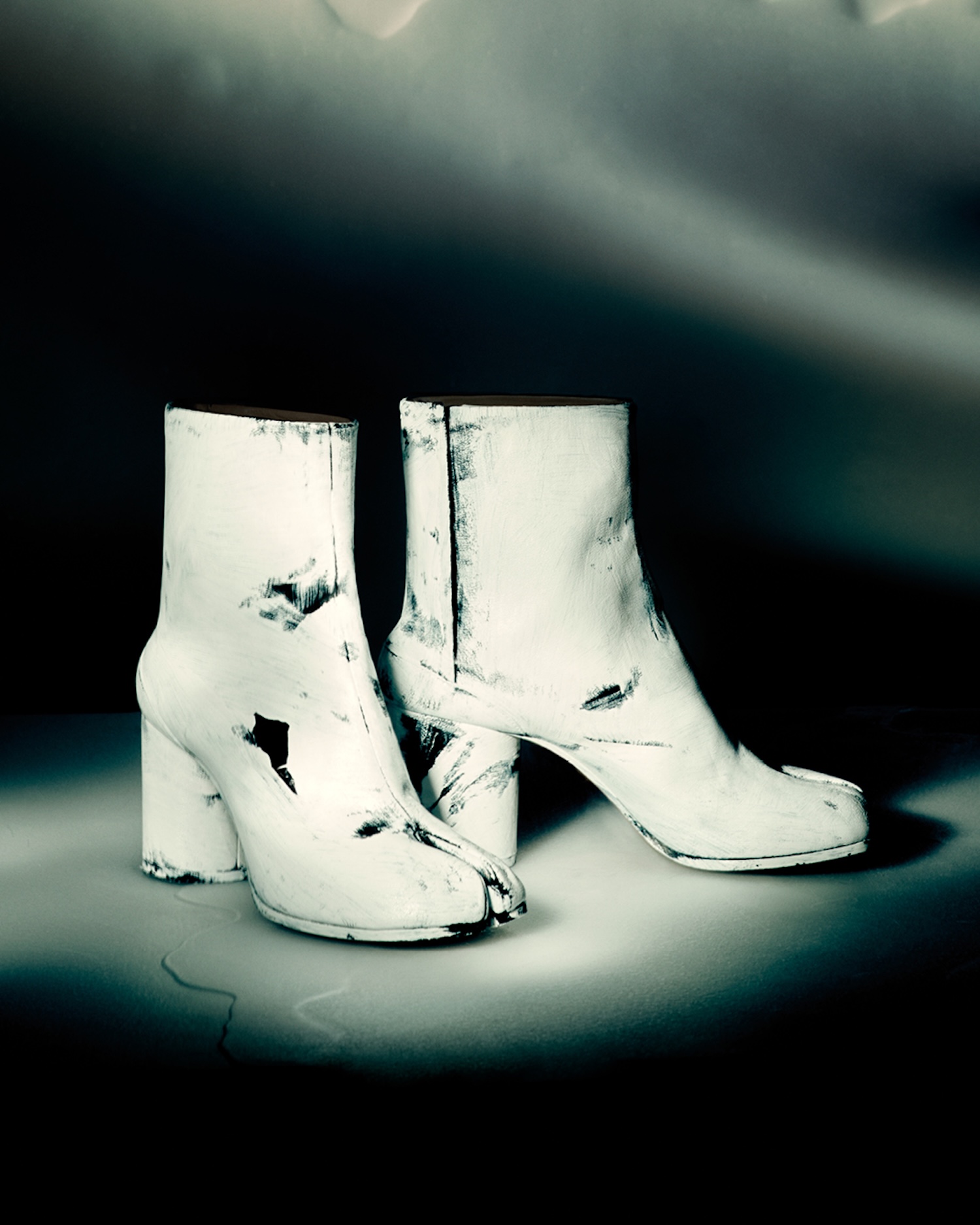
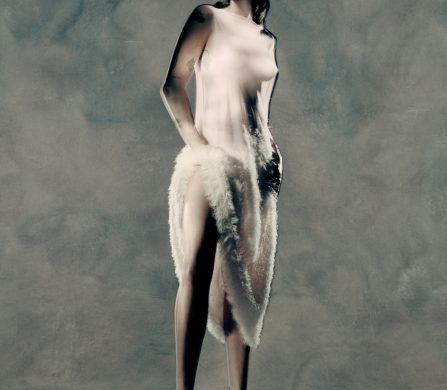
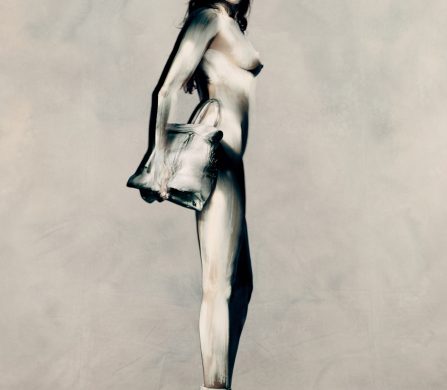
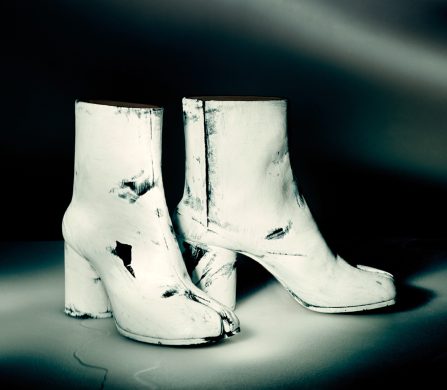
The house’s iconic Tabi boots ground the looks, while in certain frames, Cyrus’s body is brushed in white, reminiscing the ‘bianchetto technique’ from 1989, where objects were coated in paint to age, crack, and reveal hidden layers beneath. Here, the American singer’s body becomes part of the Maison’s archive.
“The nudes by Paolo are so iconic and signature to his art,” Cyrus shares. “Standing naked for a fashion campaign felt major – all I wore was body paint and the painted Tabi boots. In that moment, Margiela and I became one.”
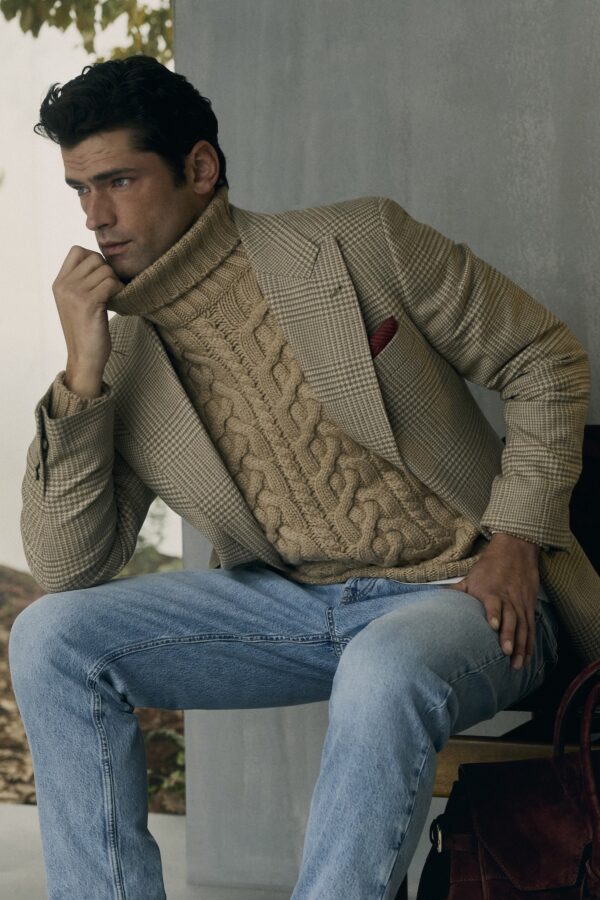
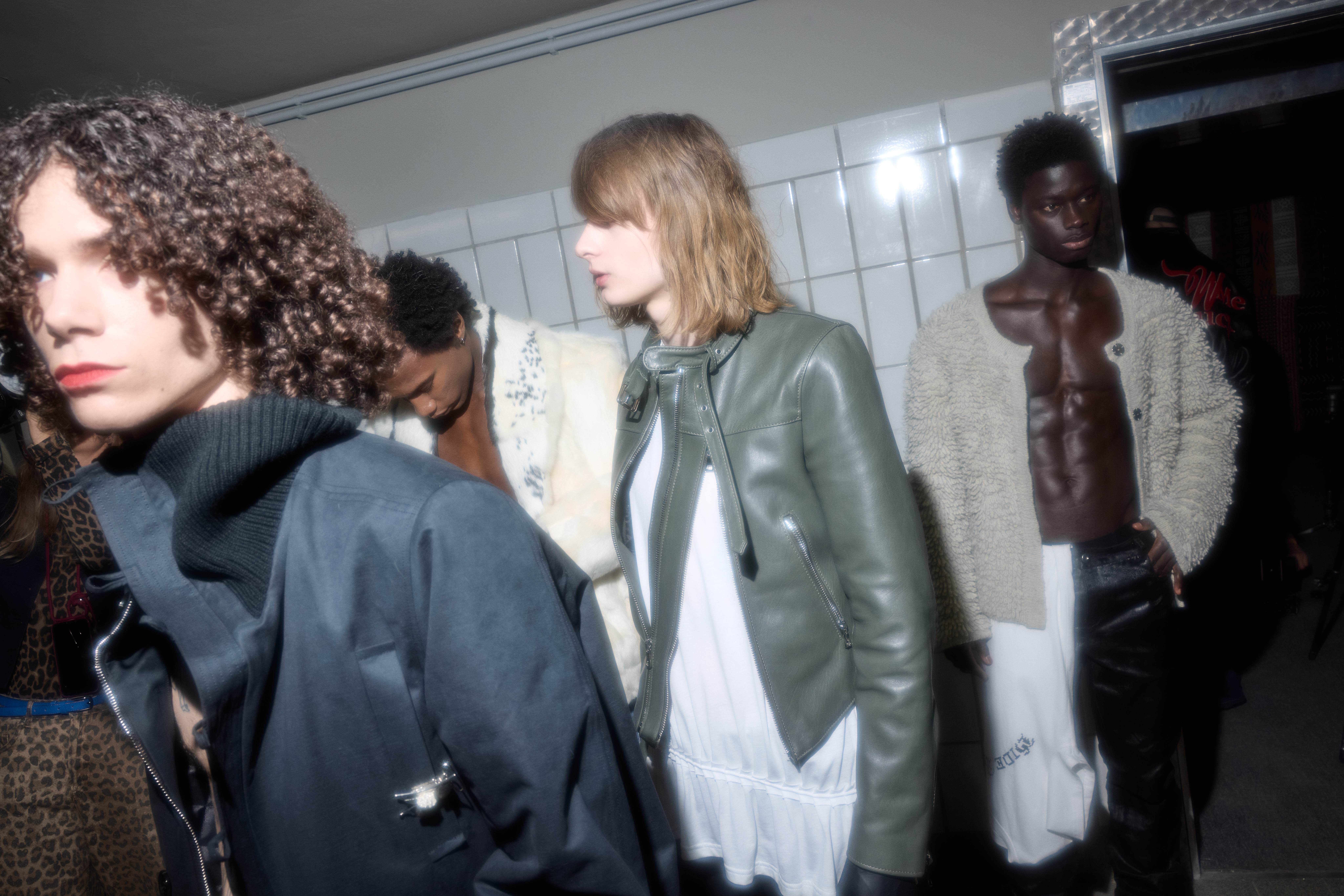
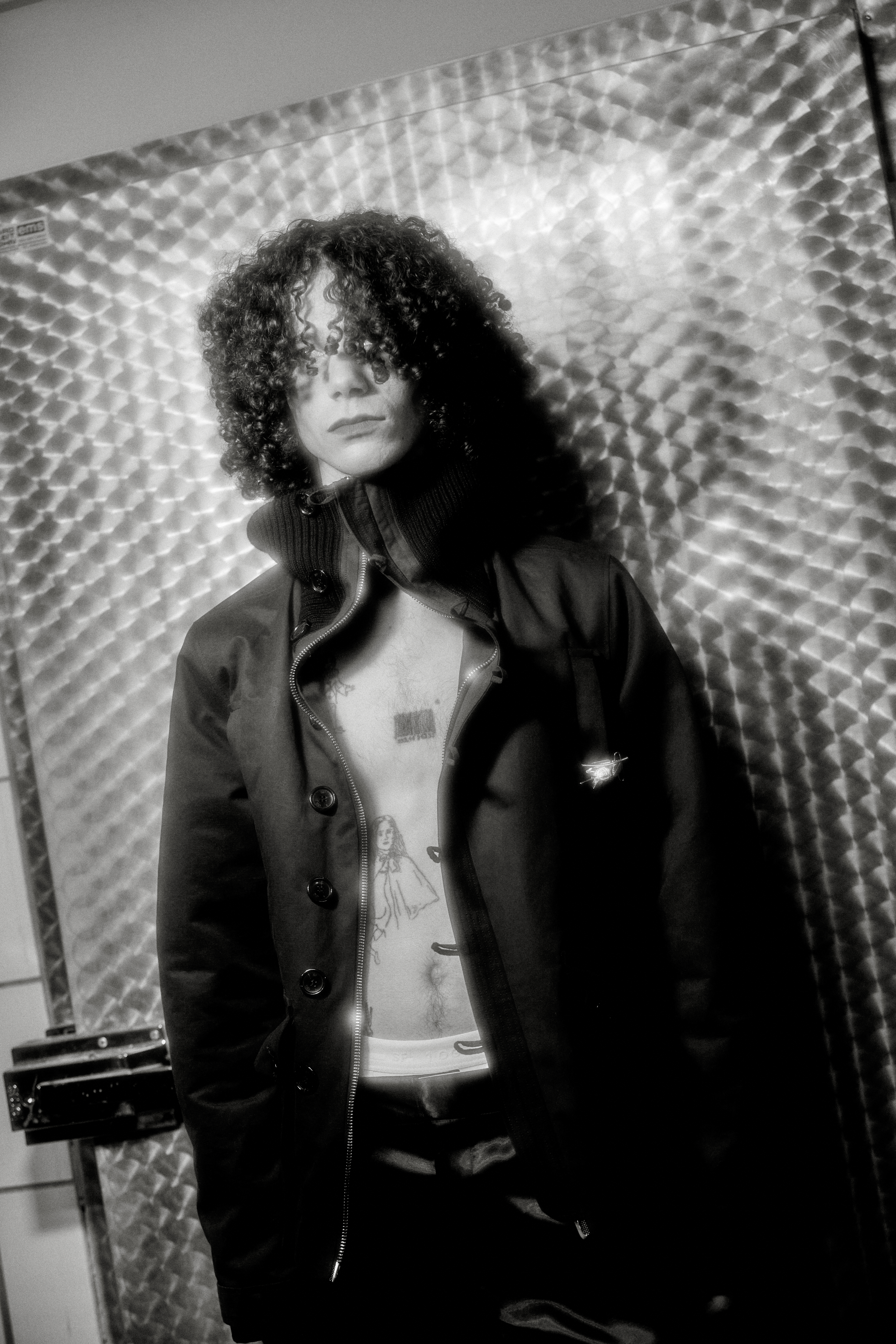
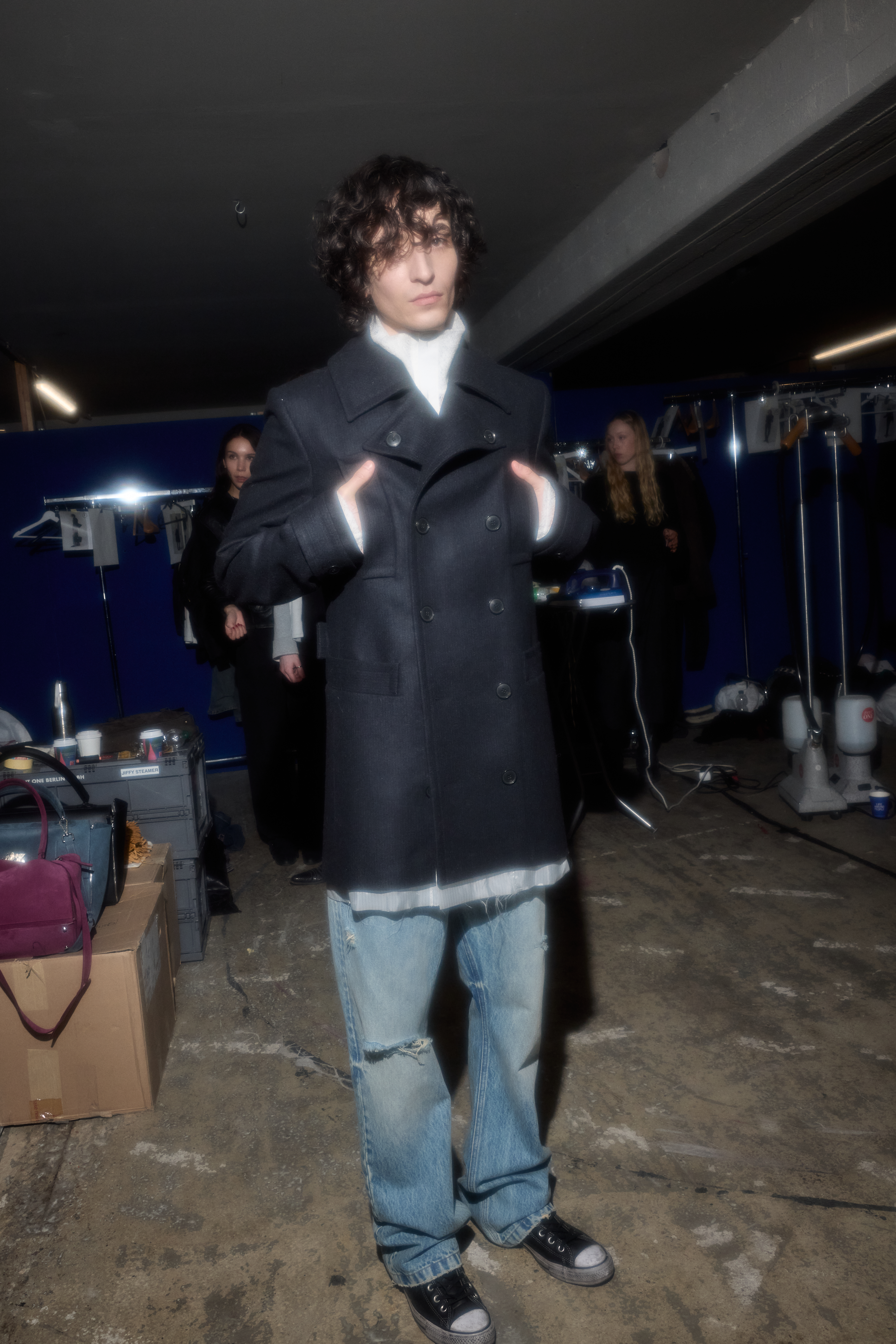

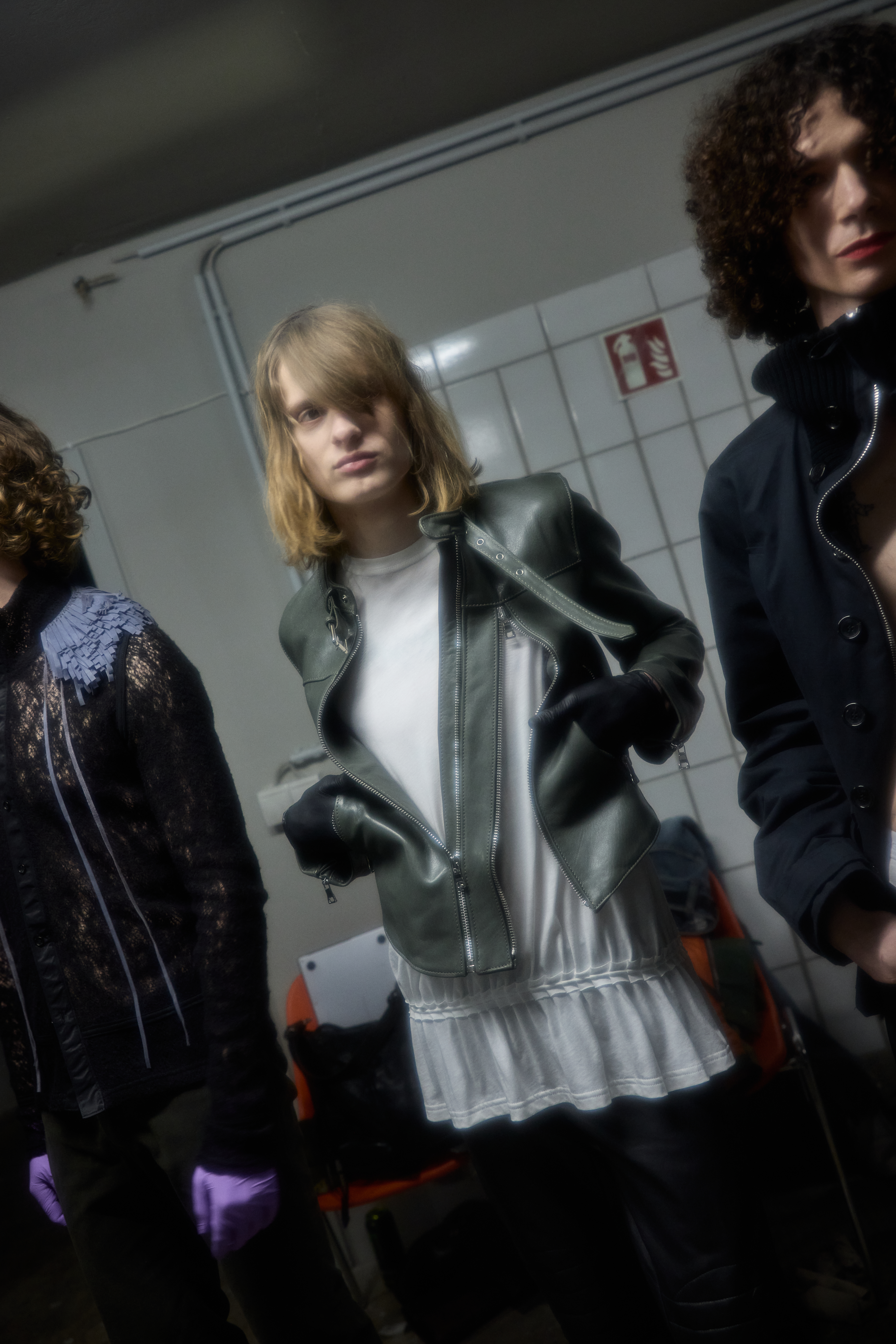
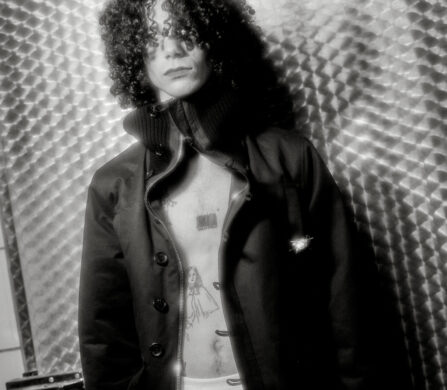
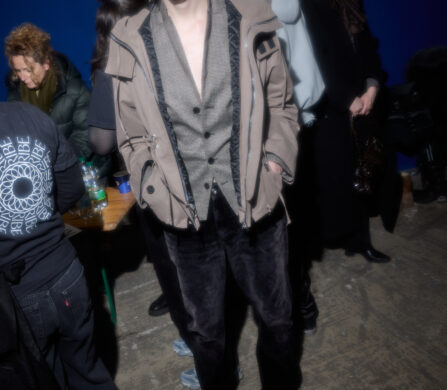
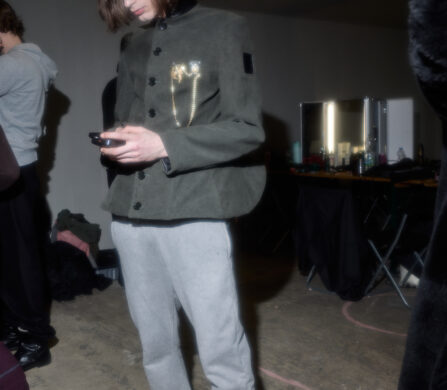
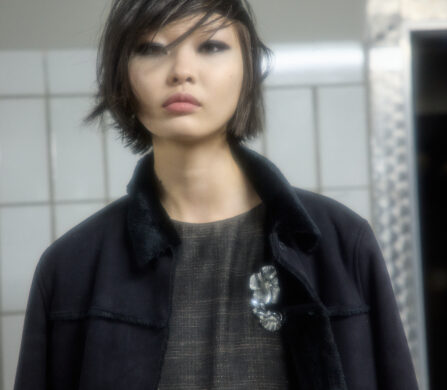
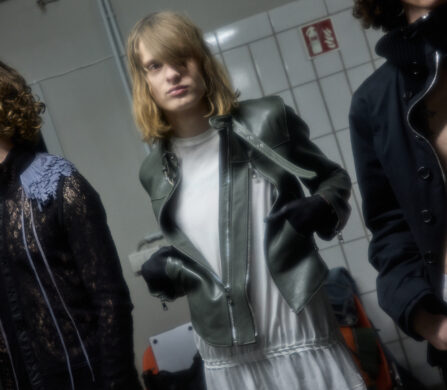
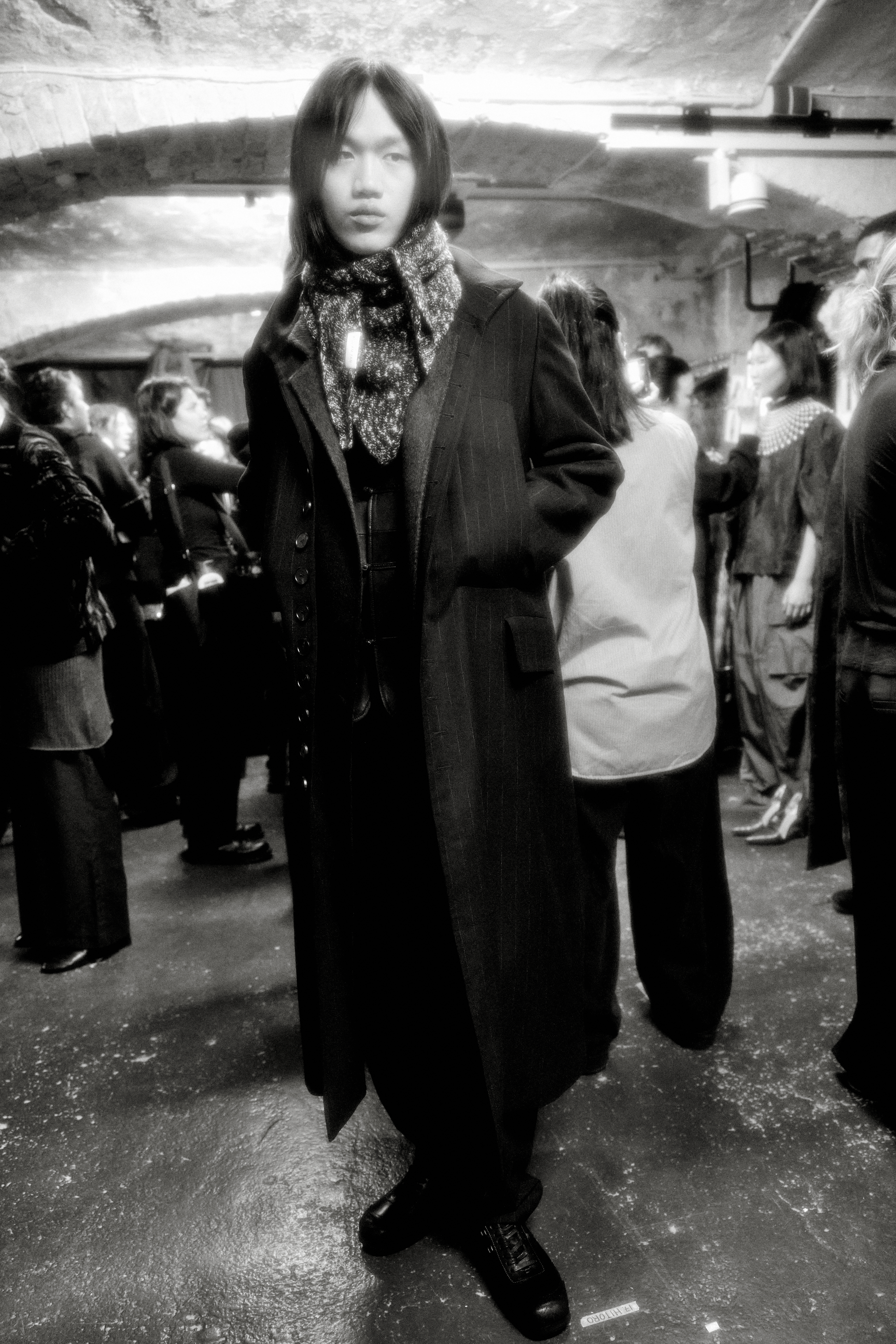
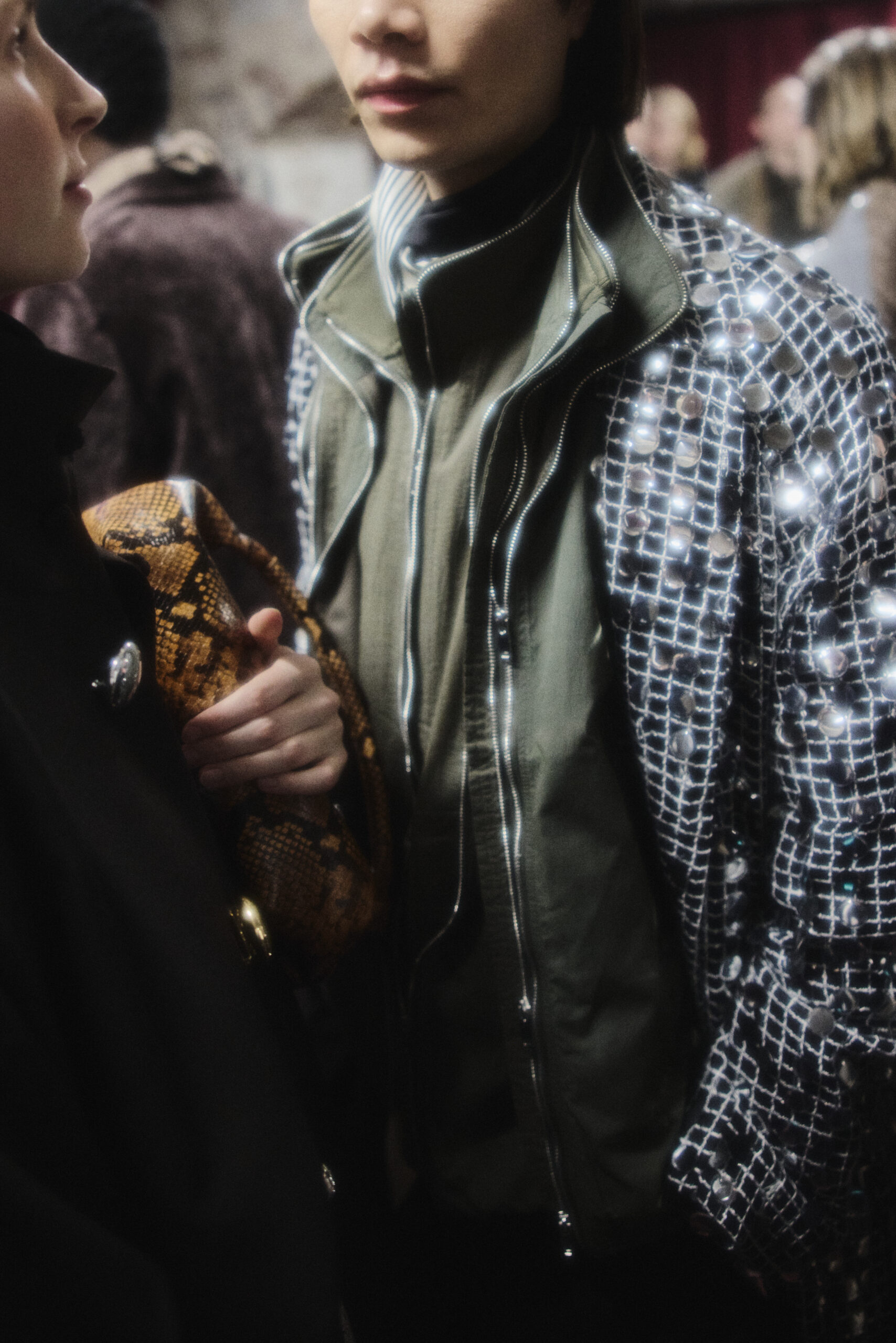
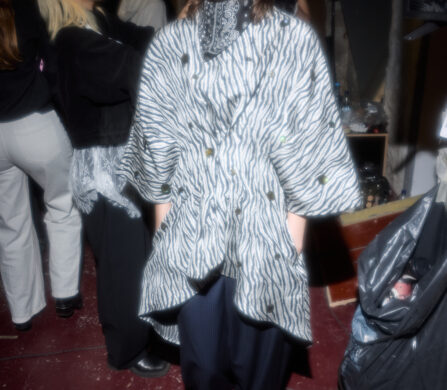
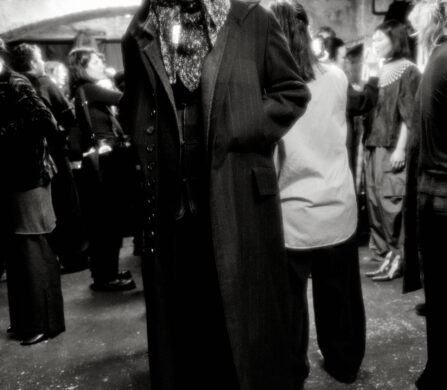
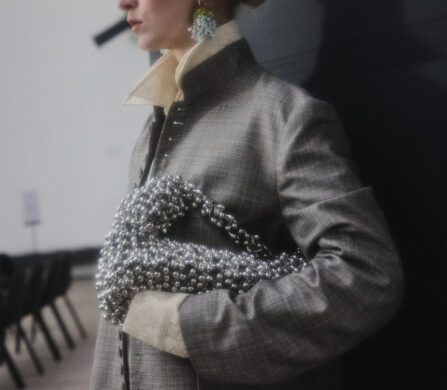
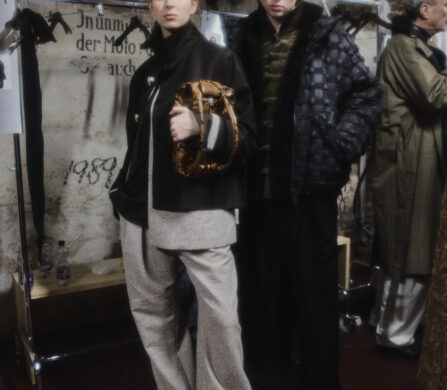
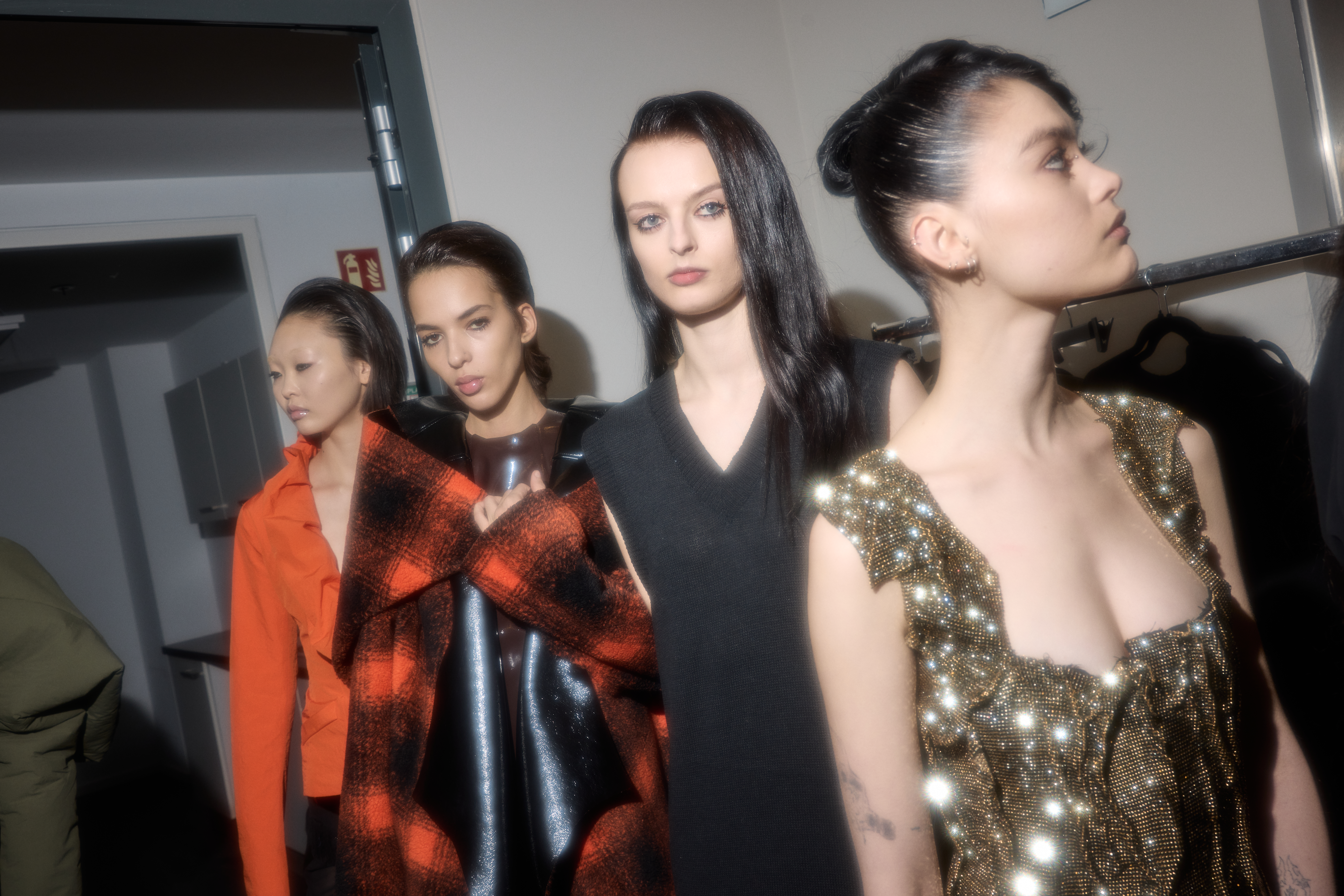

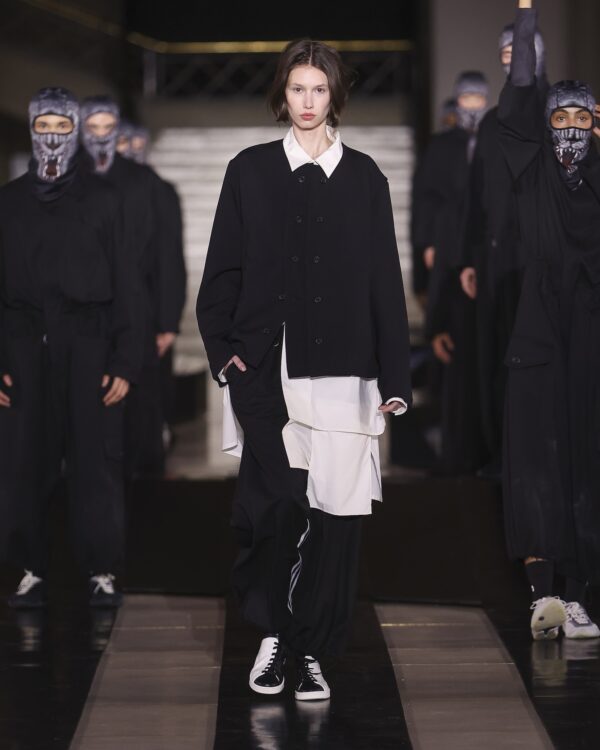
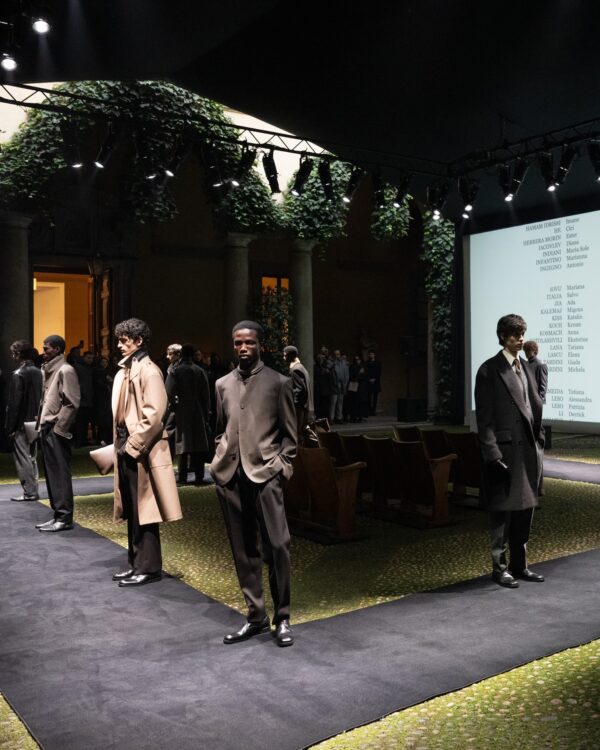
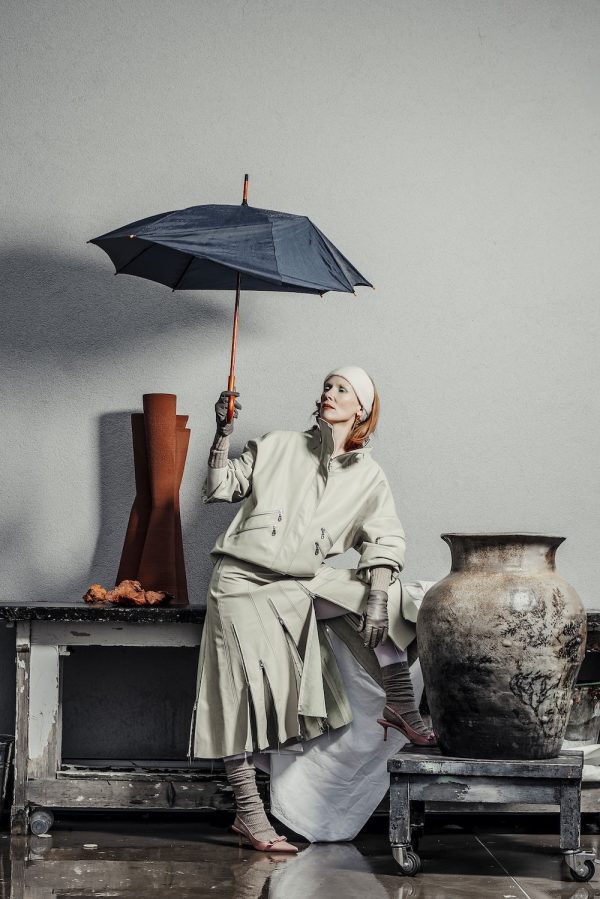
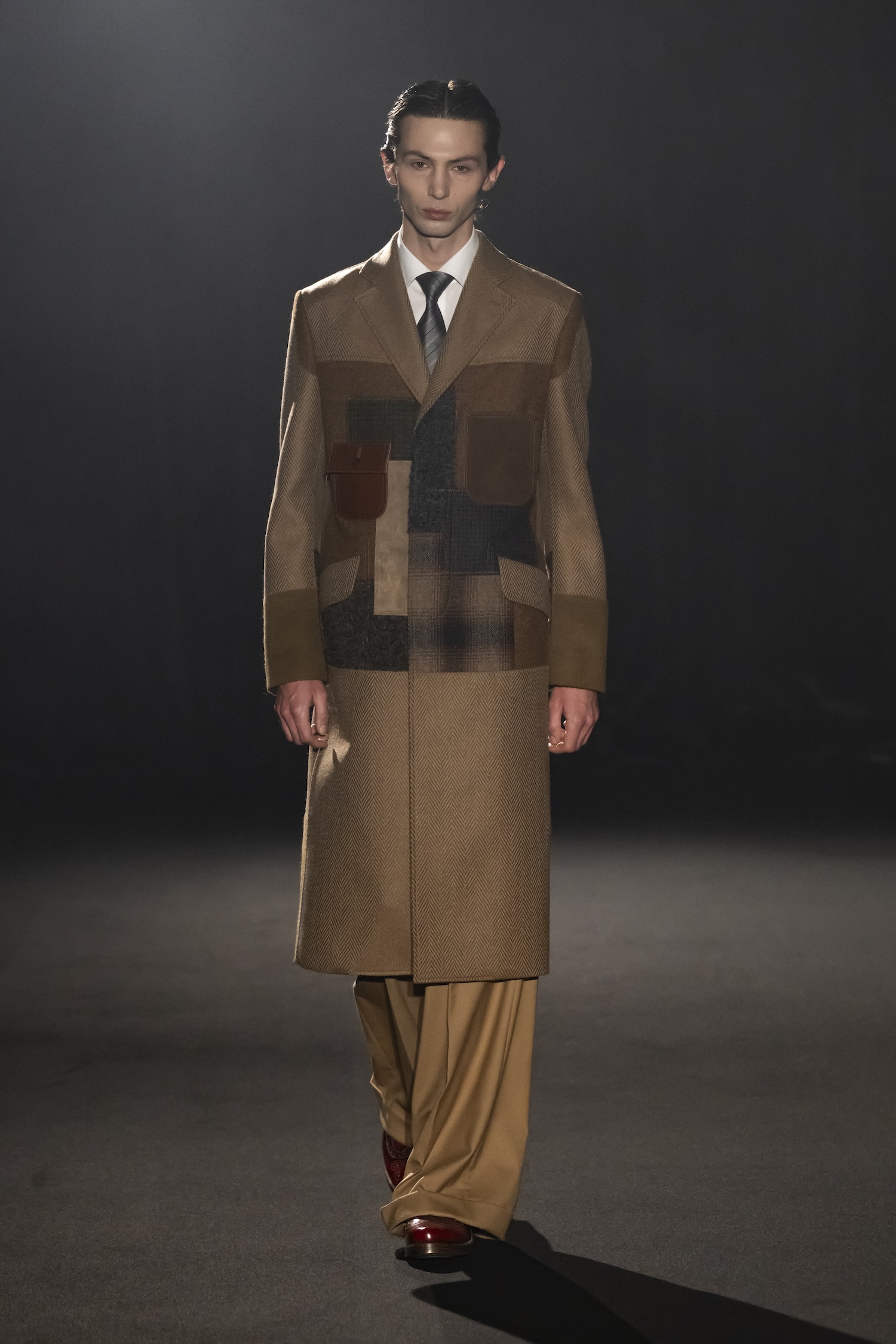
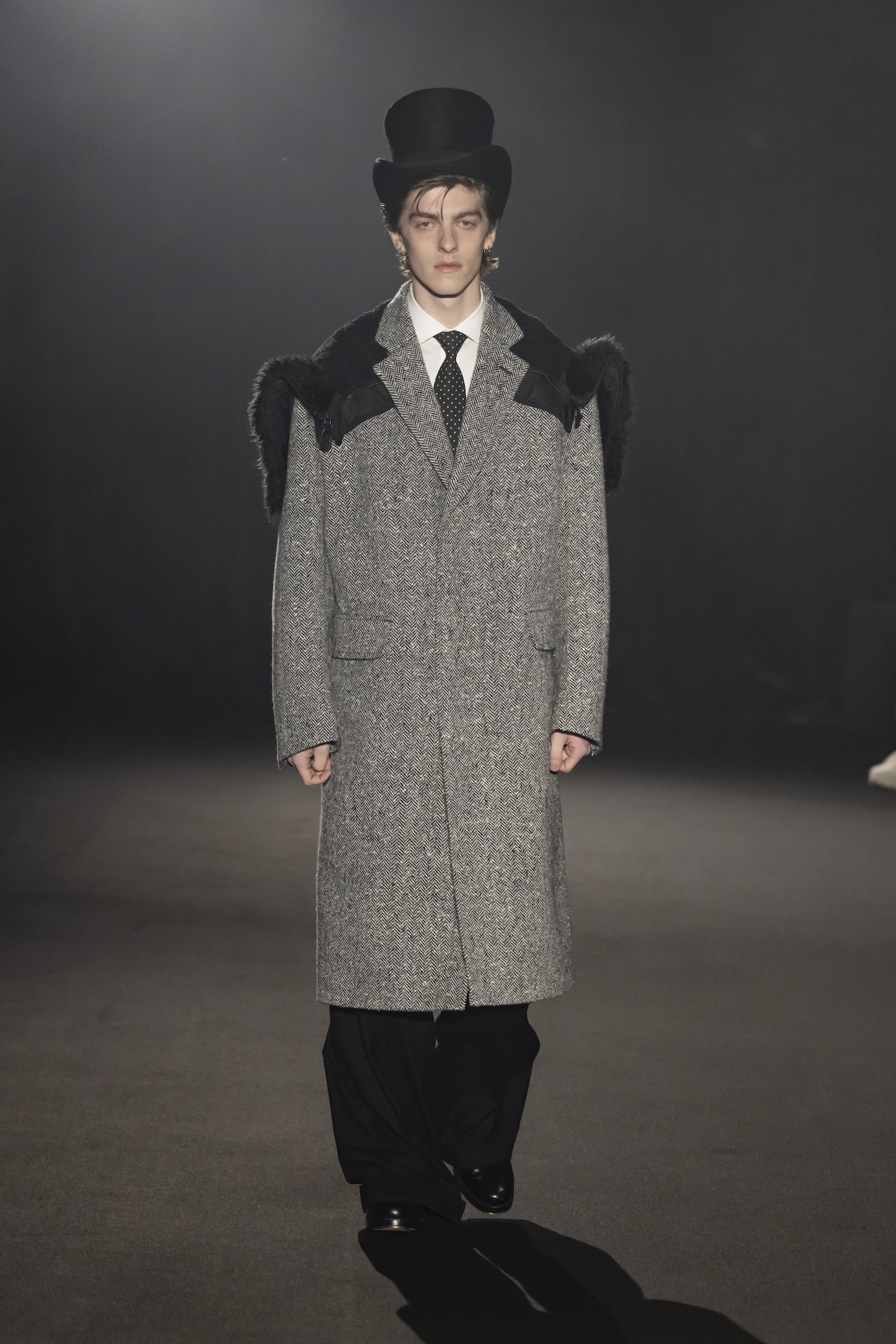
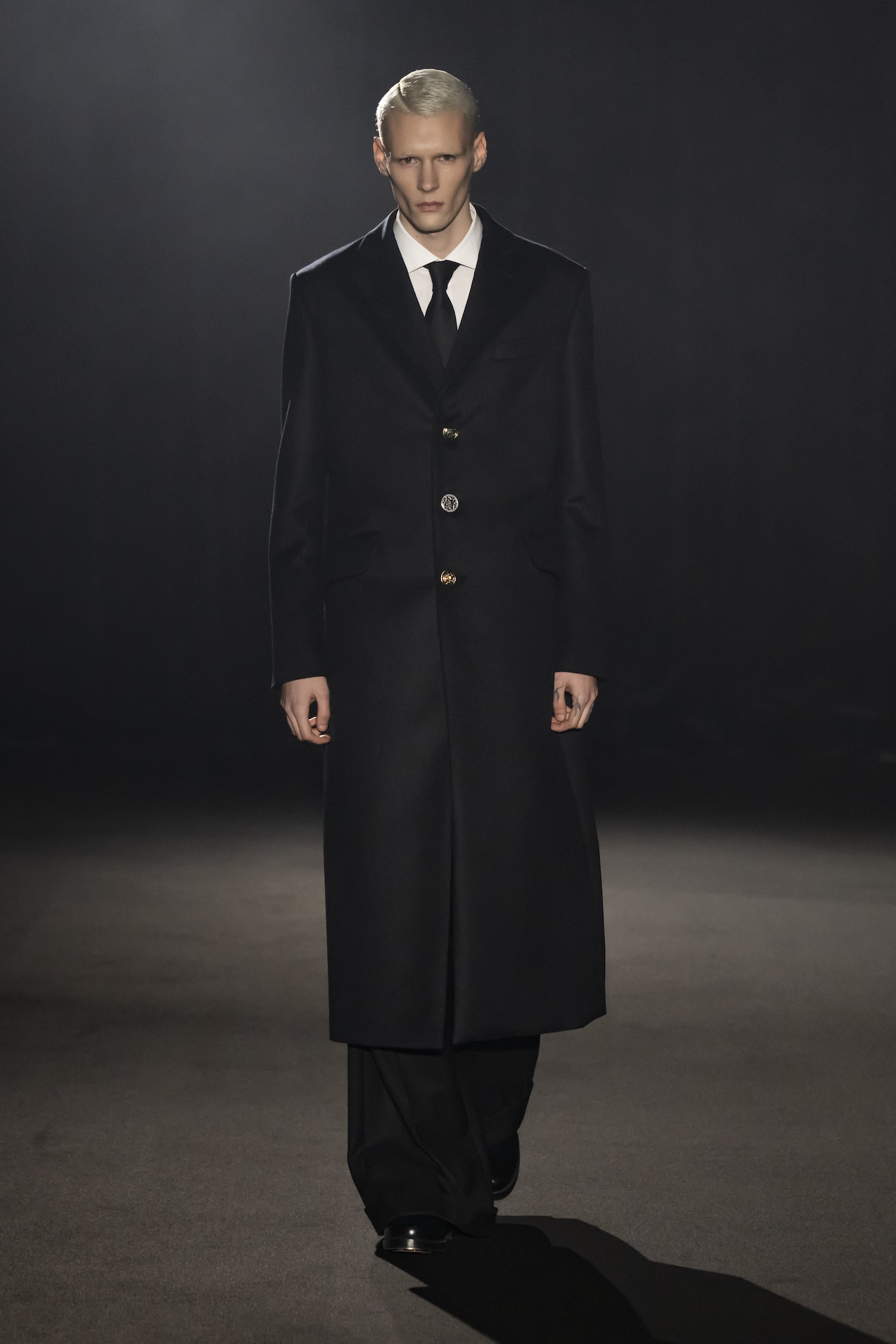
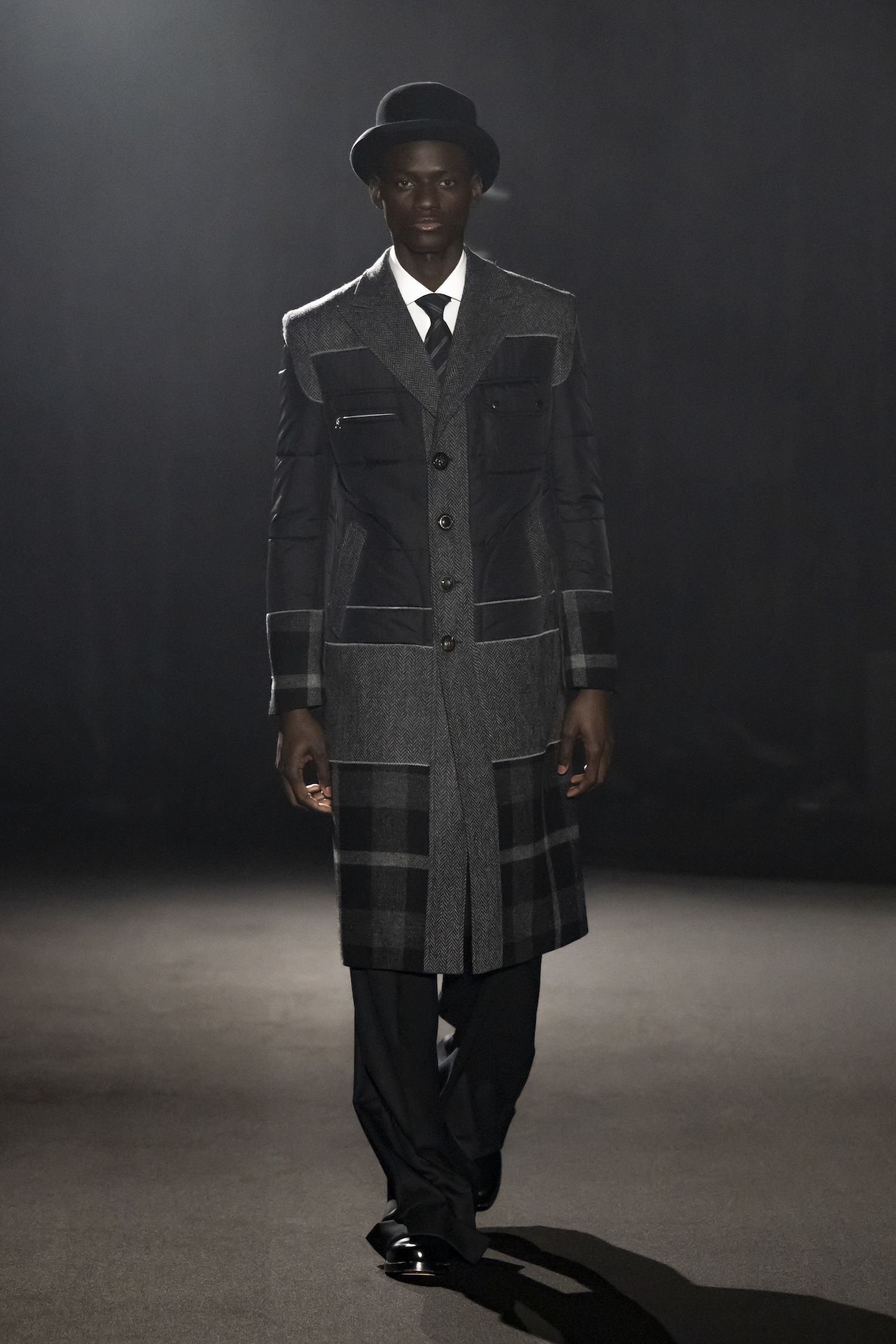
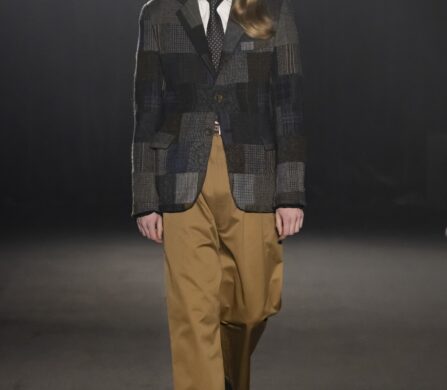
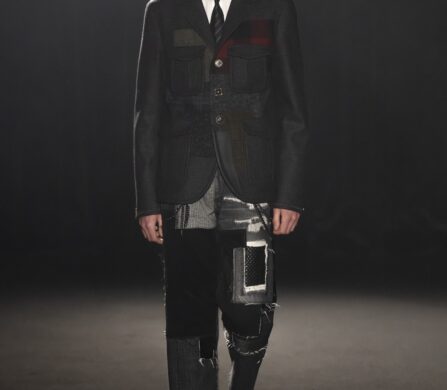
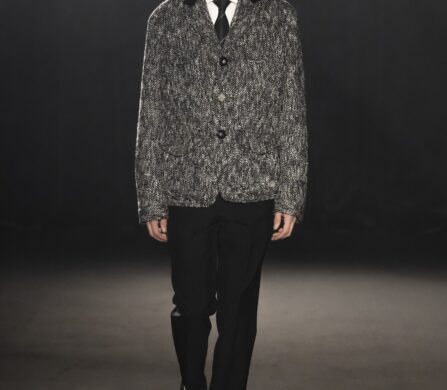
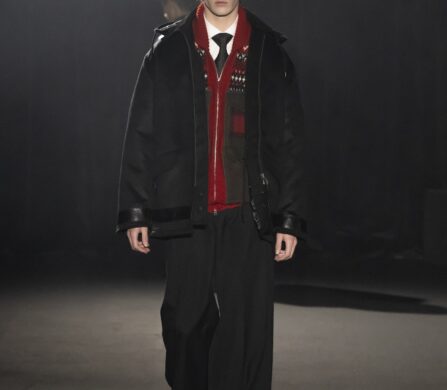
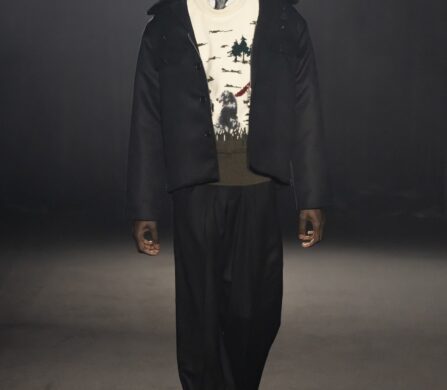
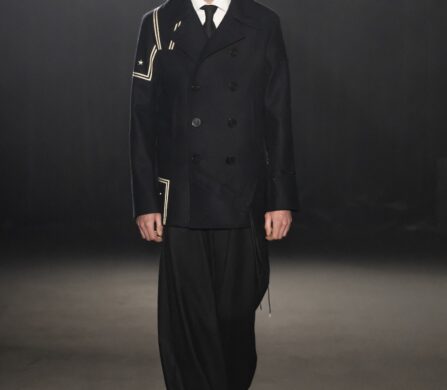
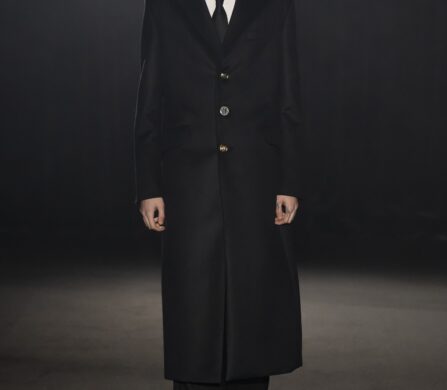
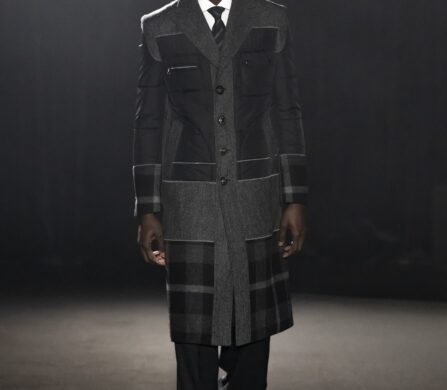
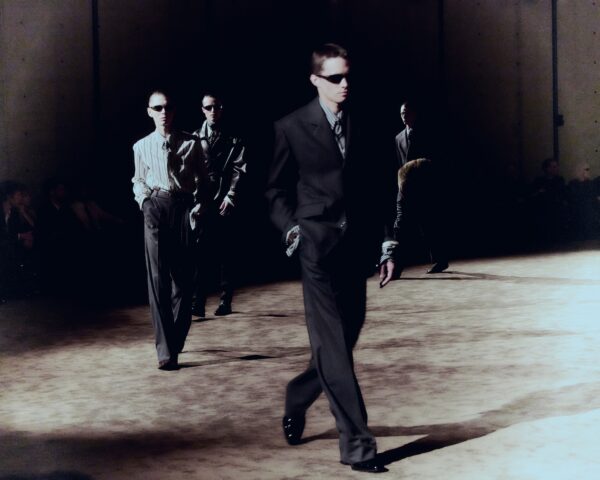
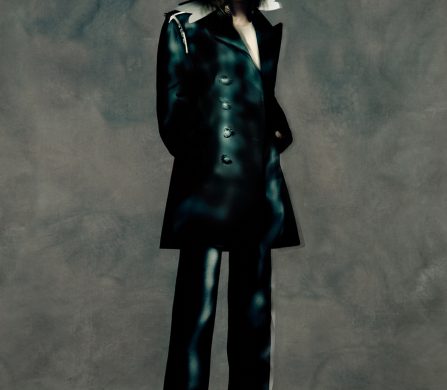
Tailoring and outerwear carry the weight of decades. Parkas are permanently kissed by lived-in folds, reversible navy wool coats come with detachable check liners that flip into statement tartan interiors, and double-face duffle coats turn inside-out to become evening-ready formalwear. Edges and hems are hand-greased, shirting bears lightly worn seams, and pinstripes peek with the shadow of collars and cuffs.
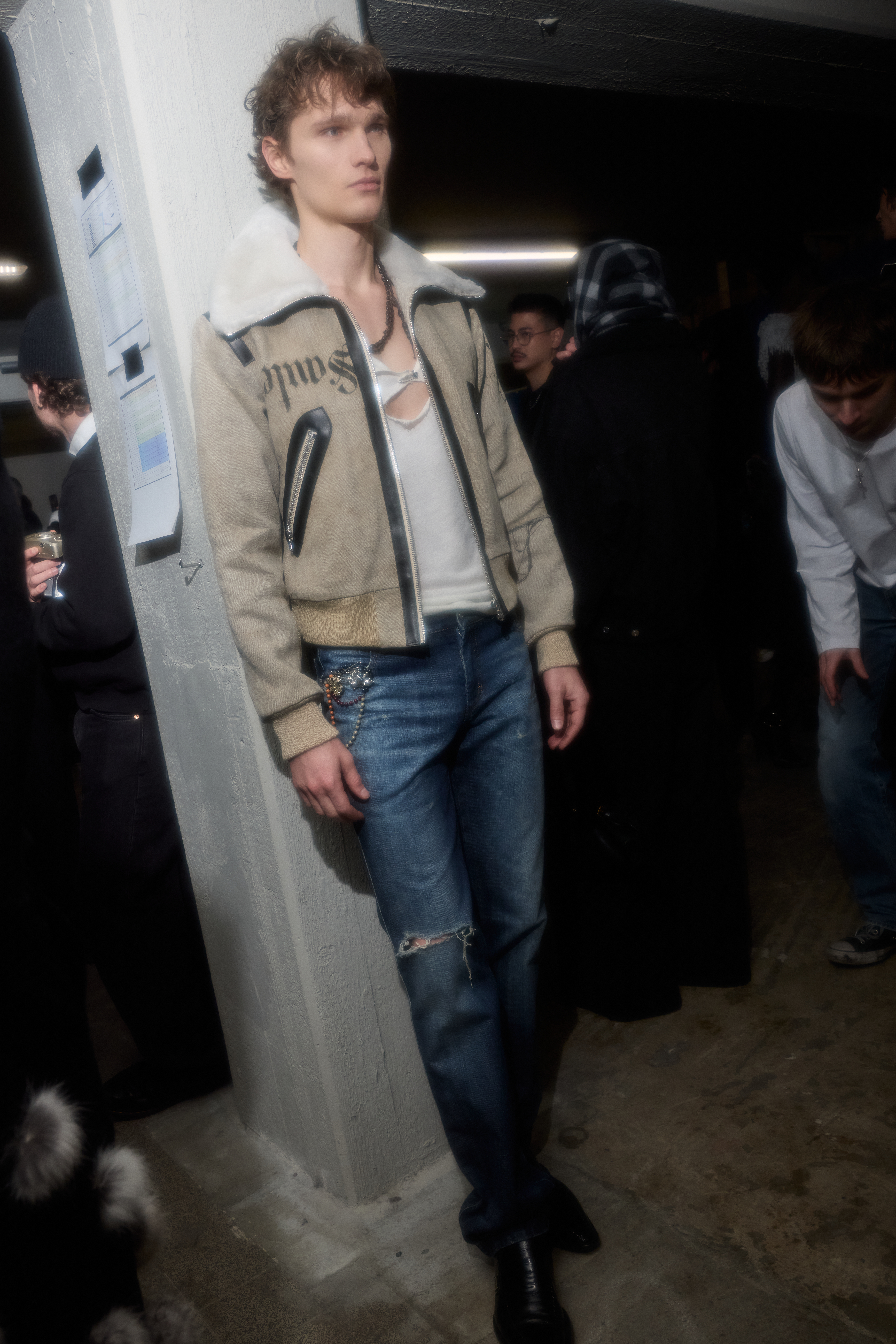
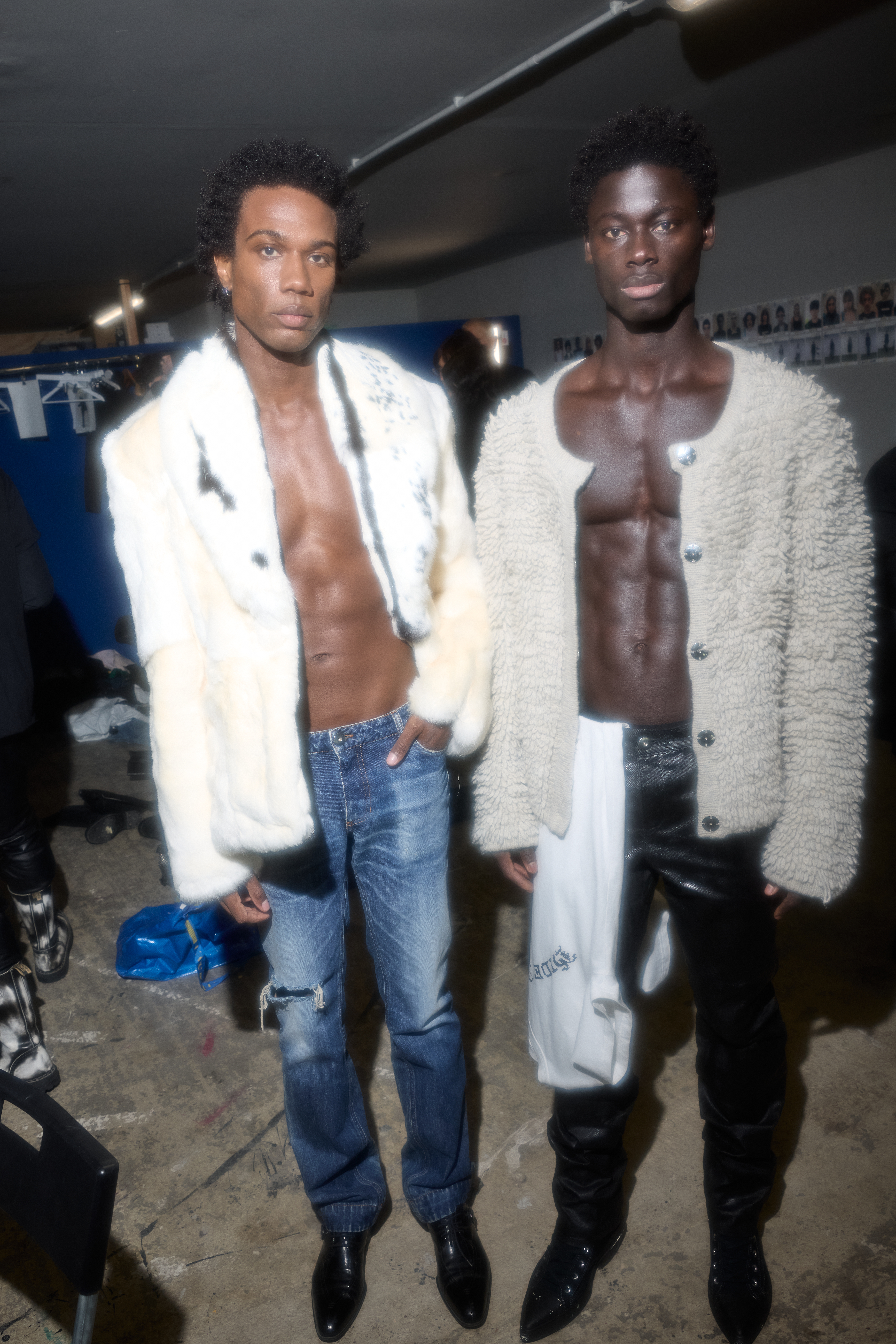
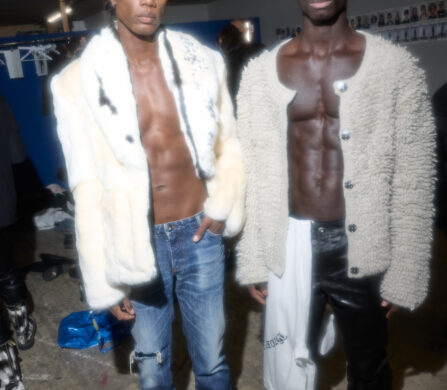
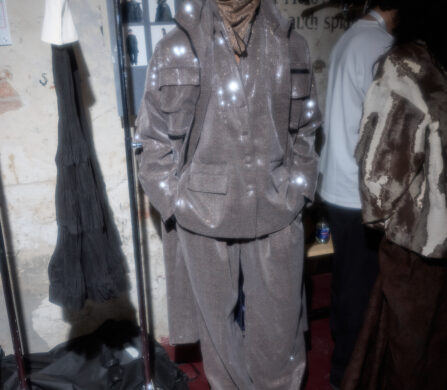
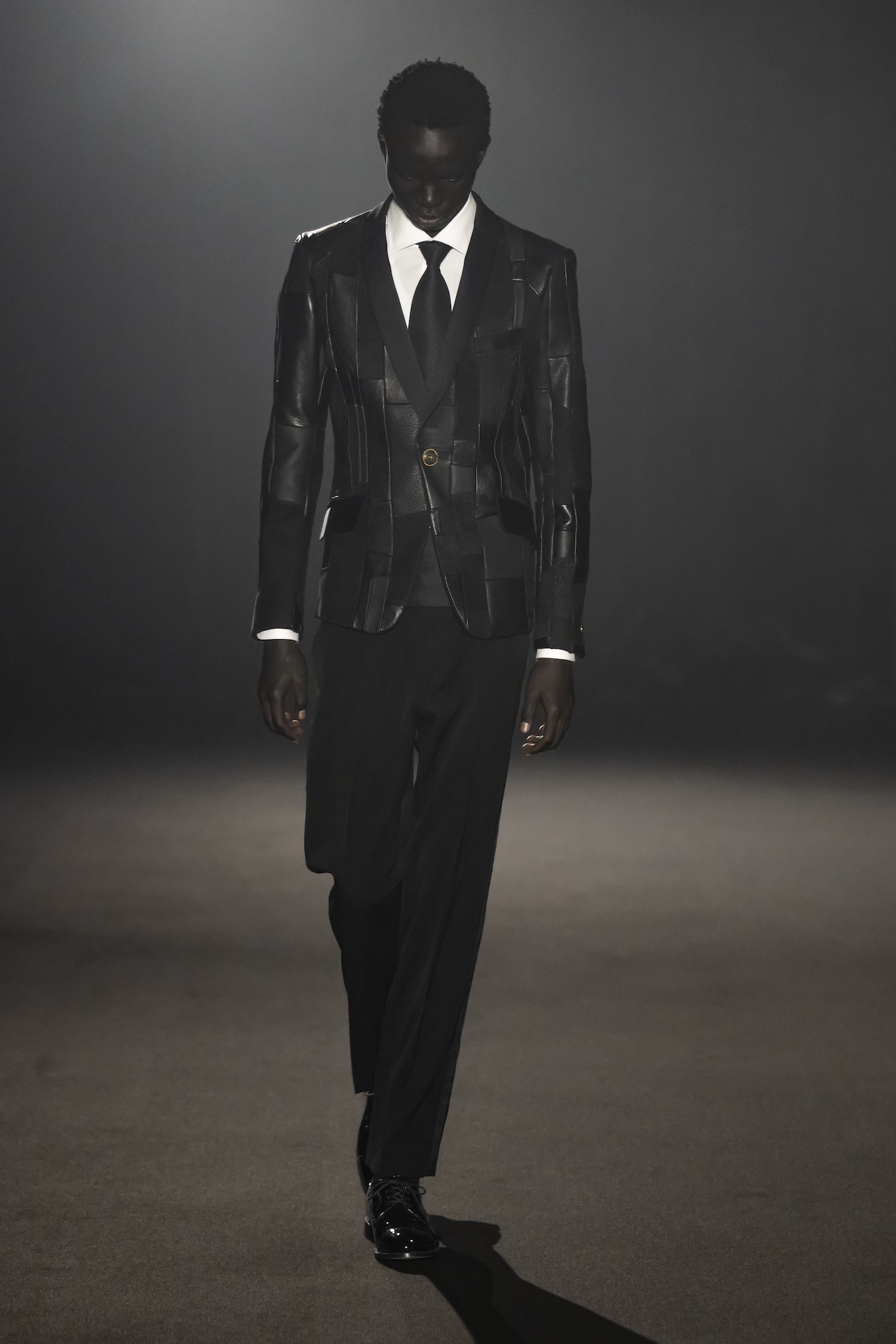
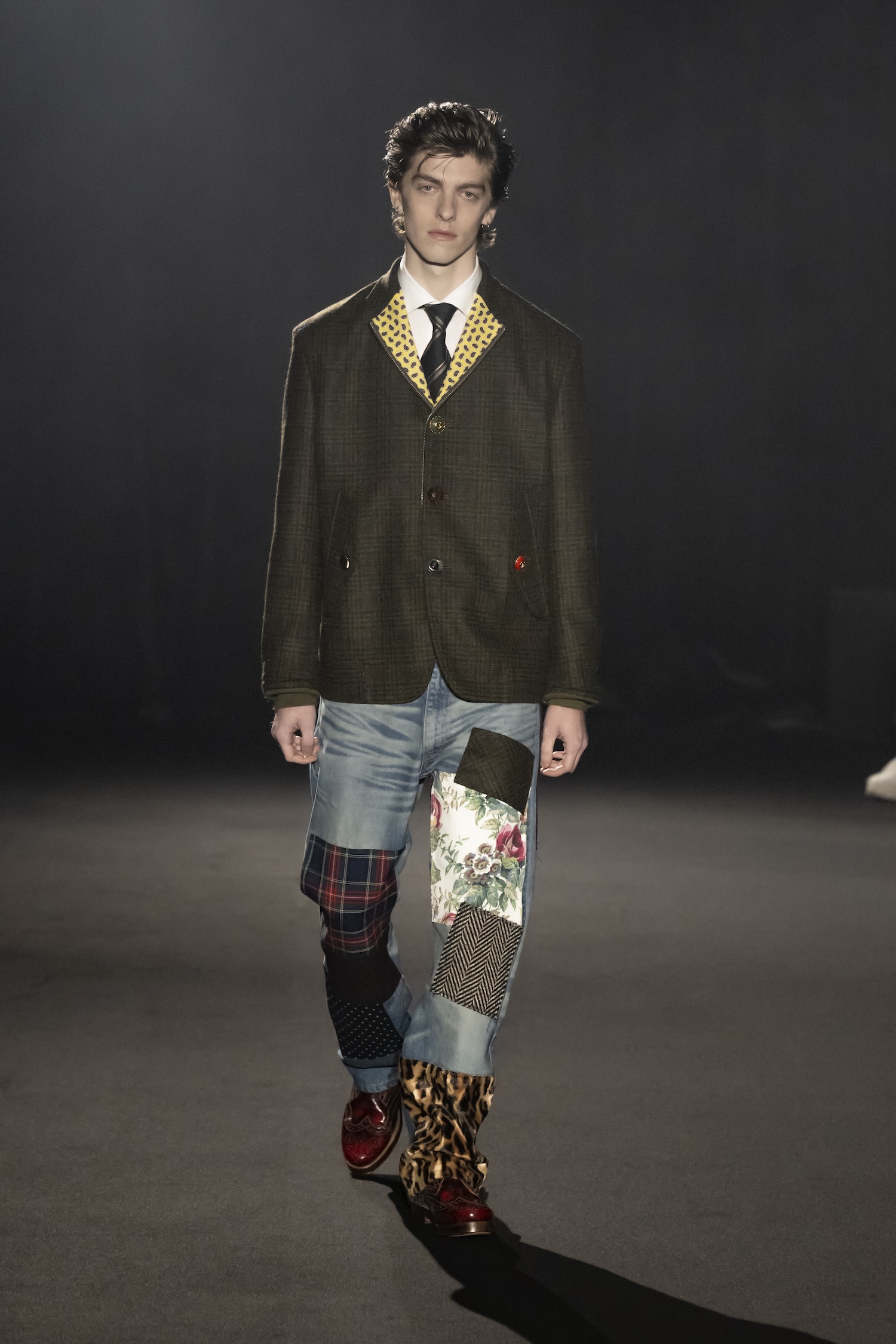
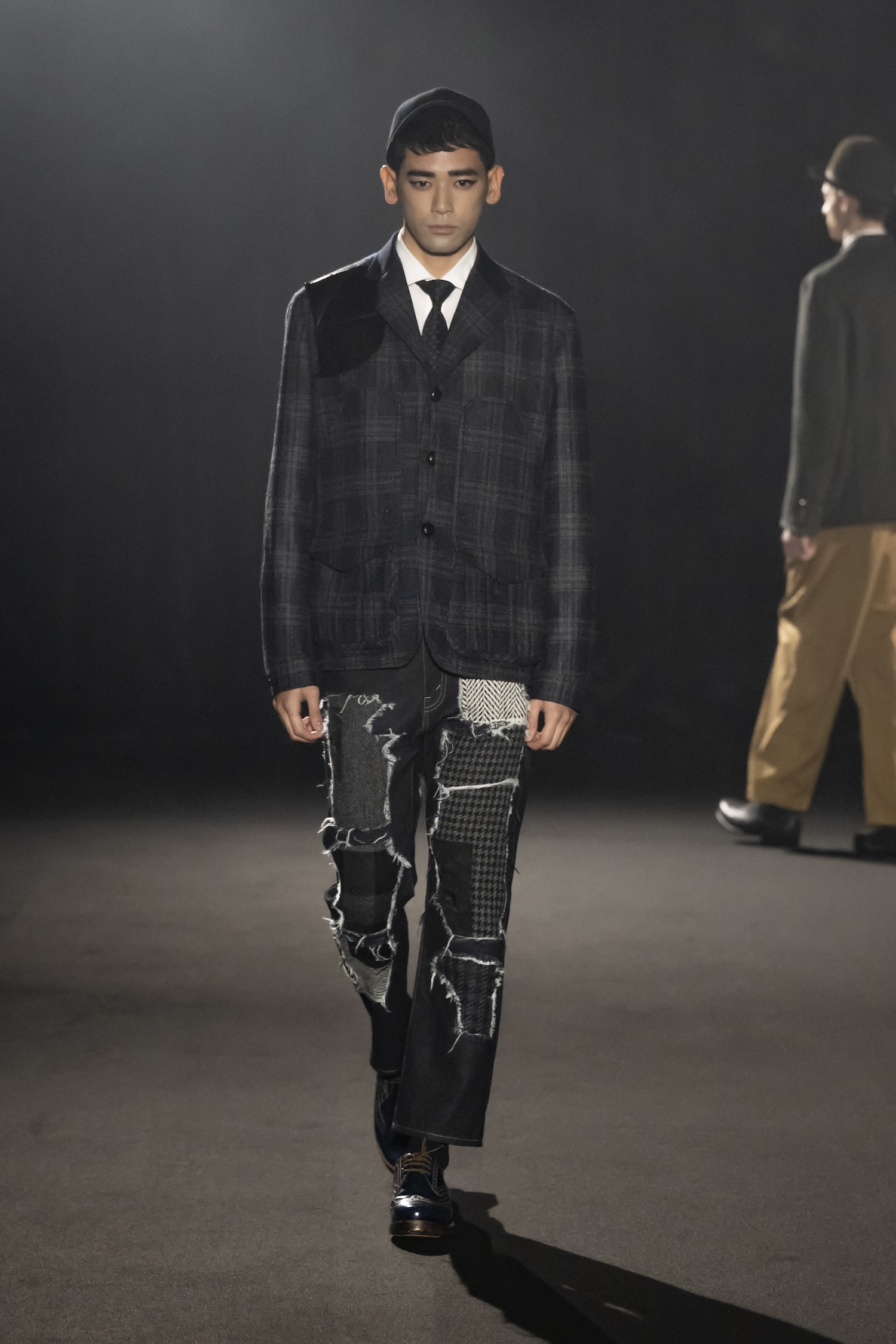
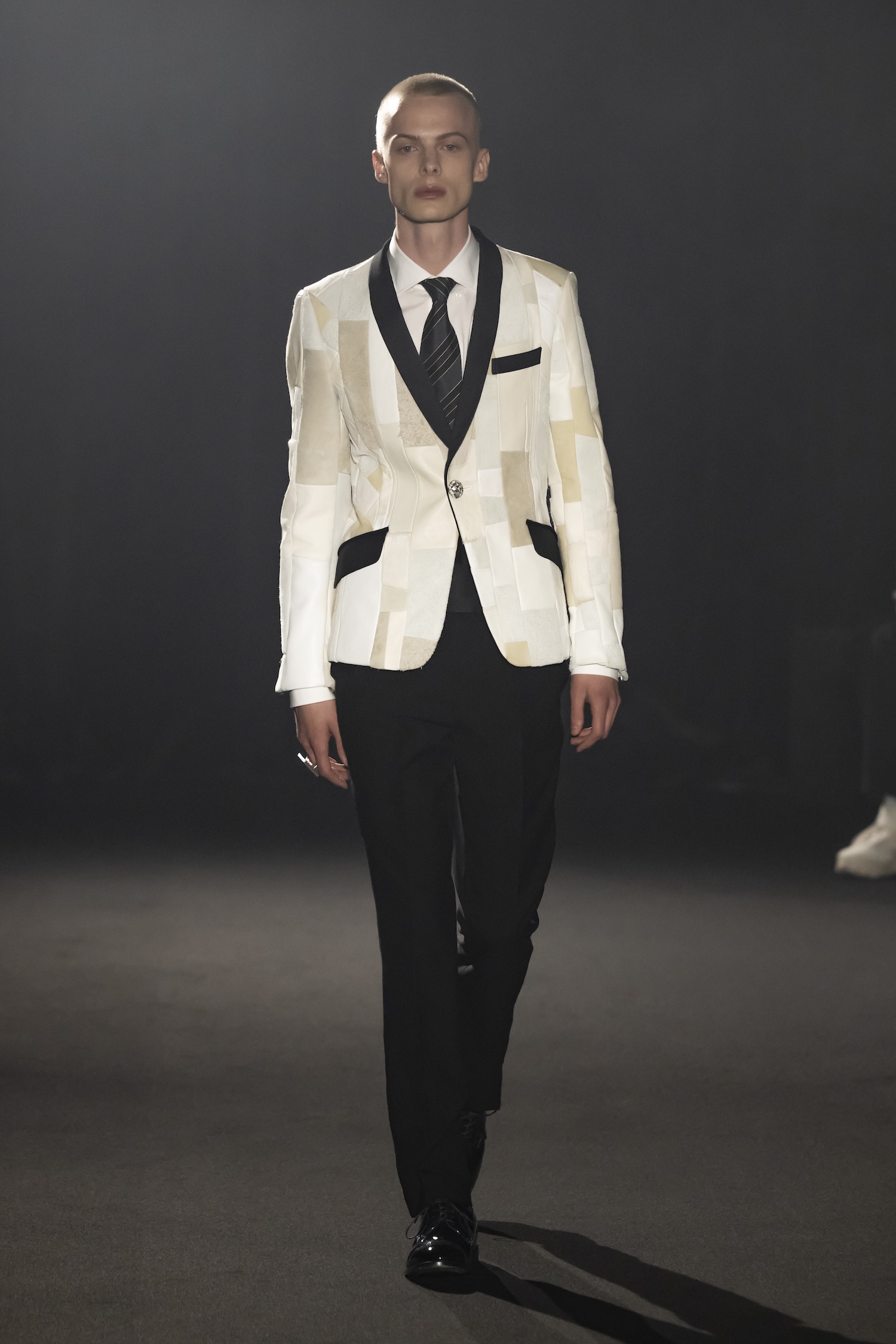
Mohair suits are sun-washed, lighter beneath lapels and sleeves; silk dresses hold the same sun-faded warmth. Boiling and shrink-to-fit techniques transform quilted linings into sculpted forms: chore jacket linings spill out, quilted vests turn architectural, tracksuits taper into sleek silhouettes, and a barathea suit contracts elegantly into a tuxedo. Knitwear and denim, pieced and patched, feel less like trends and more like survival stories.
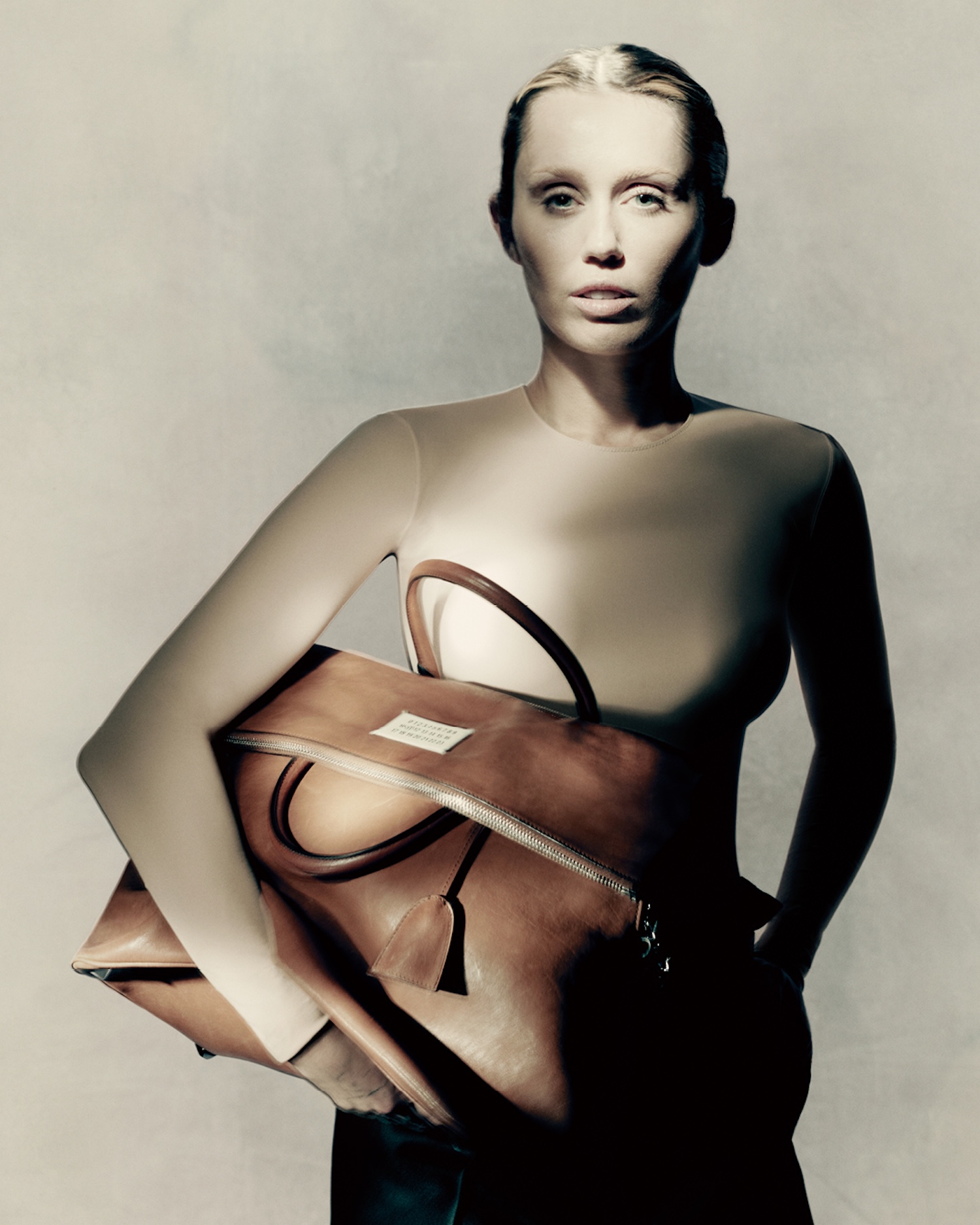
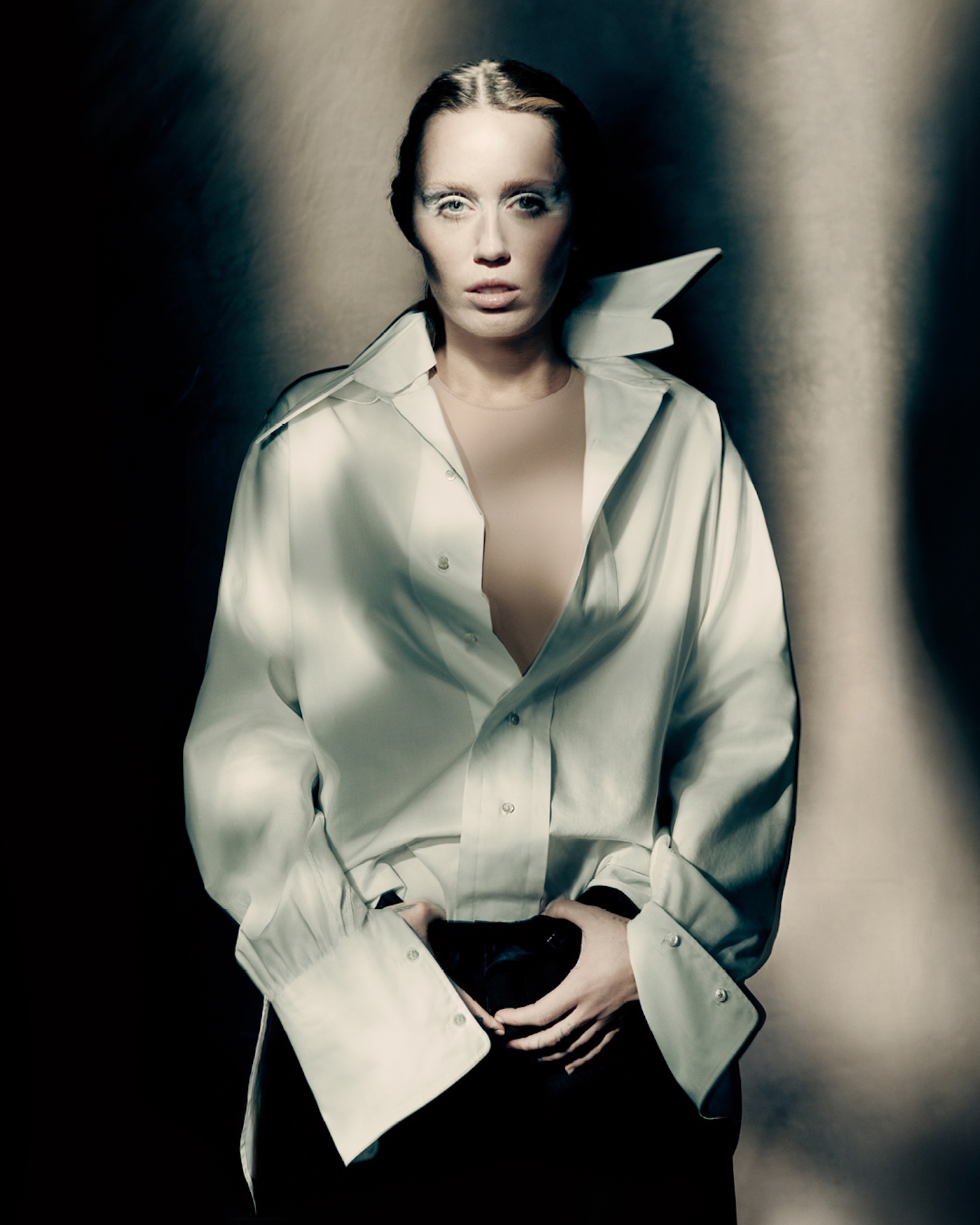
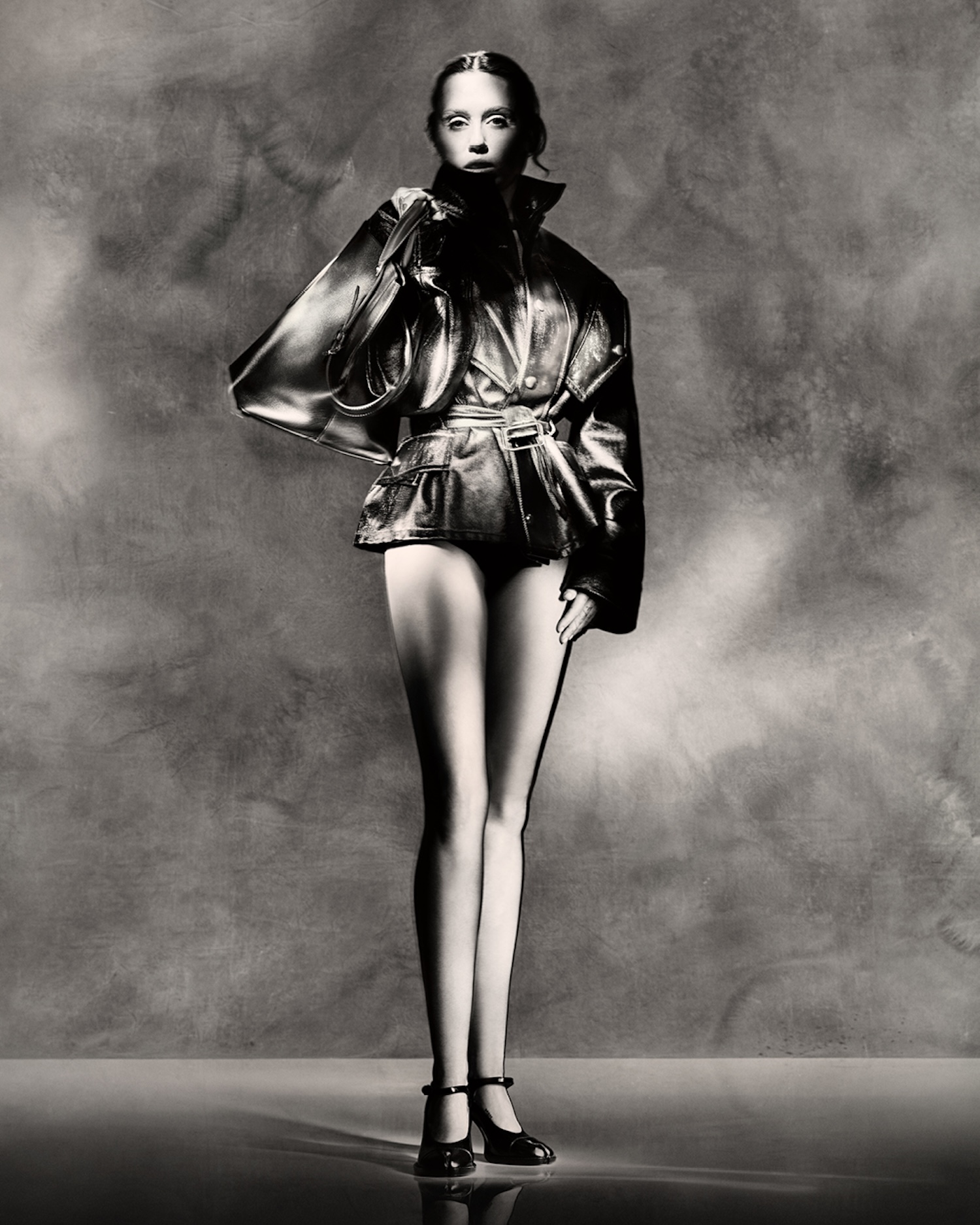
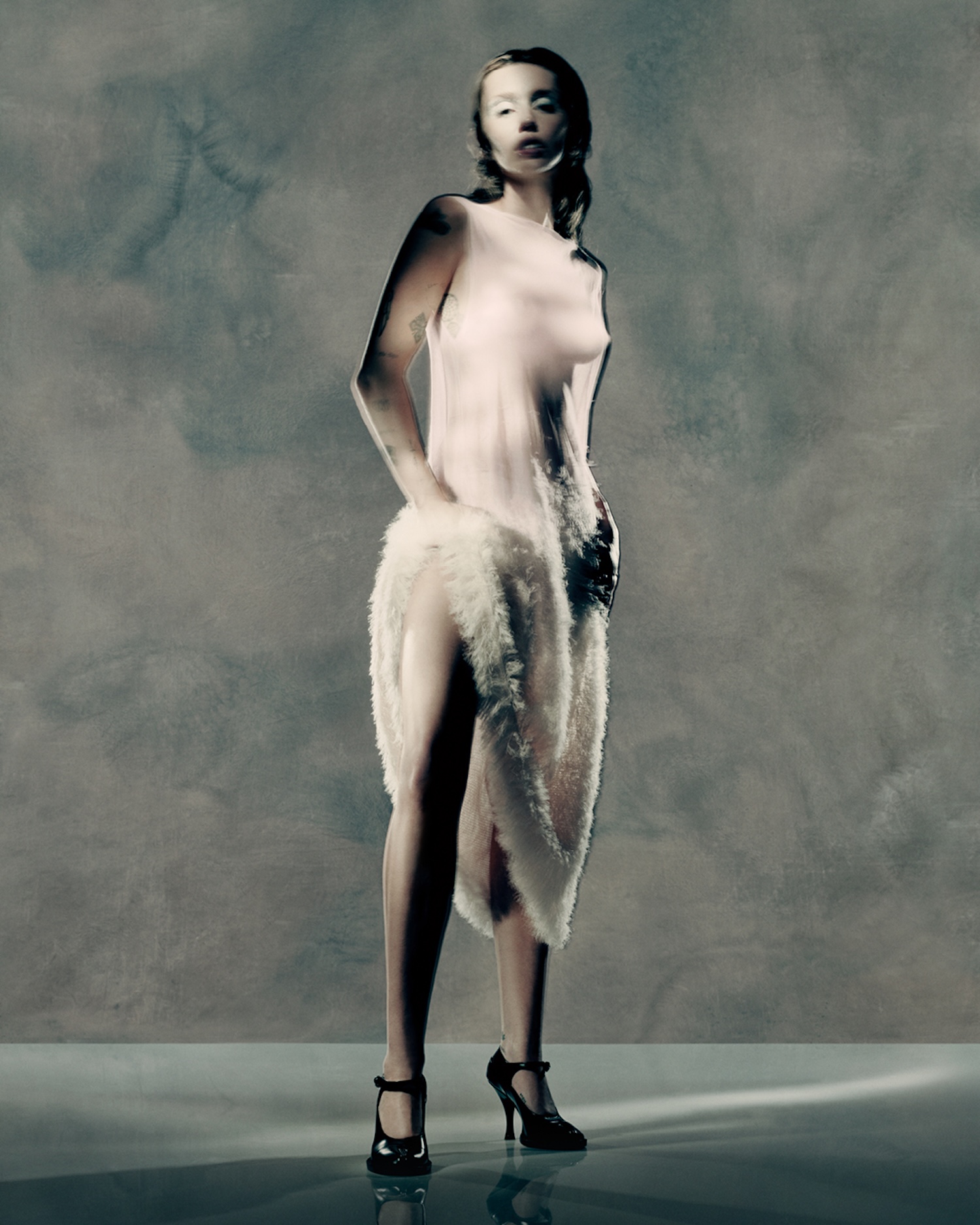
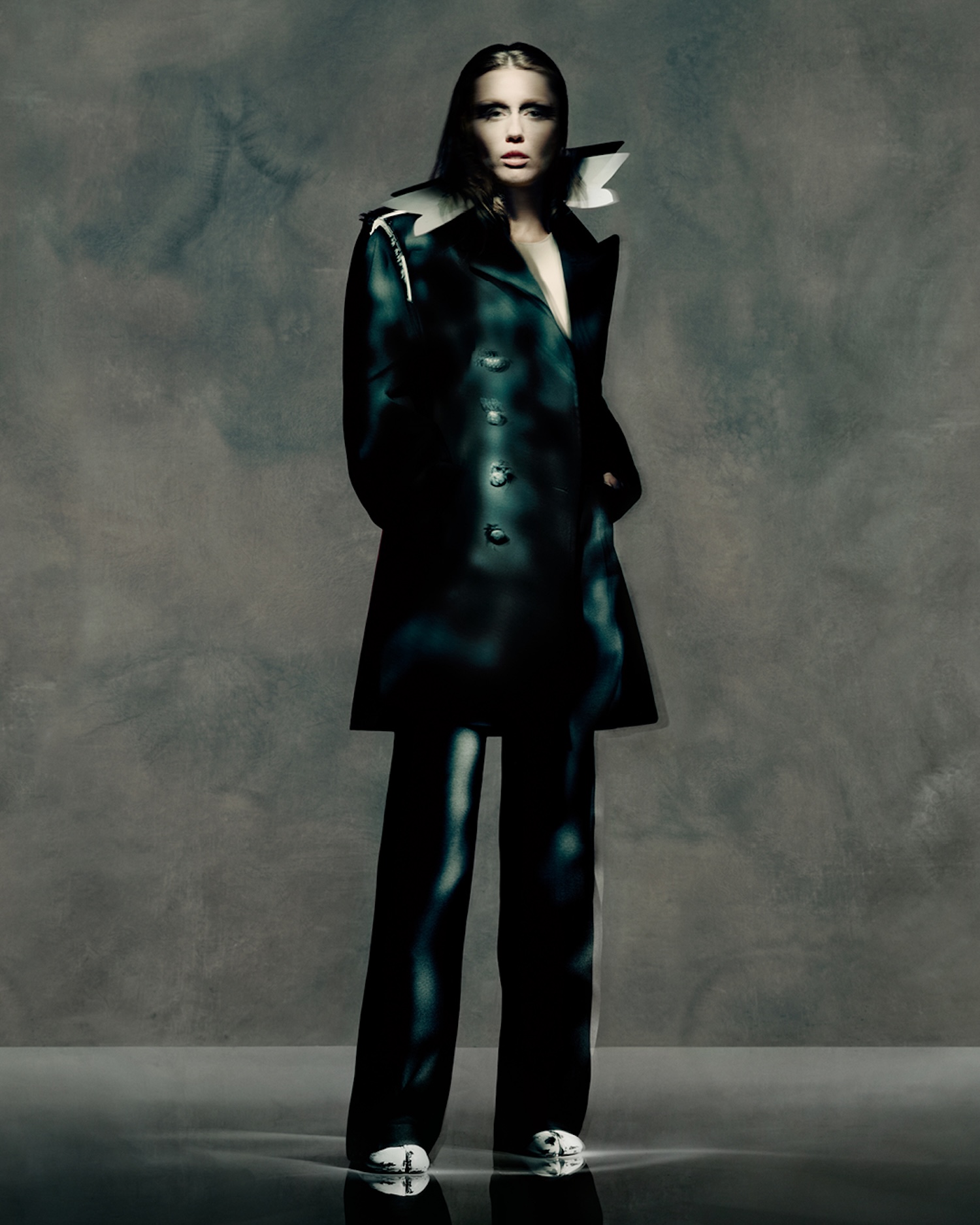
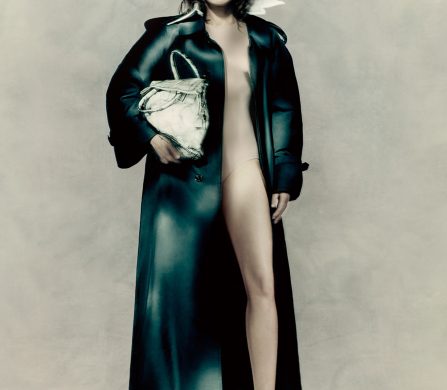
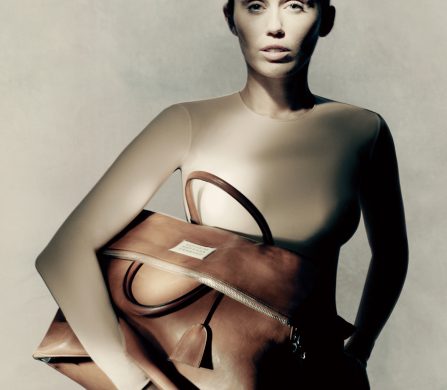
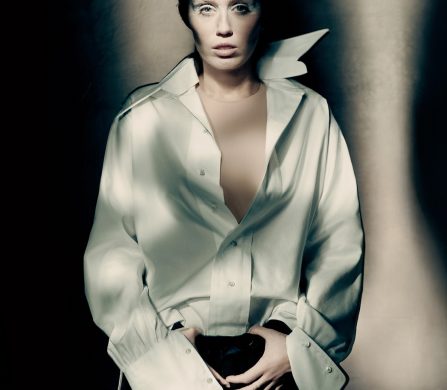
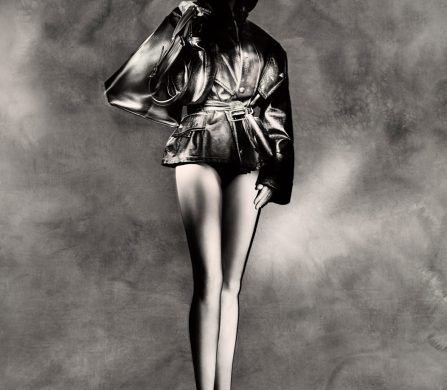
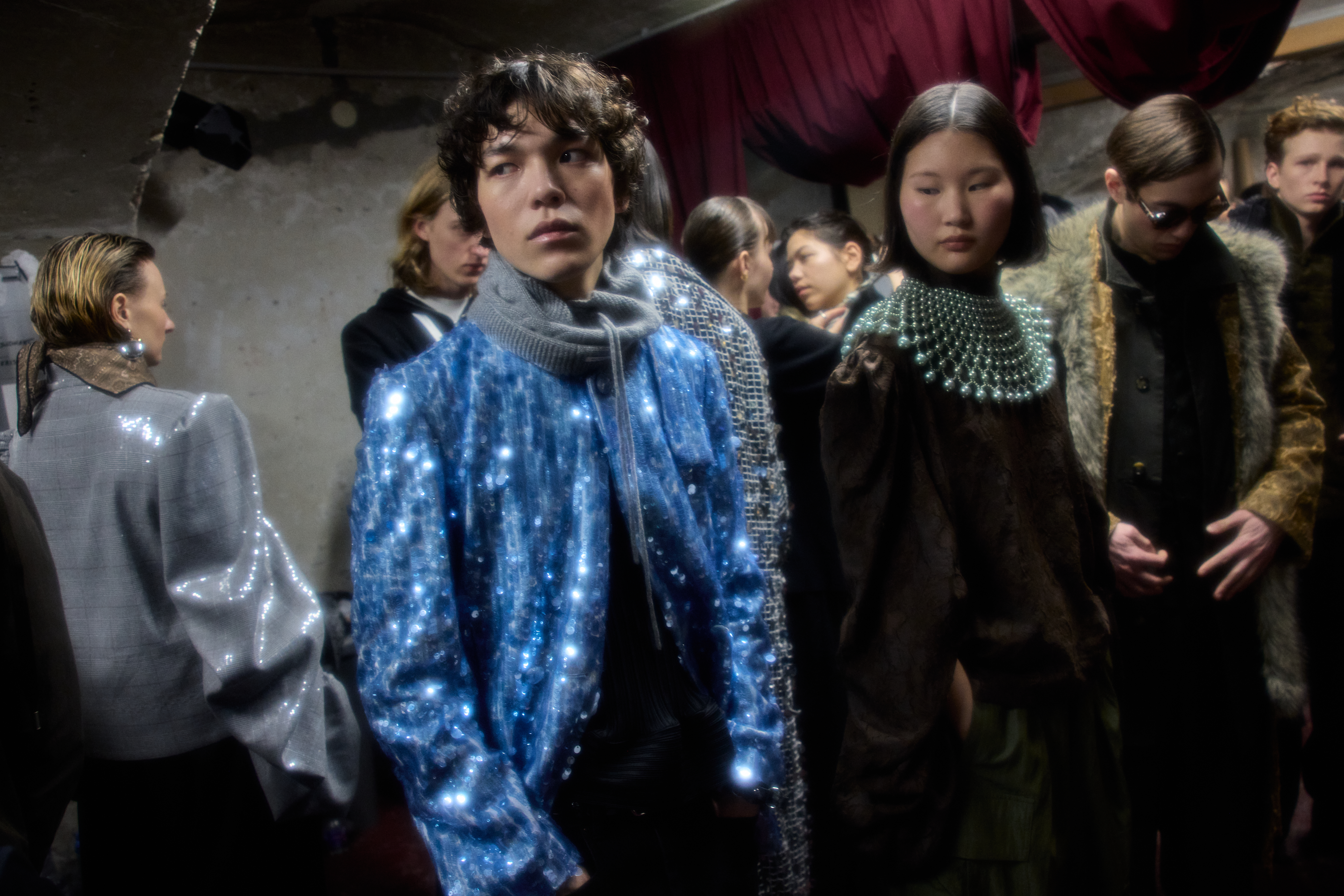
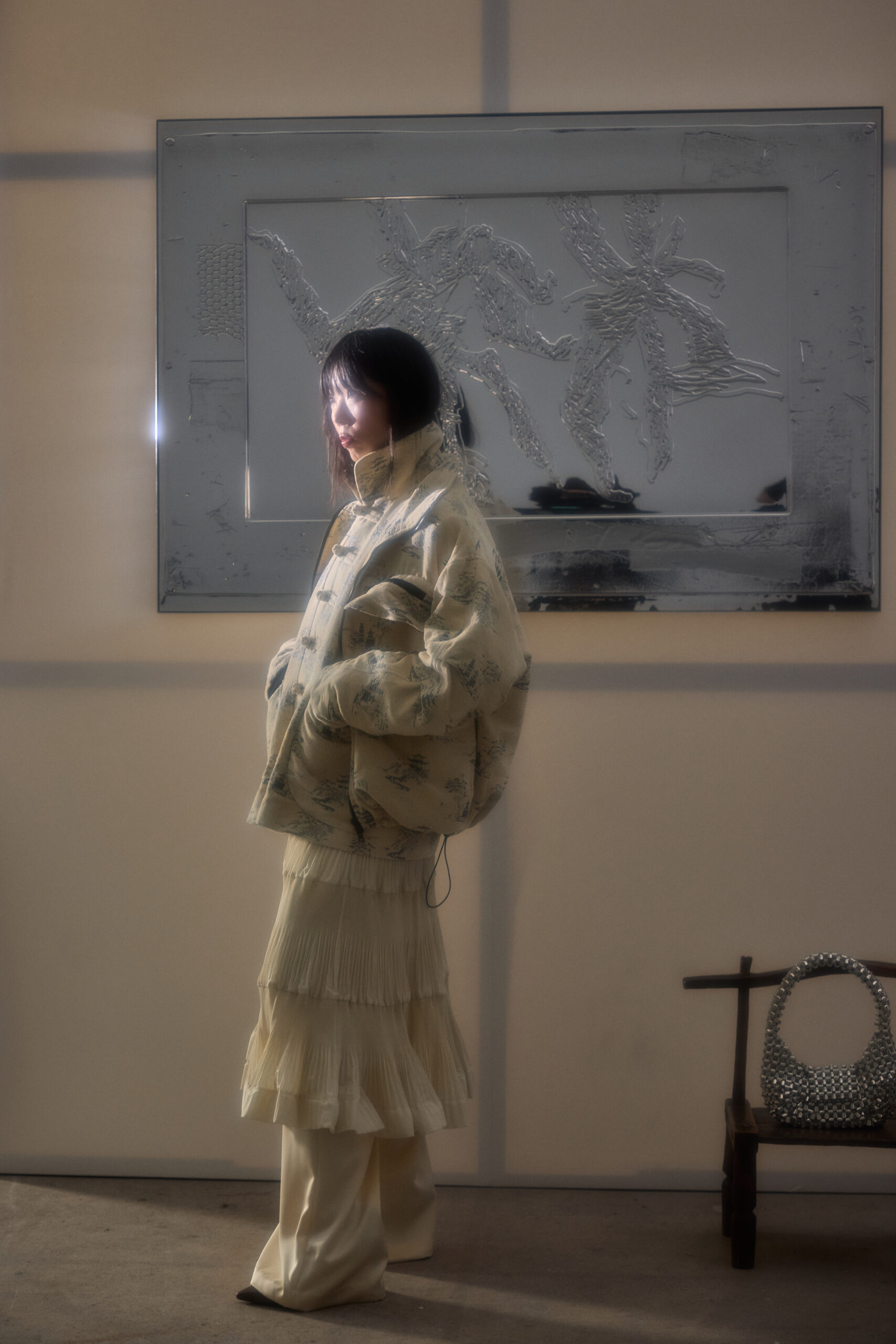
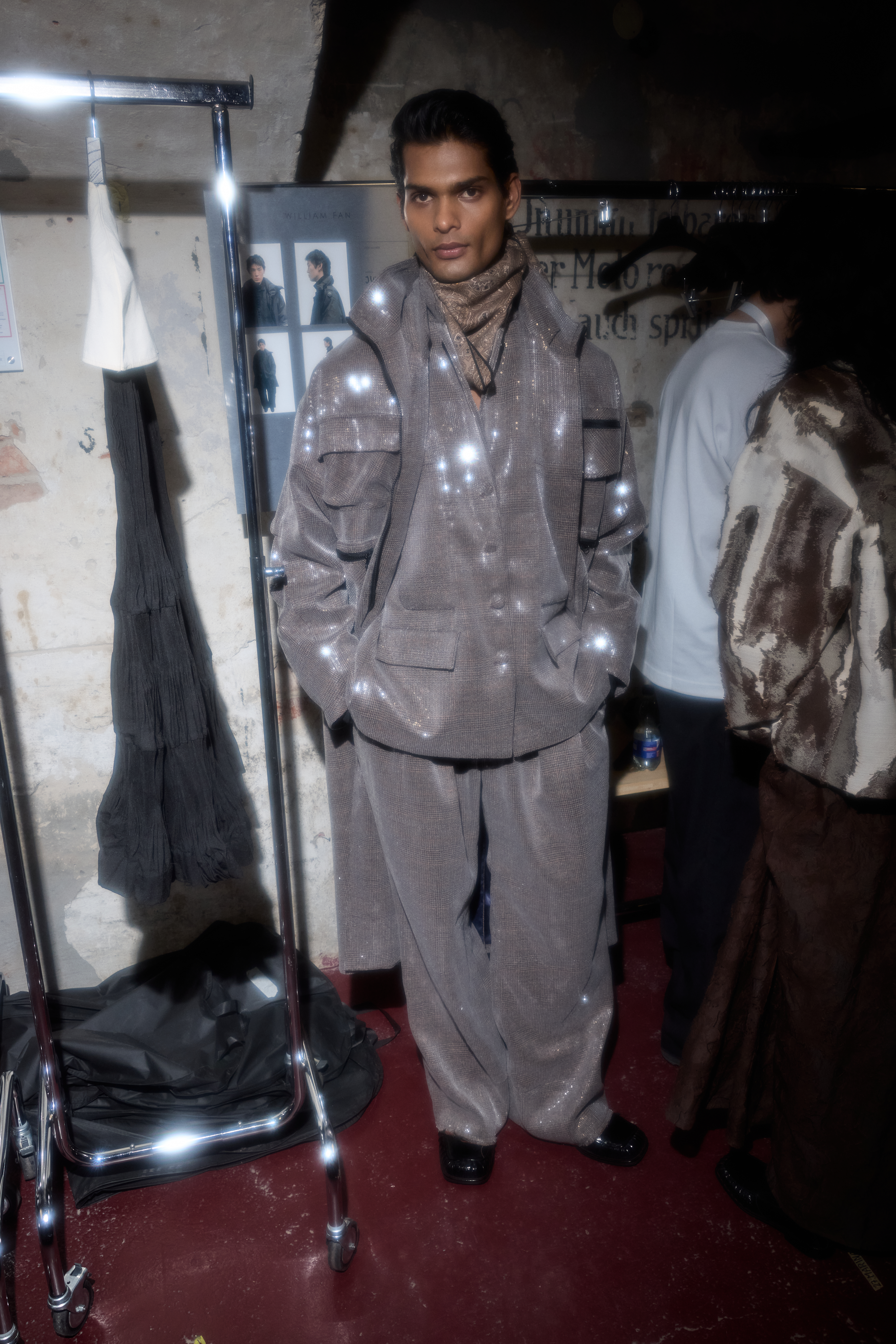

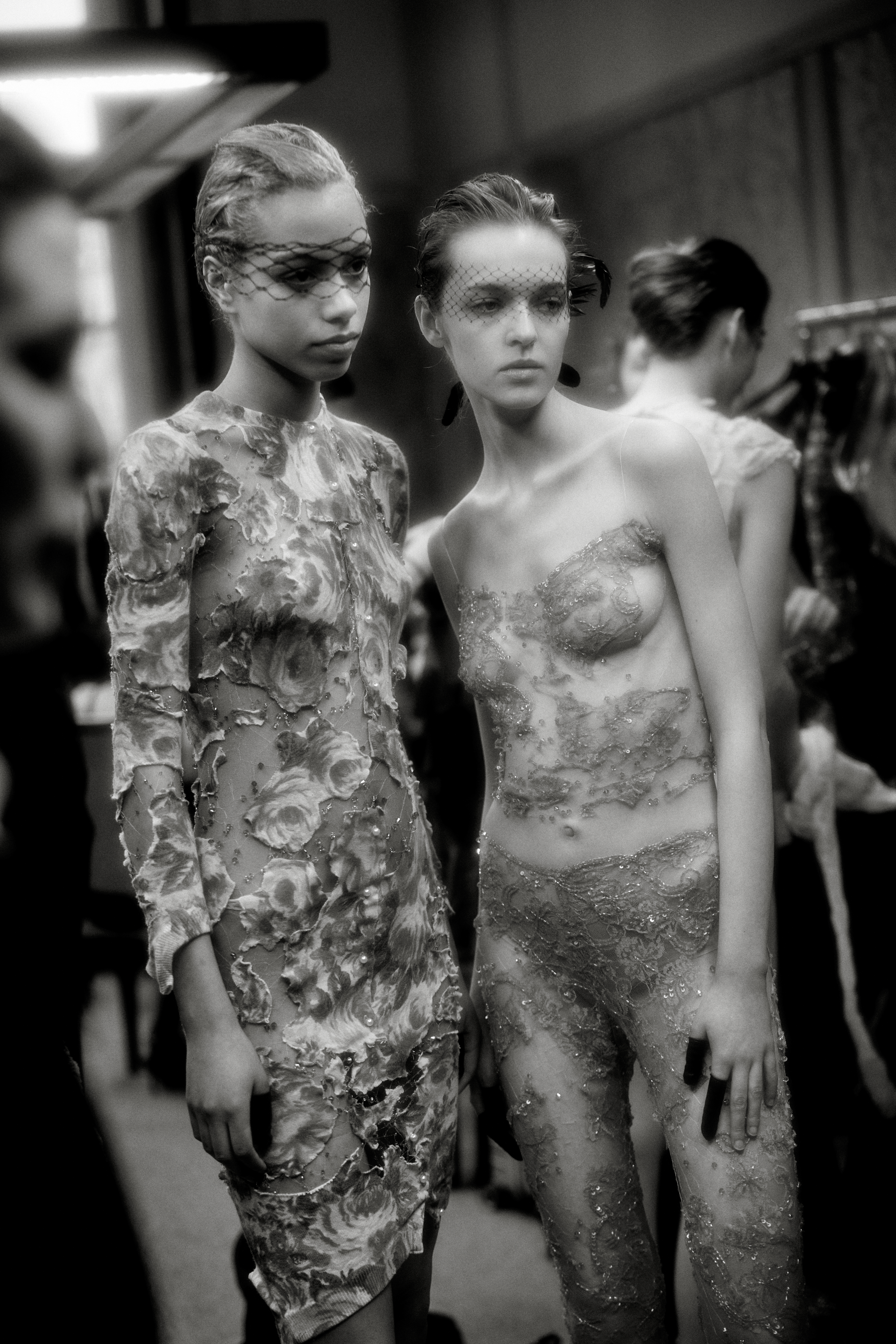
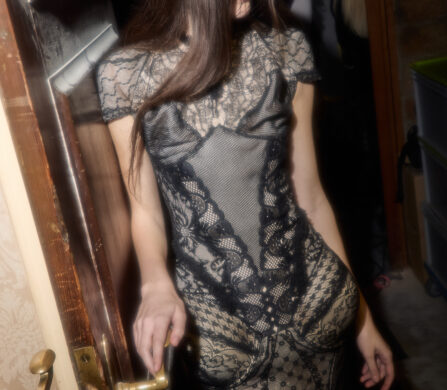
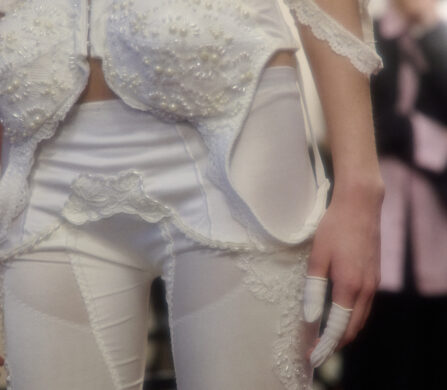
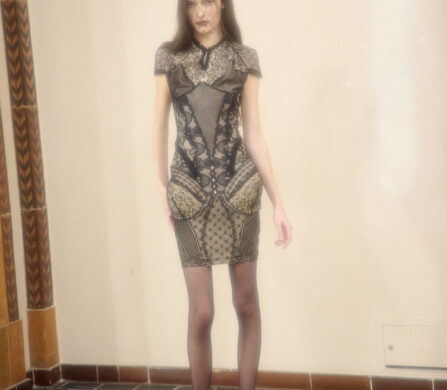
This is wardrobe as archive-building: deconstruction turned inward, lining promoted to outerwear. Pleated wool skirts invite wearers into their folds, satin dresses expose pads and lamé from the inside out, flannel morphs into lamé skin, and bustier seams become surface detail. Dickies fold into skirts, trousers fuse with tops to form dresses. Lace overlays, gauze, muslin, and embroidered cardigans blur transparency and texture, resisting neat classification.
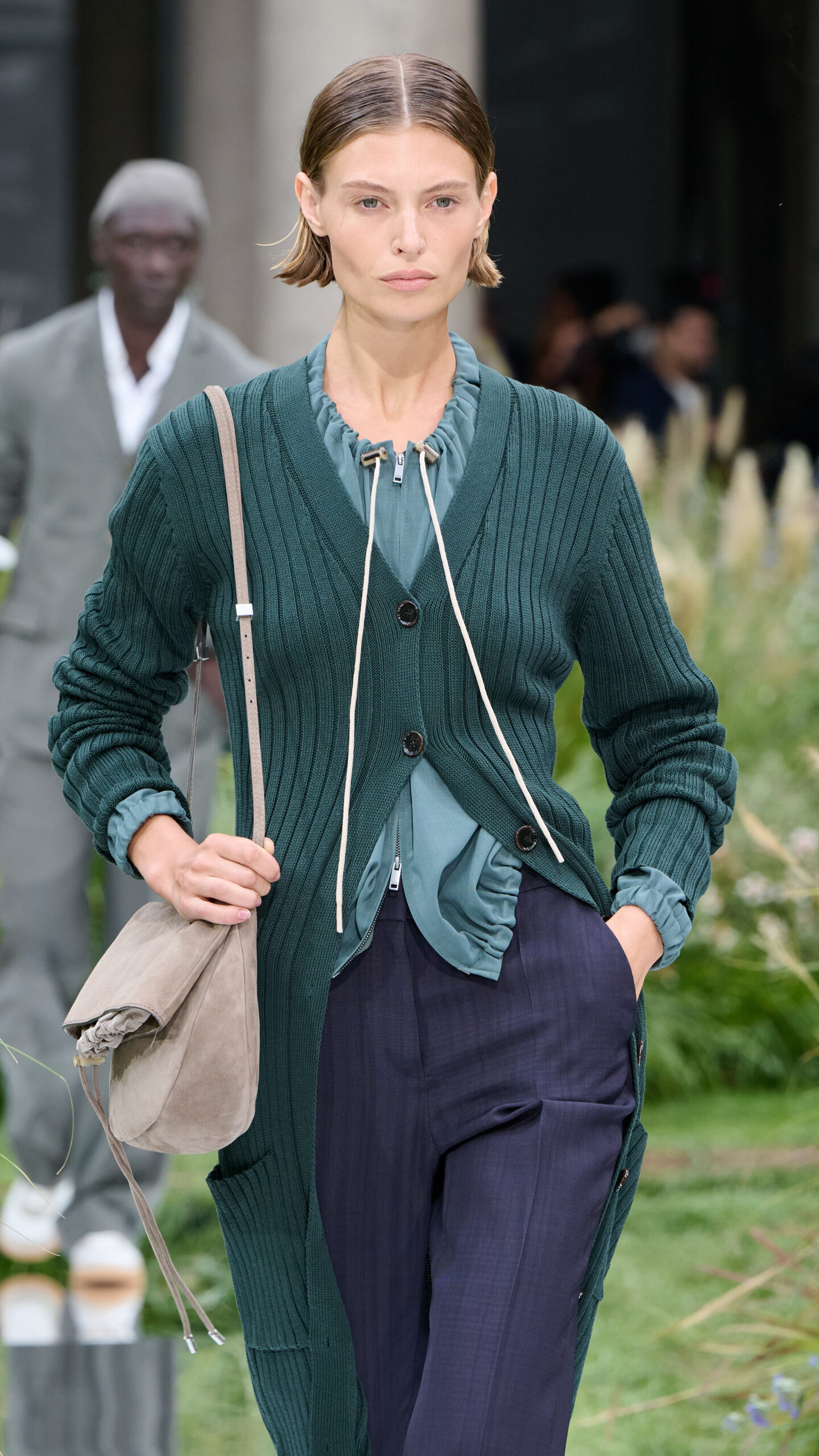
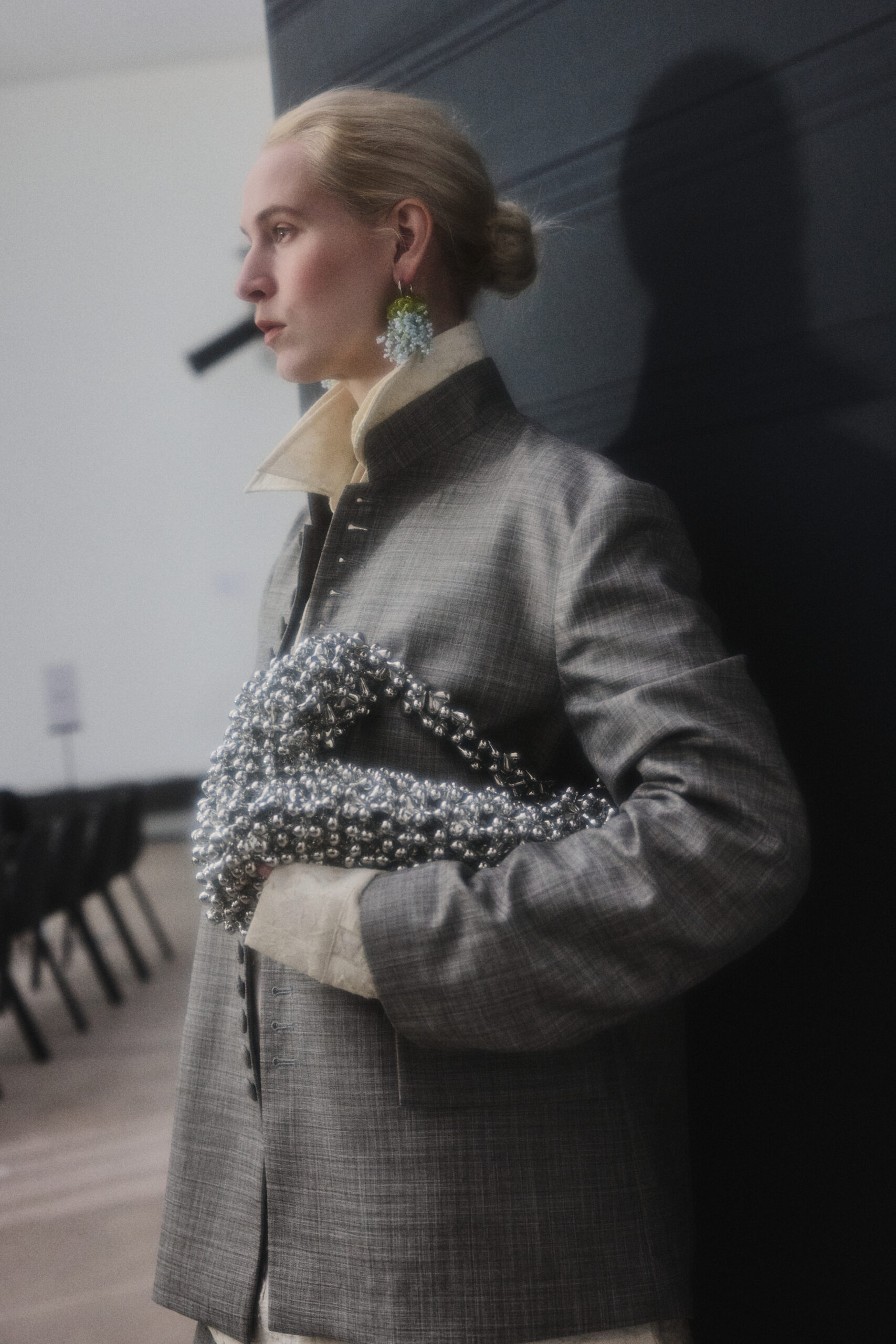
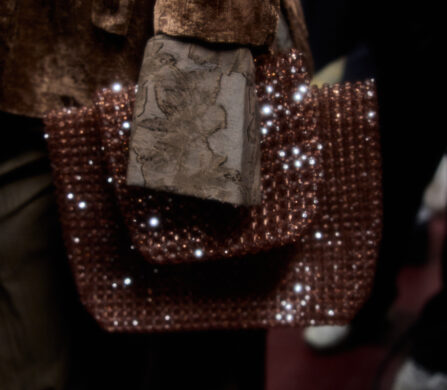
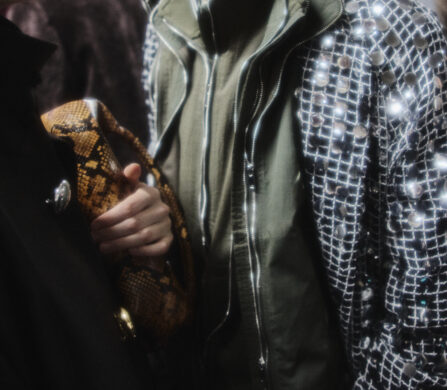
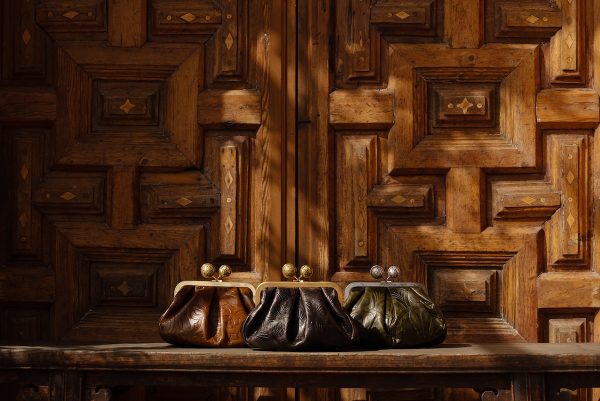
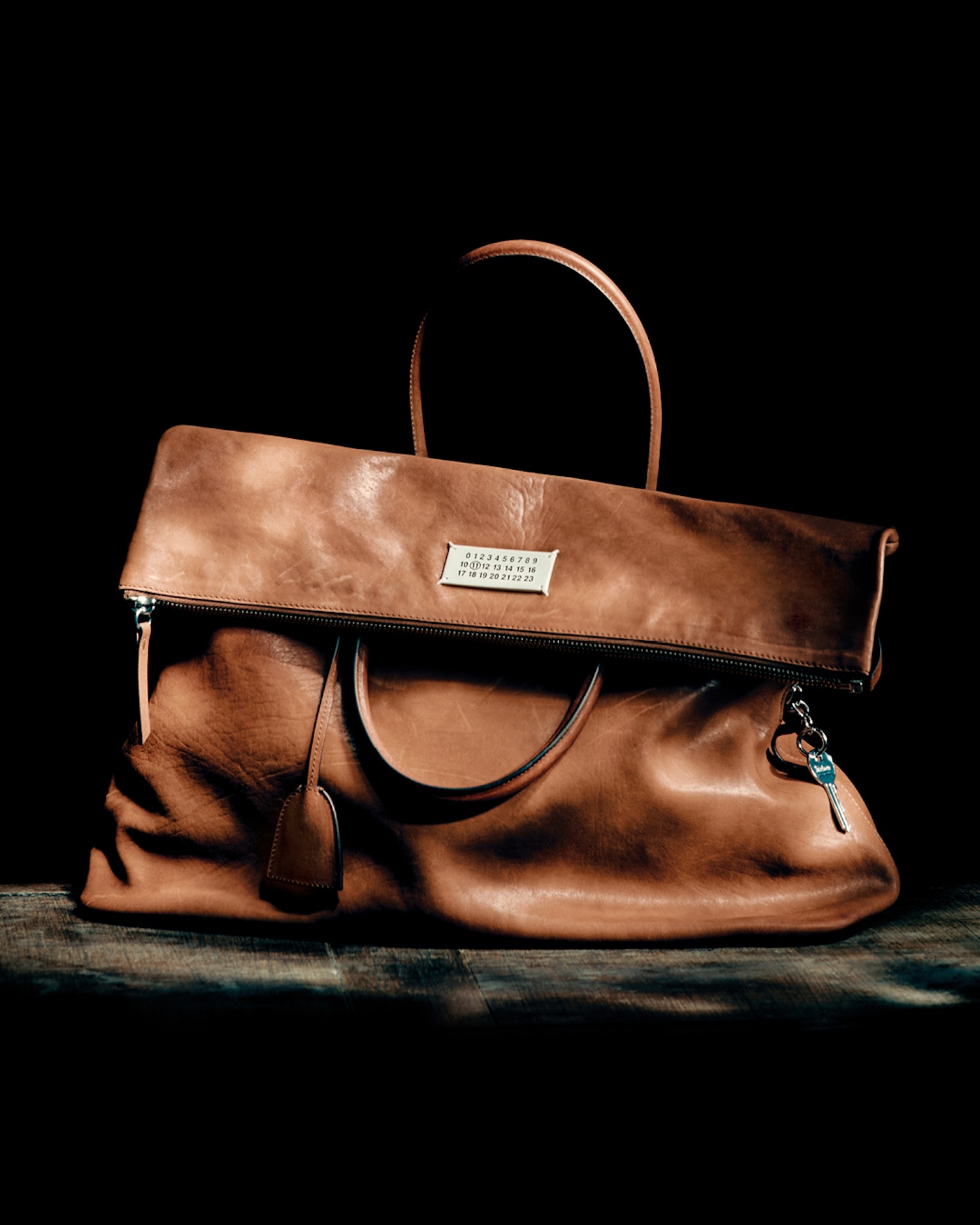
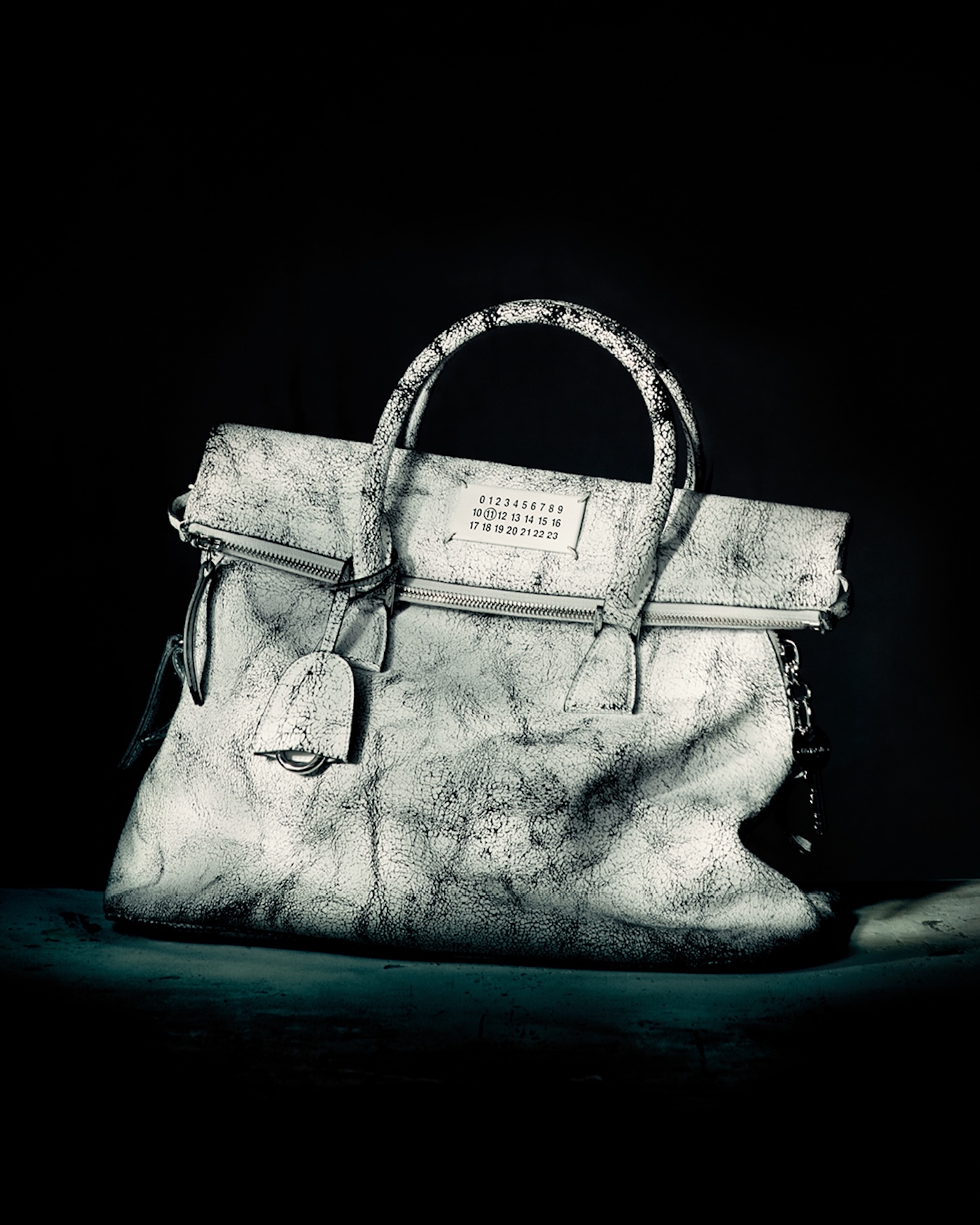
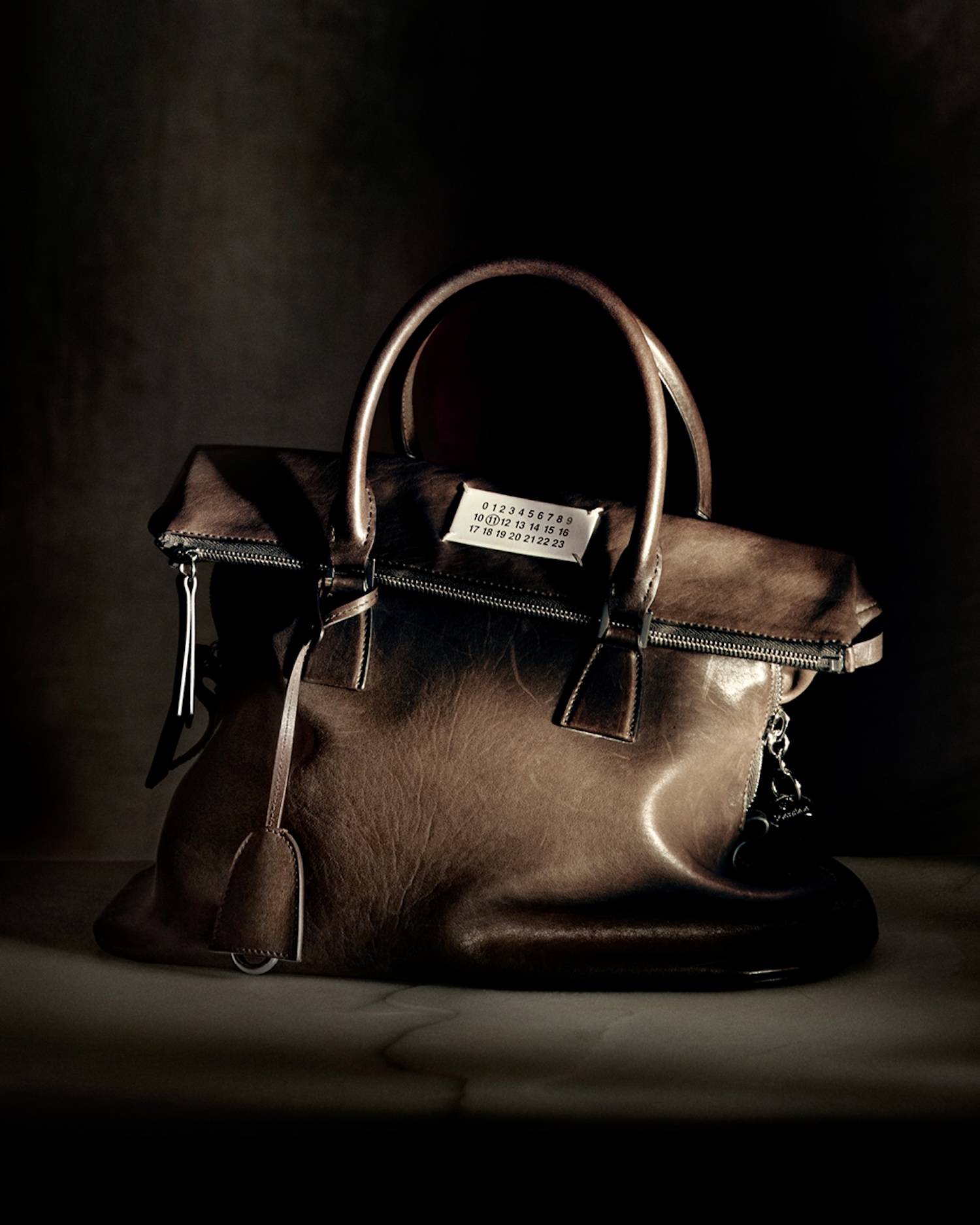
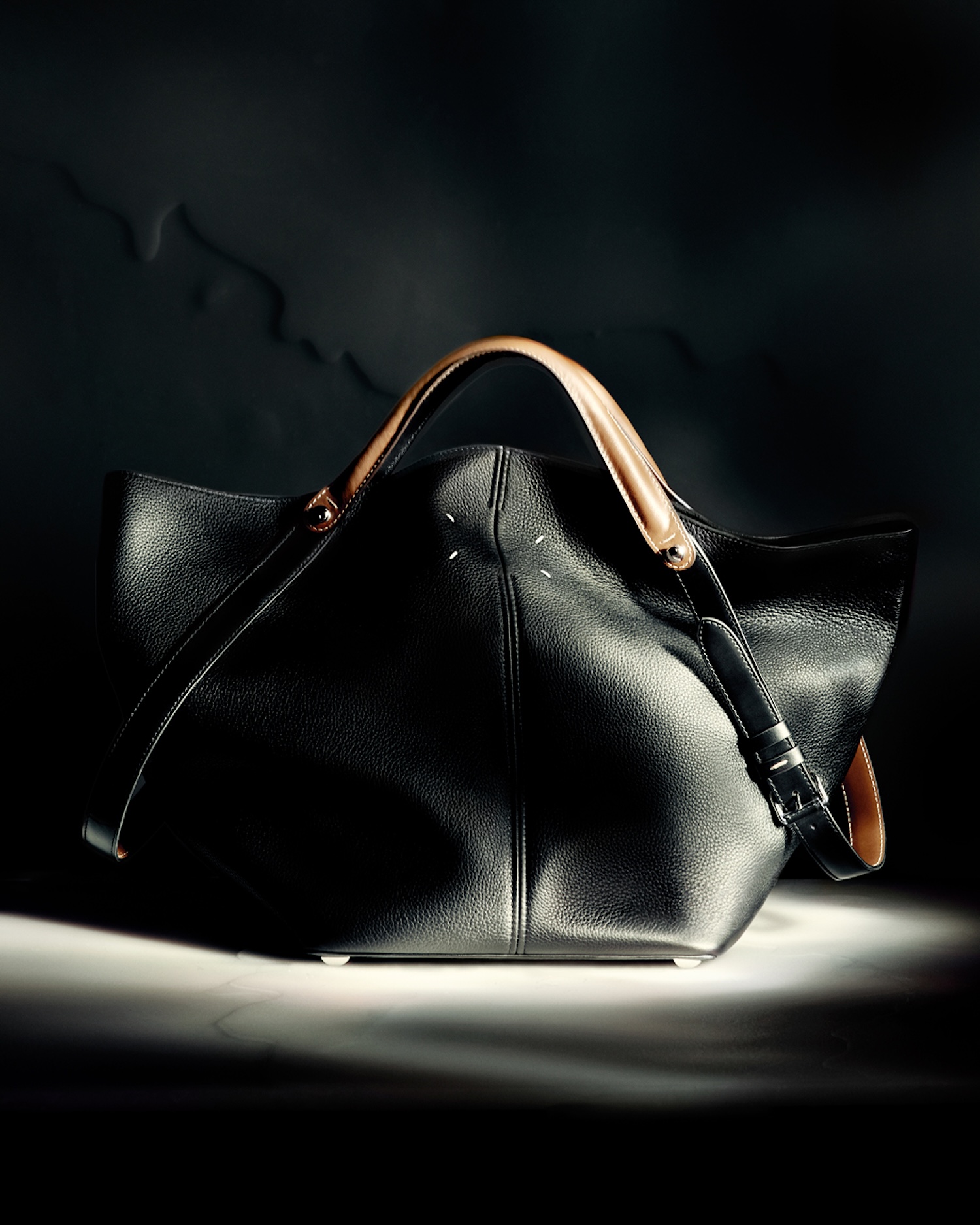
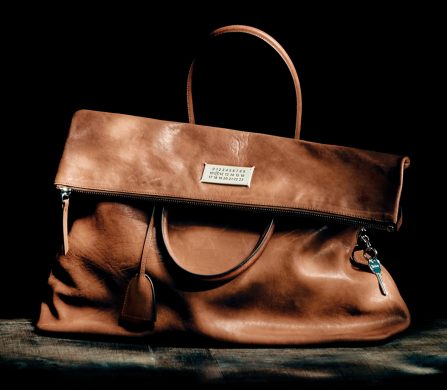
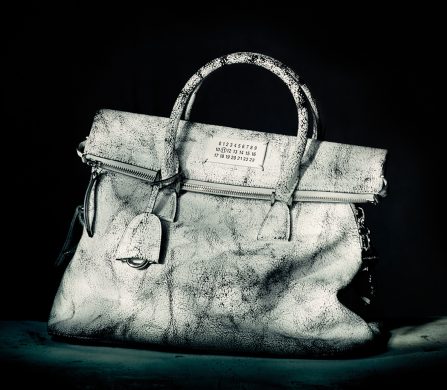
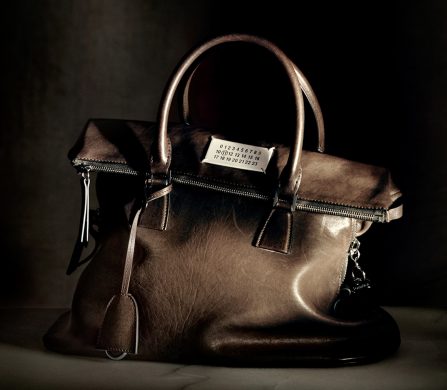
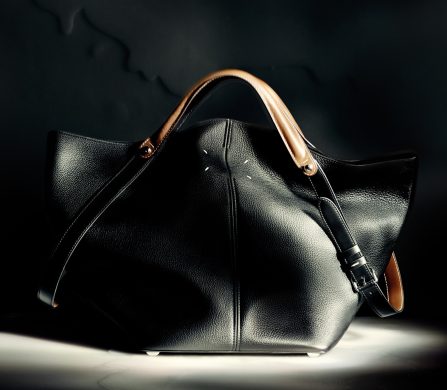
Accessories echo the same poetry of time. The 5AC bag returns softened and unlined, its waxed finish designed to crease and mark, emphasising the beauty of age as a feature rather than a flaw. Offered from XL to small in chestnut, cognac, and white-bianchetto, it’s joined by the Dress-Age tote and hobo bags in pebbled calfskin and goatskin lining, imagined in black, ivory, graphite, and burgundy to suit every mood.
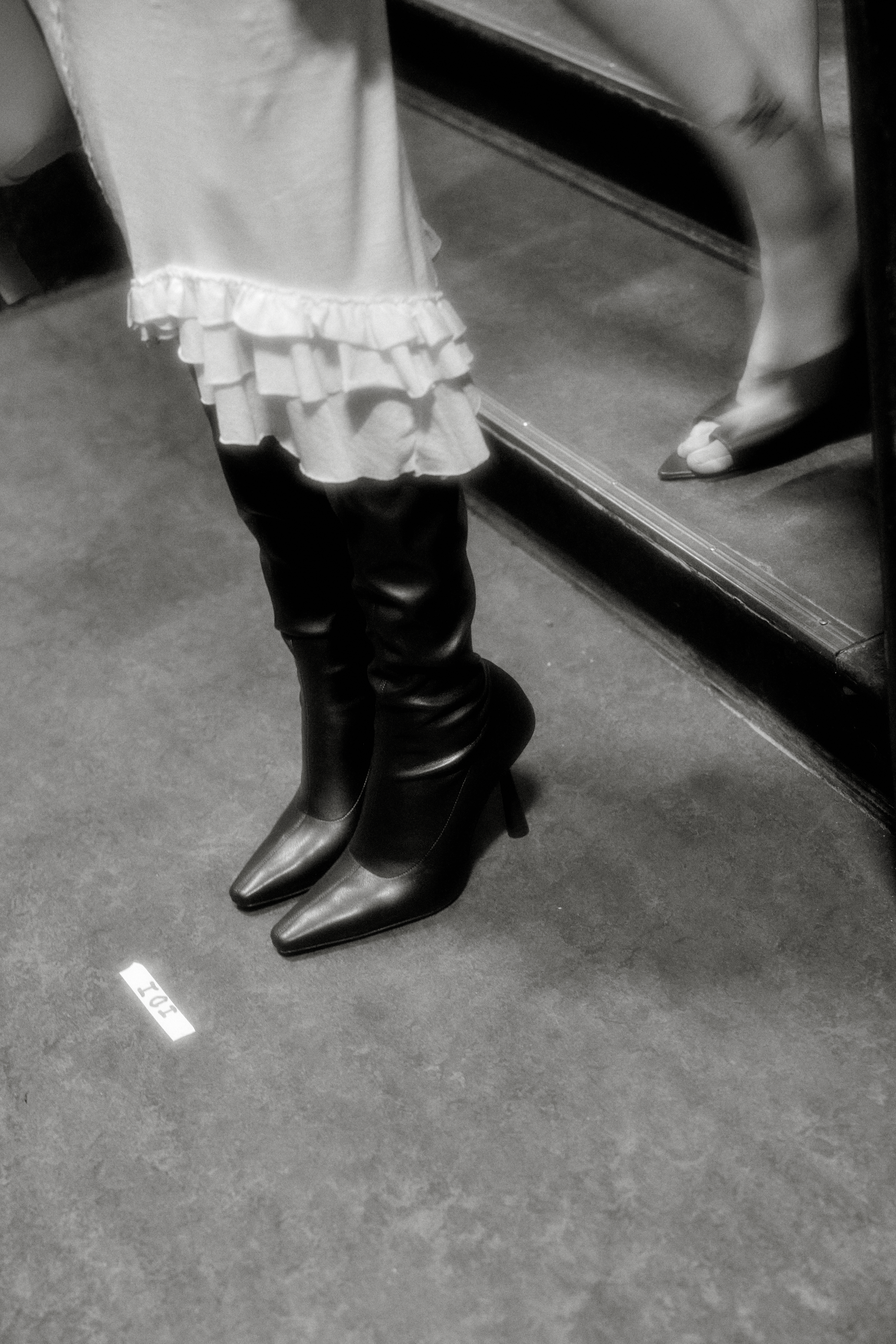
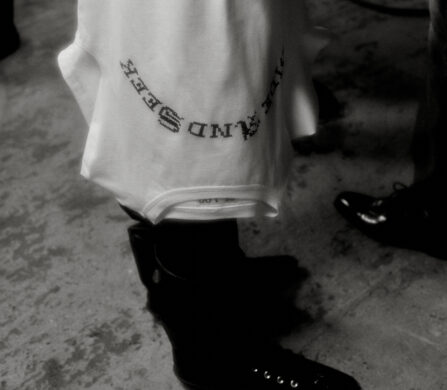
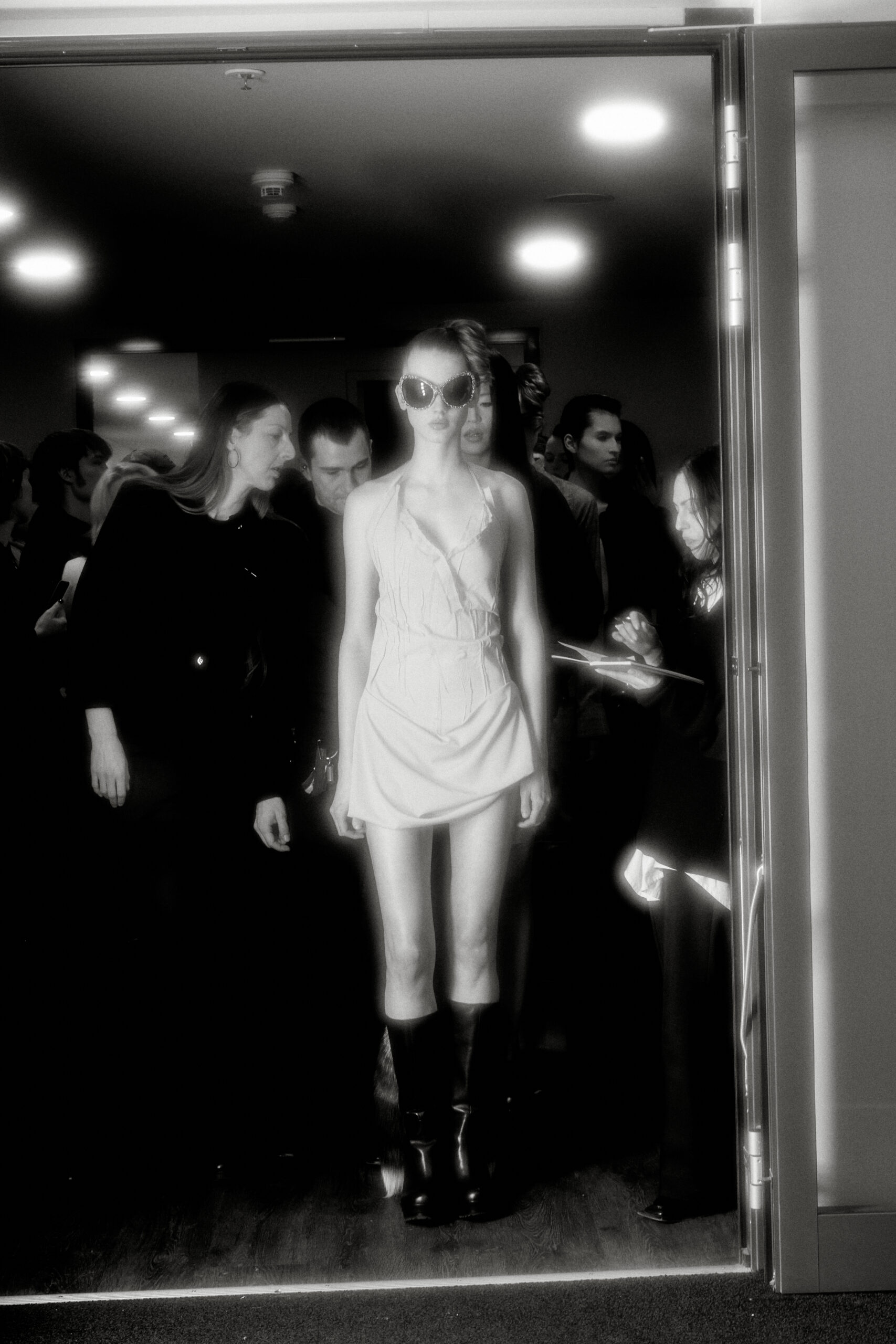
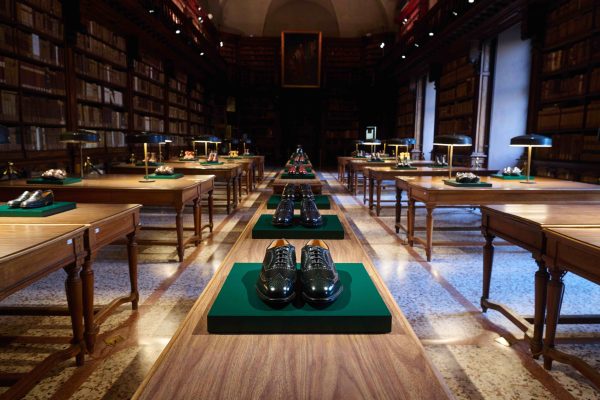
Shoes are born from deformation: leather pumps and slingbacks curve like they’ve been walked in for decades; derbies and boots carry aged soles patterned with the Maison’s numeric code. And the Sprinters – Margiela’s take on racing shoes – land in deep fine shades (dark green, yellow, light blue, oxblood), made from collaged calfskin, suede, vintage nylon, and rubber. Each pair is hand-corroded to feel distinctly personal, with padded, spiked soles embossed with Margiela’s signature numerical code.
For a house long defined by anonymity, Cyrus’s choice feels deliberate and a shift without compromise. It’s Margiela opening the archive, allowing her voice and presence to inhabit its codes while staying true to the Maison’s obsession with memory, imperfection, and the quiet radicalism of transformation.
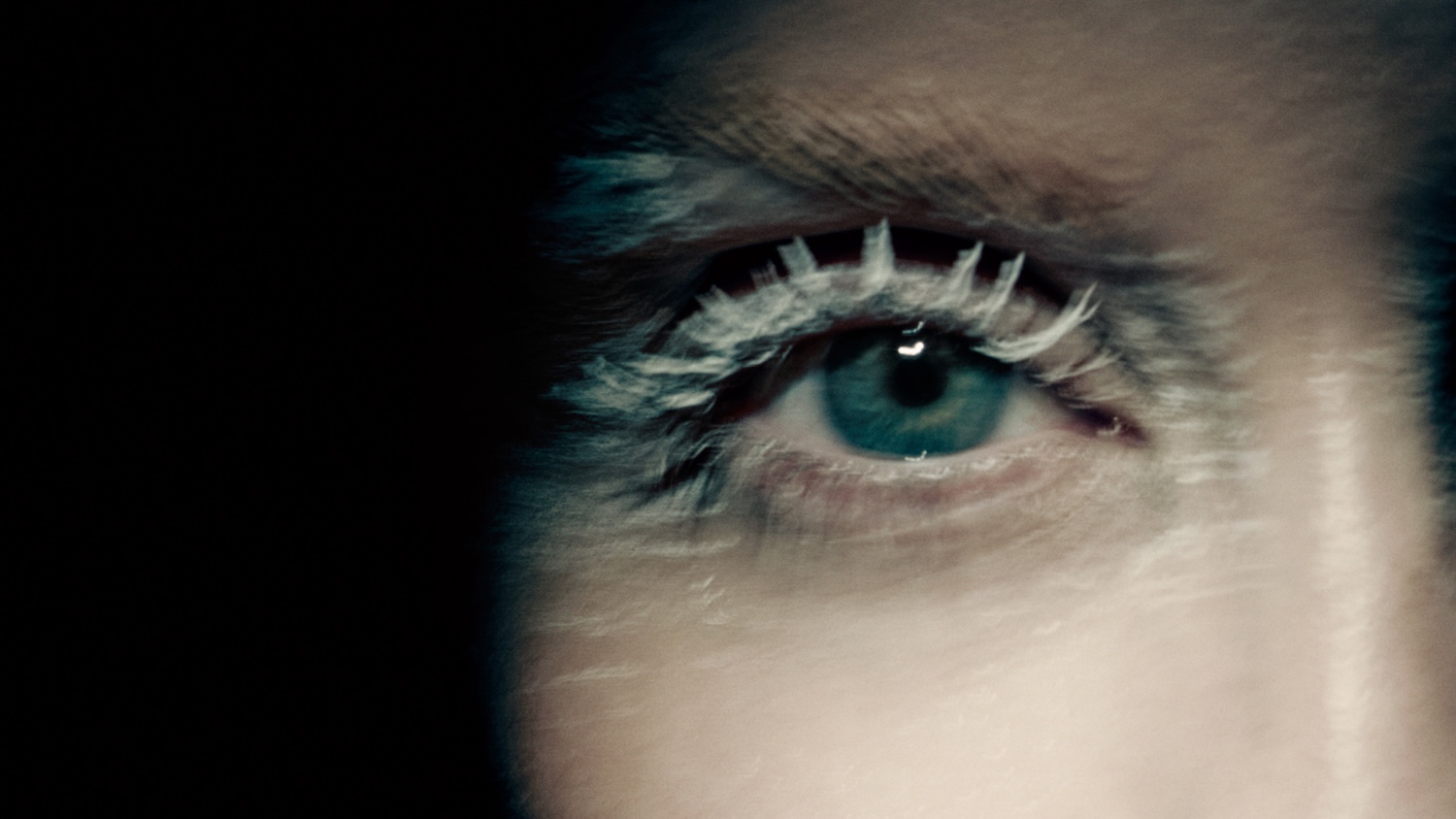
photography. courtesy of Paolo Roversi
words. Gennaro Costanzo