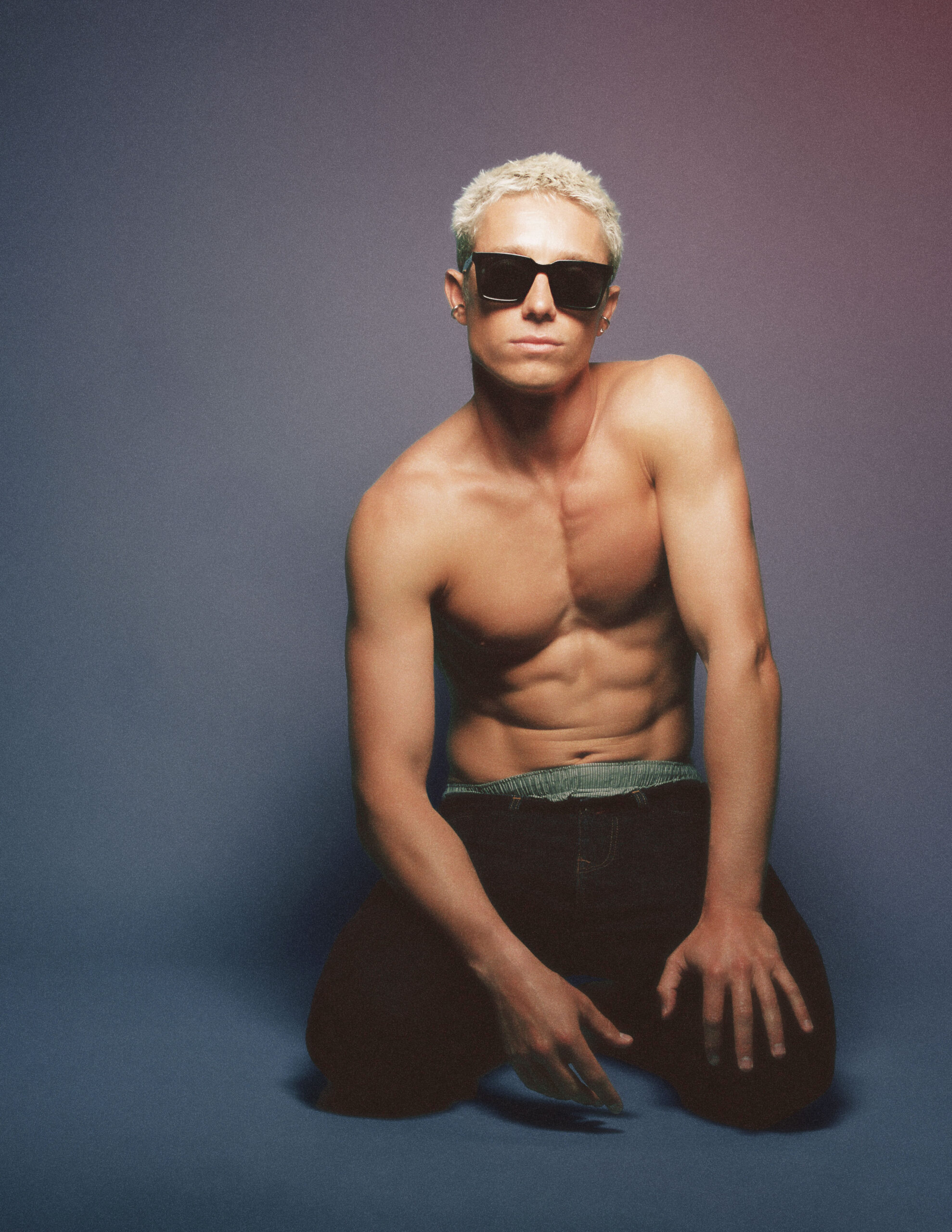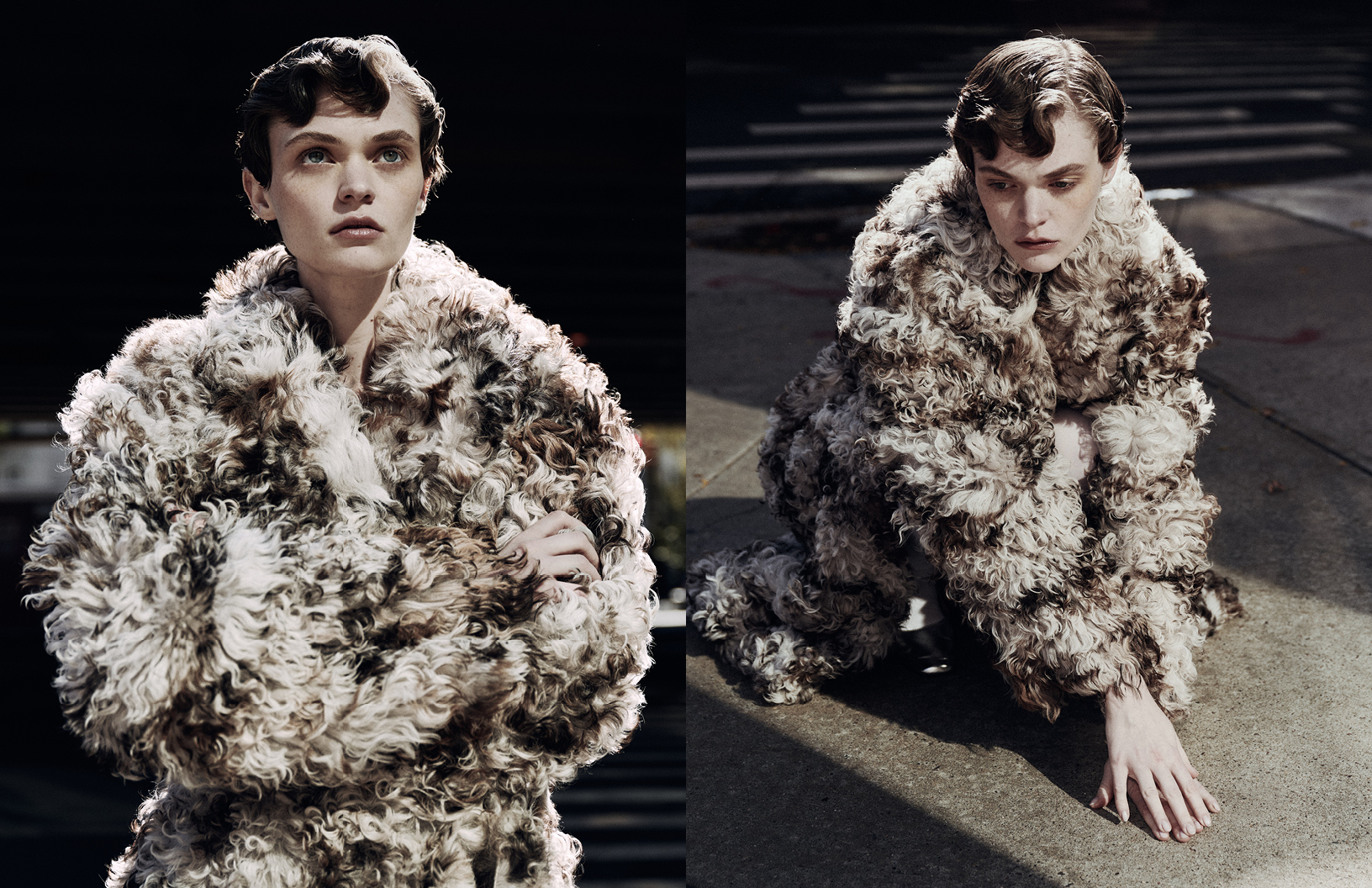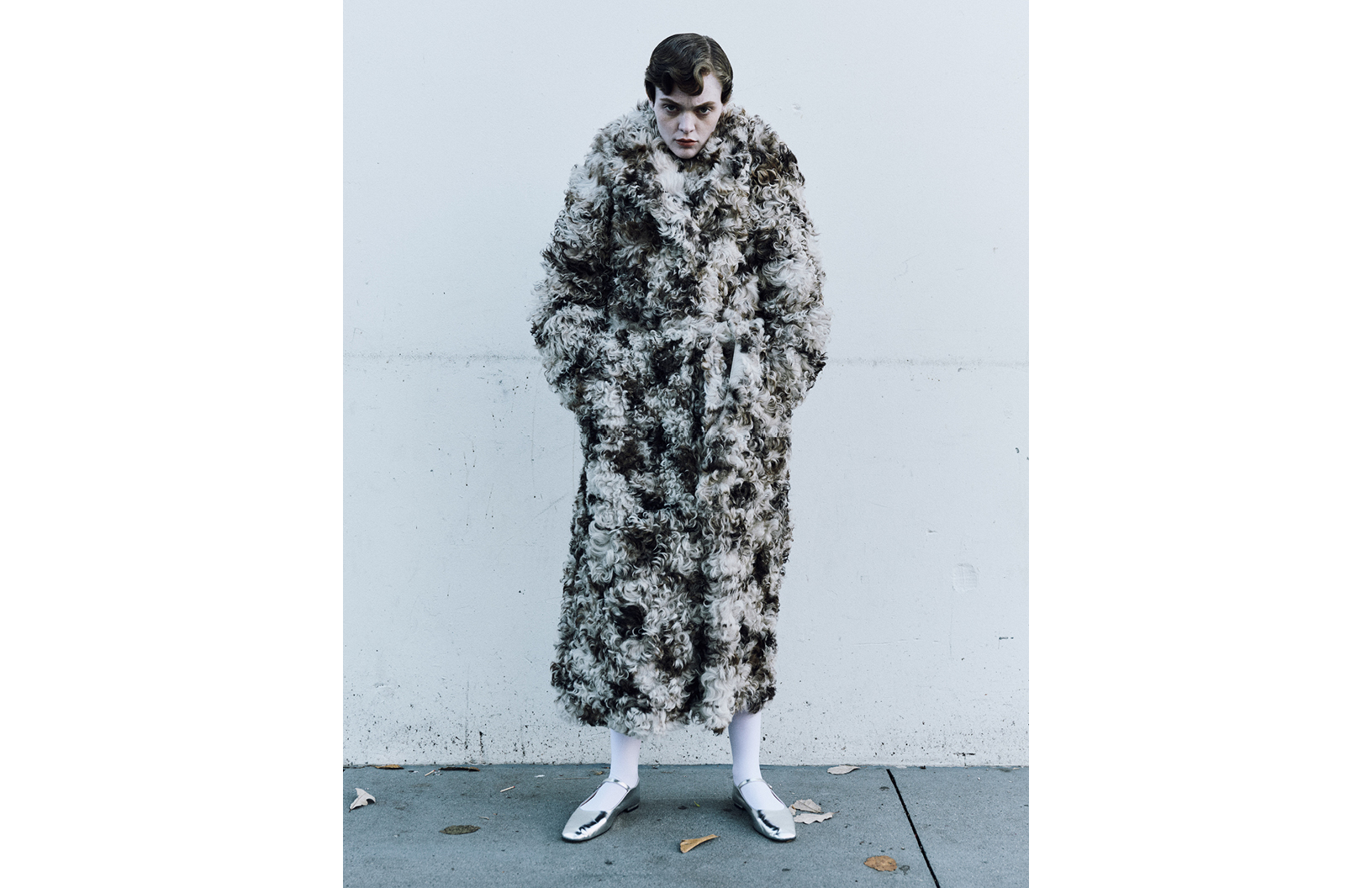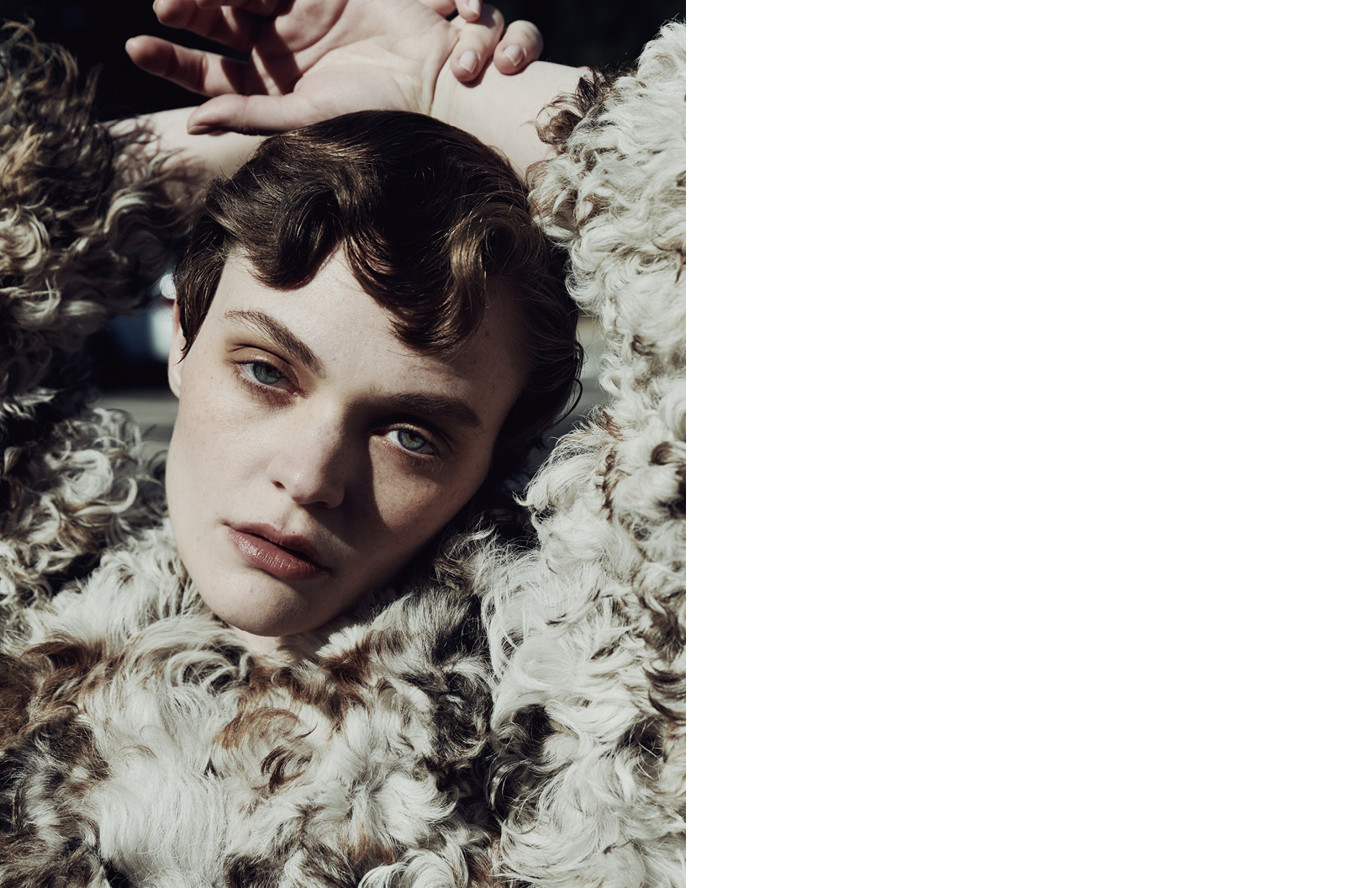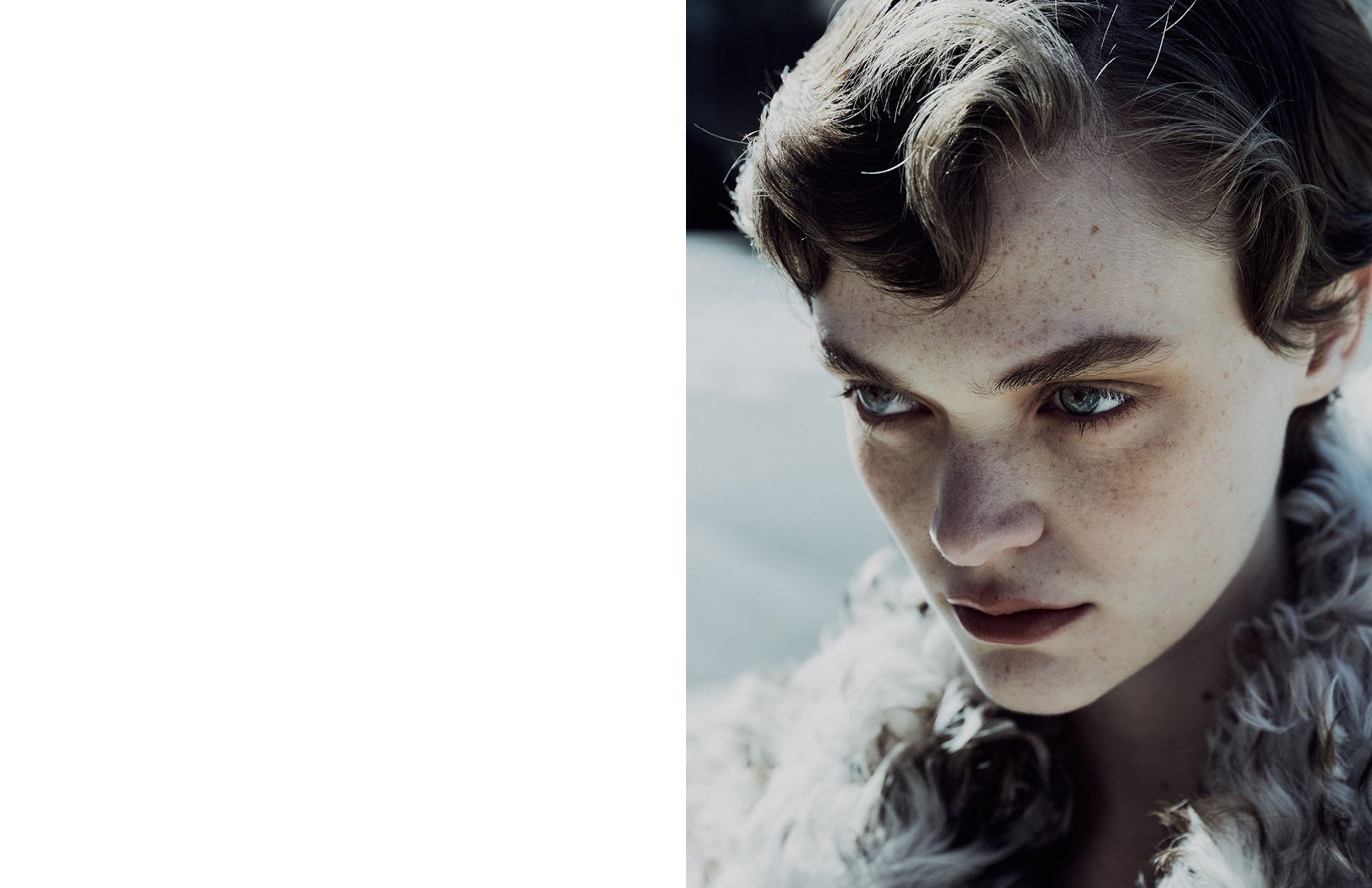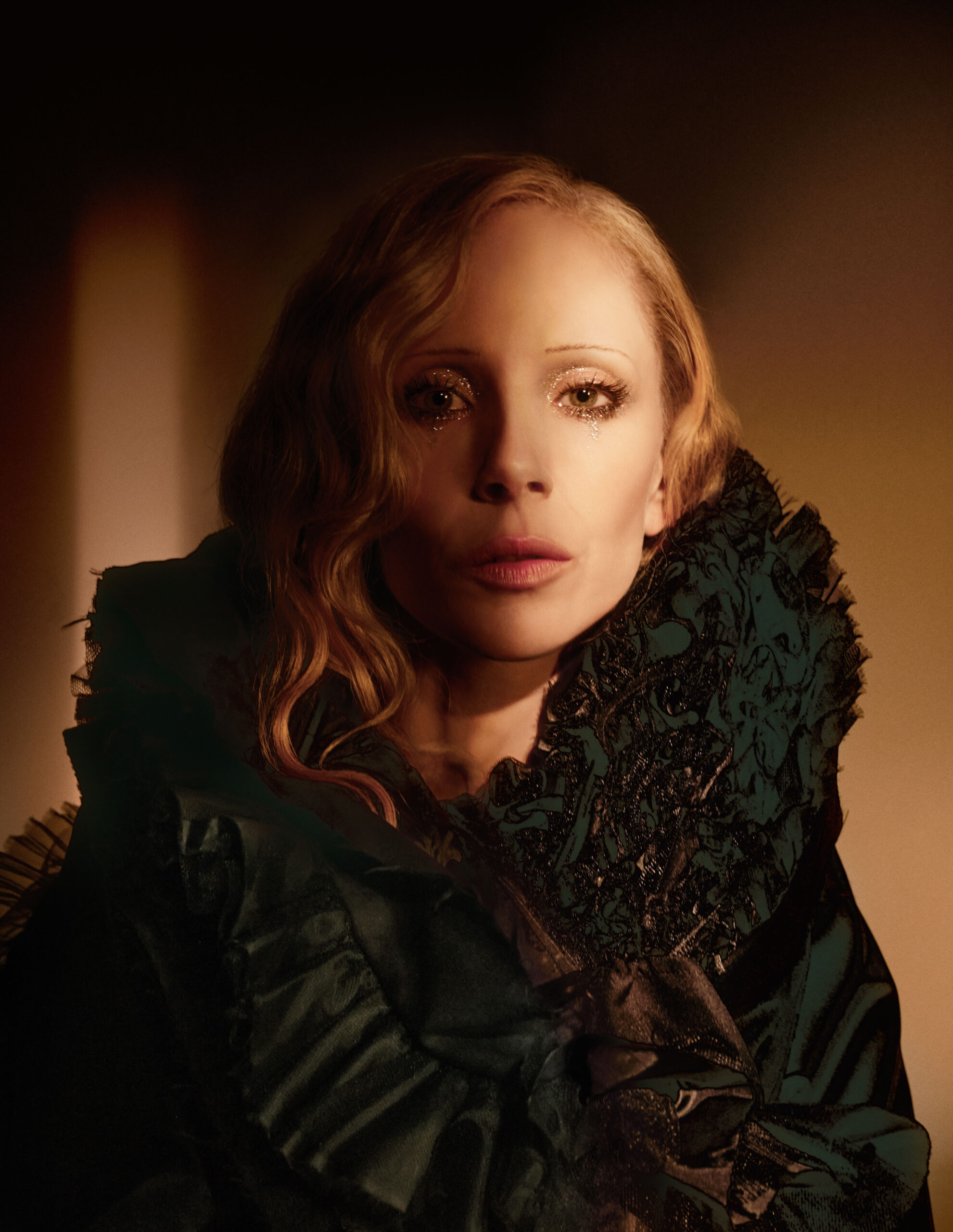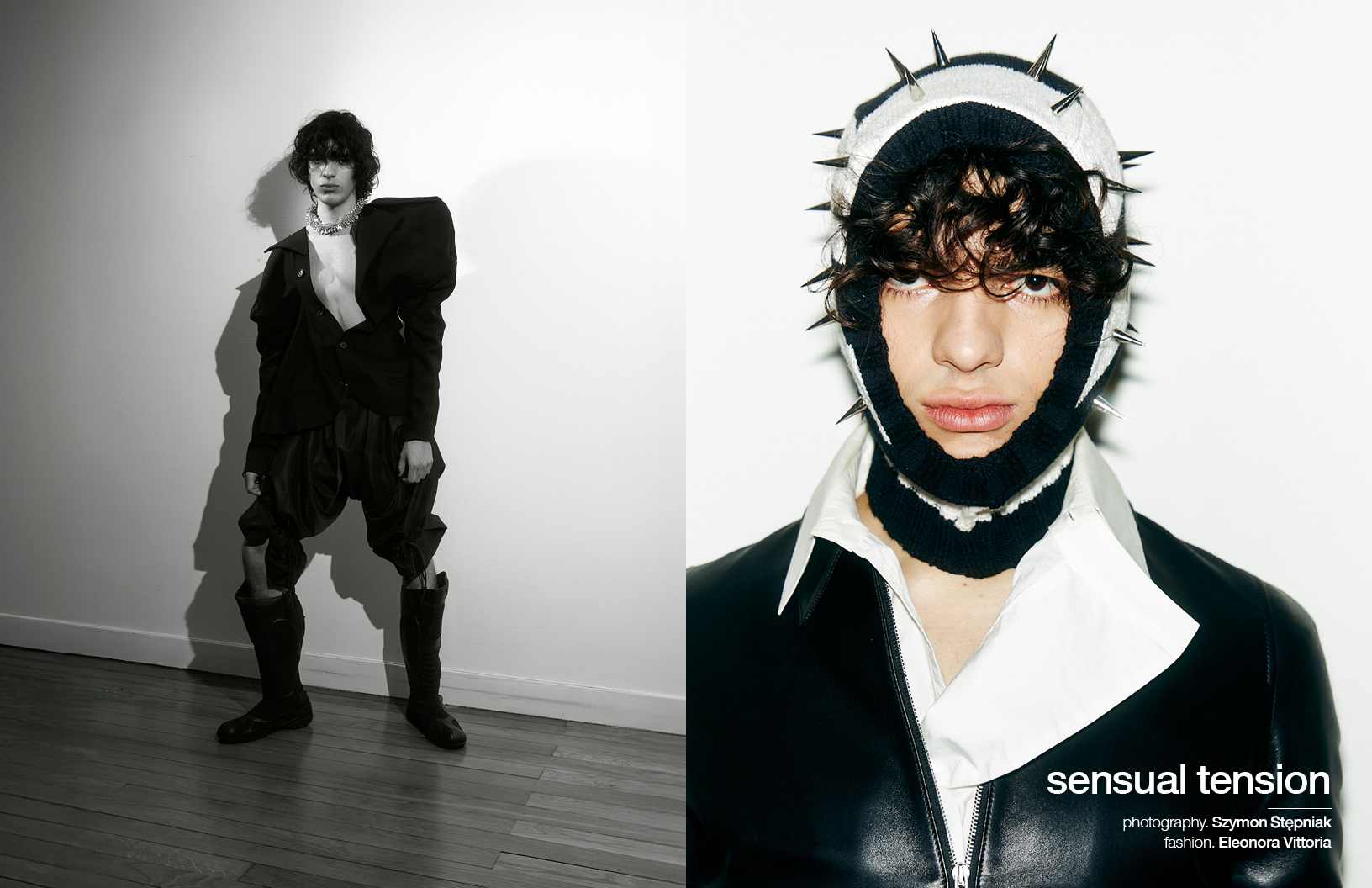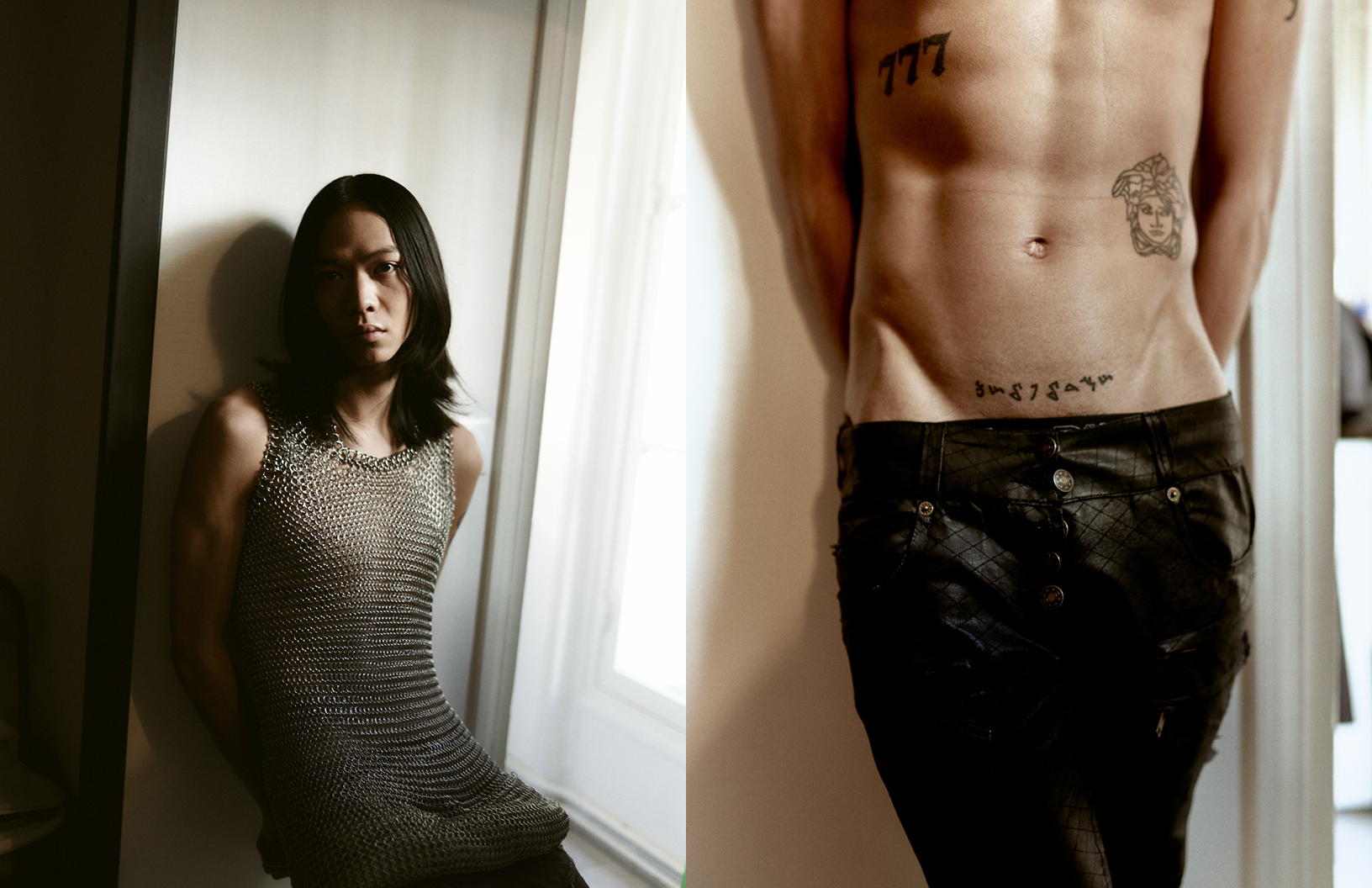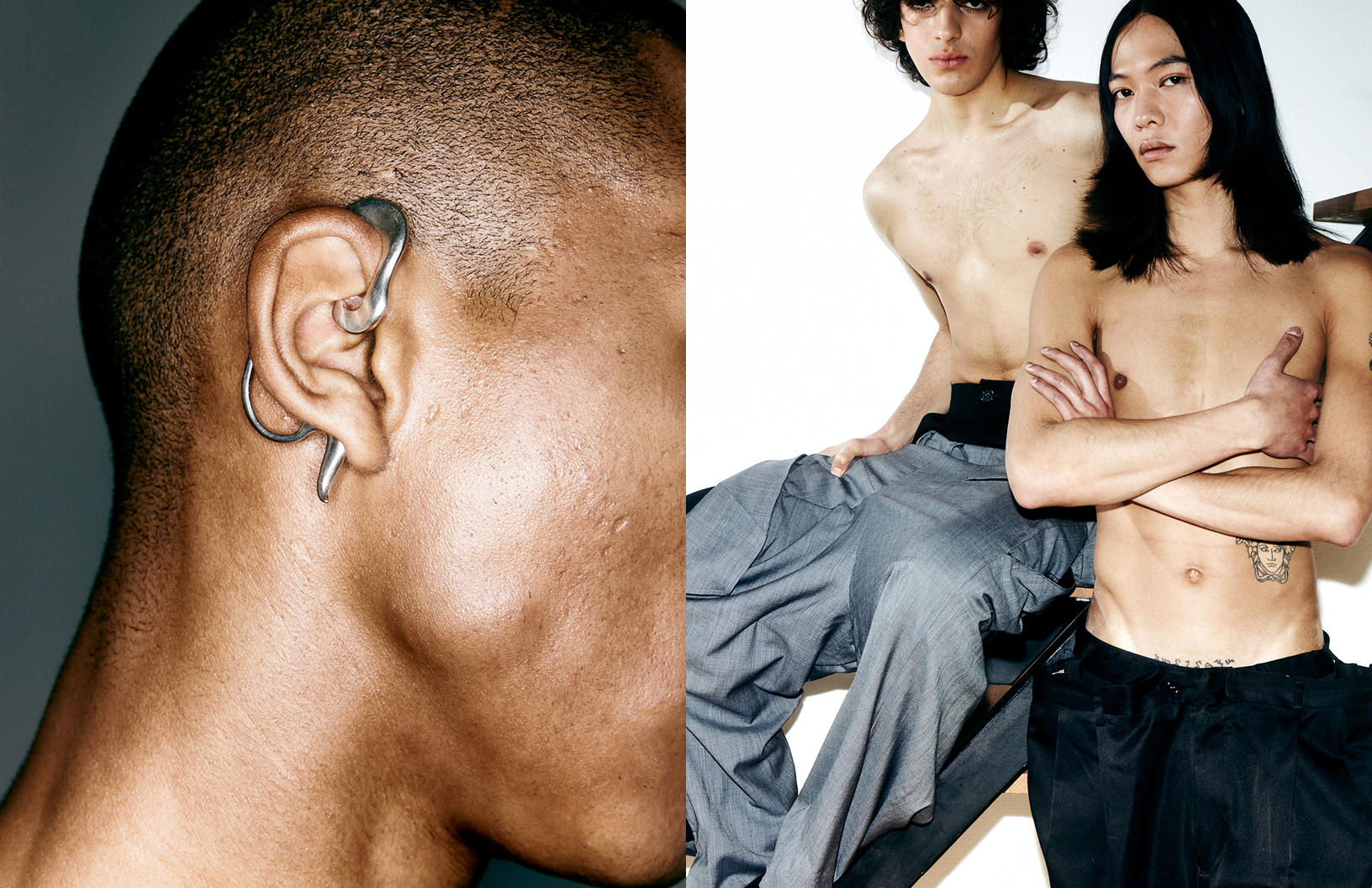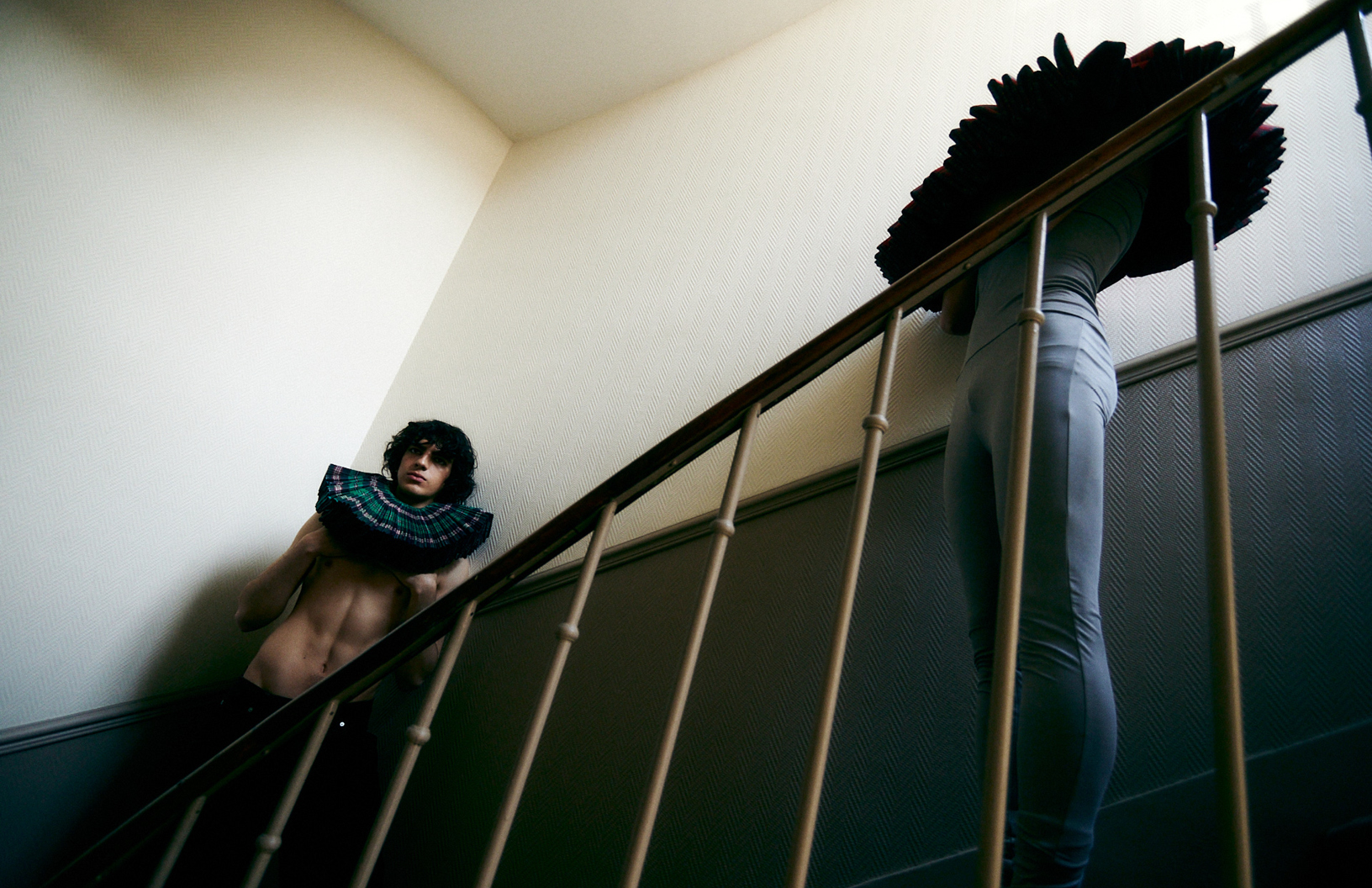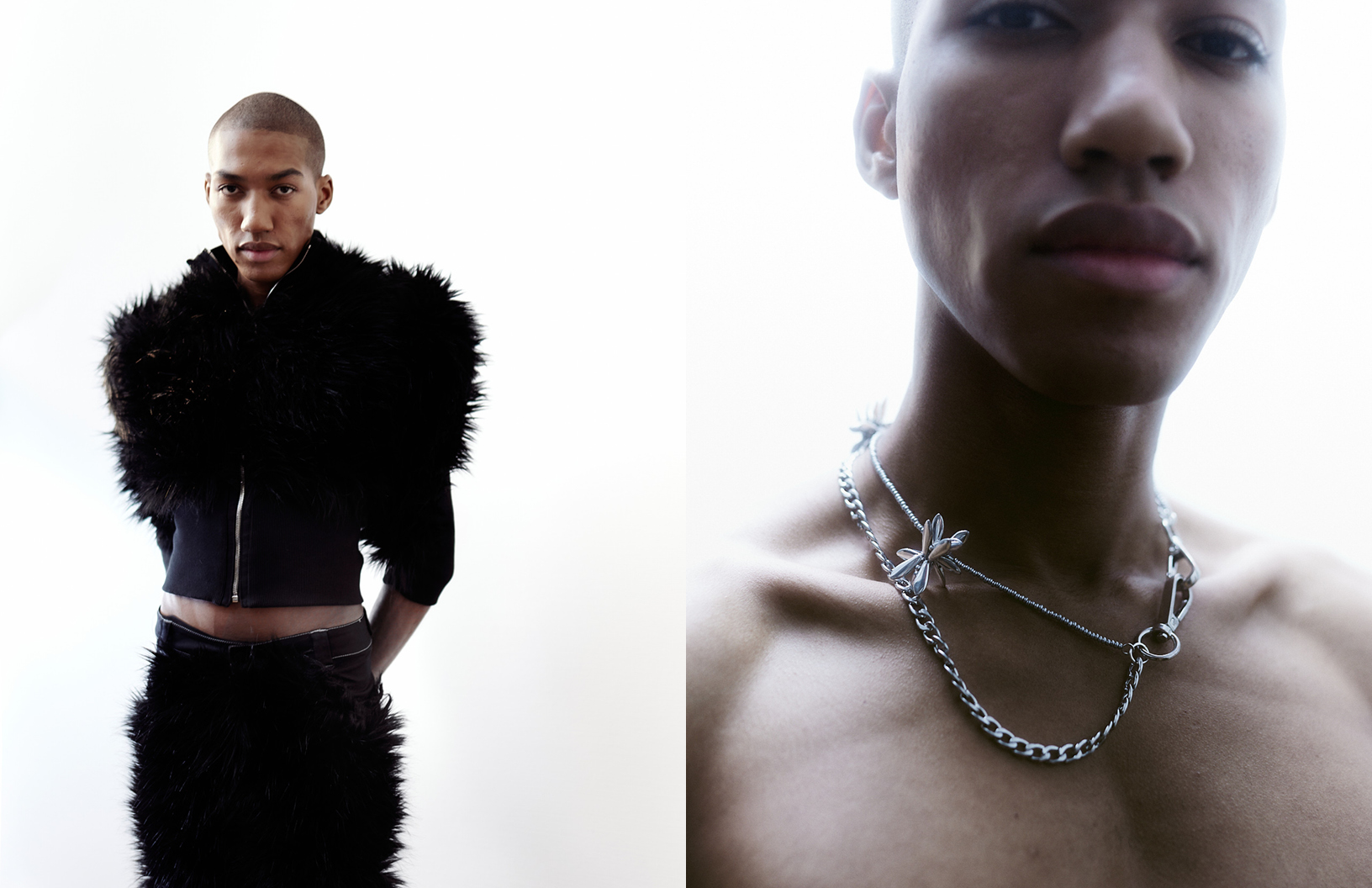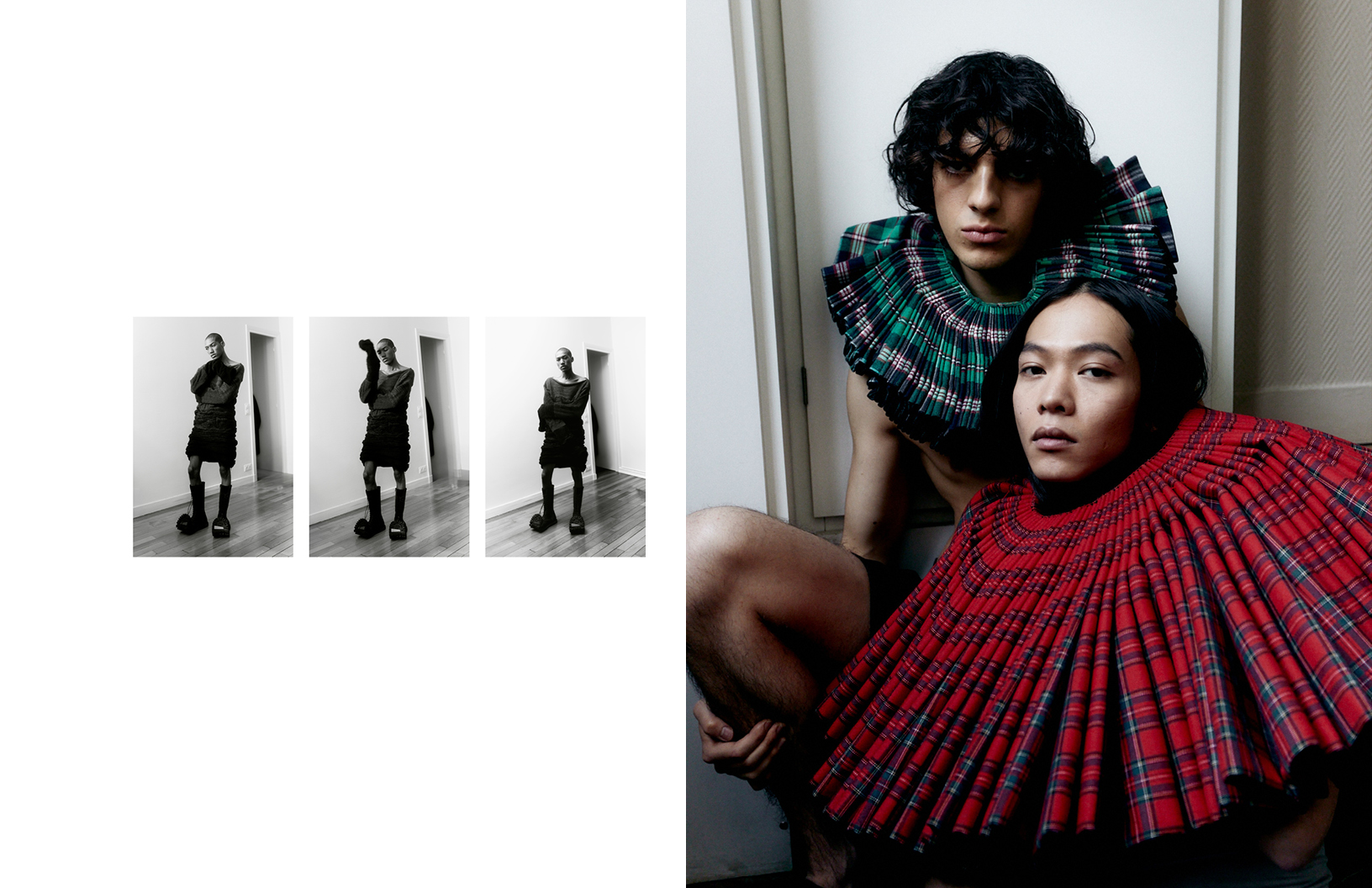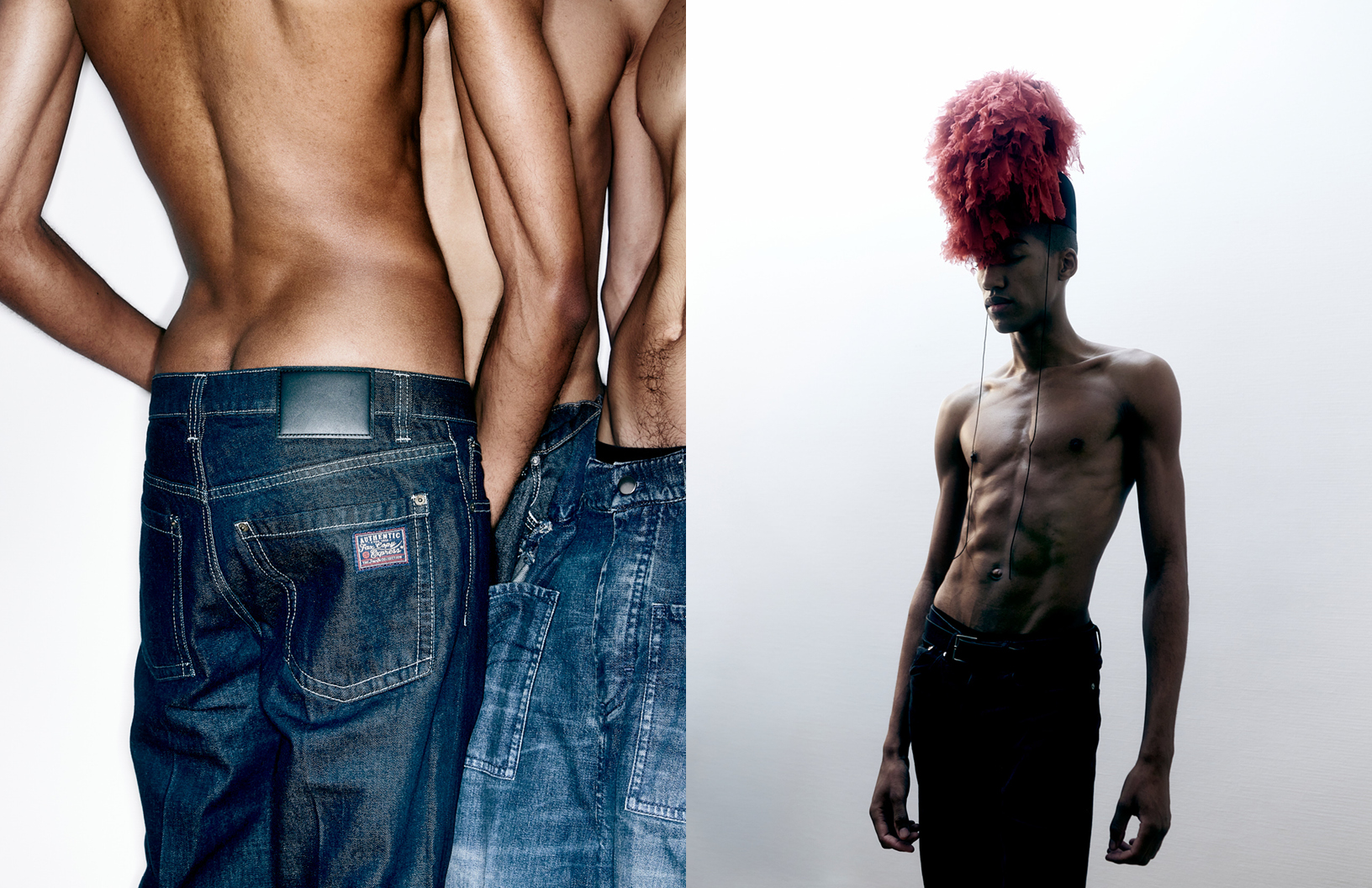


During Paris Fashion Week, the international crowd of editors, buyers and guests took over the city, tapping into the ripples of excitement at the flurry of debuts of the SS26 season. Amidst the countless new creative directors, there is one debut that Schön! was particularly curious about: that of Nicolas Rohaut at Parisian house IRO. As we sit down in the showroom, he tells us that he has big ambitions for the house, and has been deciphering the DNA for the past months. One thing is clear: Rohaut isn’t rewriting the codes – he’s transforming the house for a new chapter.
Now, it’s time to present it to the world. “This is my first interview presenting my work for IRO,” he enthuses. The new creative director is stepping into the house with a precise sense of balance: bringing together the brand’s 1980s shapes and volumes, and the raw, rock-infused energy of the 2000s that first defined its name on the Paris scene. His Spring-Summer 2026 collection distills that tension into something effortlessly current – romantic but not naïve, architectural yet alive.“Before I began, I really wanted to understand the DNA of IRO,” Rohaut tells Schön! “Now, it’s really clear to me where I want to guide the brand, and it’s a perfect moment to present a collection that I can really vouch for.”
Rohaut’s vision for IRO isn’t about the nostalgia or heritage of IRO. As he walks us through the moodboard for the collection, it’s clear his starting point are the pillars of the brand. He quotes cinema as one of the main references for SS26, reaching back to the languid summers of Éric Rohmer. “I’m a big fan of his work,” he explains. “So I rewatched all his films from the ‘80s, which all have a very summery feeling to them – ‘Le Rayon Vert’, ‘Le Conte d’Été’, ‘37.2 Le Matin’ with Béatrice Dalle and ‘L’Été Meurtrier’ with Isabelle Adjani. I loved those figures who have a romantic side, without ever falling into something naive. There’s a raw elegance to them that I love.”
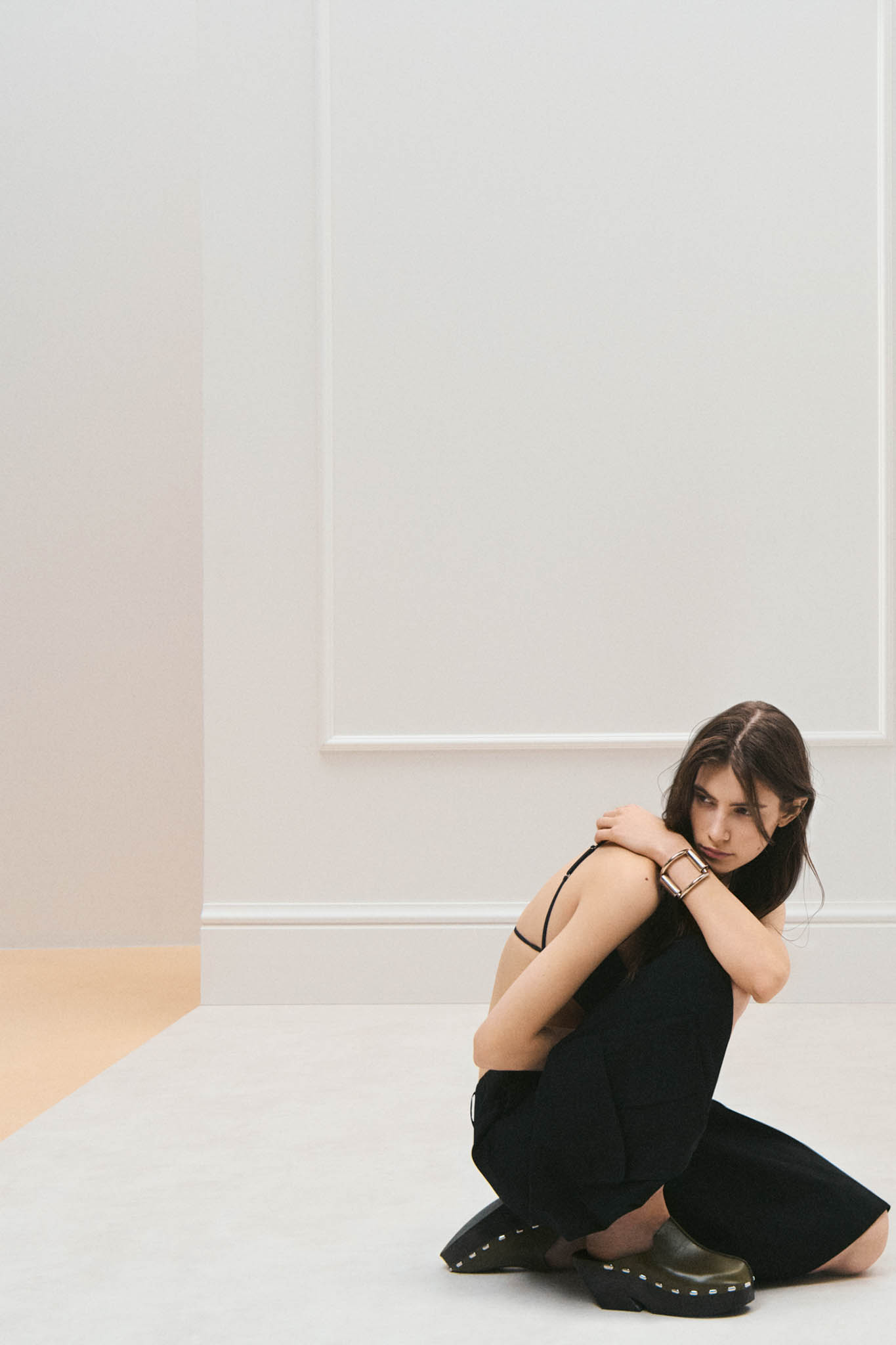
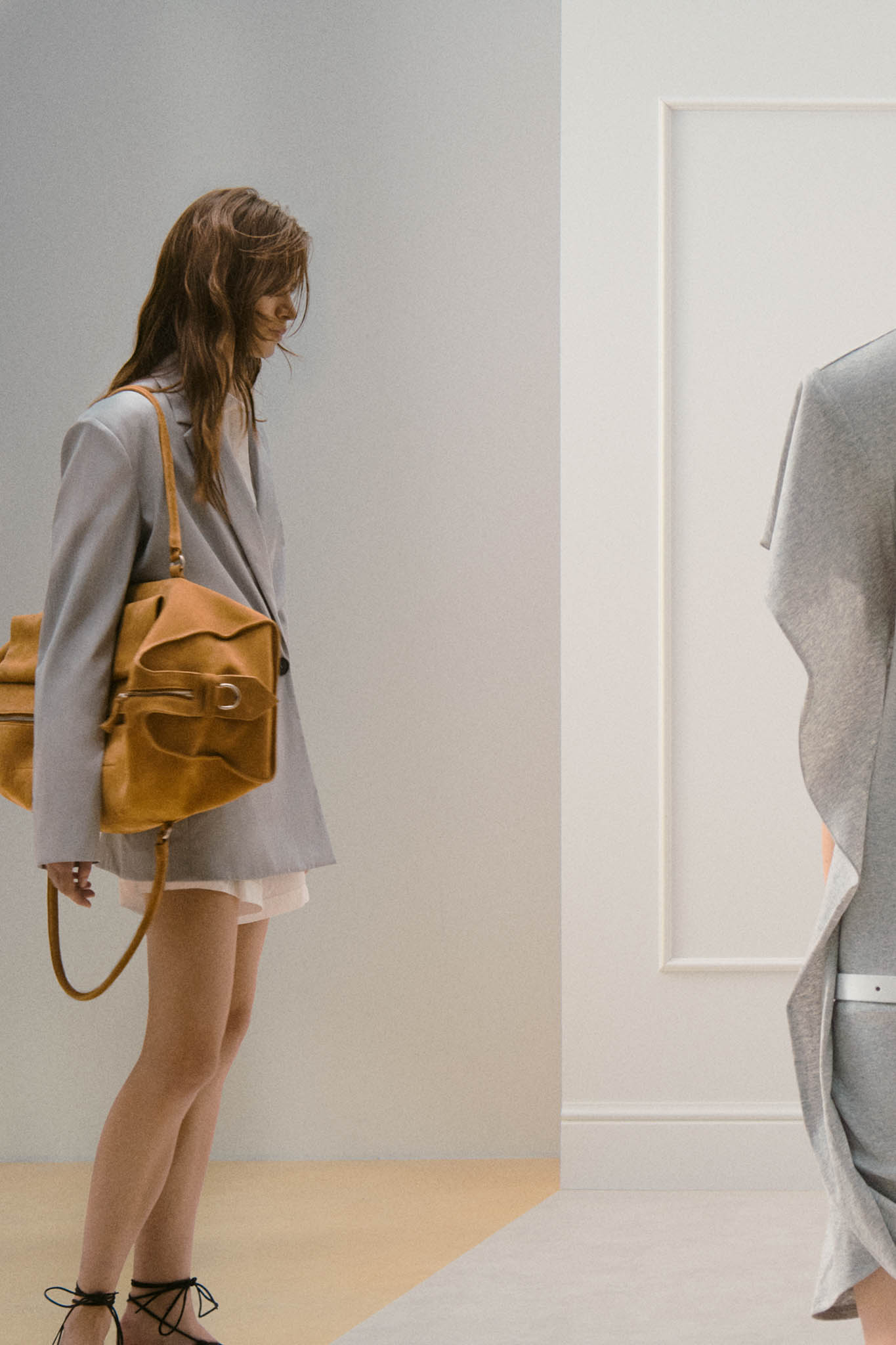
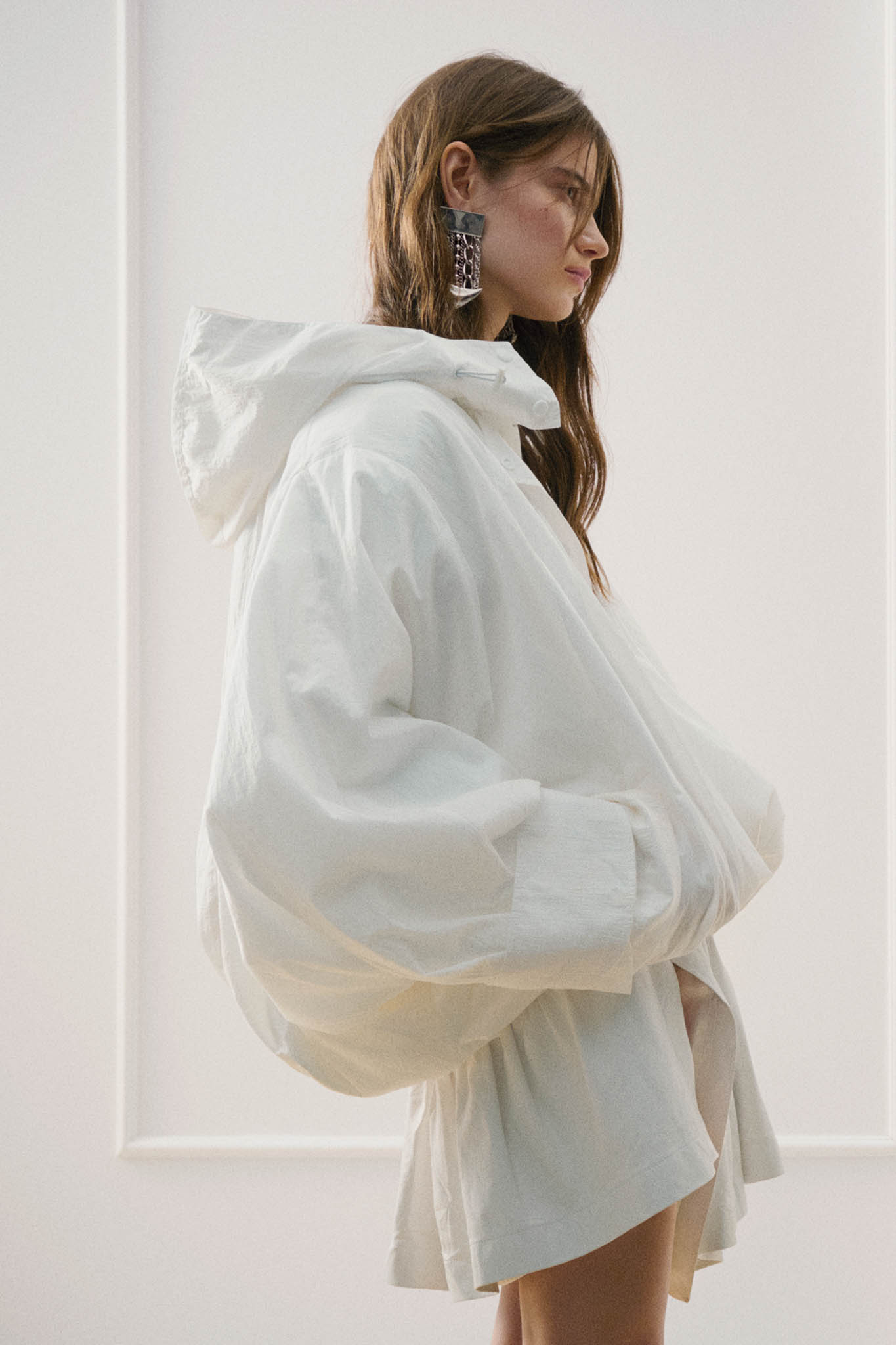
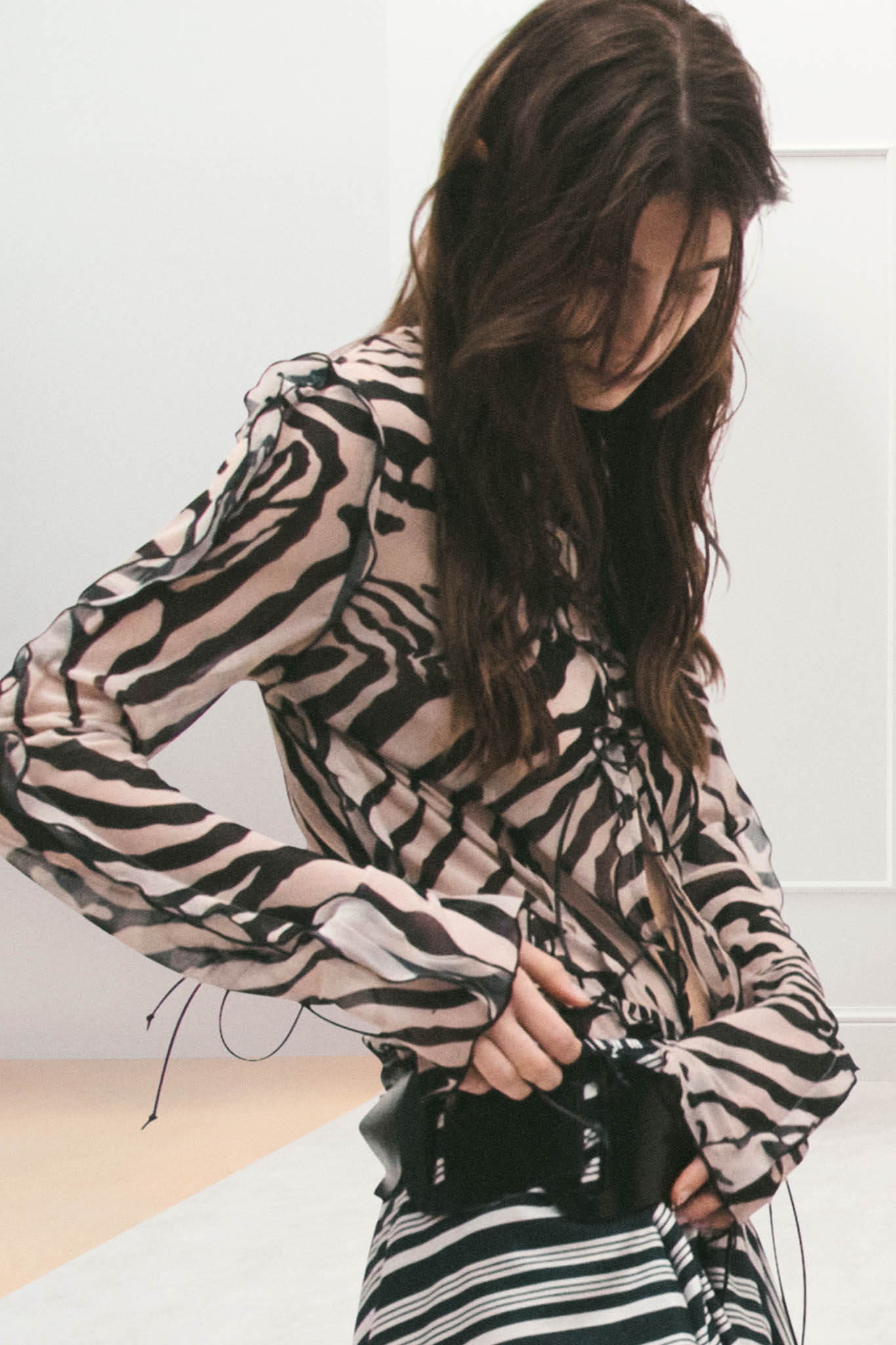
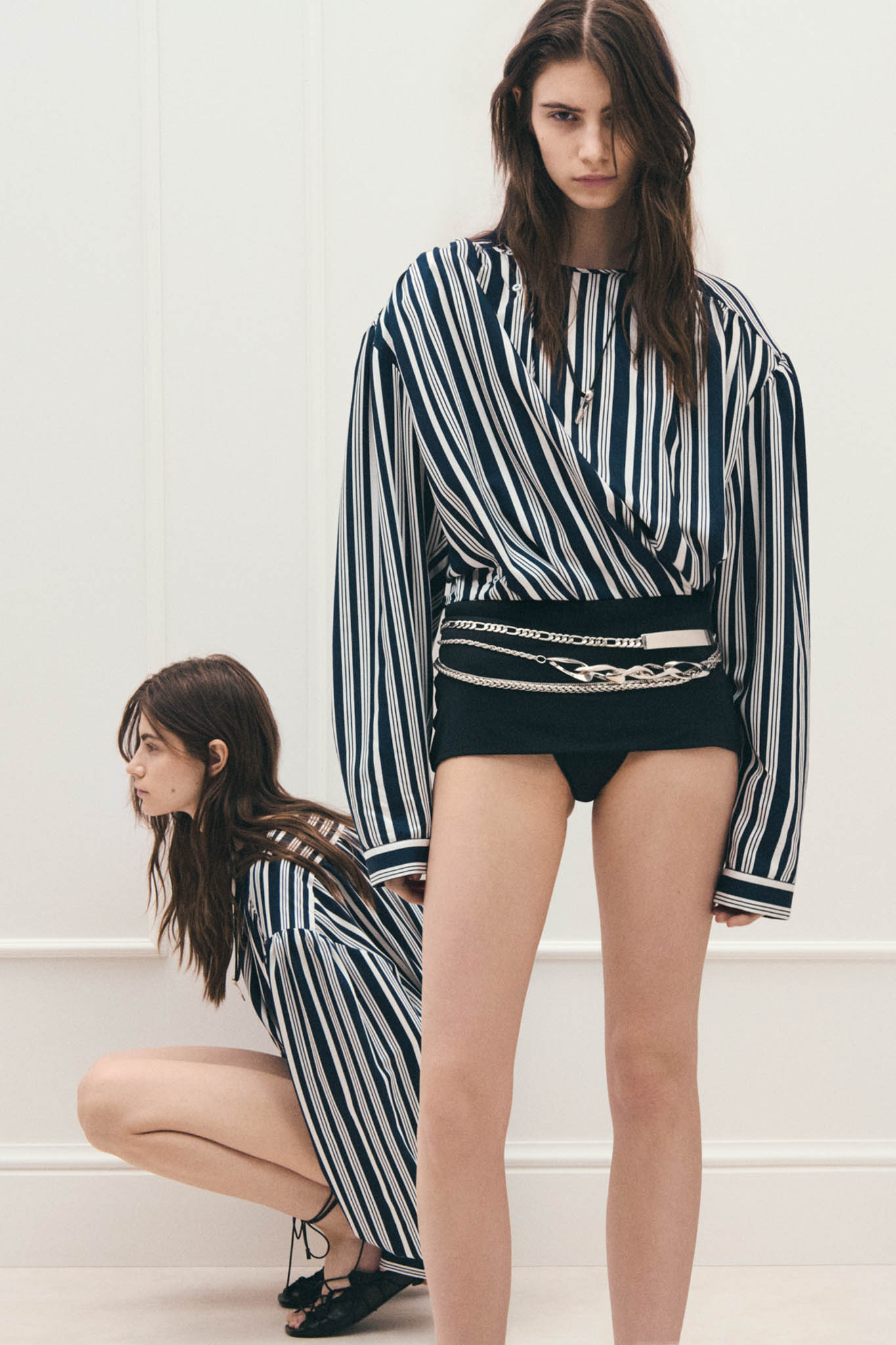
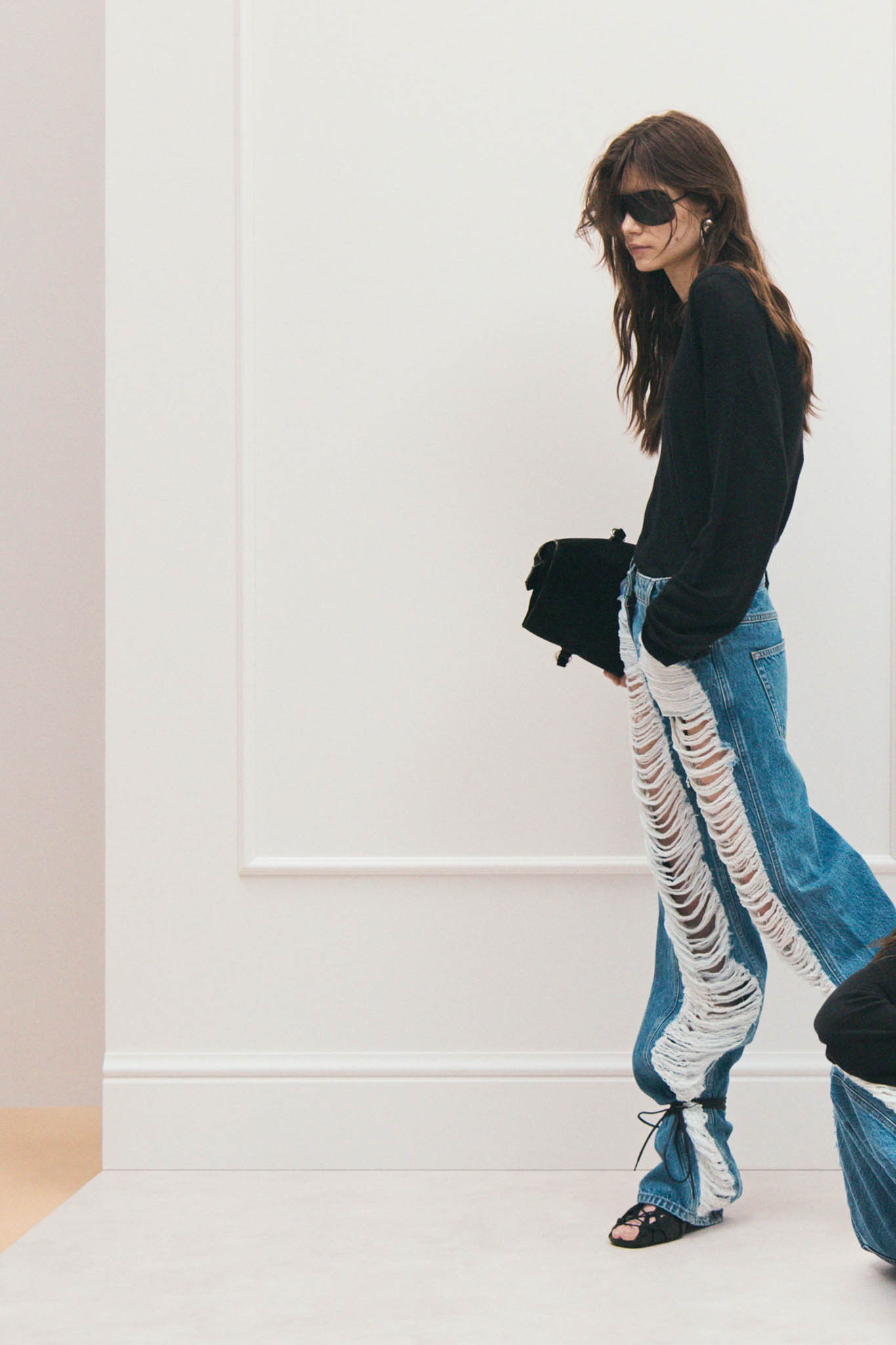
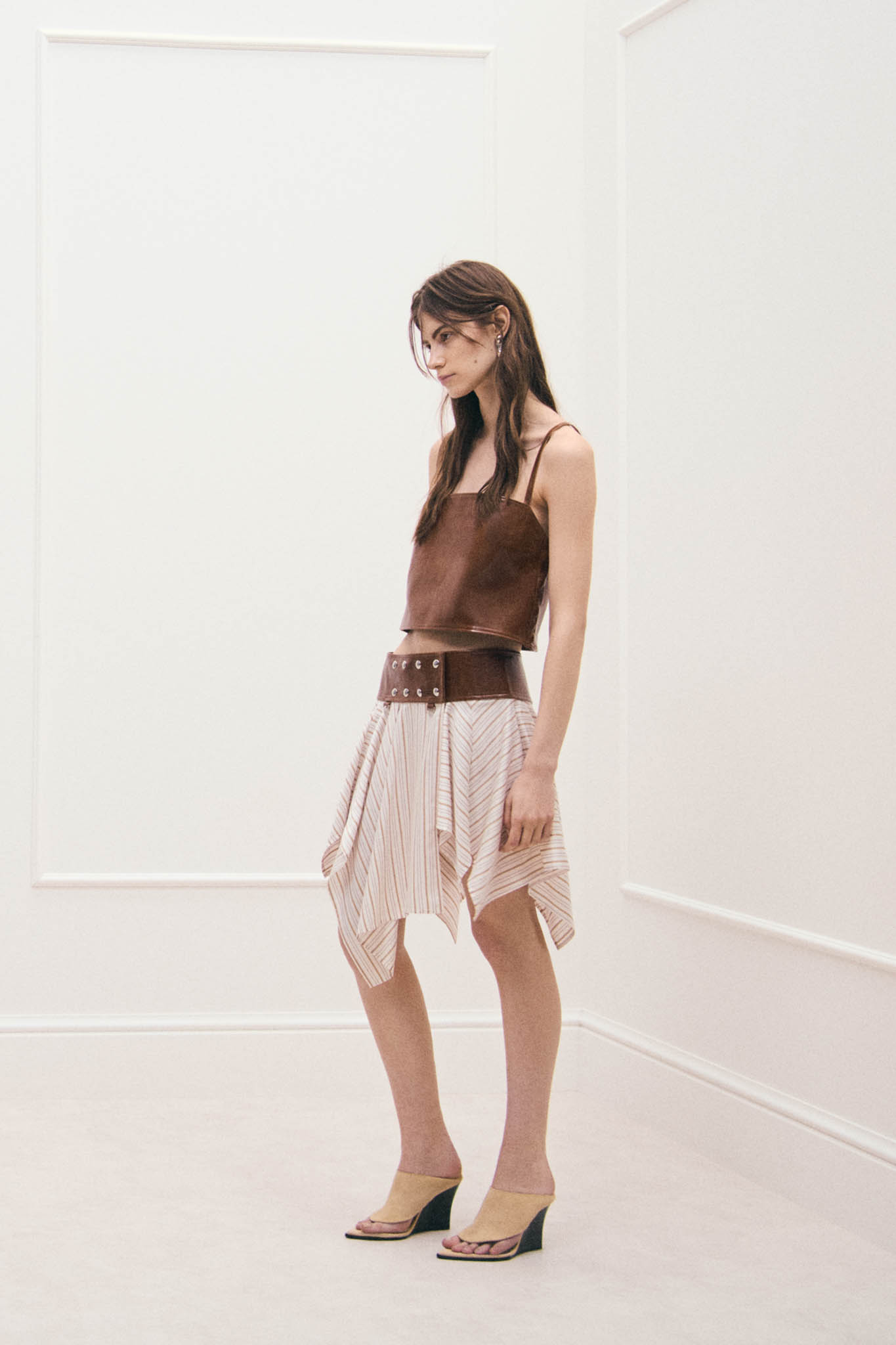
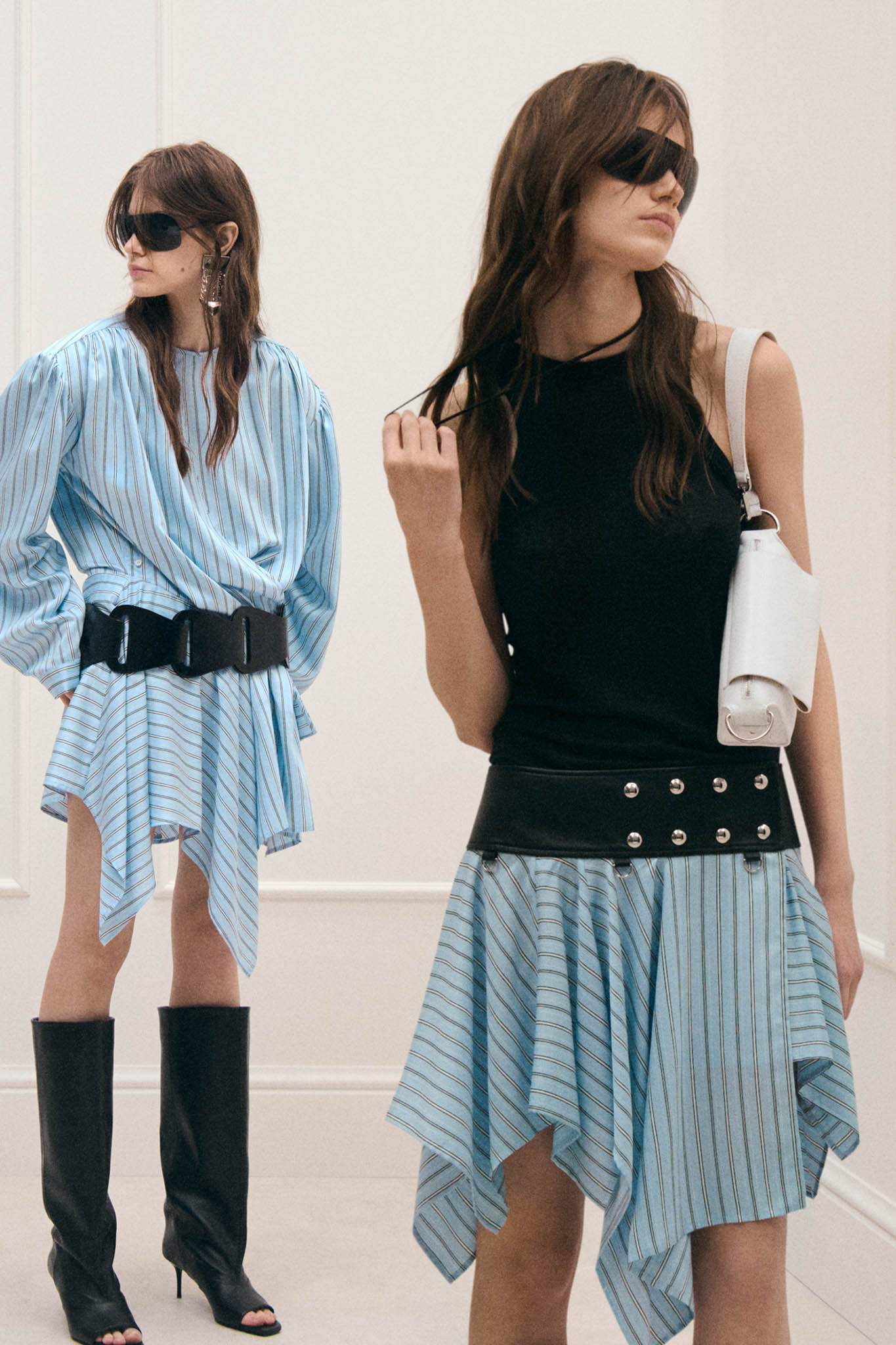
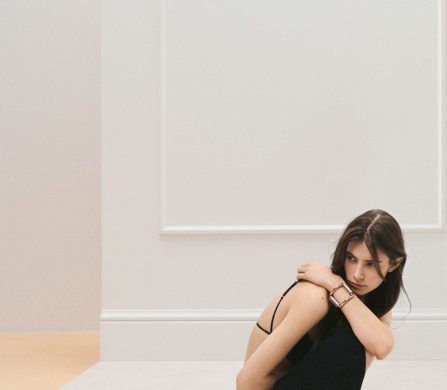
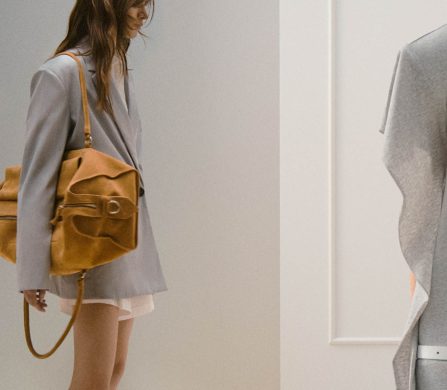
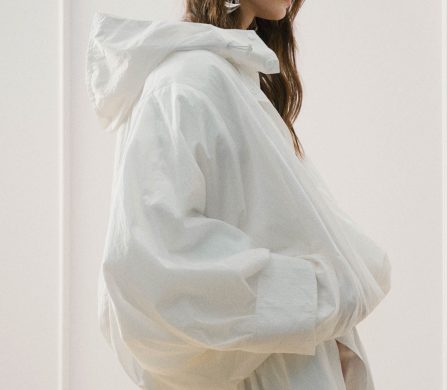
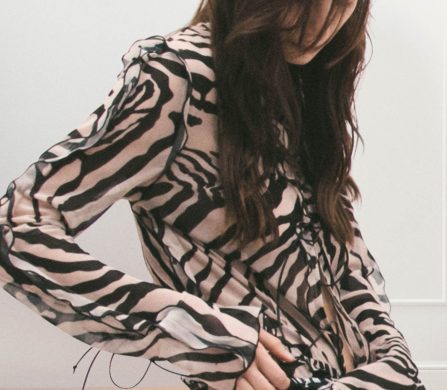
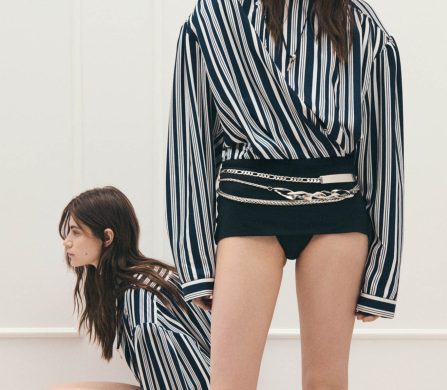
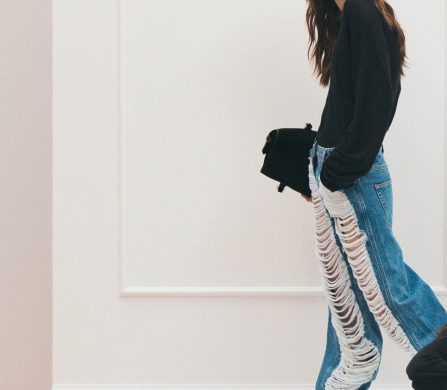
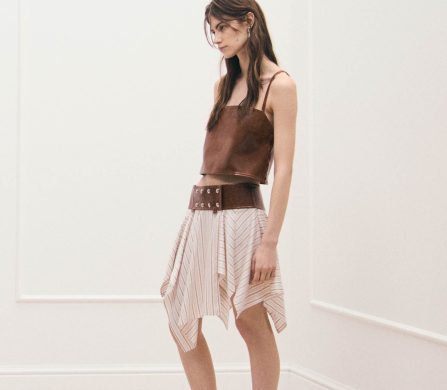
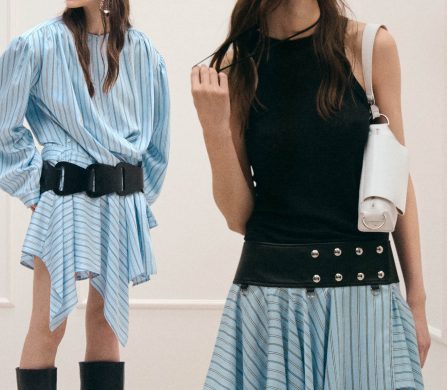
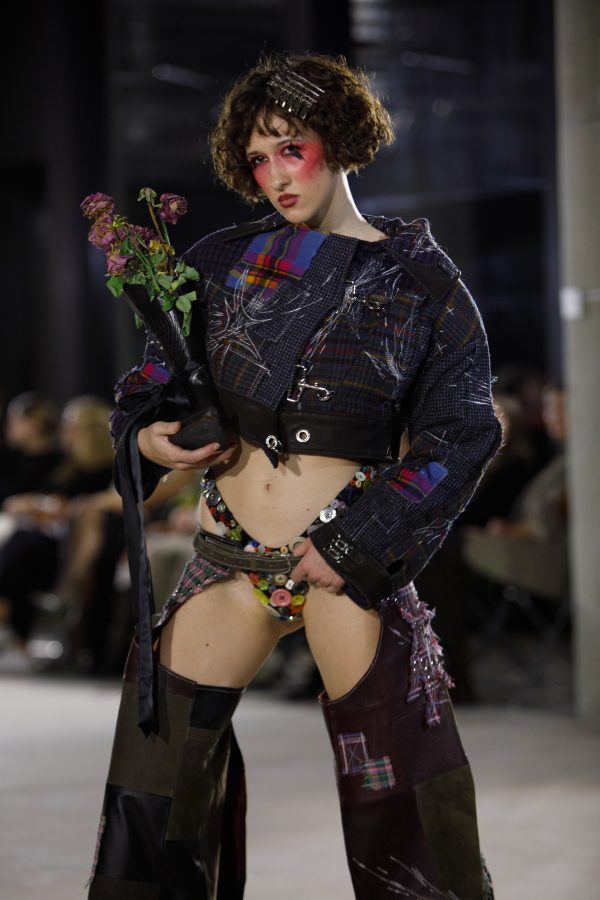
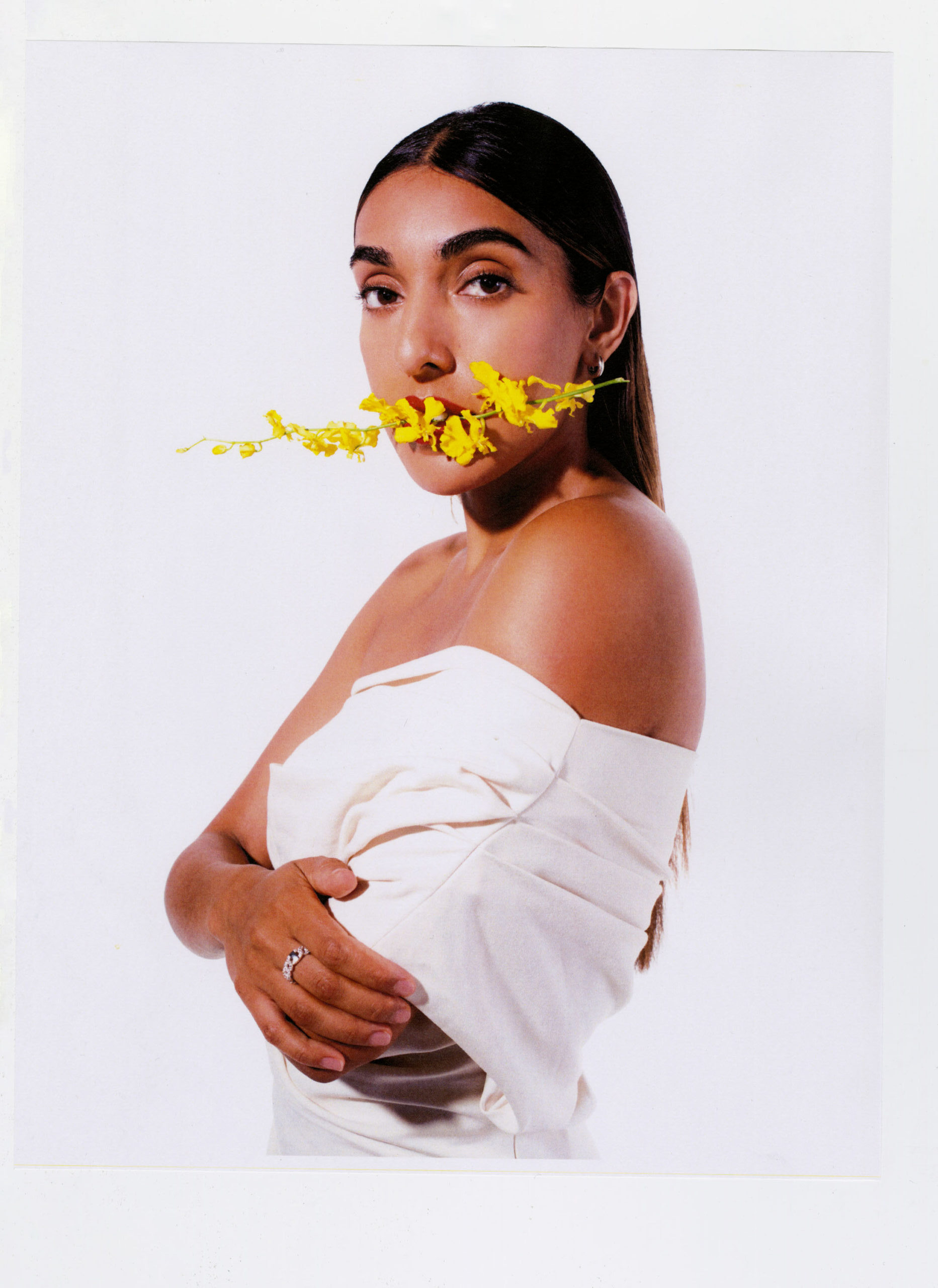
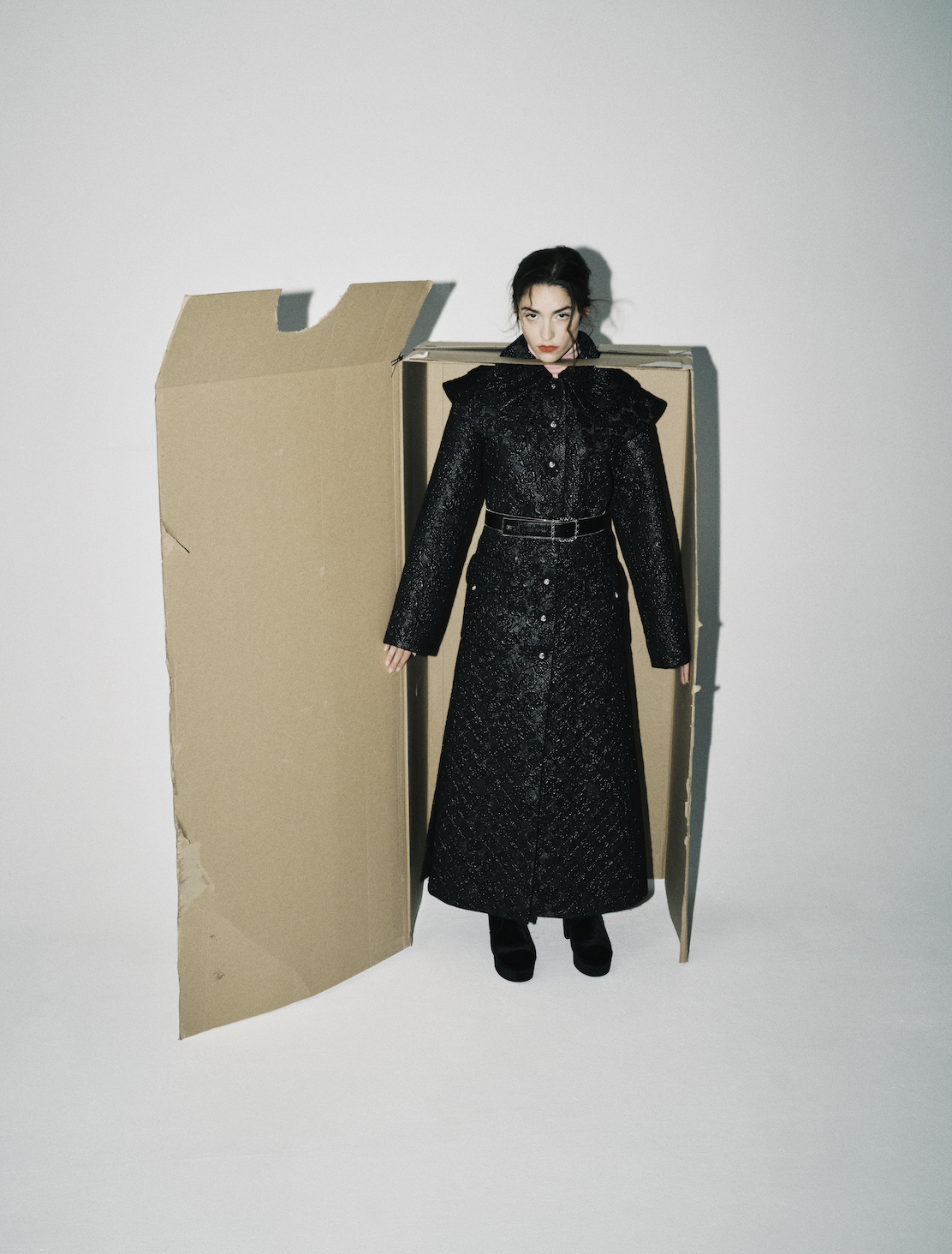
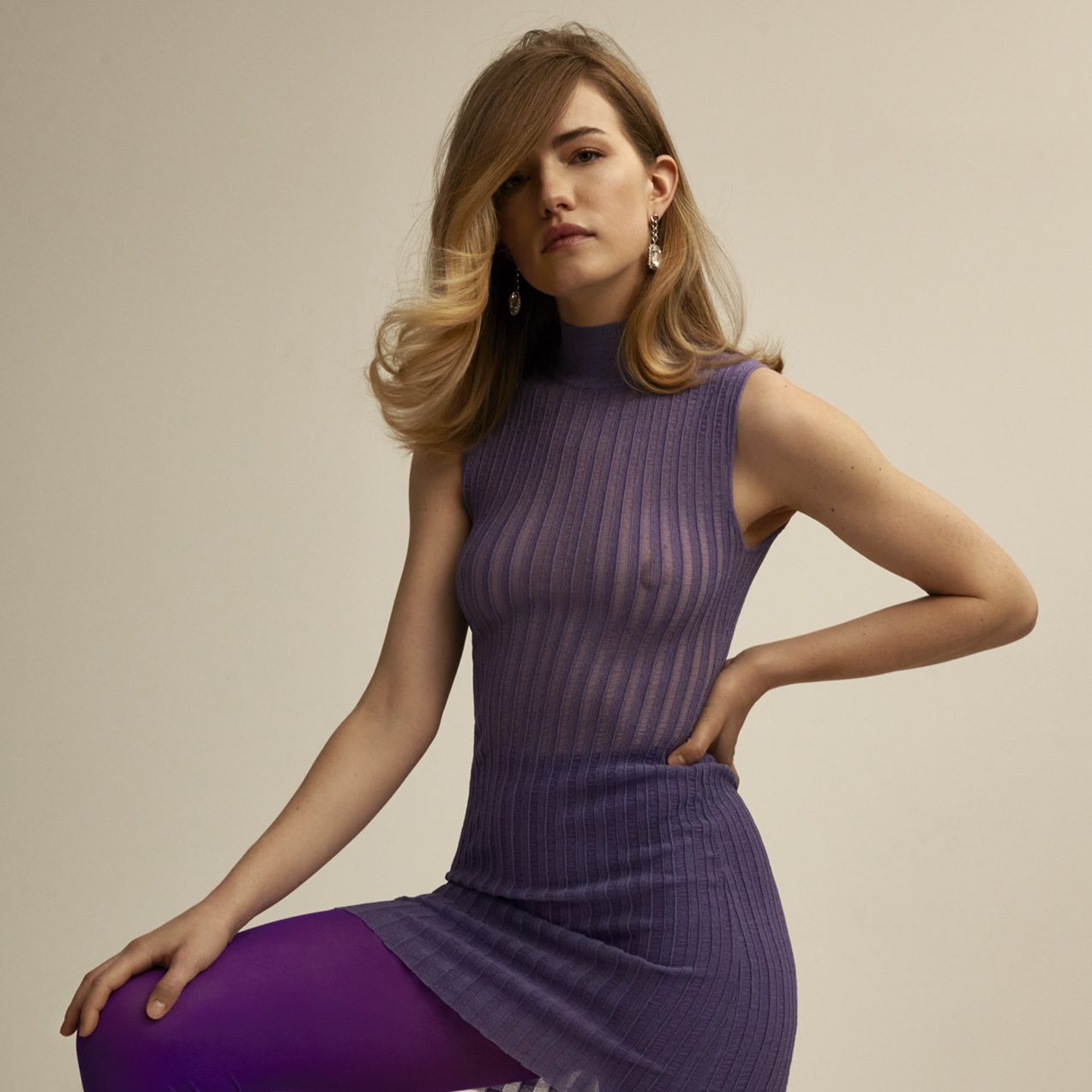
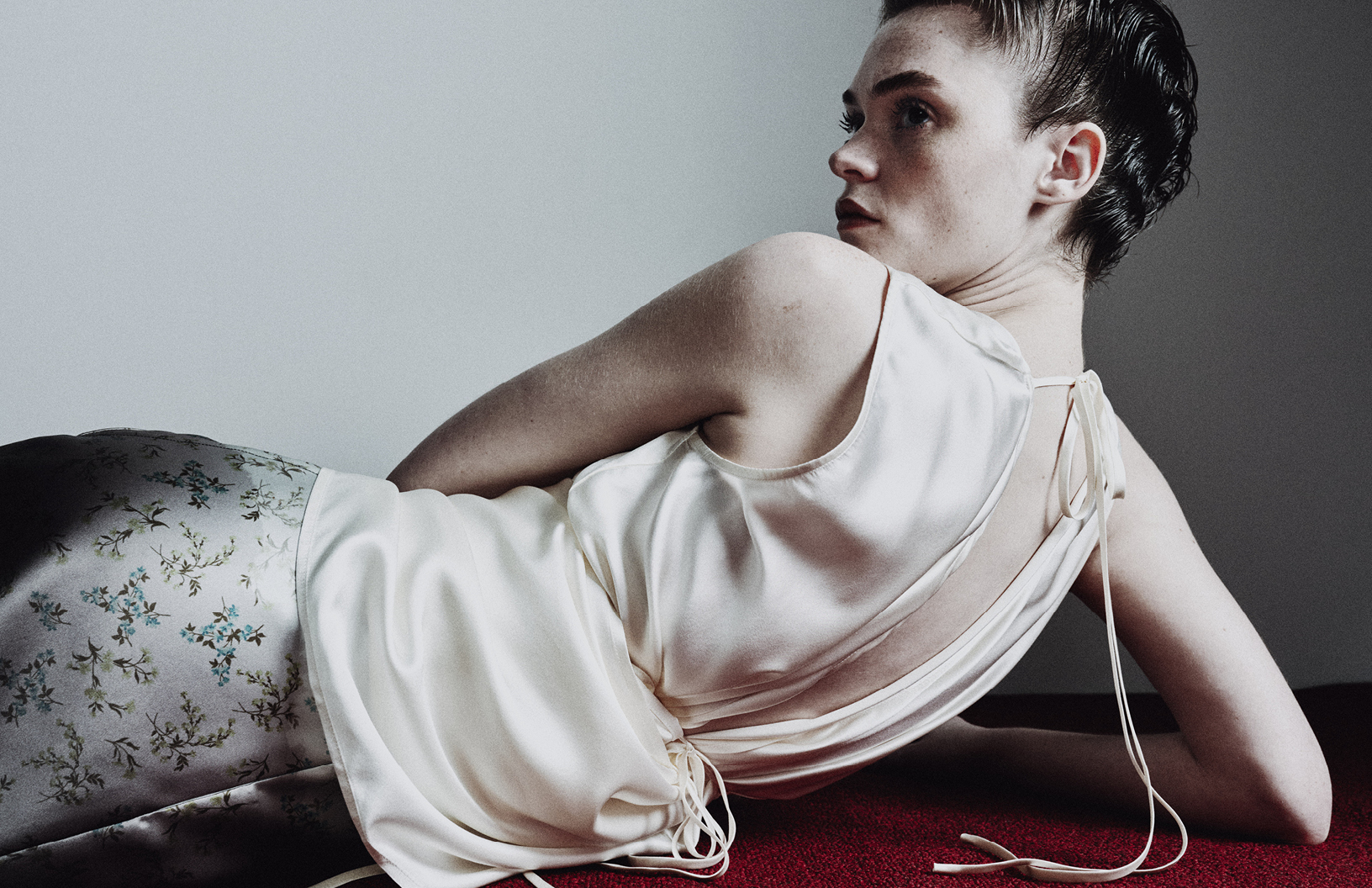
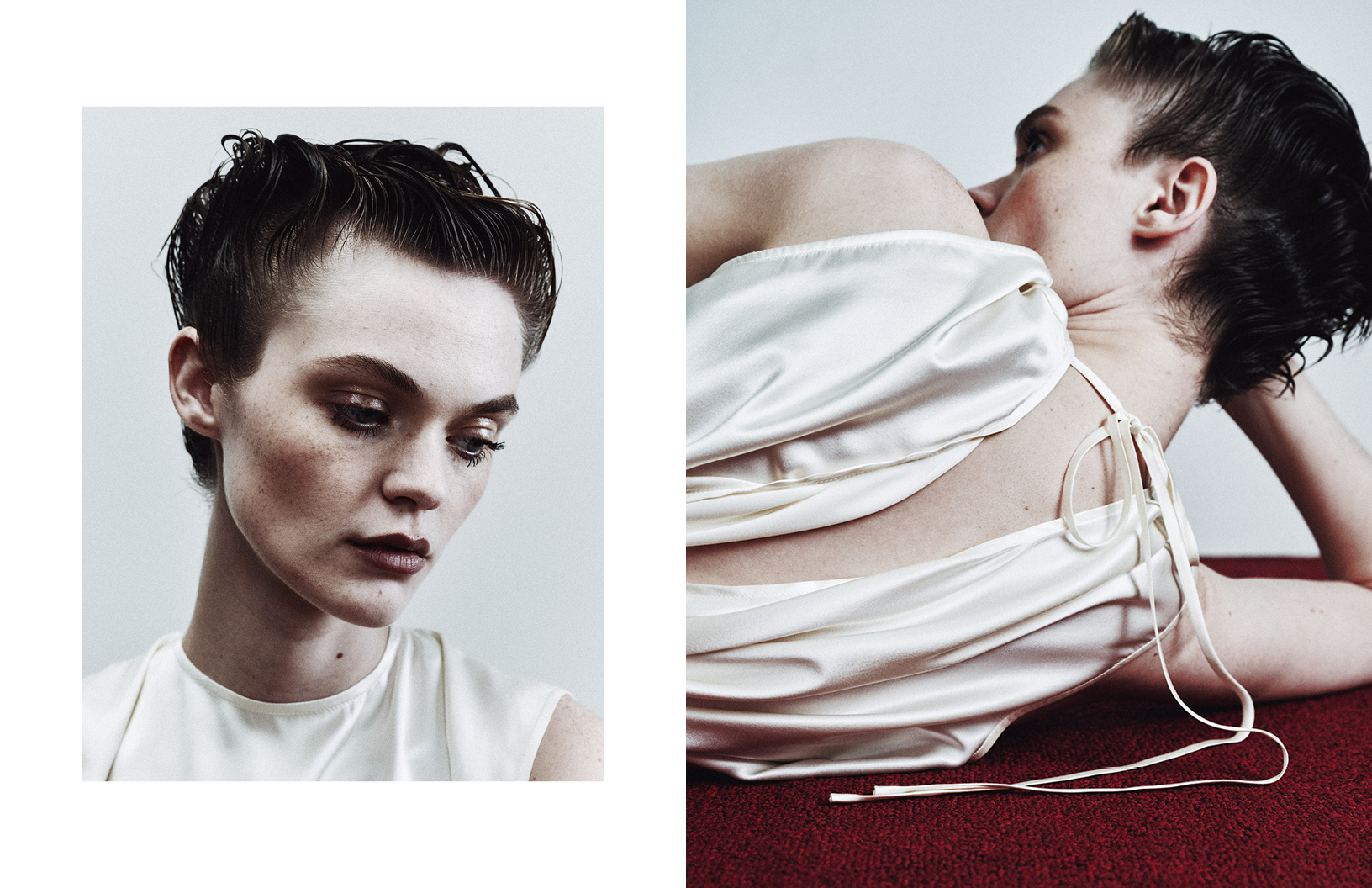
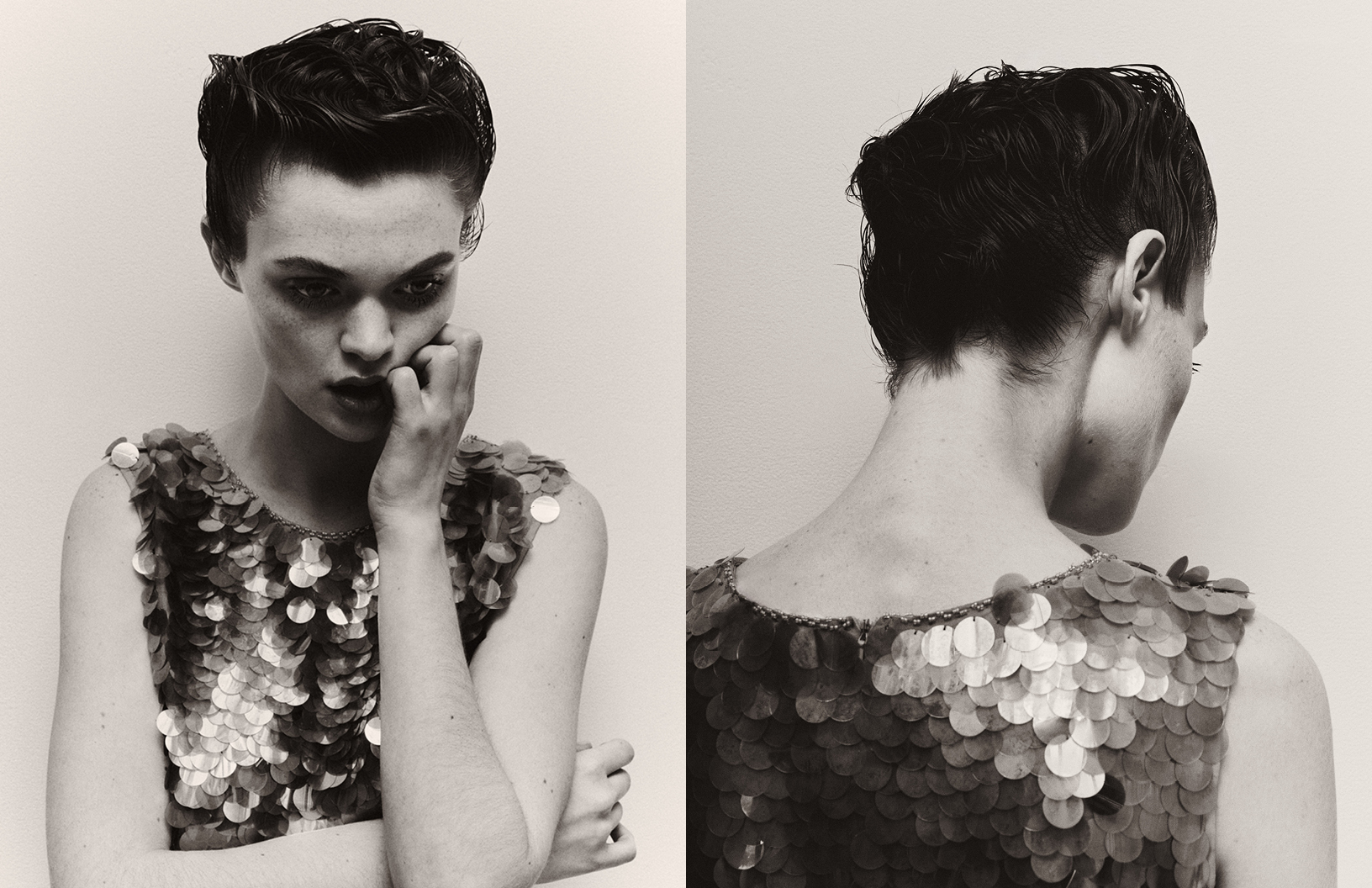
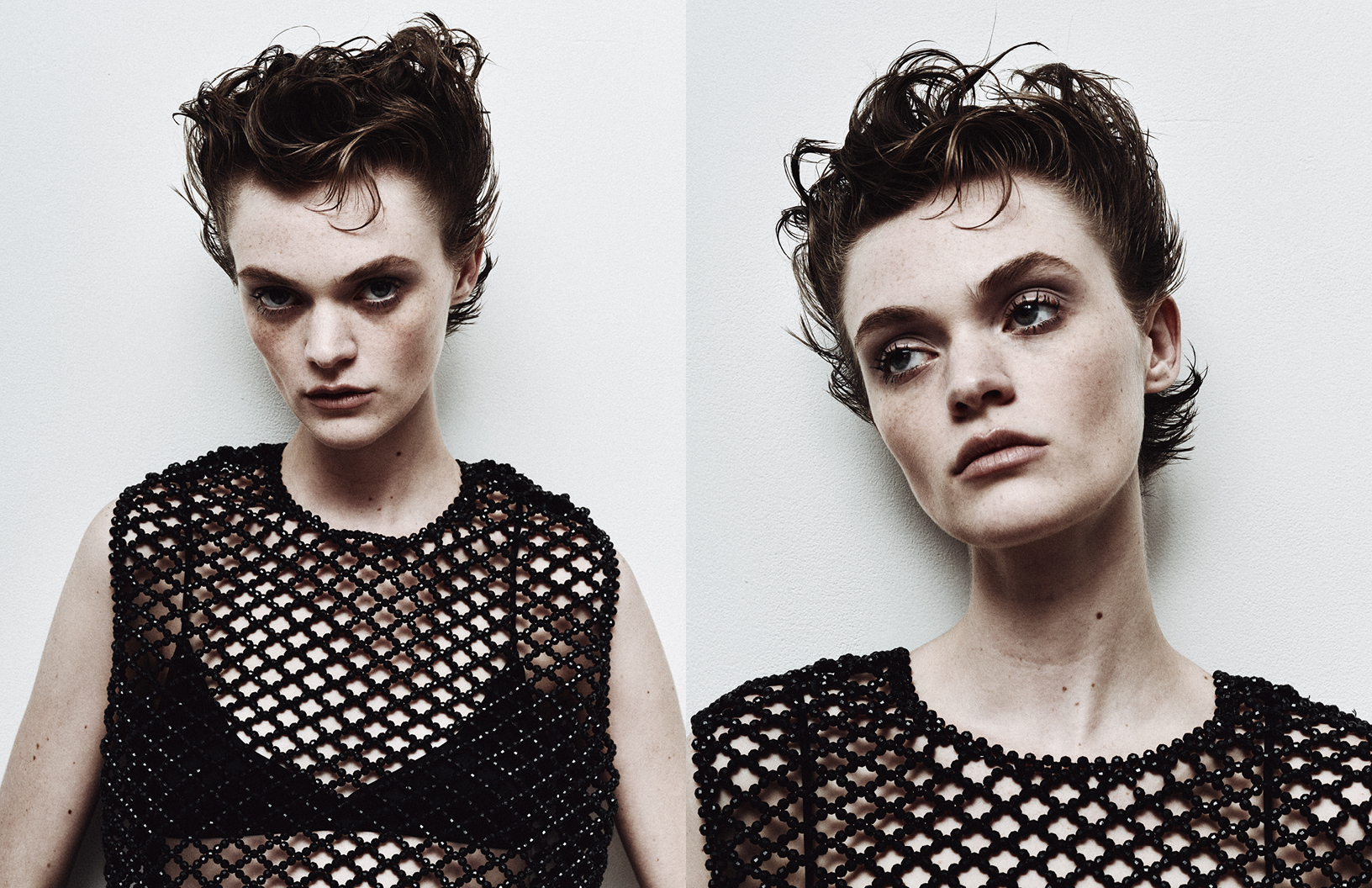
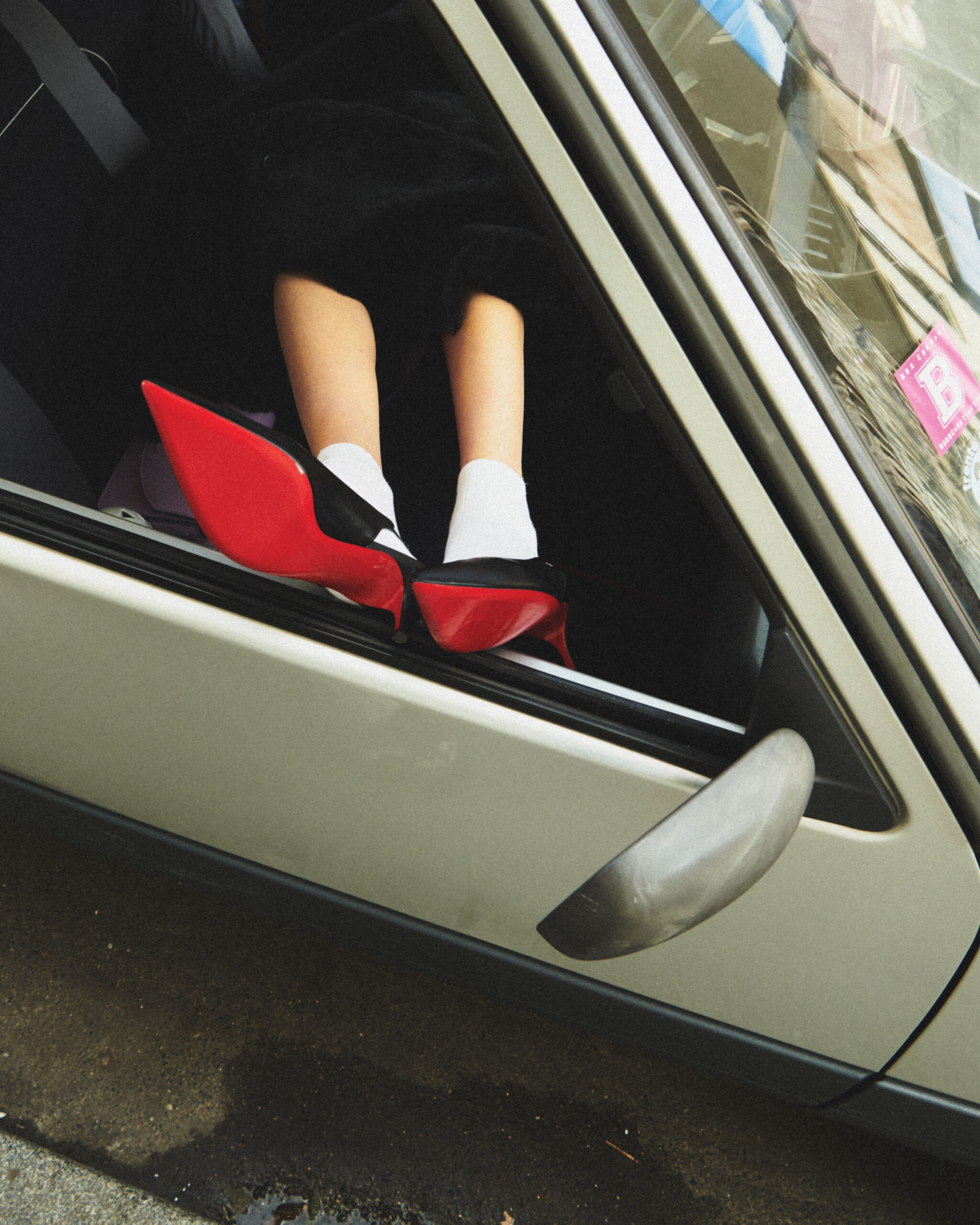
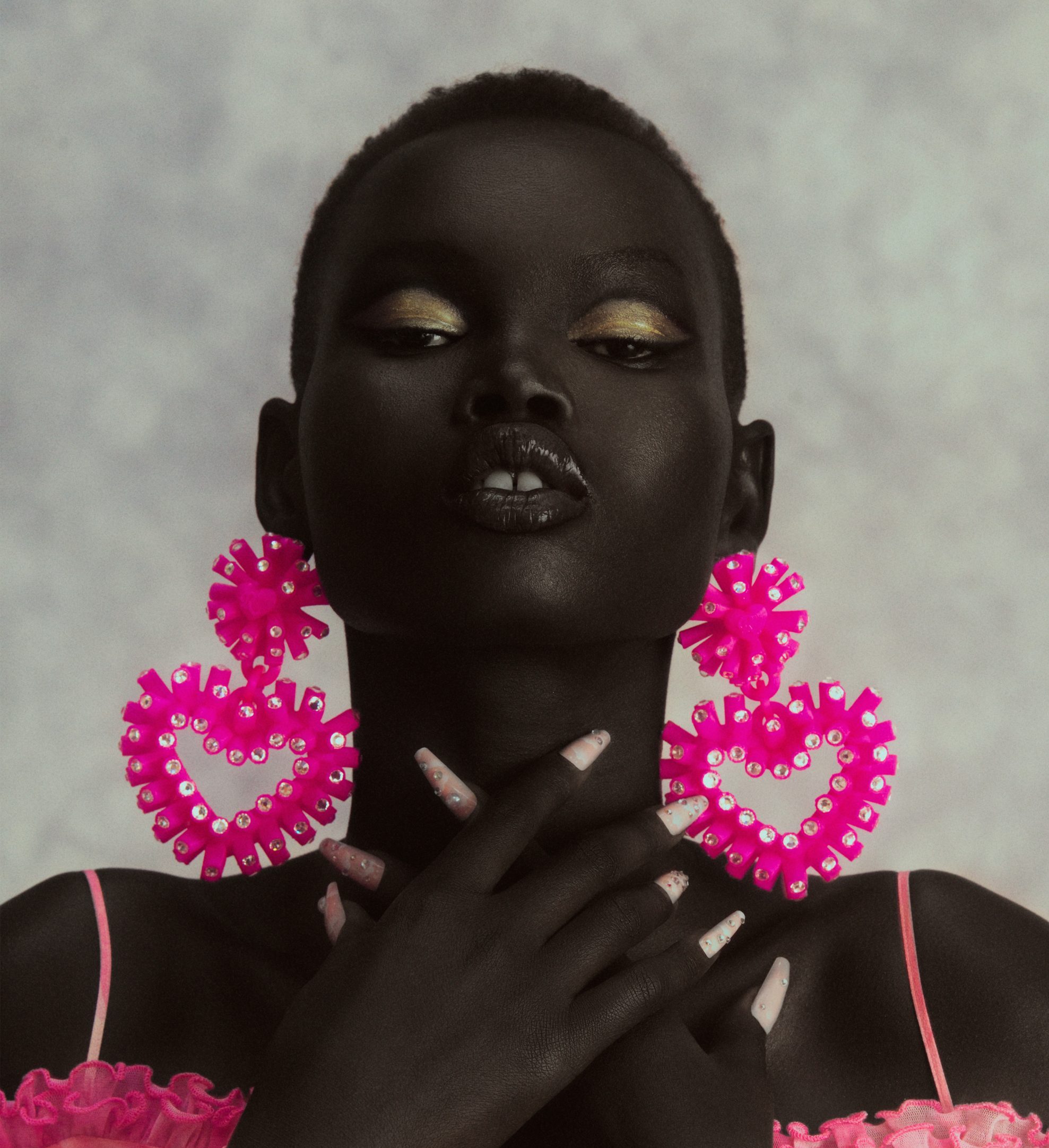
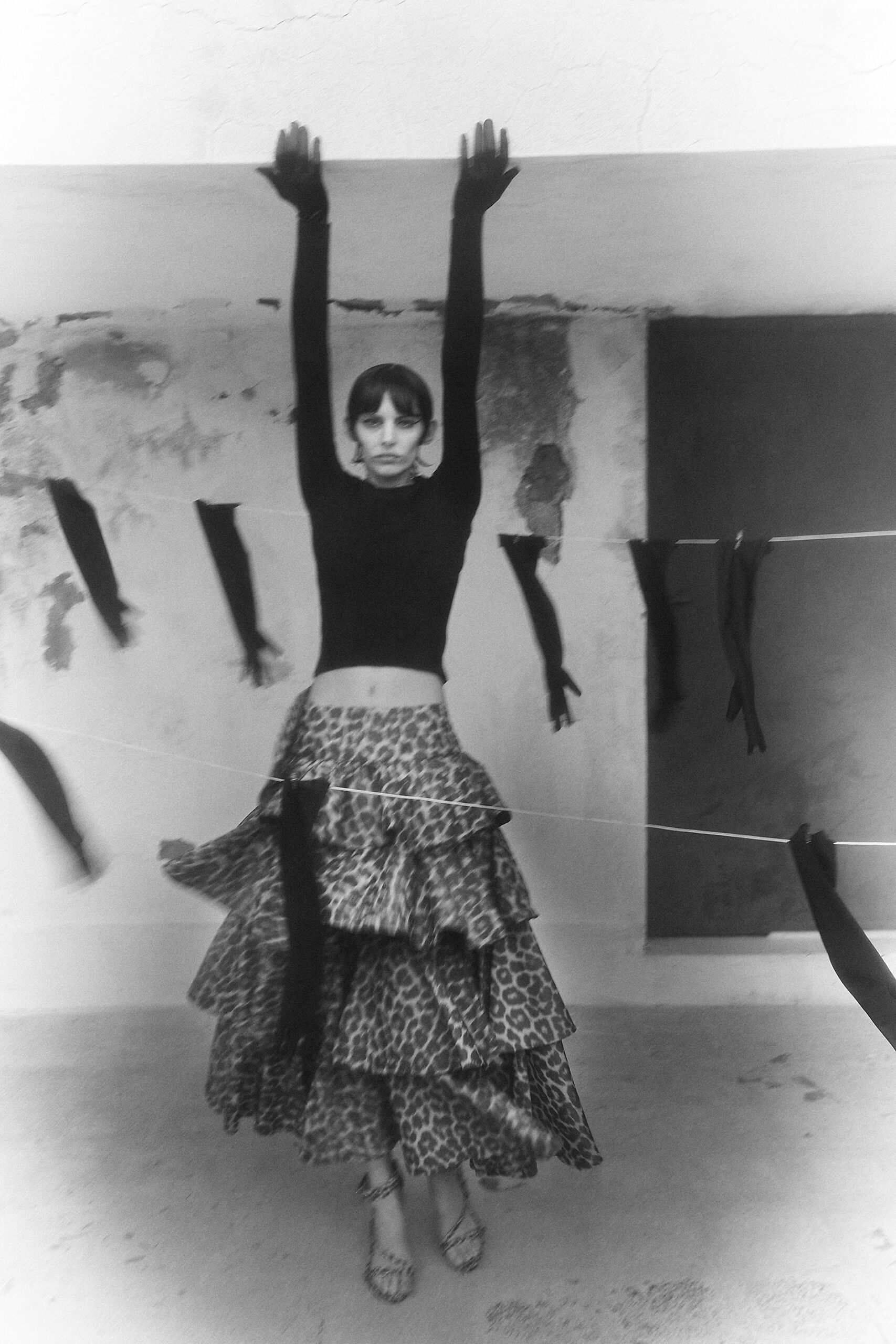
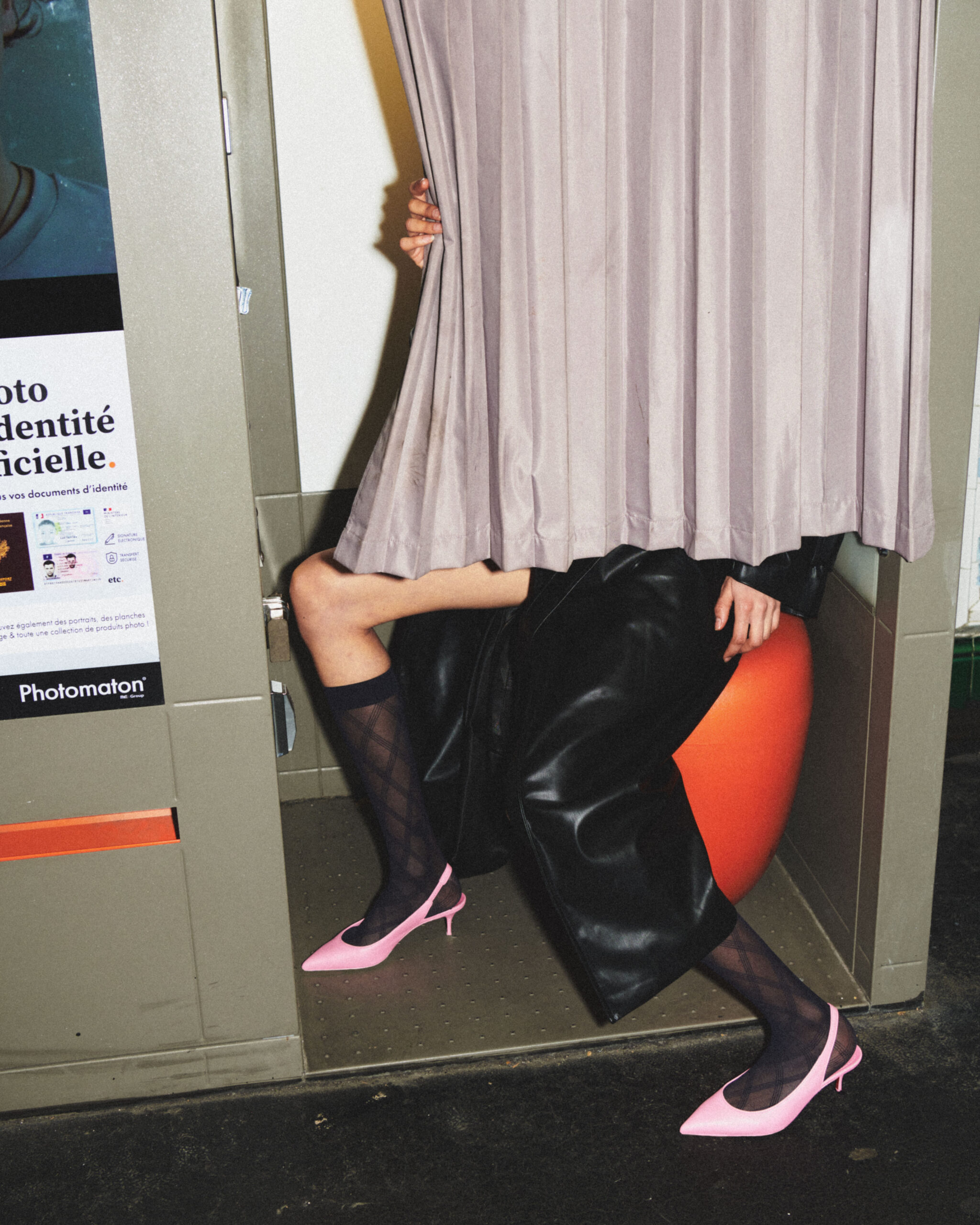
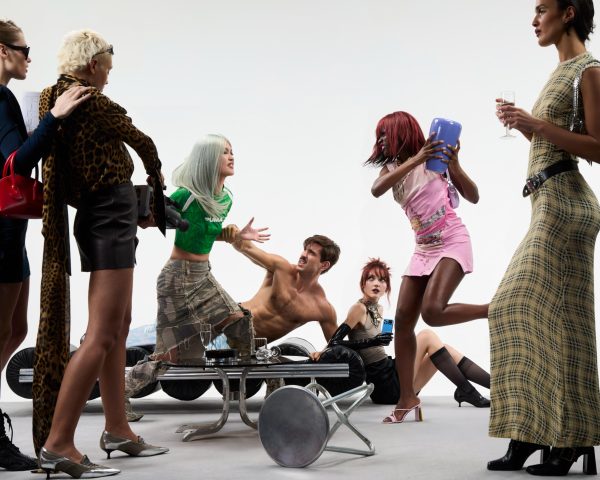
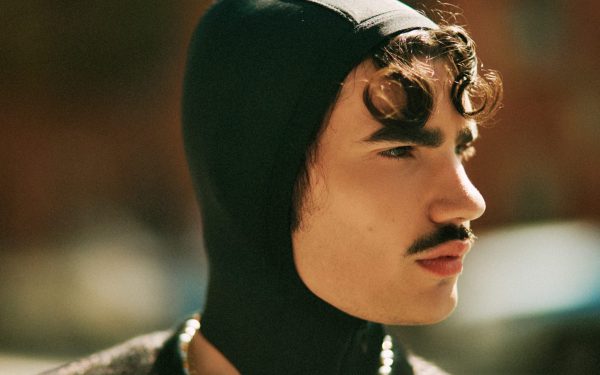
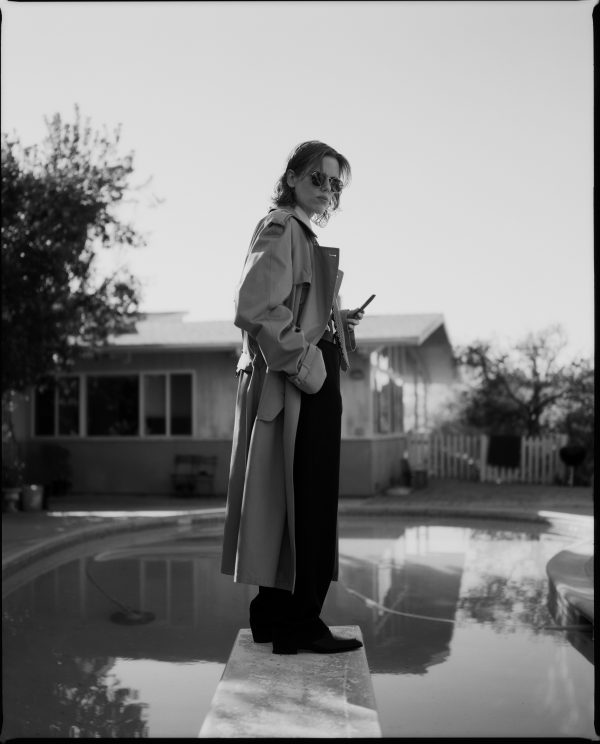
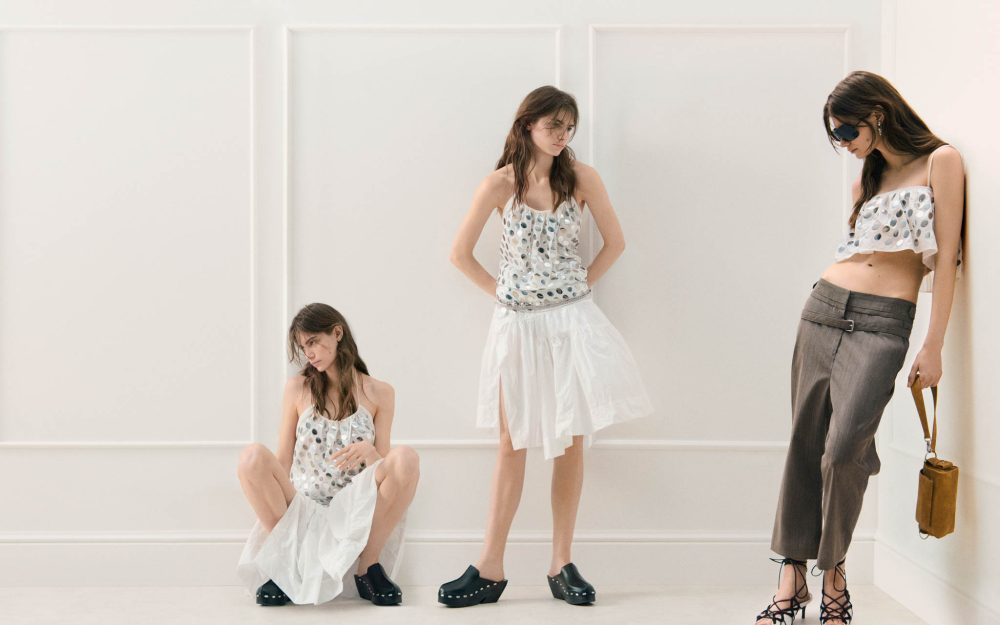
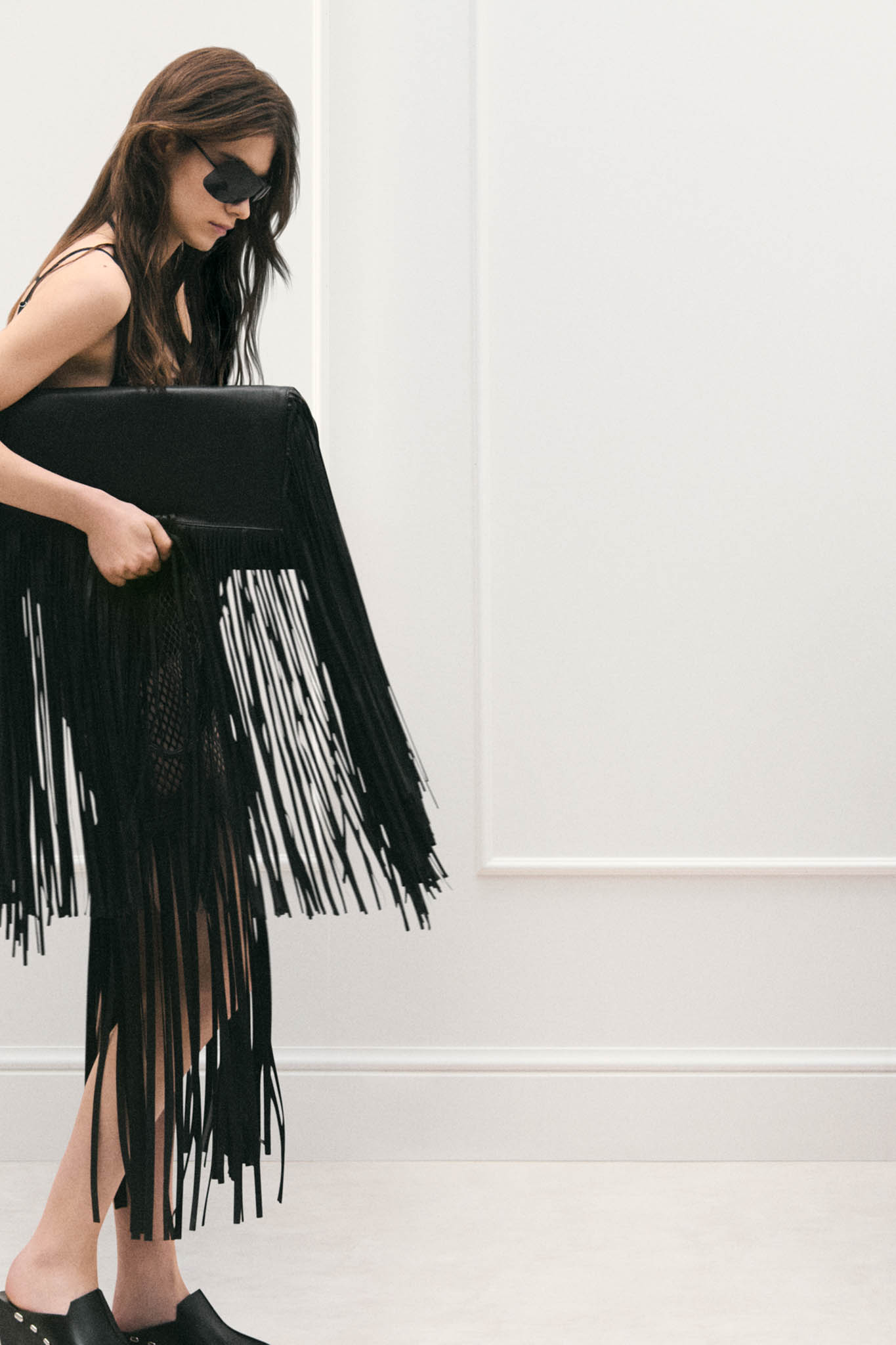
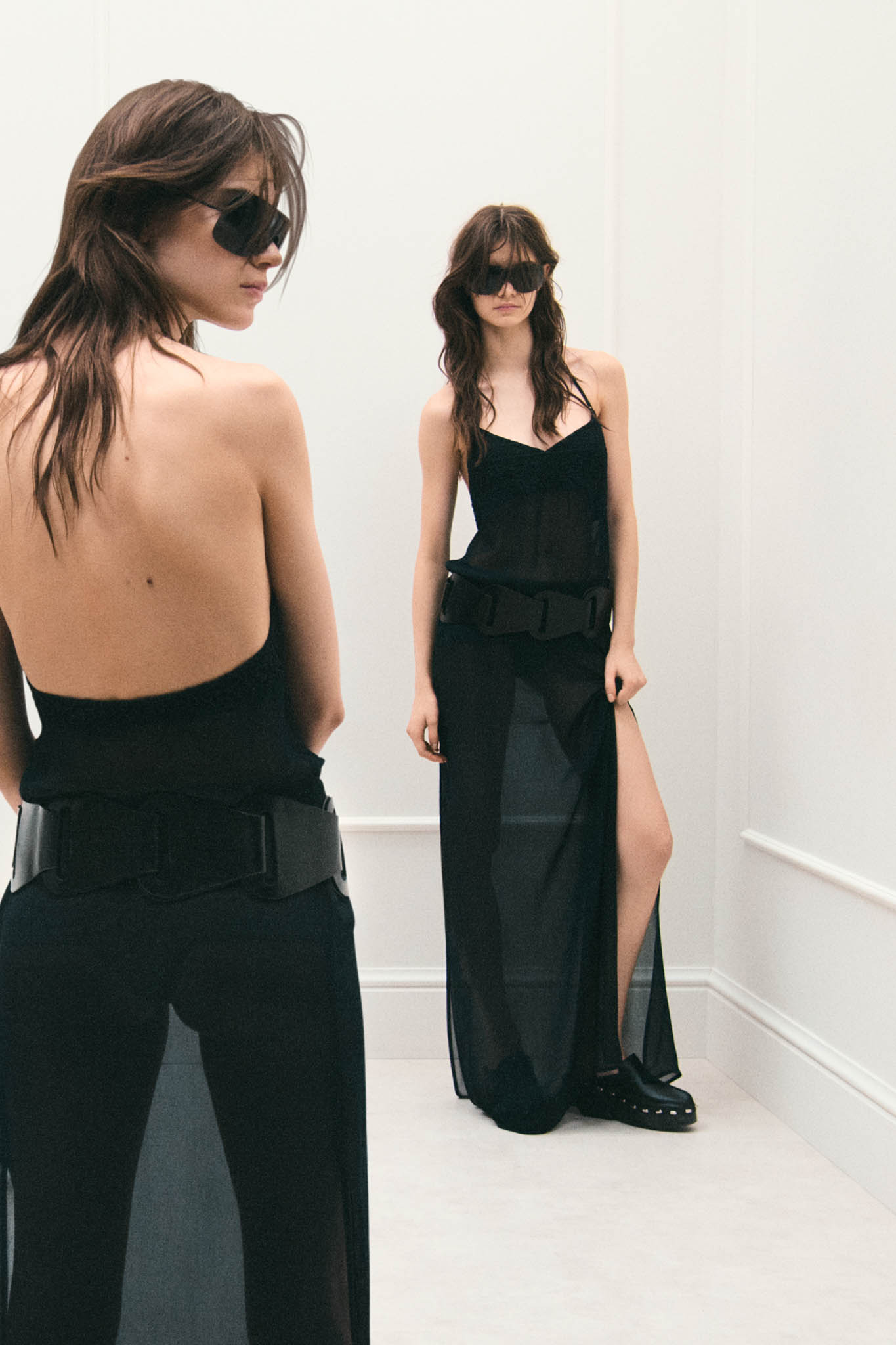
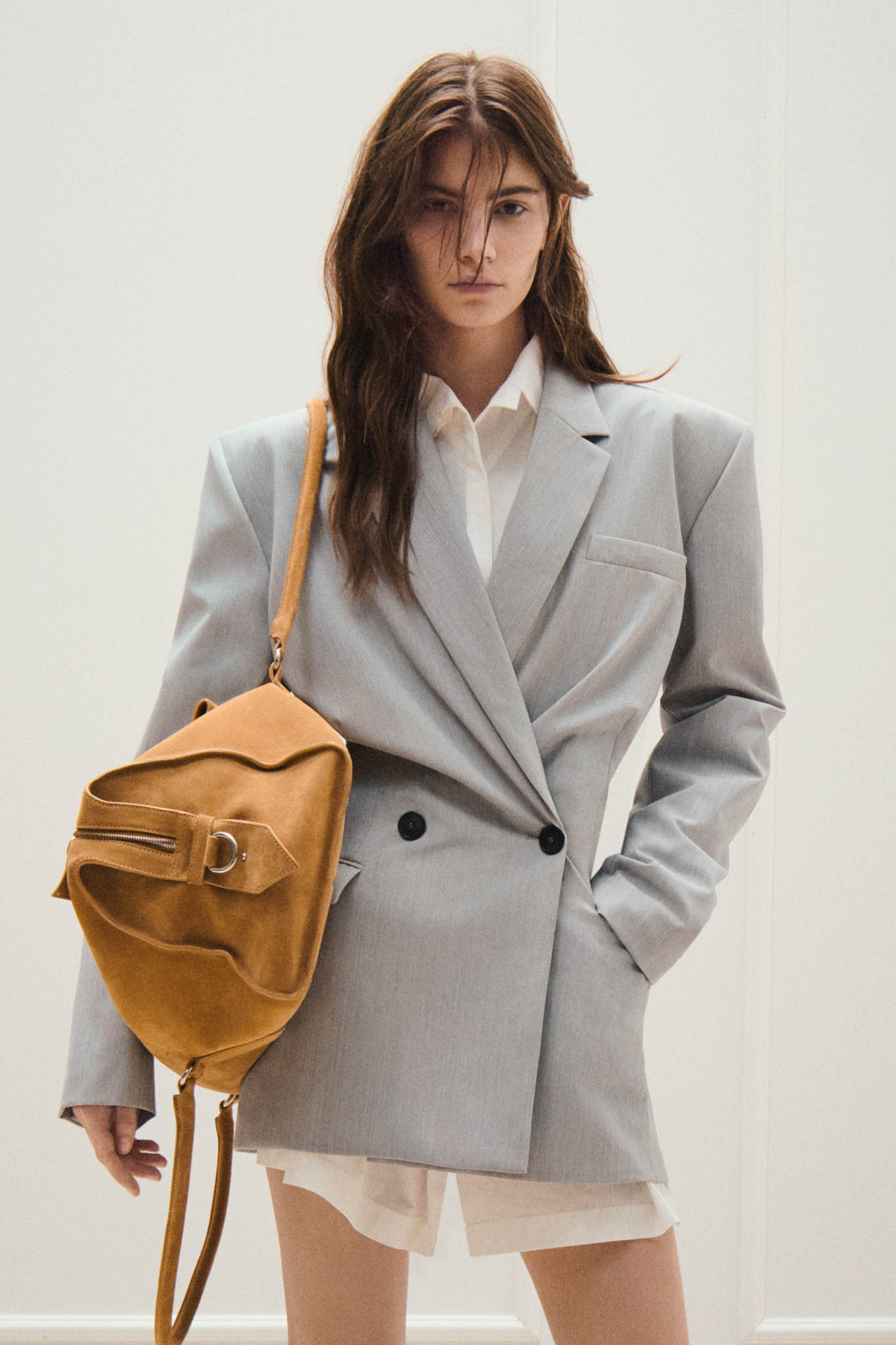
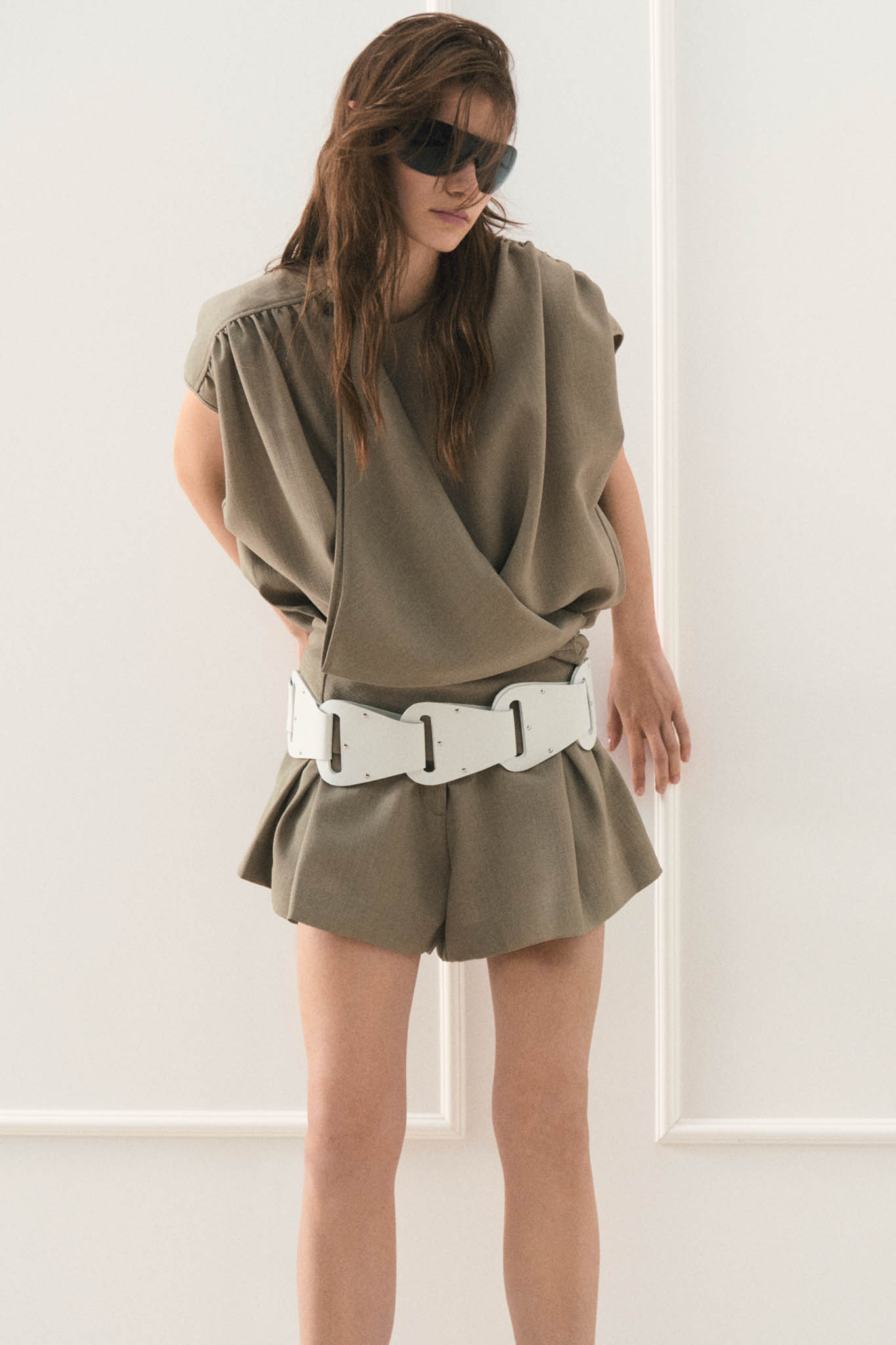
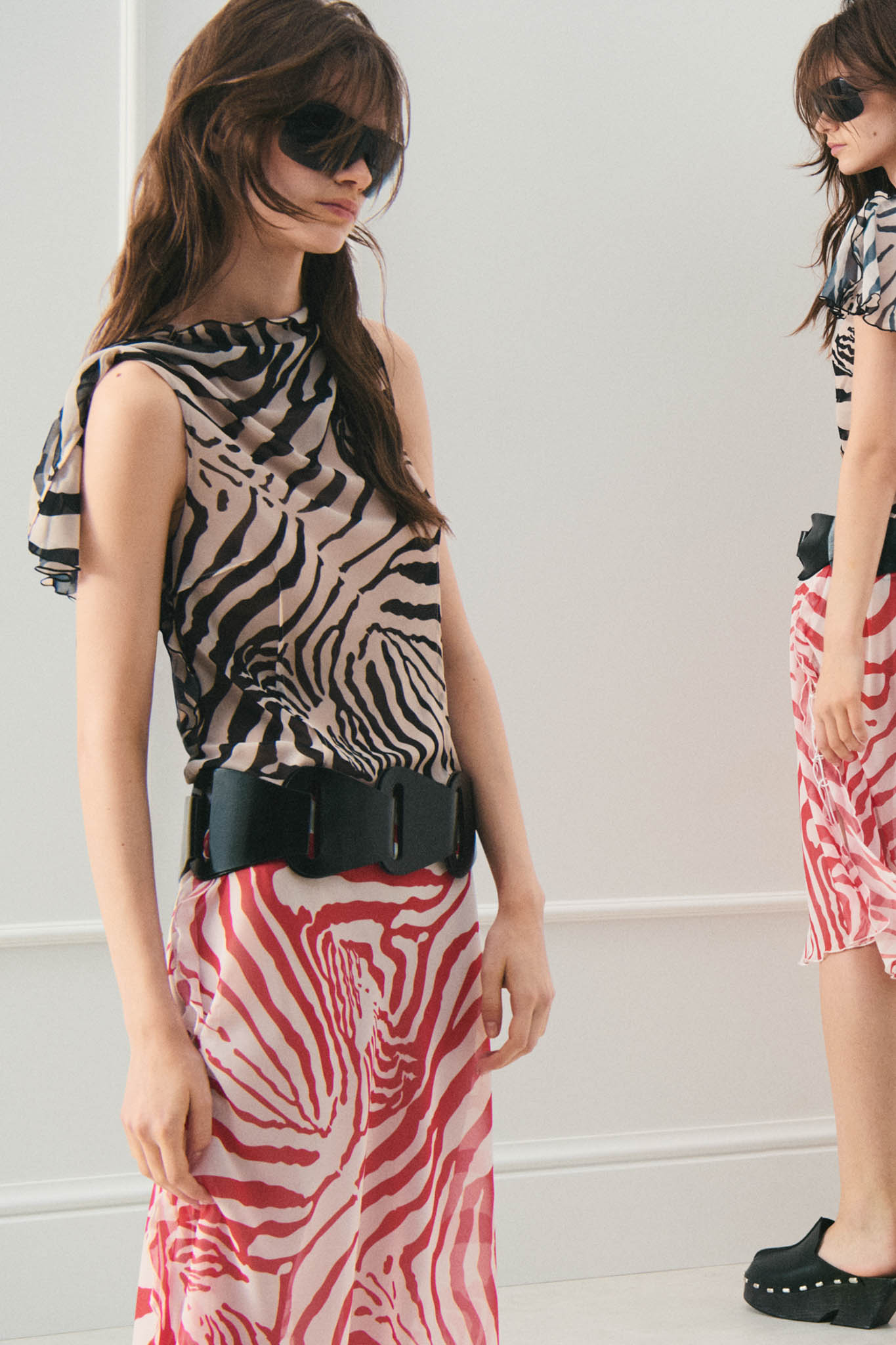
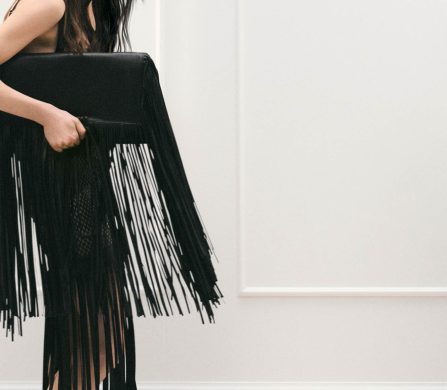
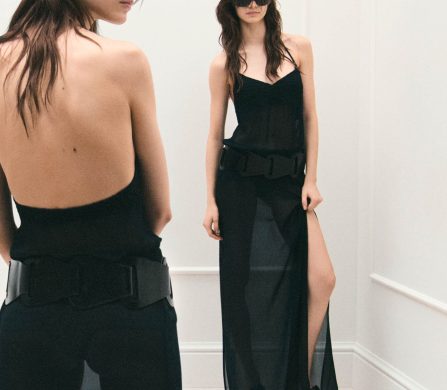
That sense of raw elegance runs through the collection – light blouses and tiered ruched dresses mingling with torn denim fringes and leather belts that bring the rocker touch that Rohaut is fond of. Nylon deconstructed parkas and laser-cut leather dresses complete this raw elegance. “The inspiration for me came from the IRO brand itself,” Rohaut explains. “It’s a mix of the ‘80s – architectural, super Parisian, wide shoulders, asymmetrical details – and hints towards the late 2000s, early 2010s, which was when the brand was born. That era gives the brand a more brutalist touch, a bit more rock, which I want to infuse the brand with today.”
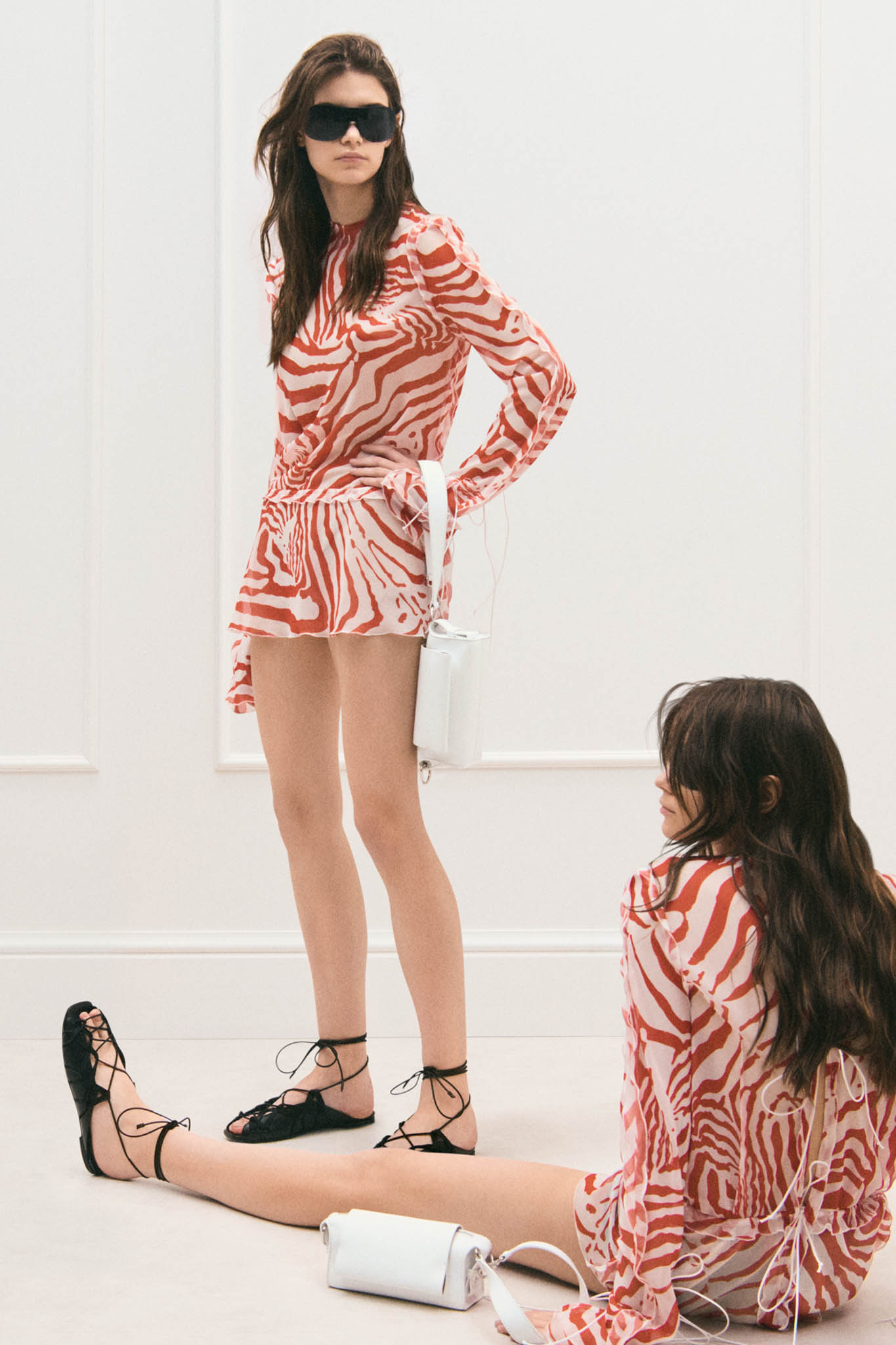
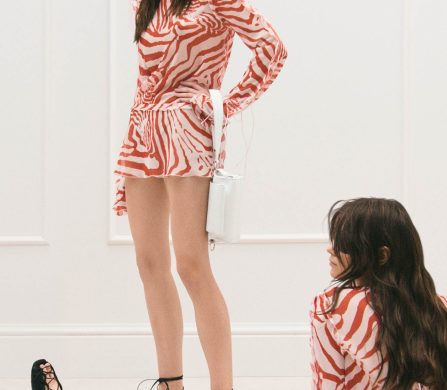
Playfulness is another current. “I started with the ‘80s, and I wanted to mix it all up, with pieces that are connoted summer, with cotton, nylon, mirror inserts. I worked on prints that were stronger and more bold, mixing stripes and zebra prints, with big leather belts. There’s a playful side to it.”
Leather, he insists, is sacred ground. “Leather is a strong part of the house’s DNA, so I really wanted to drive this point home. It’s one of the pillars of IRO – alongside shirts, office wear, accessories which I’d love to develop, starting from bags and footwear, to jewellery and belts.” For Rohaut, the real essence of IRO isn’t just its aesthetic – it’s a story. “What I loved when I started was who I spoke to – friends who work in fashion, lawyers, a surgeon, journalists – they all had a story to tell about a piece from IRO that they’d kept over the years, whether that was a perfecto, a shirt or a suit. This brand has always been intimately linked to women. And I want to strengthen that bond. I don’t want to dress up women, I want to design fashion anchored in the real world, in real lives.”
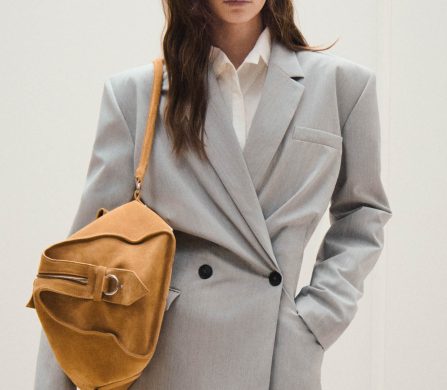
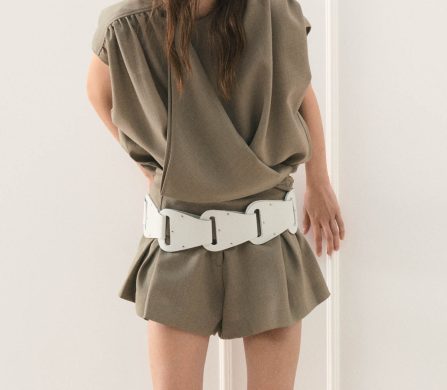
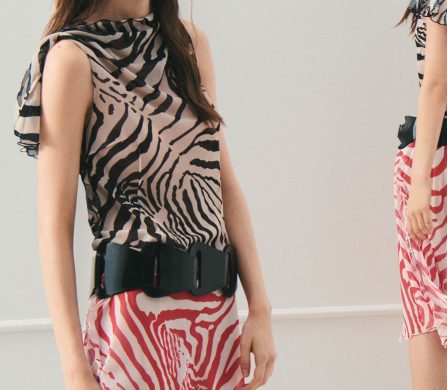
That grounding extends to how he sees Paris – not as myth, but as a real space that has shaped both lives and culture. “IRO is an intrinsically Parisian brand – born in the 2000s, there’s a rock side to the brand. Rock and Paris breaks those codes of the Parisian cliché. That [cliché] doesn’t interest me – I’d love to put that DNA to the forefront, little by little, to resist the speed of the industry. I really want to take my time to understand the house.”
It’s a sentiment that feels rare – a designer not chasing virality but building permanence. That patience, perhaps, comes from a clear understanding of Paris and its fashion industry. “I’m from Paris, I grew up in Paris – my father is fully Parisian – my grandmother had an épicerie in the Halles. I studied languages at La Sorbonne, went through all of that to then explain to my parents that what I actually wanted to do was fashion.”
After studying at Studio Berçot, Rohaut began at Balenciaga under Nicolas Ghesquière, and moved onto Dior to work on Raf Simons’ first couture collection. He joined the team who worked on tailoring, for prêt-à-porter and couture, which is where, he tells us, he really learned to drape and draw. “Julien Dossena called me then to work at Rabanne,” he recalls. “I stayed there for a while – I’m very faithful when it comes to work or relationships! So I want to use these tools I brought together in luxury to put them to use for IRO, with a slightly different model.”
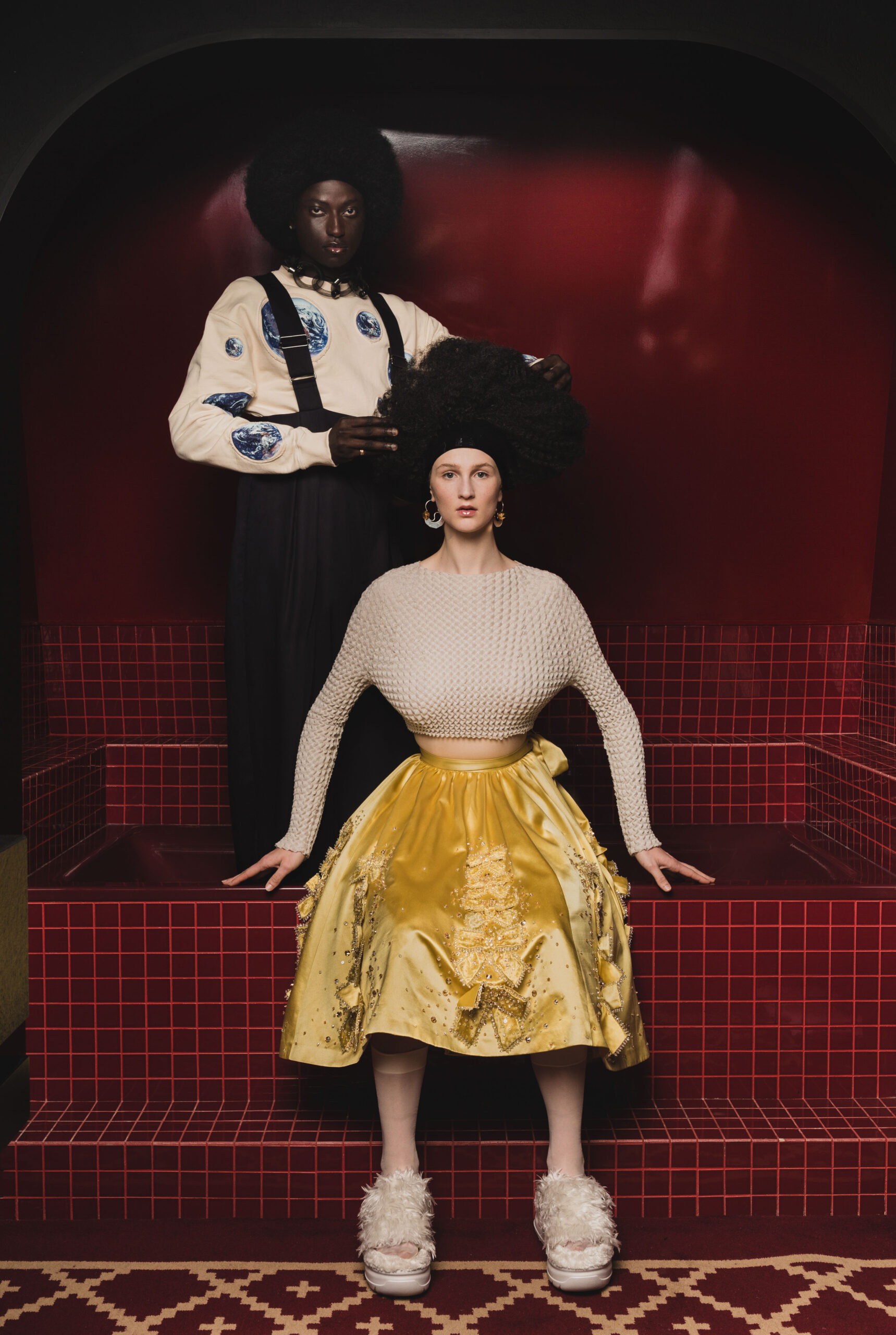
Presented in the heart of the Marais, the IRO Spring-Summer 2026 collection, staged with a set by Rémy Brière, feels like a conversation between eras – not a remix, but a reconciliation. “Heritage and modernity meet,” Rohaut says – and under his hand, they don’t collide, they dance.
Discover more of the IRO collection here.
words. Patrick Clark