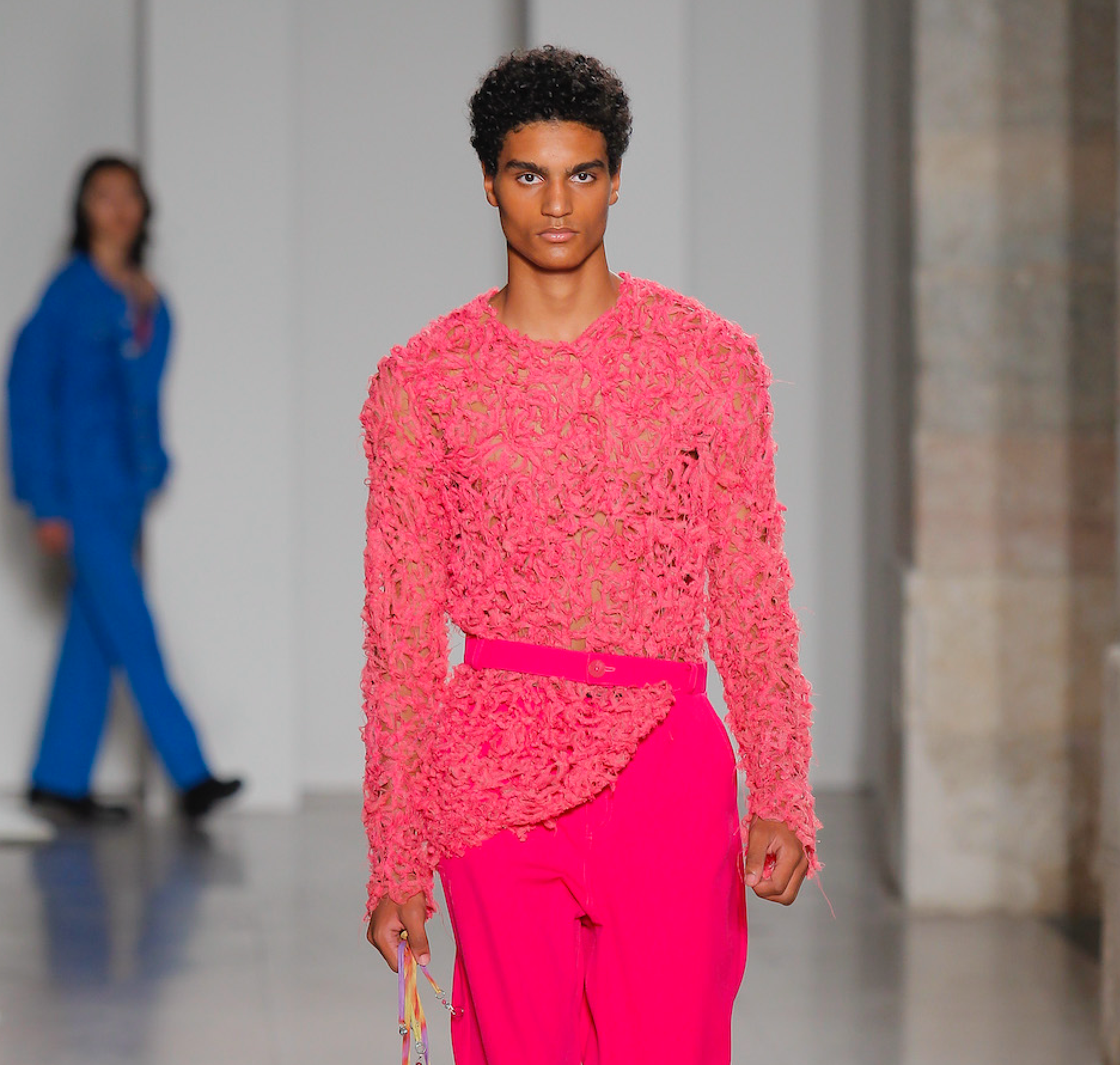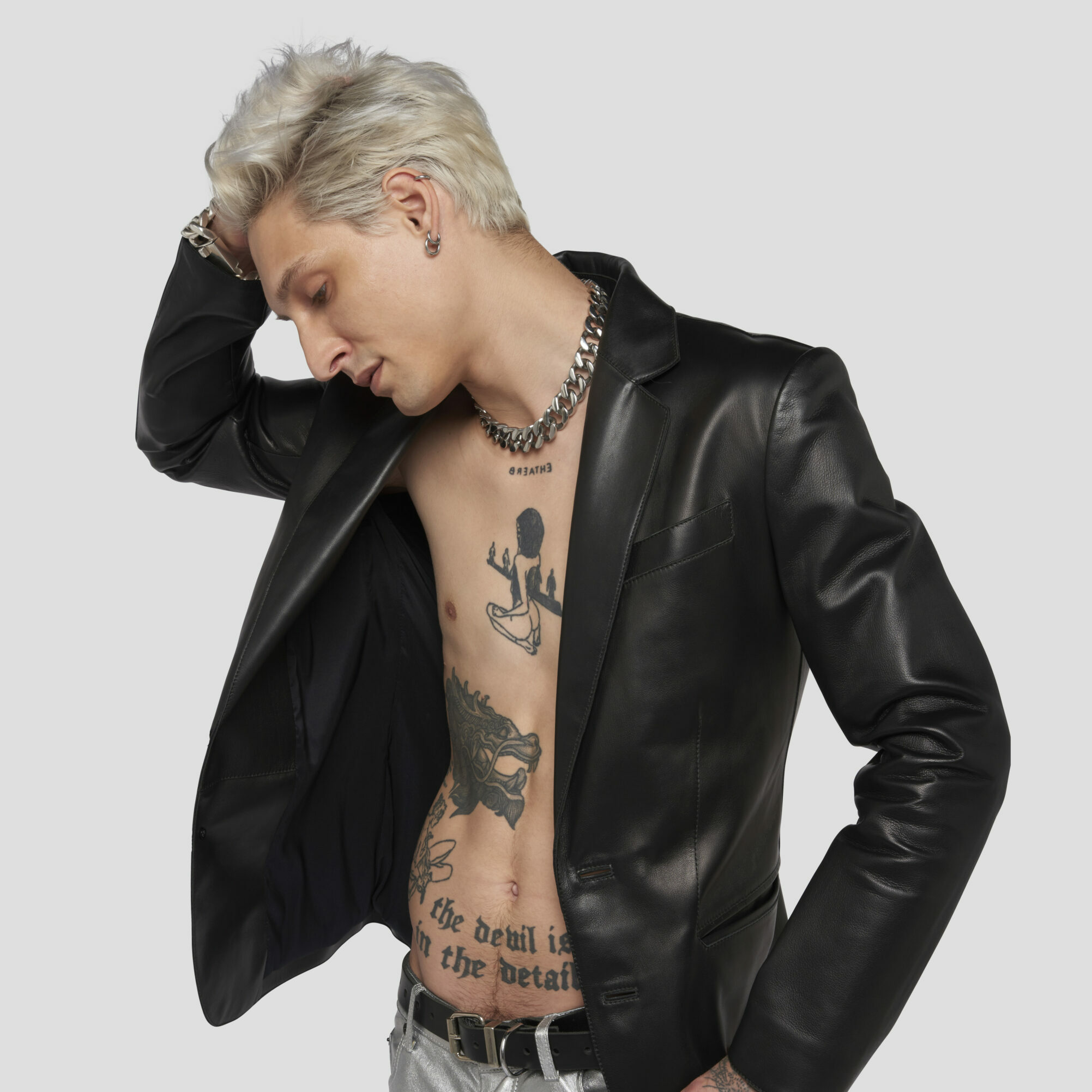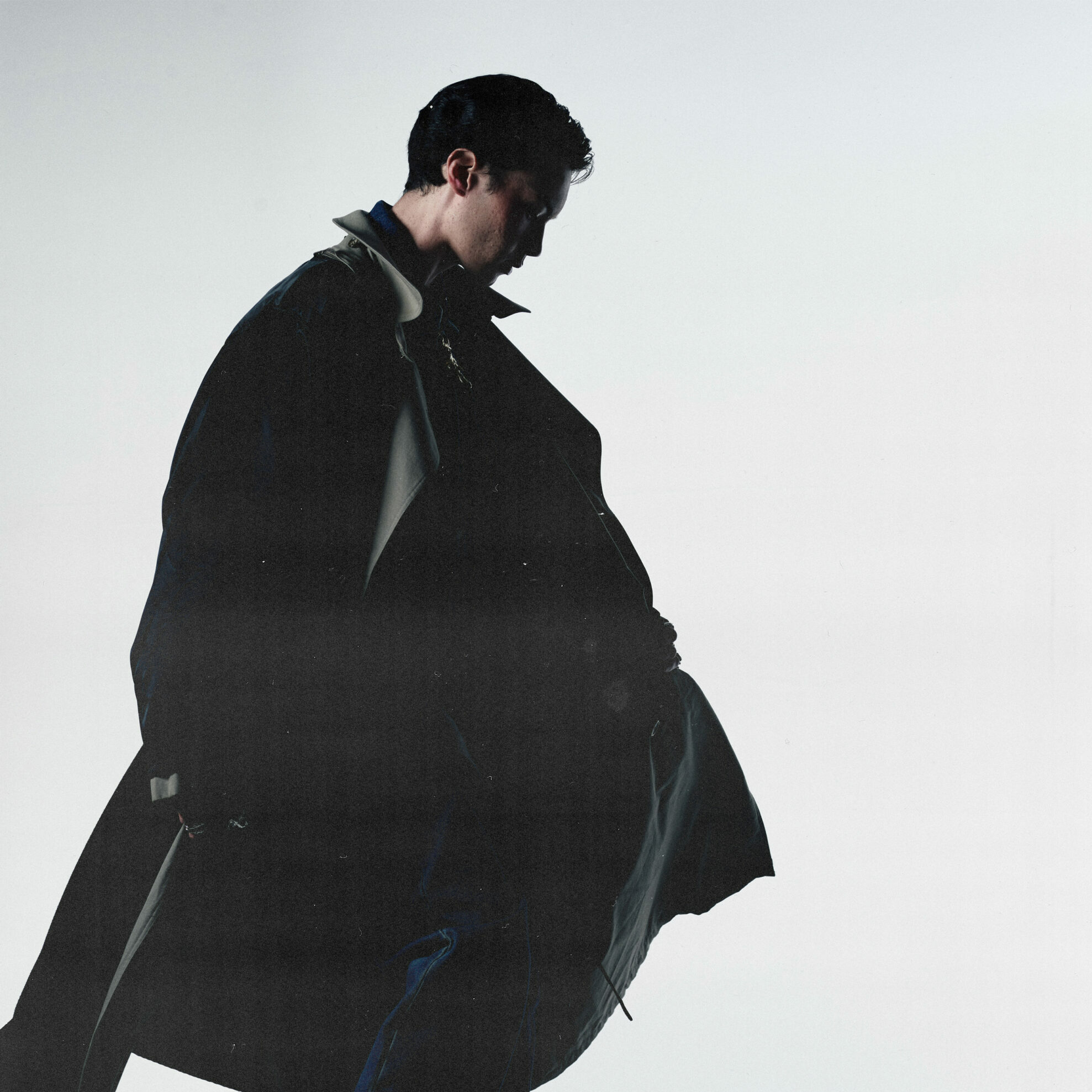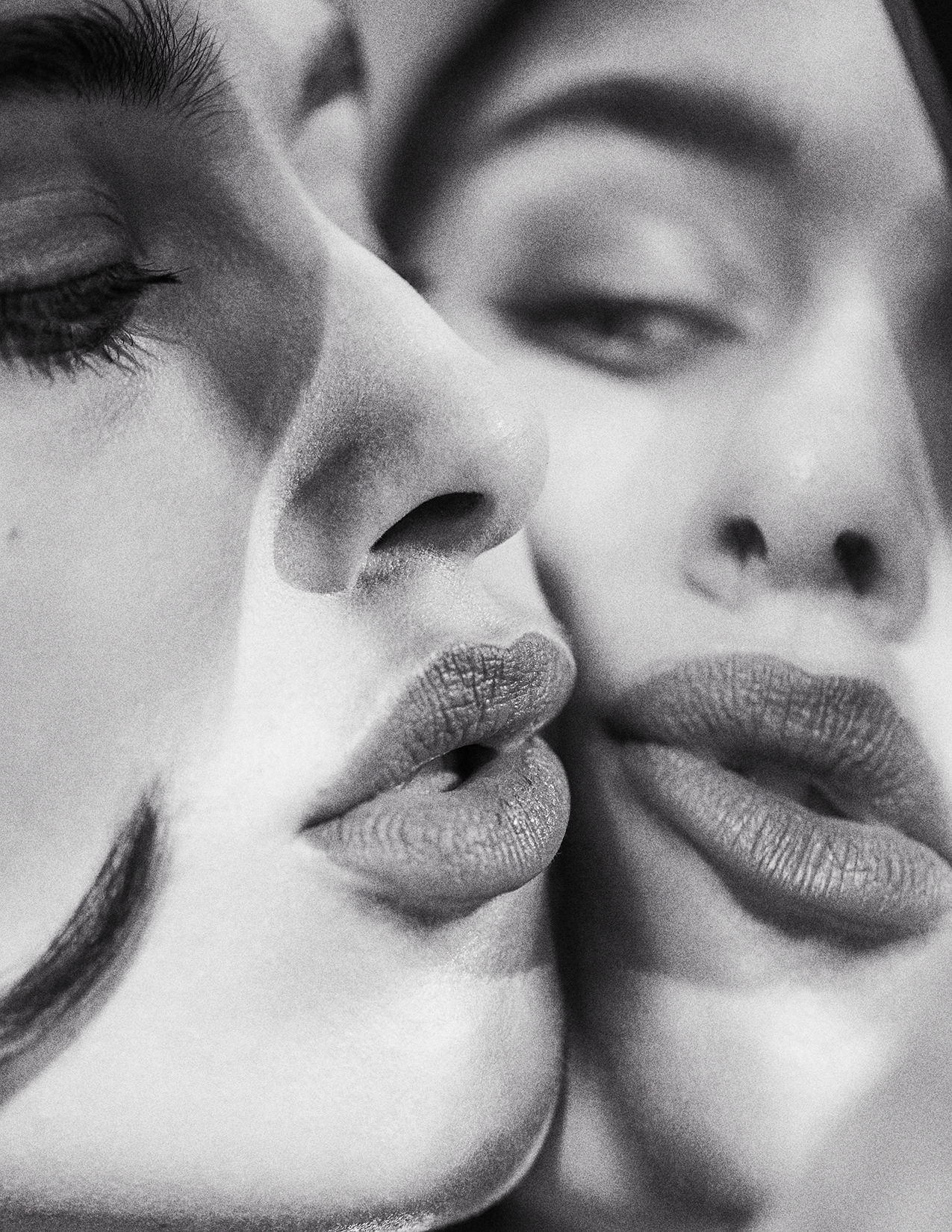


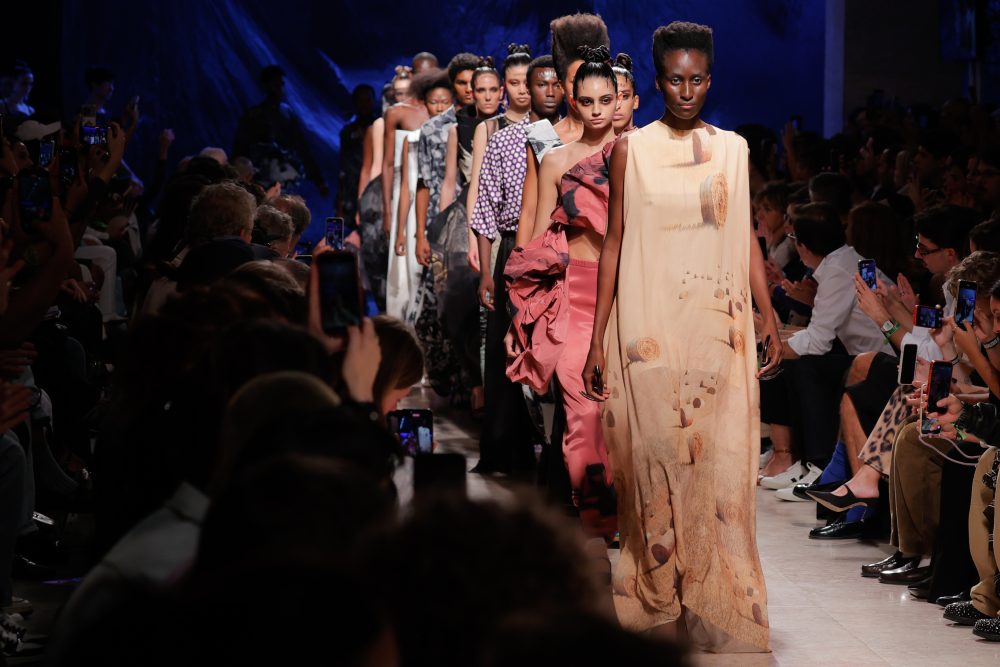
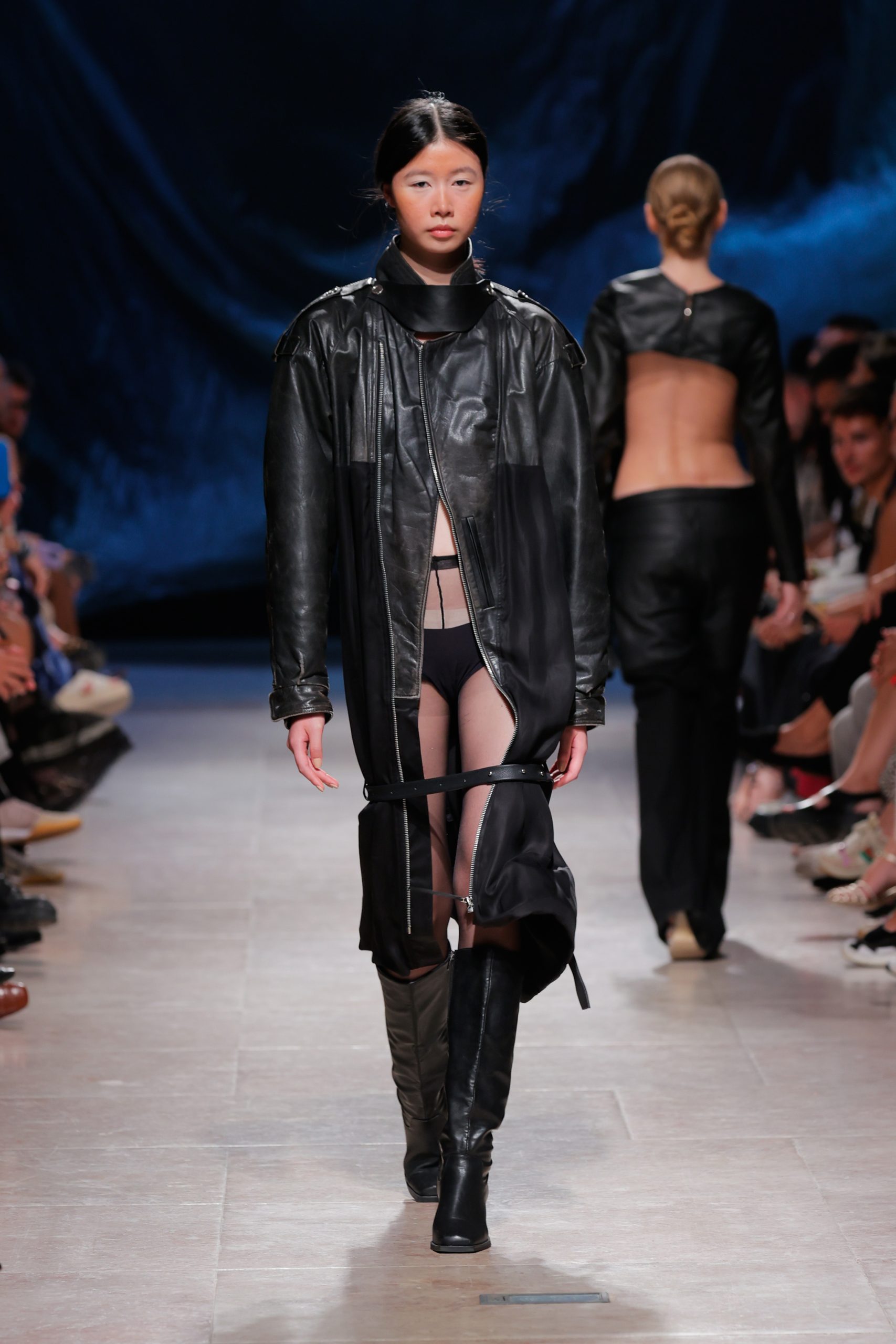
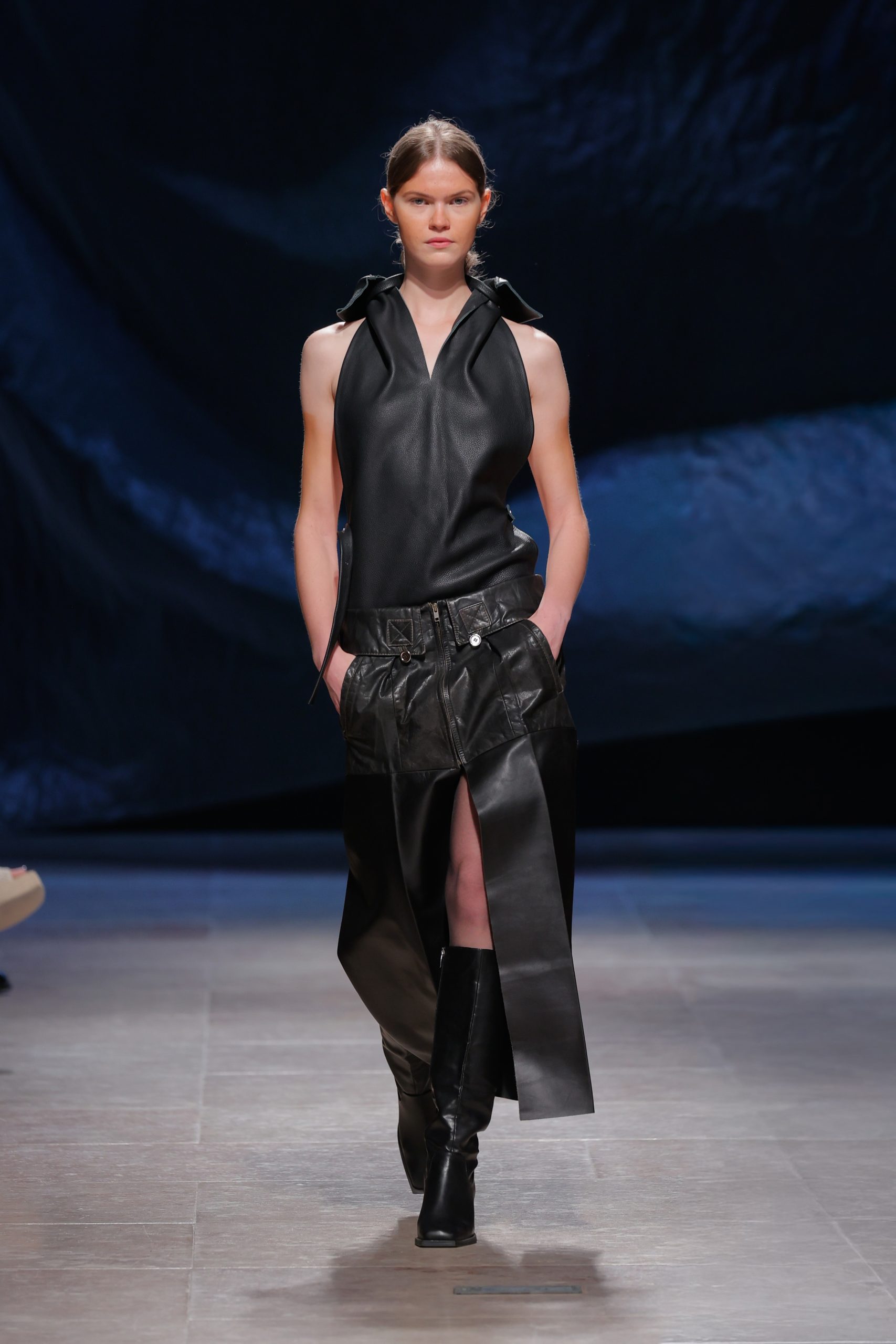
Kolovrat. photography. Ugo Camera ©ModaLisboa
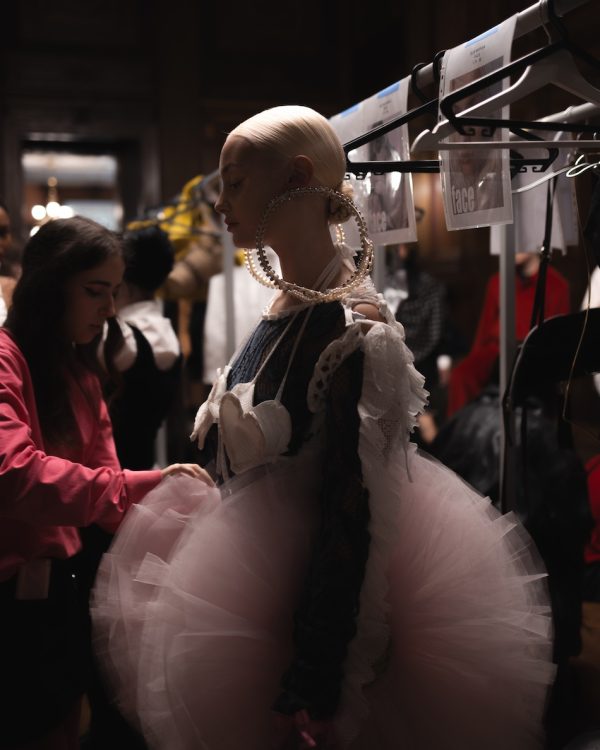
October brought about the latest installment of the ever-growing ModaLisboa (Lisbon’s fashion week), an exciting five days of runway shows, talks, presentations and more – standing as a celebration and exploration of the creativity found in the world of independent Portuguese fashion. This season saw the event open its doors to the public via new initiatives like FASHION HOUSE and public livestream events, all in the spirit of ‘transforming Lisbon into a shared stage for culture and creativity’. In its 65th edition, Schön! headed back to the vibrant city for a front row seat on all the action.
With its own unmistakable energy, ModaLisboa is always a captivating moment on the fashion calendar. Starting out in 1991, it was created by Associação ModaLisboa alongside the Municipality of Lisbon. Today, Lisboa Fashion Week serves as the ‘largest fashion event in Portugal’ and the central project for Associação ModaLisboa.
Each season offers up a theme, acting as a fresh lens through which to view the event, and this time, ‘BASE’ was the grounding perspective behind the activations. The theme aimed to highlight the multiple layers that go into the foundation of creative systems, while also questioning and exploring where current models can be reimagined. The organisers explained, “More than a theme, BASE is a call to rethink the foundations that sustain fashion as a creative and economic system: symbolic and material infrastructures, practices passed down through generations, mechanisms of research and experimentation, and the collective responsibility that defines both the permanence and the transformation of the sector.”
Keeping this in mind, ‘SANGUE NOVO supported by Seaside’ is an intriguing moment in the schedule. The contest is a chance for emerging designers to take centre stage, in an arena where they’re encouraged to push boundaries and showcase new possibilities. This season, the eight contenders got the chance to win one of two prizes: the ModaLisboa x IED (Istituto Europeo di Design) Prize, in which the winner has the option of a master’s either in fashion design in Rome or fashion marketing in Milan. This is alongside the new ModaLisboa x Burel Factory Prize, giving the winner the chance to hone their skills at a one-month creative residency with the heritage brand. Both prizes also ensure representation for one season with Showpress PR and Press Agency, helping to provide the fledgling brands with a foundation as they navigate their new frontier.
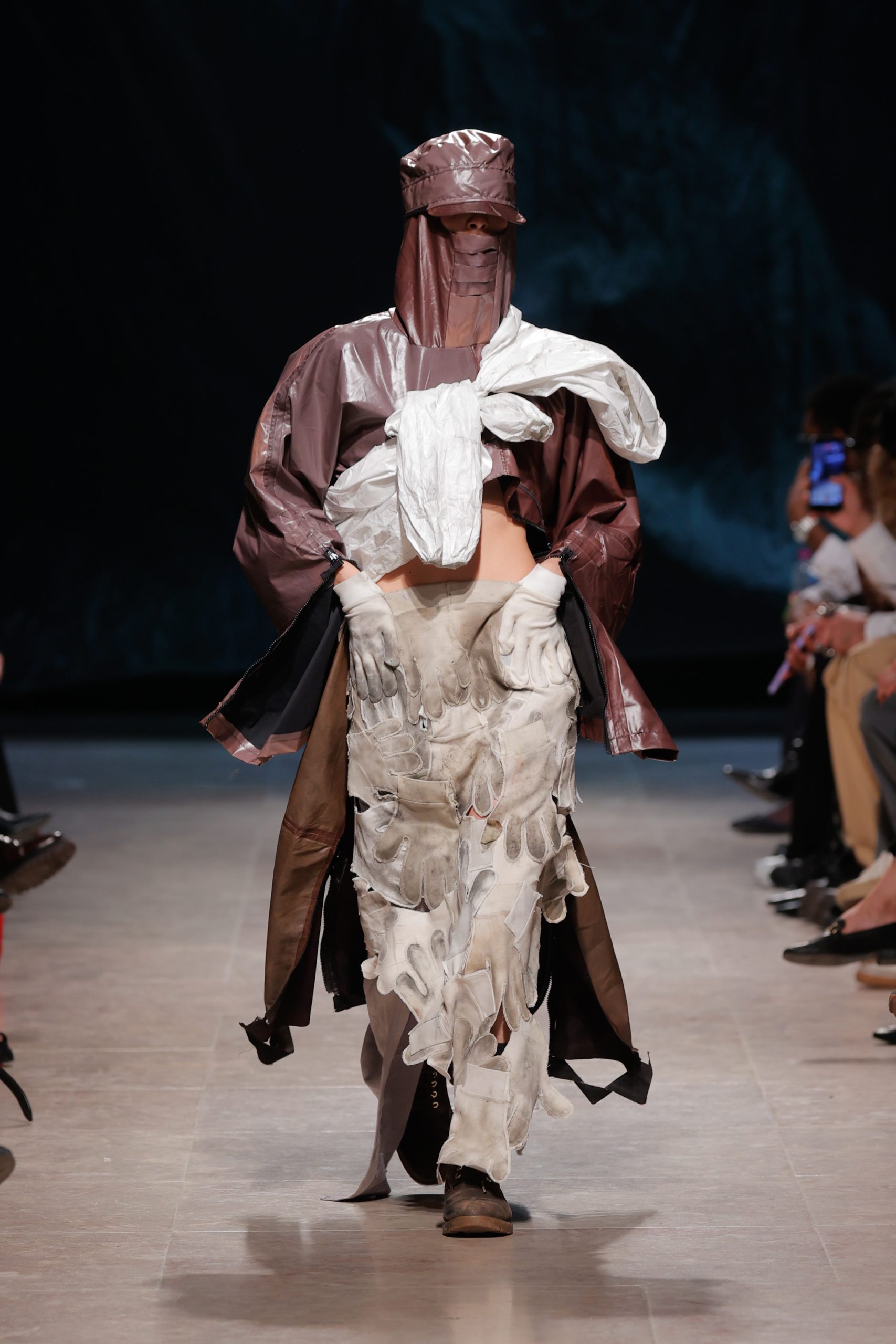
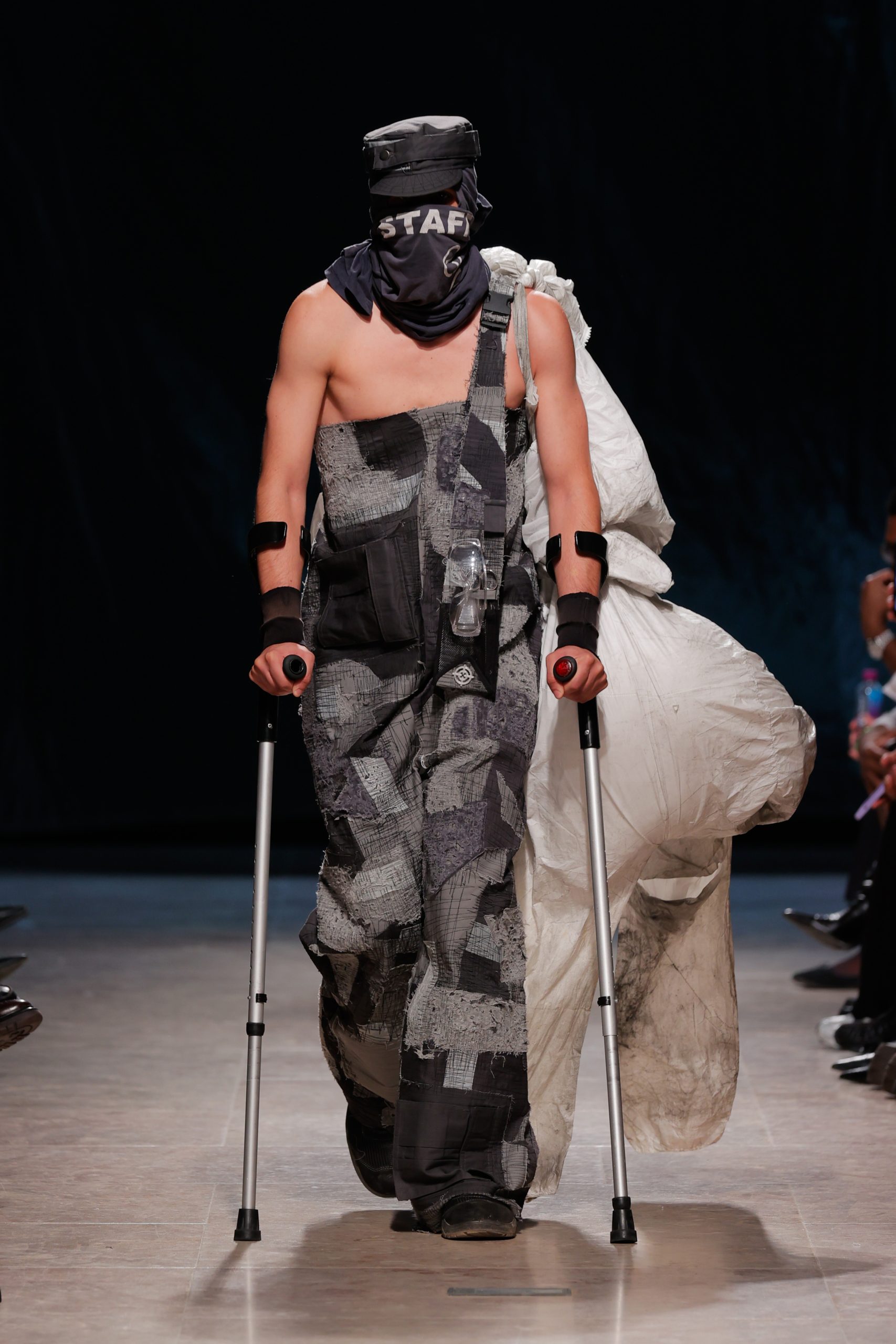
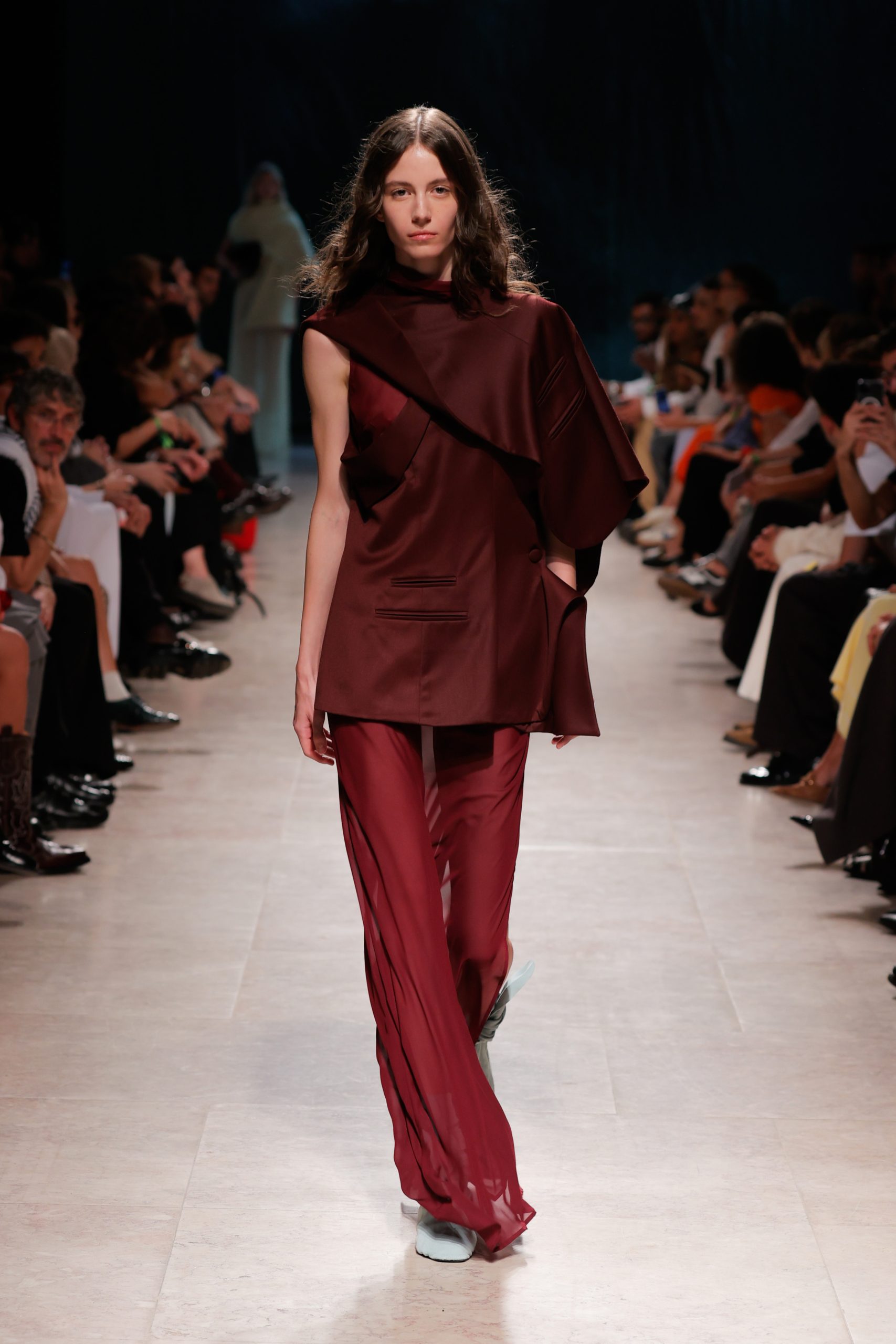
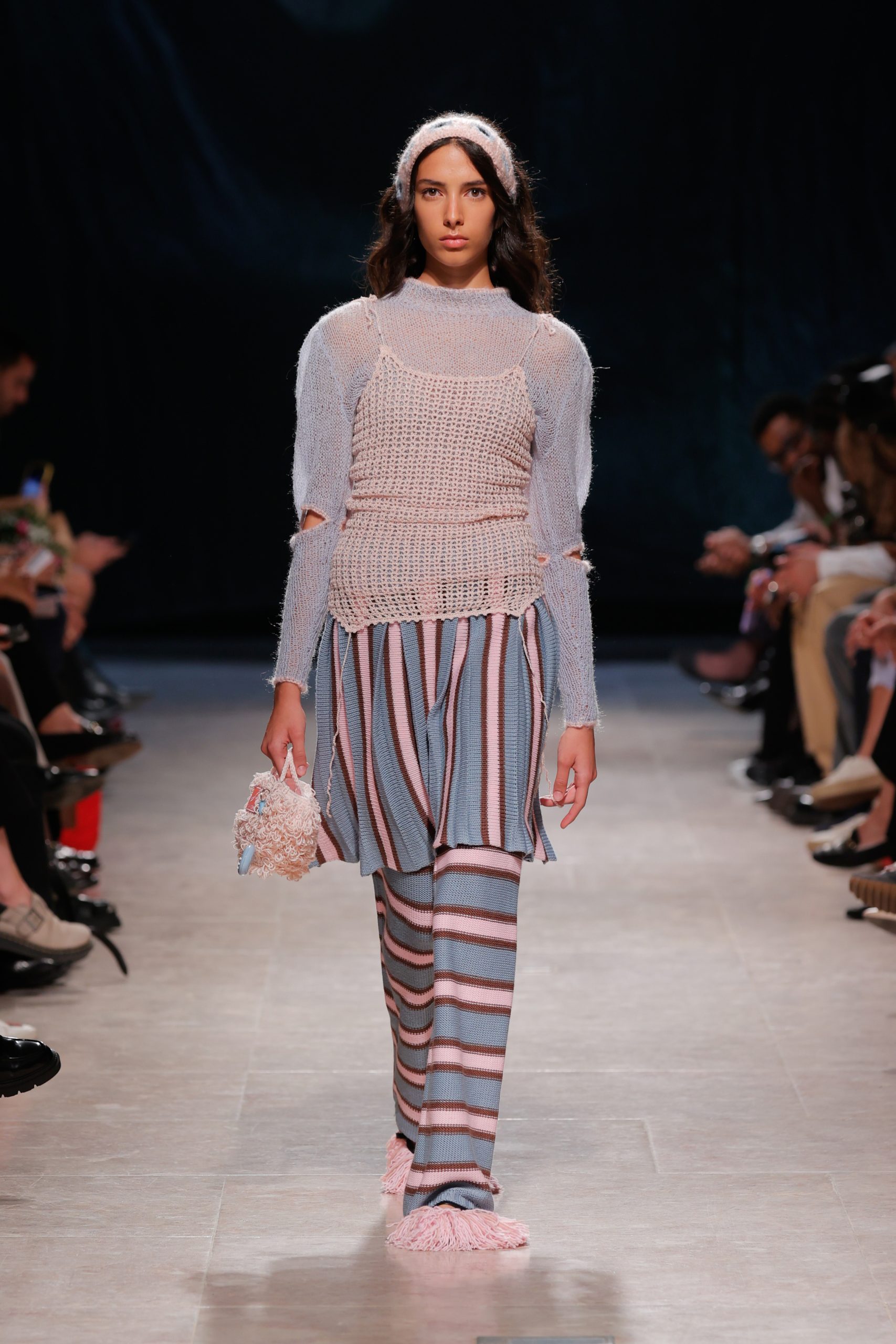
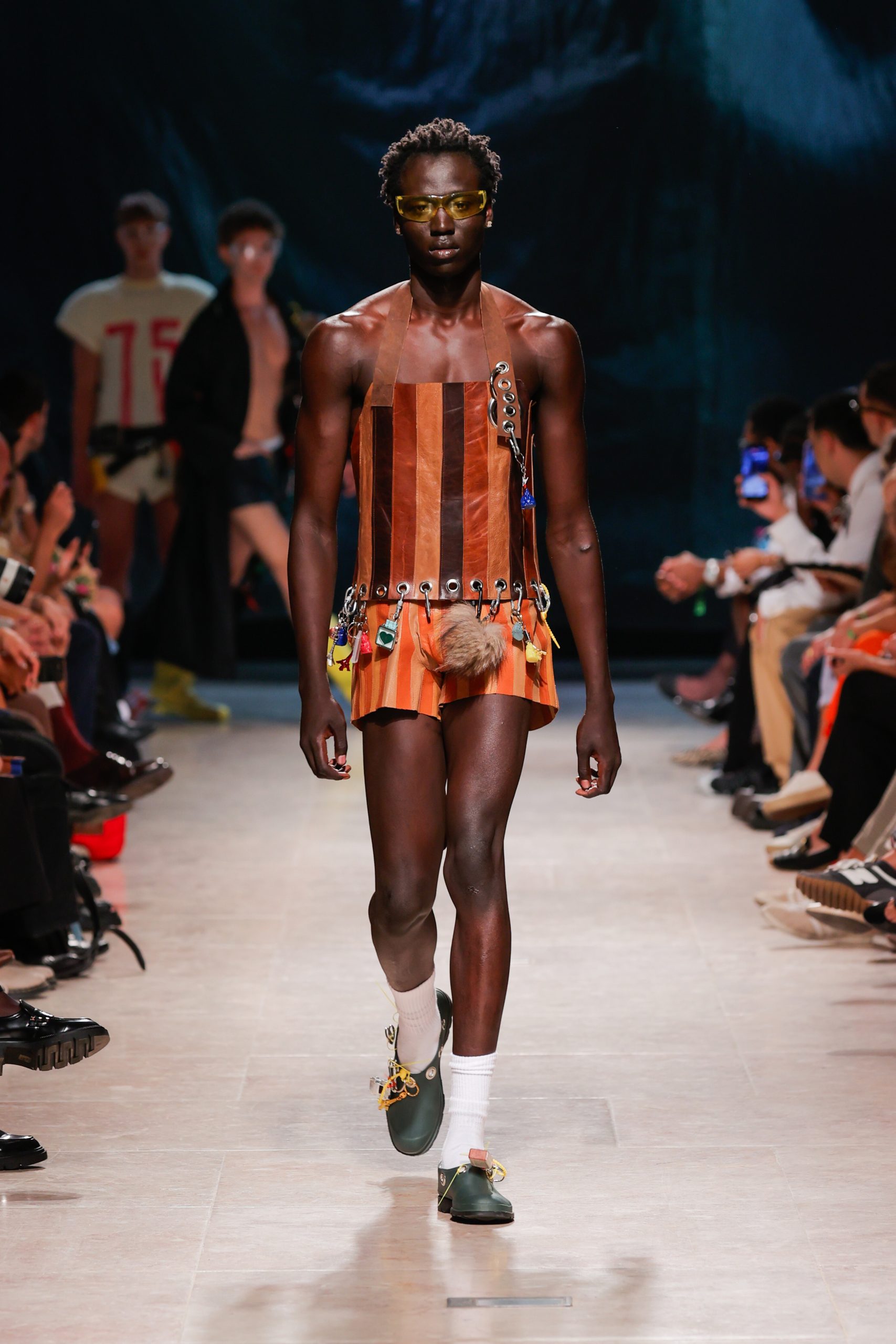
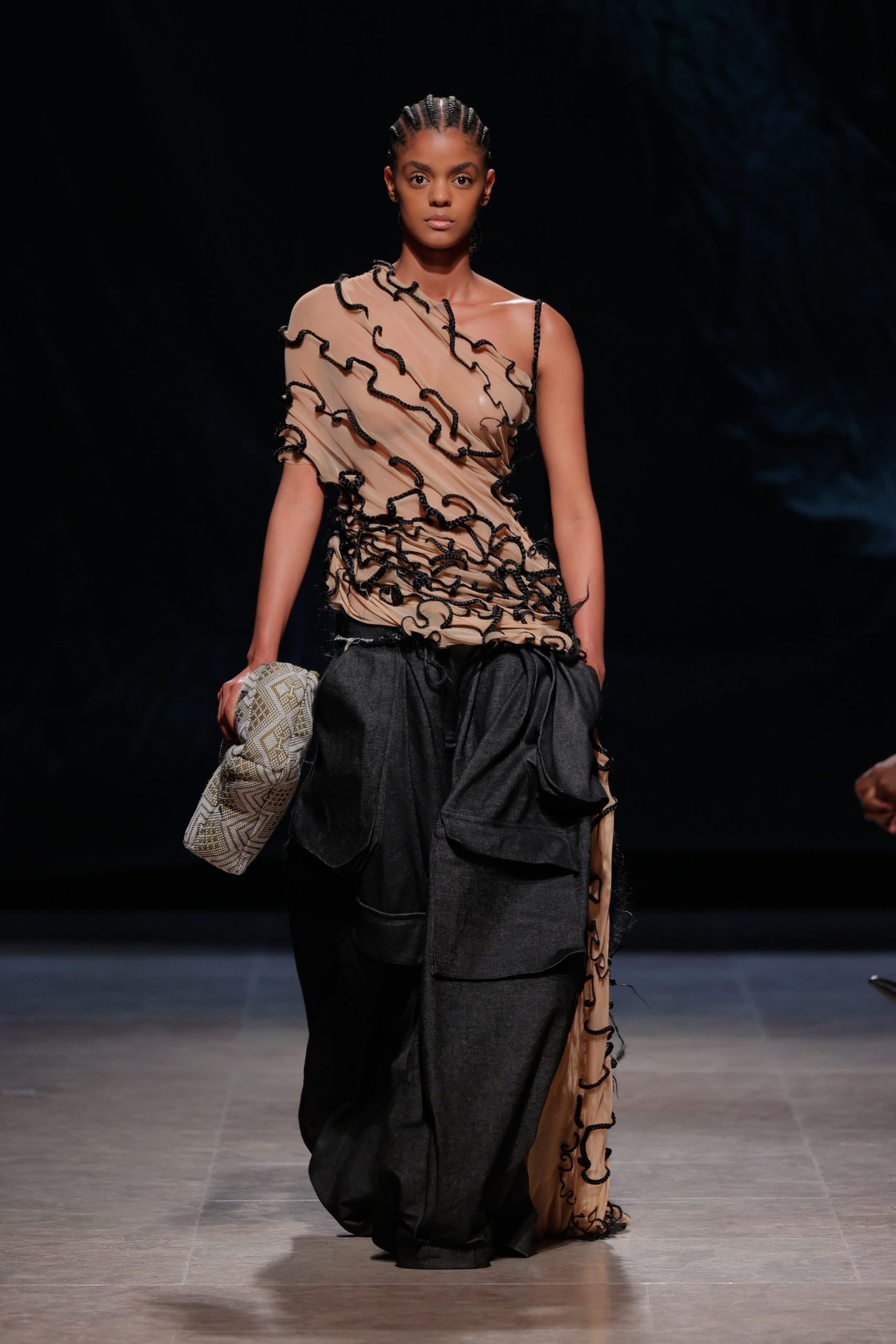
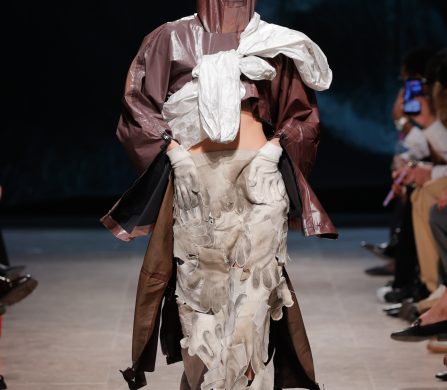
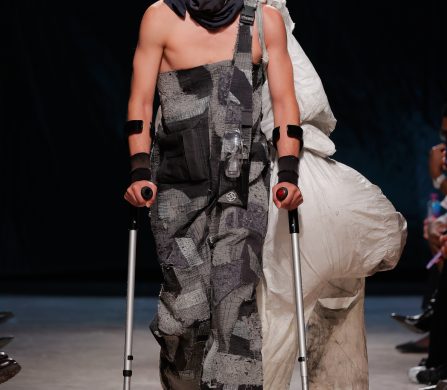
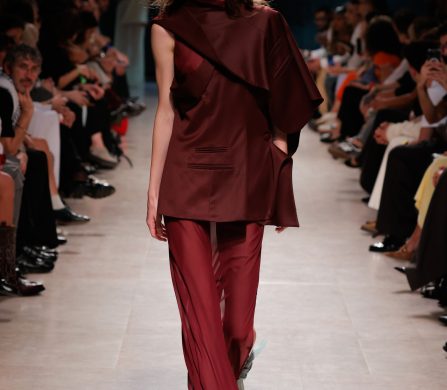
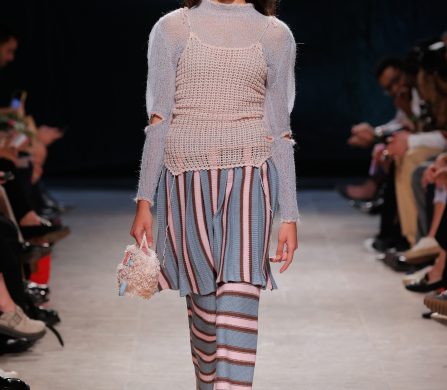
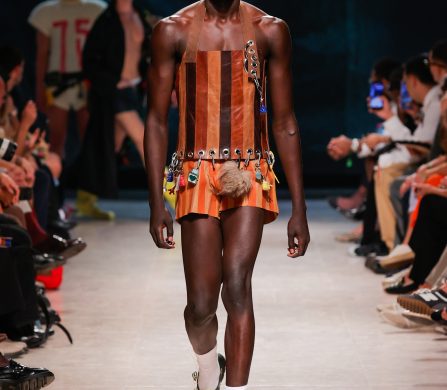
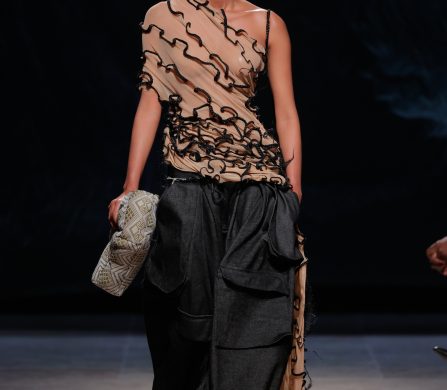
On day three, the emerging designers took to the runway, turning the catwalk into a mini walk through their worlds, inspired by ideas ranging from ‘the liberation of the male body from aesthetic neutrality’ to ‘the questioning of a Eurocentric perspective on Fashion’.
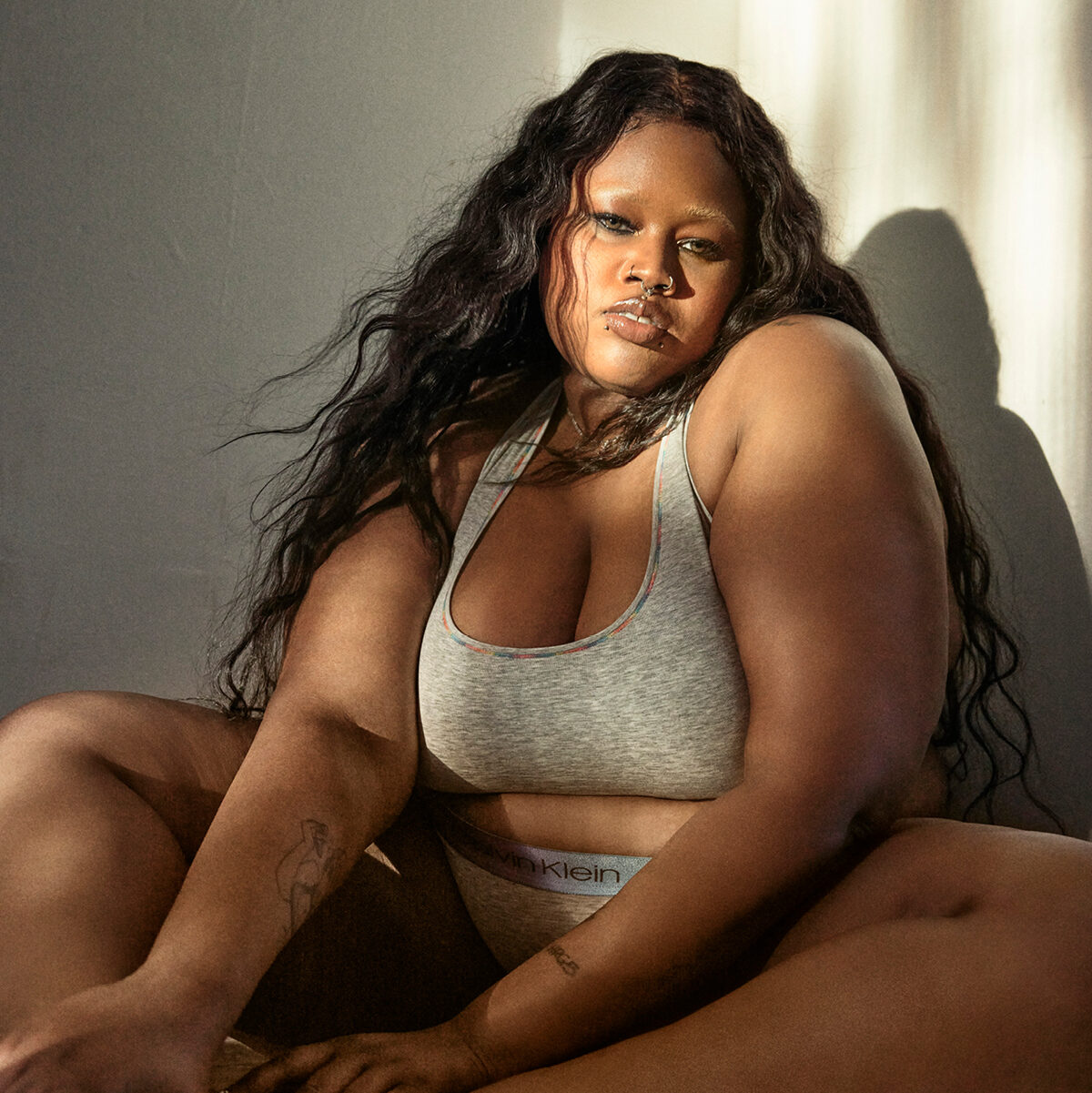
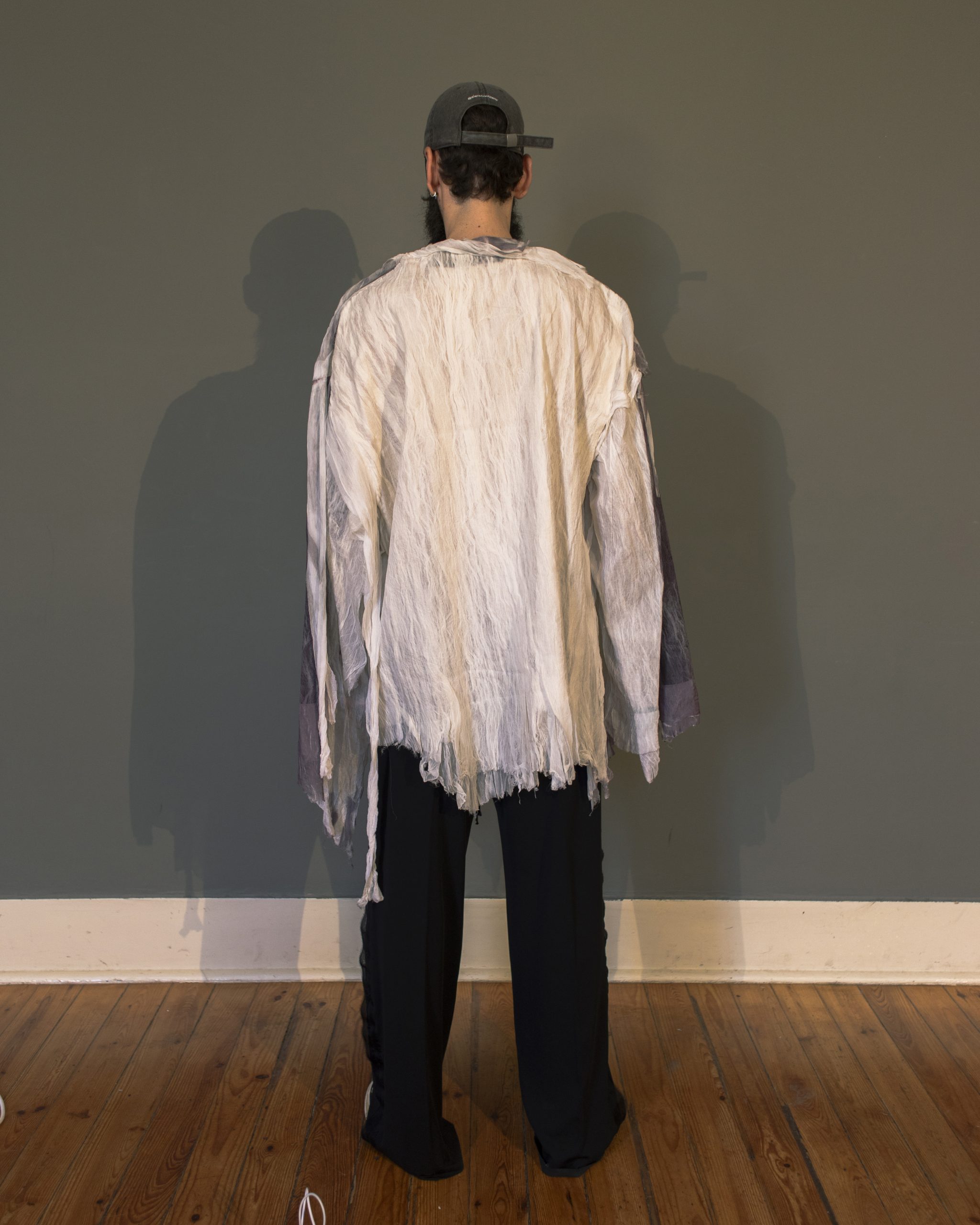
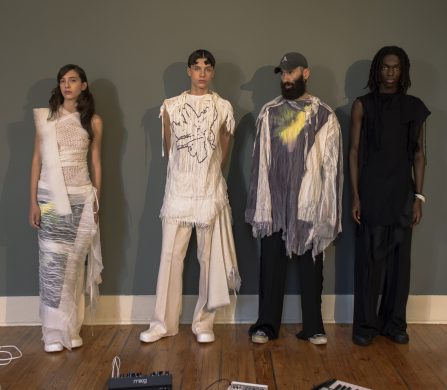
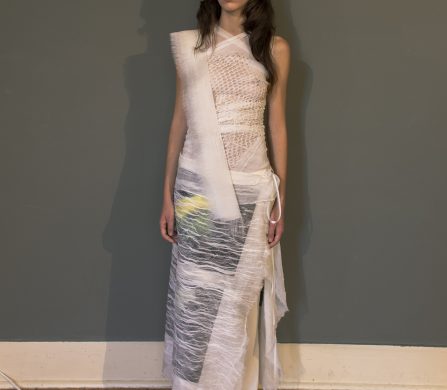
Five finalists were chosen on the night, including Adja Baio, who kickstarted the show with her ‘Pano de Pinti ‘collection of voluminous silhouettes, offset by the interesting use of what looked like braided kanekalon hair, allowing for texture and fluid movement. Mafalda Simões shared a pastel-coloured ‘Daydream’ collection inspired by Justine Kurland’s photographic series ‘Girl Pictures’ and entirely crafted through knitting and crochet. Ariana Orrico’s ‘75’ collection of leather offcuts and cotton fabrics sourced from textile waste was aimed at reframing the way we look at the male body. And finally, Marianna Garcia wowed with ‘Cota 0’, a sculpted collection of deconstructed suiting and precise cuts. Last but not least, Usual Suspect (Xavier Silva) made a statement with his collection ‘Último Empregado’ (The Last Worker), delivering a raw showing dedicated to the years of hard work by Silva’s family. The collection repurposed old uniforms worn by himself and relatives, and the result was an earnest reimagining of workwear, with a streetwear undercurrent.
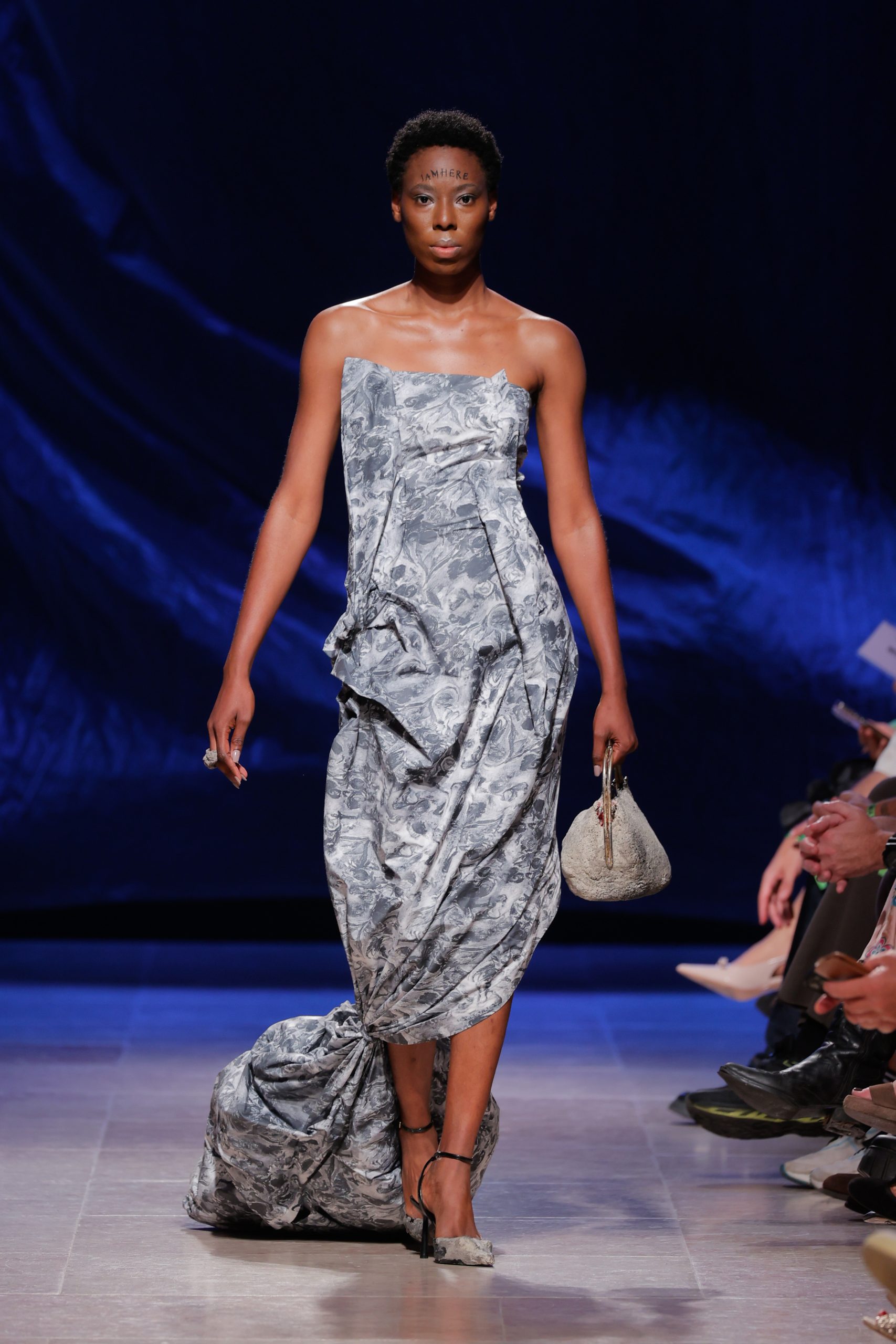
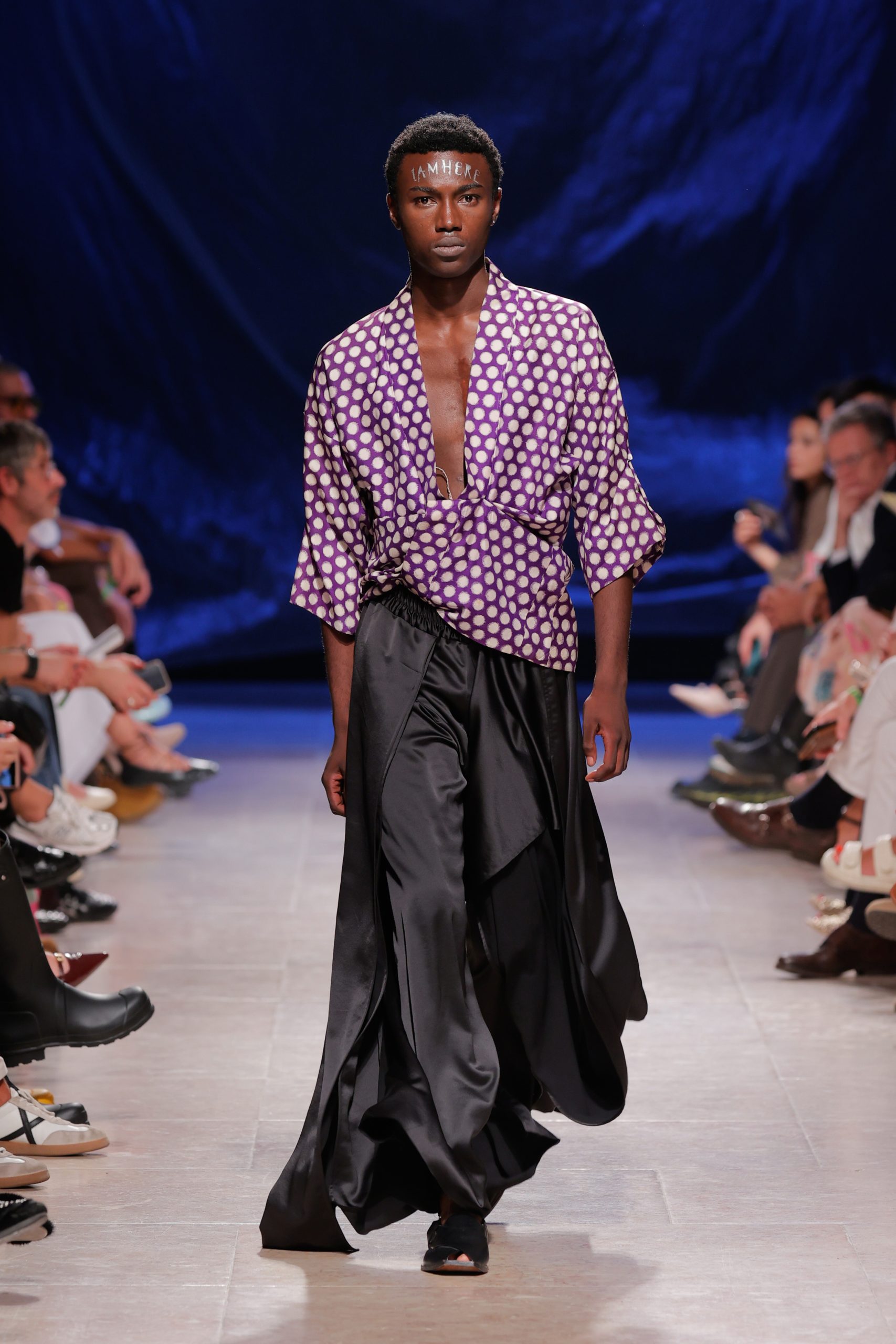
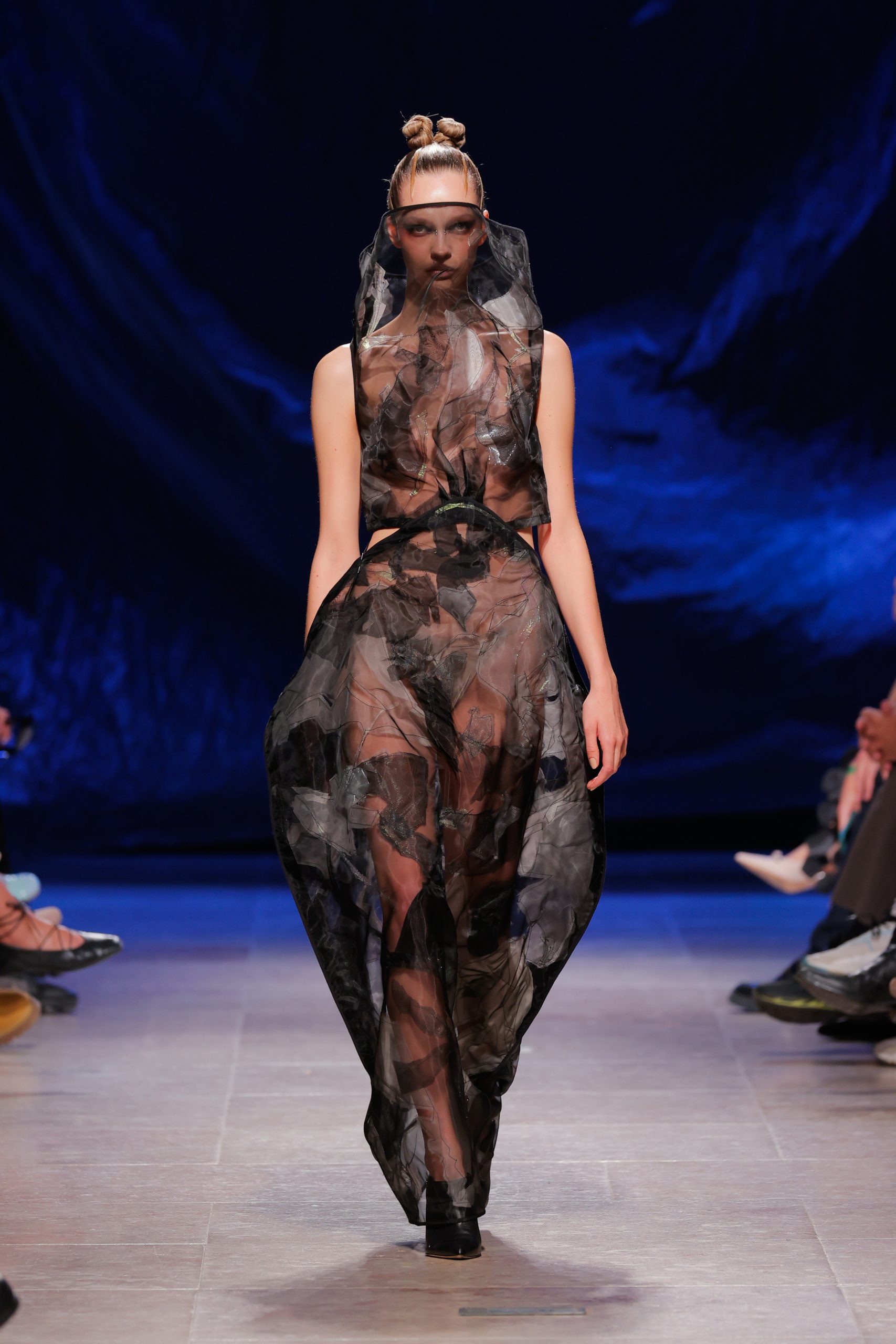
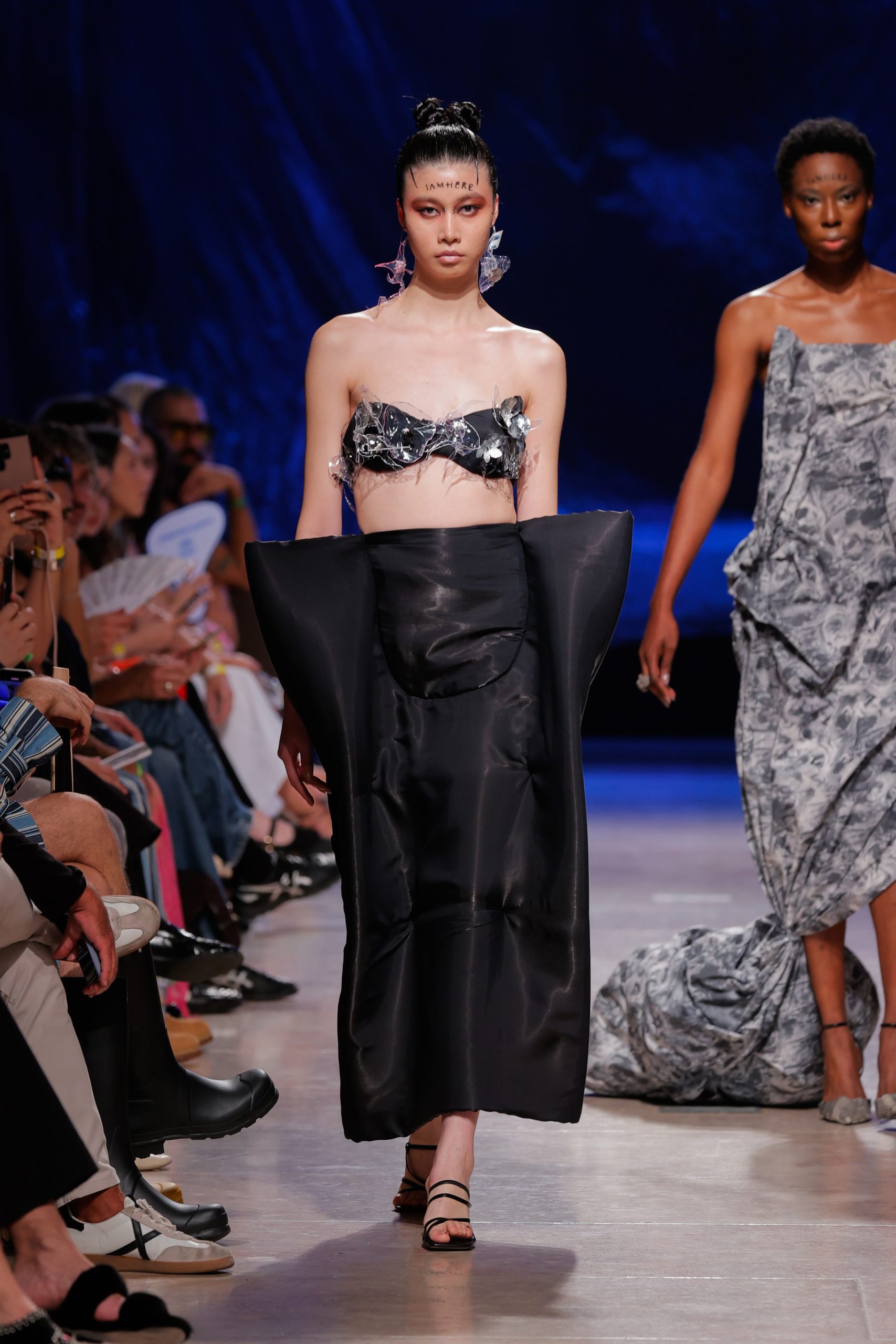
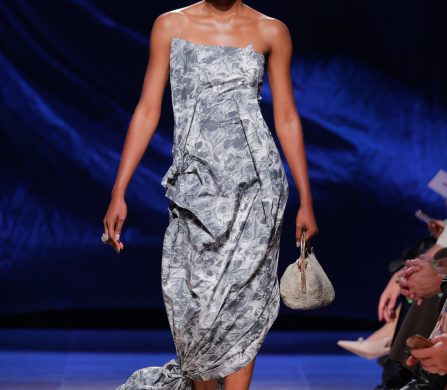
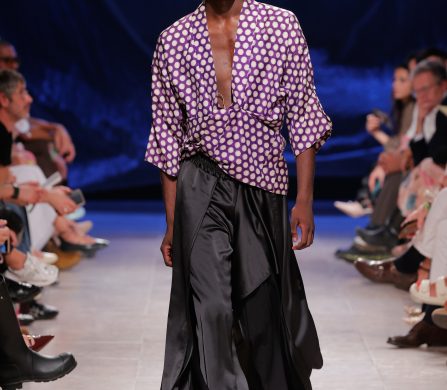
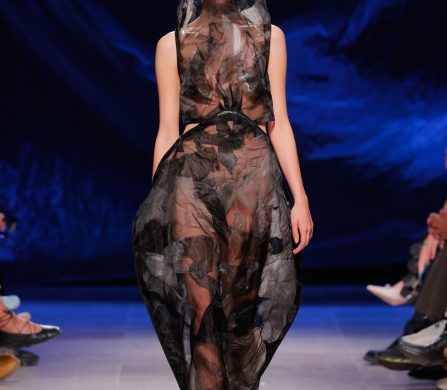
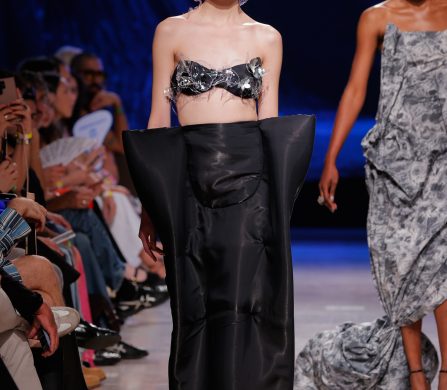
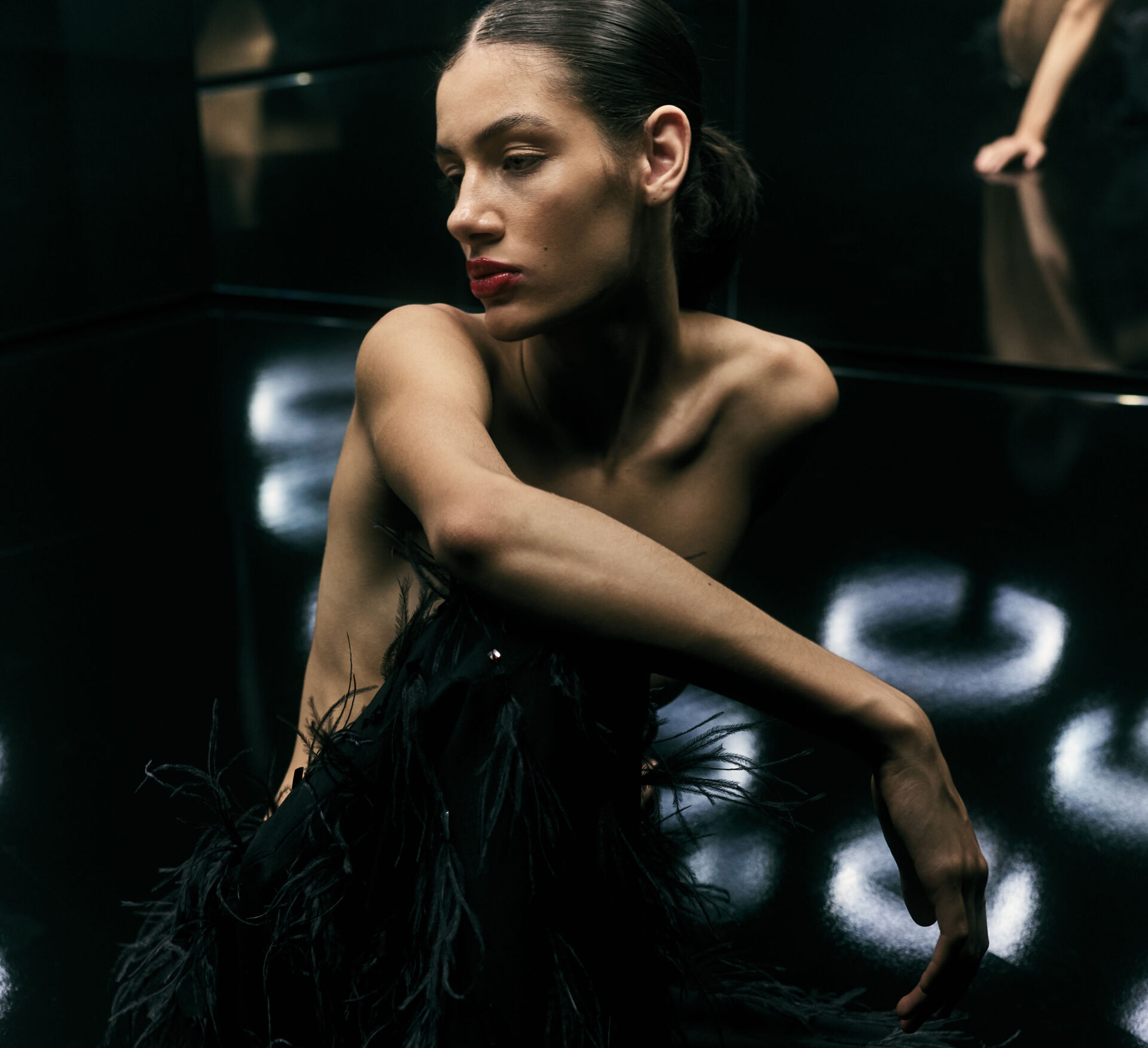
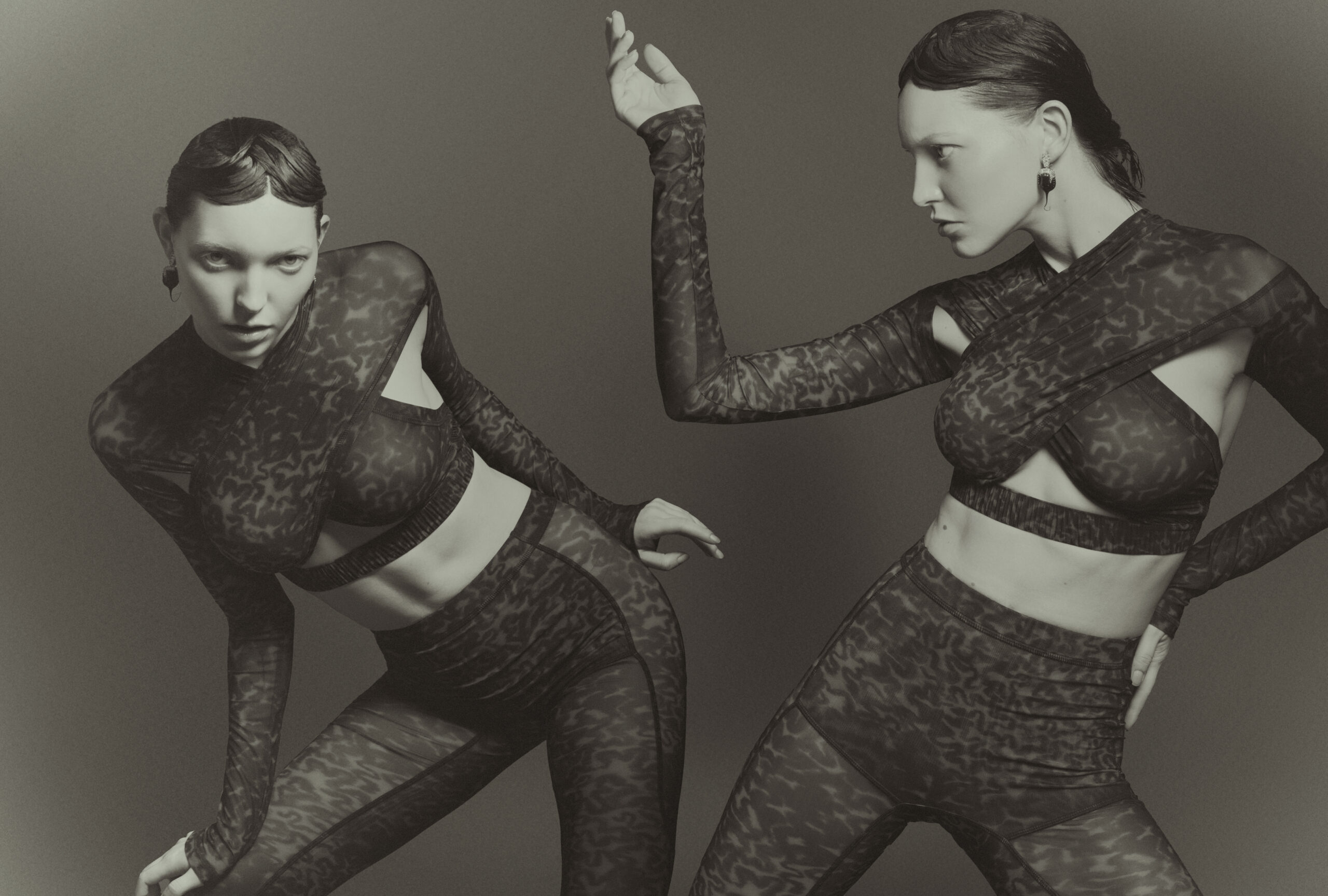
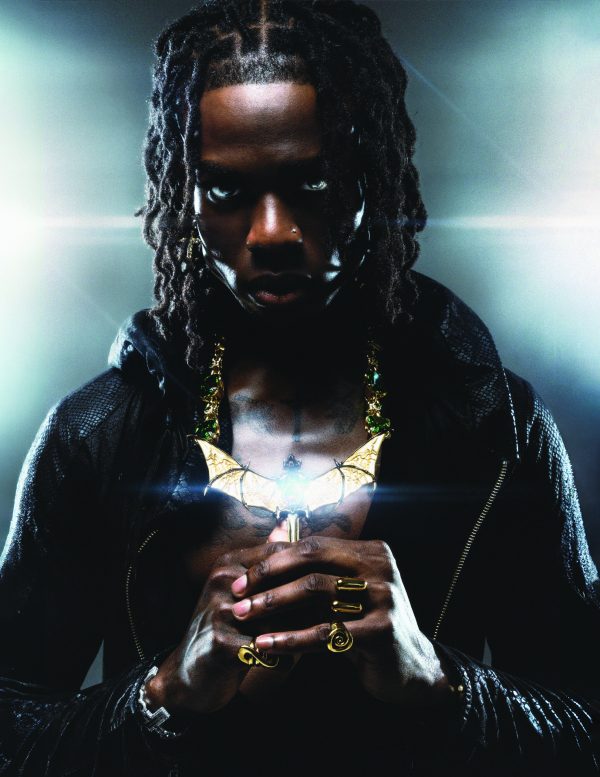
One of the highlights on the schedule is Kolovrat, and the designer returned to ModaLisboa and took to the theme with gusto. The ‘Stone Age’ collection plays with physical and metaphorical representations of rocks from the shape to the practical feeling of weight. The show opened dramatically with an asymmetric dress, designed with what looked like a fabric rock tying up the hem, forcing the model to walk uncomfortably slowly. The following models continued to walk at a usual pace, passing the first, while showcasing the collection’s earthy colour palette. The moment added a touch of theatre but also showcased a message on the passing of time – and resilience. Structured silhouettes juxtaposed against more fluid pieces provided reimagined shapes and movement.
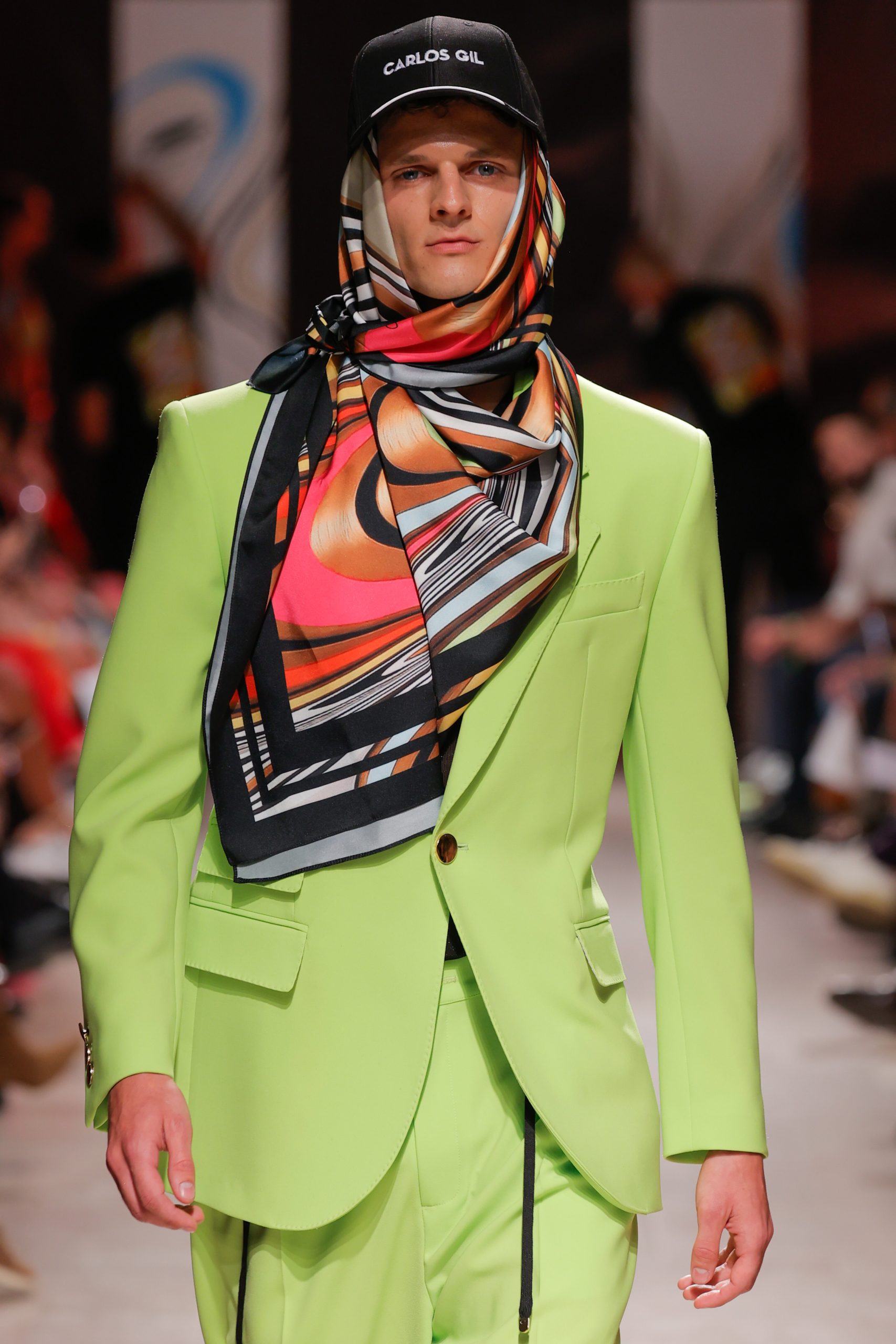
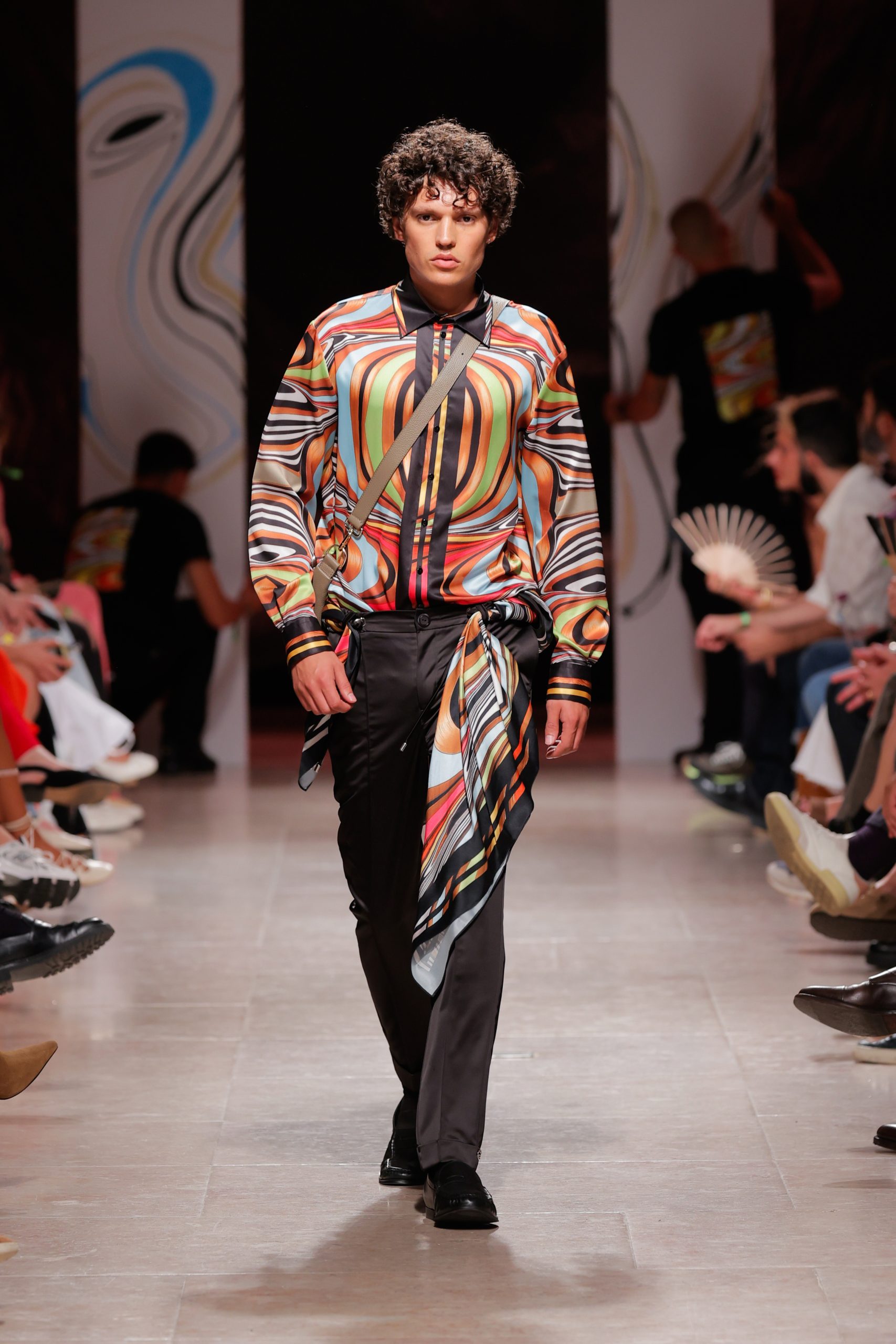
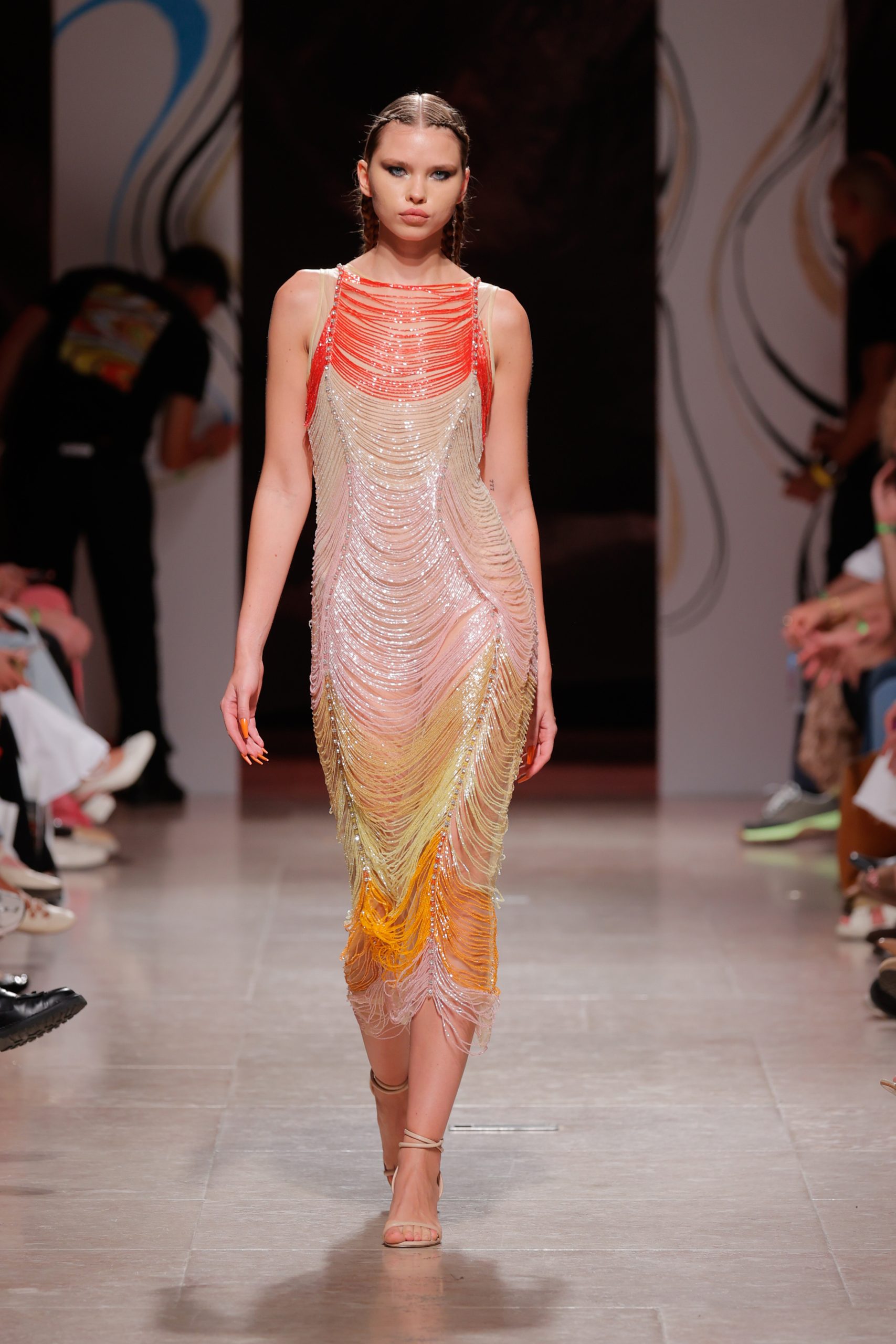
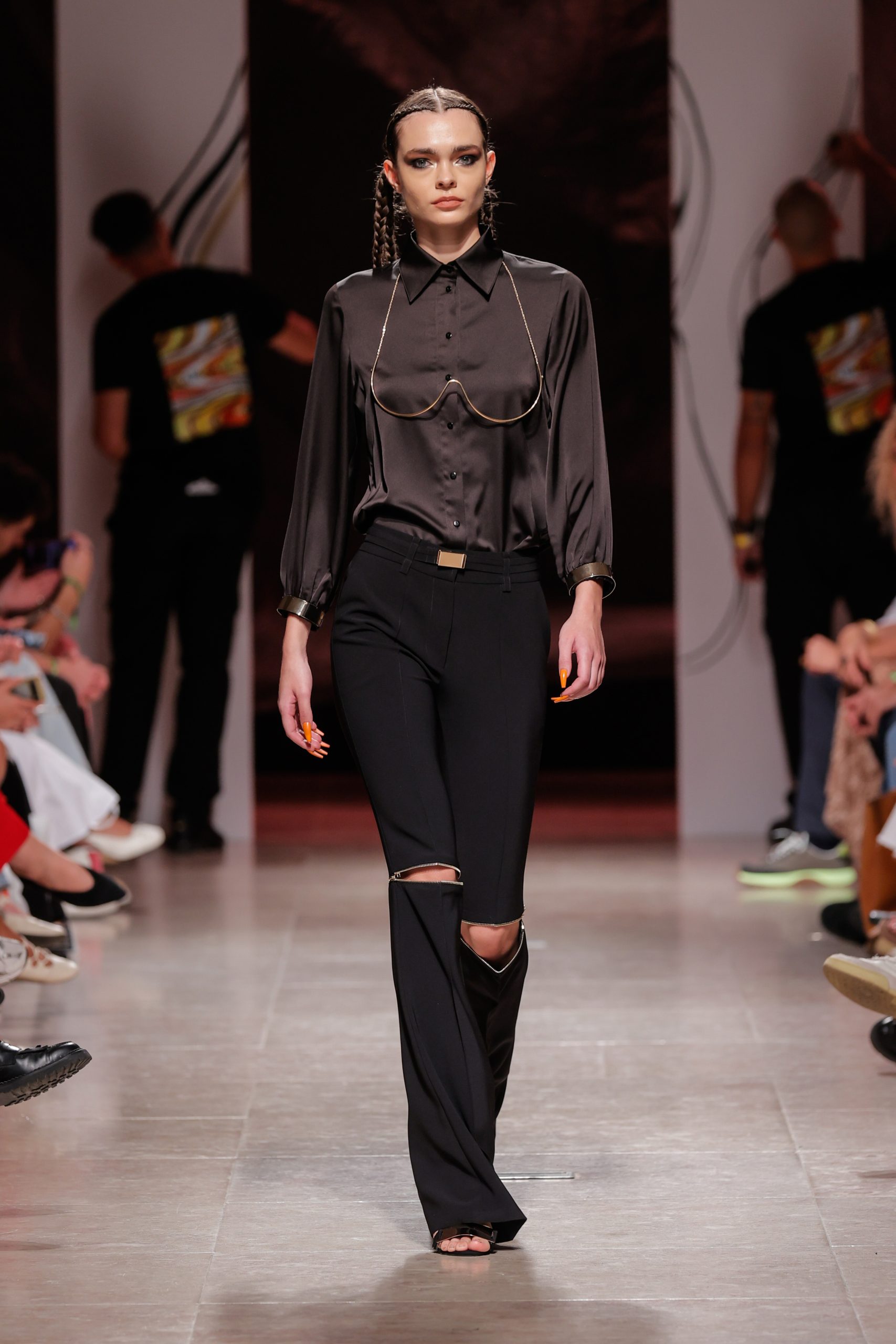
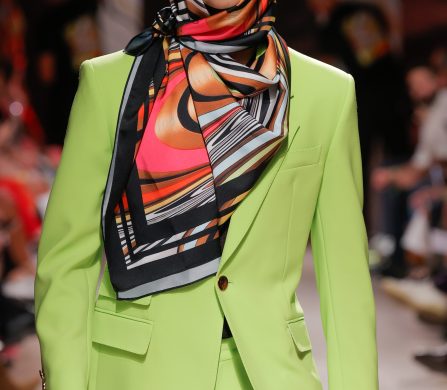
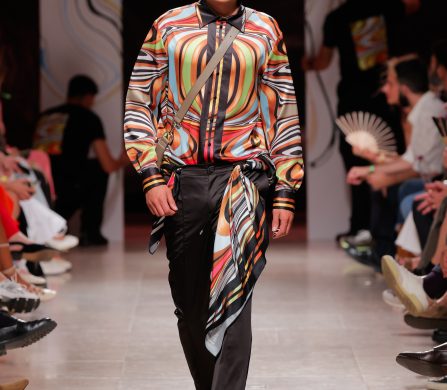
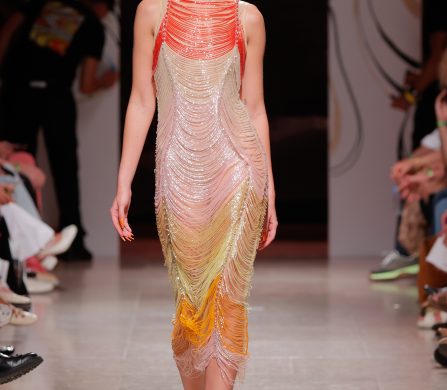
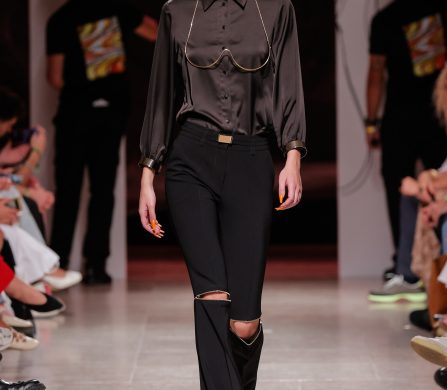
Carlos Gil kept things bright on day four with a showing of dynamic patterns and pops of neon colours, alongside slinky silhouettes and refined hardware. The collection takes inspiration from the rhythm and pulse of the city, incorporating graffiti as a symbol of creative freedom, and influencing the use of bold lines and excess of colour. The contrasts aimed to transform fashion “into a manifesto: free, authentic and perpetually moving”.
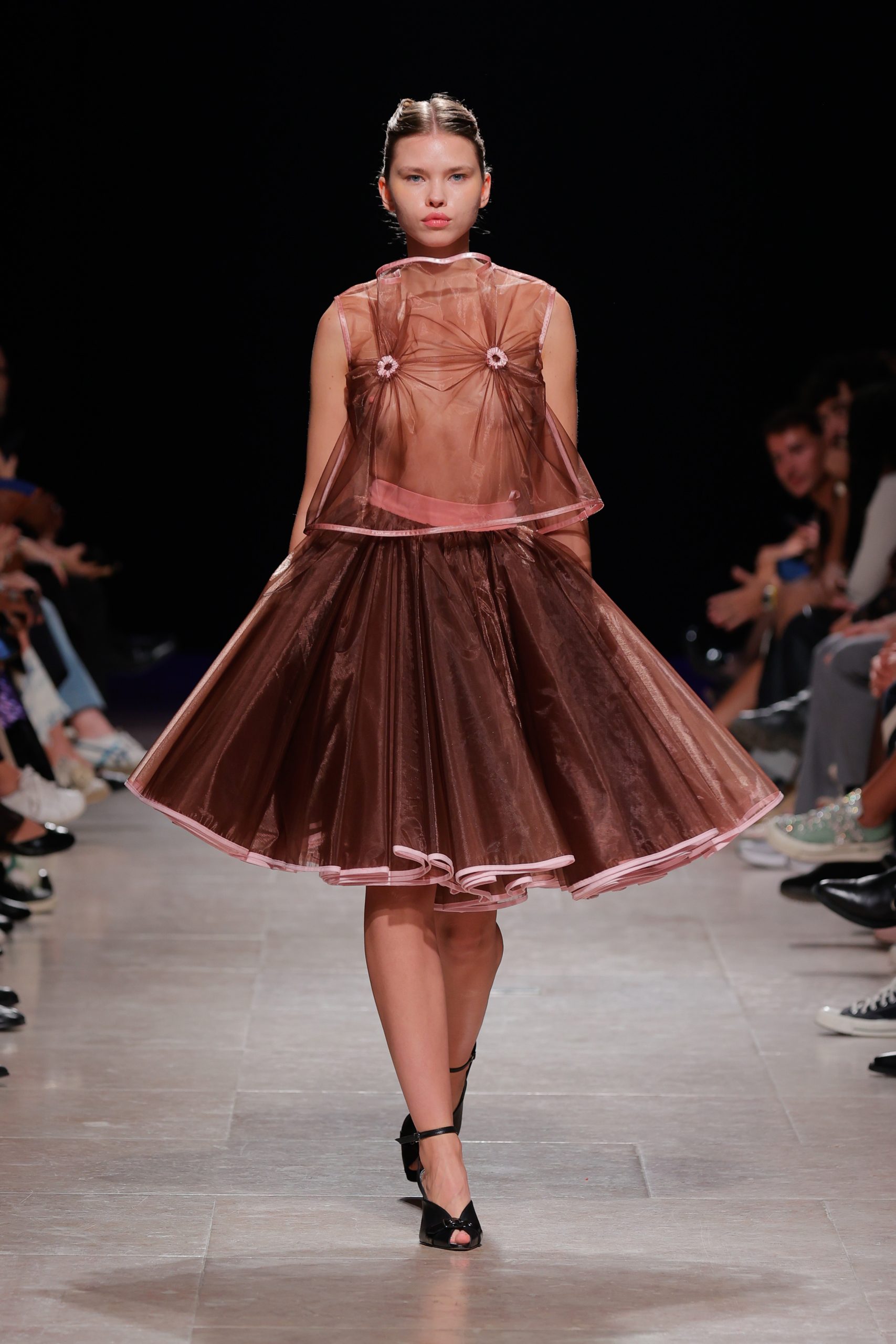
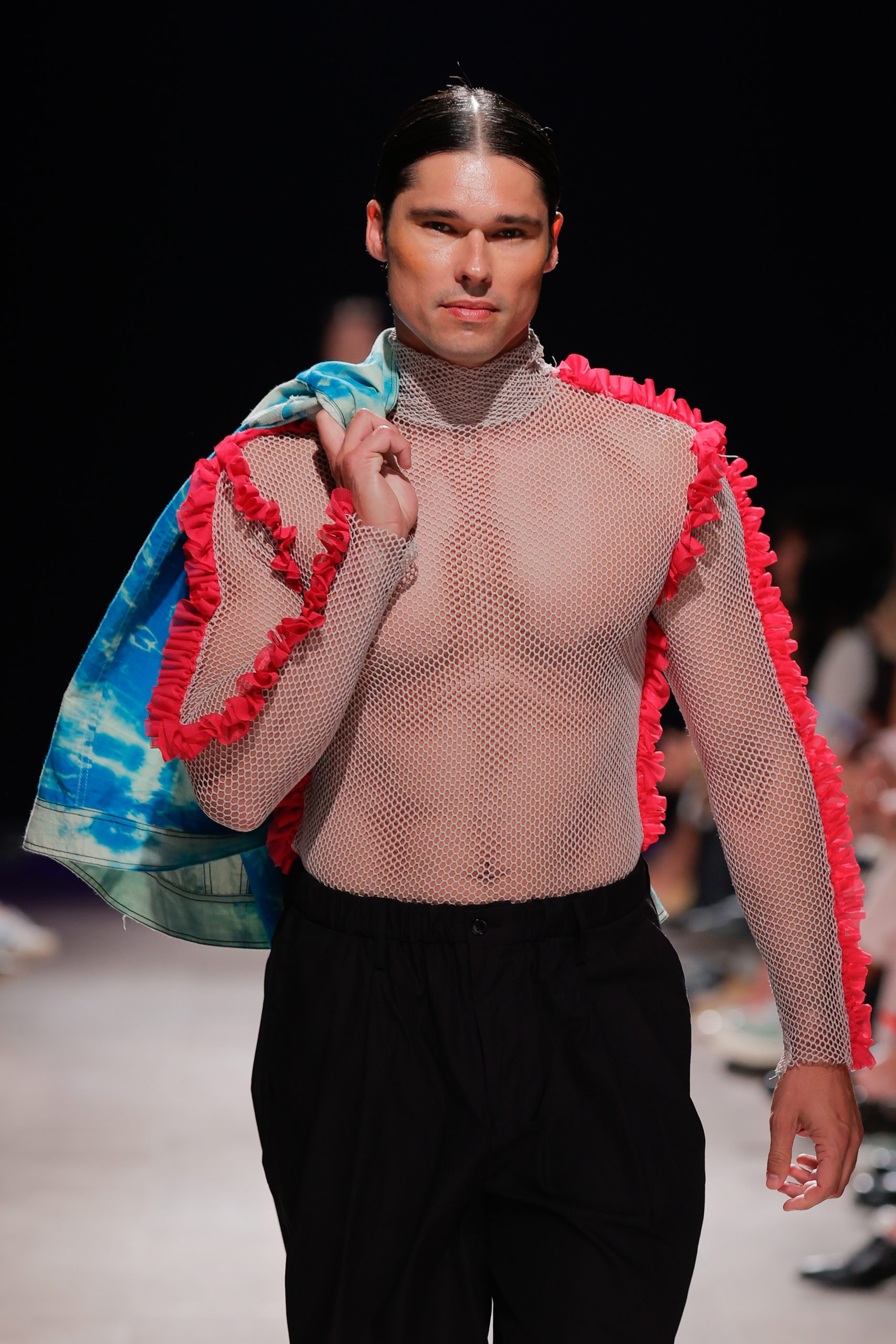
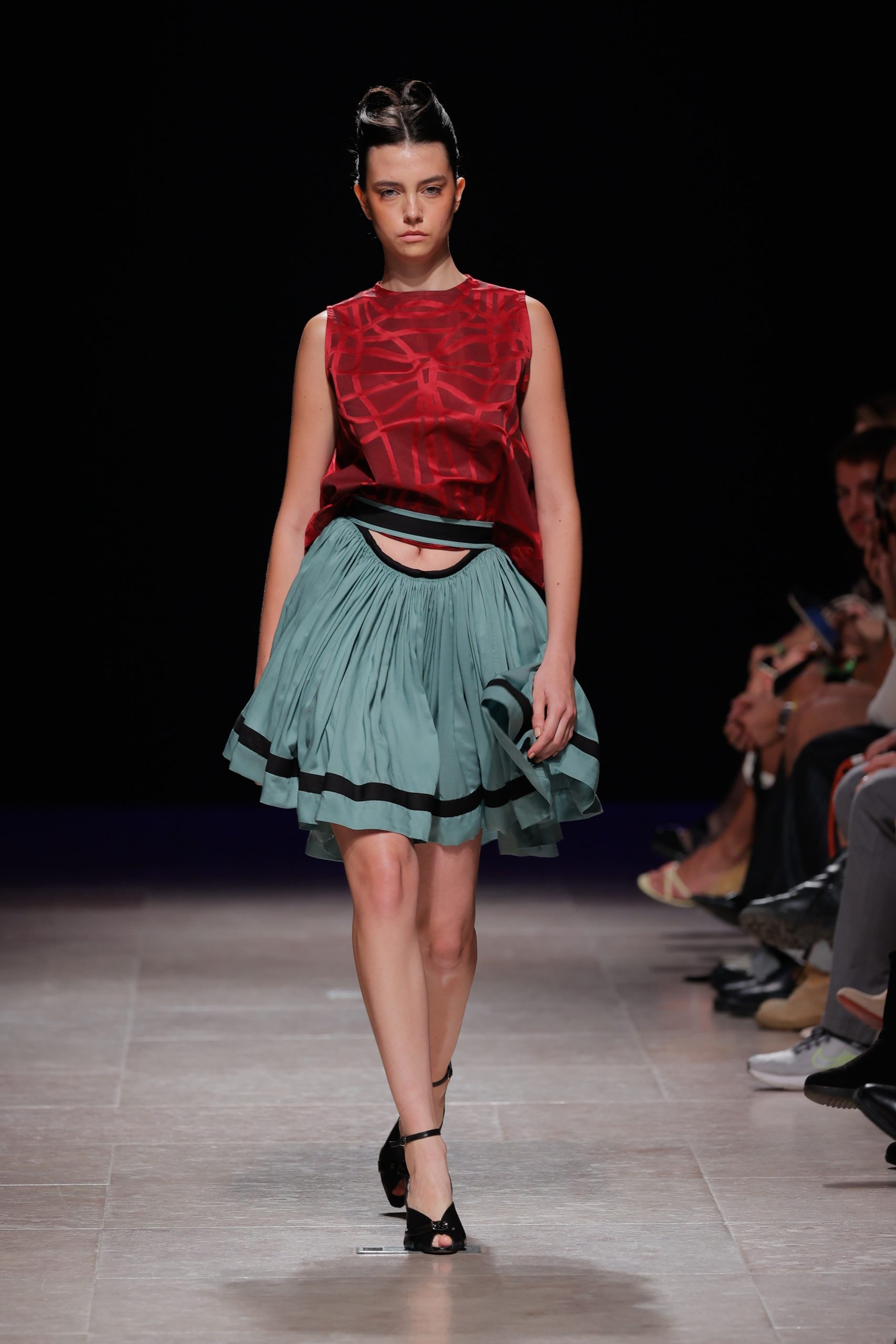
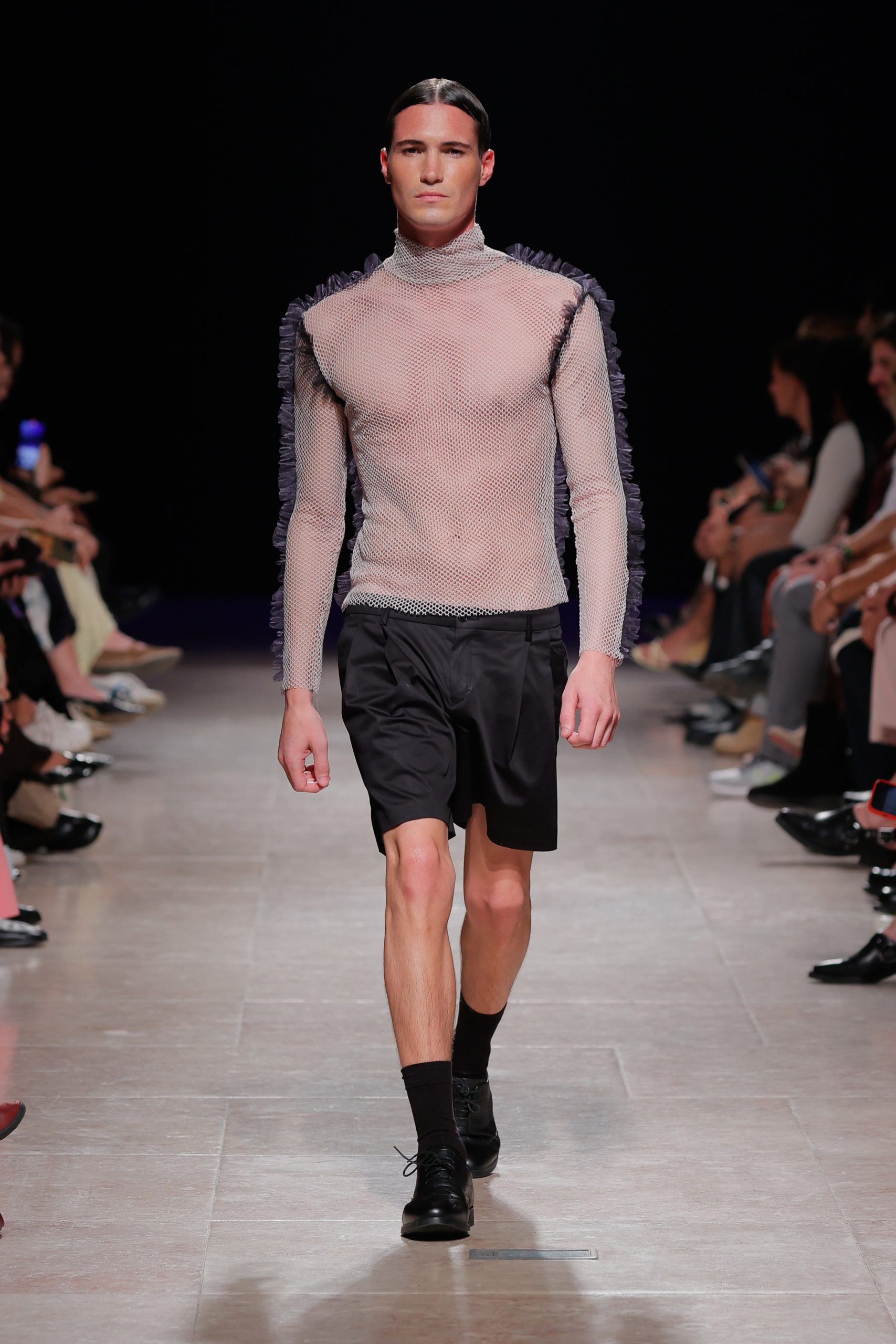
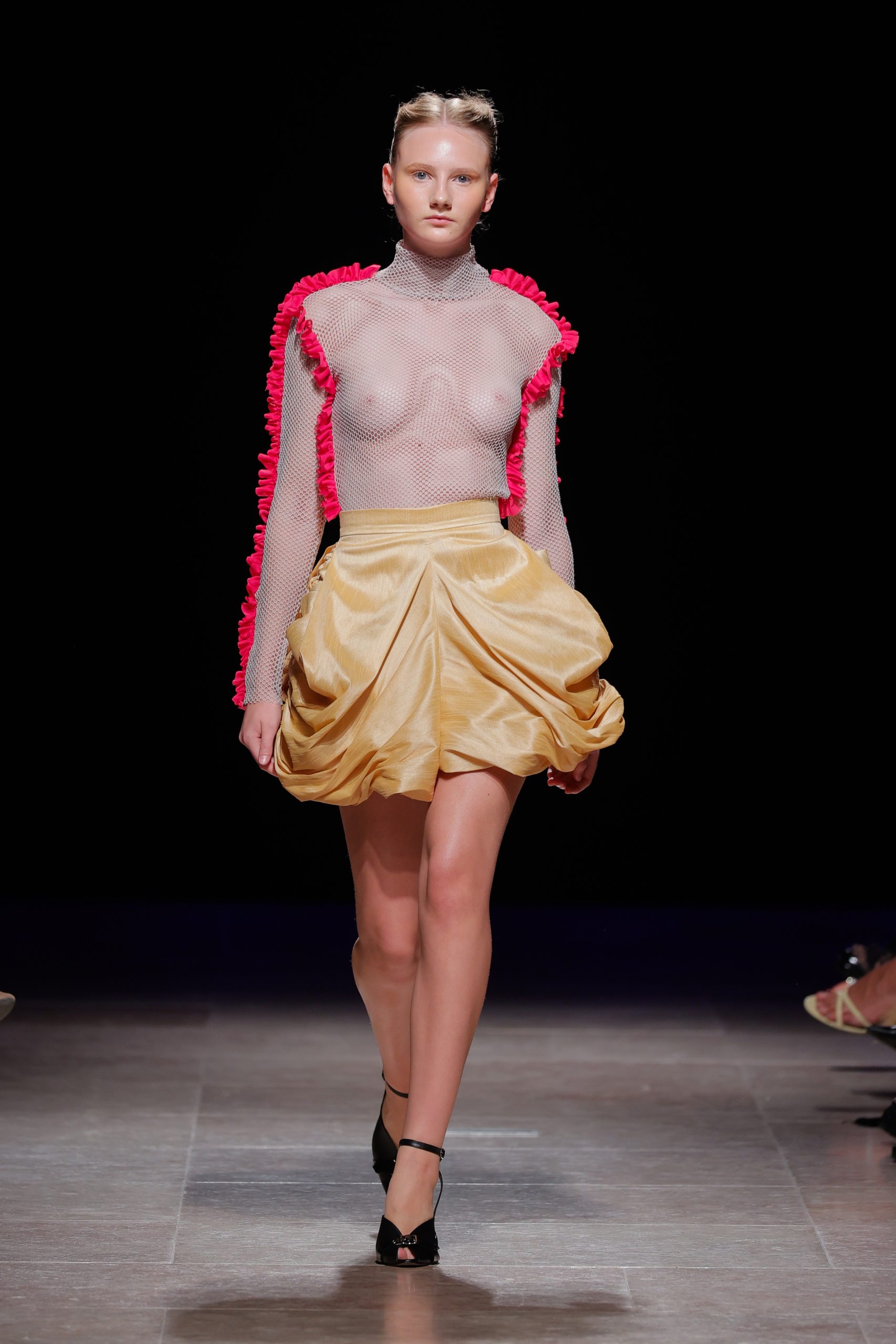
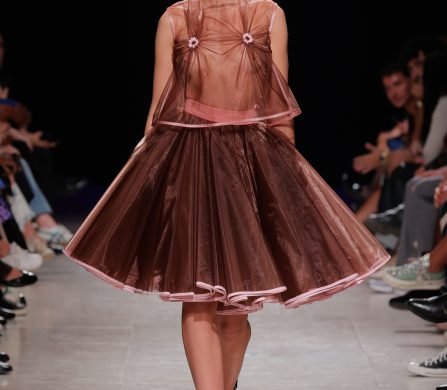
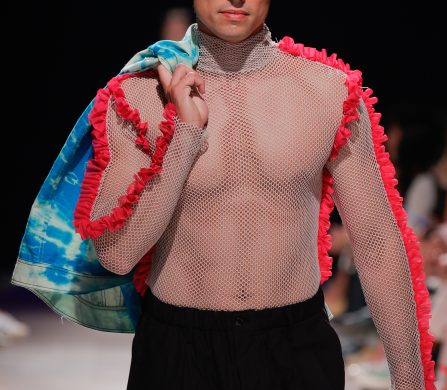
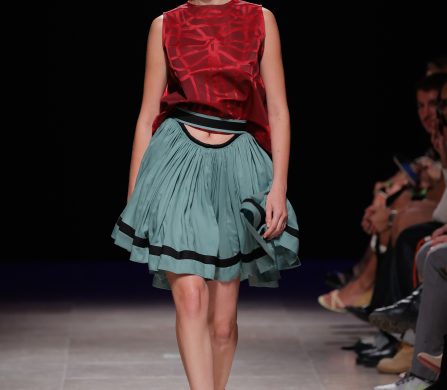
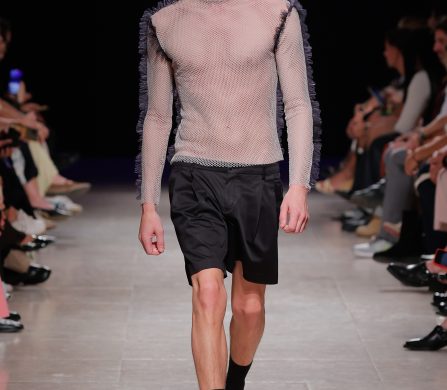
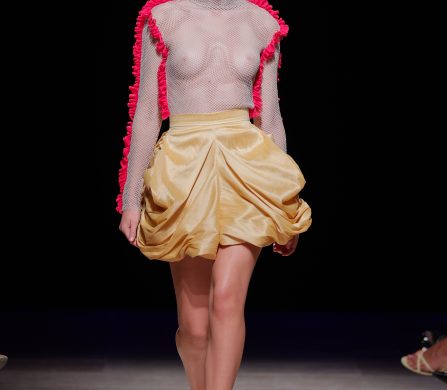
With the same celebratory feeling, Dino Alves was a welcome moment in the week thanks to his spring/summer collection ‘Mais Além’. Building on previous ideas, the collection unfolded into a bold use of colour and design choices, inviting us to dress without convention and express ourselves authentically. Elegant draping was used for fluidity, while also turning familiar silhouettes into more unique proportions. The show closed with models walking out to The Human League’s ‘Don’t You Want Me’, causing an infectious sing-a-long and a spontaneous filter-free moment.
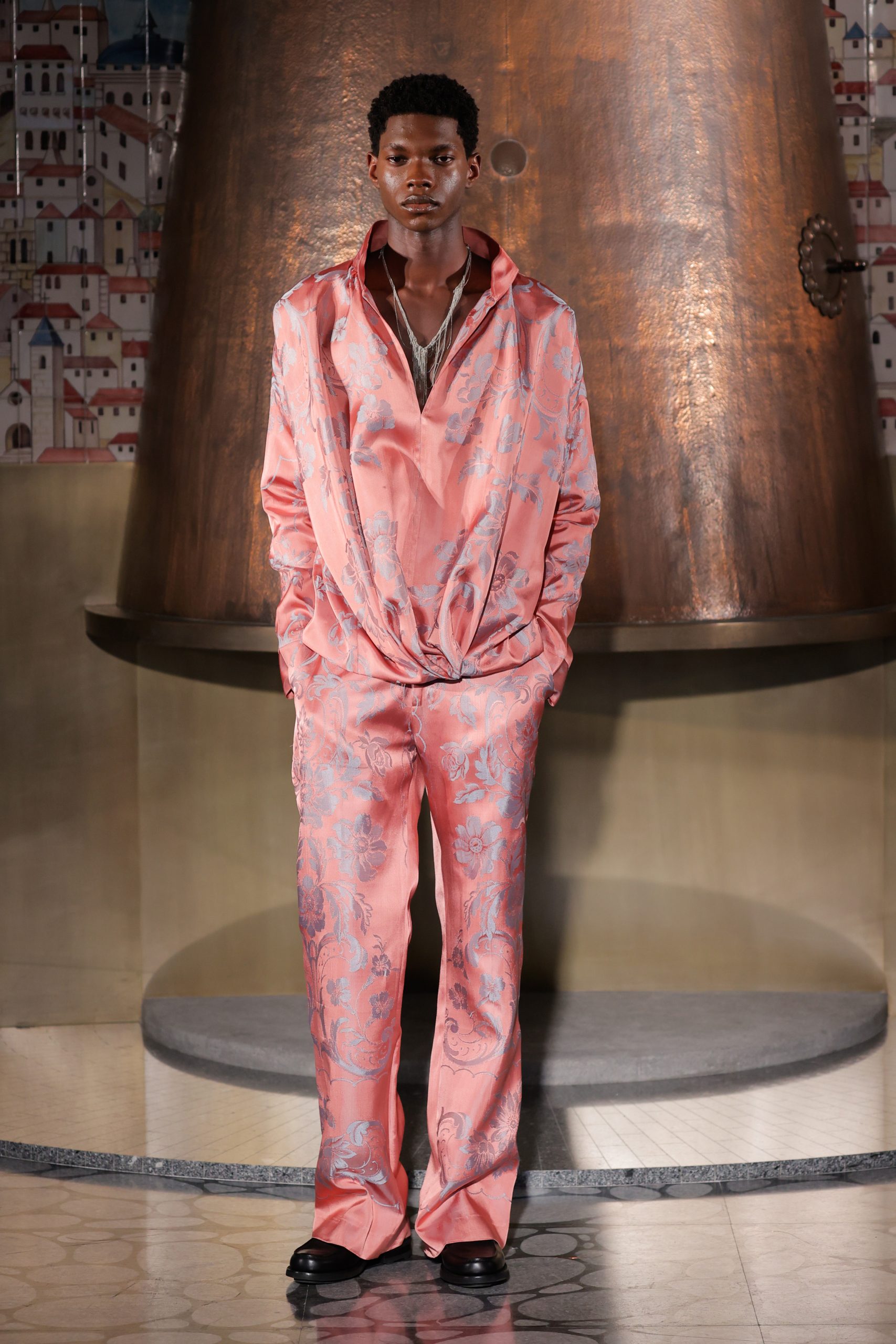
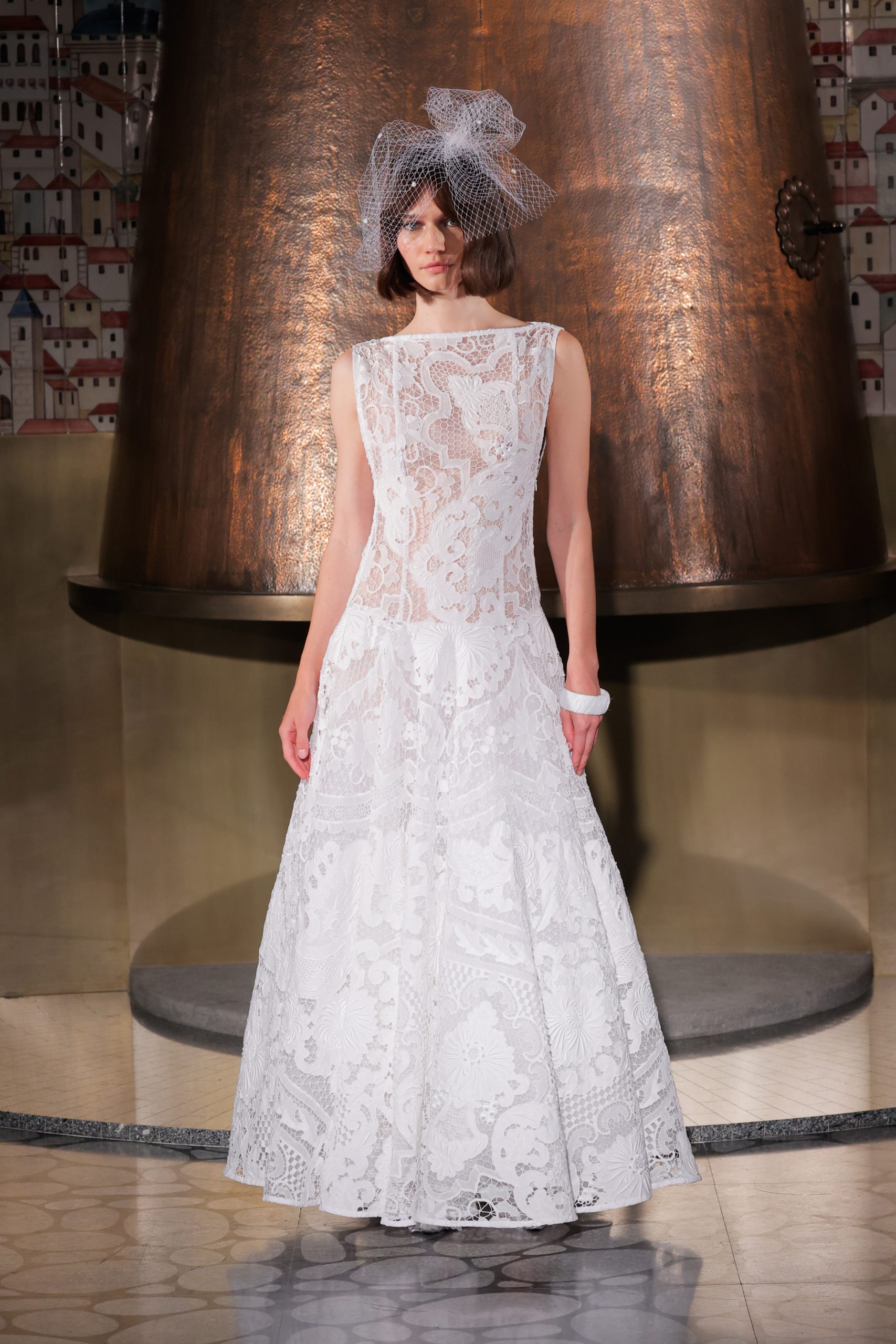
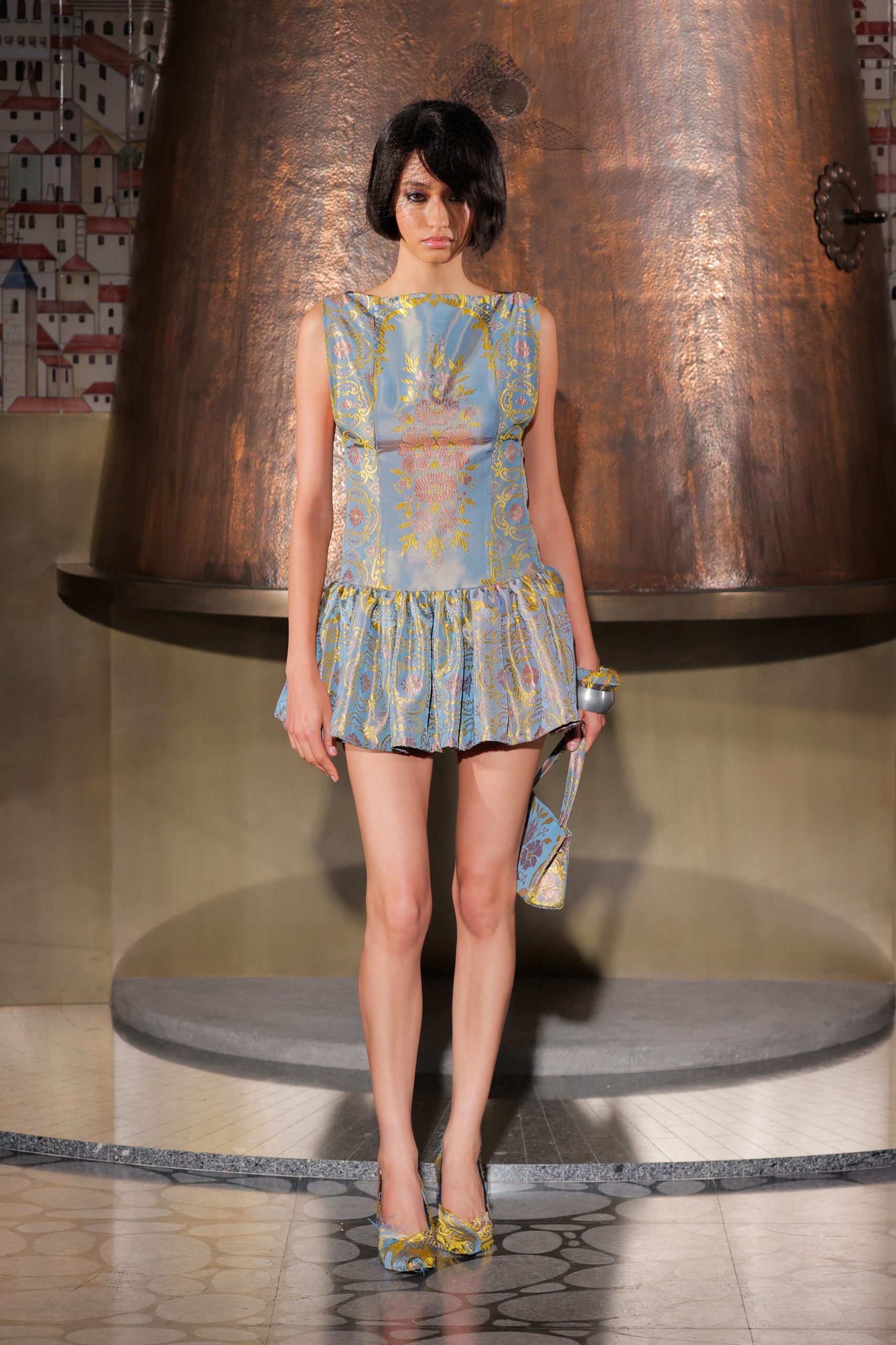
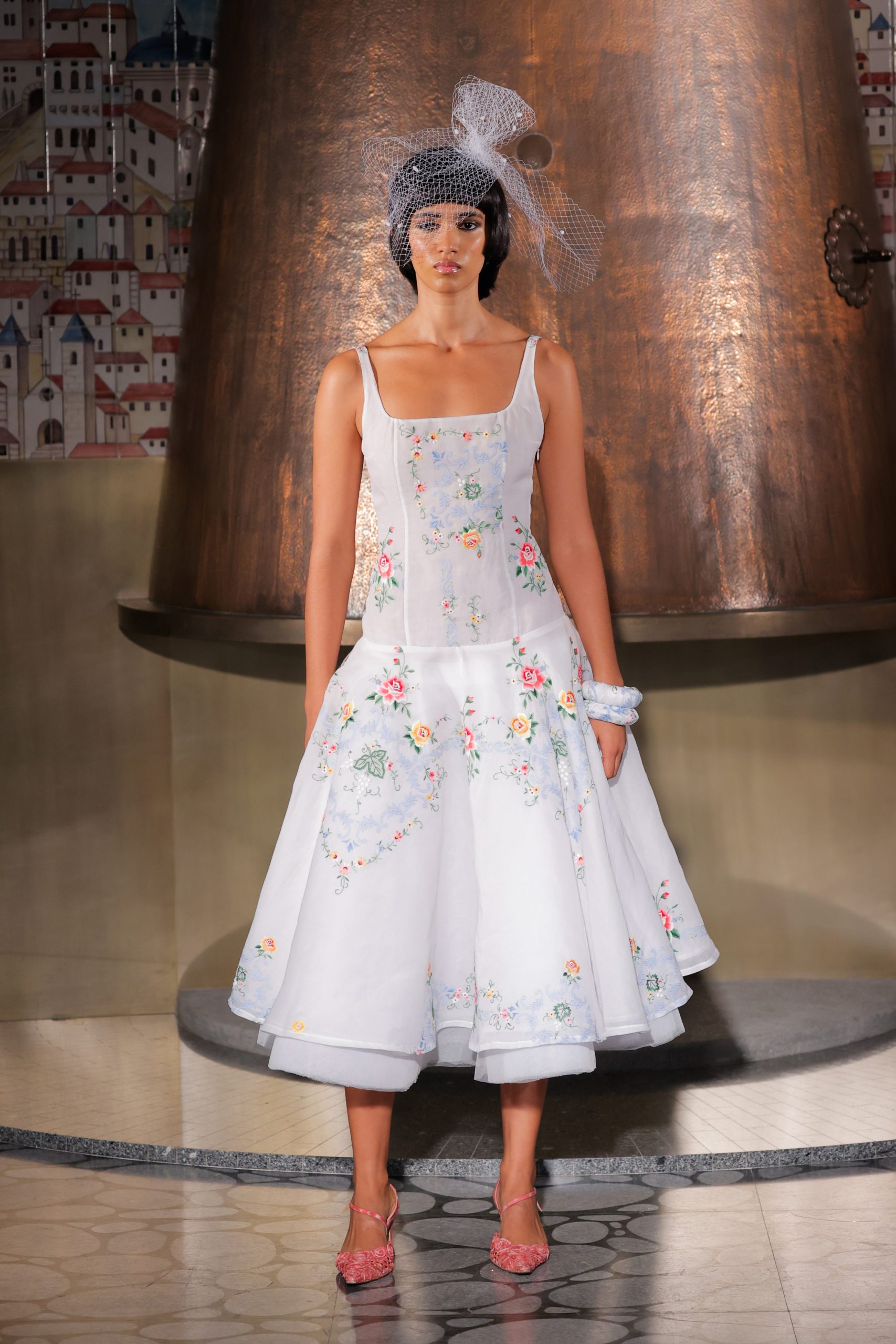
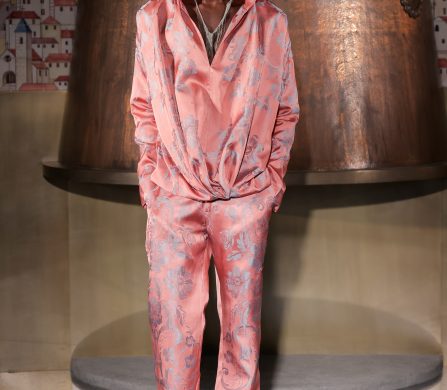
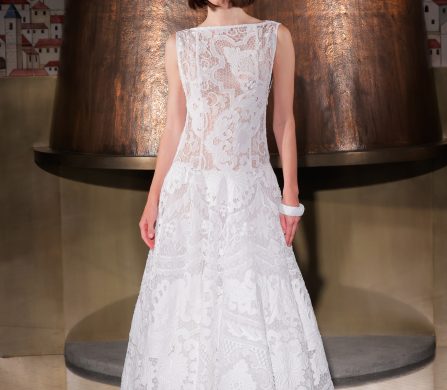
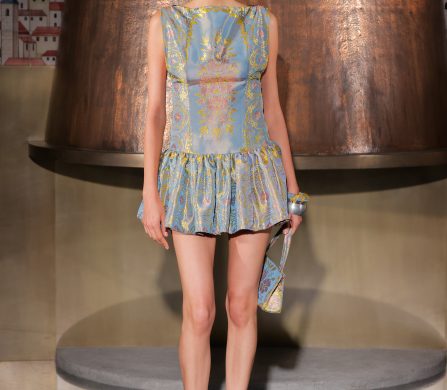
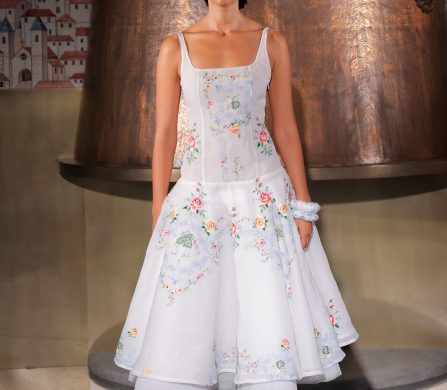
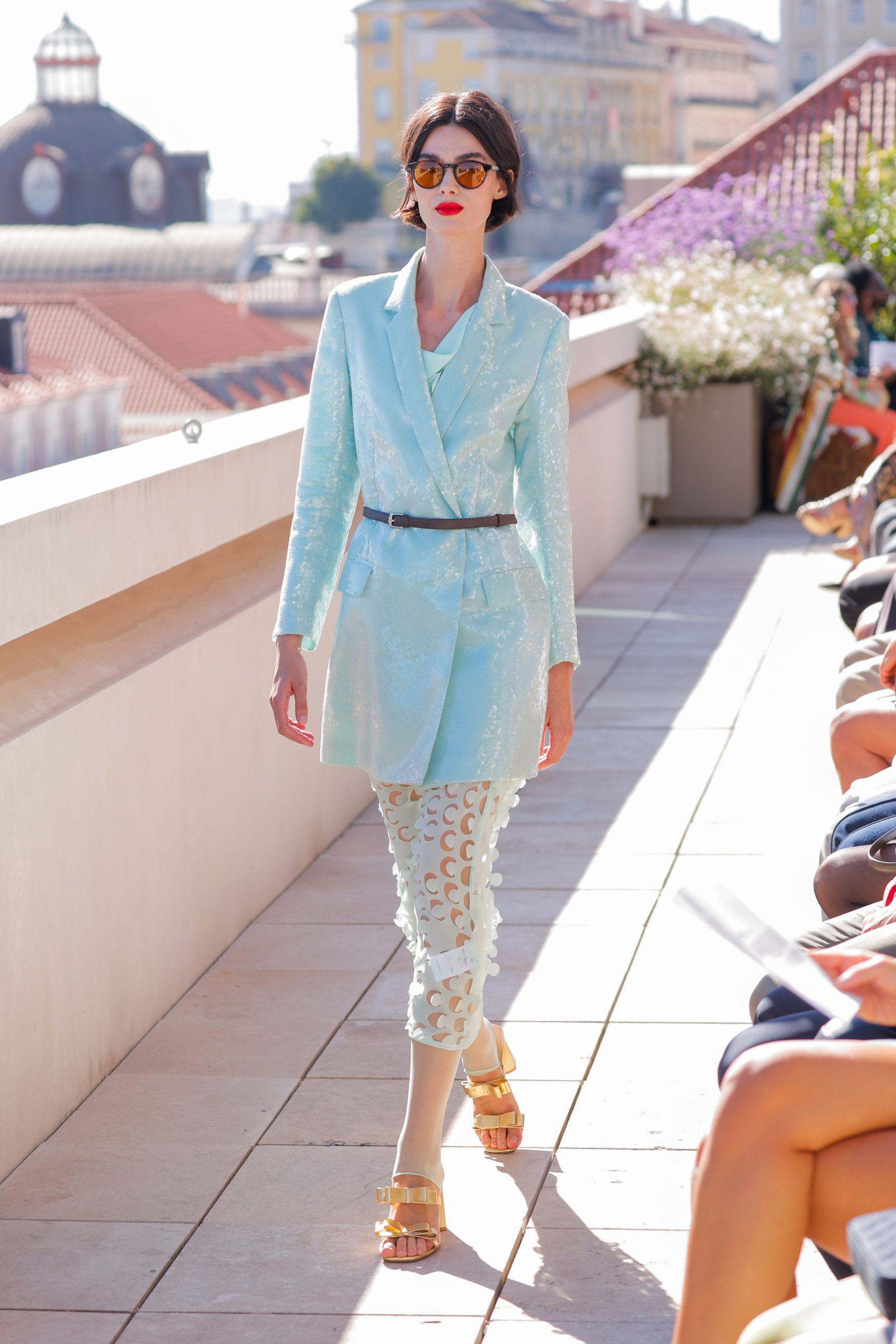
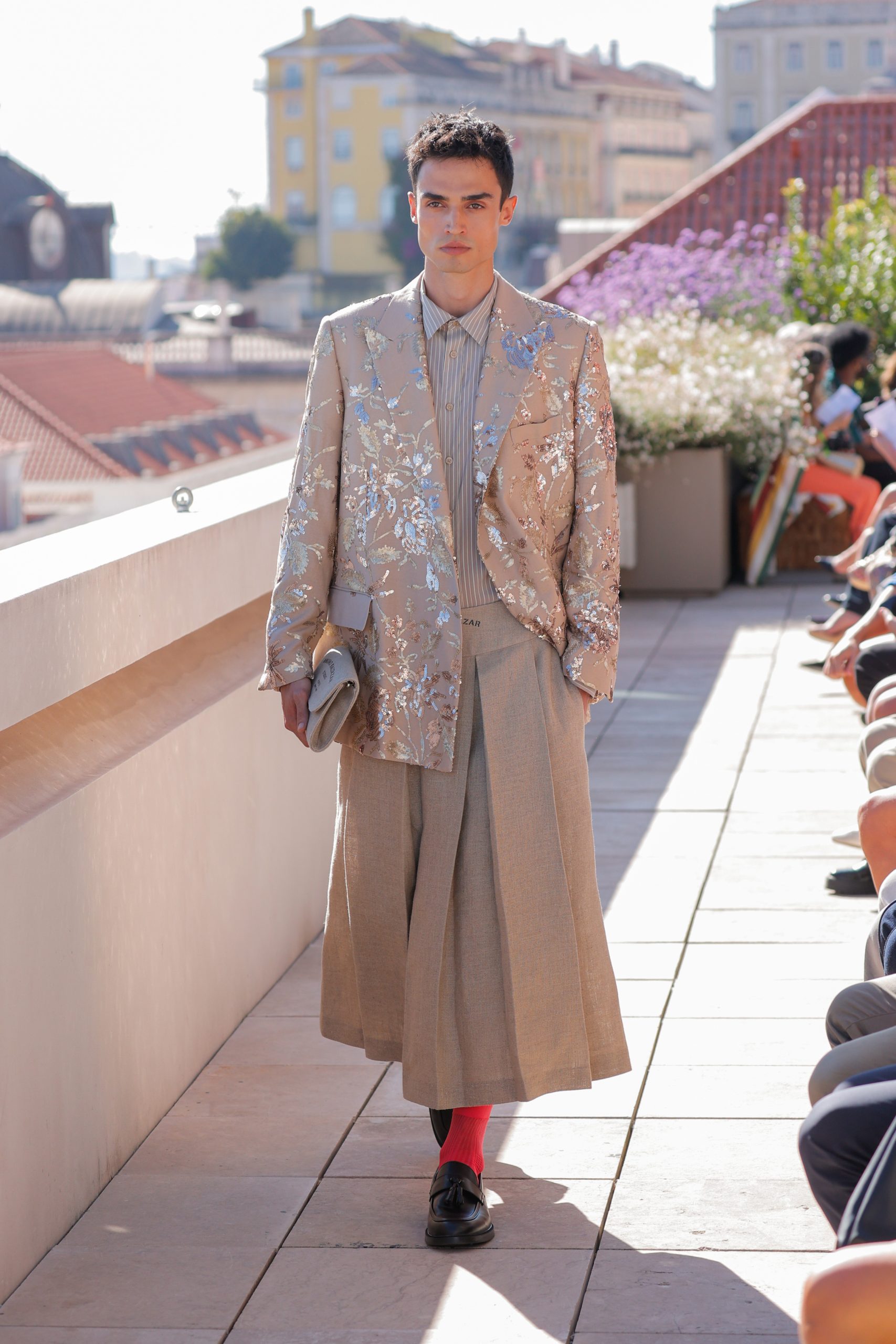
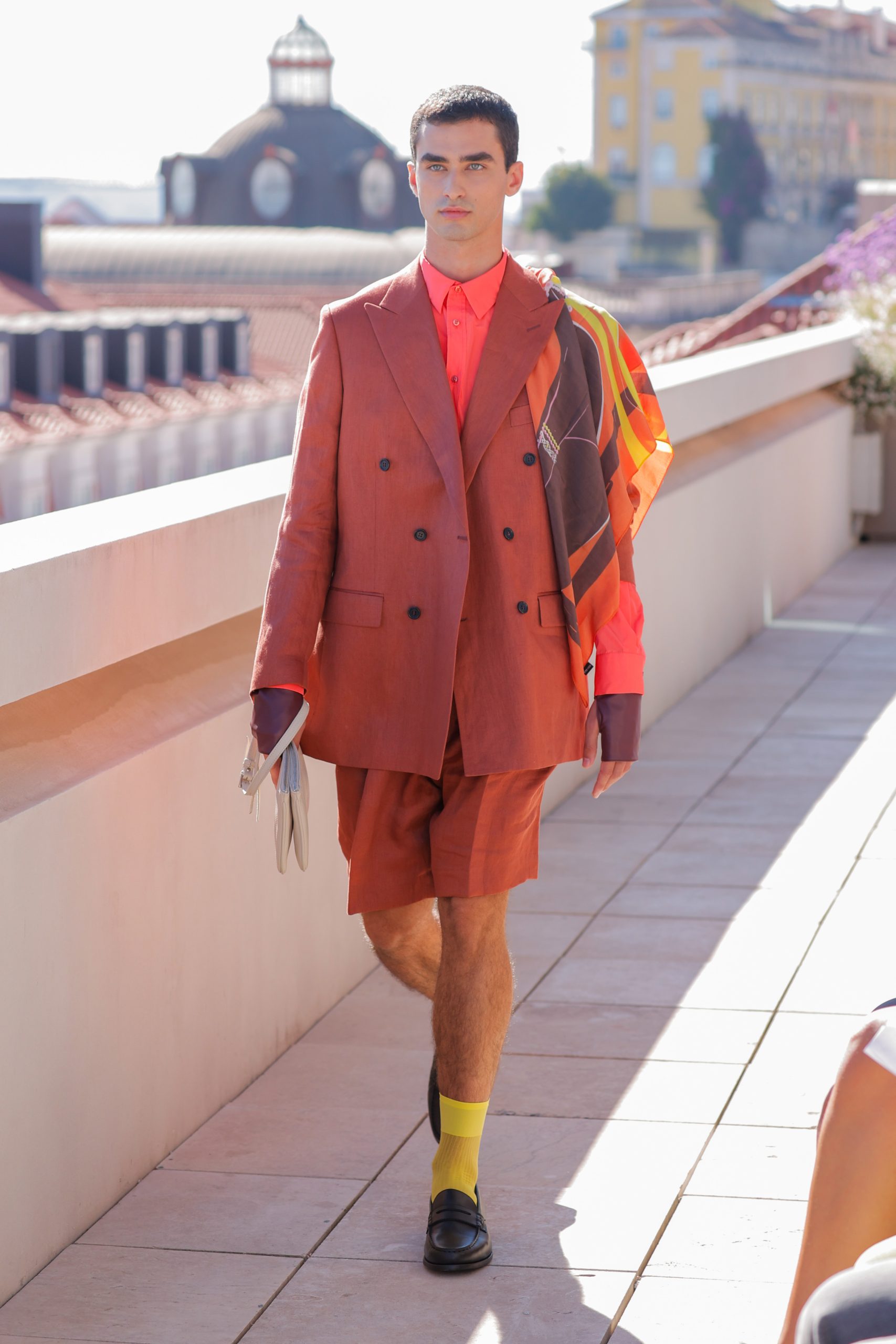
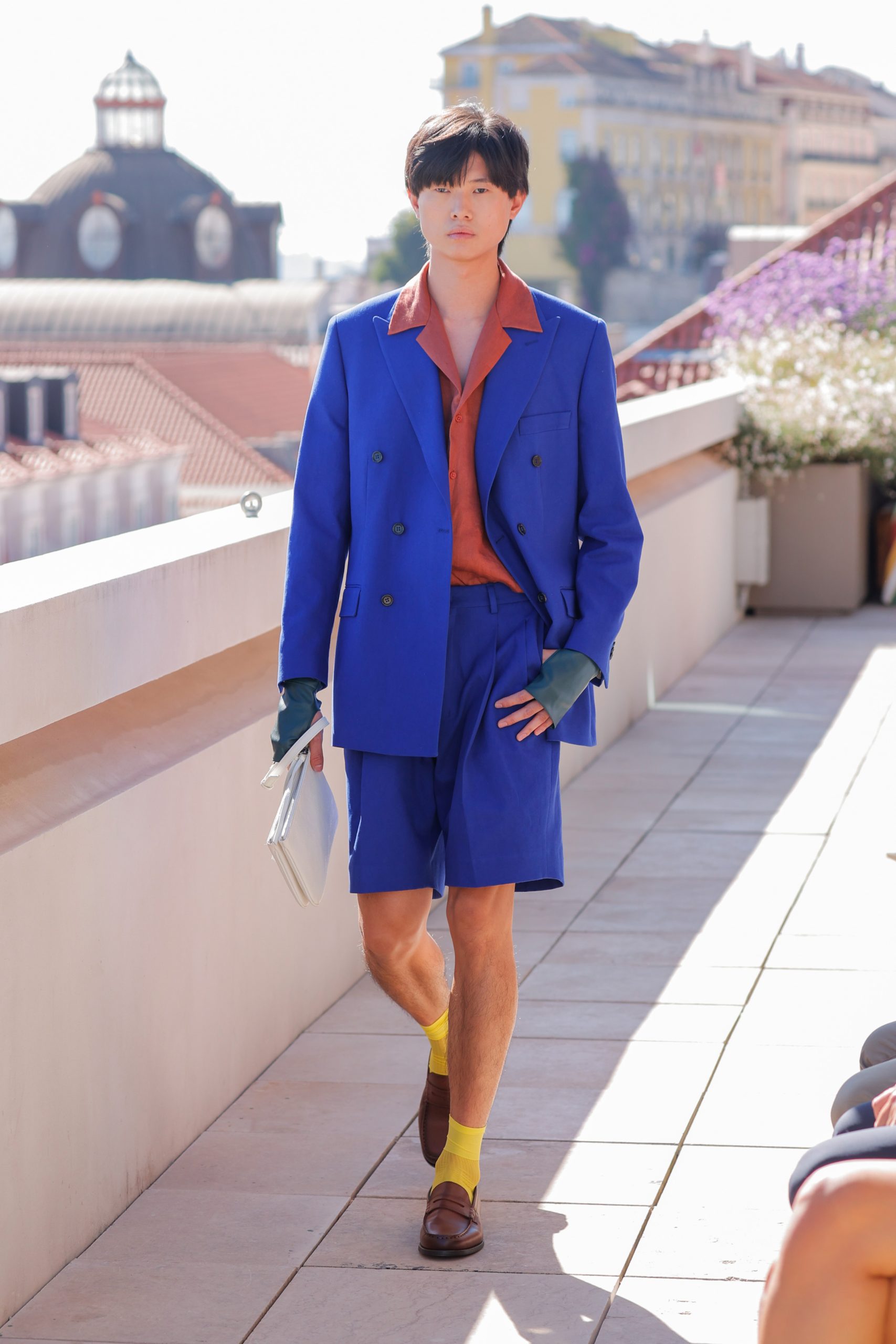
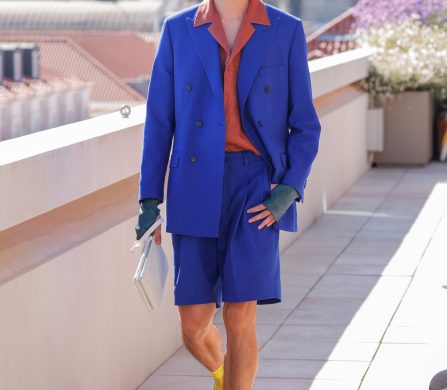
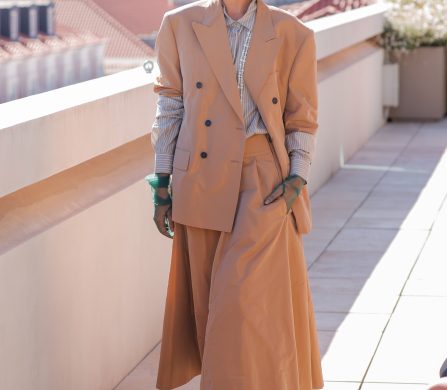
Other notable showings on the extensive schedule came from BÉHEN who presented ‘Loves Me, Loves Me Not’ at MUDE Design Museum, a collection crafted from antique materials and dripping in nostalgia and heritage. Familiar favourite Nuno Baltazar also brought us to MUDE for a rooftop runway; sun drenched and spring/summer ready, Baltazar showcased an exquisite use of colour, with unexpected accents via large bows and colour clashing tights and socks, while the ‘Summering’ collection from Arndes played with a more neutral palette paired with contrasting textures and deconstructed favourites.
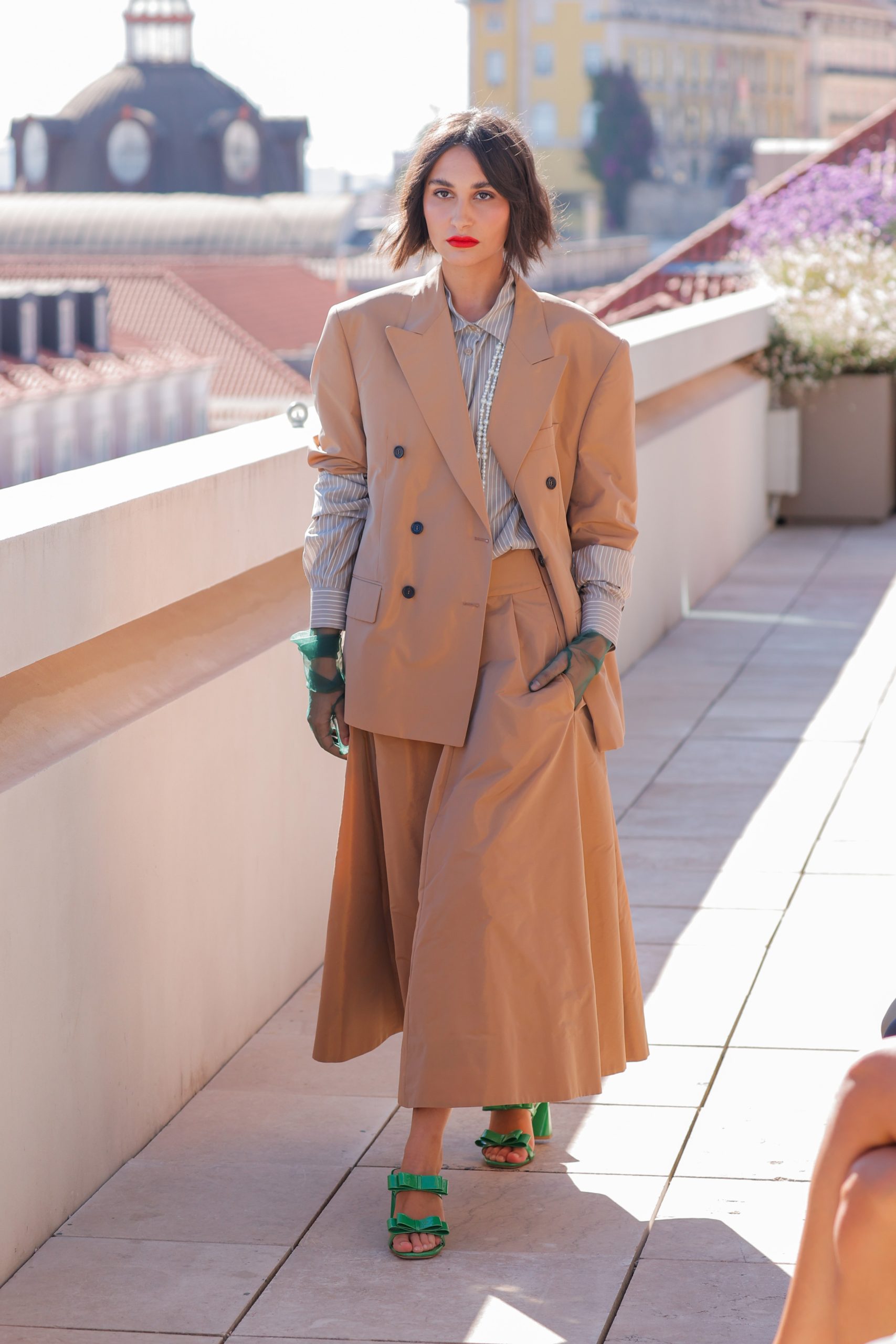
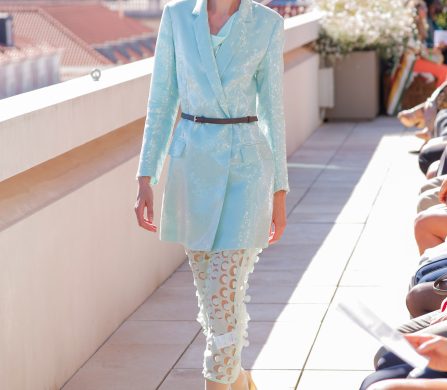
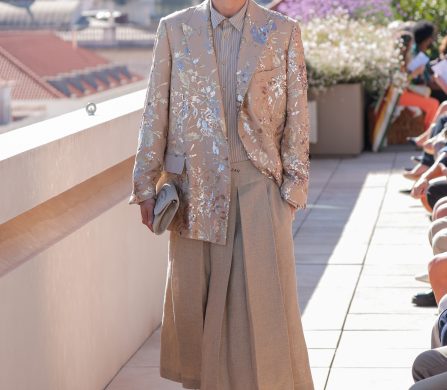
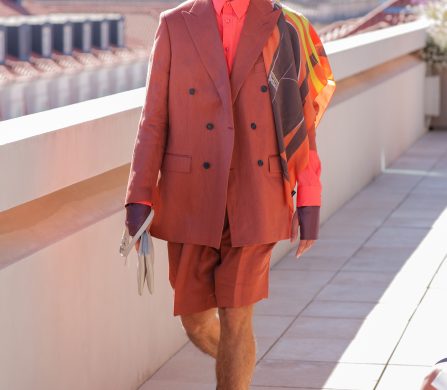
While most of the runway shows were held at Pátio da Galé – the heartbeat of Lisbon Fashion Week – the FASHION HOUSE venue also held its own. Intended as a base for all fashion week audiences to intersect, its offering of free events, as well as invitation only presentations, meant it became an exciting, interactive hub for the week.
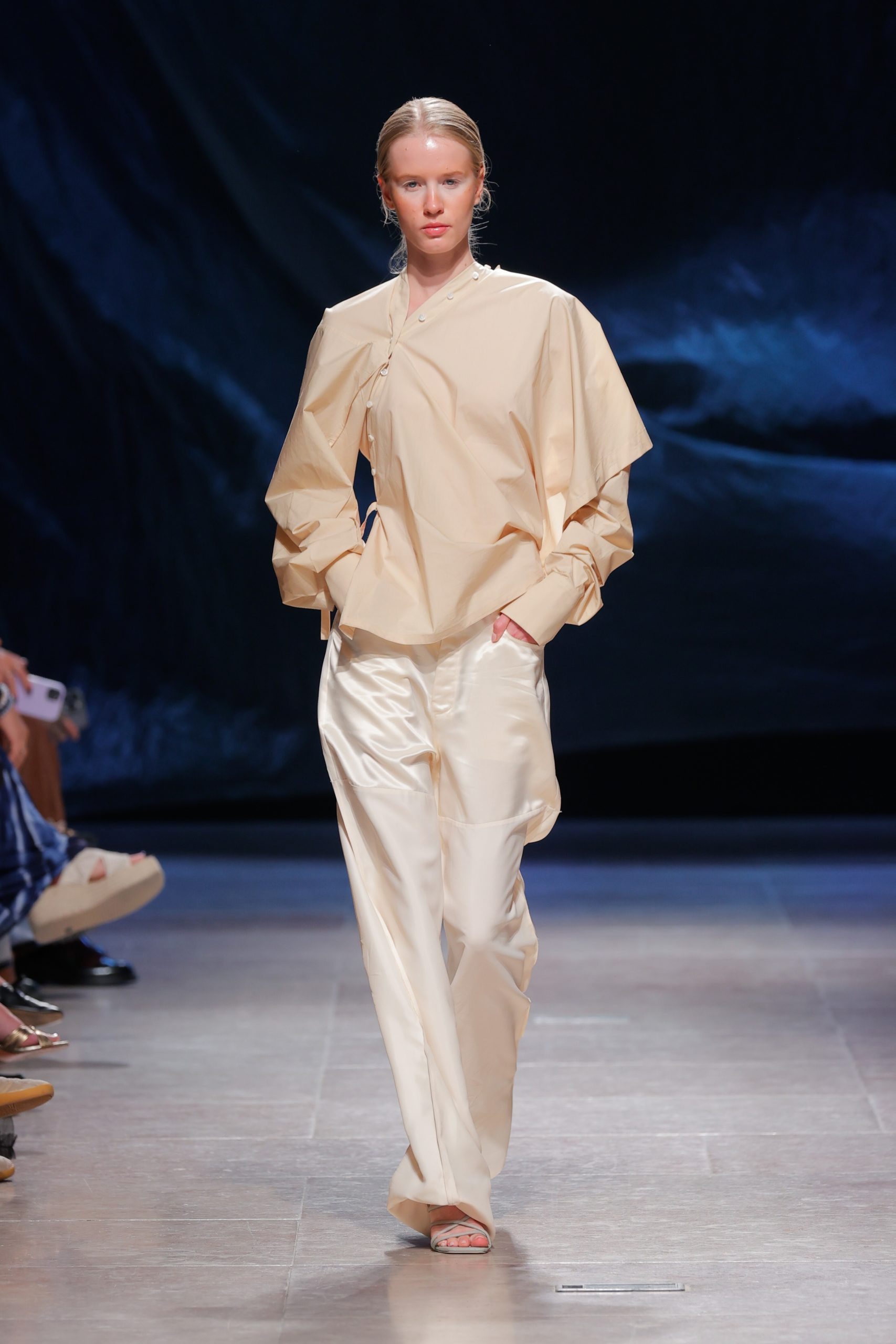
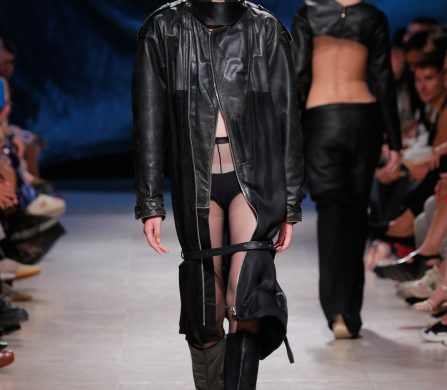
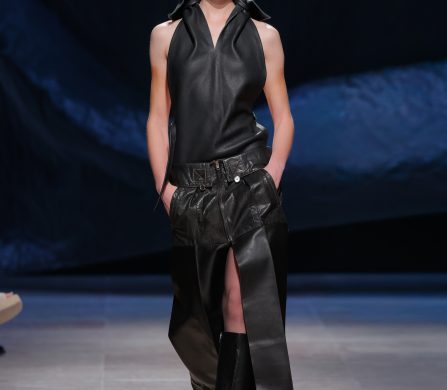
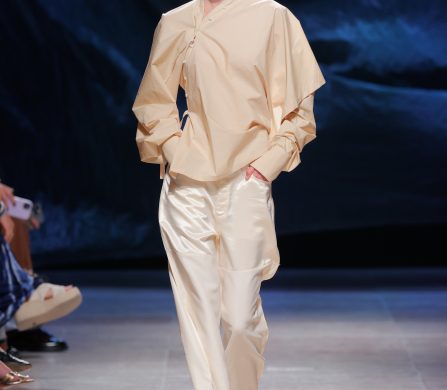
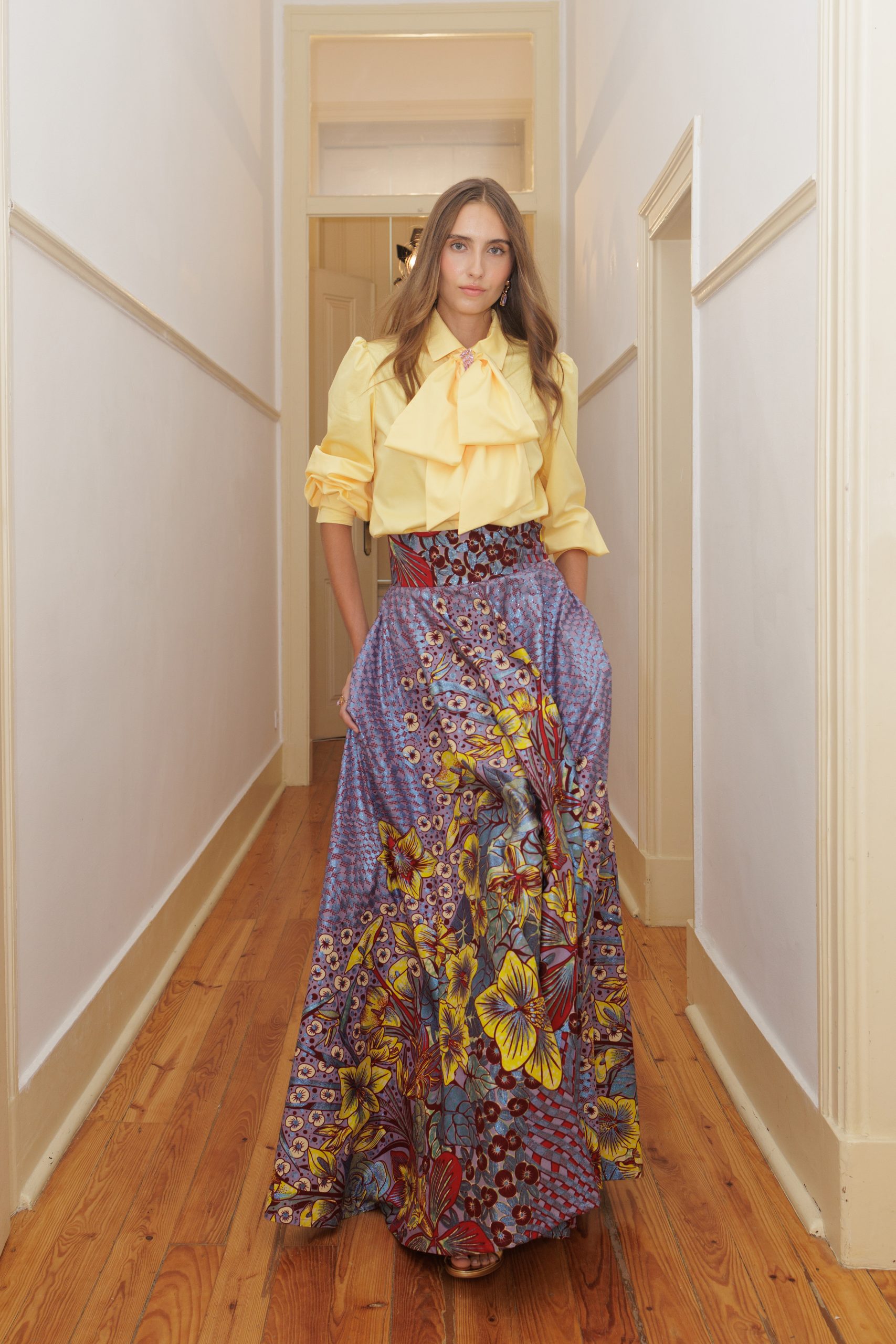
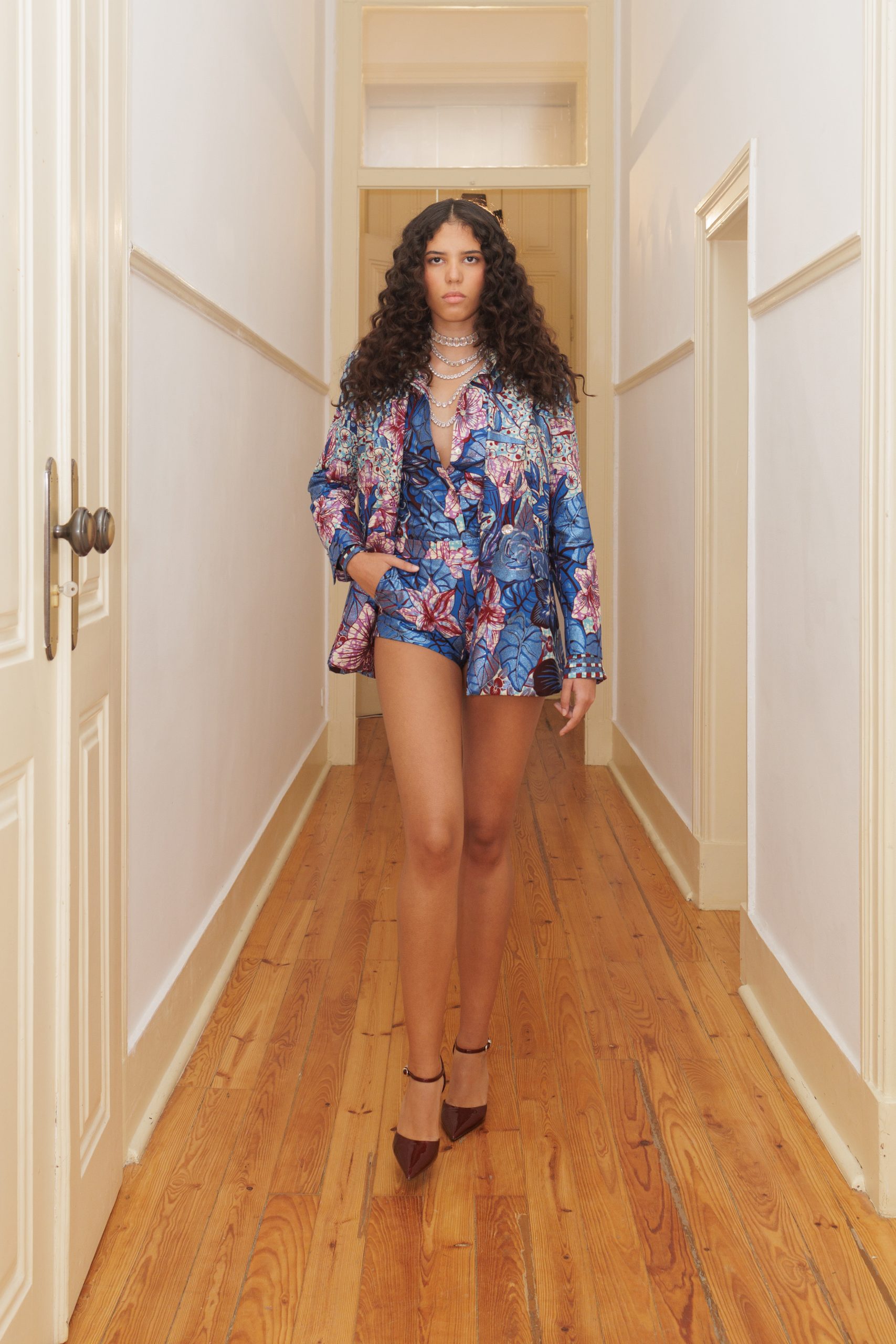
Large-scale installations with curation support from Sofia Amaral Coelho framed the setting and add another layer to the activations happening inside the space. The pop-up shop gave room for Portuguese designers to share their work with a wider audience, including pieces by Bárbara Atanásio, DuarteHajime, Mestre Studio, Valentim Quaresma and more, as well as allowing for more public oriented workshops and installations aimed at removing the veil that’s usually present during fashion weeks. Standout moments at FASHION HOUSE included Roselyn Silva’s runway, where bold floral prints were a nod to the brand’s ten year legacy as well as the future waiting to bloom. Sara Maia’s presentation also provided a unique moment, exploring silence and the spontaneity of sound, alongside the designer’s delicate yet rigid silhouettes.
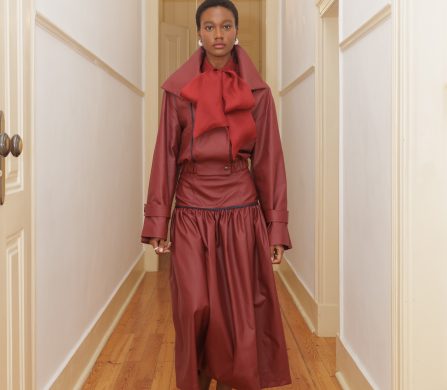
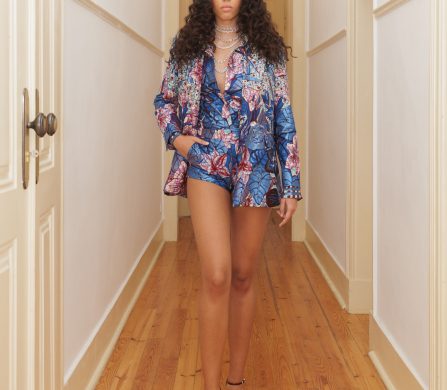
With the 65th edition now well and truly wrapped up, ModaLisboa has shown once again why it continues to grow year on year. With its holistic focus on emerging designers, coupled with the ongoing nurture of homegrown talent, this season has followed through on its theme, providing the strong BASE that produces the kind of unique creativity that’s only made in Portugal.
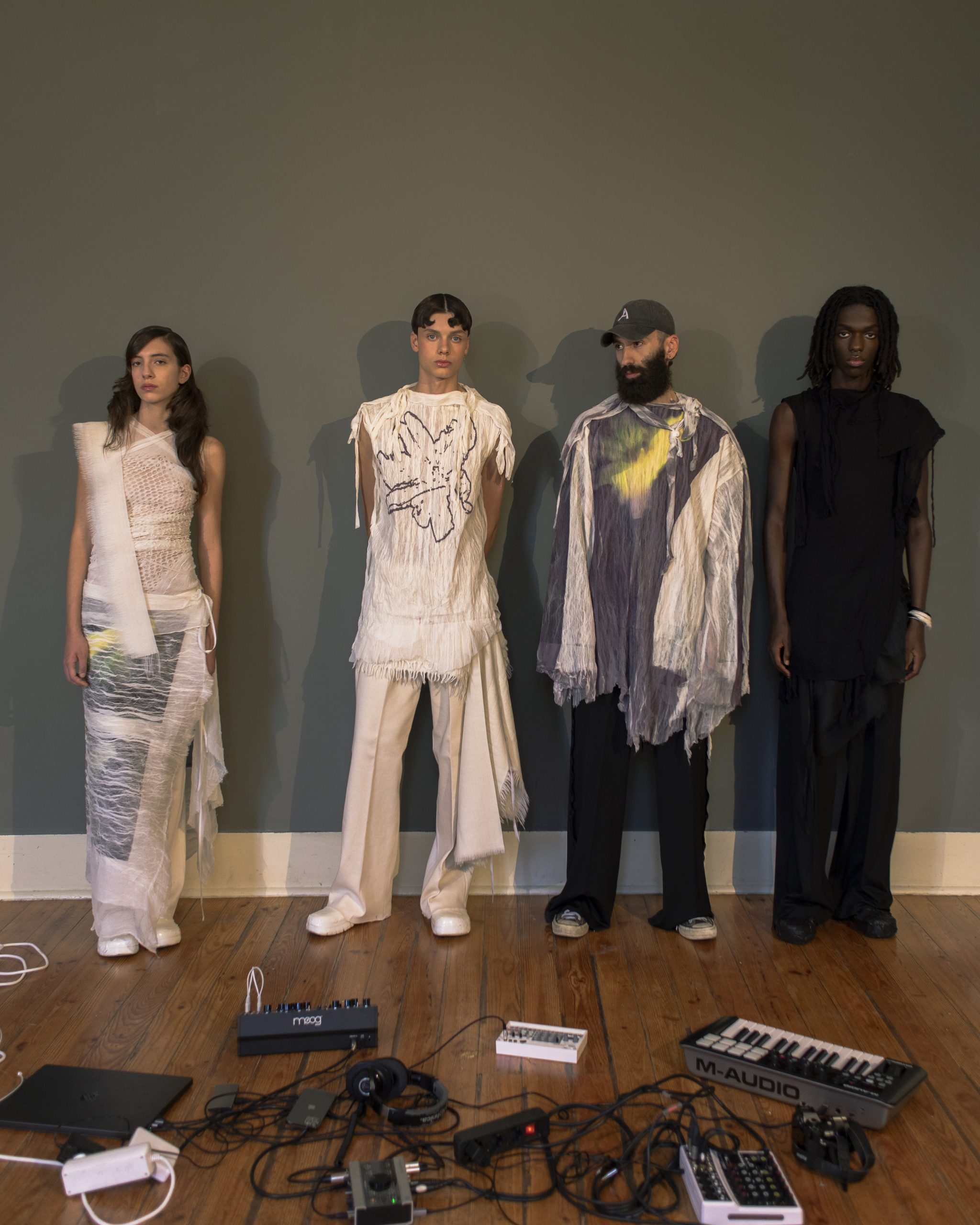
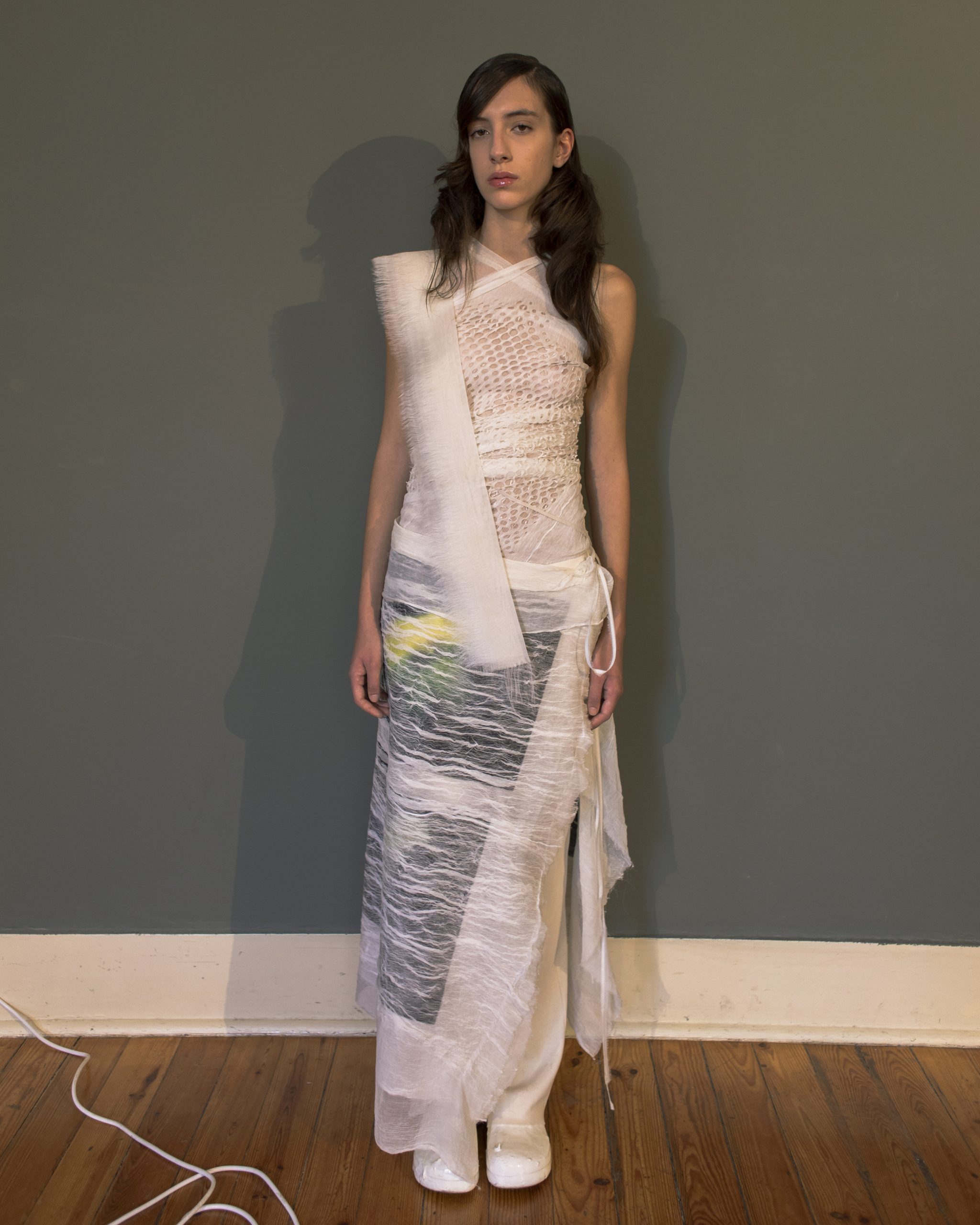
Find out more about ModaLisboa here.
words. Jade Thompson
photography. Ugo Camera, Luís Miguel Fonseca + Luís Gala ©ModaLisboa