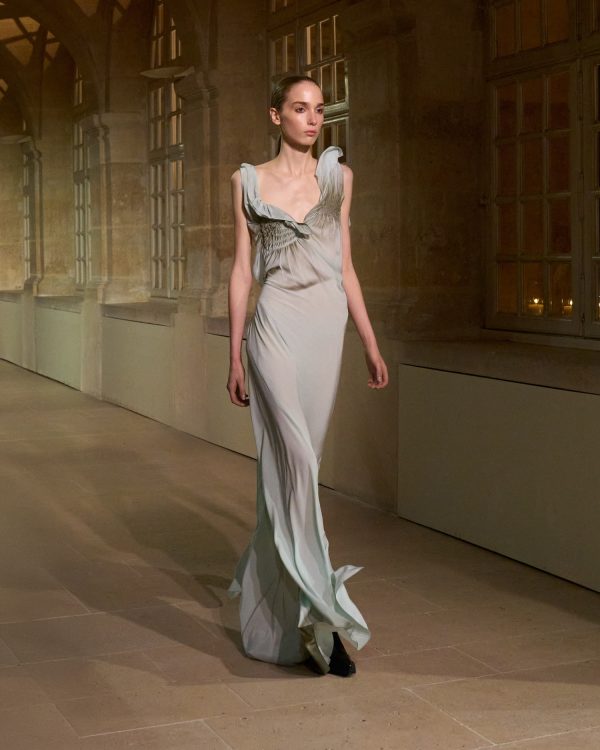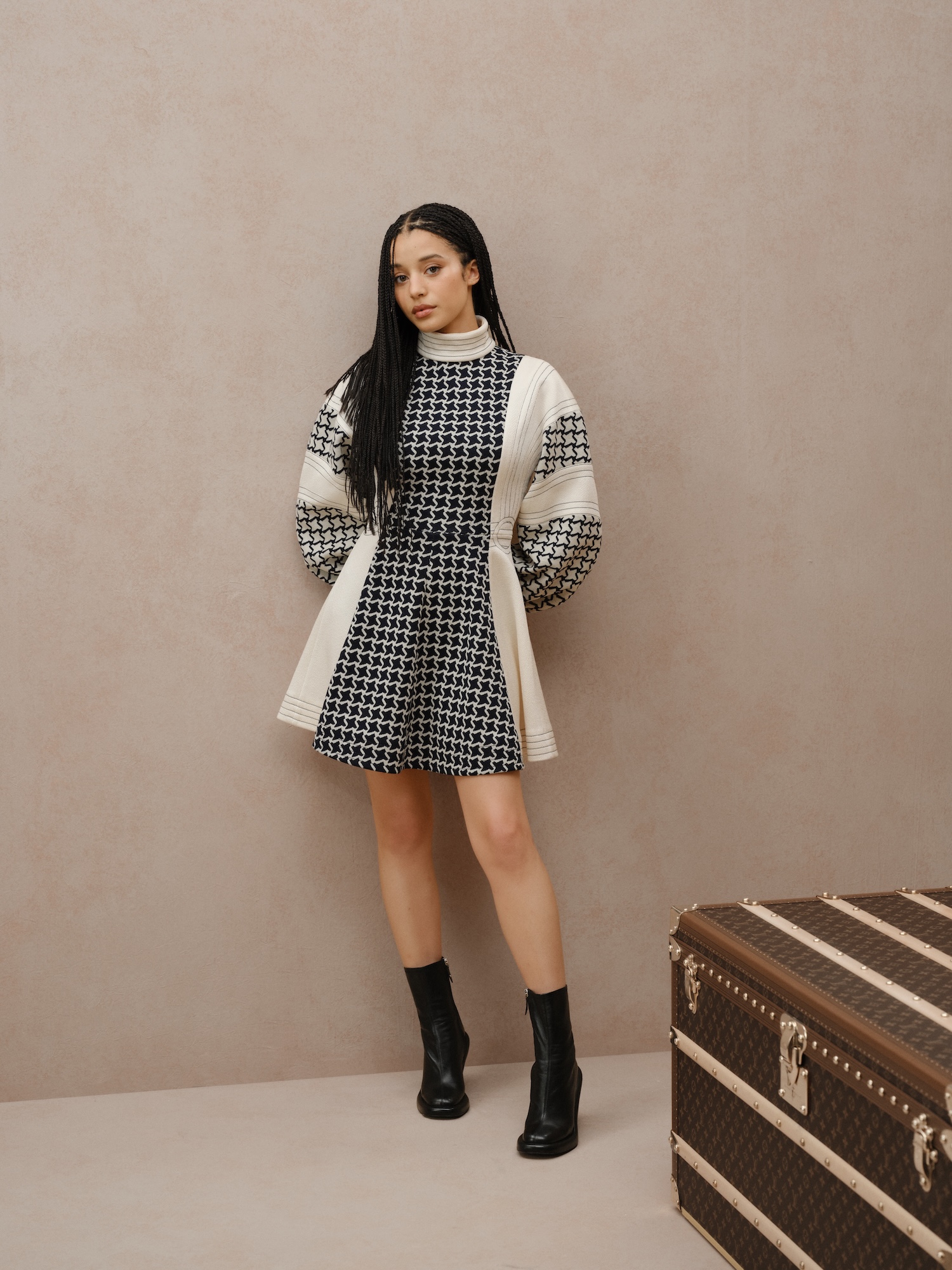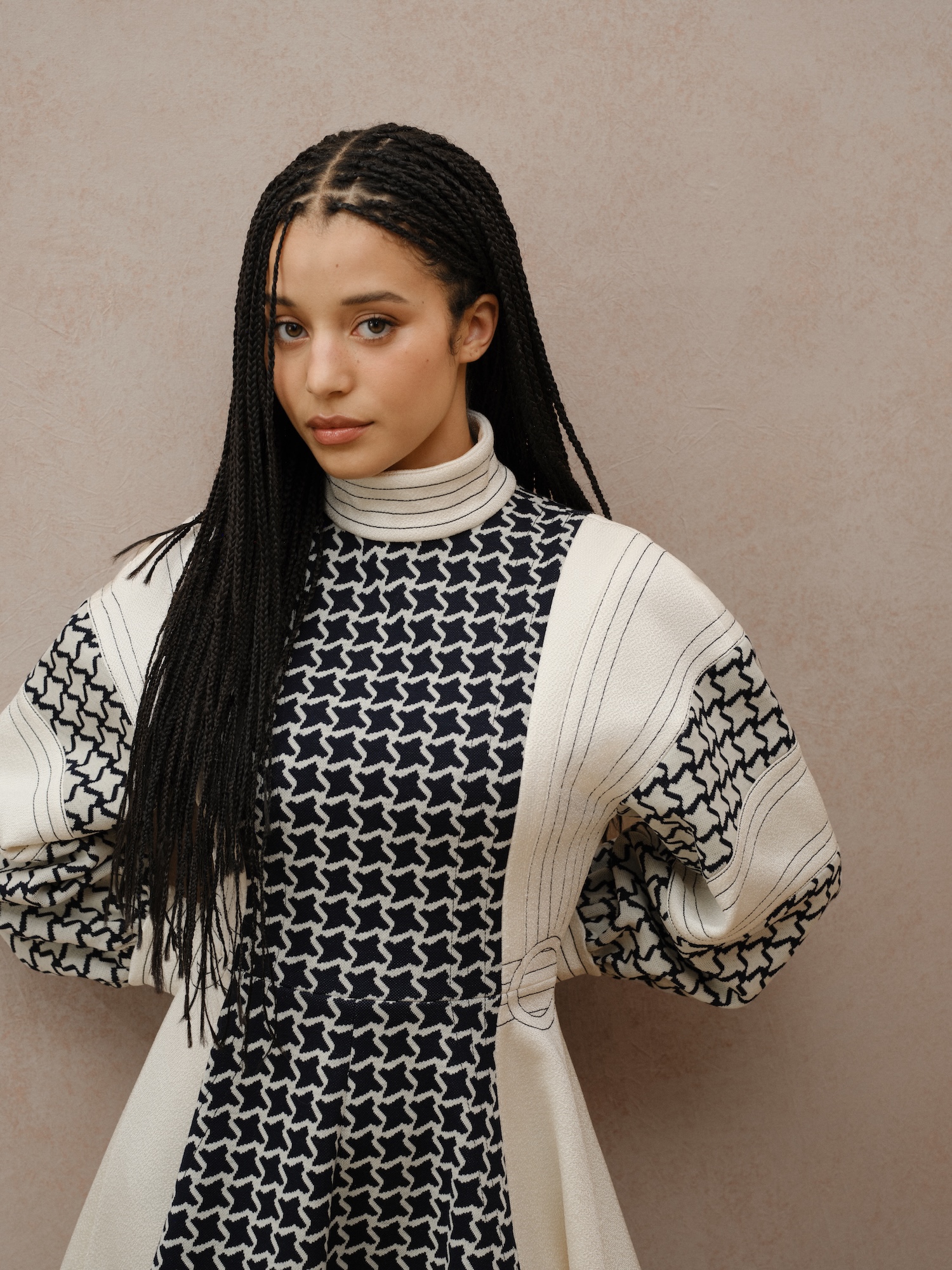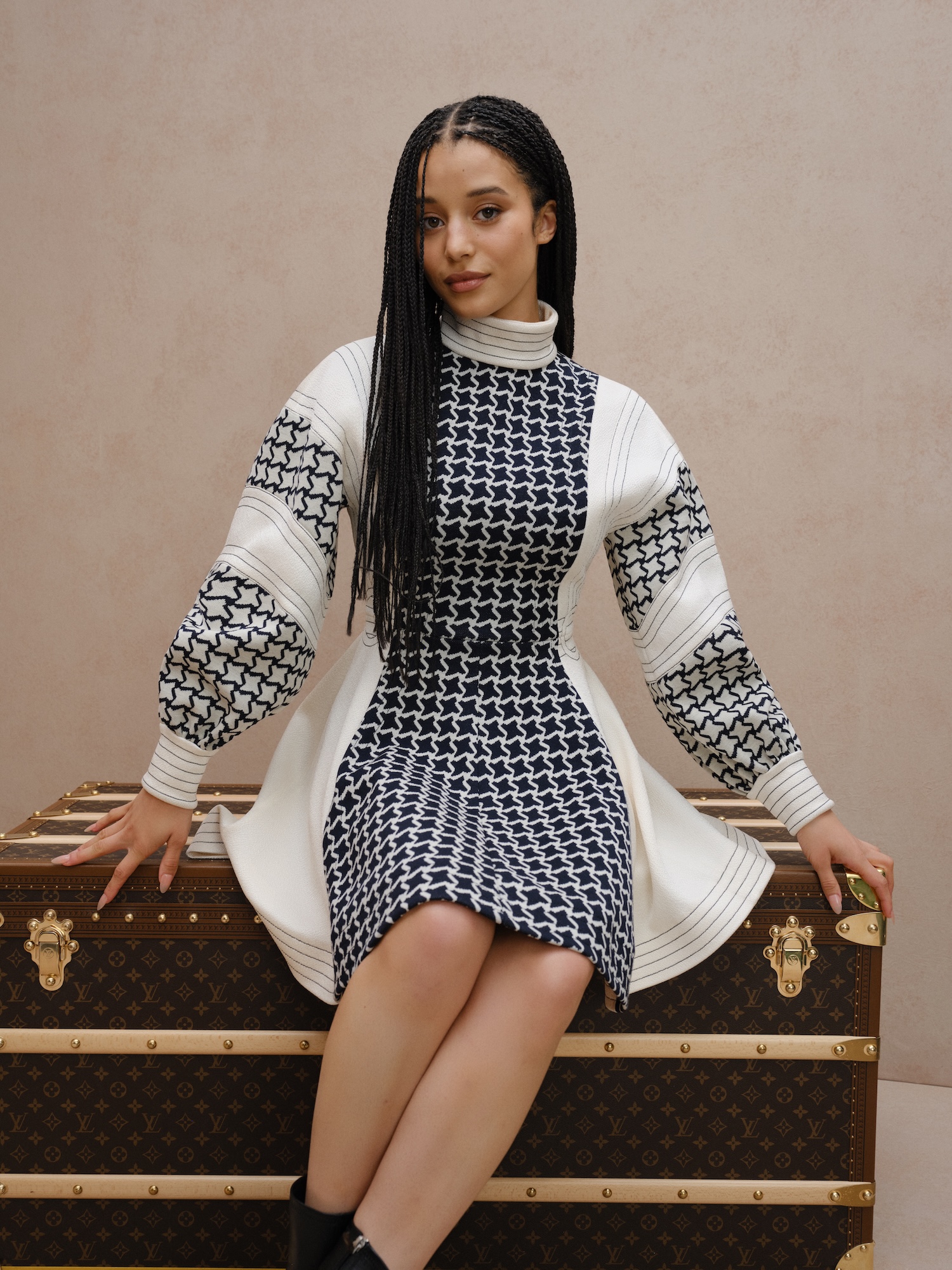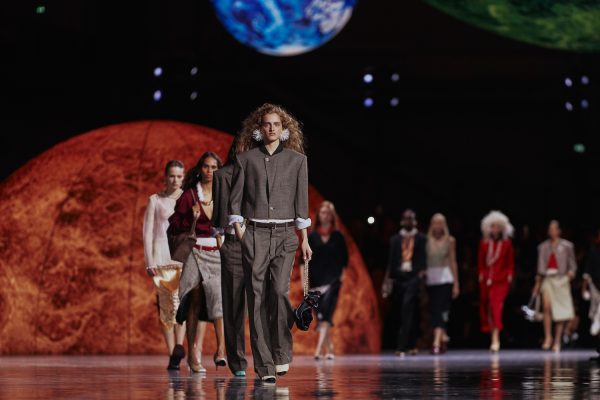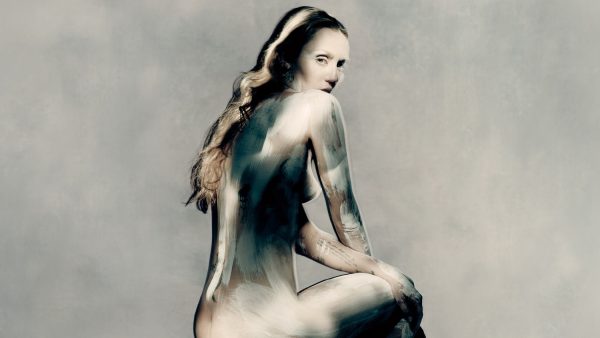


Antonio Marras has always been a storyteller, and for Spring/Summer 2026 he writes in fabric rather than ink. This season, the designer turns to Sardinia – his birthplace and enduring muse – through the imagined voices of travellers past: Katherine Mansfield, D.H. Lawrence, Virginia Woolf, Frieda von Richthofen, and the entire Bloomsbury set. Their ghosts gather in Alghero, summoned through letters and diaries, to rediscover the island’s strangeness, its beauty and contradictions.
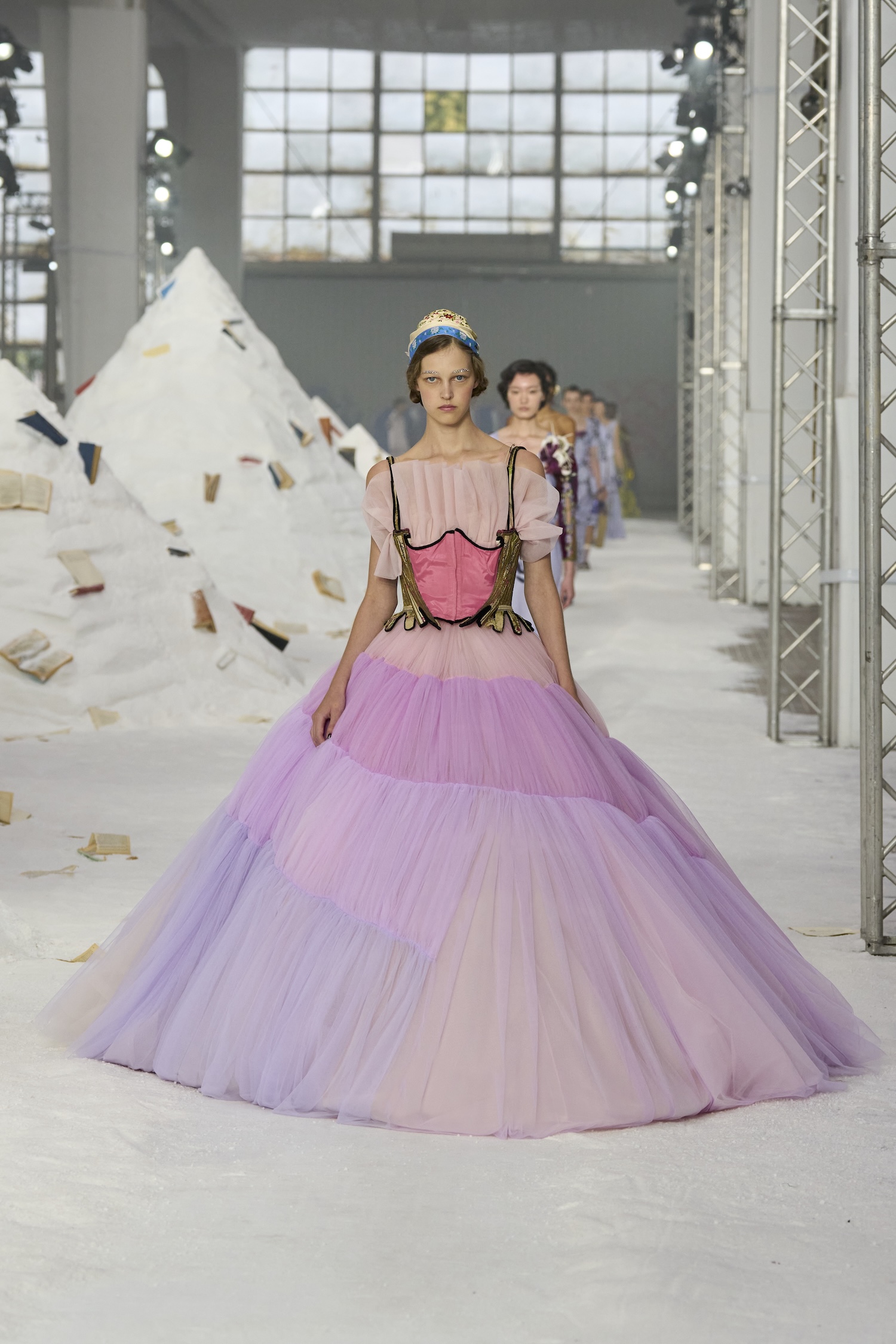
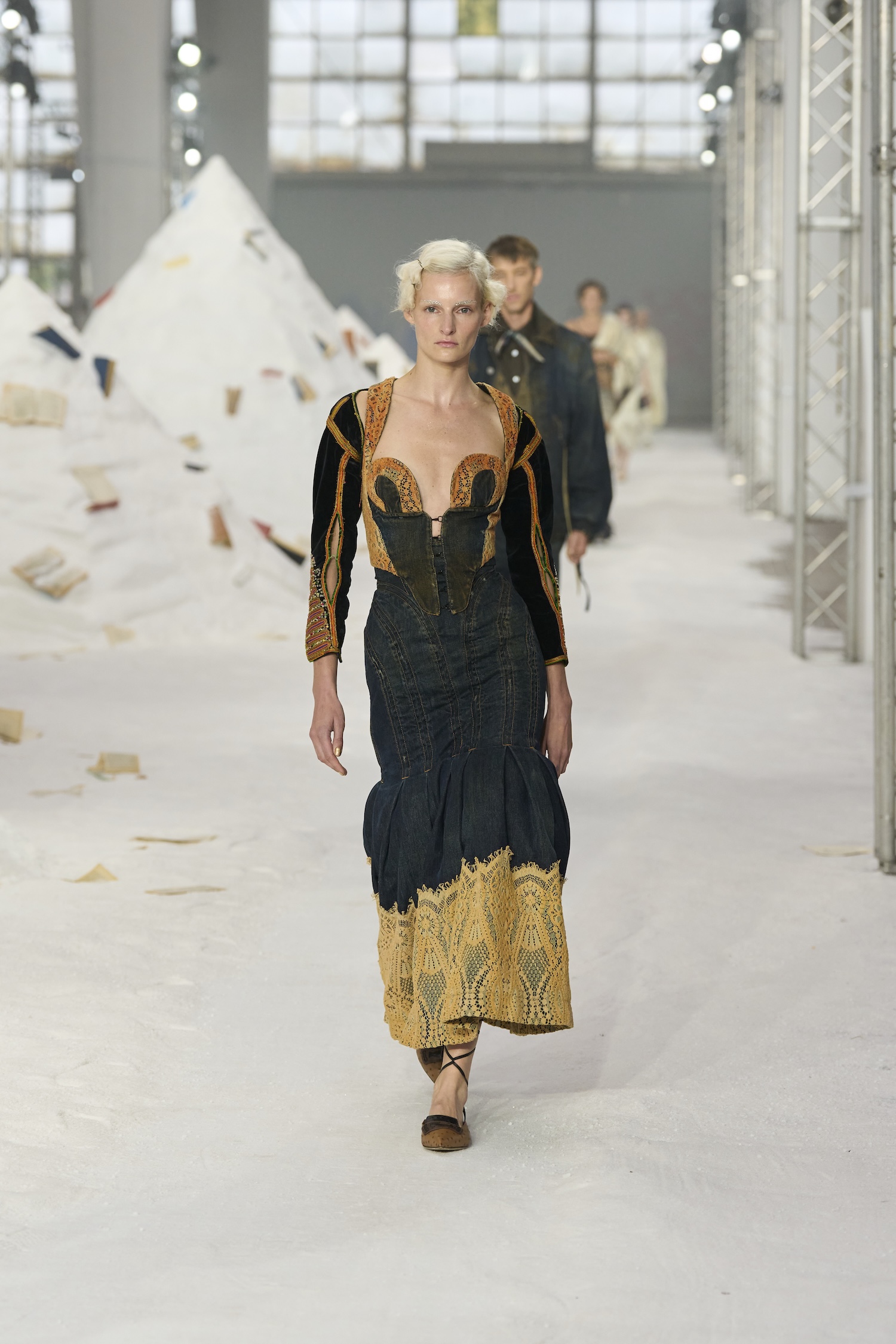
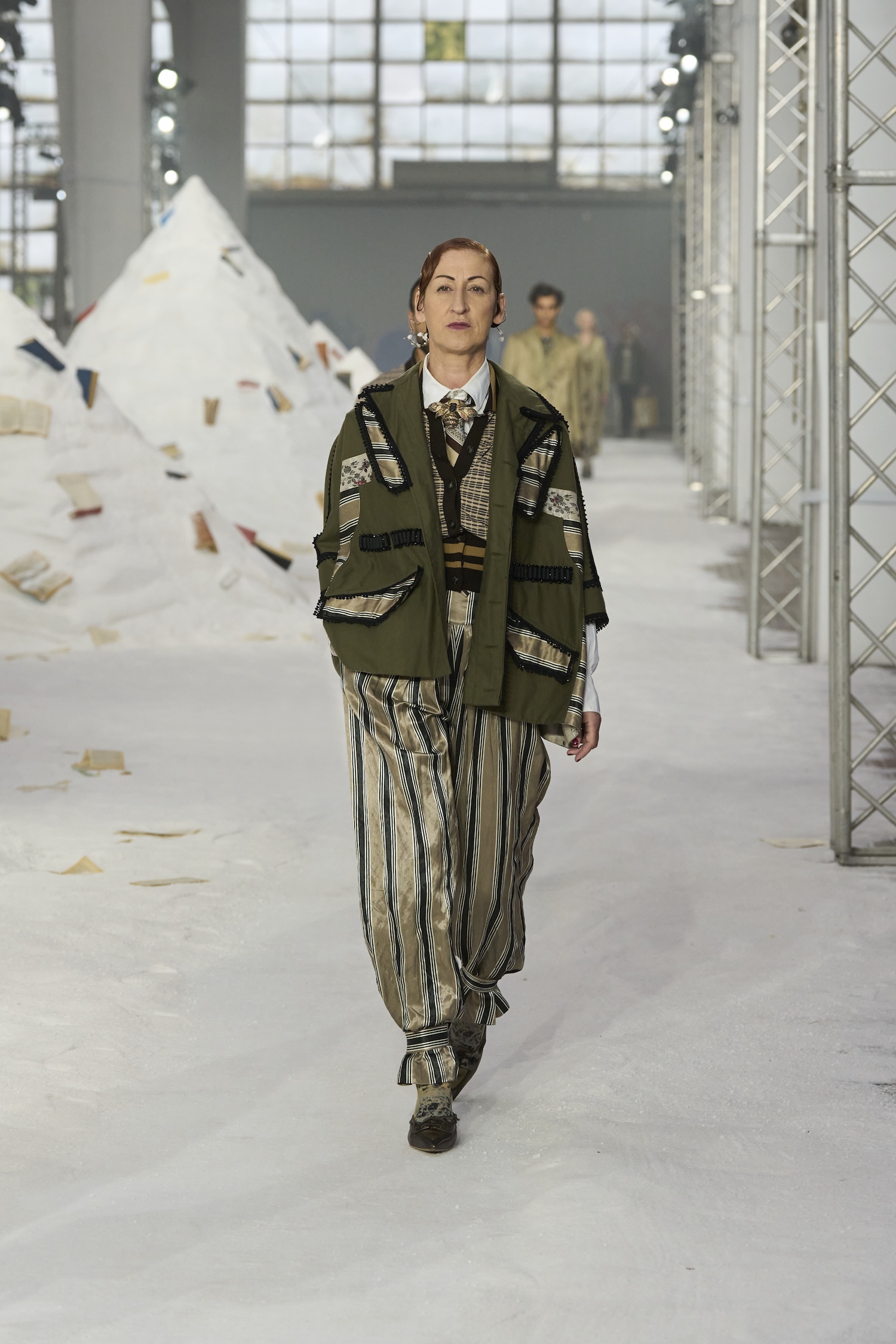
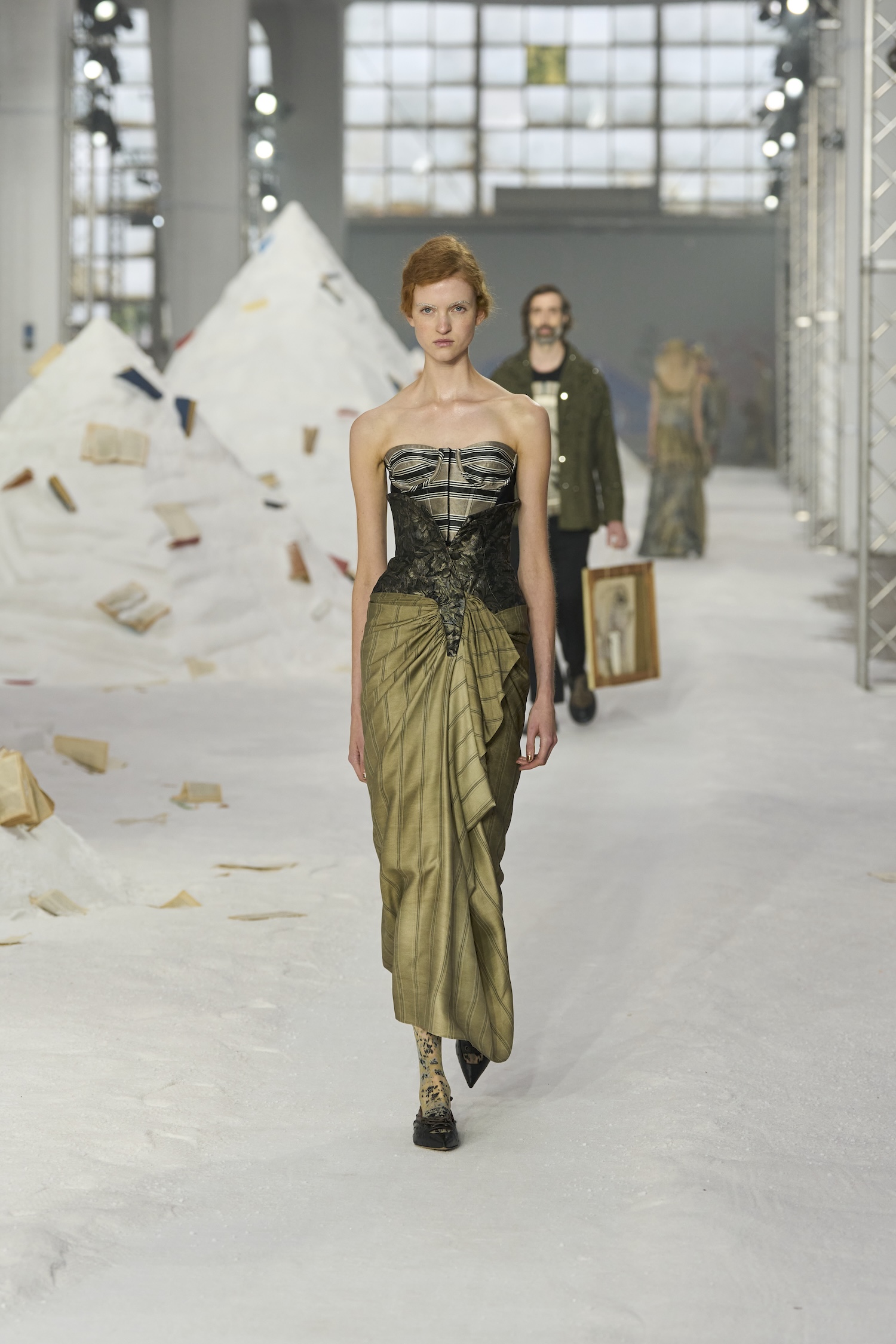
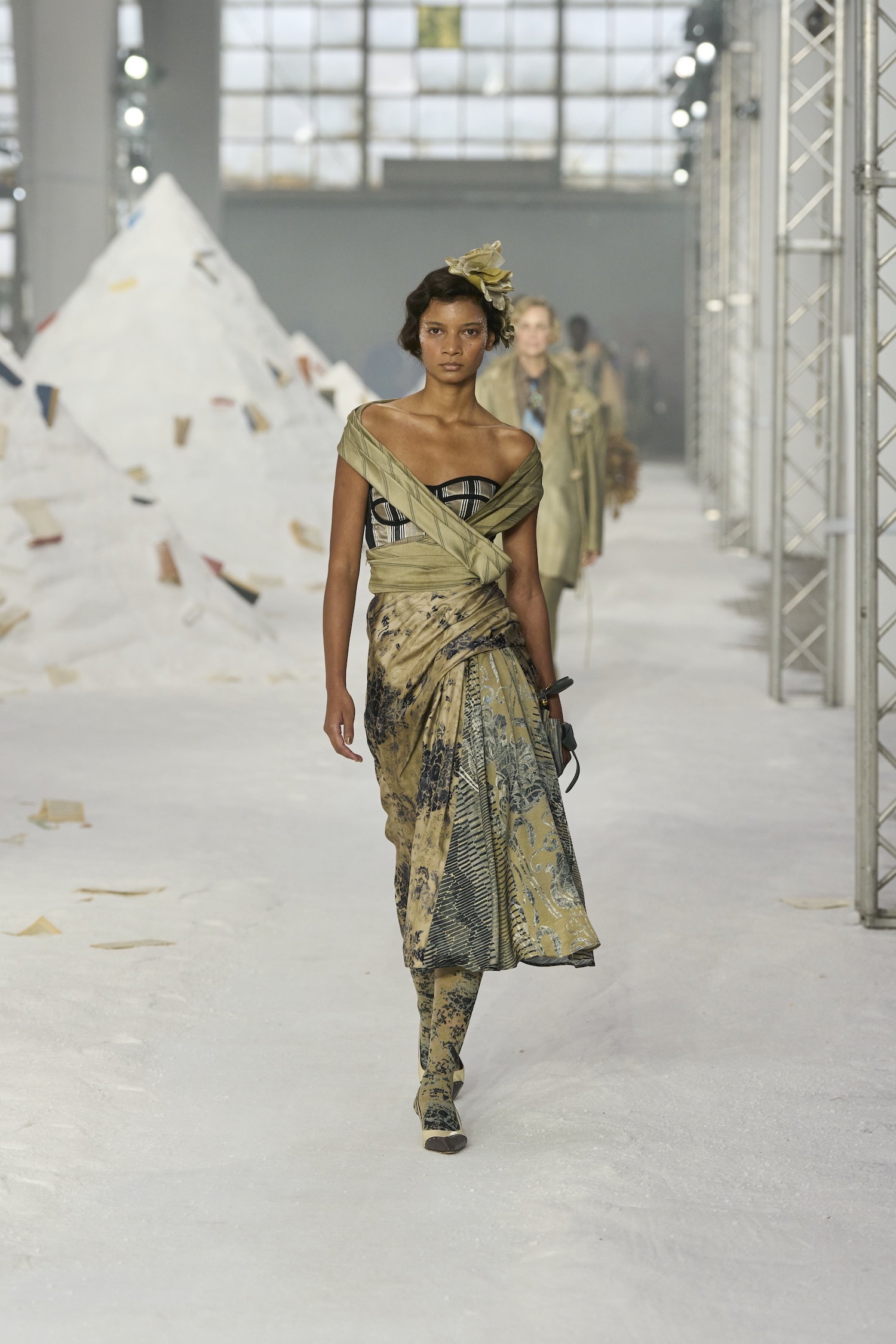
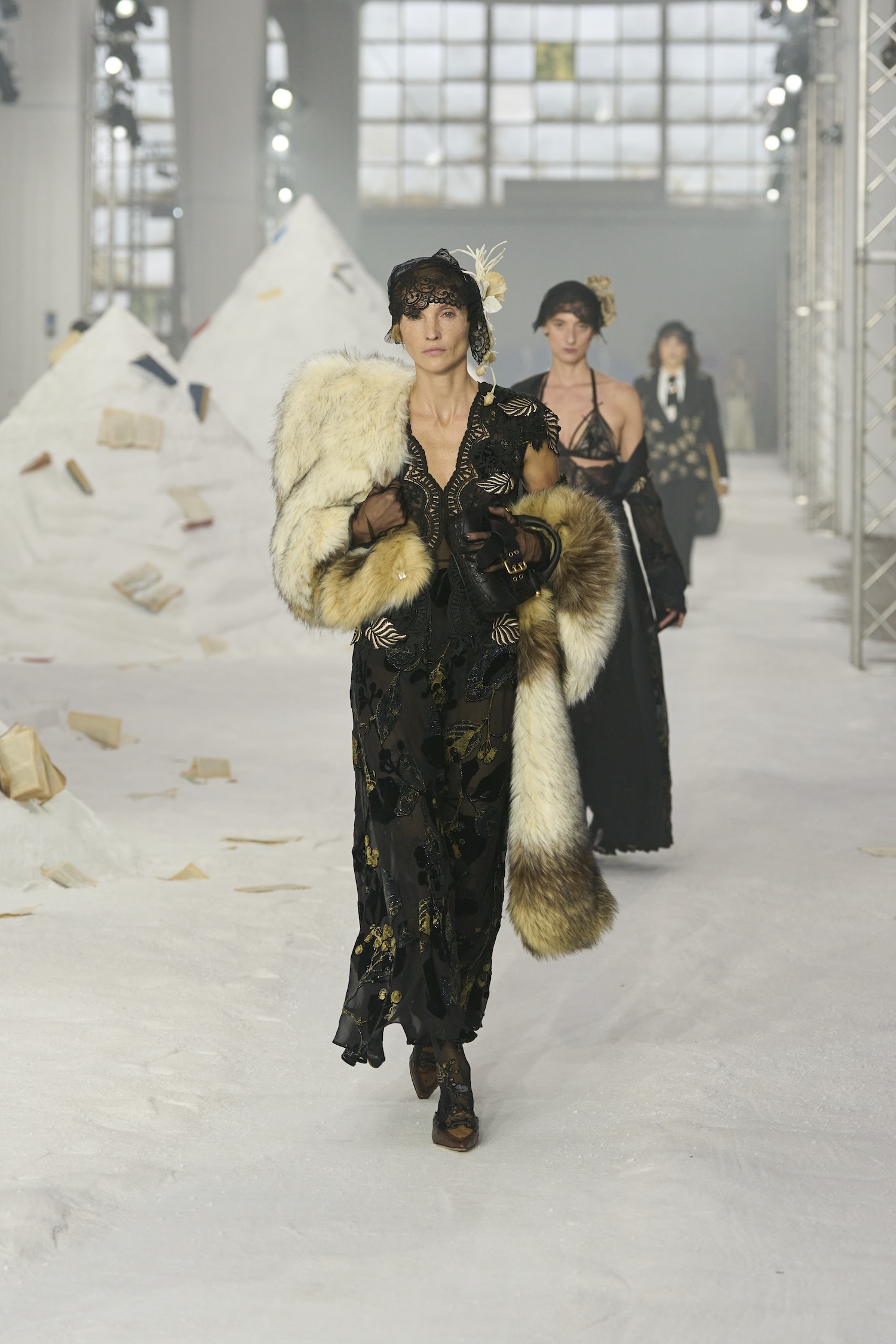
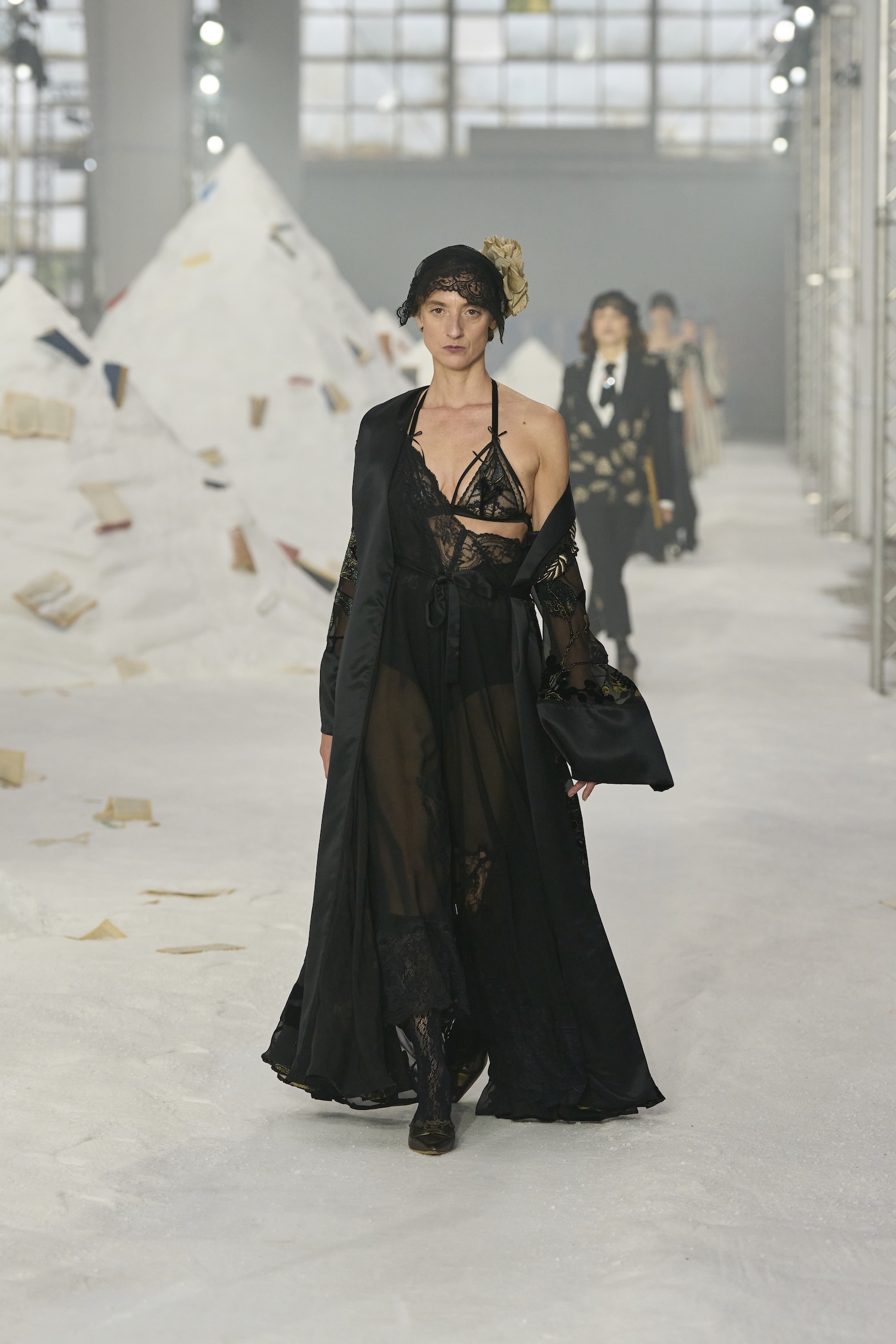
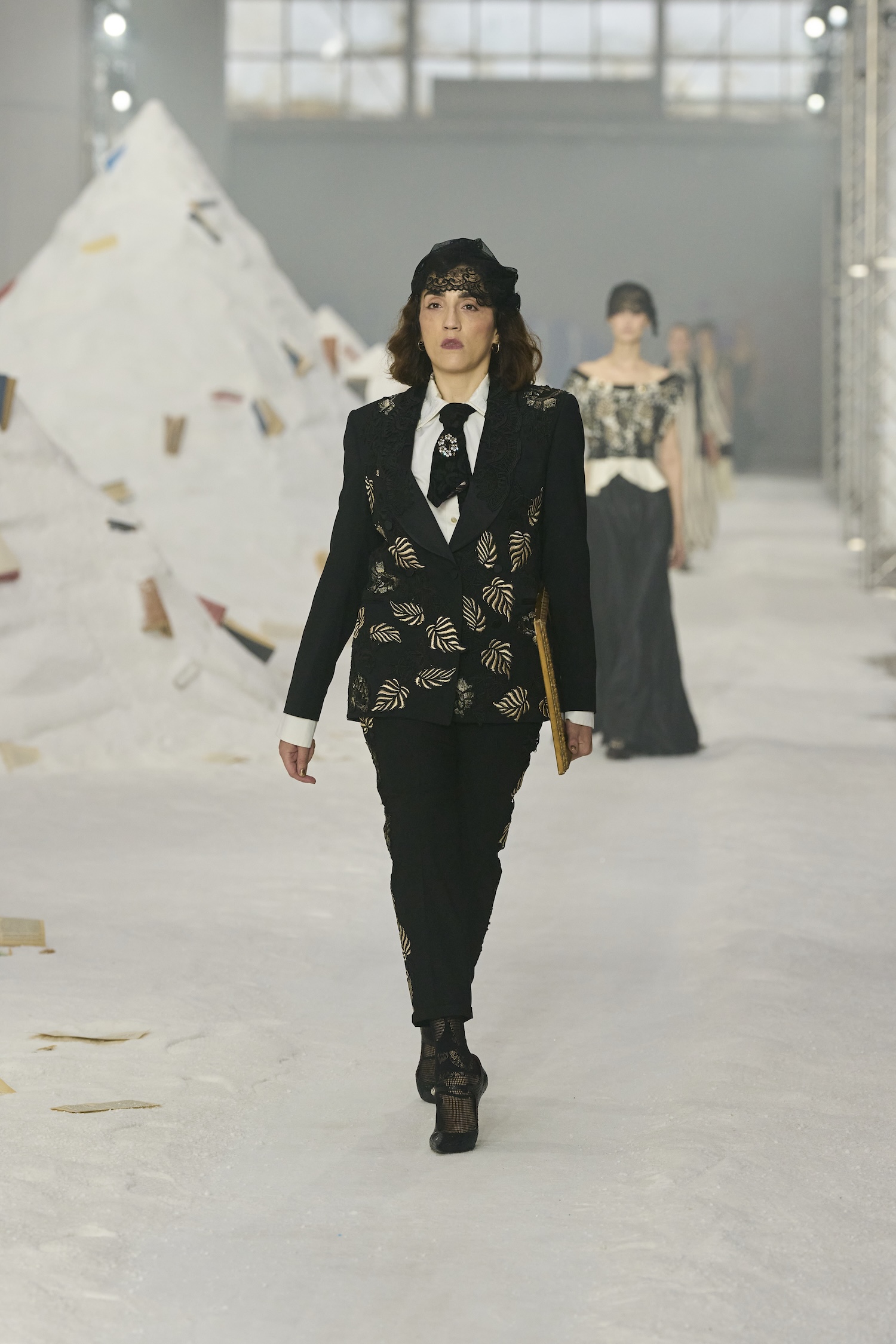
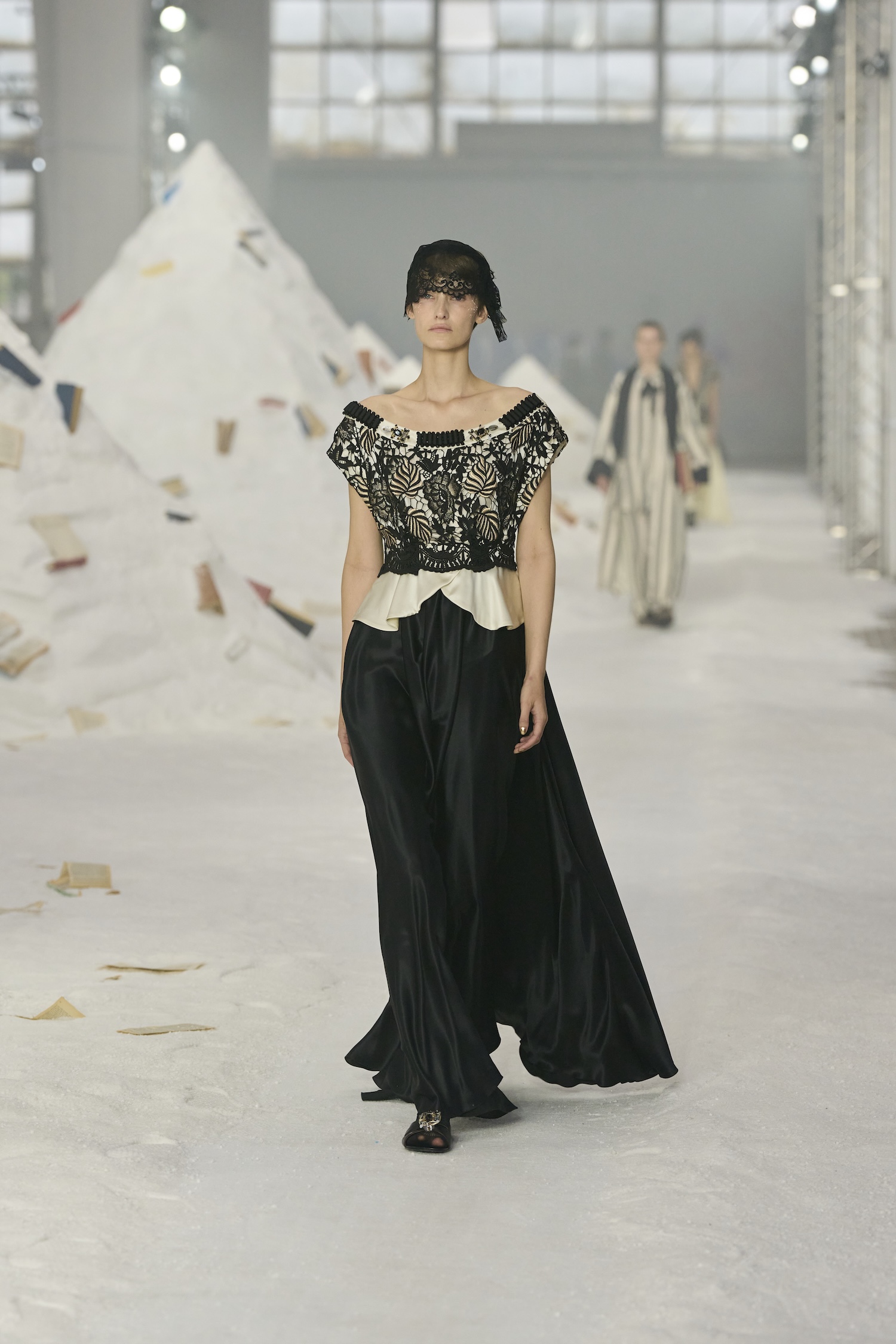
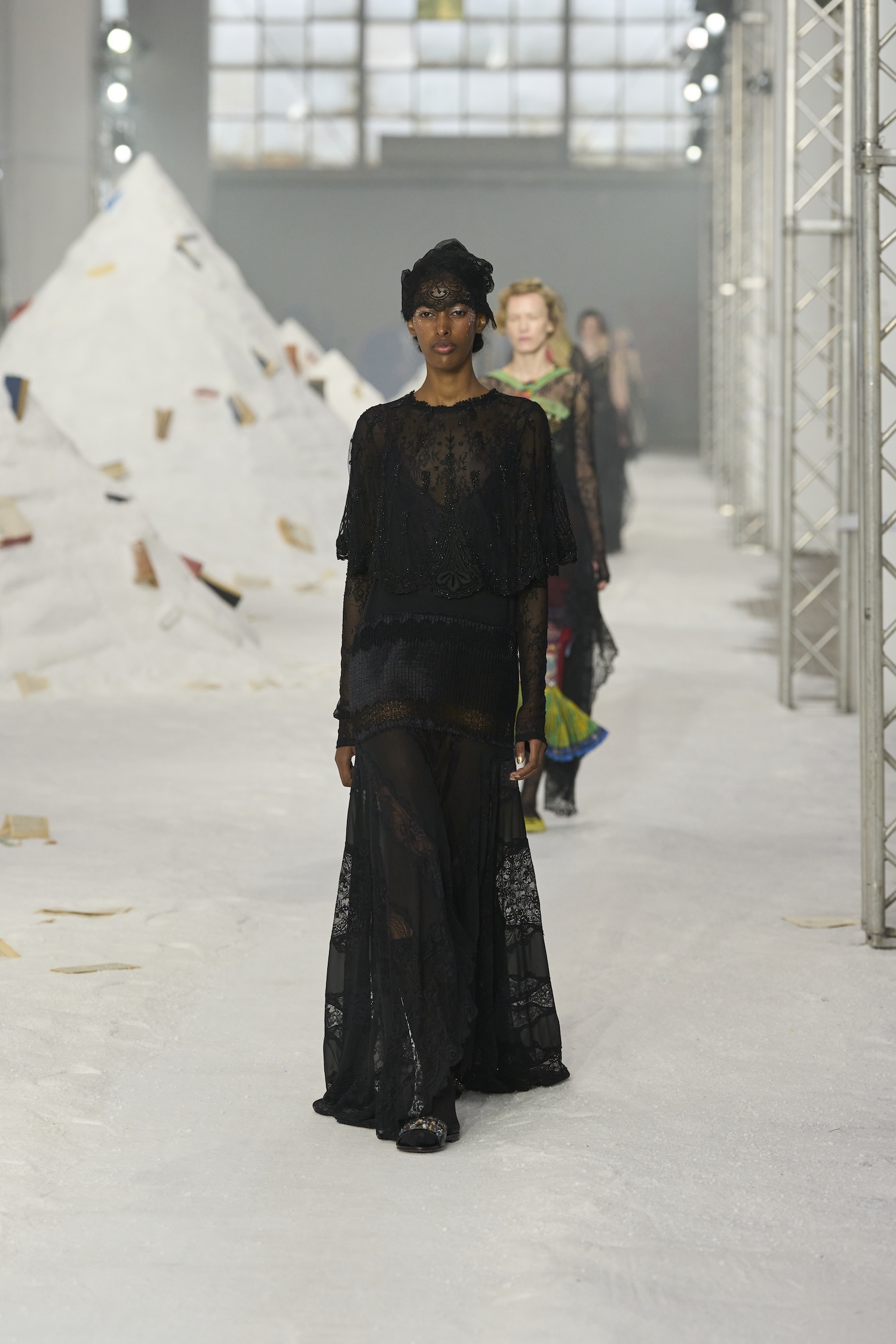
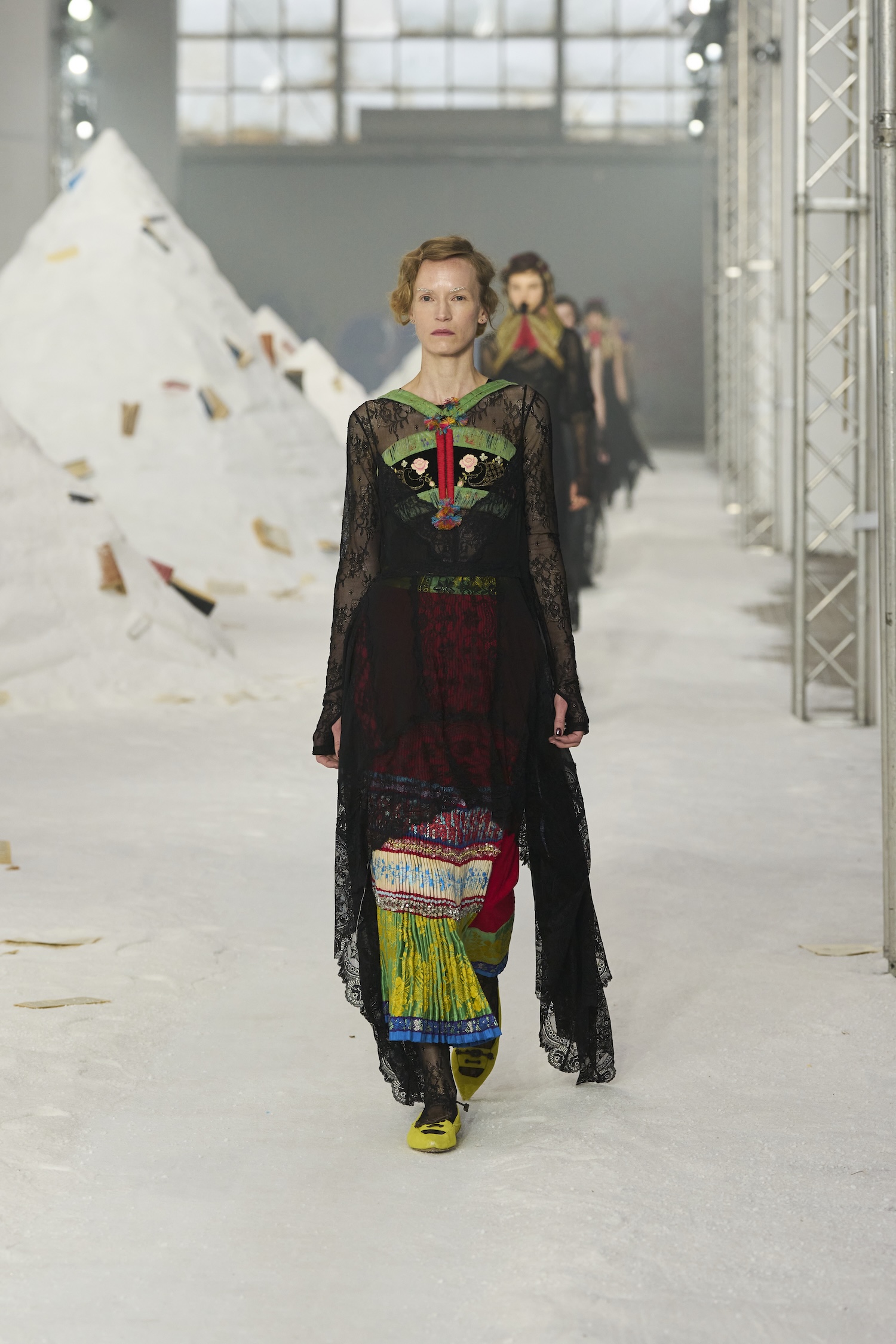
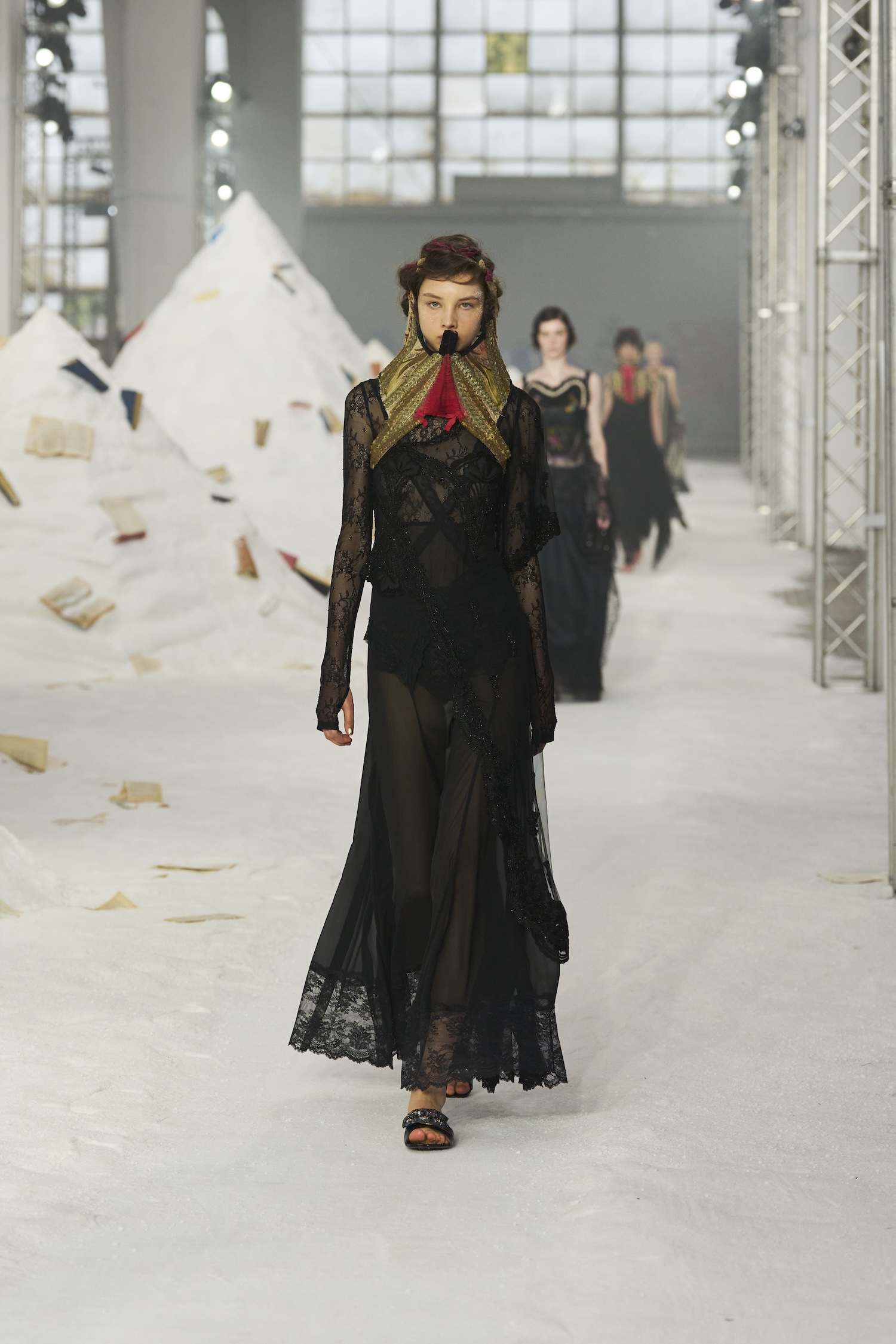
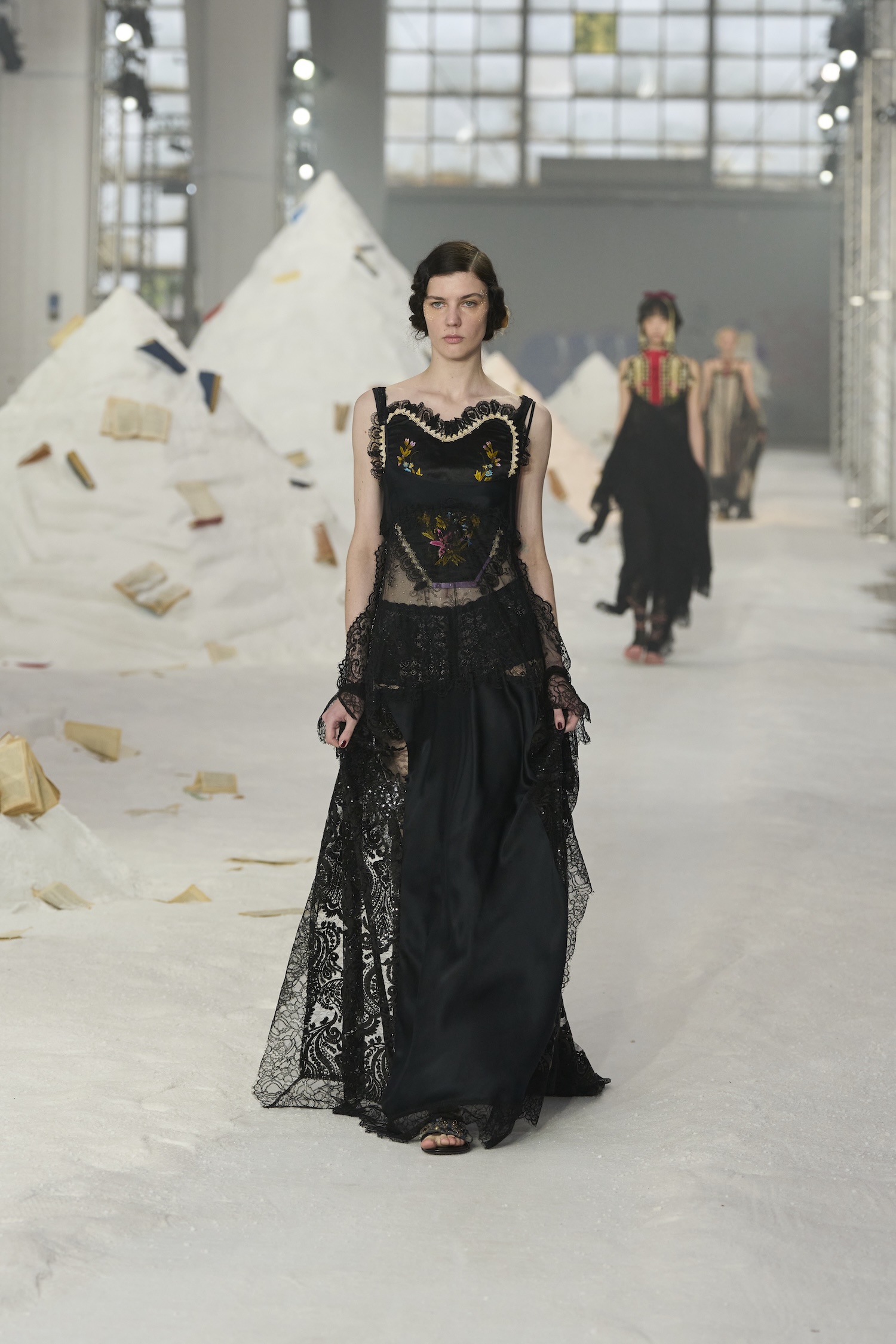
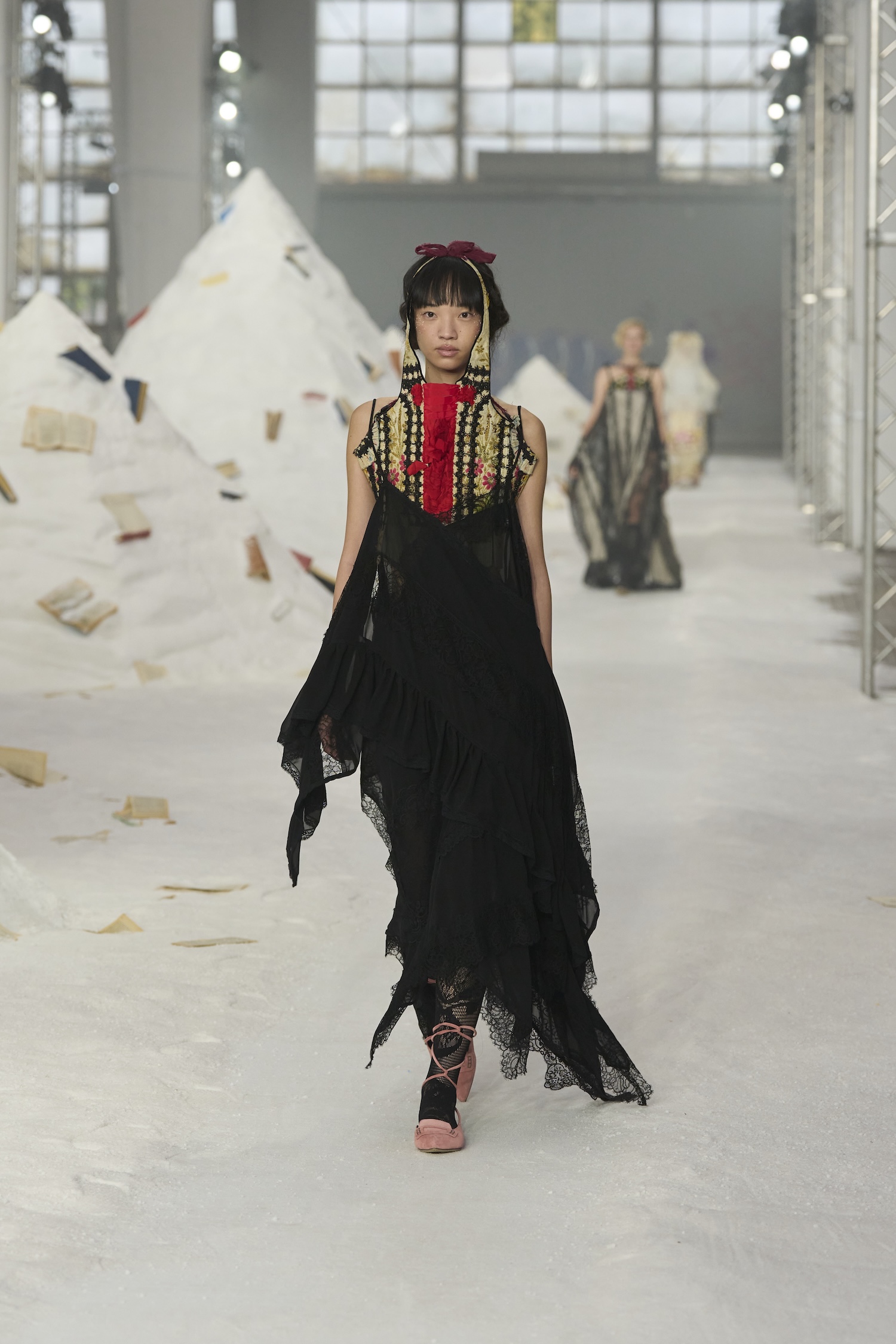
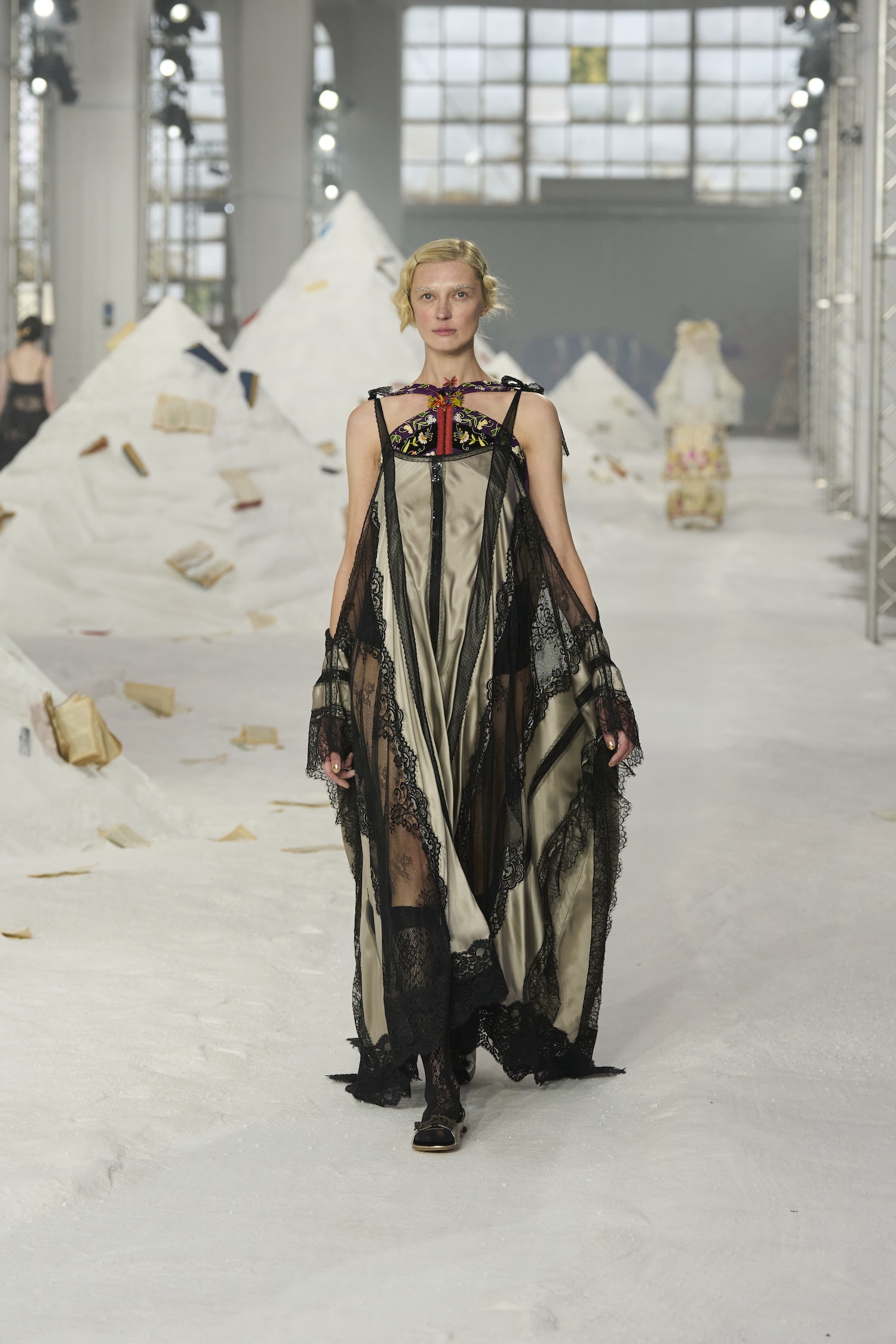
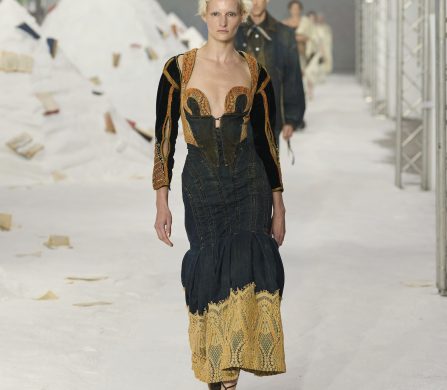
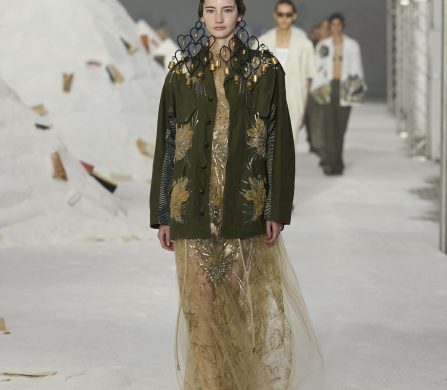
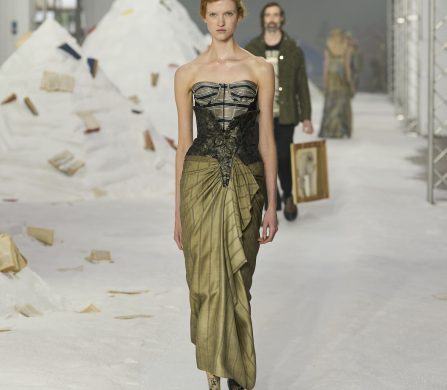
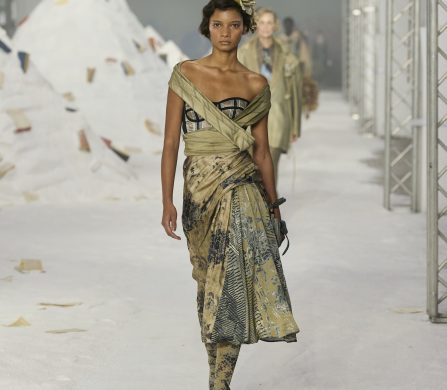
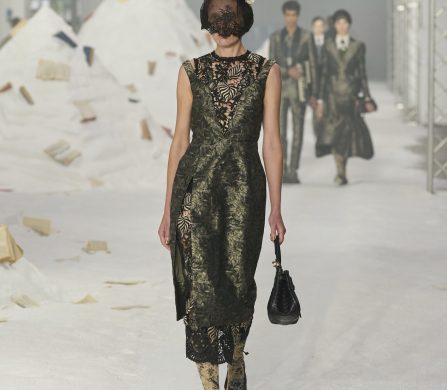
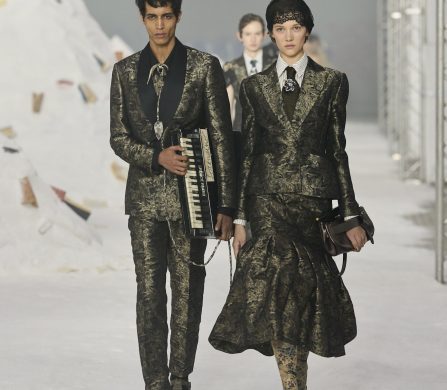
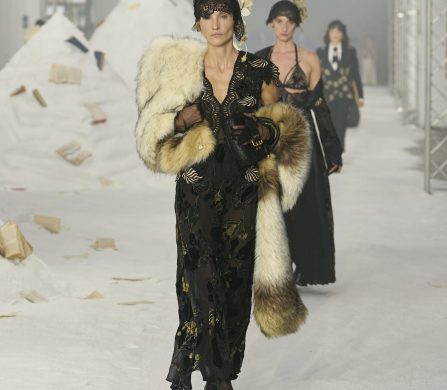
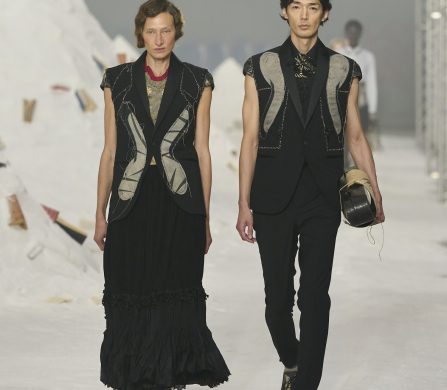
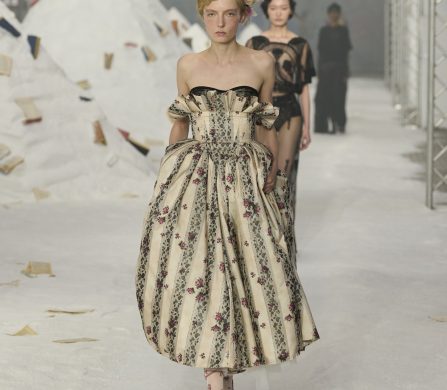
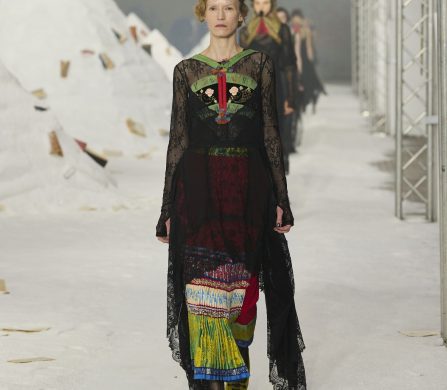
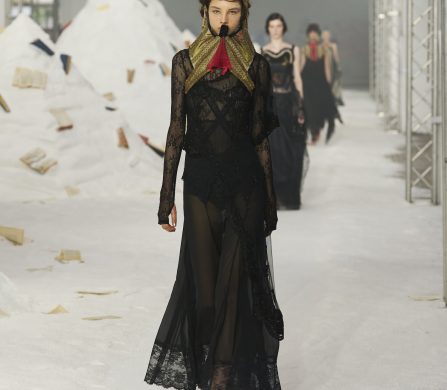
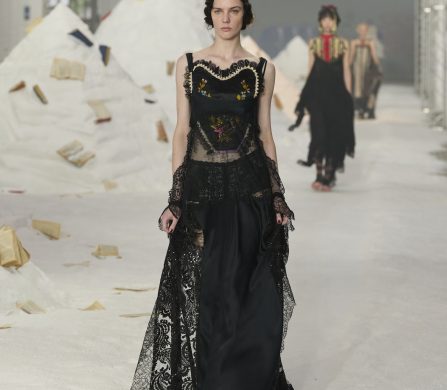
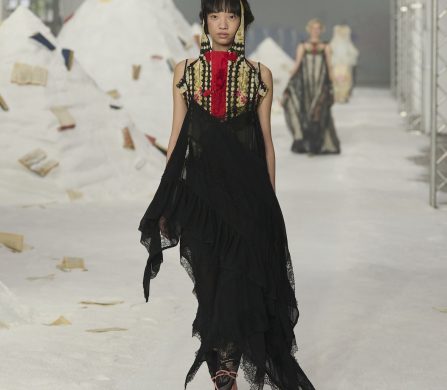
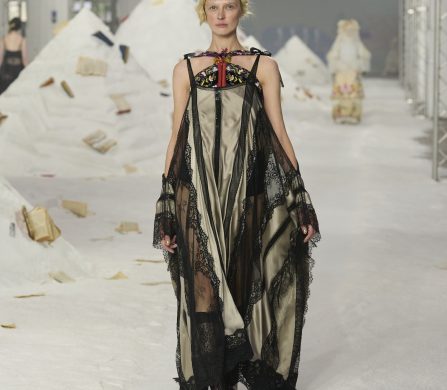
The runway unfolded like a theatrical pageant. Traditional Sardinian garments, such as busti (corsets), grembiuli (aprons), coroncine (little flower crowns), and cuffie (bonnets) embroidered in Sennori, Oliena, Nuoro, walked beside garments recalling Bloomsbury’s intellectual salons. The show played out as a métissage, a cultural cross-pollination where folk heritage, literature, cinema and modern tailoring collide. Marras insists these pieces were “too beautiful to be altered,” and instead presented them as fragments of a living archive, stitched directly into the present.
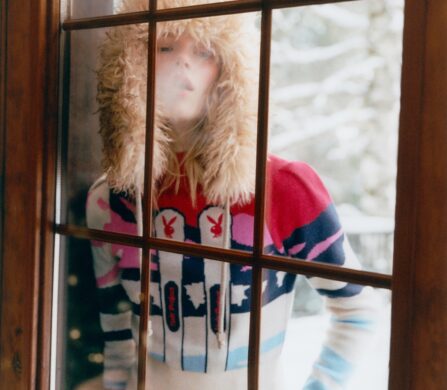
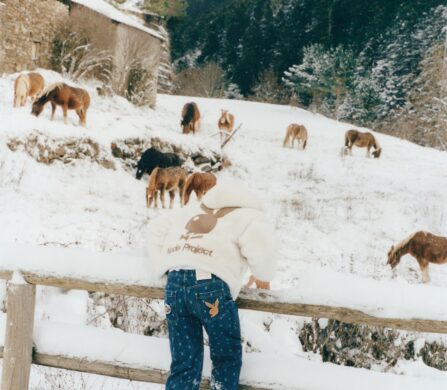
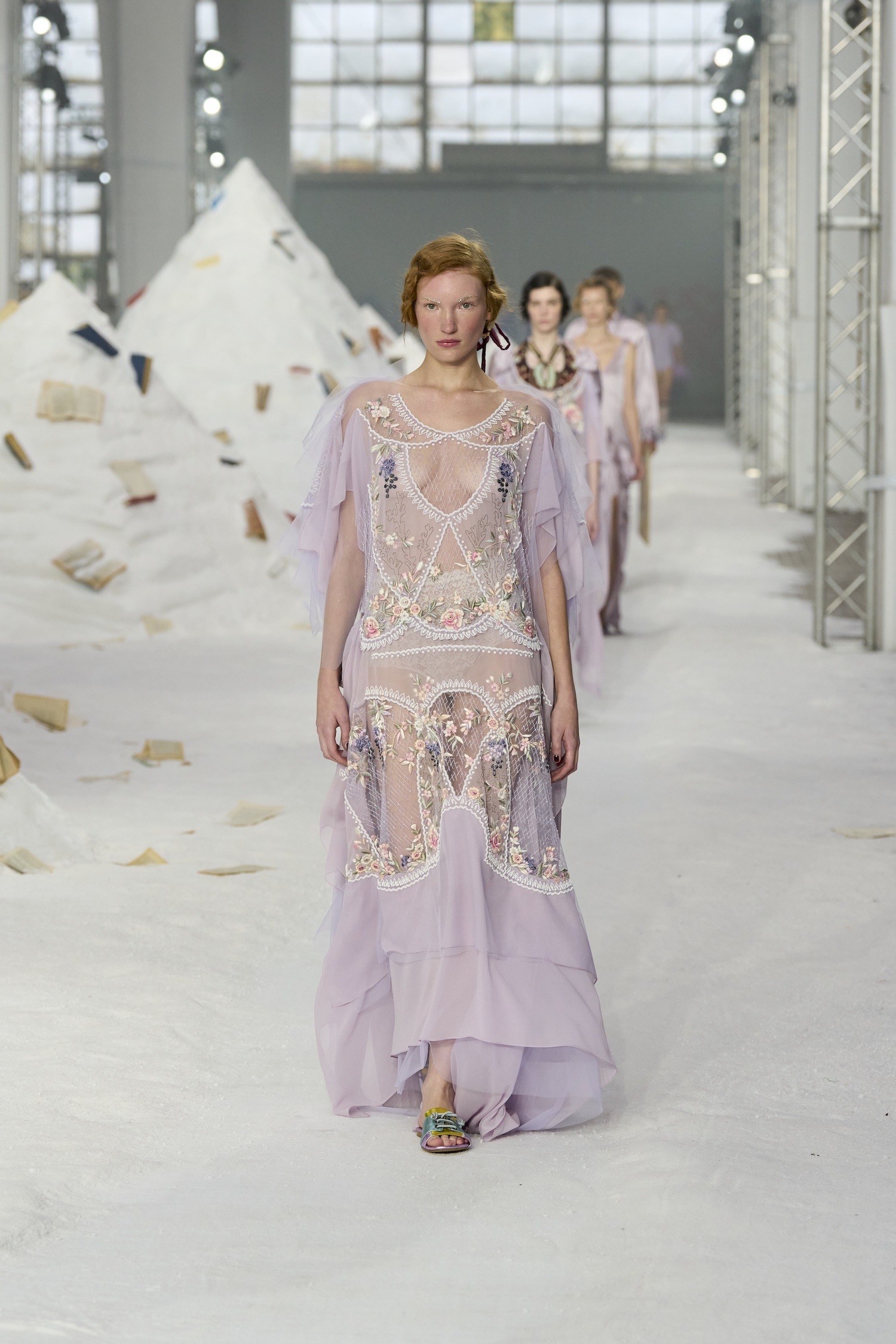
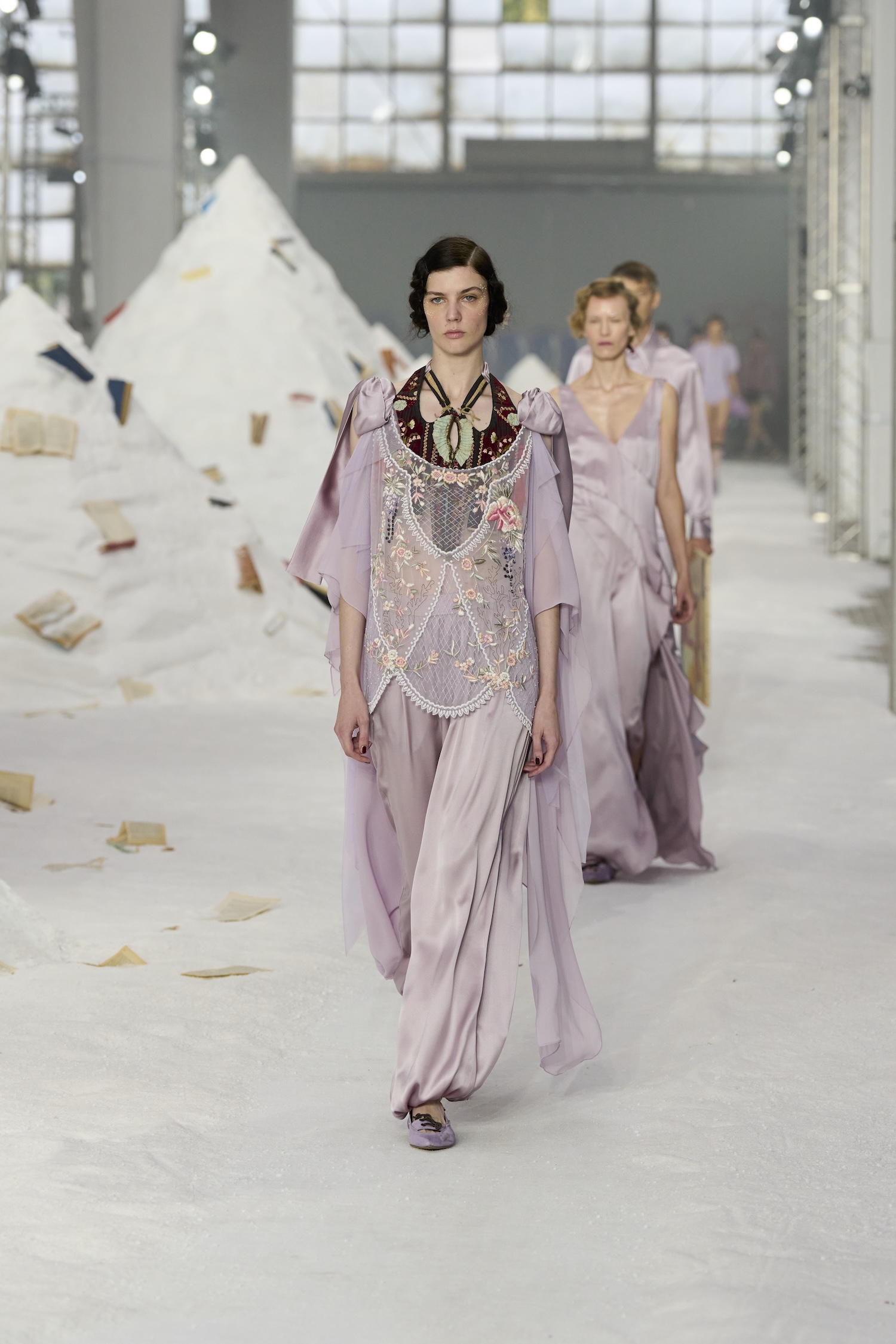
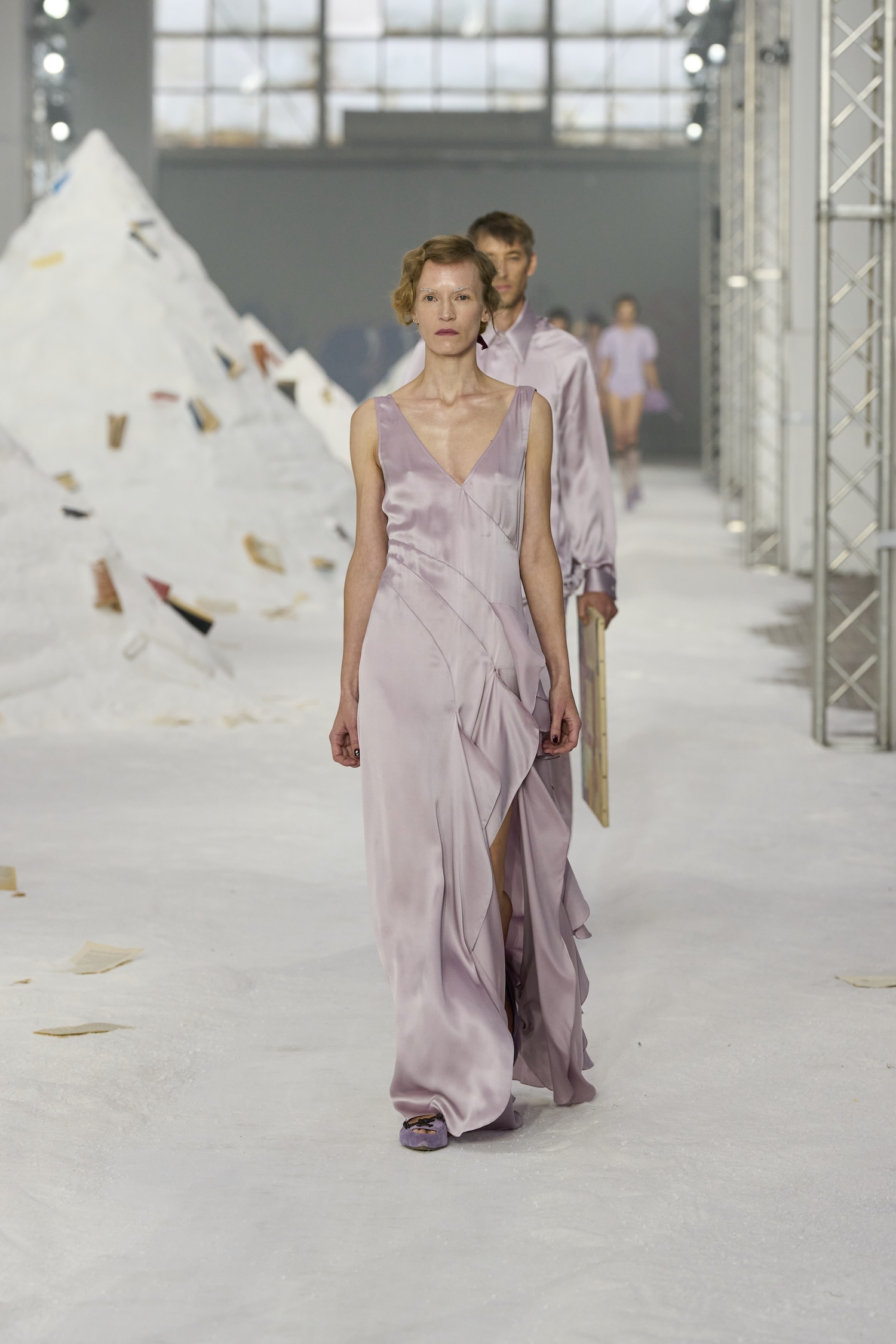
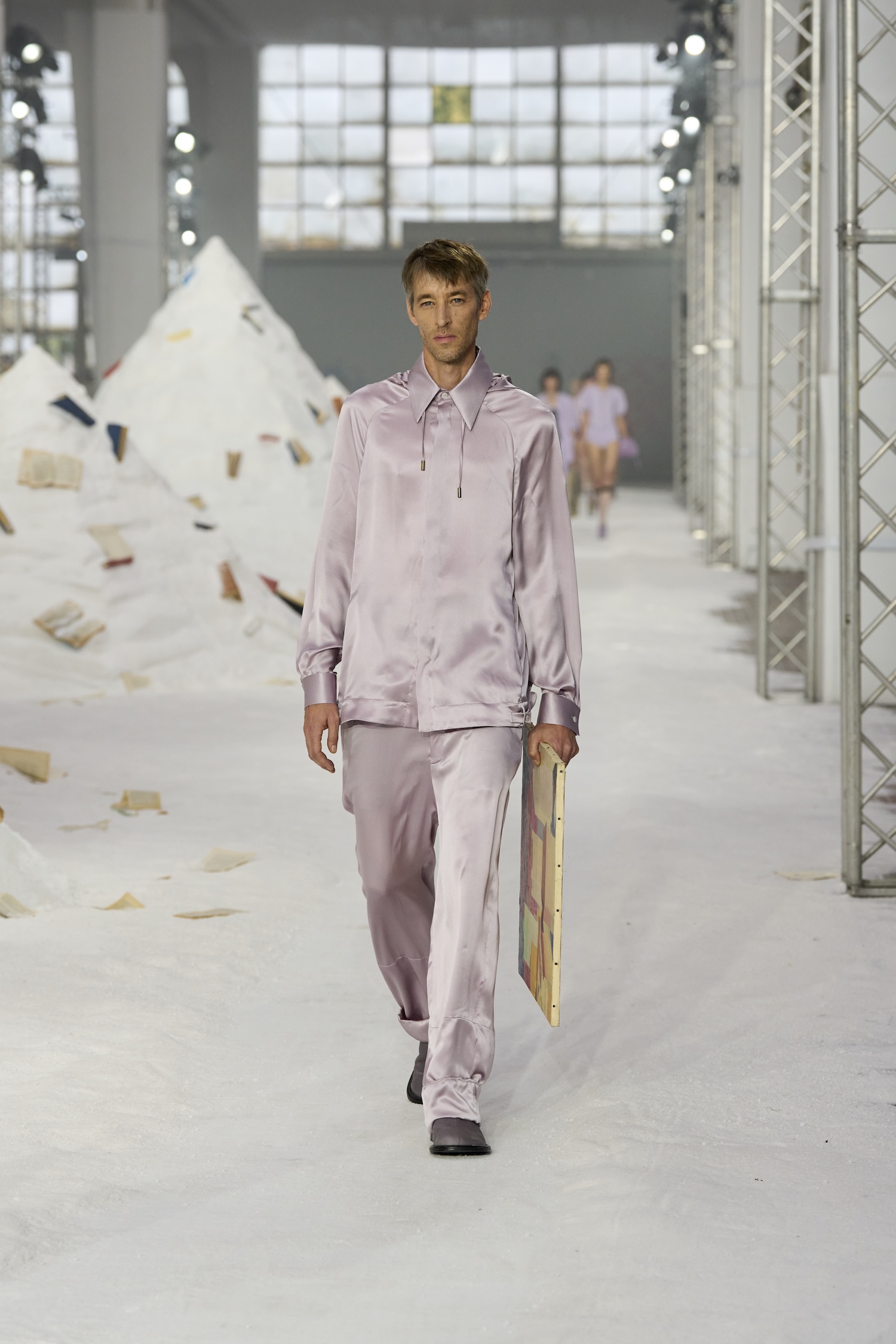
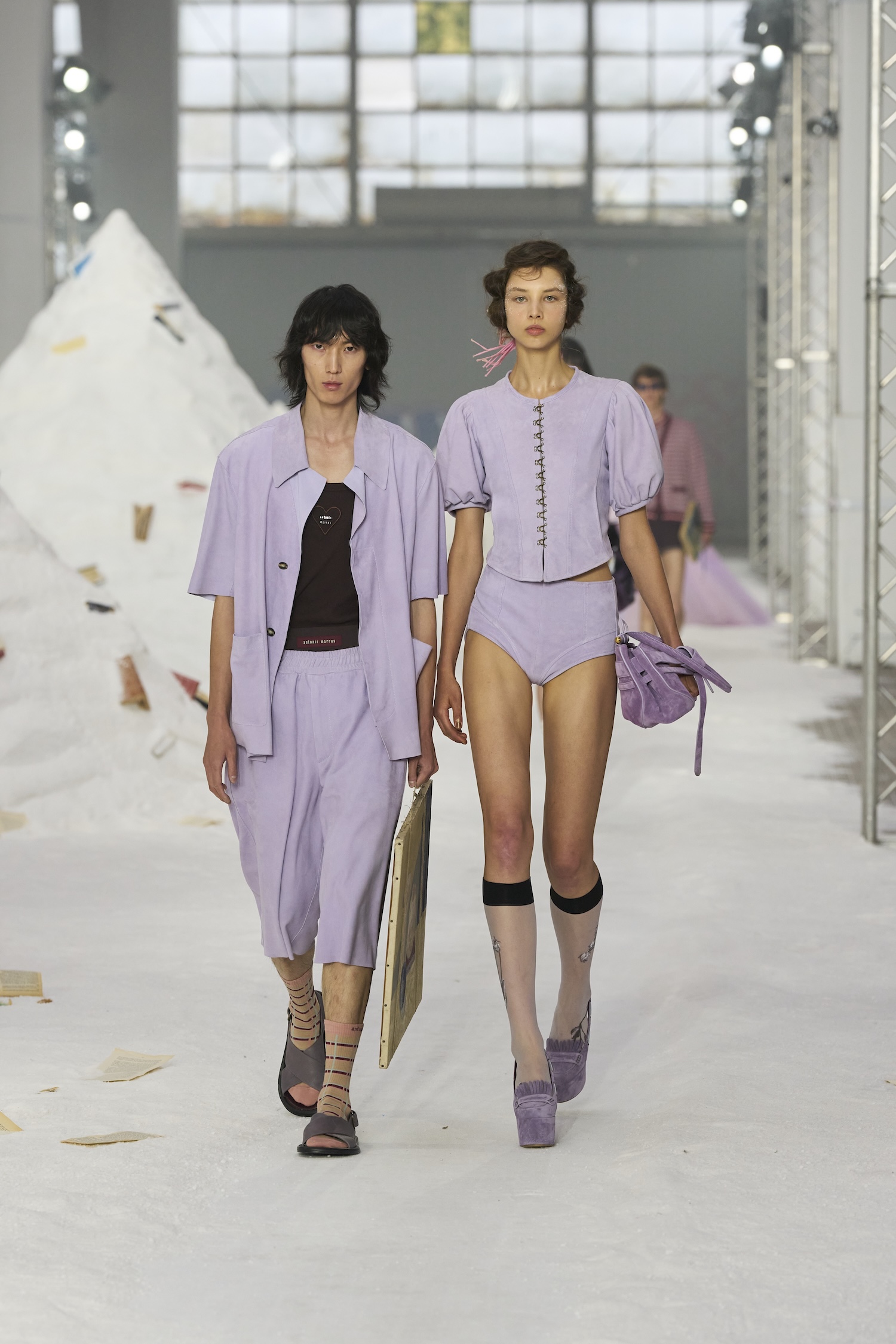
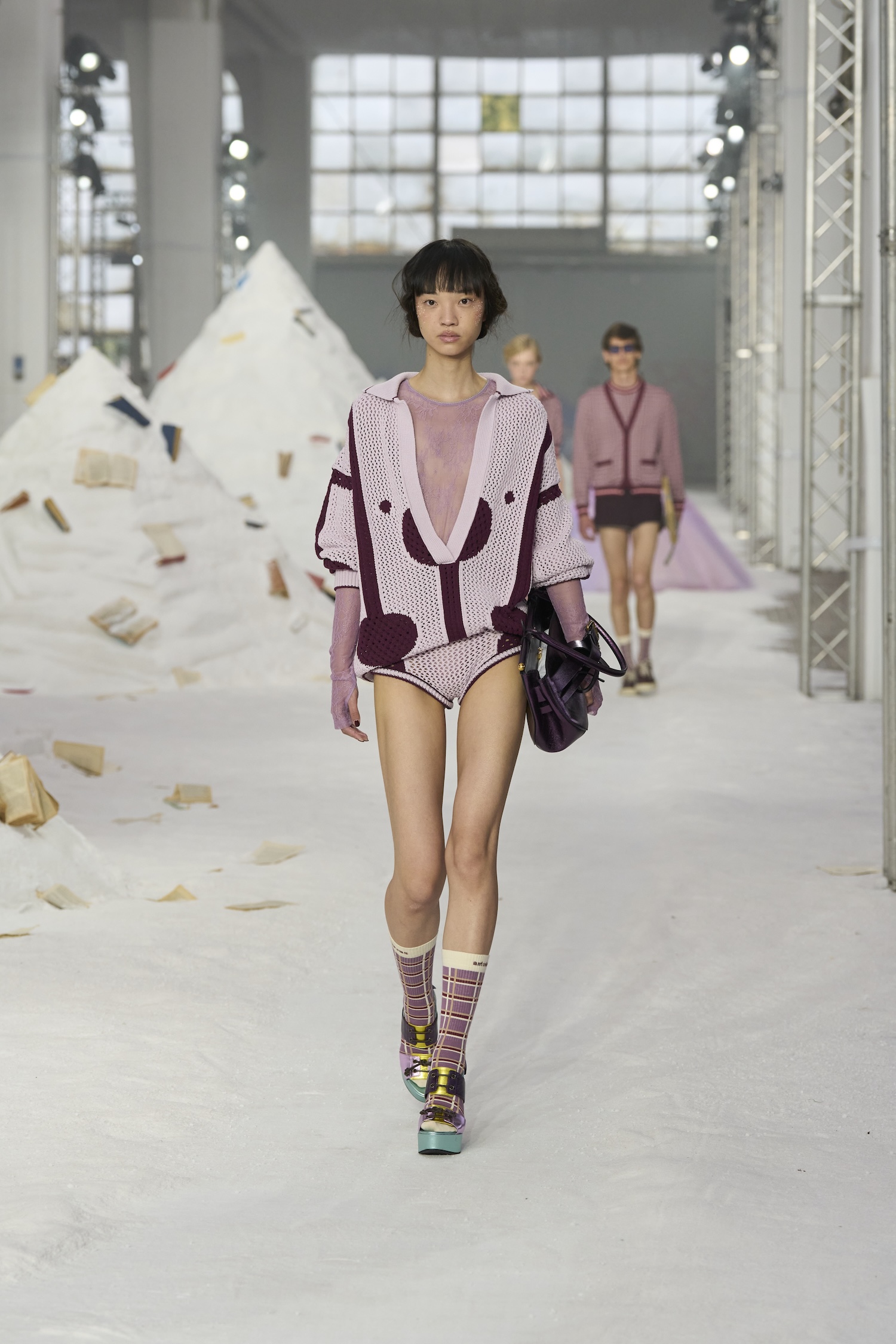
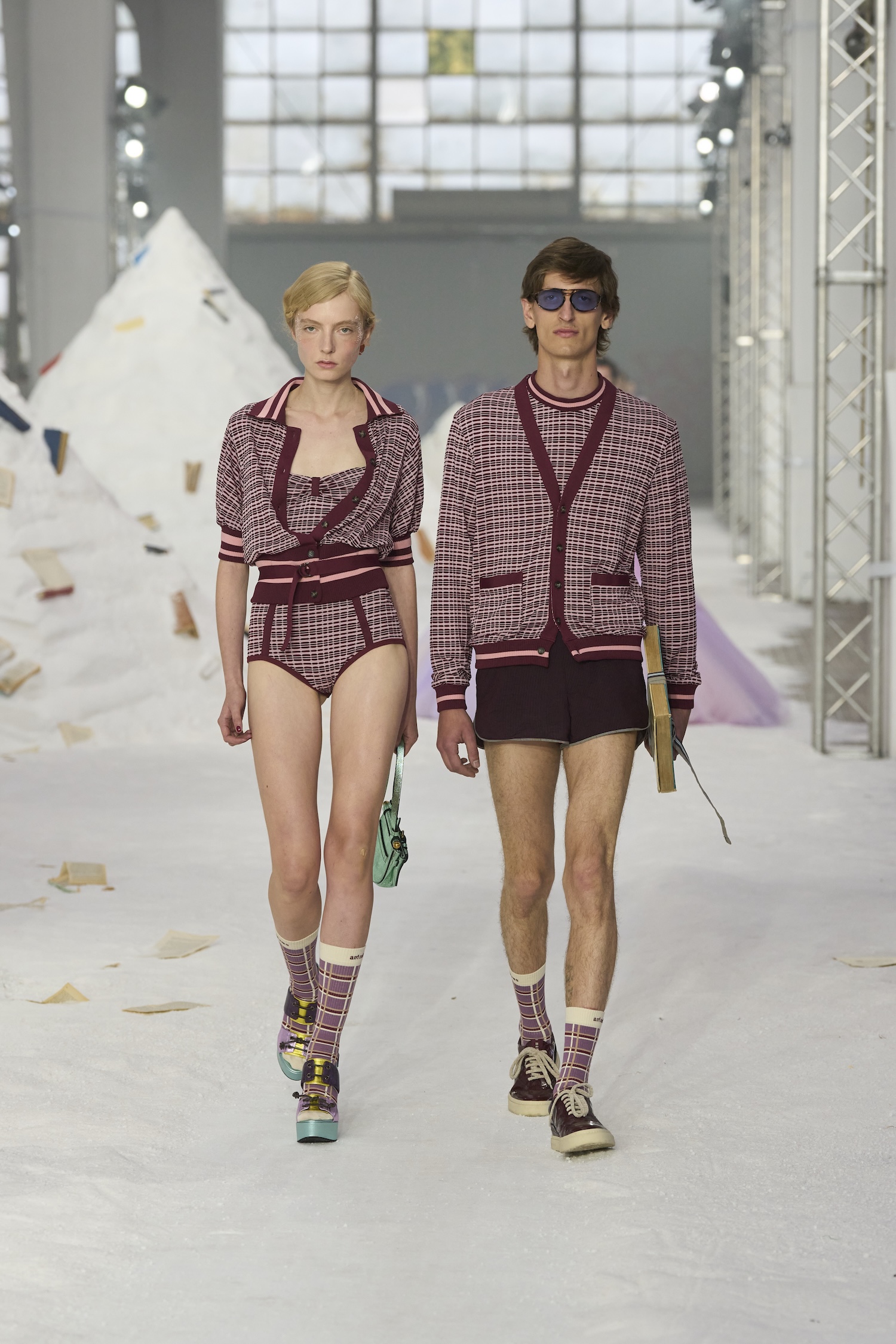
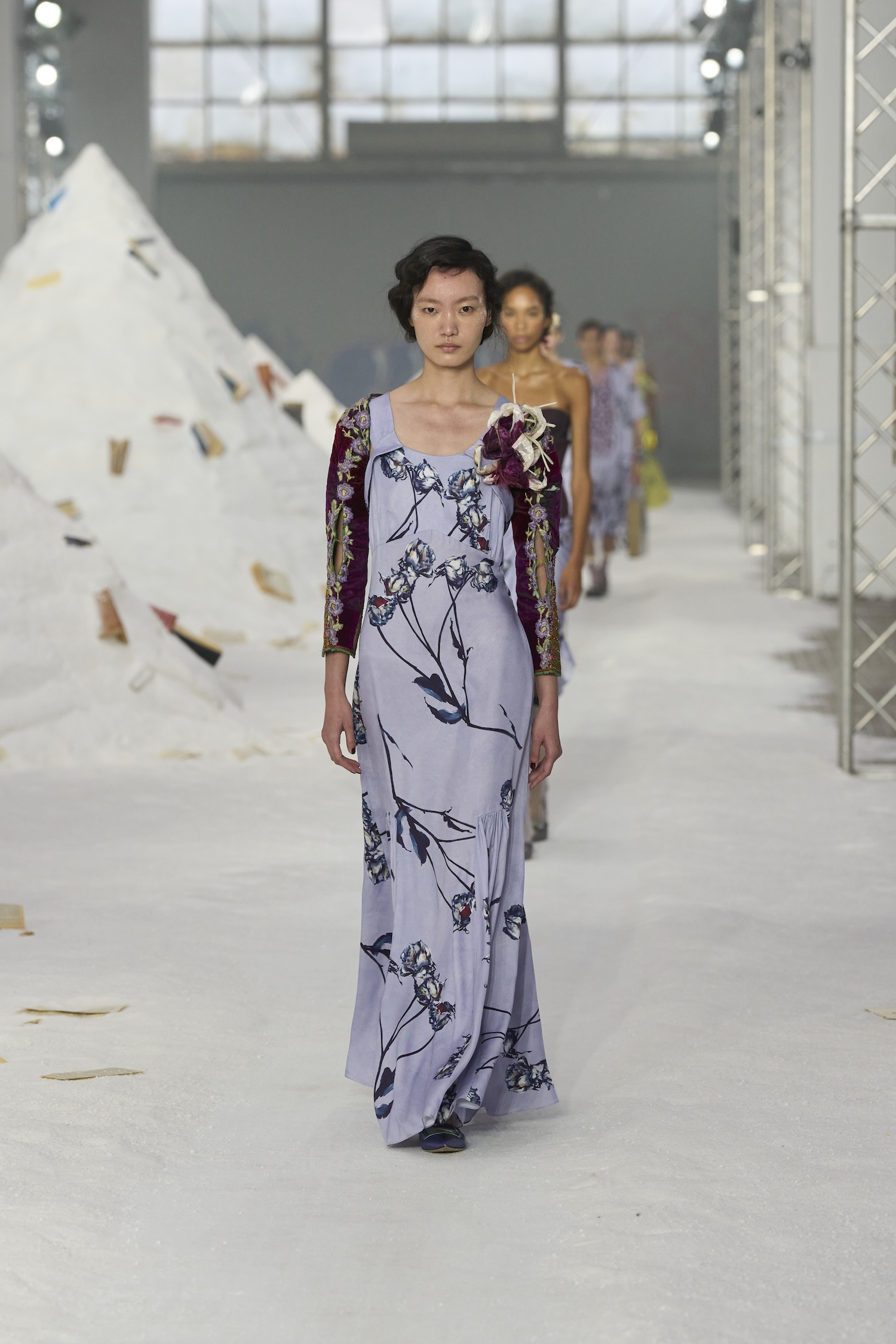
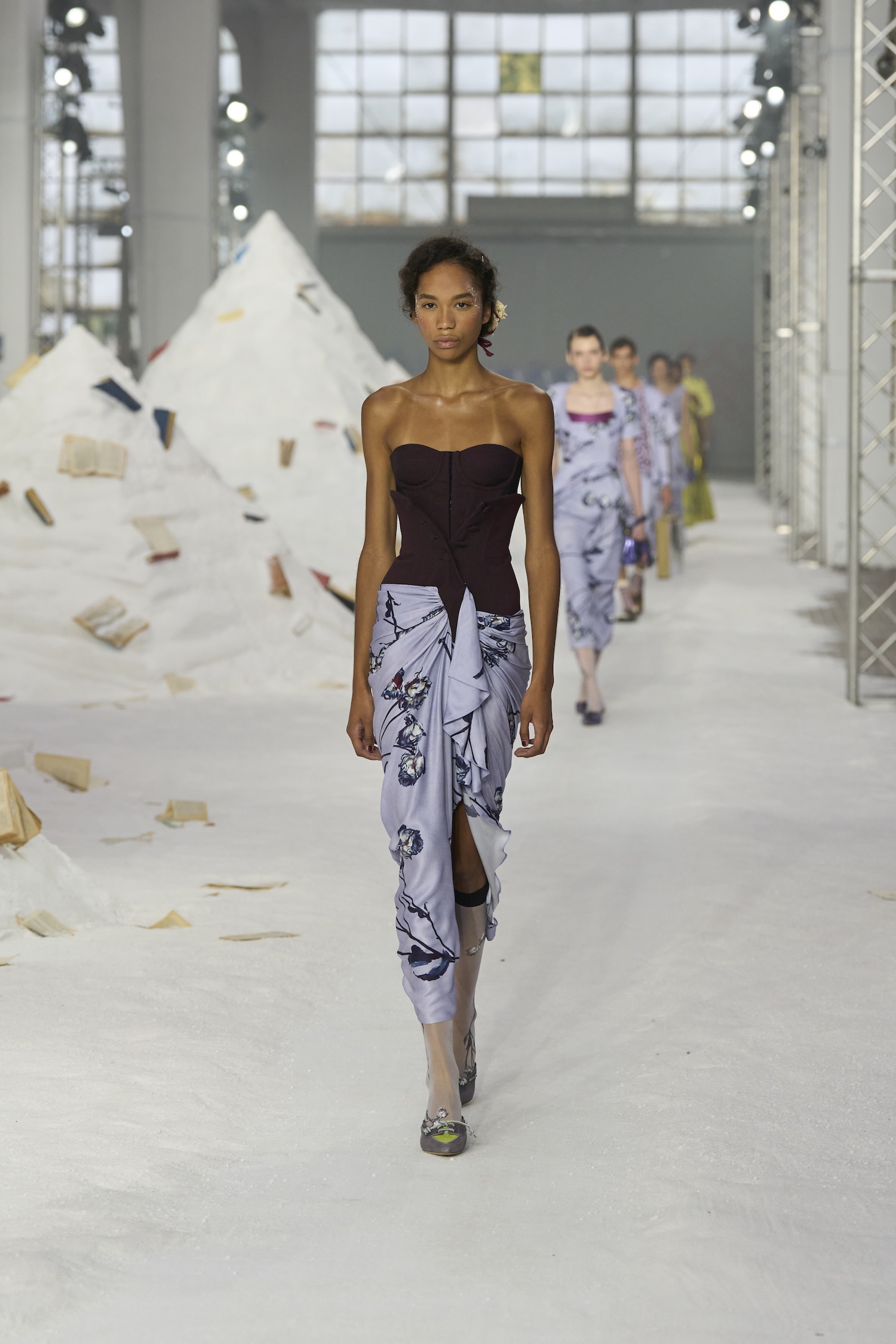
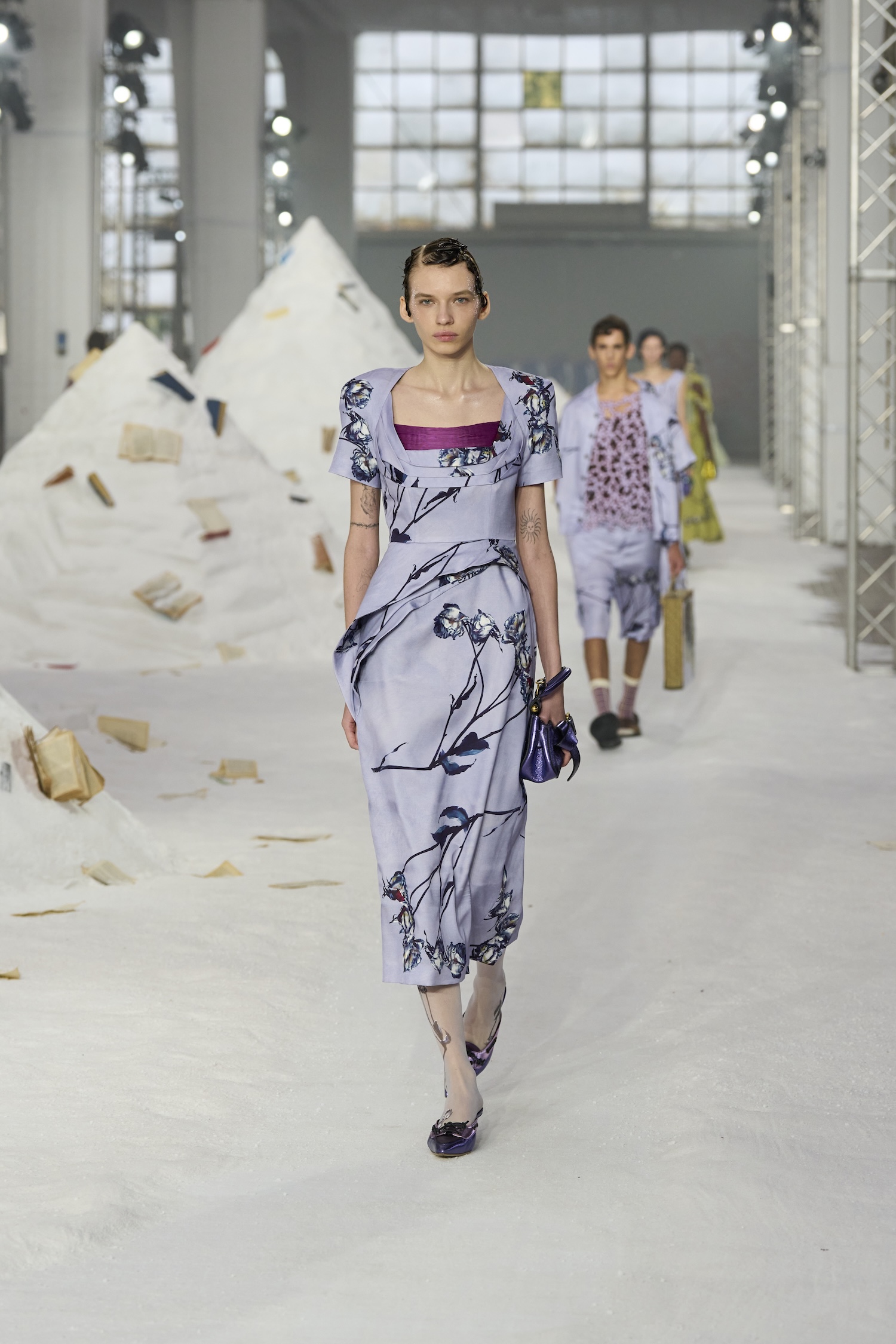
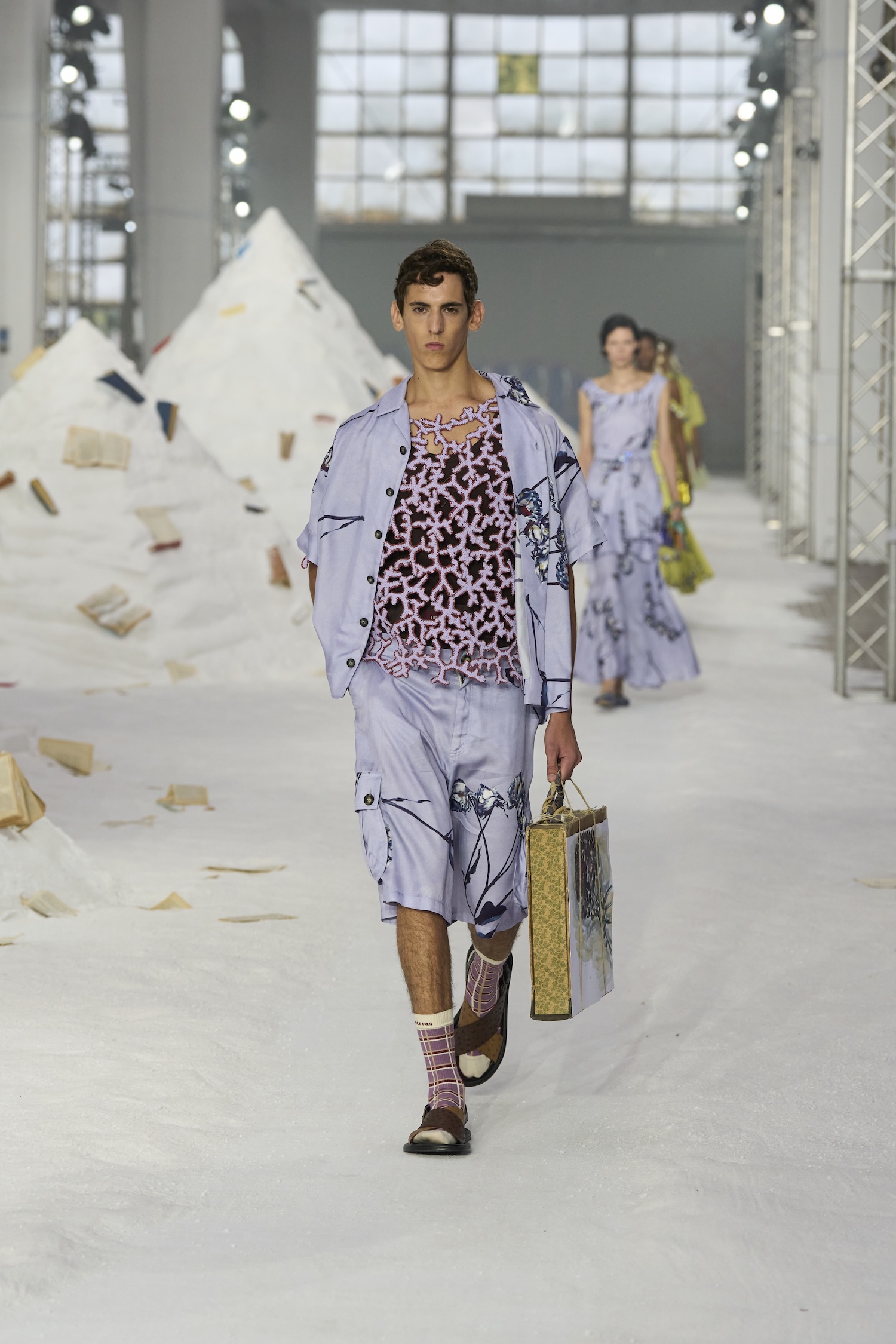
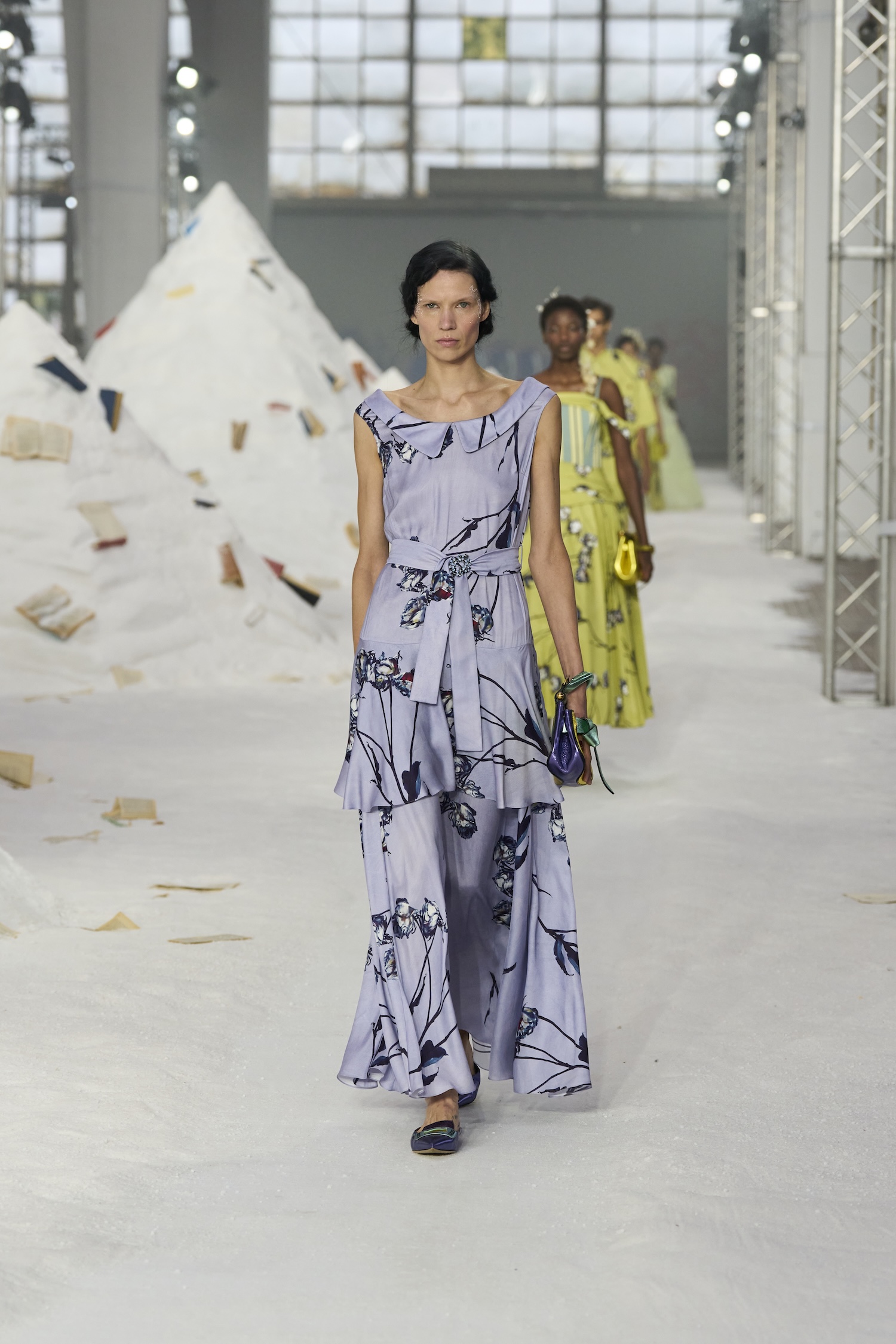
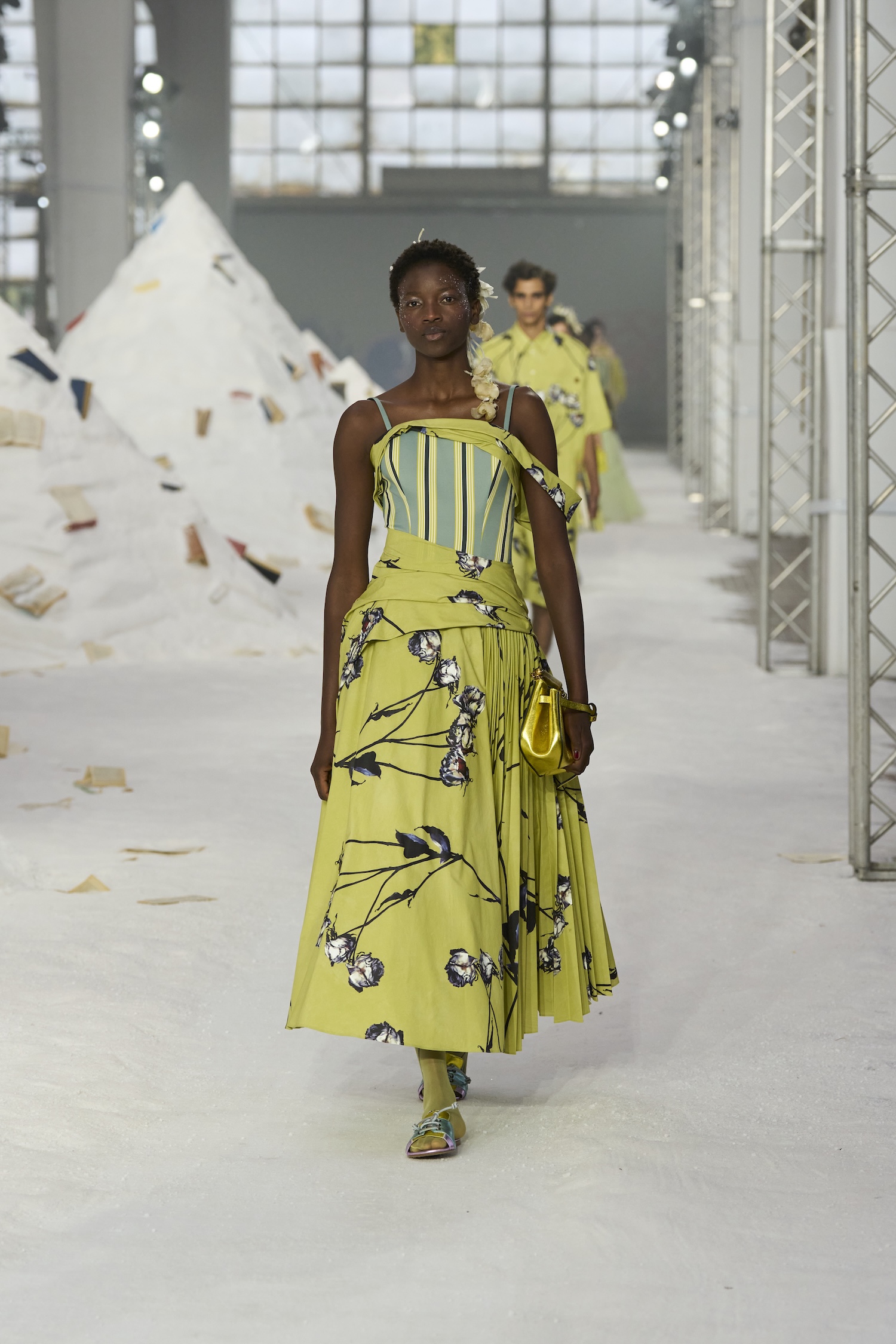
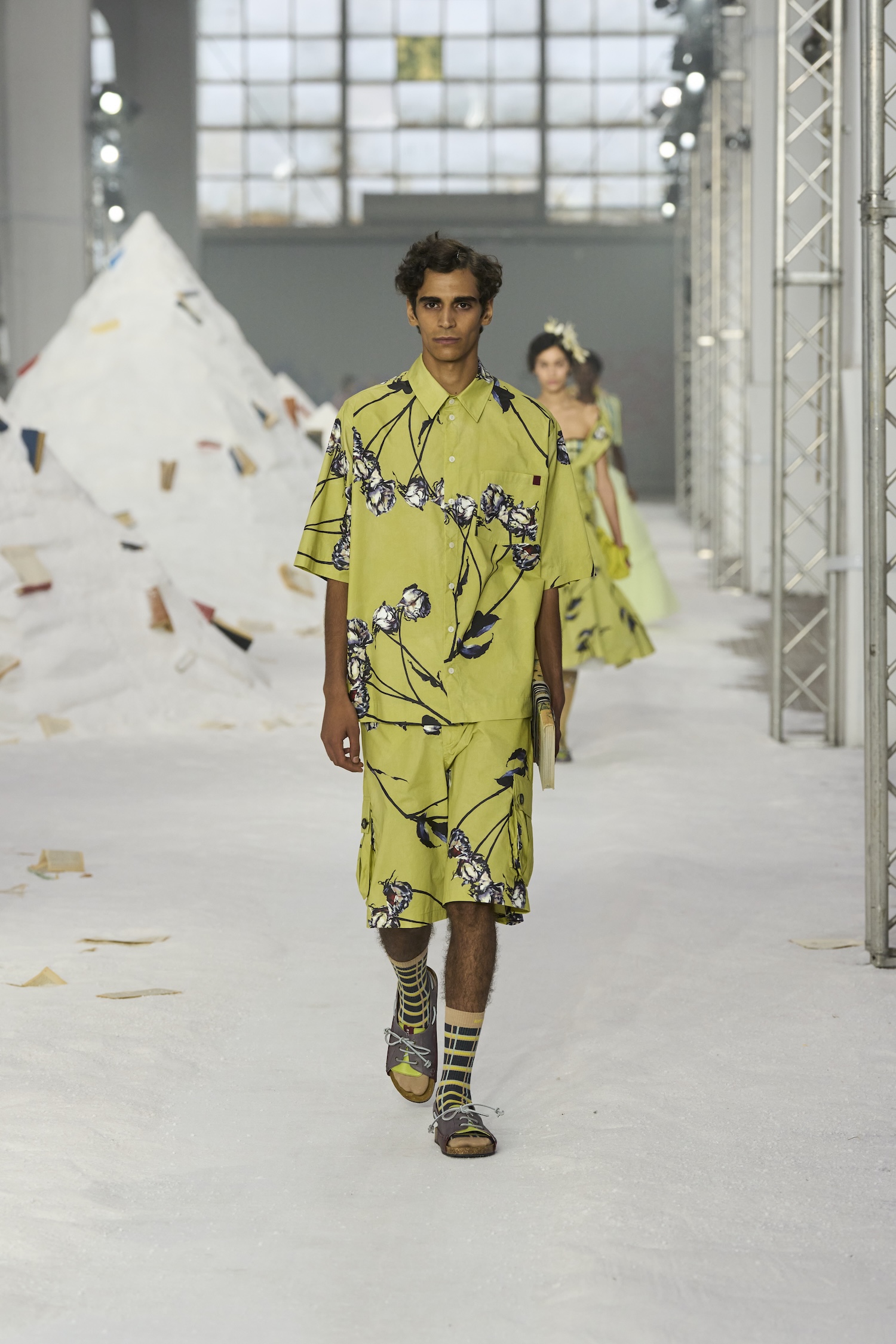
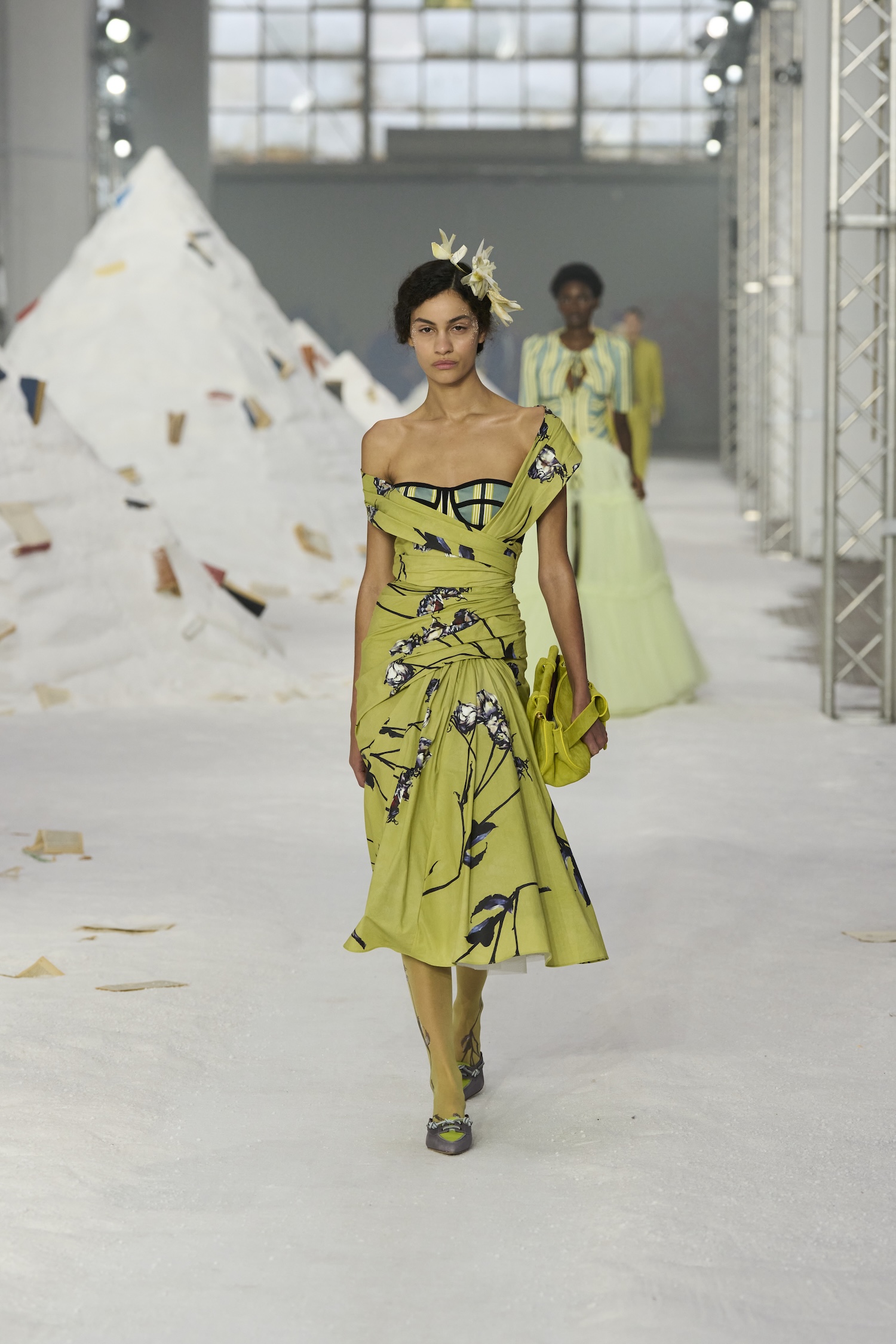
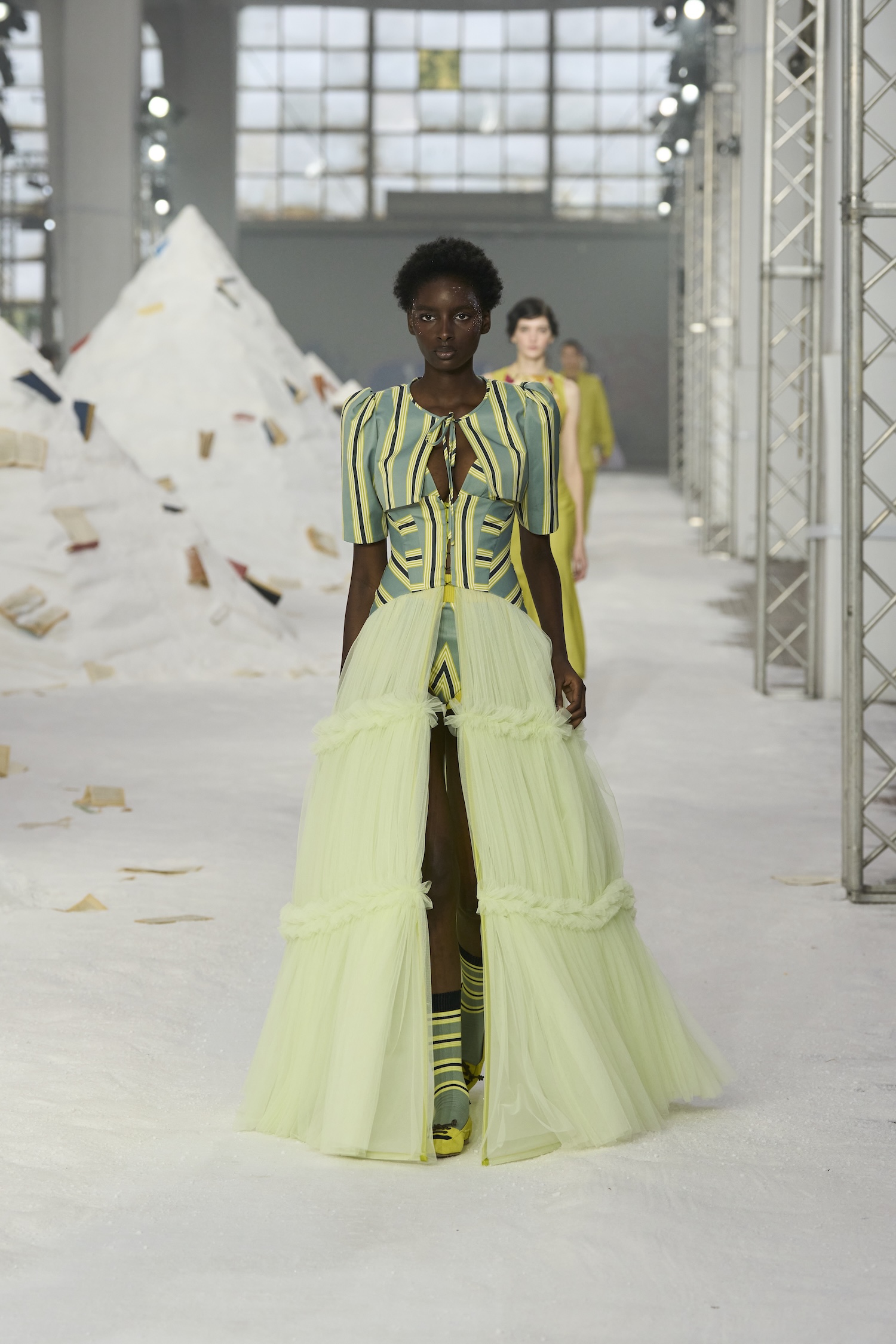
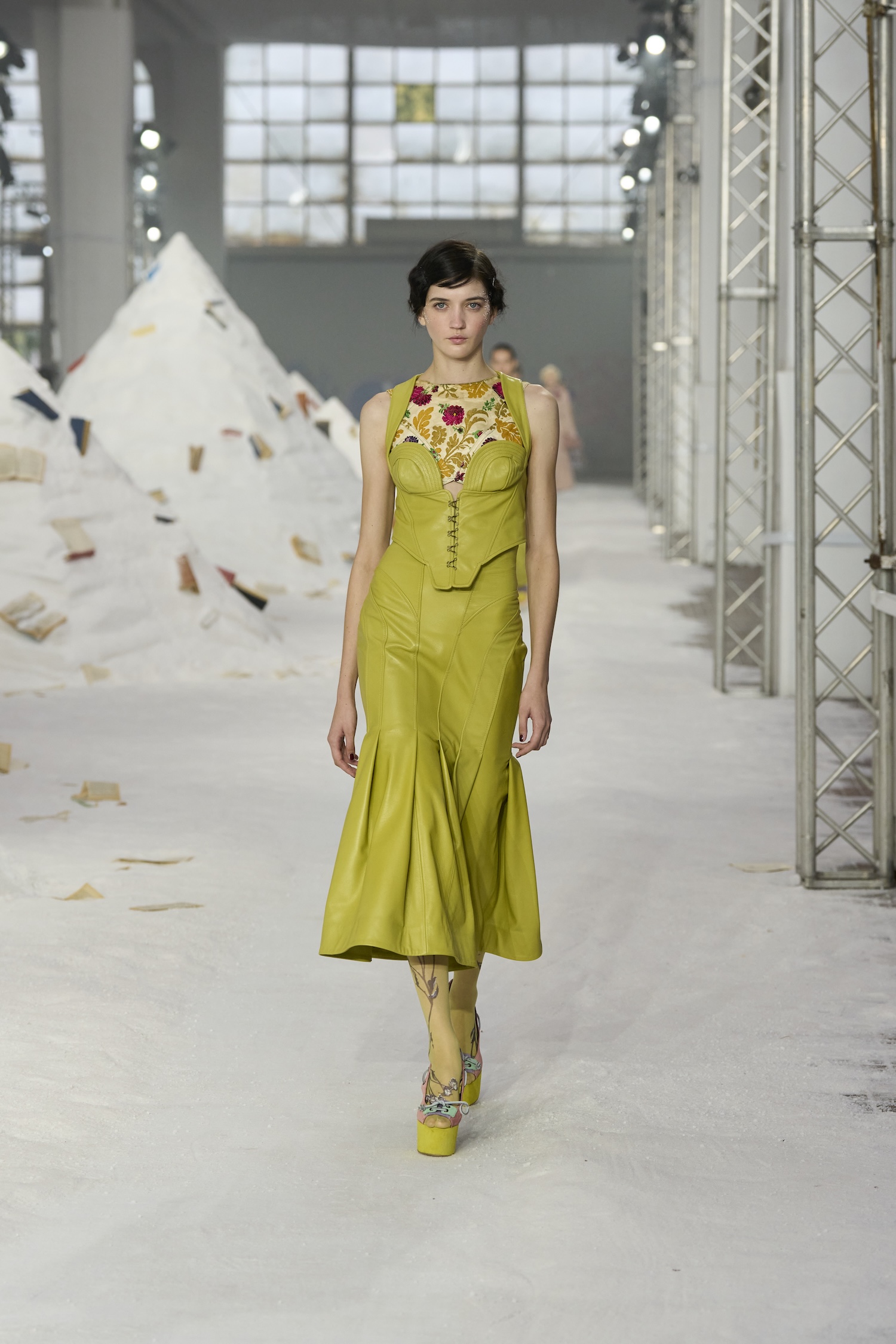
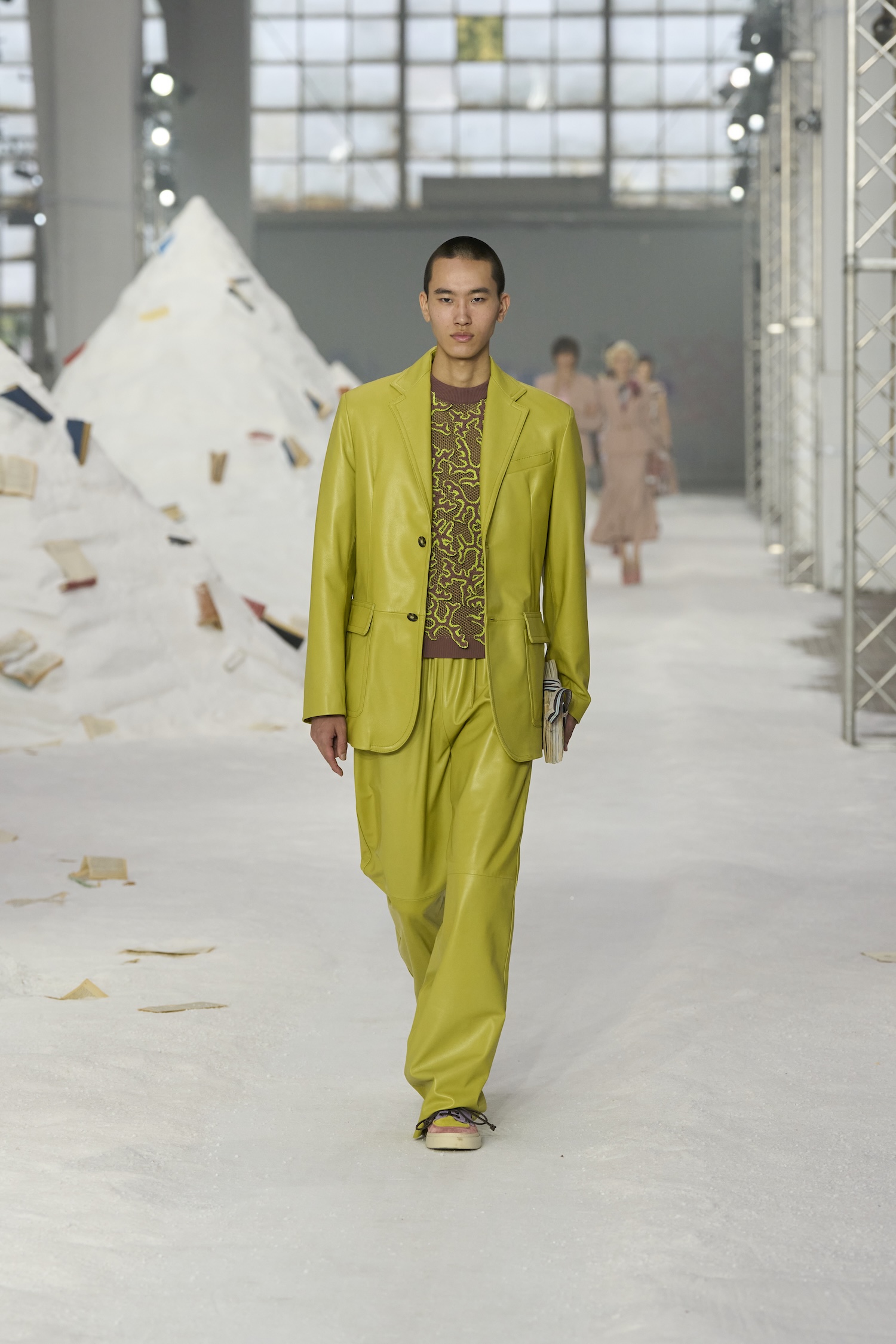
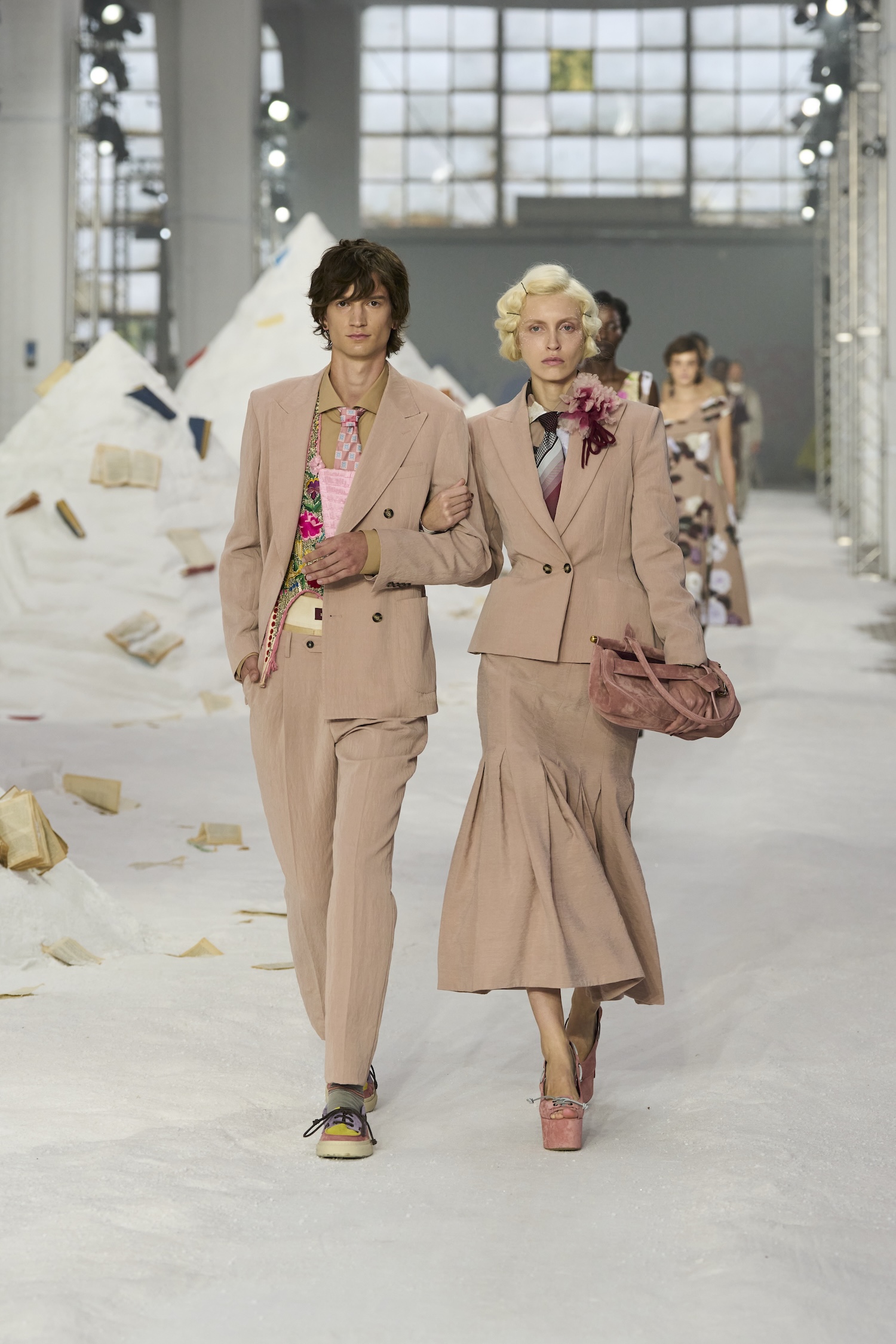
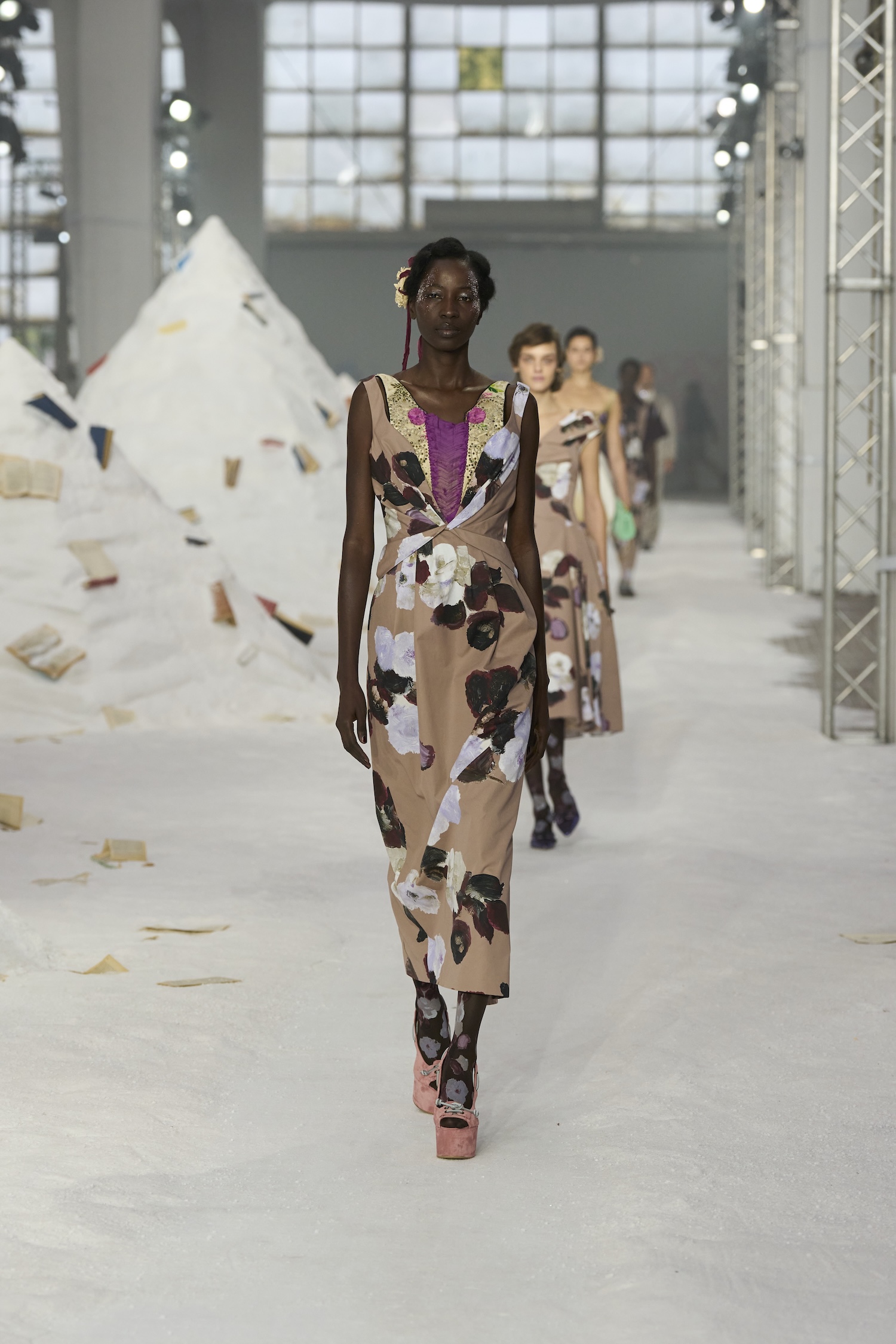
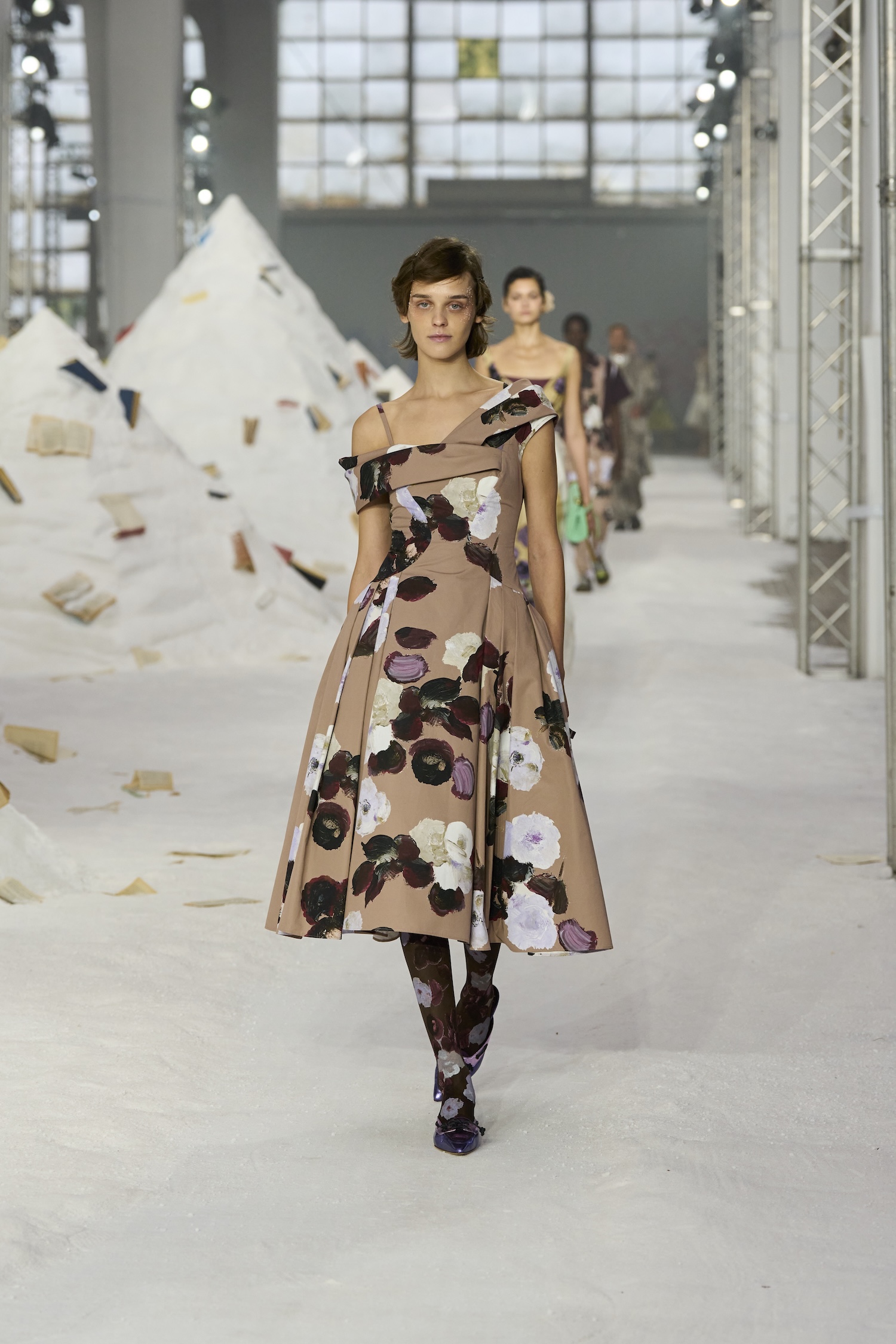
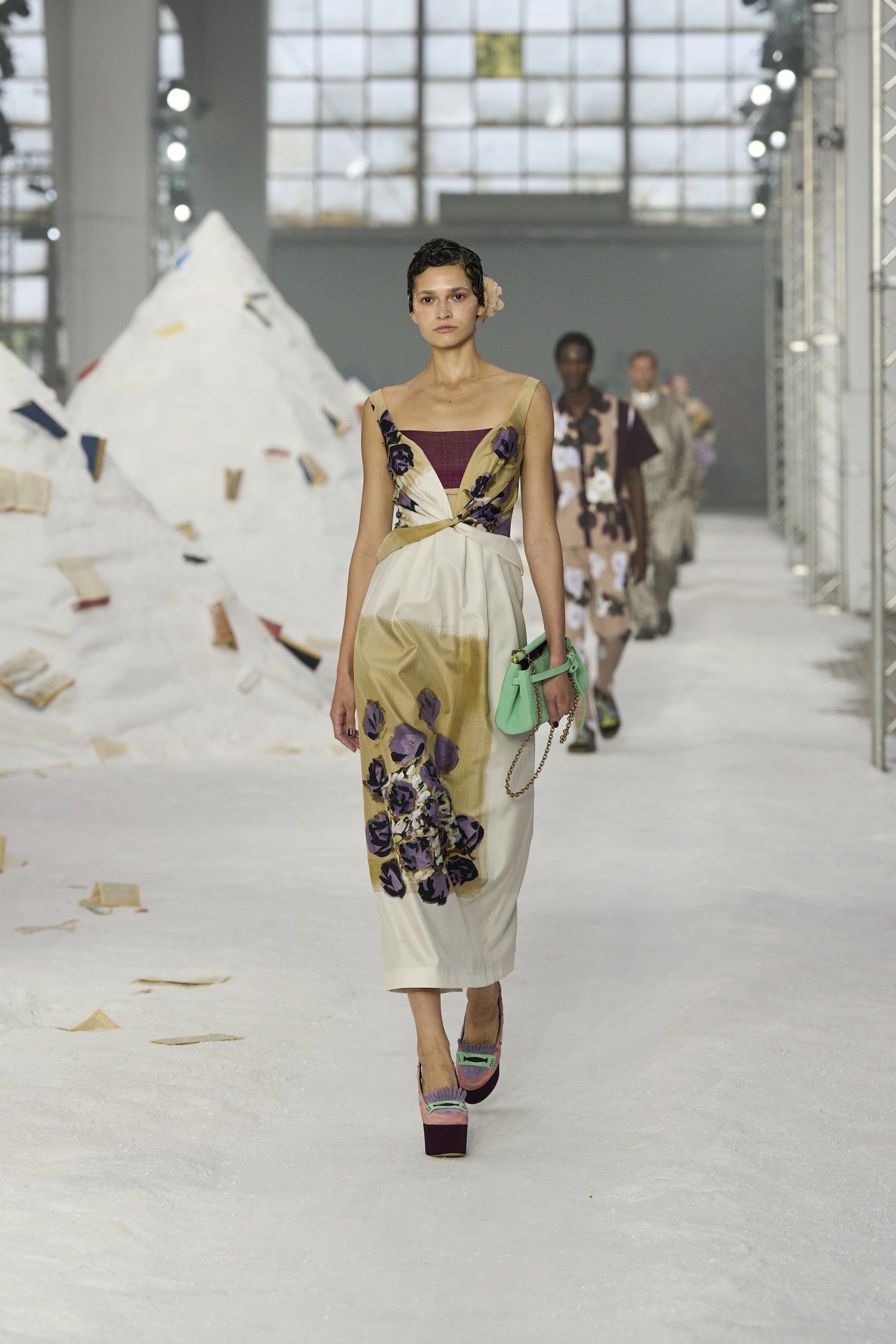
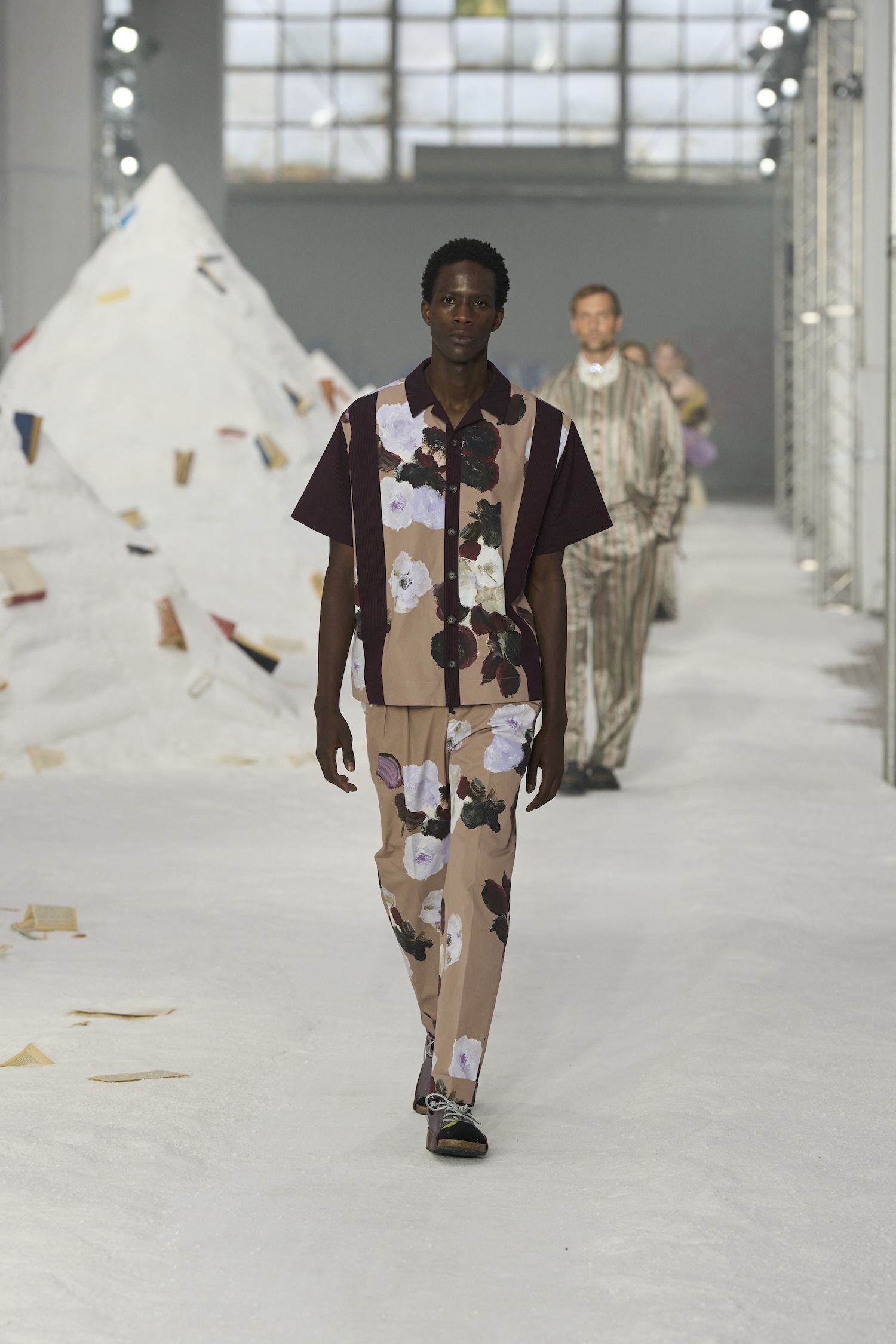
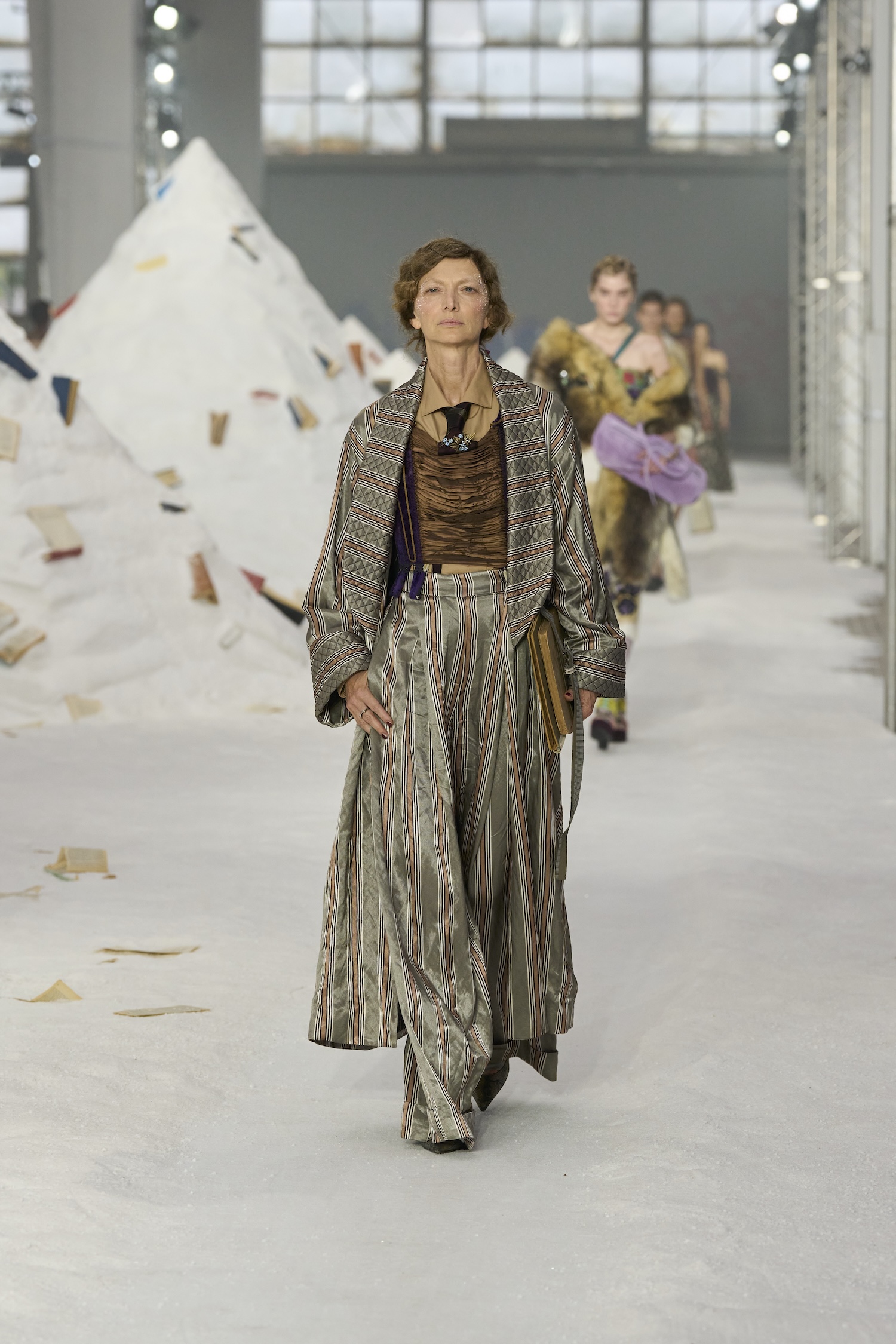
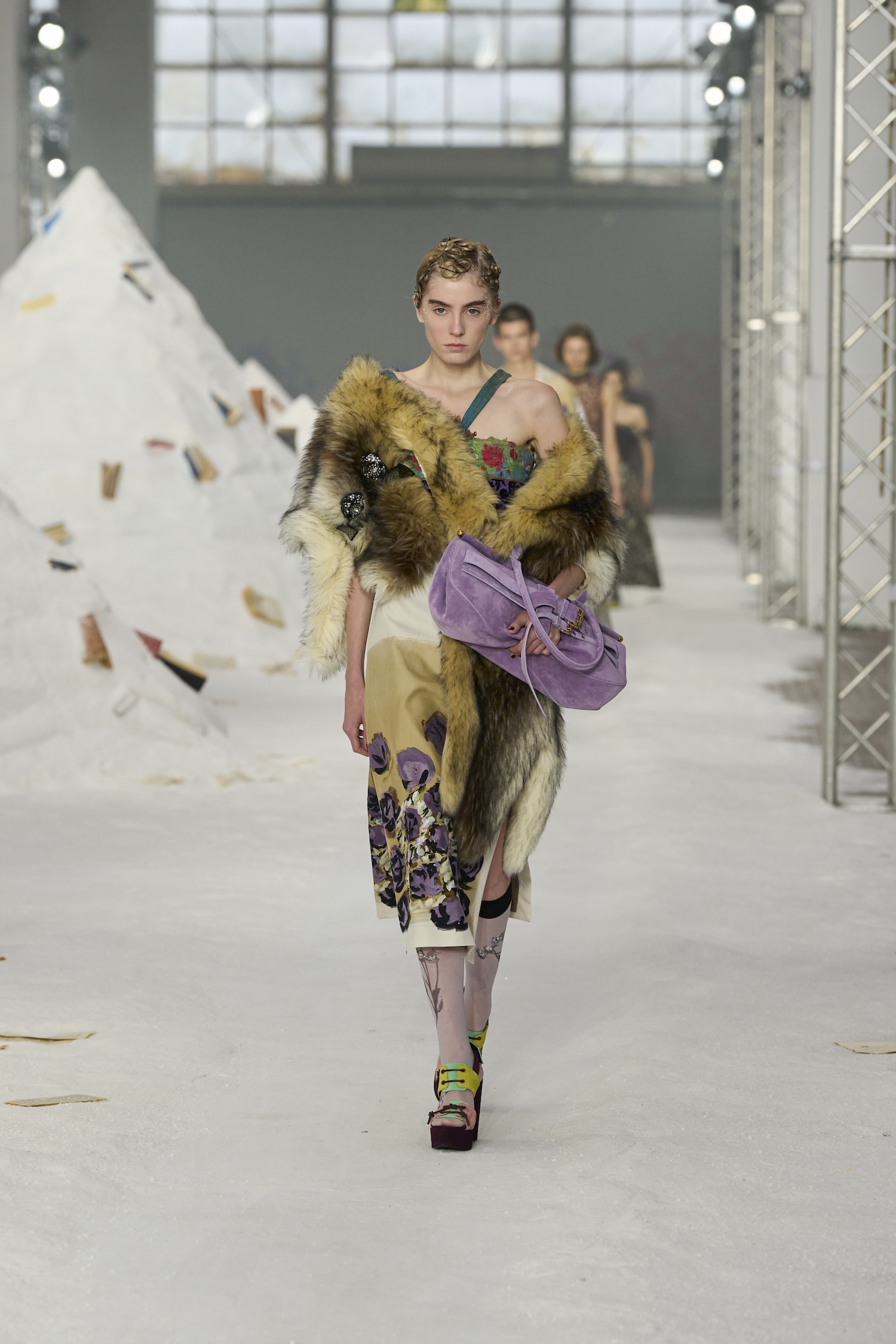
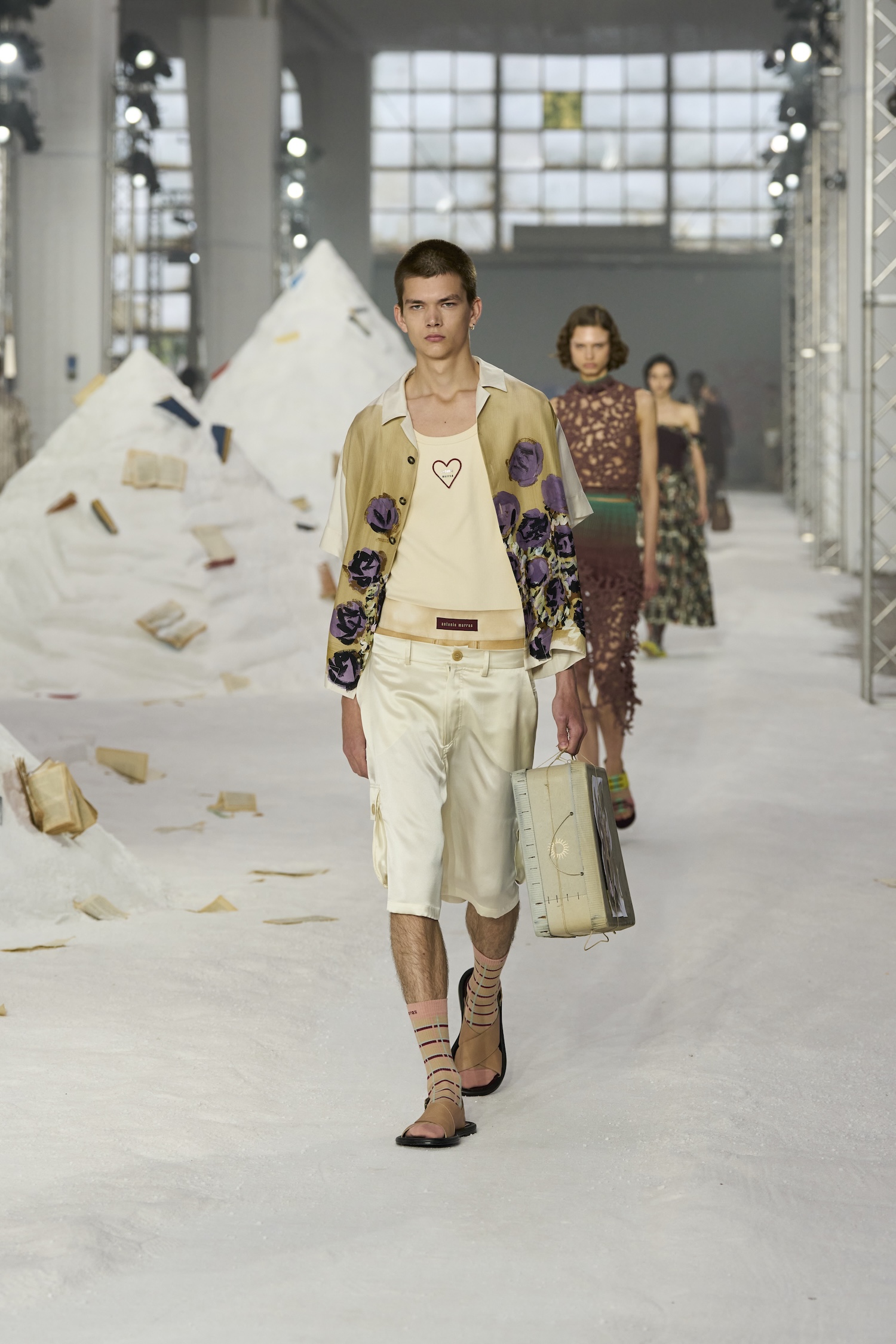
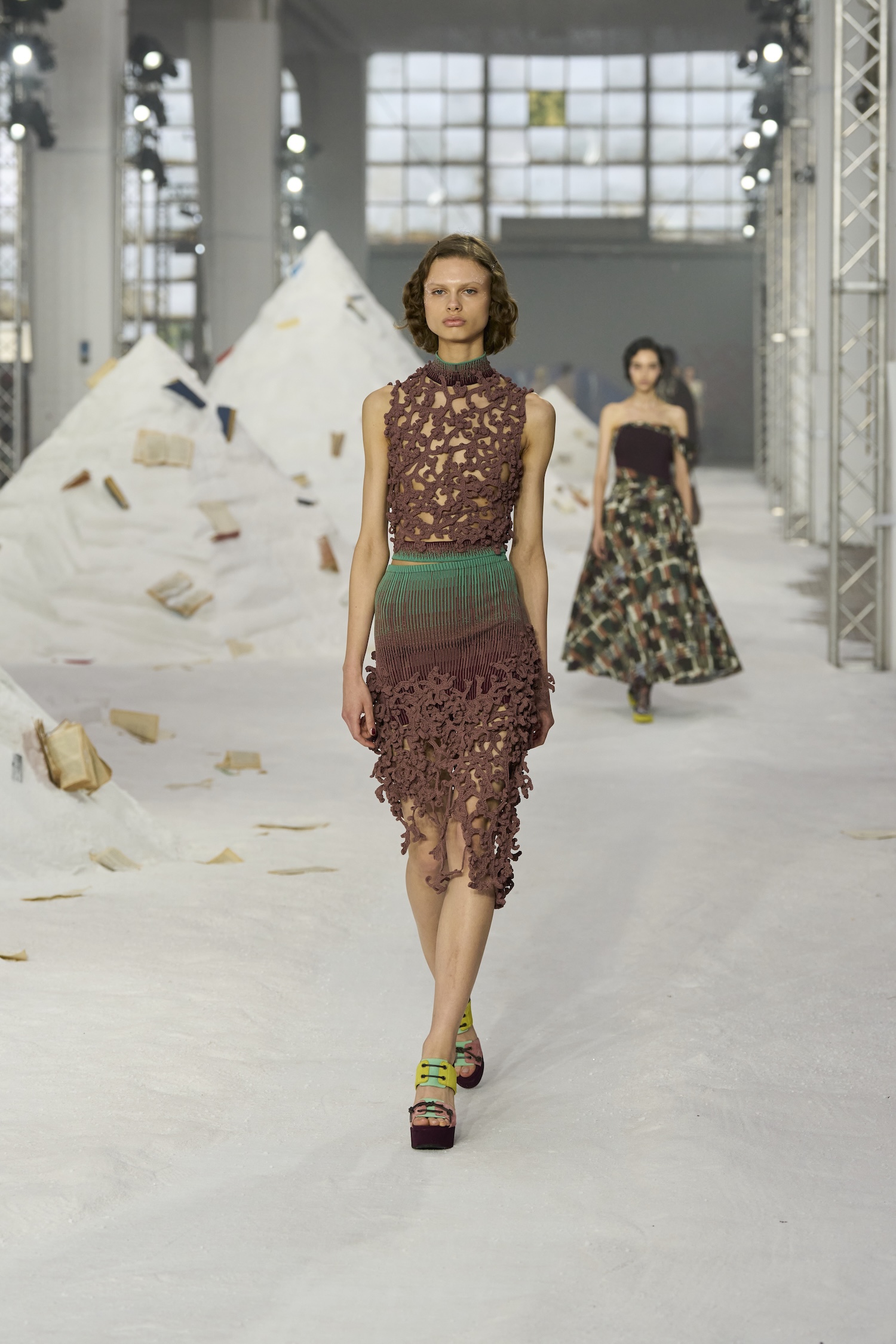
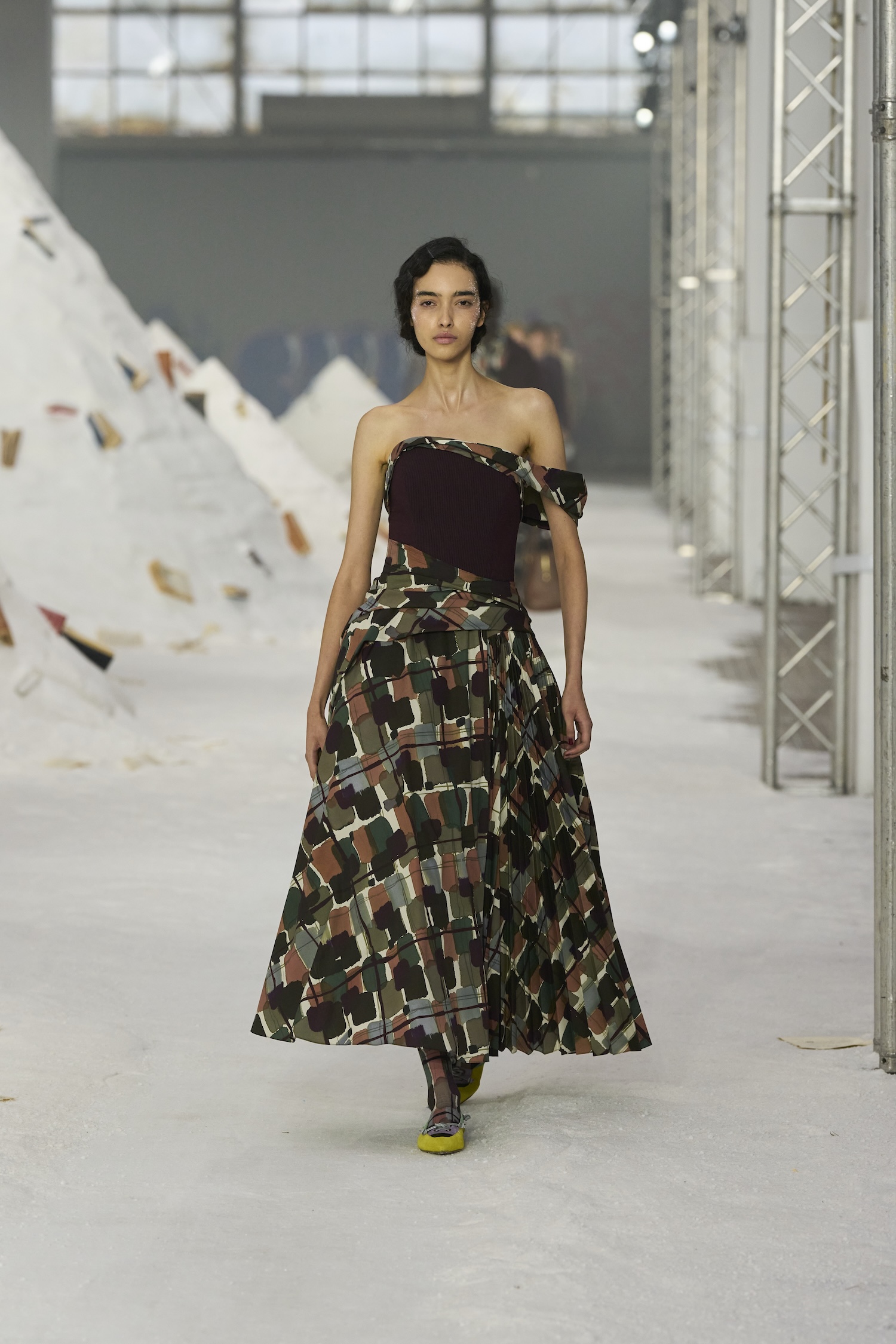
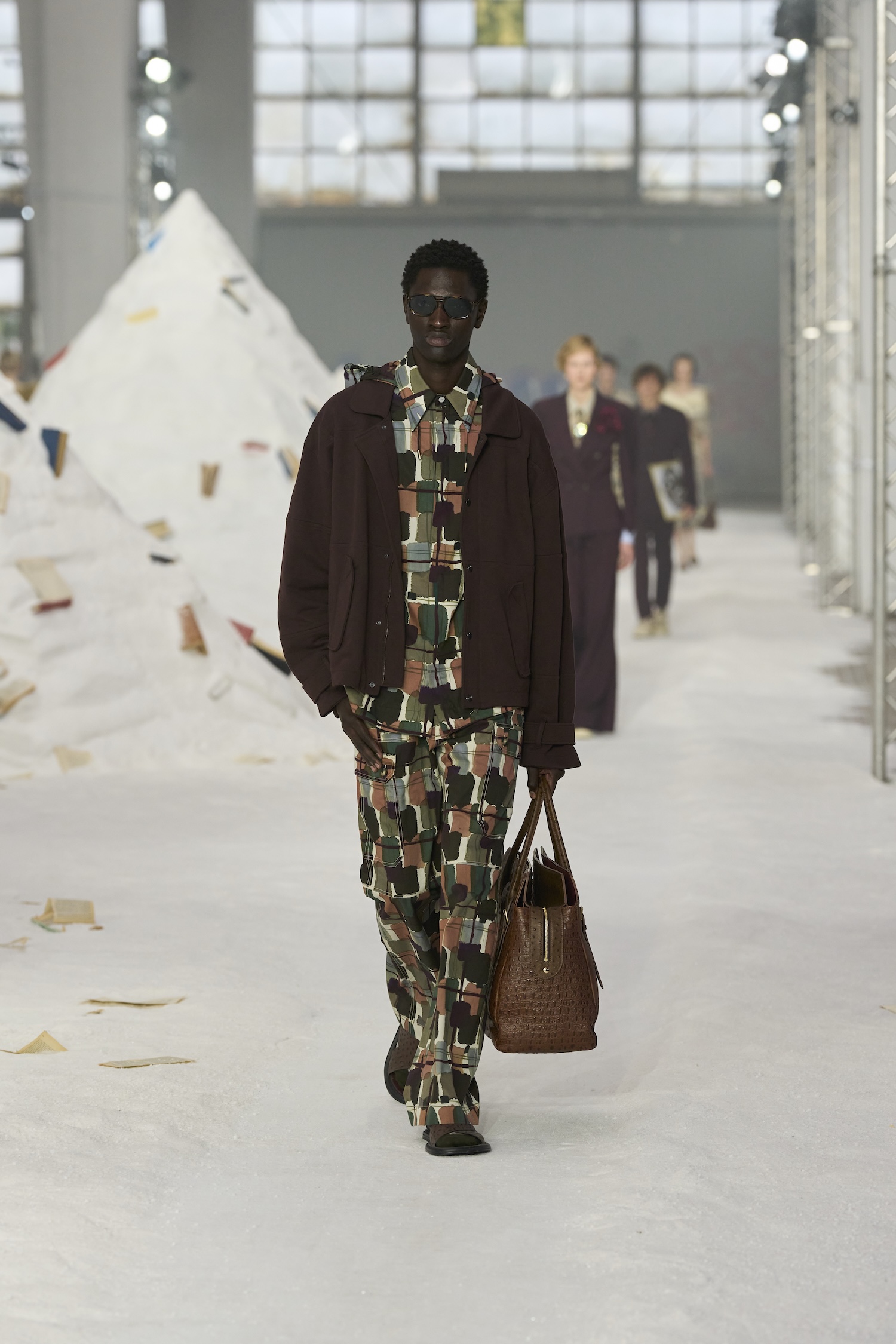
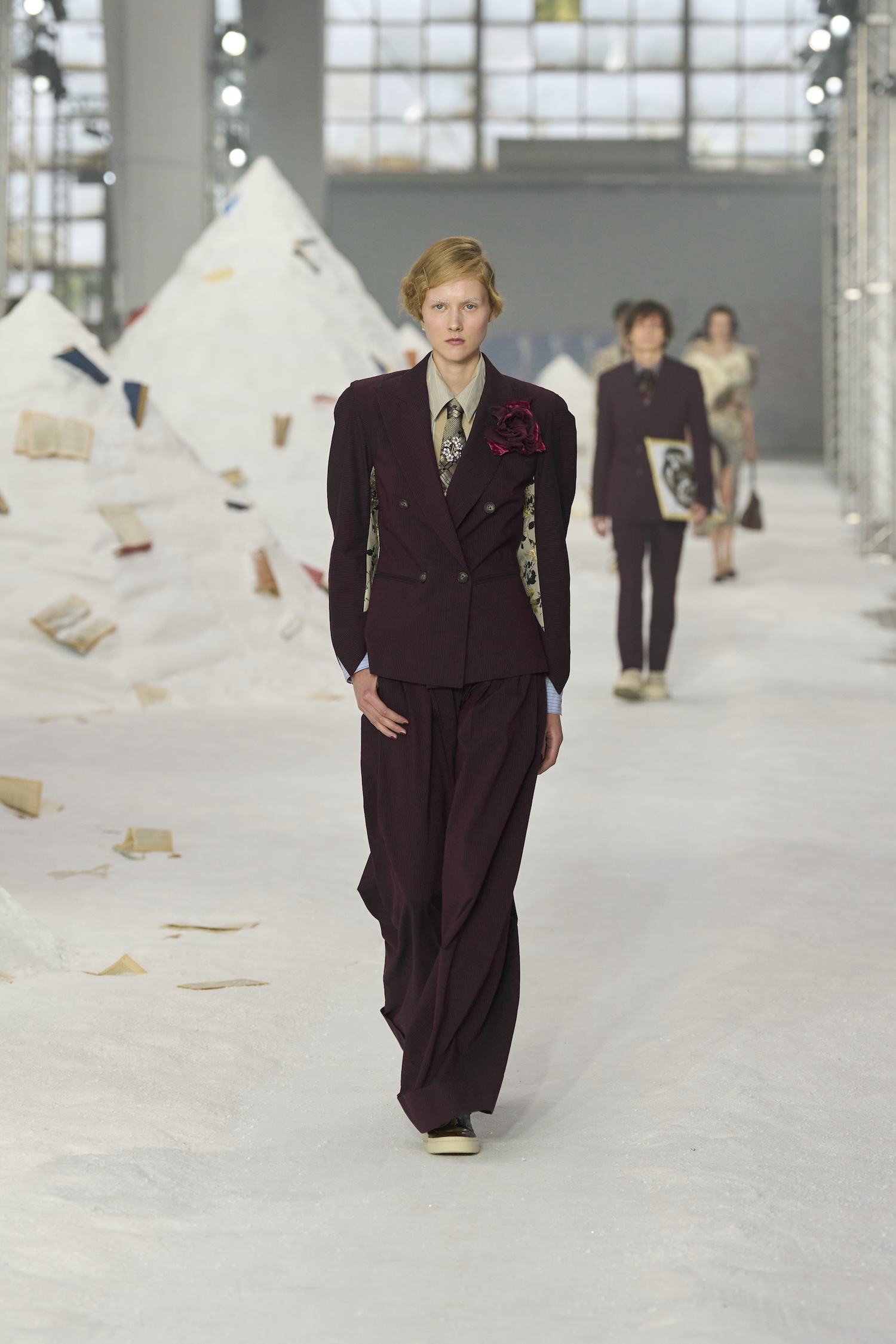
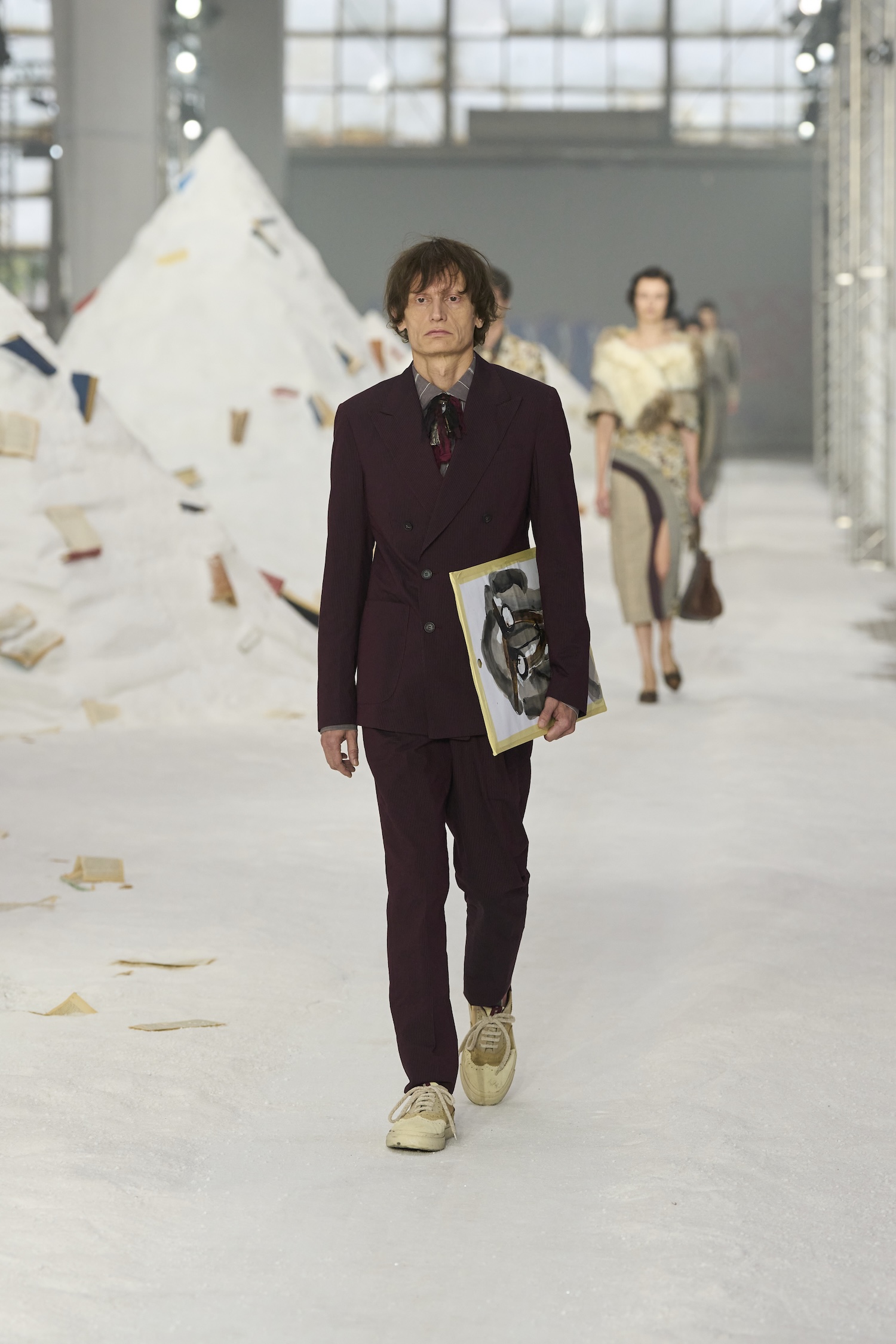
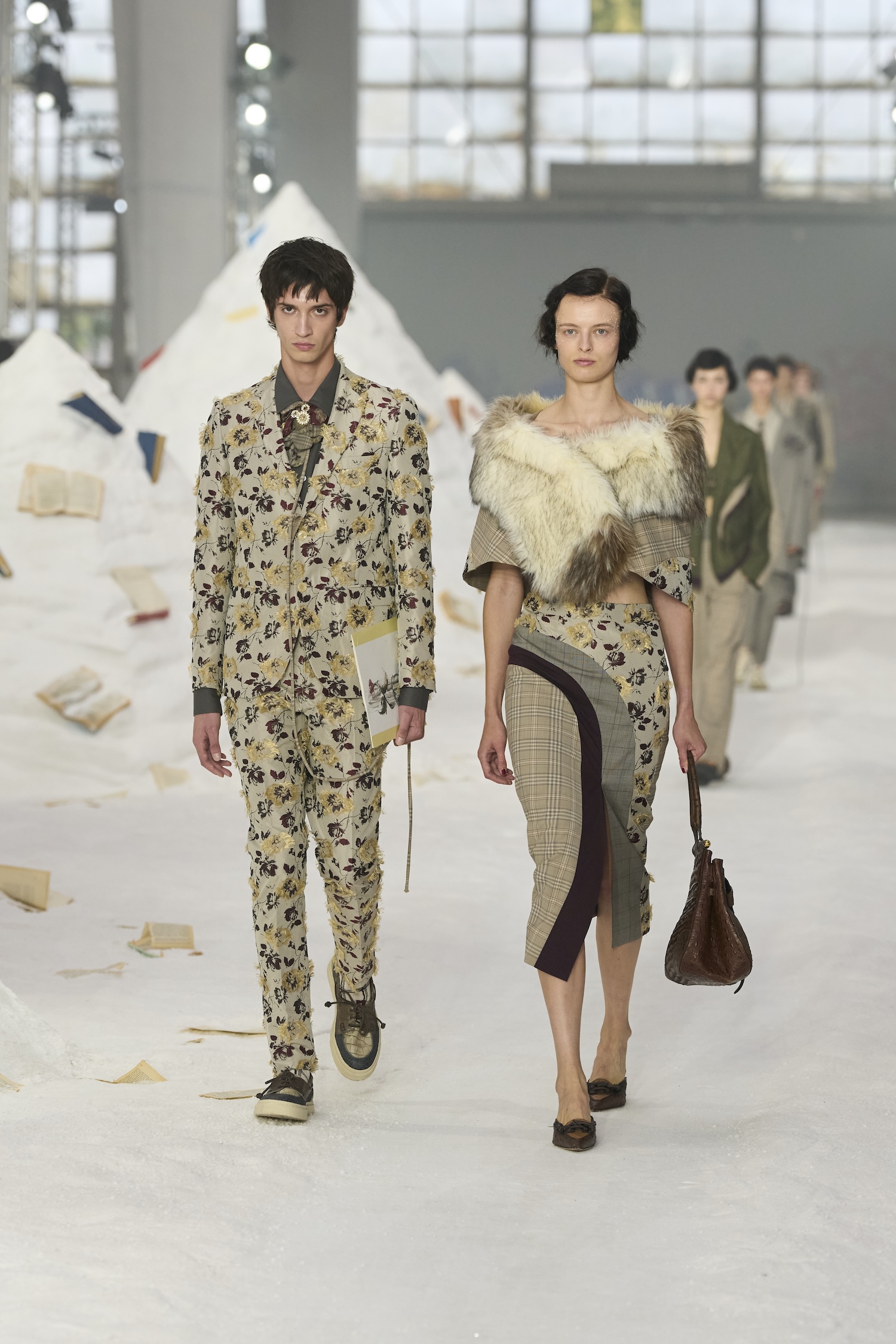
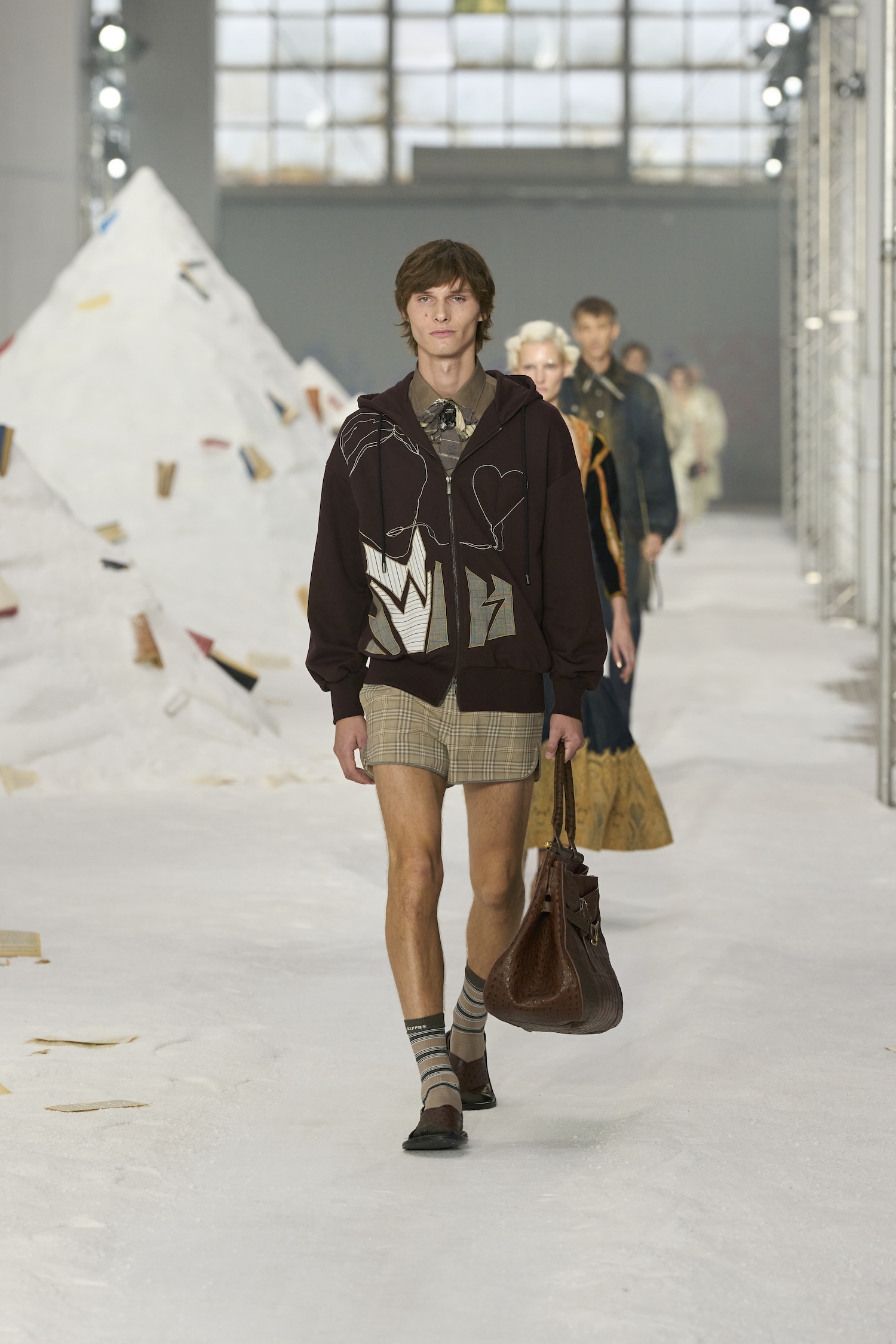
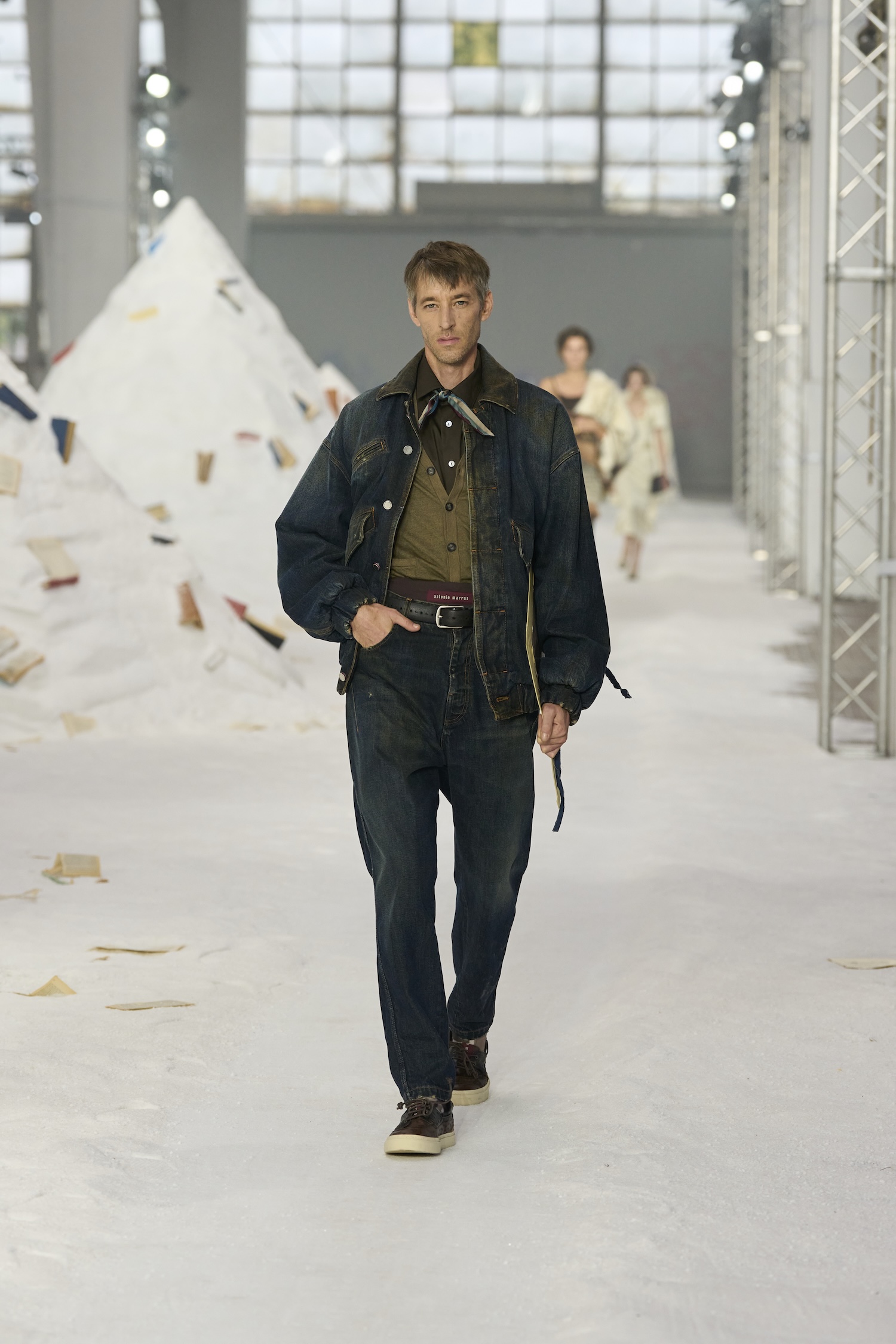
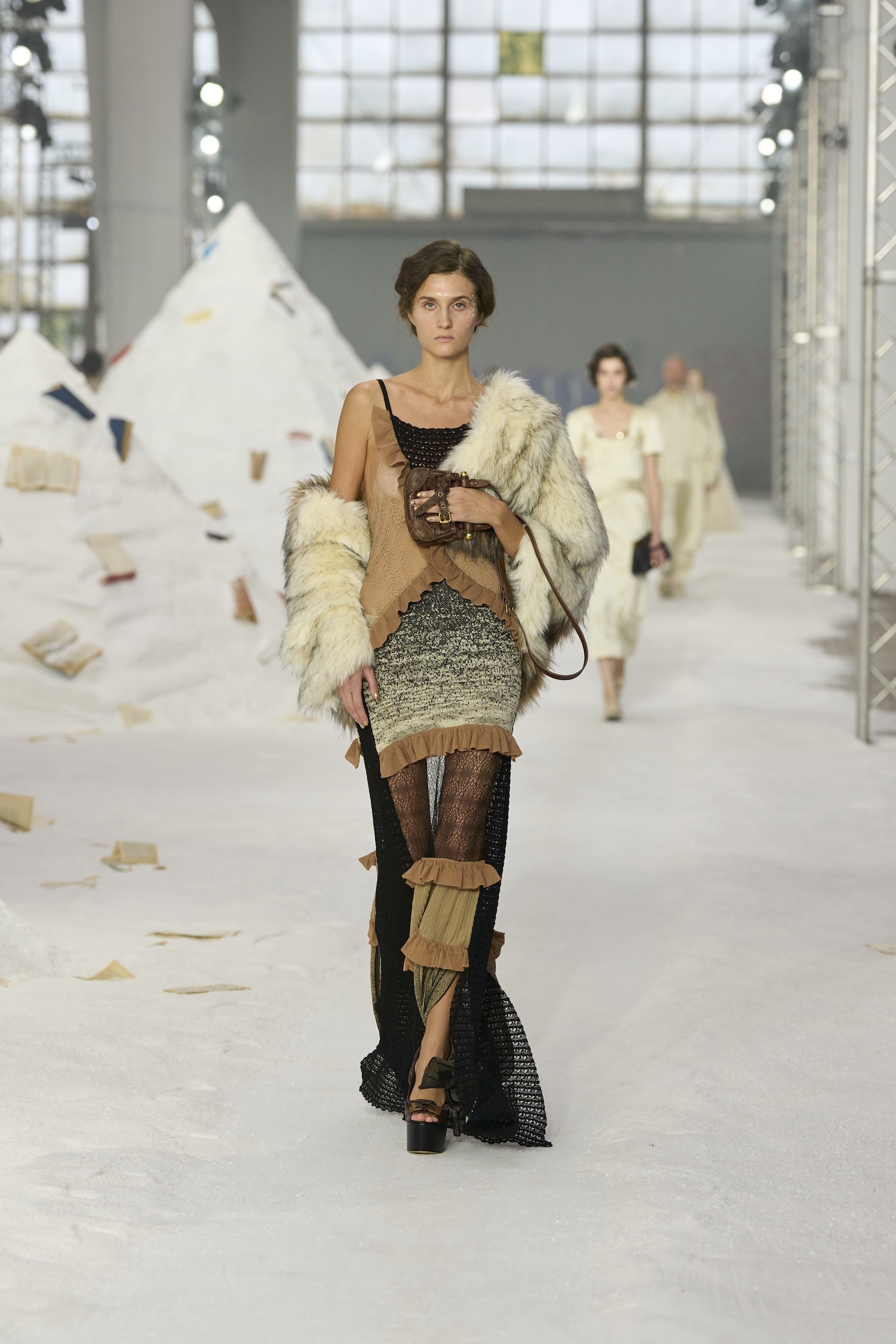
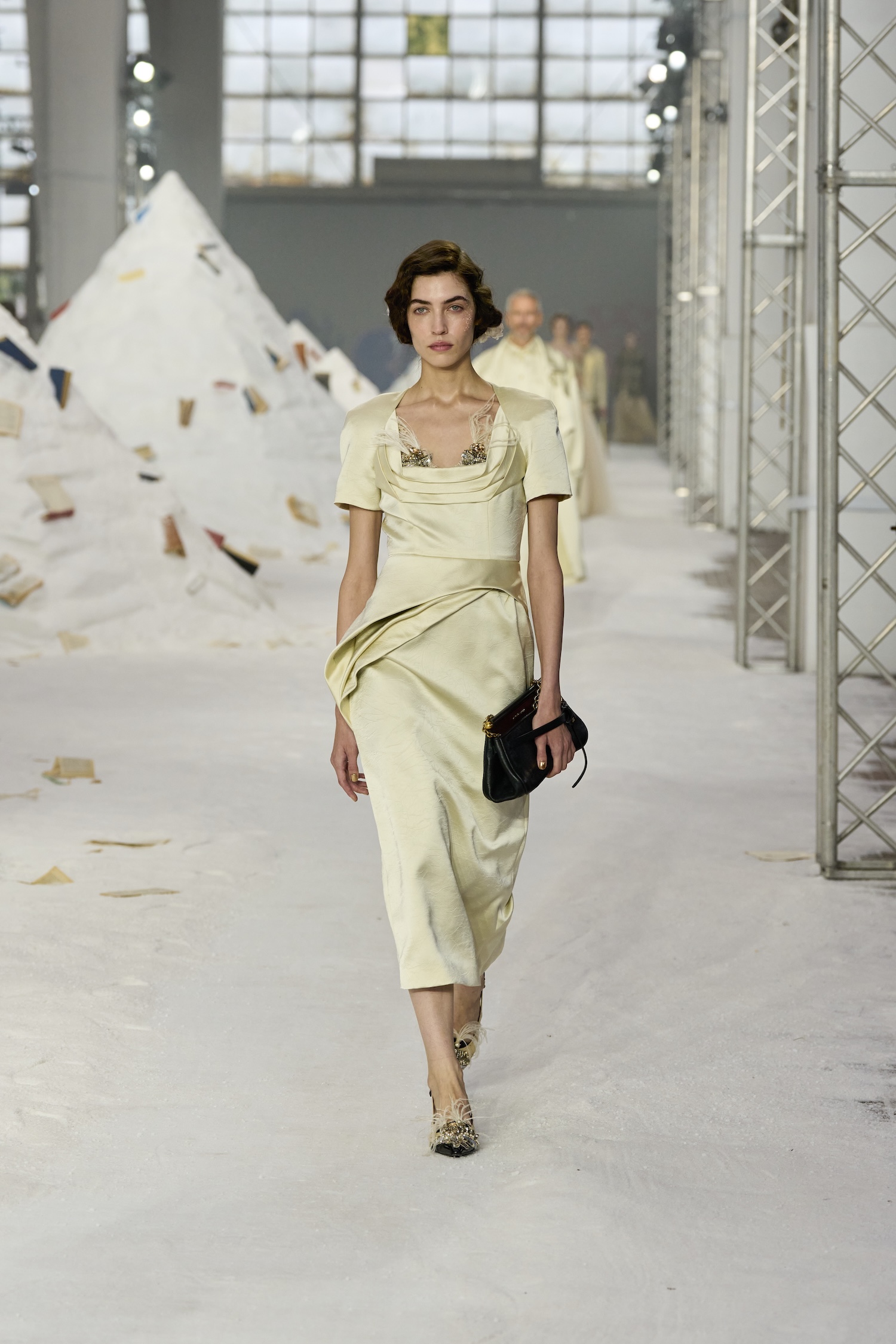
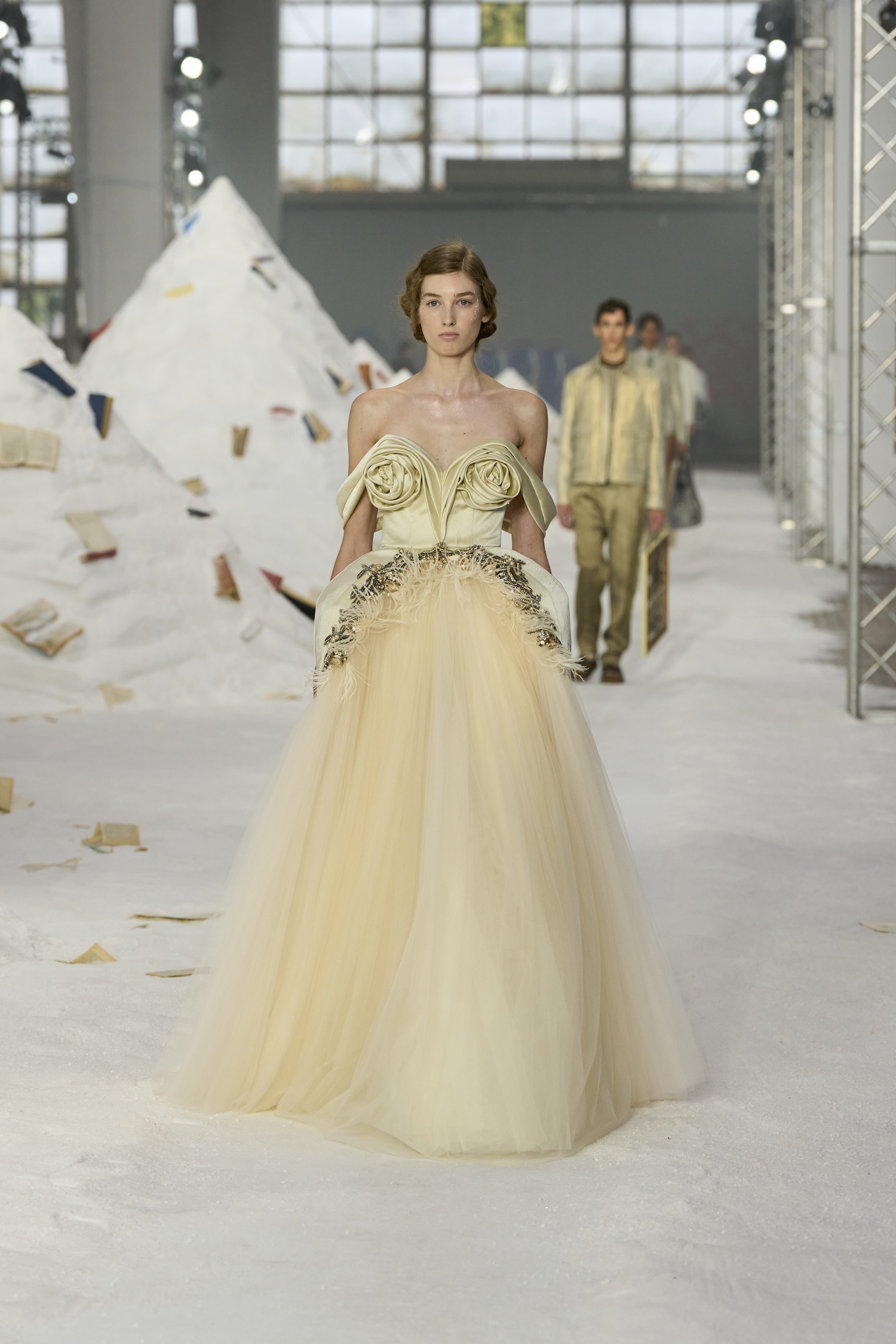
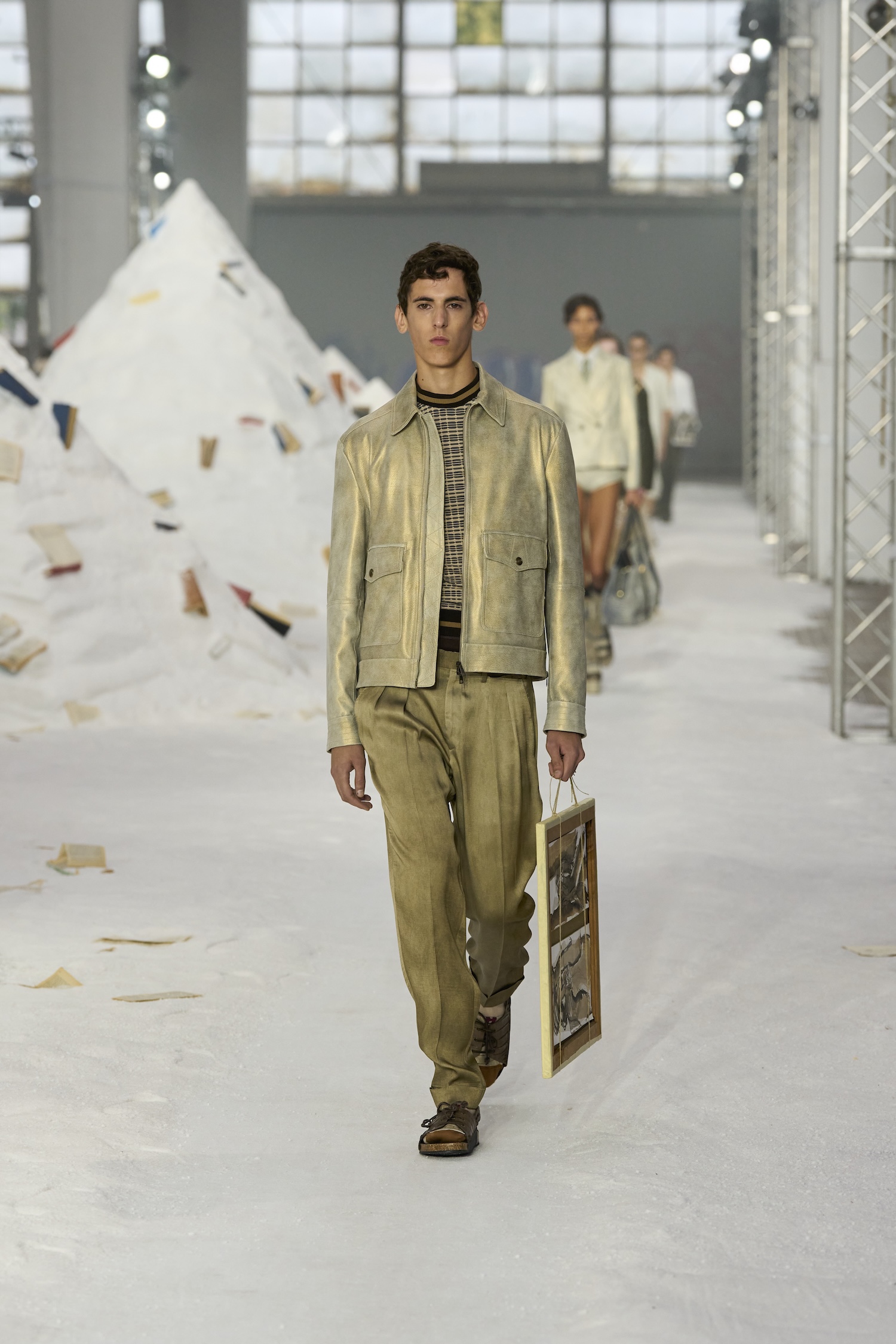
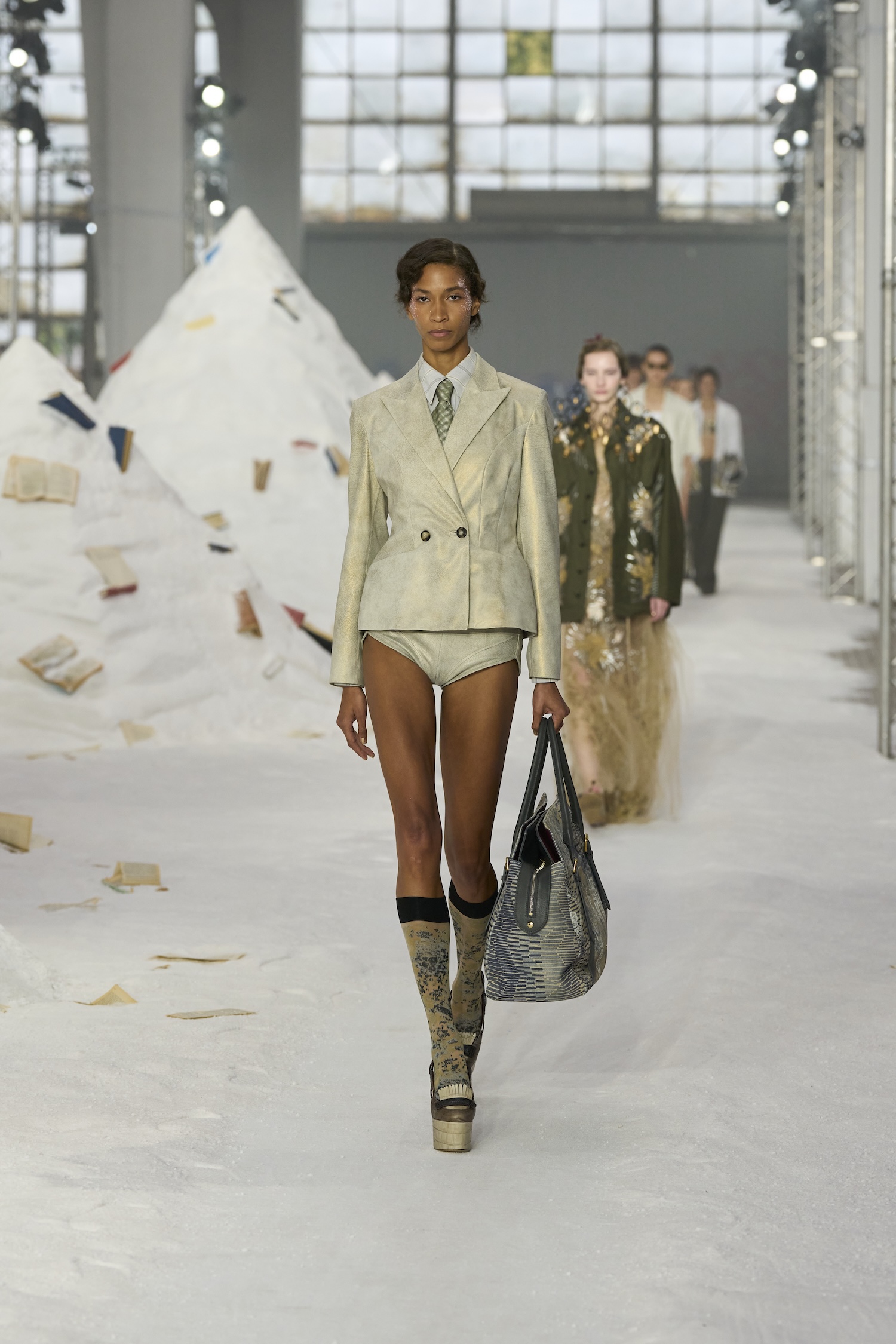
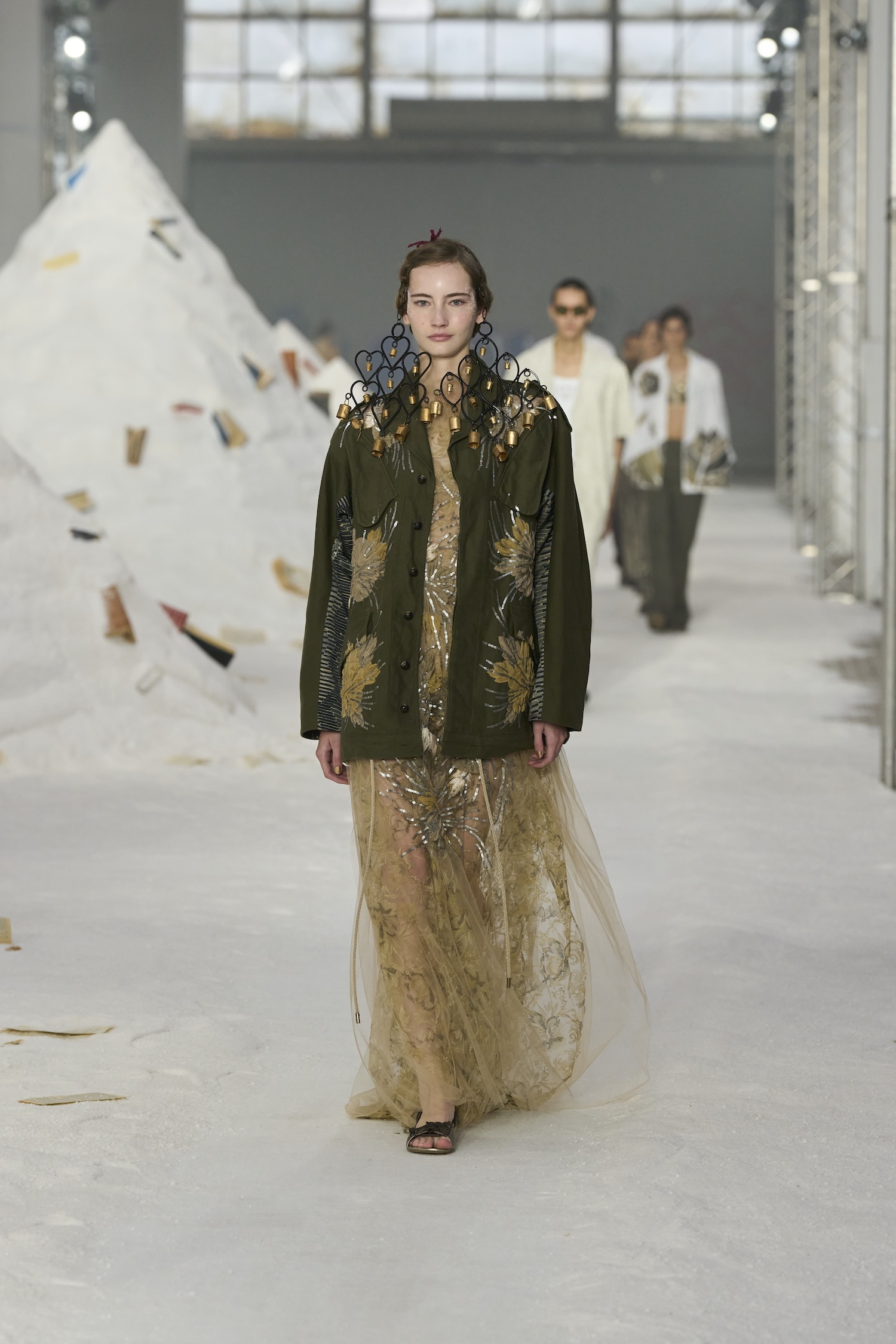
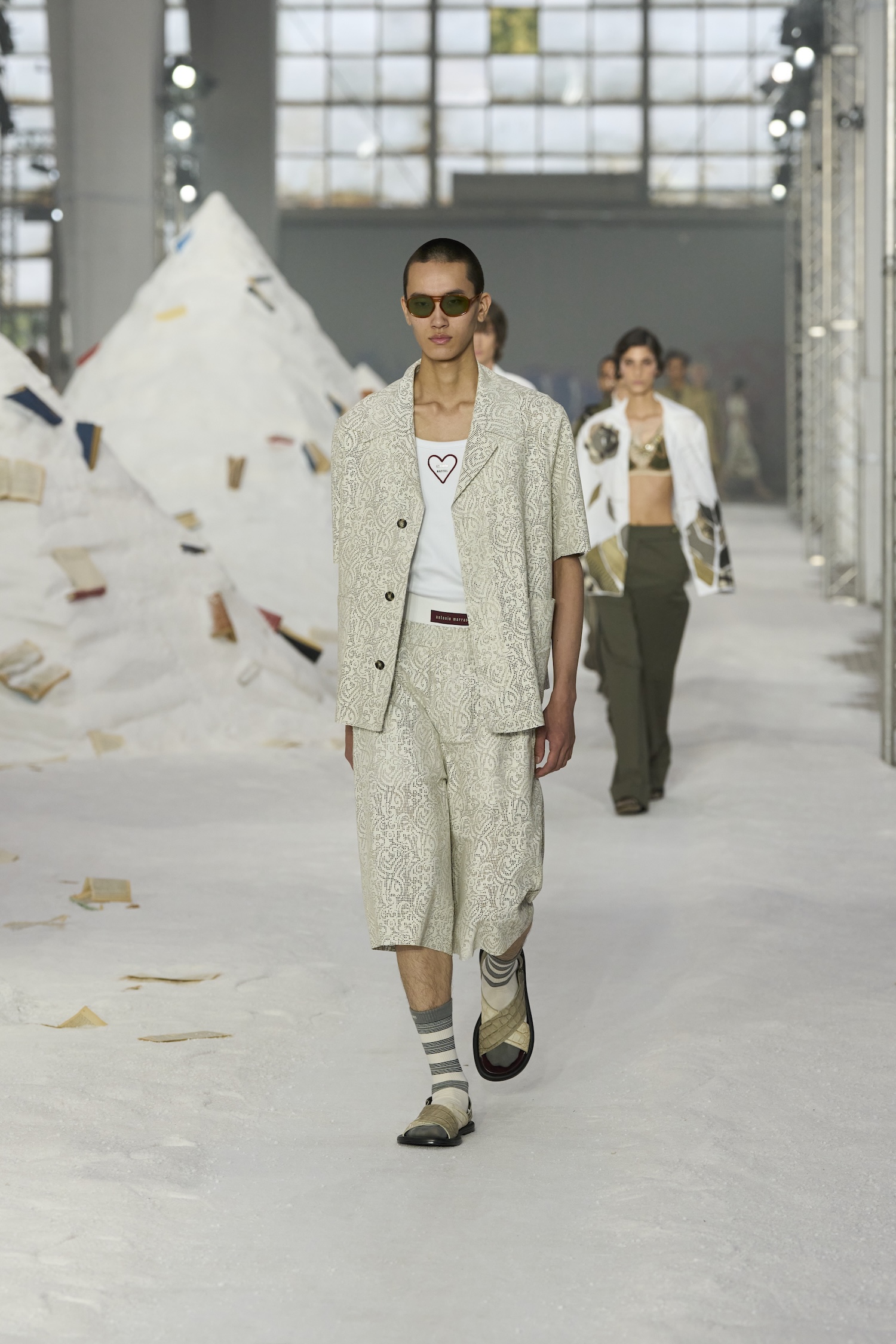
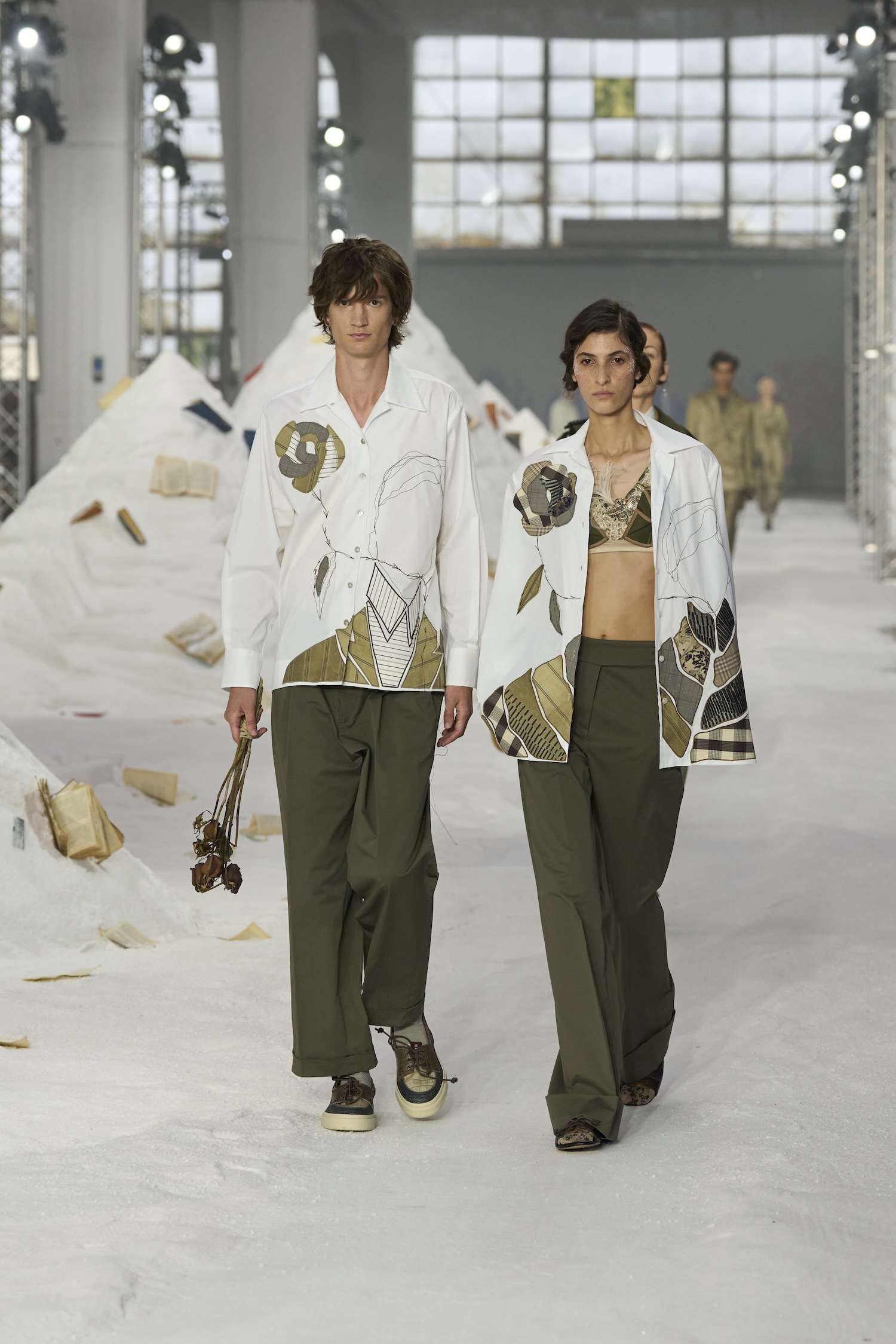
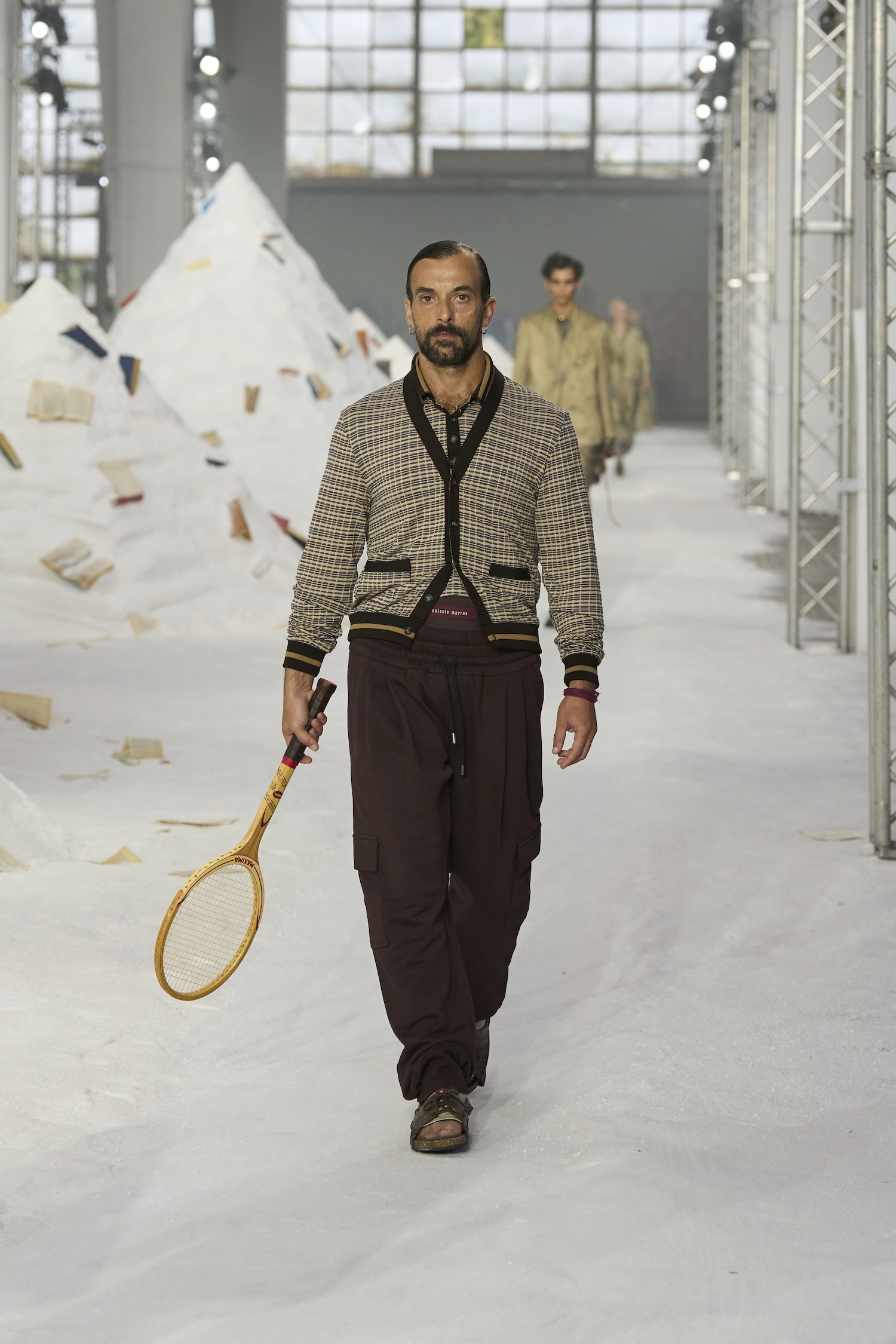
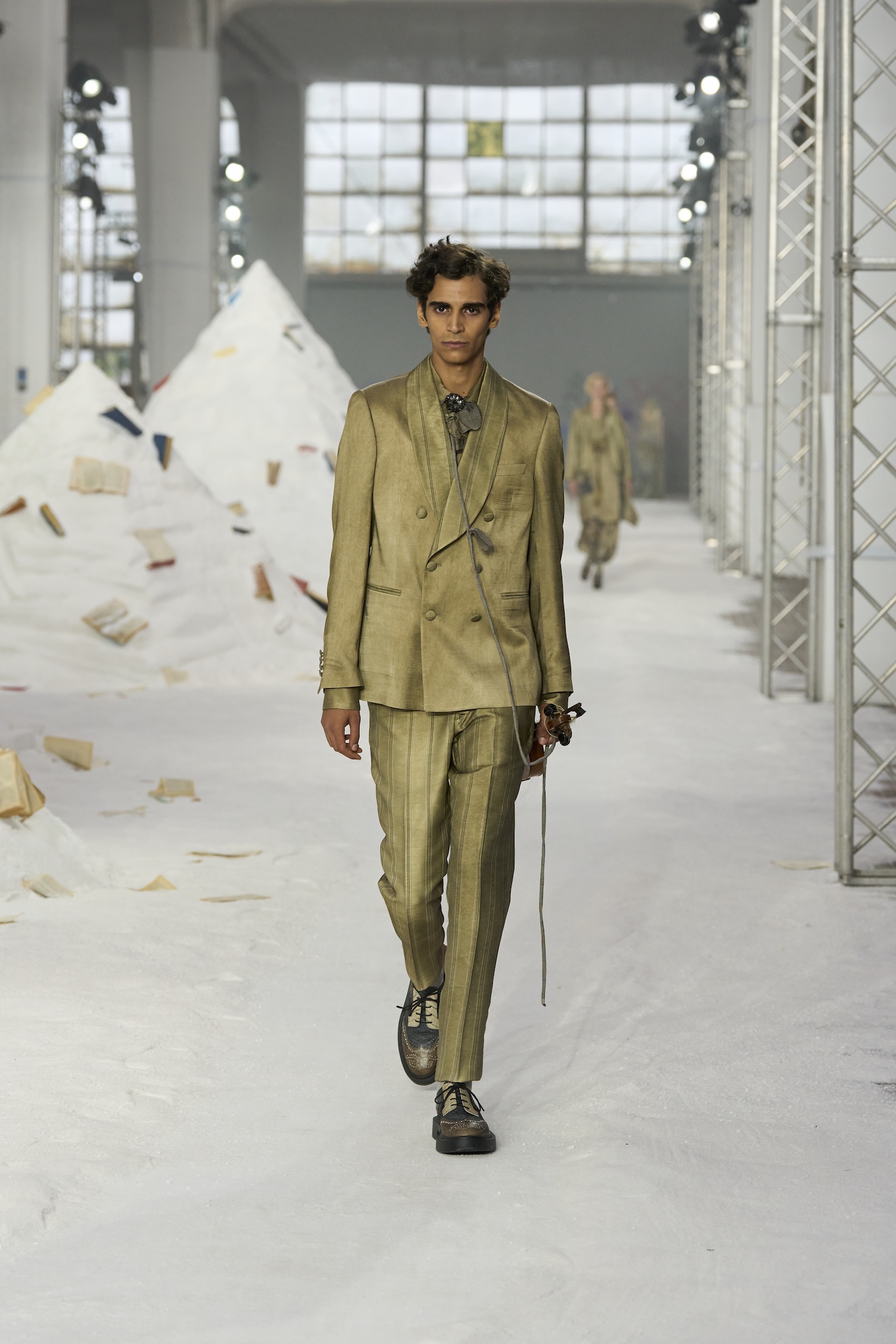
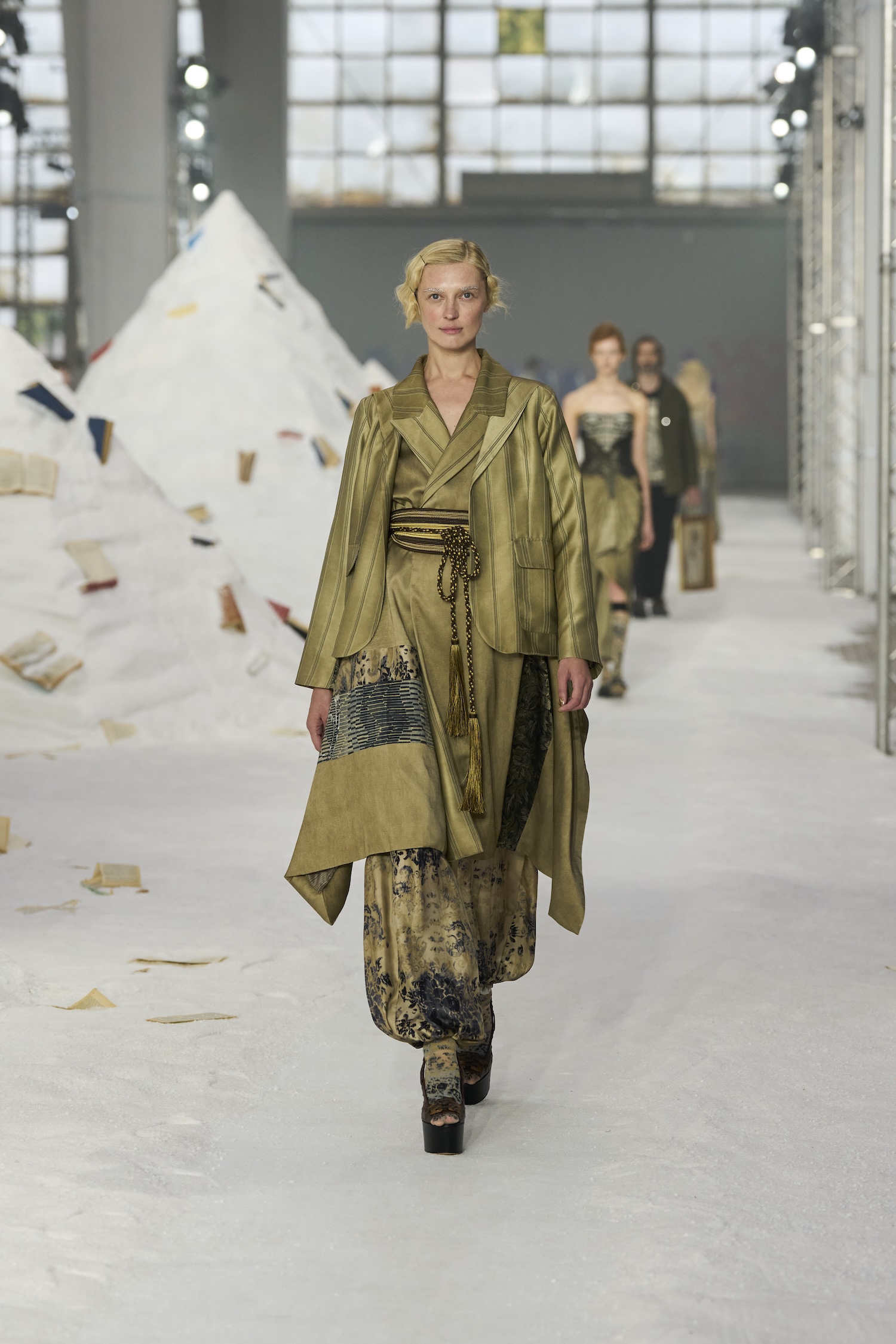
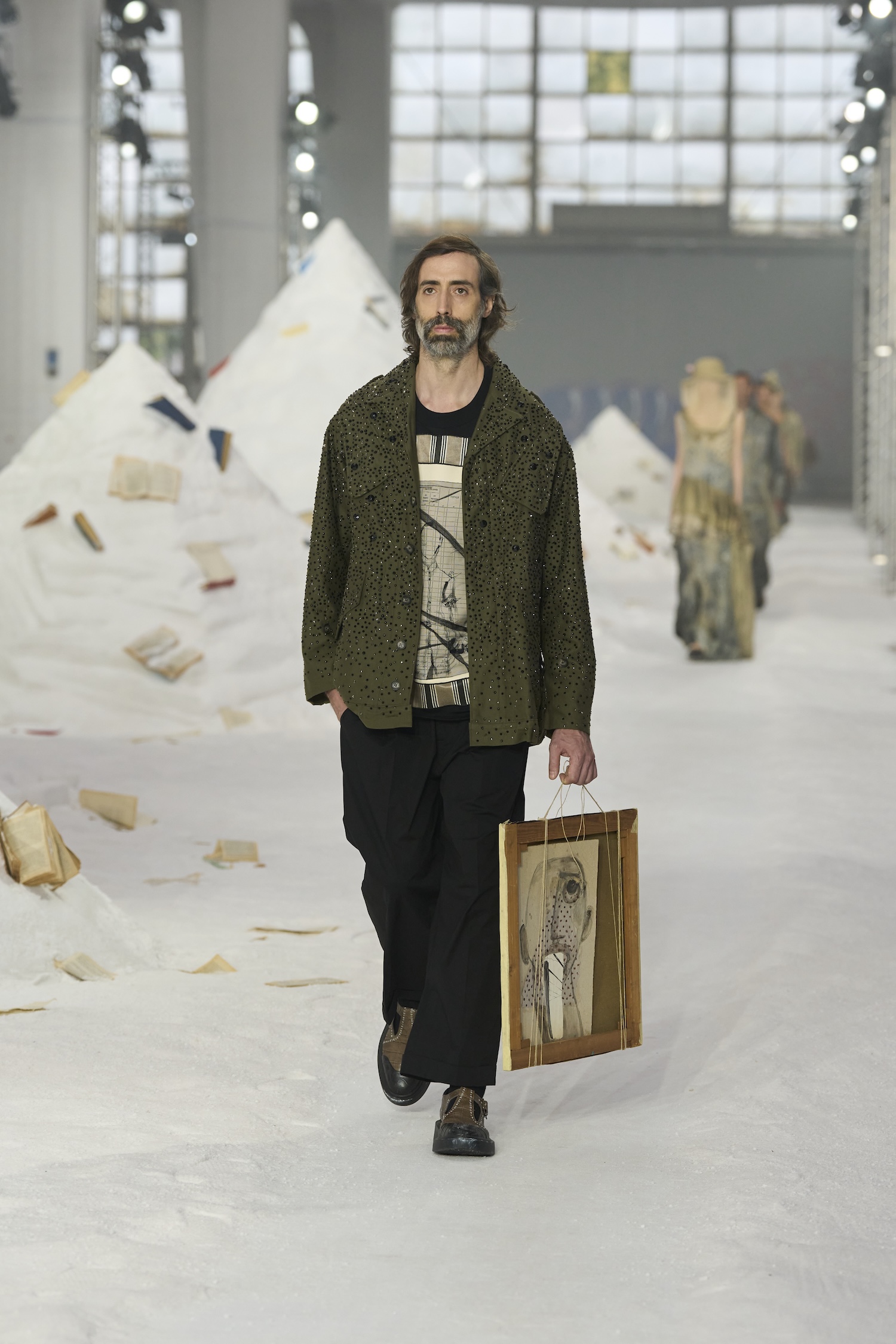
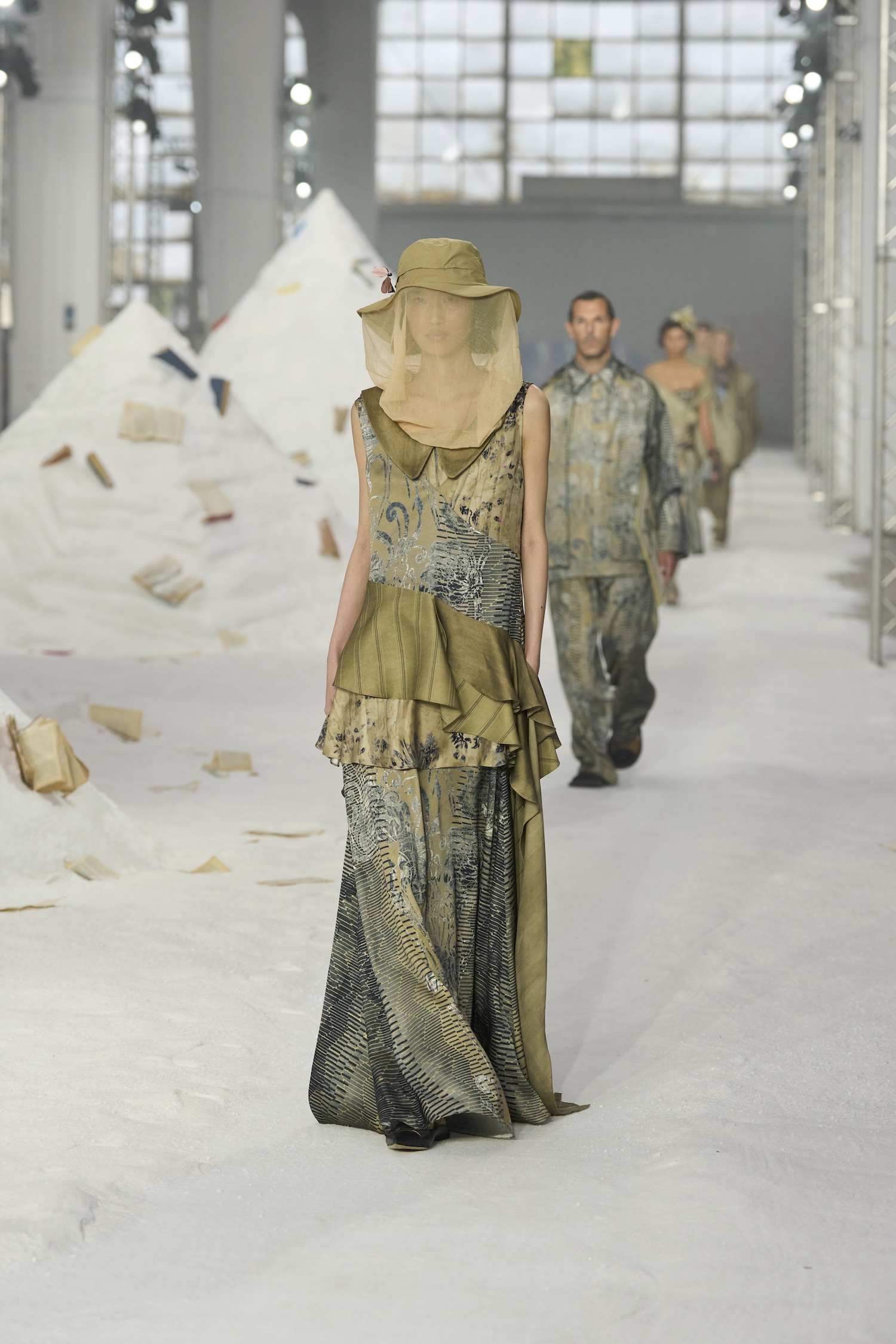
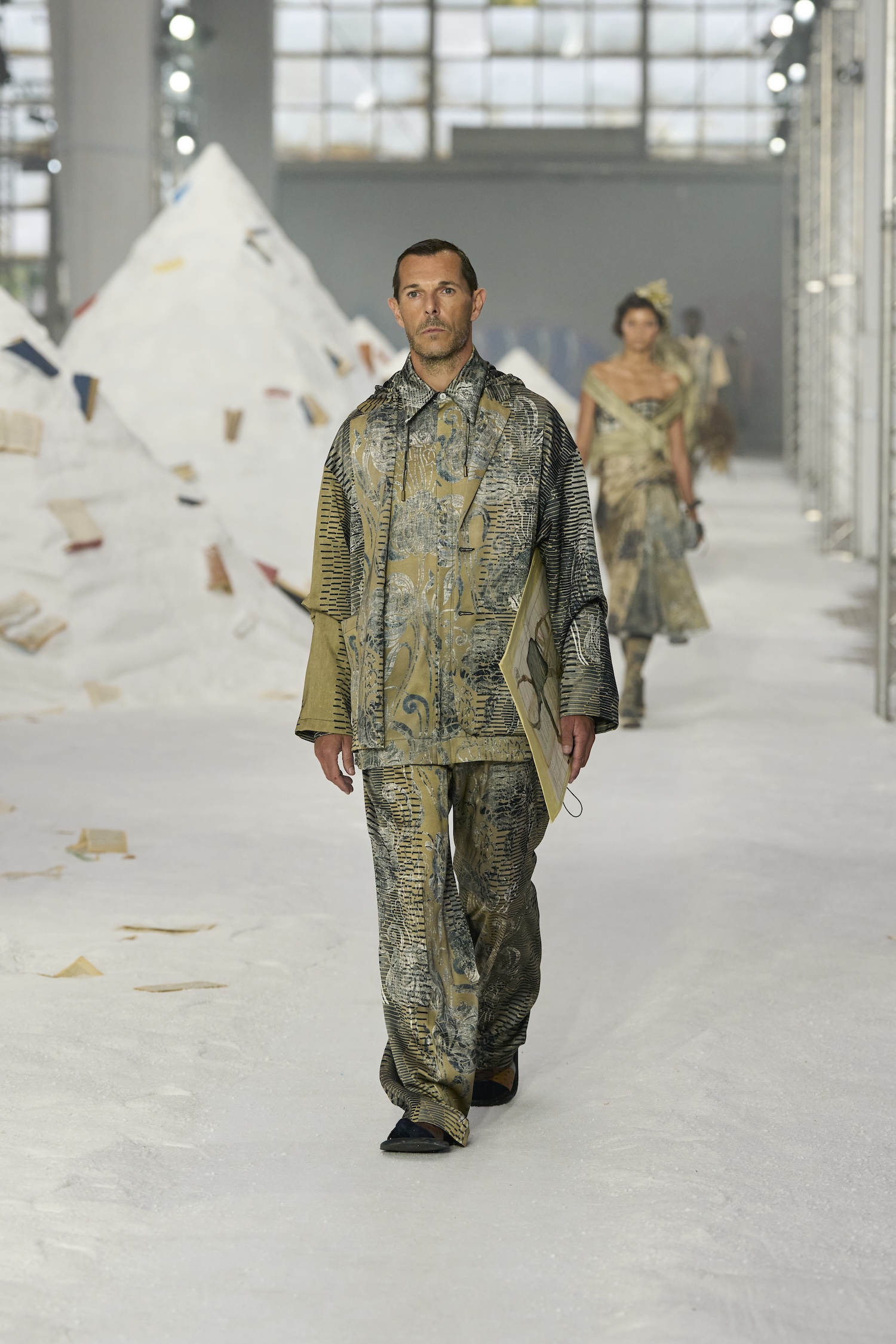
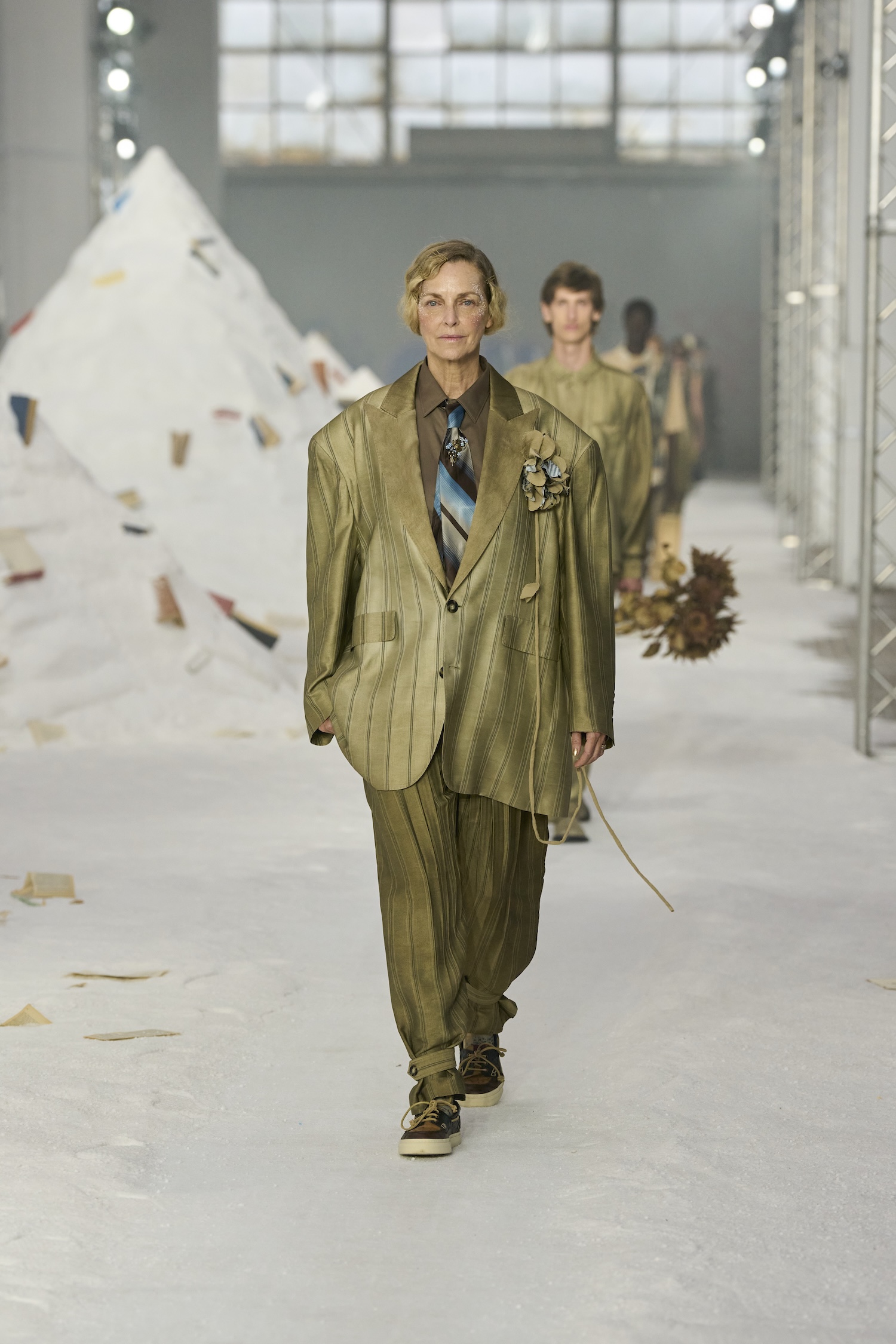
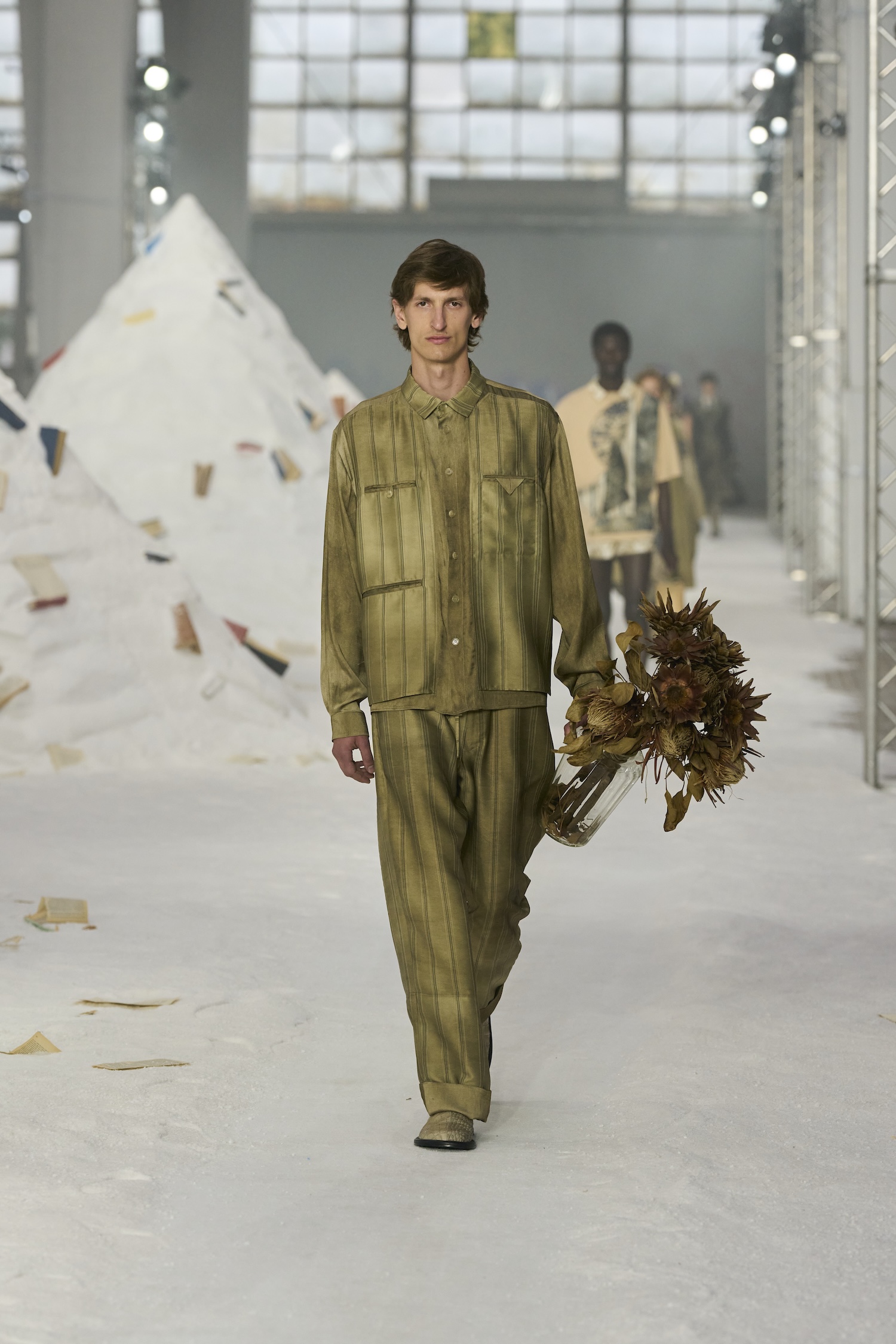
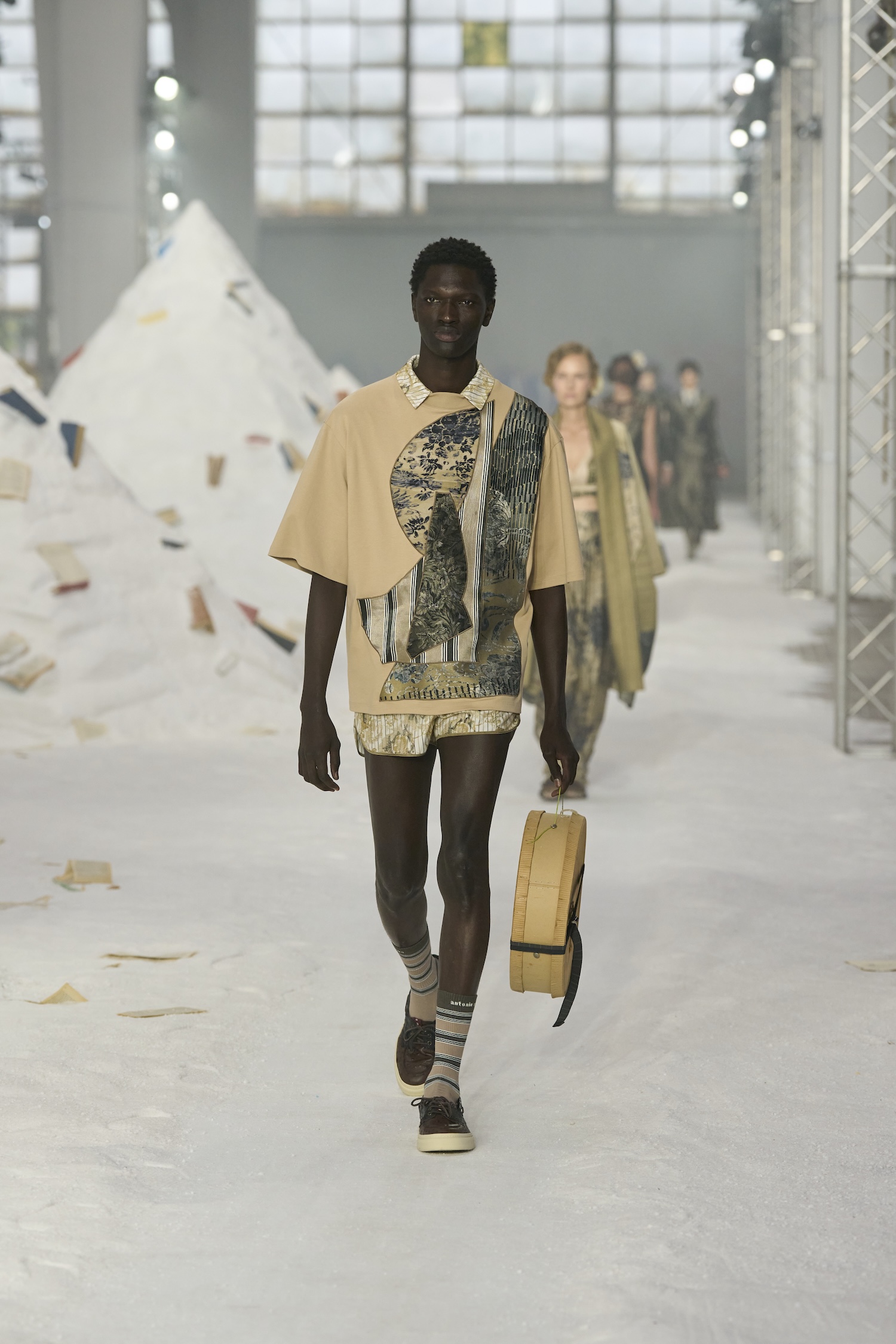
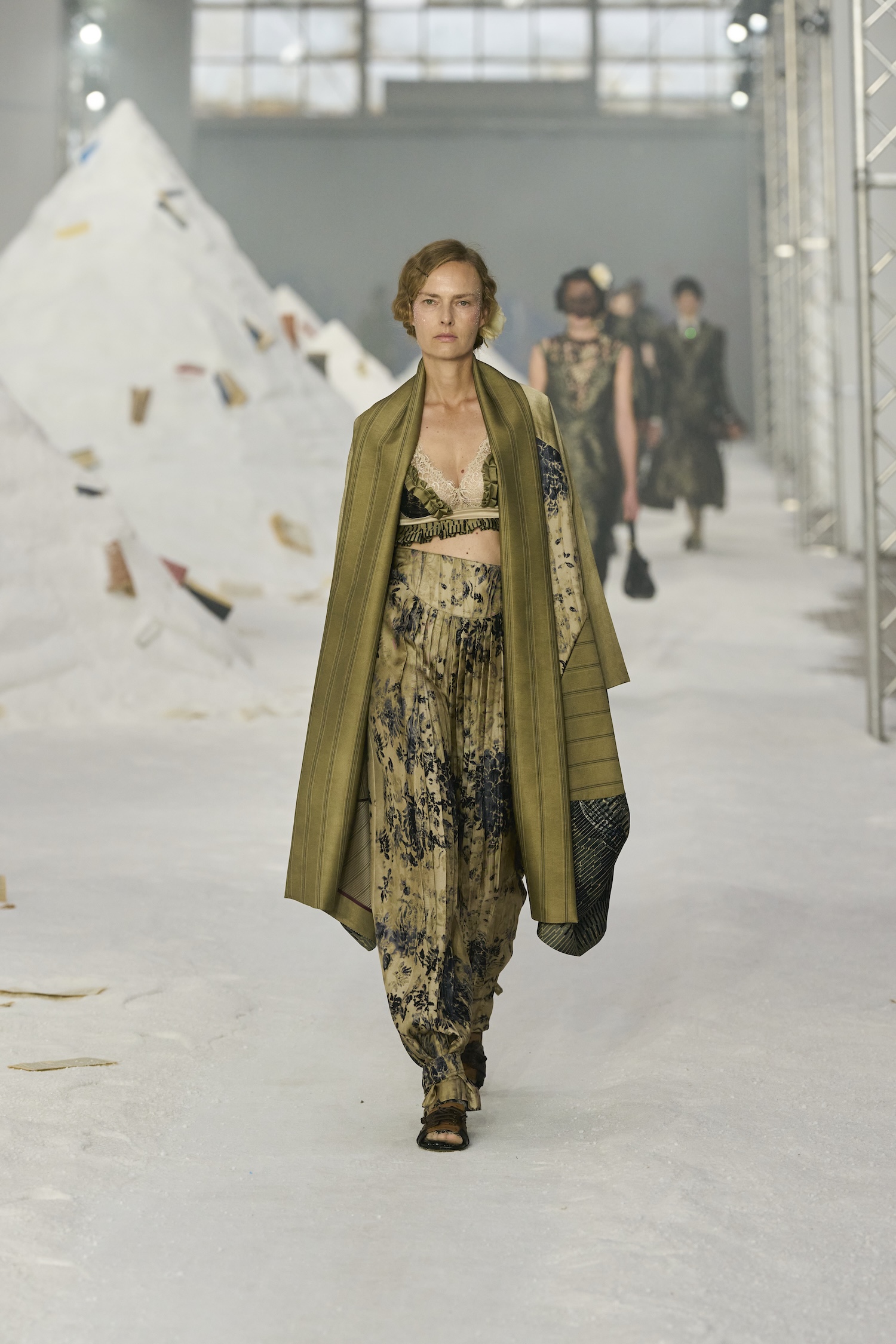
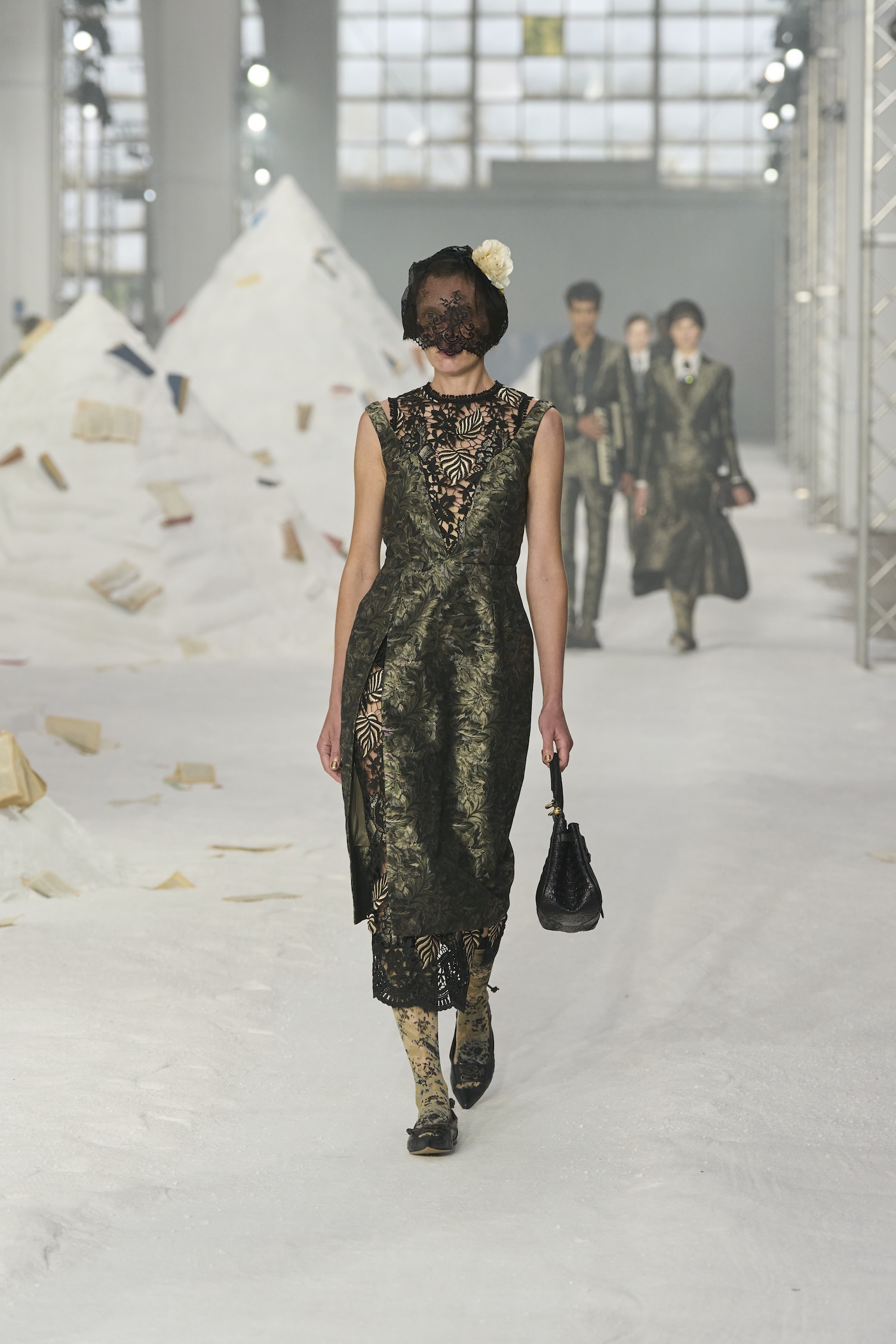
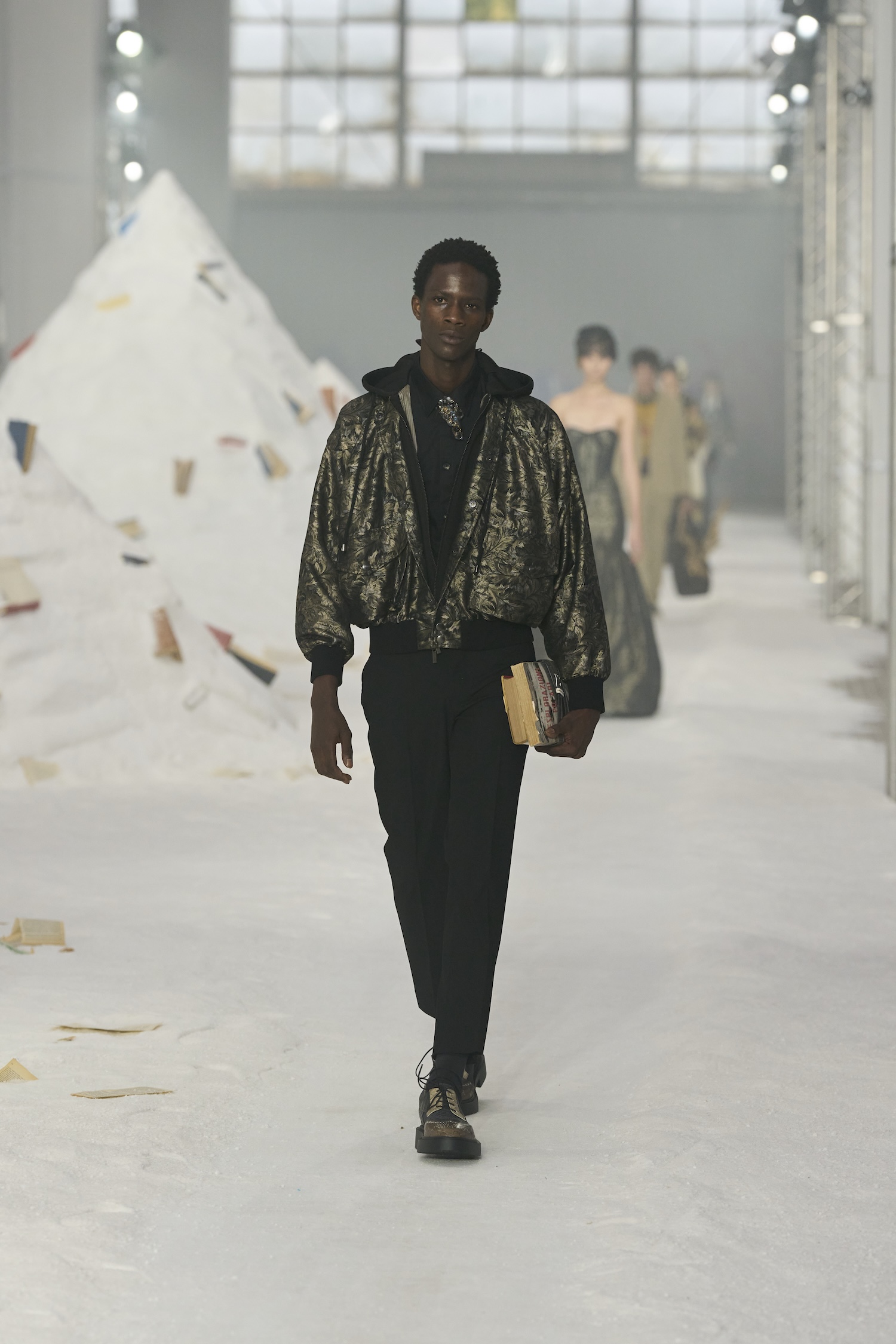
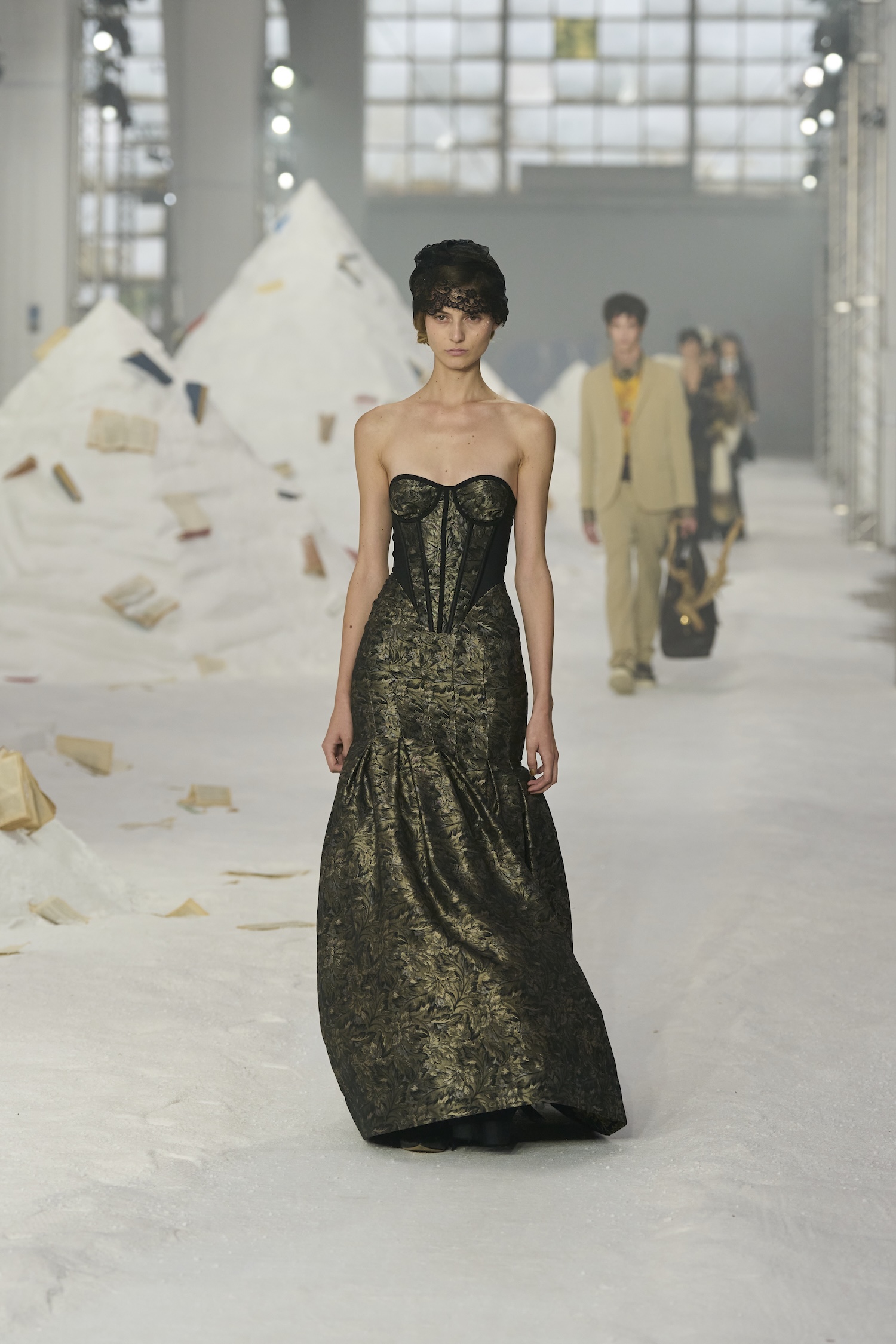
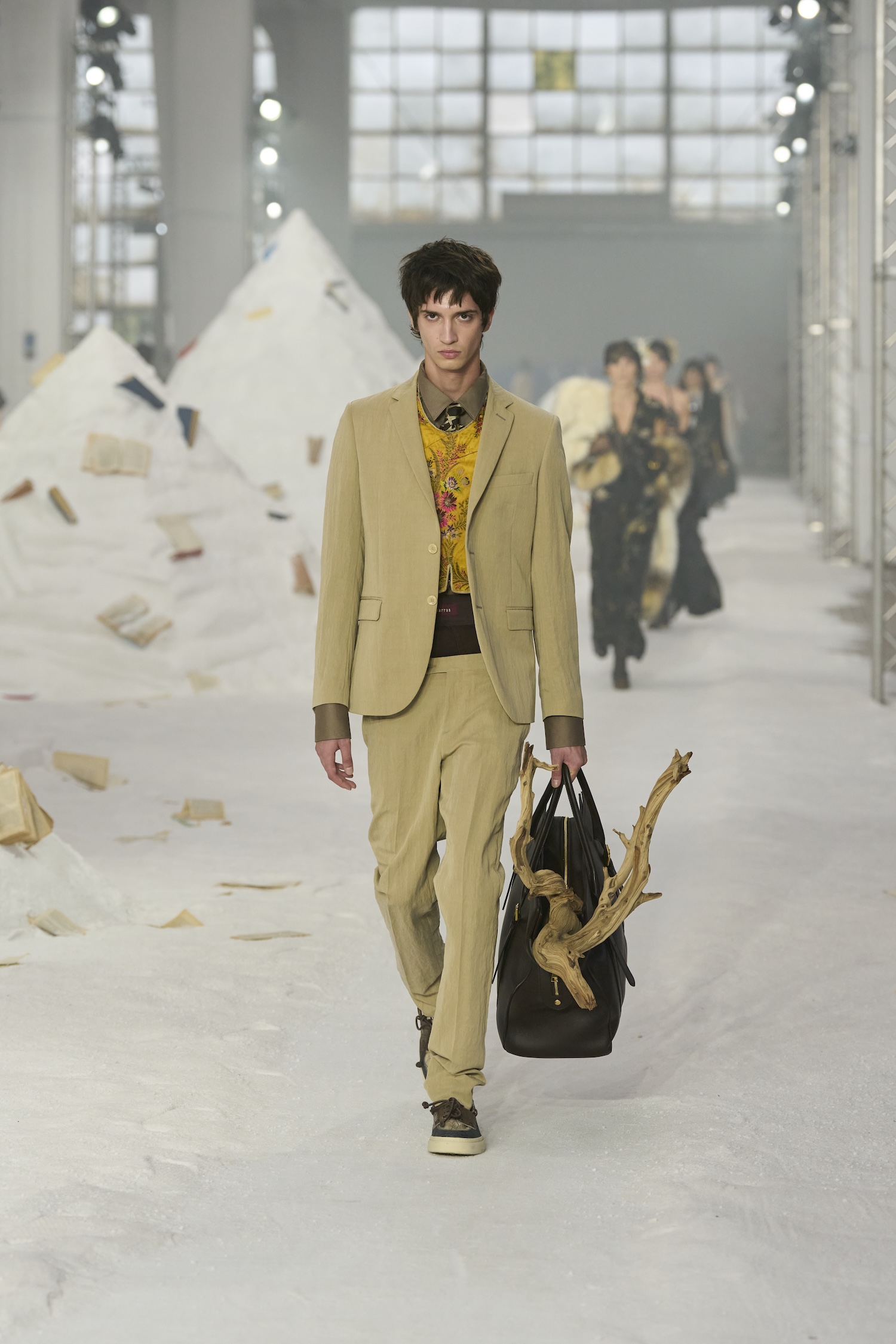
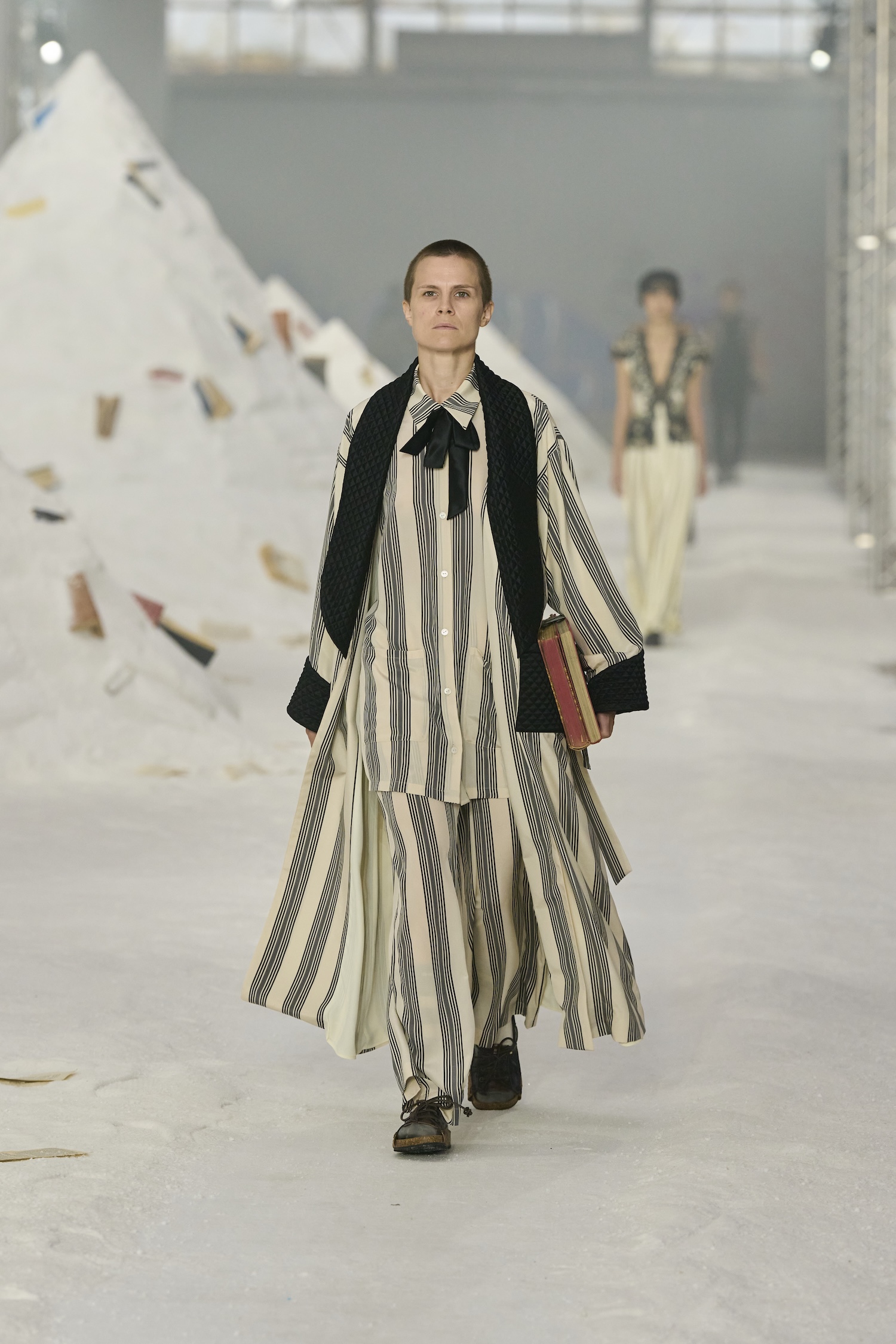
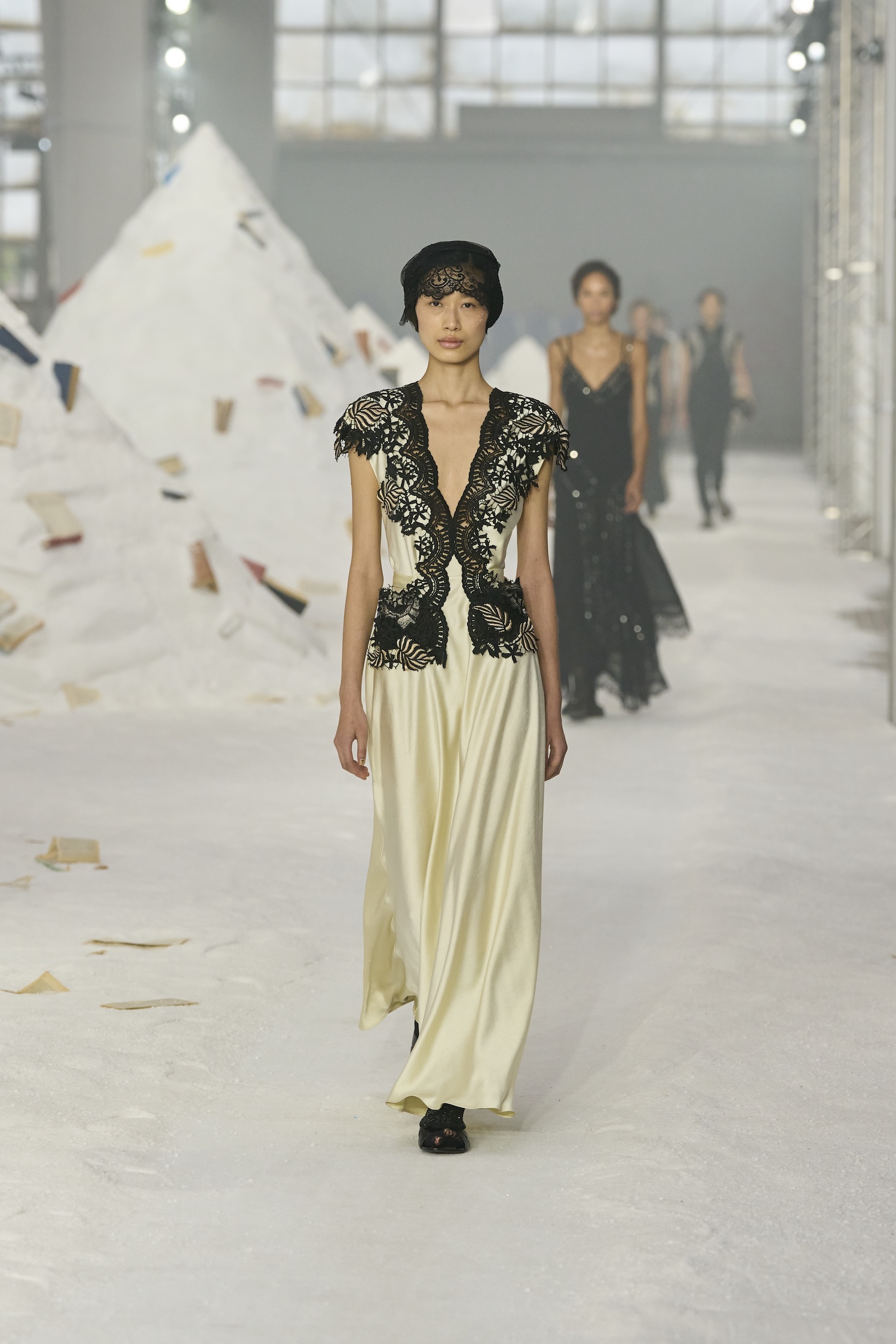
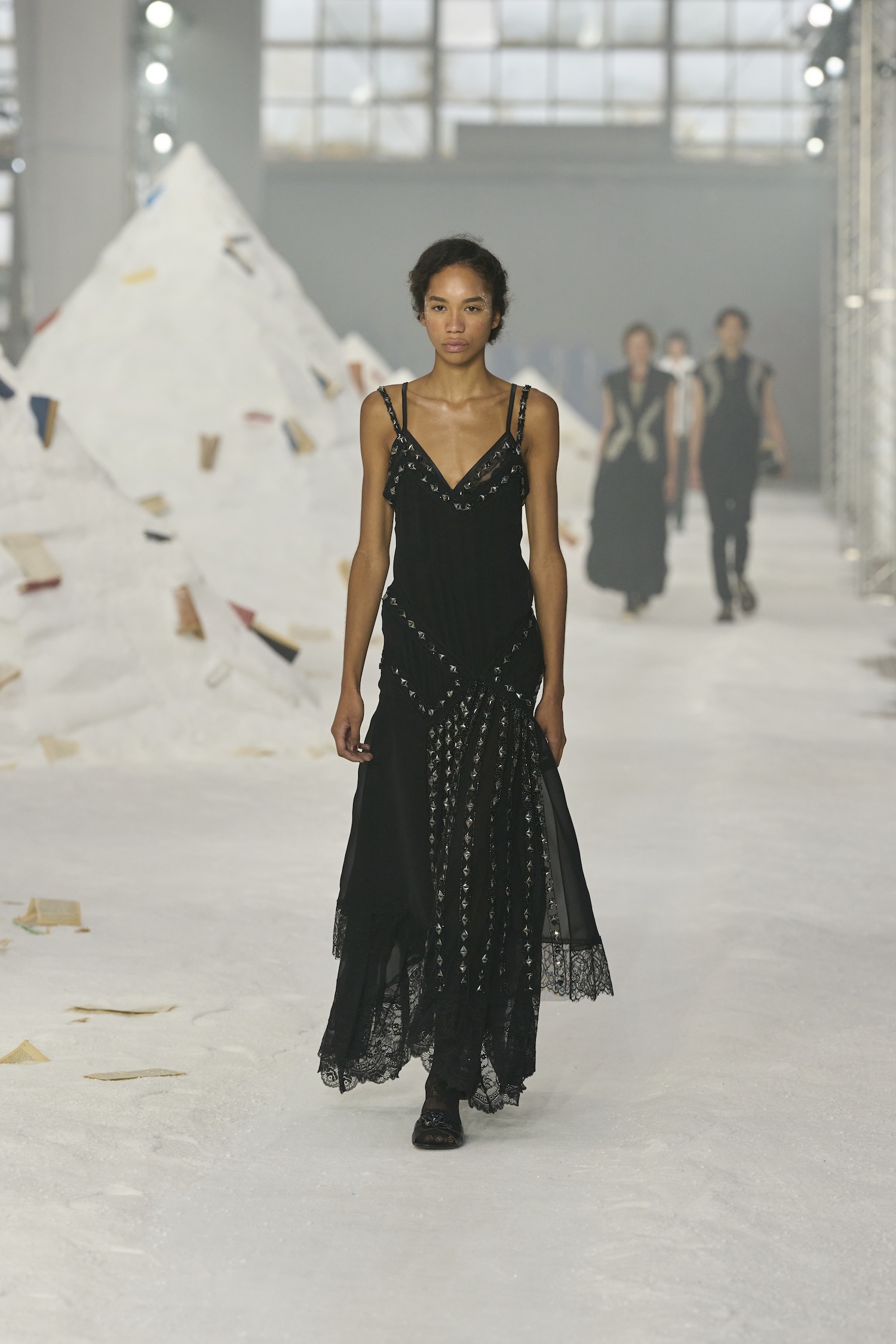
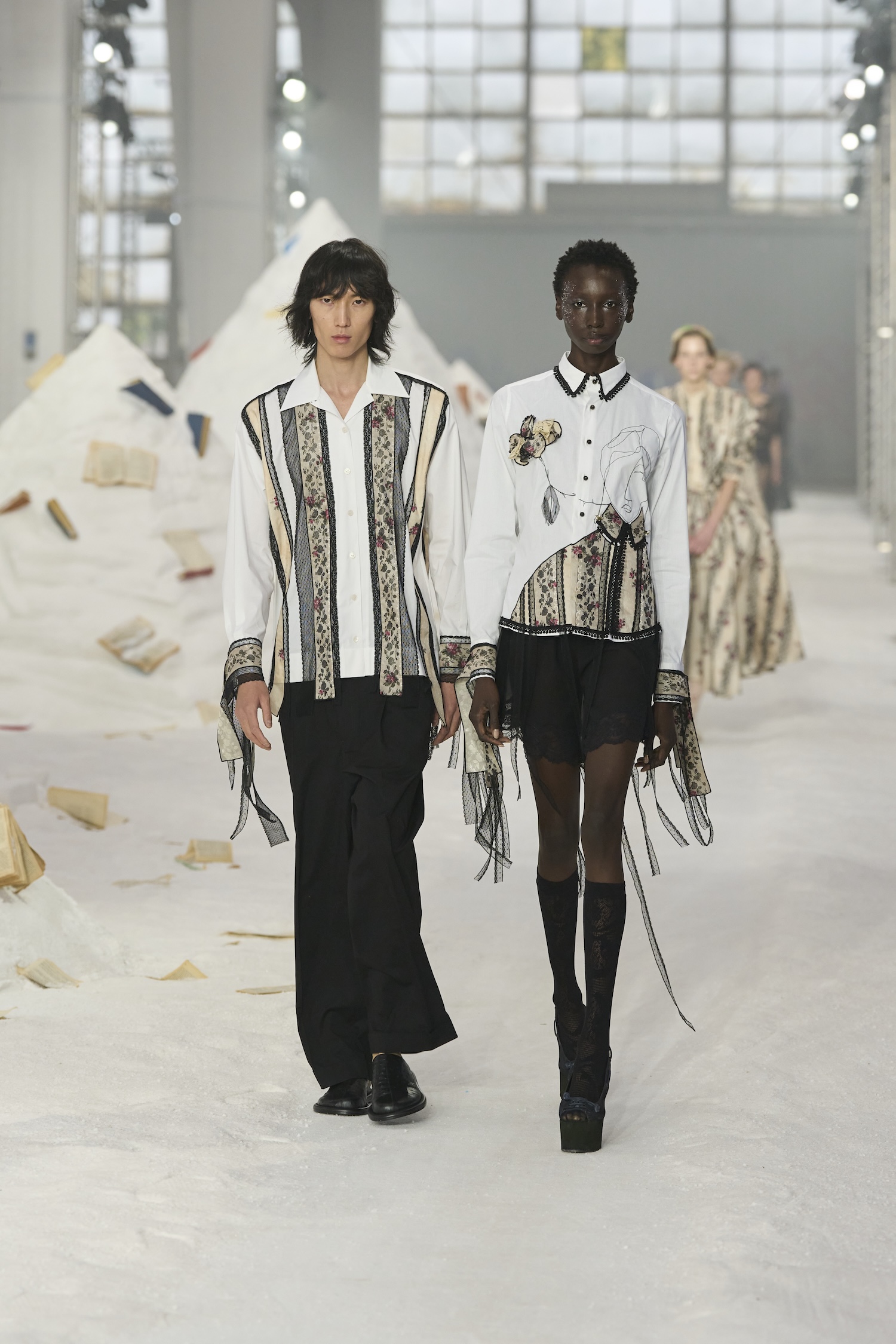
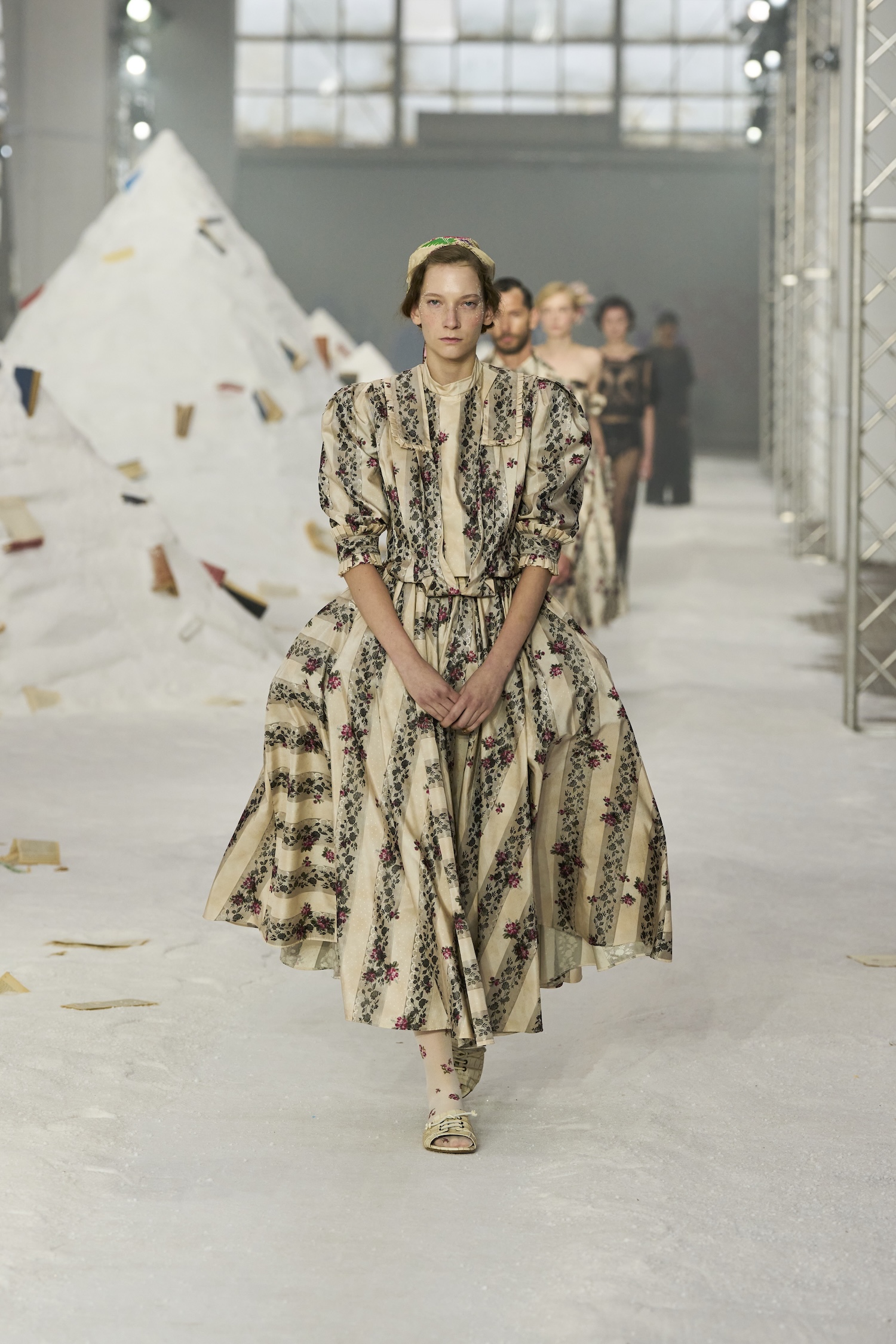
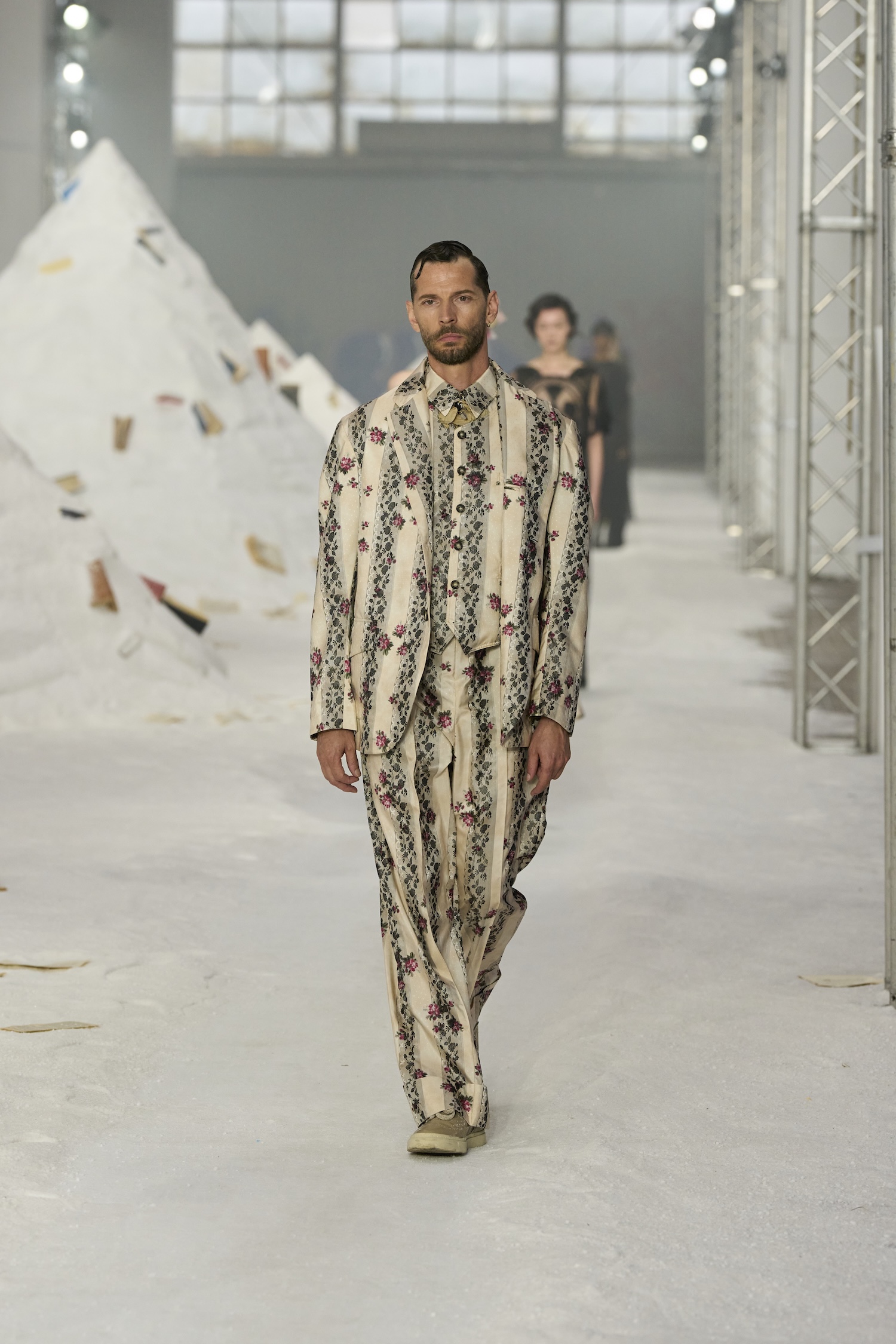
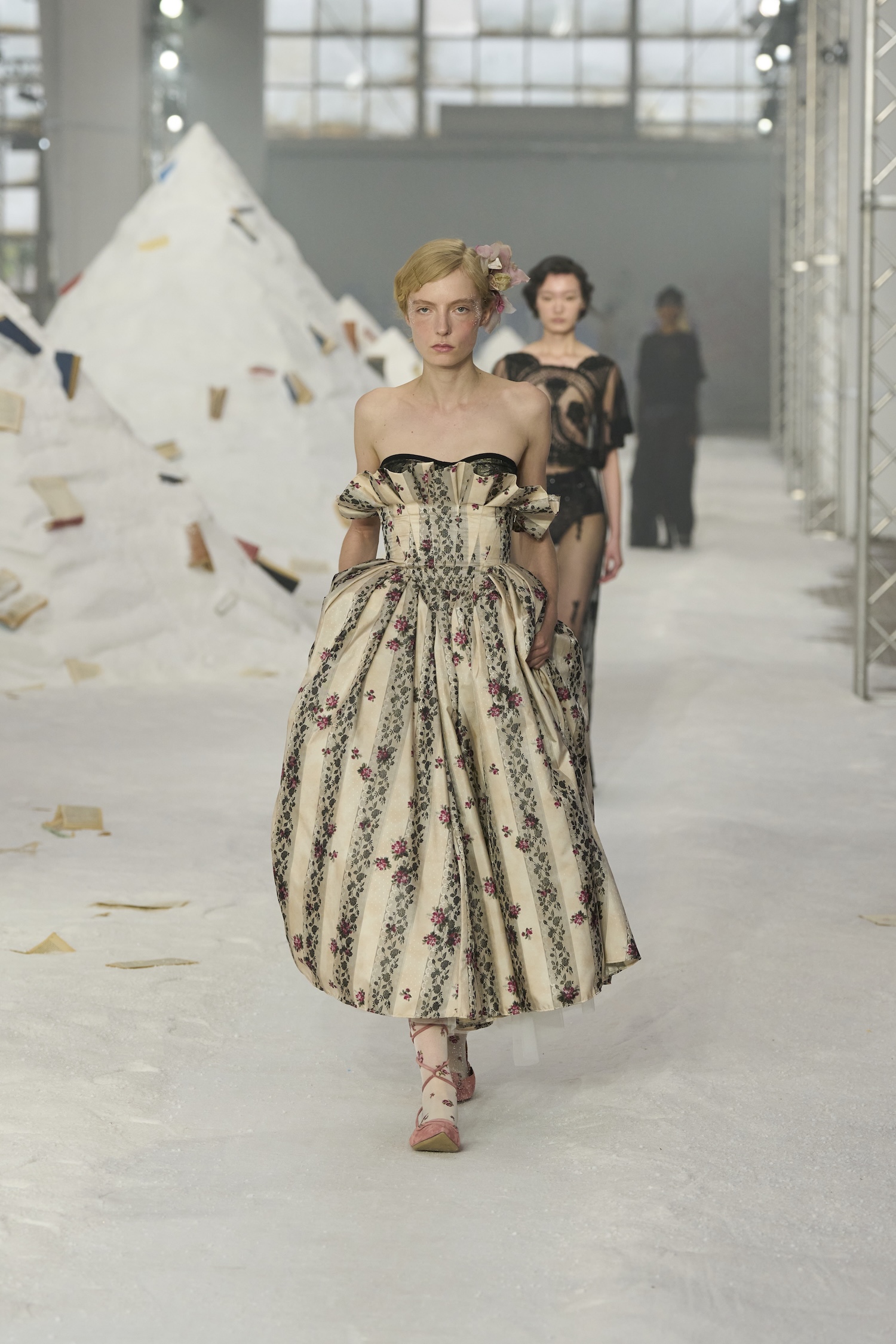
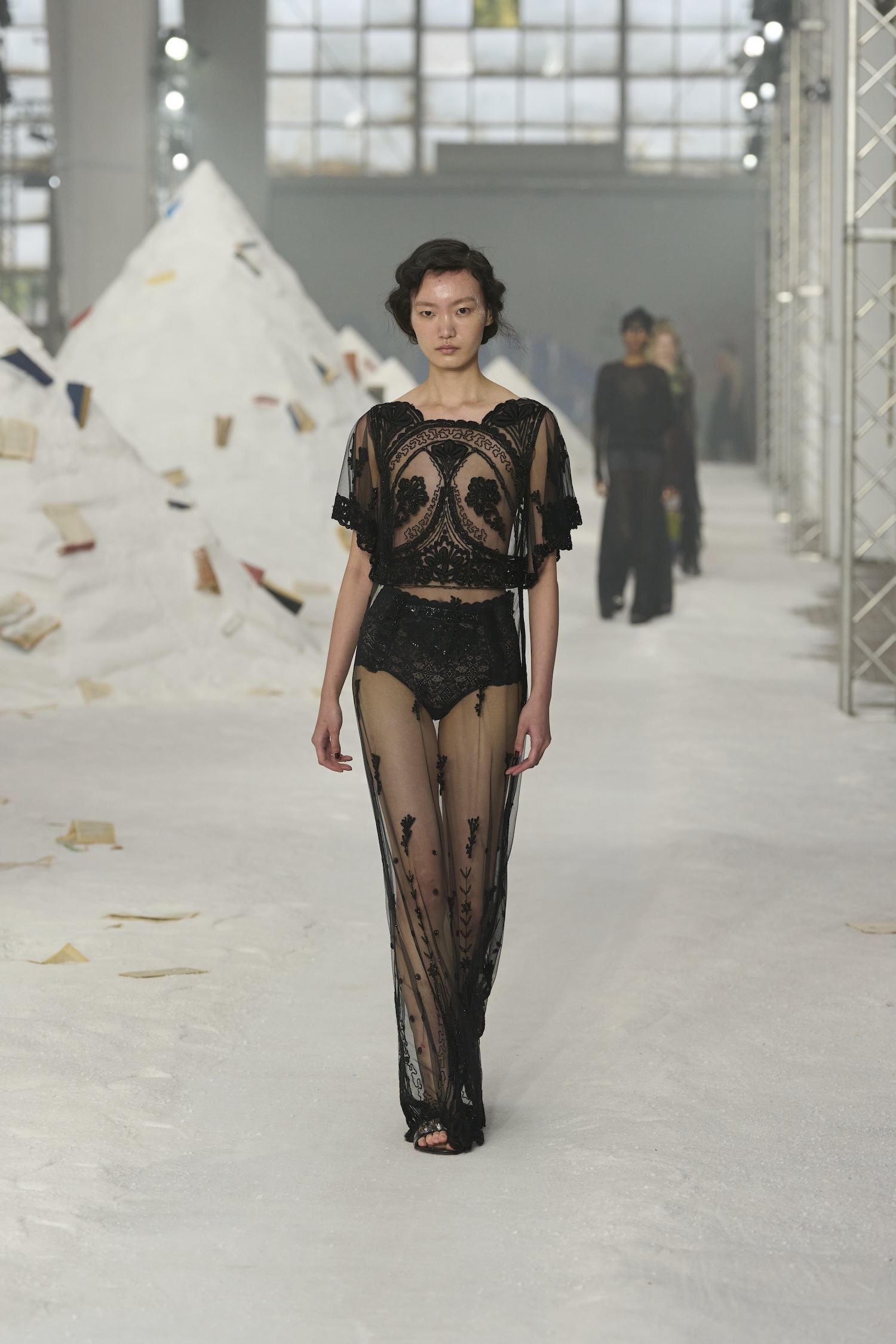
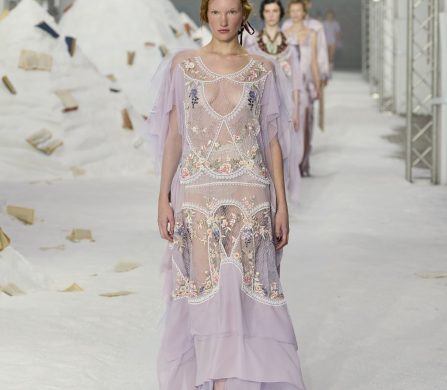
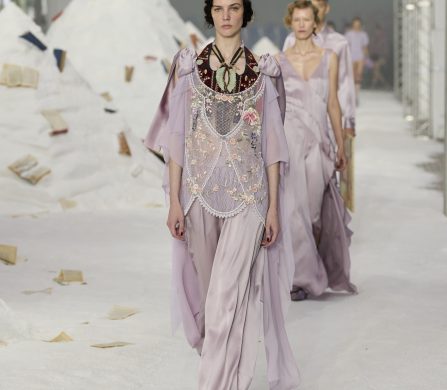
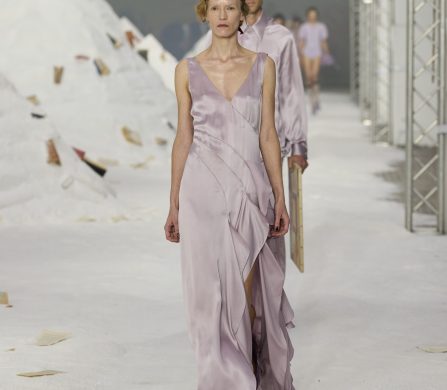
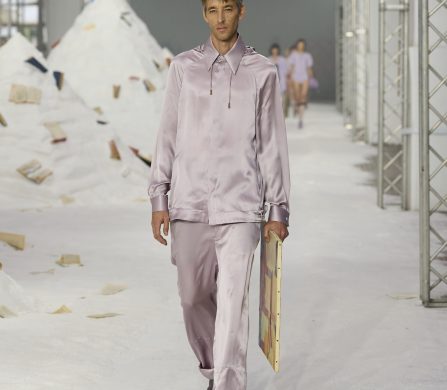
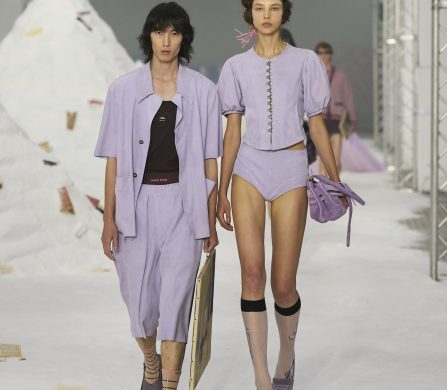
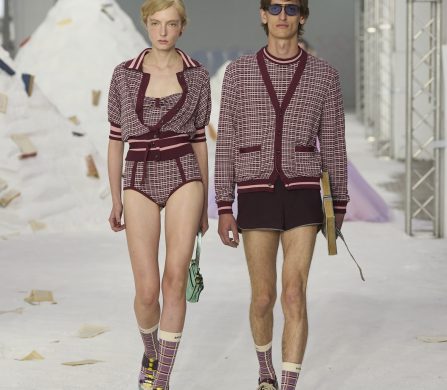
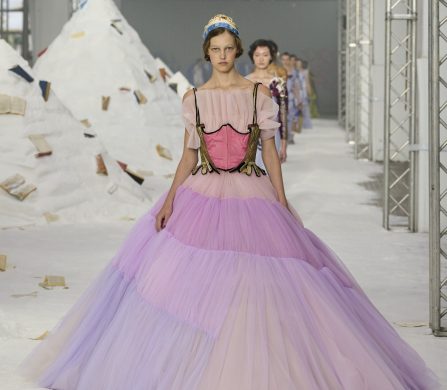
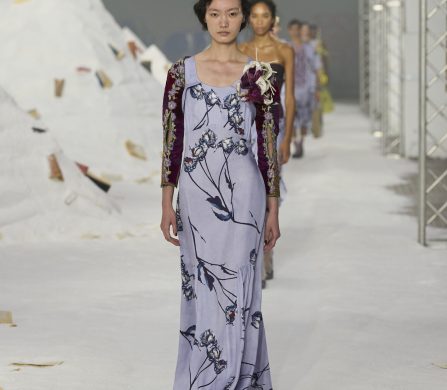
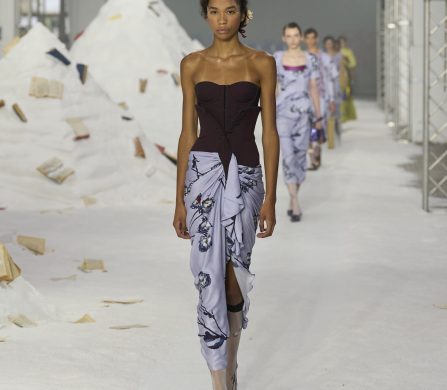
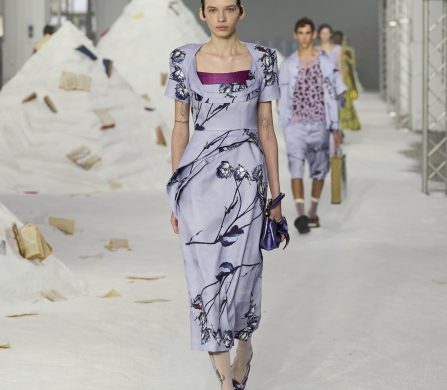
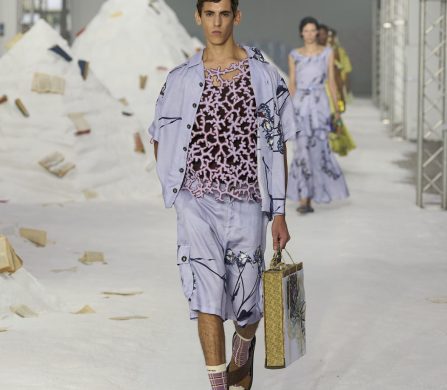
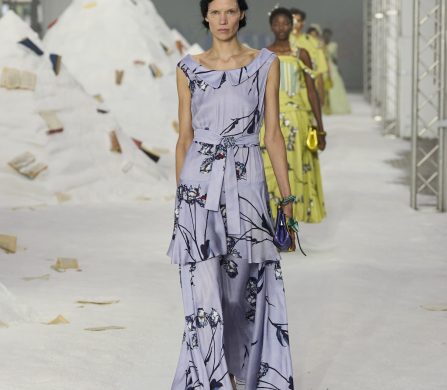
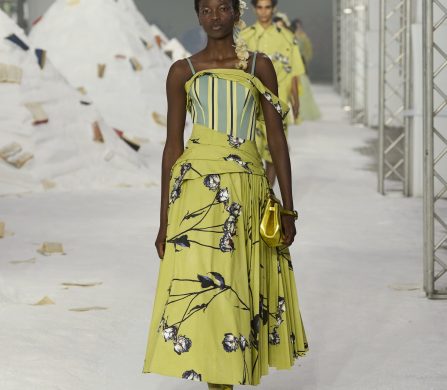
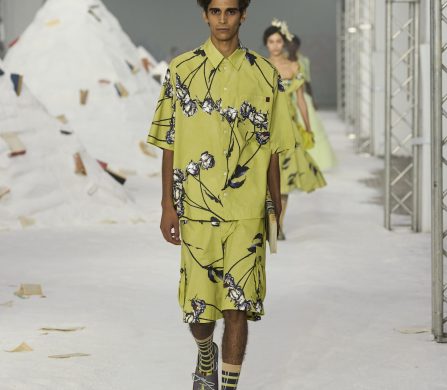
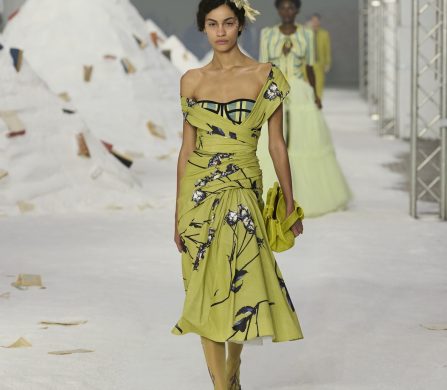
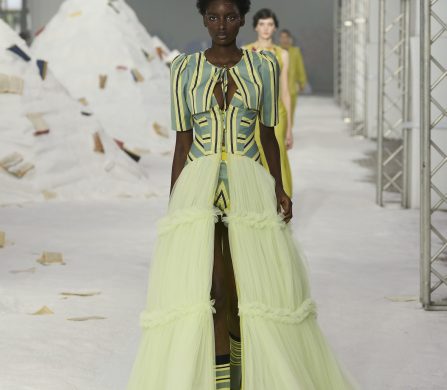
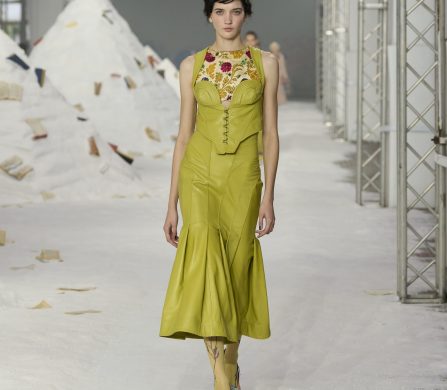
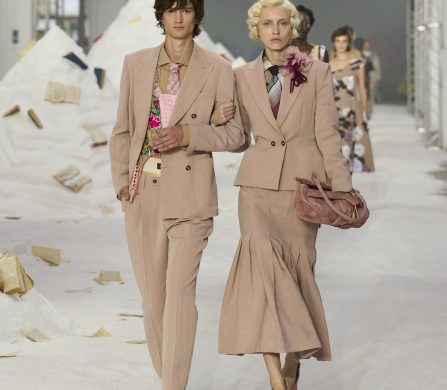
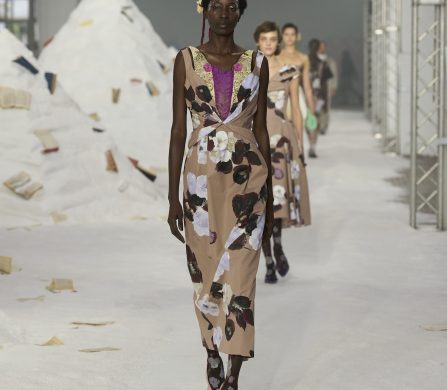
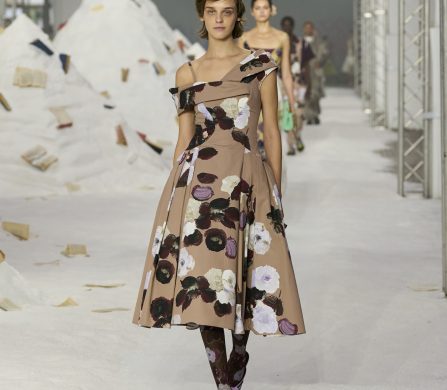
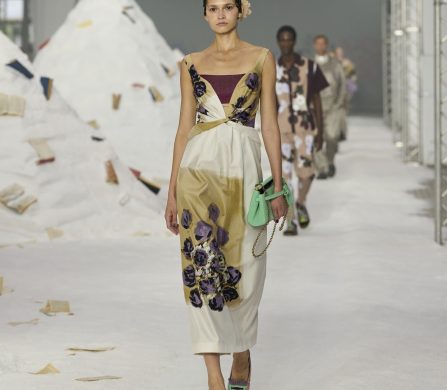
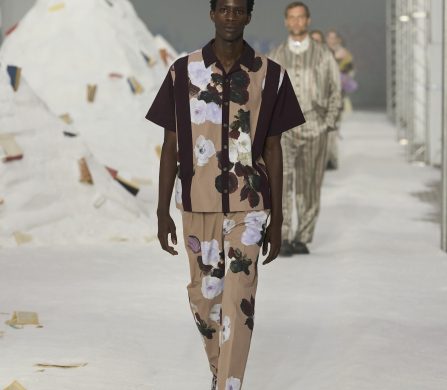
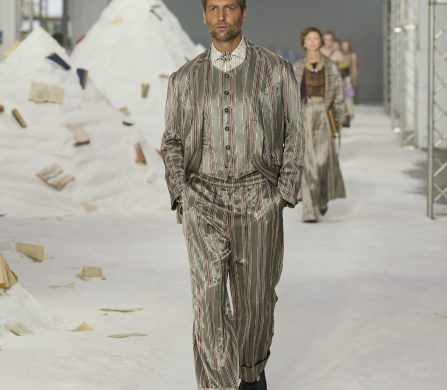
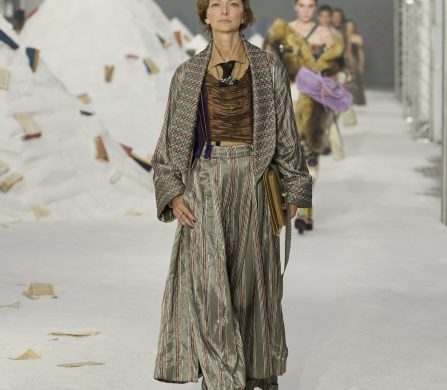
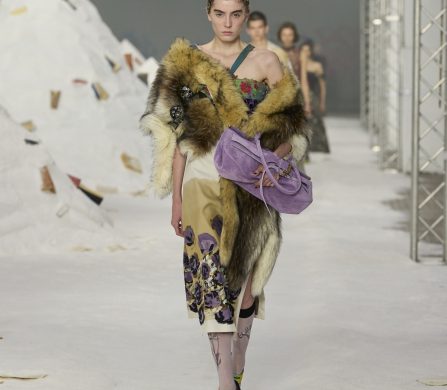
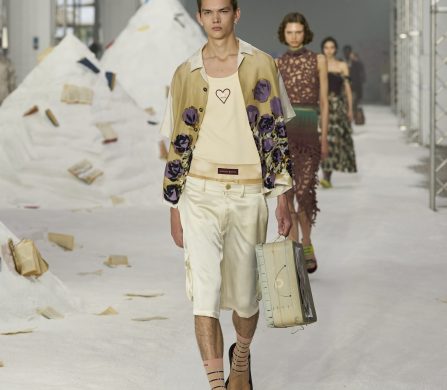
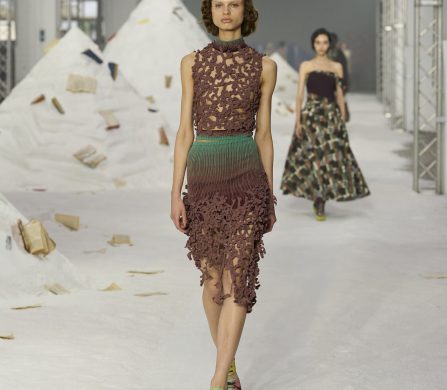
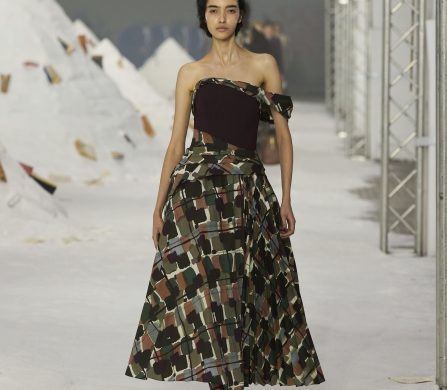
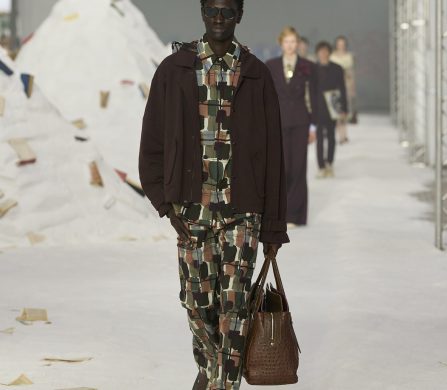
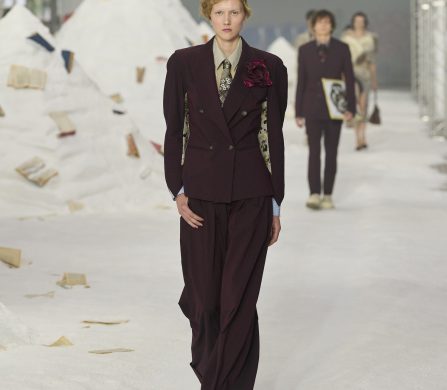
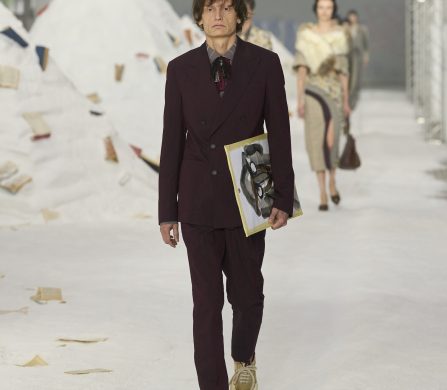
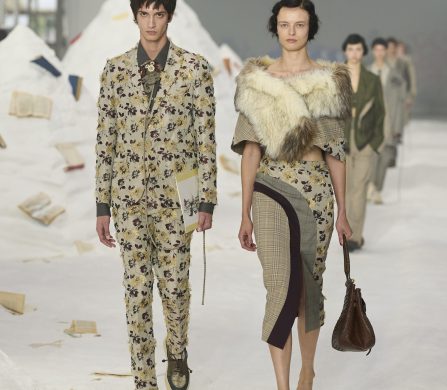
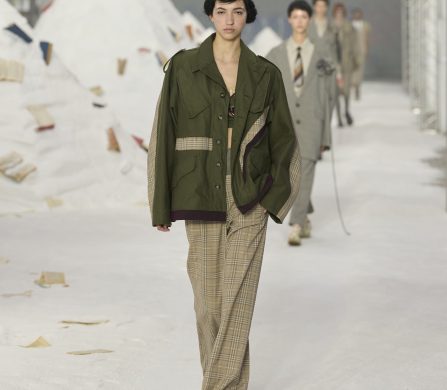
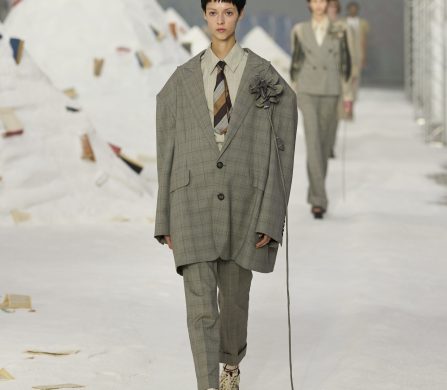
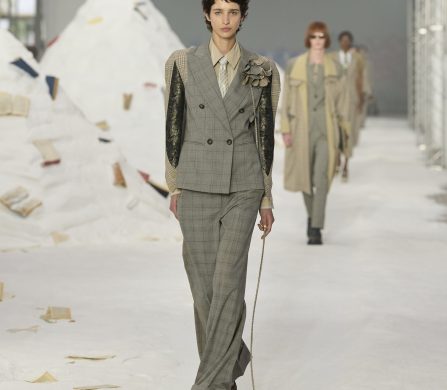
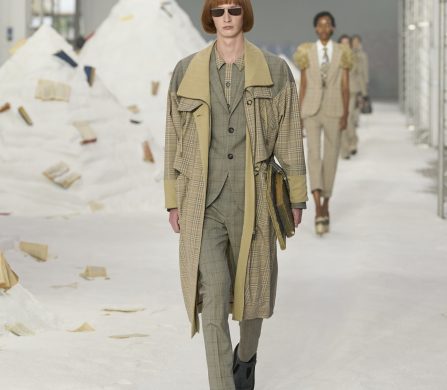
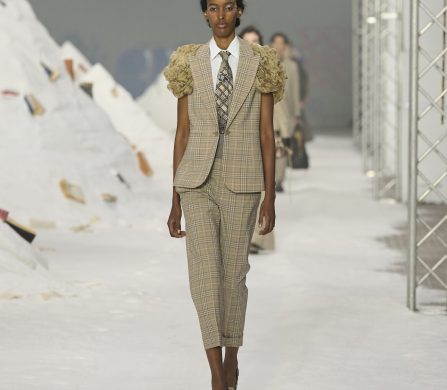
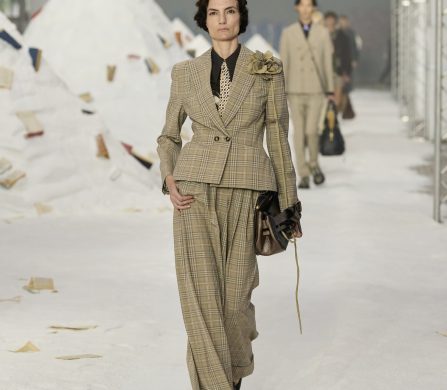
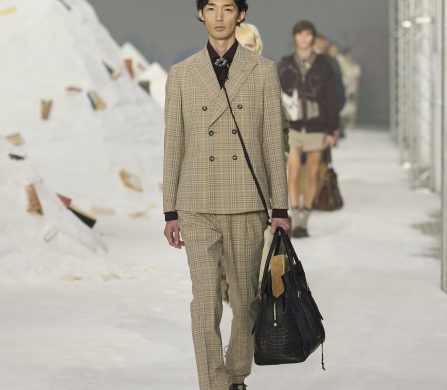
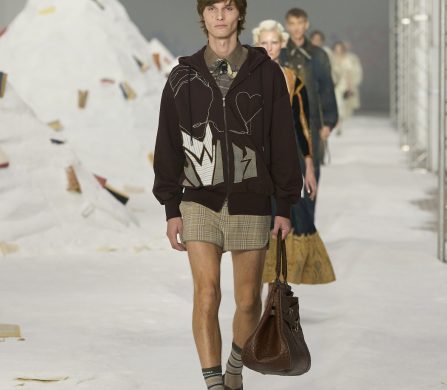
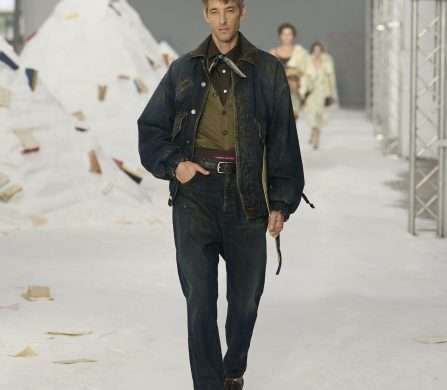
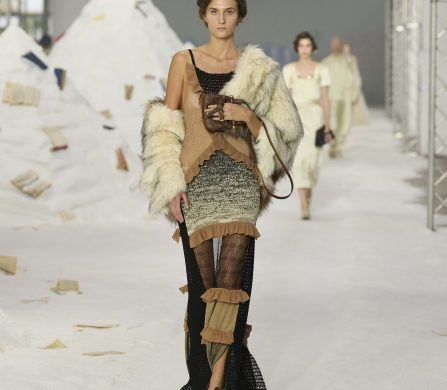
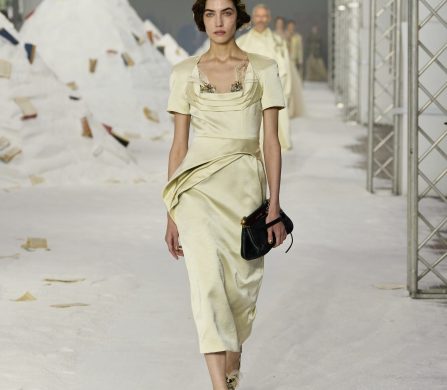
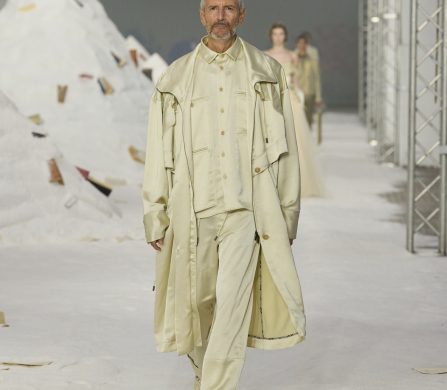
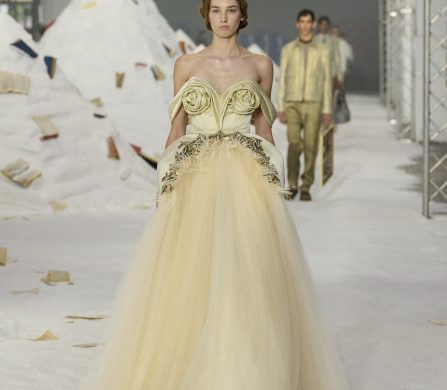
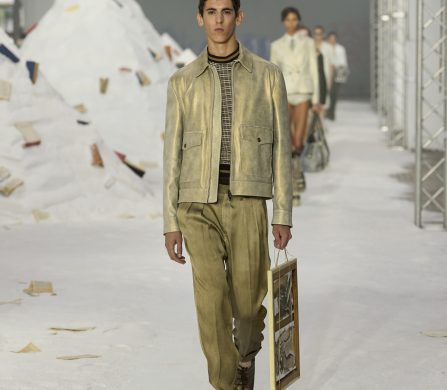
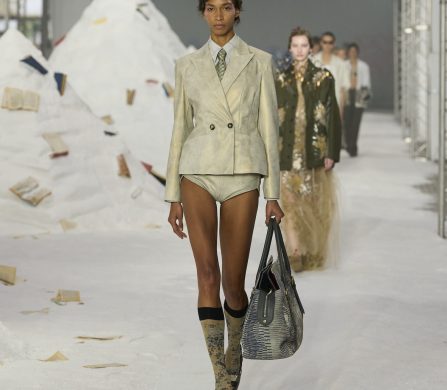
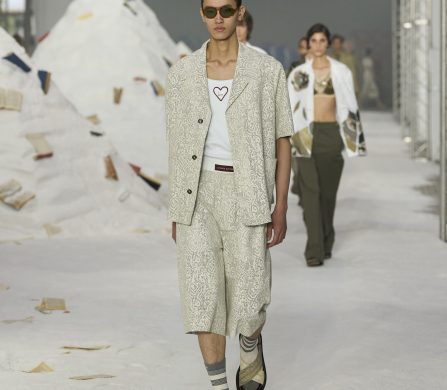
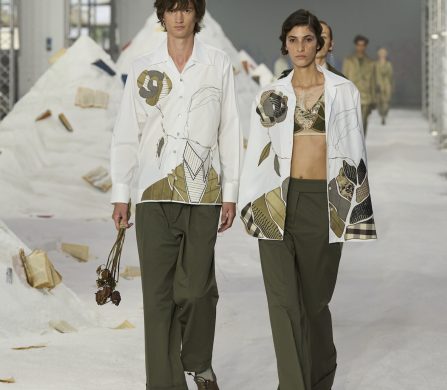
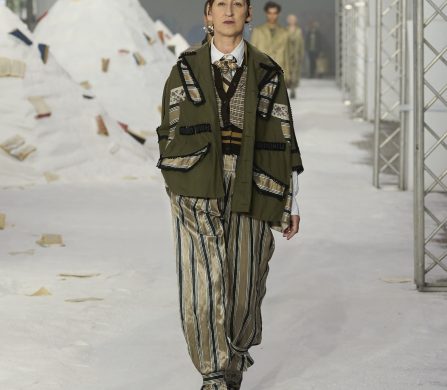
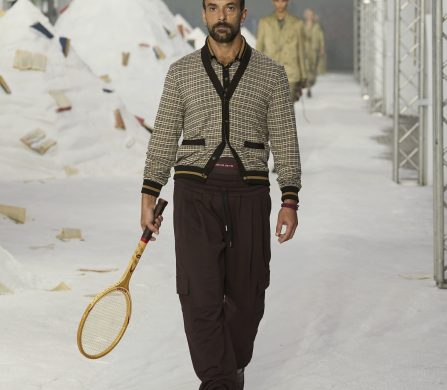
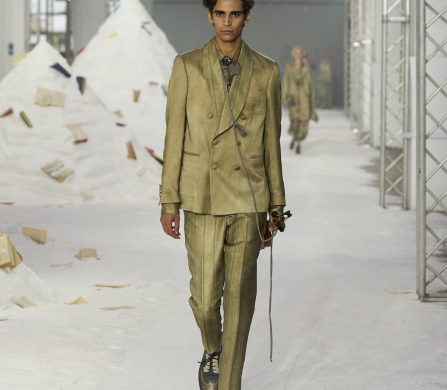
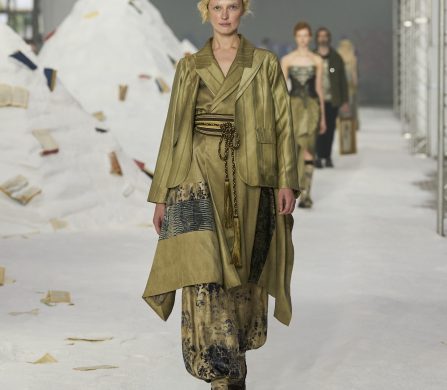
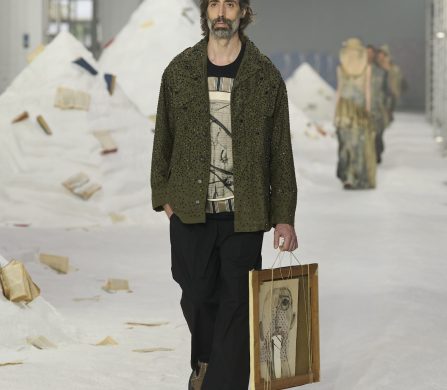
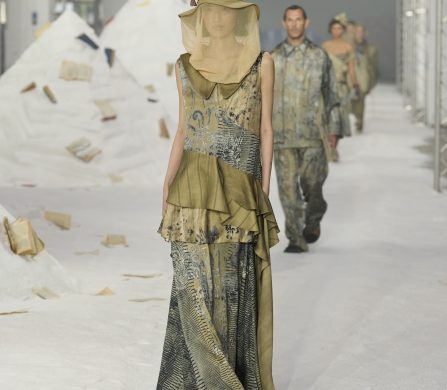
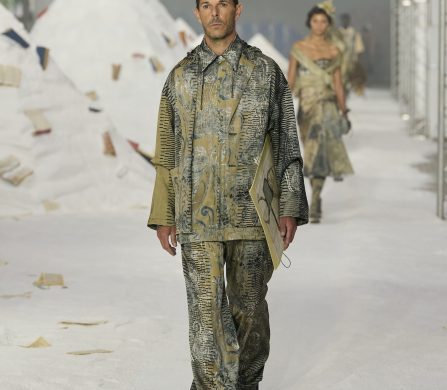
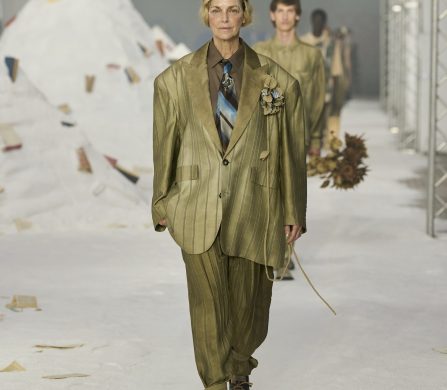
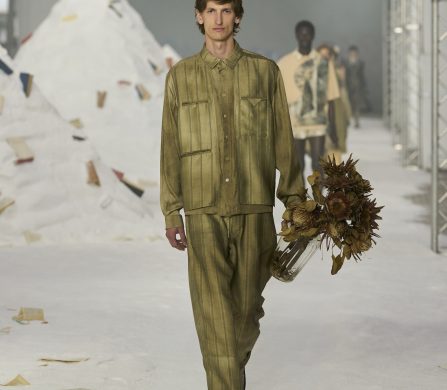
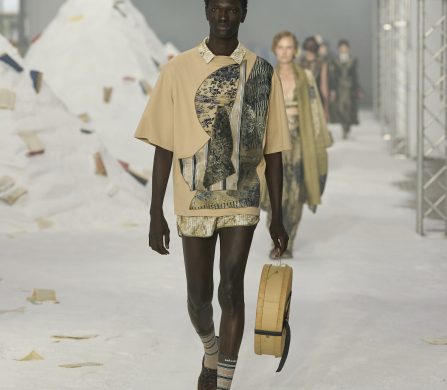
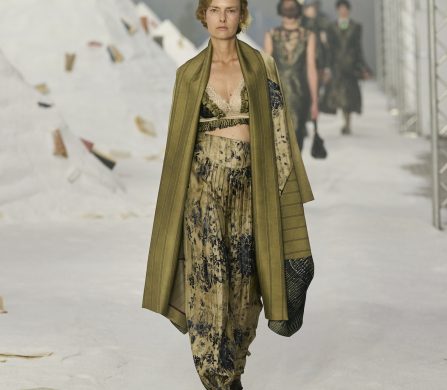
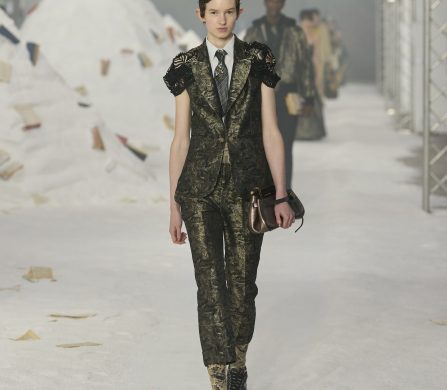
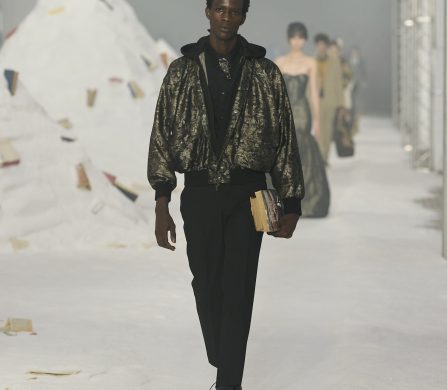
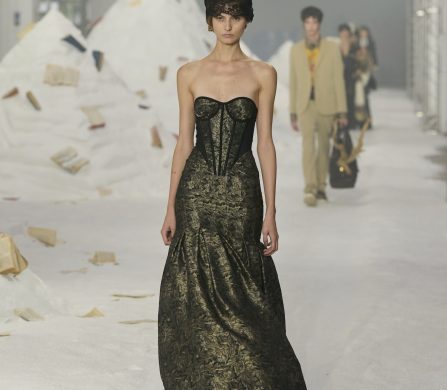
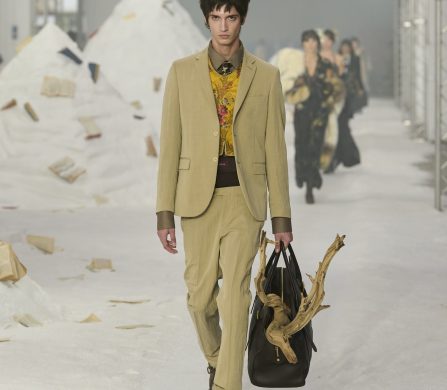
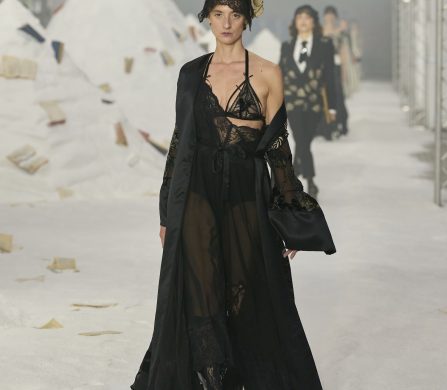
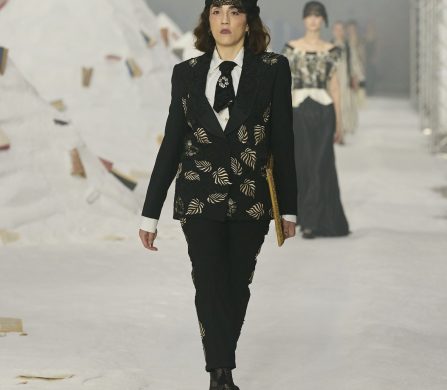
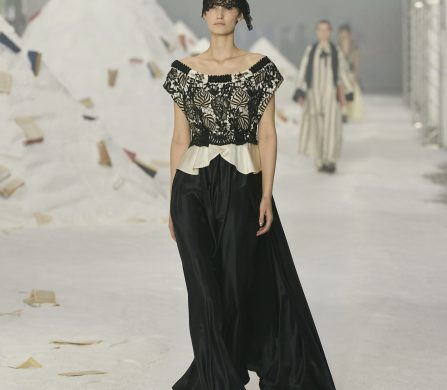
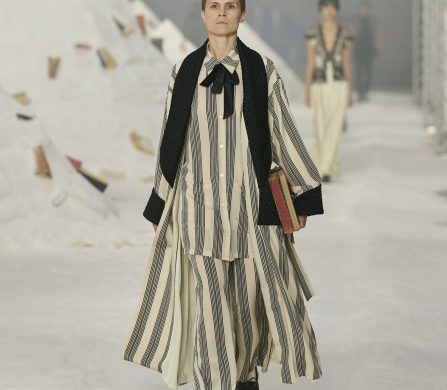
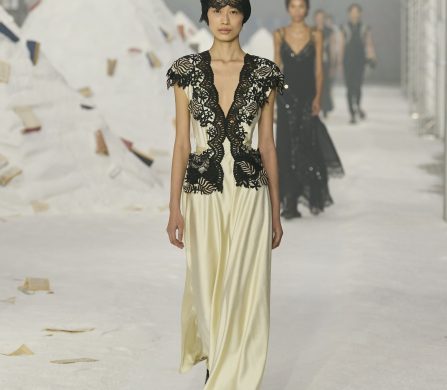
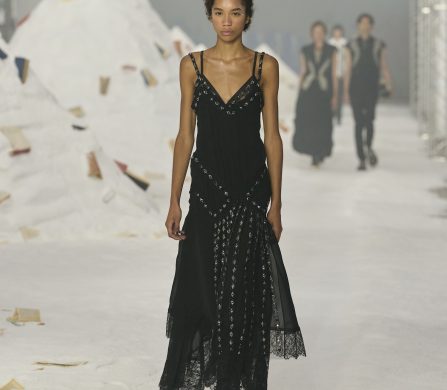
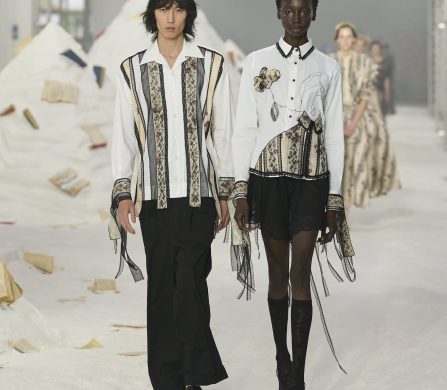
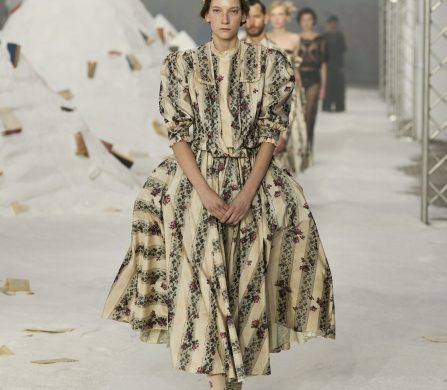
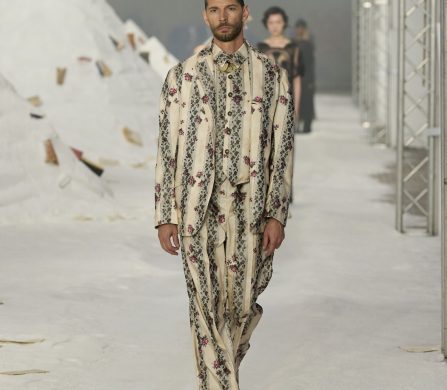
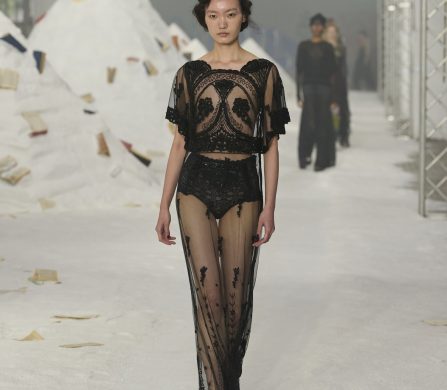
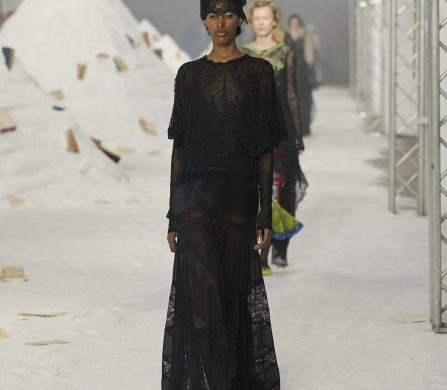
The clothes themselves told the story of arrivals and departures. Palettes drifted from whispering lilacs to cadmium shocks of pink, gold, violet, chocolate and plum, dusted with bronze, sand and copper, anchored by a faded black. Patterns married beautifully in contrasts: checks against stripes, jacquards beside damasks, polka dots colliding with pinstripes and chevrons. Flowers spilled everywhere – scattered, gathered, embroidered – sometimes like bouquets, sometimes like paint splashes.
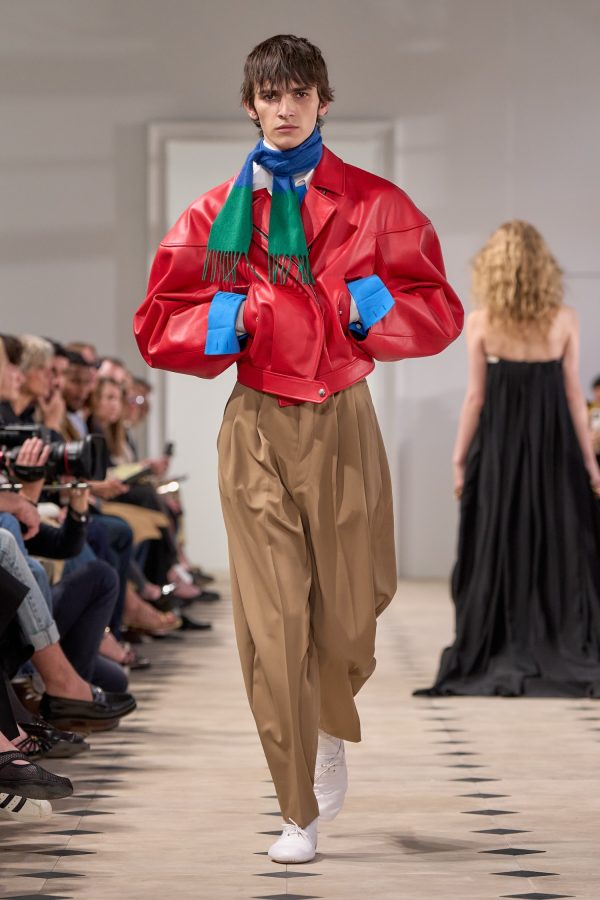
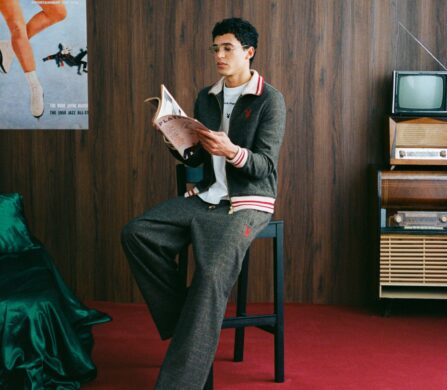
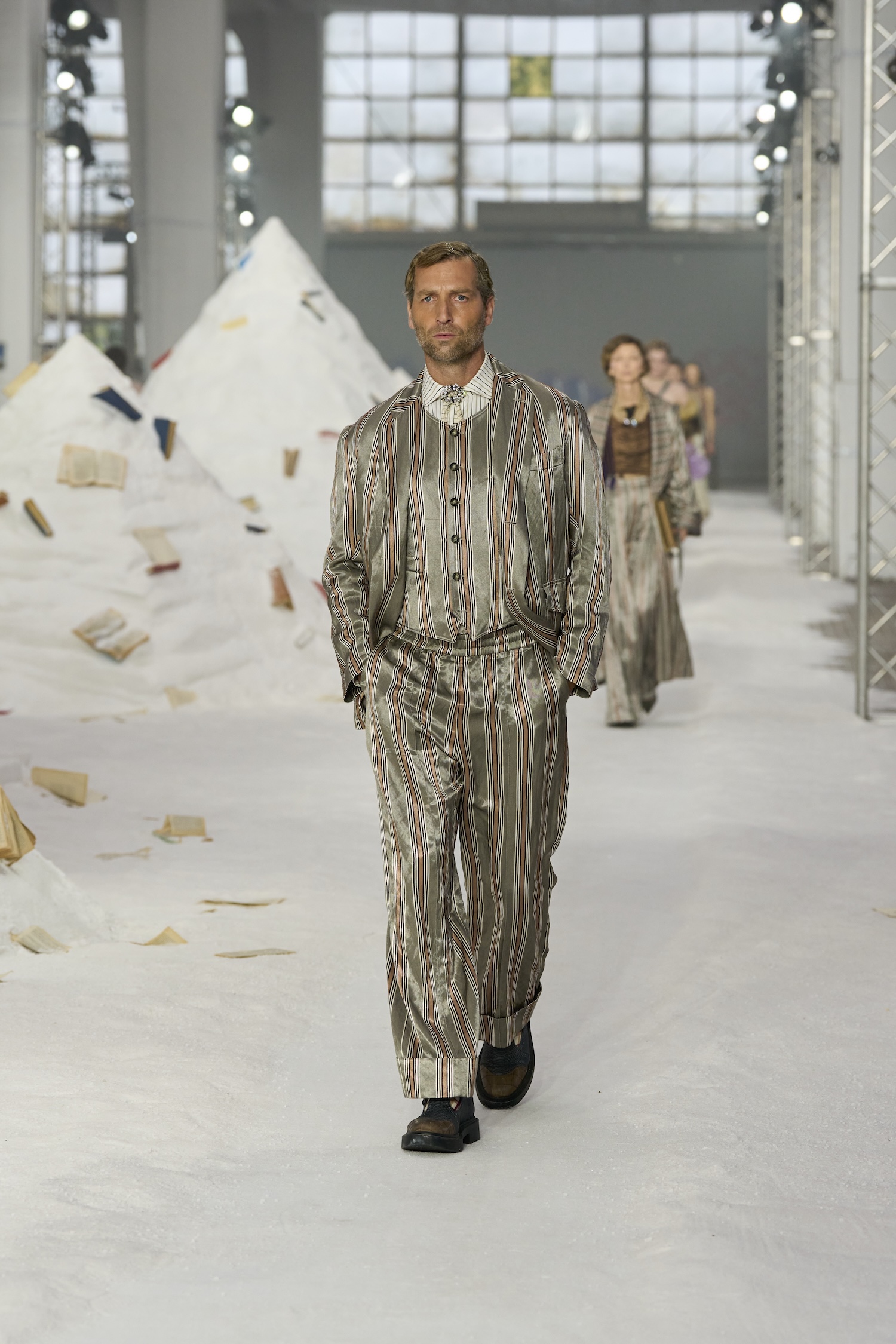
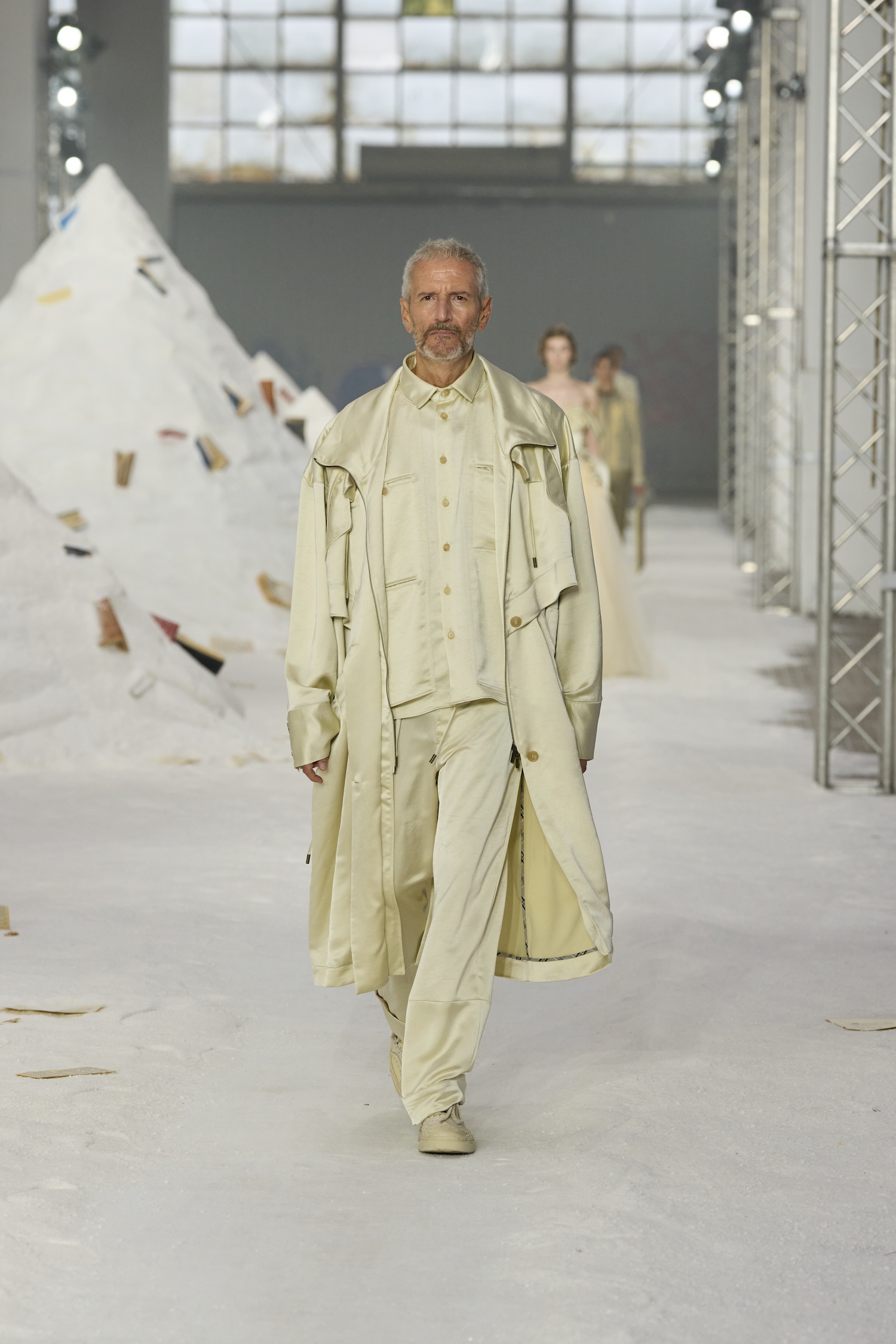
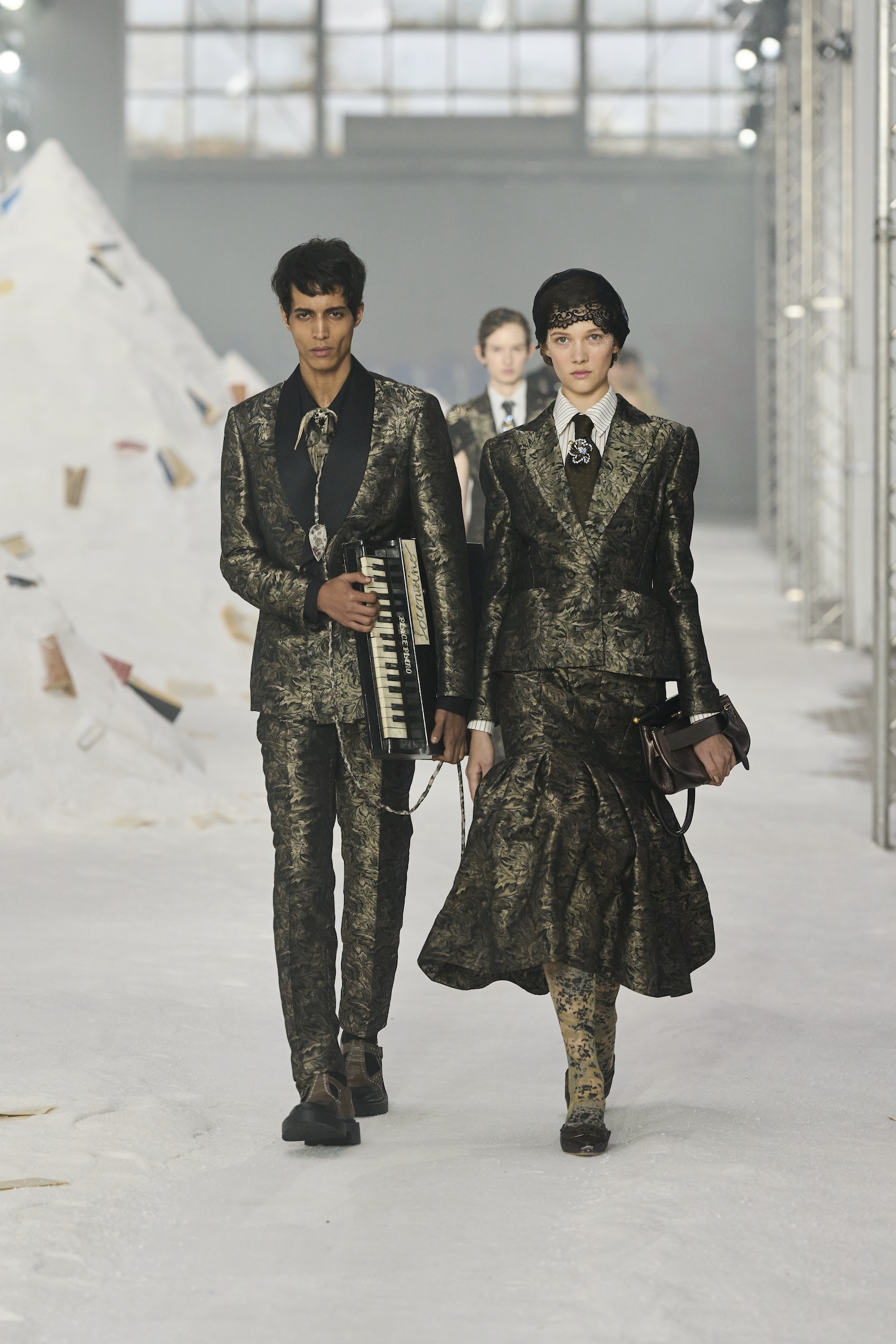
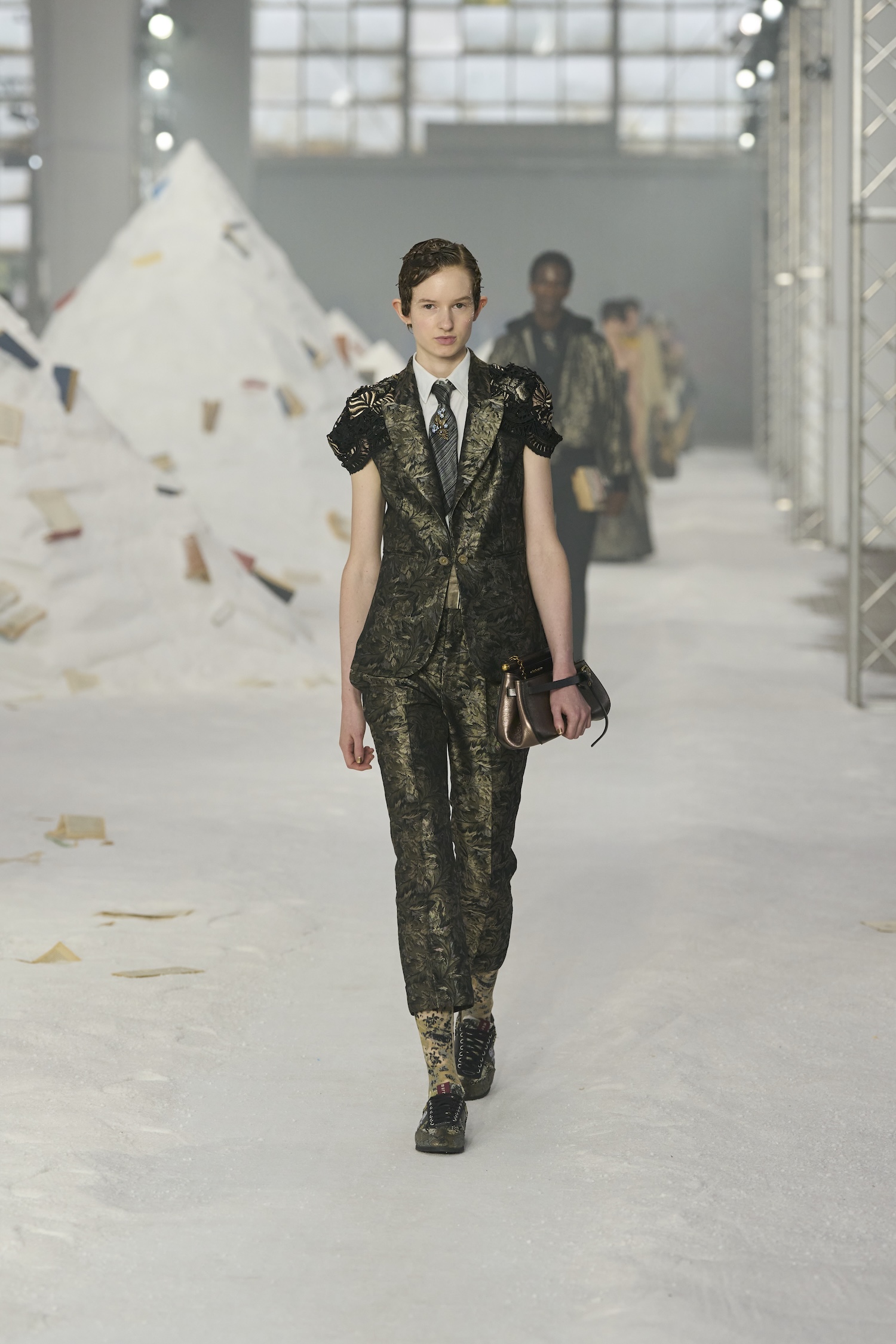
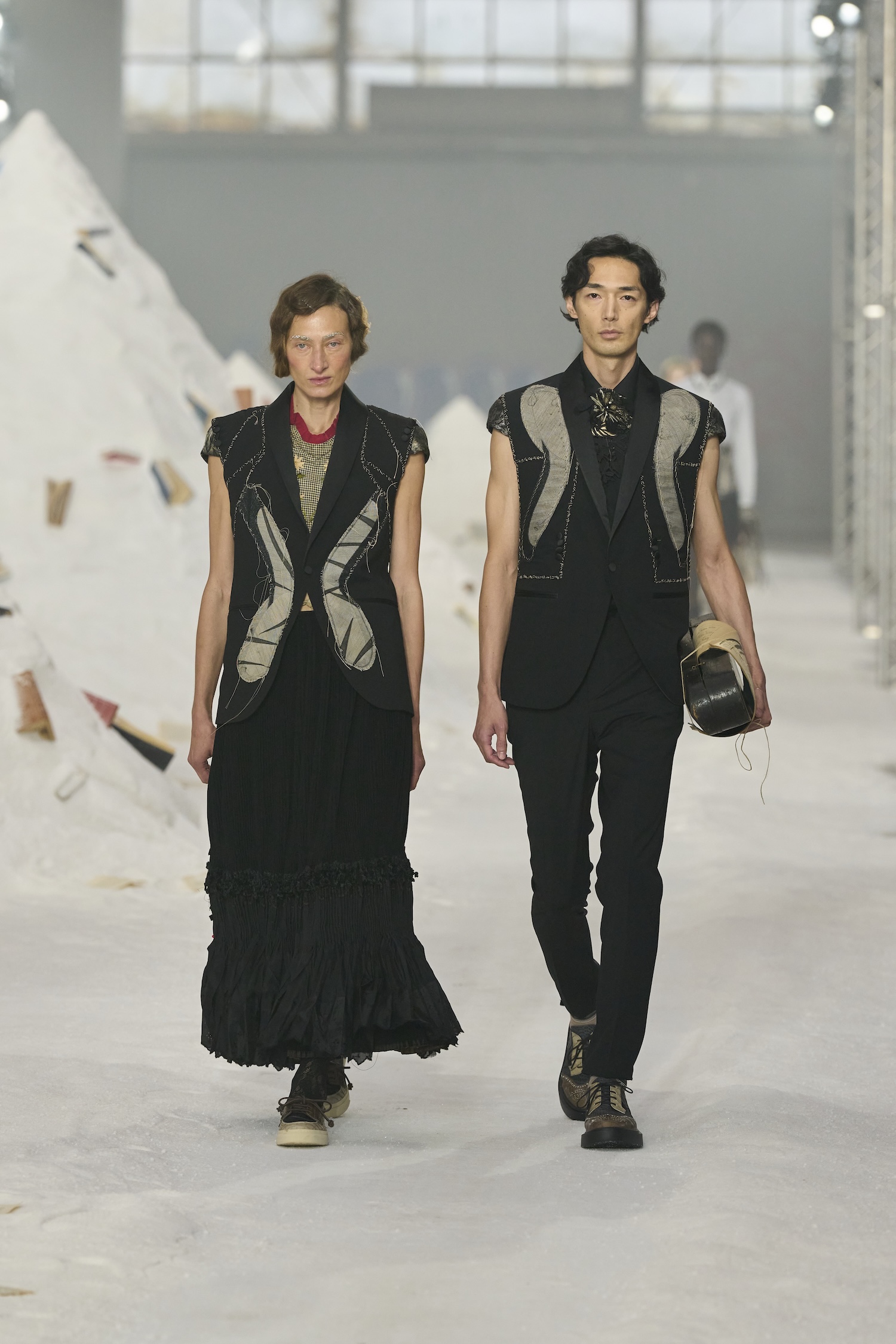
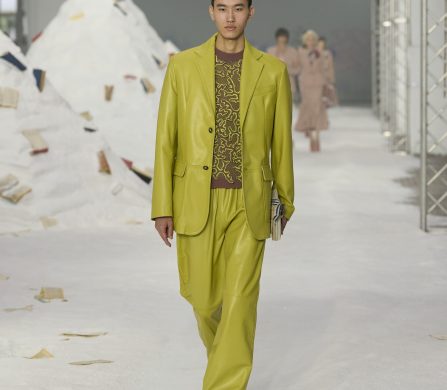
Silhouettes refused singularity. Sweeping gowns swirled with ruffles and draping worthy of Gloria Swanson; men’s robes evoked Hercule Poirot’s composed elegance. Tailored suits brushed against cocktail dresses, pyjama sets slipped into eveningwear. Knitwear mimicked embroidery, leather disrupted lace, and hand-embroidered pieces blurred like watercolours – just like the dozens of sketches pictured in the show notes. Men and women wore the same fabrics, reinterpreted in divergent ways and collapsing the rules of gendered dressing – which is at the heart of Marras’ vision.
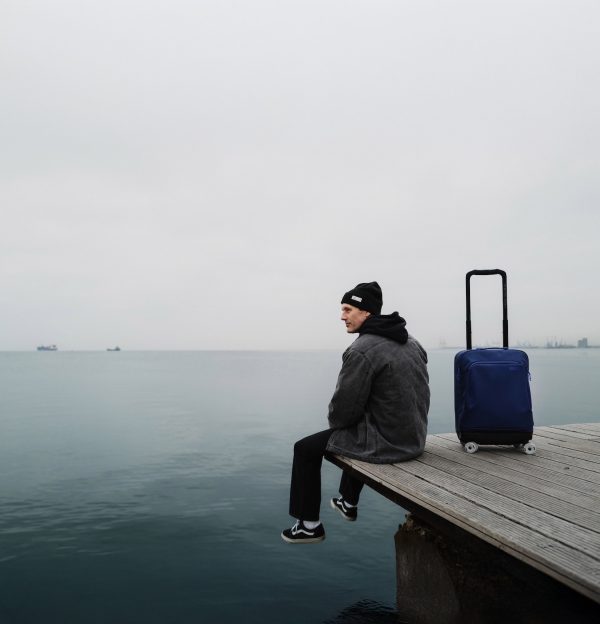
The collection is about overlapping references, short circuits between Hollywood glamour, Bloomsbury’s radical intimacy, and Sardinian festivity. Marras creates a handwriting that is deeply his own, rejecting uniformity for a kind of deliberate polyphony. In this ‘travel journal,’ beauty belongs to everyone – to those who stay, those who leave, those who simply pass through.
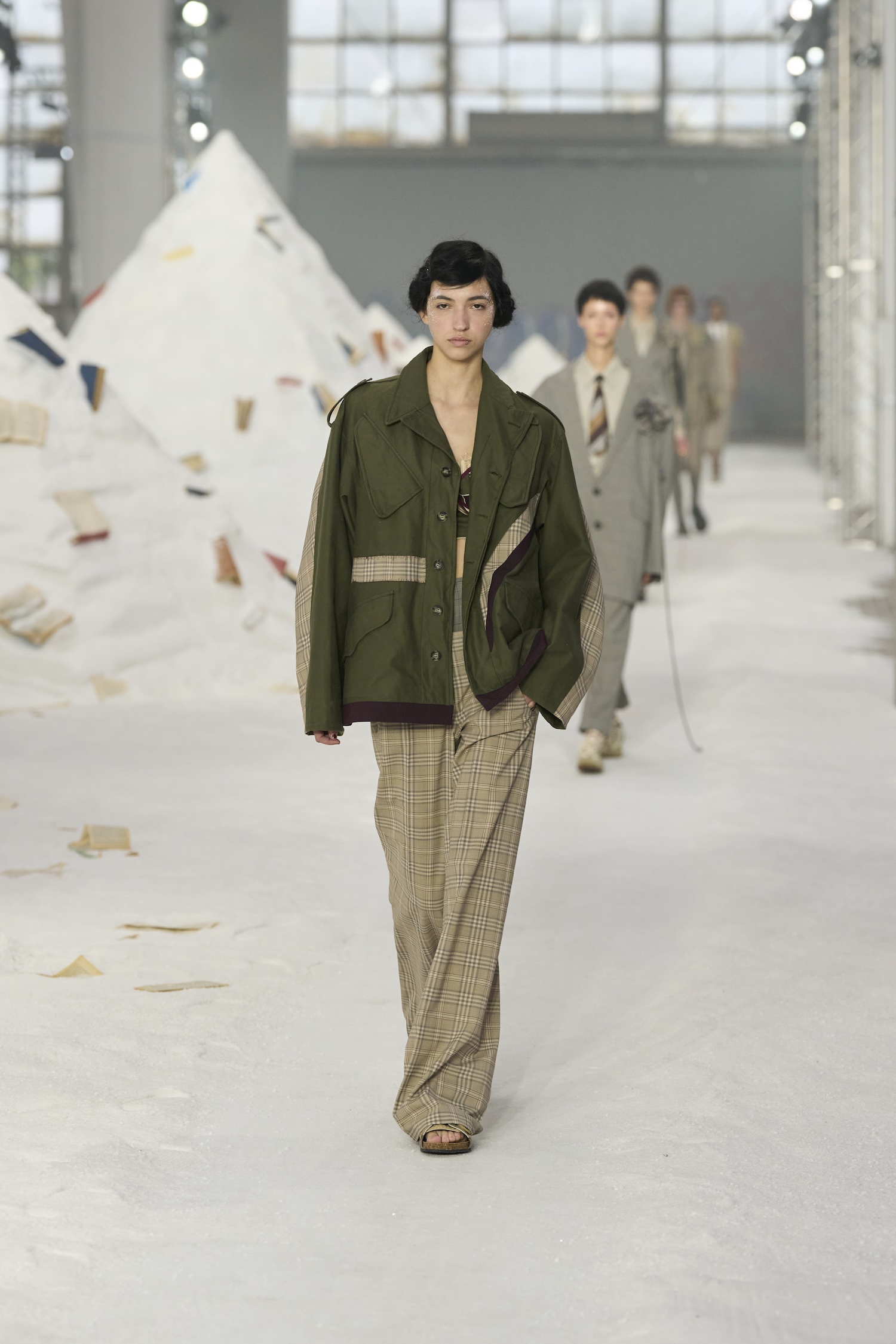
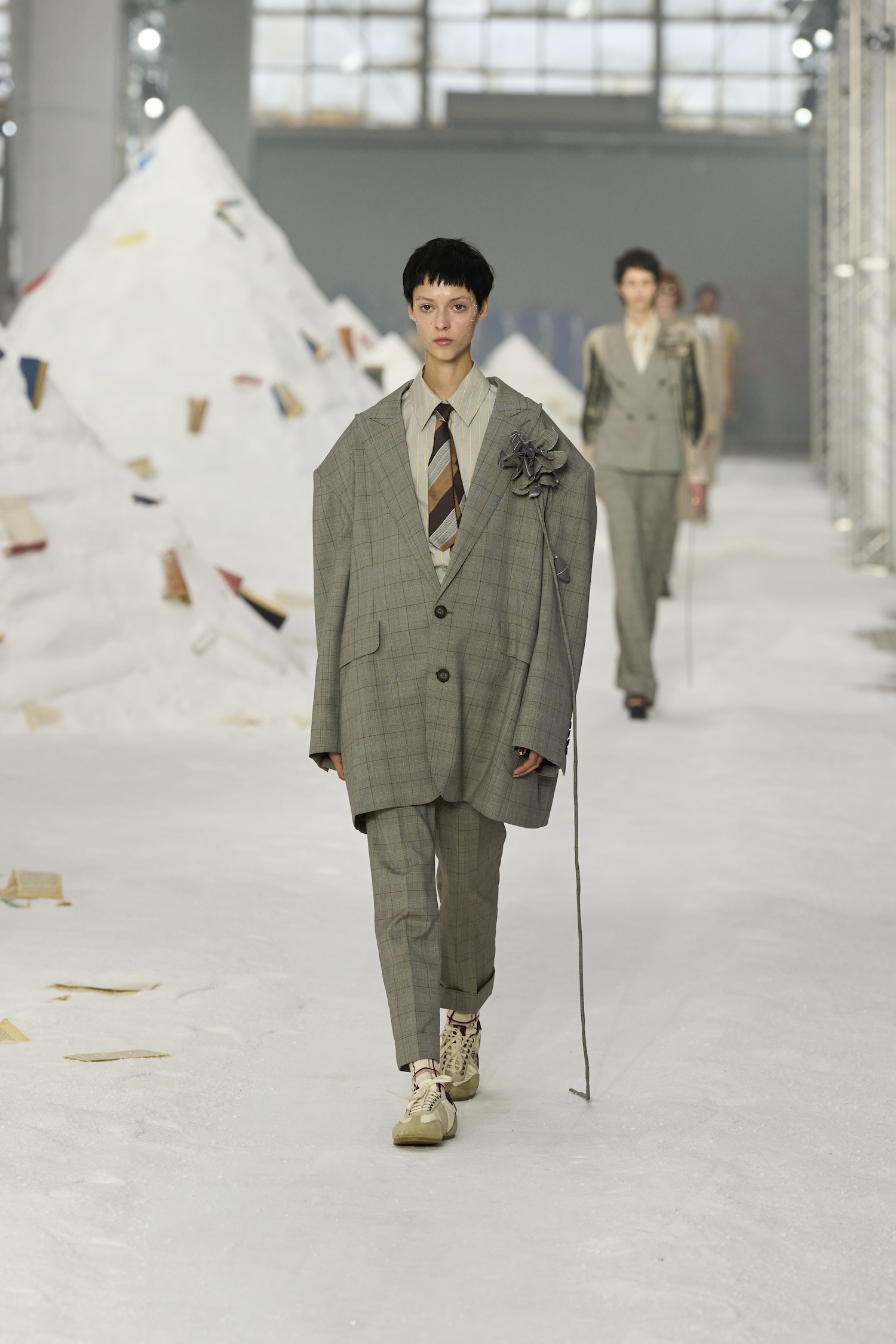
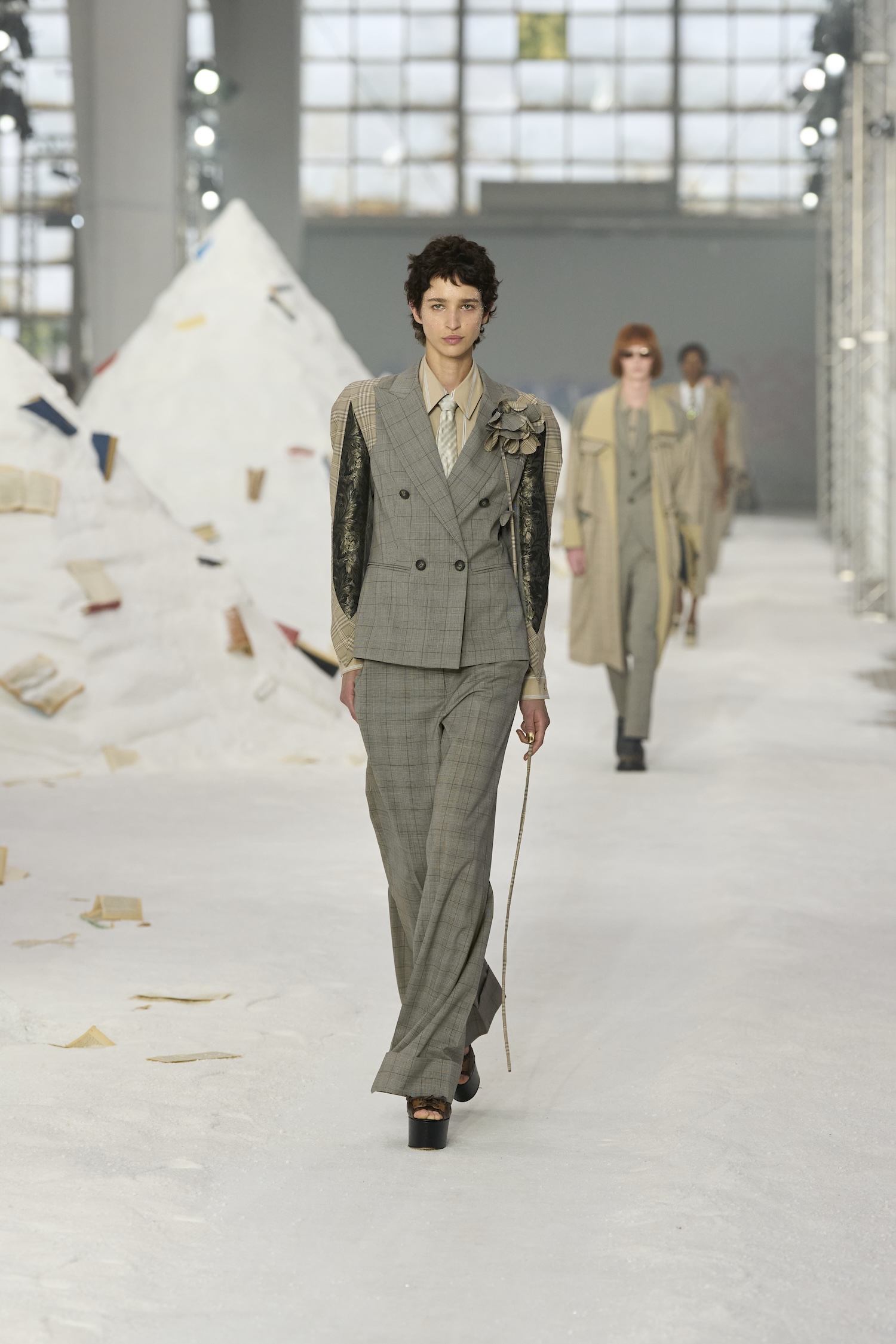
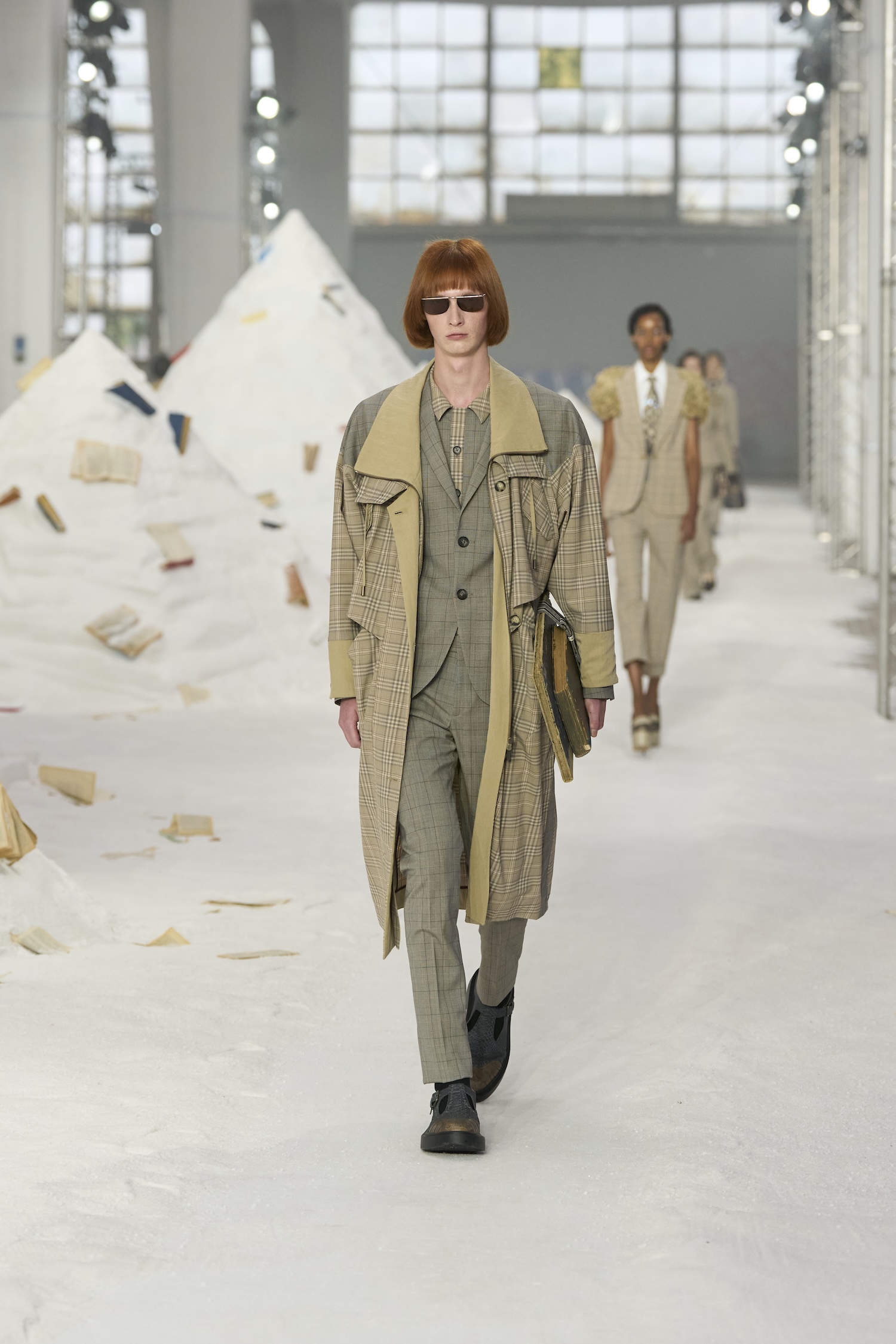
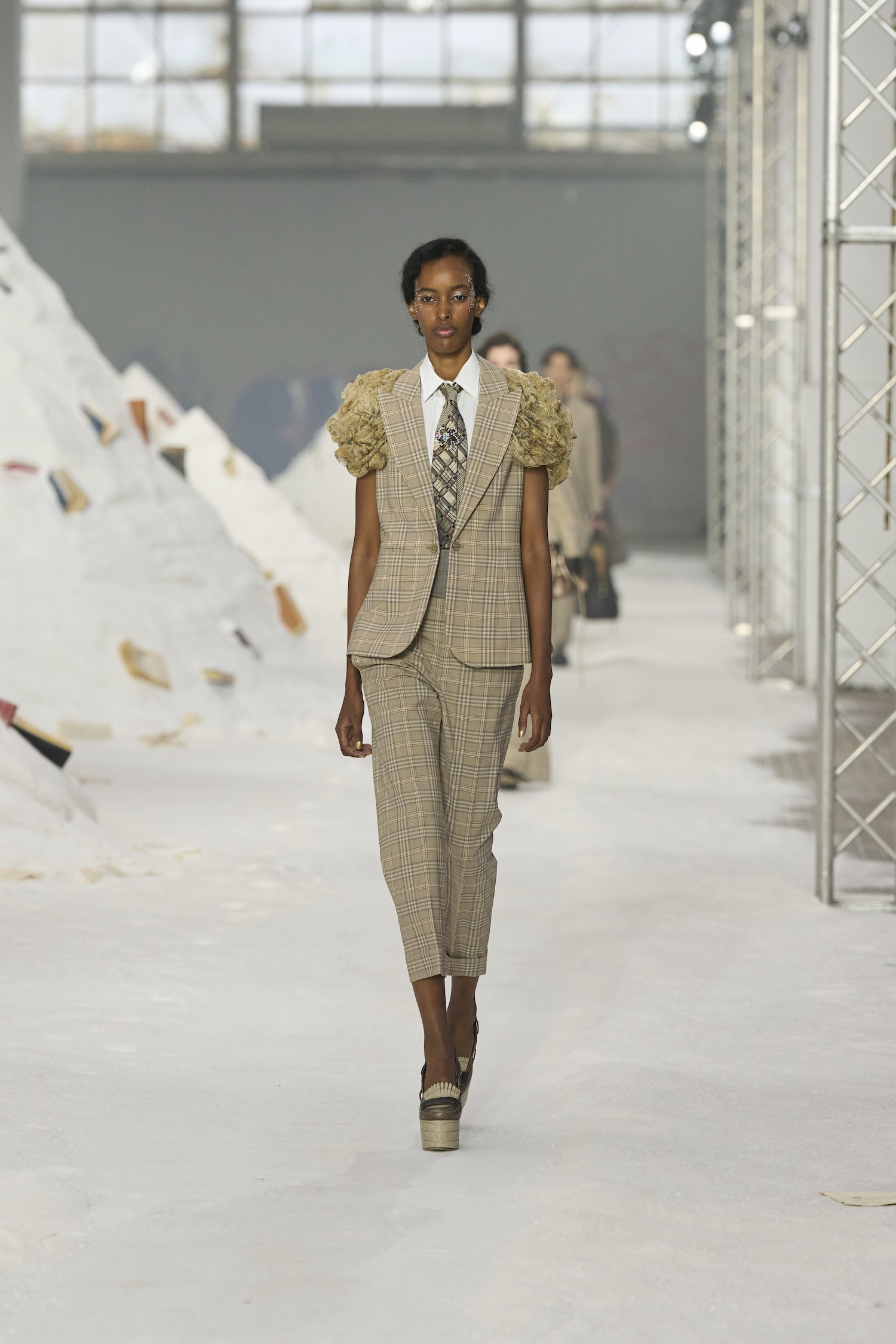
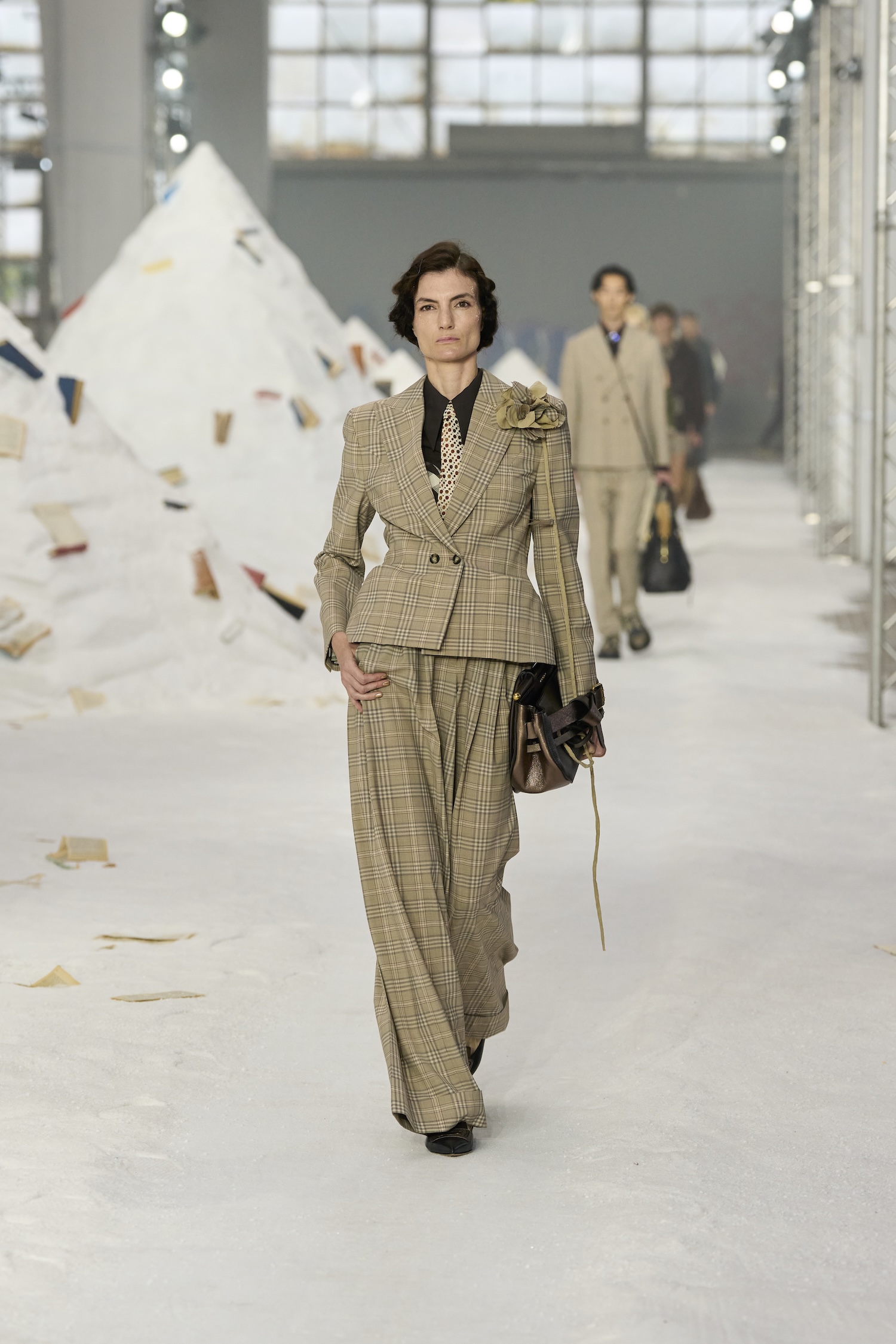
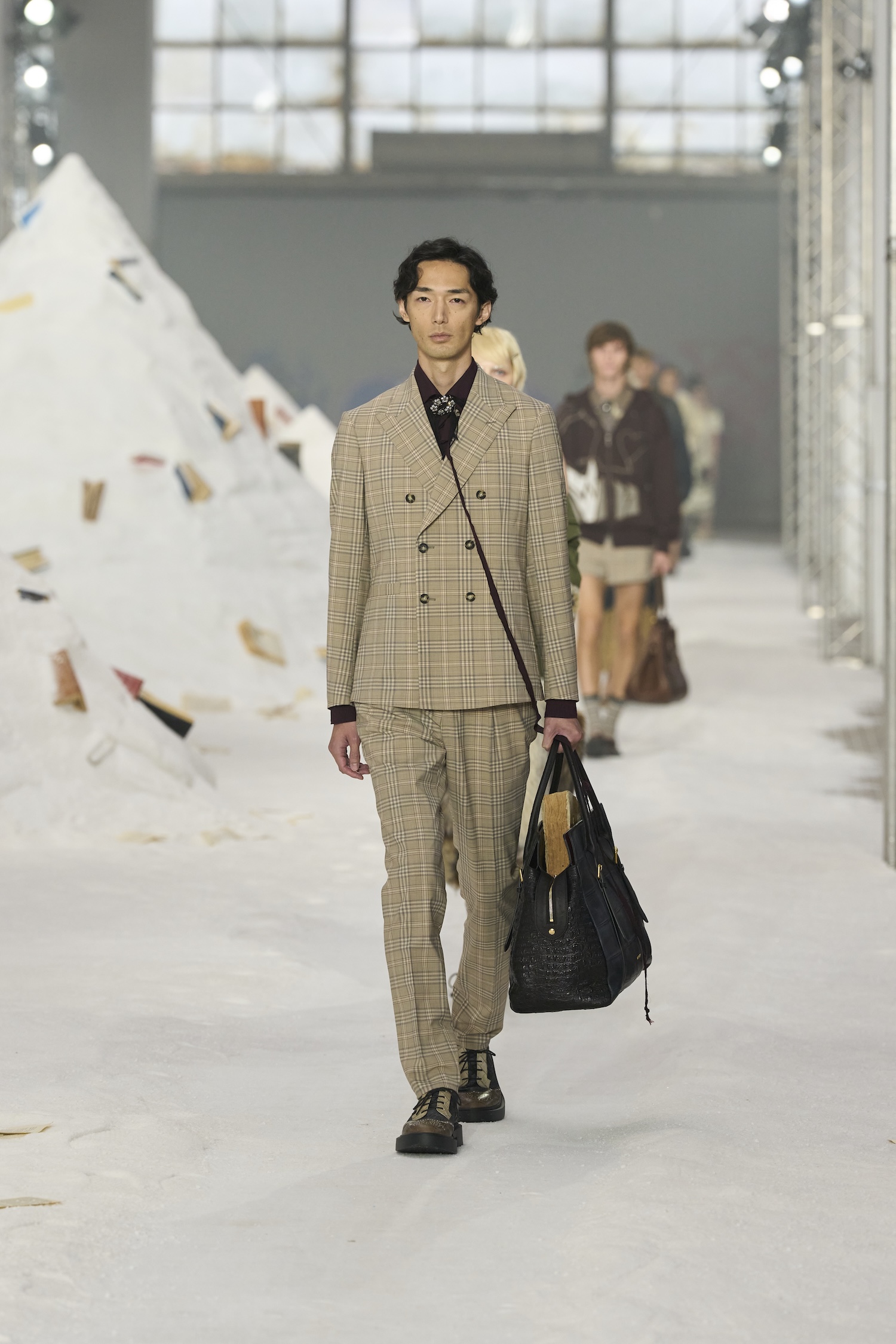
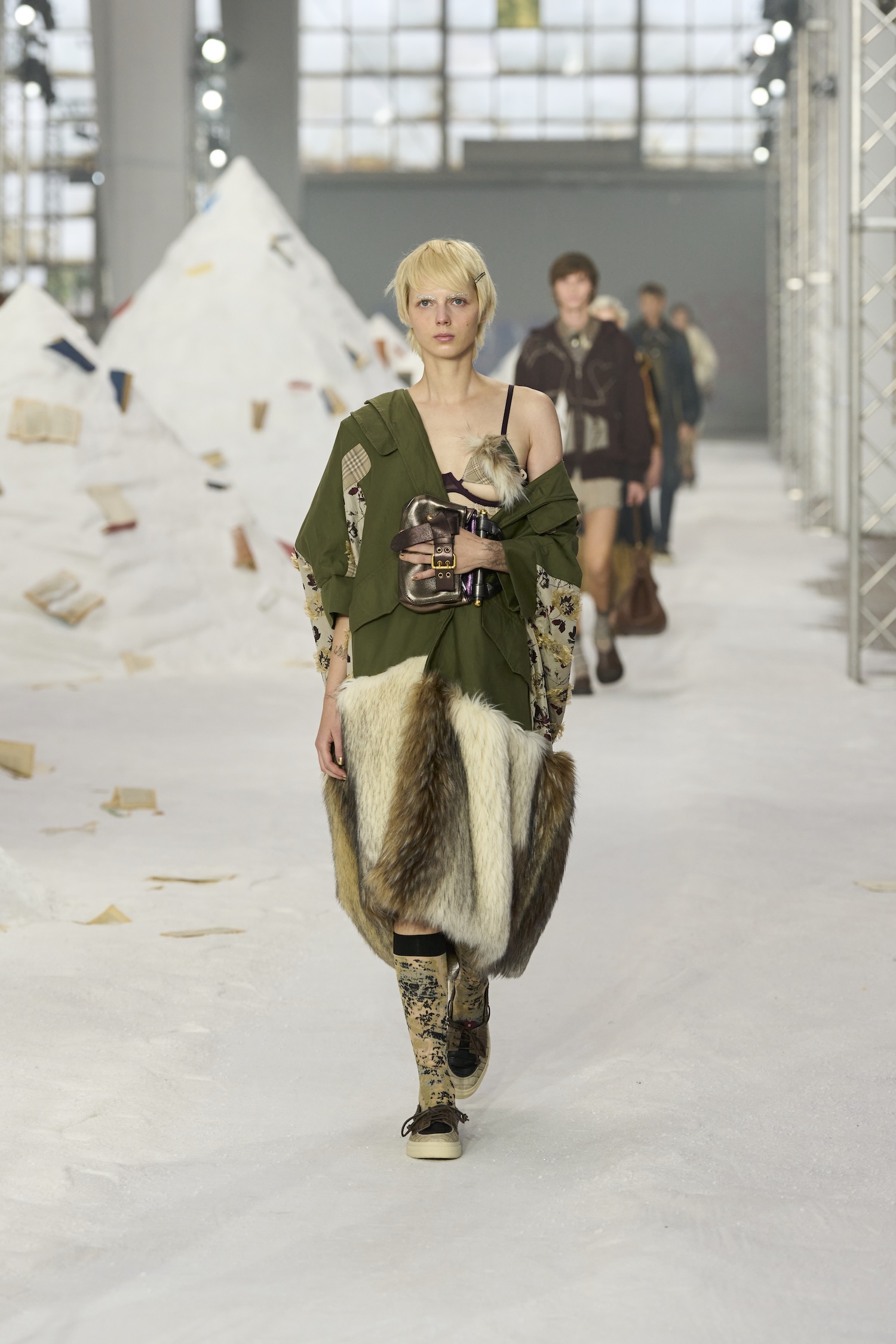


Discover the collection here.
photography. courtesy of Antonio Marras
words. Gennaro Costanzo