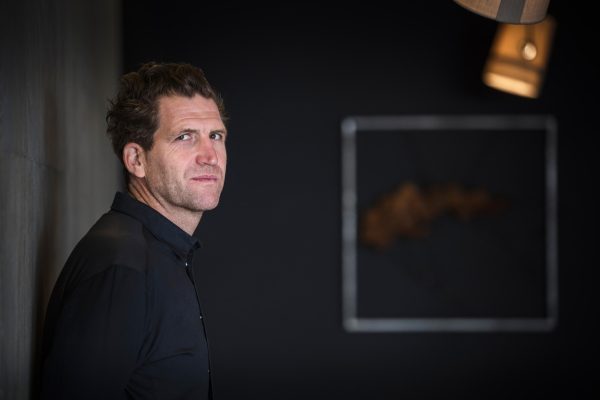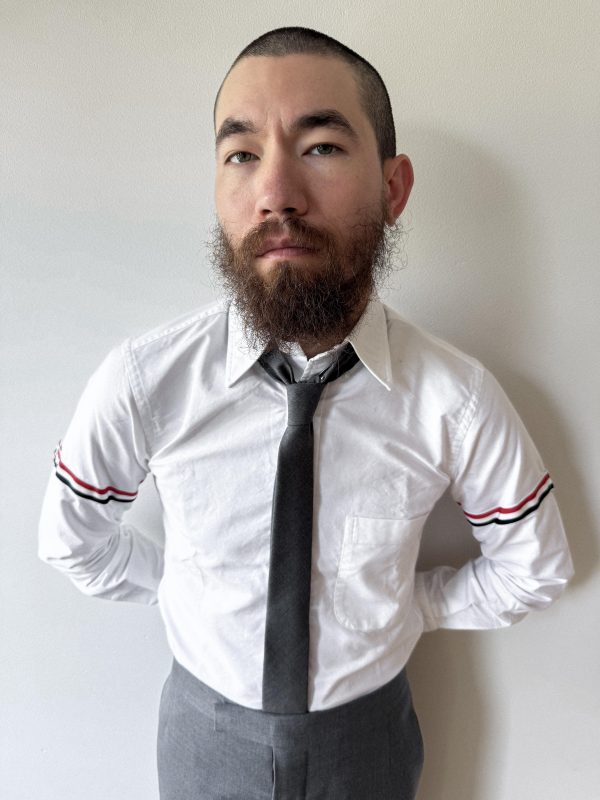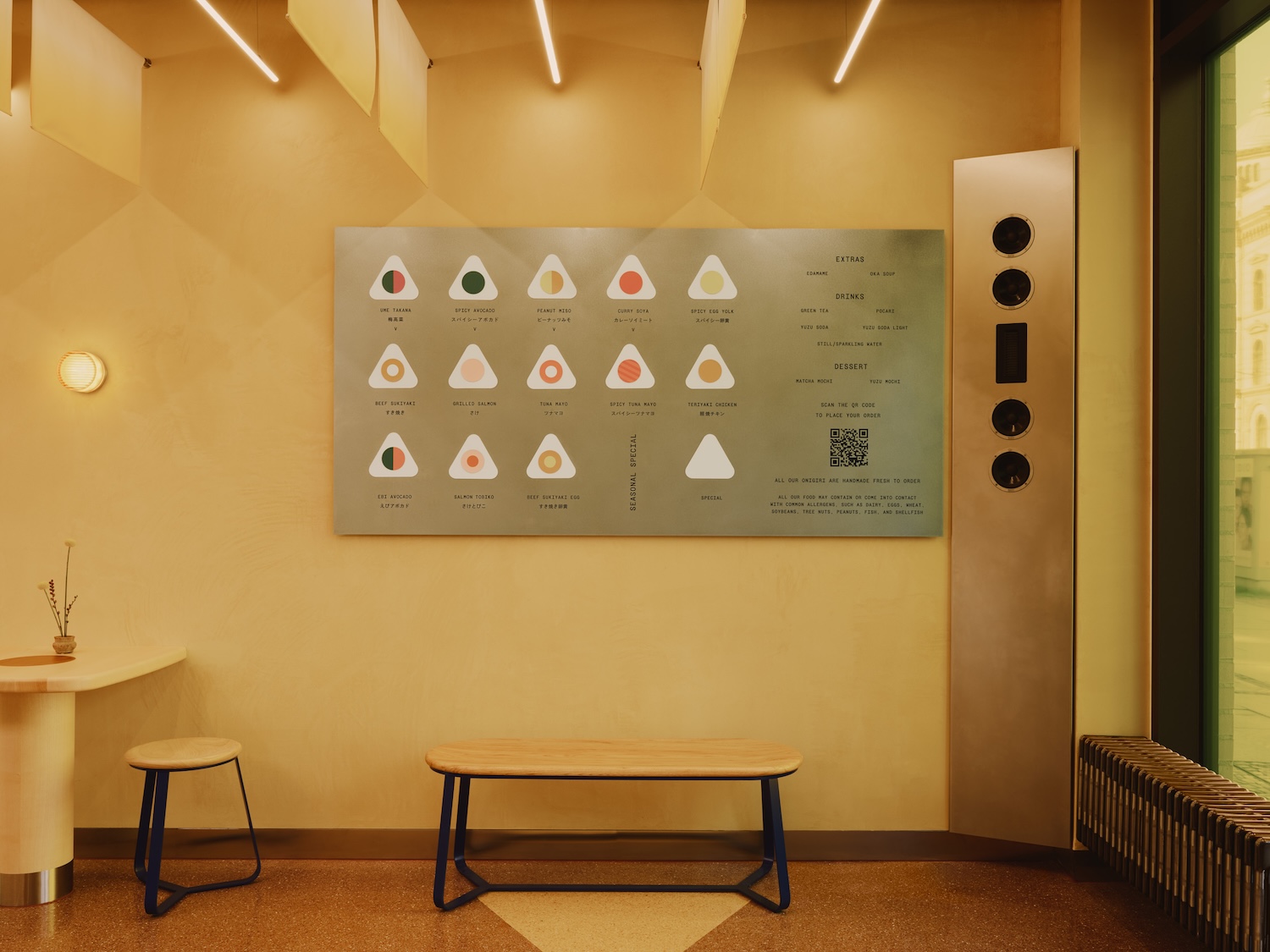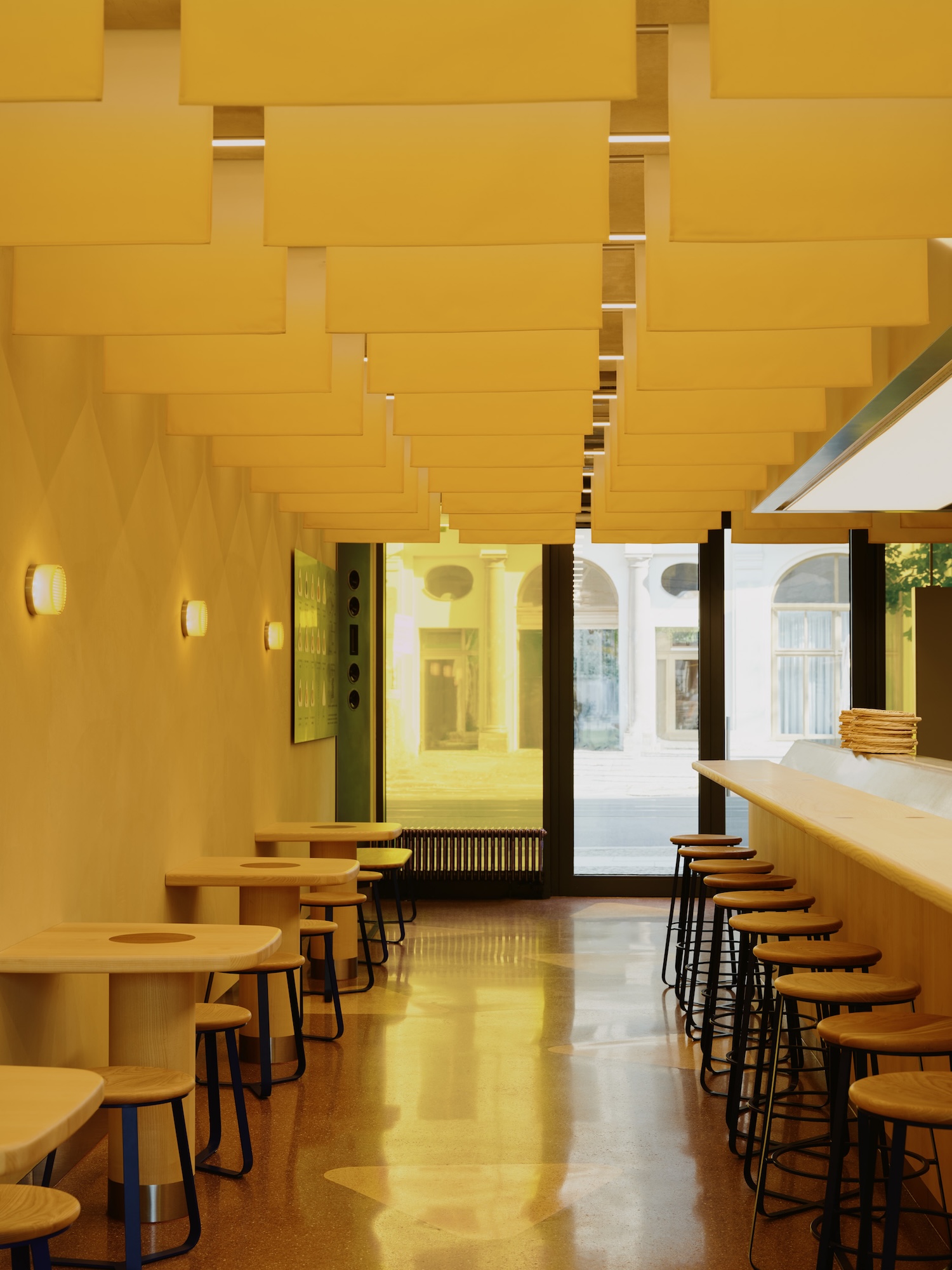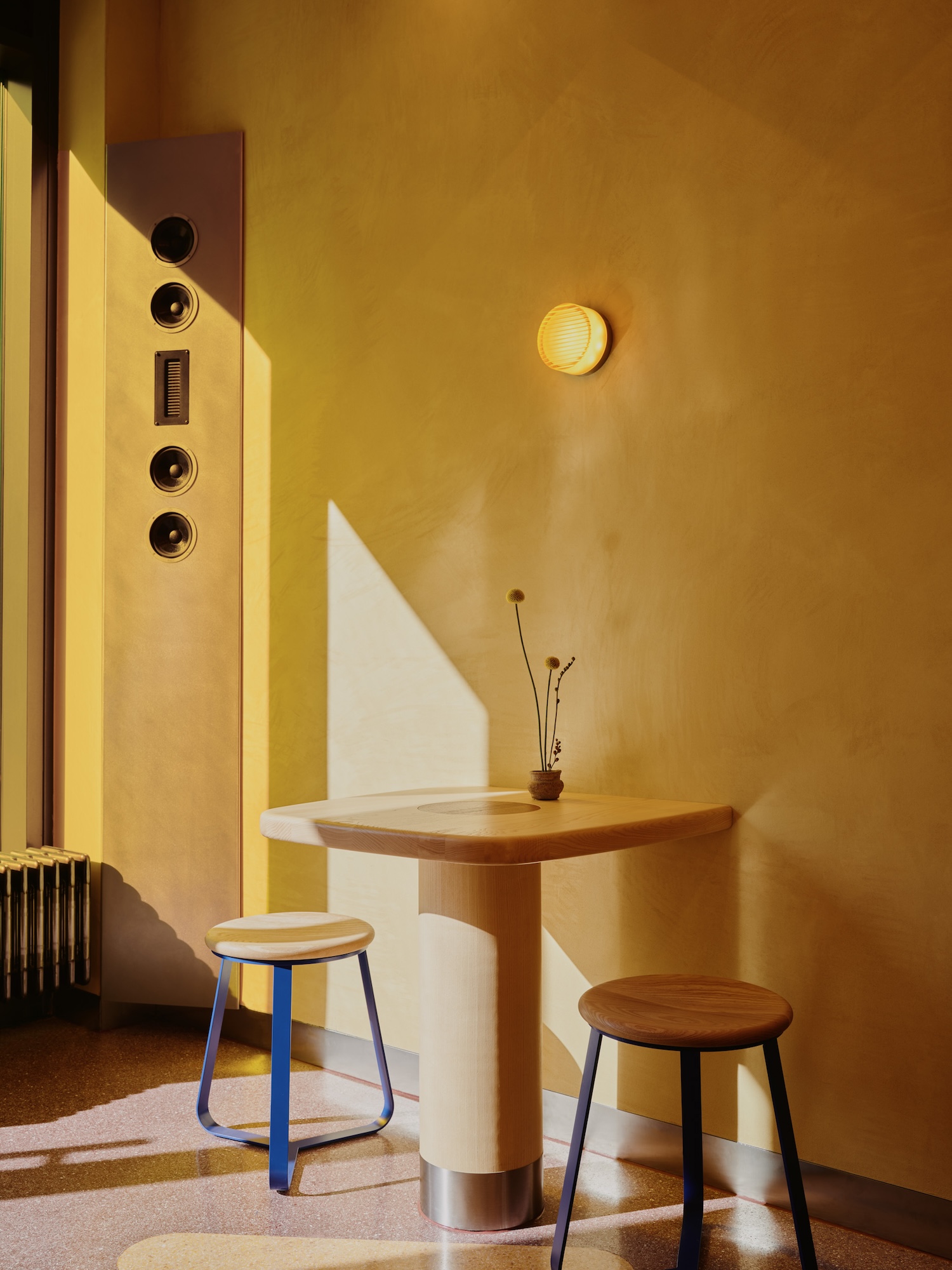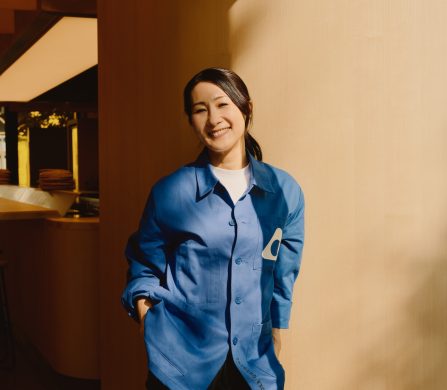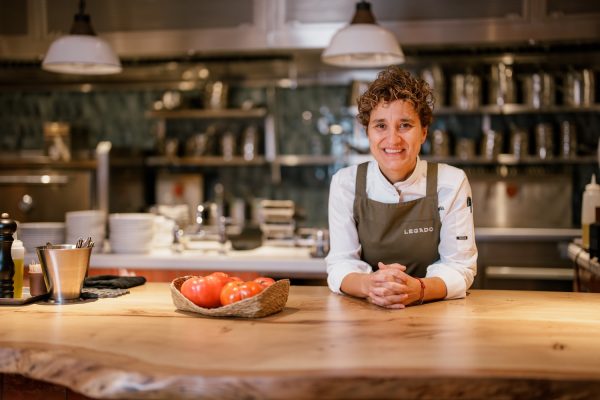


From New York’s underground dining scene to Milan’s design-driven culinary culture, Chuck George has built a world that lives somewhere between nostalgia and reinvention. The Filipino–Pennsylvania Dutch chef, creative director, and entrepreneur has carved out a niche for Chuck’s, his growing collection of fine-casual bistros across Europe, by blending American classics with global soul.
When we catch up with him, he’s back in Milan, “fresh off the boat” from London, where he’s just opened a Chuck’s with the team behind Carousel in Fitzrovia. His days are a blur of creative decisions, from sourcing tableware and selecting wines, to curating art and overseeing multiple locations across countries. This is all while developing Goings, a new neighbourhood coffee concept with his partner, Camilla Rumi.
For Chuck, travel has never been just a backdrop. His metaphorical passport carries stamps from Brazil, where a pop-up overlooking Sugarloaf Mountain reshaped his understanding of food as social change; from Denmark, where the calm rhythms of Skagen inspired his “less is more” approach to life and design; and from New York City, where he first learned the true meaning of hospitality at Silkstone, the creative force behind The Fat Radish and The Leadbelly. At Chuck’s, his American–Asian heritage unfolds through dishes like Filipino-style kinilaw, smash burgers with kimchi and shiso, and lobster rolls reimagined with quiet irreverence. “American food,” he says, “is fusion by nature — it’s an evolution, a conversation.”
For Schön!’s ‘passport,’ our recurring series which explores the cities, restaurants, museums, and travel anecdotes that have left their mark (or stamp), we sit down with Chuck George to chat about the places that left a mark.

Where are you right now, and what does a typical day look like for you?
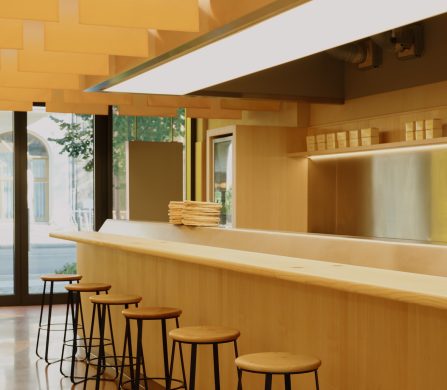
I’m currently back in Milan, fresh off the boat from London, where I just opened a Chuck’s with the team behind Carousel. It’s housed within one of their townhomes on Charlotte Street in the heart of Fitzrovia. I’m really stoked and grateful for the opportunity to have opened there.
The typical day right now is back-to-back appointments and site visits to the newest location of Chuck’s and the debut of Goings, a neighbourhood specialty coffee concept that my partner, Camilla Rumi, and I are developing. These days are full of decision-making from sourcing tableware and wines to deciding on the packaging of the coffee beans and what artwork is going to hang in the bathrooms. Add to that the daily operations of multiple units in different countries, and what you end up with are some pretty colourful days and weeks.
If your passport had a stamp for every place that shaped you, which stamps would we see first?
Brazil is a really beautiful place to start with. Back in 2014, during my time at The Fat Radish, we went down to Rio de Janeiro and did a pop-up in Santa Teresa during the World Cup. Housed in a villa in the hillsides overlooking Sugarloaf Mountain and Christ the Redeemer, Casa Fat Radish was a restaurant-cum-hotel. The best part of this experience was working with David Hertz’s organisation, Gastromotiva and bearing witness to a socially defining project that addressed difficult conditions in the favelas. As someone who works with food, it just goes to show that cooking is not only for sustenance or amusement, but it is a tool for change.
The experience has informed my operations in its own way in addressing the inequities in our industry by paying fair wages, a minimum number of rest days and meal tickets alongside their salaries. I believe this is only the first step. A lot of work needs to be done across the ecosystem, but funnily enough, this isn’t just up to us operators. Fair wages mean increased prices in an already razor-thin margin business, so it also falls on the consumer, but are they willing to pay more? I know the answer, and it is no.
Once a regular at the now-defunct Marlow & Sons in Brooklyn, I witnessed first-hand Andrew Tarlow’s experimentation with introducing one of the first ‘gratuity-free’ policies in New York City across his restaurant group, The Marlow Collective. The menu prices increased by 20% but the appetite for higher prices paid by consumers did not, and sadly, the once applauded gratuity-free policy ended in 2018. He went on to say that “as an industry we struggle with communicating to consumers the true costs of dining out,” and seven years later, nothing has changed.
When you’re not in the kitchen or designing a space, how do you like to spend your time?
I love spending time at home. When in Amsterdam, those days are quite mellow and usually involve grabbing coffee at Luuk’s, then hitting Westerpark much of the afternoon and tucking into a good novel and watching the boats roll by on the adjoining canal. Other days I like to frequent the vintage shops, try new restaurants and do some cycling out in the countryside. If I’m back in Milan, I find myself spending a lot of time at the restaurants still and interacting with the community we’ve built, but on the weekend,s I try to head up to the mountains to my partner’s hometown, Sondrio, and get some mountain air in.
If your passport had a stamp for every place that shaped you, which stamps would we see first? (continued)
Since Brazil is covered, I’d have to say Denmark is next on that list. I spent my first summer in the coastal town of Skagen. It’s very simple and slow, and smells of fish at times, depending on the winds, due to the enormous fish oil production happening there. Despite that, the town is idyllic. I am very routine-driven and quite immediately fell into a daily habit of cycling into town to get coffee, exploring the same antique shops over and over in case something new arrived and hiking the dunes just behind the house to the sea. There is not only a rhythm, but a calmness that is difficult to replicate in the city. I yearn for this feeling most days.
These experiences have had a profound effect on my daily life when returning to say Milan or London – it becomes less about consumption and more about subtraction, not just in daily life, but in work as well. Less is more.
Since Europe has become my home for the last 5 years, I am going to say the UK has also had a lasting impact and perhaps even the most impactful one. What chefs are doing in London is really important and inspiring. Recently, I was back at Brat and St. JOHN and my goodness, I would dine there every evening.
Which city gave you your very first taste of hospitality?
The one and only, New York City. I was incredibly fortunate to have been given so much freedom early on in my career at Silkstone. It allowed me to explore hospitality from a different angle and share it with new communities, whether a surf contest in Rockaway or a luncheon at Frieze Art Fair. New York City is where it all began, and I imagine that’s where it will all end, career-wise anyway. I never say never to the idea of returning and opening a Chuck’s outpost. The return of Danny Bowien with Mission Chinese or Anthony Ha & Sadie Mae Burns’ opening of Ha’s Snack Bar following their global tour is a real inspiration, and I like to daydream about a homecoming one day.

What dish feels like a passport back to your childhood?
I grew up in the South, and there are so many things that simply cannot be replicated. She Crab Soup, Shrimp & Grits, Po’Boys, Crab Cake Sandwiches, Hushpuppies, Chicken Fried Steak with Gravy. I was in London randomly one week and stopped into Esters in Stoke Newington, and their congee bowl really transported me back to Virginia. I ended up enlisting our kitchen to do a riff on Shrimp & Grits, substituting the grits with congee once. It was a real banger!
Where do you still dream of getting a new stamp — a city you’d love to bring Chuck’s to next?
If we’re talking about that feeling of ‘say yes, figure it out later’, Tokyo and Fukuoka are very high on that list. I’ve loved Japan since I was a little kid. A lot of that knowledge and love was passed down by my late father, who lived in Yokosuka for six years in the 1980s.
Your heritage — Filipino-American mother and Pennsylvania Dutch father — plays a key role in your cooking. How does that cultural mix come through in Chuck’s menus?
I think this is a really important question because I do not believe one is exclusive from the other. I like to think I just cook American food, which is entirely varied and full of cultural influences. American cuisine at its heart is fusion, but unfortunately, our exports say otherwise, and this is something I would like to shift the narrative away from – by opening burger shops and allowing others to observe that evolution from one opening to the next.
What’s the most memorable stamp in your passport — a place that changed the way you see food?
I am so tied to the food in the US, and that really defines the style of cooking in my restaurants. My travels certainly inform from a market perspective, but I have a deep appreciation for American cuisine, and I do not “Italianise” (UK spelling) for lack of a better term to the palate of consumers, otherwise it’s not authentic in the sense that it is not authentic to my story or my experiences.
Chuck’s began with a single burger. How did that concept evolve into the playful bistro identity you’ve been unveiling?
Early on, ahead of the first opening, my inspiration folders were full of Ralph Goings’ lithographs. Depictions of diners, staff, customers, ketchup and shiny napkin dispenser. …
What does “no modifications” mean to you in the context of Chuck’s philosophy?
It’s simply the idea that I’ve put my best foot forward when developing products, and they shouldn’t be fiddled with. …
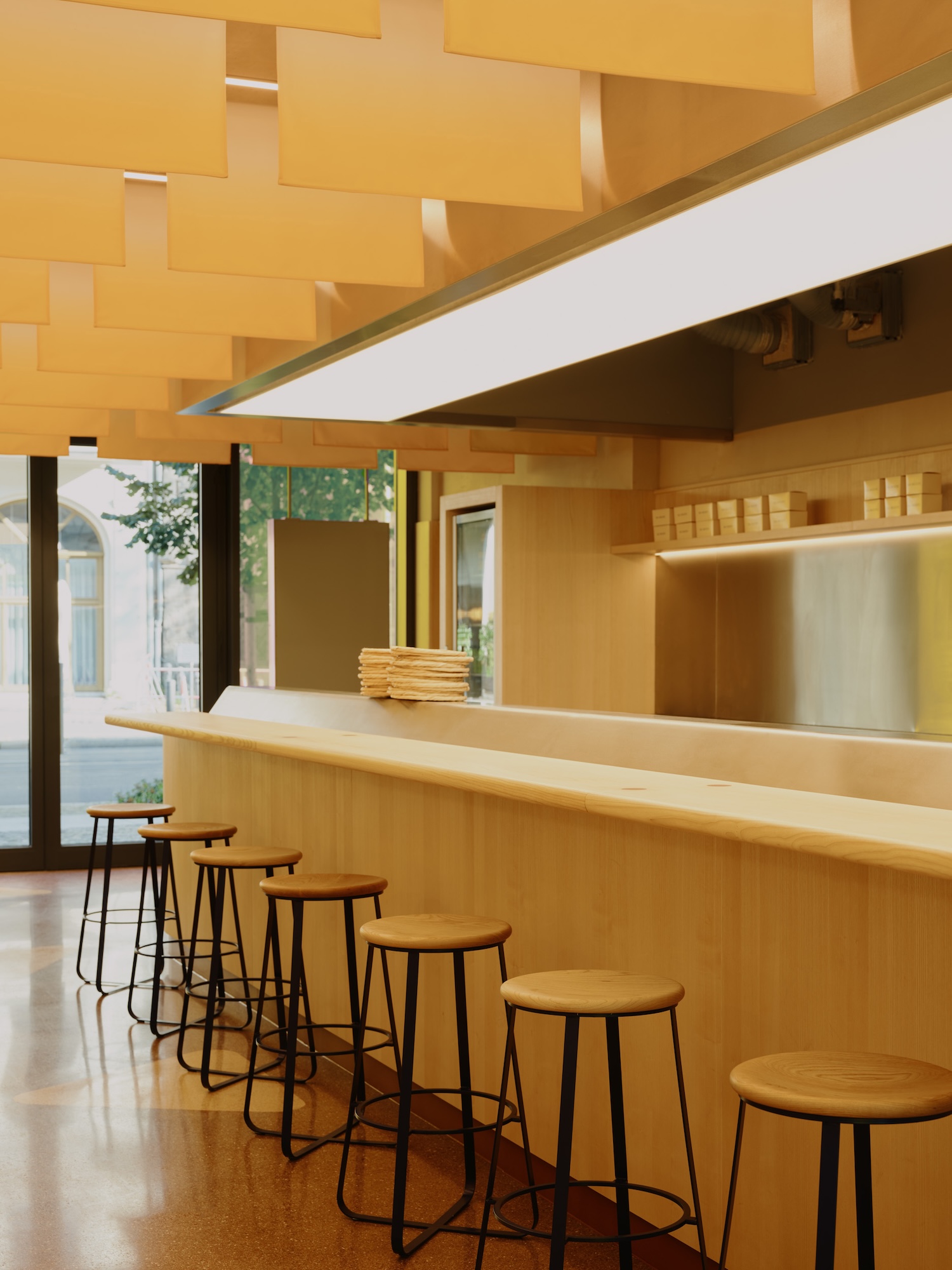
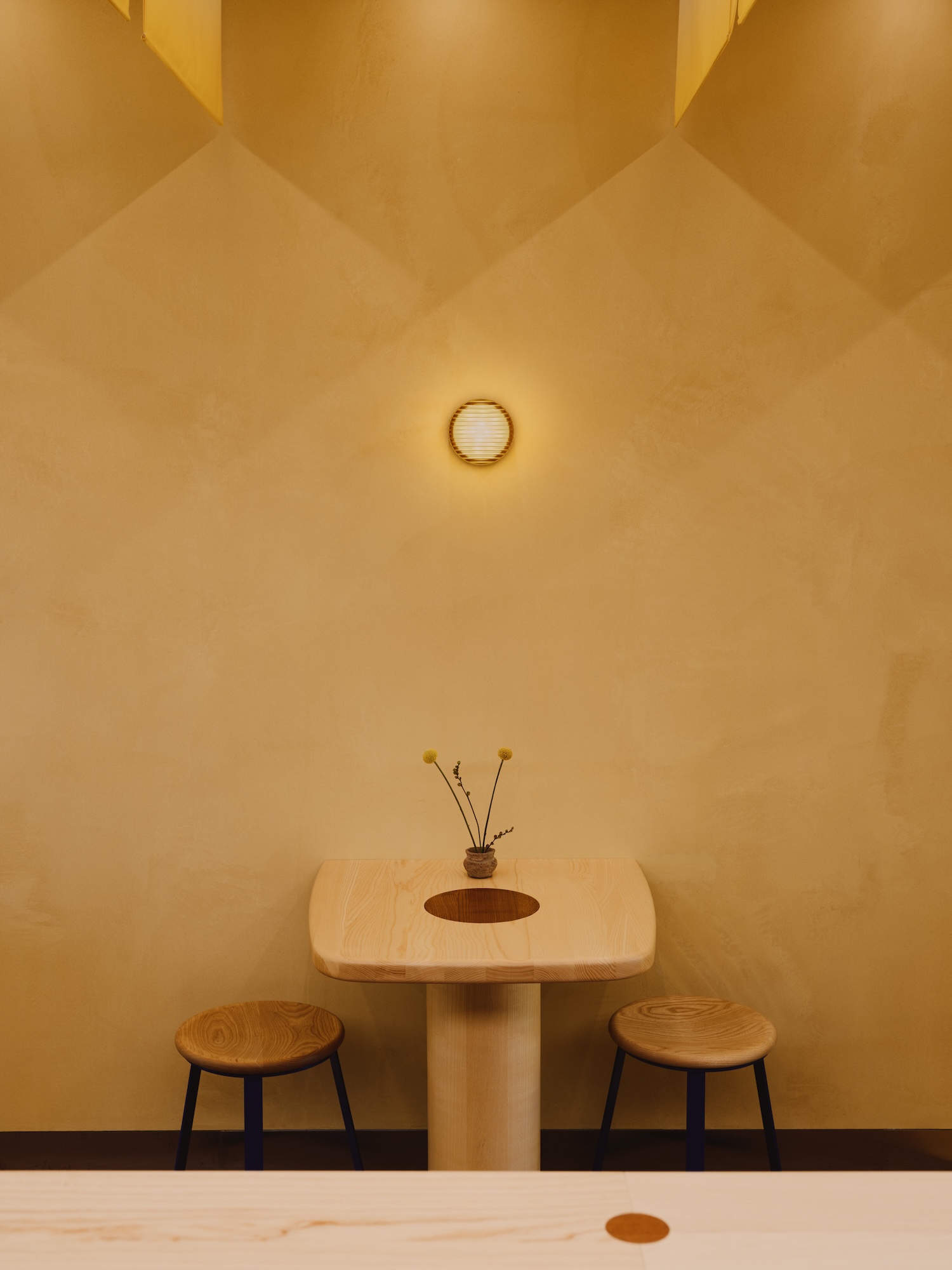
Chuck’s Milan, can you tell us about the design process?
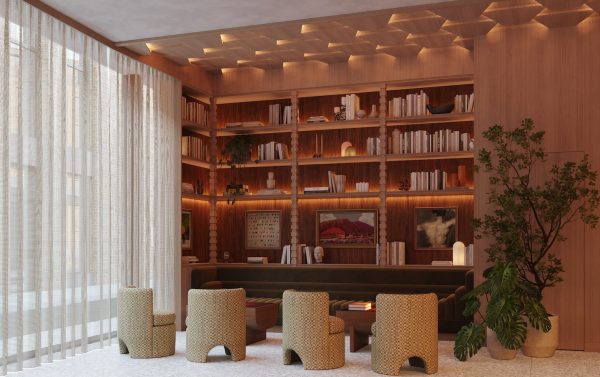
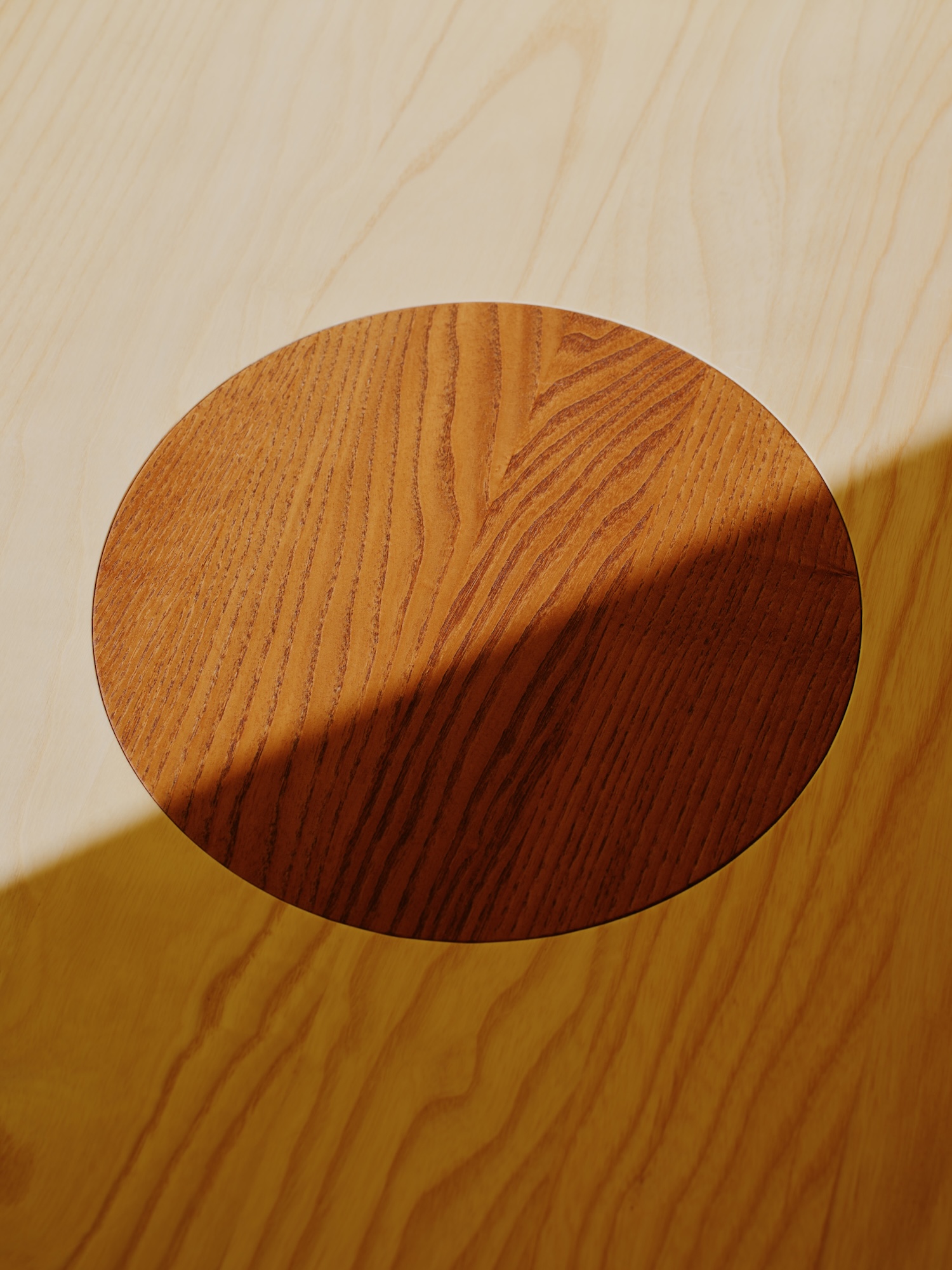
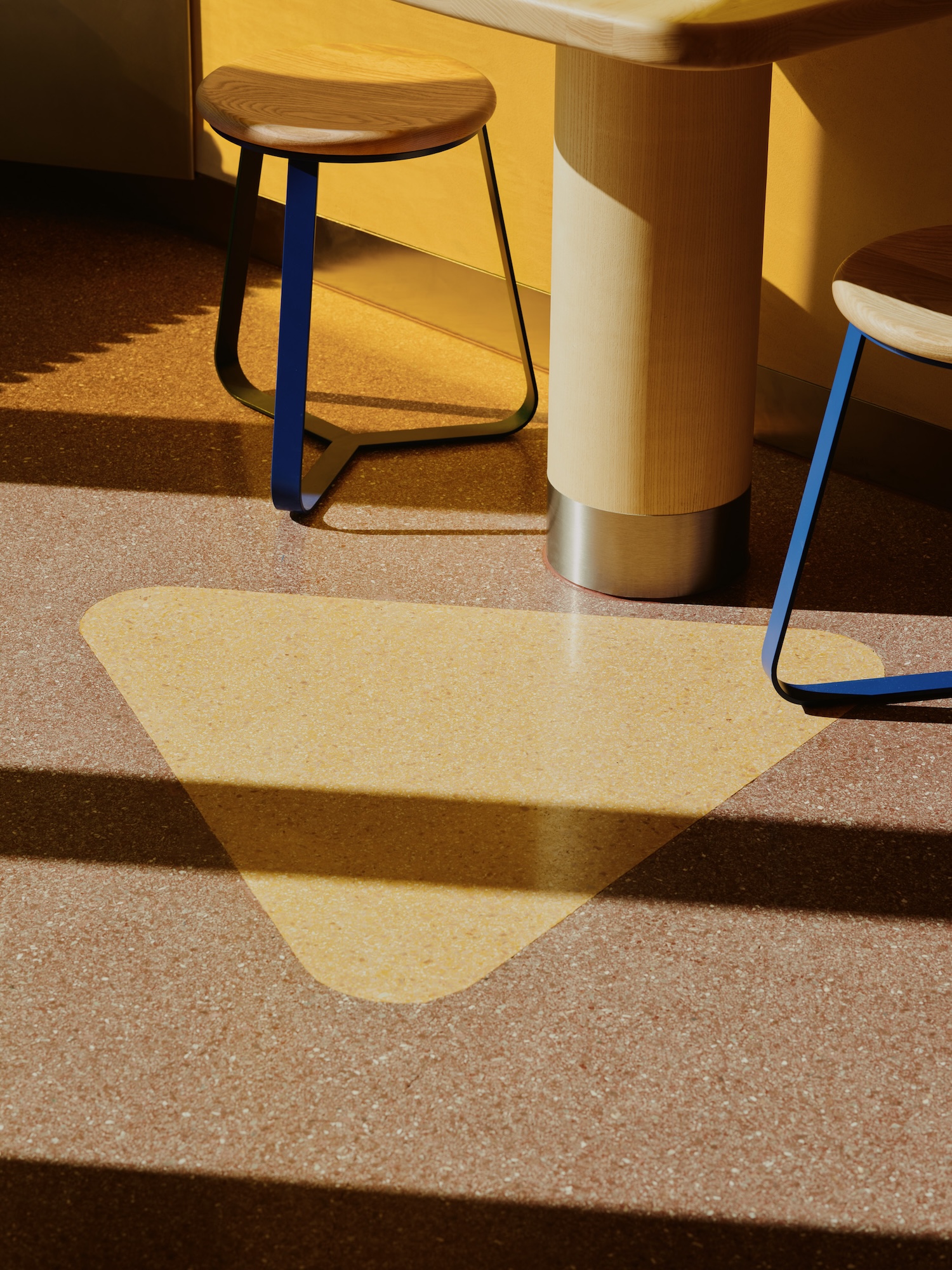
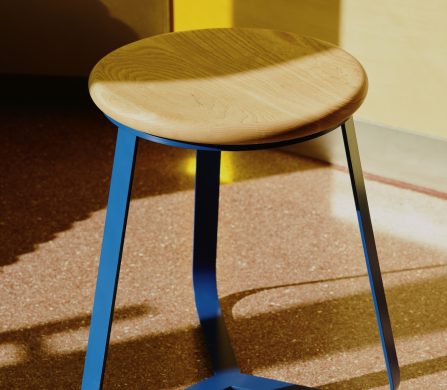
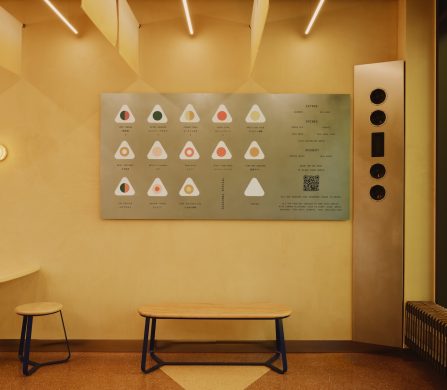
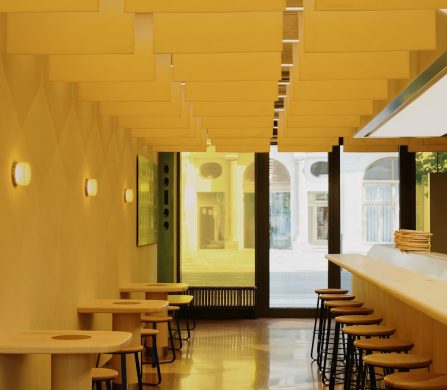
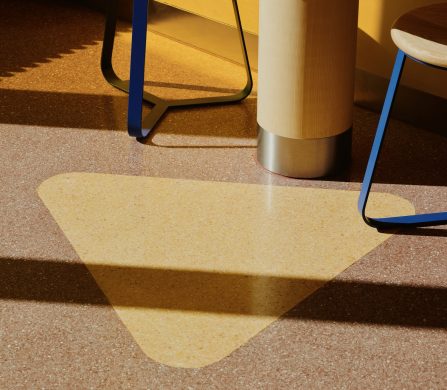
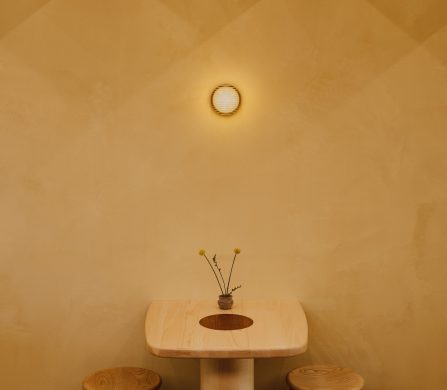
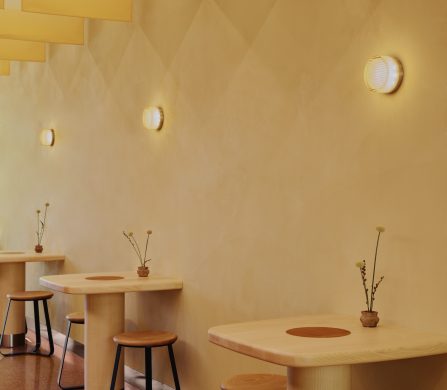
My design process always begins with the narrative: what is my story, and who is it being communicated to? … The 1950s-era cloakroom basin.
You’ve moved between kitchens, creative direction, tech, and back into hospitality. How do those different experiences shape the way you run Chuck’s today?
My time in tech taught me the importance of harnessing data … All of these things ultimately lead to not only a better business, but better hospitality. The kitchen and creative direction … These two things go hand in hand at Chuck’s and are the philosophy that I follow at every turn.
Looking ahead, what can we expect next from Chuck’s?
More Chuck’s.

Learn more about Chuck’s at chucksnyc.com.