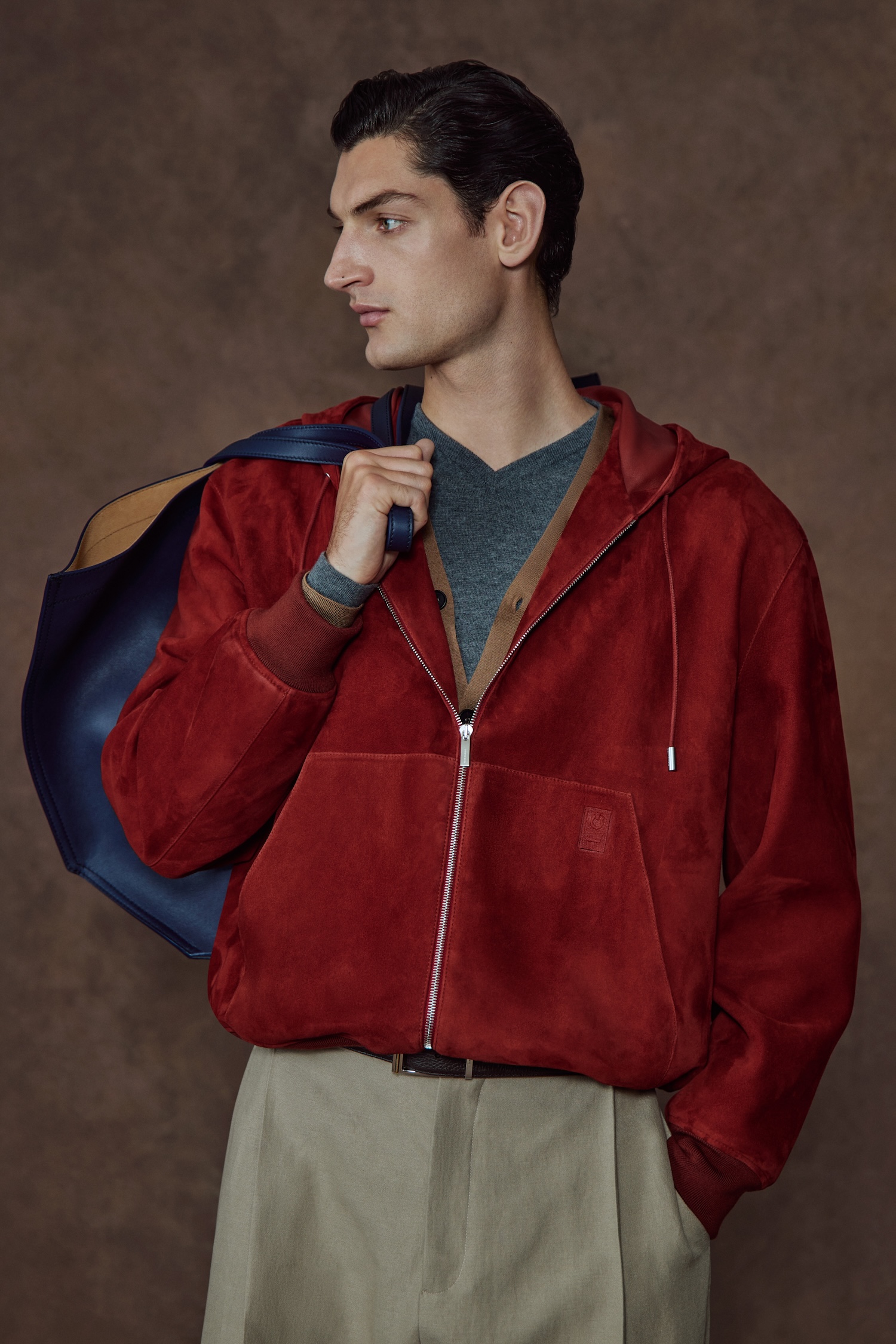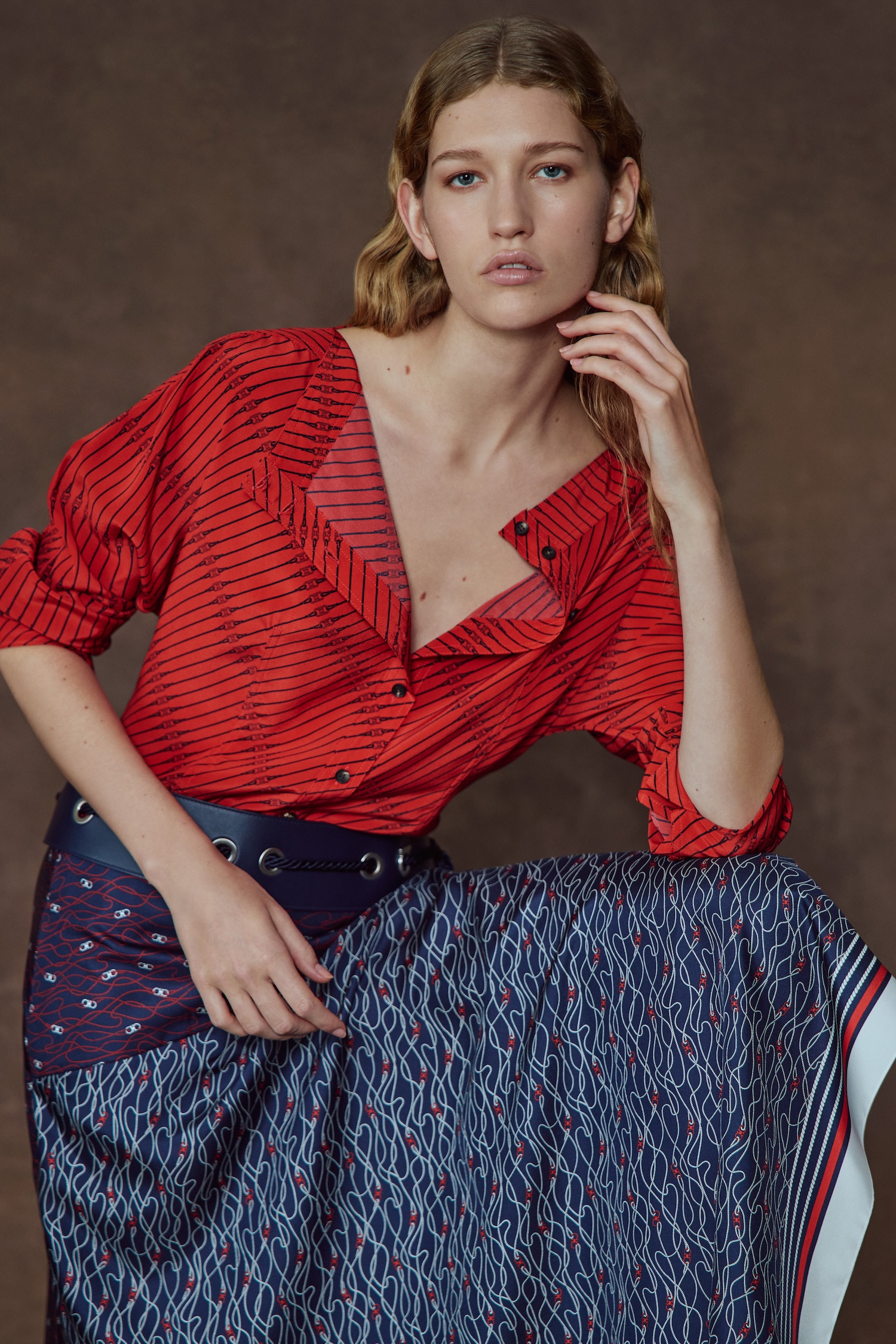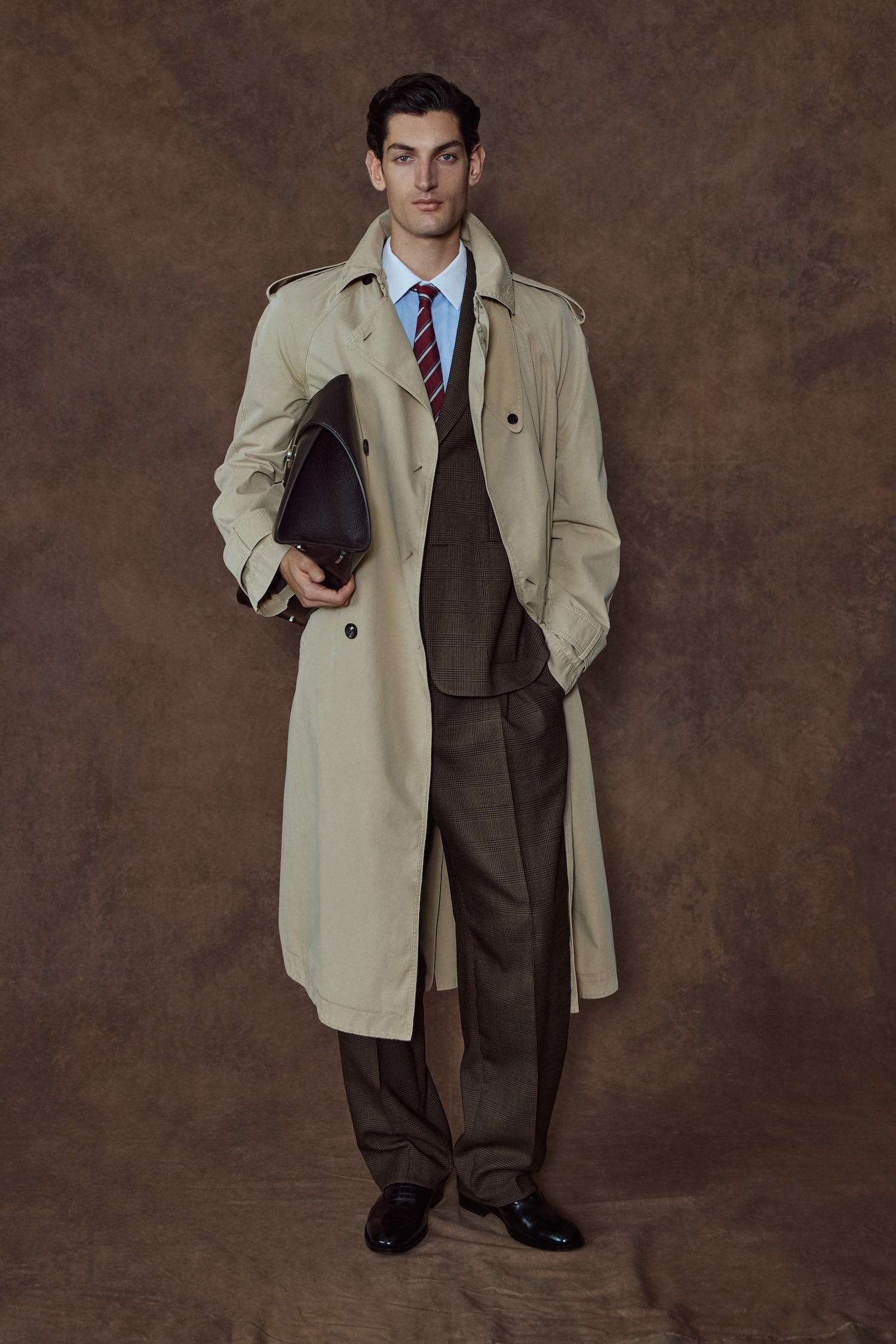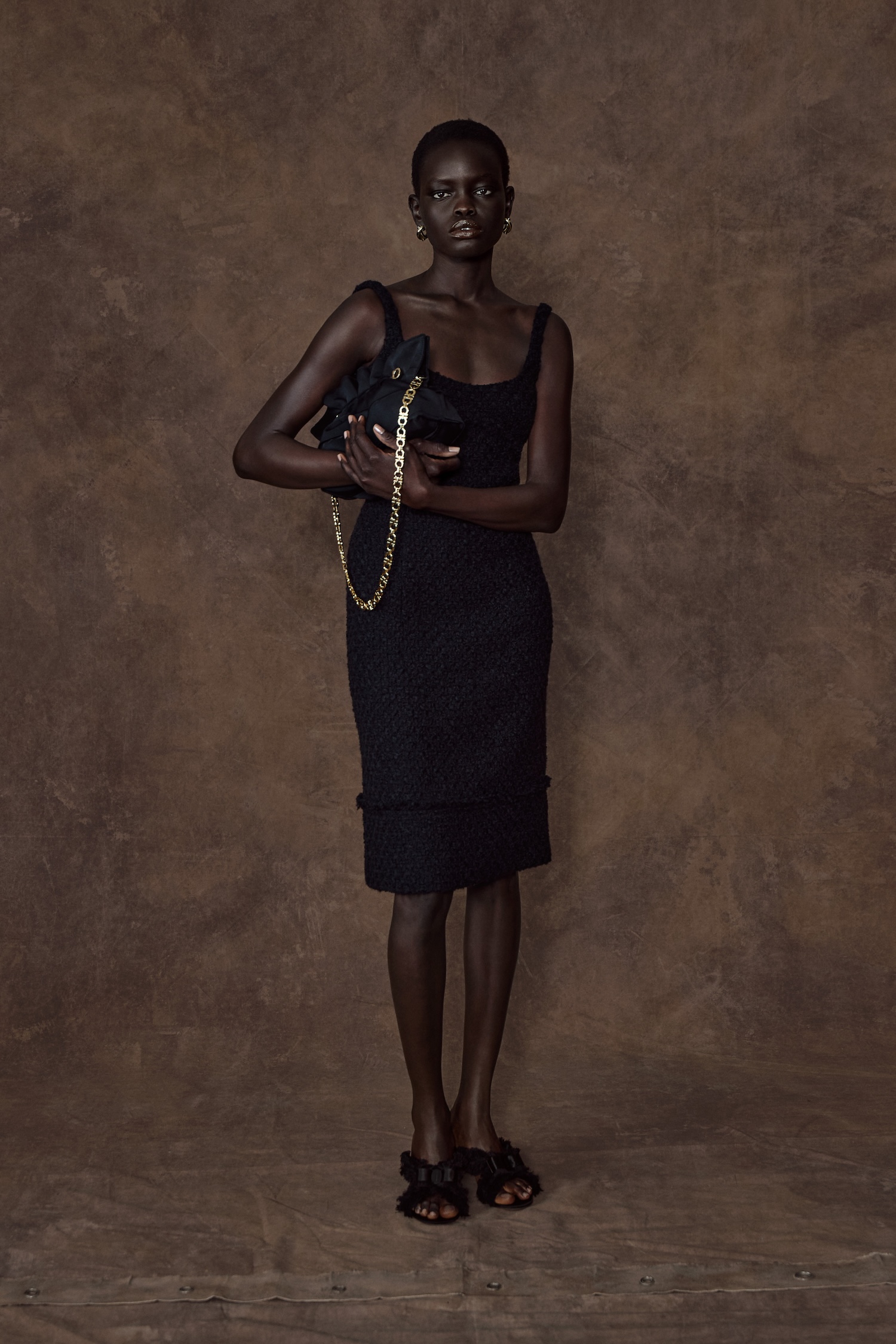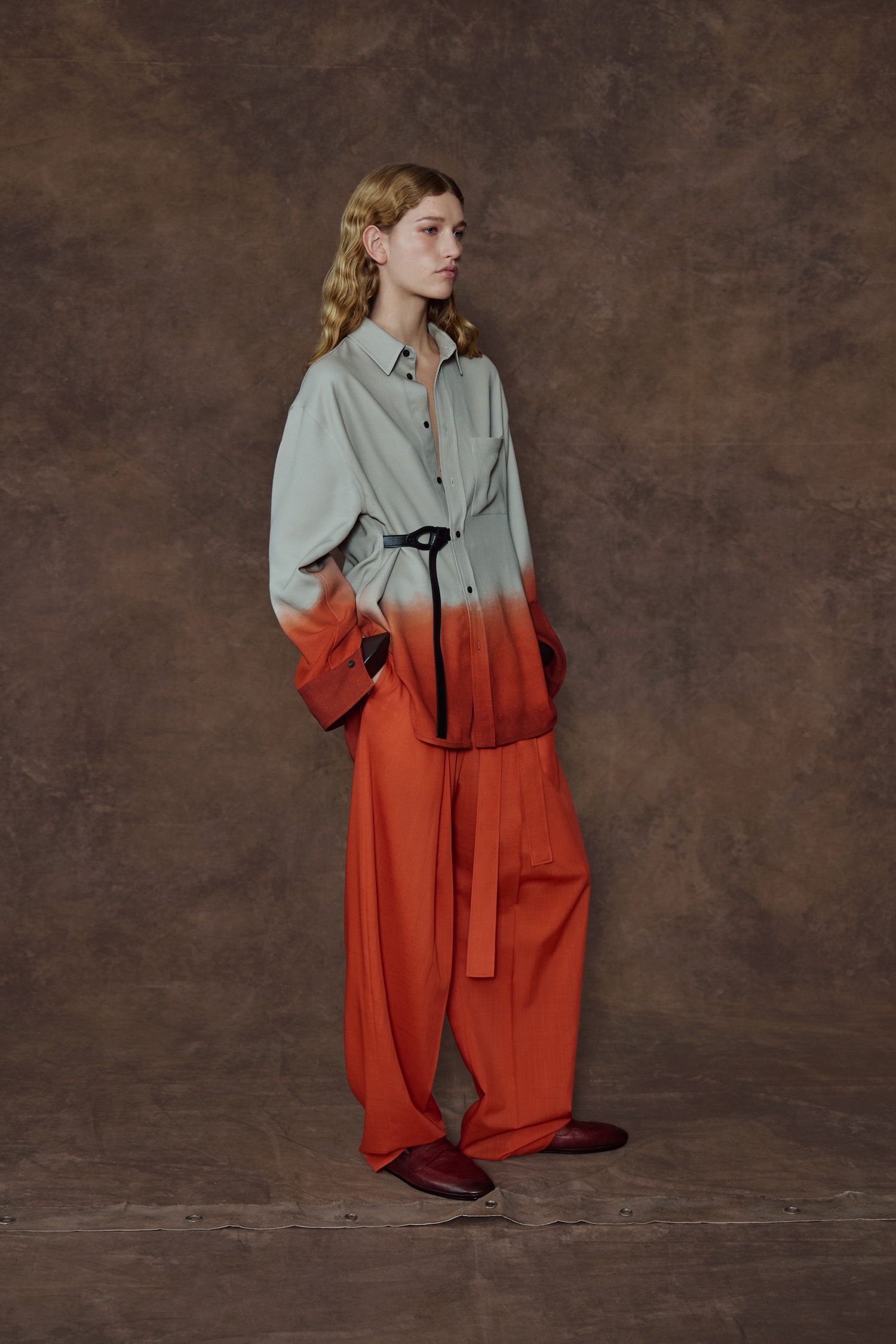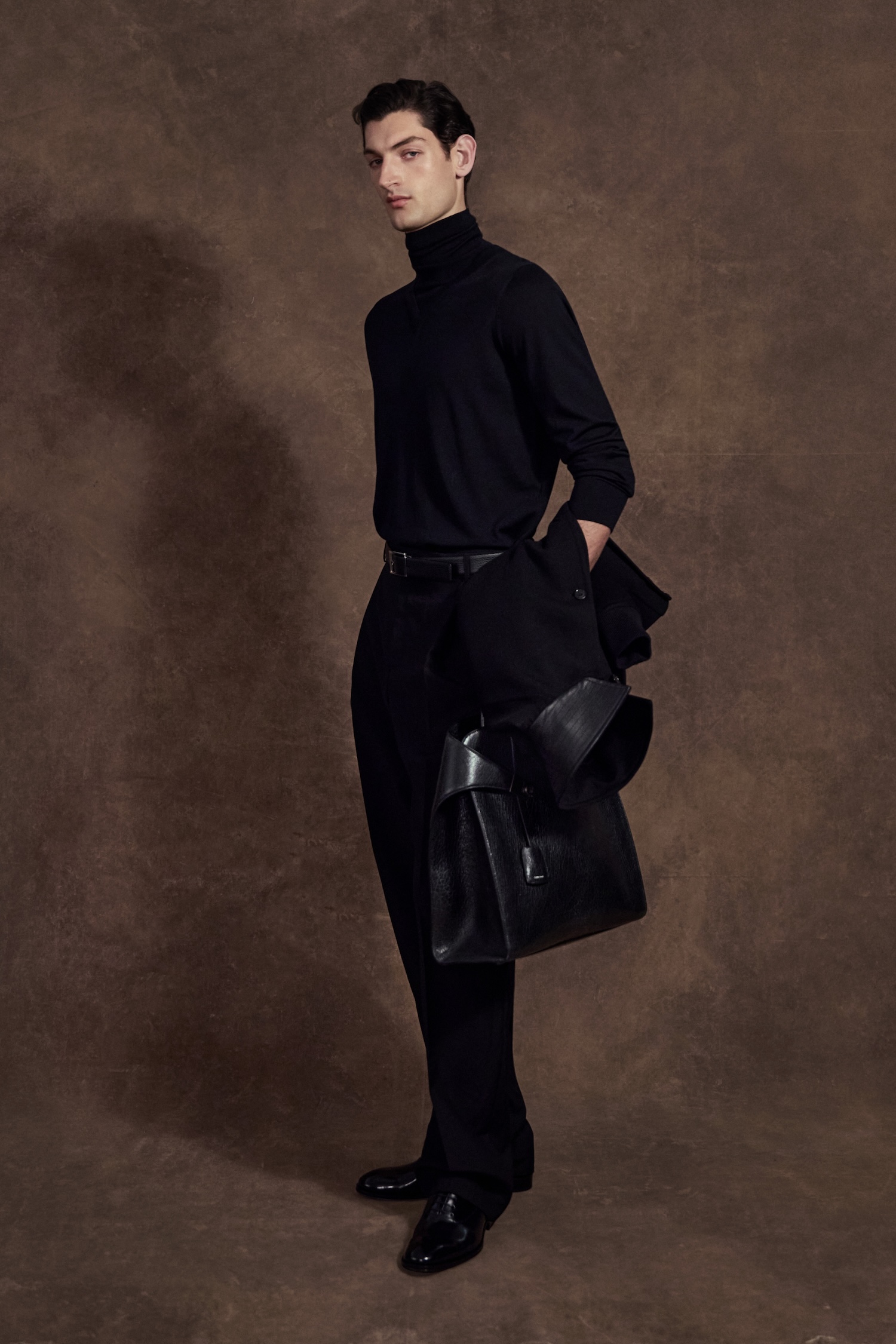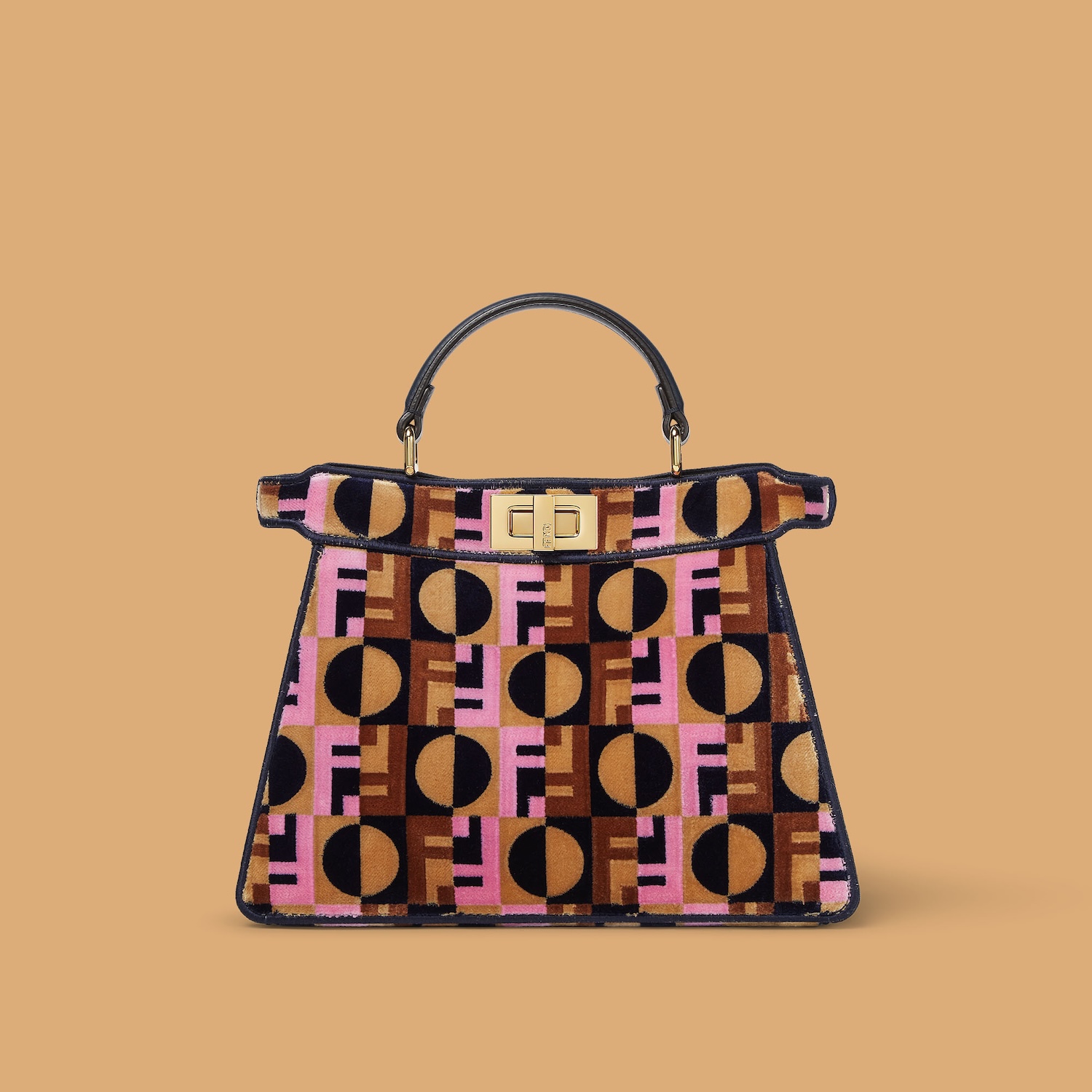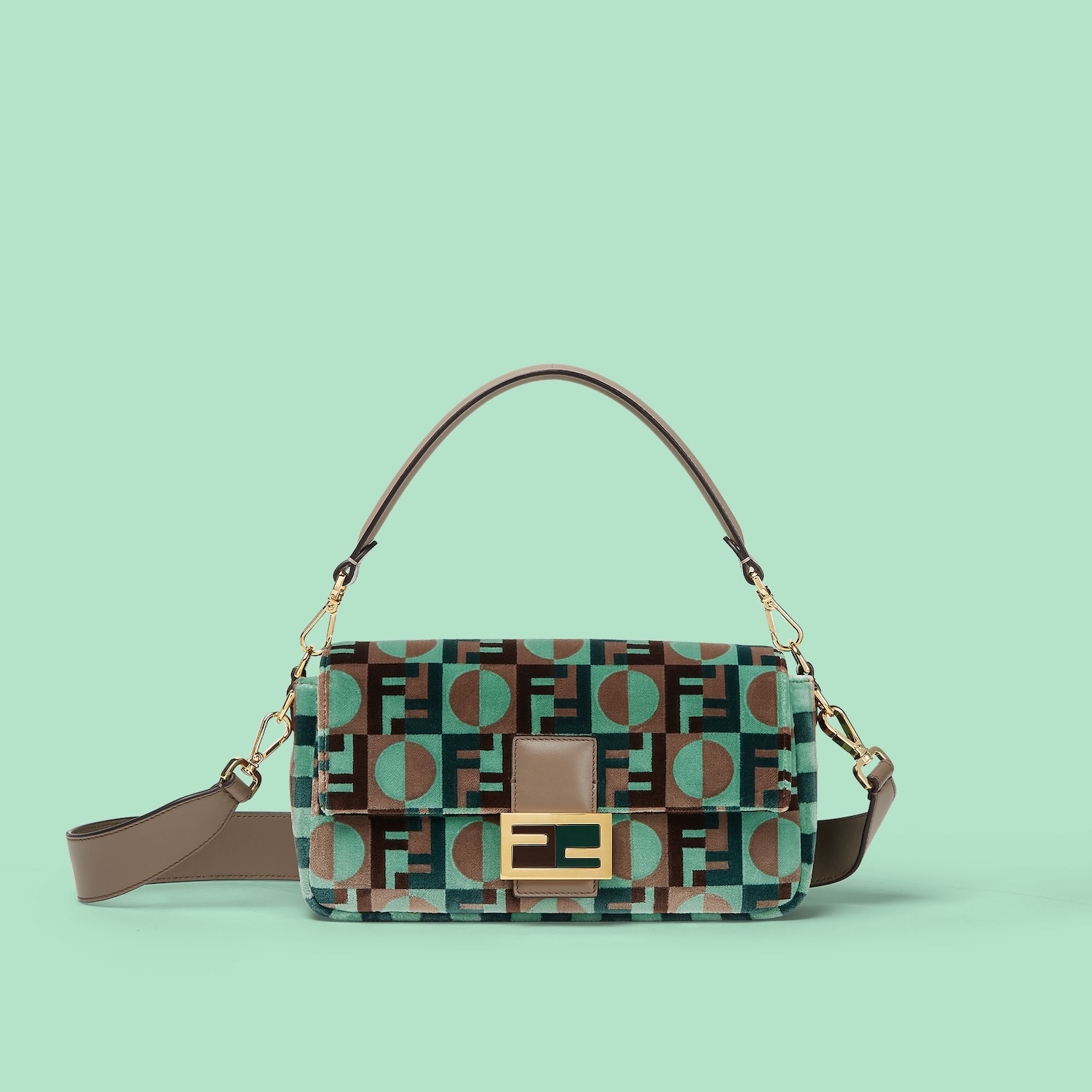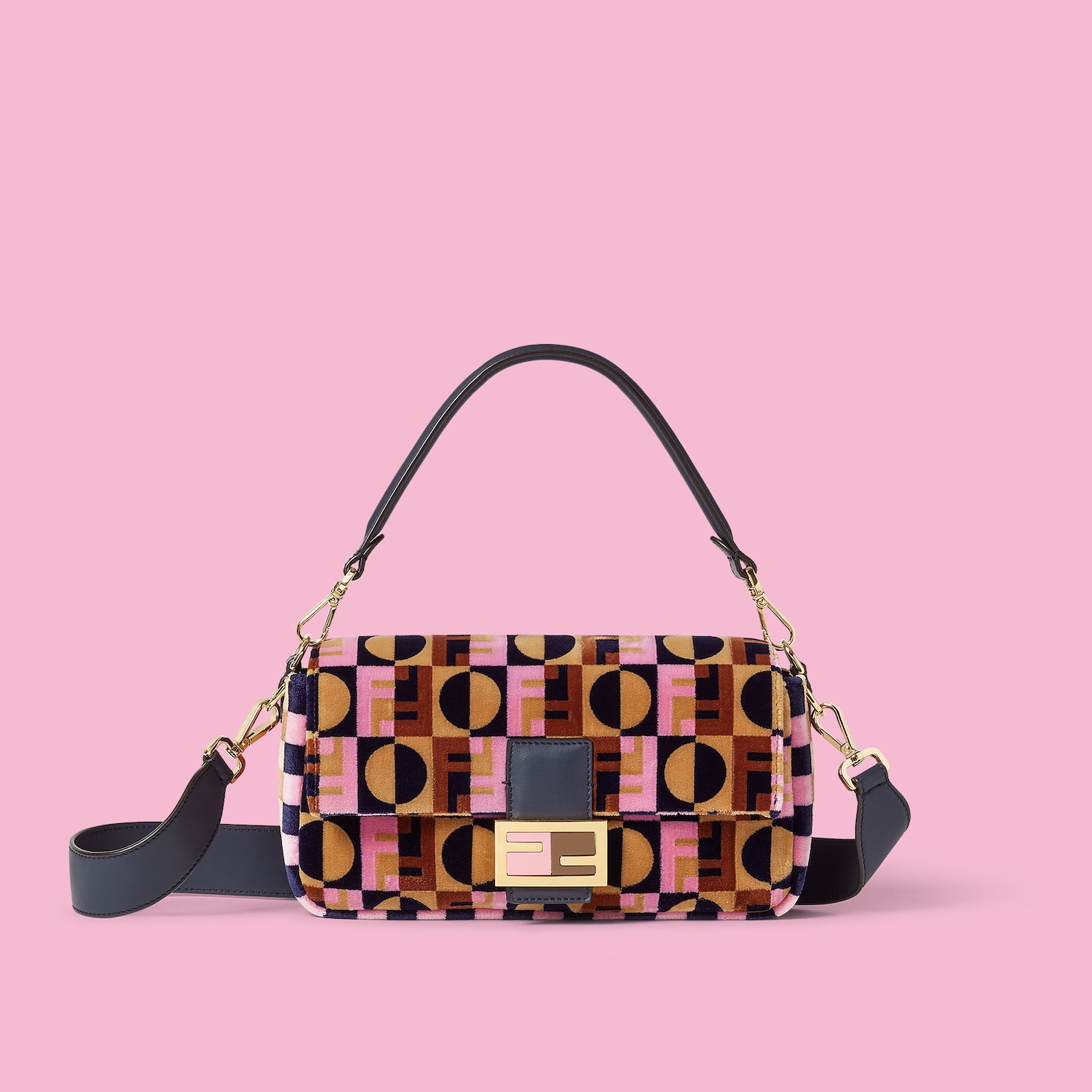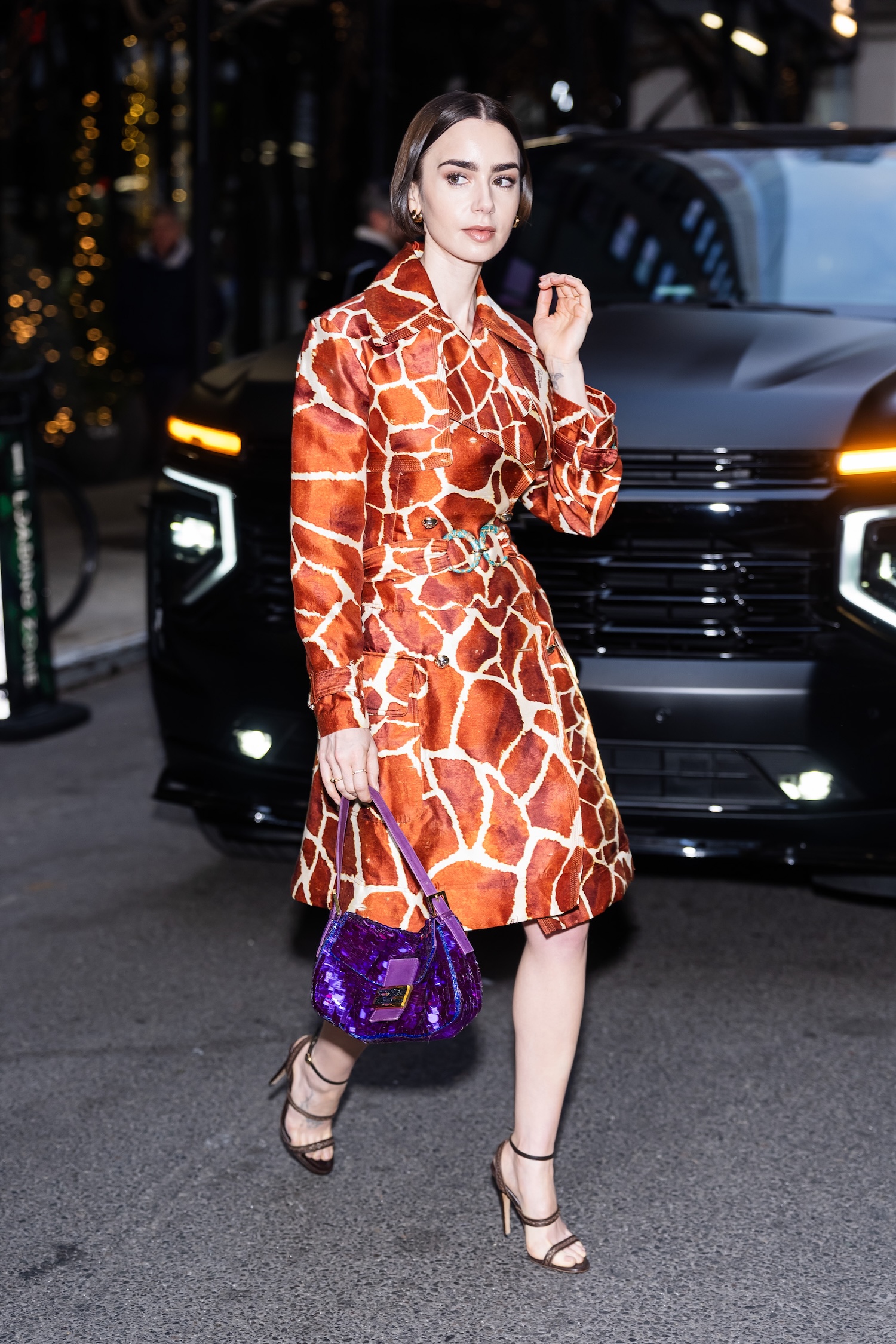


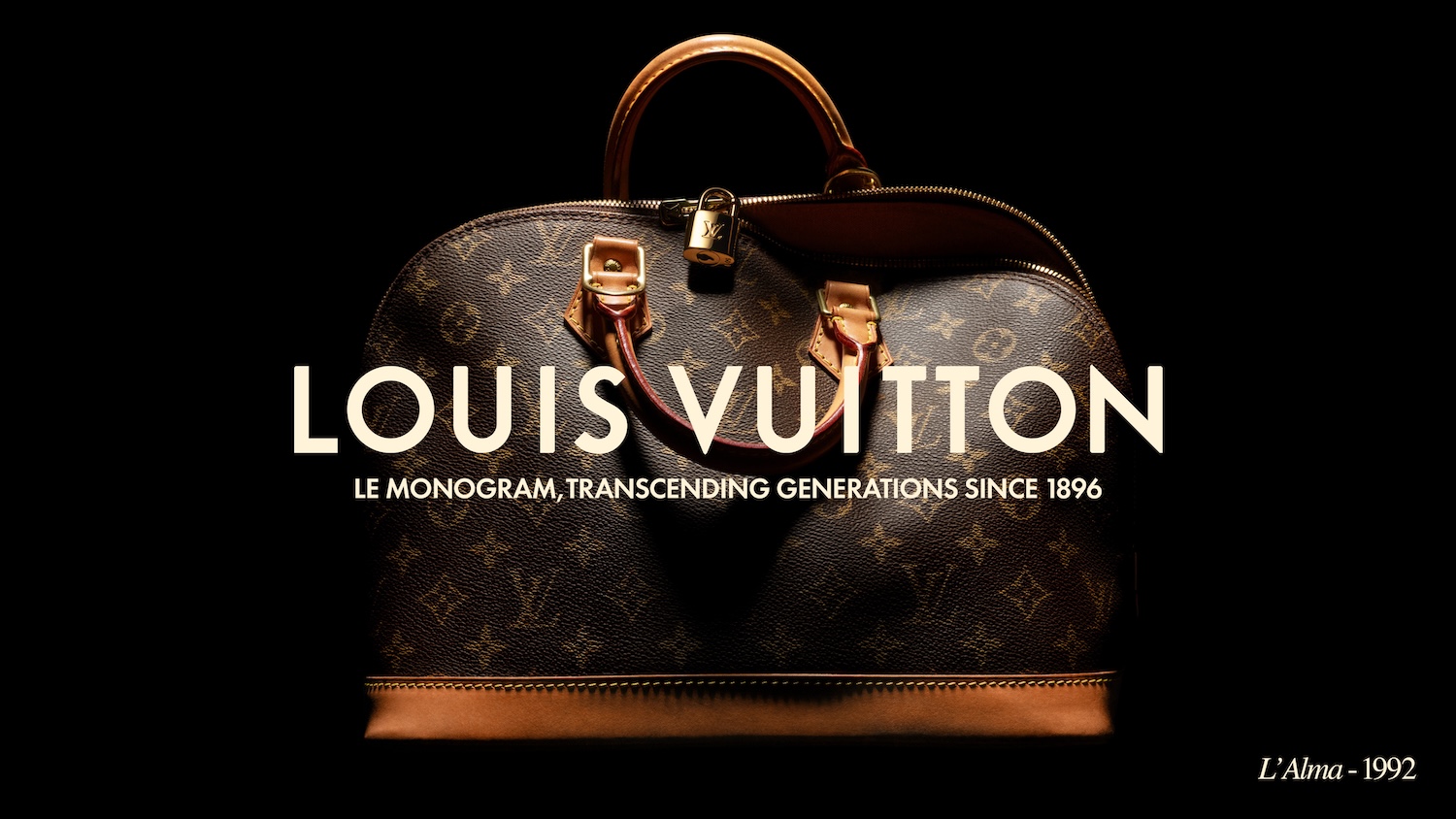
It is a bit of a cheek to suggest that a few interlaced initials and a handful of floral medallions could effectively conquer the global fashion psyche, but for Louis Vuitton, it is simply a fact of life. Starting in January 2026, the House is embarking on an extensive, year-long celebration to mark 130 years of its legendary Monogram, a motif that has arguably become the world’s most enduring emblem of culture and innovation.
The Monogram is undergoing a modern renaissance, especially thanks to Pharrell Williams’ primary-coloured ‘Millionaire’ Speedys, which have colonised every celebrity arm in sight. Just earlier this year, the fashion weather turned decidedly kaleidoscopic when the house finally un-archived the Takashi Murakami partnership. Bringing back those thirty-three candy-bright colours was like a direct hit of serotonin for anyone who remembers the absolute fever pitch of the early 2000s.
It is this ability to oscillate between high-art subversion and stoic tradition that has kept the print vital for over a century. Long before it was a playground for pop-culture icons, Georges Vuitton dreamt up the pattern in 1896 as a poignant tribute to his visionary father, Louis, pulling inspiration from the ornate world of Neo-Gothic aesthetics and the delicate influence of Japonism.
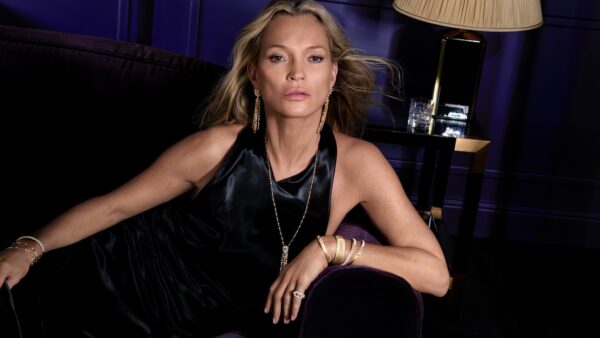
While it was originally a pioneering bit of branding designed to protect the authenticity of the House’s creations against imitators, it soon evolved into a universal code of excellence that has been clutched by everyone from Audrey Hepburn to Zendaya, and most recently, its latest brand ambassador, Chase Infiniti.
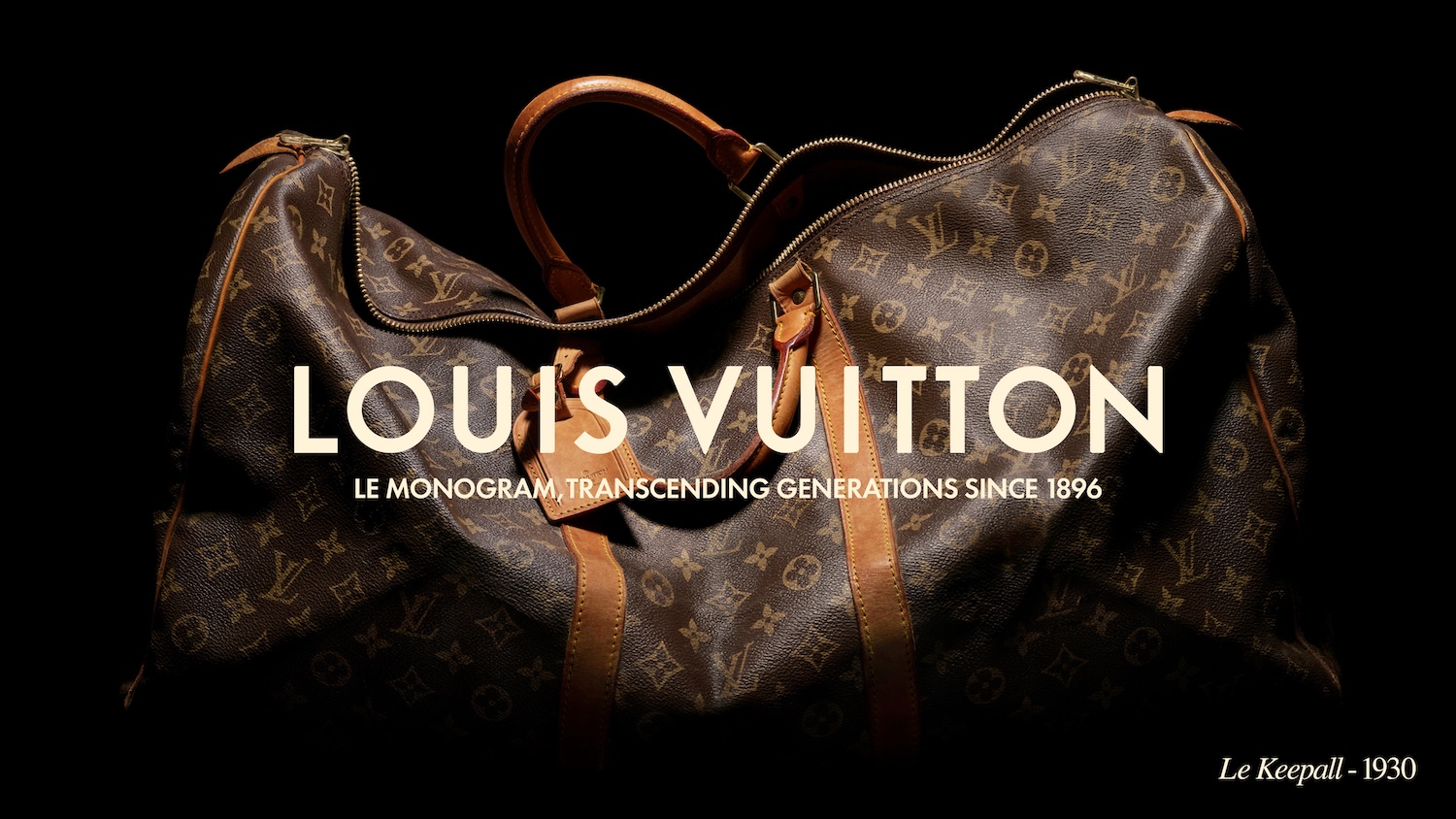
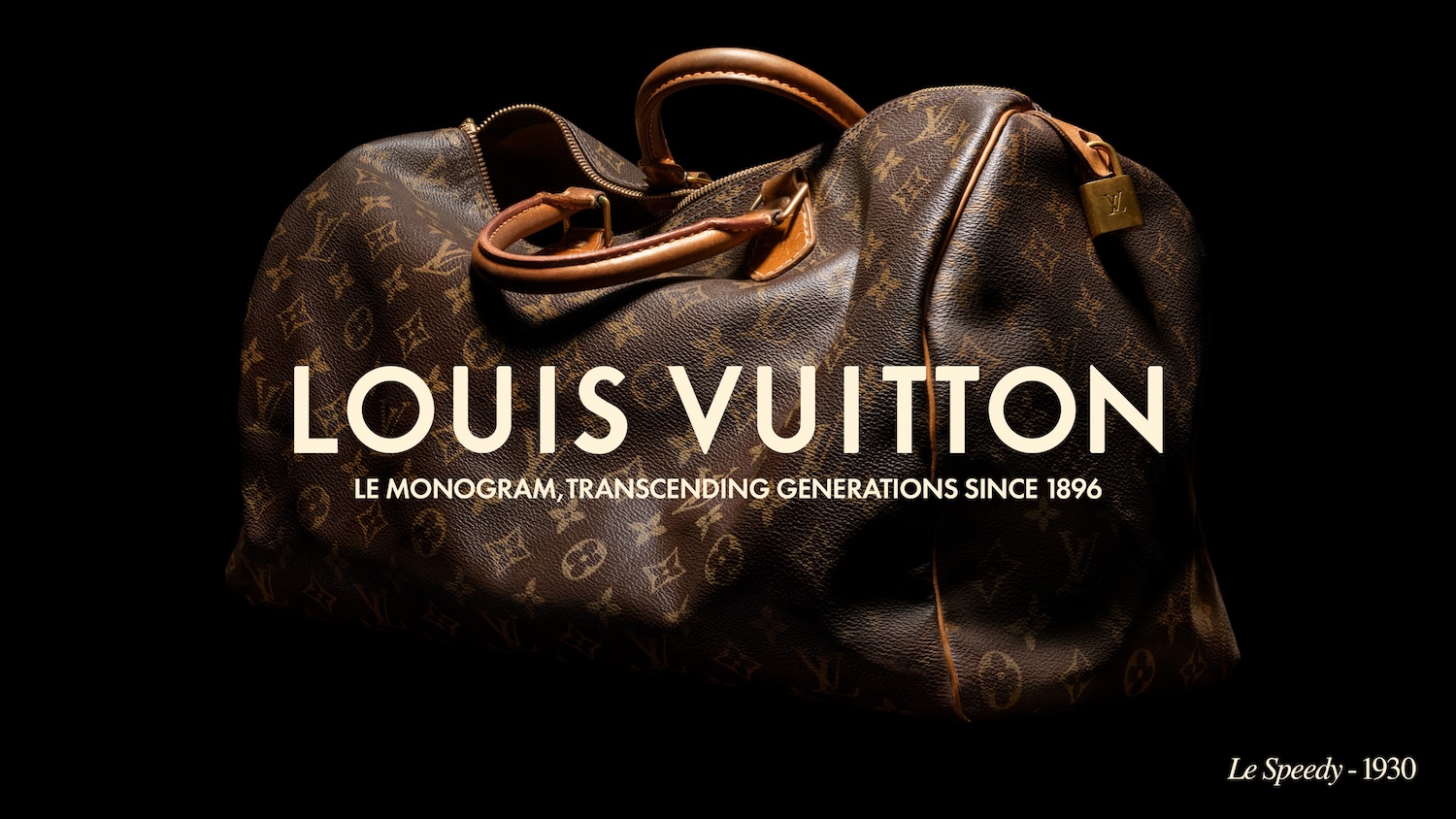
The anniversary kicks off by honouring the “heritage masterpieces” that defined modern travel, with icons like the Speedy and Keepall from 1930 and the Noé from 1932, which was originally commissioned by a champagne producer to transport exactly five bottles of bubbly. These classics, alongside the Art Deco-inspired Alma and the ubiquitous Neverfull, will each sport a unique, one-of-a-kind label for the occasion, transforming these essential companions into immediate collector’s items.
Perhaps the most fascinating part of this birthday bash is the ‘Monogram Origine Collection,’ which dives deep into the archives to rediscover the pochoir technique. For the uninitiated, pochoir is a meticulous hand-stencilling process first introduced by the House in 1902 to refine the definition and tonal depth of the motif. In this new iteration, the 1896 pattern is recreated on a brand-new linen-and-cotton canvas in a palette of soft, dreamy pastels inspired by an archival key number register. It is a tangible, historical flex that feels incredibly fresh on silhouettes like the Side Trunk MM and the Speedy 20 Trunk.
But if you prefer your luxury with a side of leather, the ‘VVN Collection’ serves as an ode to the House’s legacy of natural cowhide. These pieces are left in their purest state, allowing the hand-finished leather to develop its own unique patina and story over time. It strips the icons back to their most tactile expression, focusing on the poetry of the material itself across the Alma PM Soft and the Noé.
On the punchier end of the spectrum, the ‘Time Trunk Collection’ uses bold trompe-l’oeil printing to bridge the past and present. It artfully mimics the textures and metallic hardware of those original 19th-century trunks, turning solid heritage into a clever visual illusion on the Alma GM.
The celebration also sees the Monogram palette explode into new hues like Bleu Ciel (sky blue), Rose Pivoine (peony pink) and Vert Jade (jade green), proving that even at 130 years old, this design has a boundless capacity for renewal. From the craftsmanship first woven in linen for steamer trunks to the creative visions of Marc Jacobs, Virgil Abloh and Pharrell Williams, the Monogram remains the living heart of Louis Vuitton’s creativity.
Find out more here.
photography. courtesy of Louis Vuitton
words. Gennaro Costanzo