

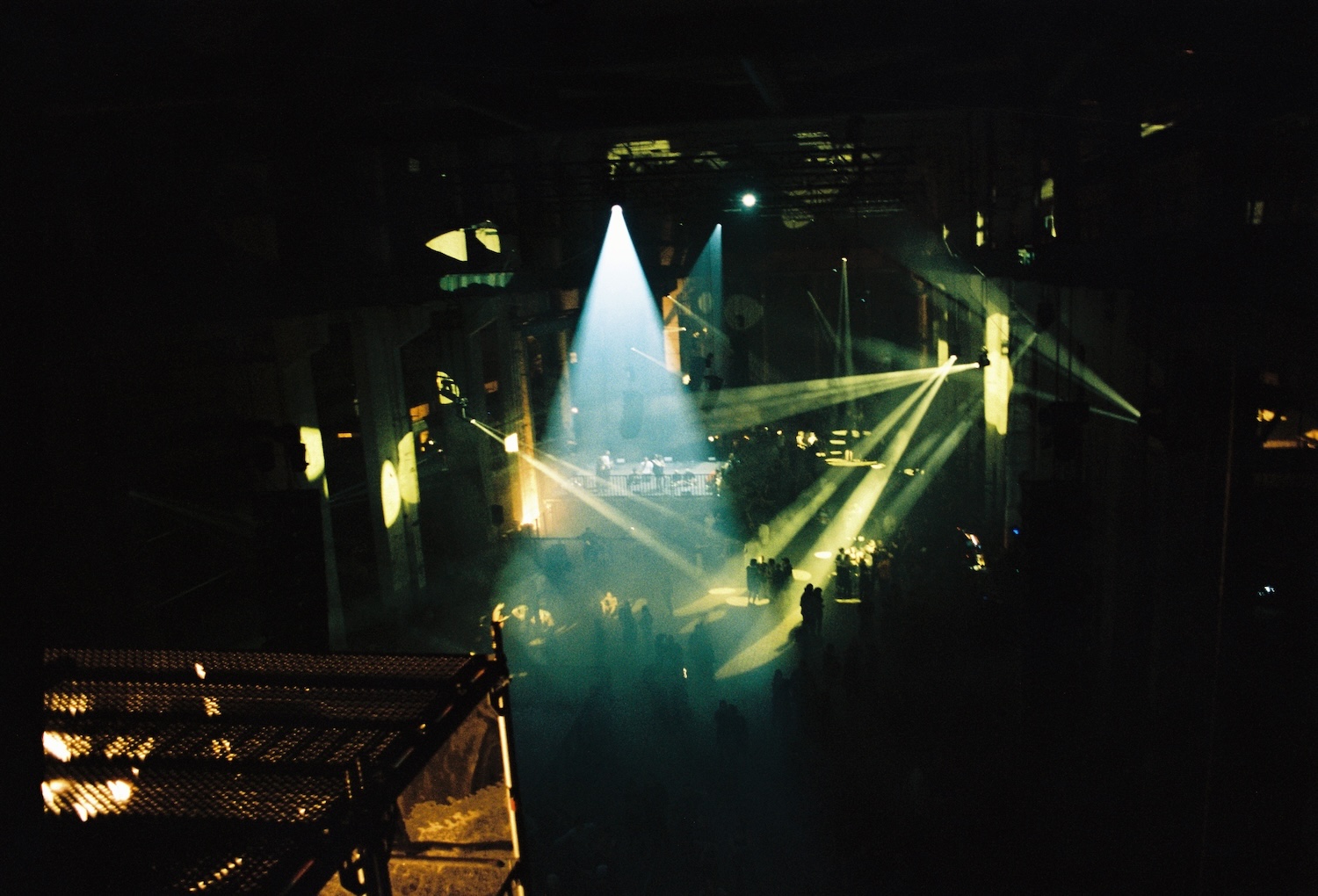
What exactly do we expect from a night out? Distraction? Connection? A sense that something might happen?
“Nightlife has always offered a kind of counter-image. Historically, it has functioned as a space of experimentation in all different forms. It has been a temporary shelter for forms of life that don’t easily submit to regulation,” says Laurens von Oswald, artistic director of Berlin Atonal.
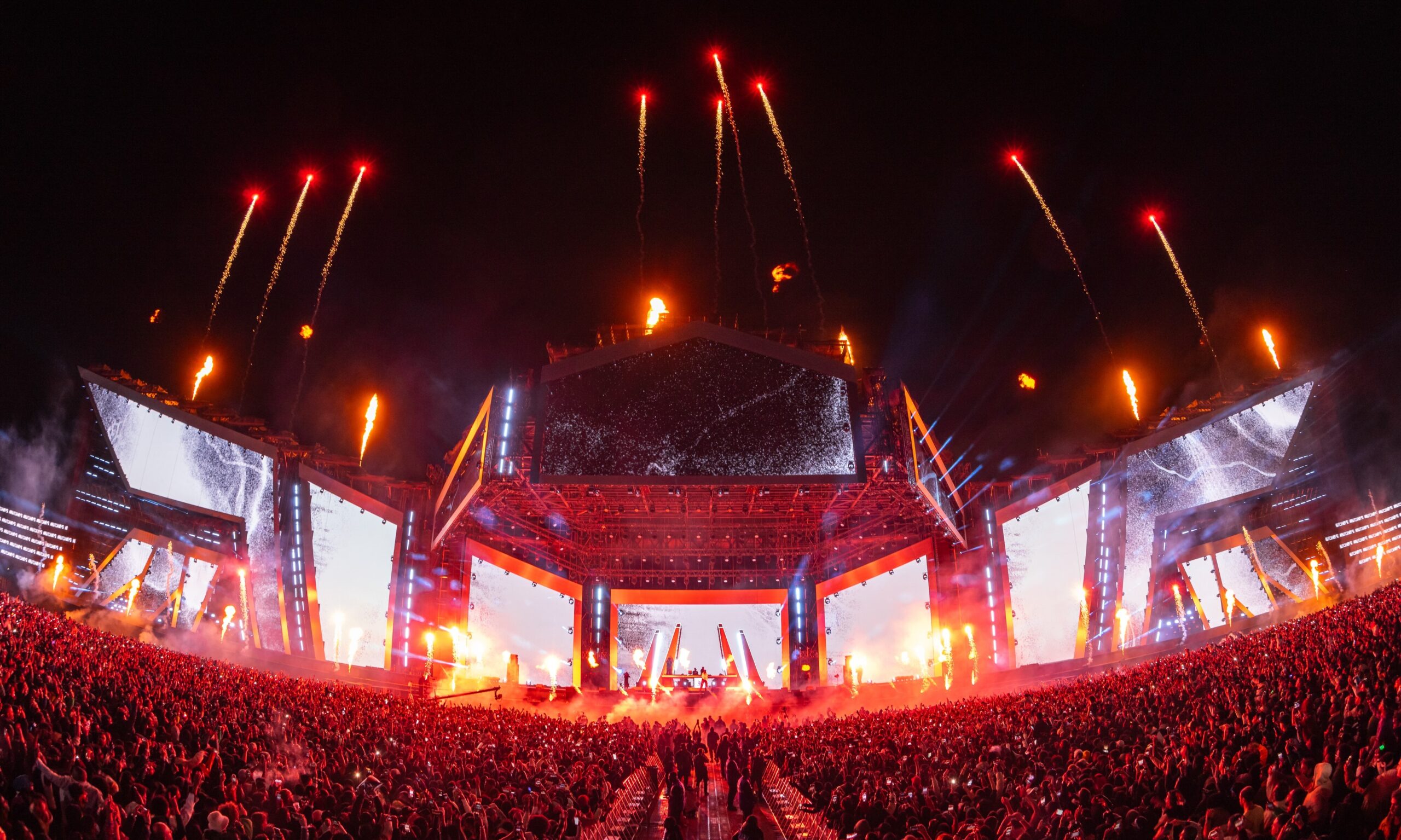
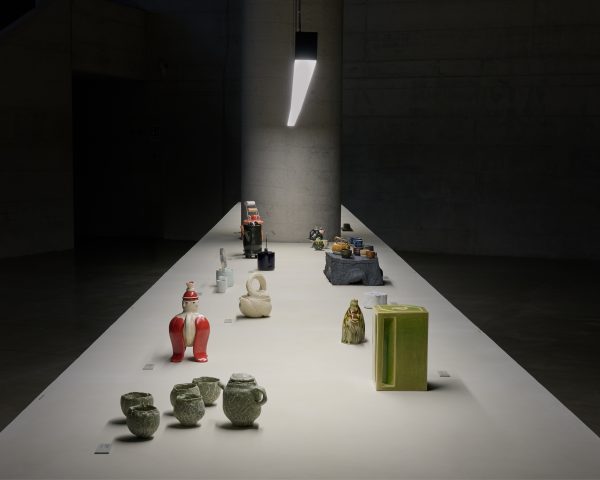
Third Surface, the new exhibition within this year’s Berlin Atonal festival, isn’t offering easy answers, but it’s definitely asking the right questions. Taking over the colossal halls of Kraftwerk Berlin from 27 to 31 August, this hybrid exhibition folds performance, sculpture, sound, moving image, and installation into something more ambient, more elusive, and more unsettling than a traditional show.
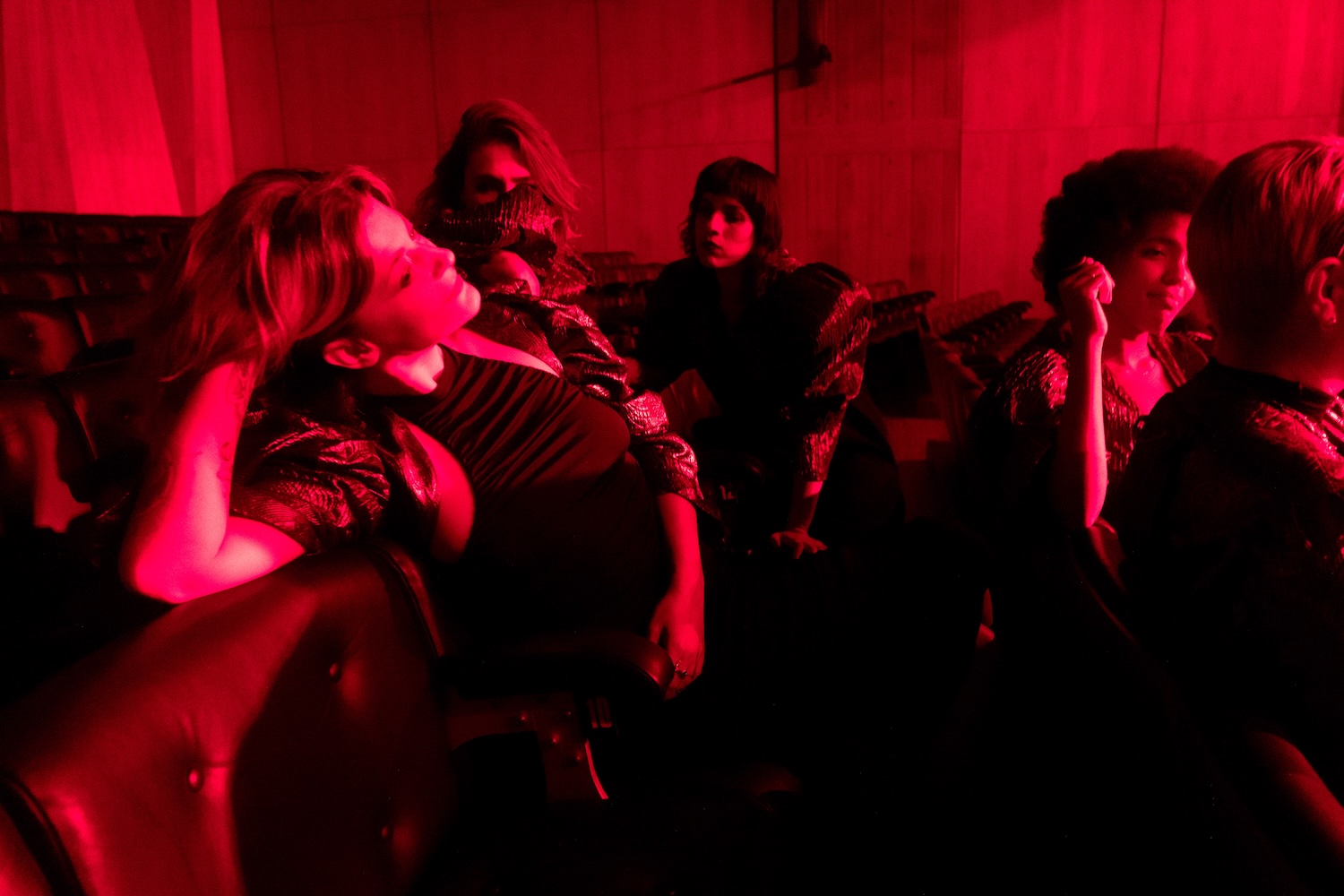
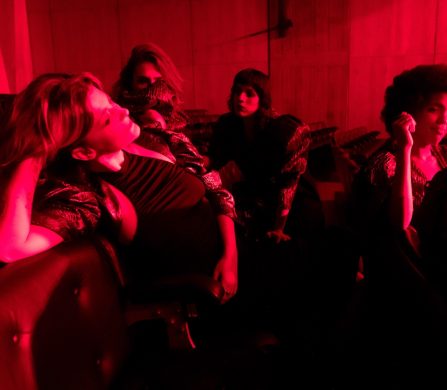
If previous Atonal projects like Metabolic Rift and Universal Metabolism made spatial experiments of post-industrial desolation, Third Surface offers a more intimate configuration: low-lit, late-night, and vaguely conspiratorial. Tables are scattered cabaret-style across a concrete floor, chairs face inward, and there’s a sense of low-lit anticipation, as if the room might erupt into performance at any moment.
“The concept of Third Surface emerged from a sense that traditional exhibition formats had reached an impasse,” says von Oswald. “We were interested in constructing something closer to a living situation than a static display. It began as a conversation about how cultural practices mutate once they leave institutional frameworks and collide with nightlife, with performance, with things that aren’t necessarily meant to be archived.”
Berlin Atonal itself is a cornerstone of experimental culture in the city. Since its reboot in 2013, the festival has woven together avant-garde music and large-scale visual art in ways that feel urgent rather than ornamental. Third Surface continues that trajectory, bringing together multi-disciplinary artists who wrestle with politics, memory, resistance, and decay.
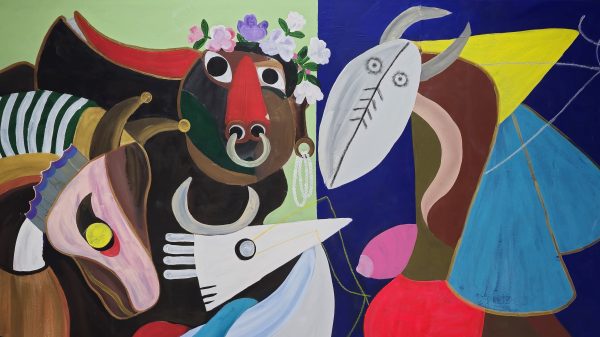
This year’s visual art curation pulls voices from across continents and contexts, from Syrian anti-authoritarianism to queer German intimacy, from dystopian surveillance to post-colonial hauntings. The common thread is urgency: every work presented feels like an alert system for a collapsing world, formally varied, politically charged, and often physically arresting. Whether via image, installation, or sound, these artists refuse neutrality.
“We tried to build a scaffolding that could hold different types of practices. Some are existing works or continuations of existing practices,” says von Oswald. “For example you don’t need to change much about a YHWH Nailgun show to focus on what it means. Other artists like DJ Marcelle are naturally curious about the contexts in which they perform of course and have more flexibility to be situation-specific. Many of the video and 2D works are brought together here from other places.”
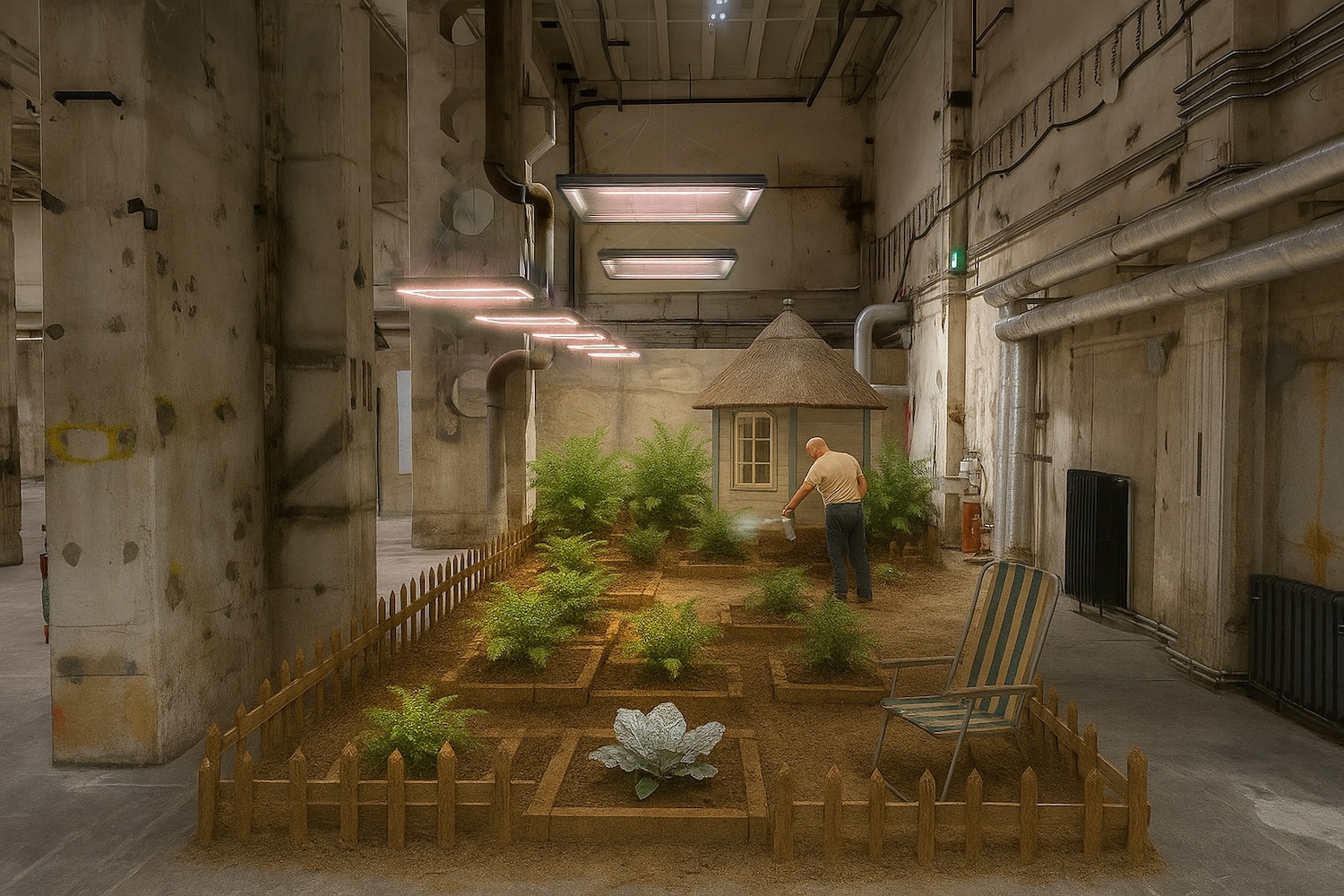
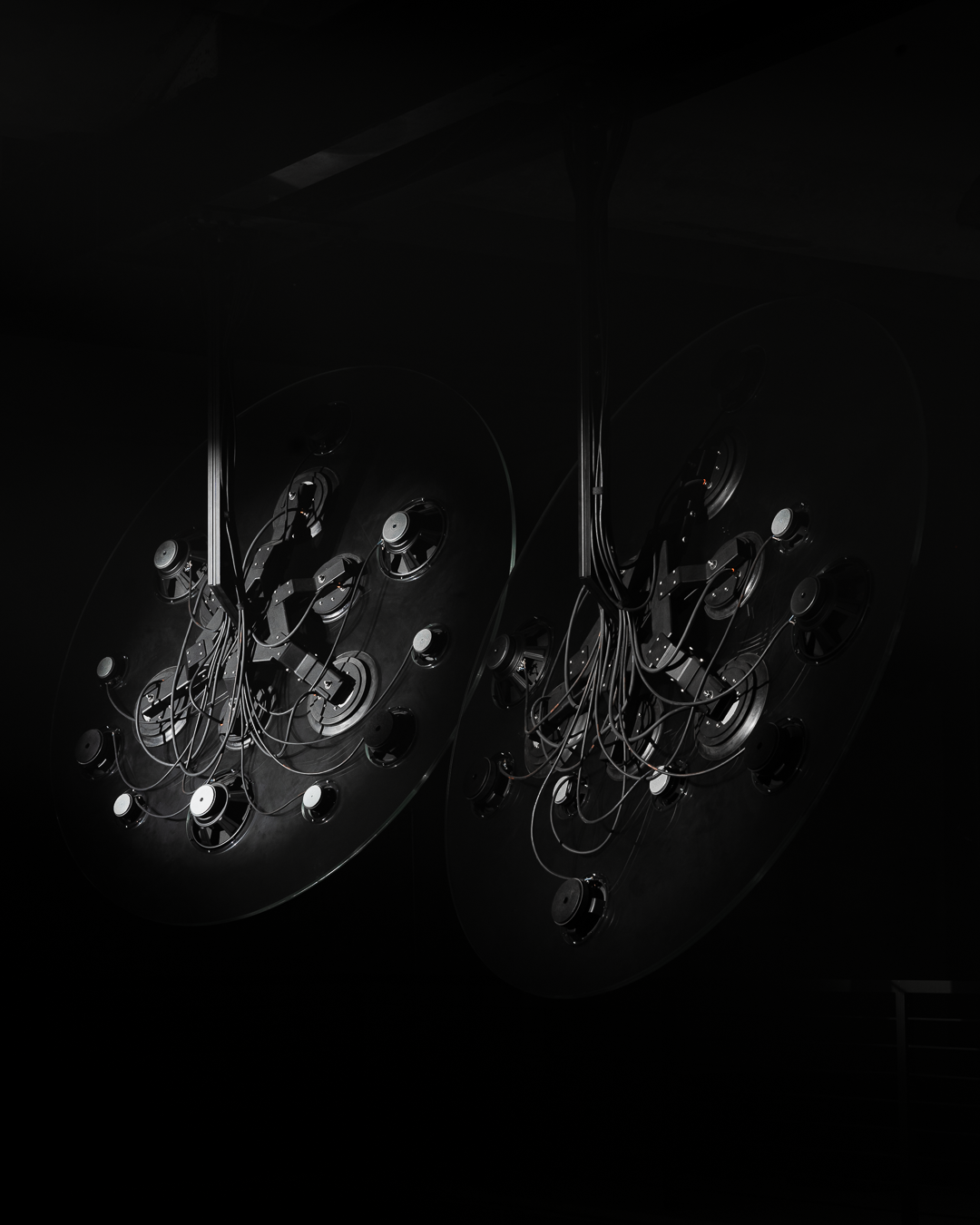
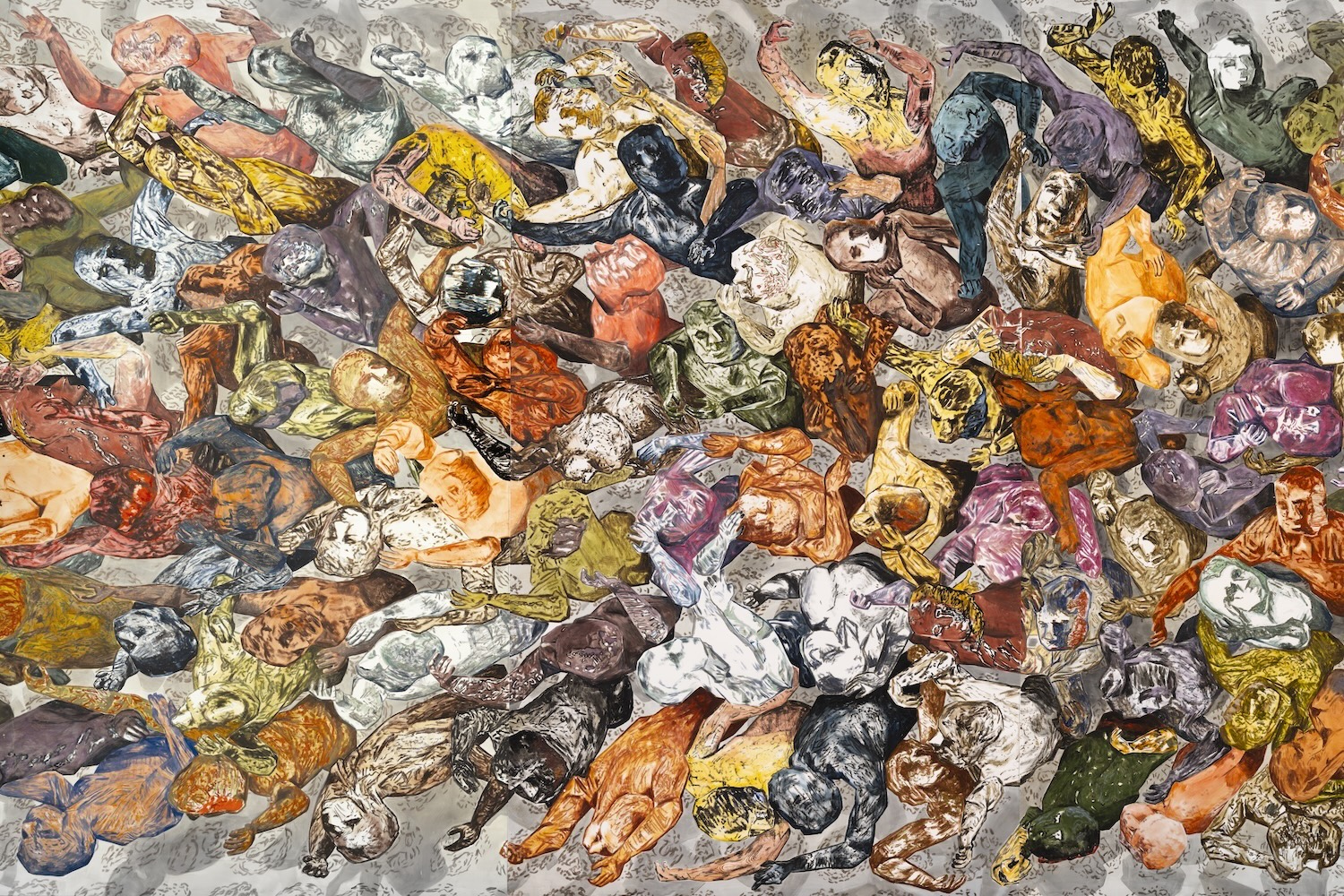
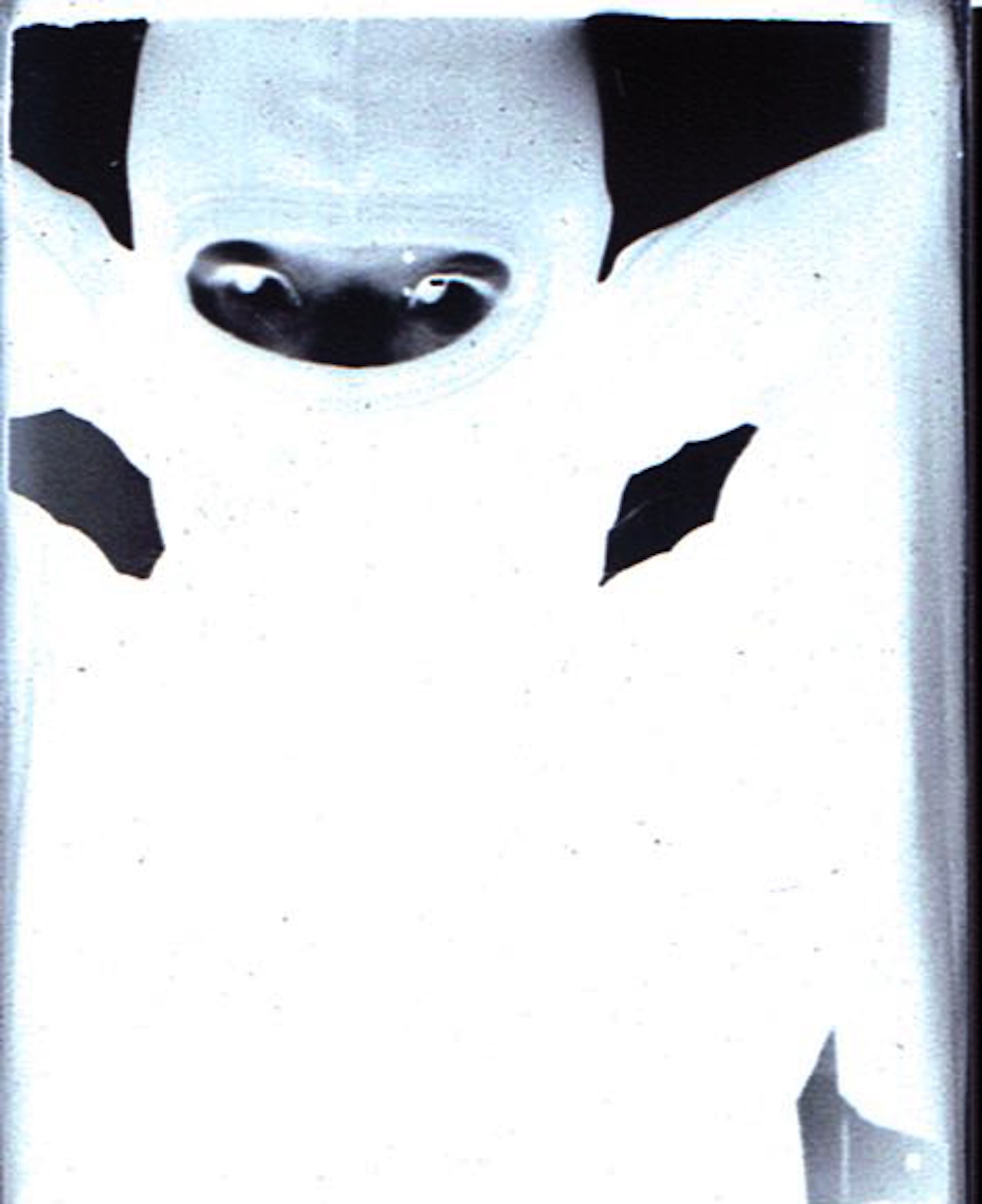
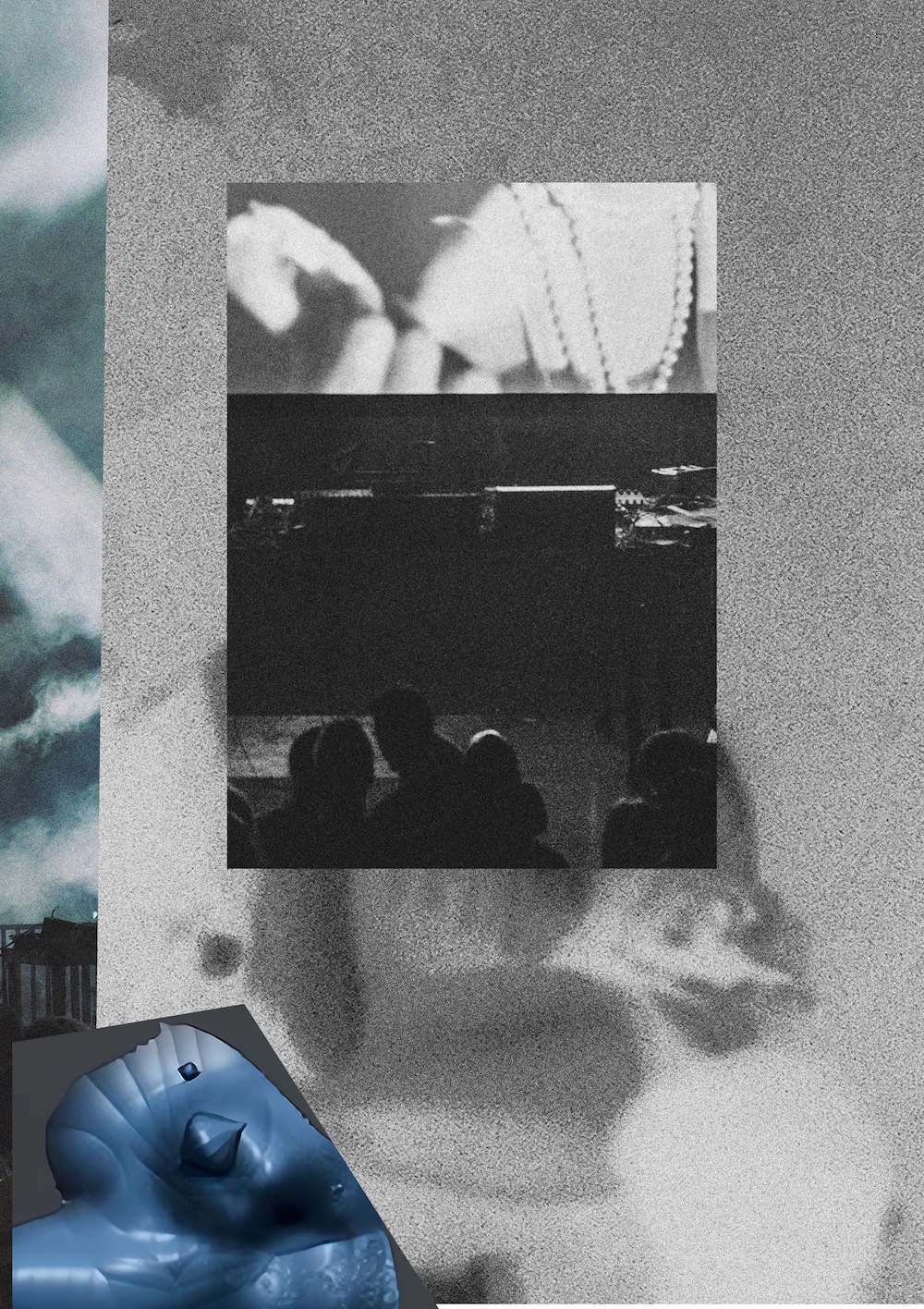
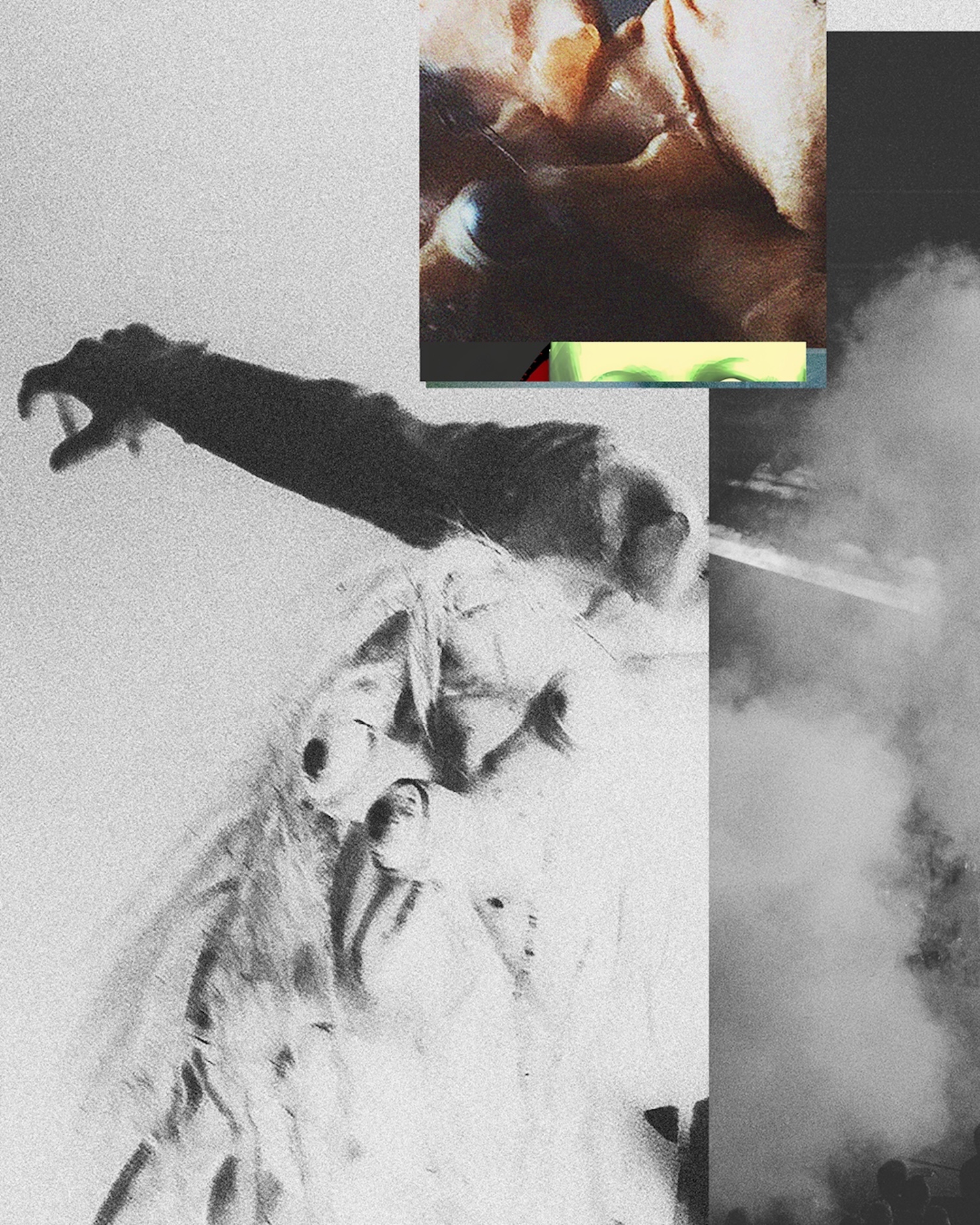
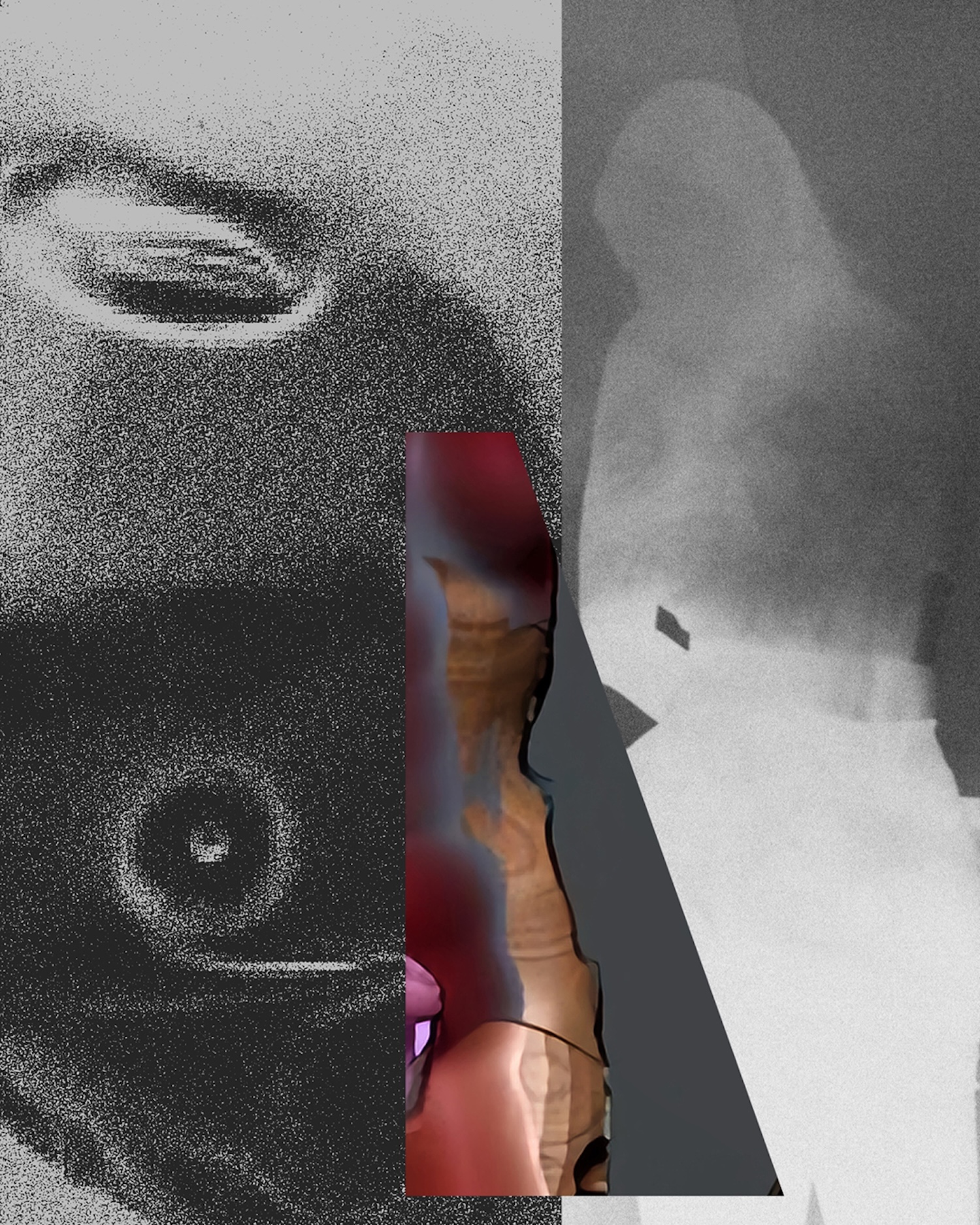
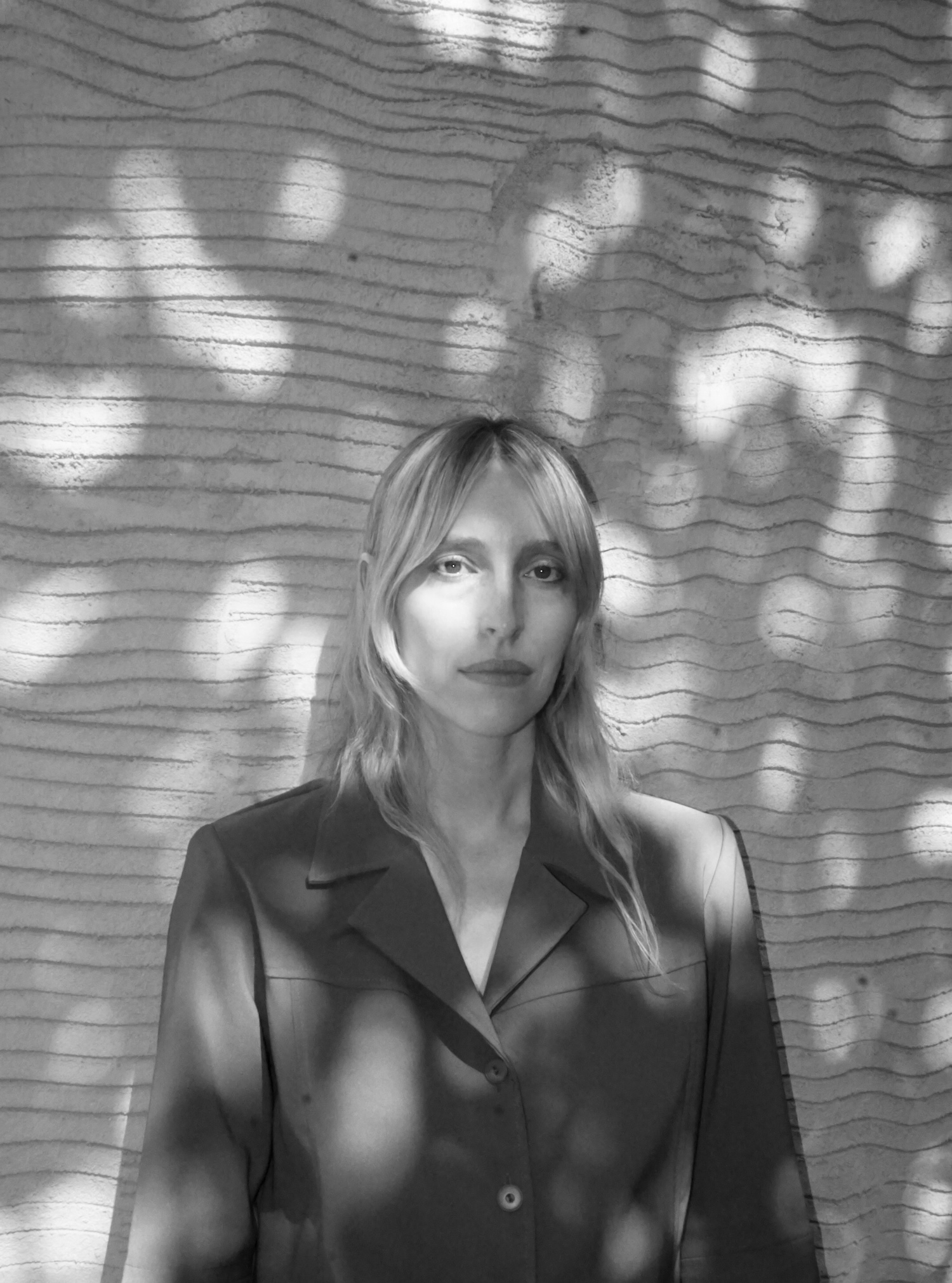
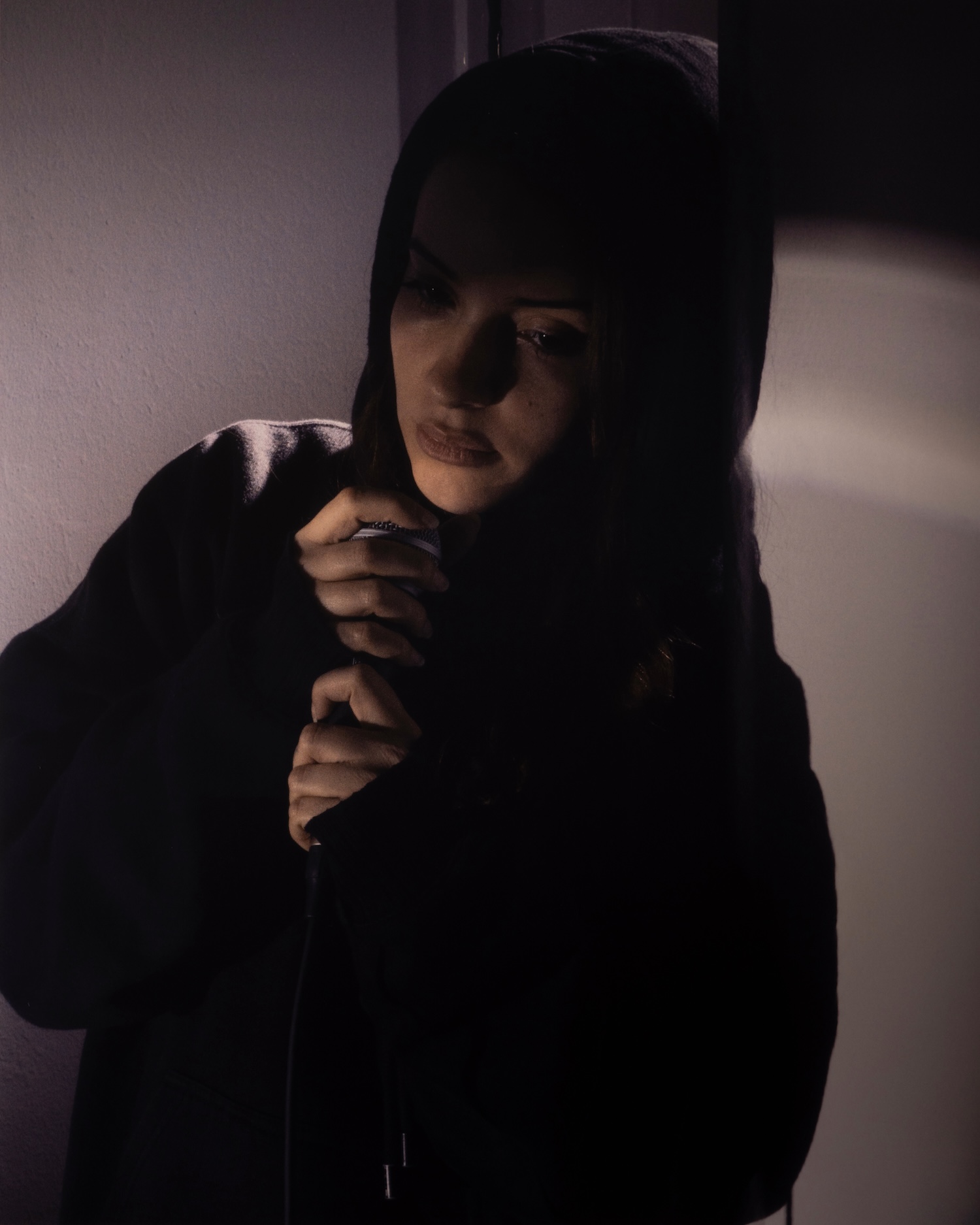
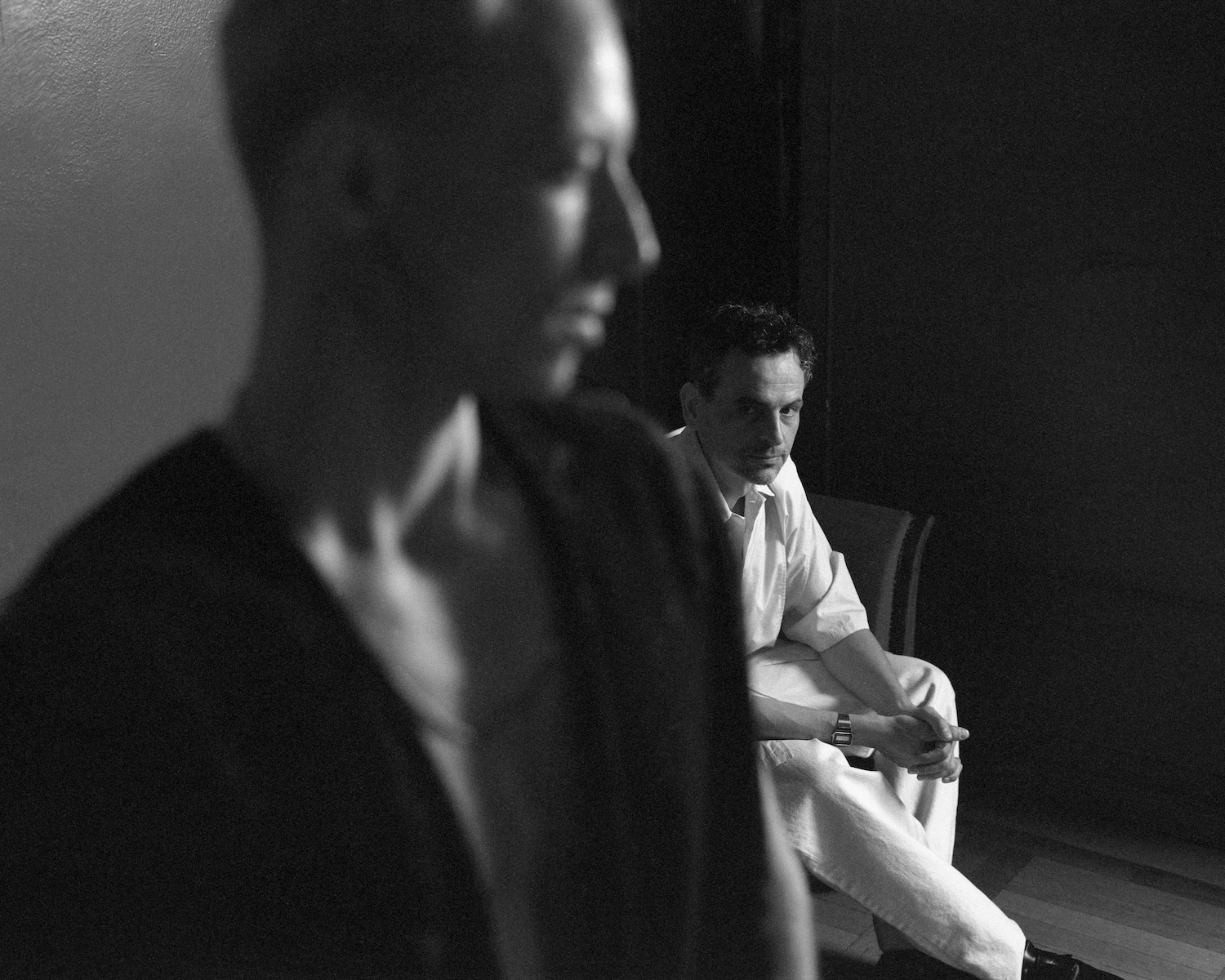
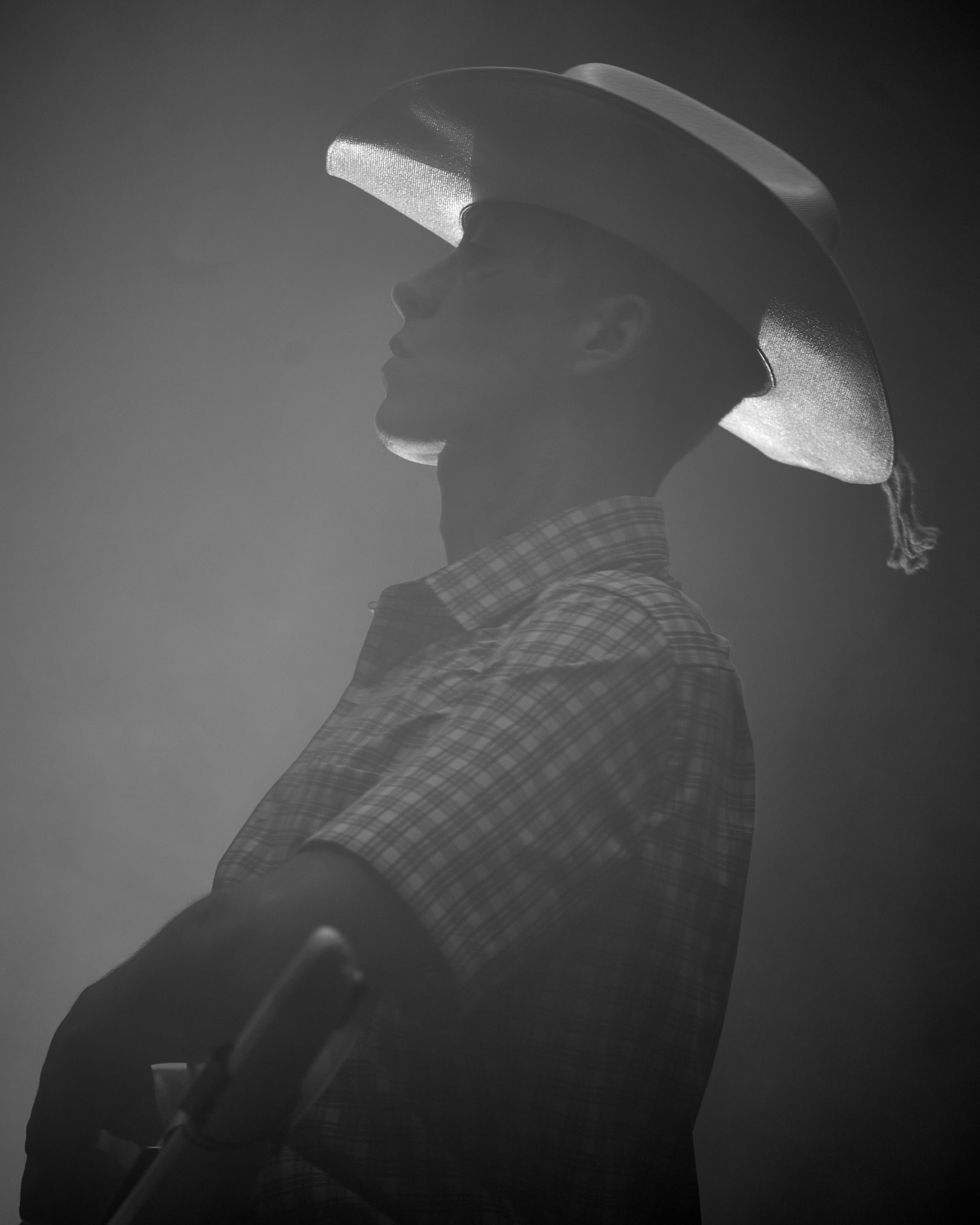
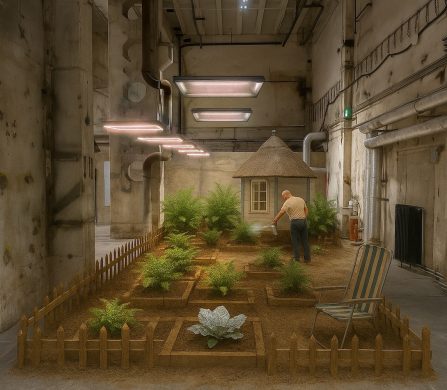
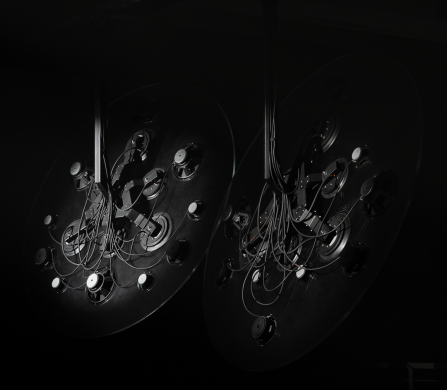
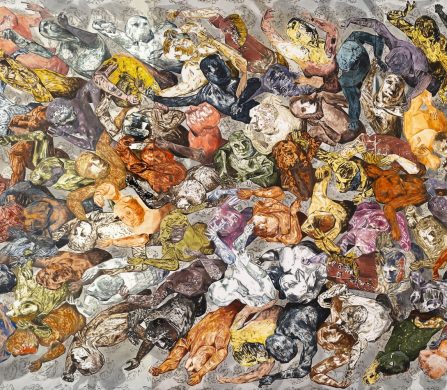
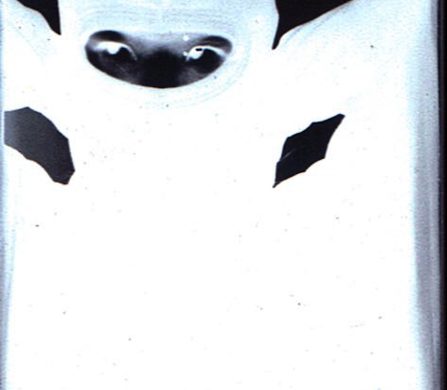
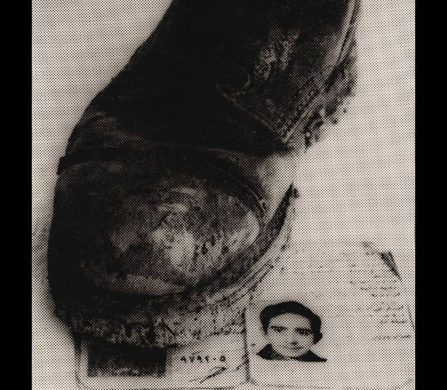
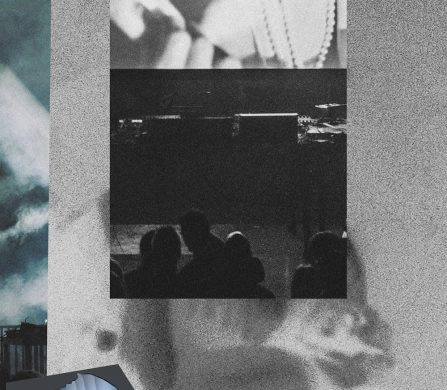
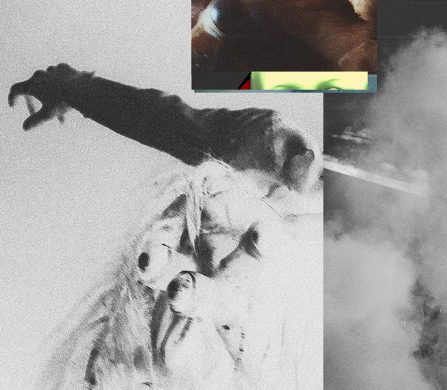
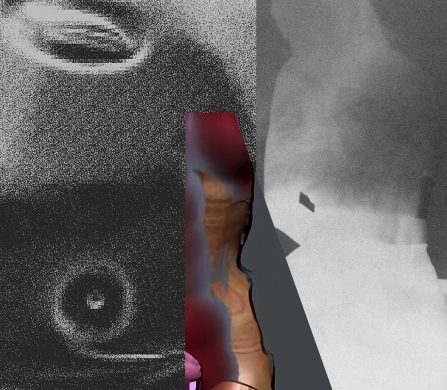
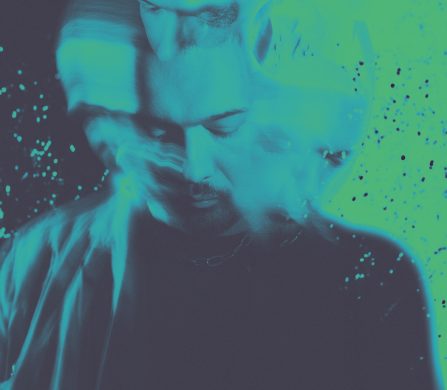
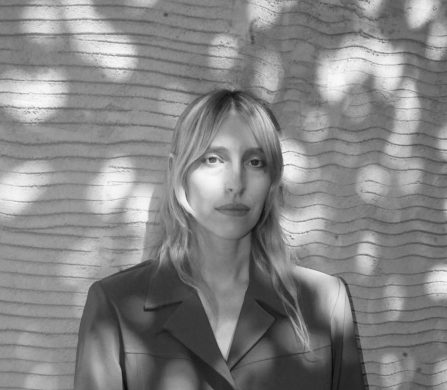
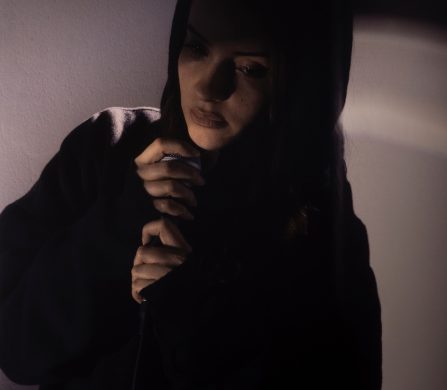
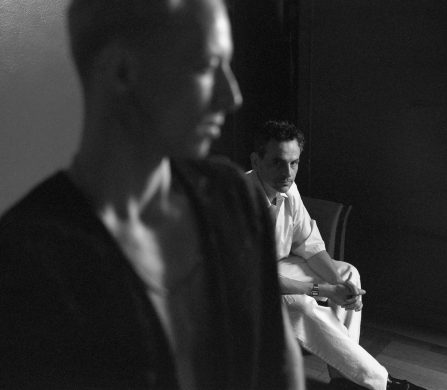
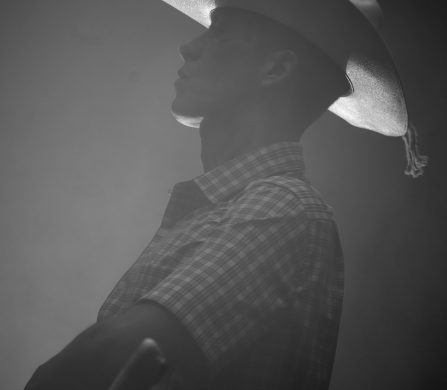
But the artworks are the ones to orbit this tension, starting from Danish artist Kristoffer Akselbo, whose ‘Barracuda’ installation sees a solitary man tending hydroponic plants like a monk of modern solitude; while German artist Nino Bulling traces emotional residue from Pasolini to the present in ‘Pressure’; and Billy Bultheel’s pulpit-like tower reverberates with fragments of Henri Michaux and Emil Cioran, flutes and protest slogans mingling in a fugue state of collapse.
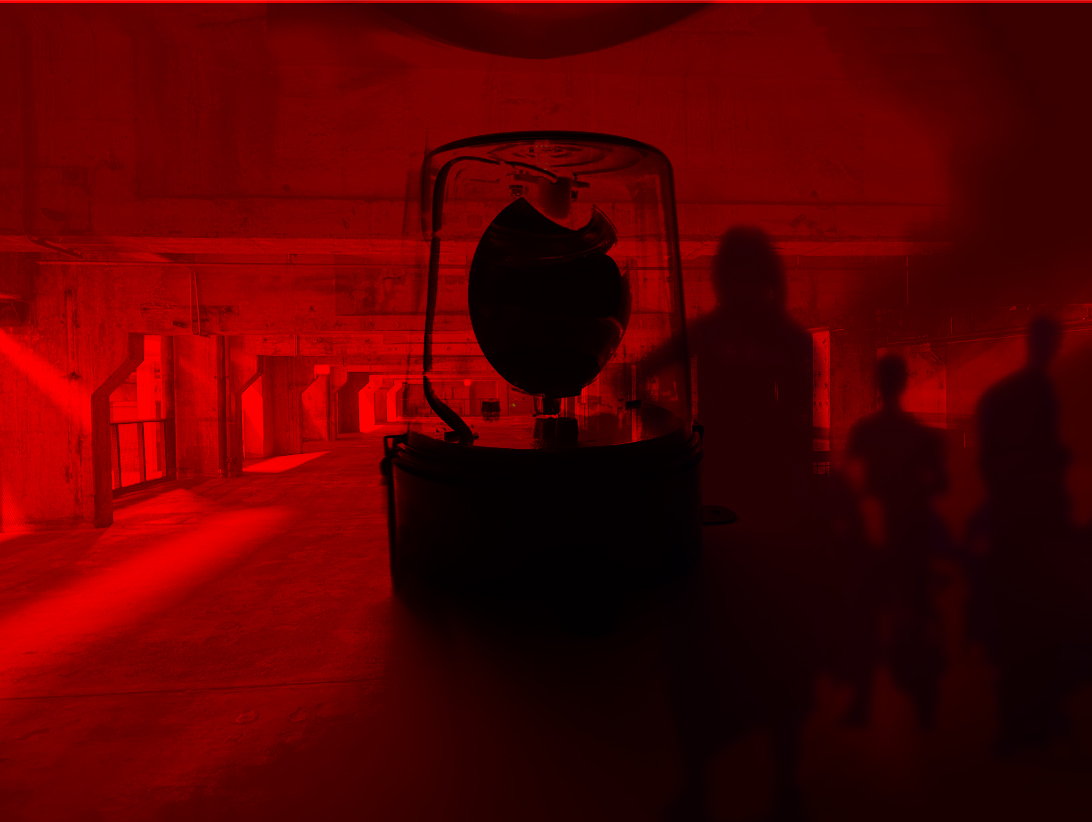
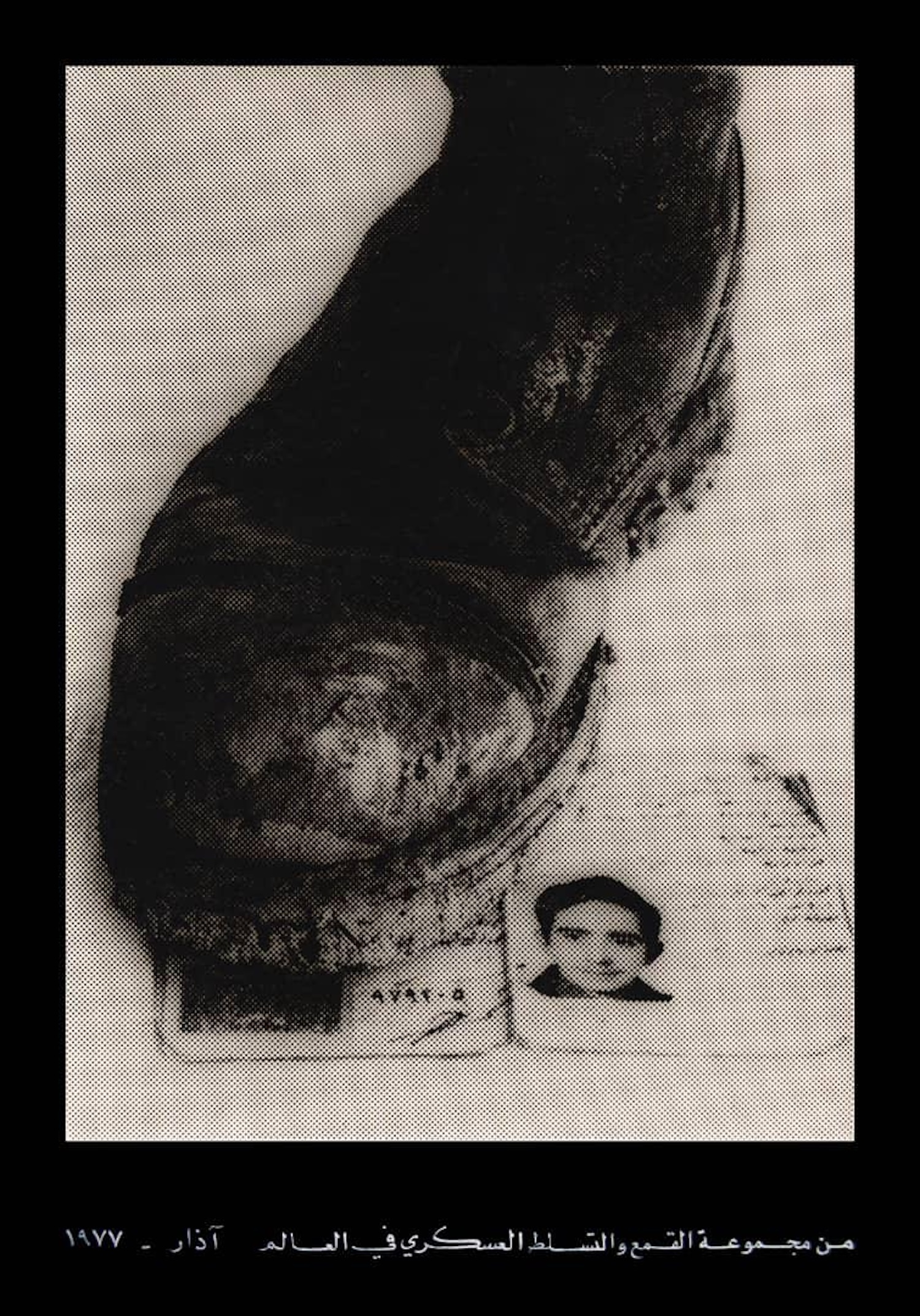
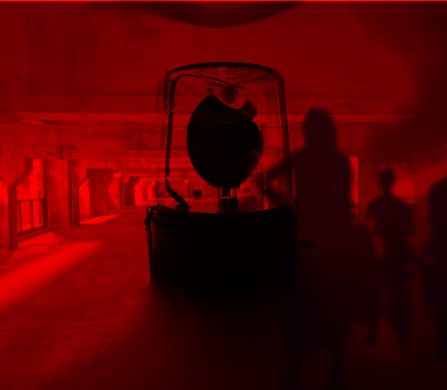
Joanna Rajkowska’s ‘Emergency Lights’ doesn’t flinch from the looming catastrophe, but blinks, slowly, in warning. Mouneer Al Shaarani resurrects anti-authoritarian posters first censored in 1976 Damascus, their hand-scripted urgency sharpened by time and recontextualisation. Even the typography becomes political.
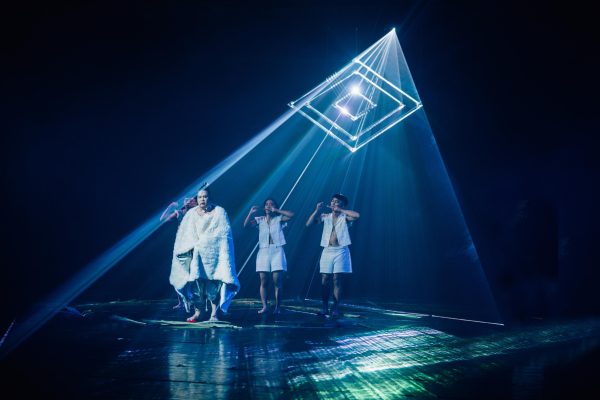
There is little room here for passivity. Tot Onyx’s ‘We Are Numbers’, performed by uniformed figures in simulated riot gear, points to a crisis of complicity, where even opposition adopts the language of control. In Ran Zhang’s ‘Dark Romance’, close-ups of chicken skin become microscopic terrains, haunted by embedded fragments of Neukölln graffiti. The grotesque, the banal, the poetic — they all get equal footing here.
The night’s sonic afterimage lives on in the ‘ENTOPIA’ listening room, curated by multi-disciplinary record label PAN: Cyprien Gaillard’s disintegrating pipe organs, Jenna Sutela’s microbial language, Mohamed Bourouissa’s social ritual, and Anne Imhof’s looming sense of dread.
Musically, the festival features a rare constellation of artists who interrogate what a live show can be. From the industrial murmur of emptyset’s site-specific world premiere ‘Dissever’ to the improvised alchemy of Djrum‘s self-built machines, each act seems chosen not only for sonic experimentation but for how they reshape the audience’s spatial and psychic experience. Ghosted’s trance-inducing fusion of jazz, krautrock, and minimalism offers a hypnotic counterbalance to the ecstatic dissonance of DJ E (aka Chuquimamani-Condori), whose sound-world tears open the grammar of Western musical forms.
Elsewhere, performances by Moin, Amnesia Scanner & Freeka Tet, and Merzbow‘s trio with Iggor Cavalera and Eraldo Bernocchi stretch from dystopian punk to sensory annihilation. There are also quieter ruptures, such as Carmen Villain’s sonic drift or Malibu’s submerged ambience, where time seems to pool and stretch.
Screenings extend the inquiry. Basma Al-Sharif reframes archival restoration as resistance. Ben Russell and Guillaume Cailleau embed themselves in the French ZAD to document post-victory activism as a way of life. Noor Abed conjures folktale and land into insurgent poetics. Kamal Aljafari builds a counter-archive from looted Palestinian imagery. Nelson Makengo captures Kinshasa’s blackout as both void and vigil. And there’s still so much more.
Third Surface invites listeners, watchers, and wanderers. It trusts the audience to make sense, or to sit with the lack of it. Yet the central questions hang, unanswered and echoing: what do we want from the night? who do we speak to there? And how many of us are still listening?
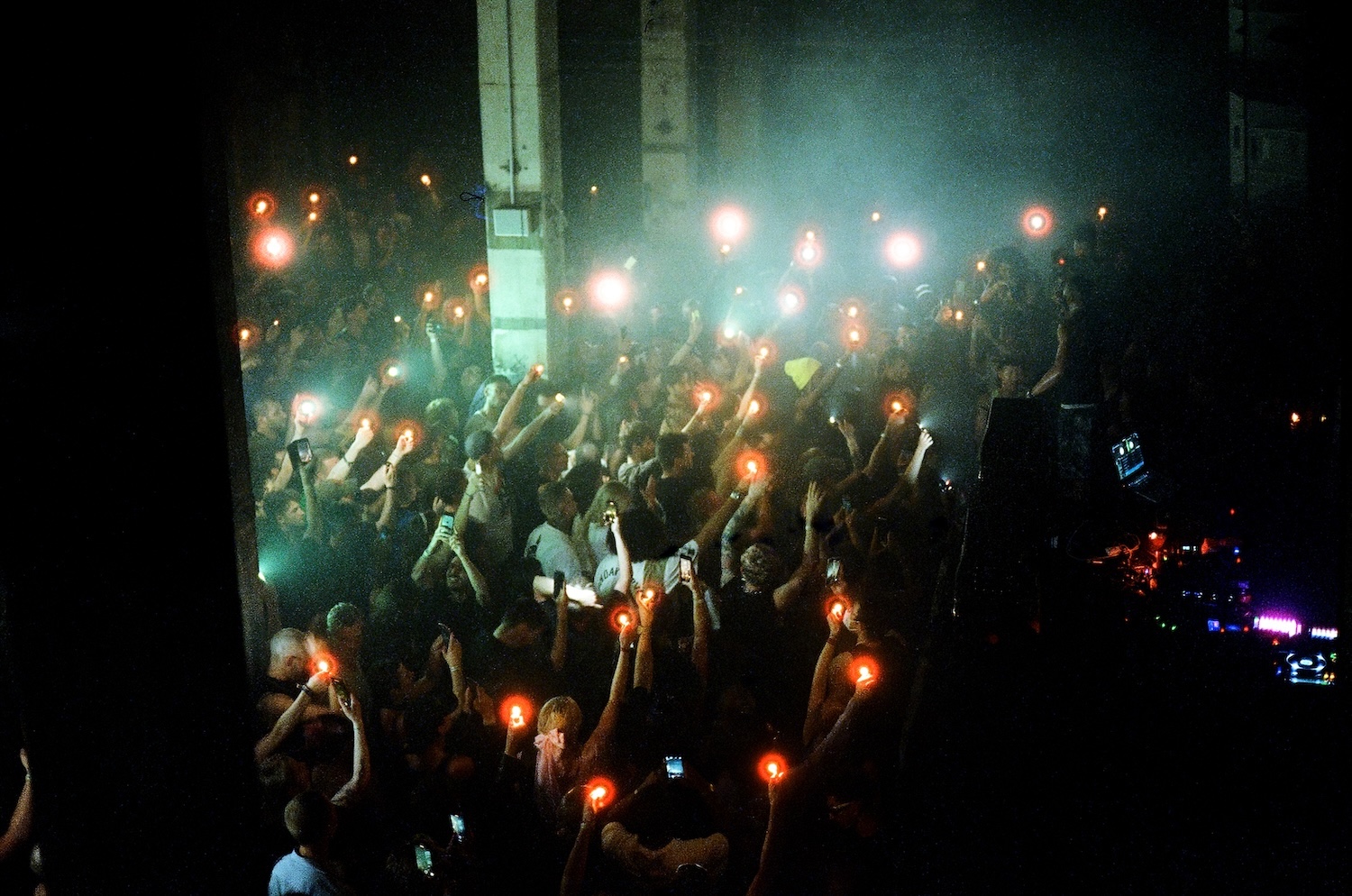
Berlin Atonal is running from 27 to 31 August at Kraftwerk Berlin. Tickets are available online.
photography. Courtesy of Berlin Atonal, Stefano Mattea, Frankie Casillo (landscapes), Helge Mundt (landscapes), Joseph Lynn, Anahita Asadifar. Artworks courtesy of artists.
words. Gennaro Costanzo