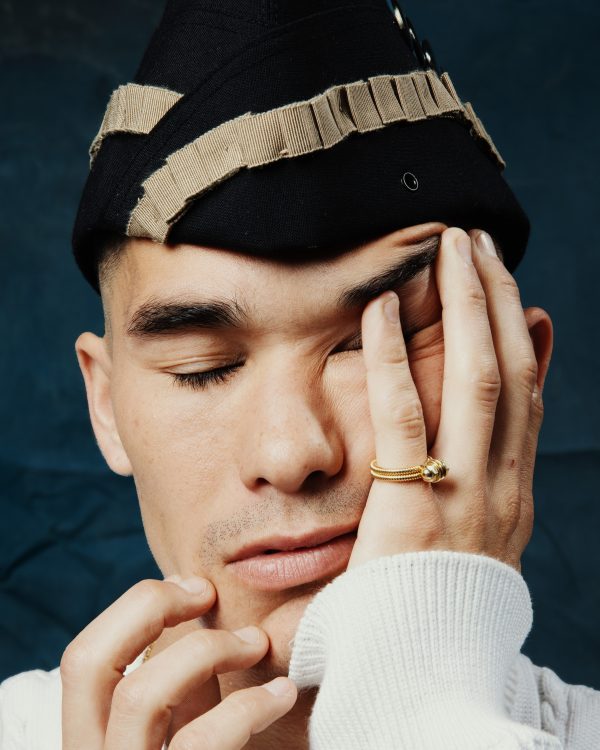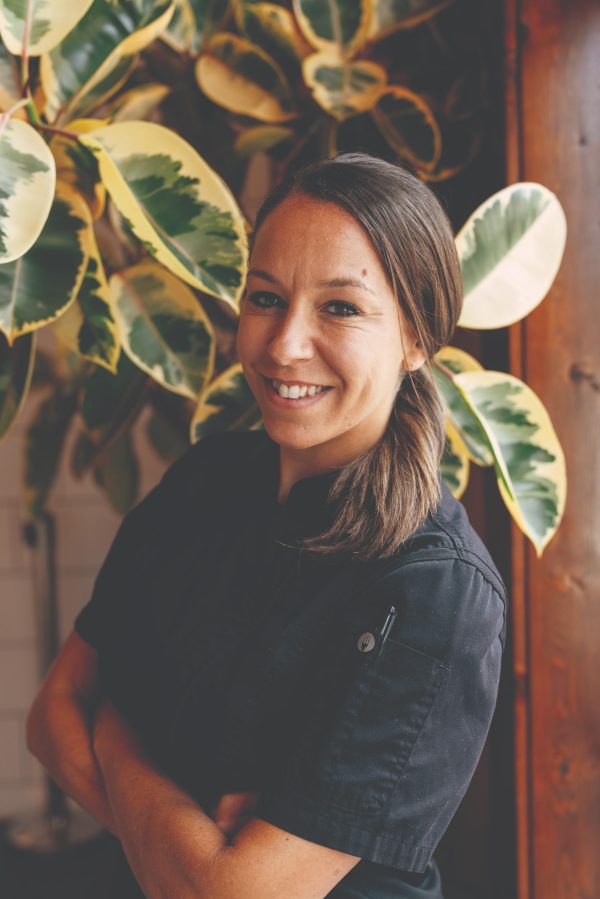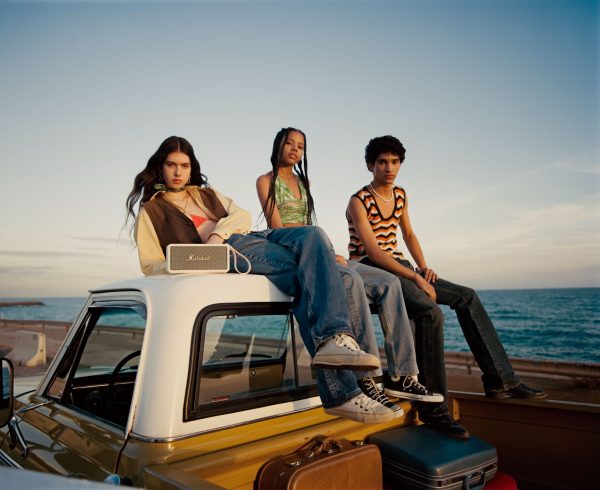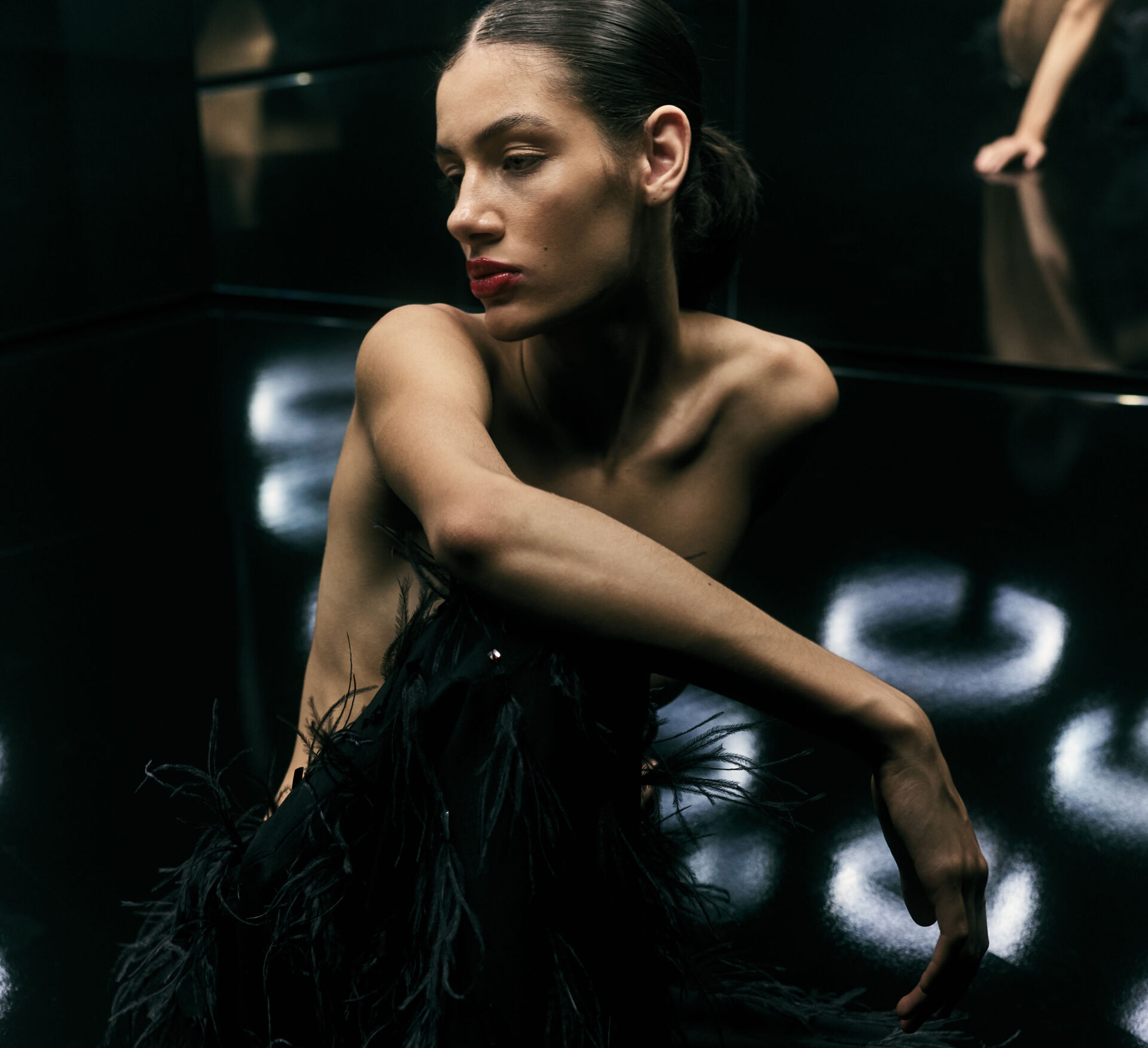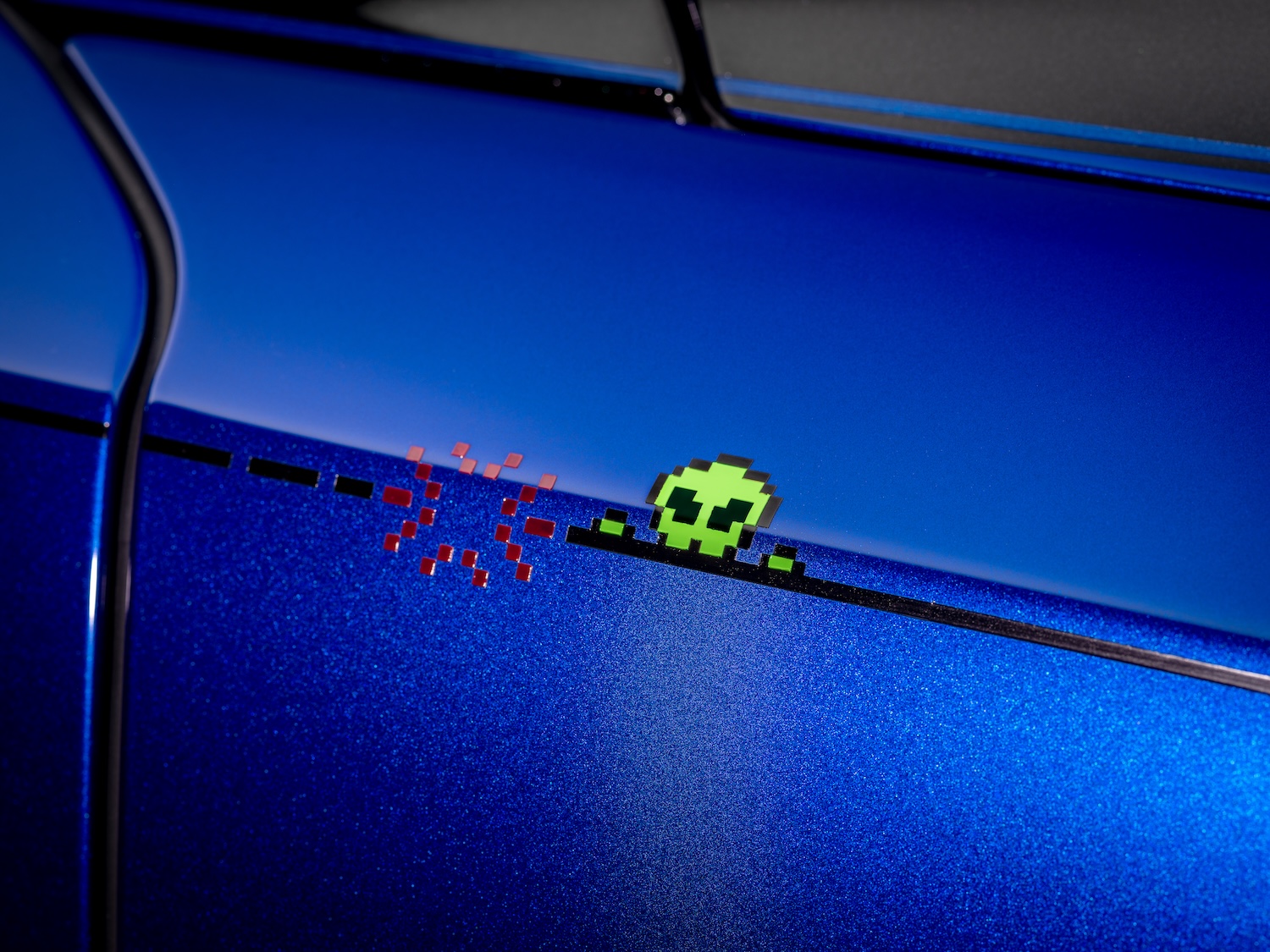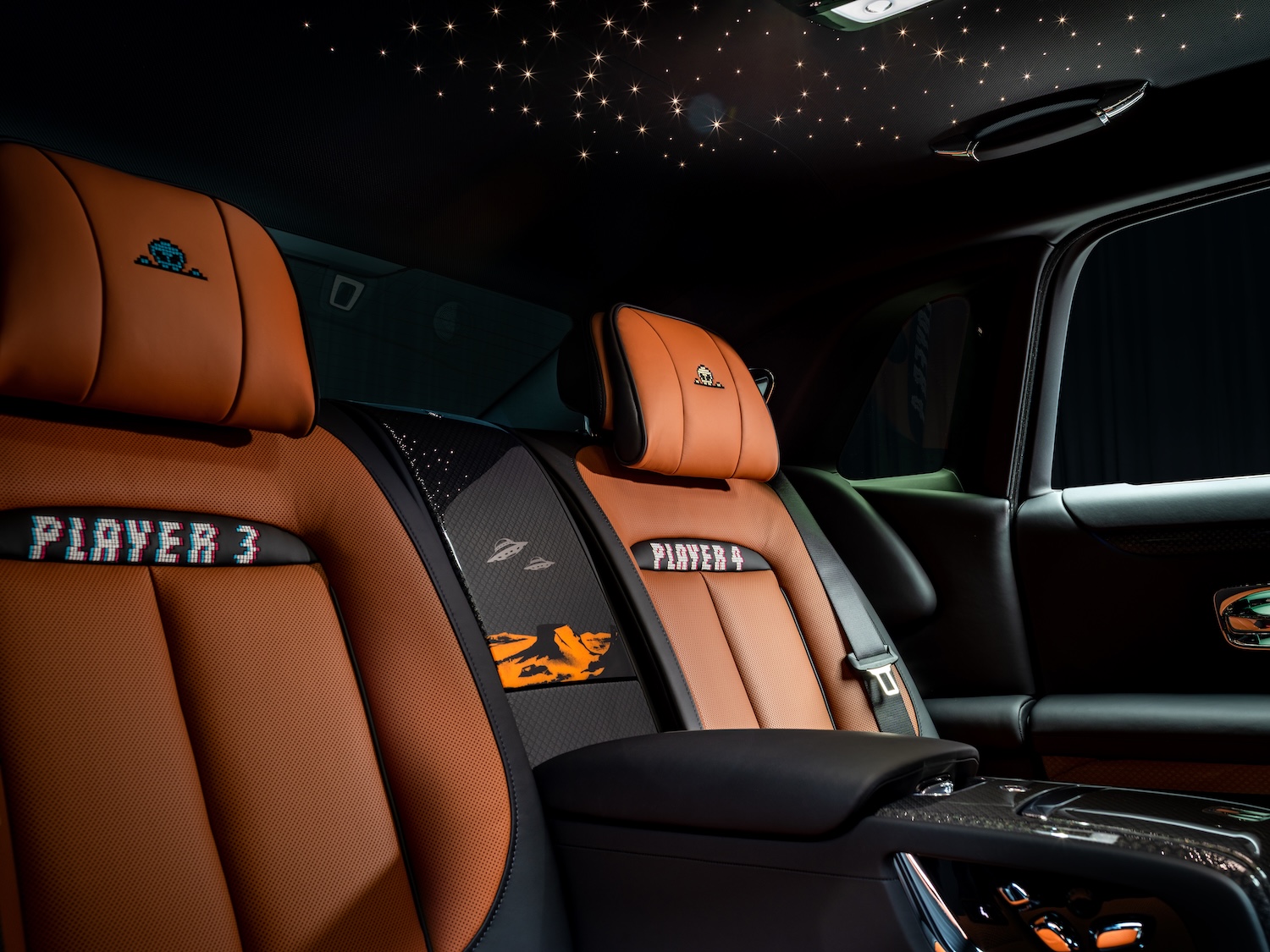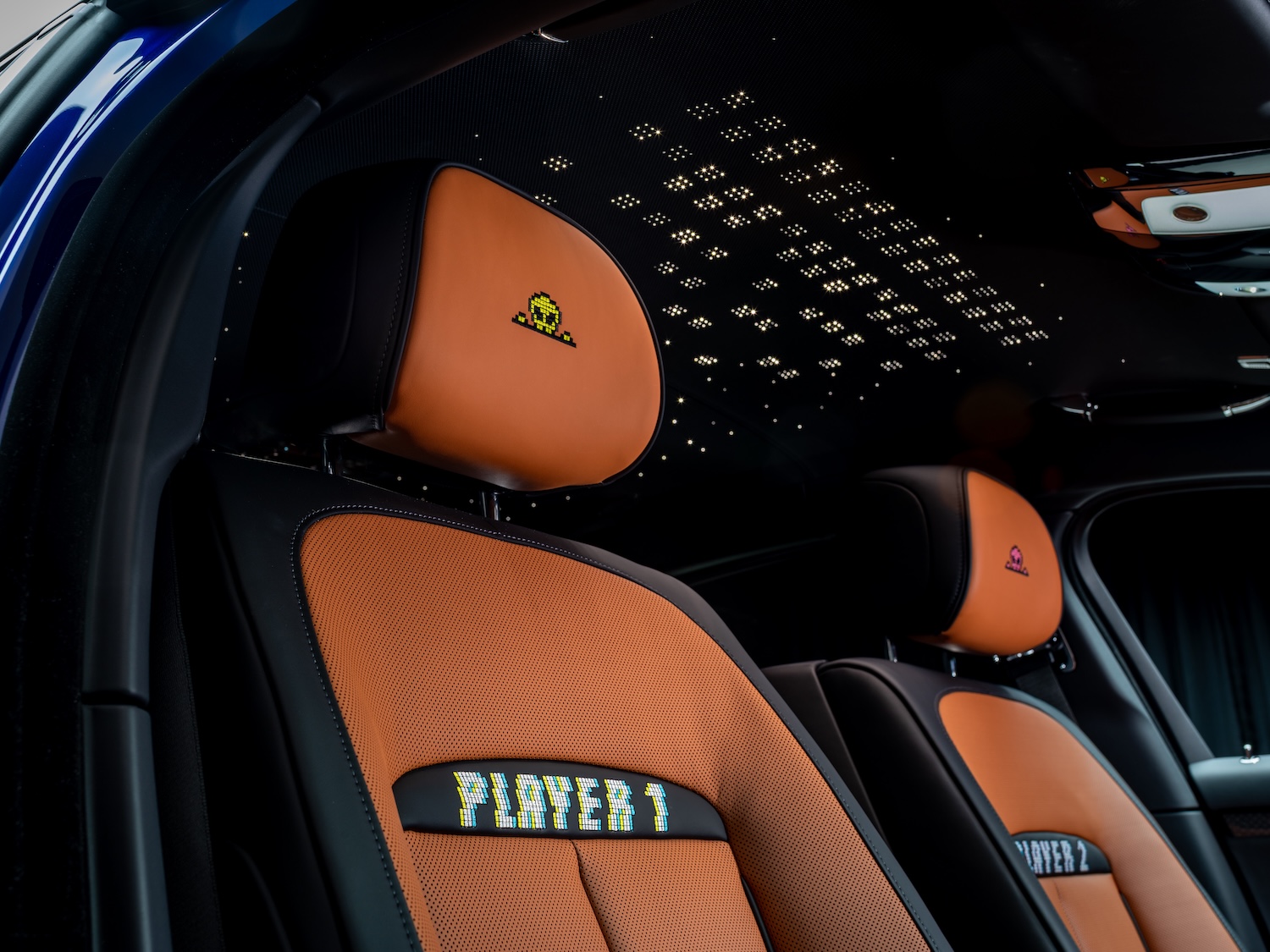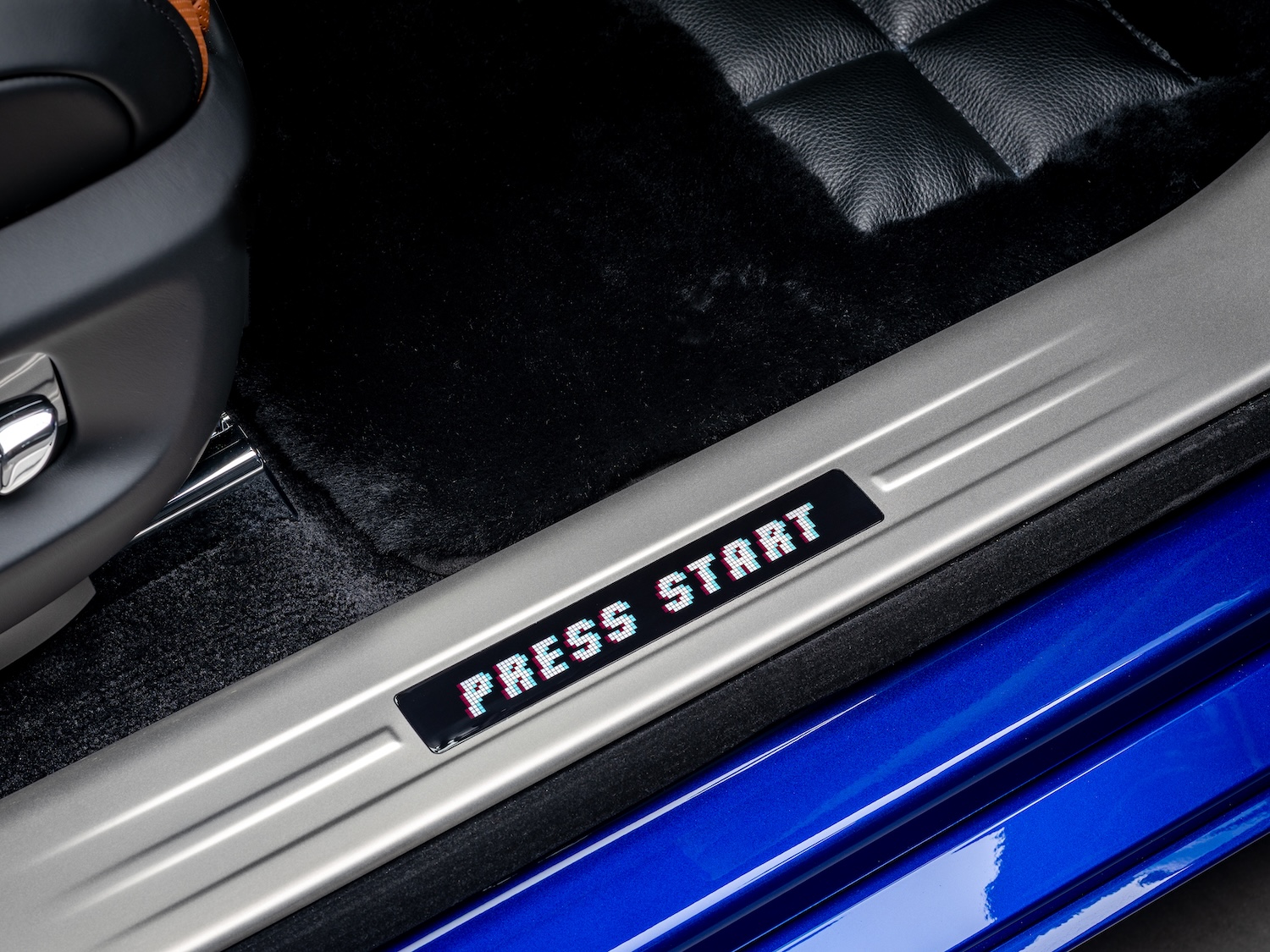


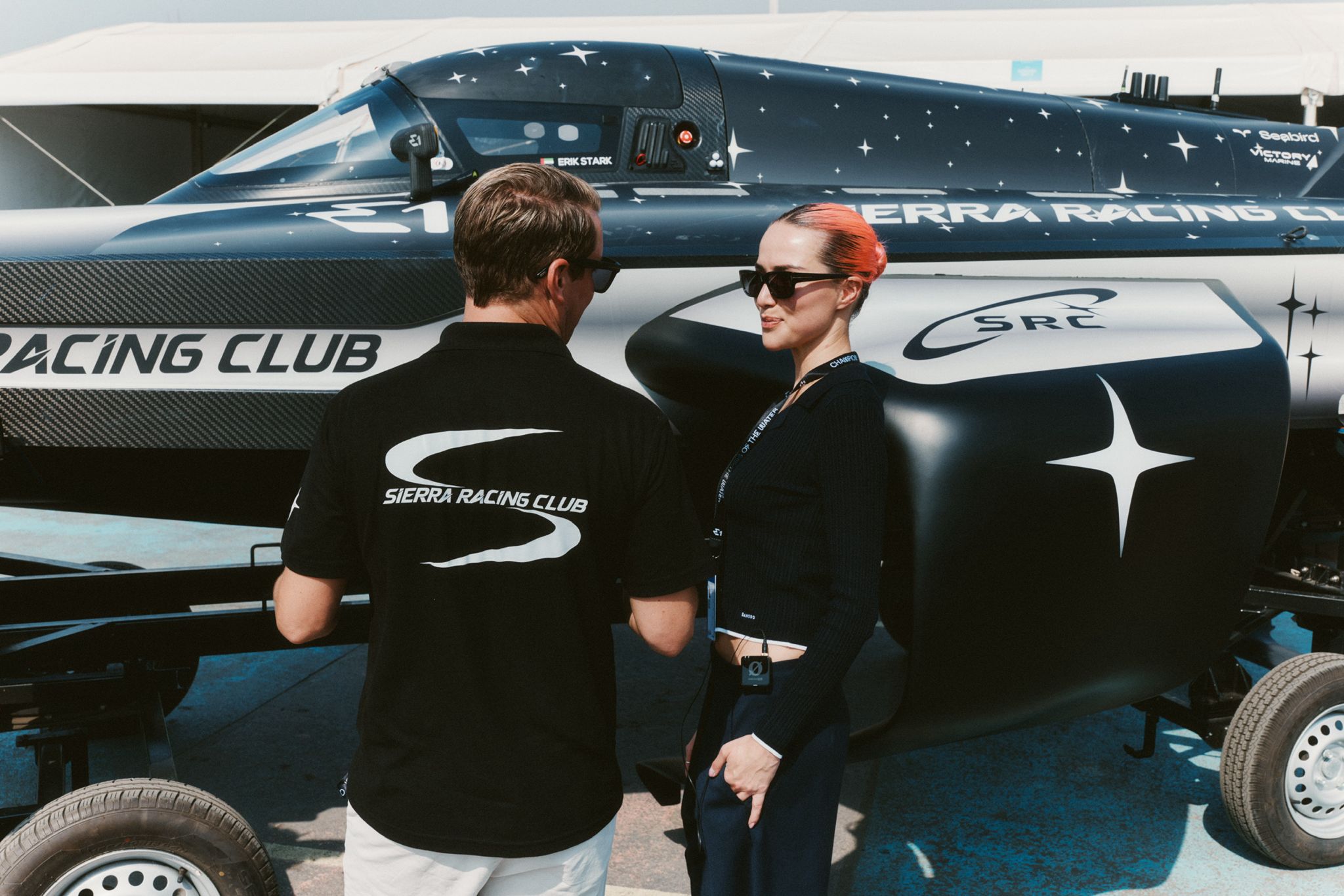
Late last month in Jeddah, Saudi Arabia, Allegra Ream made history as the first female Creative Director in the E1 Championship, debuting Sierra Racing Club not just as a team, but as a fully realized world. Granted rare, full creative control, Ream approached the project the way a fashion house approaches a runway collection — designing everything from the race boat livery and driver suits to team uniforms and the complete brand identity. The result is an aesthetic that lives between space and sea.
Raised between Seoul, Hawaii, Paris, and the United States, and trained in political science, foreign policy, and digital media, Ream brings a systems-level understanding of power, symbolism, and storytelling to motorsport. For her, visuals are diplomacy, brands are cultural actors, and speed is only meaningful when paired with intention.
Now, her arrival comes at a pivotal moment for E1, one of the most culturally charged new sports leagues in the world. With teams owned by global figures including Tom Brady, LeBron James, Will Smith, and Steve Aoki, the championship sits at the intersection of sport, celebrity, fashion, and technology. Within that landscape, Ream stands alone as one of the only women shaping how one of these teams looks, feels, and presents itself on a global stage.
Schön! chats with Ream to discuss the debut, the shift in who gets to author motorsport’s future, and how that future might look when precision, culture, and imagination are given equal weight.
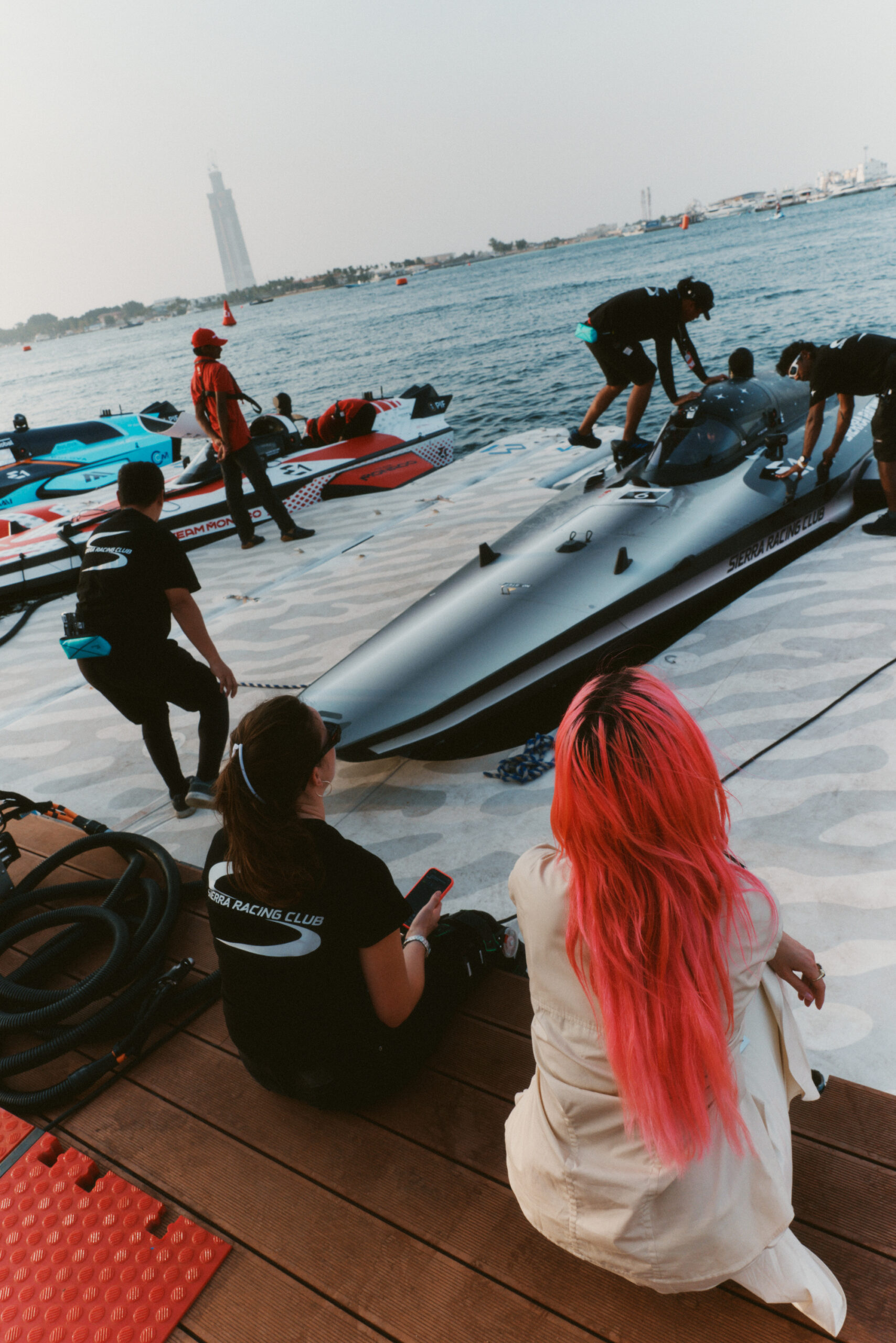
E1 Jeddah – Sierra Racing Club
Why is your role as Creative Director for Sierra Racing Club a historic moment within the E1 Championship?
It’s historic because it expands who gets to author motorsport. I’m the first woman to shape the full creative vision of a team in this league, from identity to execution, and I think that signals a shift. E1 isn’t just about speed on water; it’s about culture, technology, and the stories we choose to elevate.
What makes the debut of Sierra Racing Club especially significant in the context of this new league?
Sierra Racing Club didn’t arrive as a logo slapped on a hull. It launched as a world, deeply rooted in purpose, precision, and a long-term vision. In a young league defining itself in real time, debuting with coherence across design, narrative, and values matters. We’re not reacting to the league; we’re helping shape its visual and cultural grammar.
How has growing up between Seoul, Hawaii, Paris, and the U.S. shaped your creative perspective and visual language?
Those places taught me contrast and continuity at the same time. Seoul gave me respect for systems and future-facing design. Hawaii taught me rhythm, nature, and restraint. Paris sharpened my eye for symbolism and heritage. The U.S. gave me scale and ambition. My visual language lives in the tension between those worlds, being global but intimate, minimal but emotionally charged.
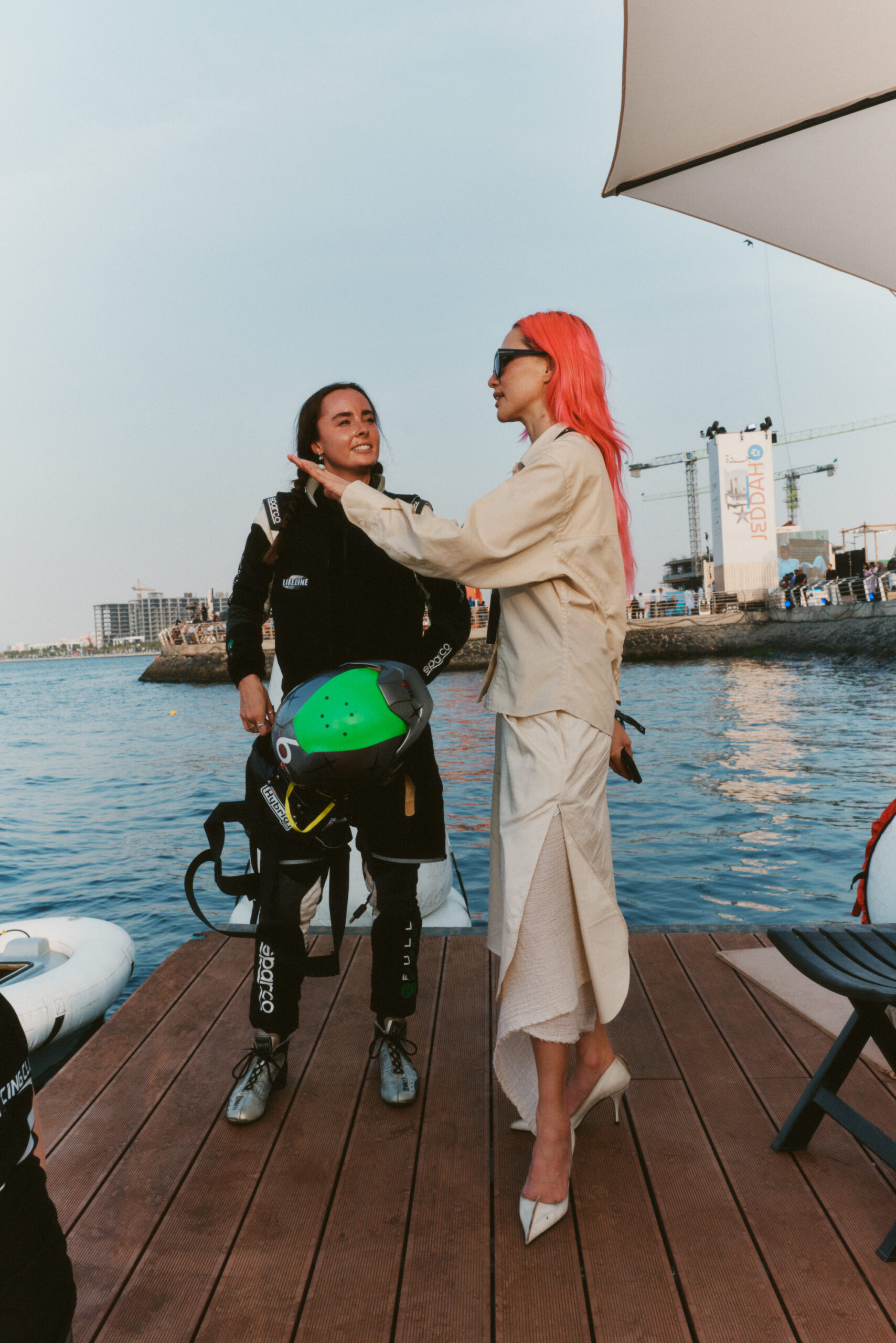
E1 Jeddah – Sierra Racing Club
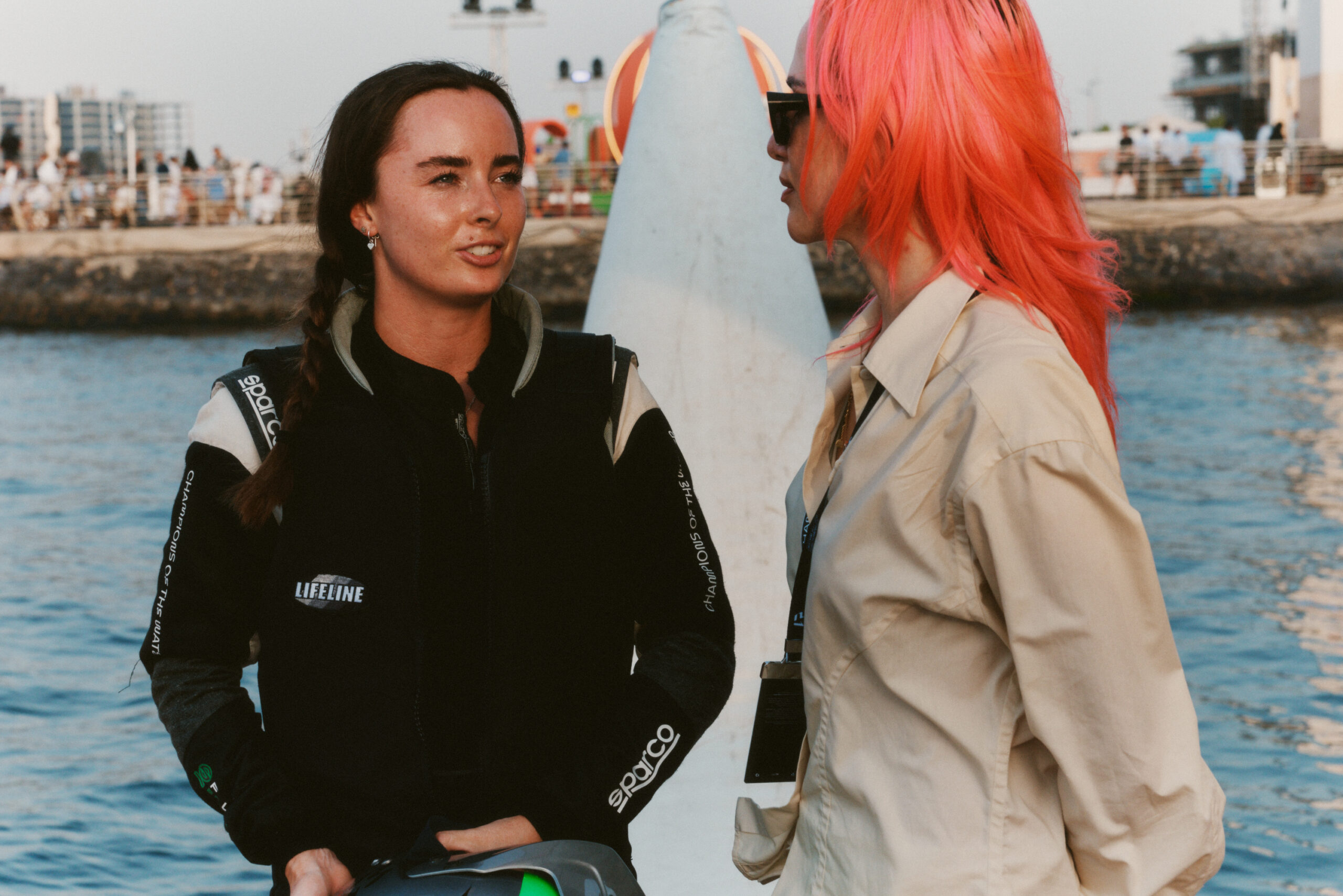
E1 Jeddah – Sierra Racing Club
Your work lives at the intersection of culture, fashion, sport, and emerging technology. How do you blend those worlds in a way that feels authentic?
I don’t force them together; I look for where they already overlap. Sport is ritual. Fashion is identity. Technology is power. Culture is memory. When you treat each with respect, the blend feels inevitable rather than styled. Authenticity comes from understanding the function first, then letting aesthetics emerge from that truth.
How did your studies in political science, foreign policy, and digital media influence the way you approach brand identity and storytelling?
Those studies trained me to think in systems. Power, signalling, soft influence. A brand is a geopolitical actor in miniature. Visuals are diplomacy. Storytelling is a strategy. I’m always asking: who holds authority here, what values are being communicated, and how does this scale across borders and platforms?
What drew you to the E1 Championship, and why did Sierra Racing Club feel like the right platform for your vision?
E1 is a clean slate with global ambition. The league is electric, coastal, and future-facing. It’s one of the few motorsport platforms that understands sustainability as culture, not just compliance. That alignment made the vision feel inevitable.
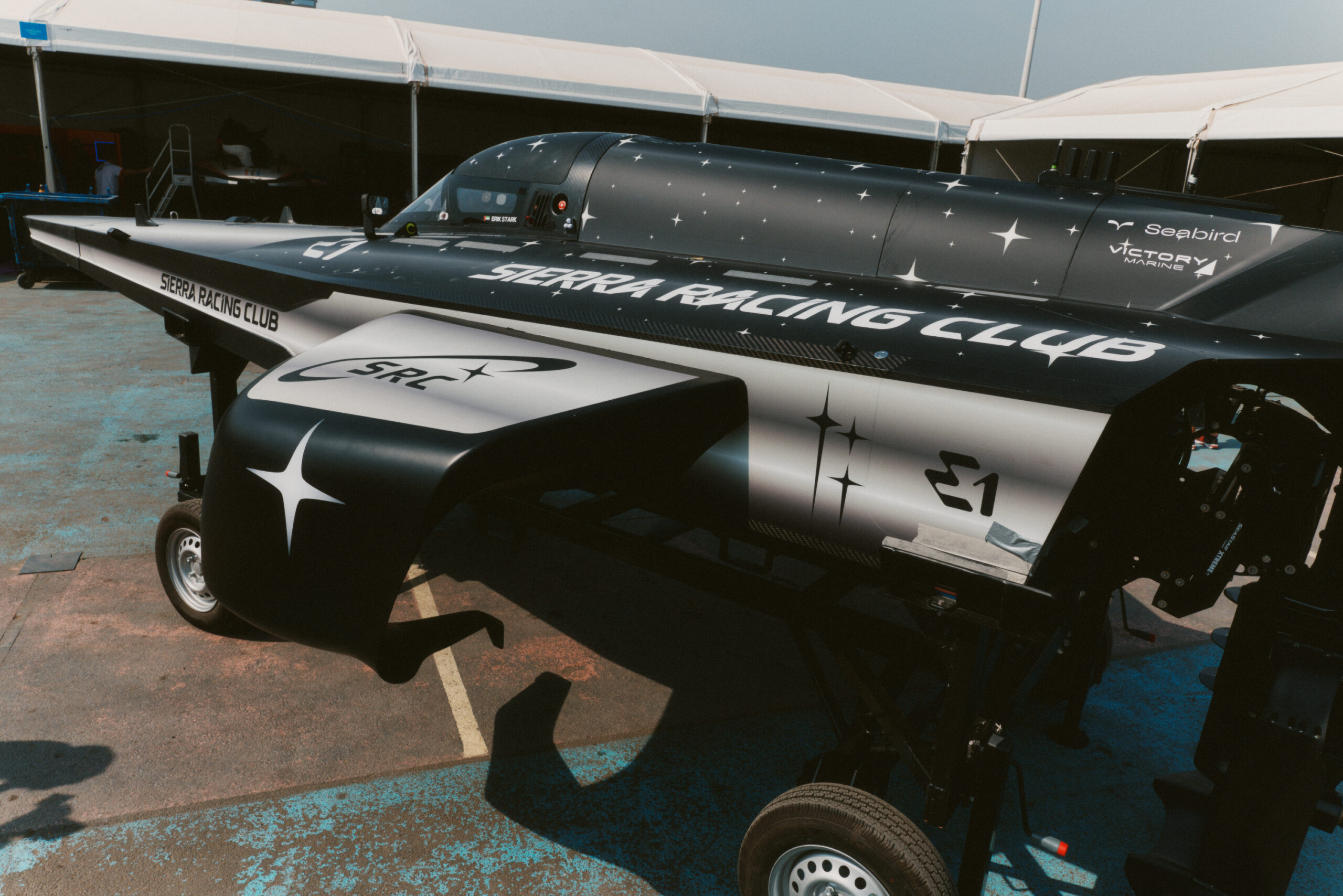
E1 Jeddah – Sierra Racing Club
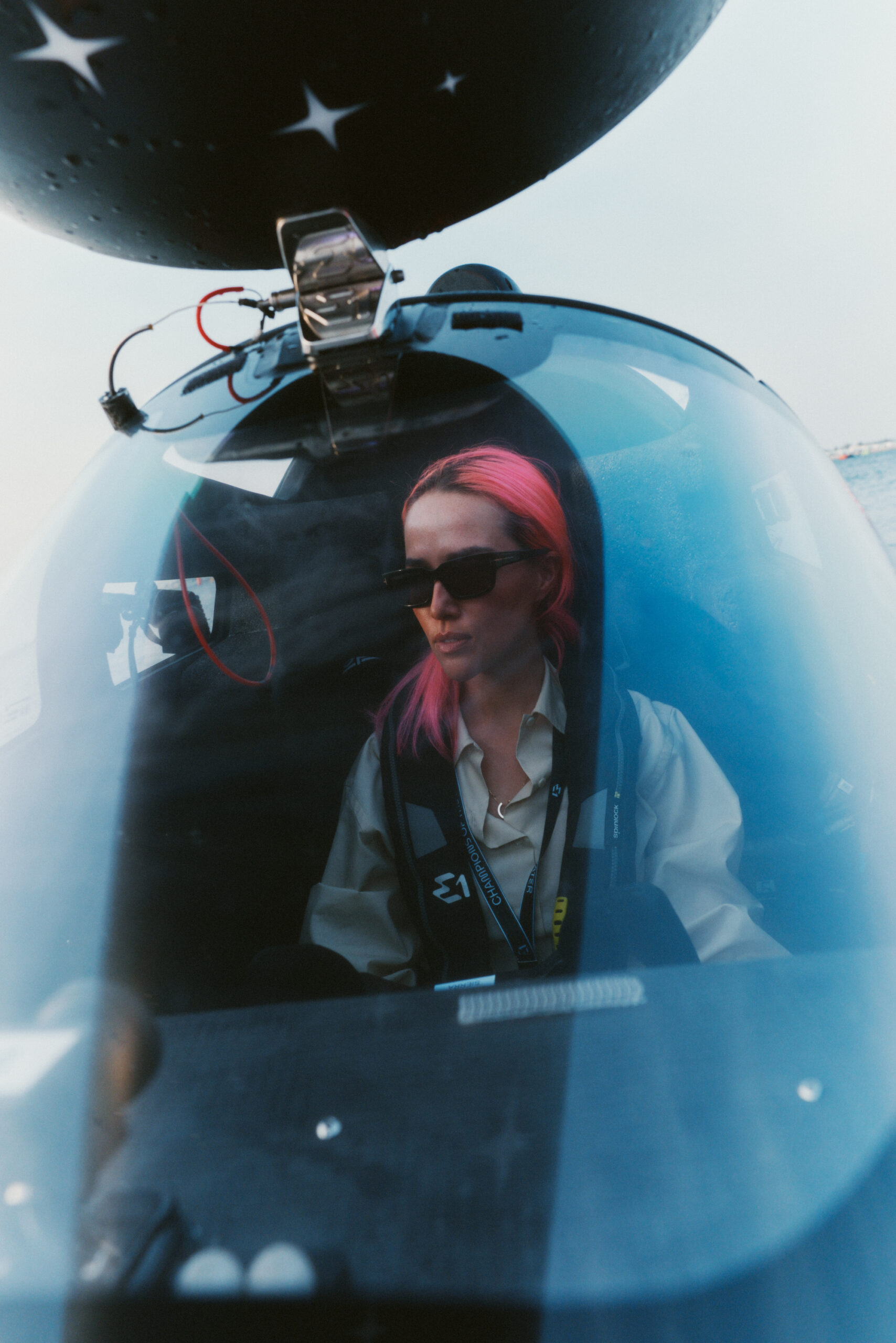
E1 Jeddah – Sierra Racing Club
You’ve described the team’s aesthetic as living between space and sea—what does that symbolism represent to you?
Space is aspiration and engineering; the sea is origin and unpredictability. Sierra exists between those forces. It’s about exploration without conquest, power without excess. That liminal space mirrors where we are technologically and culturally, that being, on the edge of what’s next, but accountable to what sustains us.
What was it like having full creative control over every element of a racing team, from boat livery to driver suits and uniforms?
Rare and demanding. Full control means full responsibility. Every line, fabric choice, and colour had to perform under pressure, at speed, on water, and on camera. It required thinking like an engineer, a storyteller, and a custodian of the brand simultaneously.
How does the E1 Championship differ from traditional motorsport leagues, both culturally and visually?
E1 is coastal, cinematic, and contemporary. It’s less about legacy circuits and more about global cities and shared futures. Visually, it invites innovation, architecture, and design into the conversation. Culturally, it’s porous, open to new audiences who may never have felt represented by motorsport before.
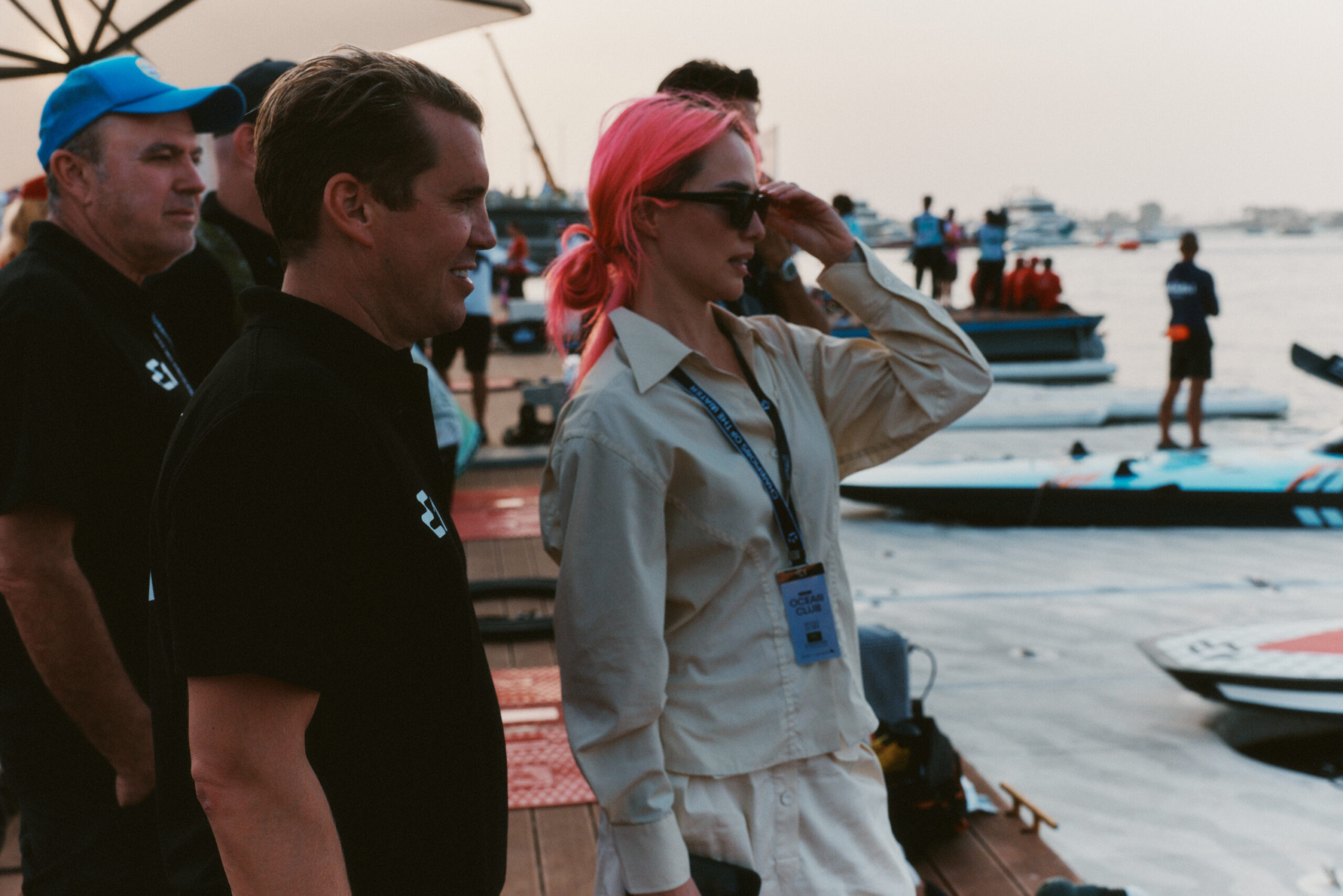
E1 Jeddah – Sierra Racing Club
How does E1’s focus on electric racing and sustainability influence your creative approach?
It demands honesty. You can’t aestheticize sustainability without substance. The design language has to feel intelligent, restrained, and future-proof, not loud or wasteful. Sustainability becomes a discipline, not a trend.
With teams owned by global figures like Tom Brady, LeBron James, Will Smith, and Steve Aoki, how does that level of visibility shape the opportunity and pressure of the league?
It raises the stakes. Visibility accelerates influence, but it also compresses timelines and expectations. The opportunity is to speak to a truly global audience; the pressure is to do it with integrity, not spectacle for spectacle’s sake.
You’ve worked with brands like Ray-Ban x Meta, SKIMS, Versace, and Valentino—how did those experiences prepare you for a project of this scale?
Those projects taught me how to operate inside complex ecosystems, where technology, celebrity, and heritage all have a voice. They trained me to protect a core idea while navigating many stakeholders. That skill is essential when you’re building something as multifaceted as a racing team.
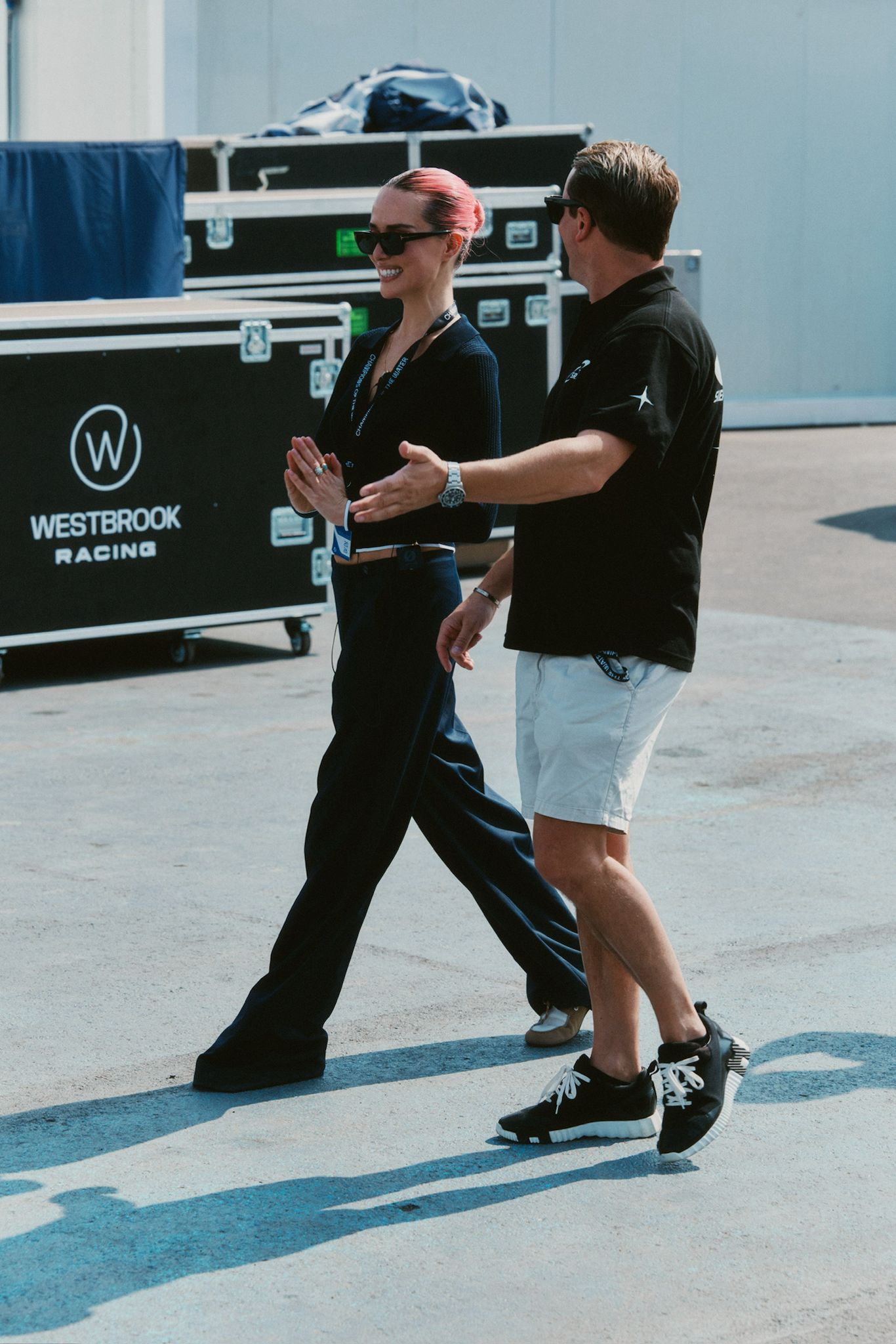
How do you see the E1 Championship evolving as a global platform at the intersection of sport, fashion, celebrity, and technology?
I see it becoming a cultural export, where teams function like houses, cities, or movements. The league has the potential to define a new kind of motorsport identity that’s as relevant in galleries and fashion weeks as it is on the water.
What role do you think creative storytelling will play in defining the future of motorsport?
It will be central. As technology equalizes performance, meaning becomes the differentiator. Storytelling gives context to speed. It tells us why a team exists, not just how fast it goes.
What do you hope audiences—and the next generation of creatives—take away from seeing your work debut in Jeddah?
That there’s room to be precise, poetic, and strategic at the same time. That you don’t have to choose between beauty and rigor. And that even in a sport defined by power, there’s space for intention, intelligence, and new voices to lead.
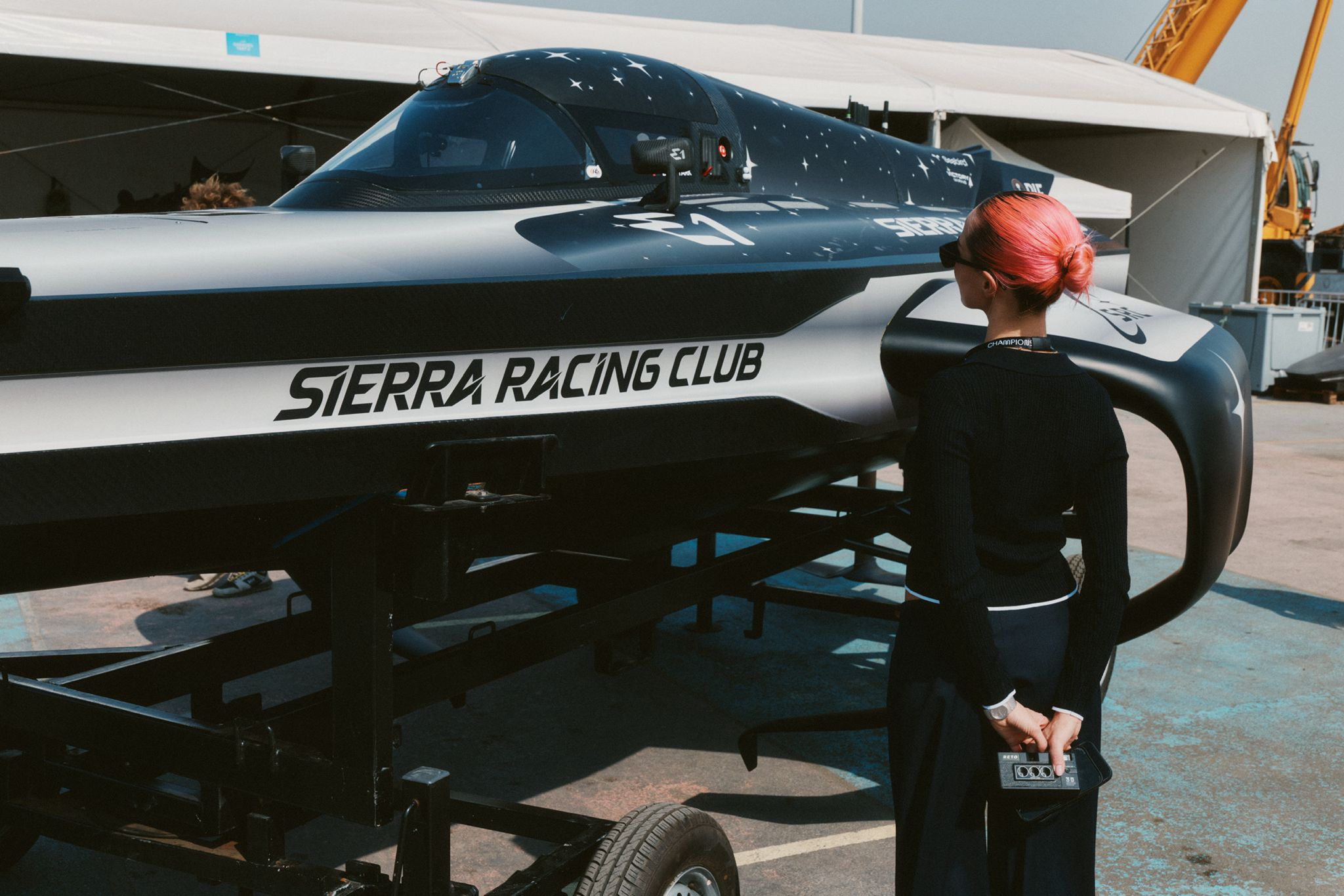
Learn more about Seirra Racing Club at @sierraracingclub.
photography. Jeff Sutera, Brett Norman + Drew Nelson
interview. Kelsey Barnes