

It’s almost been two weeks since Jonathan Anderson made his Dior womenswear debut at Paris Fashion Week, and yet the collection is embedded in our minds. Before the first look even appeared, guests were confronted by a monstrous, inverted LED pyramid within the Jardin des Tuileries, which suddenly began to screen an Adam Curtis-directed horror montage. The title, blazing in stark text, asked: “Do you dare enter the house of Dior?”
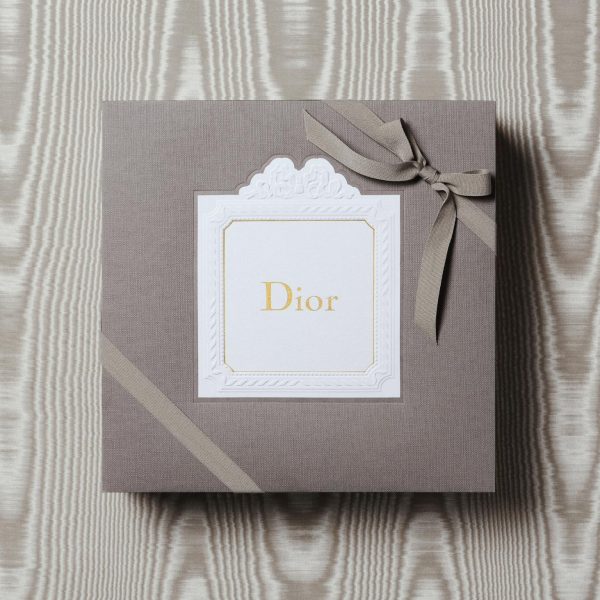
The film acknowledged the terrifying weight of history, a lineage that includes Christian Dior himself, Galliano’s opera and everything in between, before literally compressing it. The show notes explained Anderson’s intent: to put that colossal history “in a box.” This wasn’t an act of disrespect, but rather a way of clearing the stage for a new conversation in the Maison.


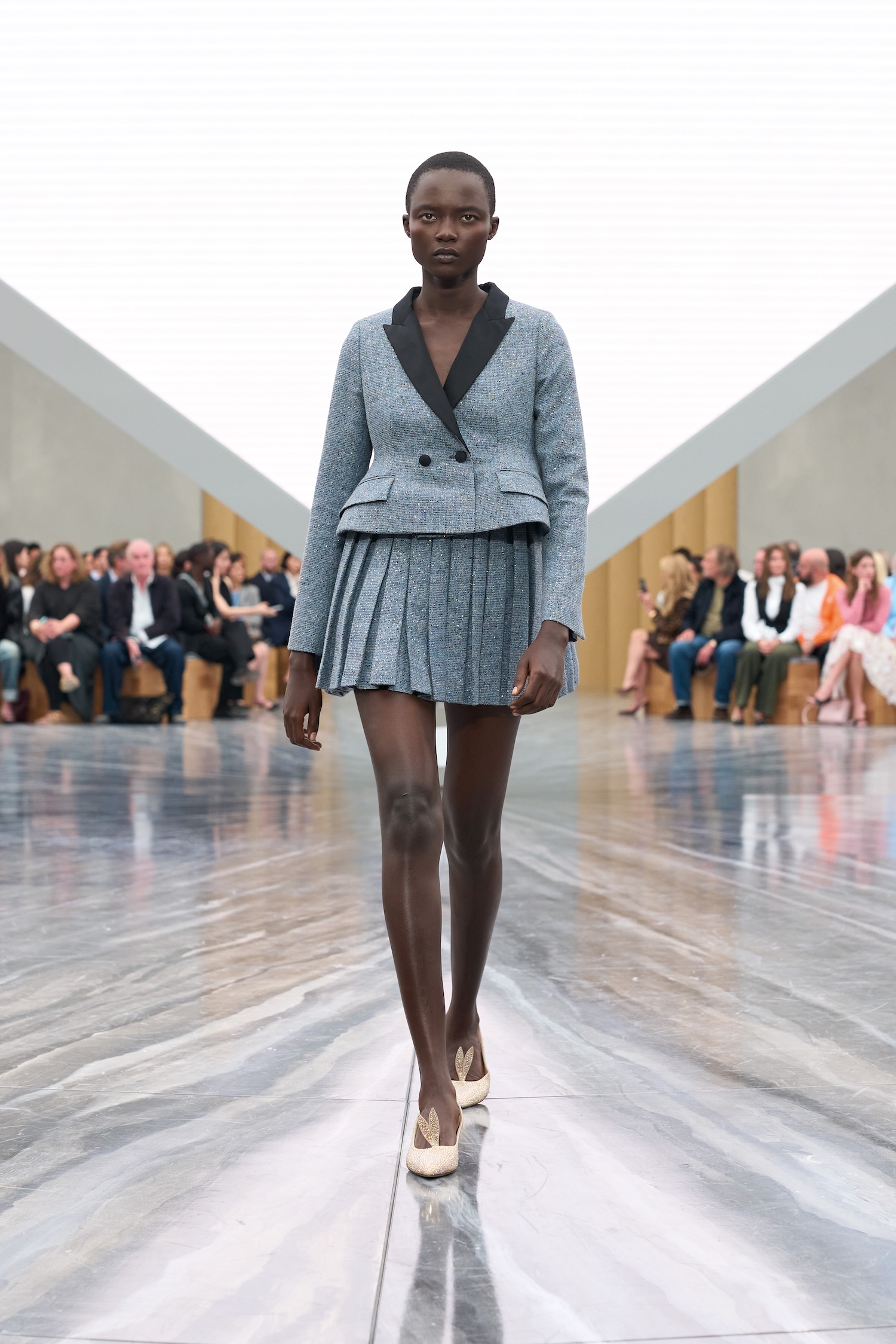
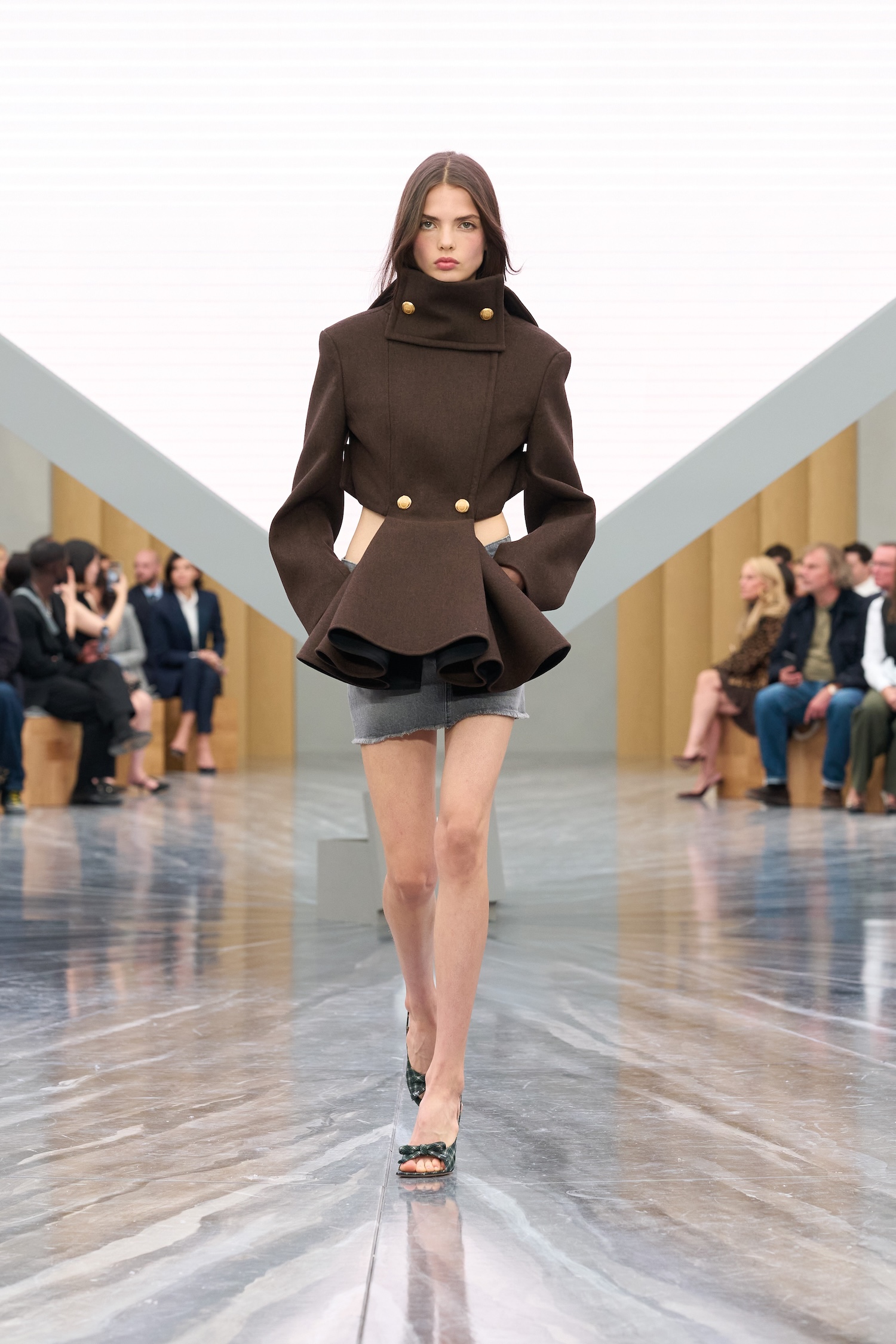
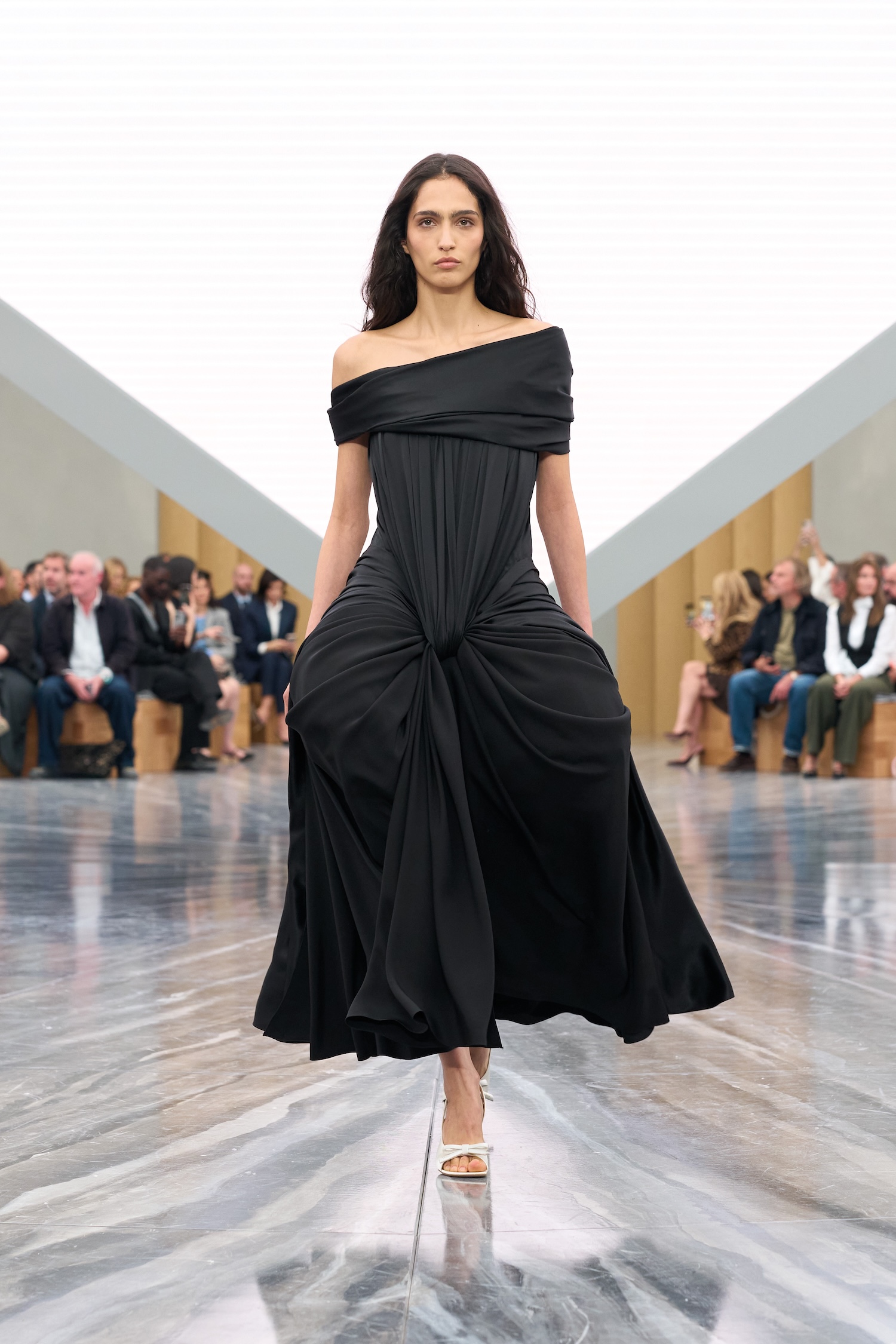
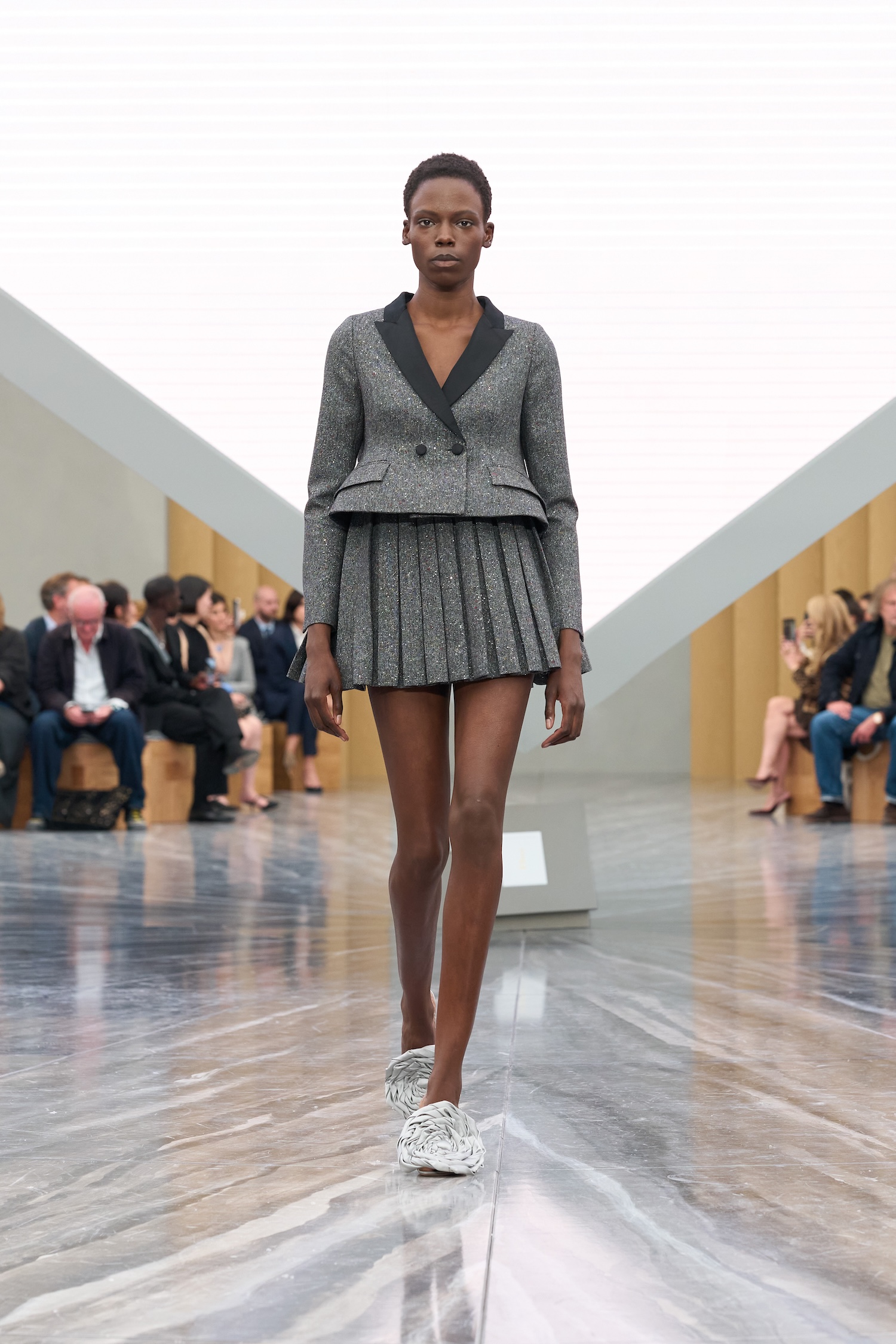
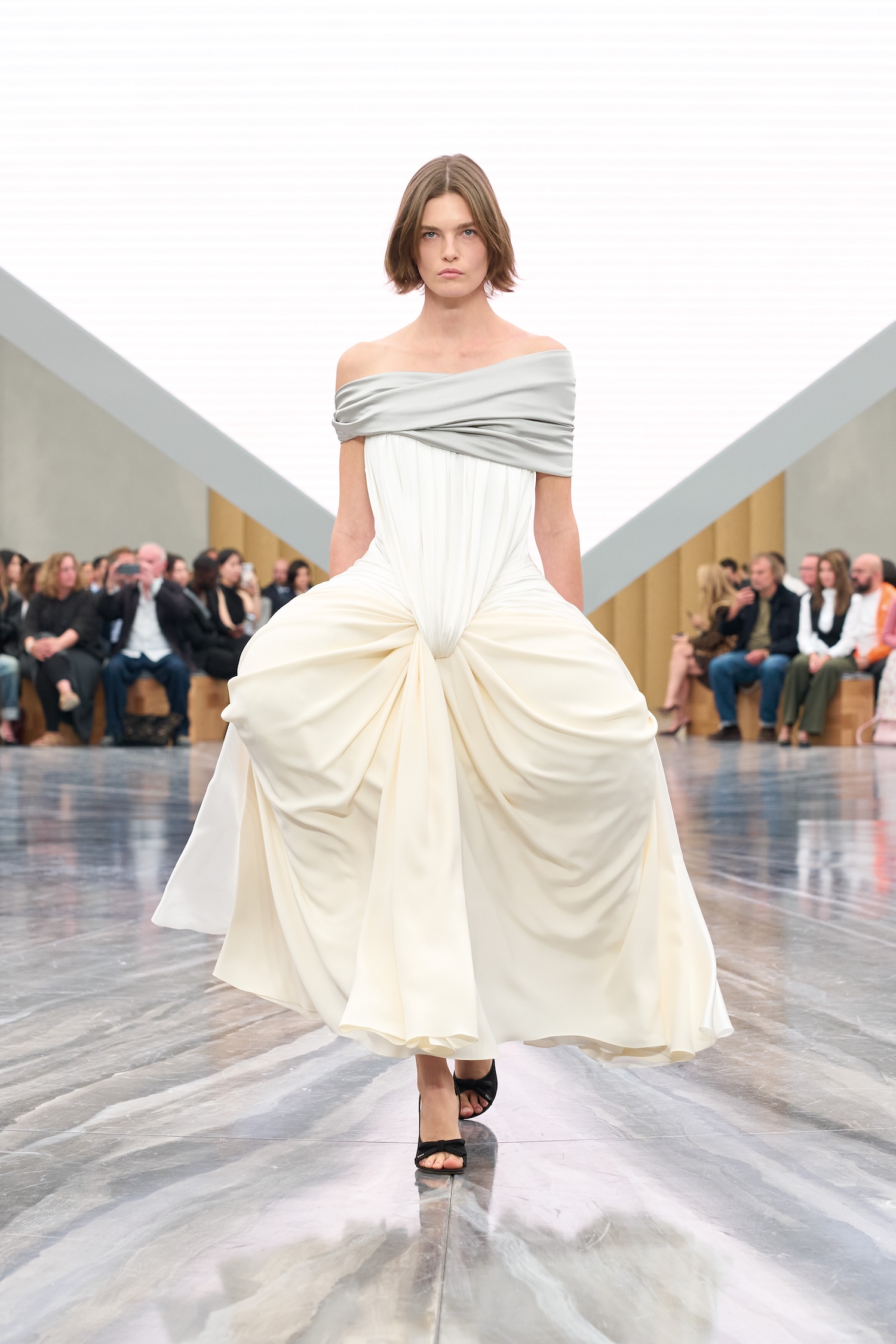
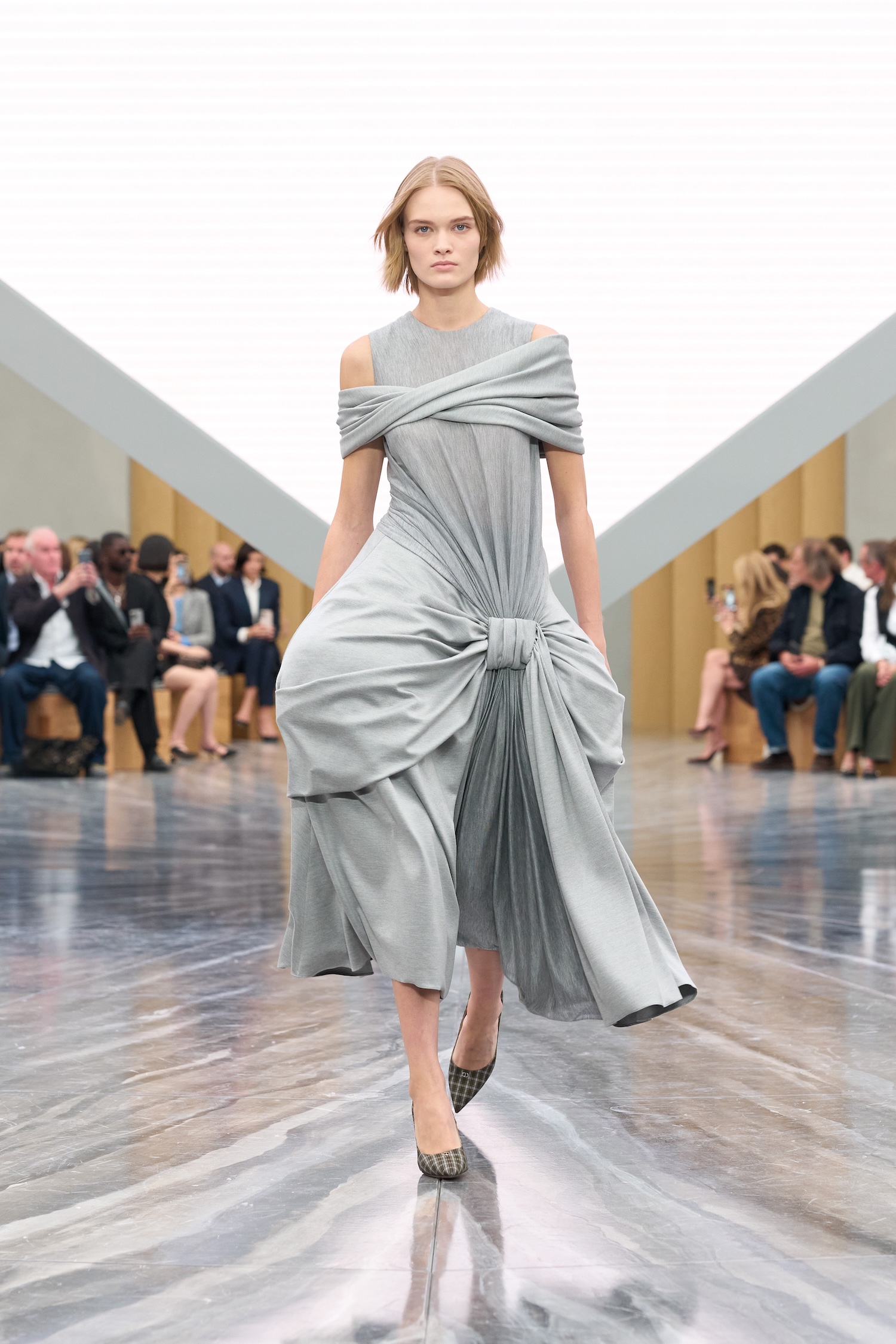
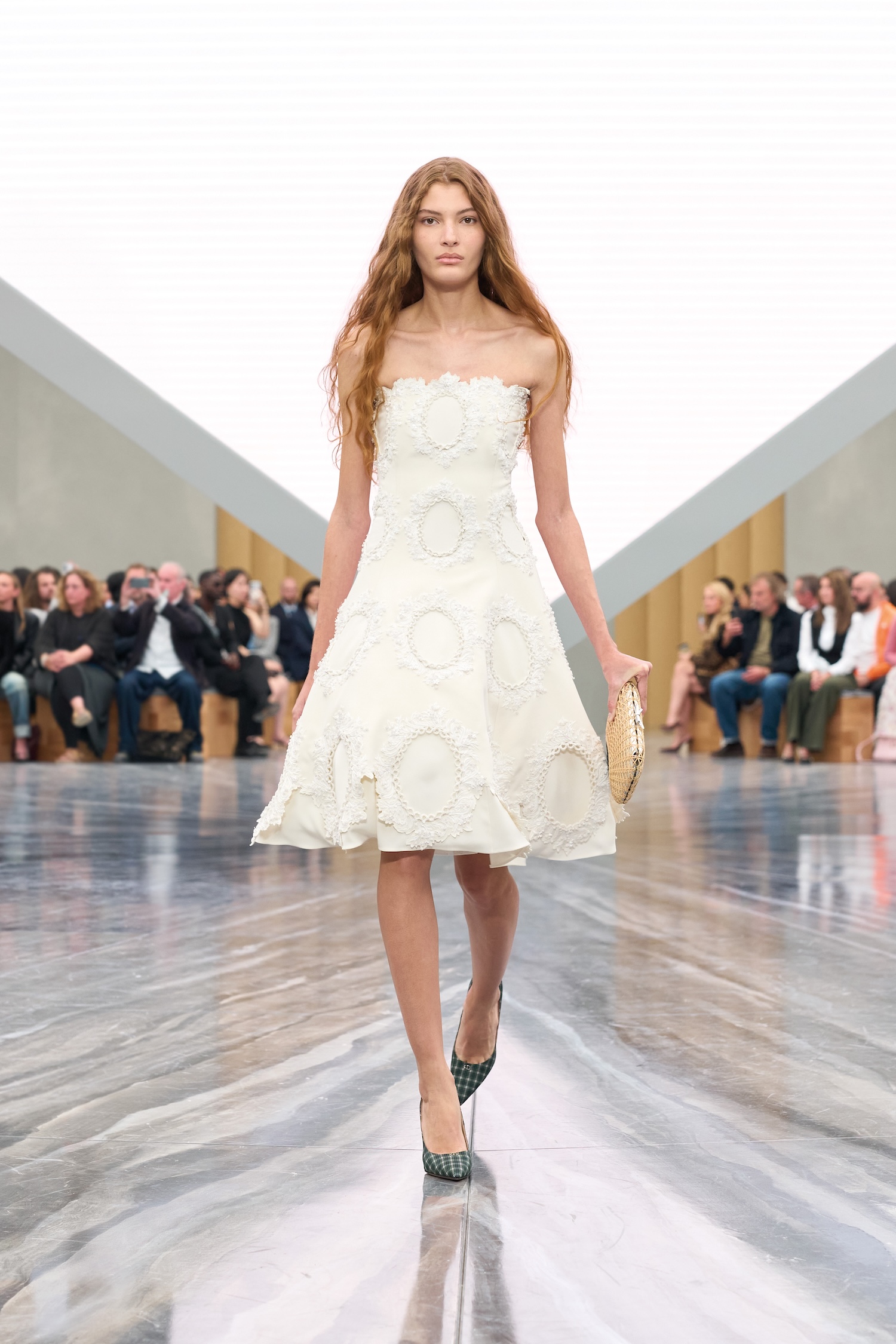
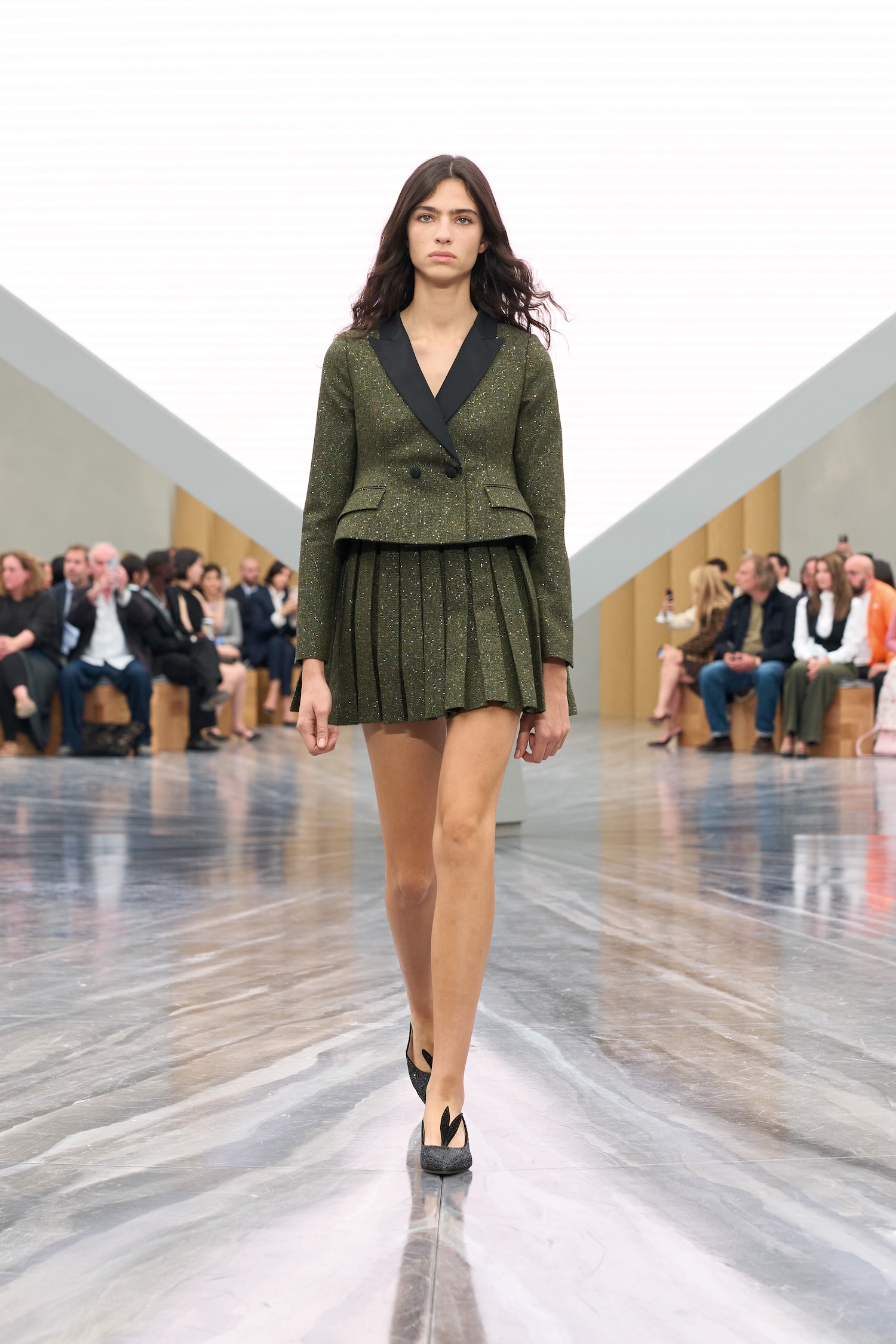
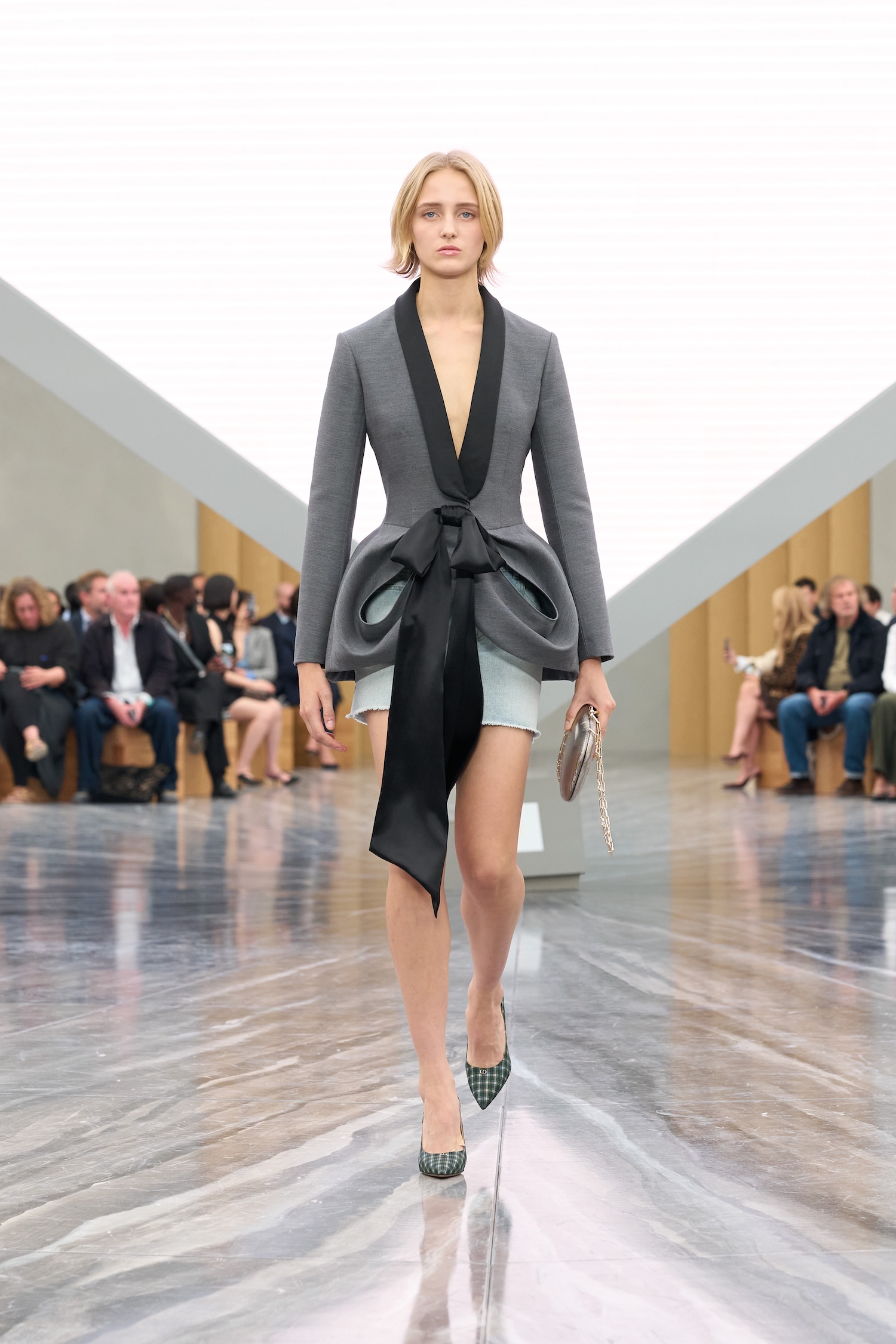
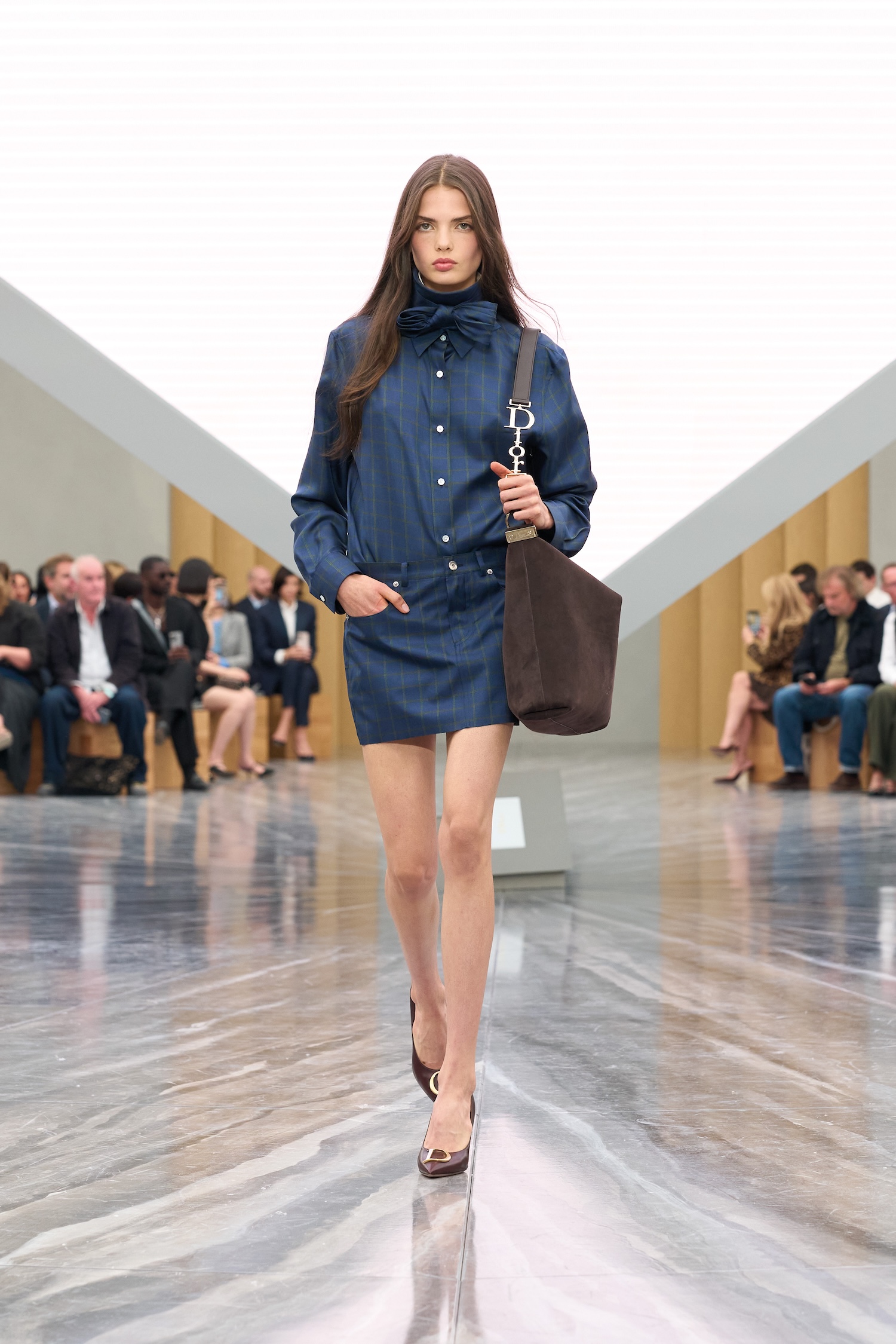
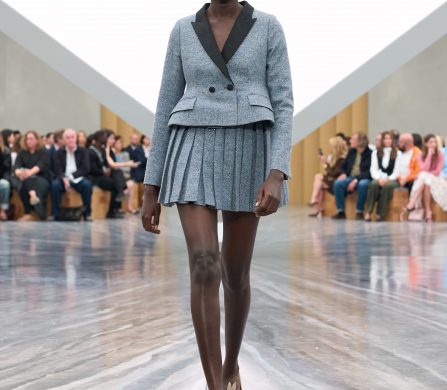
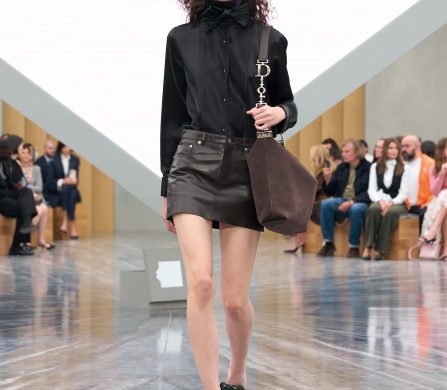
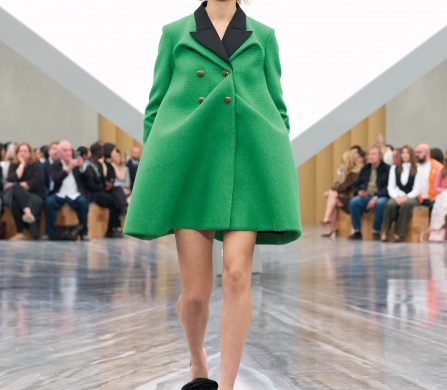
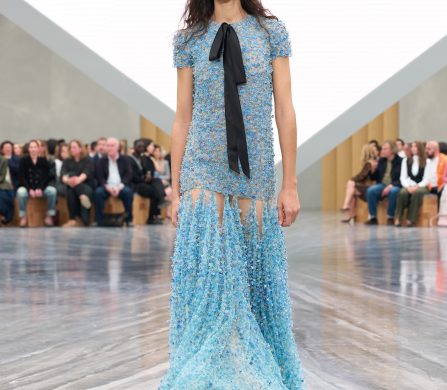
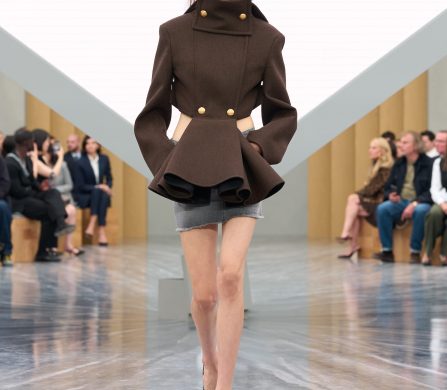
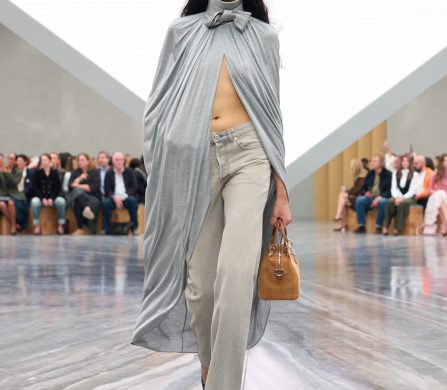
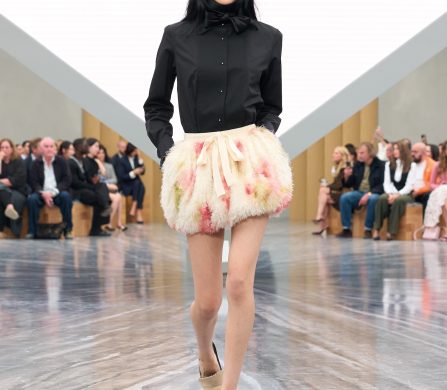
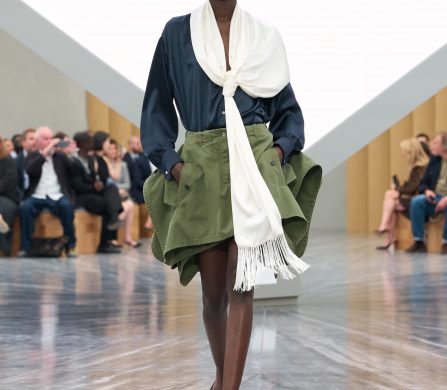
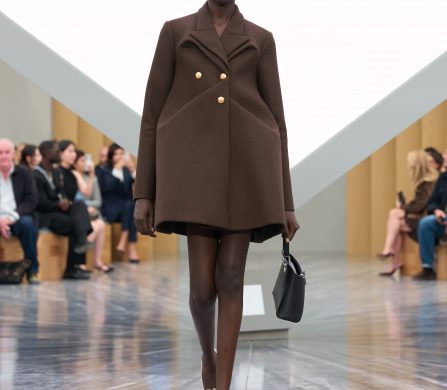
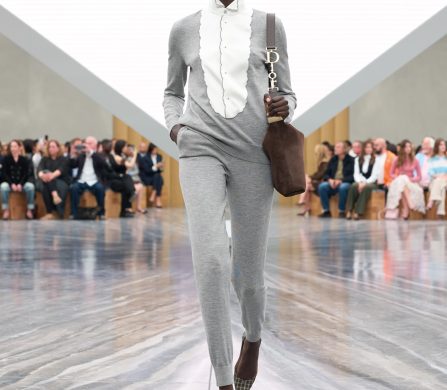
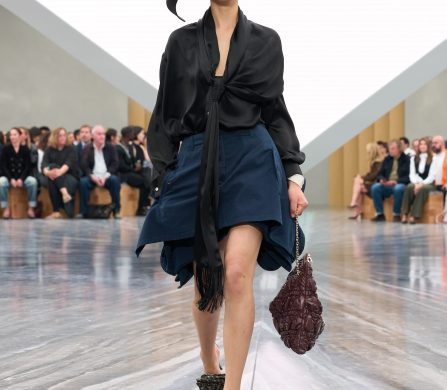
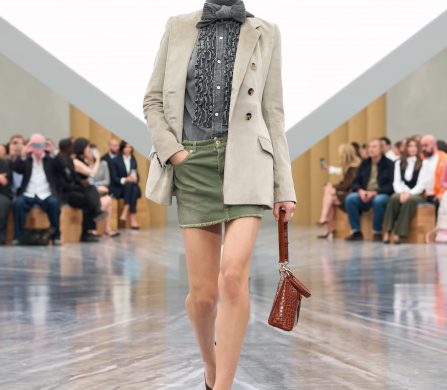
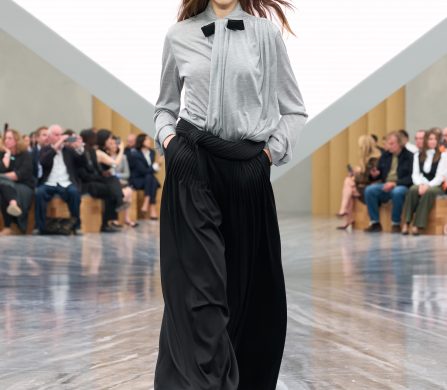
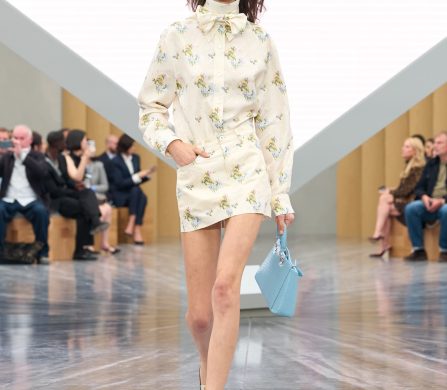
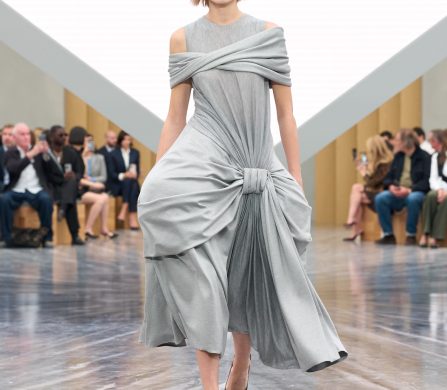
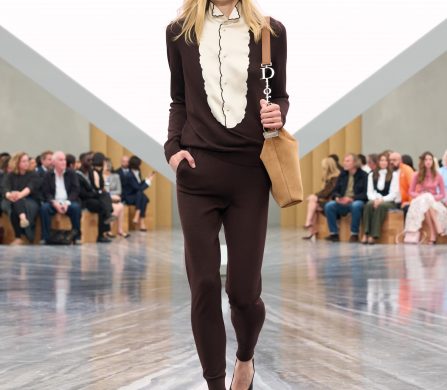
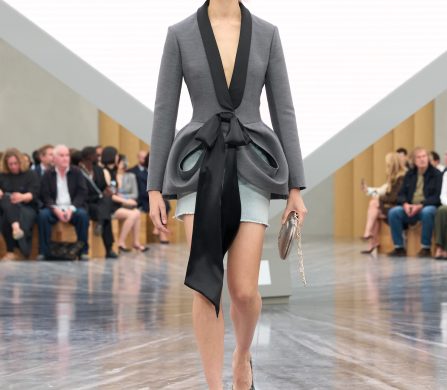
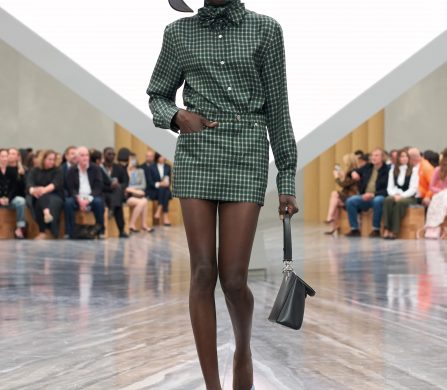
What followed was a collection of inventive realism, where the grand fantasy of Dior was subjected to a brilliant process of fragmentation and re-coding. Anderson delivered on his promise by immediately subverting the house’s most sacred icon. The ‘Bar Jacket’ was radically re-cut into an ultra-cropped, rib-length silhouette, often paired with a matching sculptural mini-skirt. By shrinking this symbol of mid-century formality, he dissolved its authority, creating a silhouette that was at once disciplined and almost youthfully cheeky.
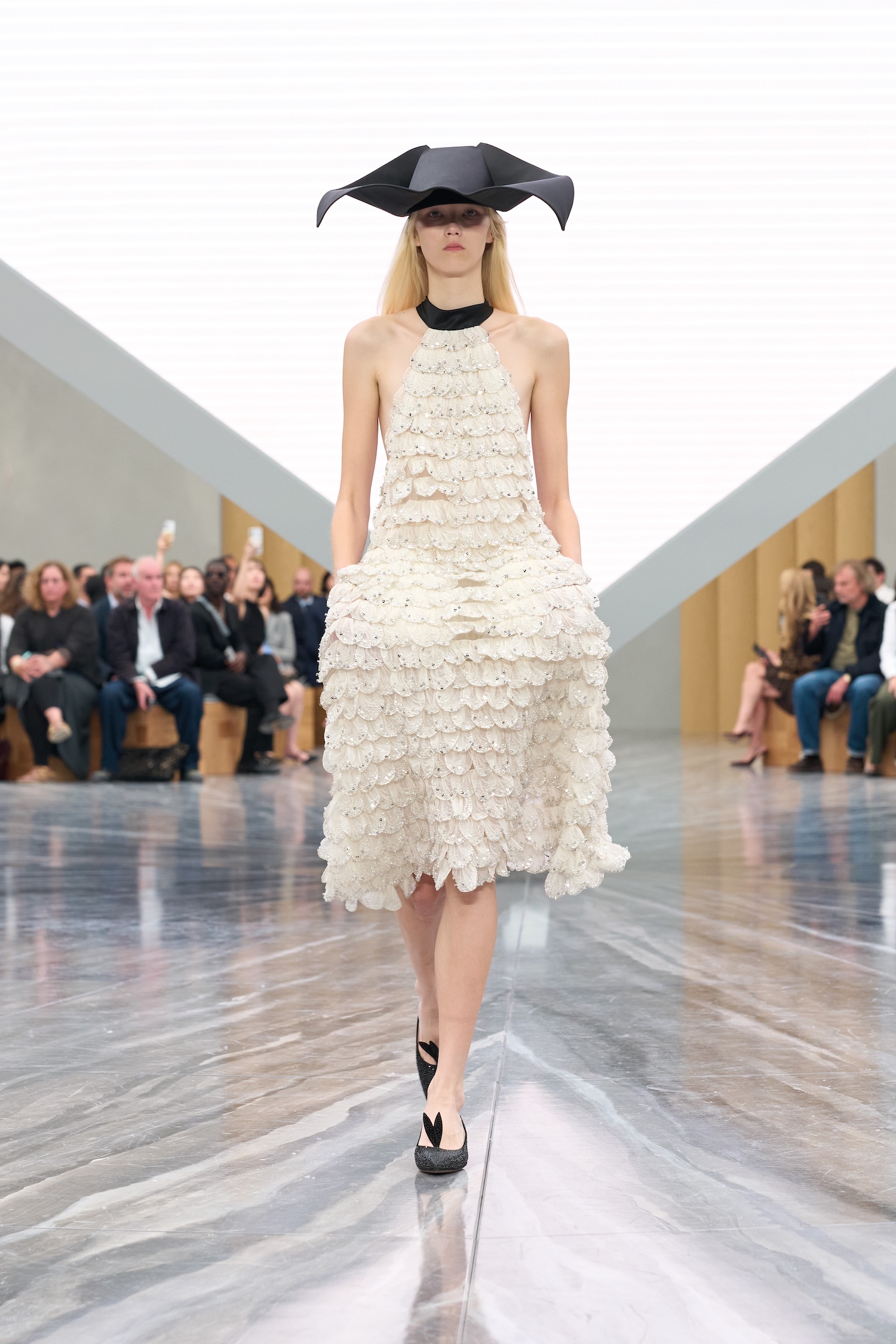
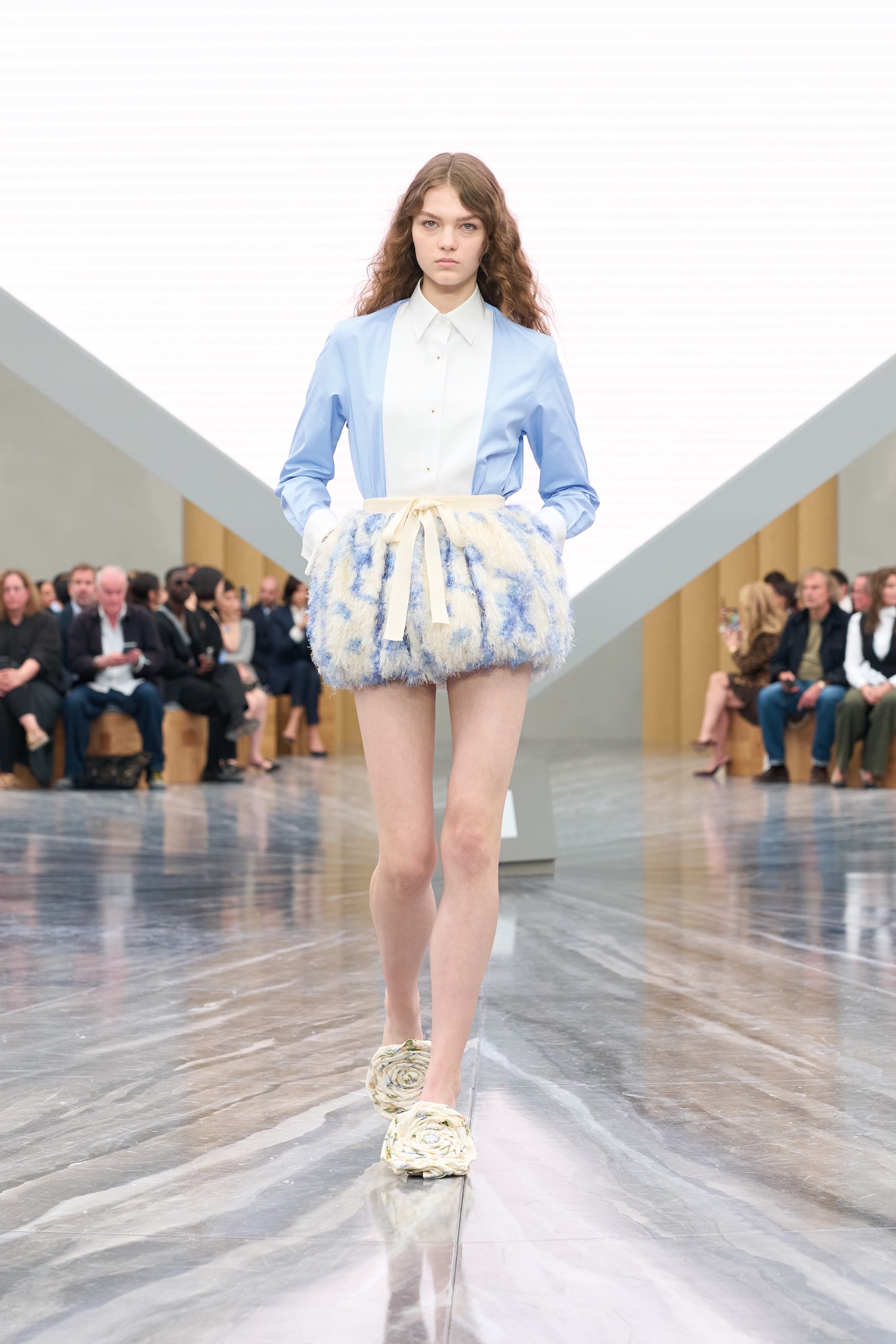
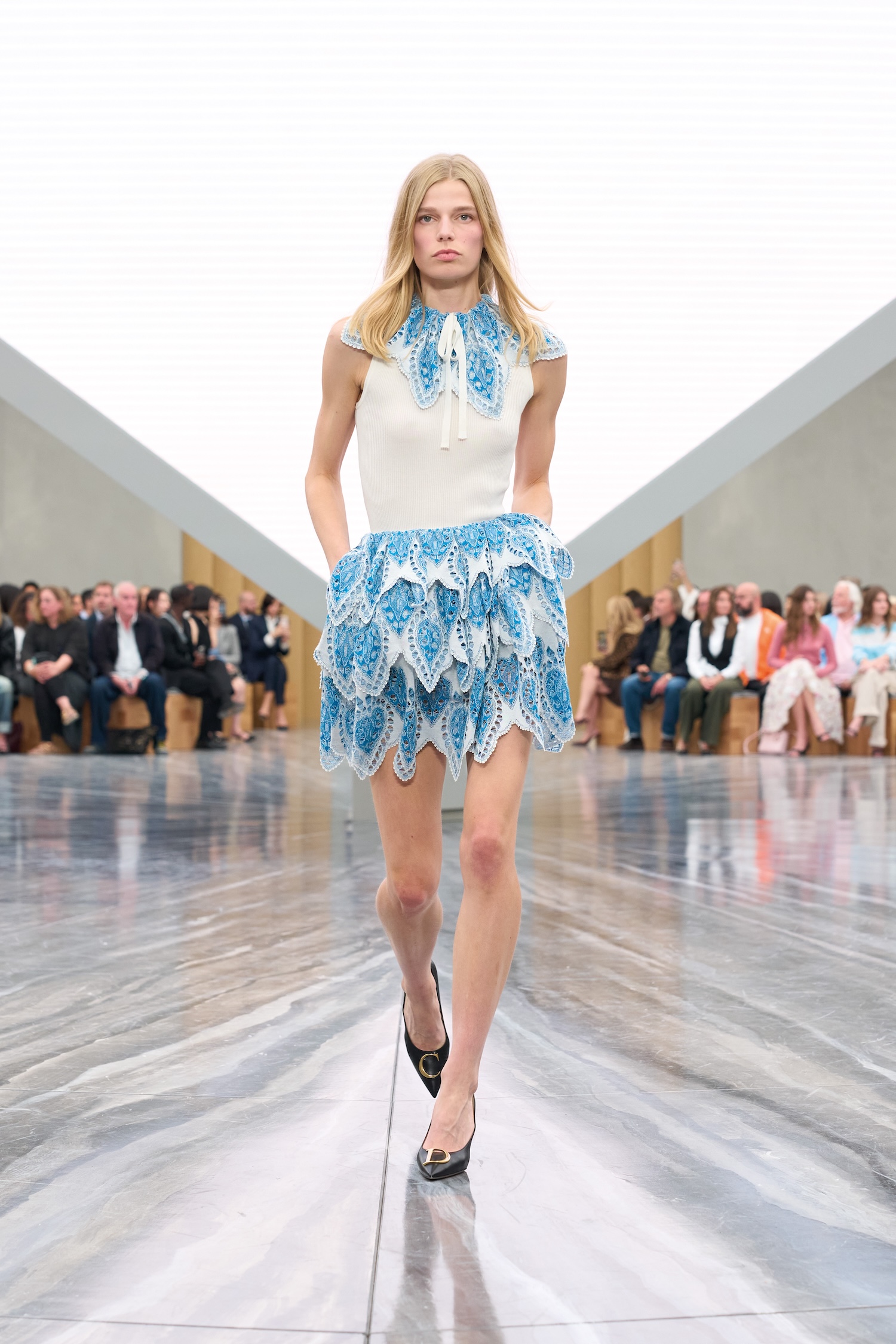
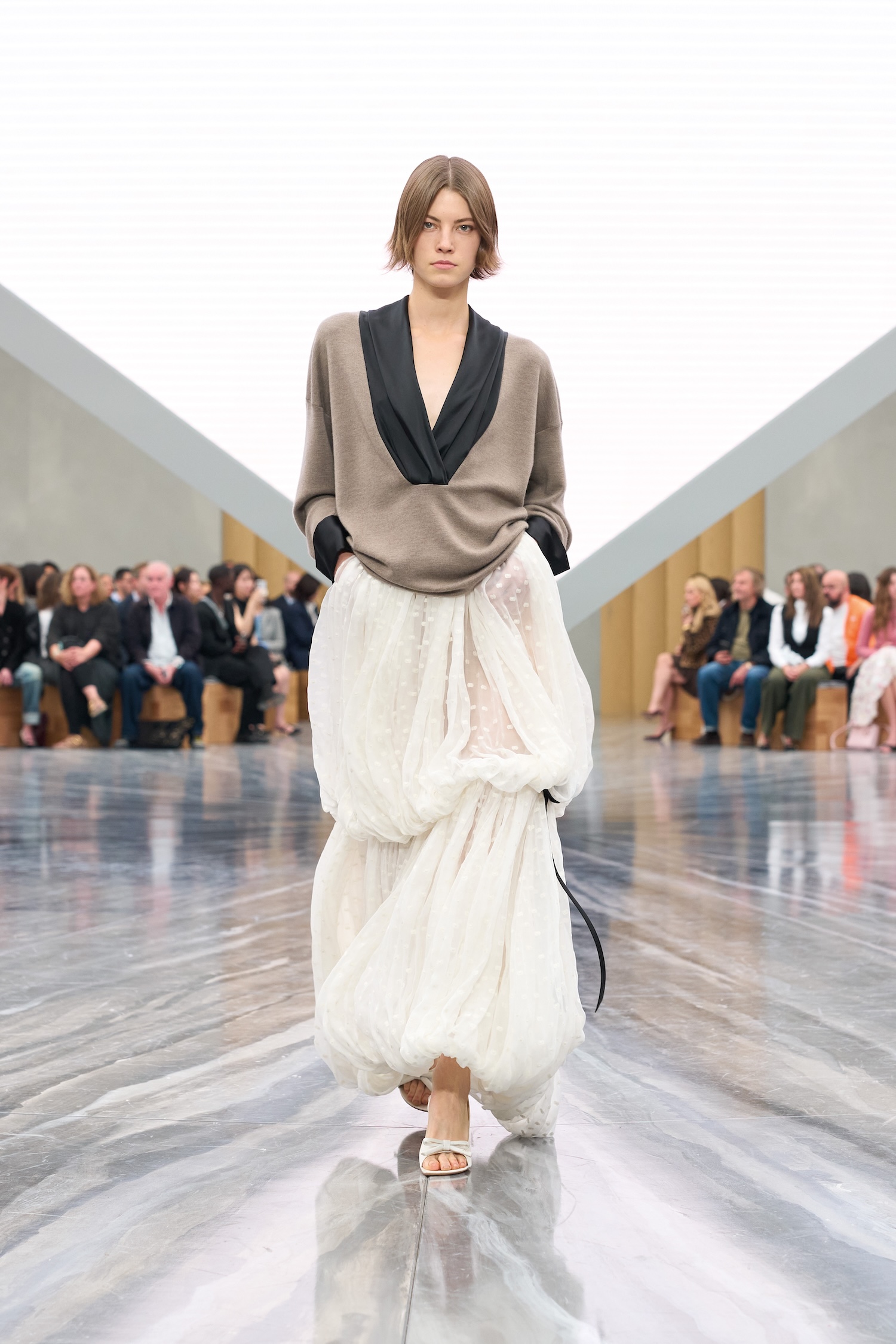
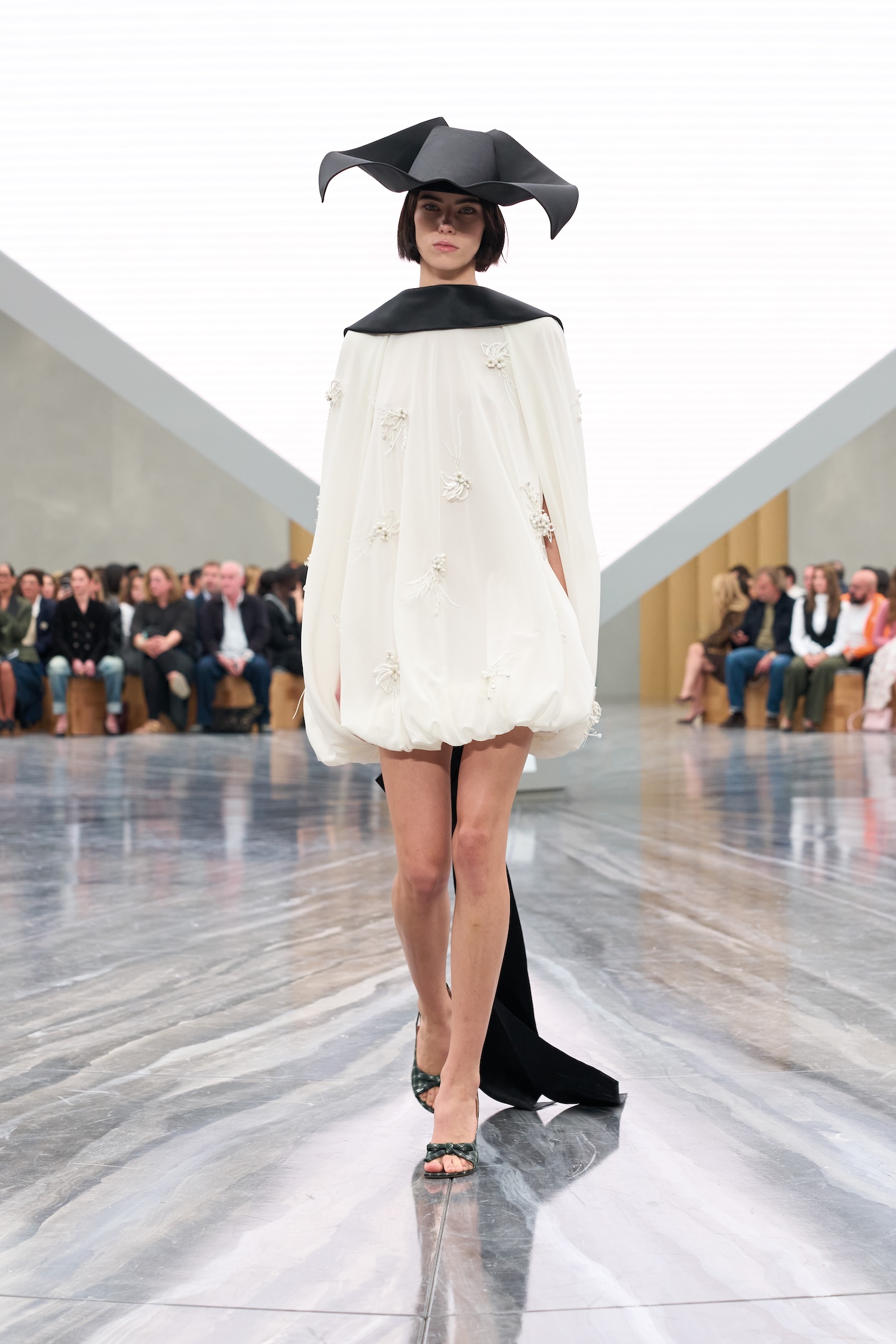
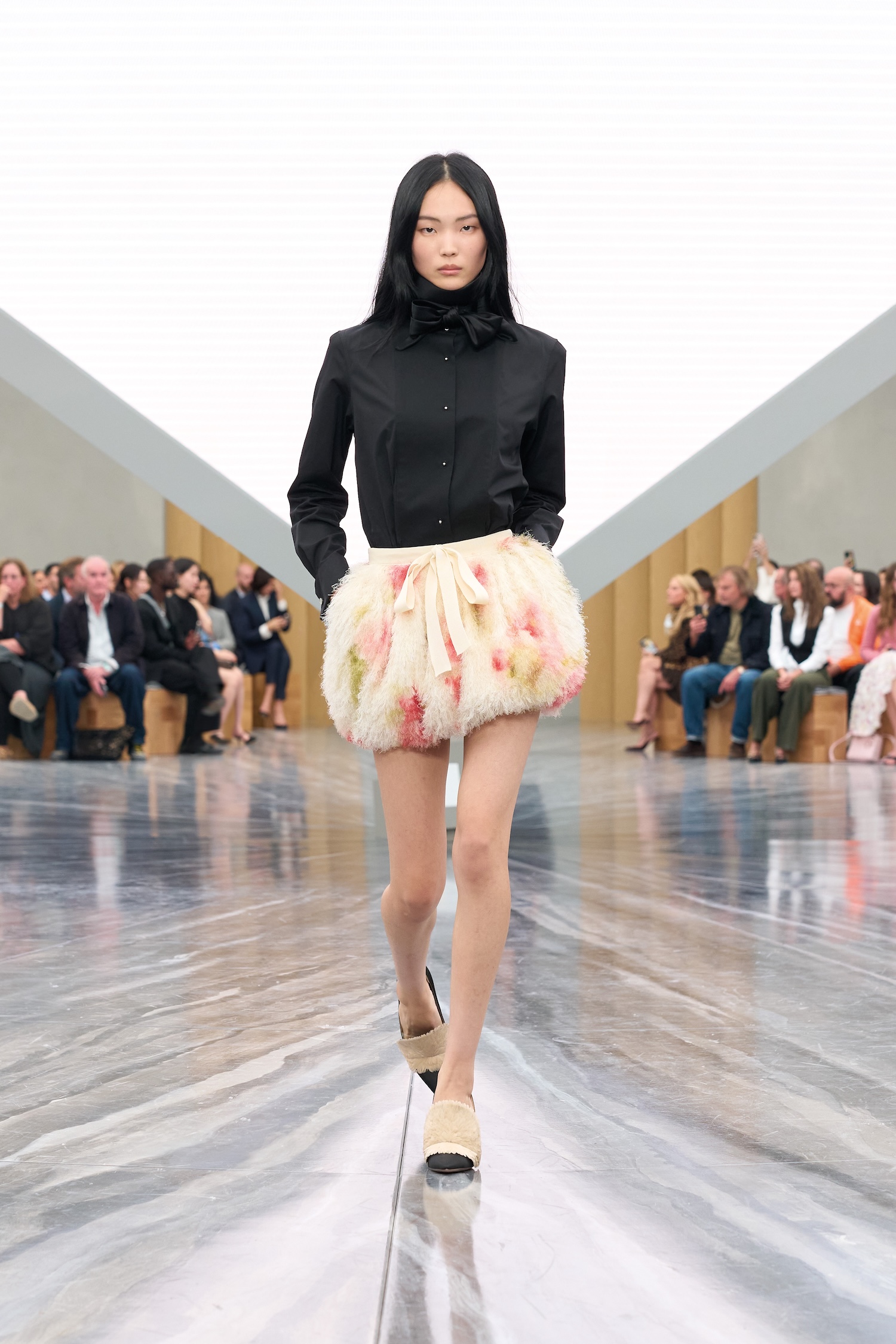
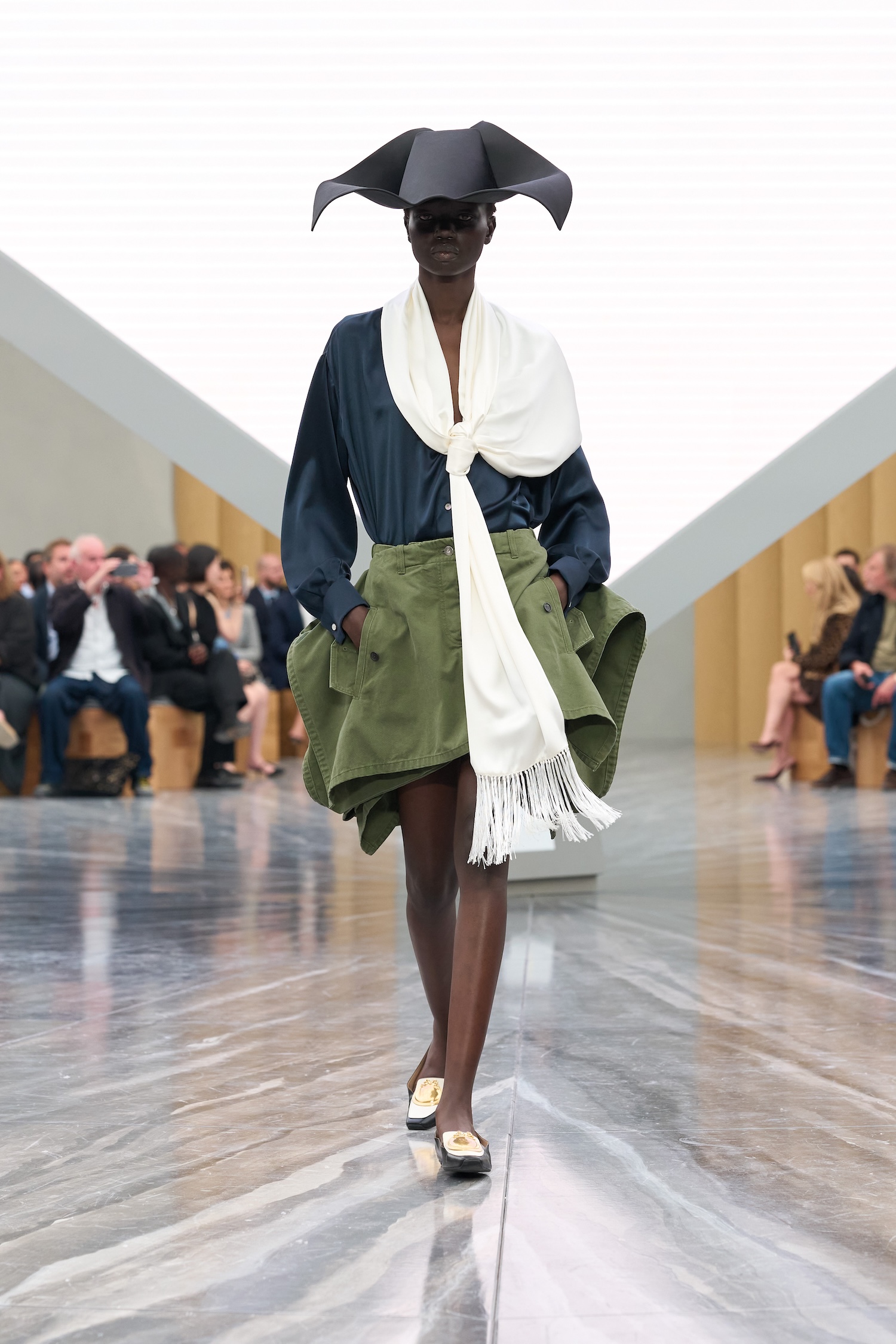
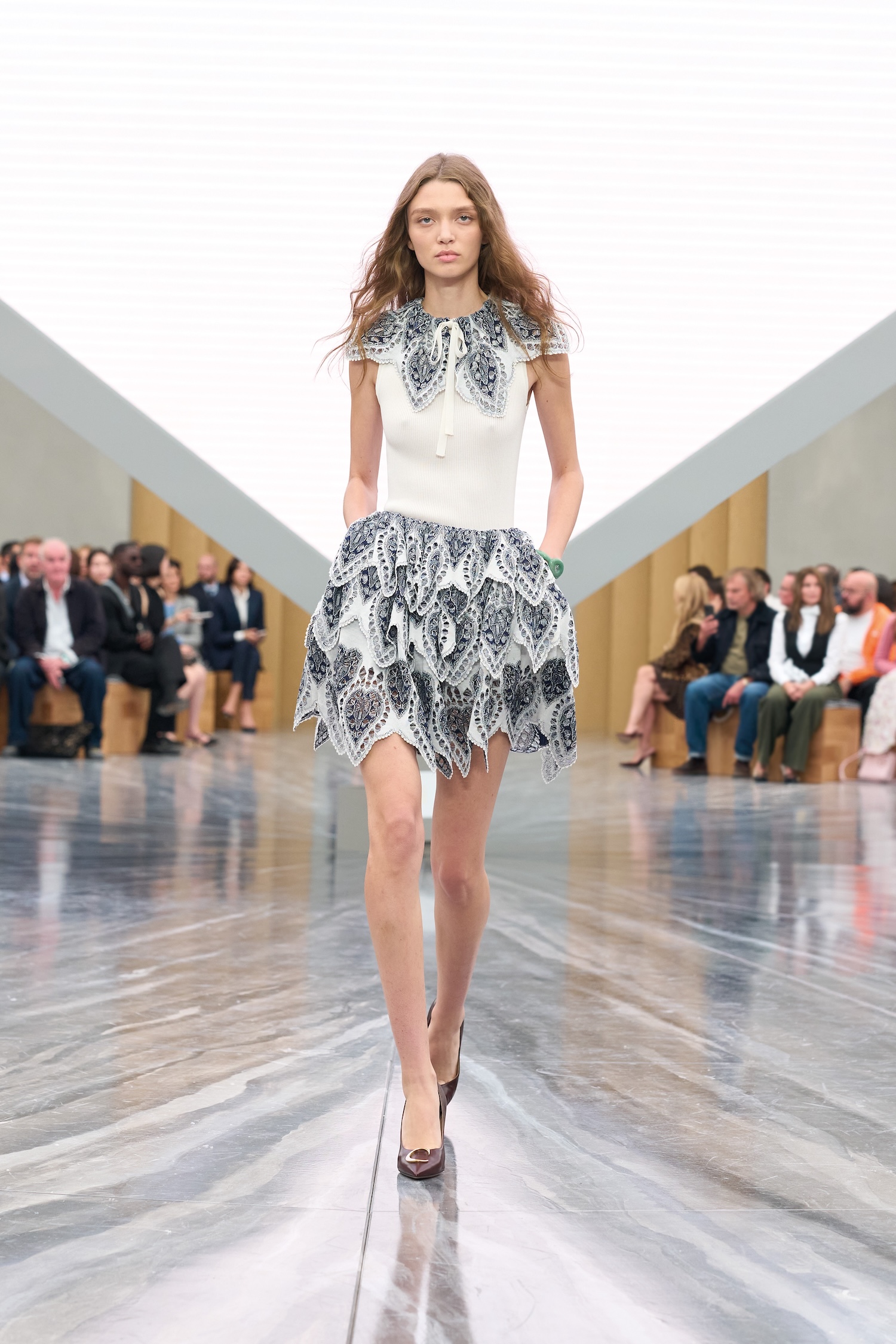
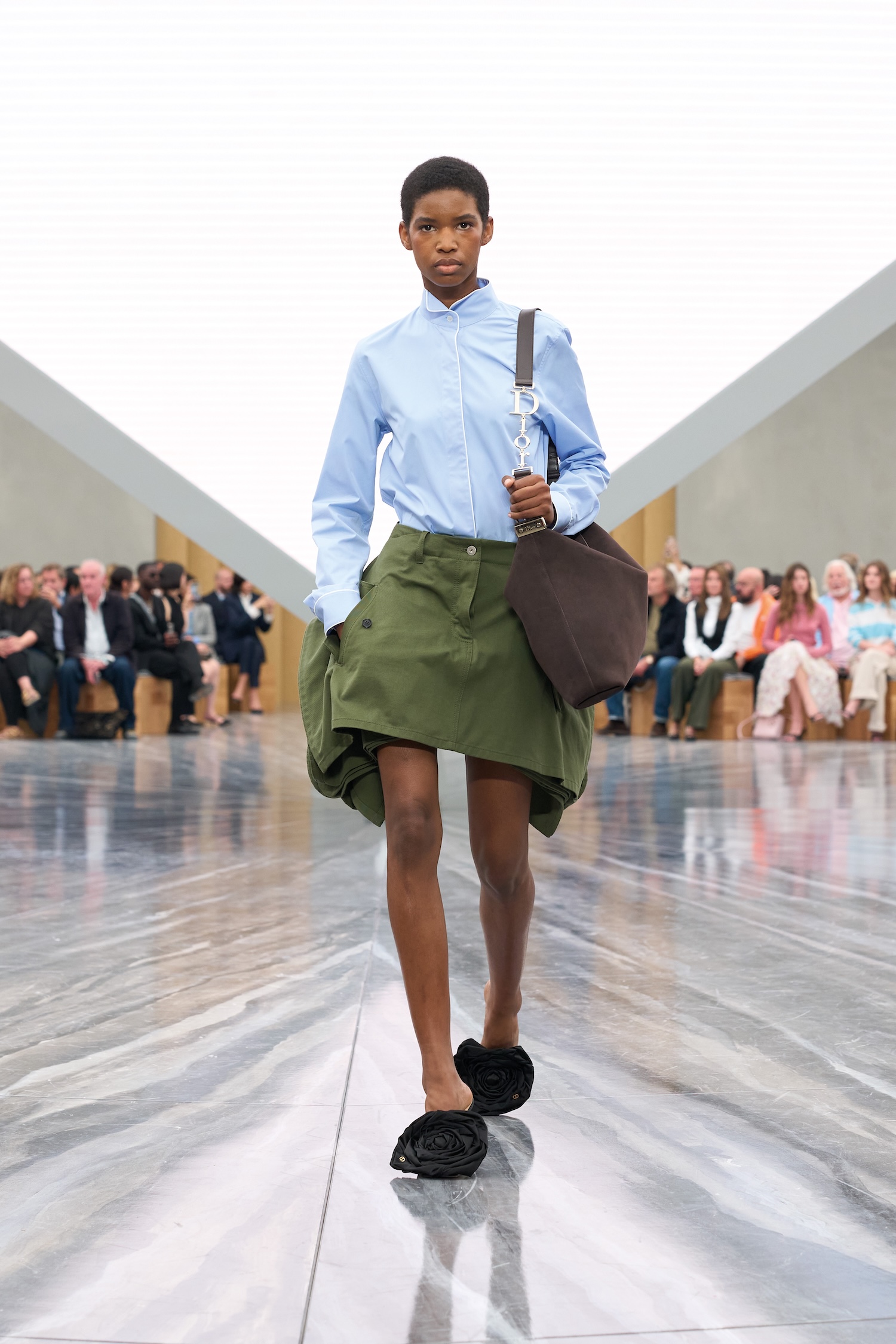
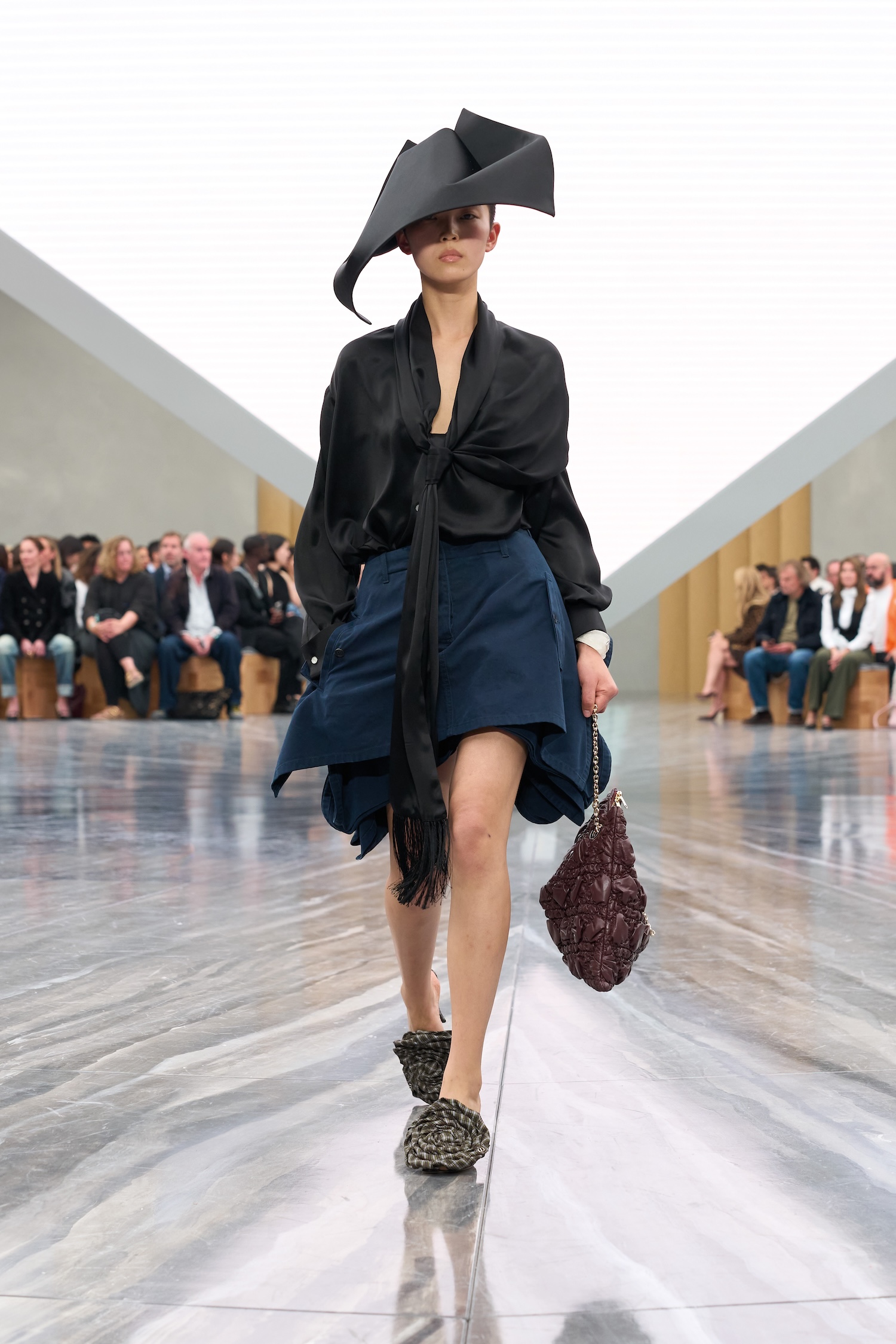
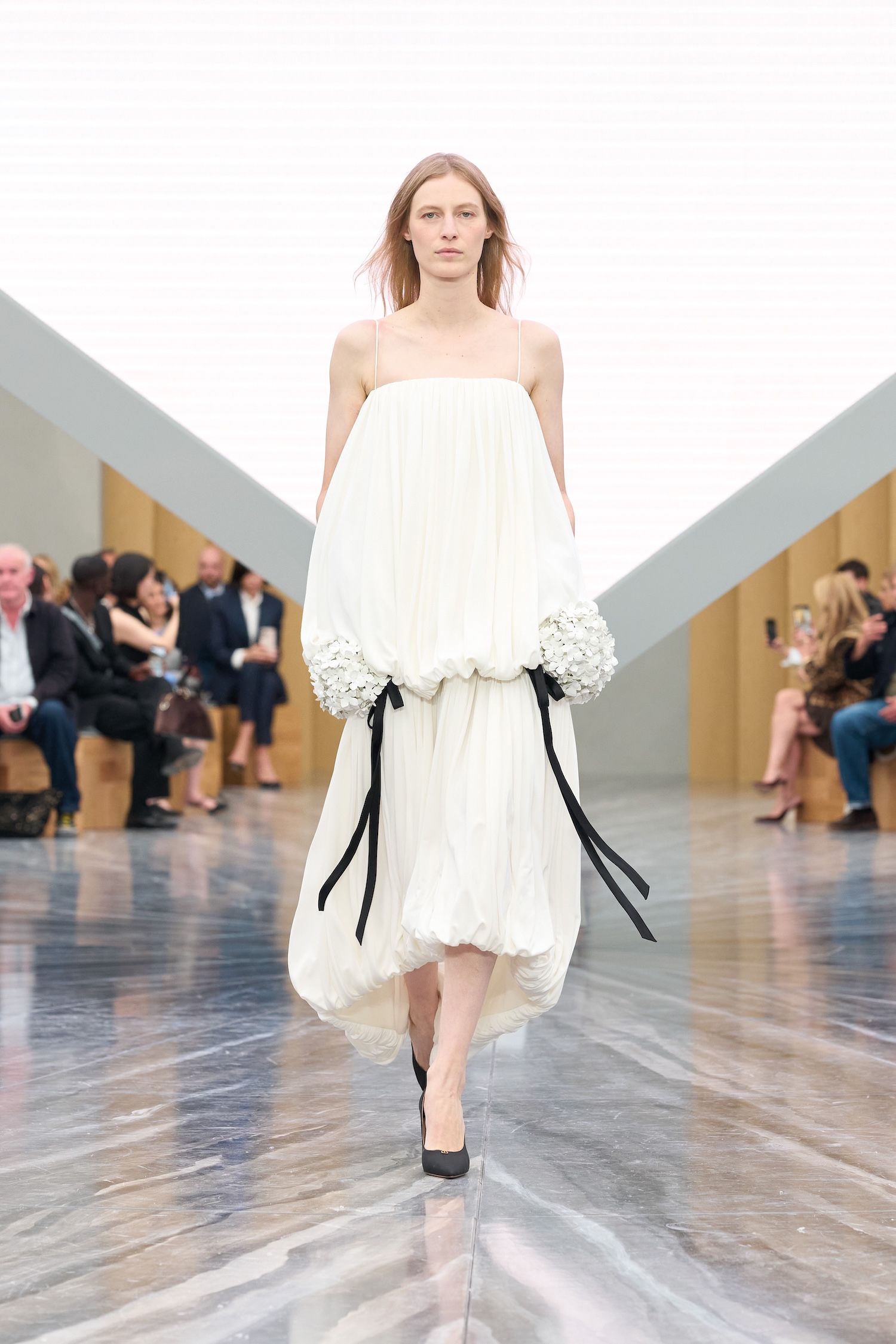
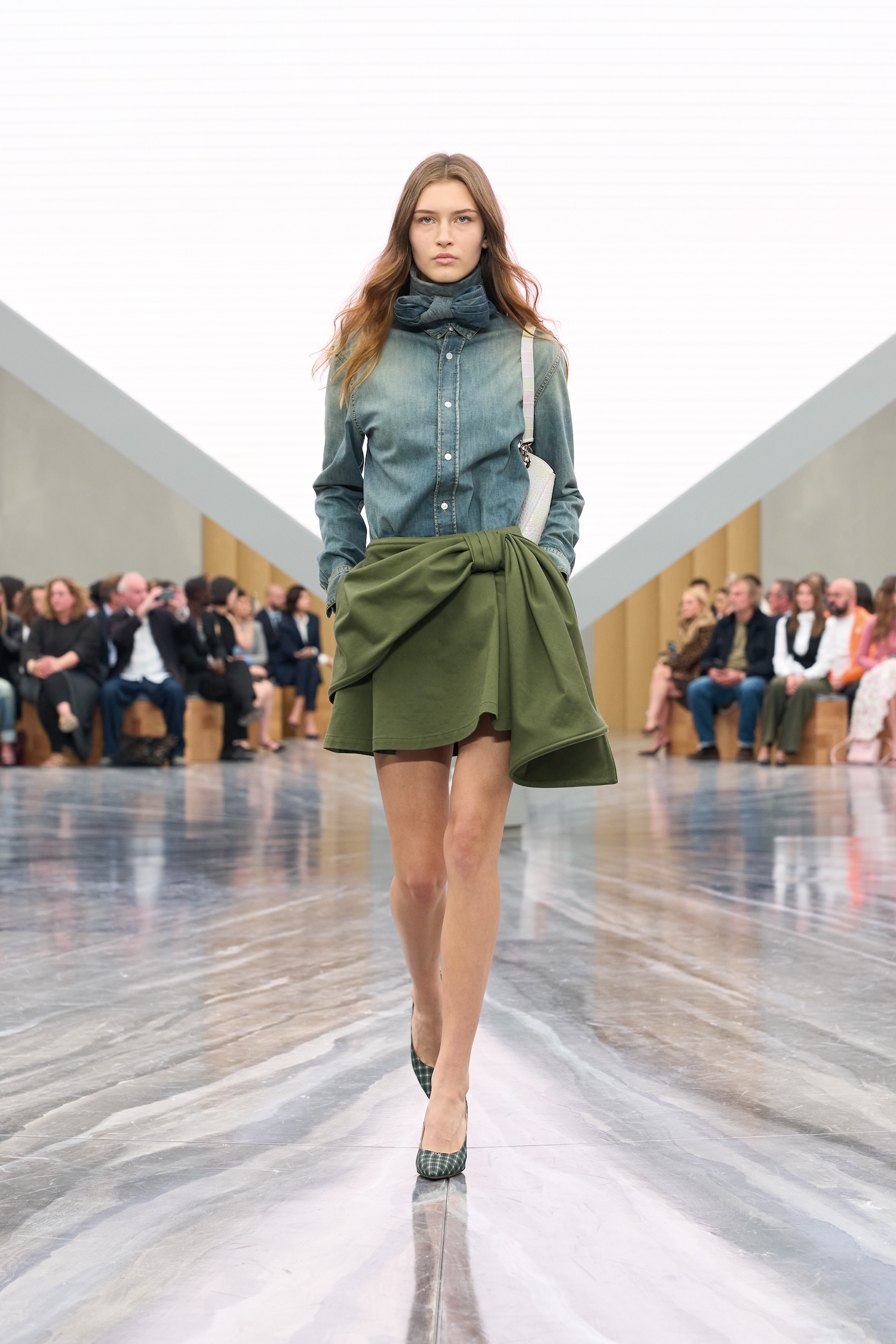
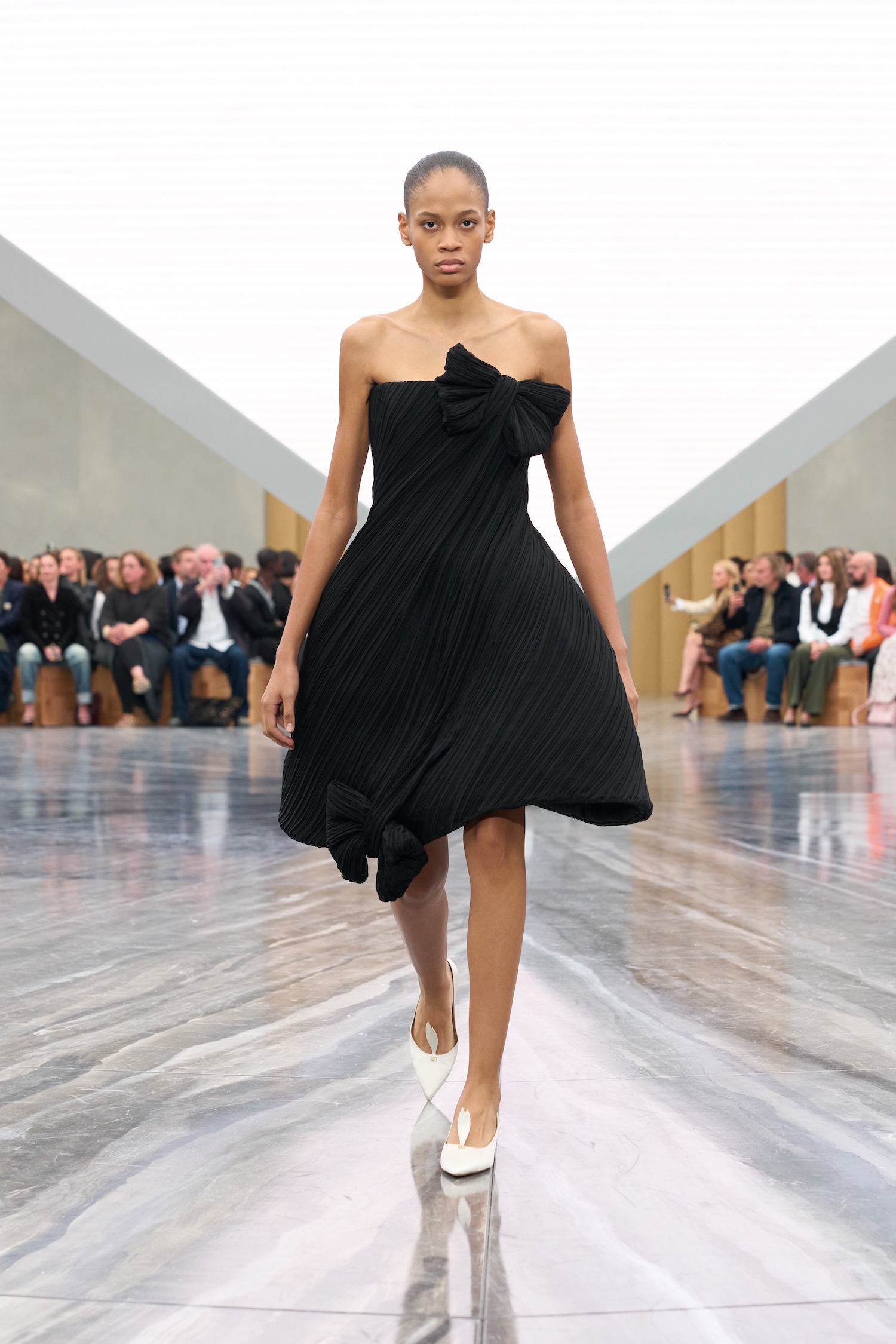
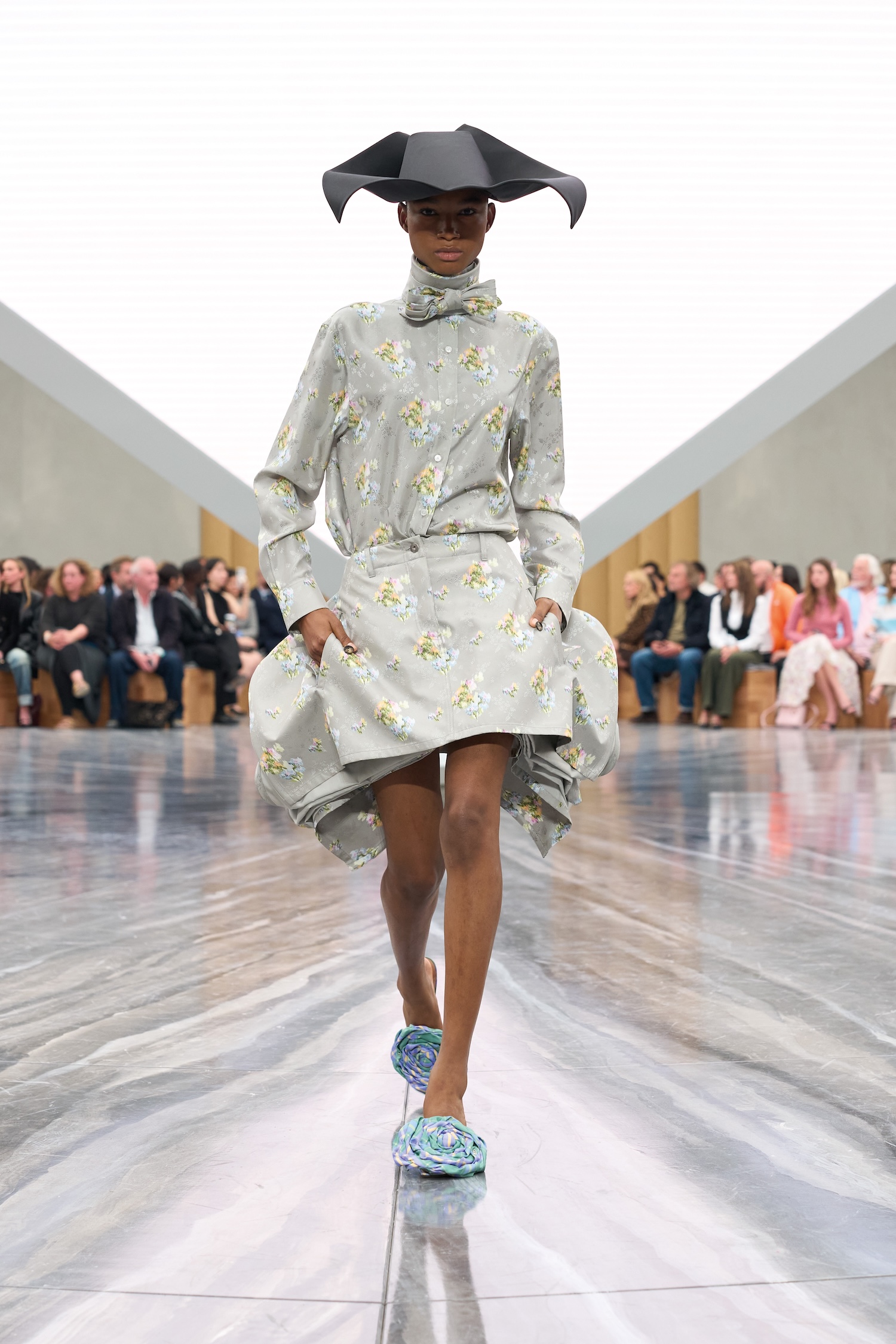
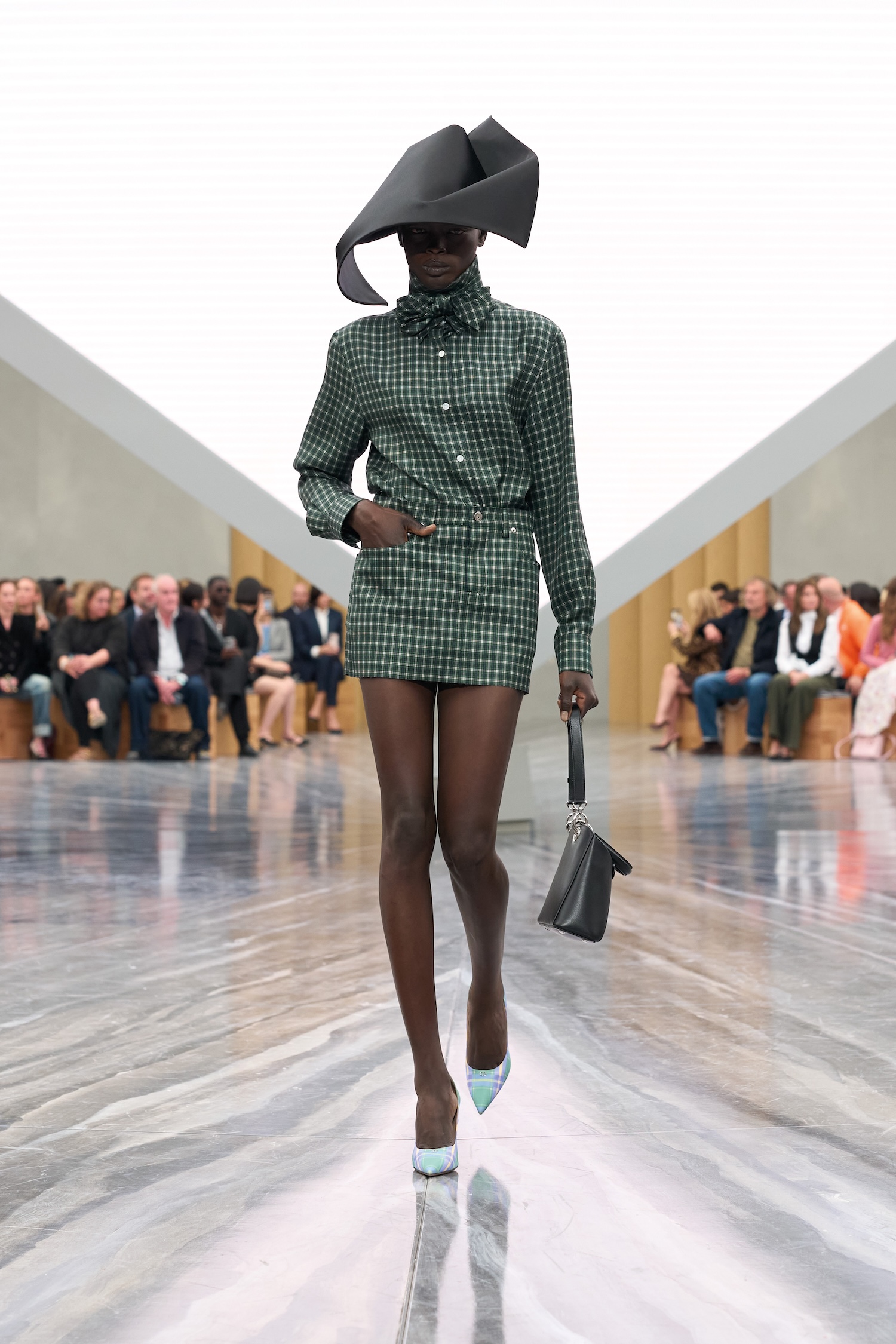
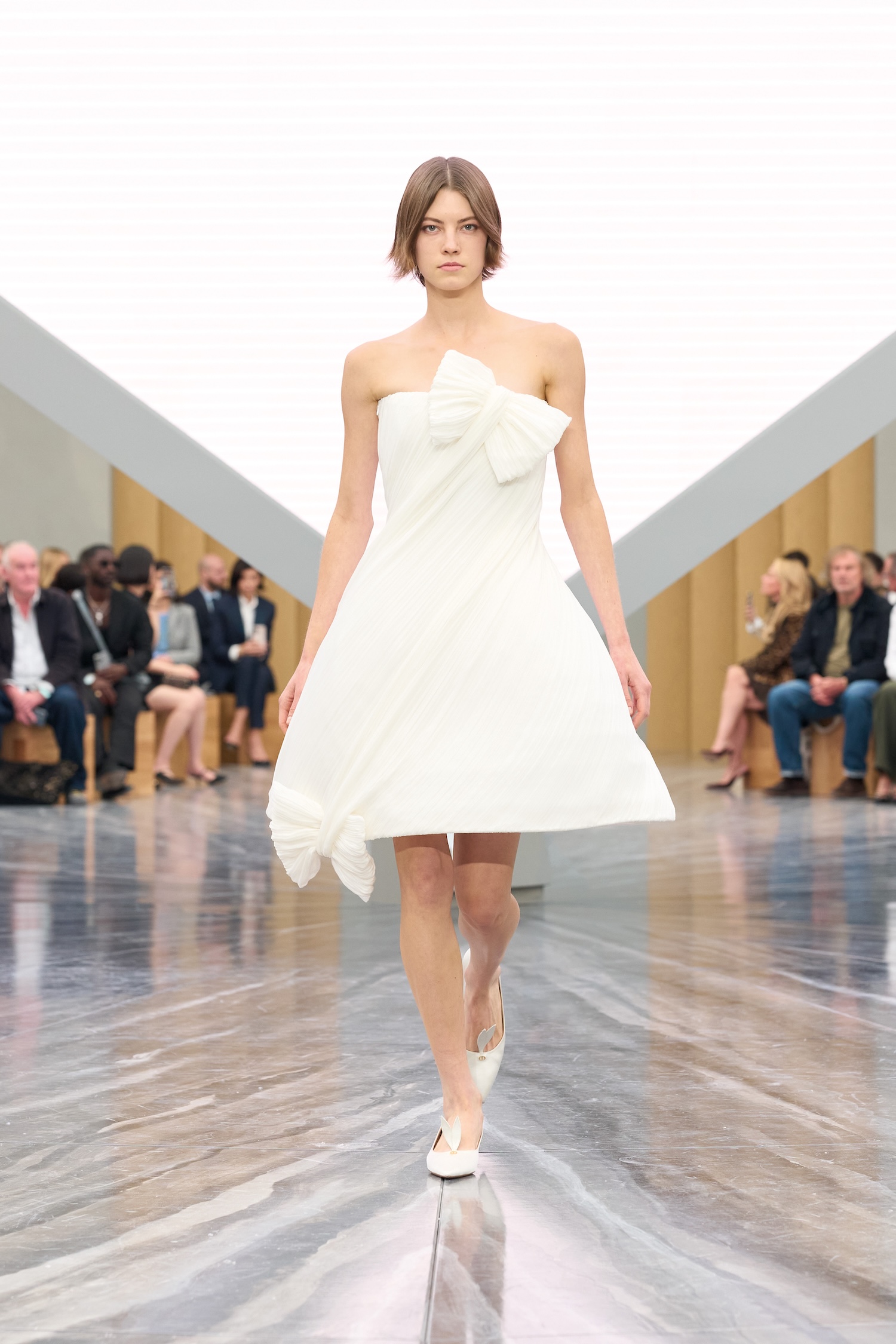
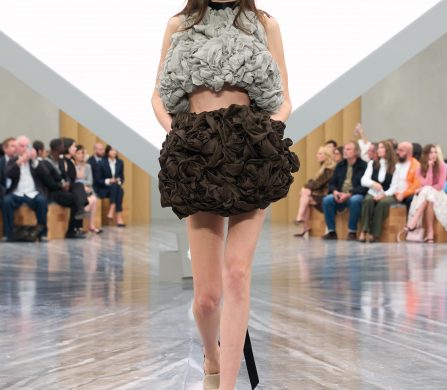
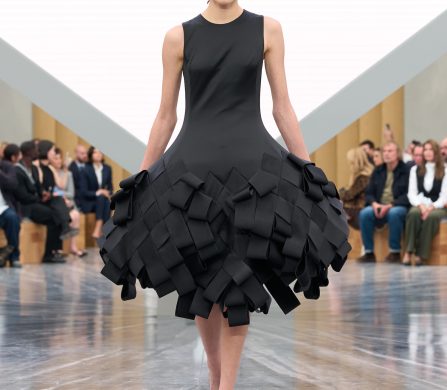
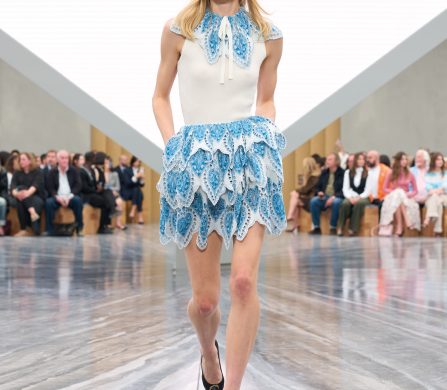
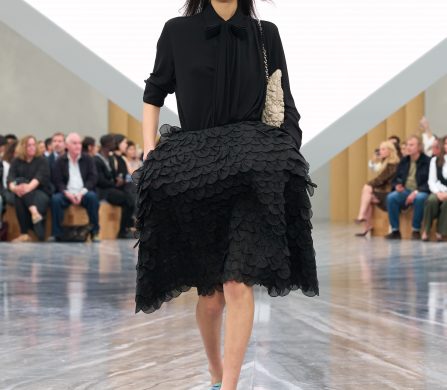
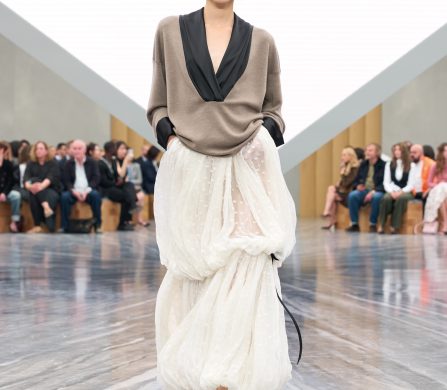
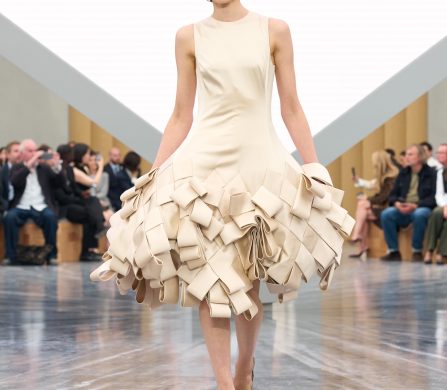
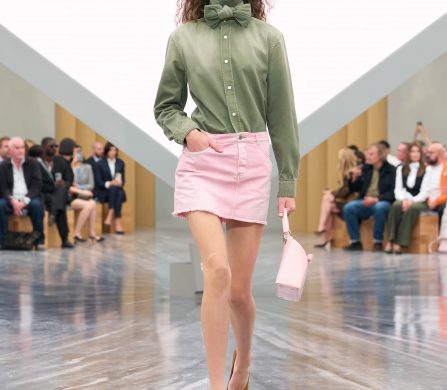
This telescoping of proportion was echoed in the hyper-mini skirts that dominated the runway, pieces that played with impossible volume. These were the architectural lampshade or bubble skirts, which directly referenced the structural genius of gowns like the 1952 ‘La Cigale’ but abbreviated them for the modern woman. This tension was sealed by the re-coding of the 1948 ‘Delft’ dress, whose angular, draped folds were translated into a high-waisted mini-skirt that jutted out dramatically, giving the volume a fleeting, kinetic sense.
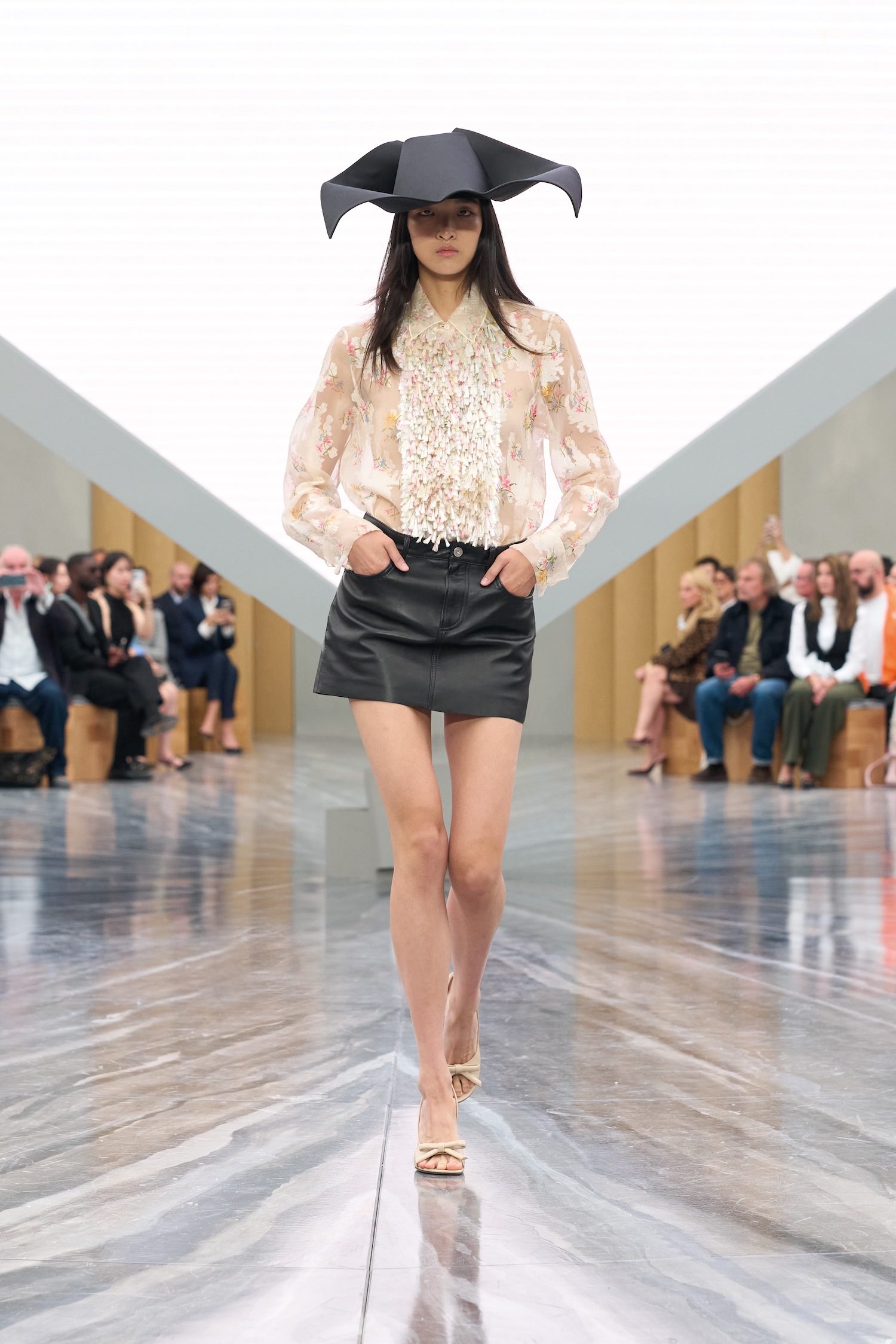
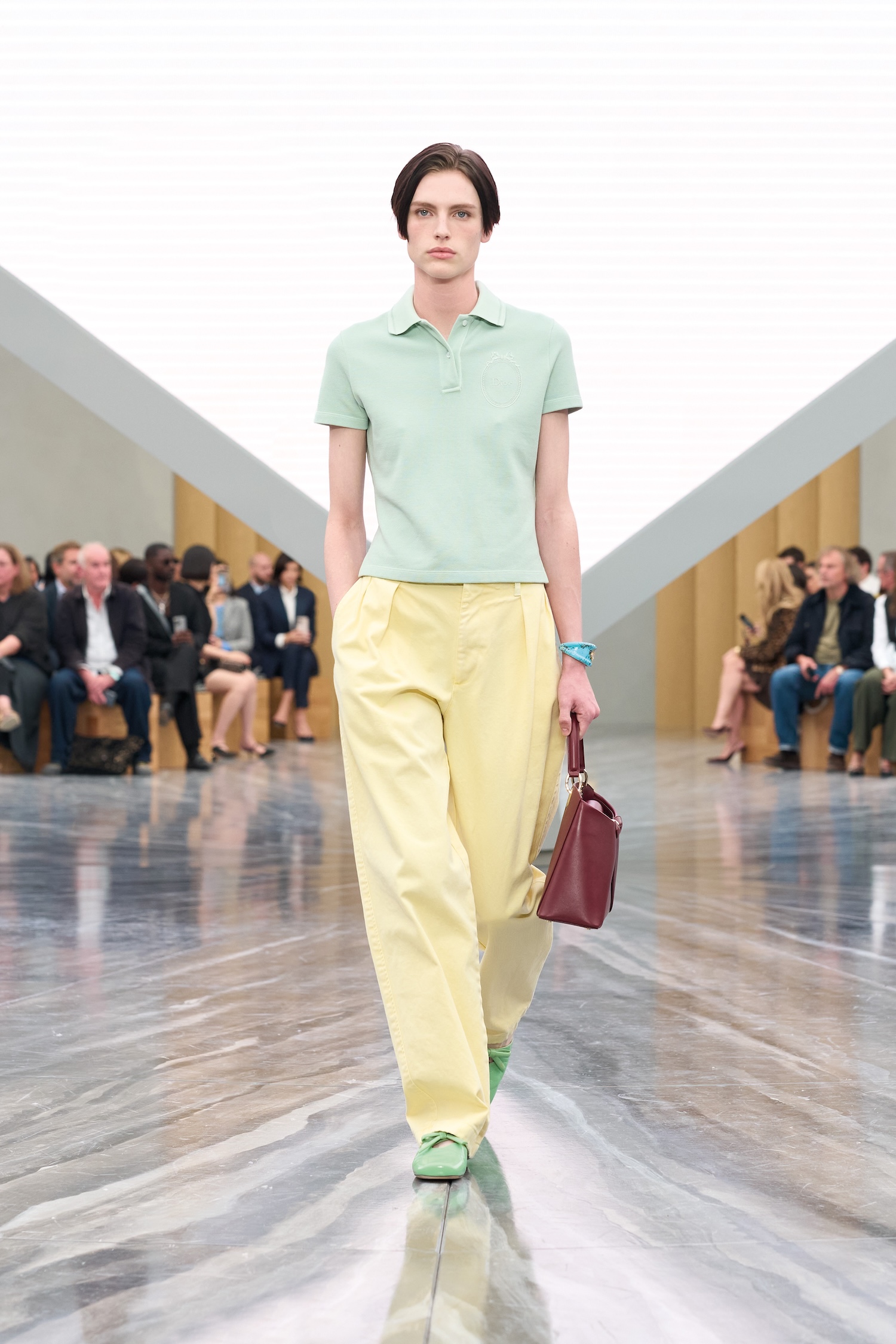
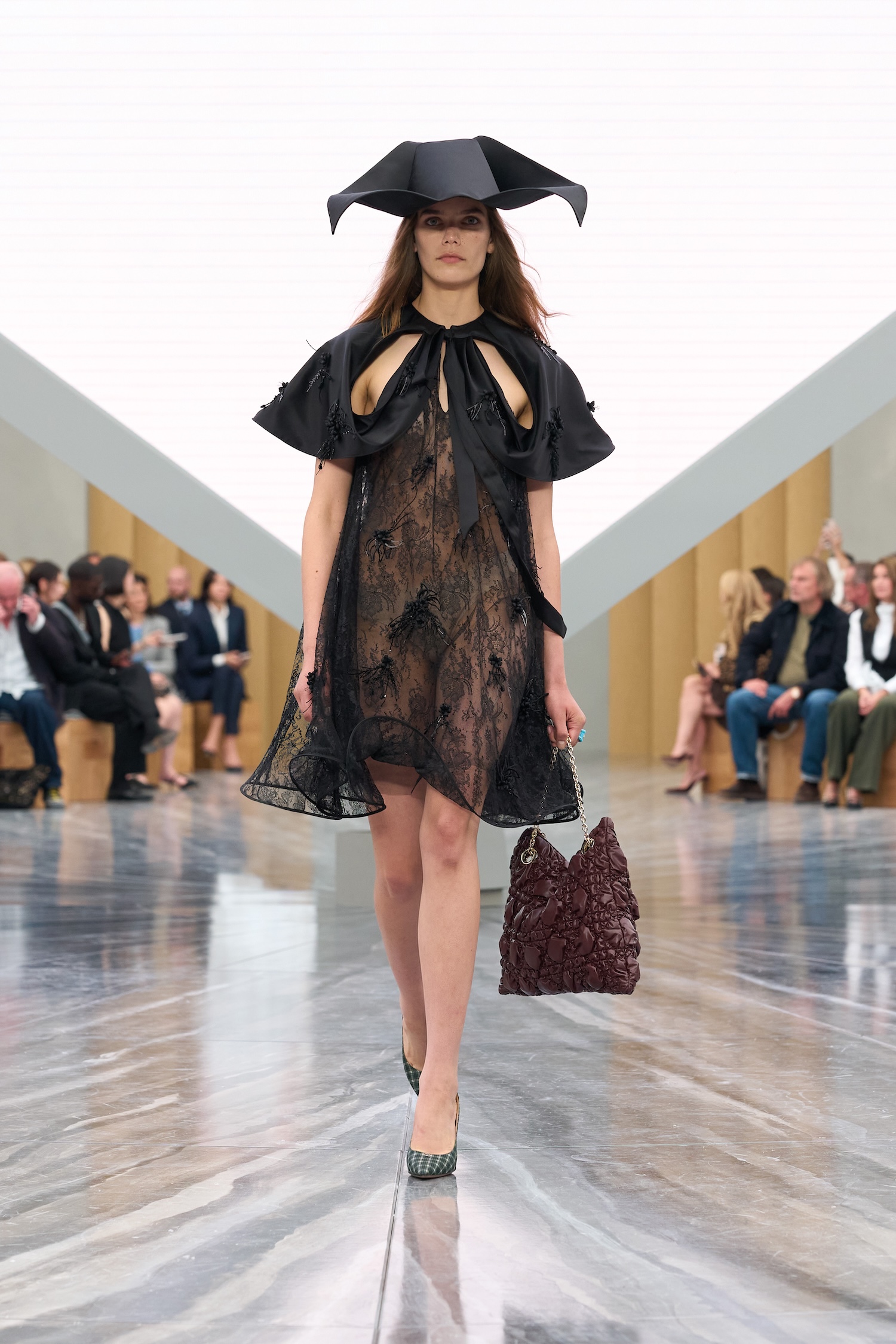
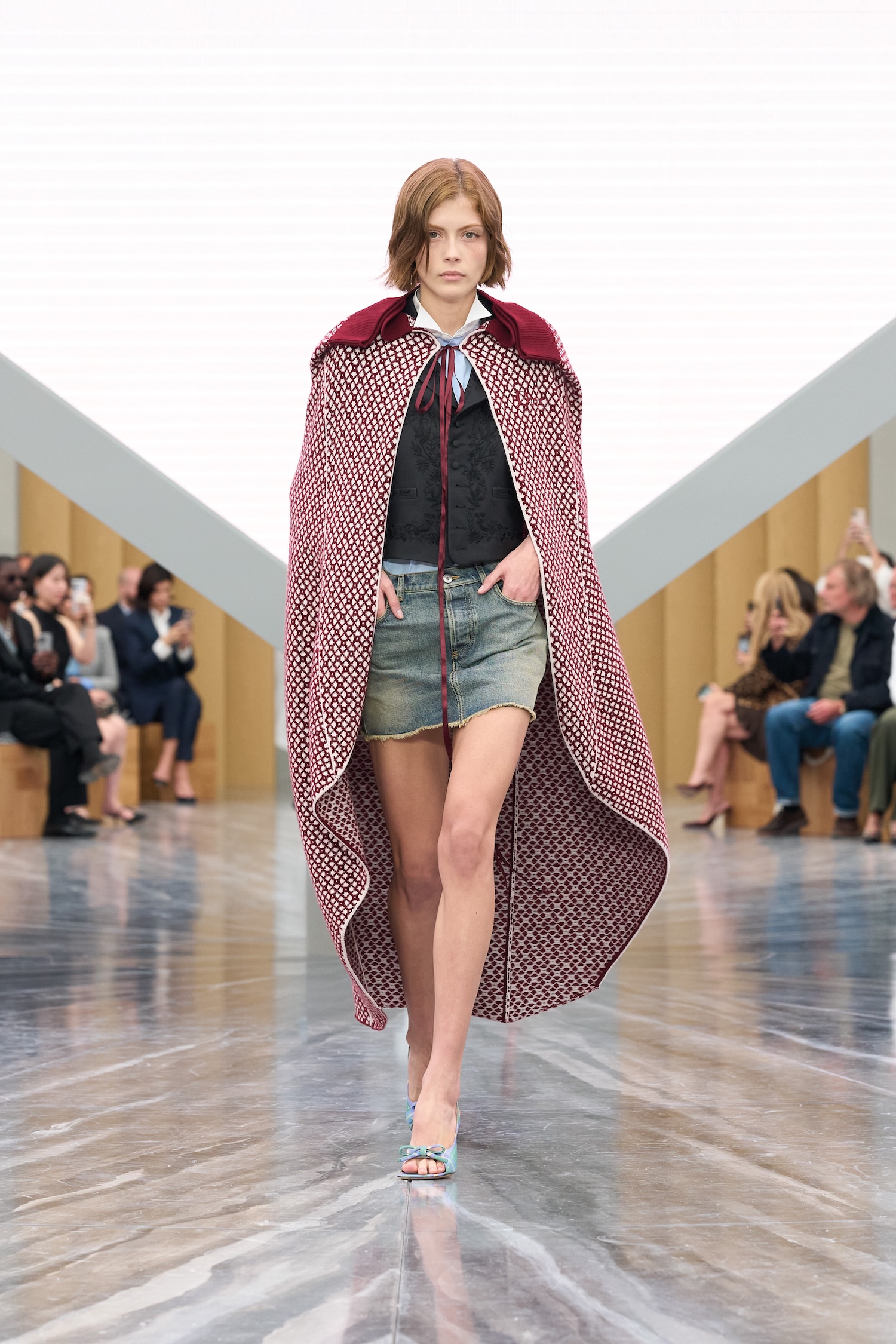
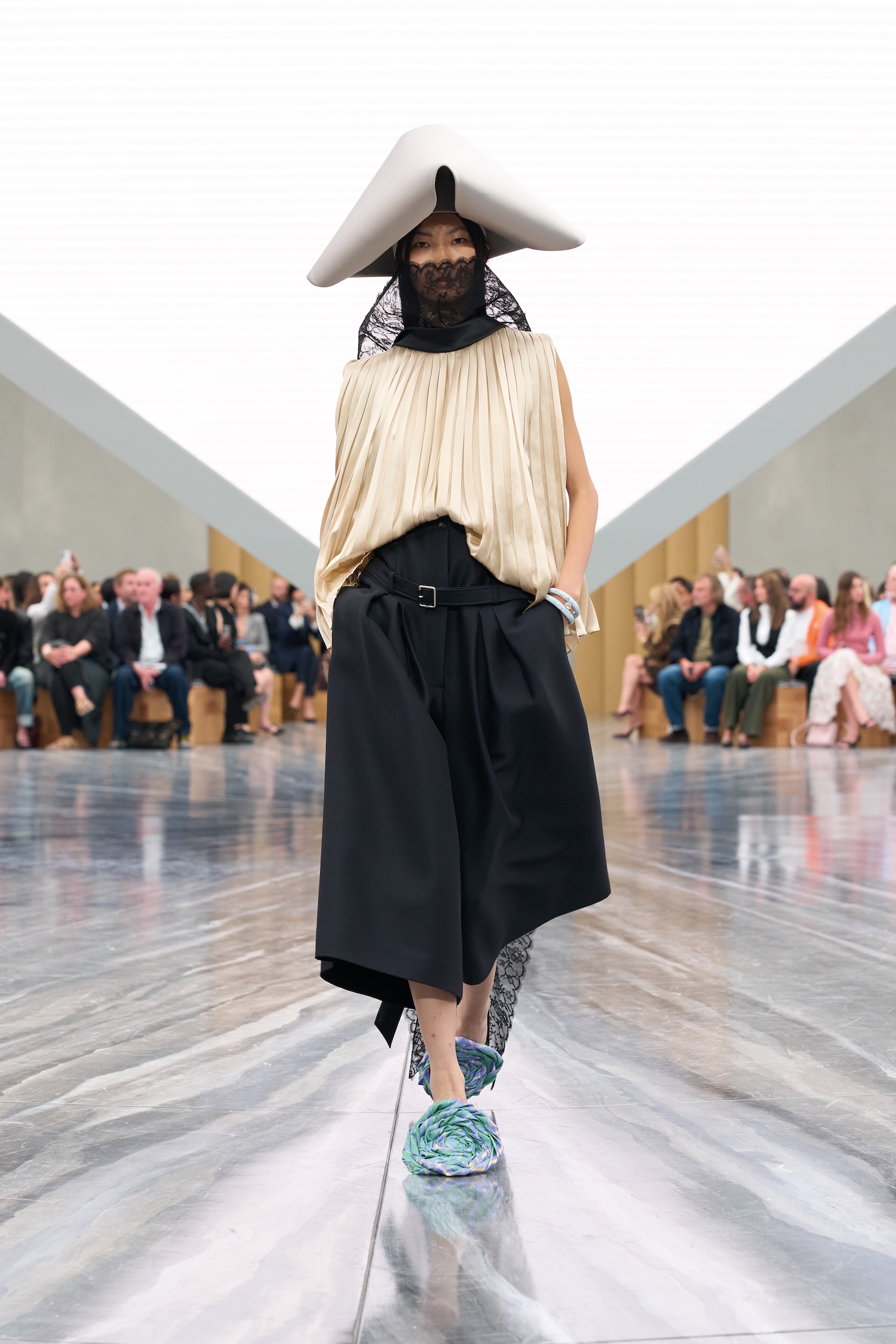
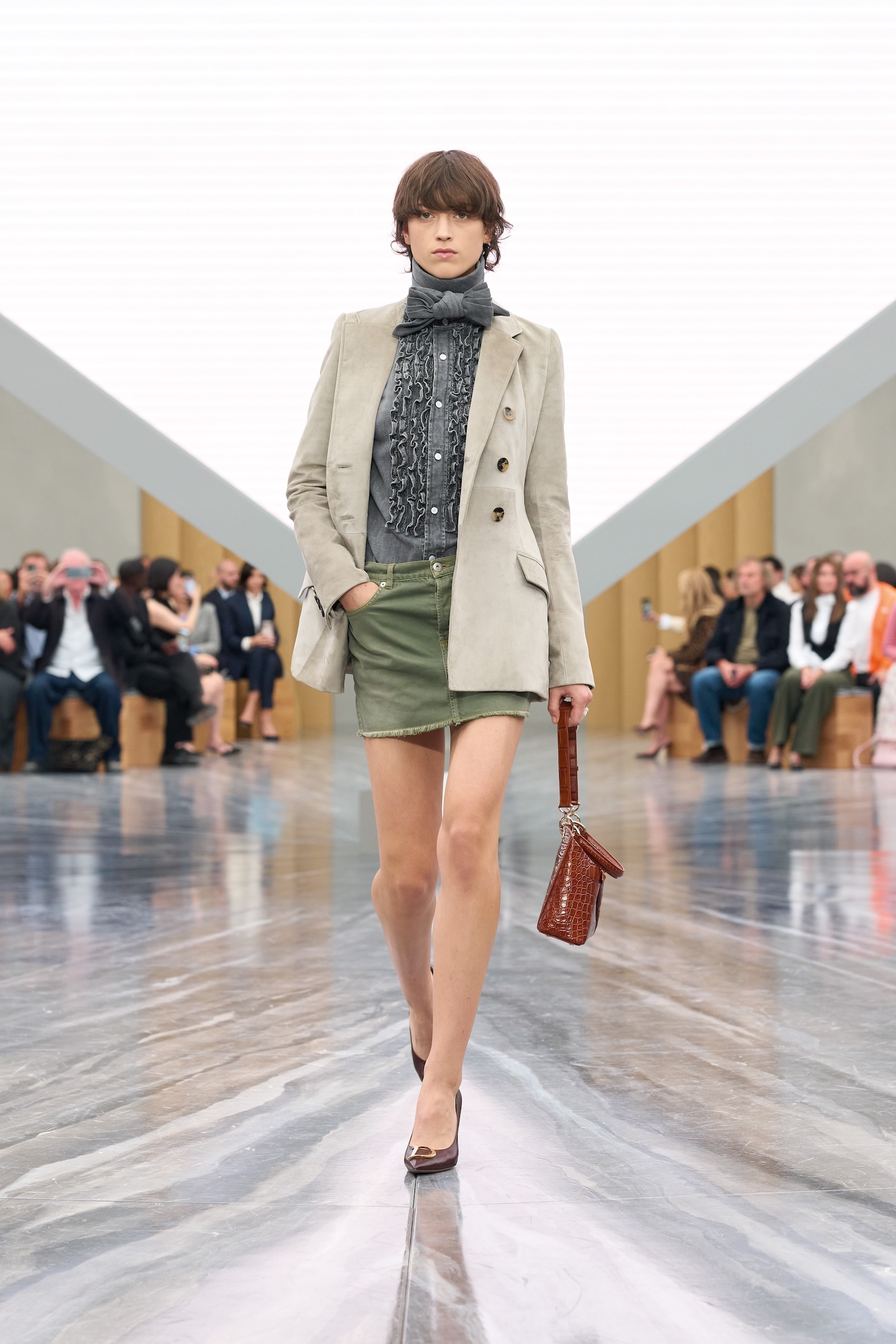
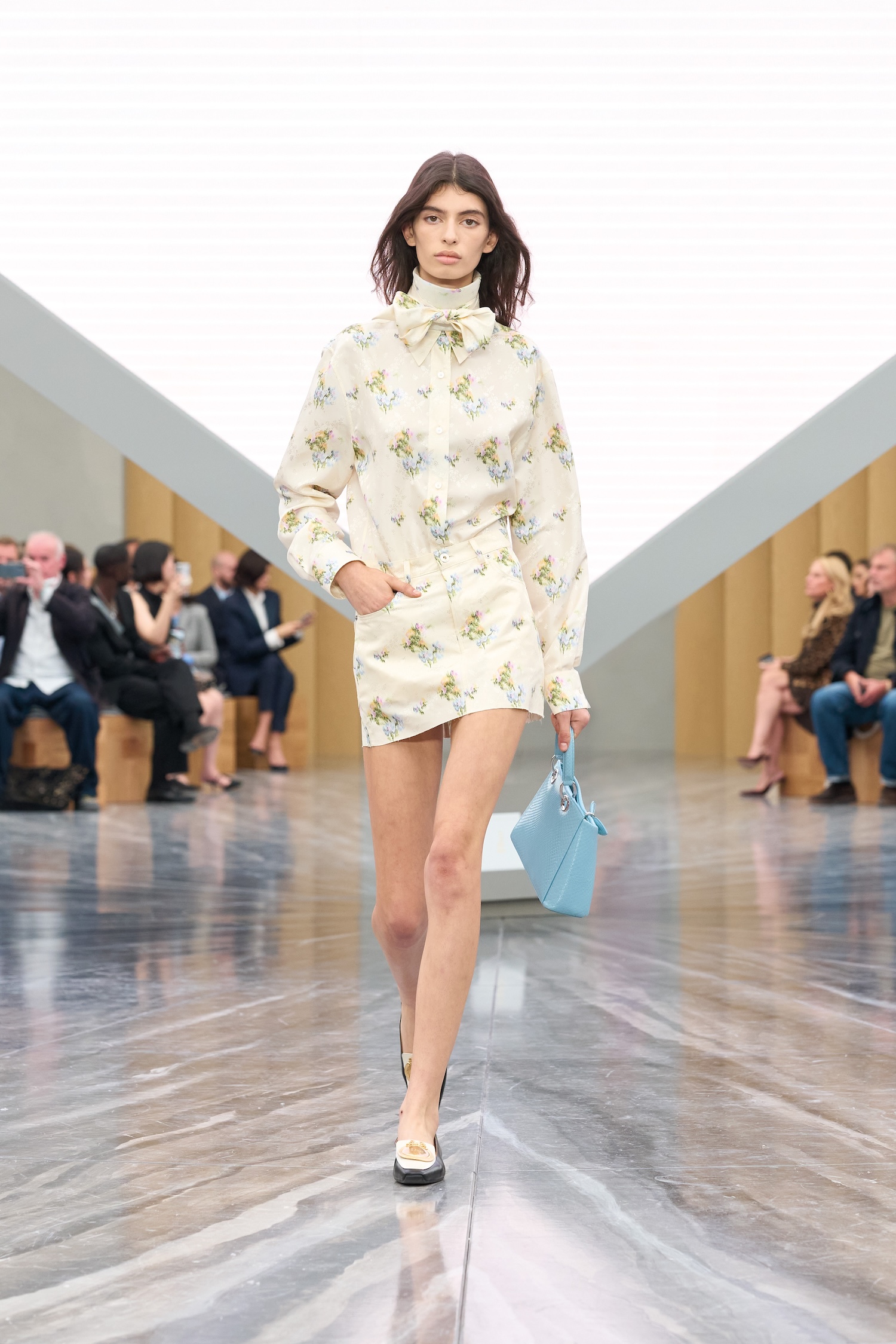
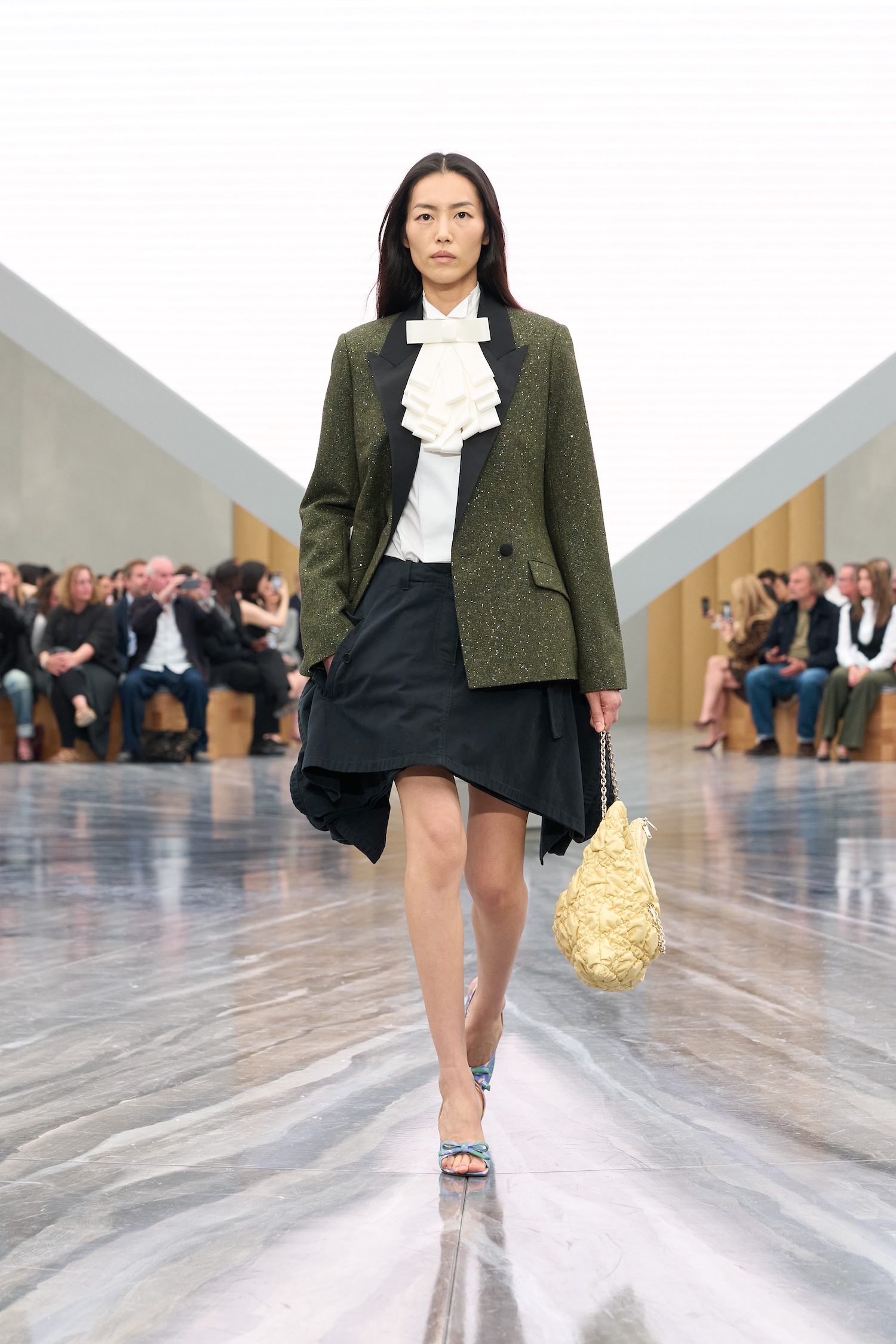
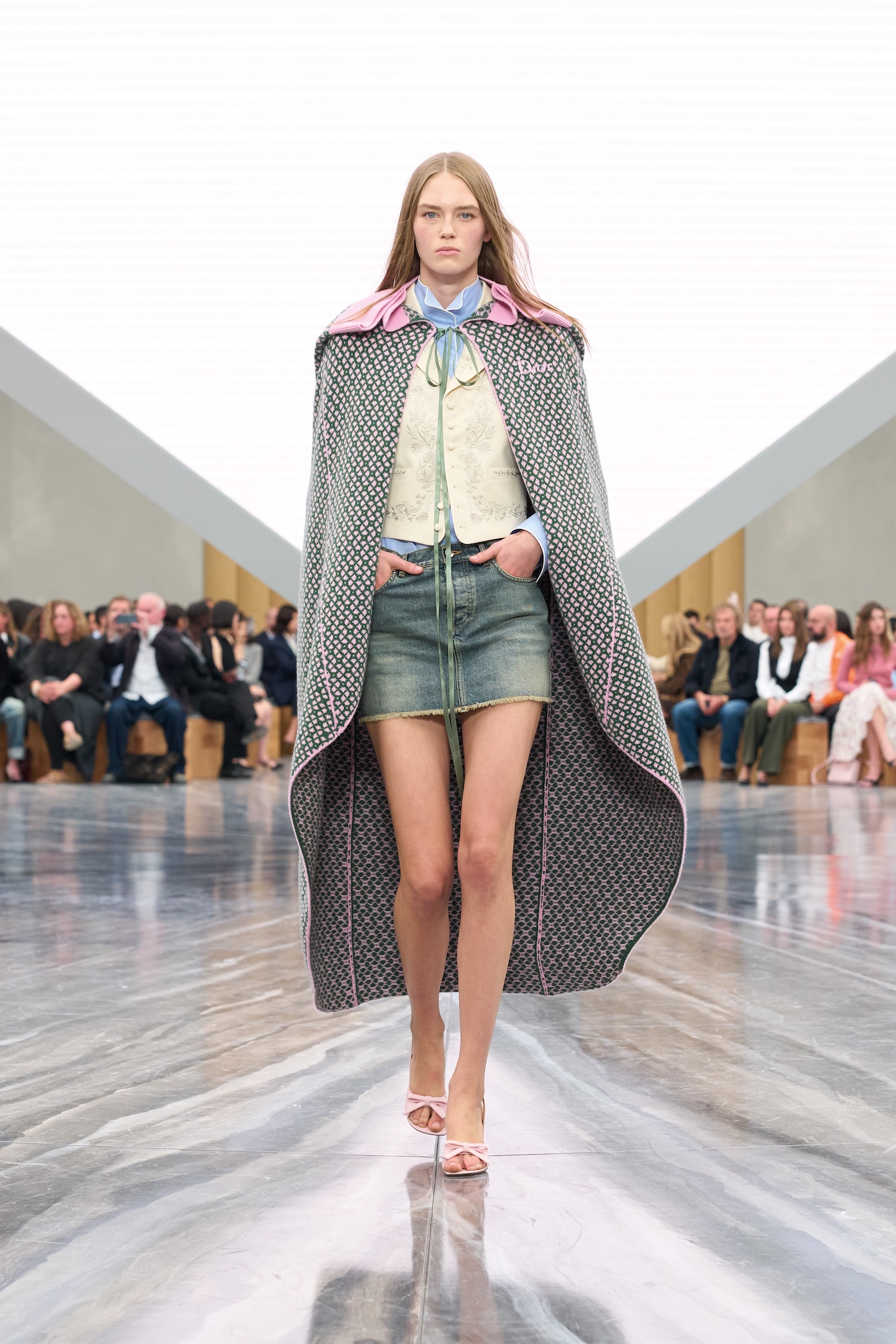
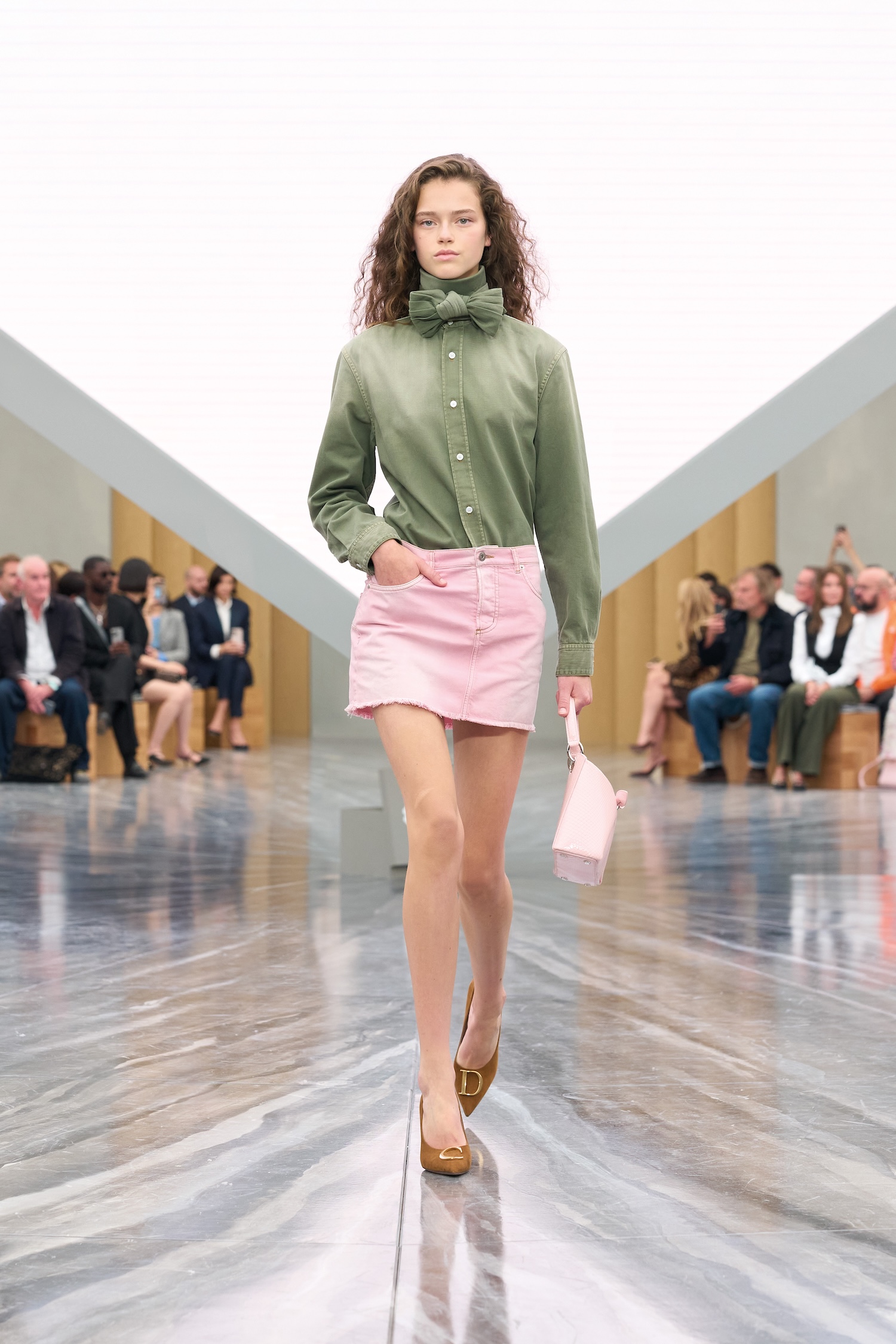
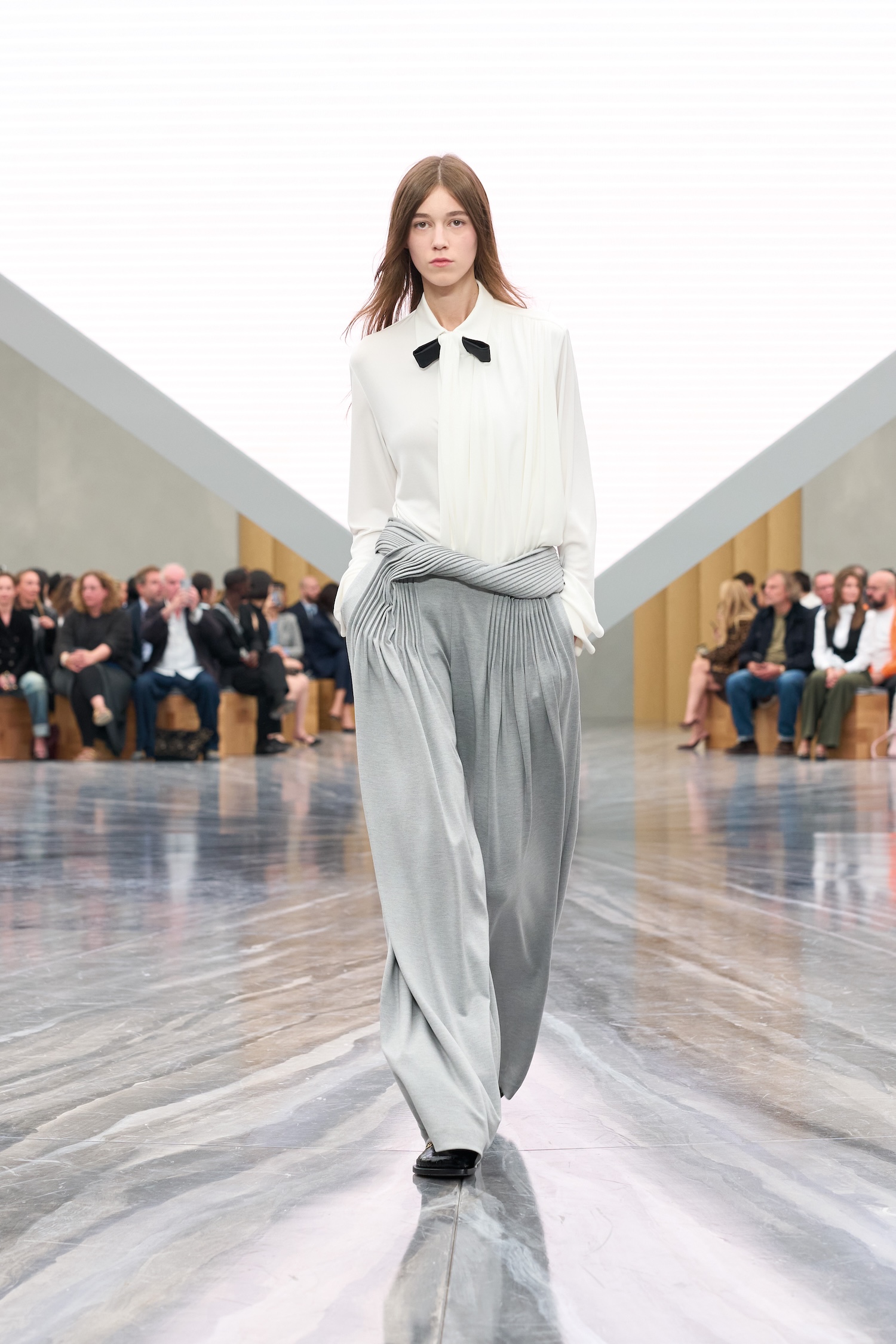
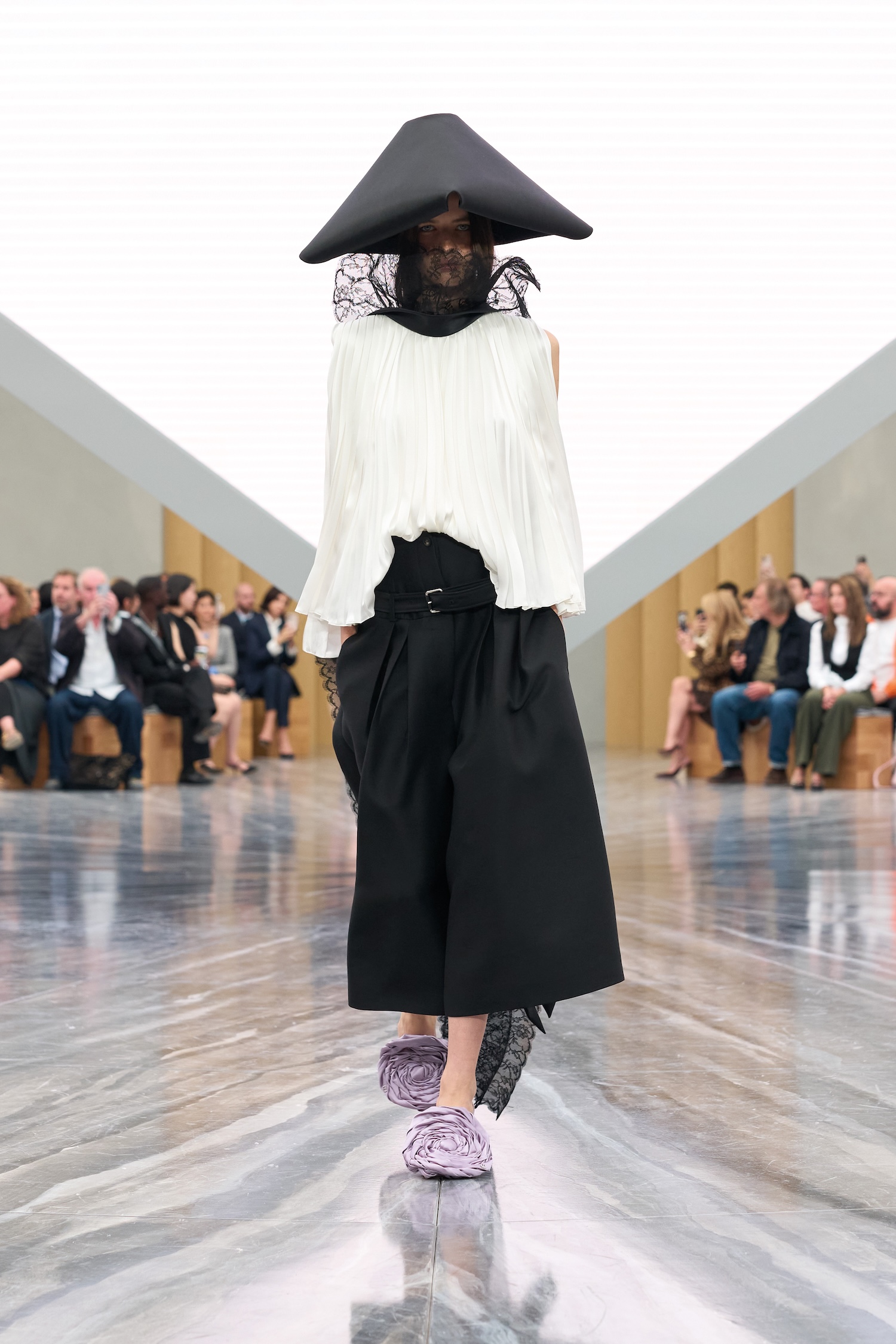
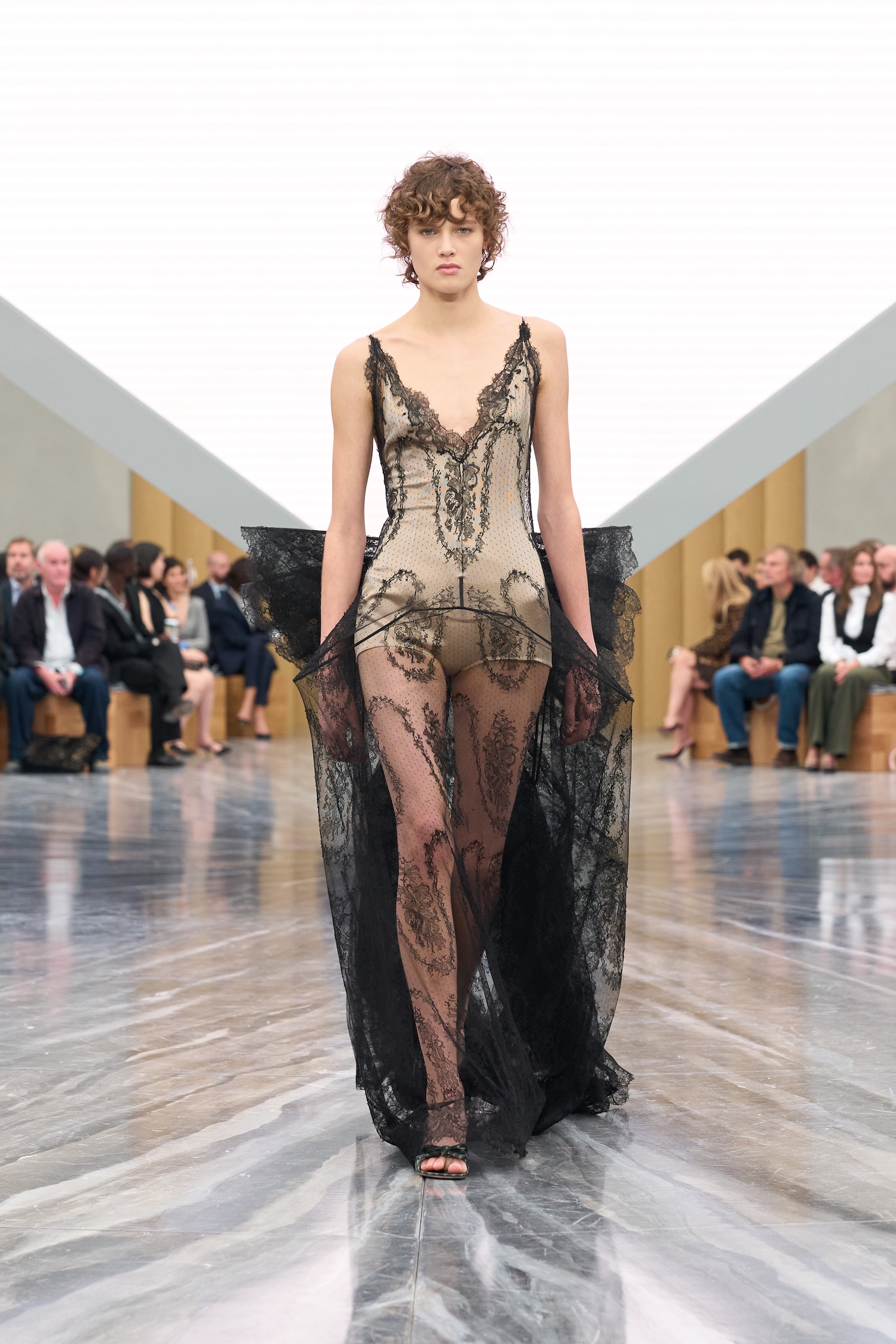
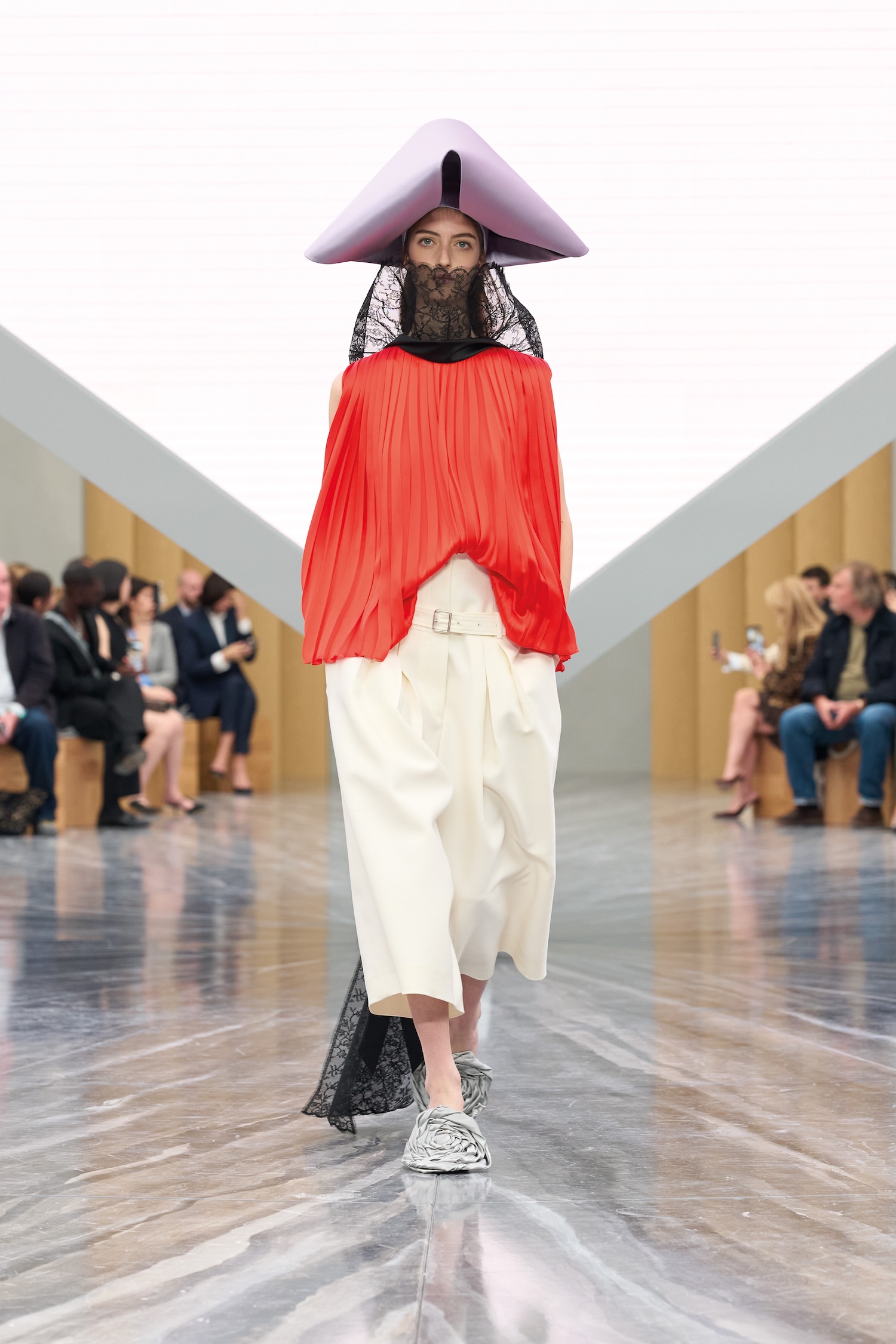
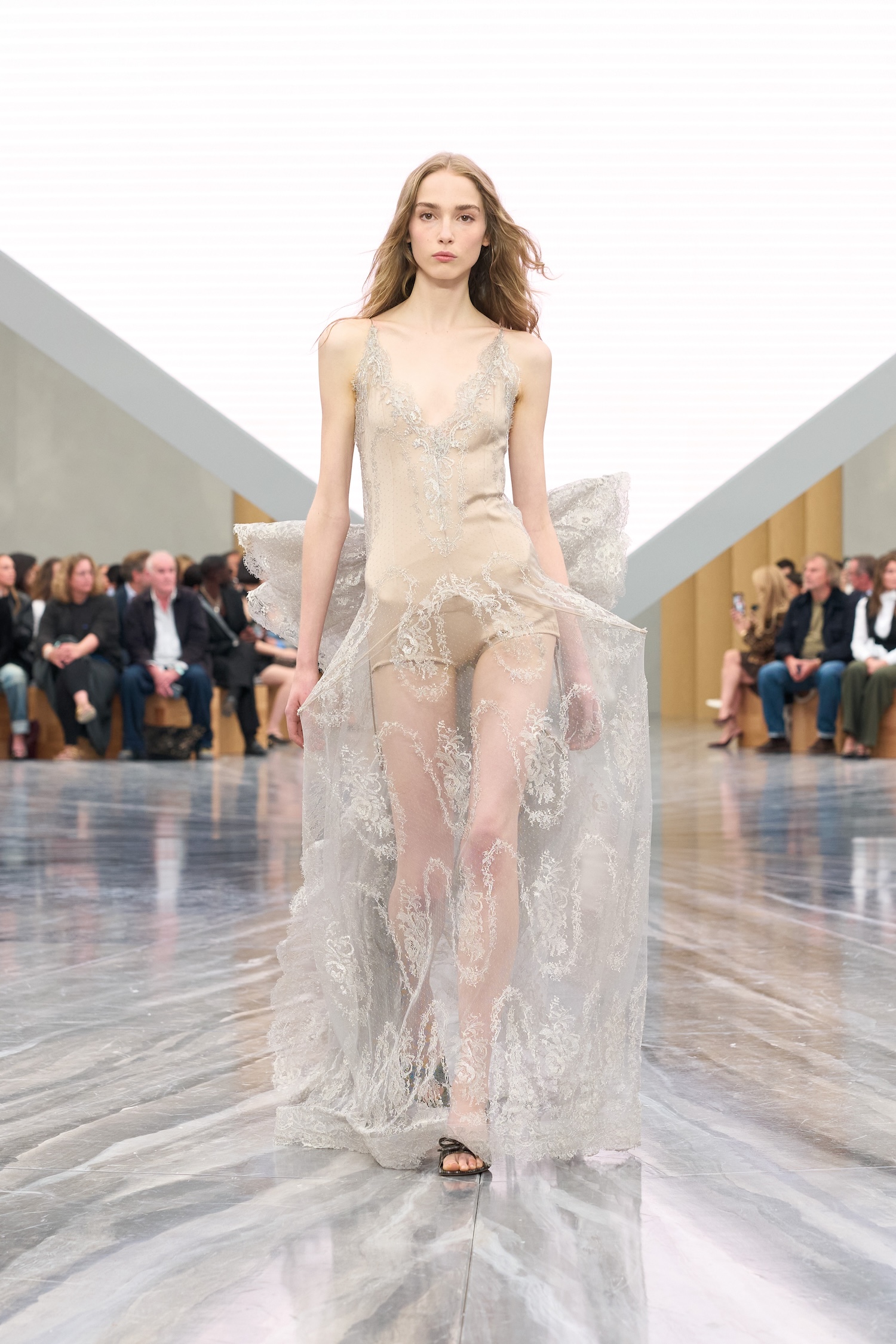
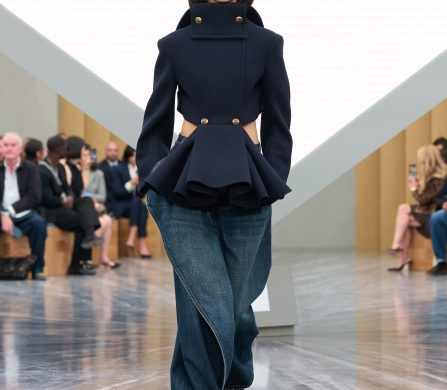
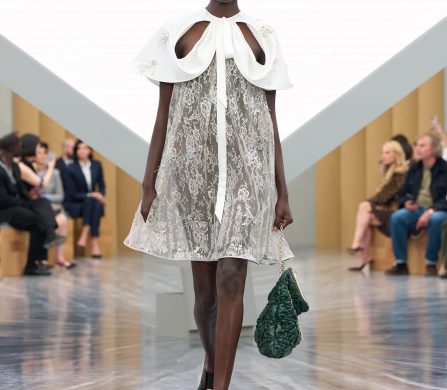
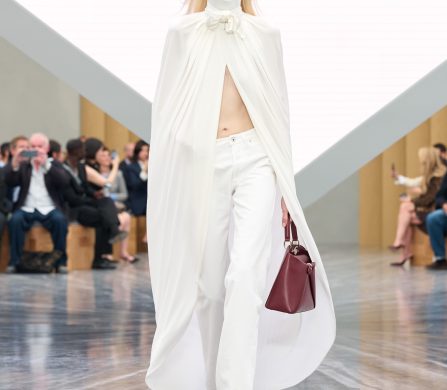
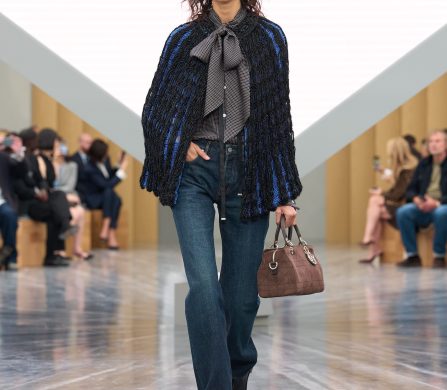
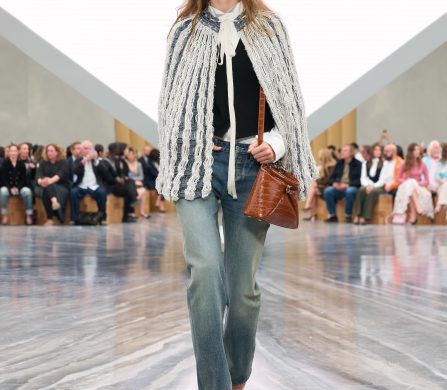
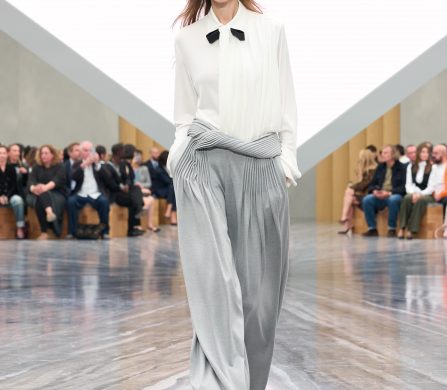
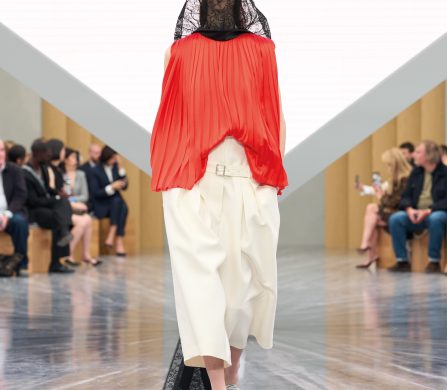
Anderson’s vision thrives in the collision of worlds, marrying the aristocratic with the anarchic. The most formal shapes were worn with elements of the commonplace: the aforementioned sculptural skirts paired with utilitarian raw denim, or an elaborate blouse with a veiled lace collar grounded by a frayed denim mini-skirt. This deliberate dissonance was Anderson’s way of inviting the Dior woman to choose her character for the “theatricality of life,” a nod to the Shakespearean scale he invoked in his own words.
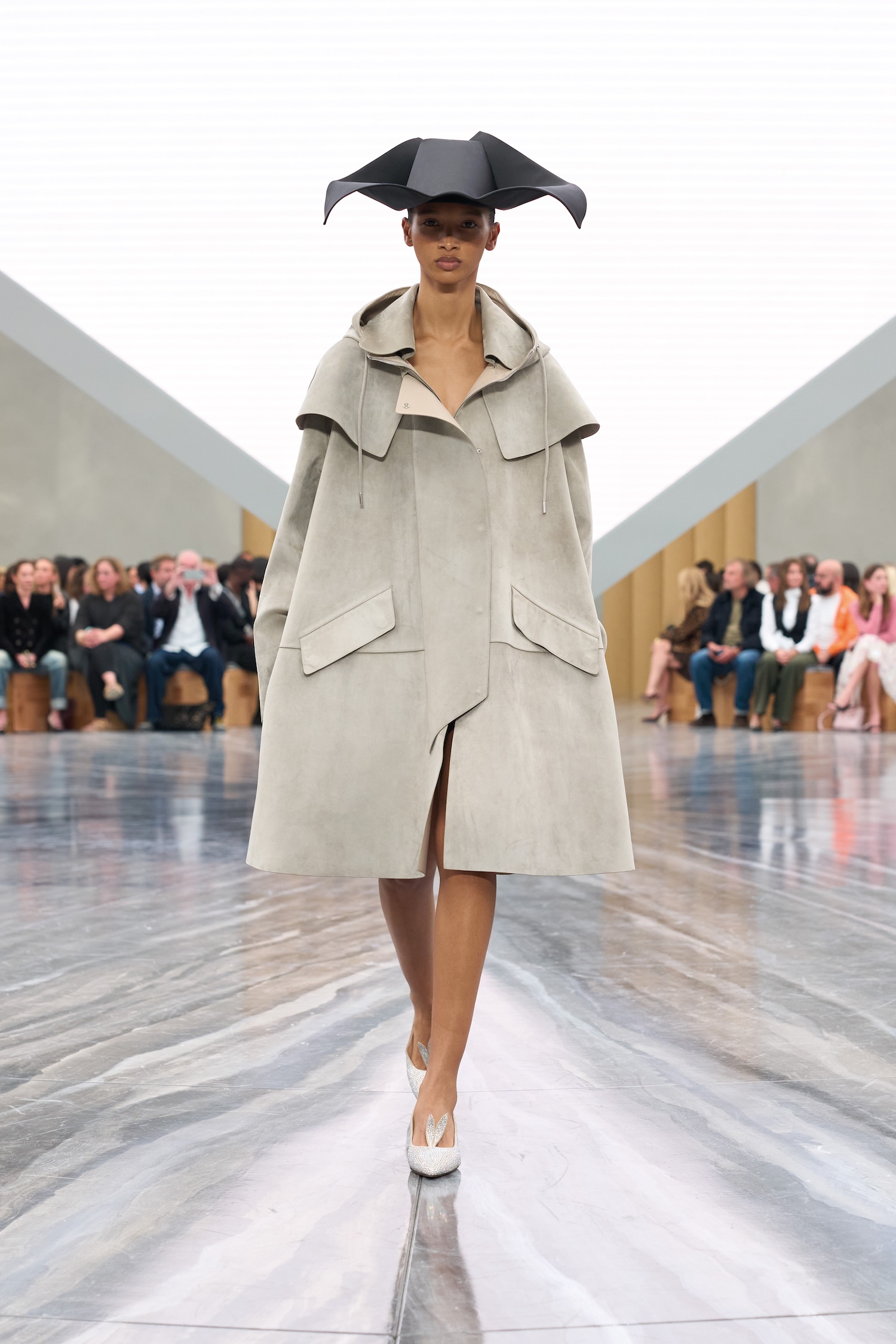
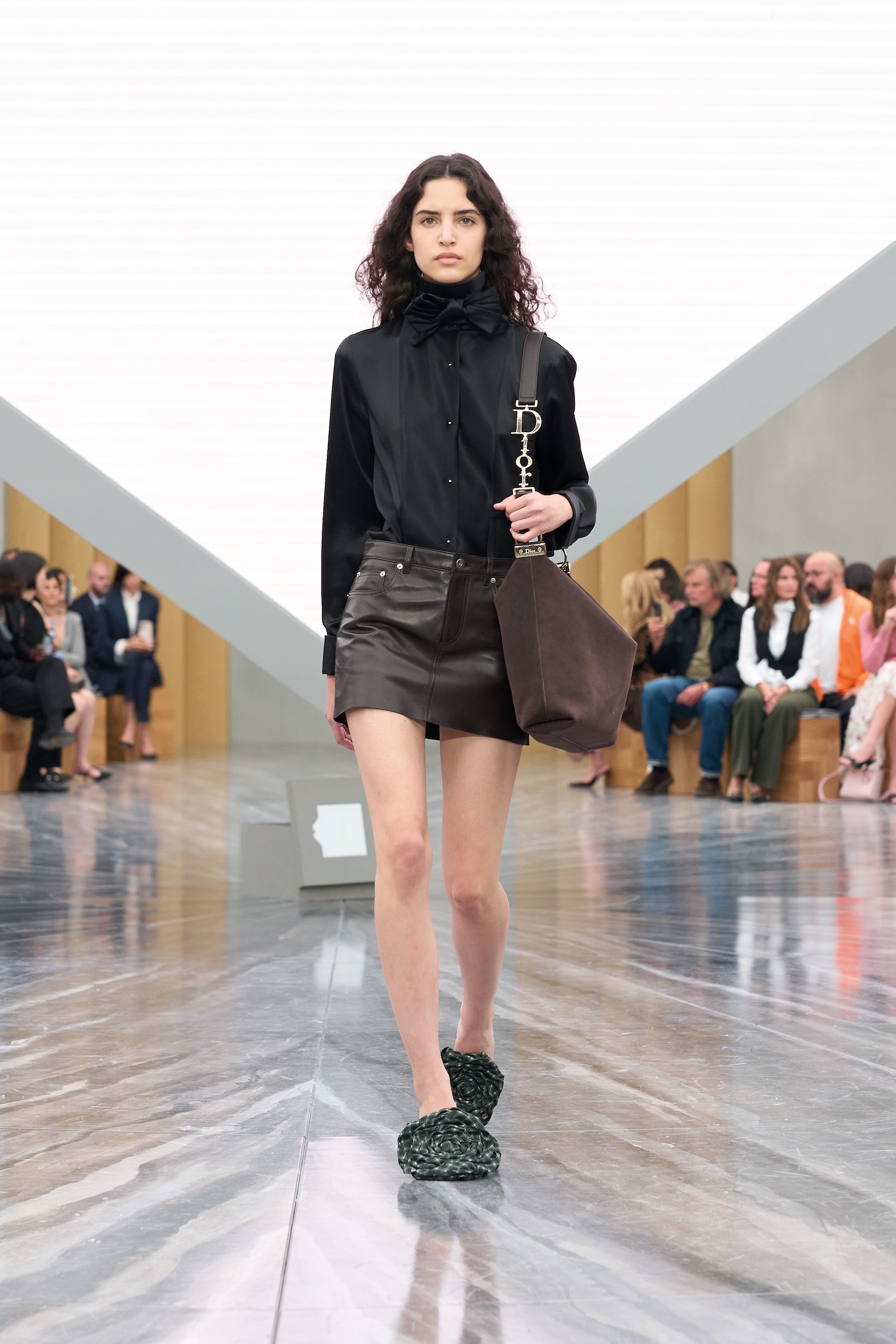
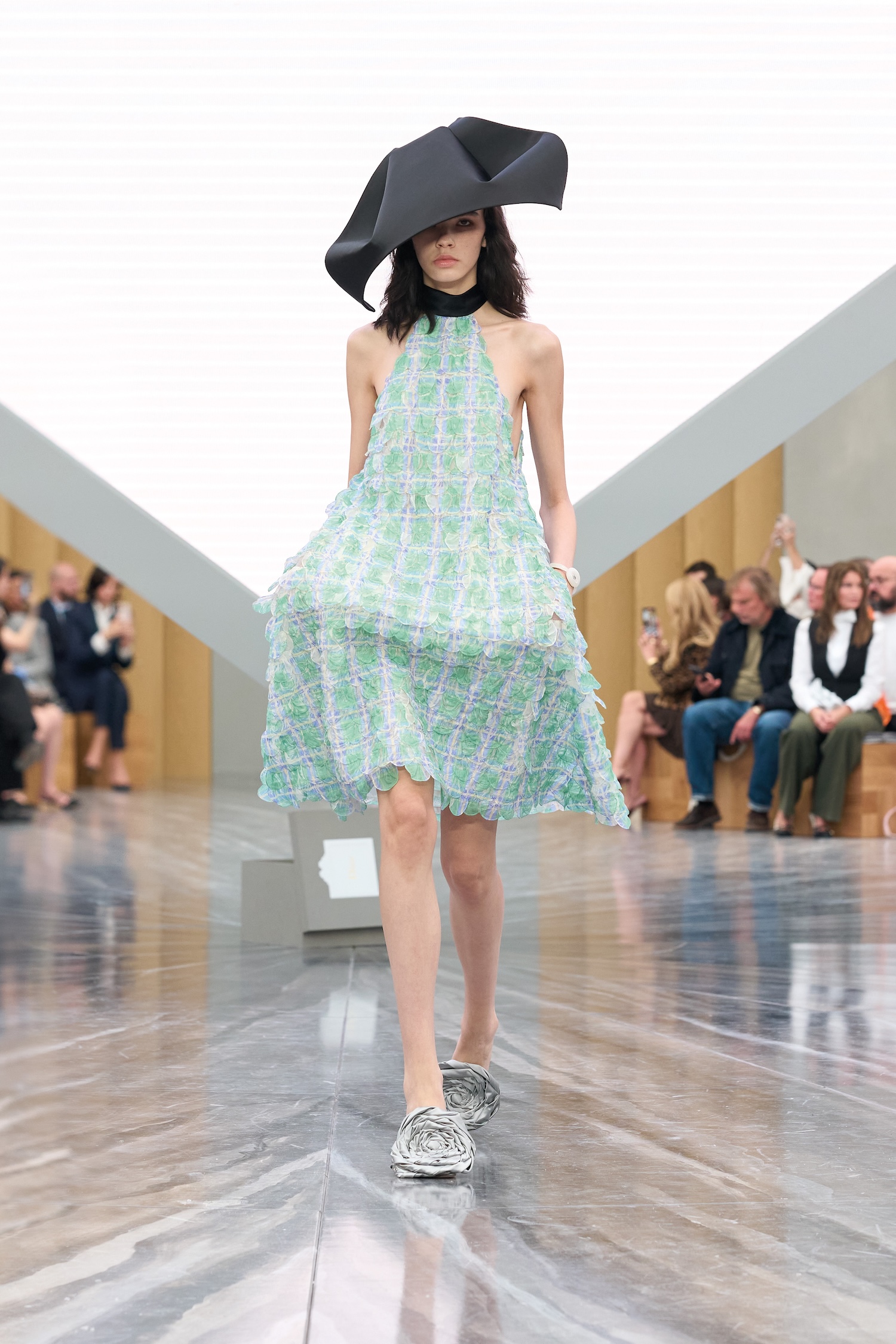
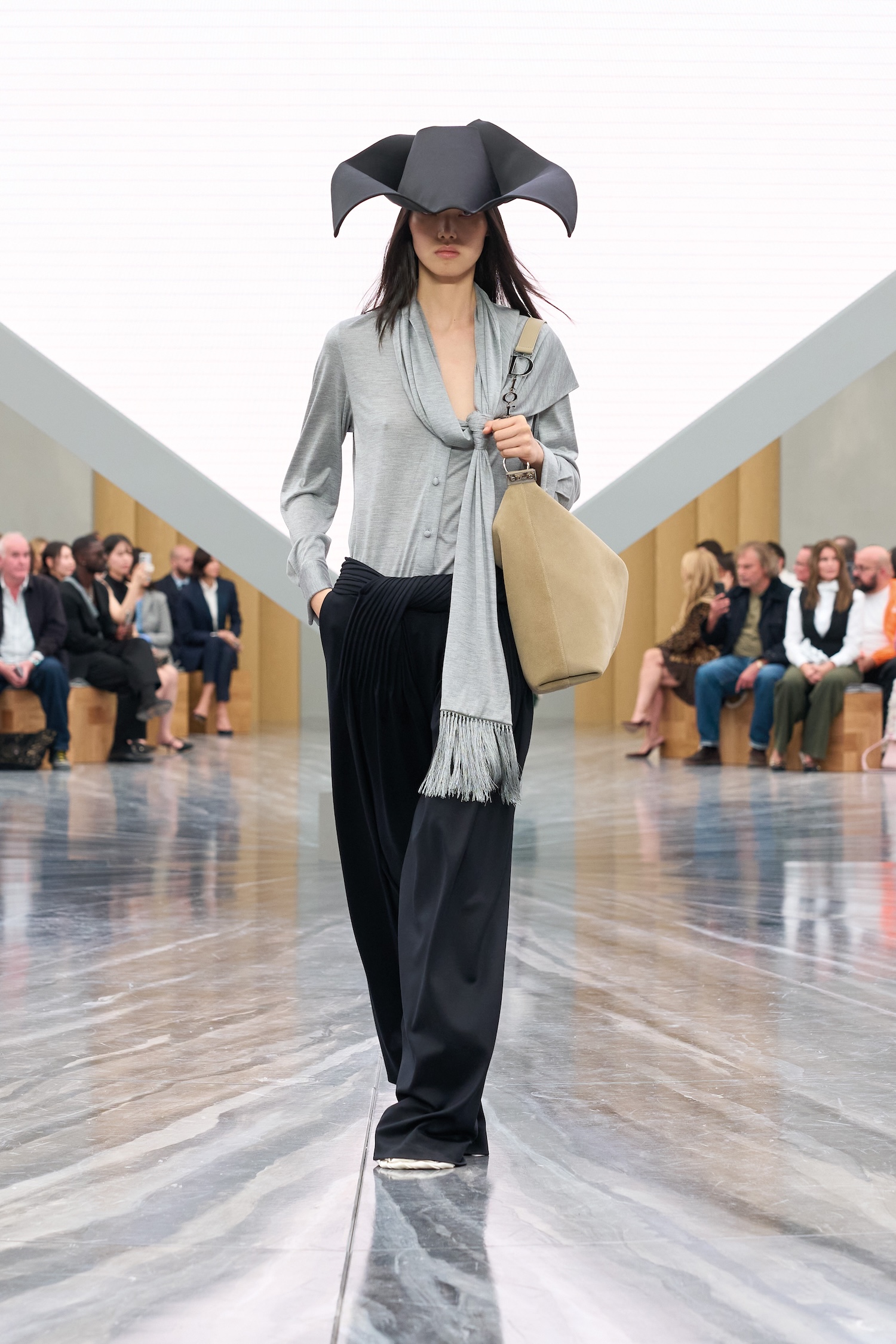
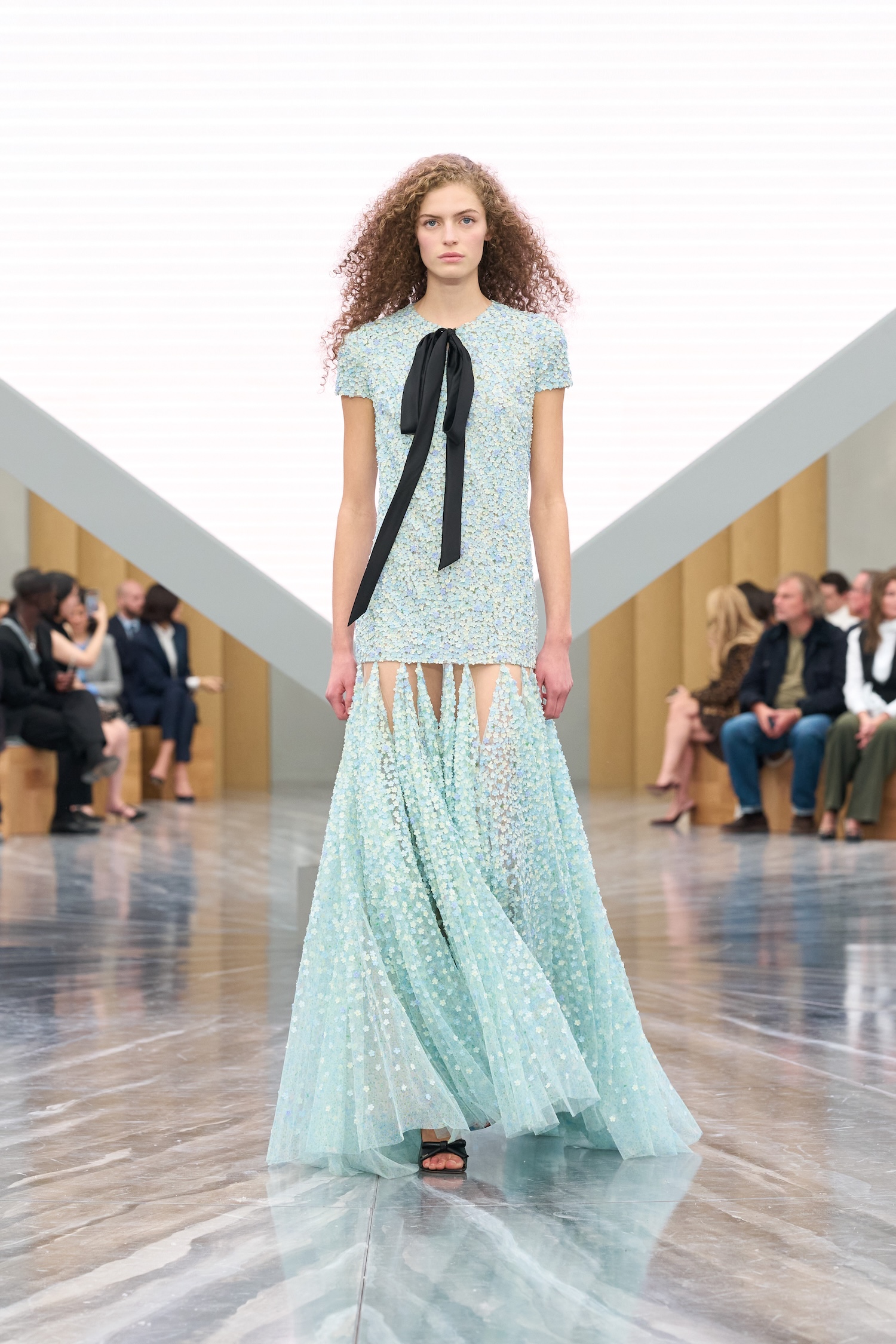
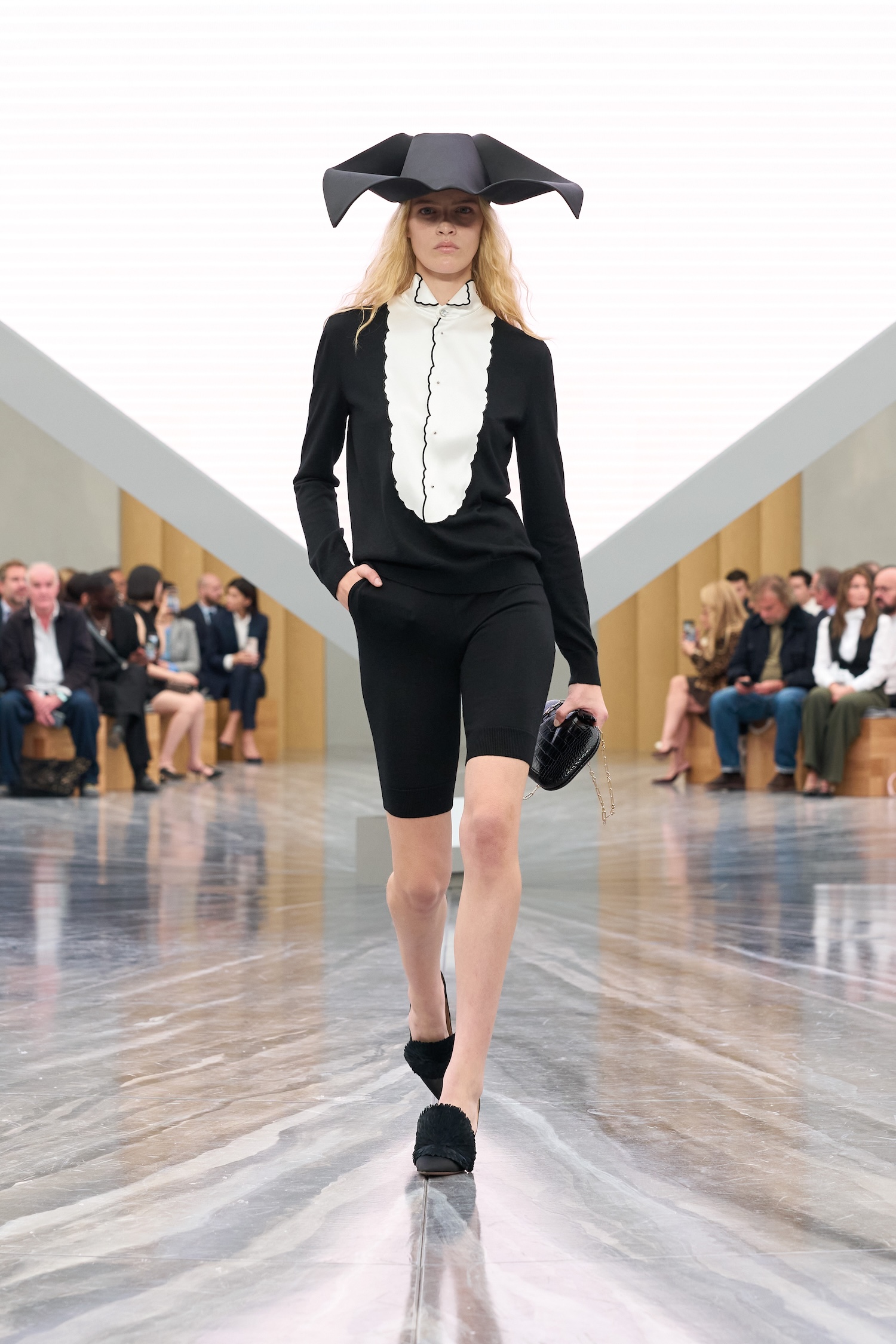
The collection’s final flourish came via the accessories that cemented the ‘sugar rush’ fantasy: the elaborate, dramatic cornette-style hats created with Stephen Jones, and delicate mules topped with exaggerated, three-dimensional floral rosettes or playful, cut-out hearts.
In the fortnight since the show, the garments have settled in the imagination like characters from a compelling play. The genius of Anderson’s debut is that it never resolved its own tension; instead, it framed the Dior woman as a protagonist perpetually caught between the architecture of the past and the spontaneity of the present.












































Discover the collection here.
photography. courtesy of Dior, Adrien Dirand (finale)
words. Gennaro Costanzo