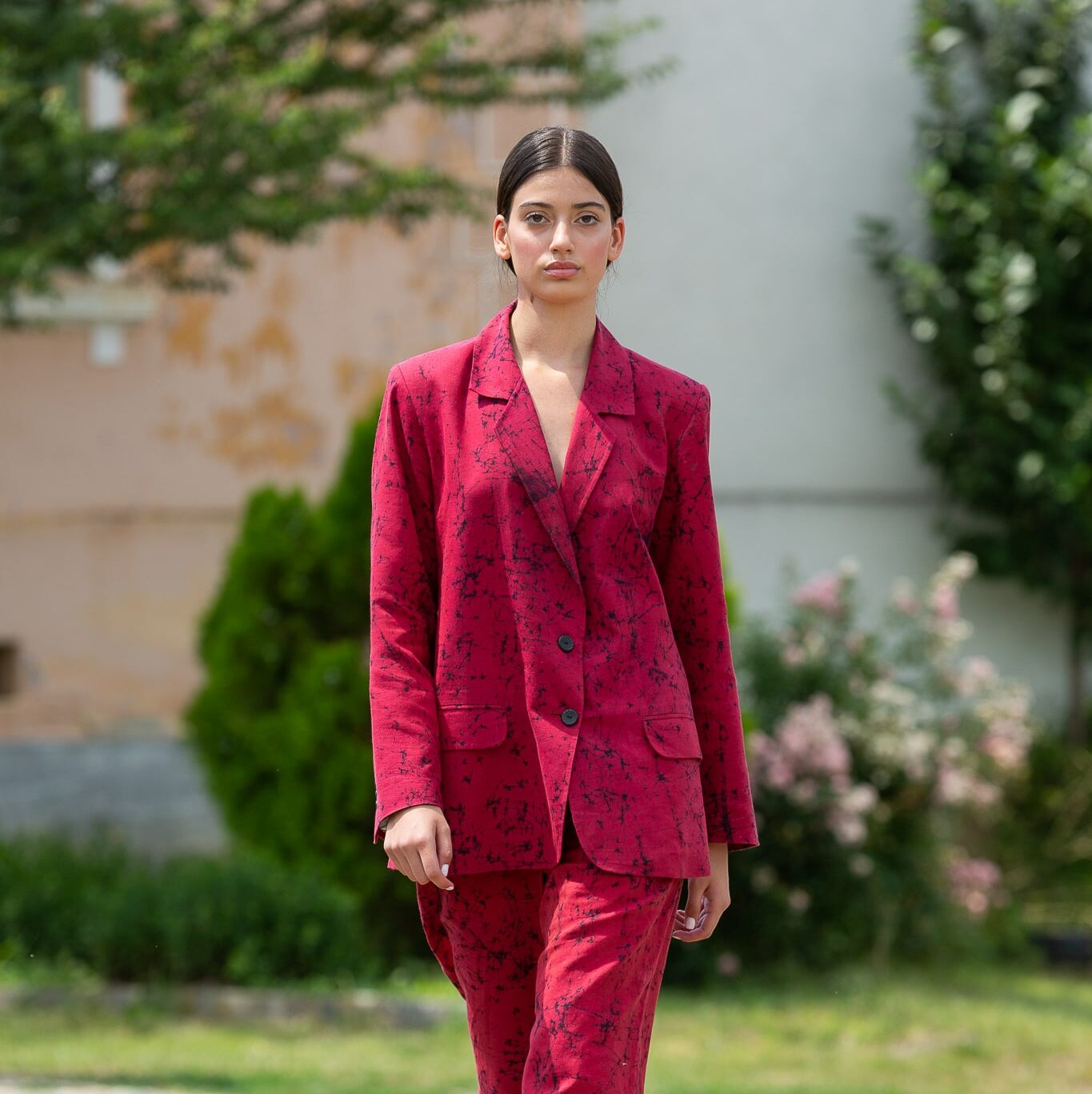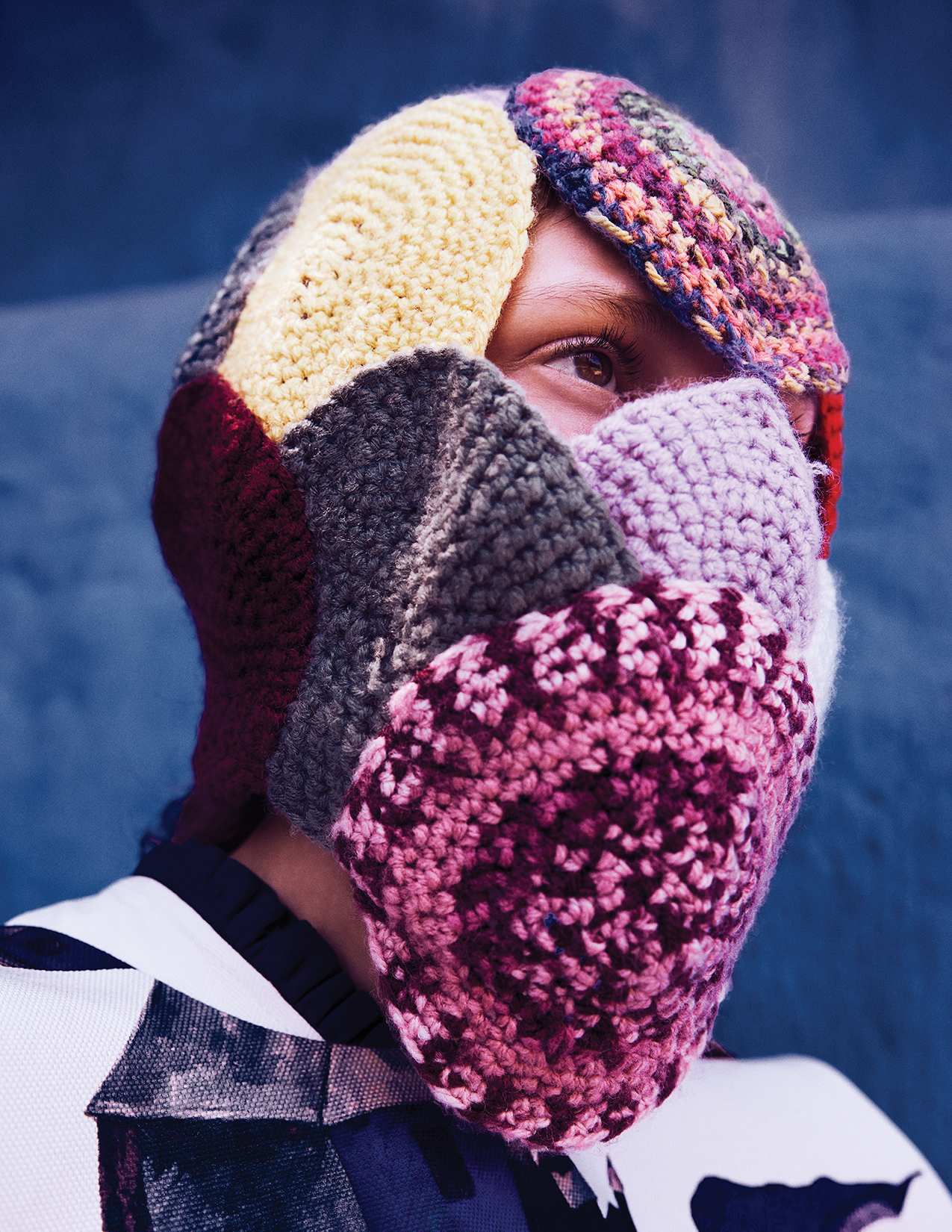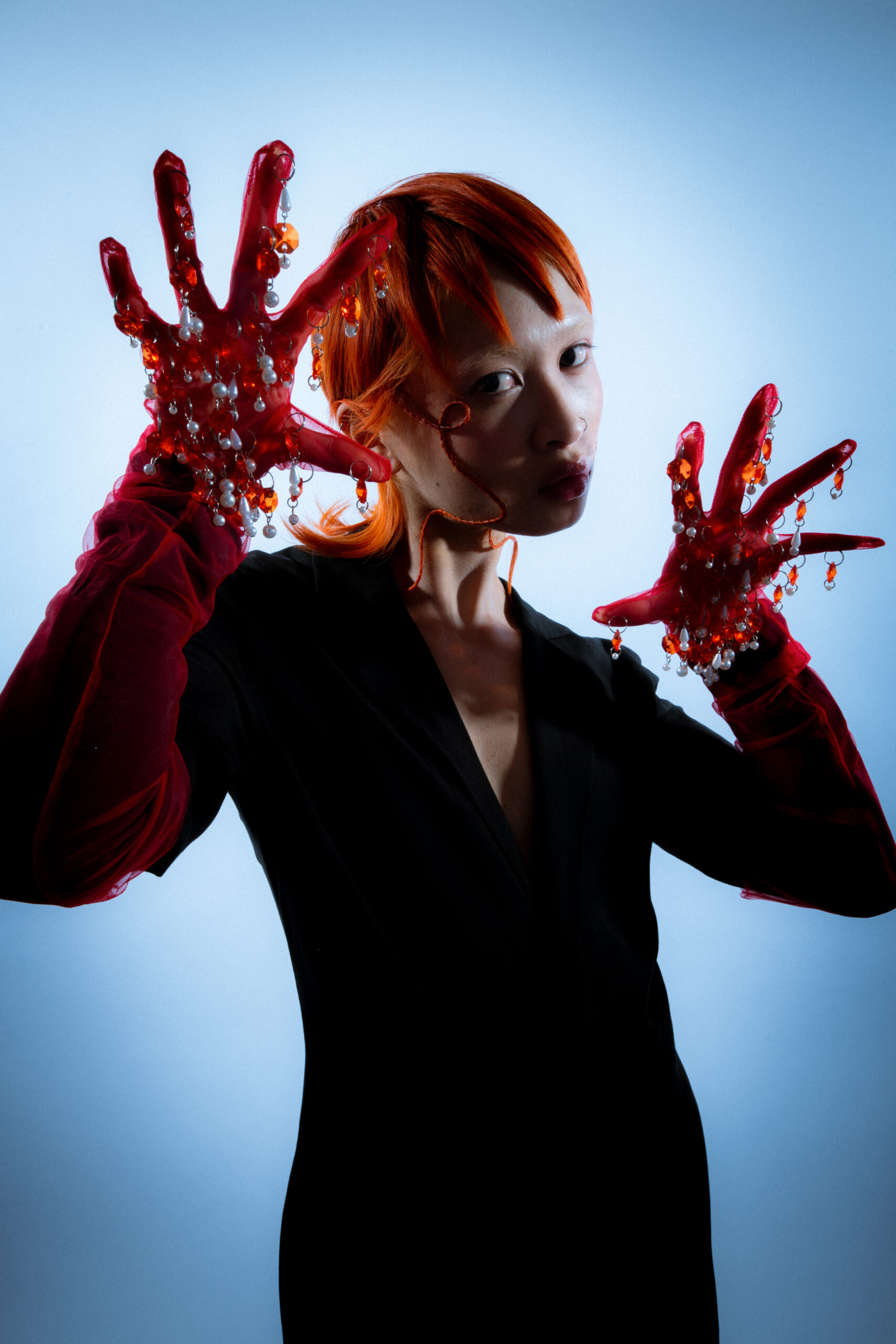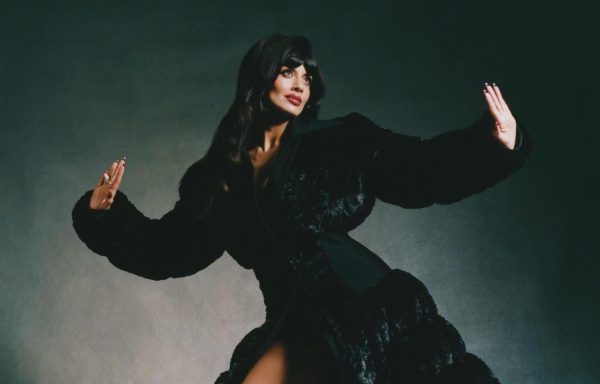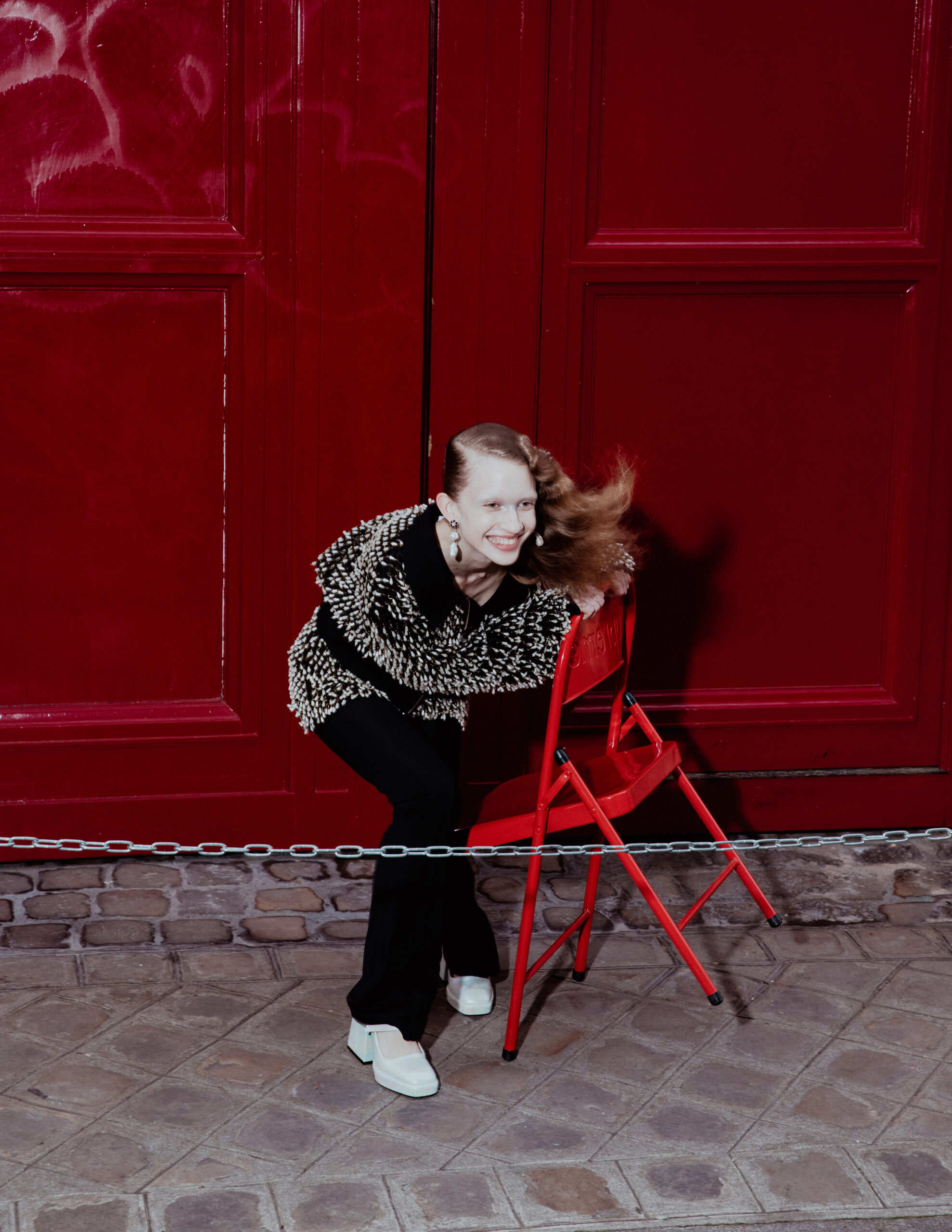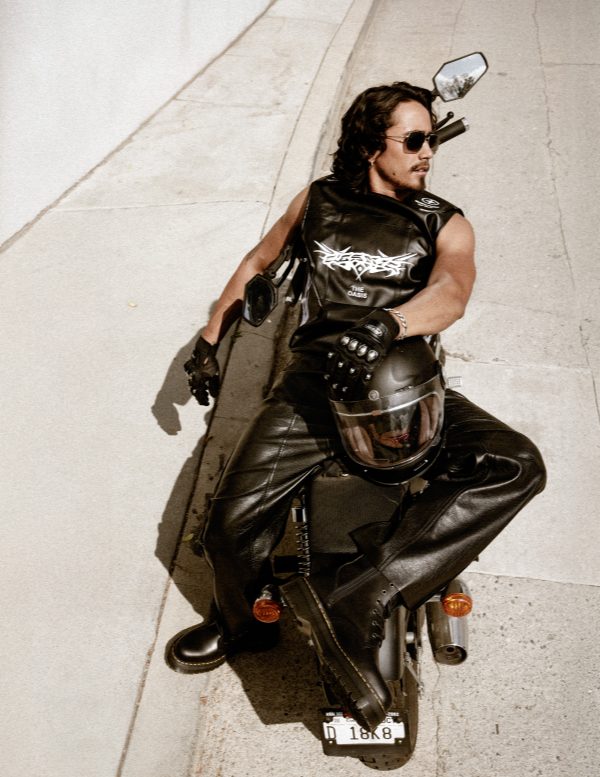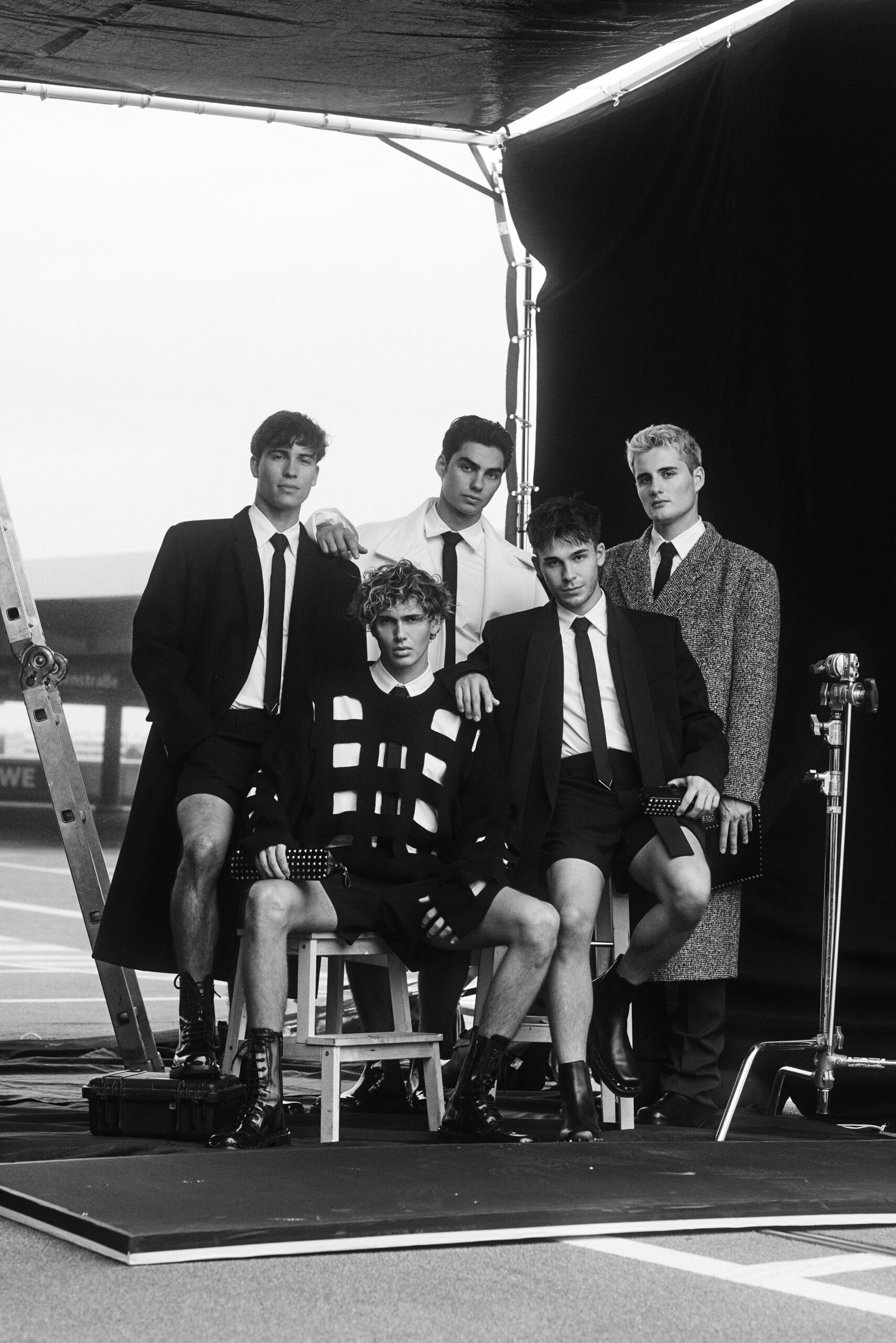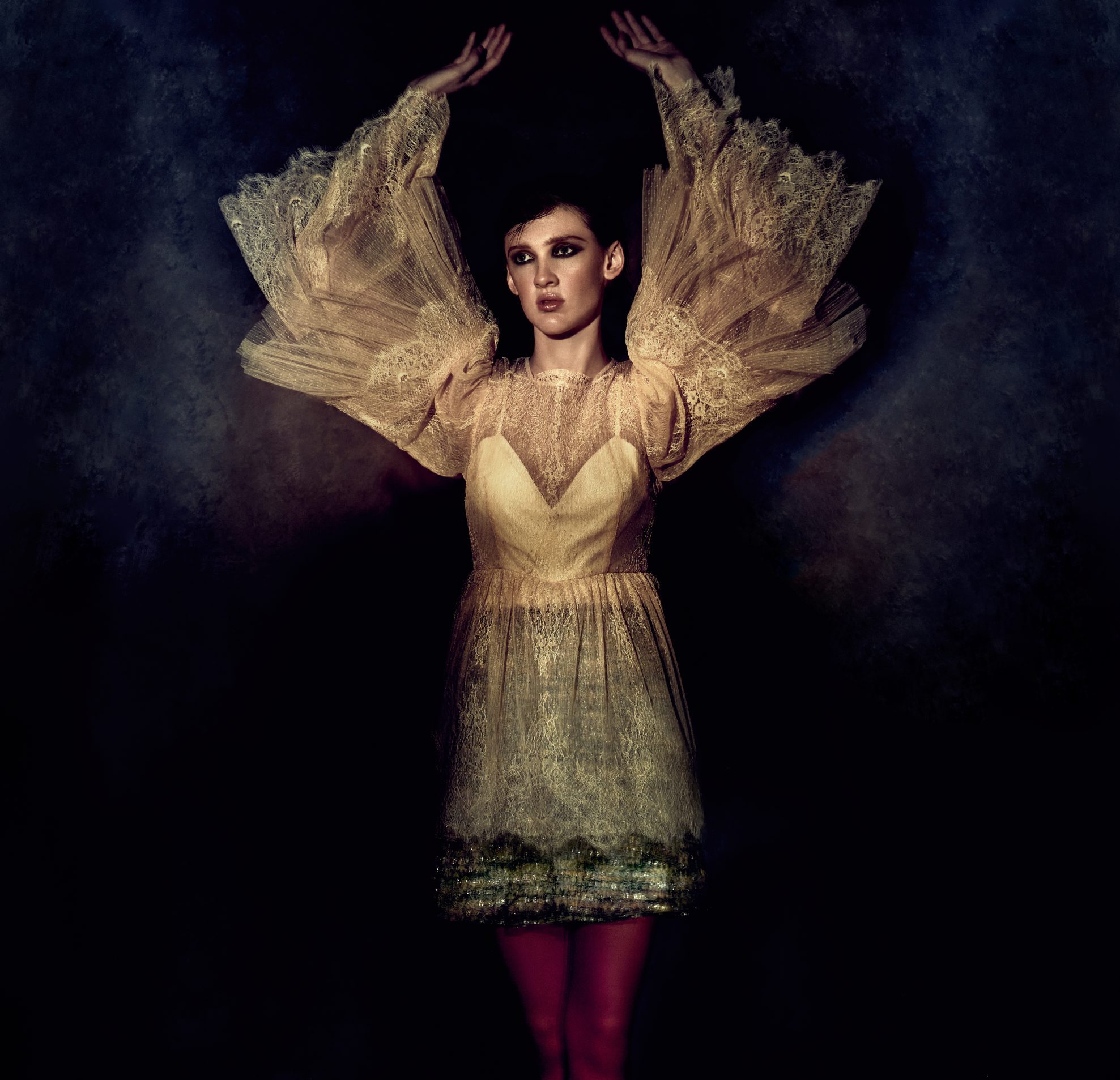


The 17th edition of Feeric Fashion Week concluded with a bold and imaginative program that reaffirmed the event’s place as a cornerstone of Eastern Europe’s fashion calendar. This year’s showcases unfolded across unconventional locations in Sibiu, bound by a shared engagement with themes of sustainability, collective memory, and visual research. By bridging past narratives with forward-looking design, Feeric once again positioned itself as a platform where fashion transcends trends to enter the realm of dialogue, space, and meaning.
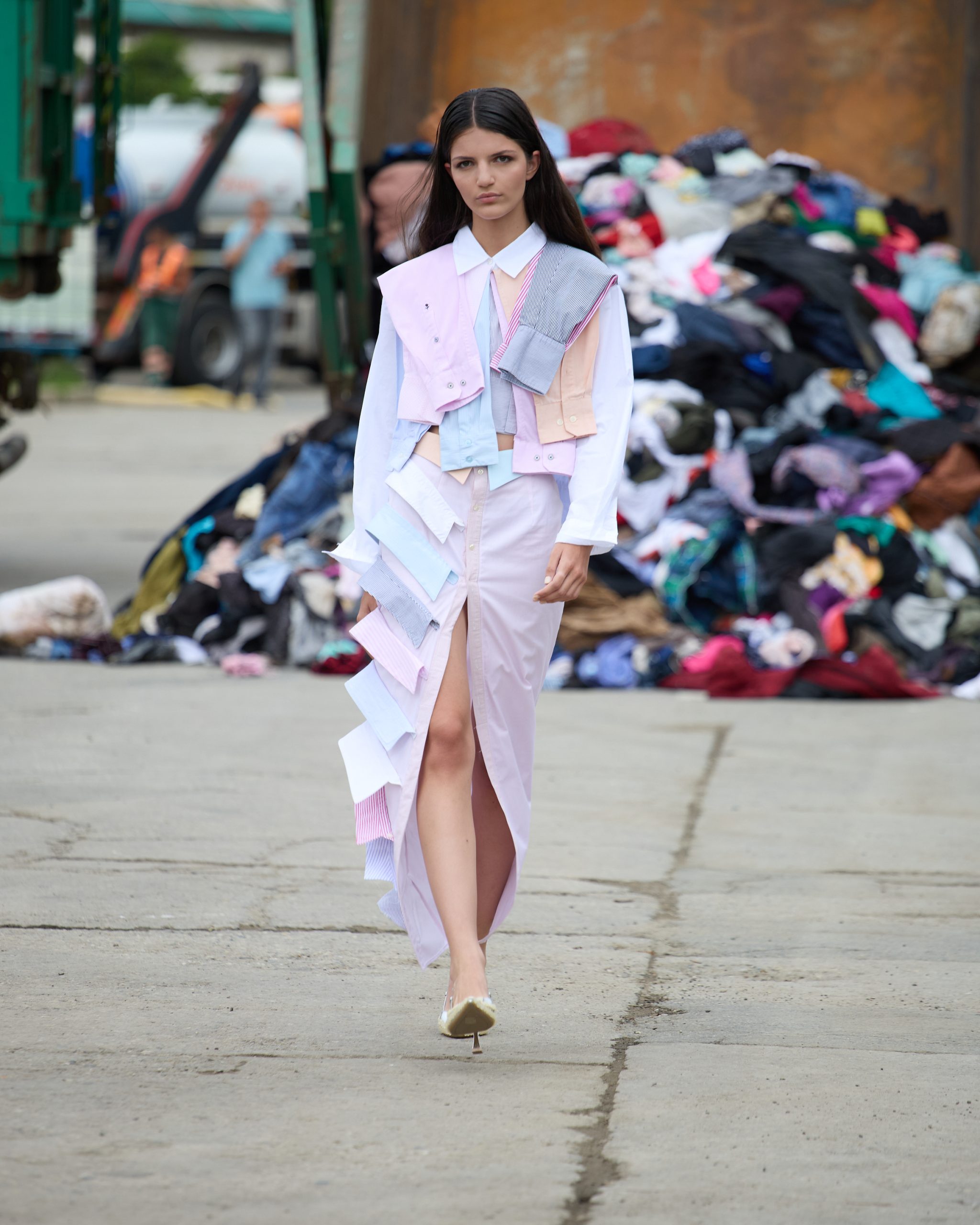
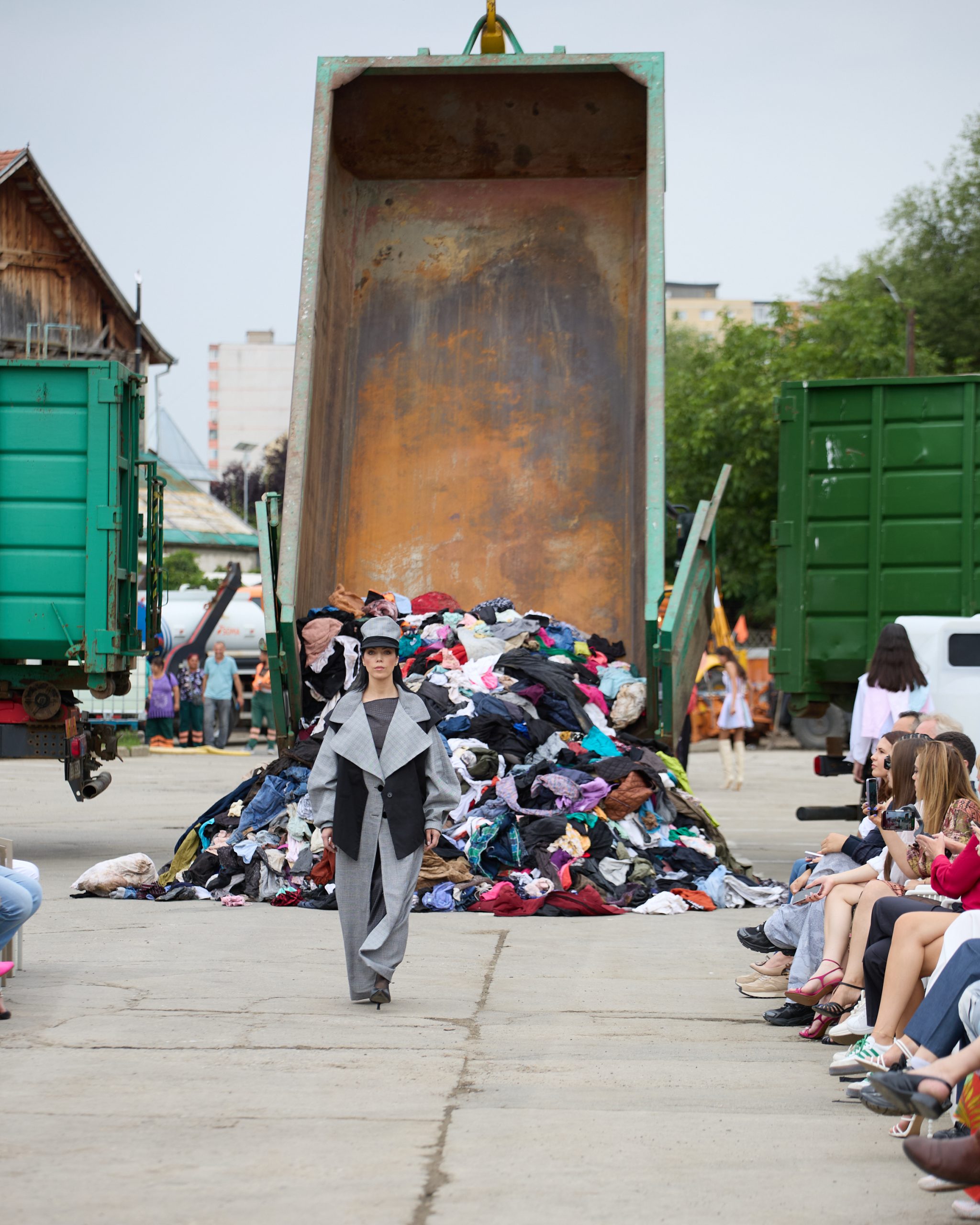
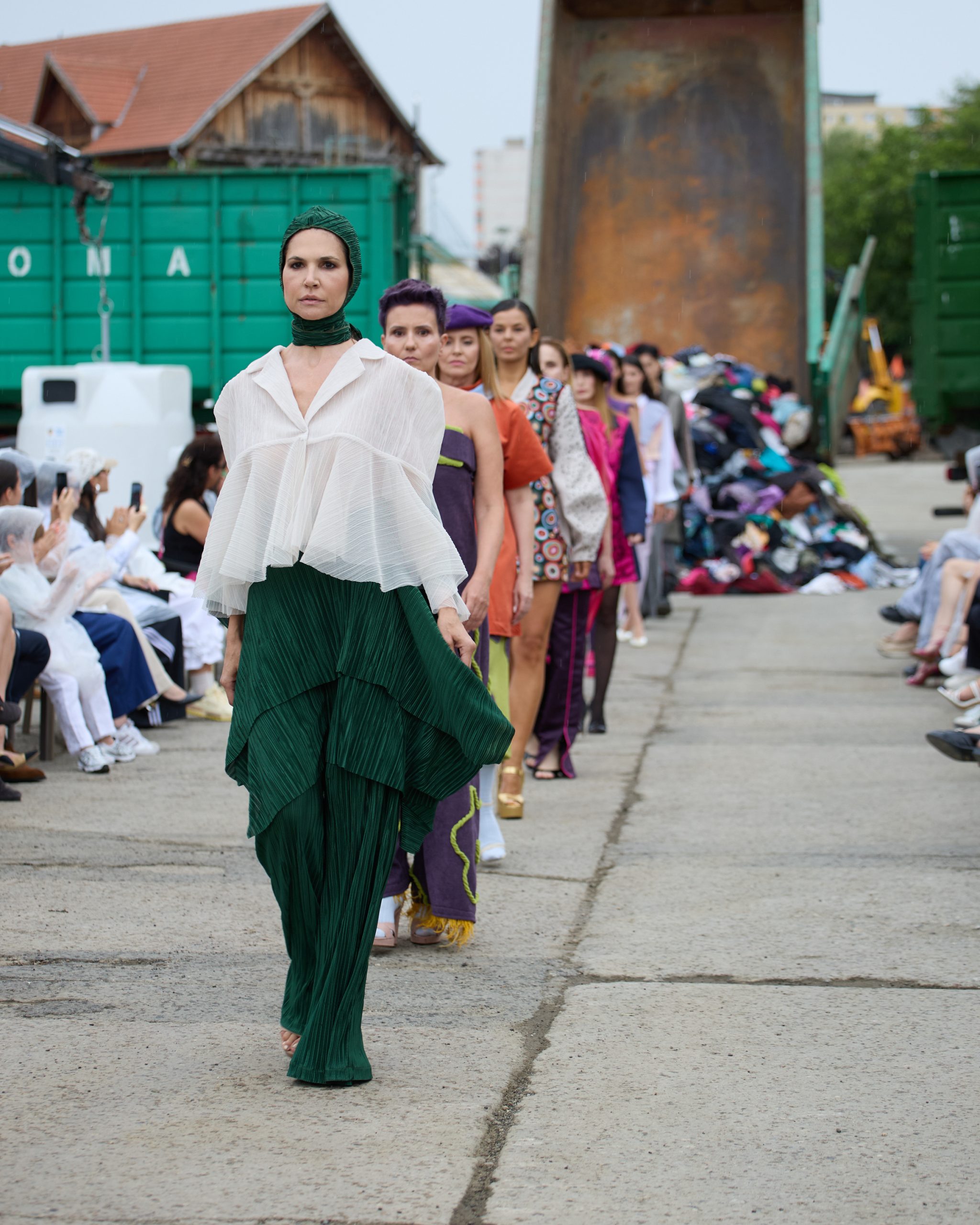
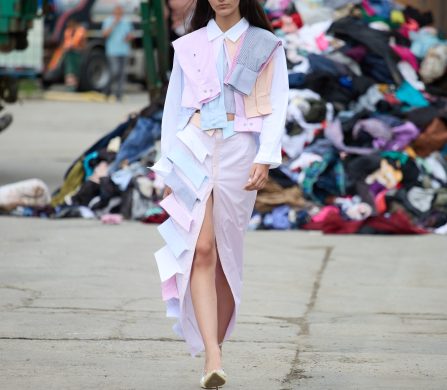
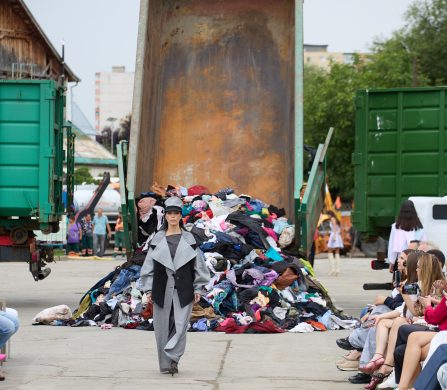
The festival opened with Timeless Threads by Hooldra, the fifth initiative under the Feeric Hub banner. This visual manifesto demonstrated how creativity and responsibility can merge, producing exceptional garments through the regeneration and deconstruction of second-hand materials. Drawing on 1960s aesthetics and featuring contributions from emerging designers across Europe, the collection paid tribute to ethical fashion and circular practices.
The staging amplified the message: textile waste collection bins, newly implemented across Sibiu County, stood alongside over 3,000 kilograms of discarded materials gathered in just six weeks. Both backdrop and statement, the installation underscored the urgency of addressing fashion’s environmental footprint. By placing waste at the heart of its visual narrative, the presentation asked audiences to reconsider not only what fashion looks like, but also what it leaves behind.
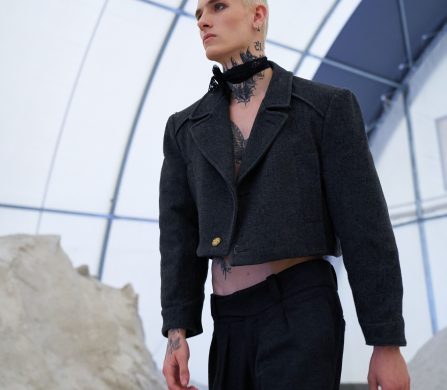
From there, OP:1 by Wijnruit unfolded inside a municipal salt storage facility, exploring memory and identity through modular silhouettes made of upcycled materials. The collection echoed personal heritage and generational symbols, including motorcycle culture.
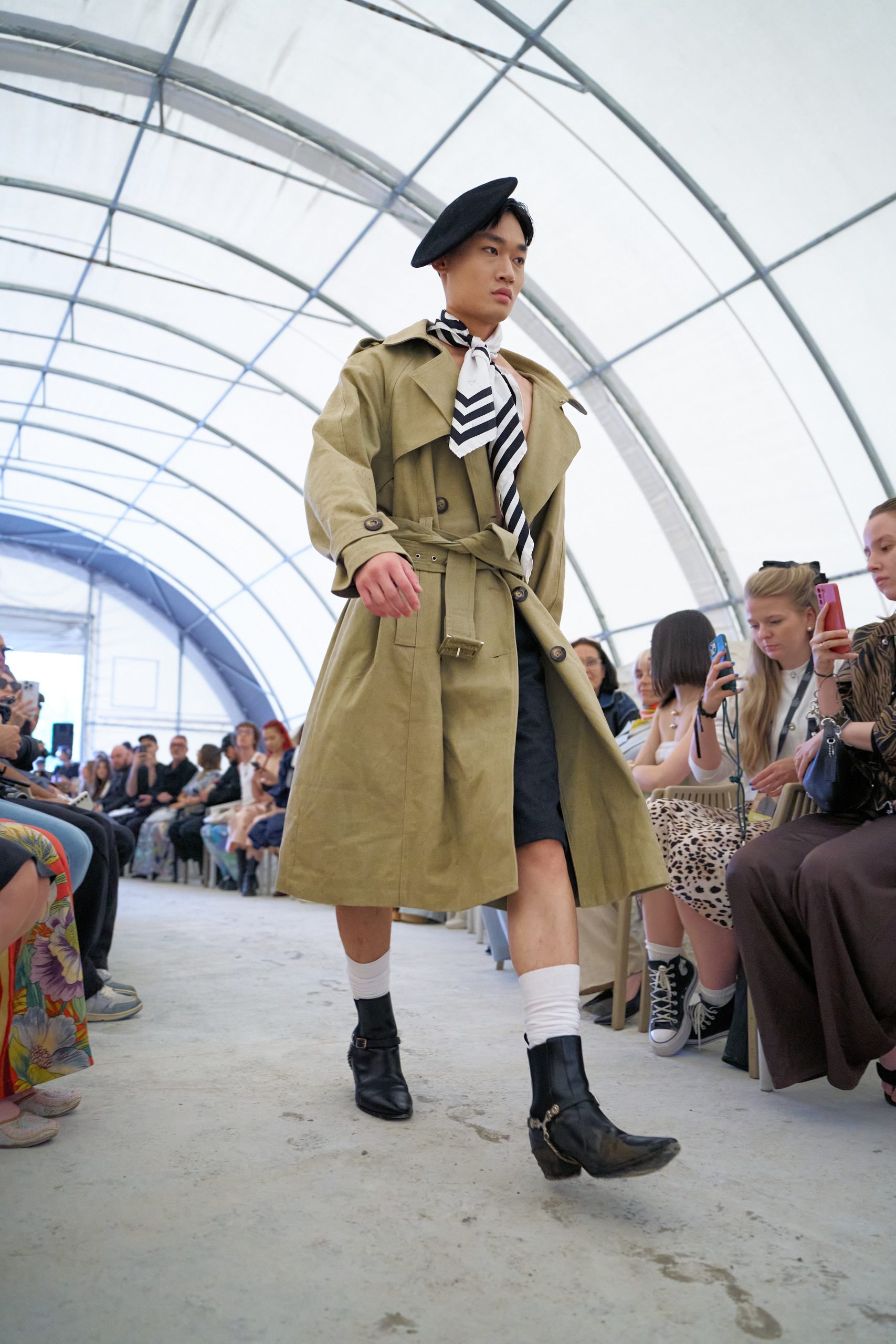
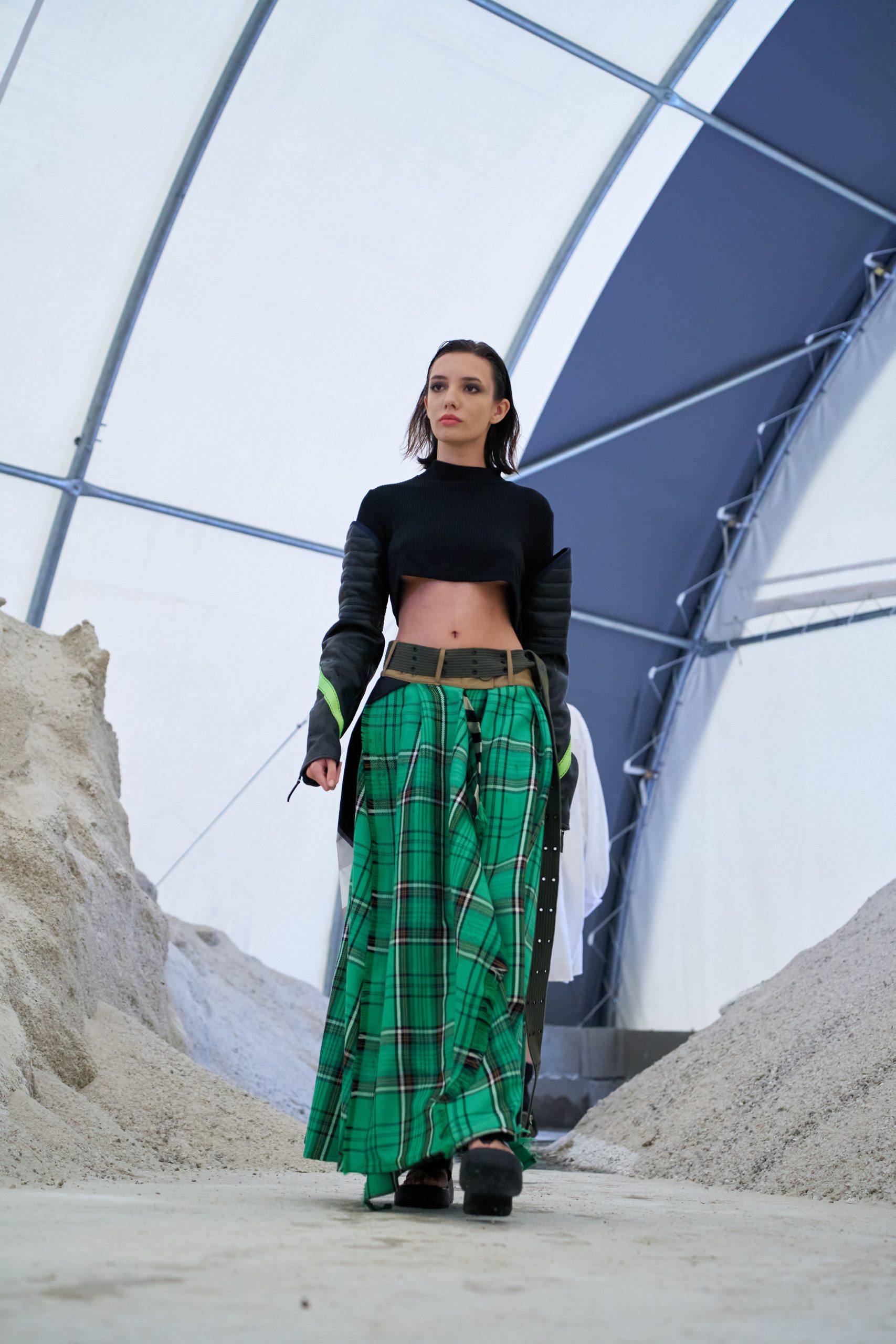
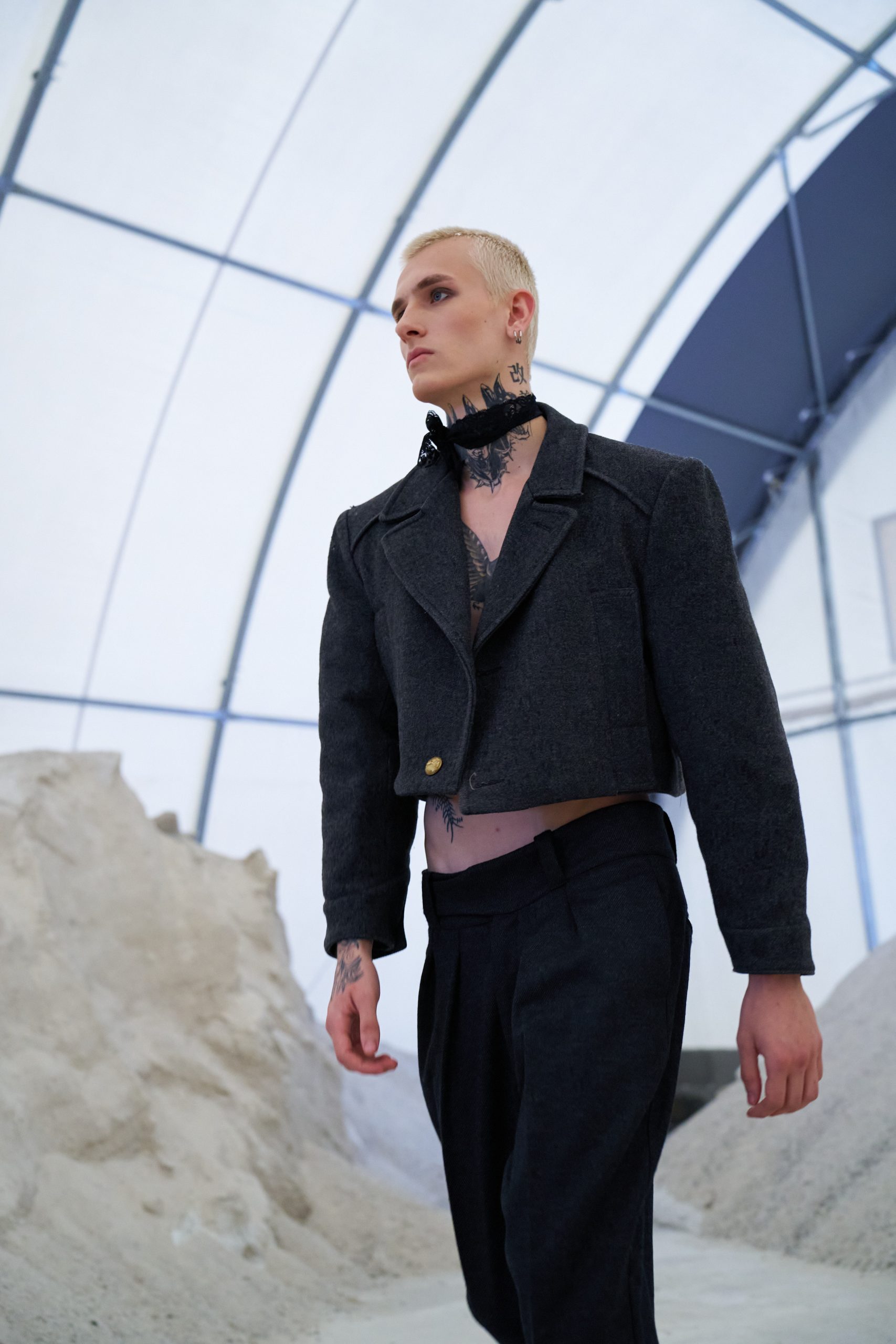

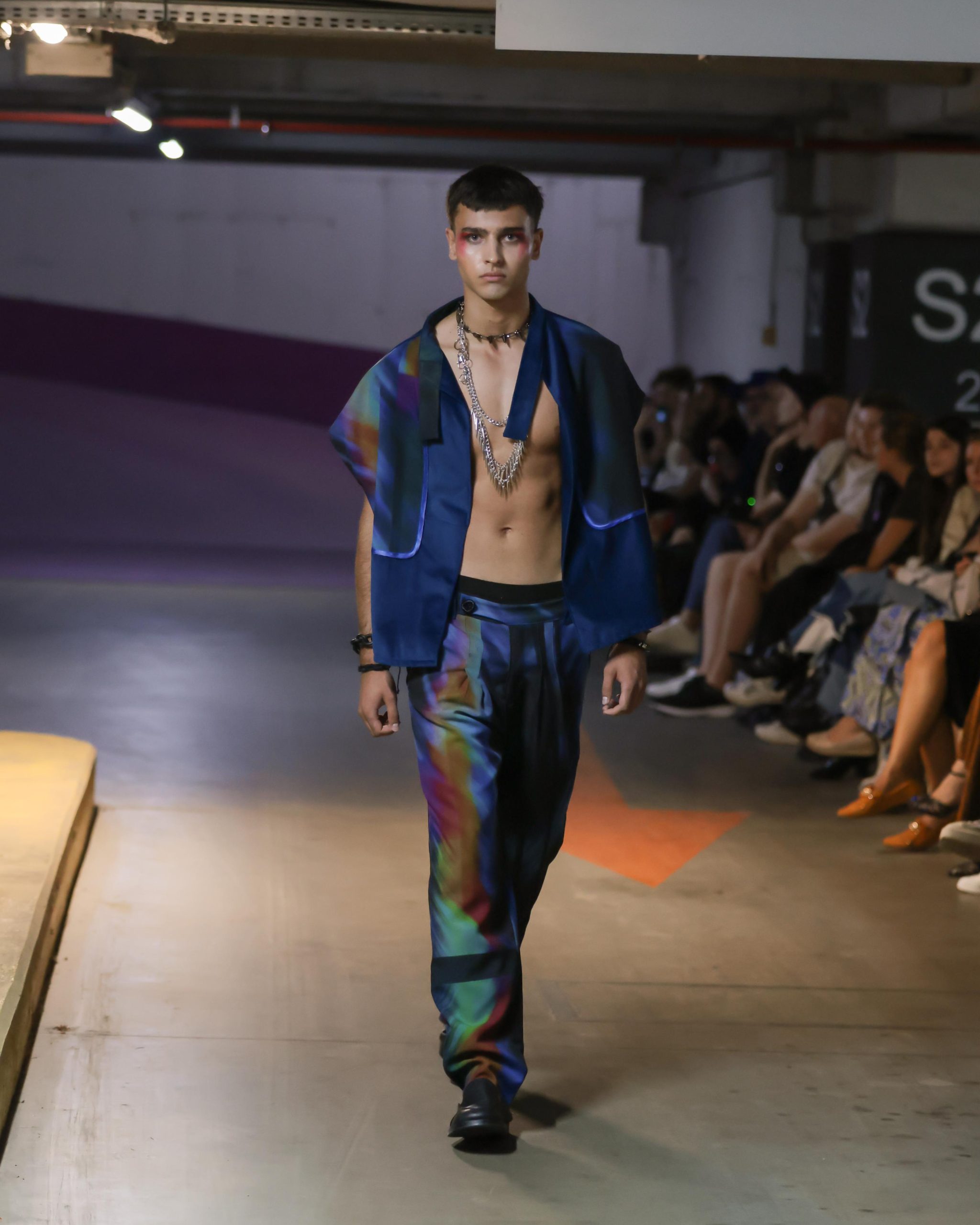
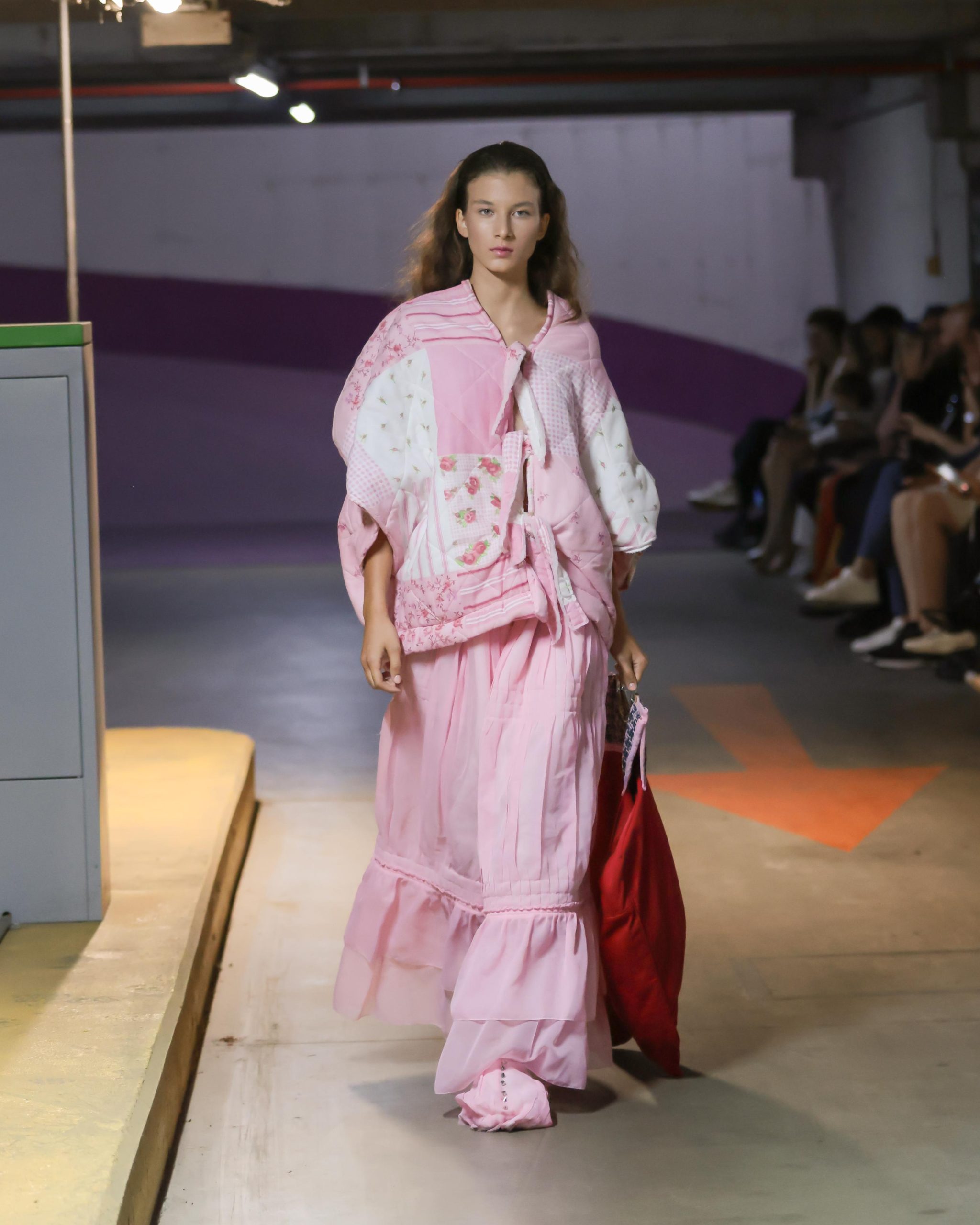
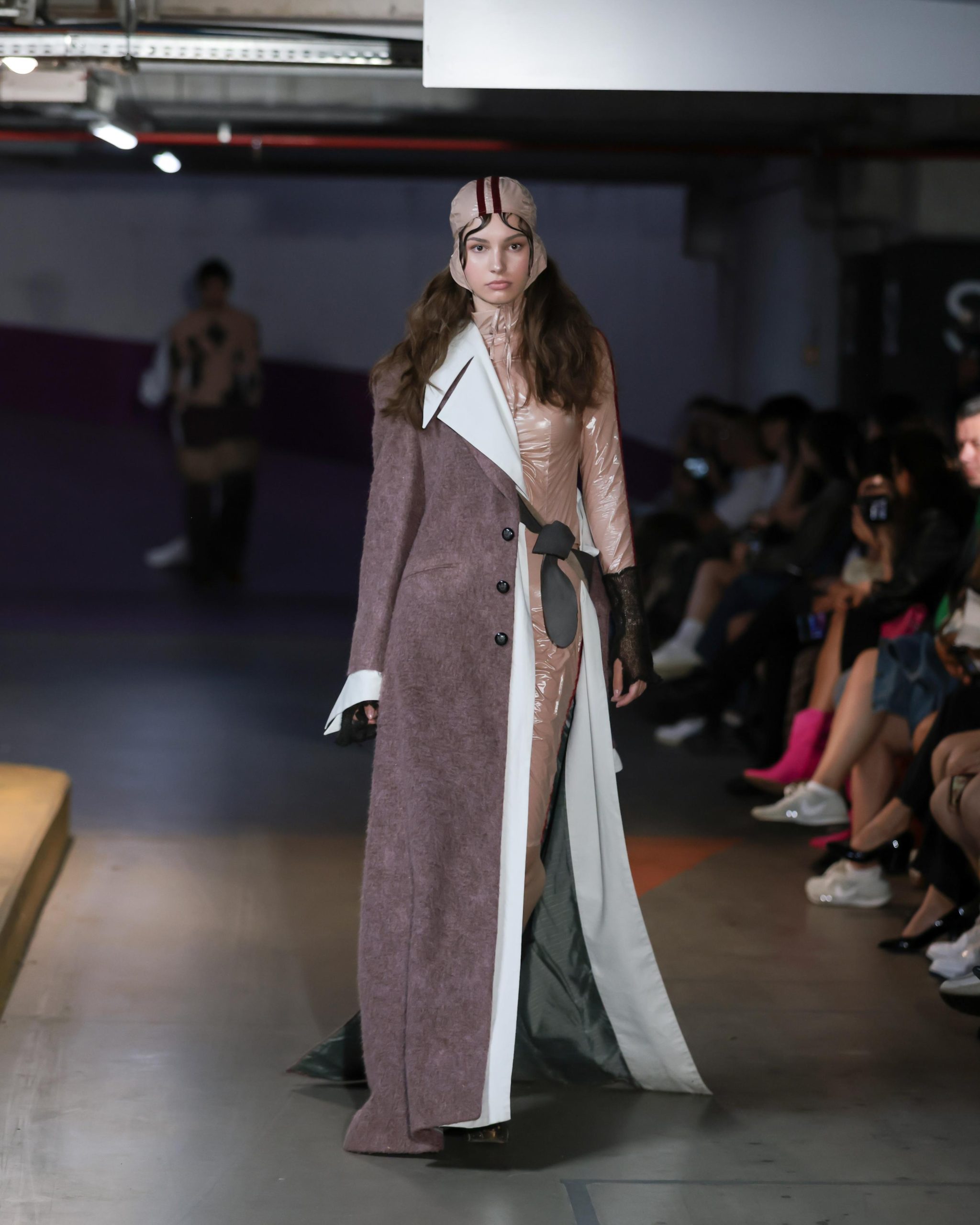
The underground parking lot of Promenada Sibiu became an industrial stage for some of the festival’s most conceptually ambitious shows. INSIDE Upcycling Couture opened with Appearance of Transition │ Transition of Appearance, a raw meditation on metamorphosis using salvaged materials. WE – Wilczewska Emilia followed with DOM, transforming household textiles like quilts and pillows into voluminous silhouettes that embodied comfort and emotional shelter. Students from the National University of Arts Bucharest explored personal narrative through experimental forms, while Michal Duraj of the Faculty of Art, Wrocław, unveiled Escapism, a dreamlike collection in washed-out tones and fragile textures.
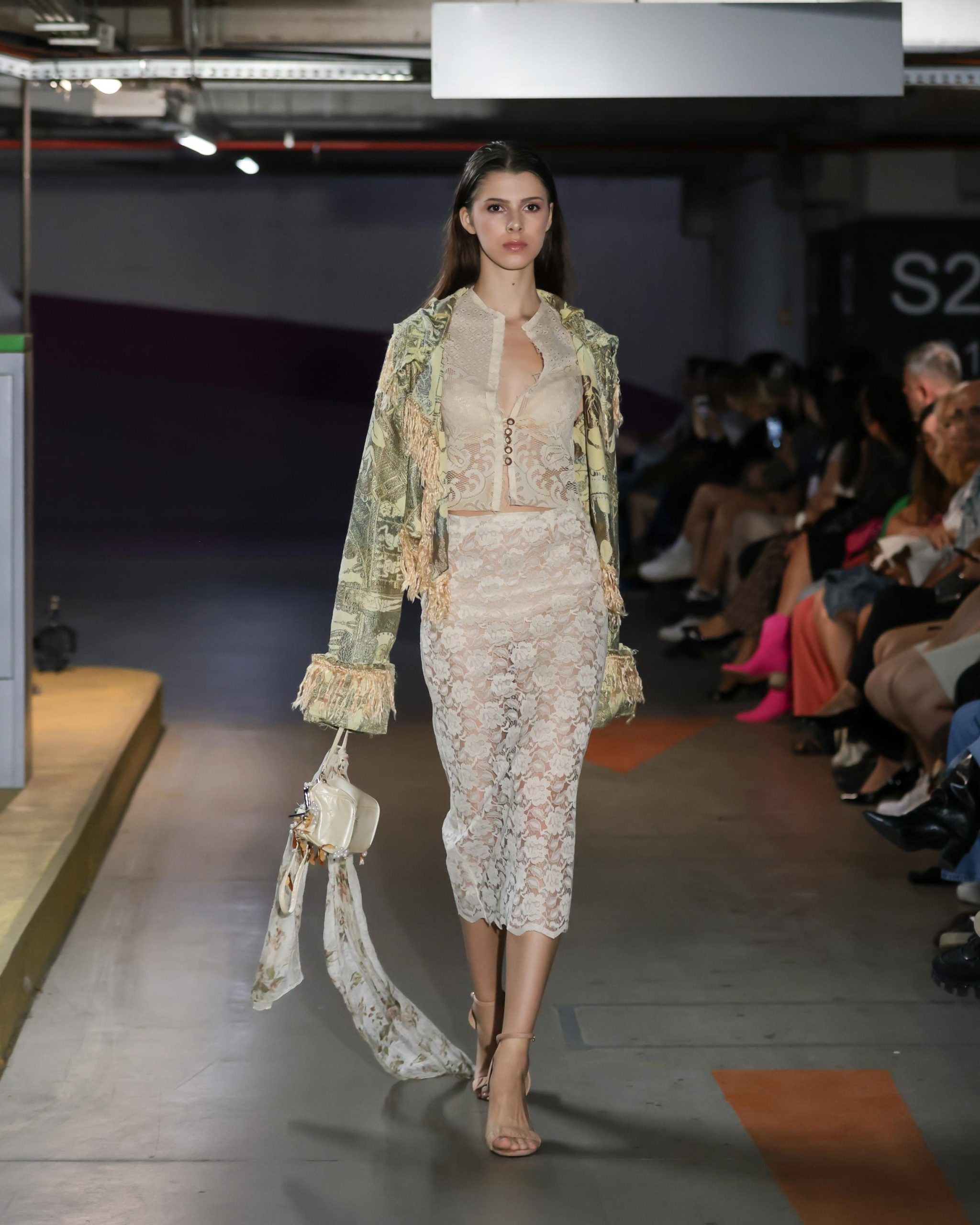
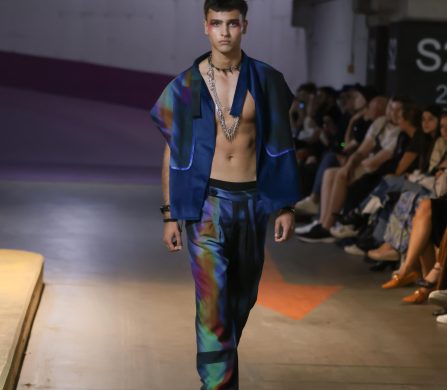
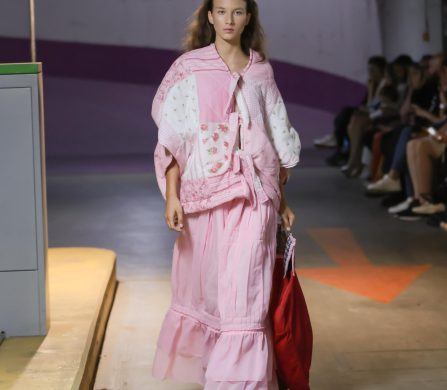
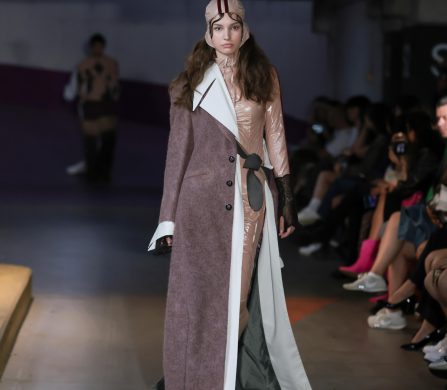
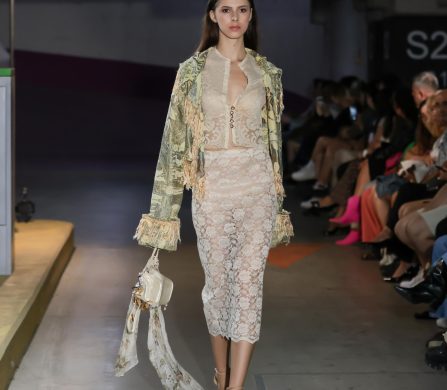
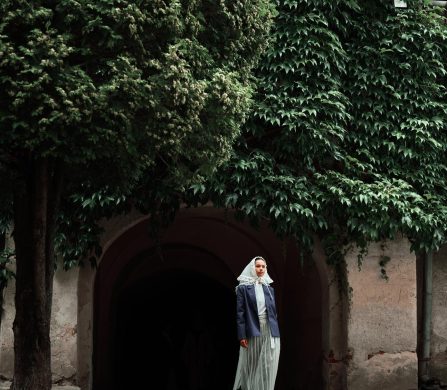
In the serene courtyard of the Evangelical Church in Cisnădie, the Technical University of Moldova presented a collective collection infused with femininity, solitude, and astral archetypes — a poetic reinterpretation of Luceafărul through symbolic detail. Blanka Gotić followed with Obedience in Fragments, drawing on Mormon symbolism to craft ethereal silhouettes that reflected faith and feminine identity.
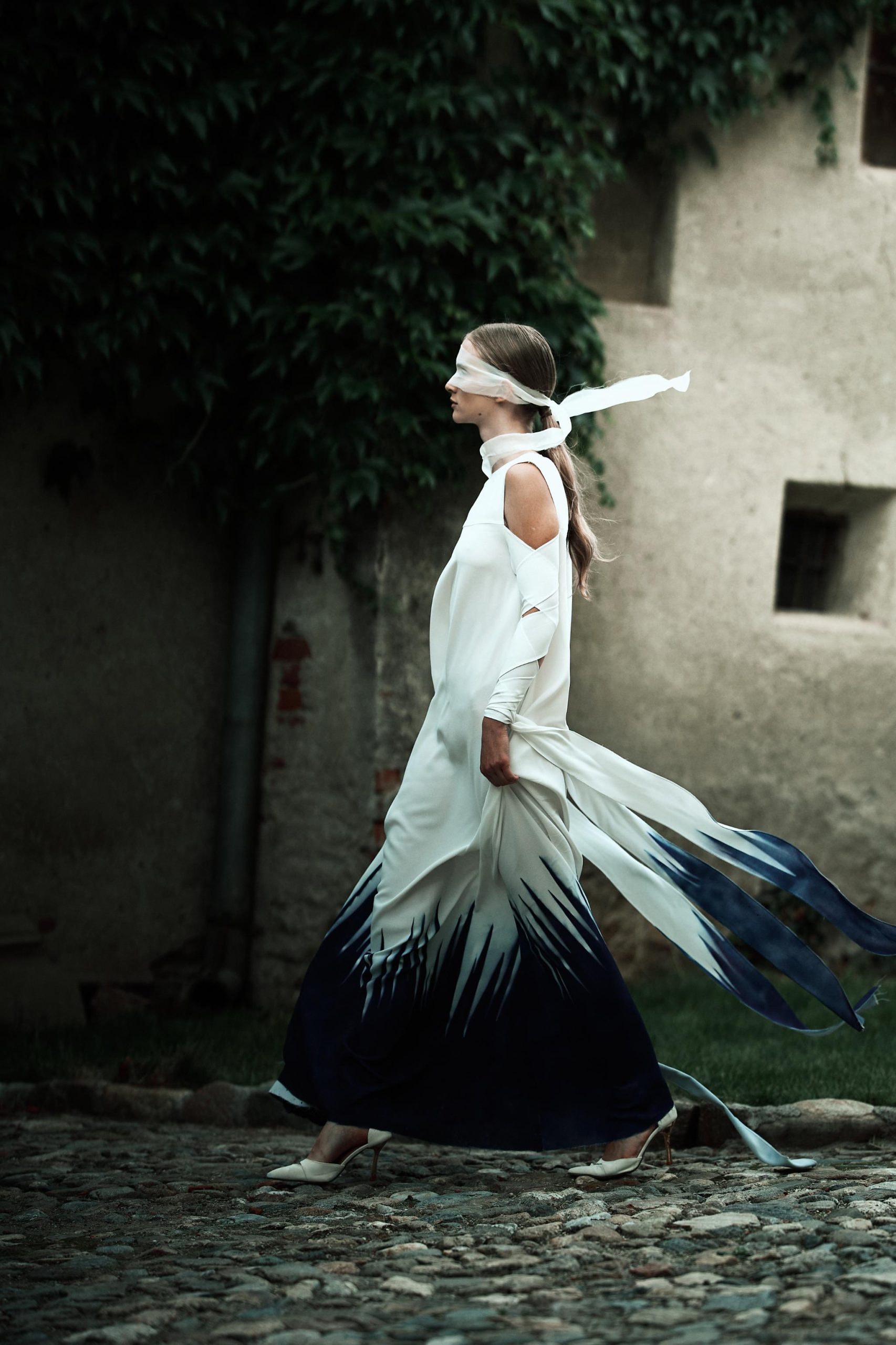
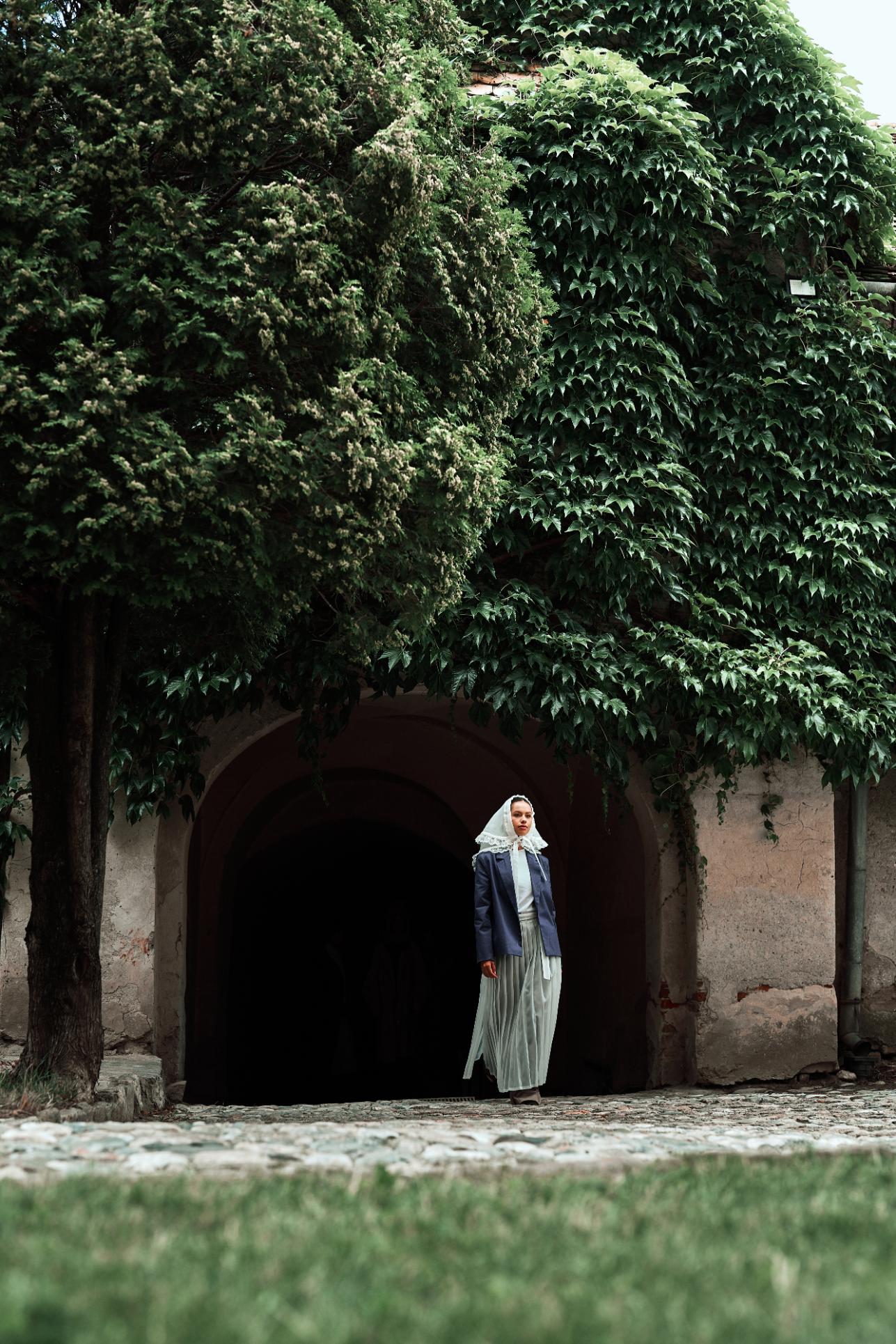
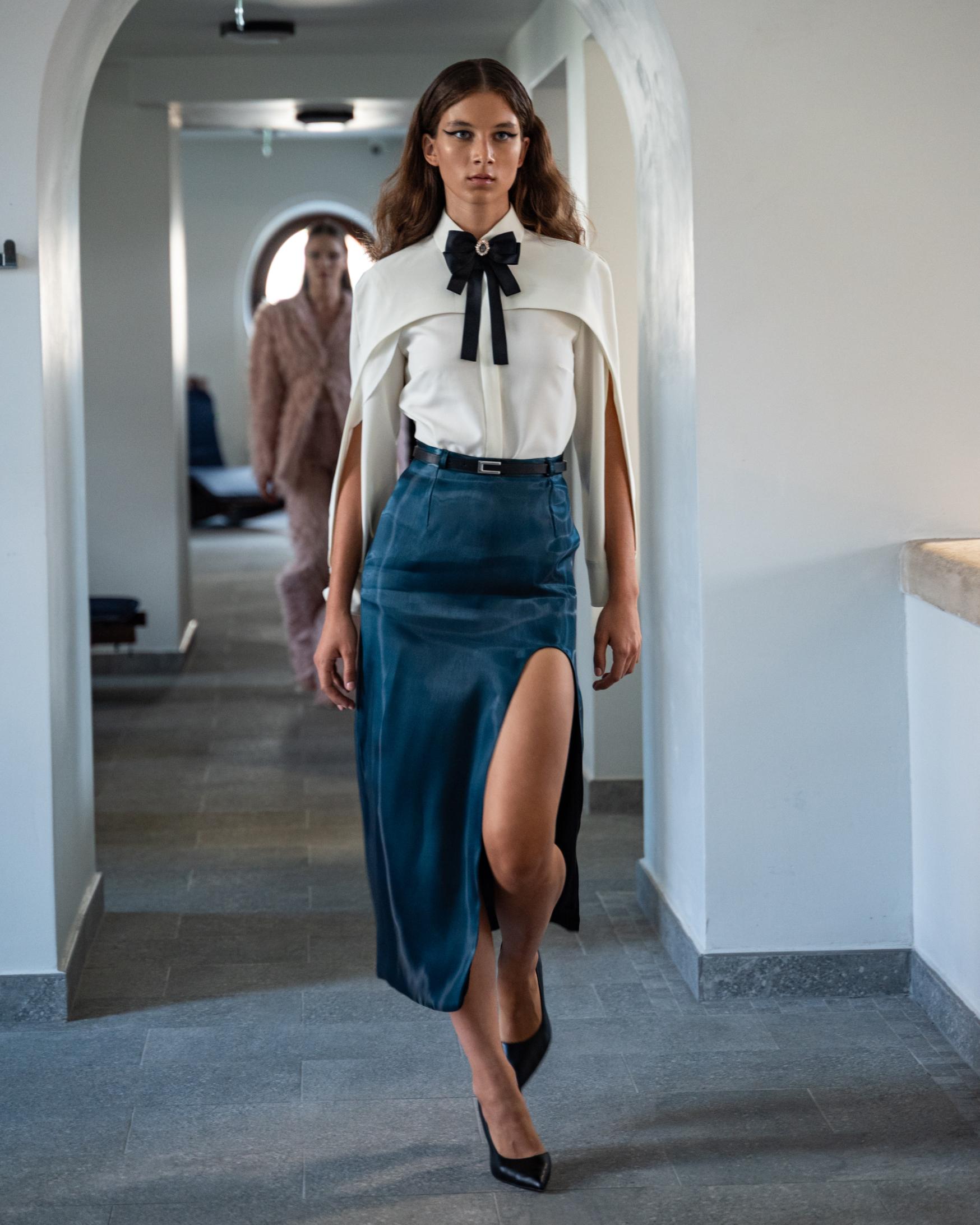
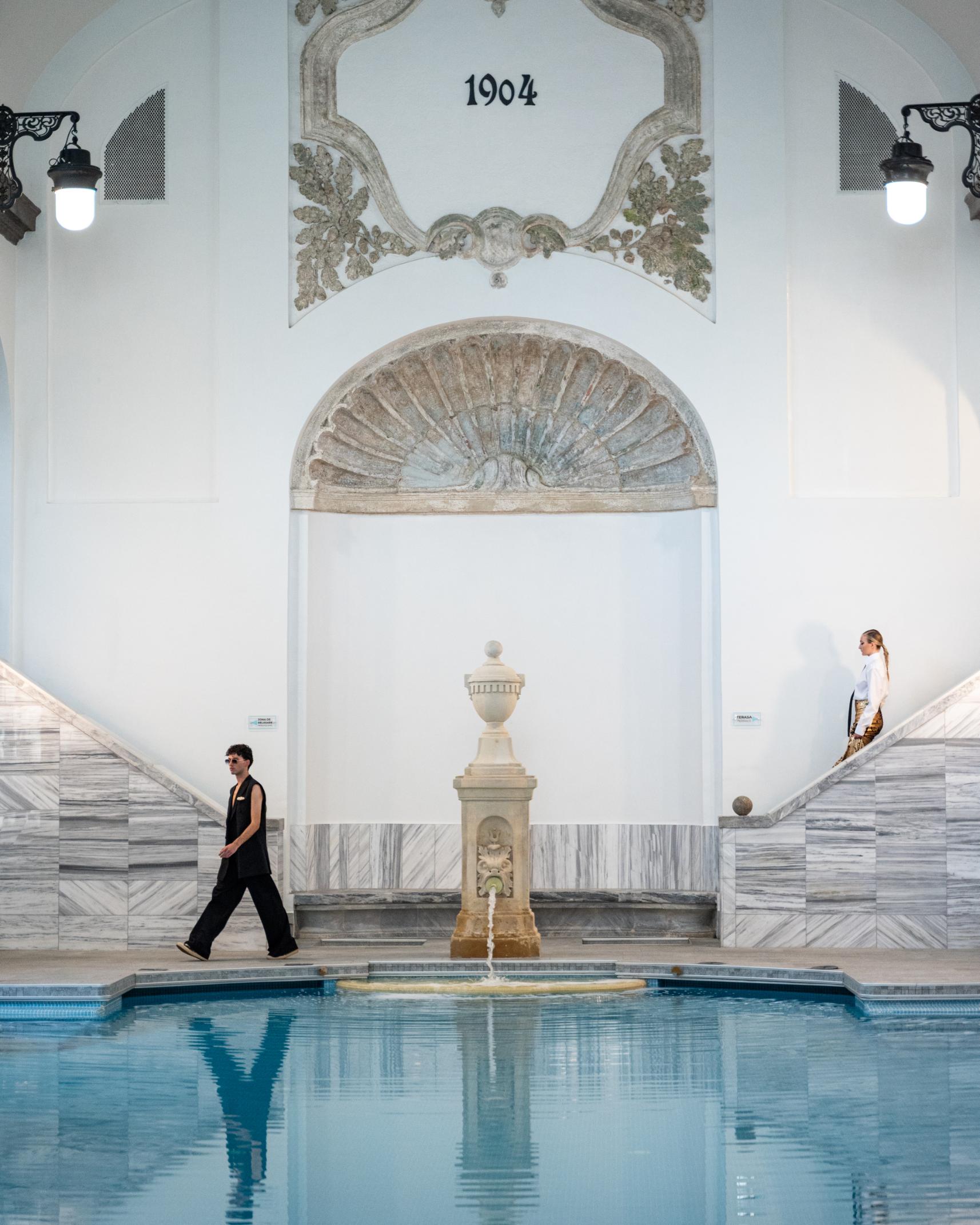
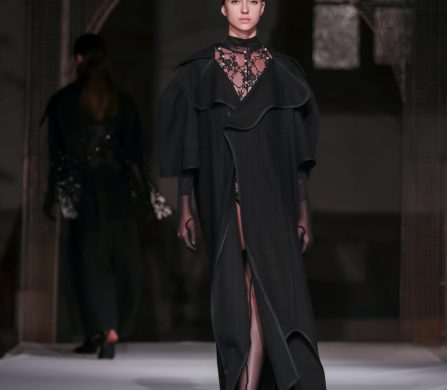
At the restored Baia Populară, Viktor Spasov for VERÈDIA introduced Noctera, a dark, refined vision of power dressing where black velvet and organza met sculptural tailoring. Dualitae by Alina Lazariu offered an elegant counterpoint with The Quiet Icon, a minimalist yet assertive exploration of the white shirt.
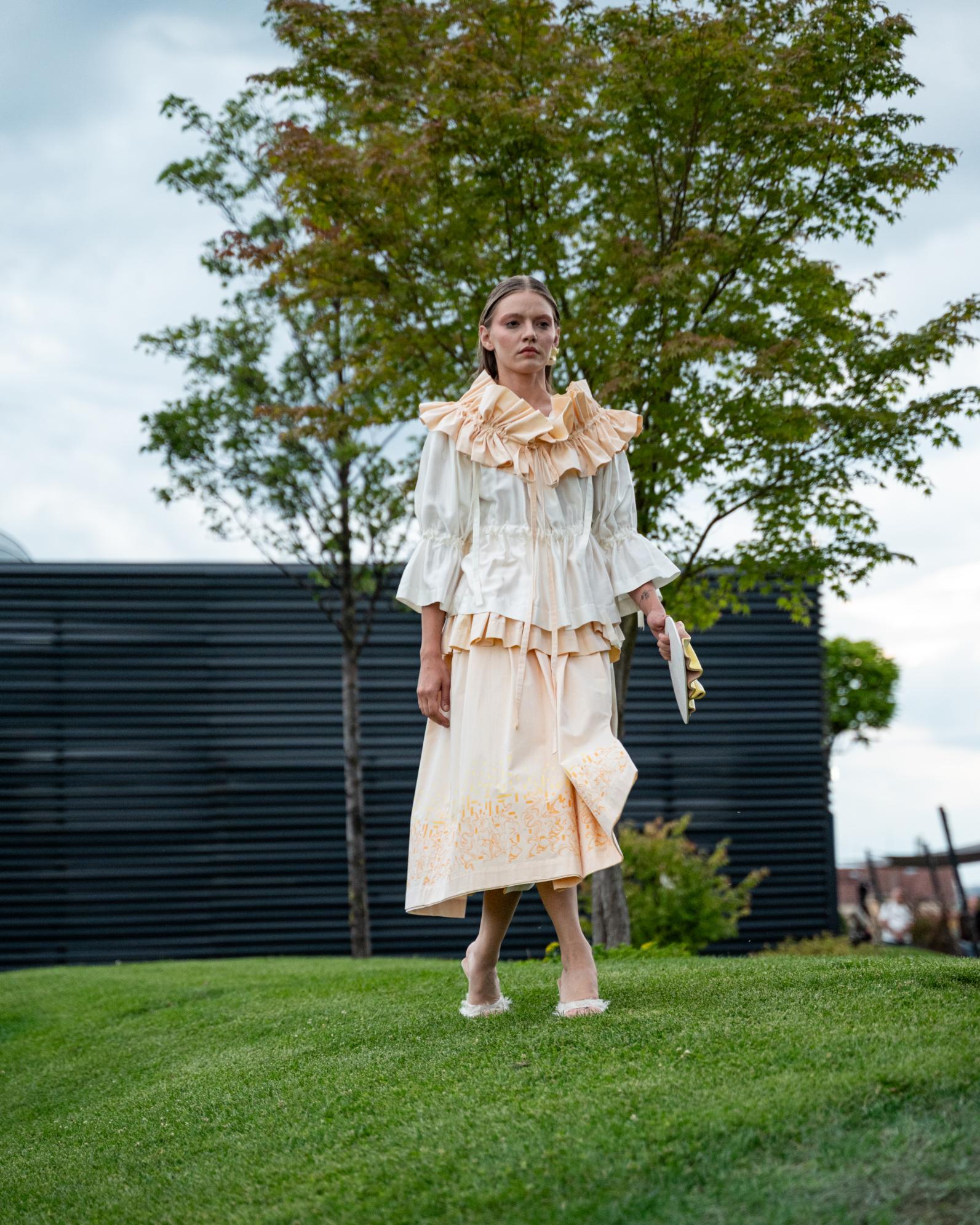
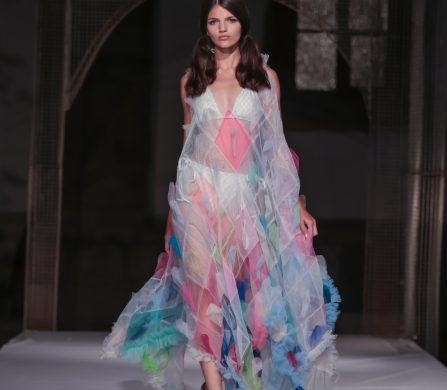
Synergia 2025 by Raluca Elena Cînean brought summer to the rooftop terrace of Promenada Sibiu. Titled Summer is Calling, the collection featured pastels, sea-inspired accents, and fluid silhouettes, presenting an airy wardrobe rooted in lightness and self-expression.
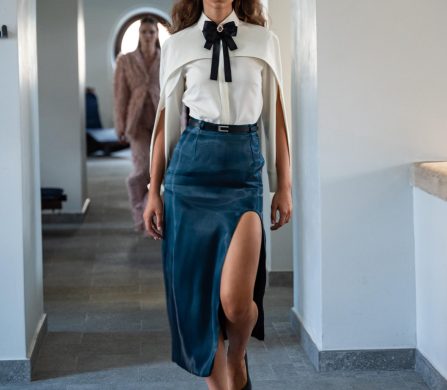
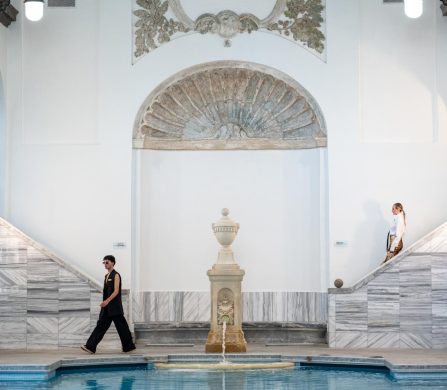
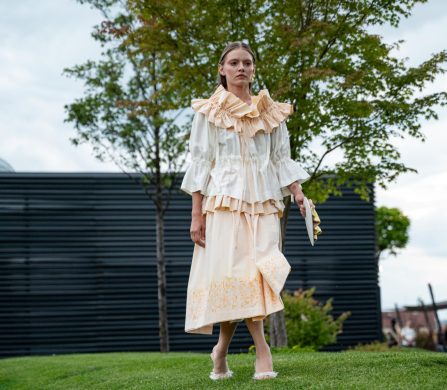
The Feeric Venue, hosted by Promenada Sibiu, became a hub for academic and conceptual showcases. Participants included the Ukrainian Fashion Education Group, Newgiza University, New Bulgarian University, Almog Pinto Cohen, and “Aurel Vlaicu” University of Arad, among others. Galala University presented Transformation, blending emotion and narrative into expressive silhouettes. University Donja Gorica and Arizona State University collaborated on Unknown Nature, exploring form through recycled denim.
The National Academy of Art – Sofia unveiled Symbiosis, a zero-waste collection inspired by biodiversity, while Ioulia Louvari’s Heterogeneity celebrated individuality through layered textures. The University of Oradea challenged convention with Error, focused on post-human volumes, while Notre Dame University – Louaize presented Prism Thinking, a sculptural reflection on resilience. Together, these voices turned the venue into a concentrated site of global perspectives, where fashion functioned as research, statement, and experiment.
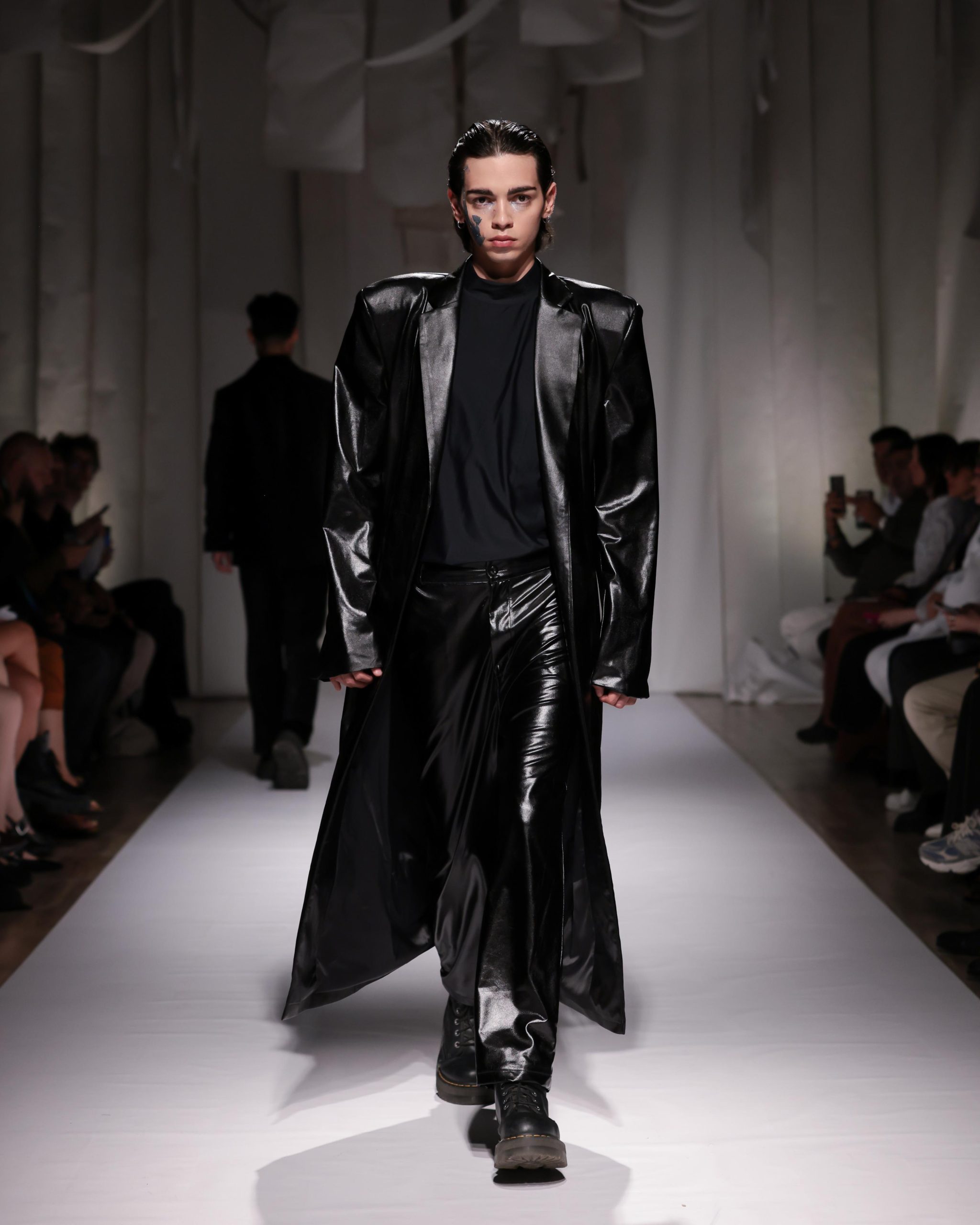
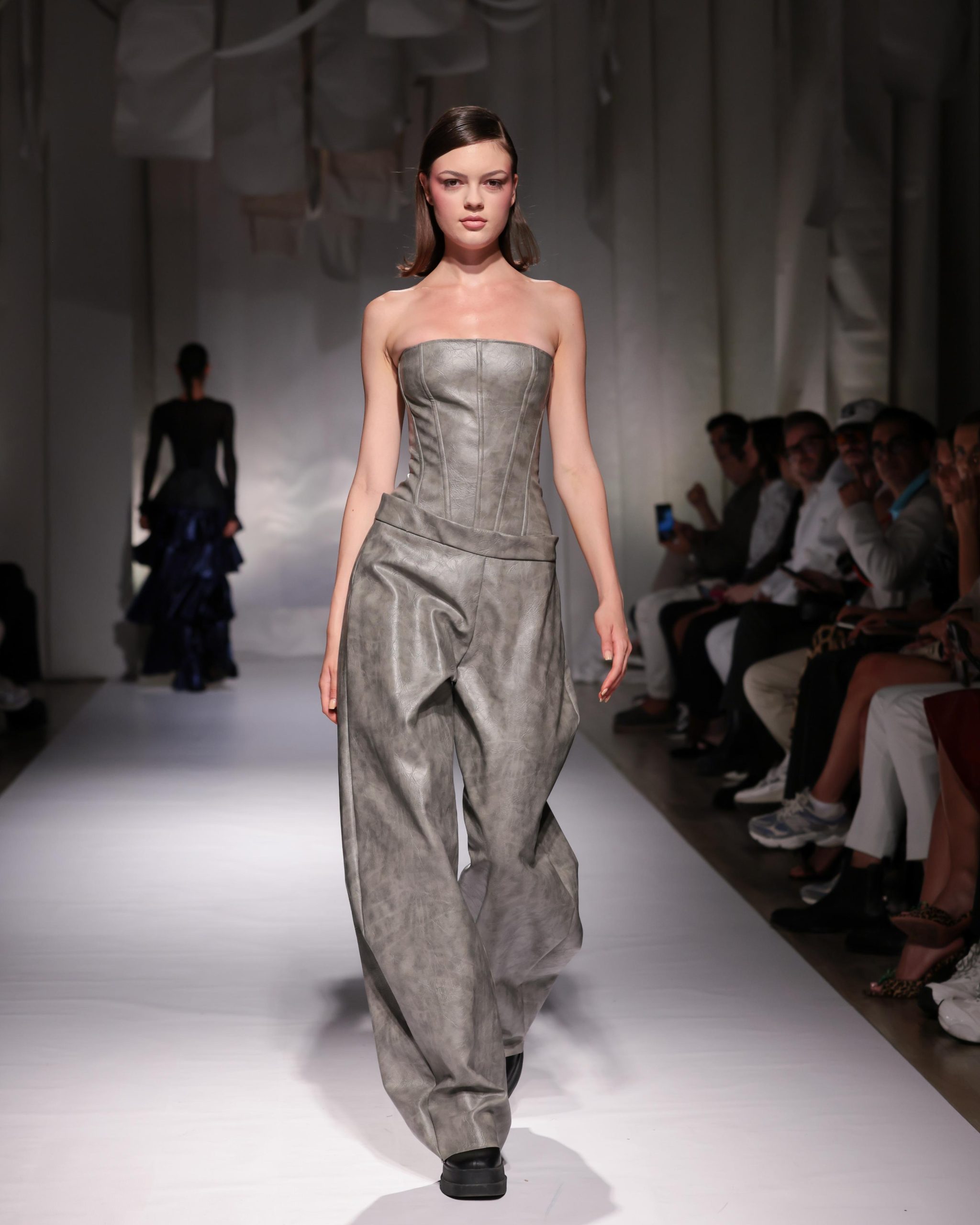
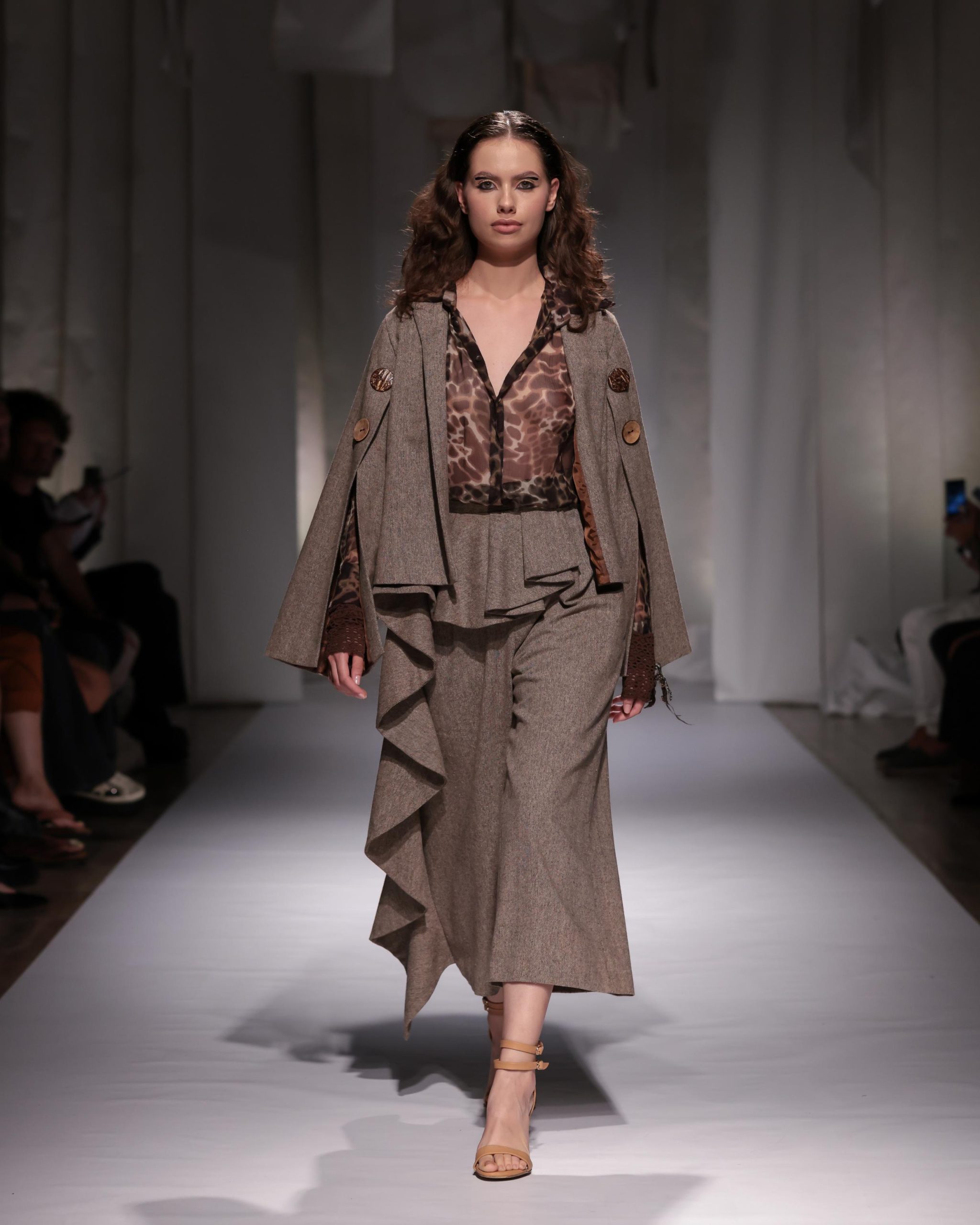
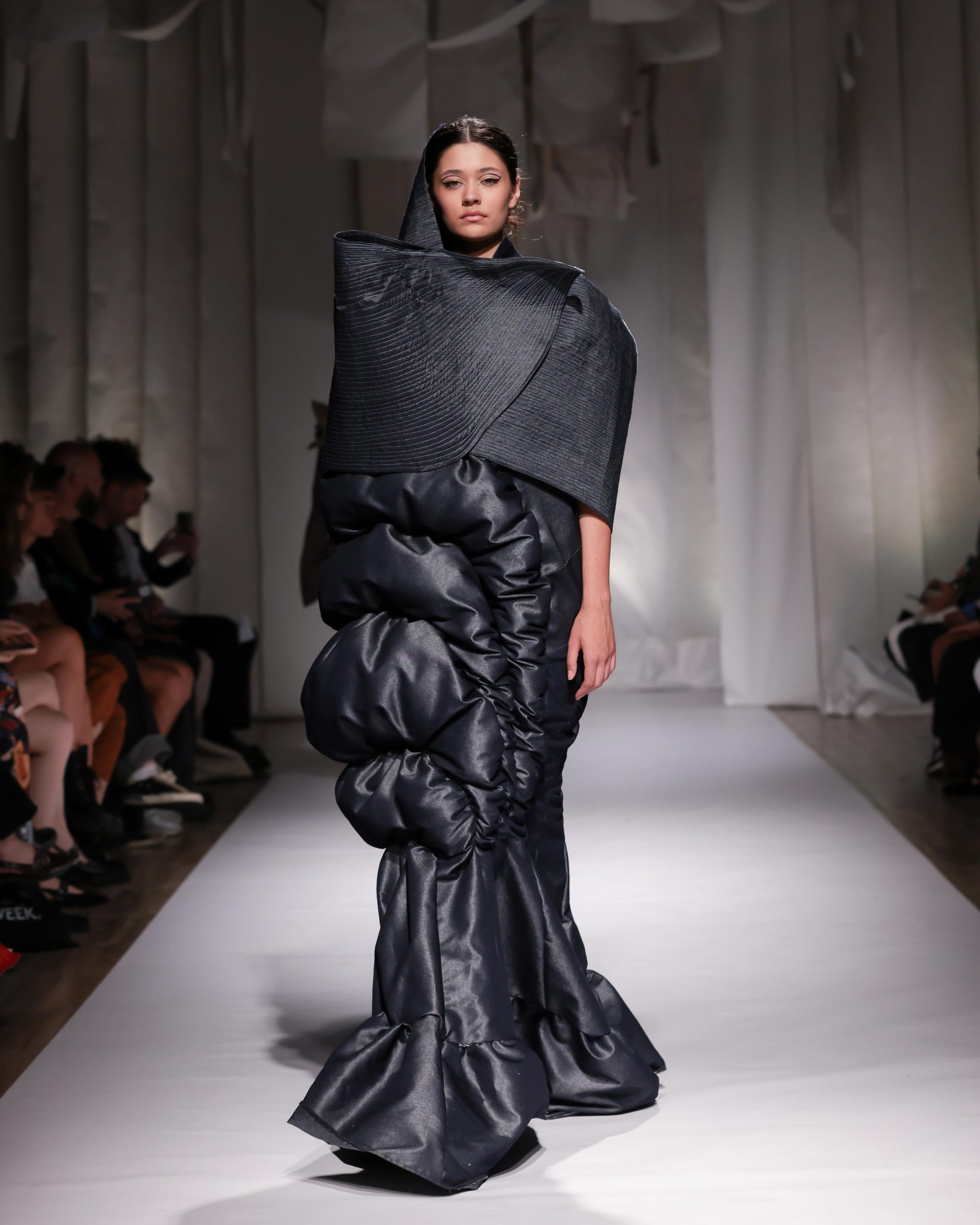
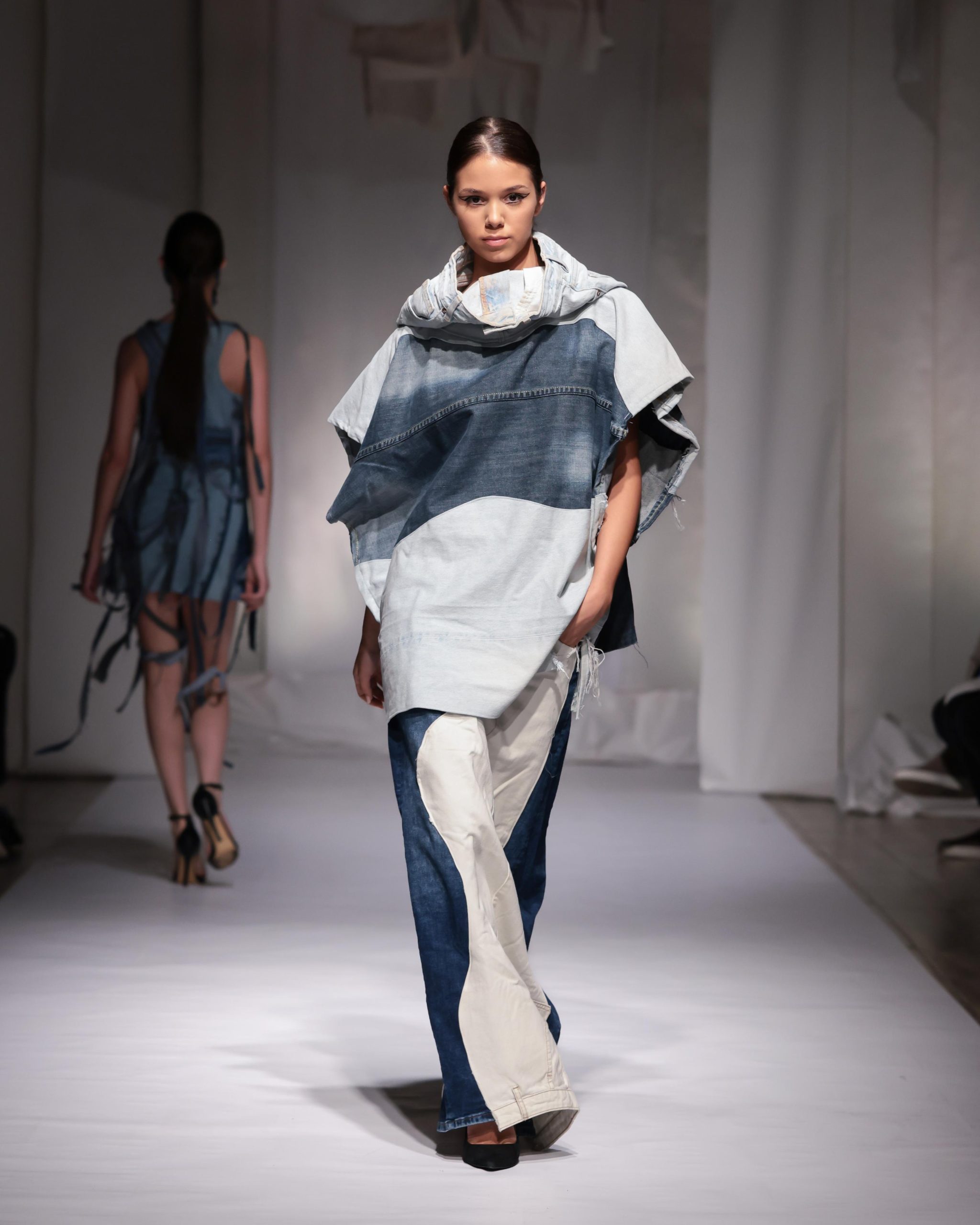
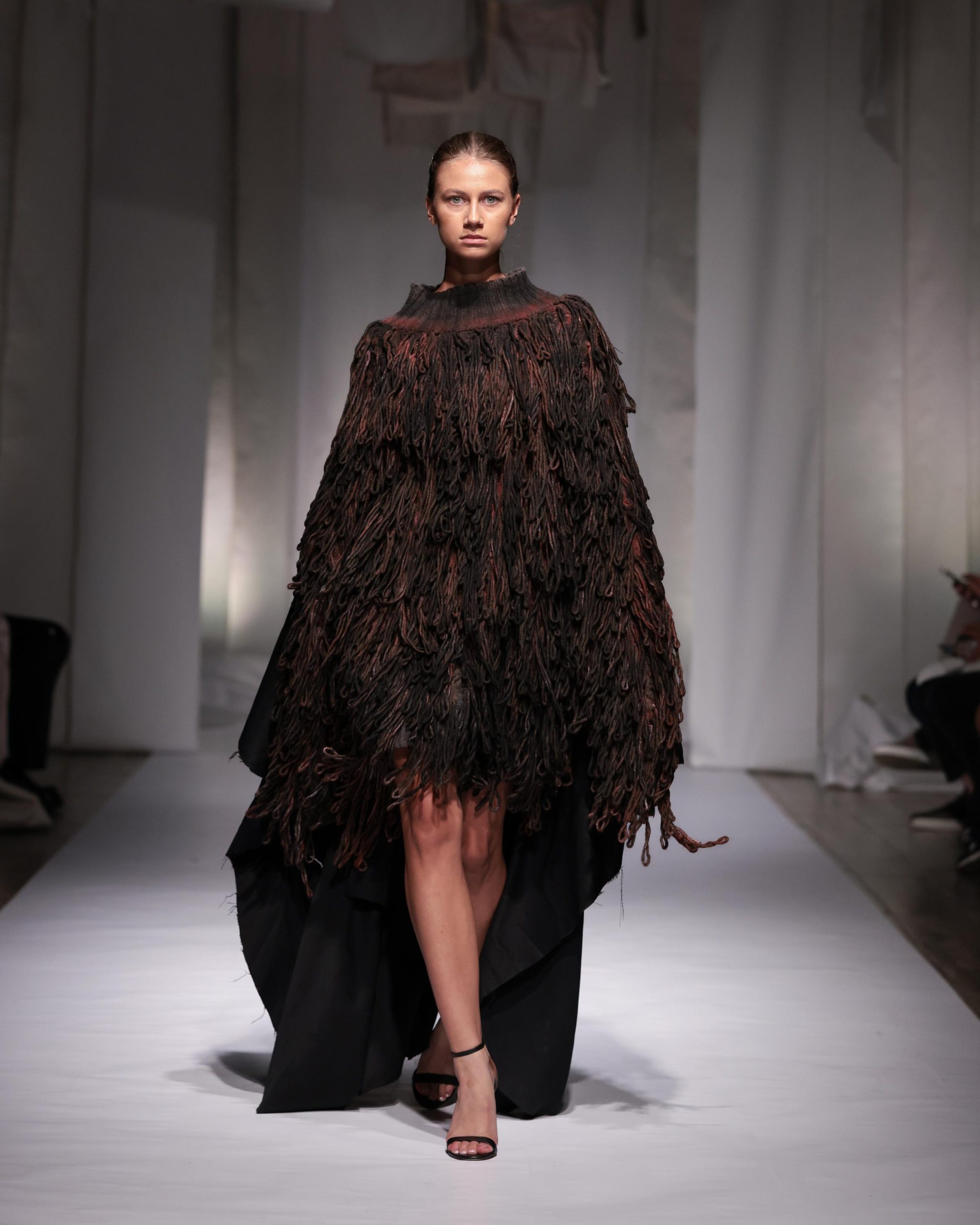
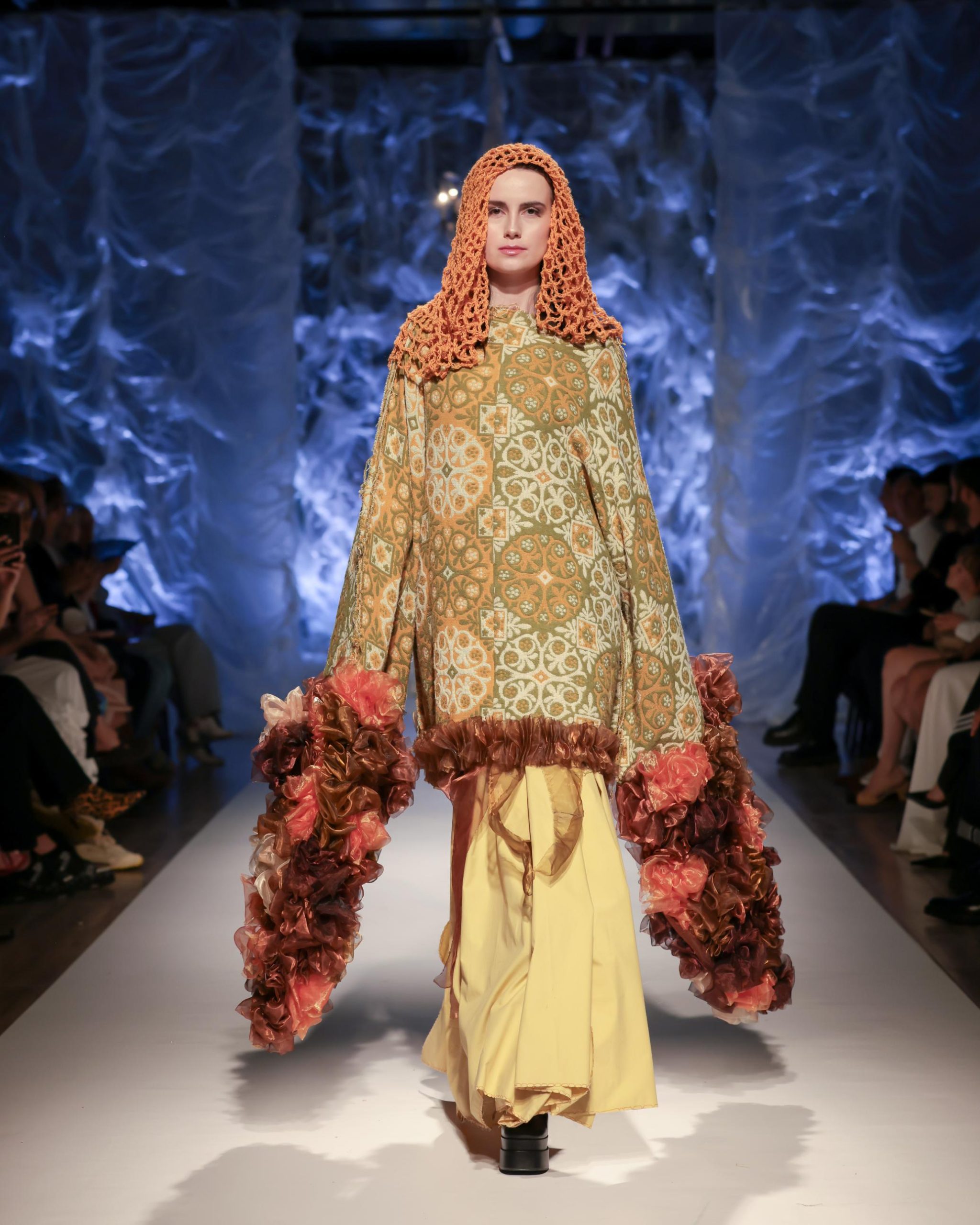
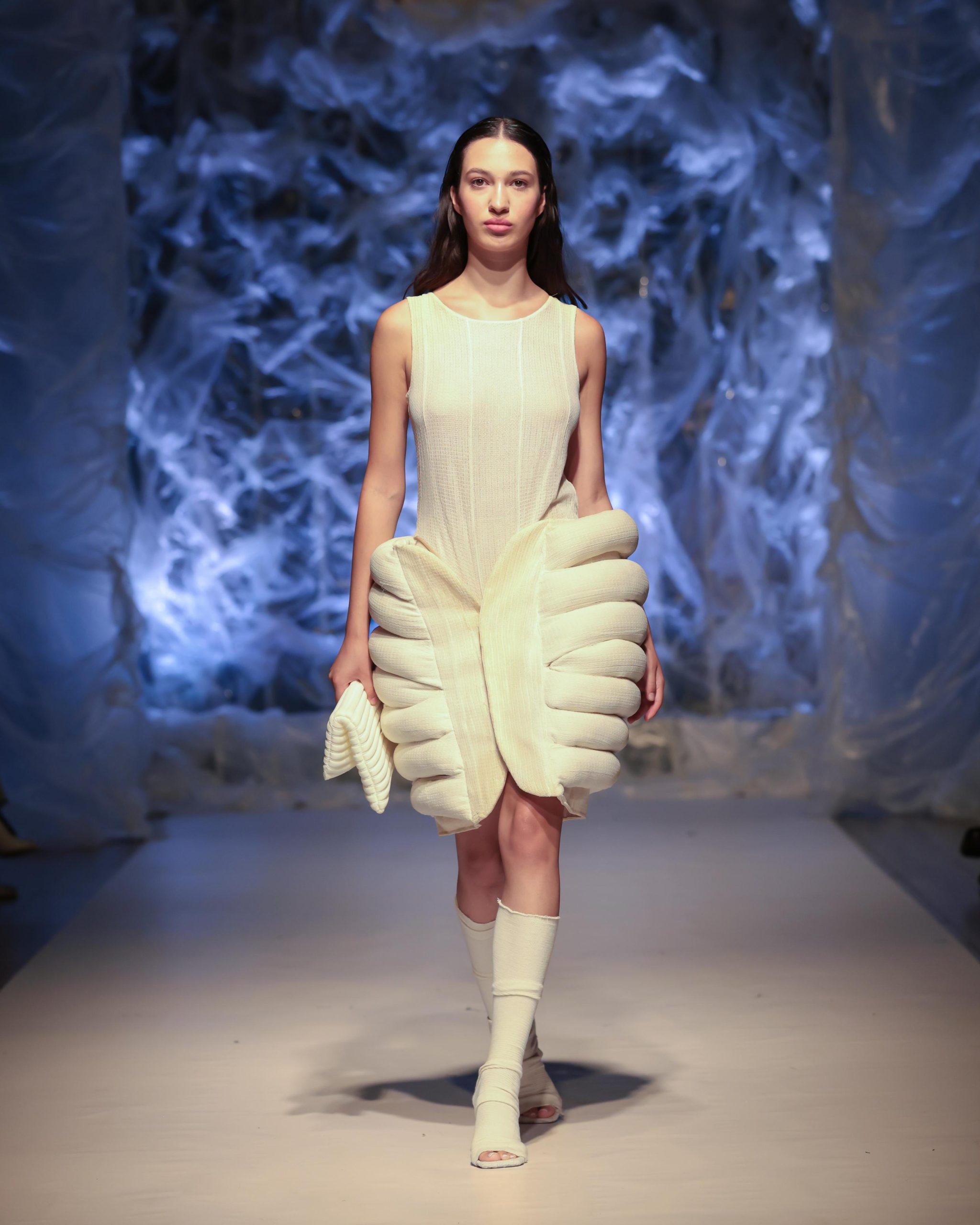
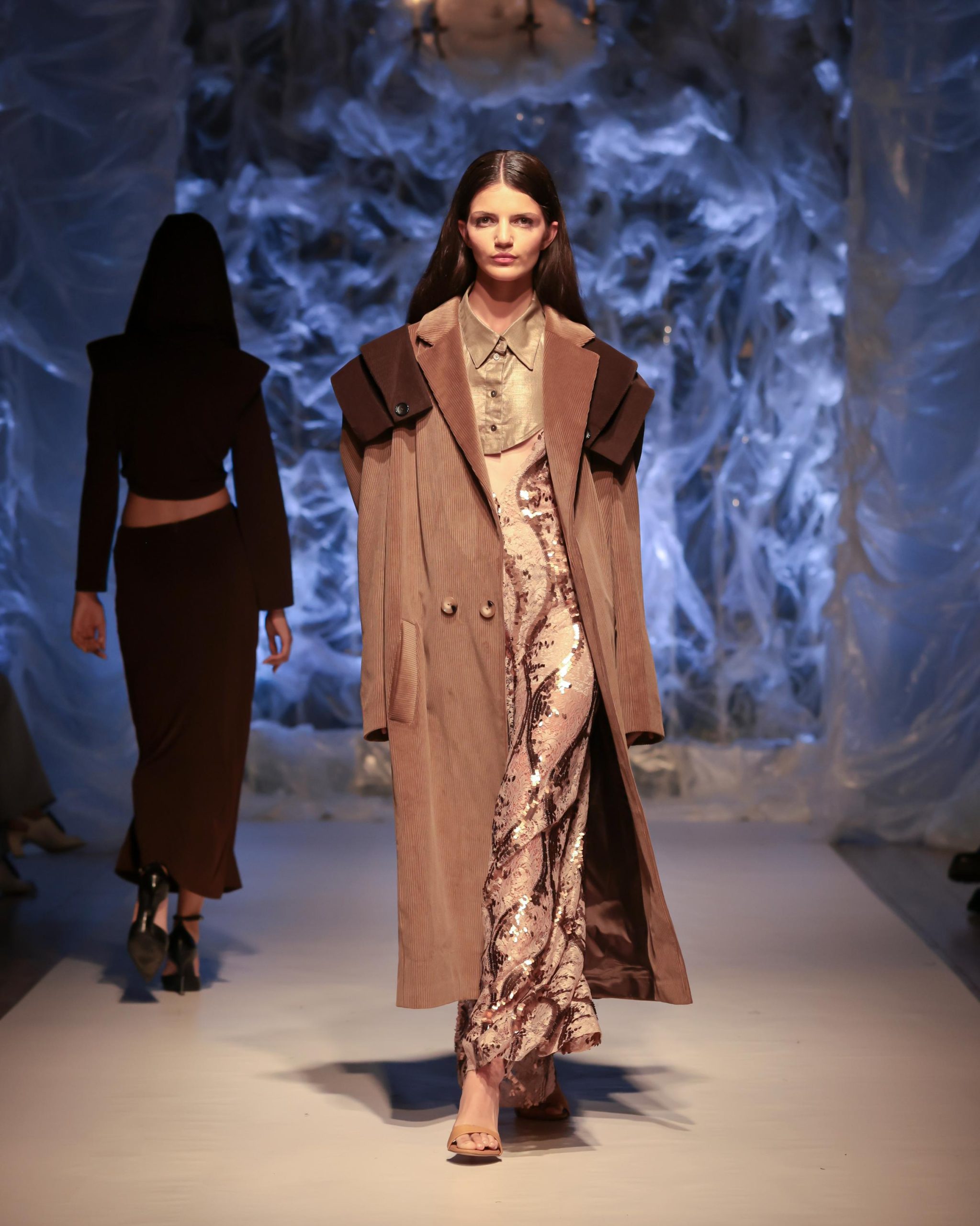
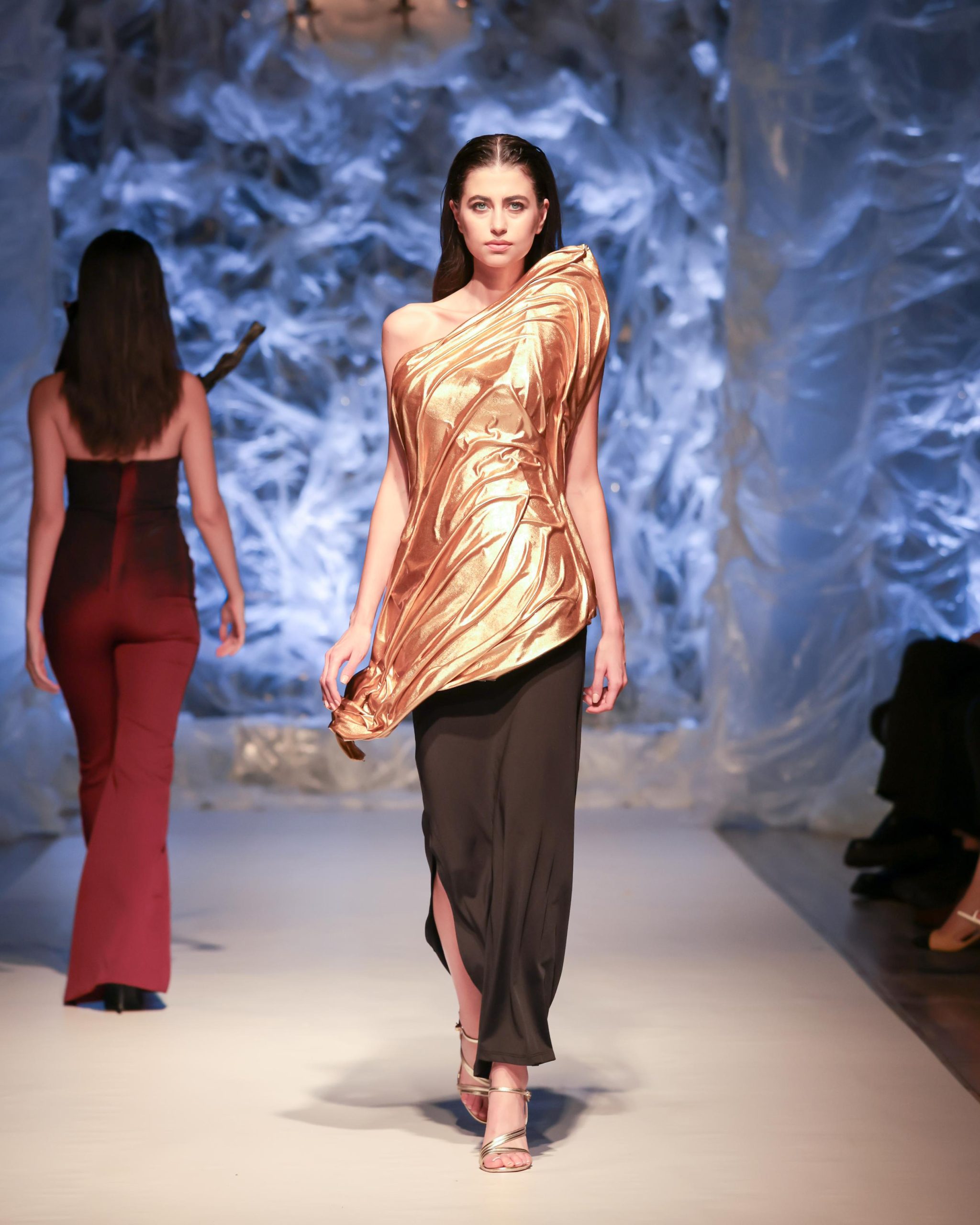
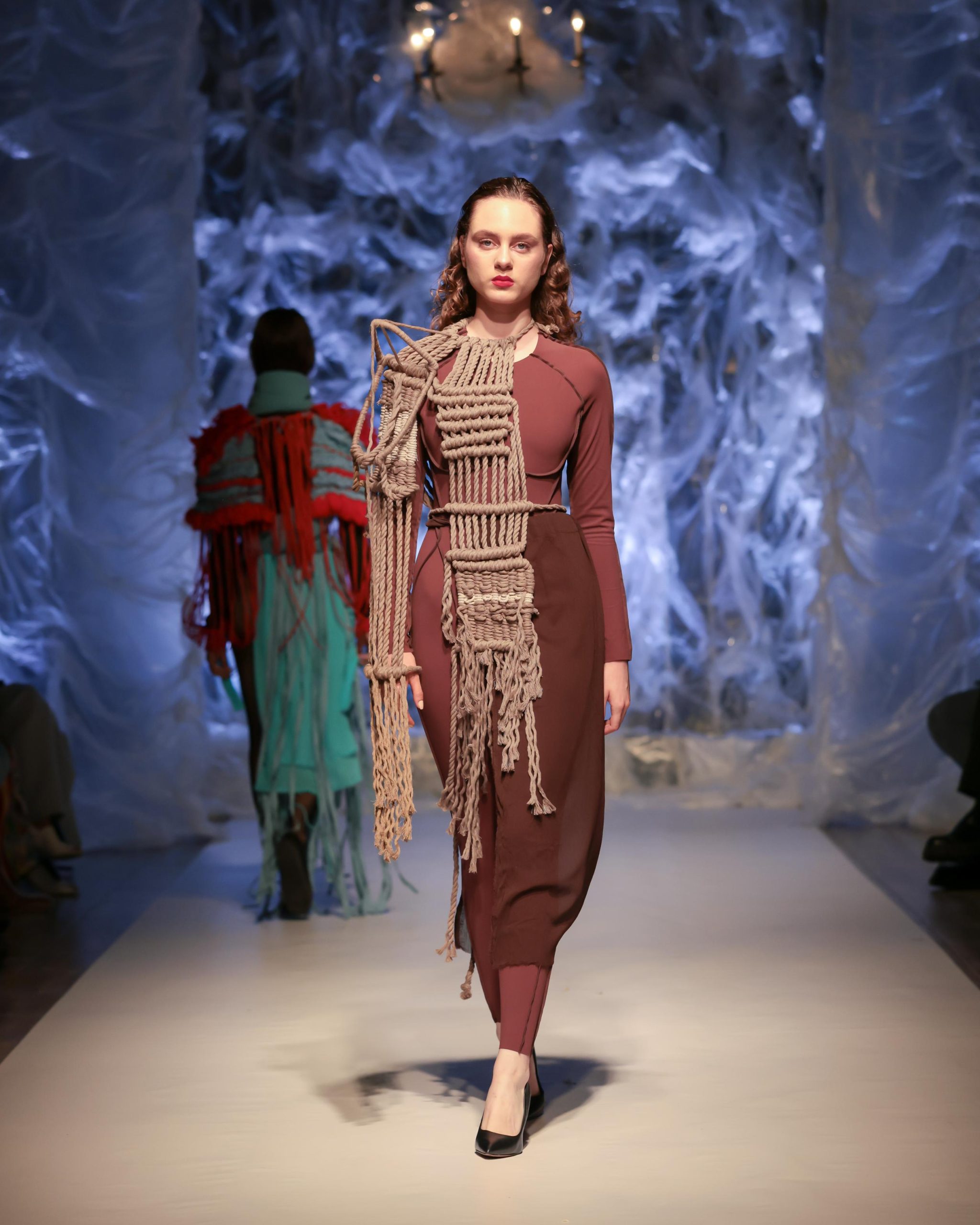
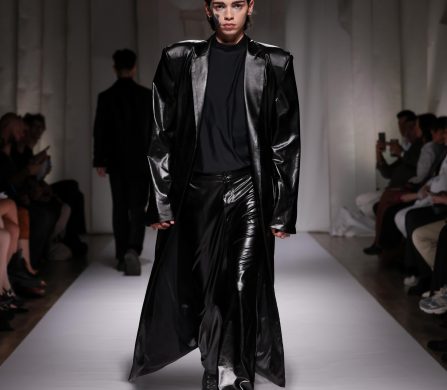
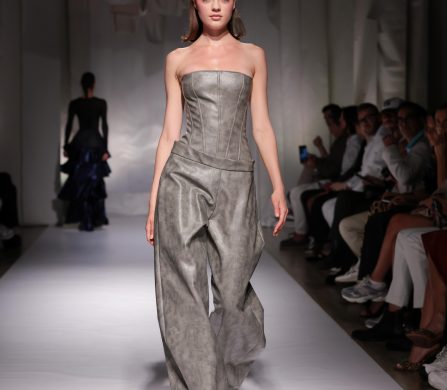
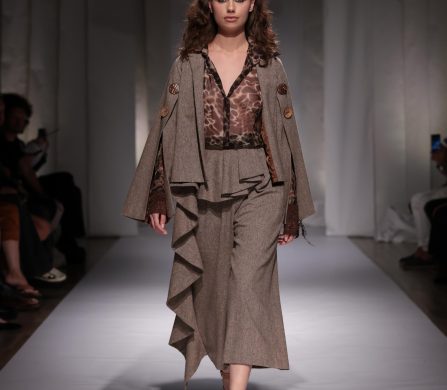
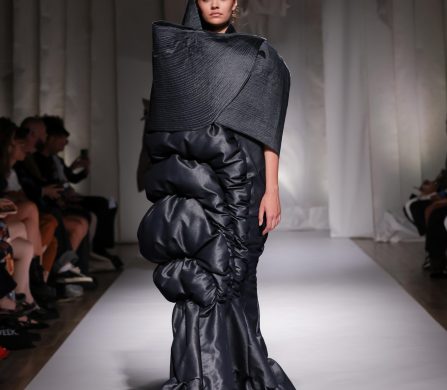
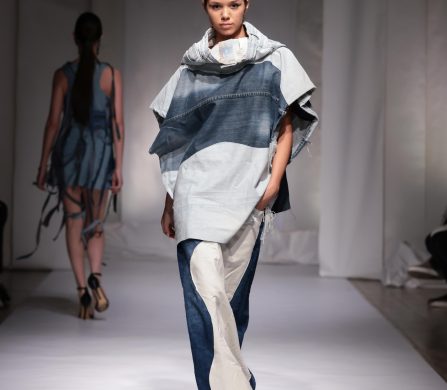
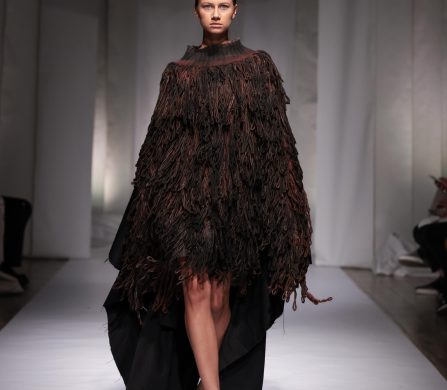
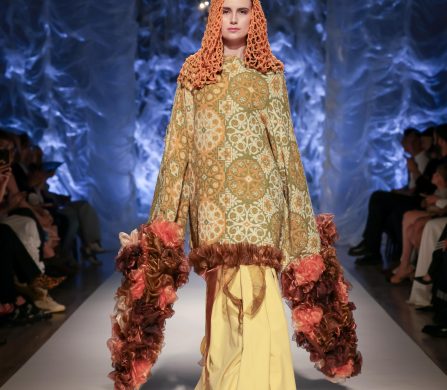
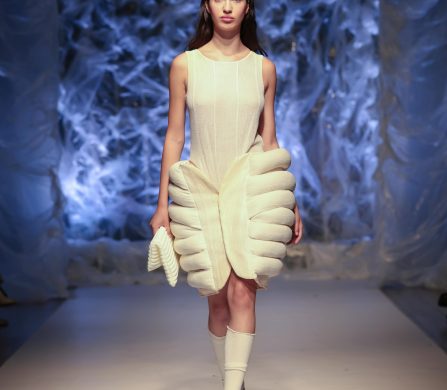
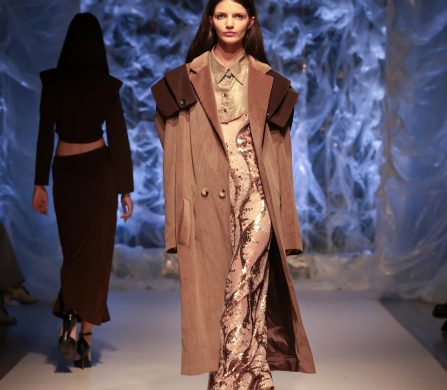
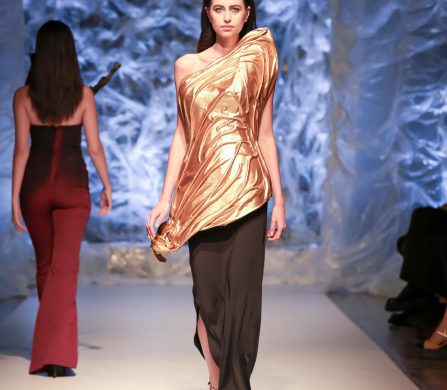
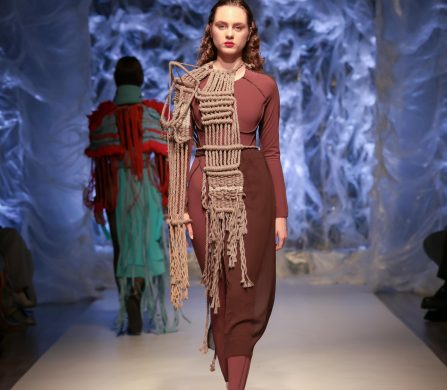
At Fabrica Boromir, the basement of the former mill housed Natalie Soto’s Paper Dolls, a tender exploration of healing and reinvention. Romantic forms combined with subtle edge, crafted from repurposed garments and finished with hand-detailed accents, create a meditation on transformation and self-reclamation. At Stadionul Municipal Sibiu, student work expanded fashion into social reflection. Designers from the West University of Timișoara tackled collective memory, identity, and digital alienation through experimental silhouettes, while the National University of Arts “George Enescu” – Iași fused traditional symbolism with innovation, bridging heritage and future.
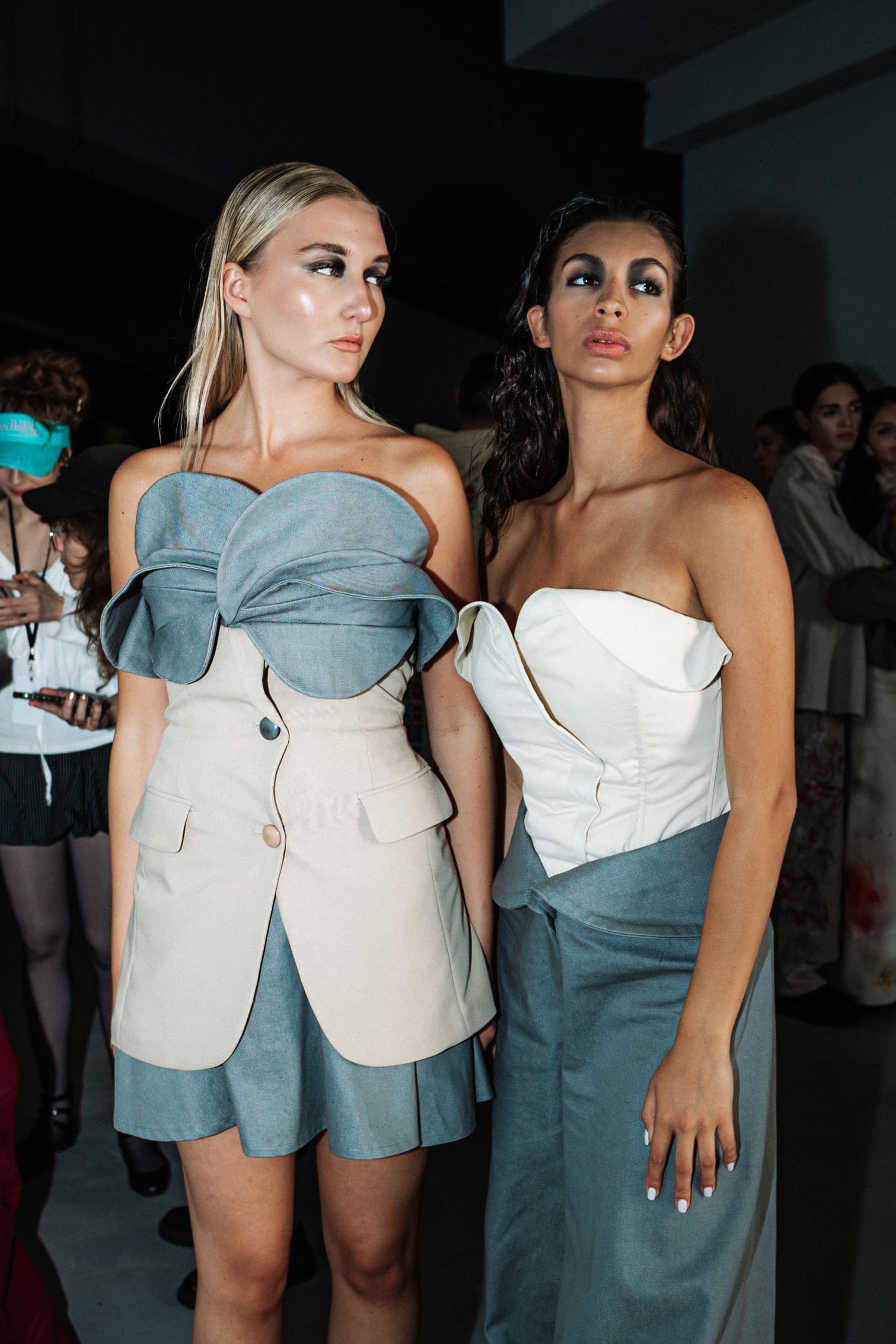
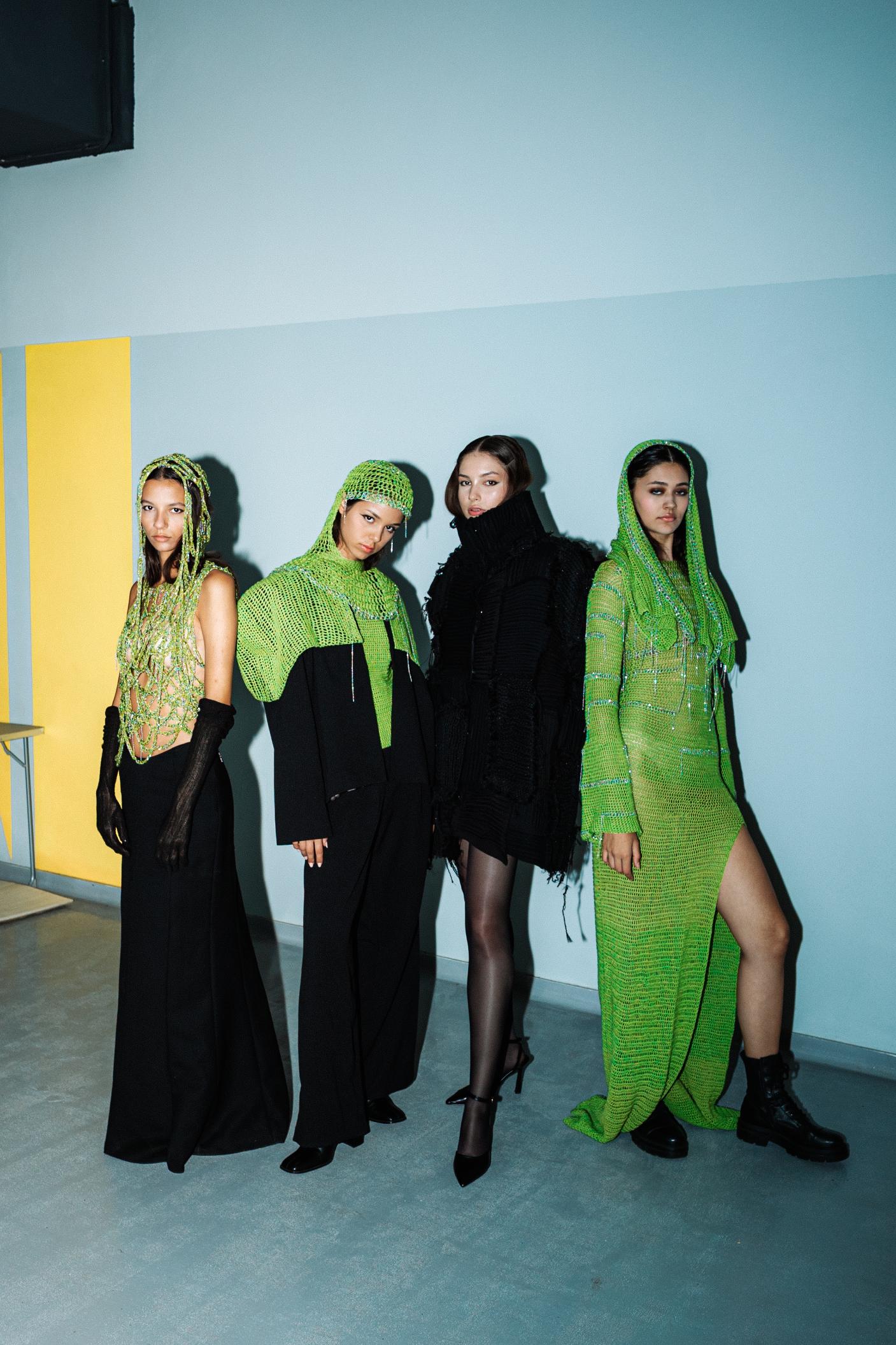
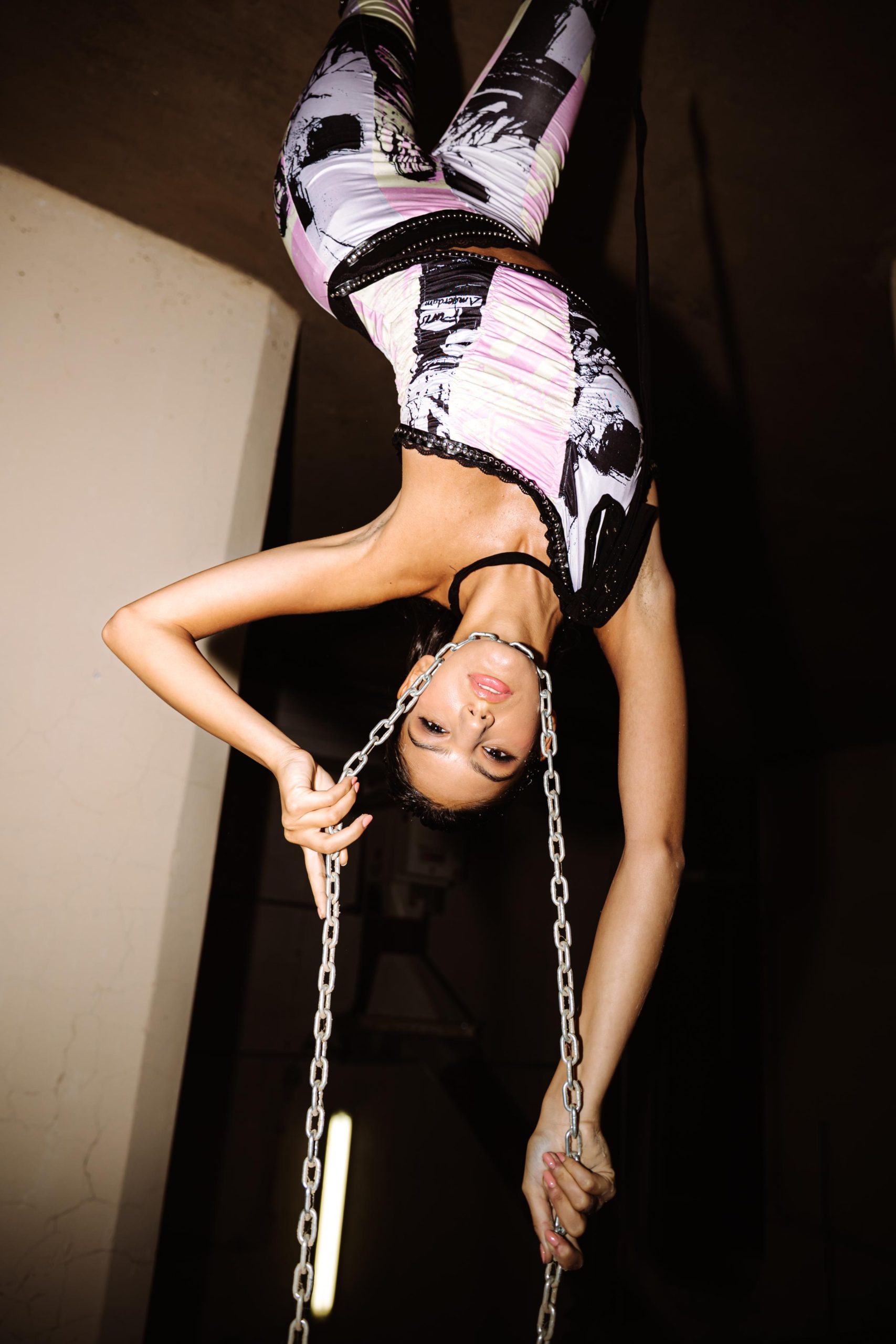
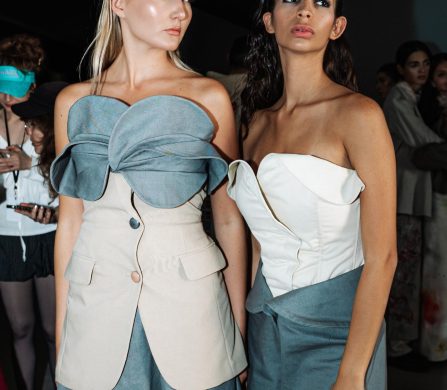
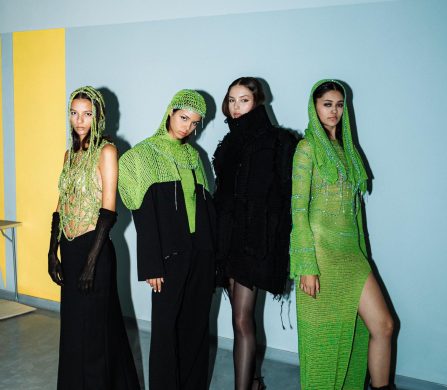
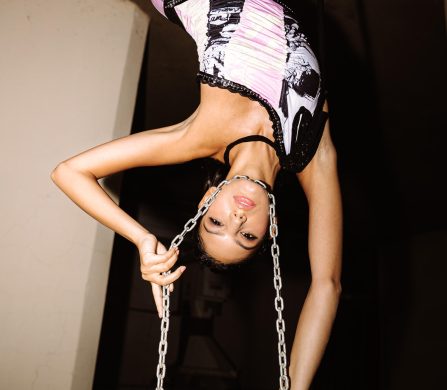
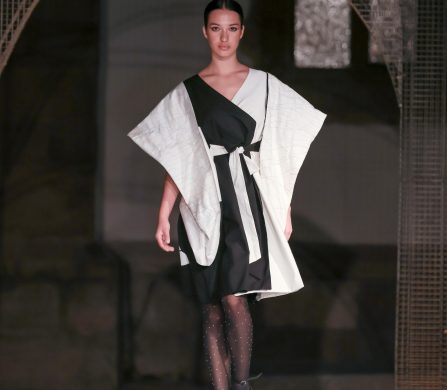
The Gala Feeric in Piața Huet closed the week with a vibrant mix of perspectives. Mild Power explored strength and delicacy in Cuoricini; Daiana-Mihaela Stăncioiu fused photography and fashion in Unapologetic. IDA & IFM Academy presented a study in balance and purity with a black-and-white collection, while International Balkan University offered Reflections, blending streetwear with sustainability. Kaunas University of Applied Sciences’ Akvilė Bernotaitė reimagined Samogitian heritage, Kaylee Johnson drew from brutalist architecture, Viamoda explored gender identity, and the University of Art and Design of Cluj-Napoca showcased an experimental mix of volume, craftsmanship, and sustainability.
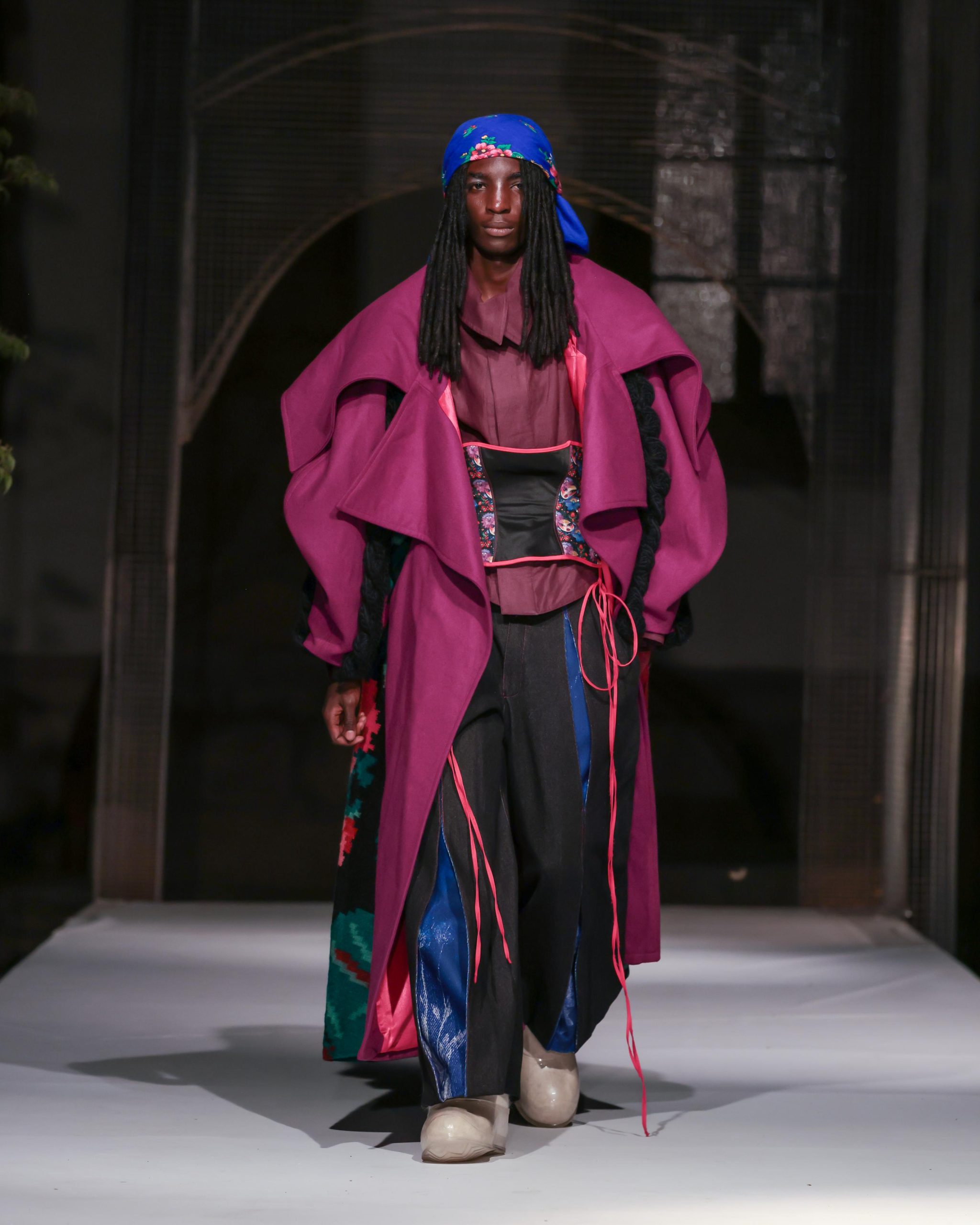
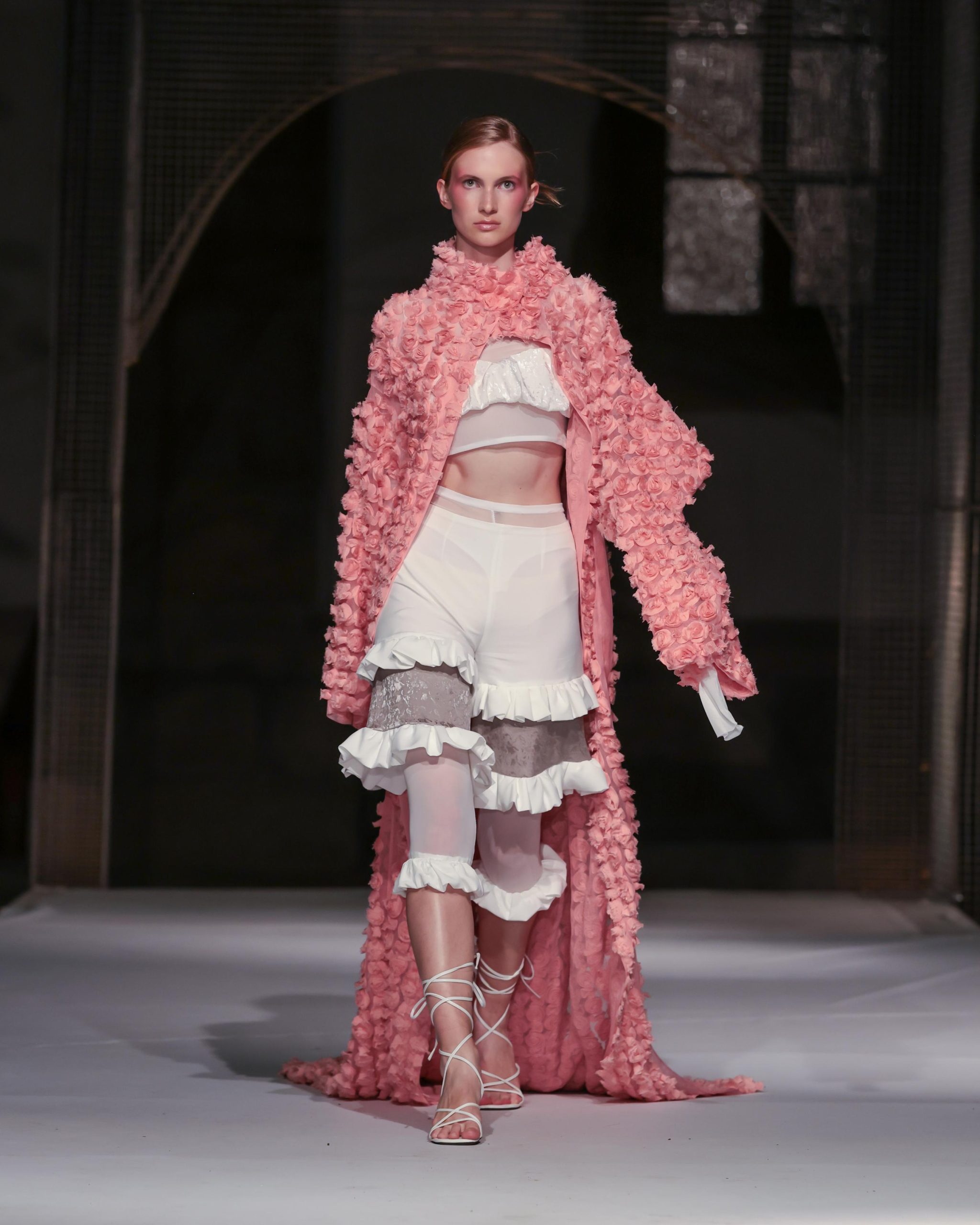
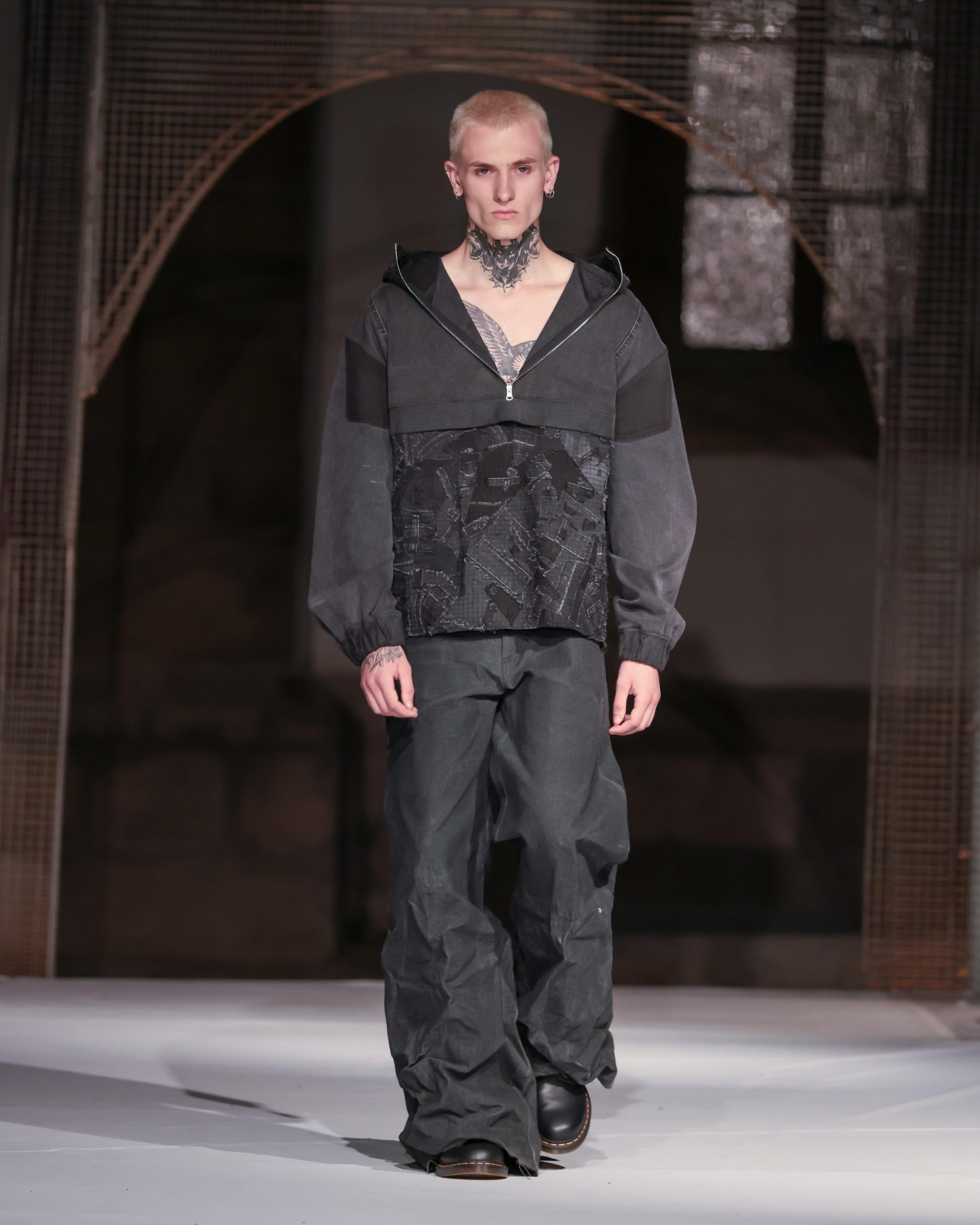
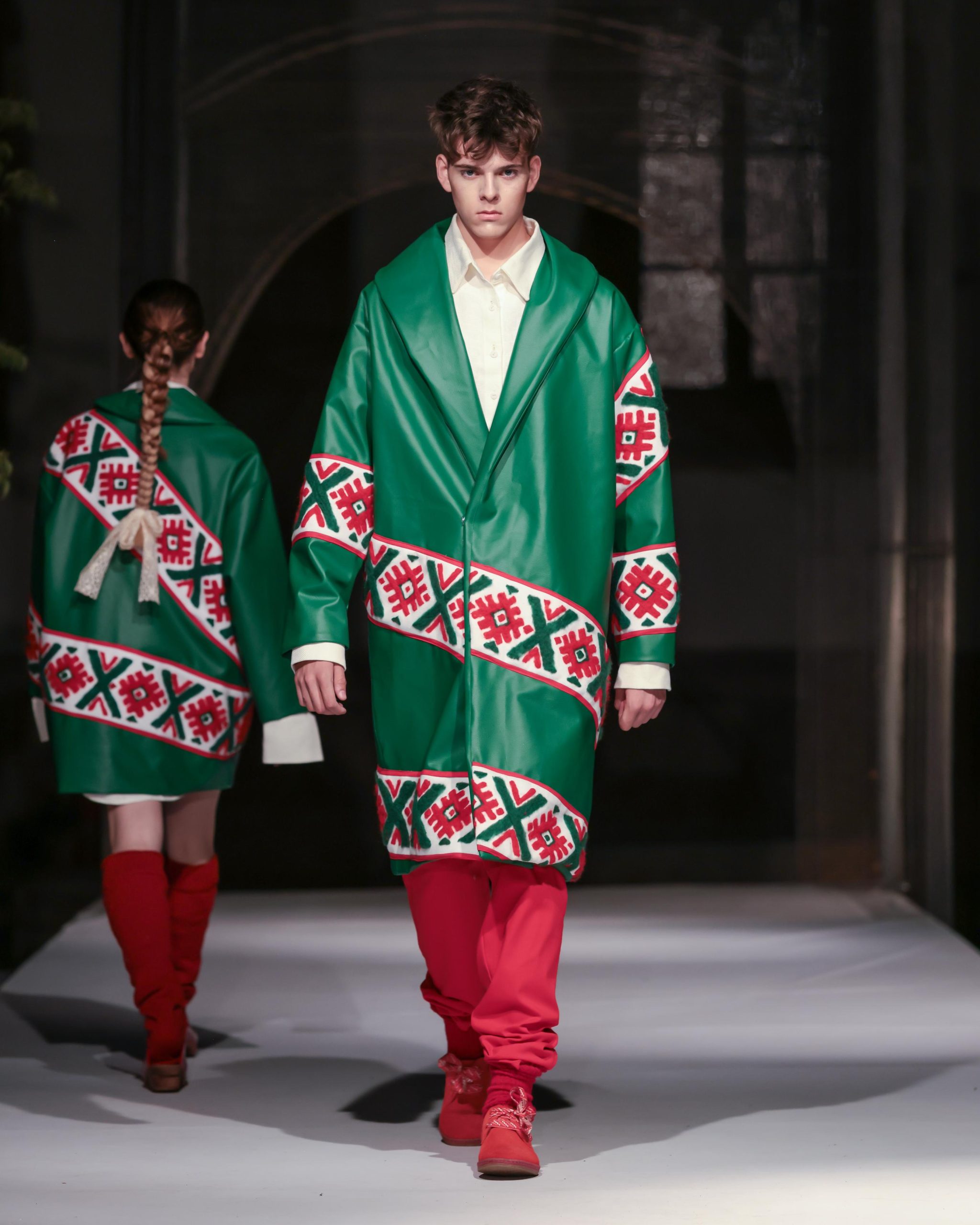
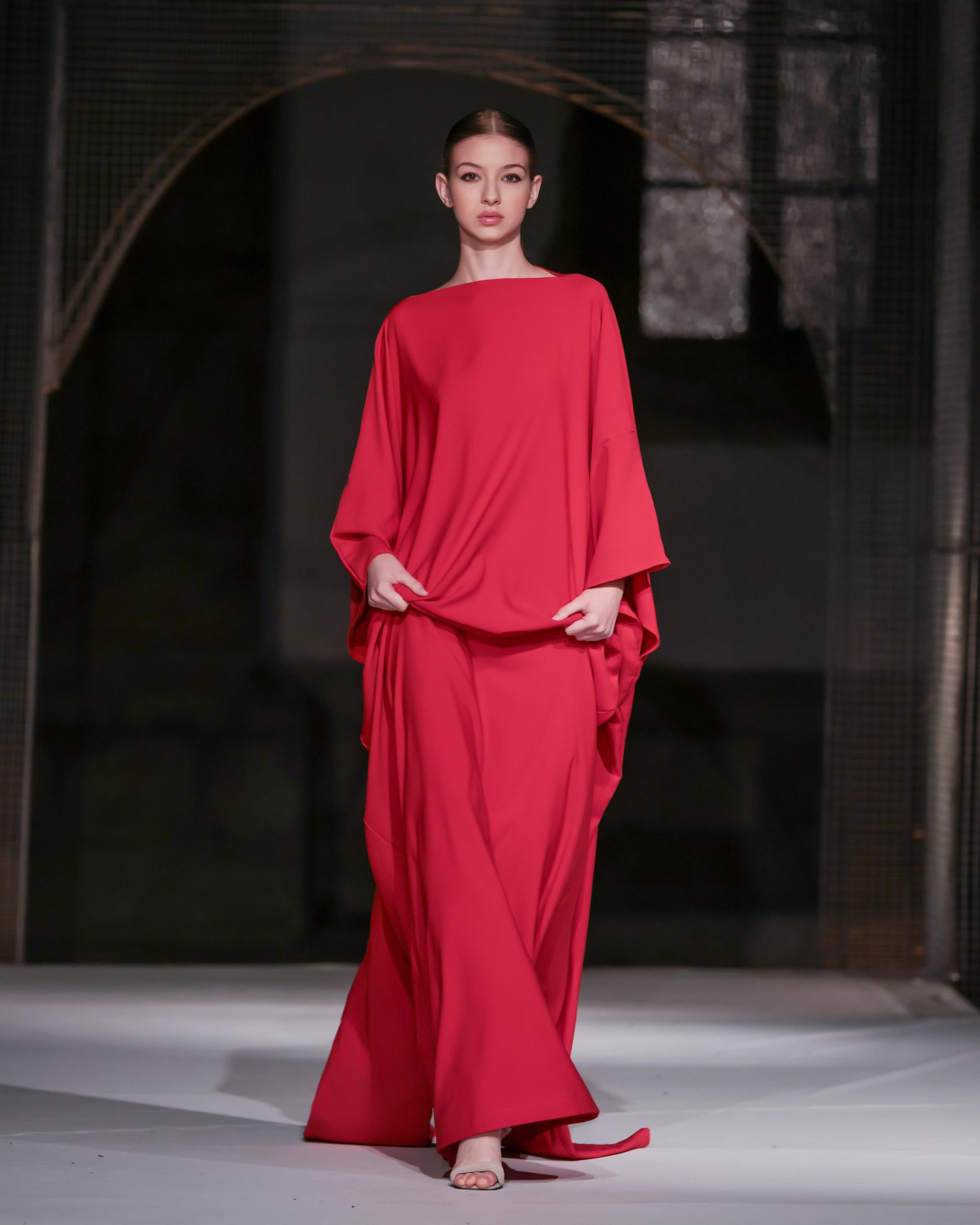
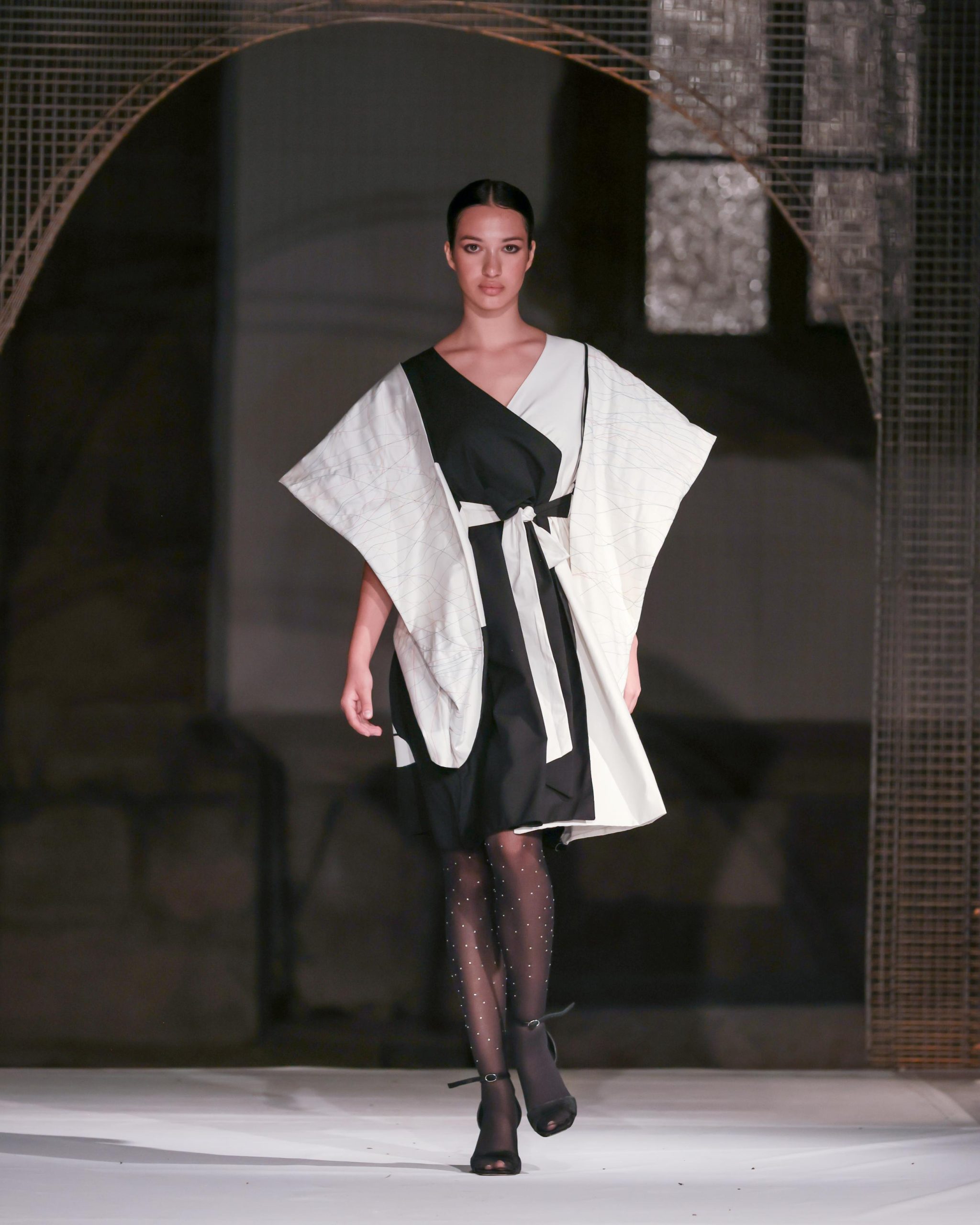
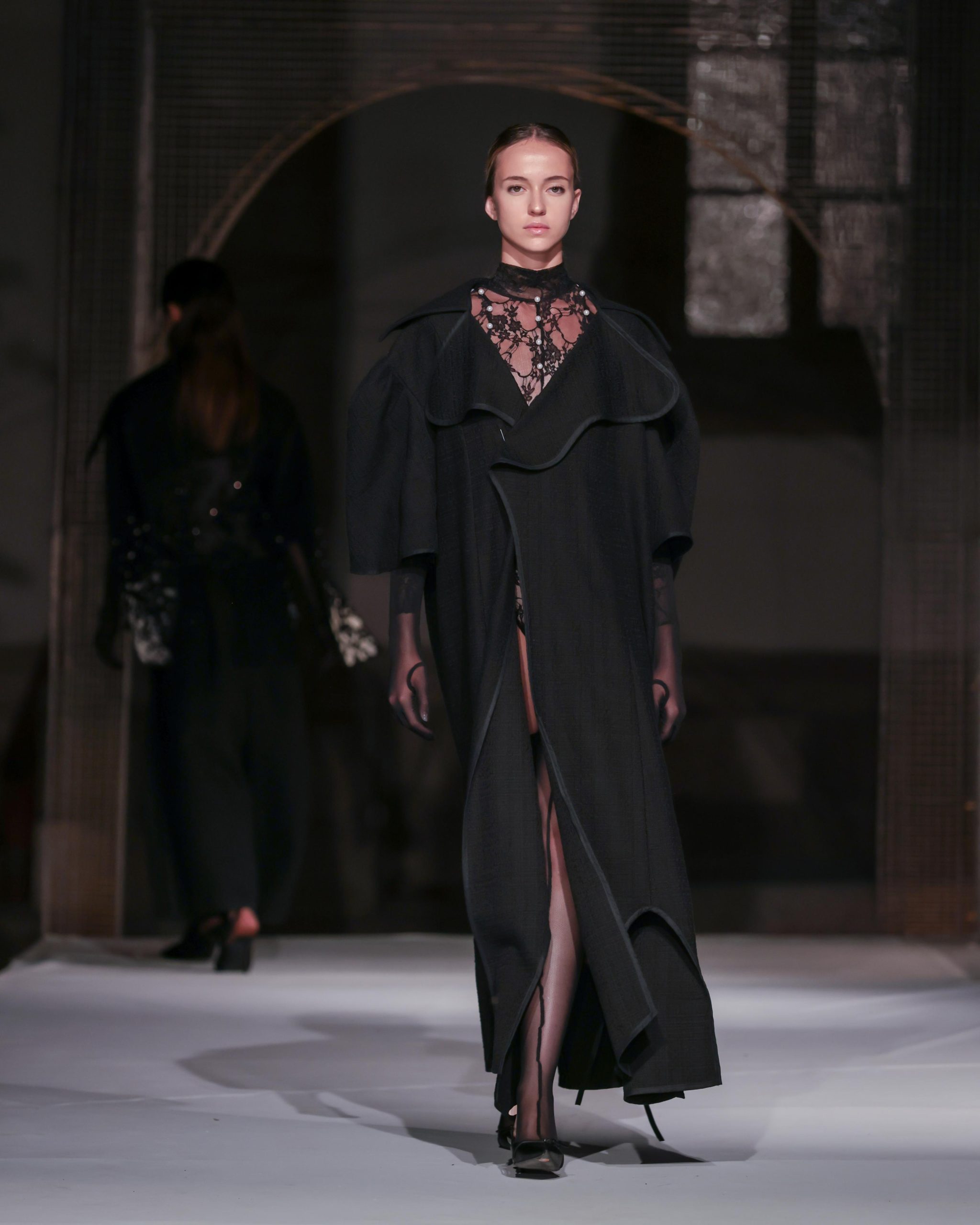
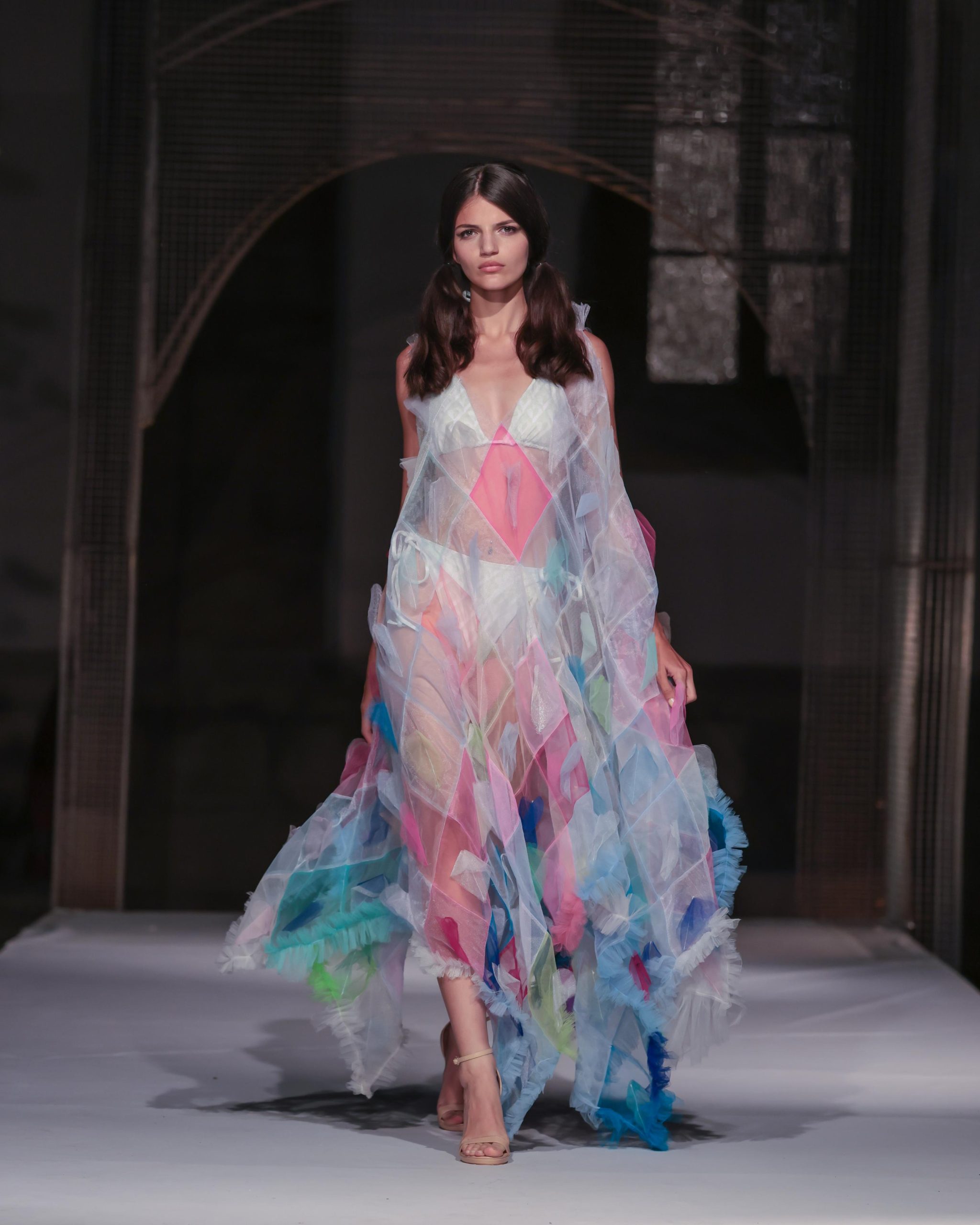
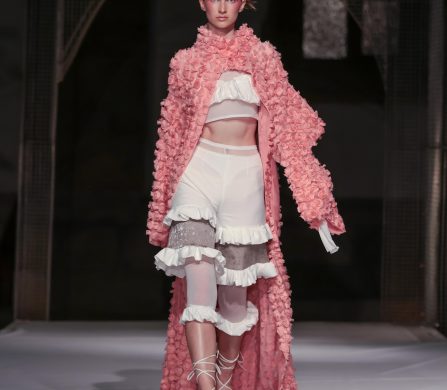
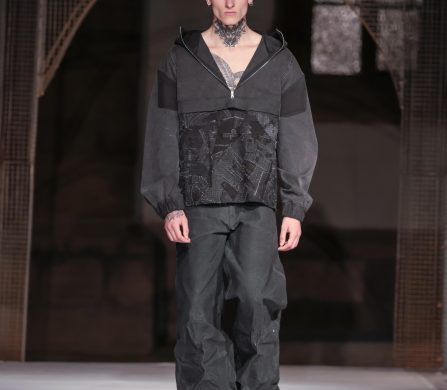
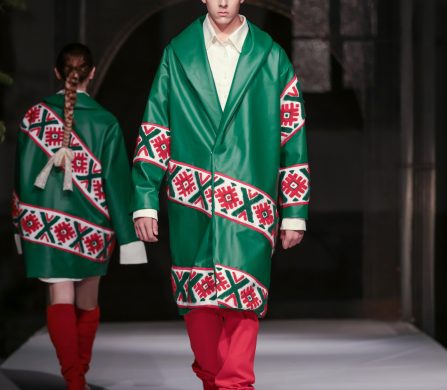
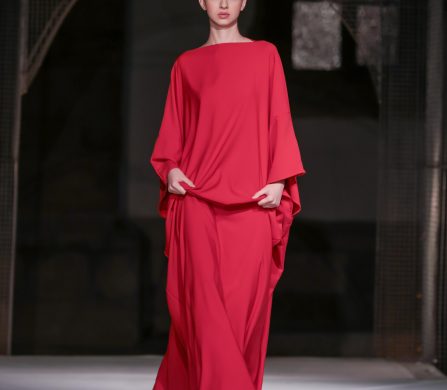
Feeric Fashion Week 2025 reaffirmed fashion’s role as a cultural force — rooted in place, driven by vision, and open to reinvention. From industrial backdrops to sacred courtyards, every space became a stage for dialogue between heritage and possibility. Designers challenged conventions, reimagined materials, and reshaped narratives with clarity and courage. Sibiu once again stood at the intersection of past and future, proving that fashion thrives where ideas meet intention, and where creativity has the power to transform the world around it.
words. Landiana Cerciu