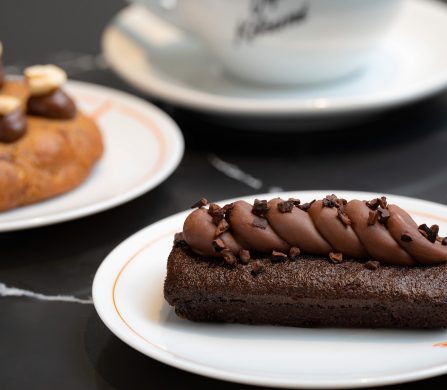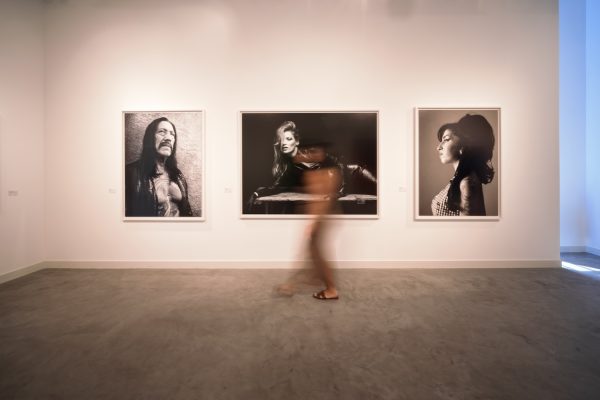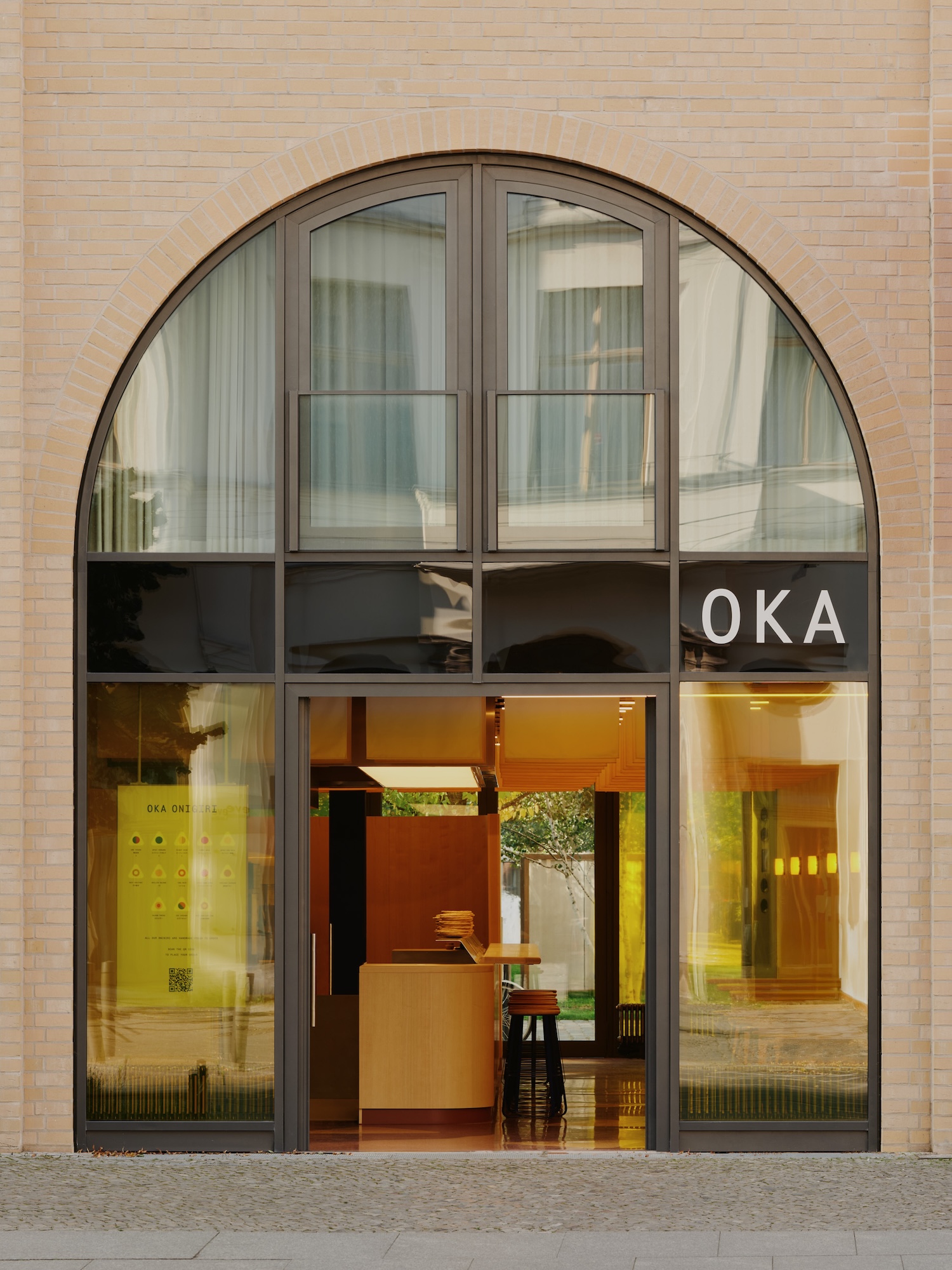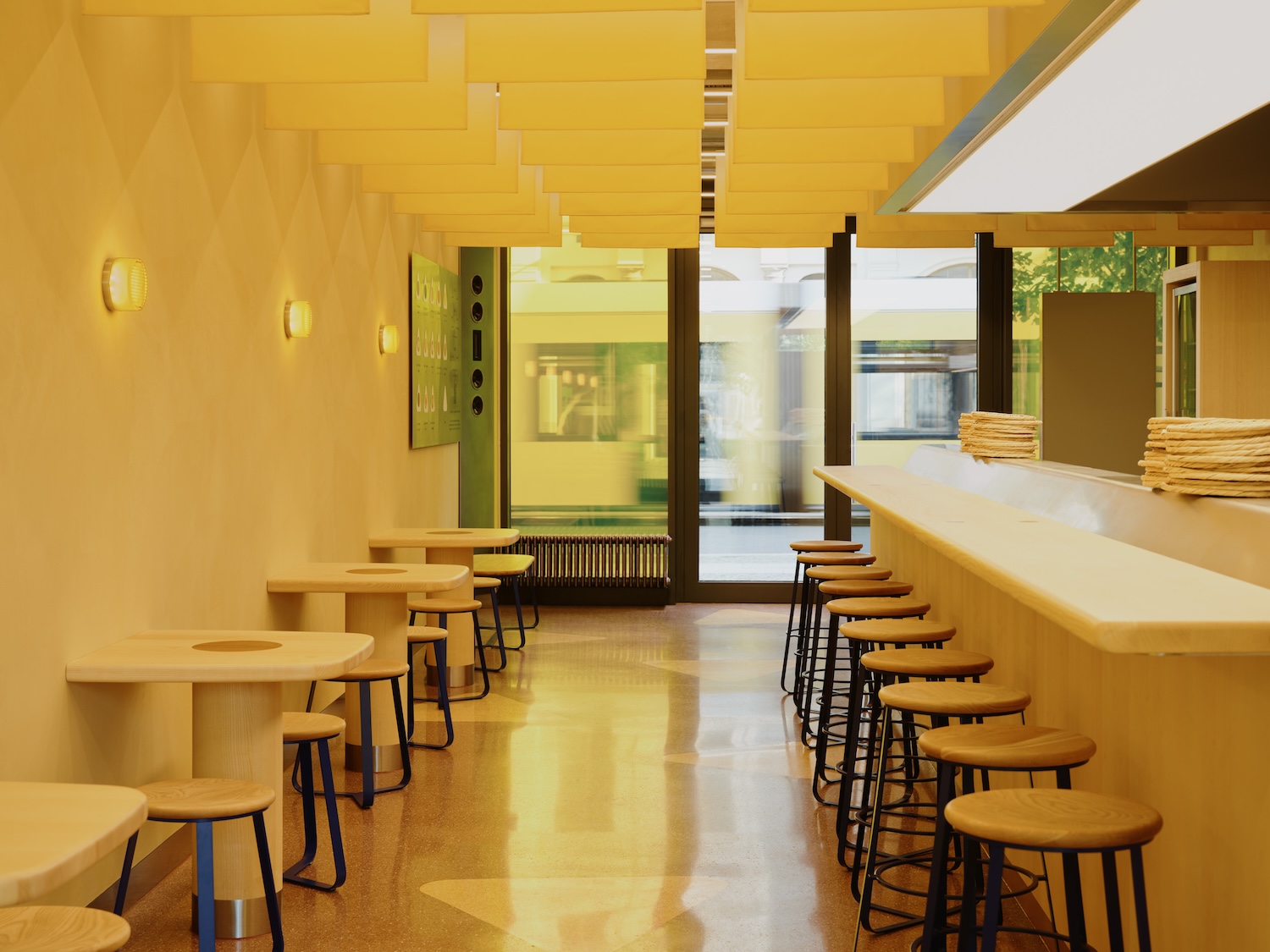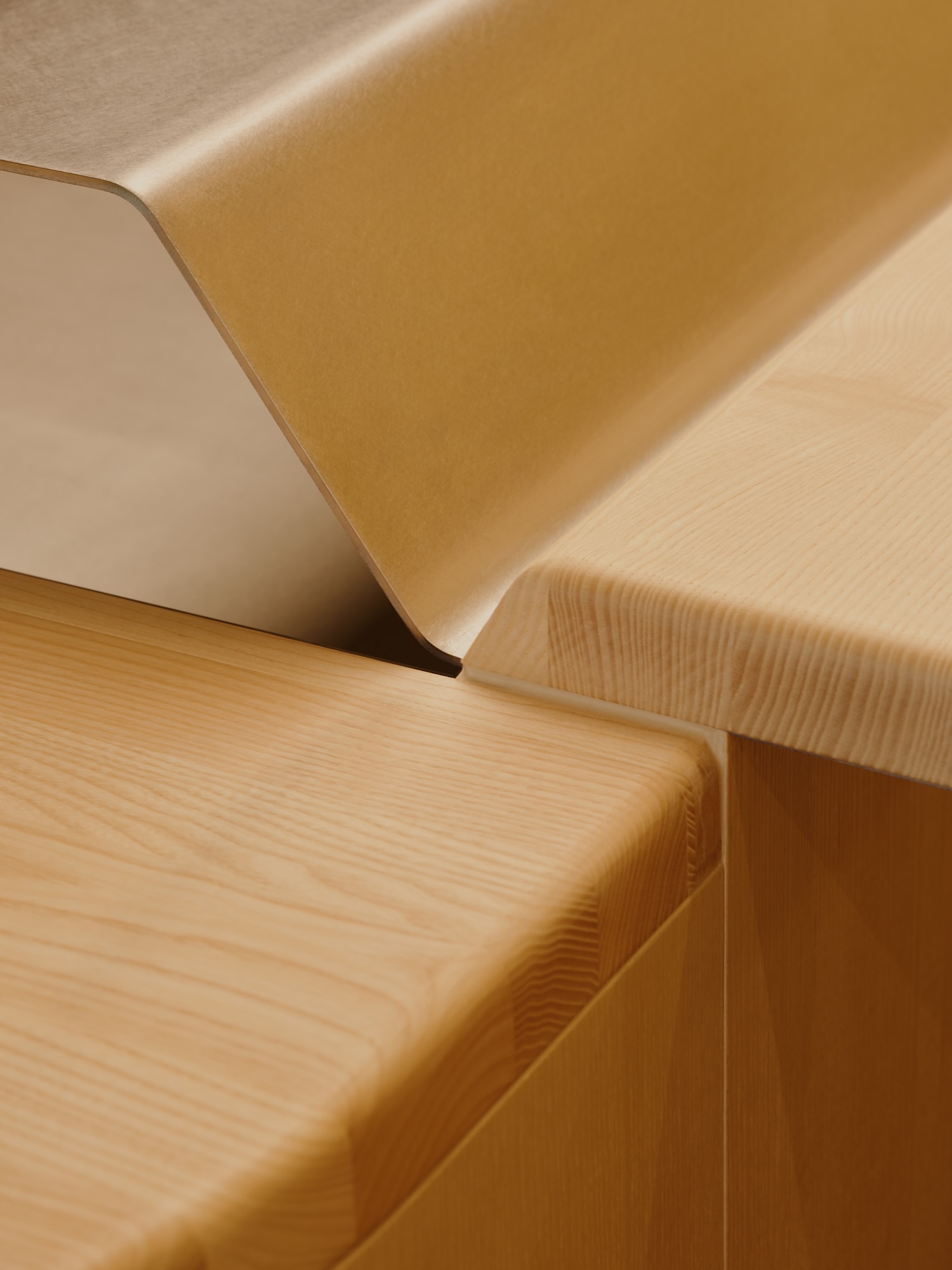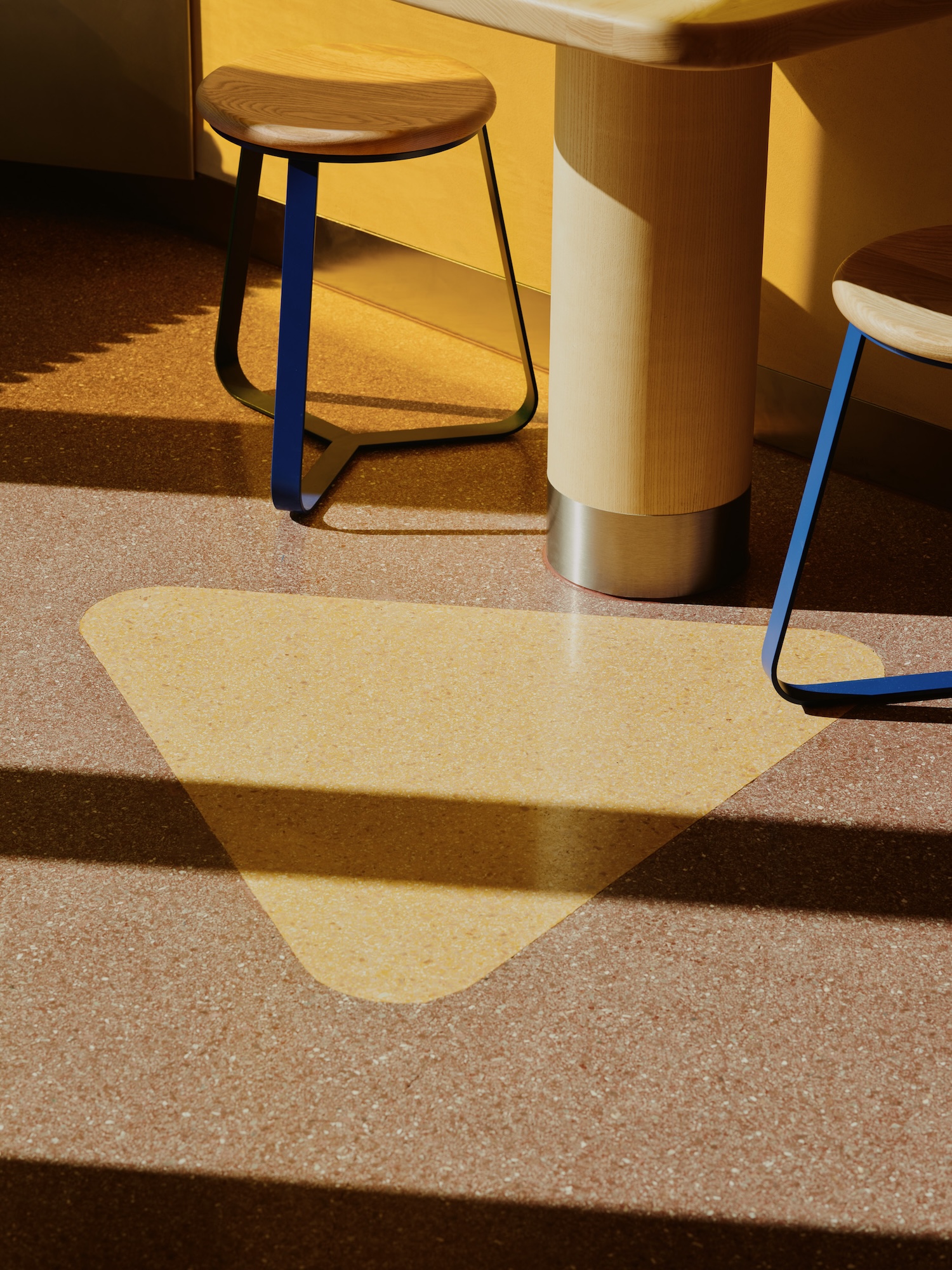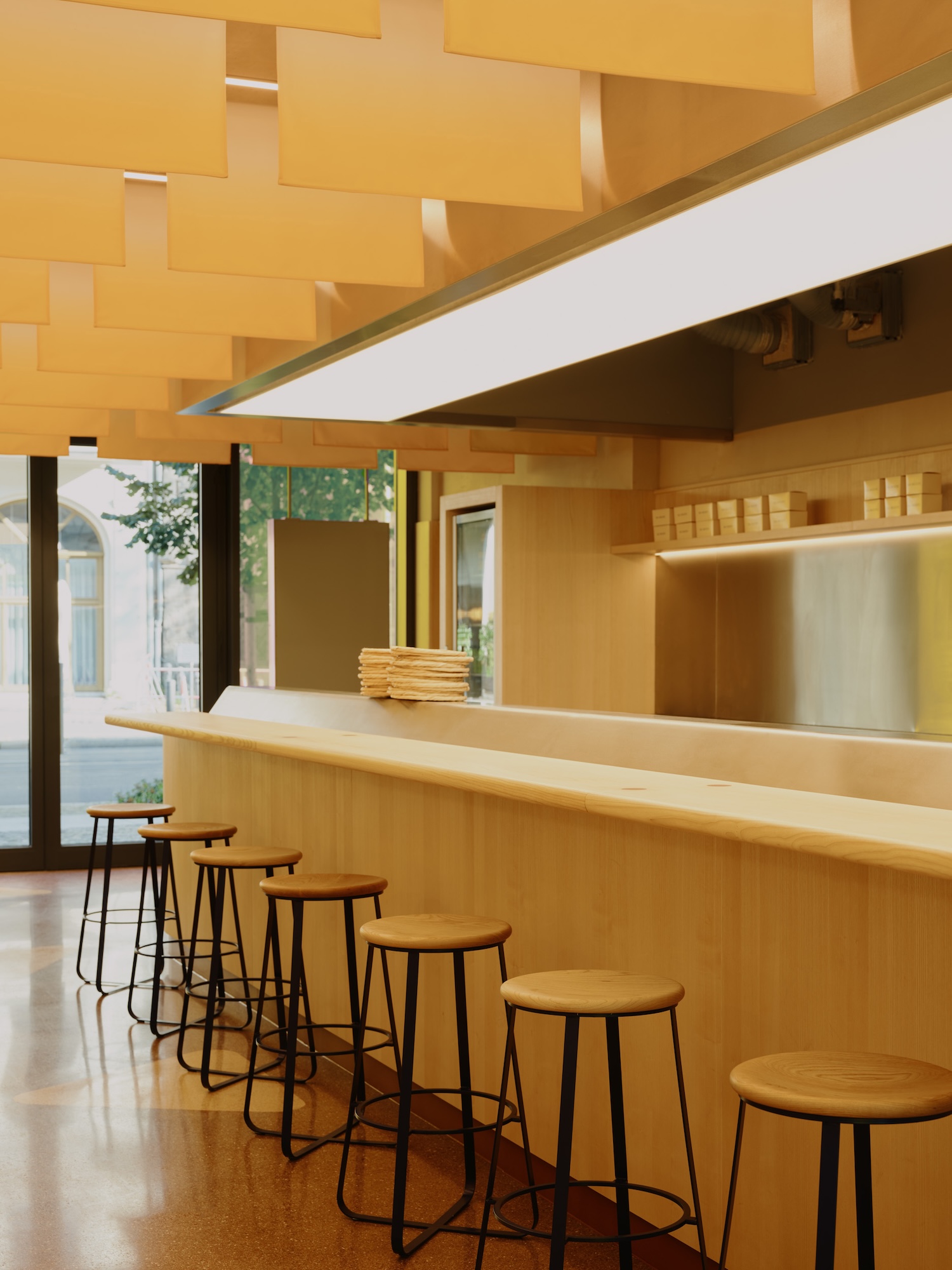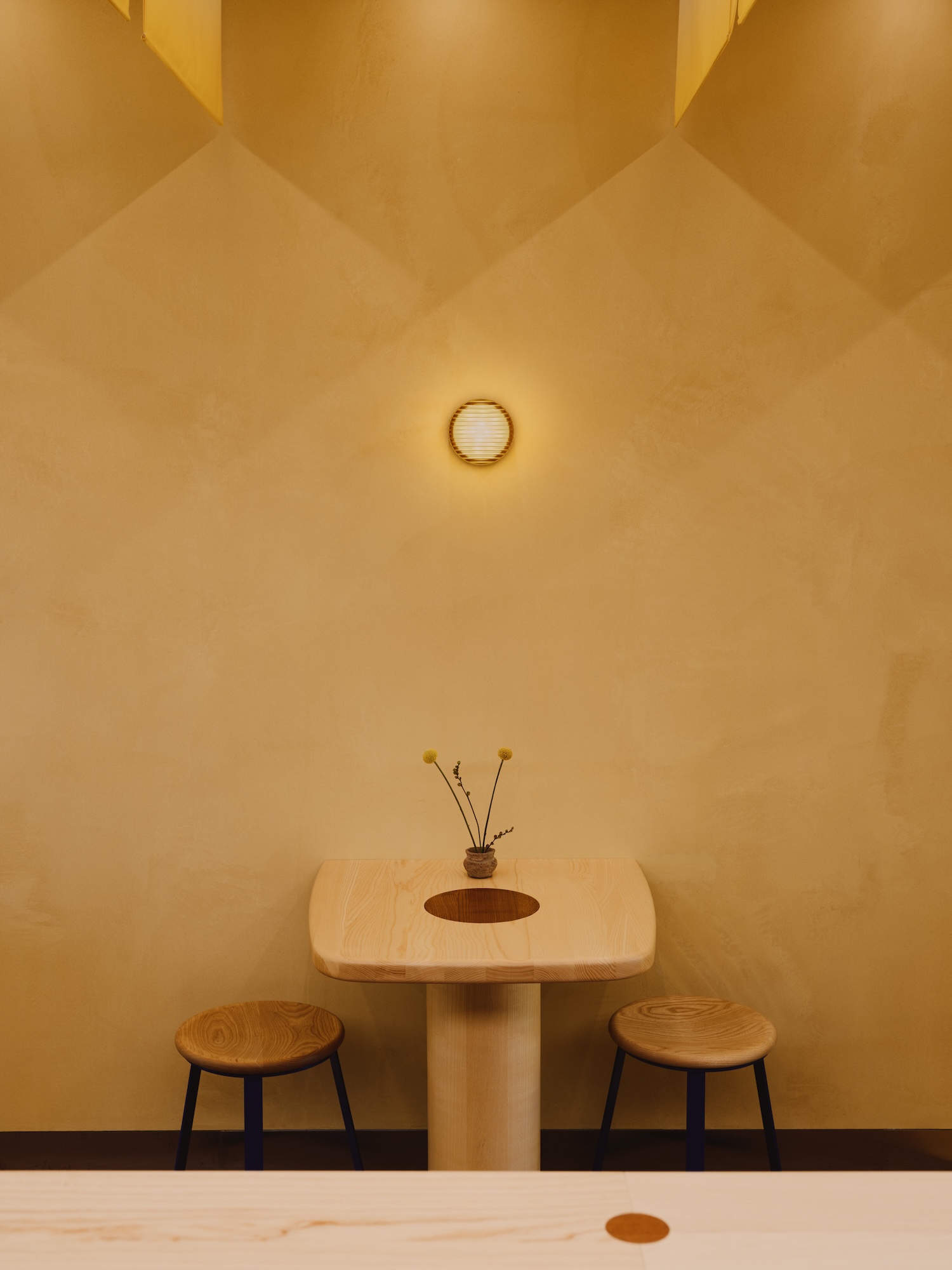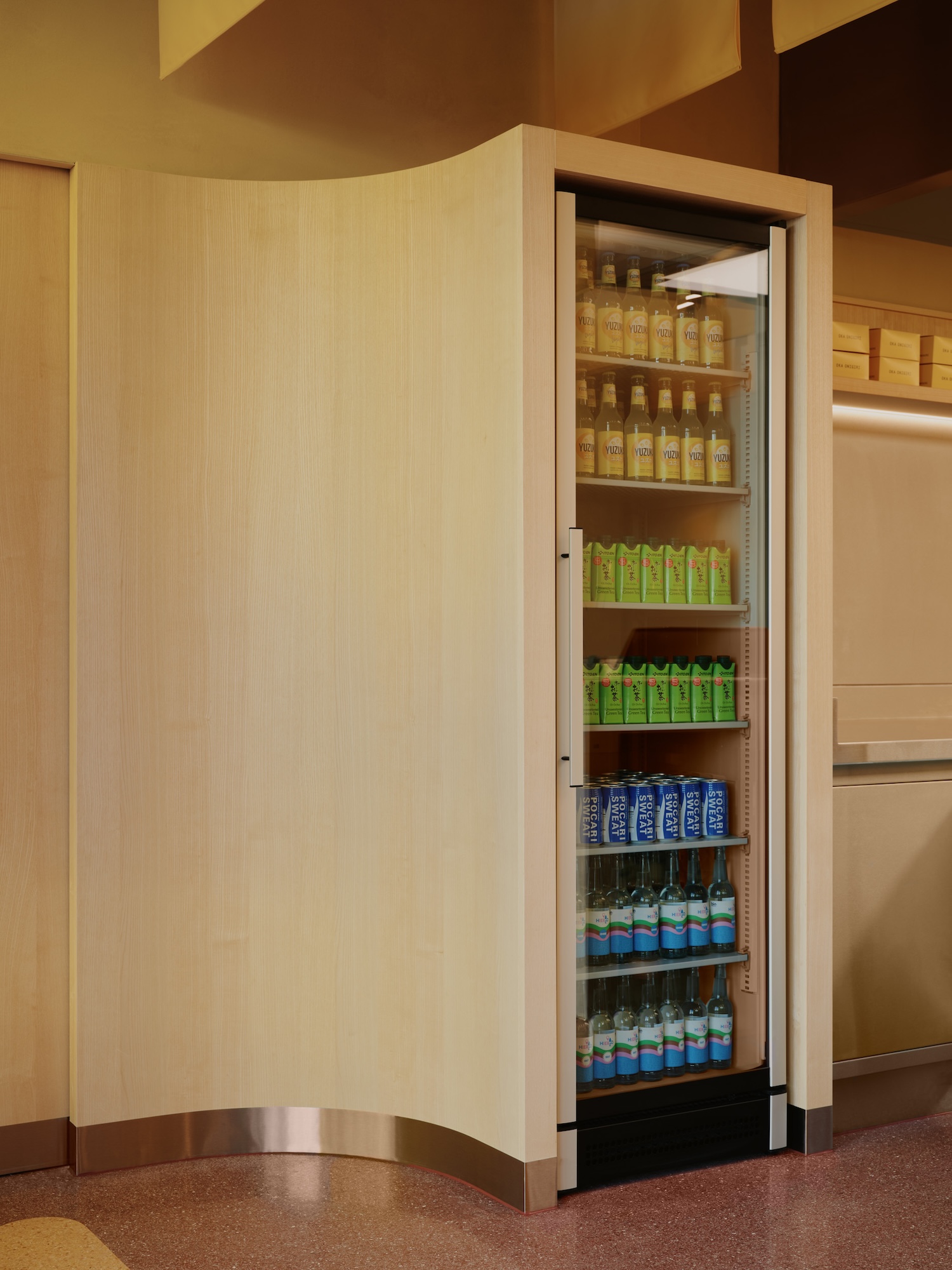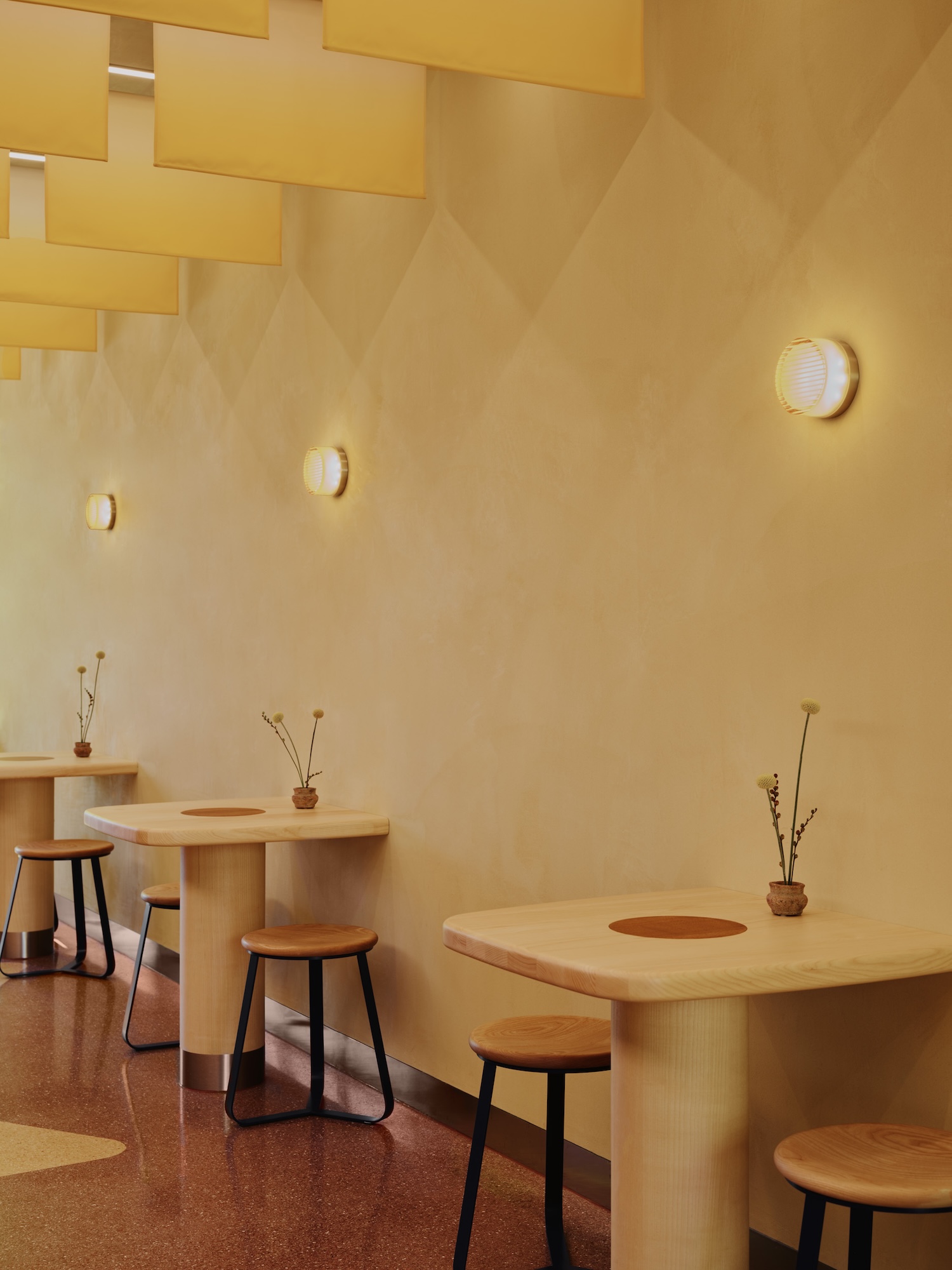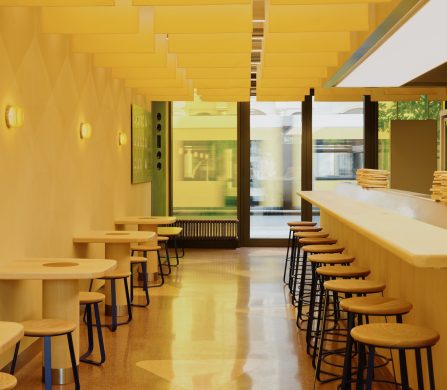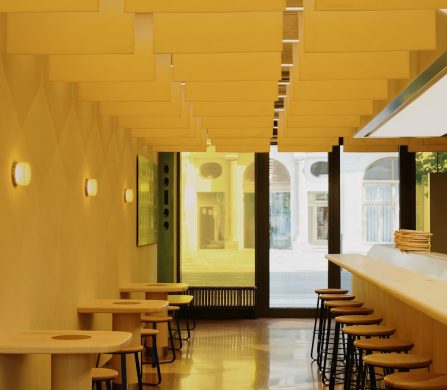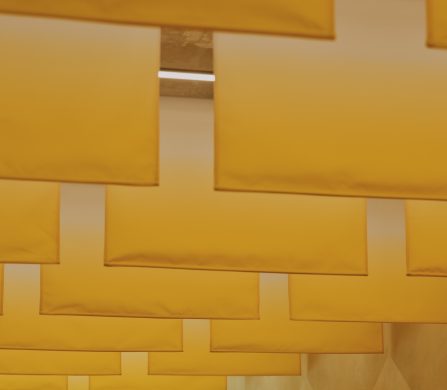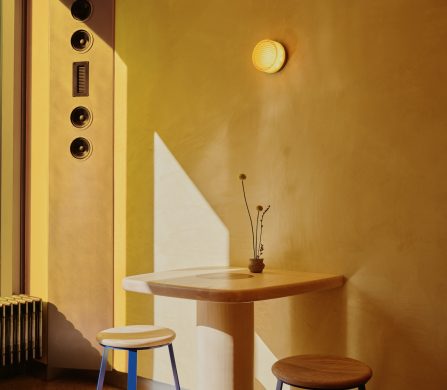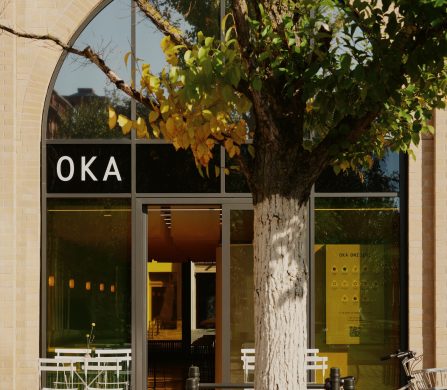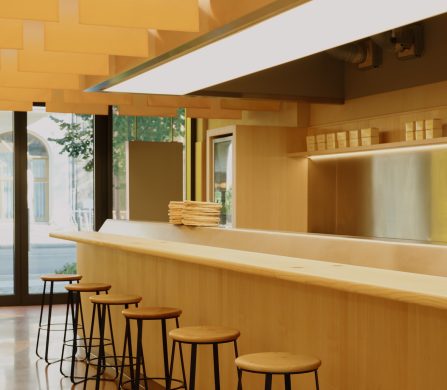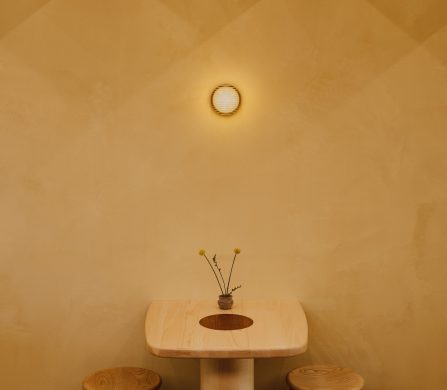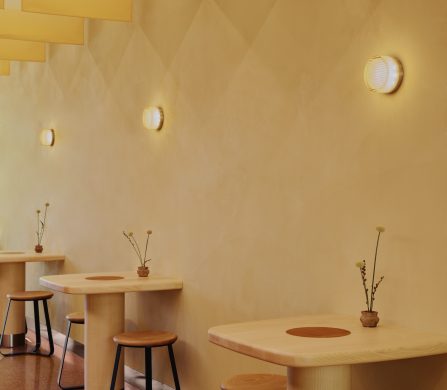


In Marseille, if you head down to the Prado beaches – once a fishing port, now a favourite spot for summertime bathers – and wander into the streets up the hill, you’ll stumble across AM par Alexandre Mazzia. A discreet front in minimal design leads into a space that exudes serenity and modernity, with the kitchen open for all to see. For the second edition of Schön! alive, we meet Alexandre Mazzia, the chef who opened AM in 2014.
Playing on his initials and on ‘âme’ (meaning soul), the name is everything but incidental. It sets the tone for Mazzia’s approach, philosophy and curation, both in his cooking and hosting. He invites his staff to accompany us to our table, sitting at a bar opposite the assembly station, where we are about to witness a complex, poetic and soulful menu being prepared. Congo pulses through Mazzia’s work in Marseille. It is neither a theme nor a concept but constitutes a fundamental character trait in his cuisine.
“It’s my backbone,” he states. “For example, the roasting of spices, mafé…it’s inseparable from who I am. Africa is in me, whether it’s smoking, BBQ, the sea, seafood.” Born in Pointe-Noire, Mazzia grew up in Congo, and the remnants of this time infuse his distinctive approach, which revolves around three elements: spices, smoke and chilli. His cuisine is a kinetic and intuitive tasting voyage at his 3-Michelin-star restaurant: his work is rooted in memory, movement and a search for harmony that rarely sits still. Mazzia didn’t arrive at the cooking immediately. He studied science until he was 17 and pursued basketball to a professional level before a knee injury put an end to his career.

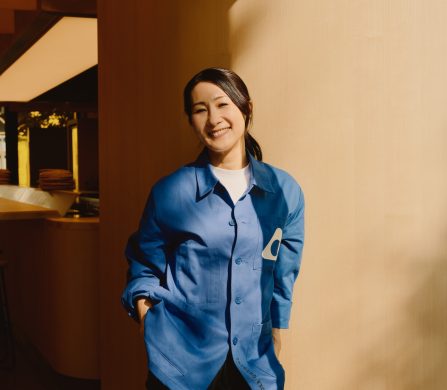
Alexandre Mazzia.
Chef Patron at AM par Alexandre Mazzia
Marseille, France
alexandre-mazzia.com
photography. Matthieu Cellard
Science, however, didn’t influence his that carved out his early creative language. “It was really pastry that helped shape my cuisine: the precision, the discipline, the indulgence. Pastry is about sharing too. It’s about generosity. Pastry really helped me find my path,” he explains. Learning rigour and discipline in a practice which is so technical gave Mazzia the building blocks to explore the more creative and intuitive approach that now defines his cuisine. “Now, it’s completely different, and luckily so. The emotional and instinctive side, that’s what needs to remain.”
Something he feels fundamental in his upbringing and approach is his first love: sports. “Basketball helped me discover a sense of fraternity, especially at a time when basketball was growing in France,” he recounts. “There was a whole cultural universe around it: the American identity, rap, Hip-hop…it was all part of a social world.” Sport also became a survival tool. “Coming from Africa, I was a bit uprooted from my city, my country. I was completely lost. Basketball helped me stay afloat.”
He recalls travelling across Paris, and sometimes all of France, to play. “At 14 or 15, taking the RER and metro might seem easy, but crossing Paris to play basketball was something special. It was unforgettable,” he recalls. He describes those years with enthusiasm: “It was a real passion. I could do it endlessly, like pastry at the time. They were the two worlds that spoke to me. I was very curious and driven. I had something to prove to myself. I didn’t know where I was going, but I went all in.”

Smoked Blue Lobster with watercress.
photography. David Girard
Sports, he tells us, are still very much a regular part of his life. This spirit carries through to the AM Academy, the basketball and nutrition complex he opened in Marseille in 2023. “It’s about giving back what I received, beyond just sports values: respect, empathy, kindness.” He speaks of his work with the Academy as a virtuous circle, one that he also mirrored with his work with the Olympics in Paris, where he was chosen alongside two other chefs to cook for the global community of athletes.
“It felt natural given my athletic background,” he comments humbly. “The challenge of feeding athletes from around the world in the Olympic Village – especially in Paris, such a historic place – you become part of something bigger, of history, in a way.” Whilst it was a monumental platform, Mazzia’s background in haute cuisine certainly prepared him for the role. “We’re privileged, but we don’t have the right to fail,” he states. “It’s always about serving the athletes.” But like everything in his work, it was about exchange and connection: “It allowed me to meet amazing people, to be back in an environment I’m familiar with. I was very happy to be part of it.”
Back in Marseille, where Mazzia both lives and works, it’s evident that the city is co-author to his cuisine. “I moved to a place called Le Corbusier,” he tells us, recalling his arrival in the Southern French capital. “There was everything to build. It was a great playground with incredible producers. There’s a light here that belongs only to this city.” Marseille’s energies and rhythms are aligned with his own. “There’s a kind of harmony and also a mismatch. I’m always a bit out of step, out of sync. I like that.”
After his Marseille entry in 2009 at Le Corbusier, Mazzia made the leap to open AM: “There was ambition. I was extremely motivated. There was an entrepreneurial challenge too: it had to be economically viable from the start; I had to live from my cooking. That part was hard.” But the mission outweighed the risk. “The desire to share was so strong, I think I took risks without even realising it. I was carried by passion and by love for what I wanted to do.”
Anchoring his work in local produce, Mazzia works with a tight-knit network of suppliers who provide the fish, spices and other key ingredients in his signature cuisine: he works with Fabian Gardon, one of the youngest fishermen in Marseille, with Saladin in Noailles for his spices and with a specialist in Indian spices, as well as a colleague who travels the world to discover new spices. “My grandfather was a fisherman, so fishing and seafood have always been there,” he tells us. “My culinary voice is personal. It can’t exist outside of its territory.” That territory isn’t only geographic – it’s based around a community, which gives a very human touch to his approach: “It’s shaped by artisans, by passionate people: people of the land, people of the sea. That proximity is essential to me.”

Herbaceous Shellfish.
photography. David Girard
With his work and team, Mazzia pinpointed Marseille – previously perhaps overshadowed by the prestige of Paris – as a key player in France’s gastronomical landscape. “Now, we welcome epicureans from all over the world. We’ve become a reference for the city and the country. It’s a real point of pride, but it also keeps us humble.” Three Michelin stars later, and the rest is history. Mazzia’s guiding principles – namely hospitality, humility and excellence – are felt in every detail of dining at AM. From pairings of spices such as galangal, ginger and cumin, which enhance and heighten the flavours present in his dishes, to touches of aniseed, which create a distinctive highlight, to flavours created using different varieties of wood for smoking, including vine shoots, beech wood and olive tree, Mazzia has crafted a unique culinary language.
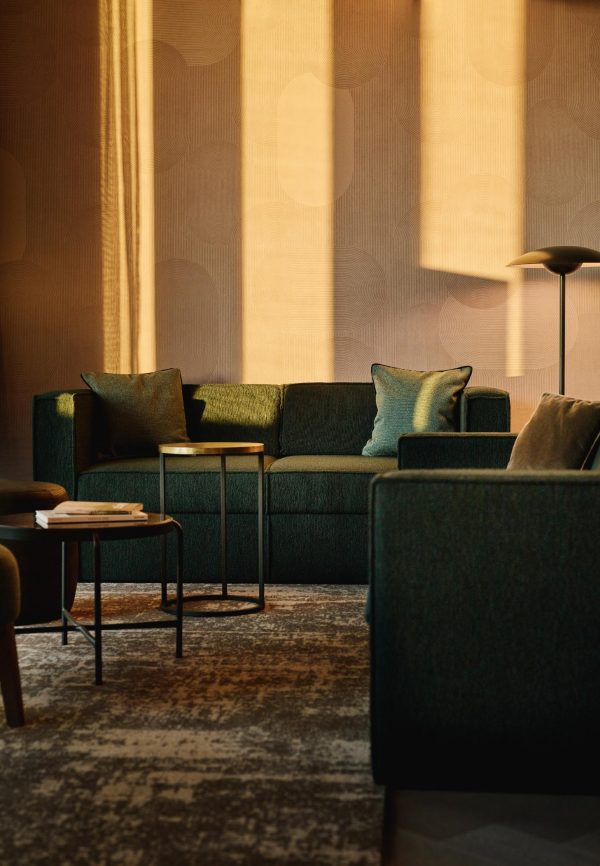
His final touch is his use of chilli (he uses over 45 varieties), which, without dominating the flavours, creates a unique experience. “It’s part of my DNA. It’s who I am,” he tells us, explaining with precision how chilli can unlock “metallic or iron-like qualities”. Finding and sourcing new iterations of spices and chilli is all part of the daily routine at AM: “It fuels creativity.” In AM, the feeling is one of intimacy: almost homely without the familiarity, since Mazzia pushes guests beyond a sense of normalcy, favouring instead surprises and discovery: “The simplicity of hosting people with elegance, service rooted in kindness – it matters. People honour you by coming to your space.” In terms of design, he describes the restaurant’s space as deliberately porous, notably with the open kitchen: “Transversality is key to create closeness with the guests. It’s a living kitchen, so it can only function through intimacy and proximity.”
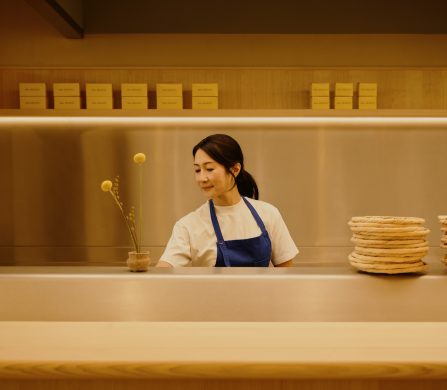
When witnessing the final touches to the dishes, it’s like witnessing a sculpture or a craft in person. “It’s a kind of performance,” he enthuses. “Every guest should feel that detail, that concentration. It’s about showcasing craftsmanship and the collective virtuosity that brings it all together. It’s not just one person. It’s an alchemy.” He compares it to tending a garden. “It’s also the result of hard work, watered every morning, like a plant – and, of course, a love of cooking.”
While at AM, we also spot his teenage son in the kitchen – perhaps a sign of transmission and legacy in the making – sharing his approach, it seems, to always reach further into new experiences. “Each week should be different – and better – than the last,” he says. Even the mise en place has symbolic importance: “It’s our foundation.” With an approach which is so intuitive and emotional, we wonder where Mazzia gets his inspiration. There’s a mystery to the process, he tells us: “It can come from colours, from a sense of stillness, from something I tasted that unlocks something inside you that you want to share. I don’t really have a set creative process or mantra. To create, I need friction, I need movement. I create through performance and instinct.”
With over ten years of AM, the next steps are focused on expanding the horizons of his work and sharing his cuisine in new spaces. “We’re taking over the restaurant space at the MuCEM in Marseille for the next 10 years, and we’re also developing the food truck, because Michel par AM is in high demand.” The values he embodies are the building blocks for all his projects, whether it’s community-focused or in the kitchen, and it’s that unique layering that makes Mazzia’s work so special. “Keeping our feet on the ground”, he says, “that’s what matters most.”

AM par Alexandre Mazzia.
Marseille France
alexandre-mazzia.com
photography. Matthieu Cellard
Get your print copy of Schön! alive at Amazon.
Download your eBook.
words. Patrick Clark