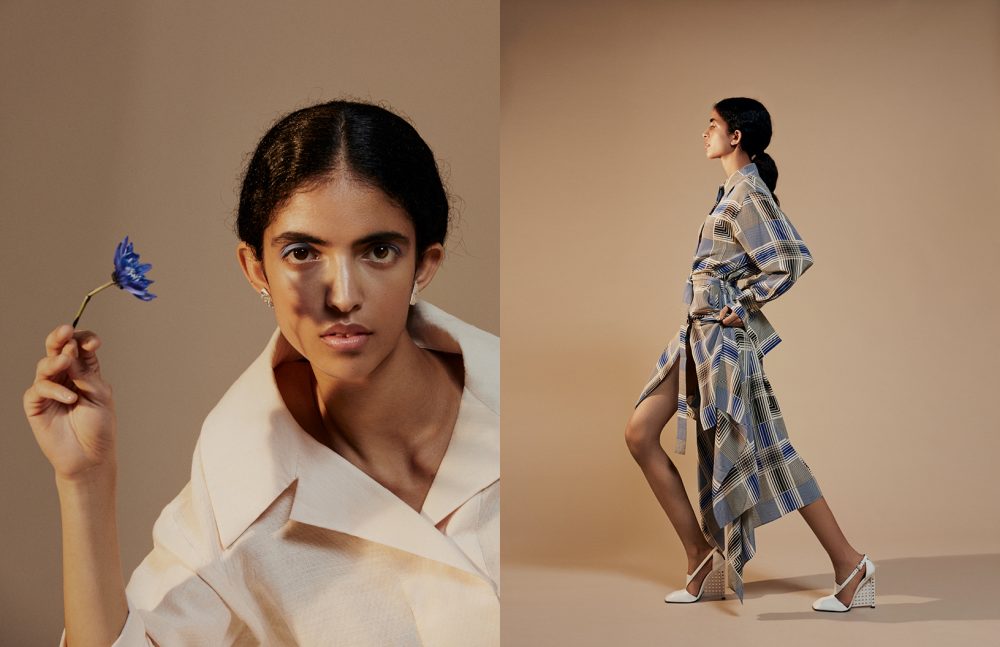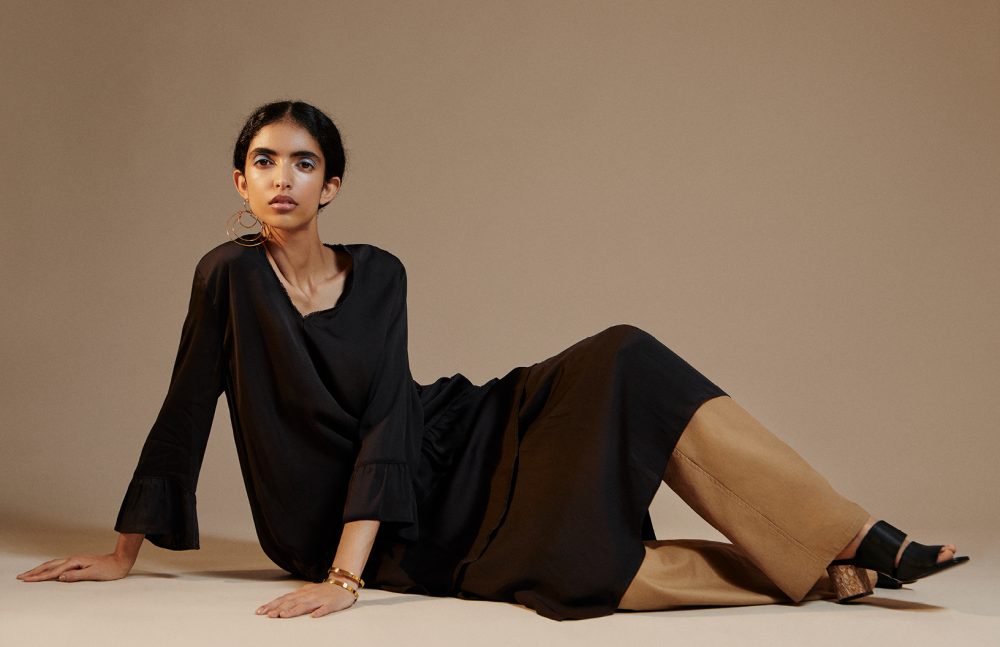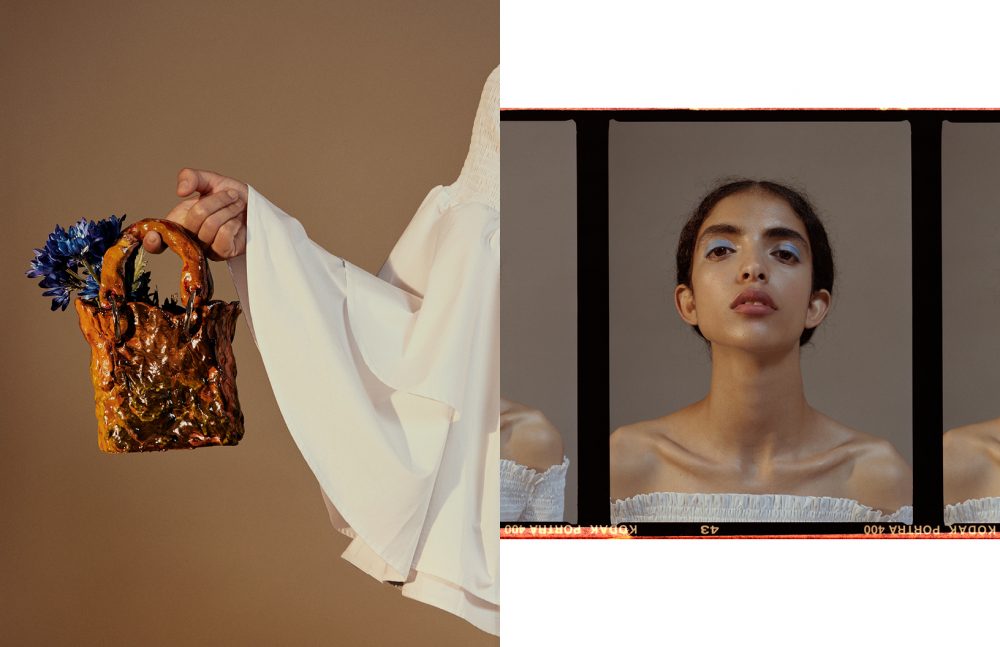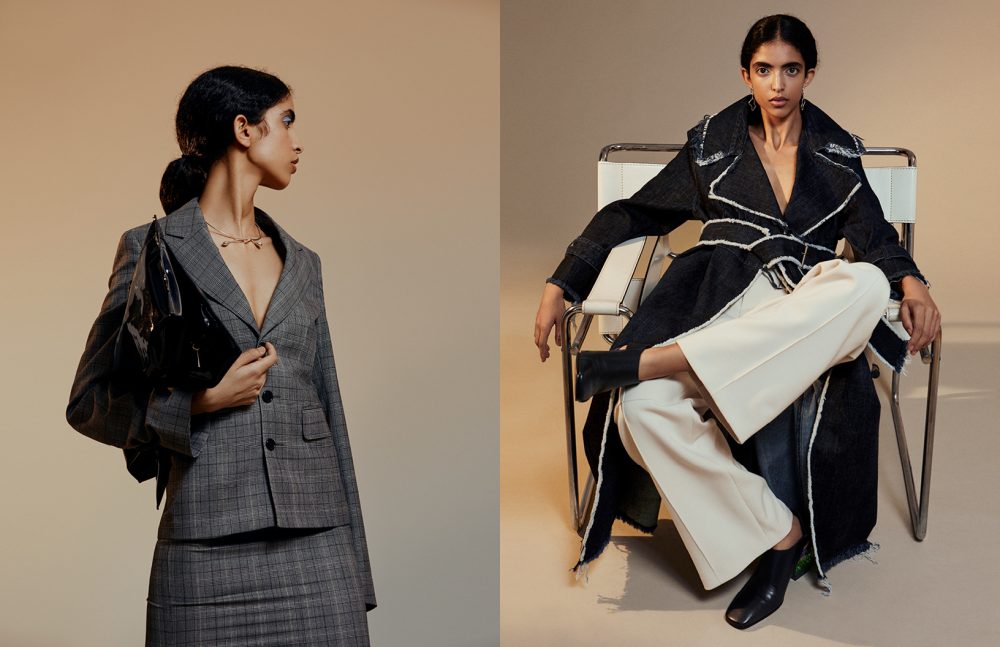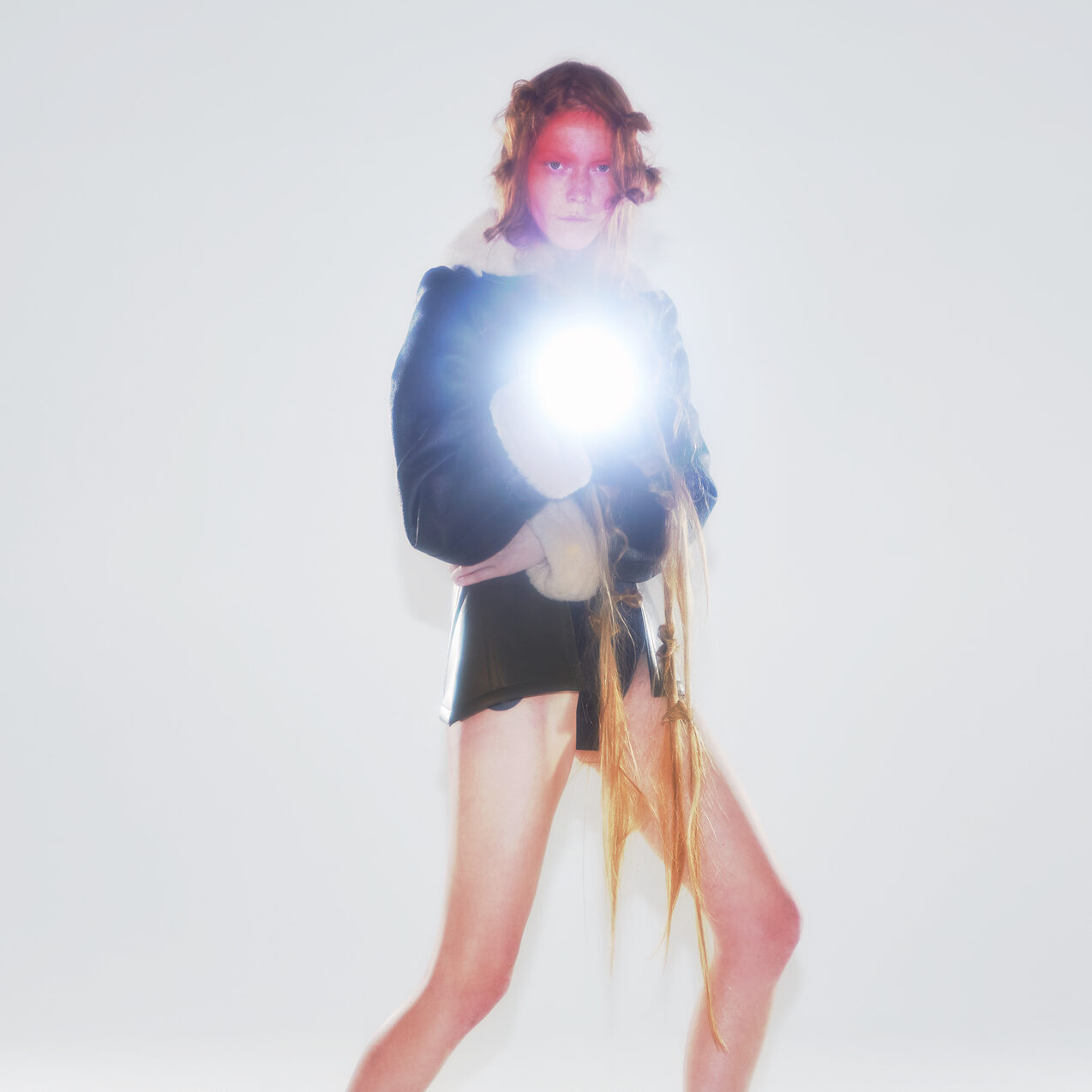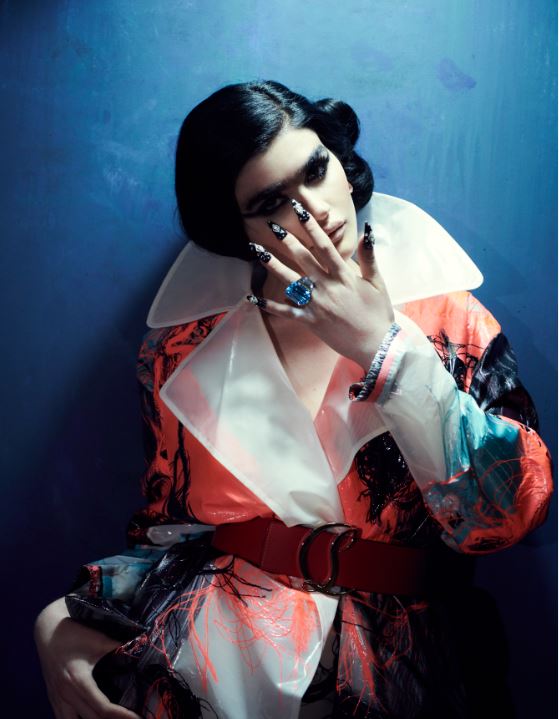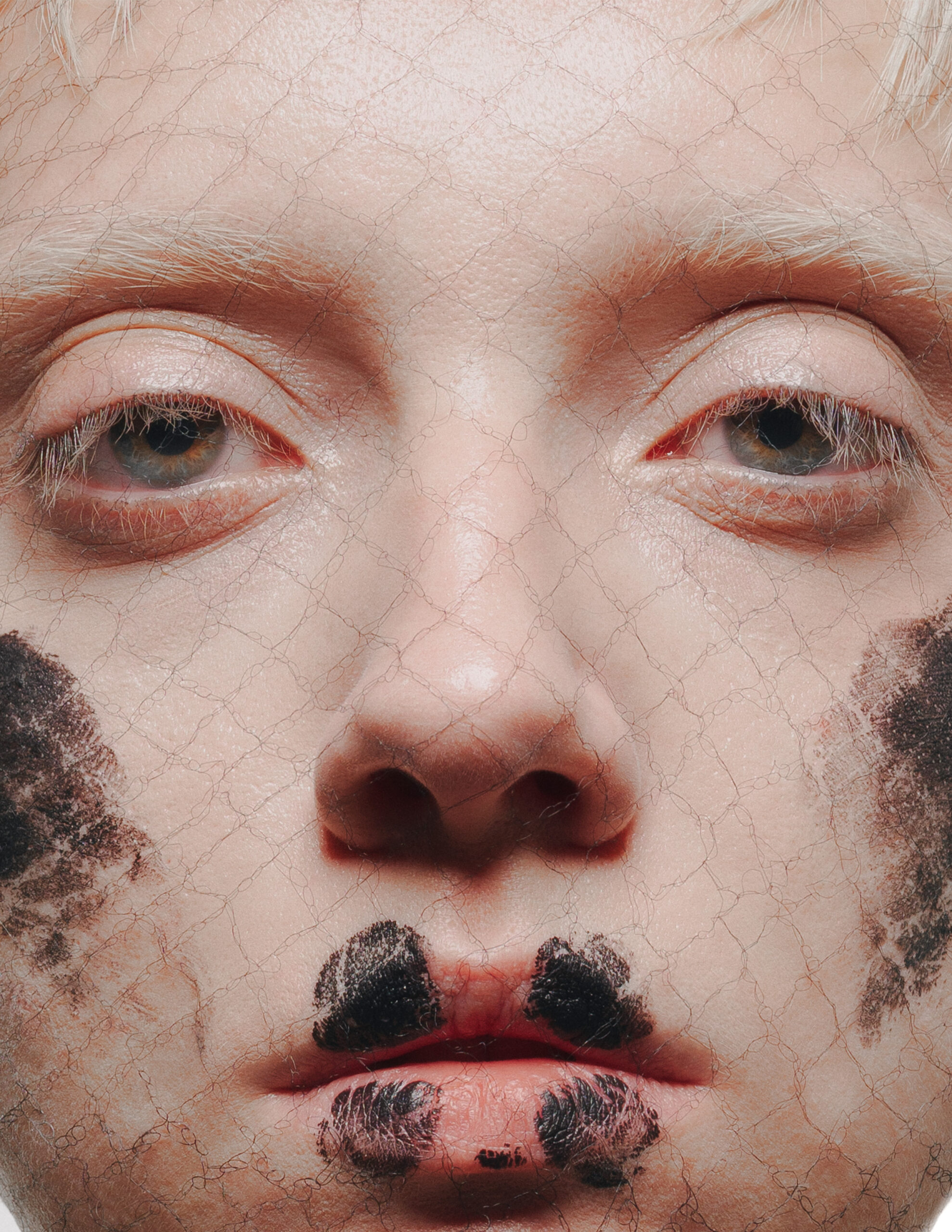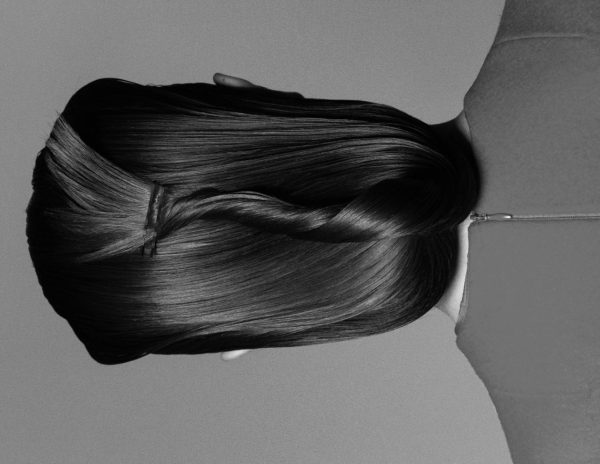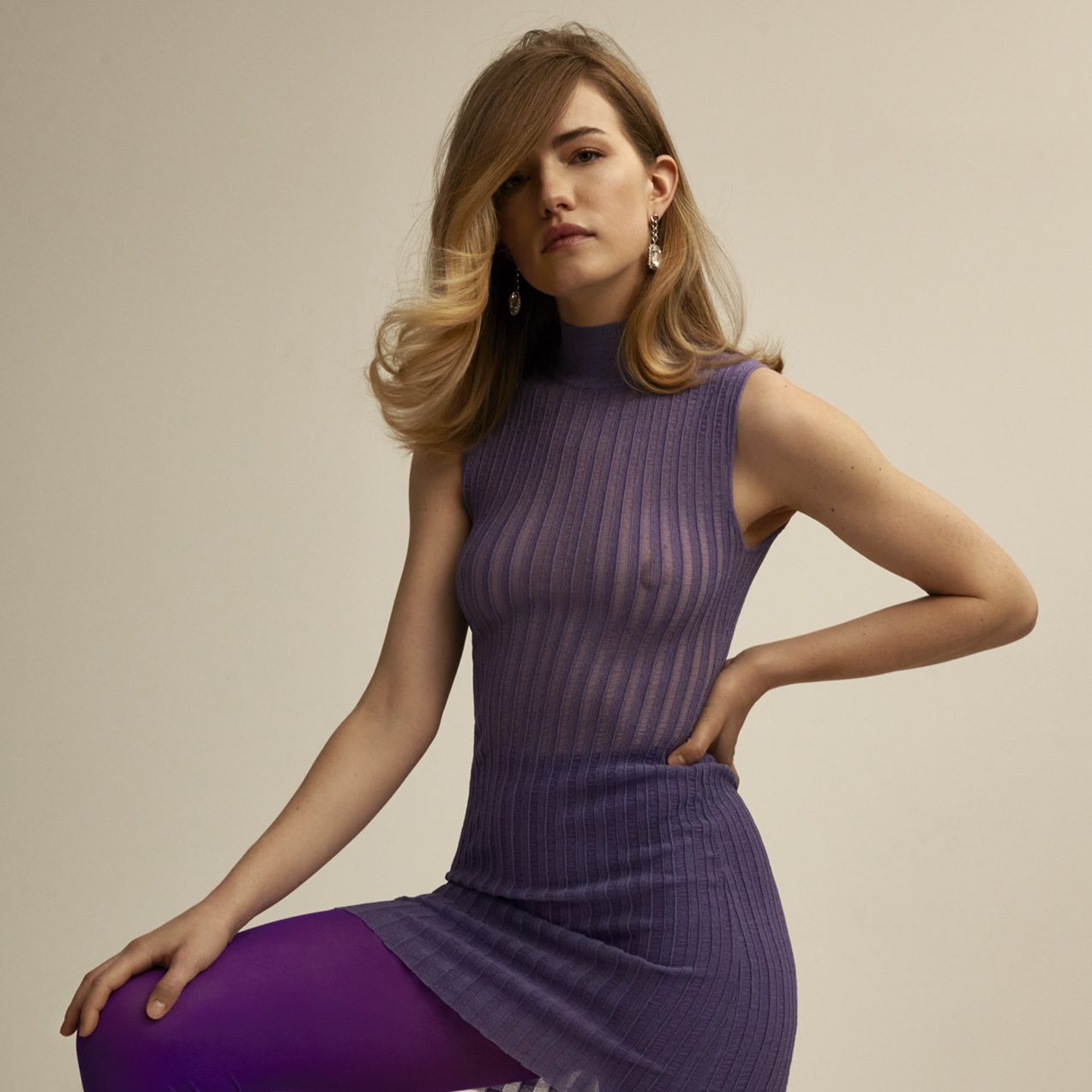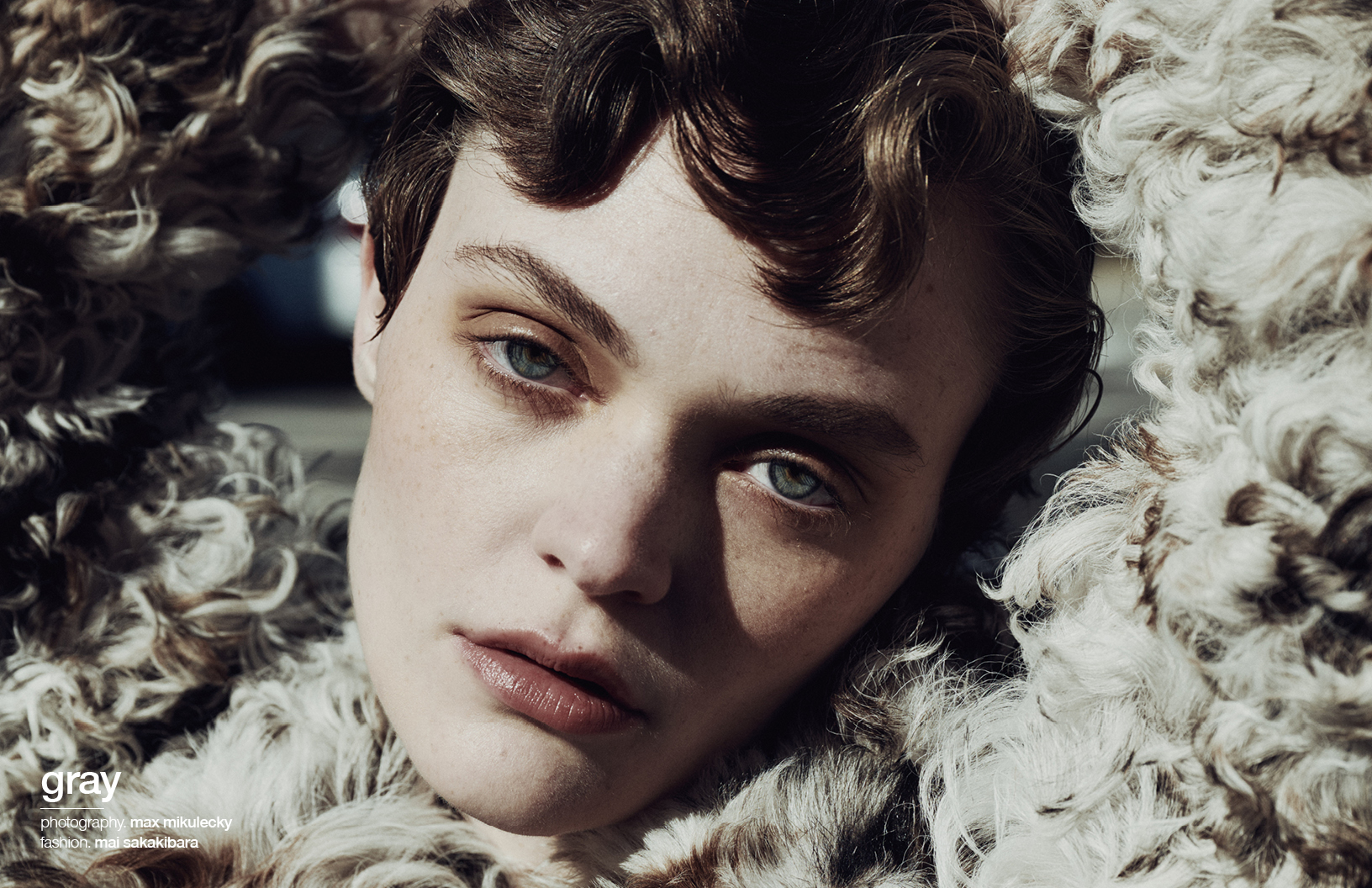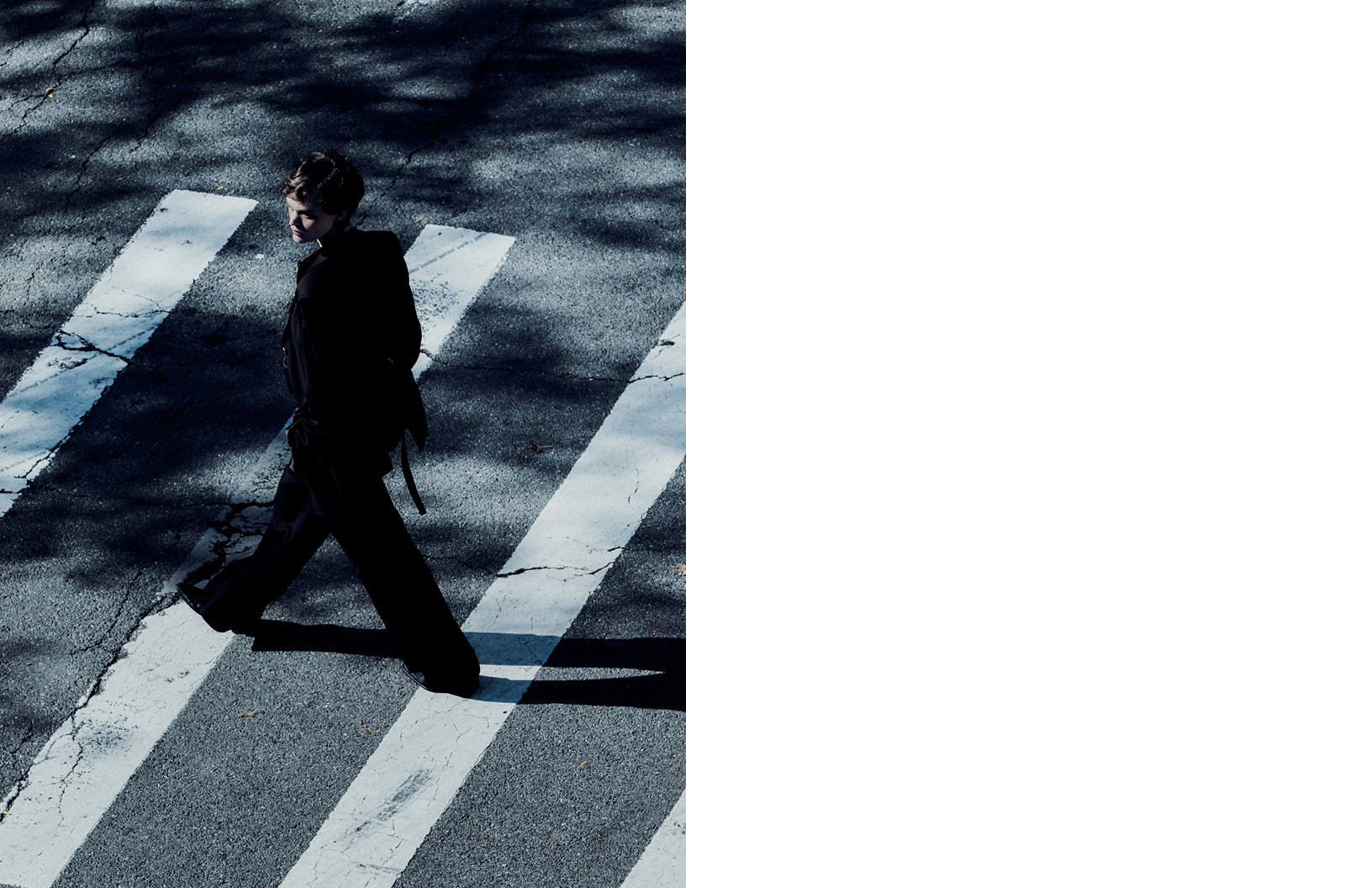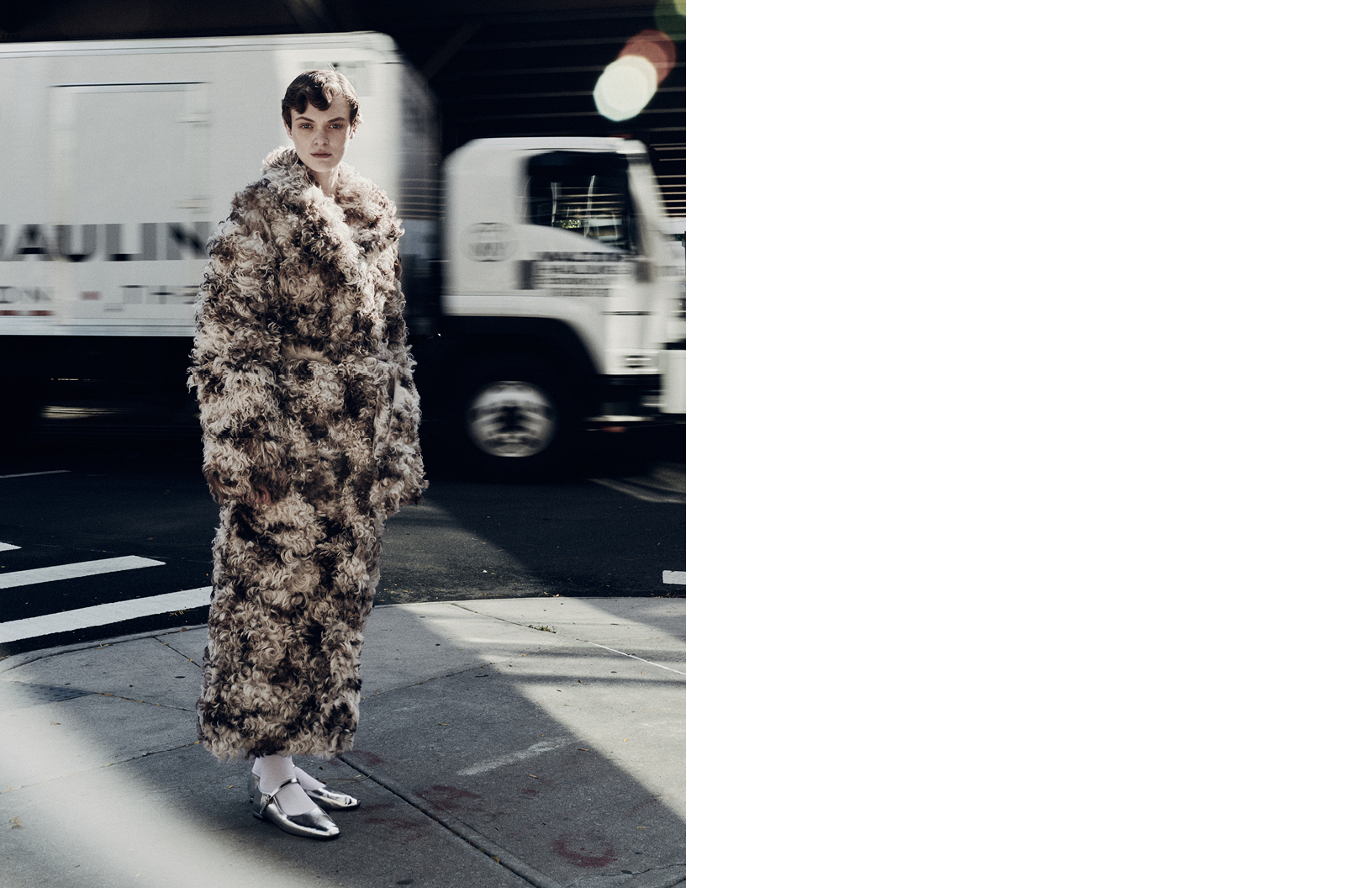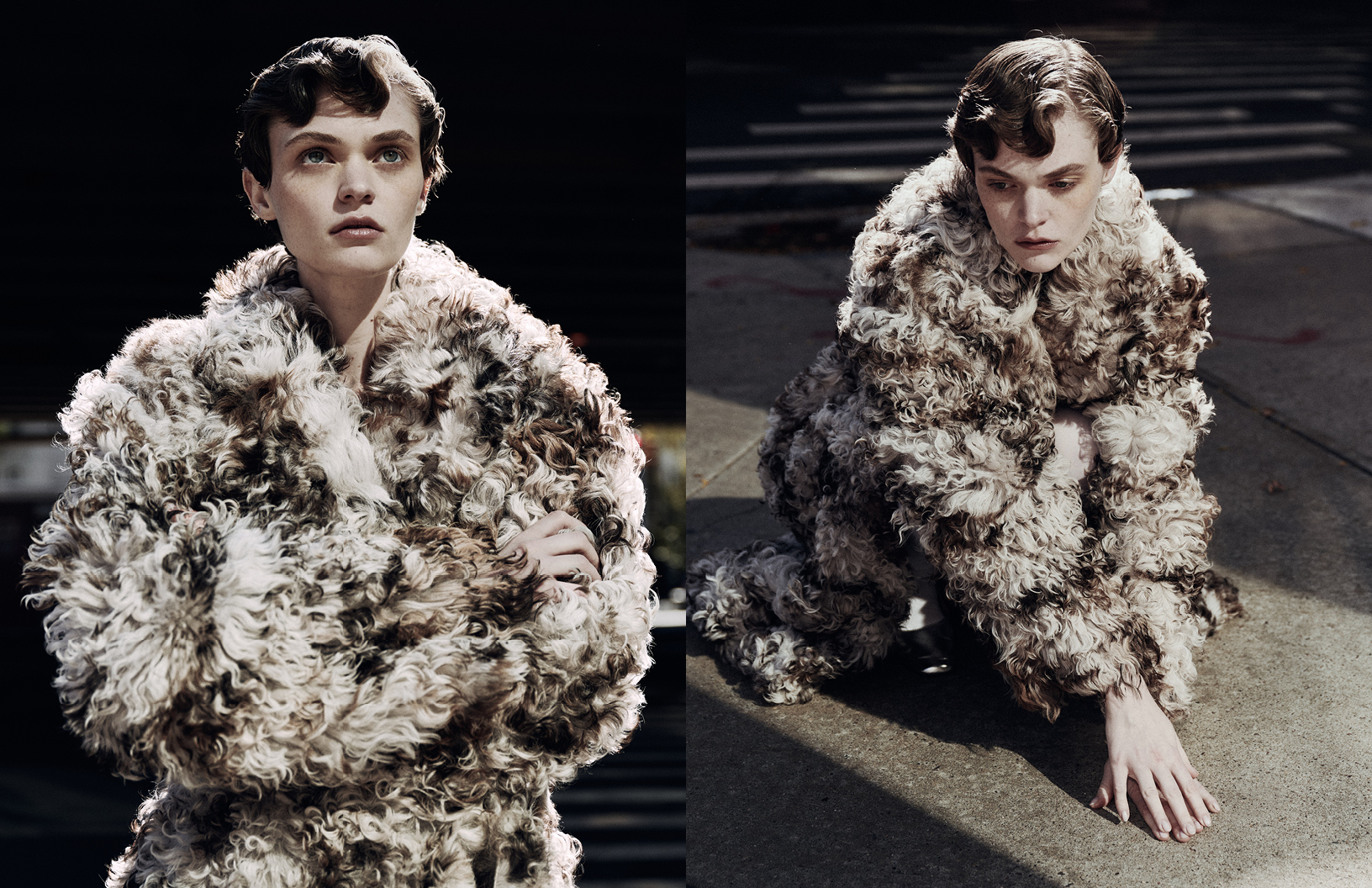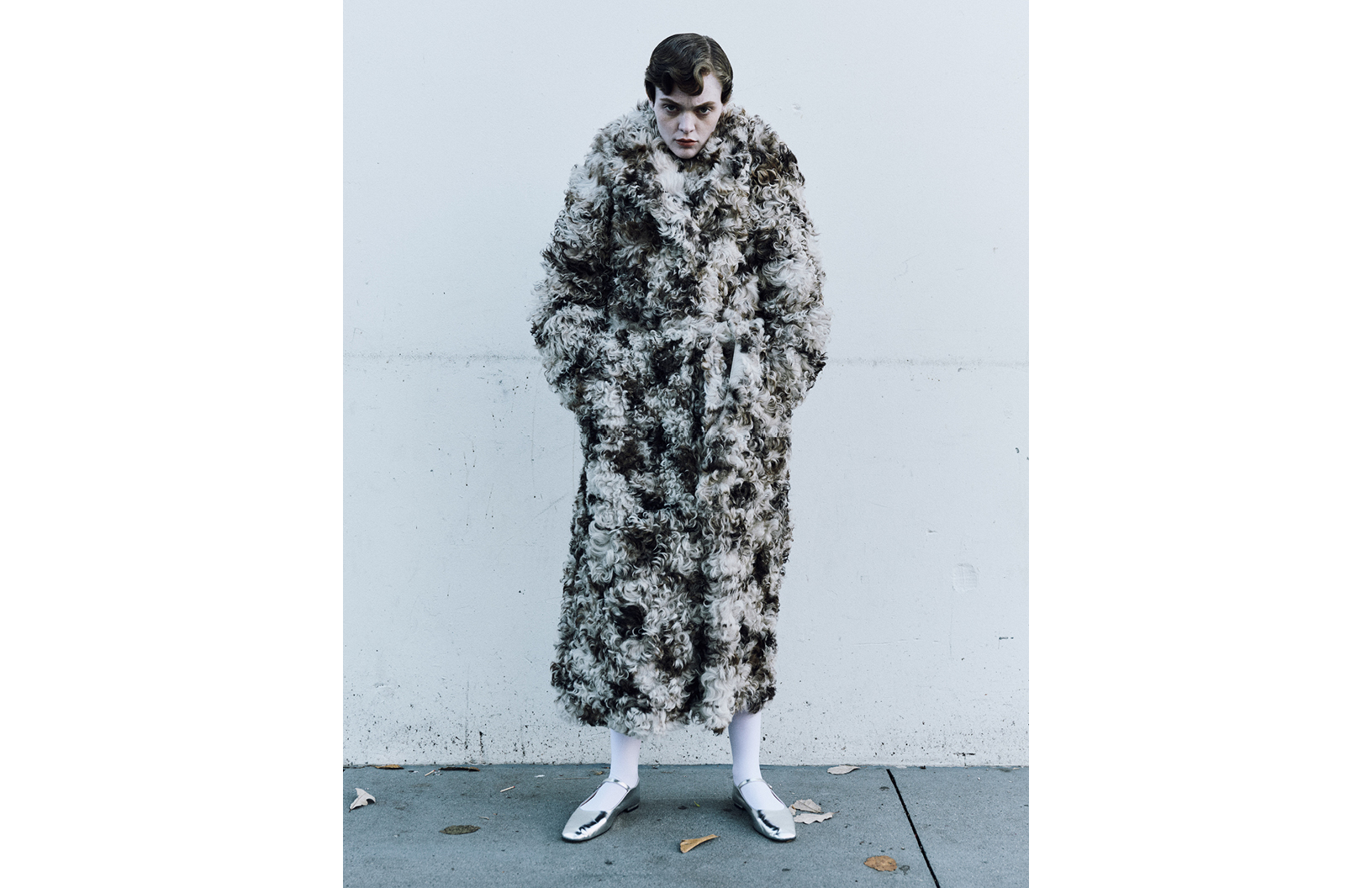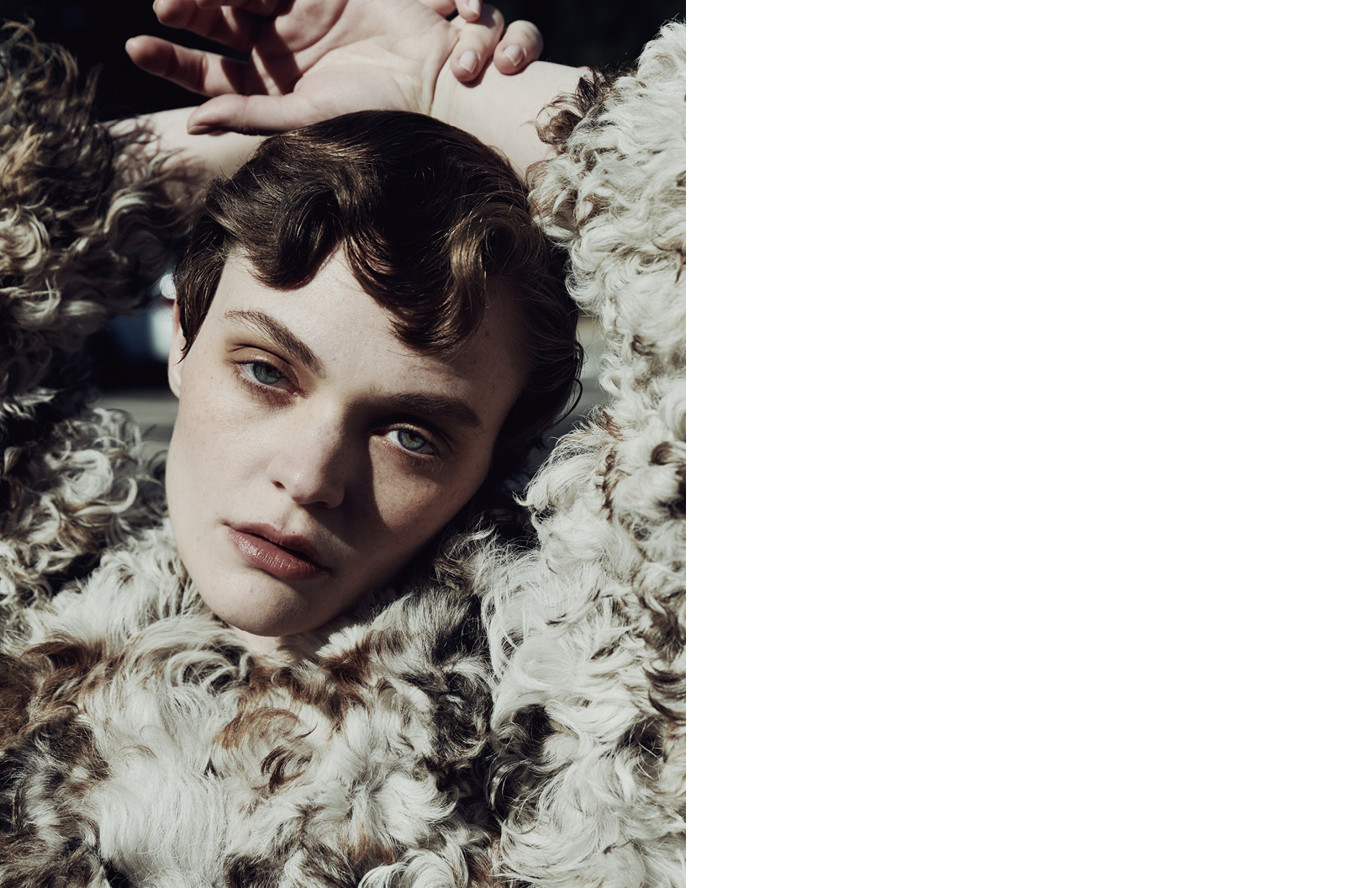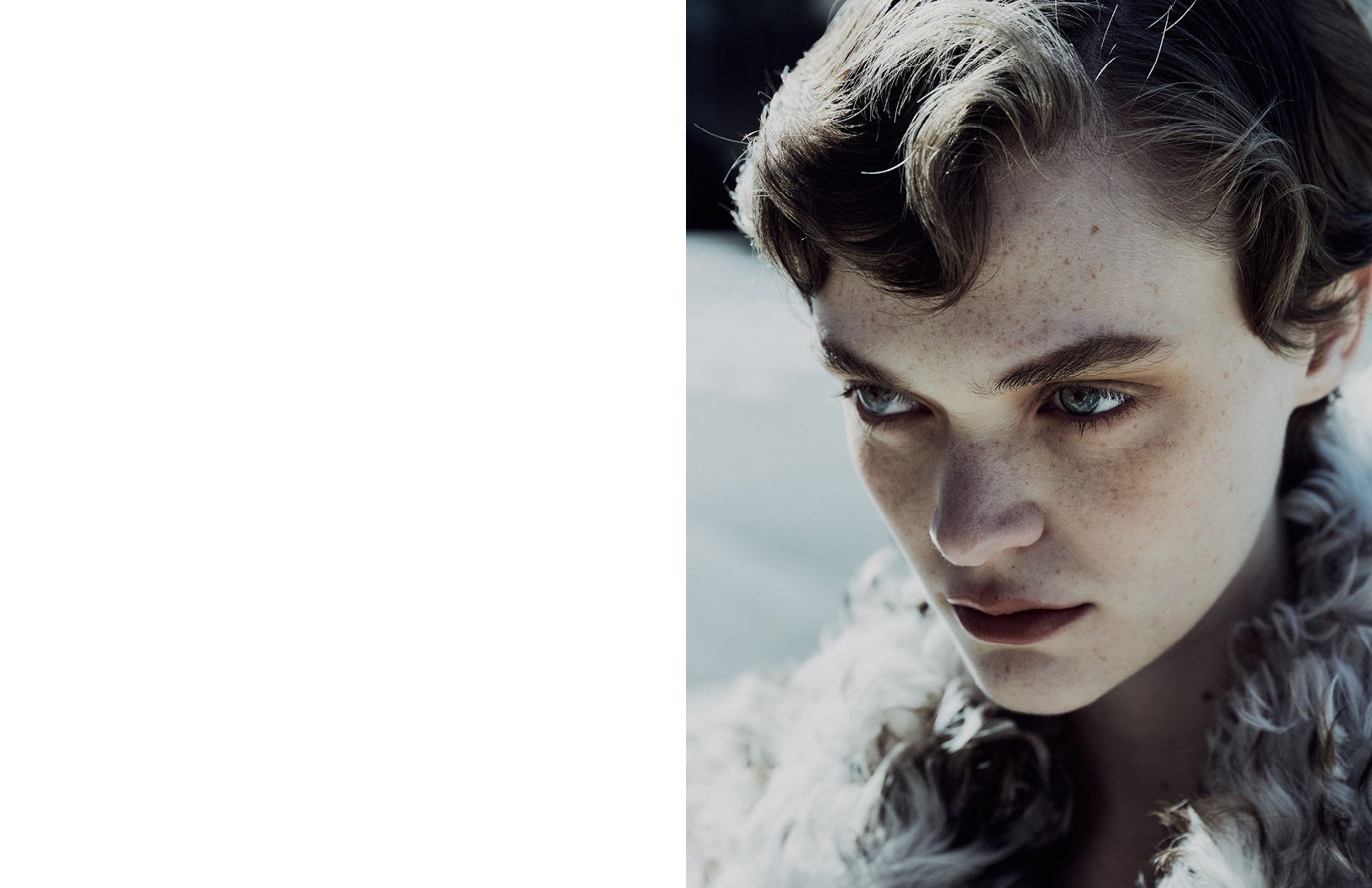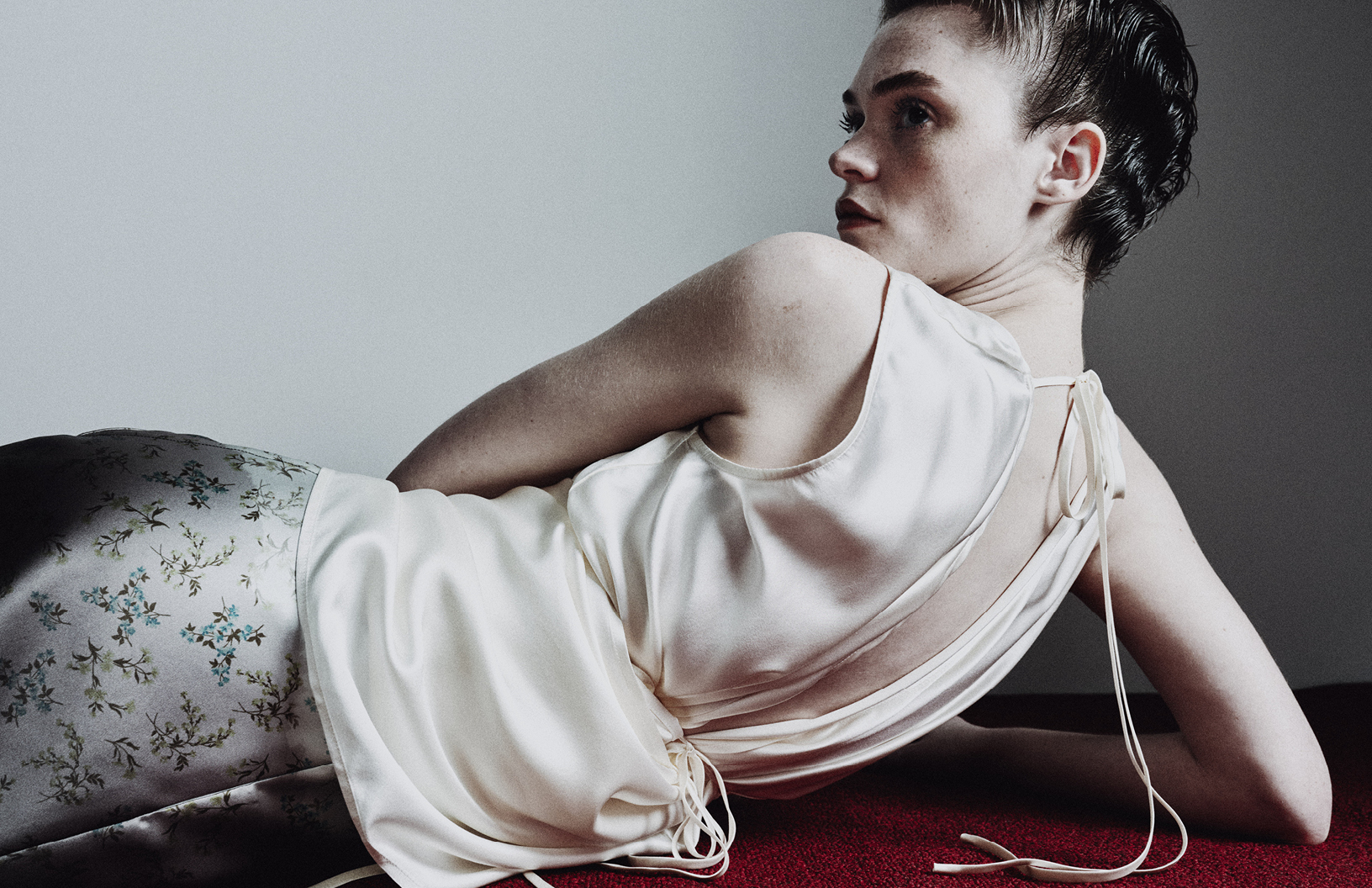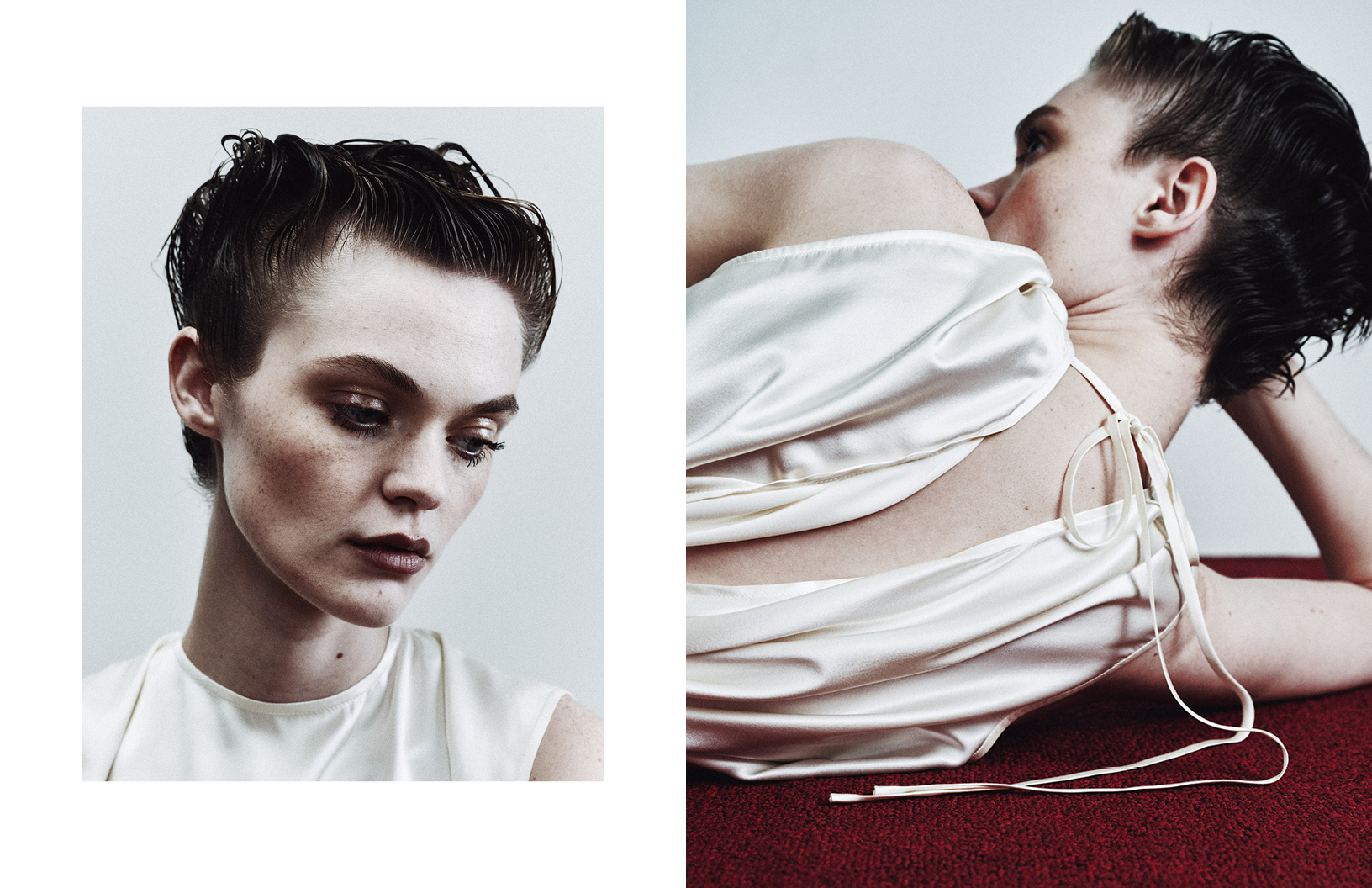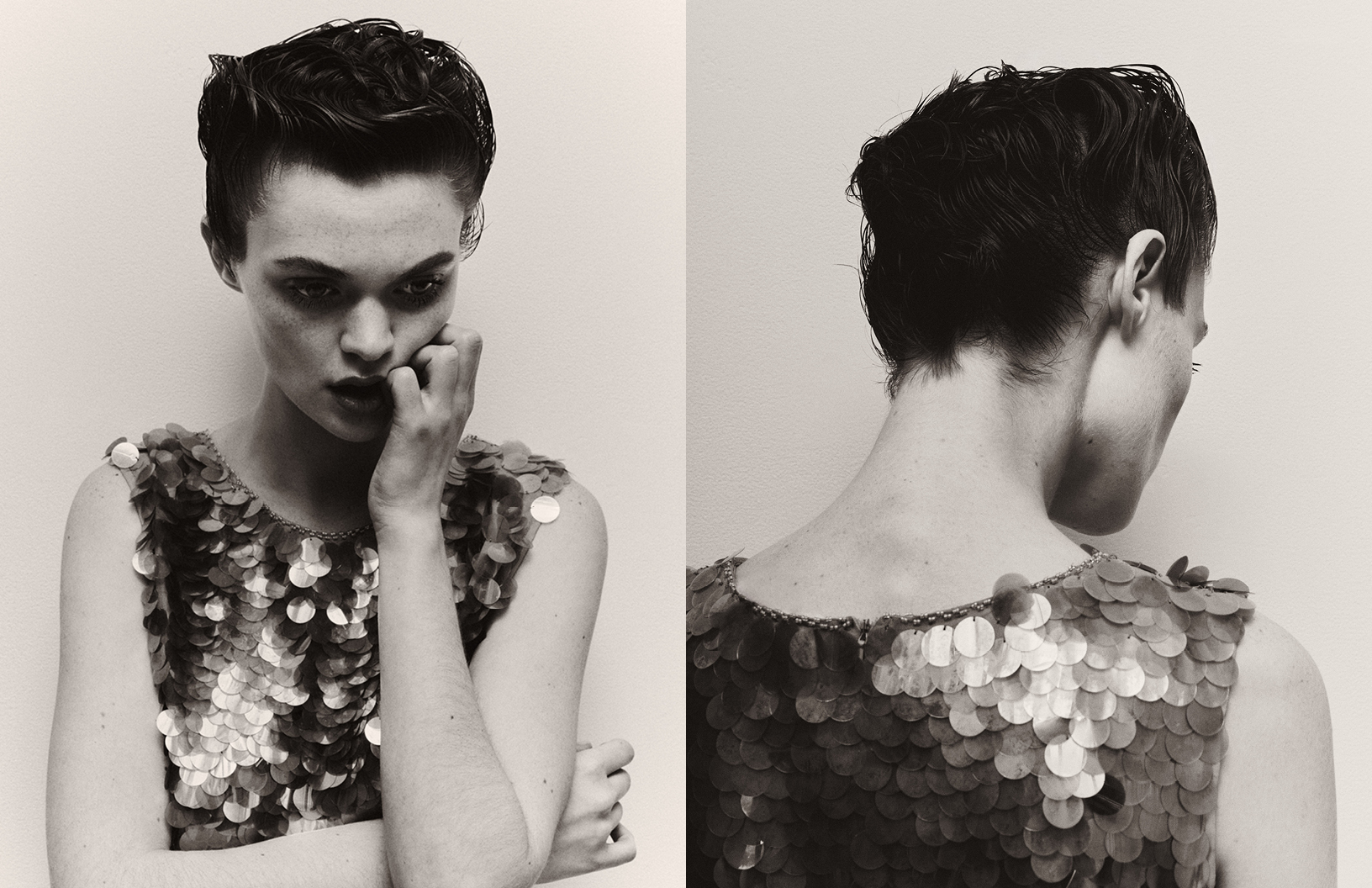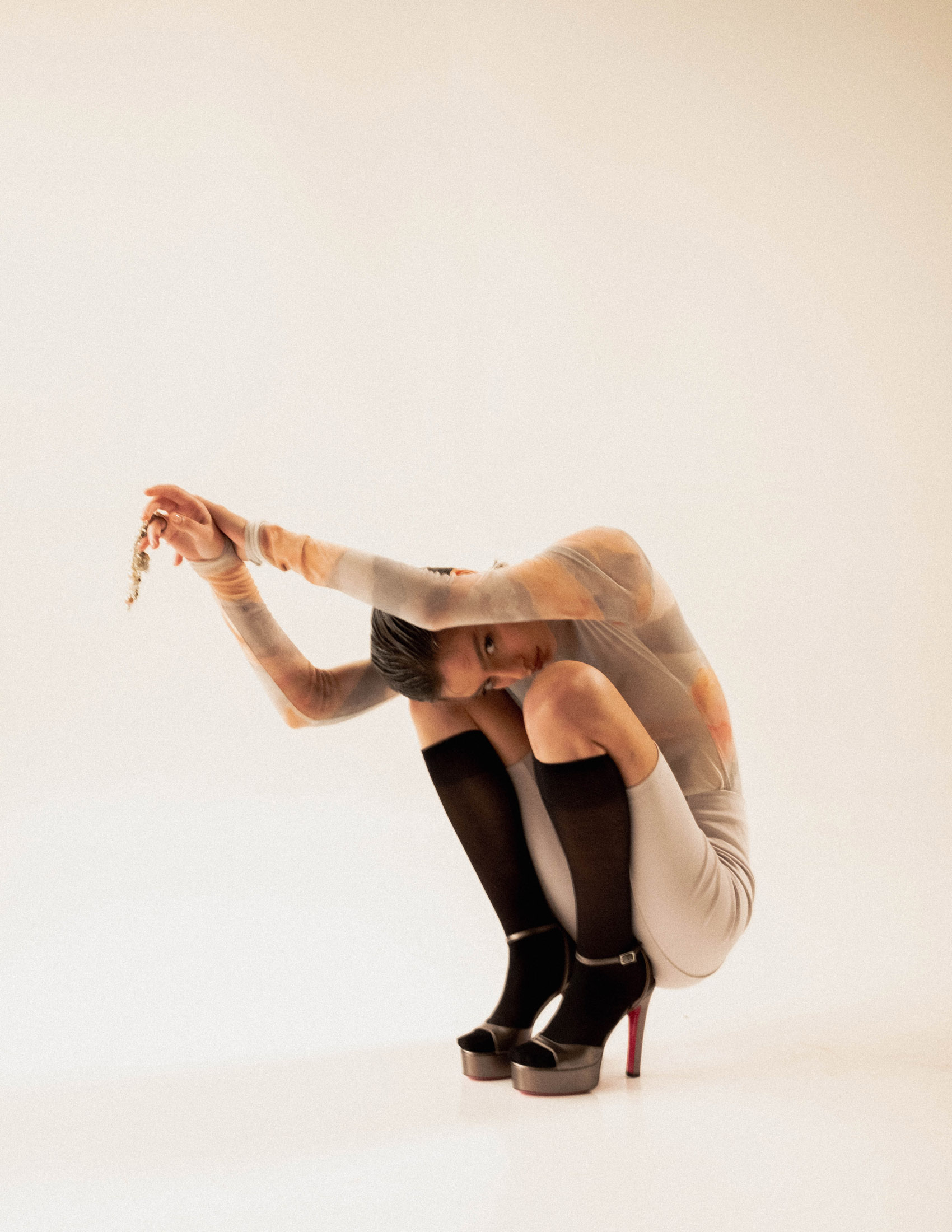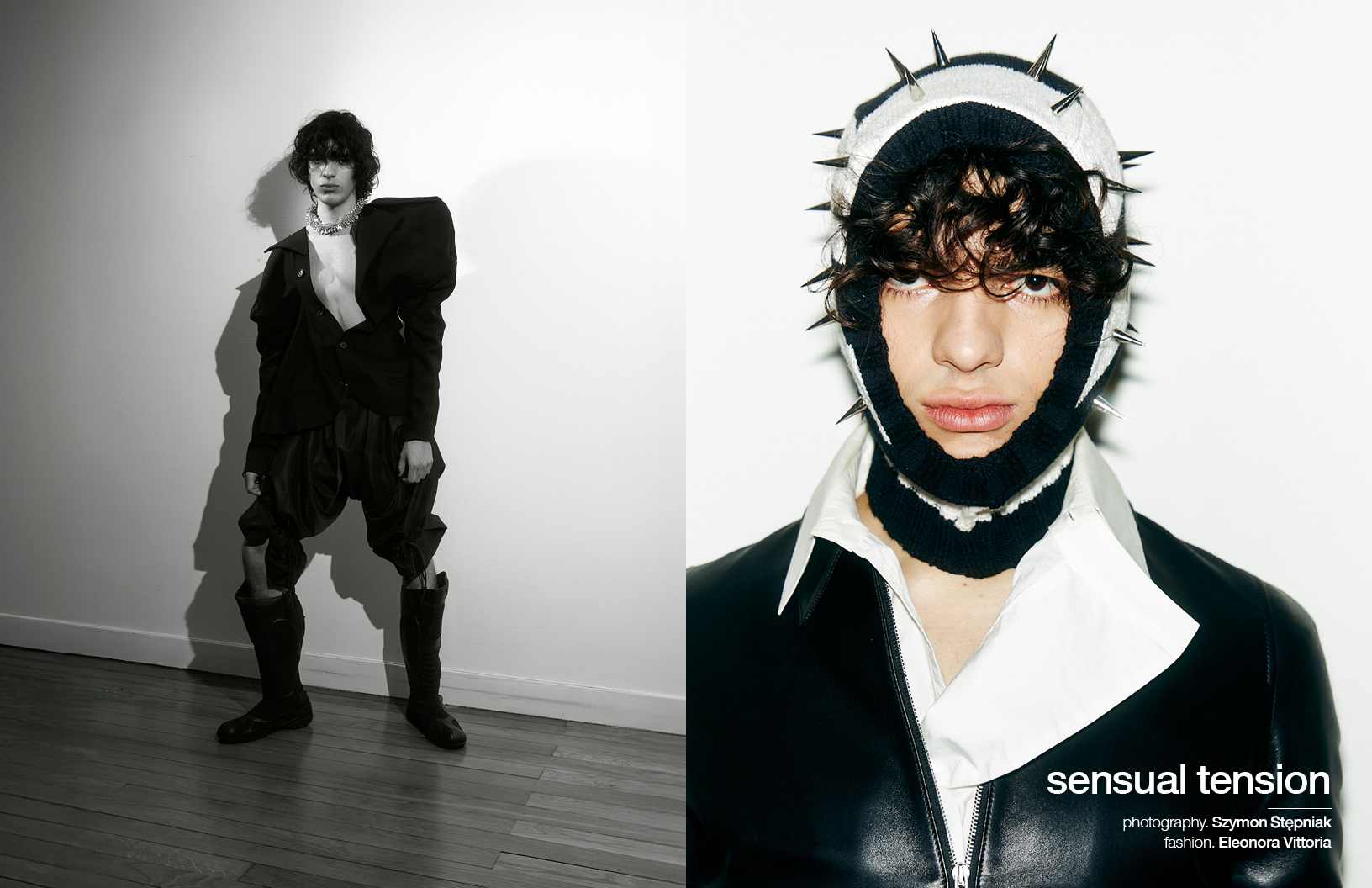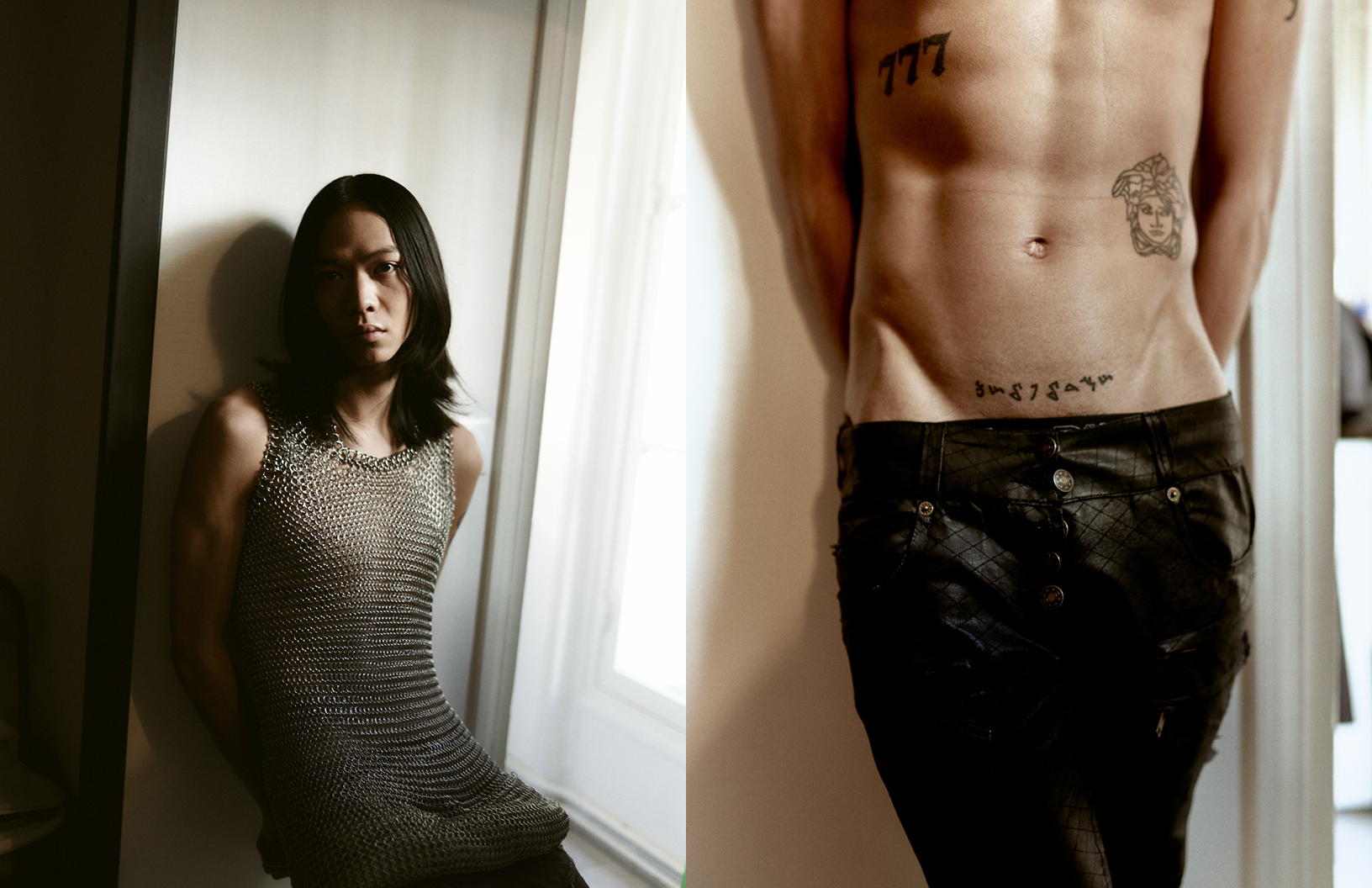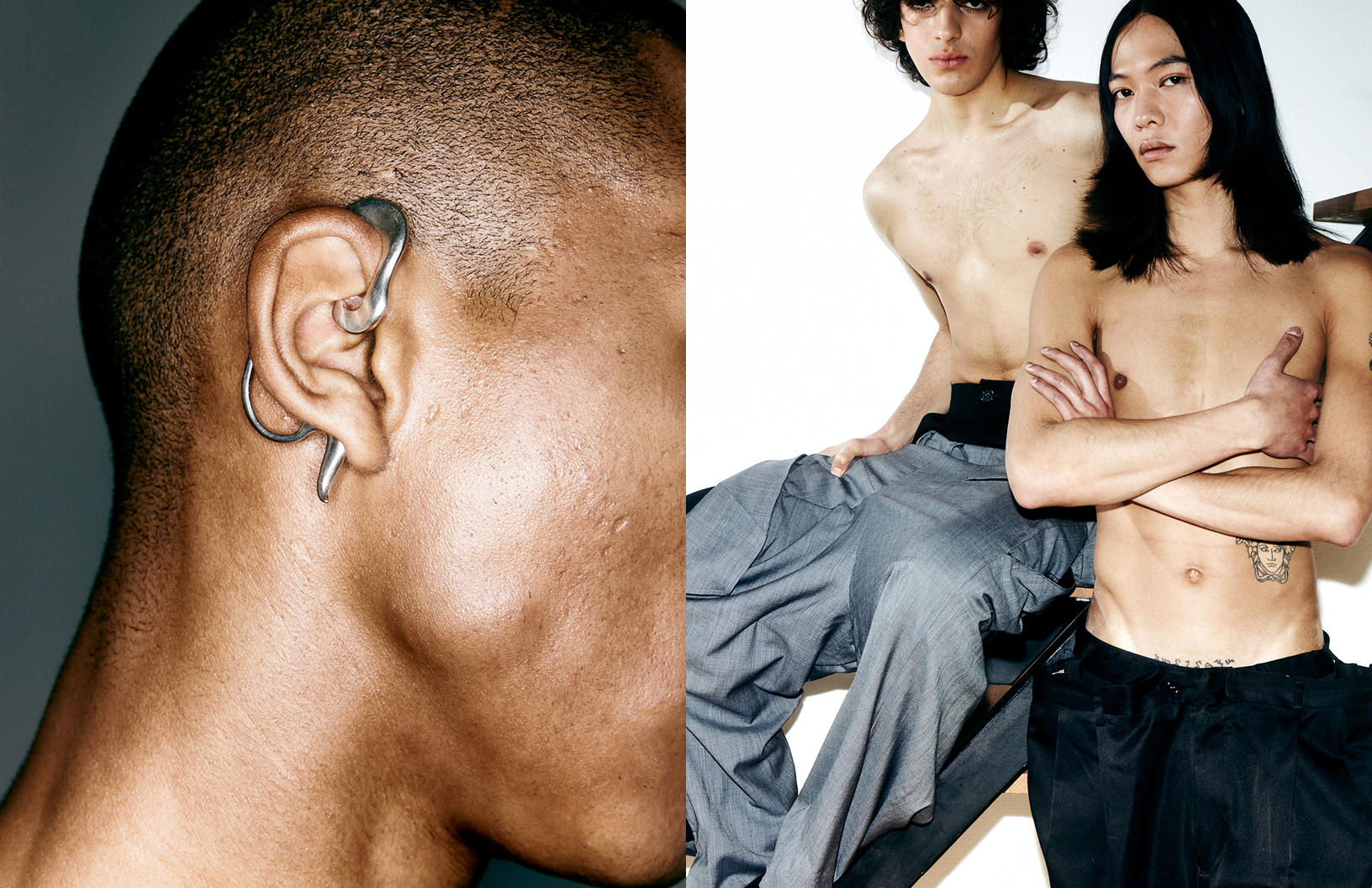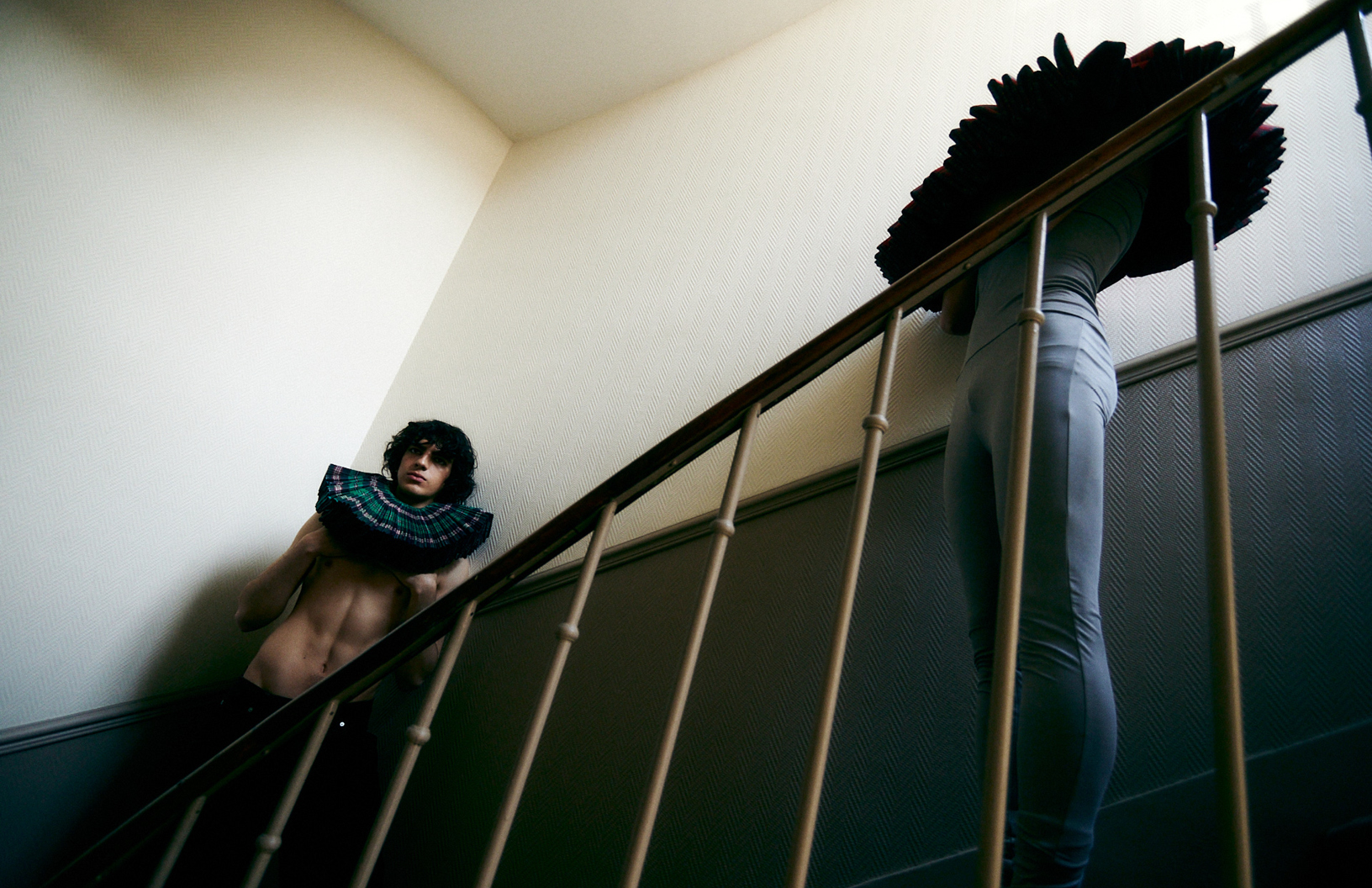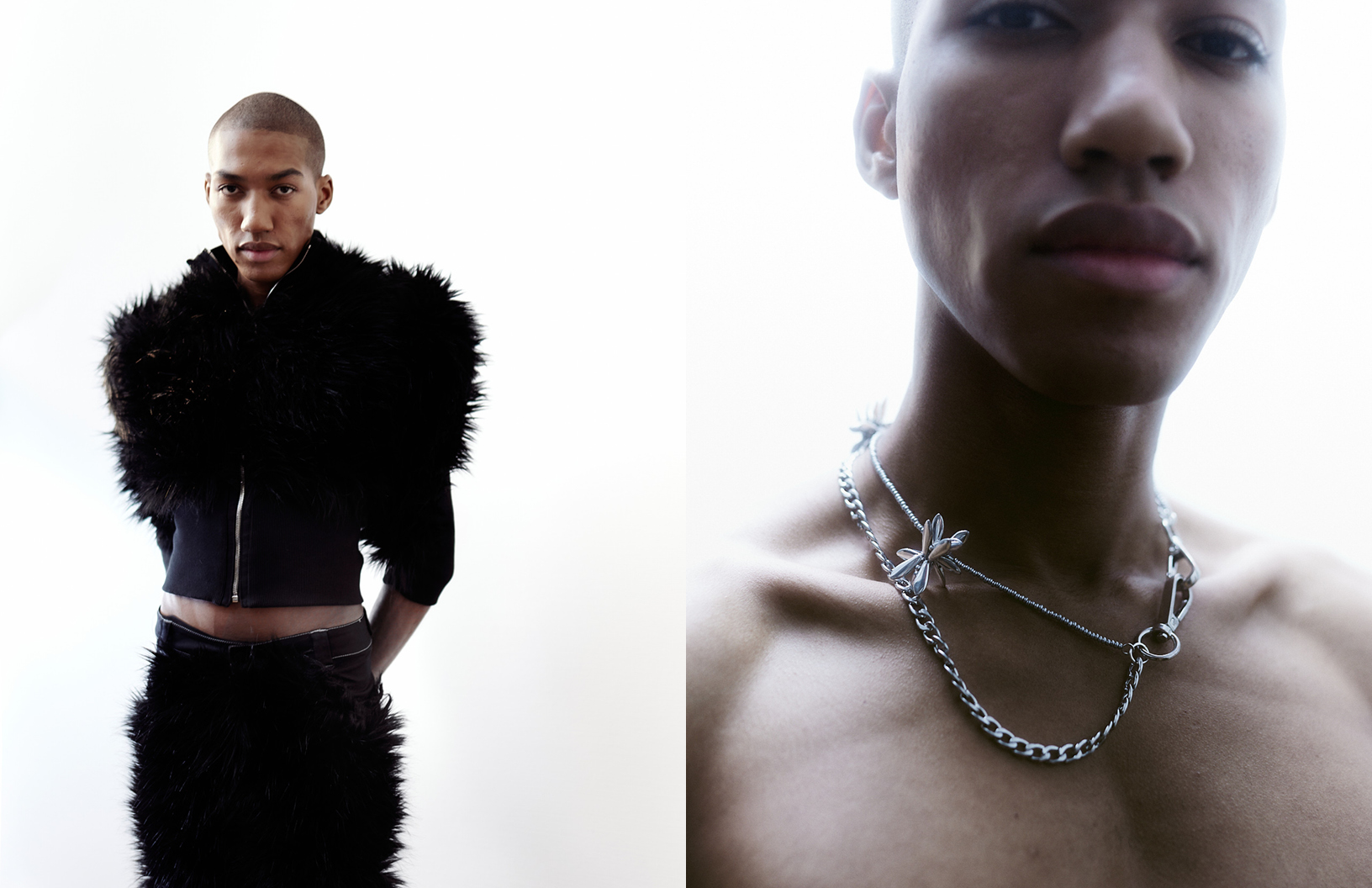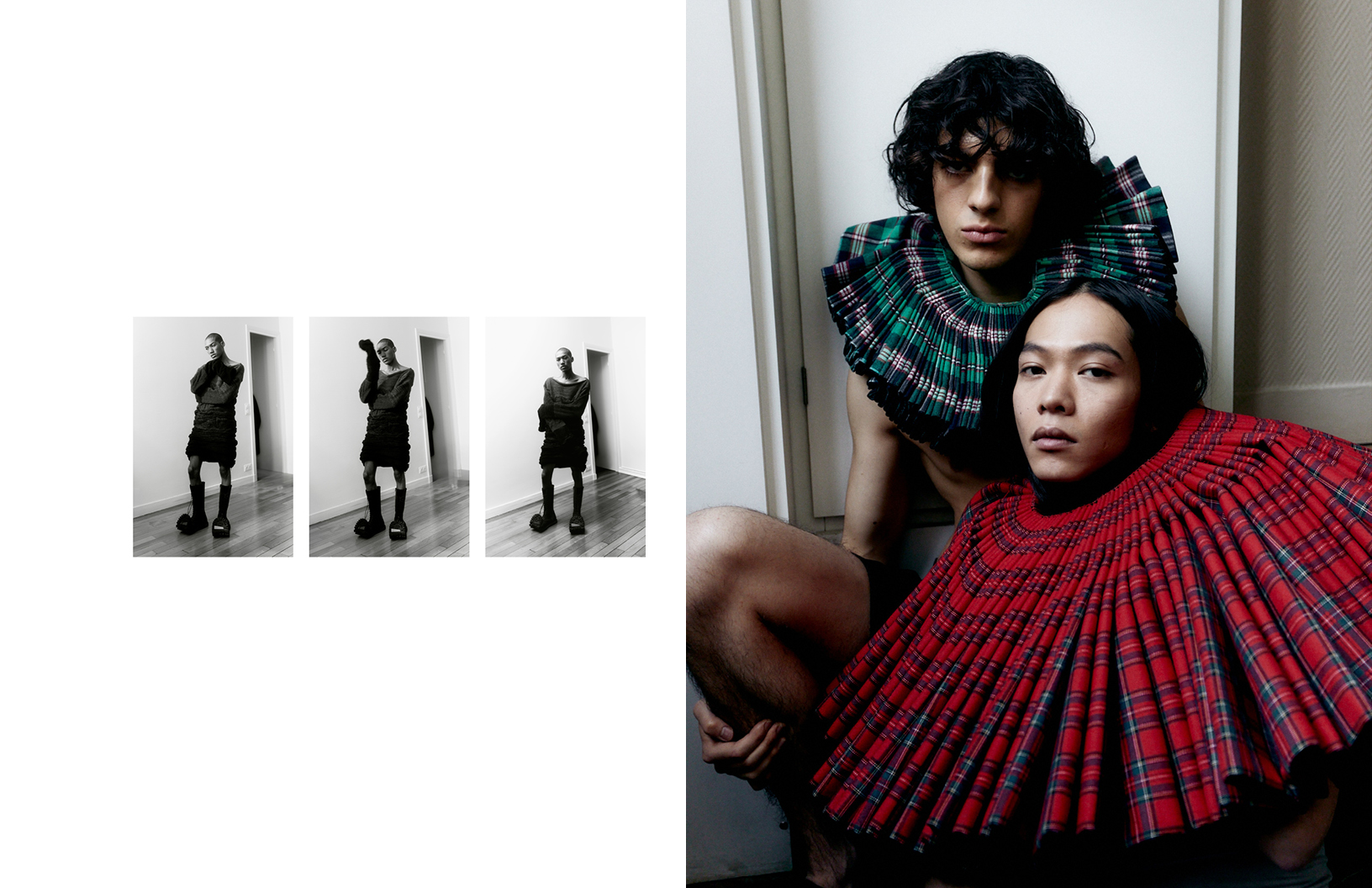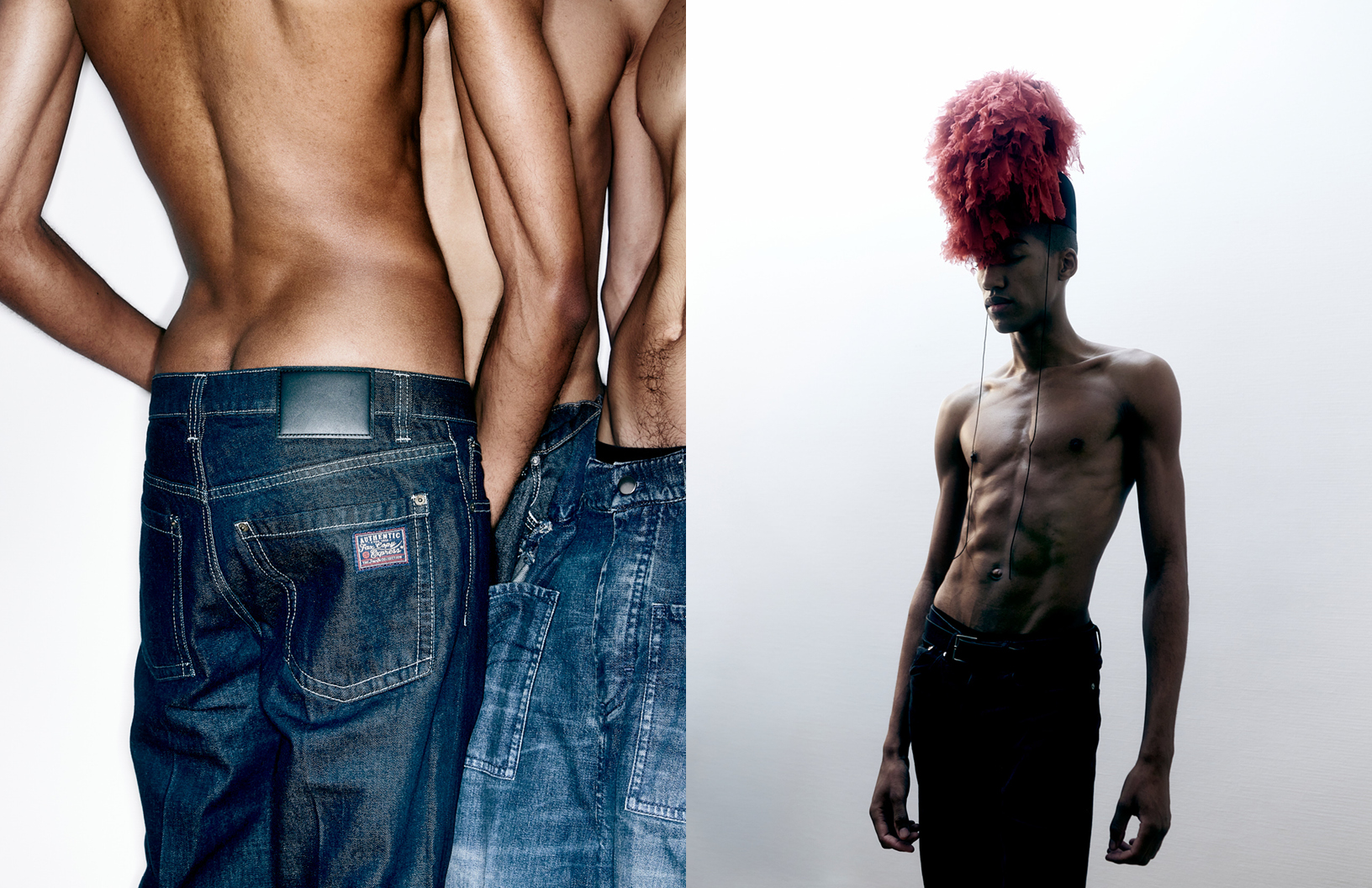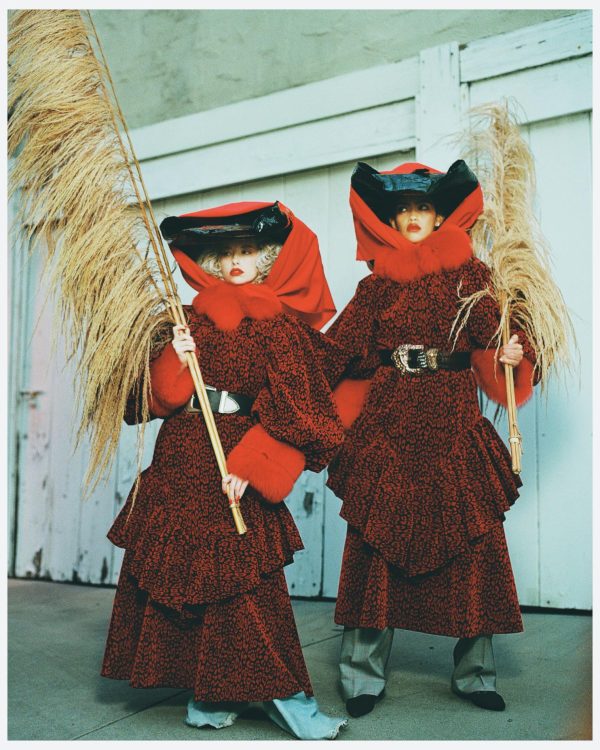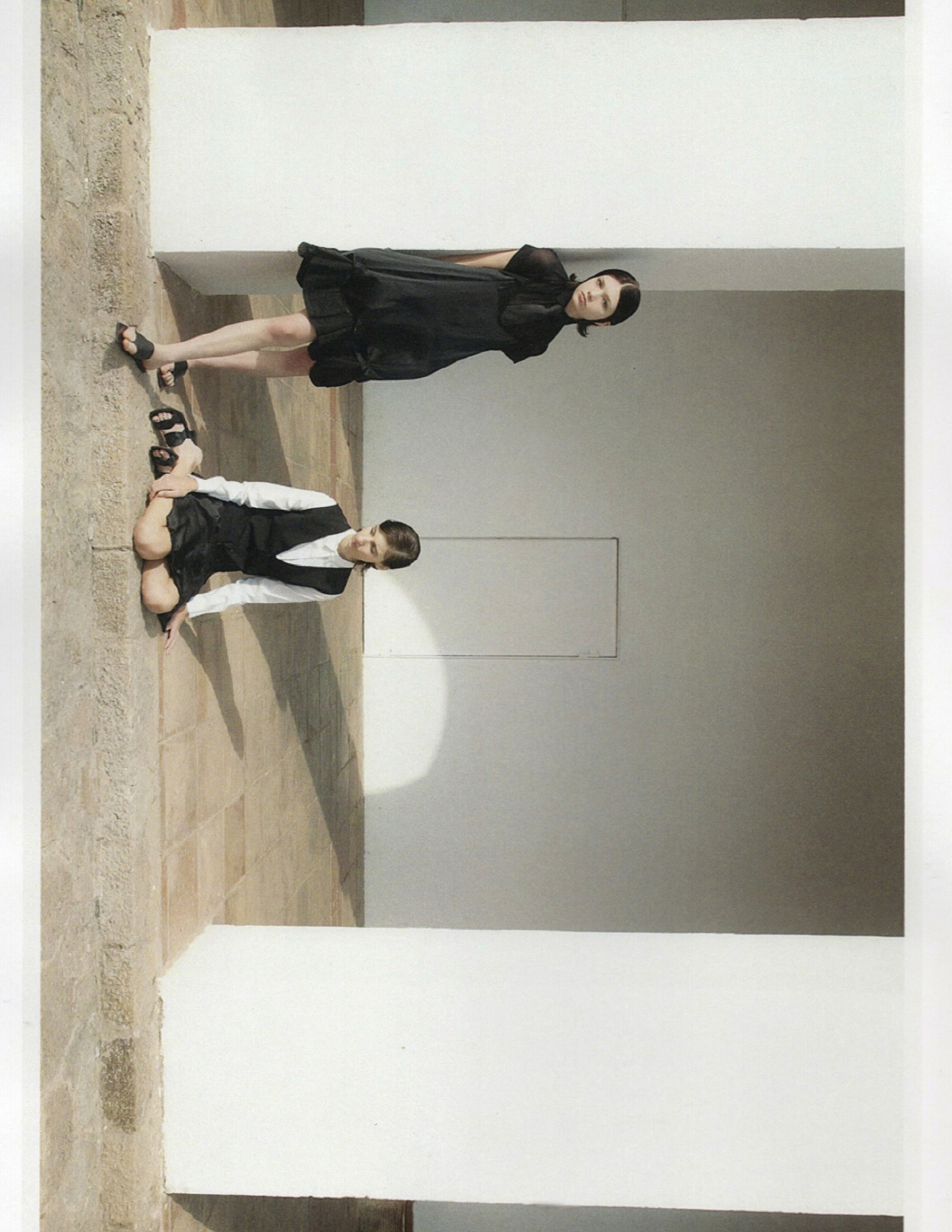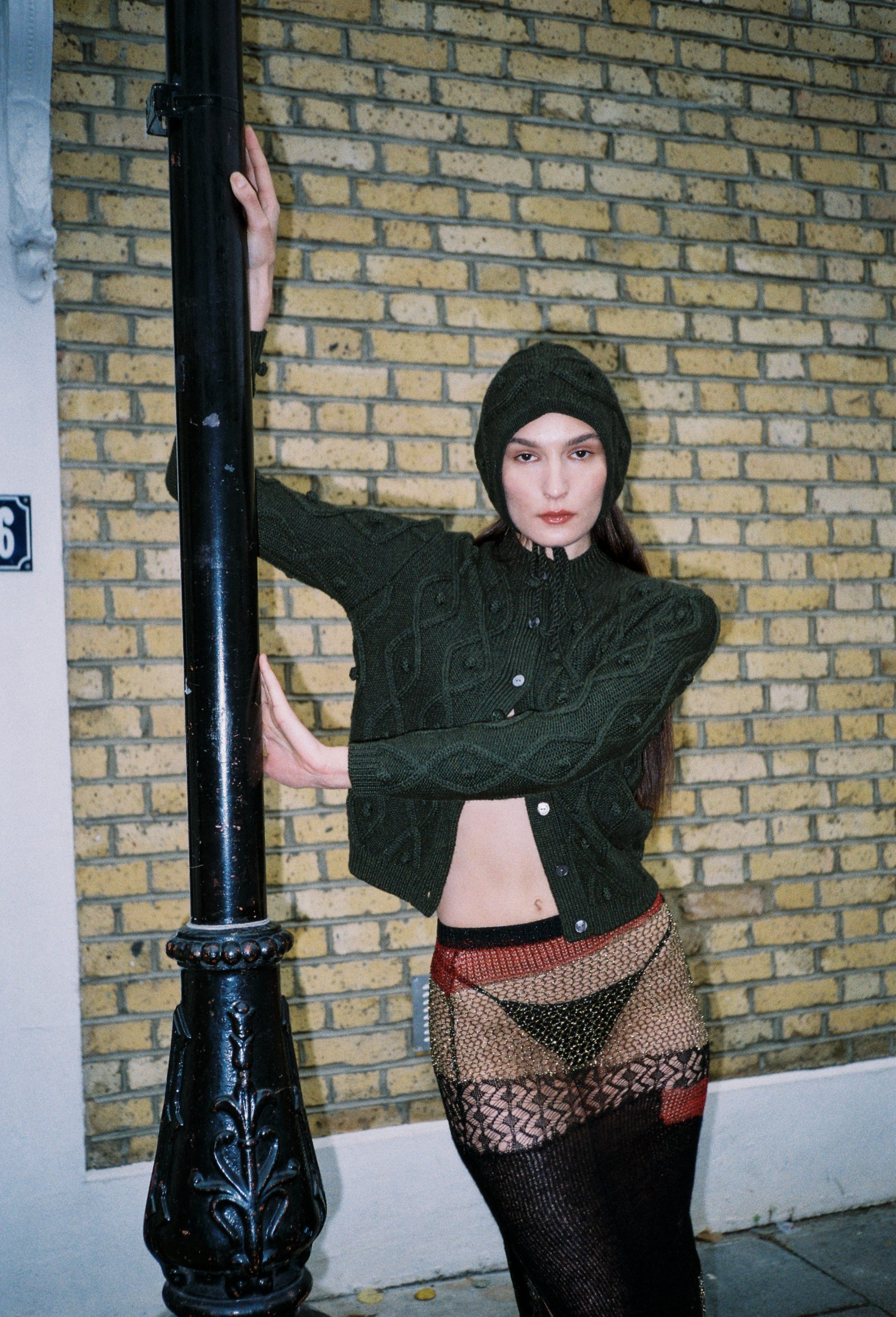
This season in Riga, the message was clear: the Baltics are no longer asking for permission to be seen. They are telling it like it is. Across four days, Latvia’s Riga Fashion Week presented a tapestry of craftsmanship and experimentation that placed local identity and sustainability at its heart. The runways hummed with the kind of confidence that comes when a region starts designing on its own terms.
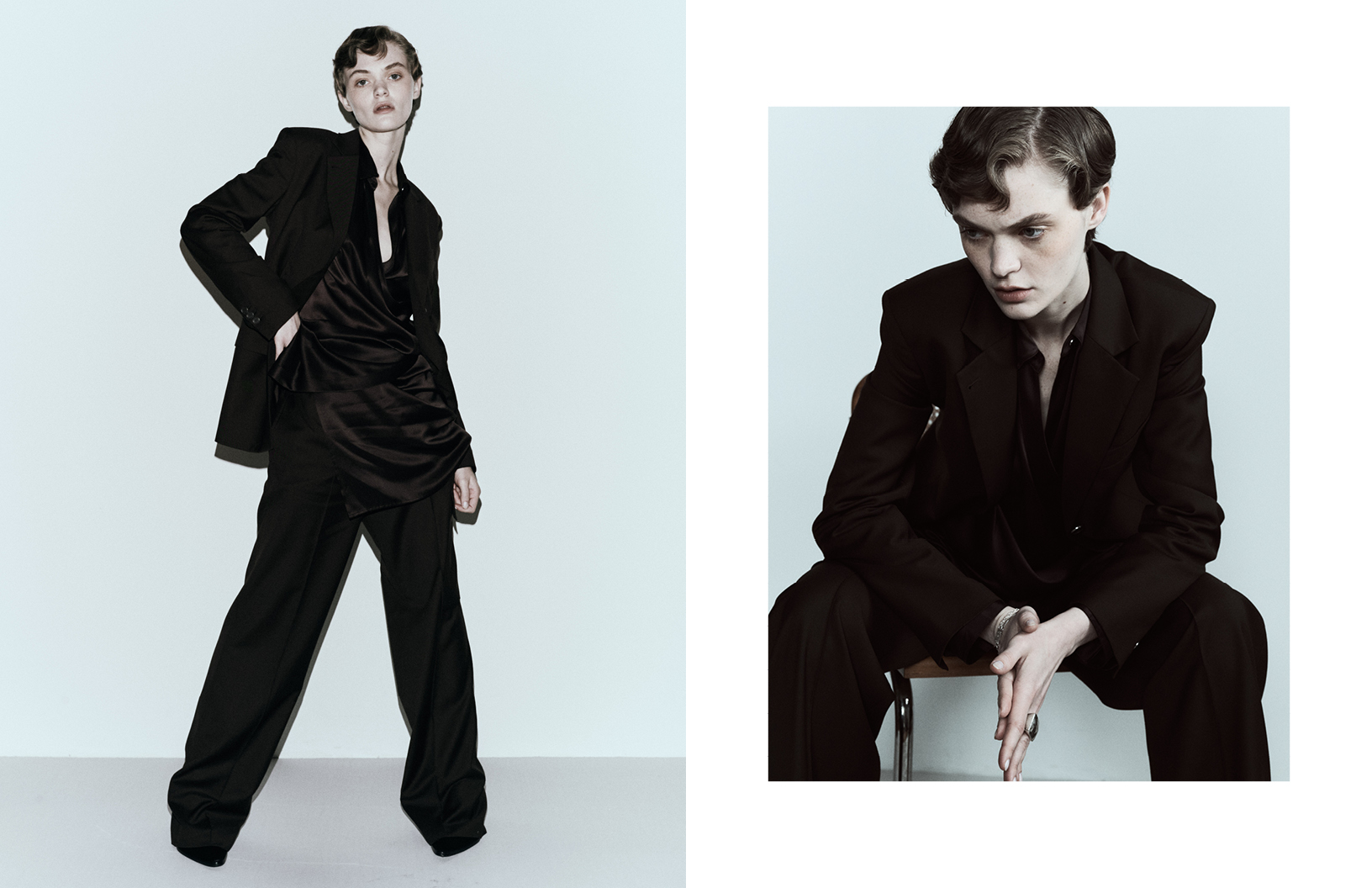
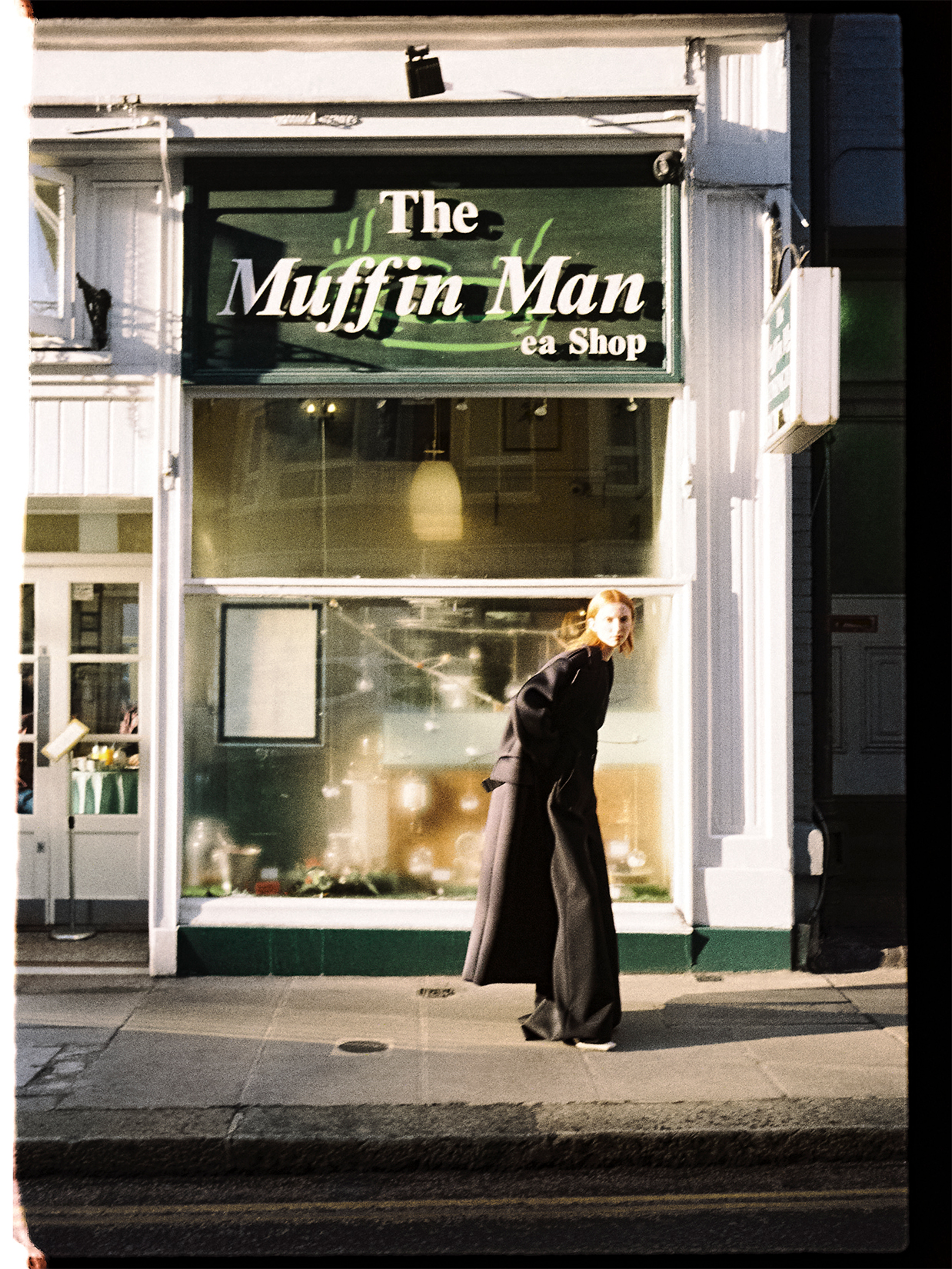
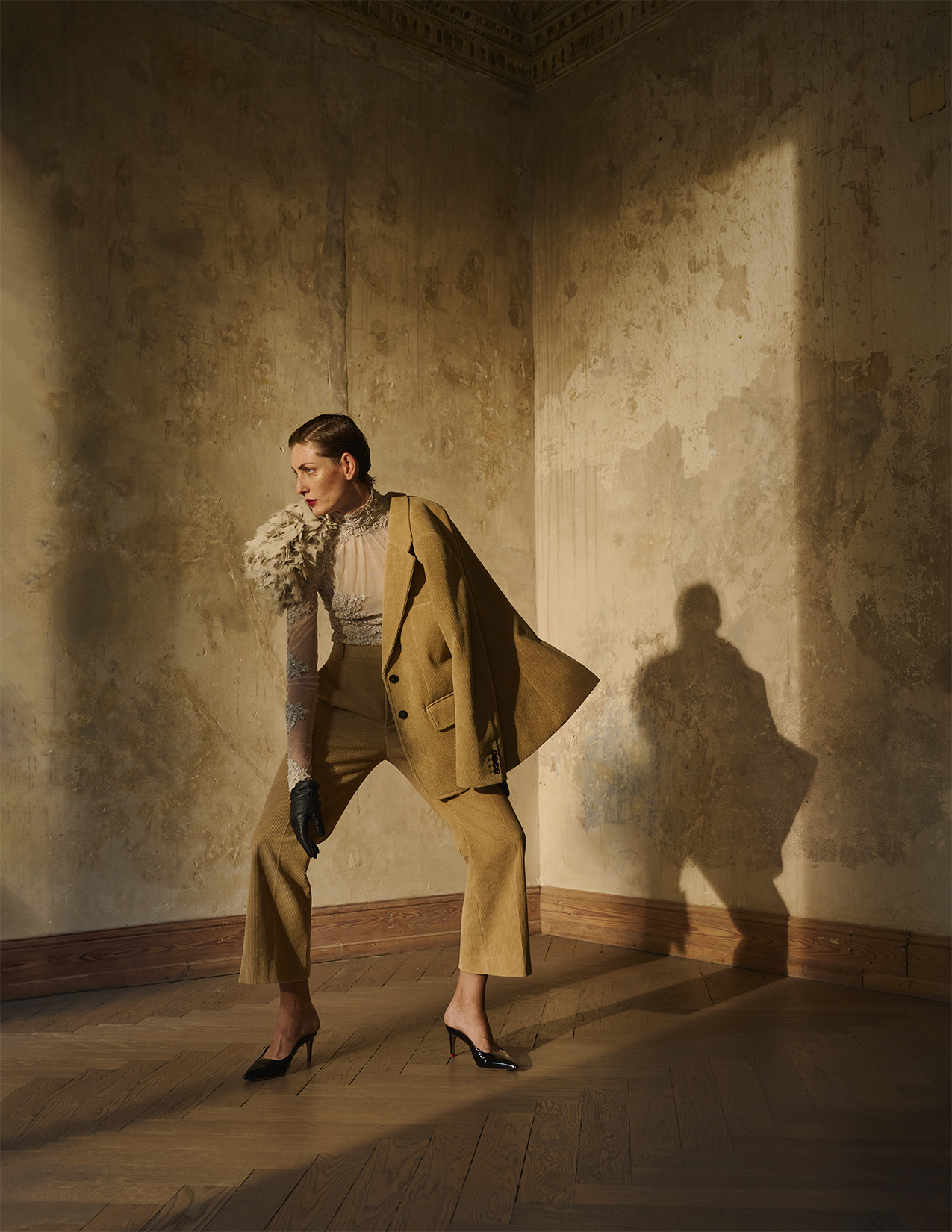
From Poland, Szczygiel’s collection was arguably the standout for the international media as a study in controlled sensuality and rigorous tailoring. Sleek coats and sharply constructed suits were cut in matte wool and liquid satin, sculpted to the body yet softened with draped panels and precise folds. There was something deeply disciplined yet emotive here, a designer who understands that power dressing today is less about assertion and more about quiet command.
“I’ve been thinking a lot about the bridge between nature and technology, how we find harmony between what’s organic and what’s inevitable,” Szczygiel said after her show. “I look at fashion through my daughter’s eyes. She’s thirteen and I wonder what the world will look like for her in 20 years. That question shapes everything I make.”
Szczygiel’s palette, grounded in mossy greens, stone greys, and glacial whites, carried the memory of landscapes she knows well. “My family loves to travel and hike. Places like Snowdonia inspire the palette and textures,” she explained. “Those natural tones, stone, moss, ice, sky, became a quiet dialogue with the more apocalyptic feeling of the collection. It’s about fragility and resilience existing side by side.”
Everything in the collection was crafted from upcycled materials, sourced through Cambridge (where she currently resides) recycling centres. “All the fabrics were sourced from a recycling centre. Nothing new, everything repurposed,” she said. “The idea of limitation actually became the design language: working within what already exists, building something future-facing from what’s left behind.”
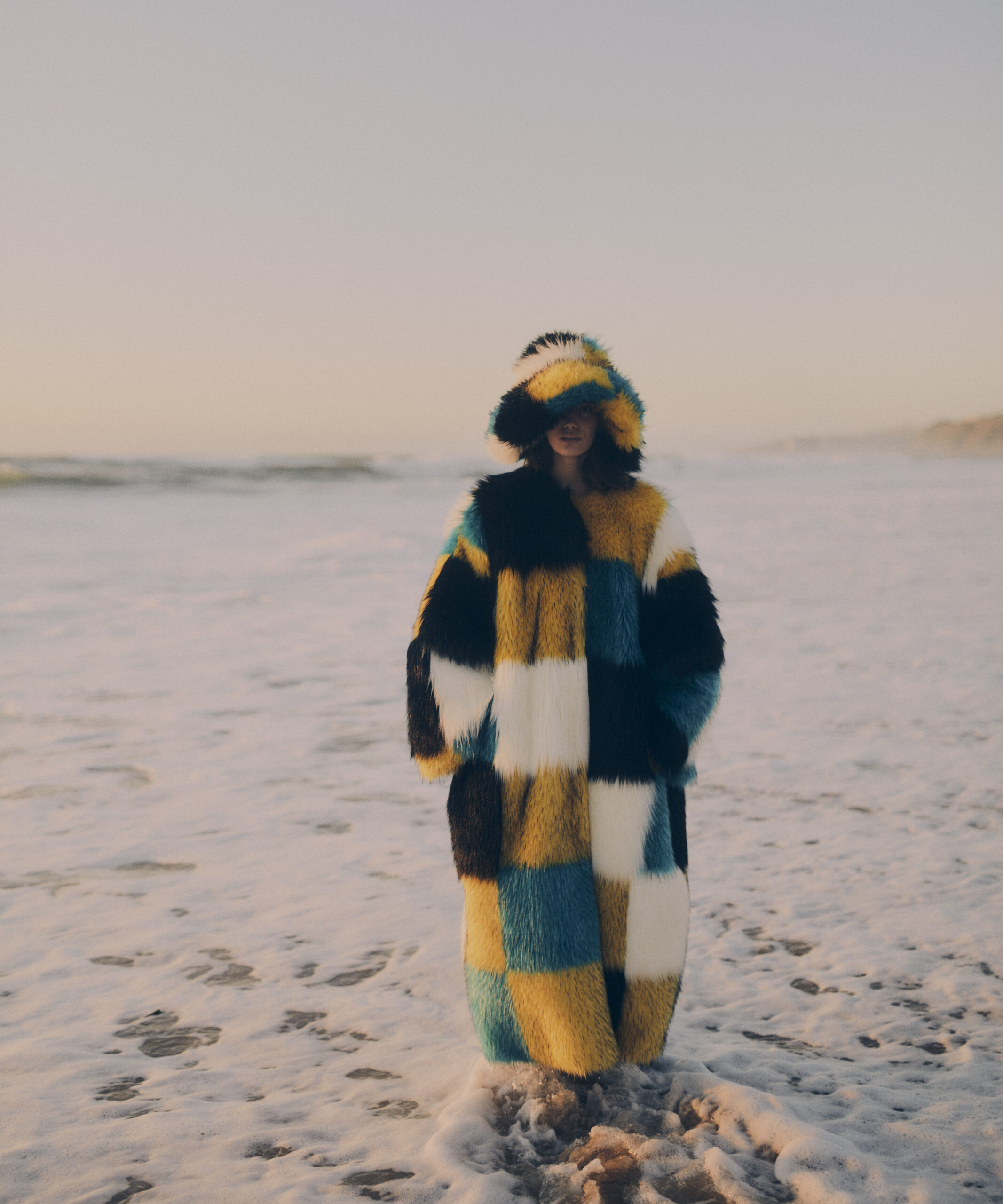
The popular Moel Bosh of Uzbekistan followed with romantic maximalism: from tiered silks and puffed sleeves in dusty pastels, to underscored by folkloric embroidery. The collection carried a cinematic femininity, the kind that looks as good at home in Tashkent as it would on a Bergman heroine. Meanwhile, Belgium’s Yevseyev debuted with an architectural minimalism. With monochrome tailoring cut close to the body, each look featured a sense of subversive restraint.
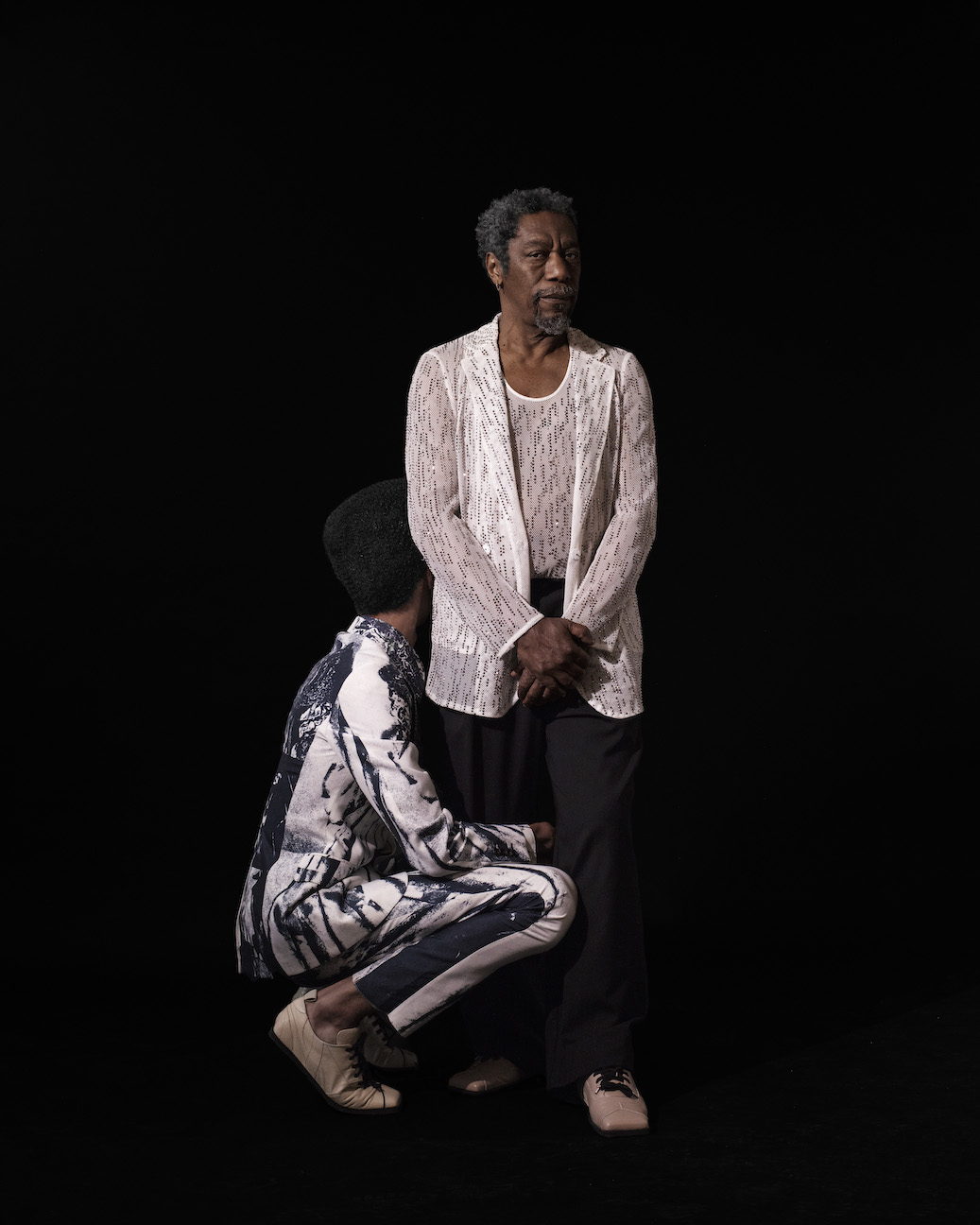
One of the most talked-about moments came from Kęstas Rimdžius, the Lithuanian stylist whose collaboration with Kukla Beauty Box merged performance, makeup and movement. Models became living installations in an ode to glamour as a cultural language. The buzzy Embassy of Fashion Atelier collective, Aldo Järvsoo, Riina Põldroos and Ketlin Bachmann, brought the kind of disciplined elegance often associated with early-era Paris couture: structured bustiers, metallic jacquards, and sweeping gowns in petrol blues and molten golds. It was couture craftsmanship filtered through an Estonian lens.
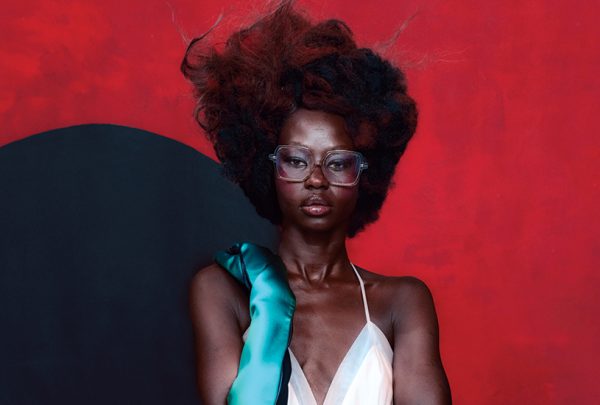
Studio MX, led by Paris-trained Latvian designer Megija-Luīze Pudāne, showcased modern femininity grounded in real-world wearability. It featured sharply cut tailoring softened by translucent chiffon layers, and cool neutrals offset by flashes of acid green. Treimane Studio’s upcycled capsule collection used domestic textiles like tablecloths and curtains to poetic effect, proving that sustainability can look sensual, while Karina Kelle’s hand-painted kimonos brought painterly gestures to the runway.
More established names like BAÉ by Katya Shehurina, Amelii, and Natalija Jansone brought their signature codes of romantic lacework and a commitment to grace over spectacle. In a memorable finale, stylist Sergej Hatanzeyskiy’s SVIESTS x Sexystyle transformed the runway into a fever dream of latex, lace and seduction. It was part cabaret, part critique and entirely unforgettable.
Off the runway, the city itself became an extended atelier. At Latvian Design Stories, Simone Veilande’s Tribal Hotel and Zaiga Brutāne Studio offered conceptual interiors and sculptural design. Proof that the boundaries between fashion, object, and space continue to dissolve. Riga may be small on the map, but its imagination is vast. If this season’s takeaway was anything, it’s that the Baltics are crafting their own vocabulary – one stitched from integrity, intelligence and fun.
words. Estefania Hageman
photography. Courtesy of Riga Fashion Week