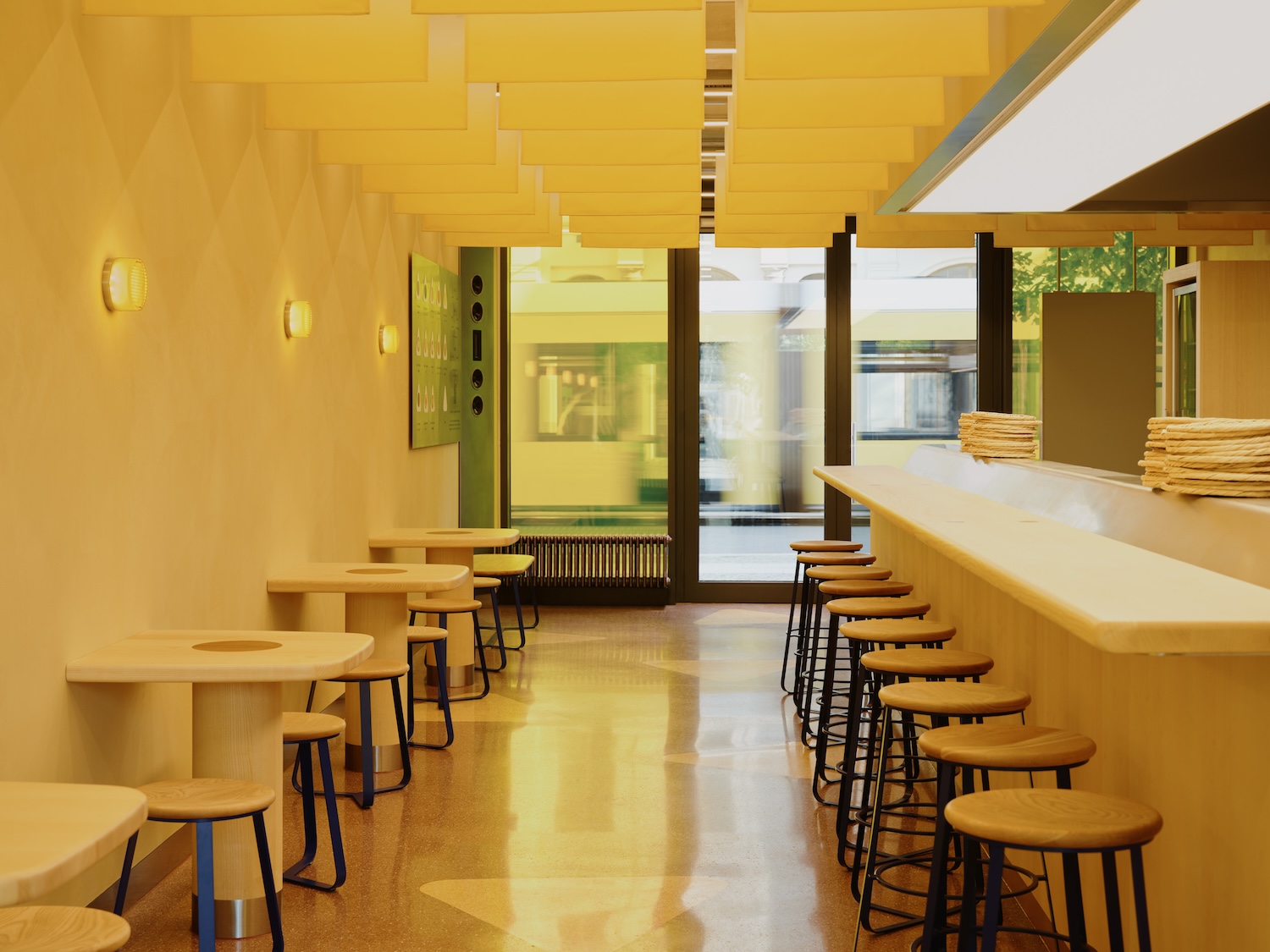
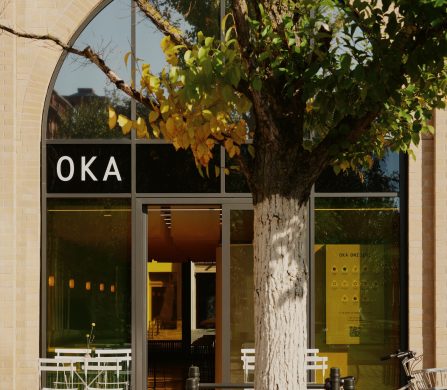
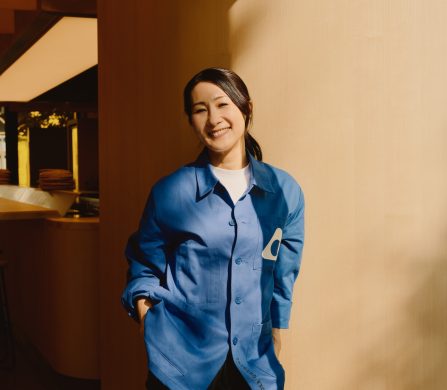
When OKA’s founder Maxim Streletzki found himself at Yamataro – a celebrated shop in the Zoshigaya neighbourhood known for its generous, expertly formed rice balls and its lineage from the legendary Onigiri Bongo – he experienced a moment of unadorned perfection. This was the idea he brought back to Berlin, a city that loves bold statements, and presented to Chef Kaoru Iriyama.
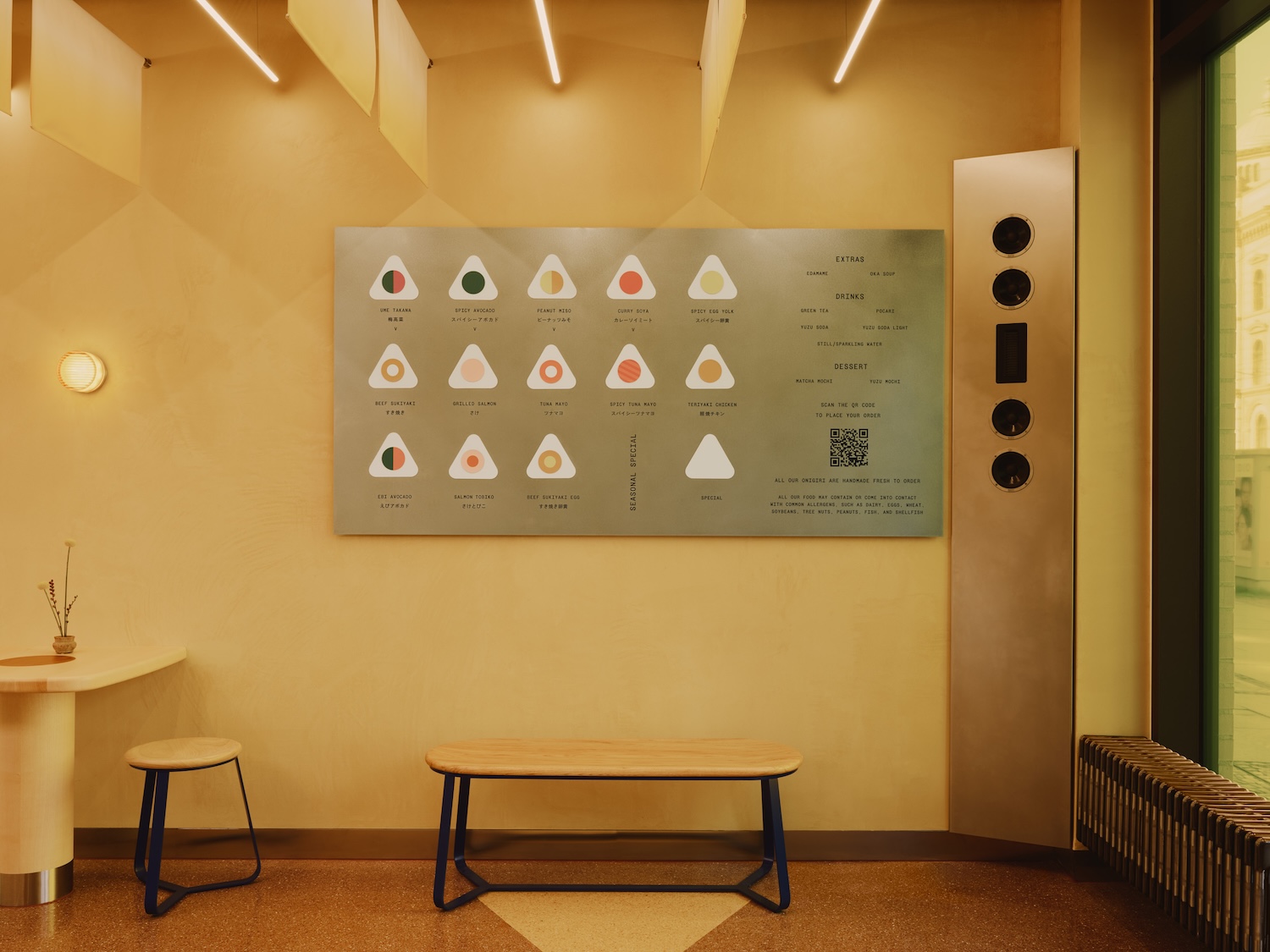
For centuries, the humble onigiri has been Japan’s beloved comfort food, representing a pocket-sized snack of affection. A perfect onigiri consists of three simple components: white rice, a savoury filling and a wrapping of nori (seaweed). Now, OKA is bringing this vision to the German capital, highlighting the artistry behind each rice ball.
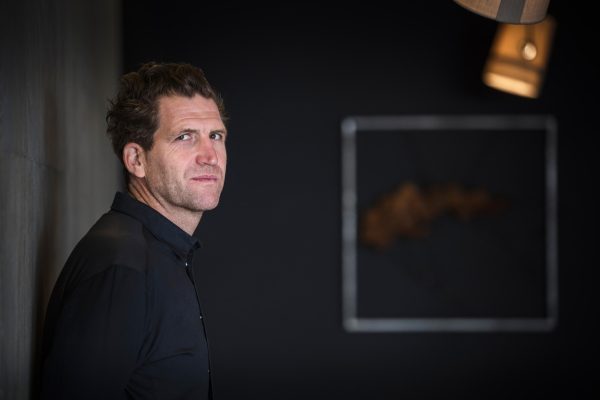
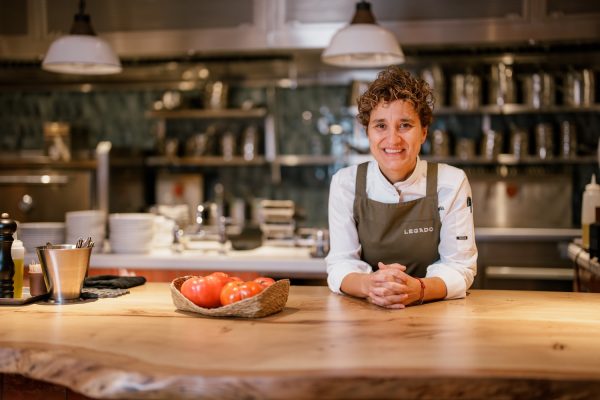
Iriyama is a culinary professional engaged in the highest ranks of Japanese haute cuisine, a student of the rigorous Kaiseki master Hirohisa Koyama. As a traditional Japanese cuisine style deeply rooted in Buddhist philosophy, Kaiseki teaches that true beauty is born from humility.


To the outside eye, asking a Kaiseki-trained chef to make simple onigiri might seem like asking a concert pianist to play scales. But for Iriyama, it was the ultimate application of her craft. The most difficult, subtle art she learned was a profound philosophy of control.
“From my training in Kaiseki cuisine, I learned above all to act with respect towards the ingredients, towards others and towards nature. And to discipline one’s own ego,” Iriyama explains. “In Kaiseki, the ingredient is always at the centre, not the chef. Our role is to bring out the natural beauty and intrinsic flavour of each ingredient, not to showcase our own skills. We are simply accompanying what nature has already created.”
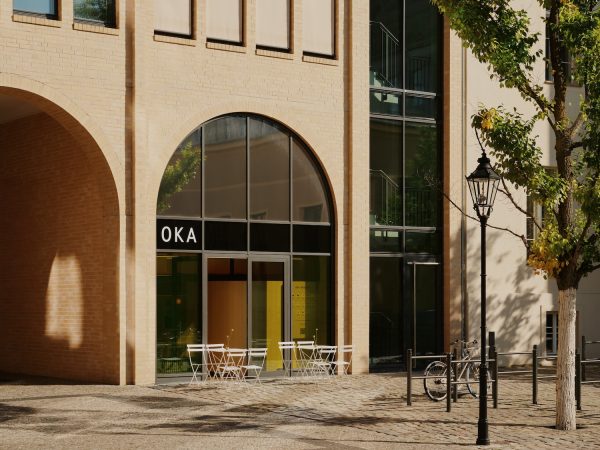
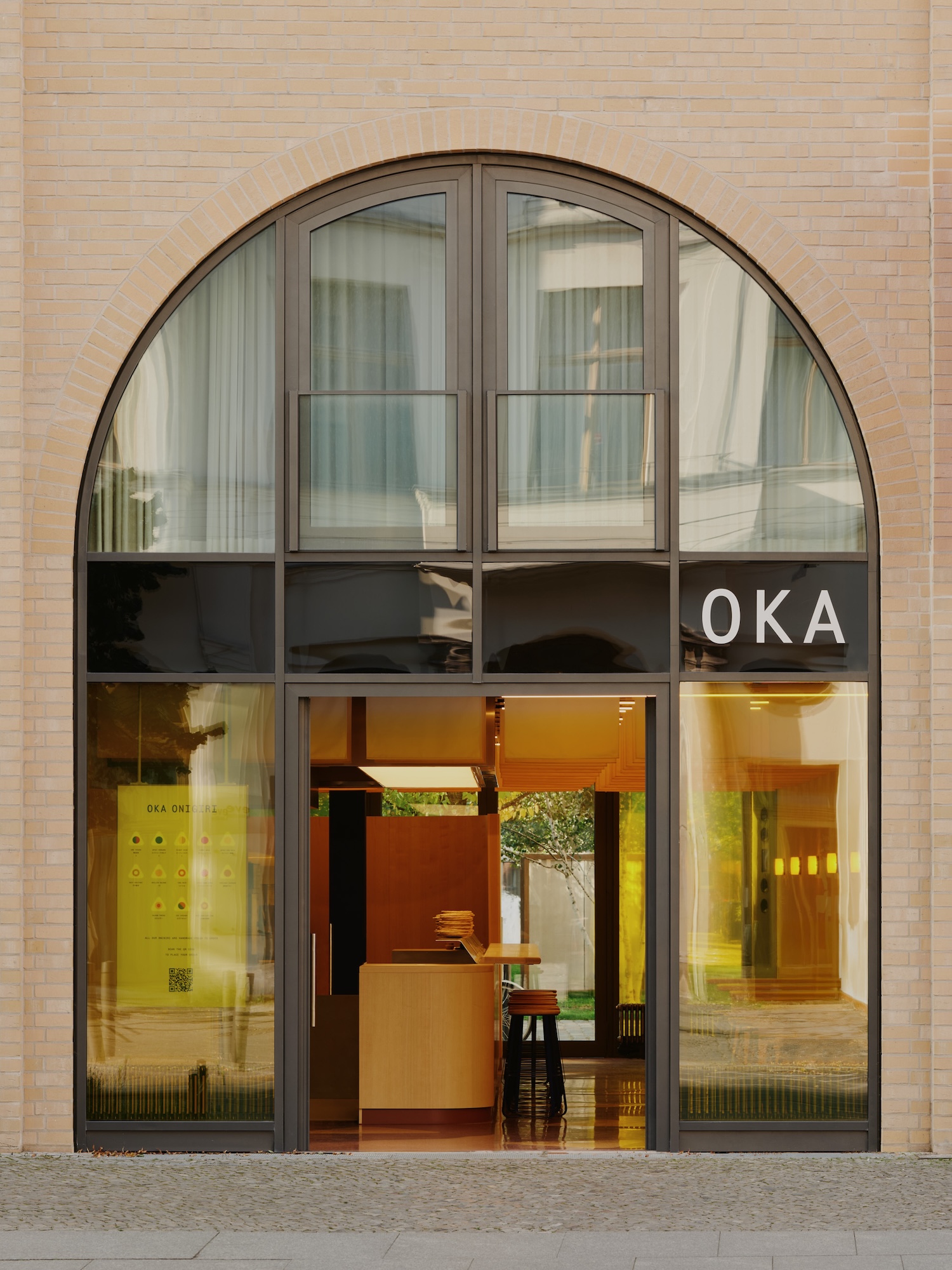
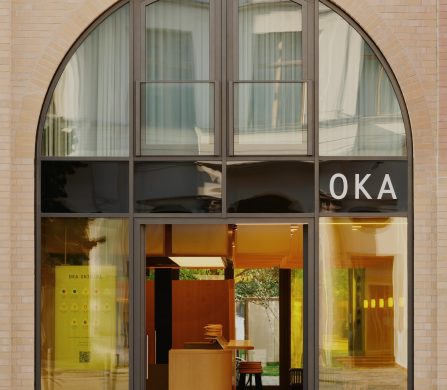
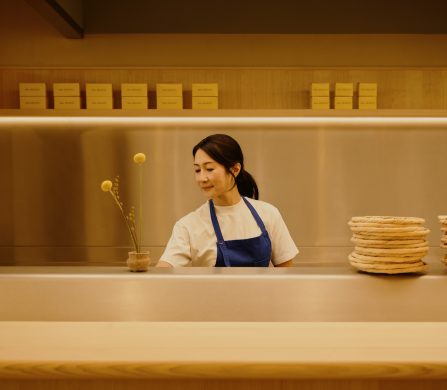
This principle is the soul of their small restaurant on Oranienburgerstraße – and Berlin’s first Onigiri Chef’s Table. Iriyama actively resists the “tempting” urge to impress. You will not find the onigiri served on decorative porcelain. Instead, they arrive on a plain Japanese bamboo tray, a decision made to “keep the focus where it belongs: on the rice itself.”
This philosophical commitment, however, must survive in the harsh reality of Berlin’s current gastronomic climate. Iriyama is keenly aware that opening a premium concept built on imported ingredients while costs are high and consumers are cautious is a delicate act.


Their strategy, she reveals, is as focused as their food. “To still maintain the quality we insist on, we’ve deliberately kept our menu lean and focused entirely on onigiri. No wide-ranging offer like ramen or sushi, but a tightly considered concept.” This, combined with high-efficiency rice washing and cooking machines imported from Japan, allows them to operate without compromising on the craft that defines them.
Of course, Iriyama knows that many Berliners will initially misunderstand the concept. “We actually encounter that little misunderstanding almost every day and that’s perfectly fine,” she says with patience. “Japan is far away, and cultural nuances take time to be understood.”
Instead of frustration, she sees these moments as an opportunity to connect. When a guest asks for soy sauce (a sushi condiment, not an onigiri one), the team gently explains the difference. When they ask for chopsticks, Iriyama offers them, but also shares the true context: “Onigiri is Japan’s version of a sandwich, a warm, handmade snack, a small piece of everyday Japanese culture meant to be held and enjoyed by hand. Guests love this story. It creates a beautiful moment.”
And although they don’t plan to have an exclusive German filling (yet), they’re always aiming to find thoughtful ways to integrate local flavours into their onigiris.

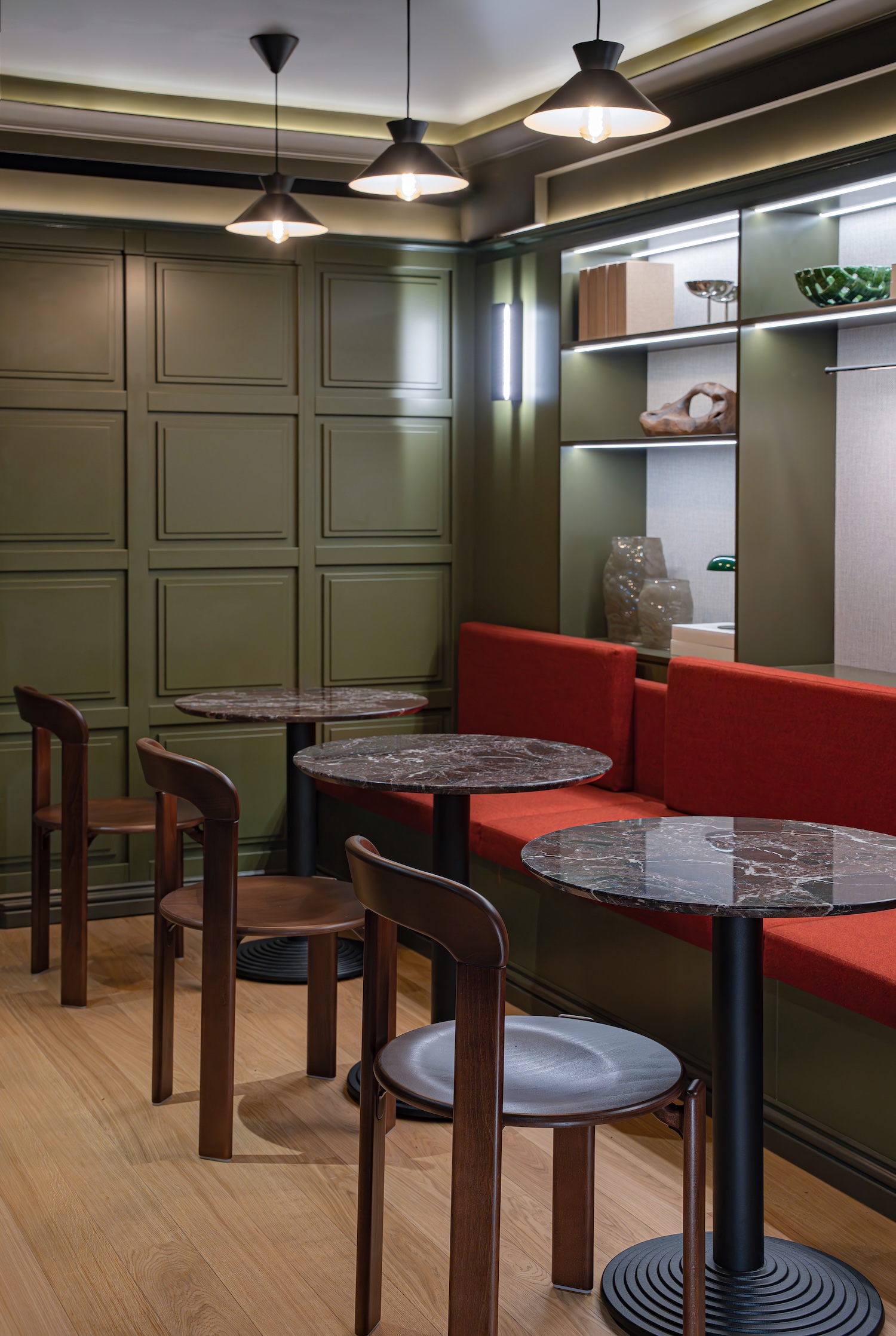
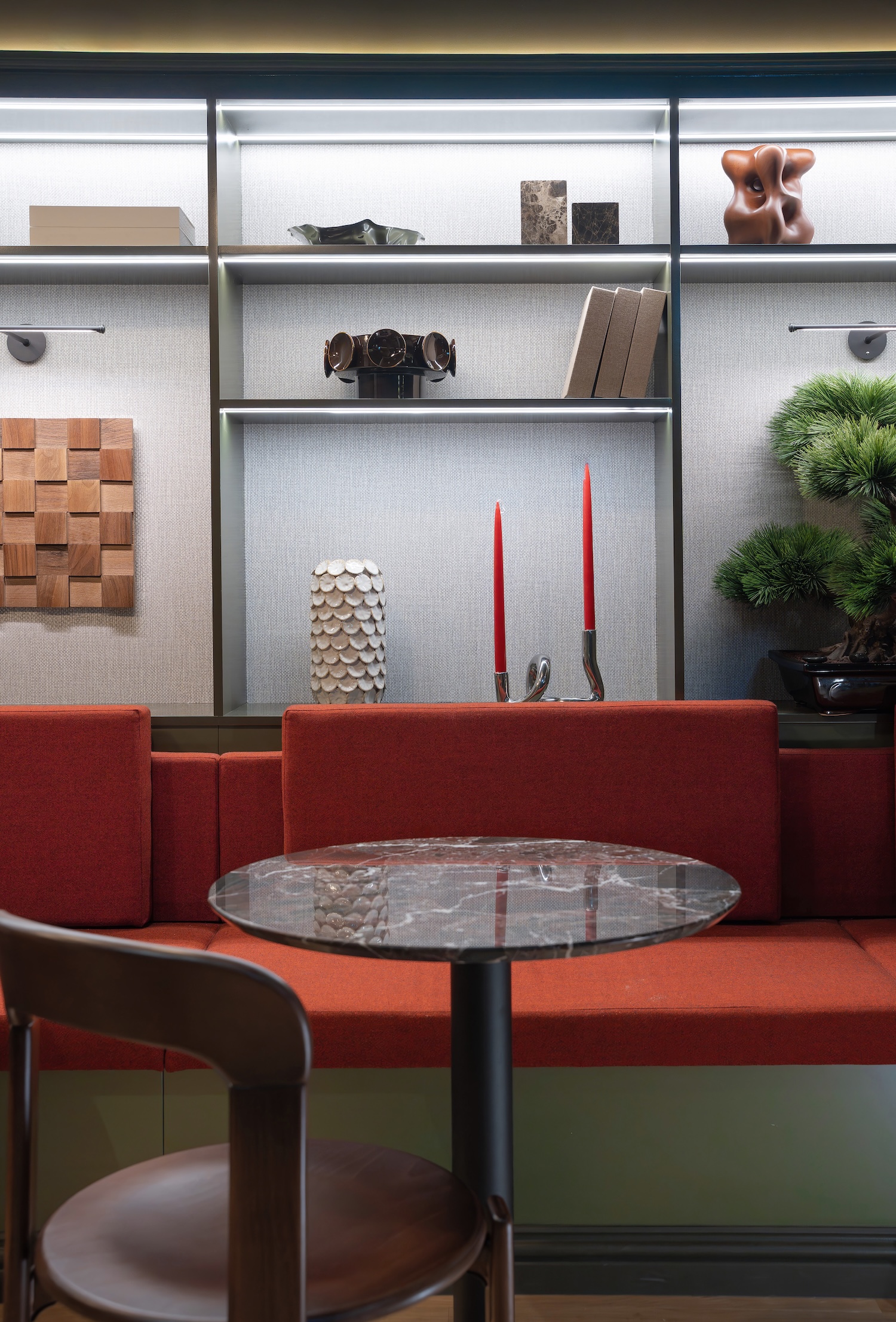
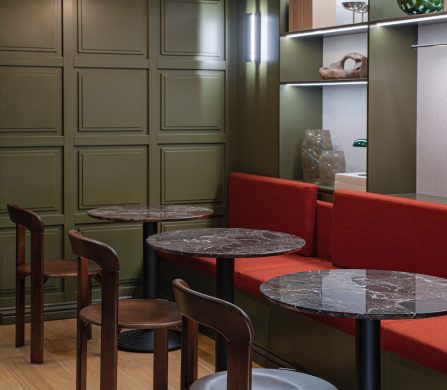
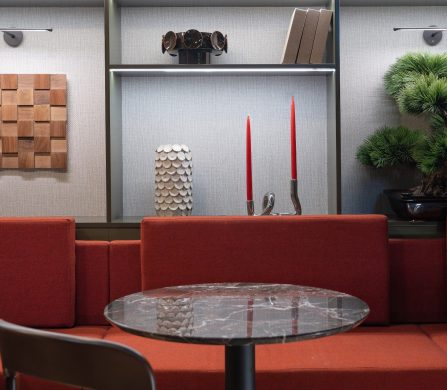
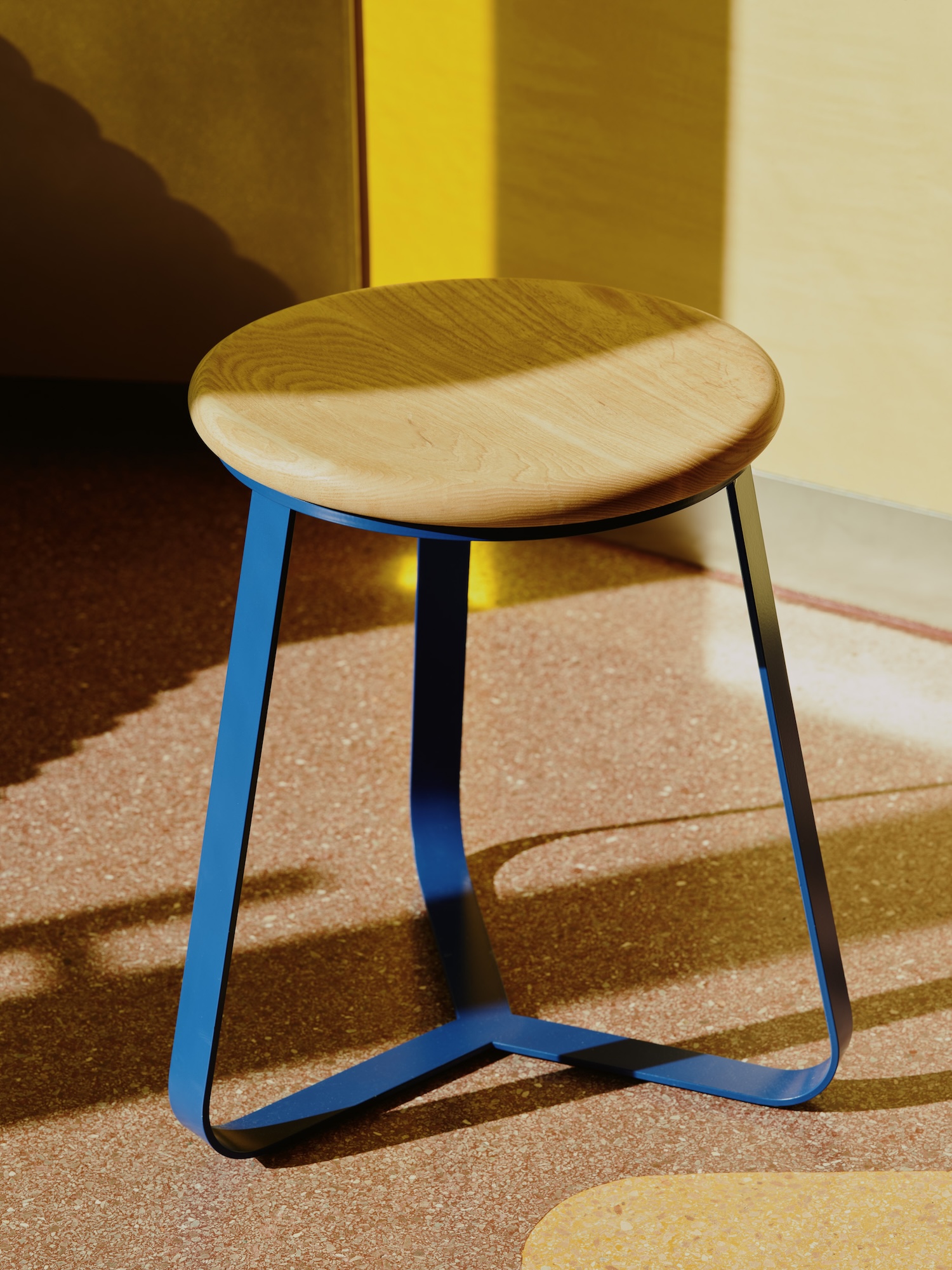
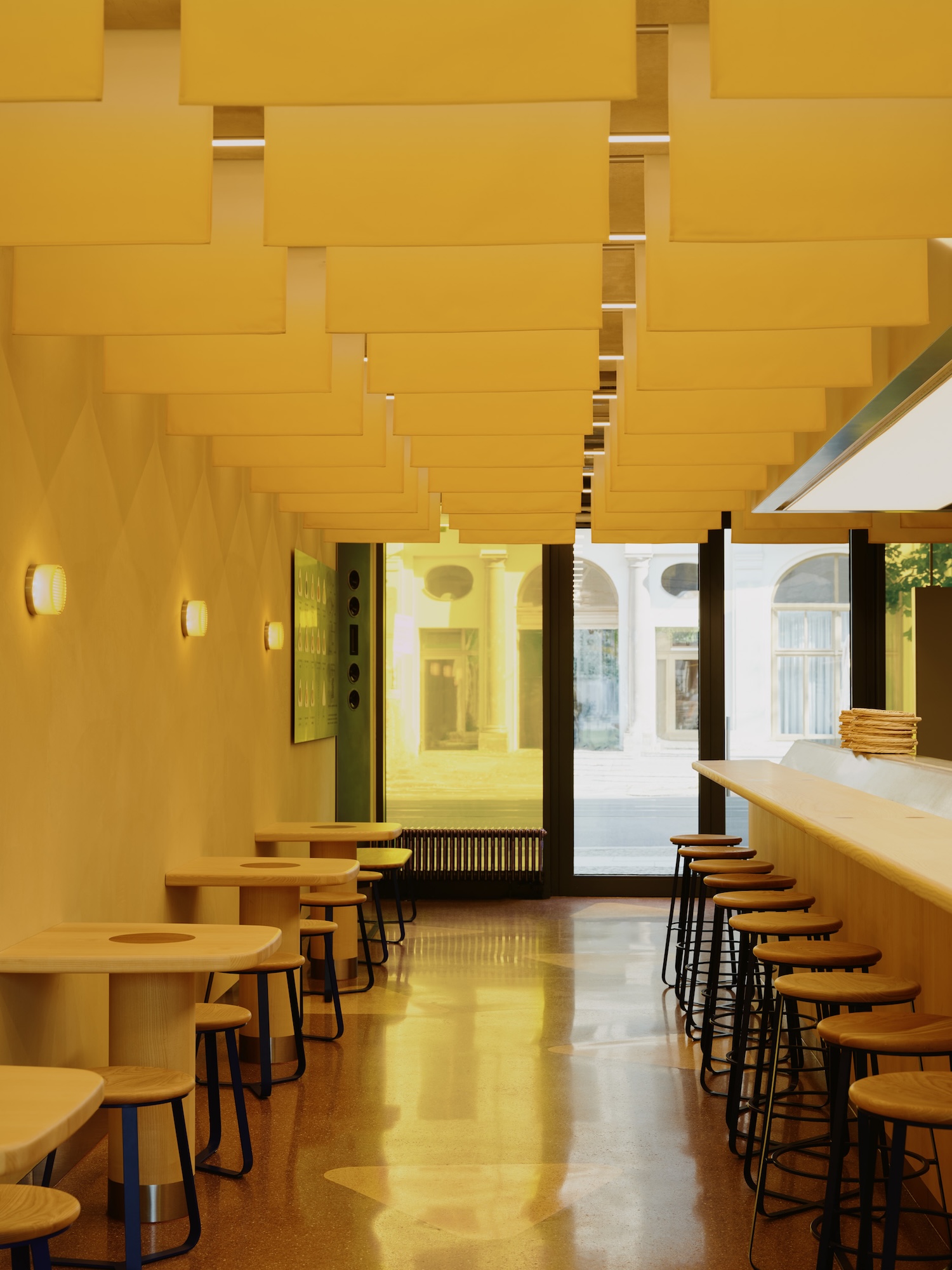
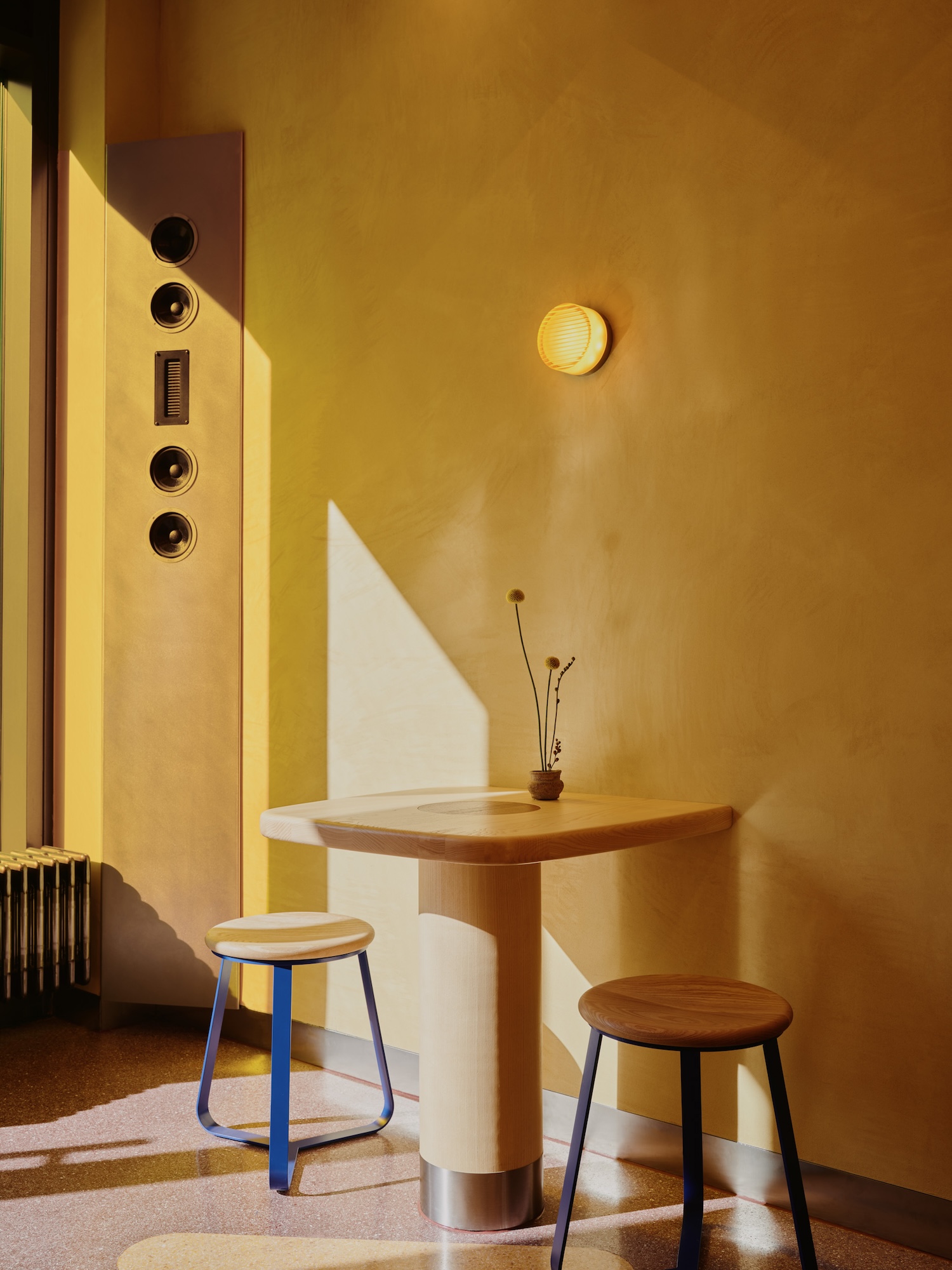
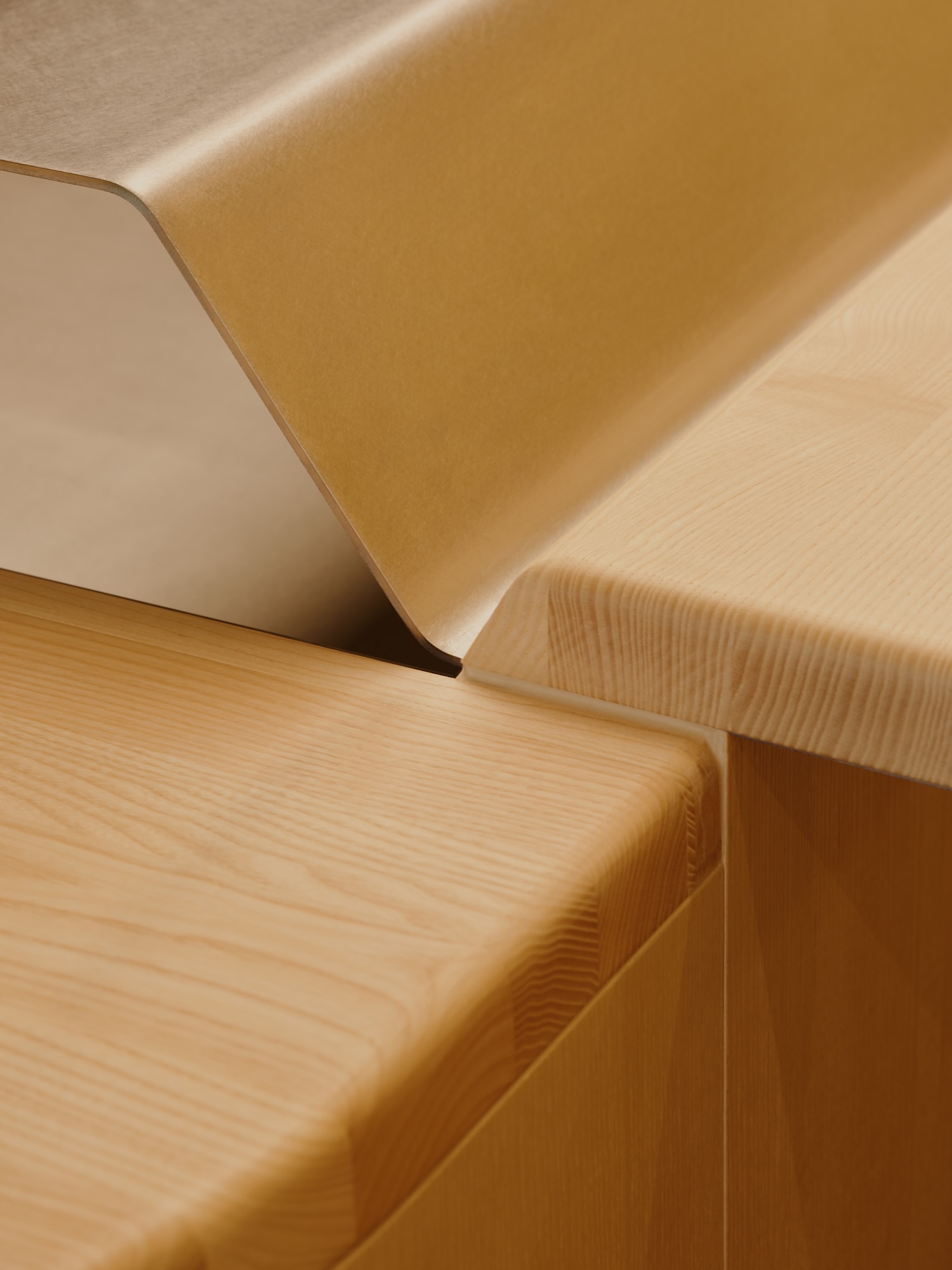
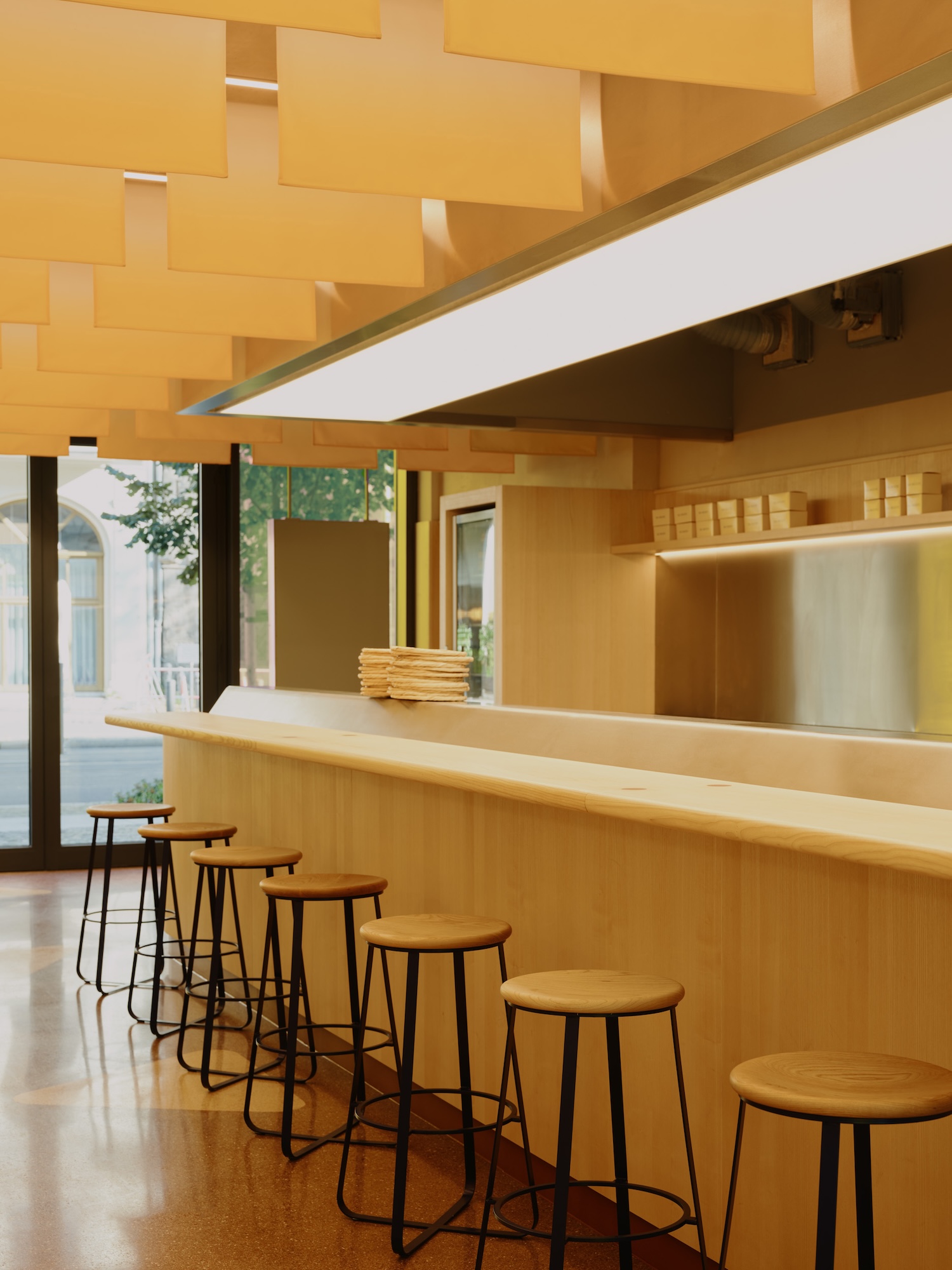
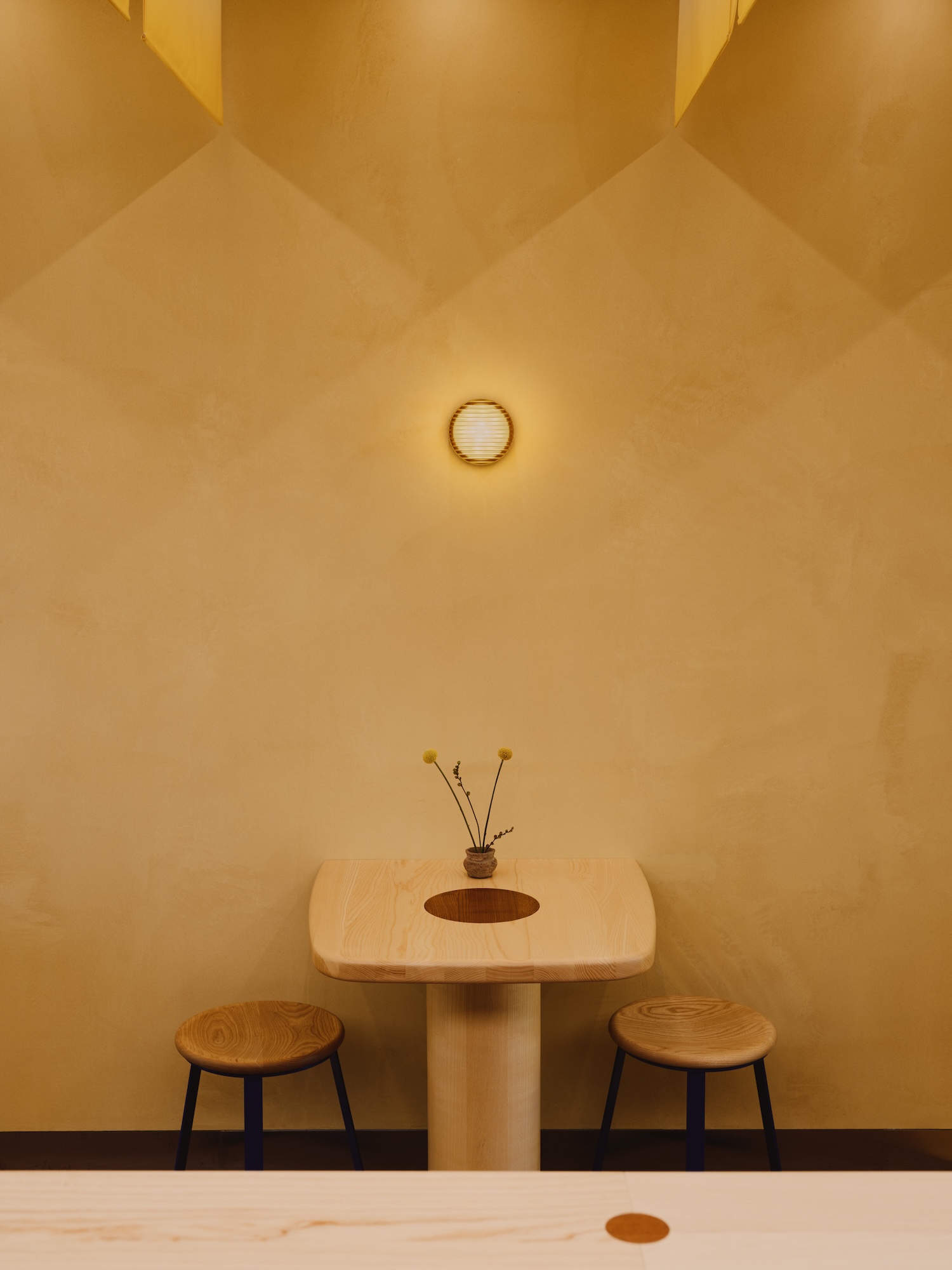
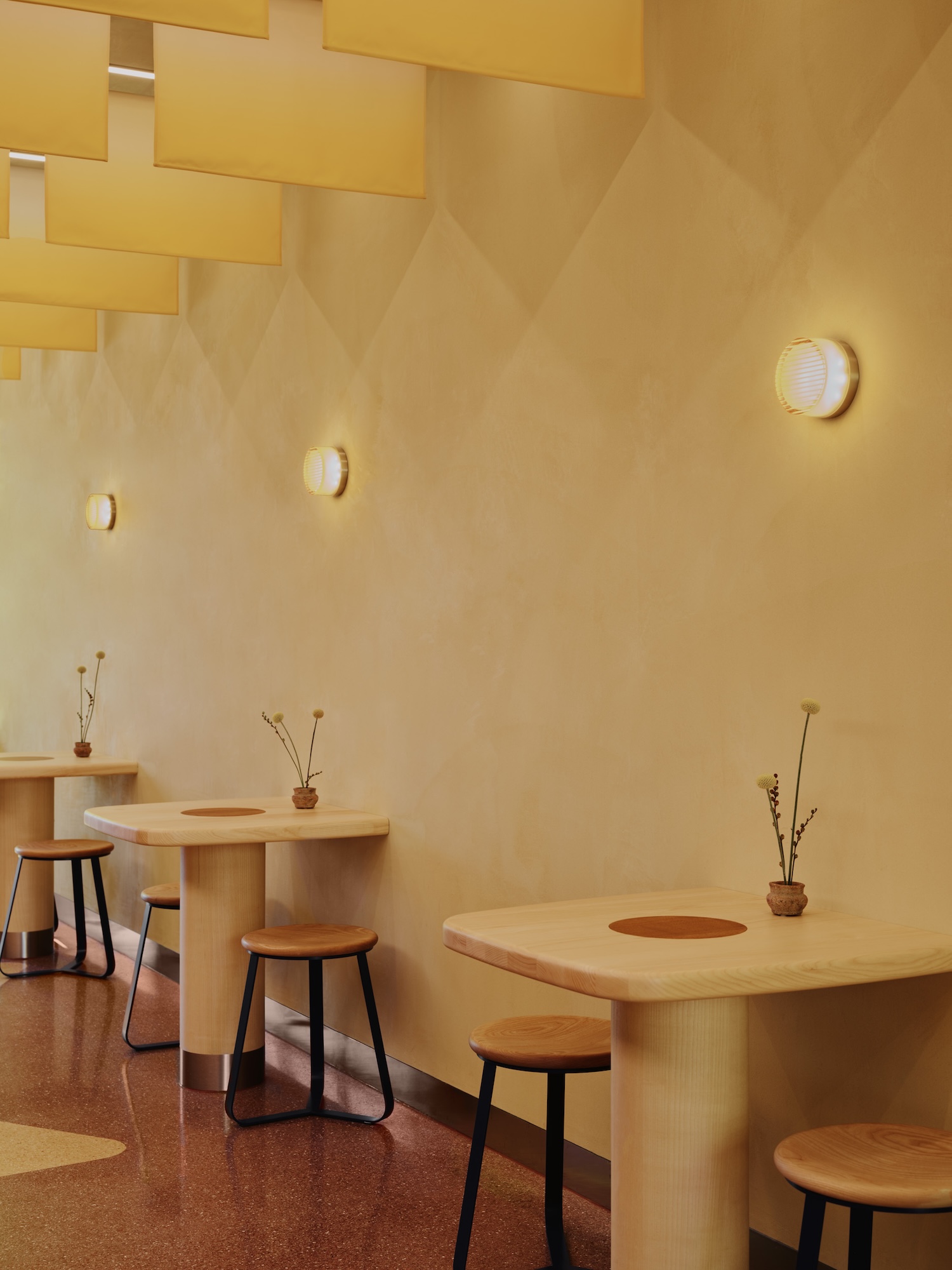
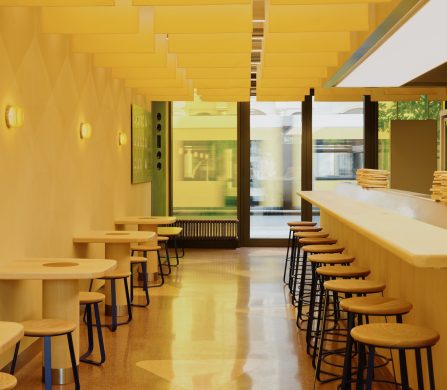
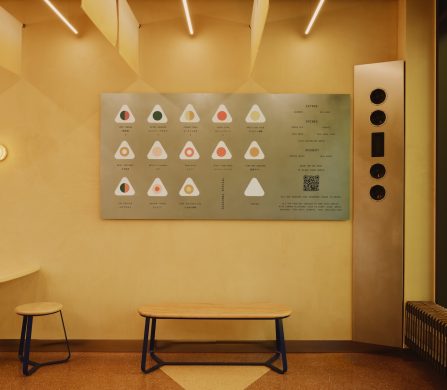
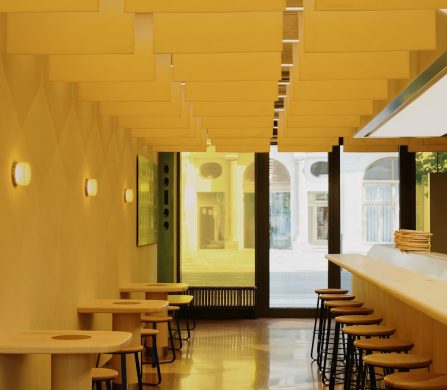
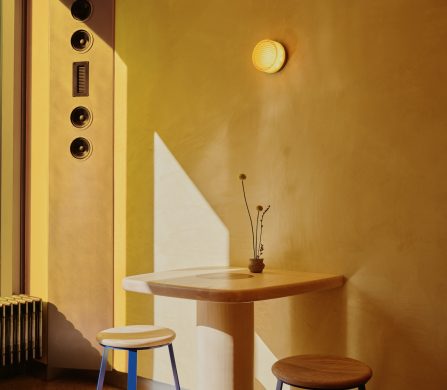
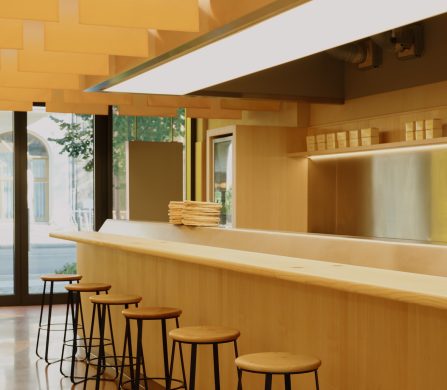
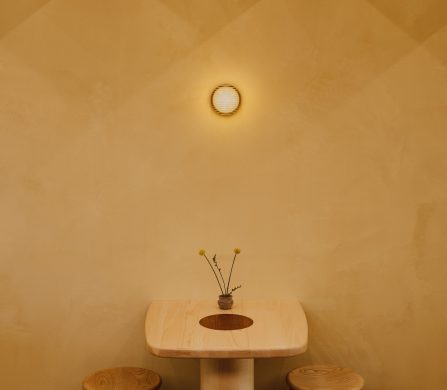
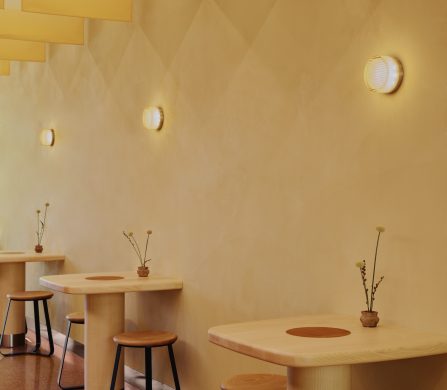
This desire to reframe Japanese culture is at the very heart of OKA’s design. Iriyama was determined to escape the tired visual language often forced upon Japanese restaurants. “I feel deeply grateful that Japanese food culture is so appreciated, yet this interest is often reduced to clichés: sakura blossoms, zen or anime. I wanted to free Japanese food culture from those stereotypes.” In Berlin, a city “open to the new,” OKA’s contemporary space, designed by Brinkworth, proves that modernity can harmonise beautifully with tradition. It’s a space where every member of the all-Japanese team can share the “connection, care and quiet love” inherent in the food, with pride.
Iriyama’s ambition is not for applause, but for a meaningful exchange. Her hope is that guests feel a sense of Japanese hospitality, or as she describes it, “warm but discreet, never intrusive and always attentive.”
photography. courtesy of Robert Rieger
words. Gennaro Costanzo