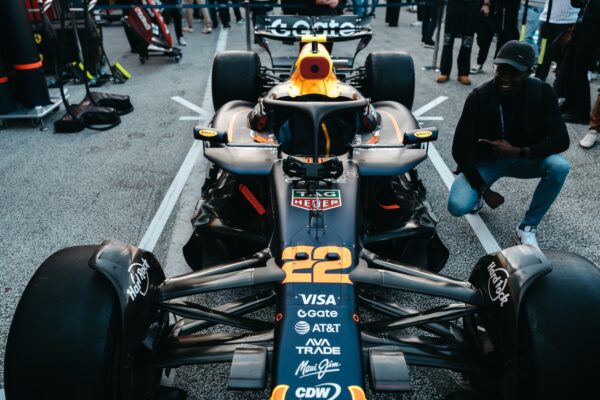


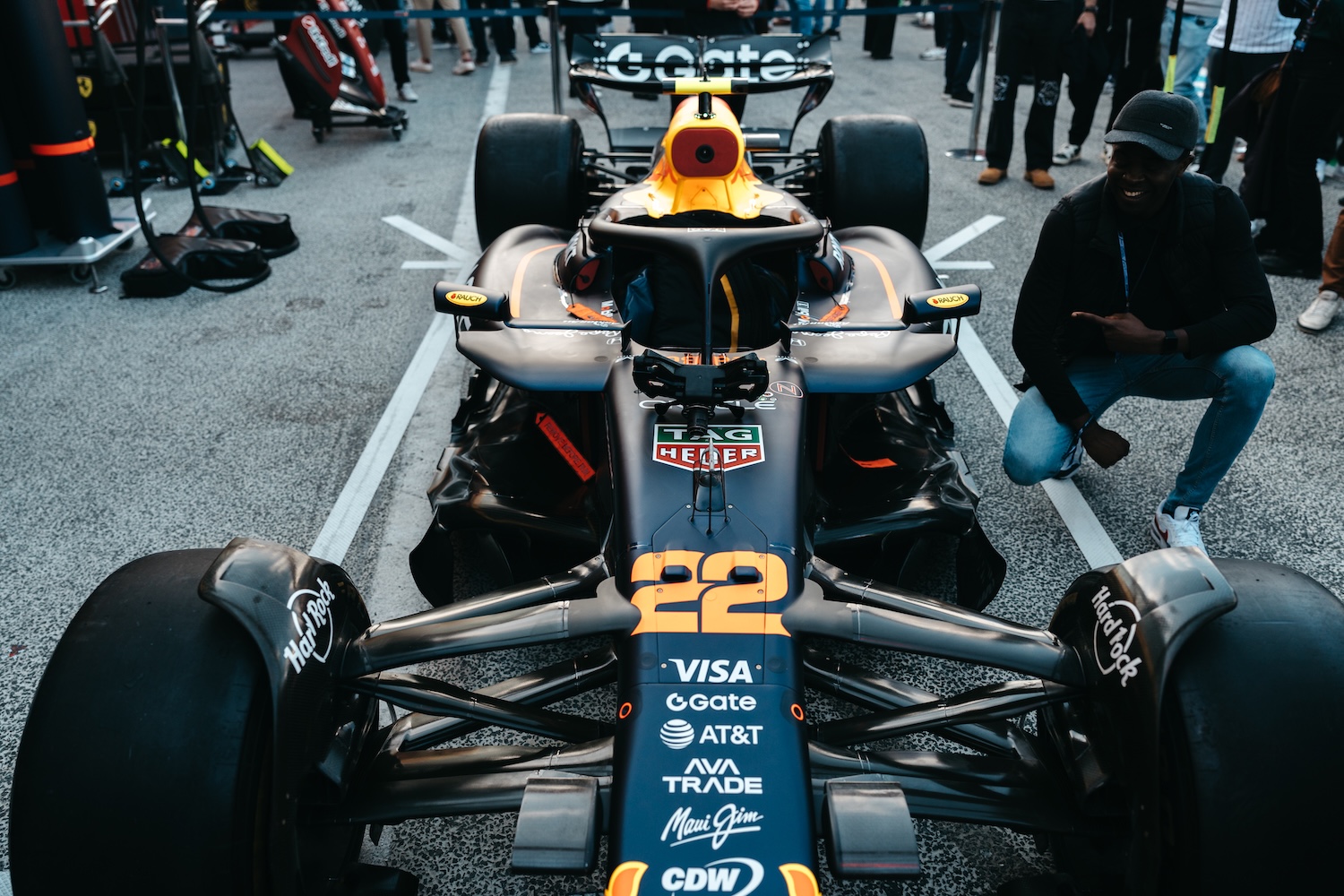
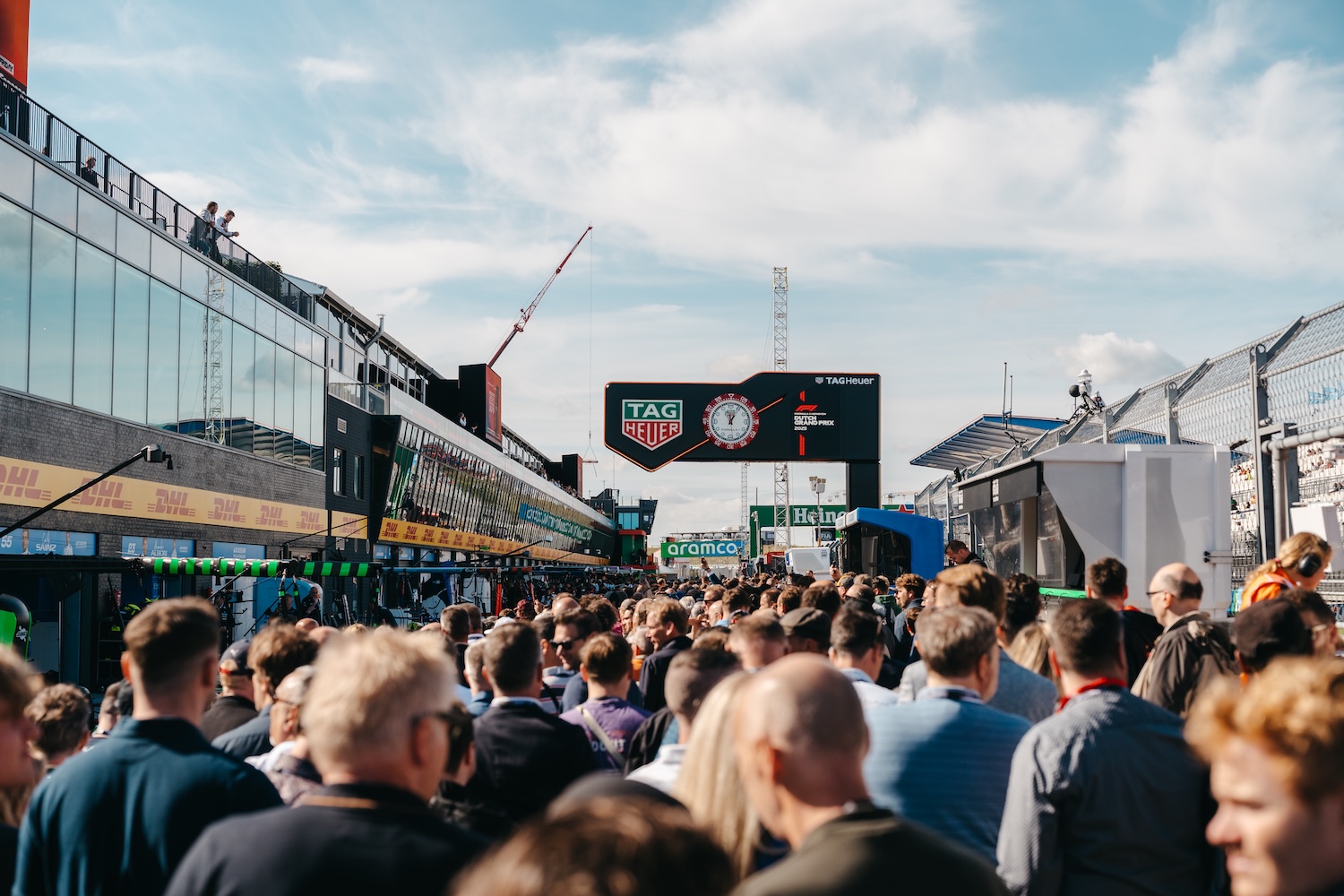
At the intersection of speed, style, and ambition, Aiva Anagnostiadis is redefining what the future of motorsport looks like. As one of the standout talents in the F1 Academy, supported by TagHeuer, the Australian driver is carving her path on some of the world’s most iconic circuits. Racing not only against the clock, but against long-standing conventions in the sport. With a career shaped by resilience, focus, and an unwavering belief in momentum, Anagnostiadis represents a new generation of athletes where performance and presence go hand in hand. Schön! sits down with Aiva at the circuit in Zandvoort to talk racing, representation, and the drive that keeps her pushing forward, both on and off the track.
F1 Academy is fast becoming a proving ground for rising female talent in motorsport. What does being part of this new chapter mean to you personally and professionally?
Personally, it’s an opportunity that truly kept me racing, a dream come true. Without the support of F1 Academy, I probably would have had to step away from the sport. The platform they’ve built, along with the financial backing that allows us to compete, has made a huge difference for all the girls. I genuinely can’t think of anything better that could have happened to me.
Professionally, it has helped me grow my social platforms and gain more recognition. Racing at Formula 1 Grands Prix means important people are watching, and of course, the fan support is incredible, something you wouldn’t normally get in a traditional championship.
And you also get to train with prominent industry leaders.
Exactly. Being linked to an F1 team gives you access to world-class facilities and development programs. Opportunities that drivers usually don’t get at this stage of their careers.
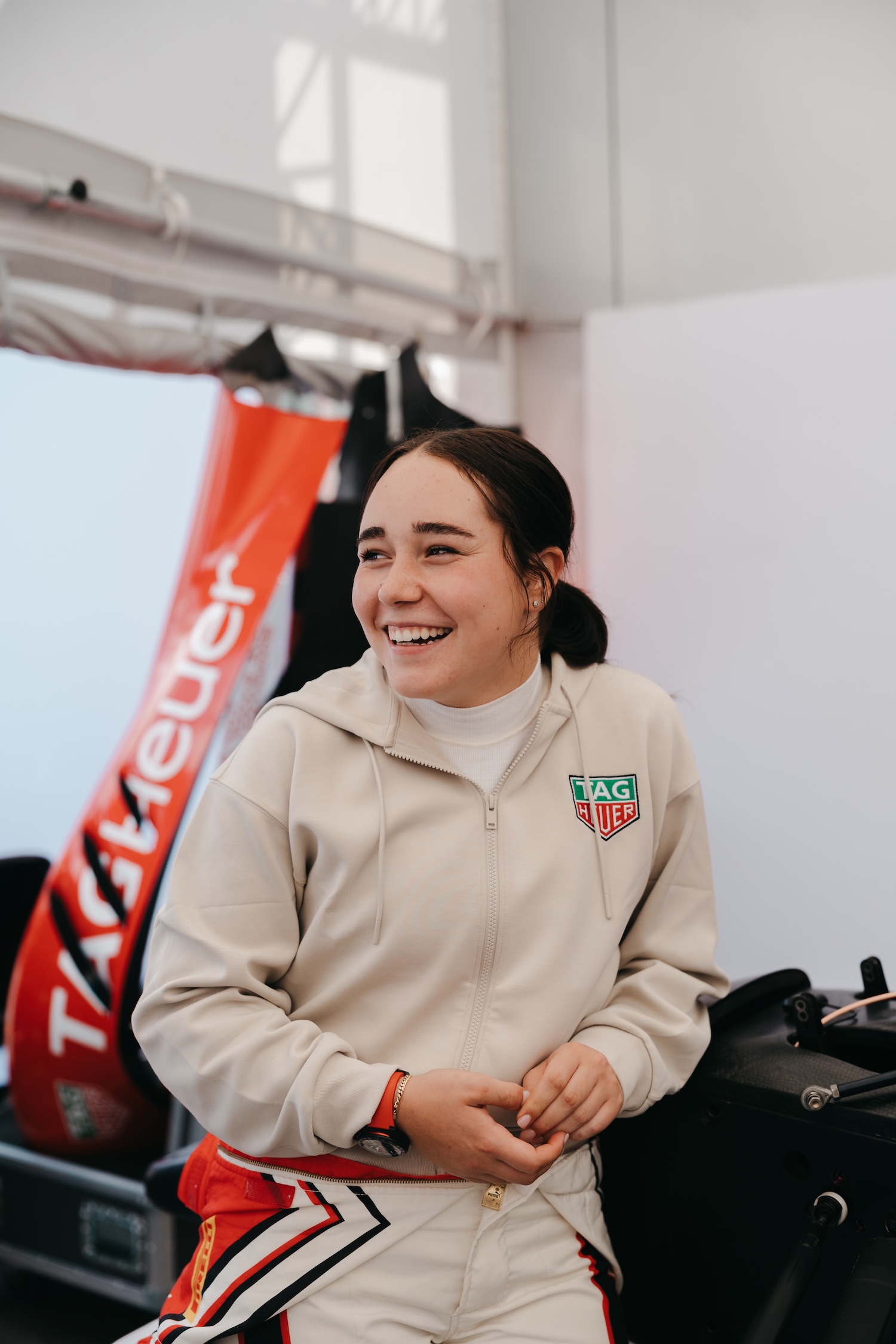
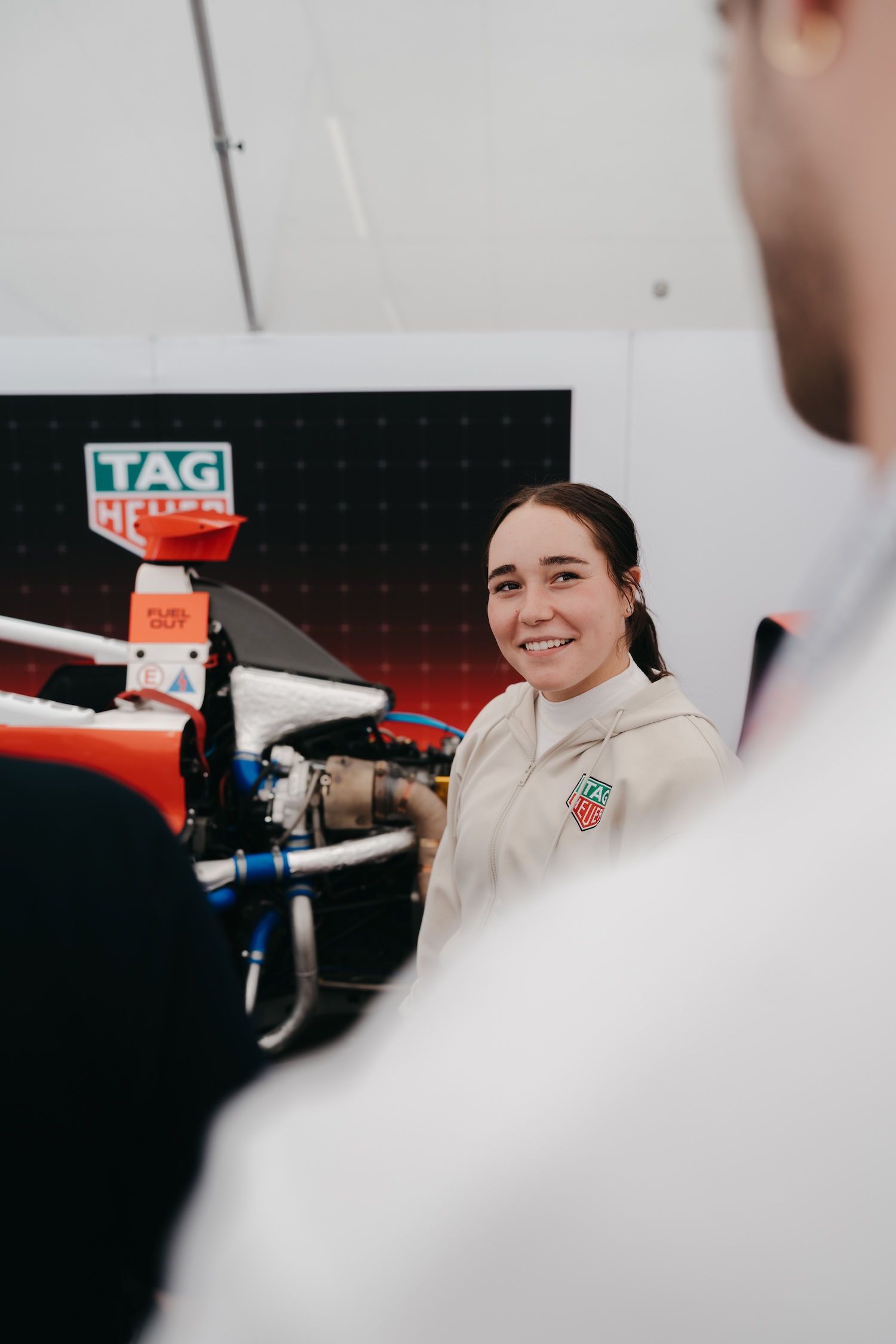
Growing up, did you have any female racing idols? Your mum was a big influence, of course. Or were you too busy becoming one yourself?
I started racing when I was six. My mum raced from the age of 12 to 19, and my dad became a mechanic when he was 15. When my mum stopped racing, it was to focus on raising us.
When I was about five or six, my dad brought my mum’s go-kart back home as a Valentine’s Day gift. I was already dancing at national championships at the time. One day I said, “I want to have a go.” Because I was so young and inexperienced, they planned to limit the kart to 50% speed, but somehow they forgot. I made it through the first corner, but in the second one I ended up in the fence.
I think everyone assumed that would be the end of it. Instead, I told them to fix the kart because I wanted to go again. From that moment on, I never got out of a go-kart.
What’s the biggest misconception about women in motorsport that you’d like to see disappear in your lifetime?
Growing up, I always wanted to race against the boys. When I was younger and saw women only series, I used to say, “I don’t want to do that, I want to race the boys.” But when I transitioned into cars and saw the opportunities created by F1 Academy: the support, resources, and structure. I realised how valuable it was. Racing with women isn’t forever; it’s a two-year pathway that helps you grow as a driver before returning to mixed competition. Hopefully, this opens the door for more women to continue racing and expands what’s possible in the sport.
What do people not know about you as a driver?
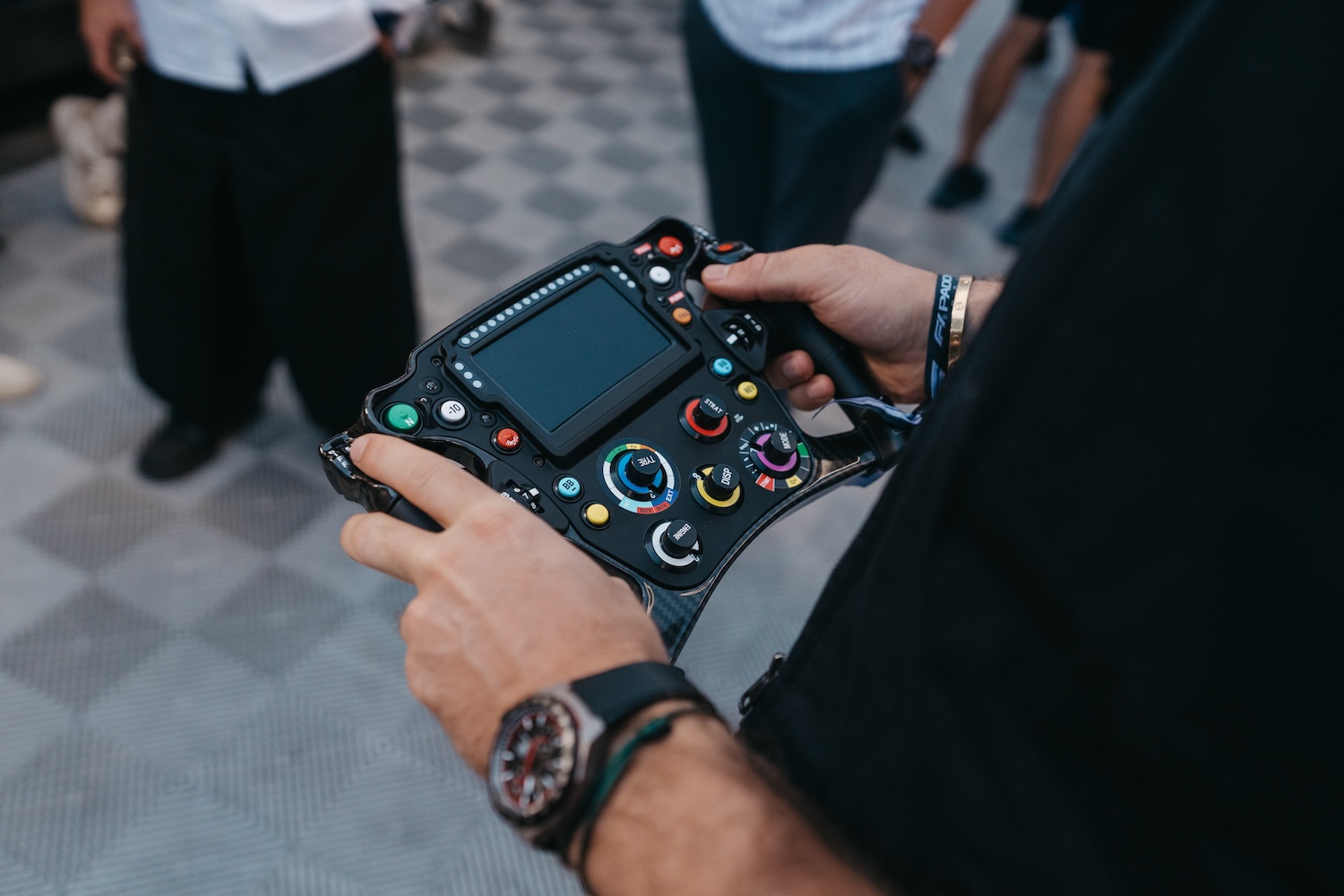
Some people think we’re already racing in Formula 1, or that F1 Academy is the “women’s F1.” In reality, the goal of the Academy is development, growing as quickly as possible, not just as drivers but as people.
We’re trained in social media, fitness, mental coaching. Everything that helps us survive and progress in motorsport with the ultimate goal of reaching Formula 1.
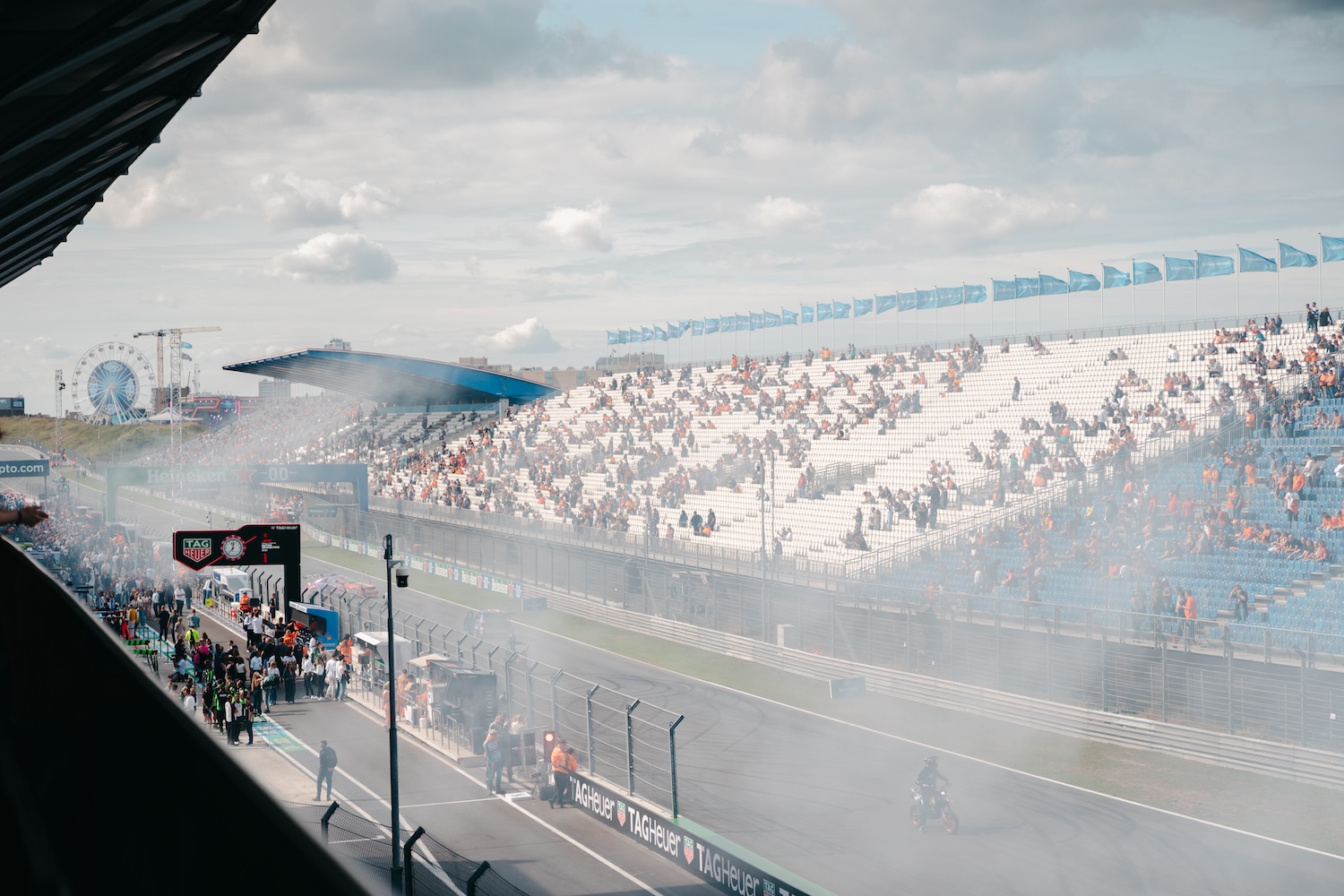
So after the Academy, what’s the pathway forward?
If you win the championship, you receive a fully funded seat in Formula 3. From there, the pathway continues to Formula 2 and eventually Formula 1.
Is there a particular ritual or habit that gets you into “race mode”? Something fans would be surprised to hear?
I put my headphones on full volume and listen to techno music while warming up. It’s loud and intense, it drills into my head, but people usually think I’m very calm. It actually helps me switch into full focus mode.
Nutrition, mental prep, or physical training. What part of raceweekend preparation gives you the edge?
Honestly, every part matters. The more effort you put in, the more you get out. In this sport, I truly believe the person who wants it the most gets the best results. That’s something I learned growing up: to keep grinding, absorb every piece of information, and use it to your advantage.
 What role do you see for yourself as a young female driver paving the way for others?
When I joined the Academy, I didn’t realise the impact it would have. It wasn’t until I returned to Australia and saw so many young girls coming up to me, asking for photos, that it really hit me.
It’s amazing. I never expected to be seen as a role model. I always tell them to keep doing what they love and never give up.
What’s your personal goal for the rest of the season, on track and off?
On track, my goal is to consistently finish in the top 10. It’s challenging, but we’re progressing and working towards scoring points for the rest of the season.
Off track, I want to get as fit as possible so I’m ready for any opportunity that comes my way.
Find out more here.
photography. courtesy of TagHeuer
words. Dave Lantinga