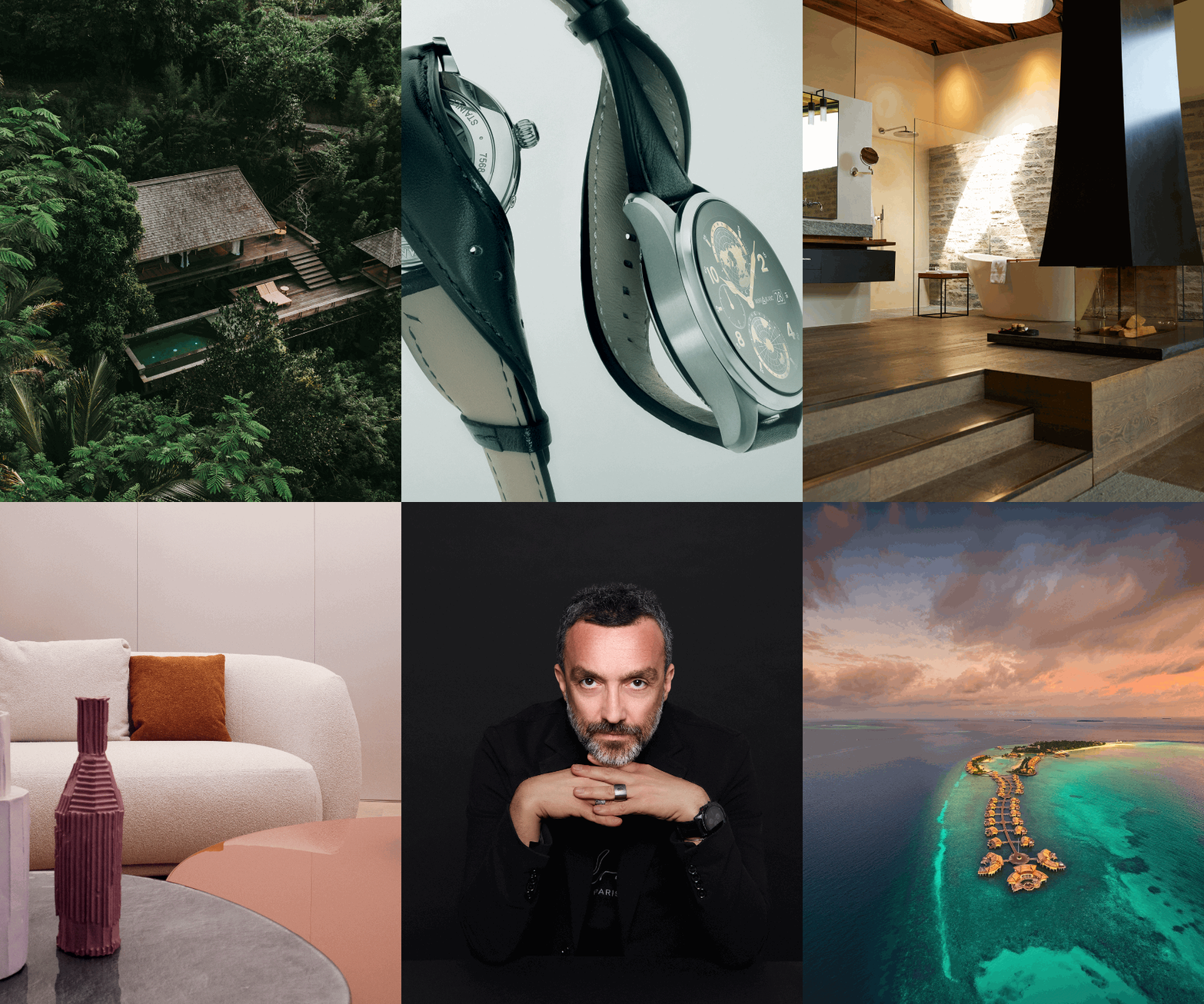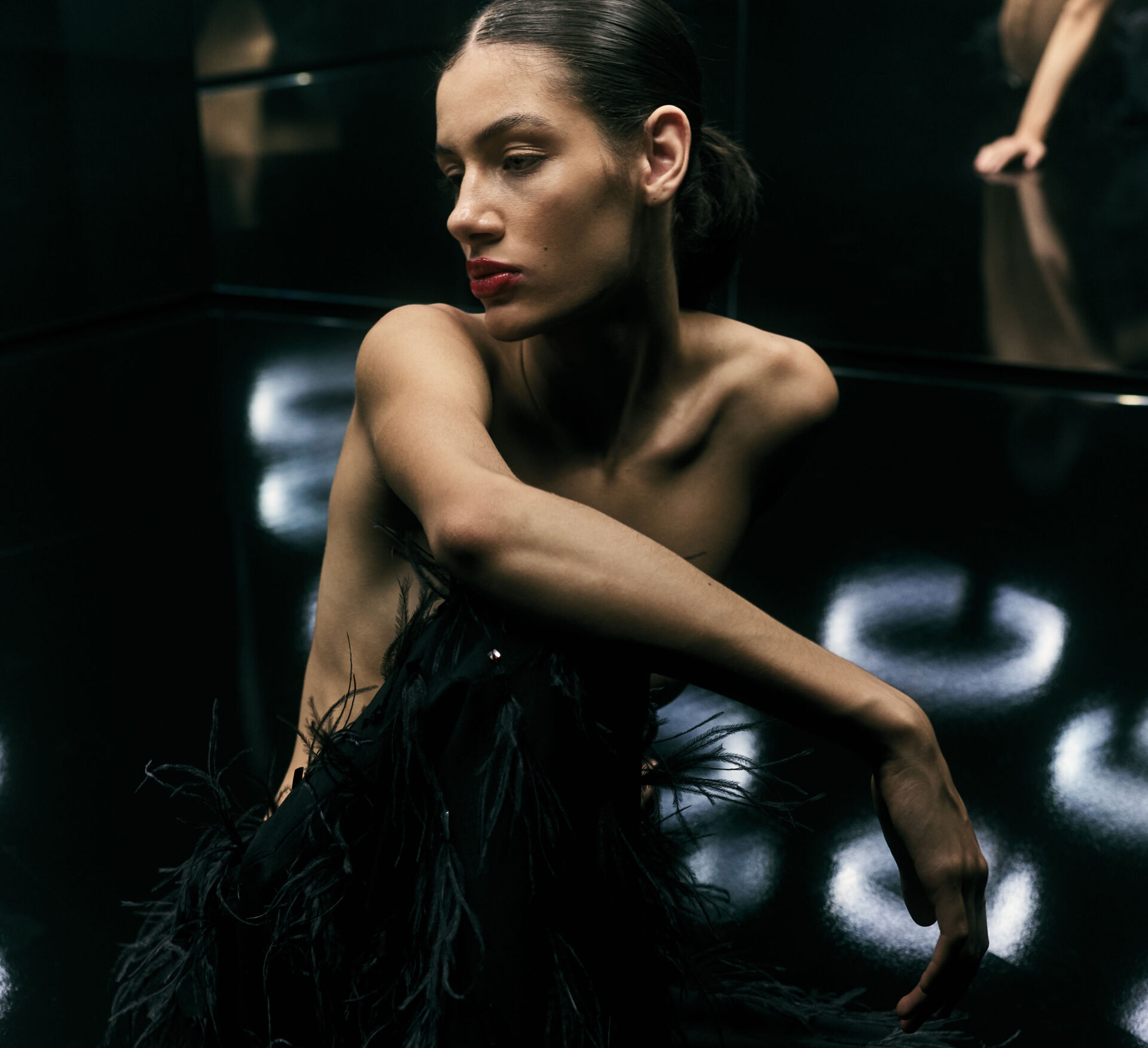


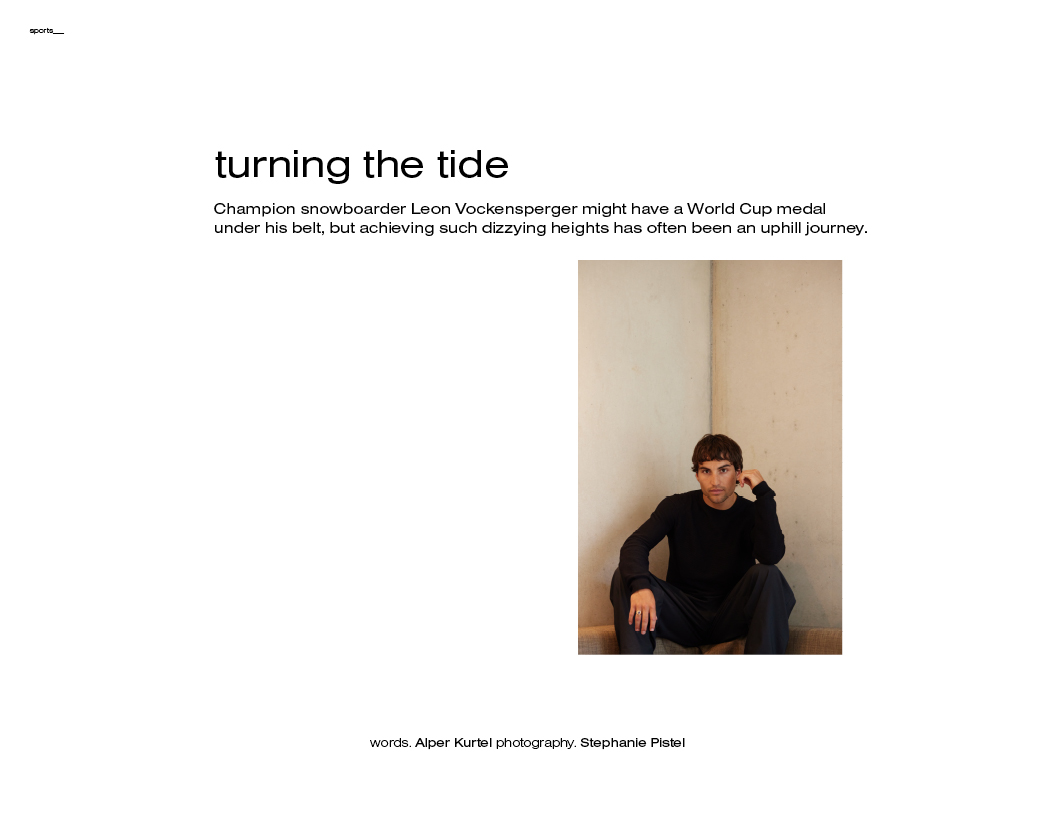
Leon Vockensperger
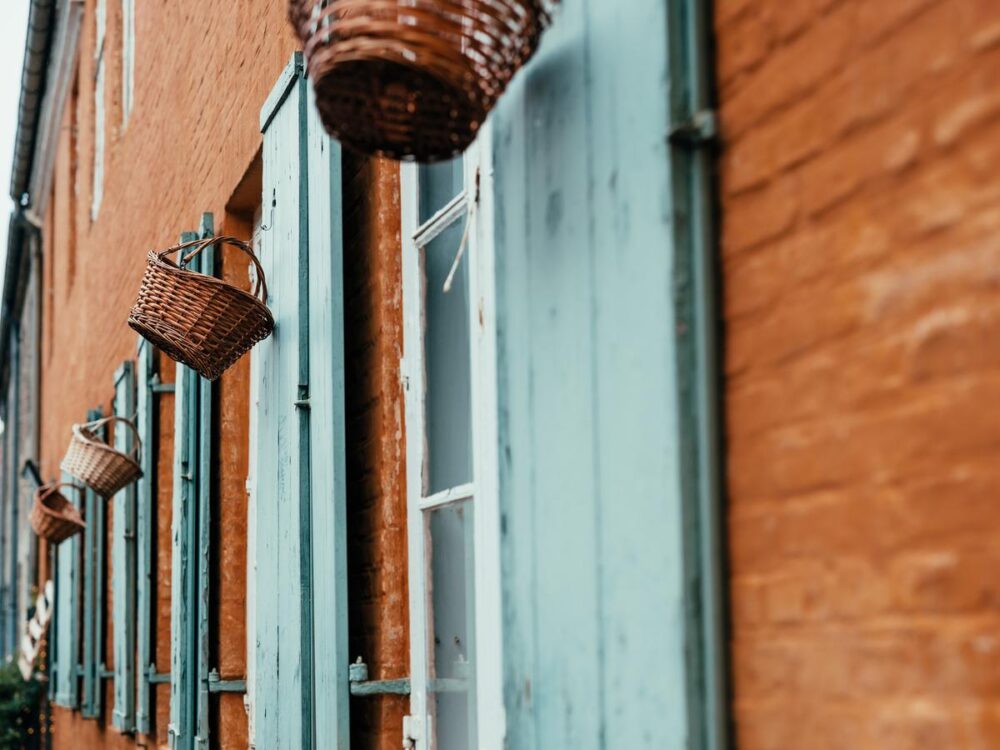
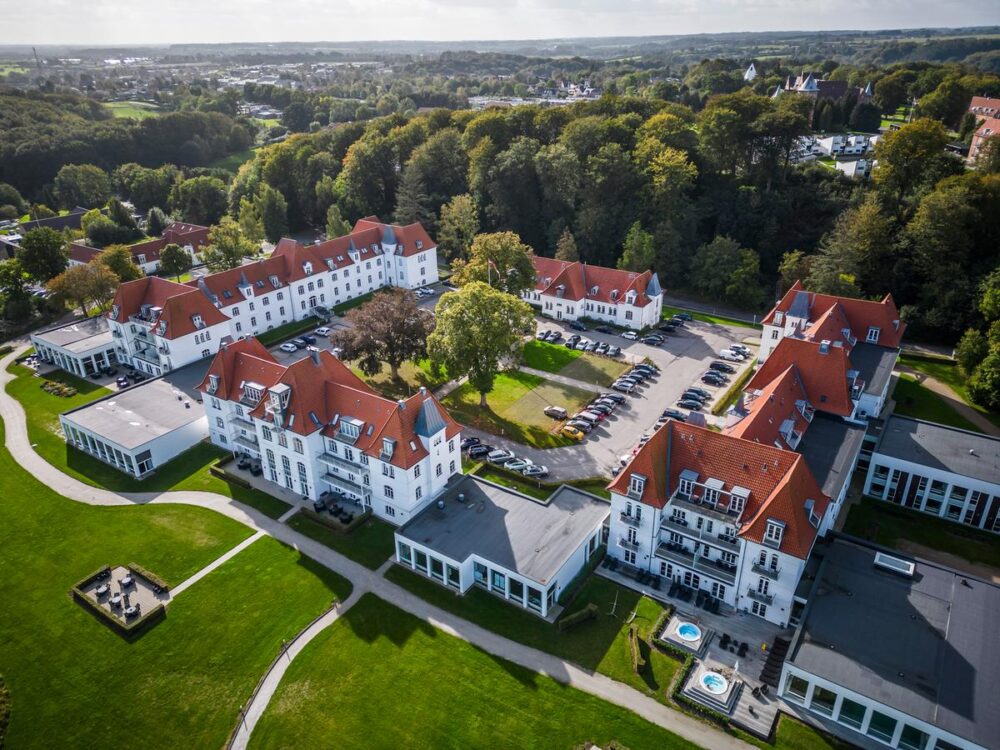
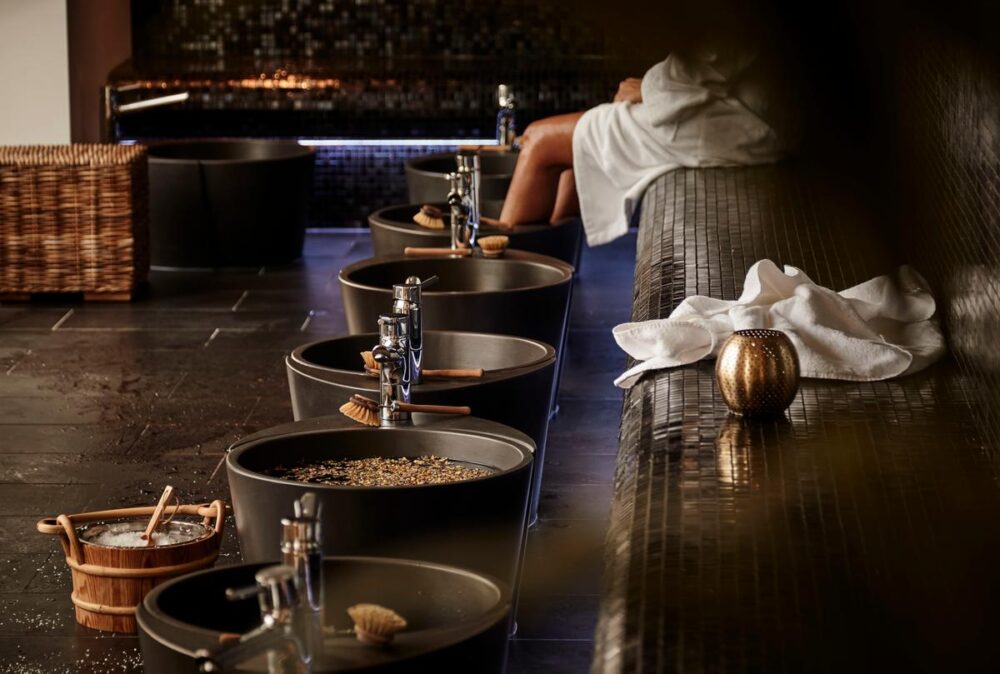
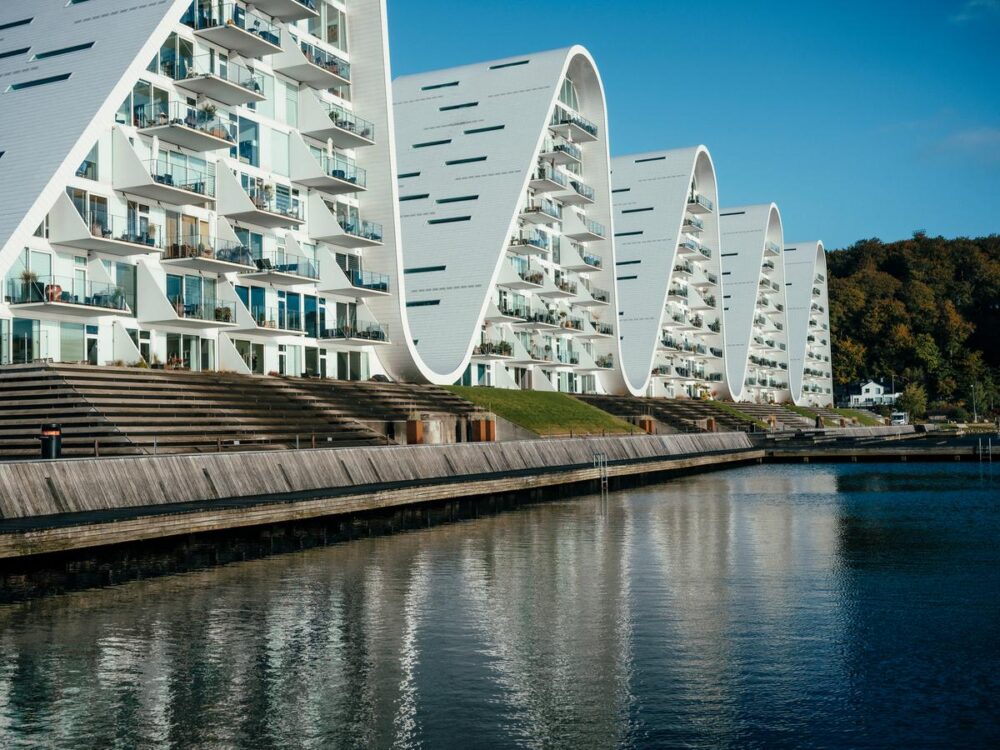
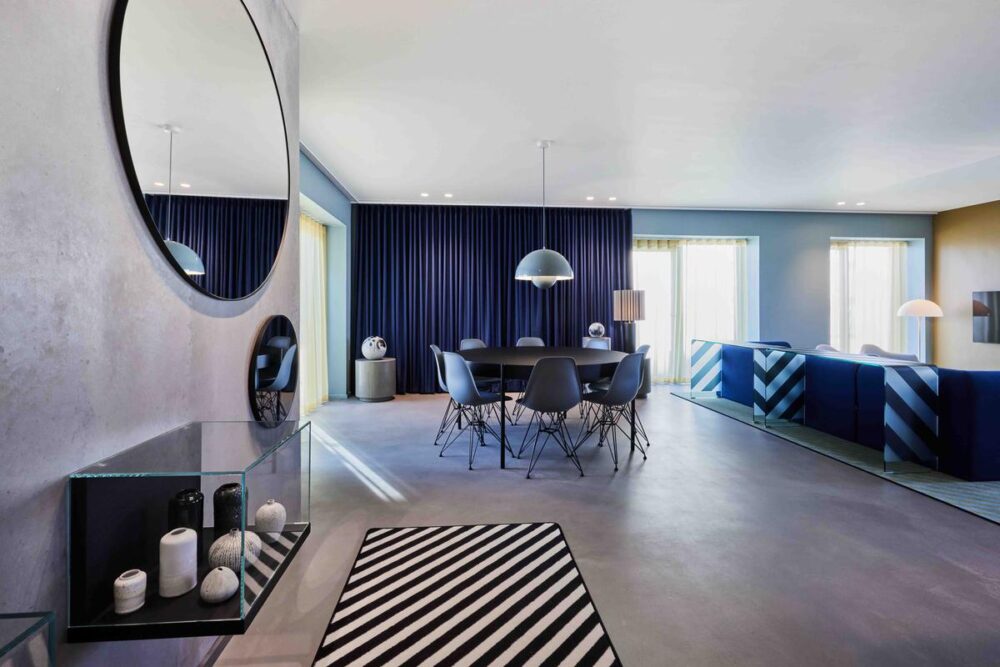
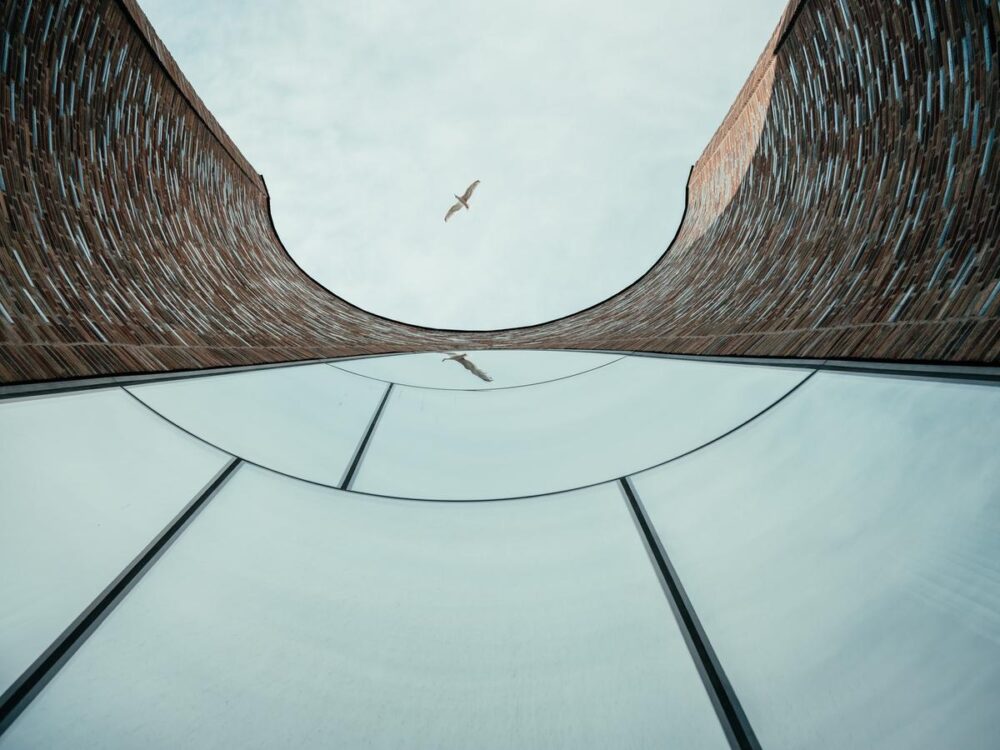
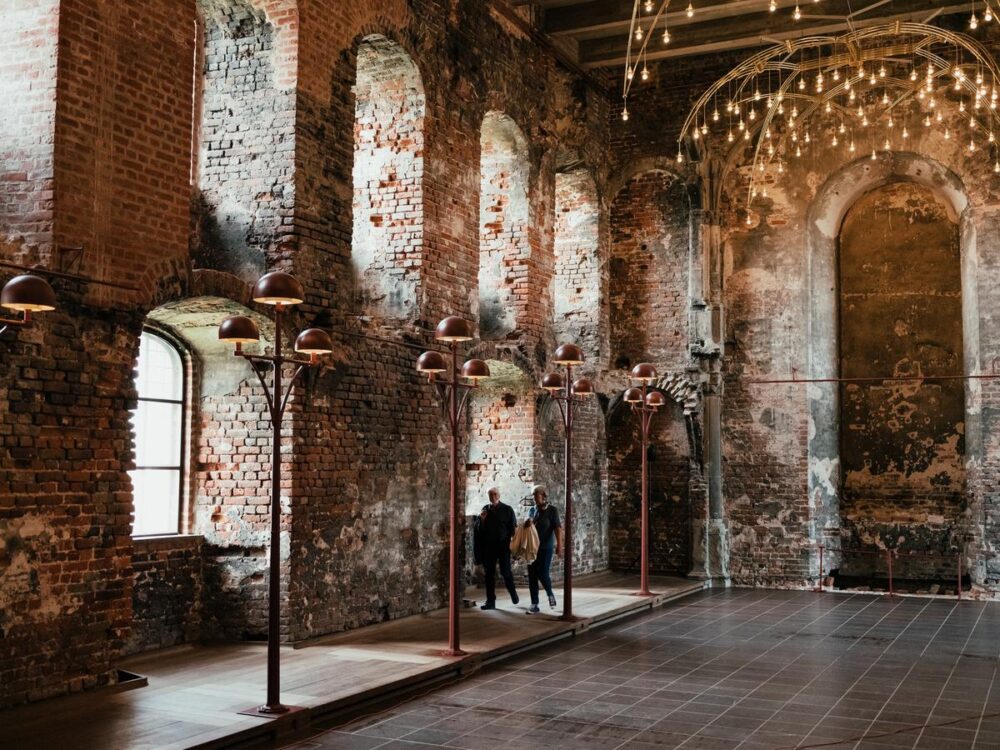
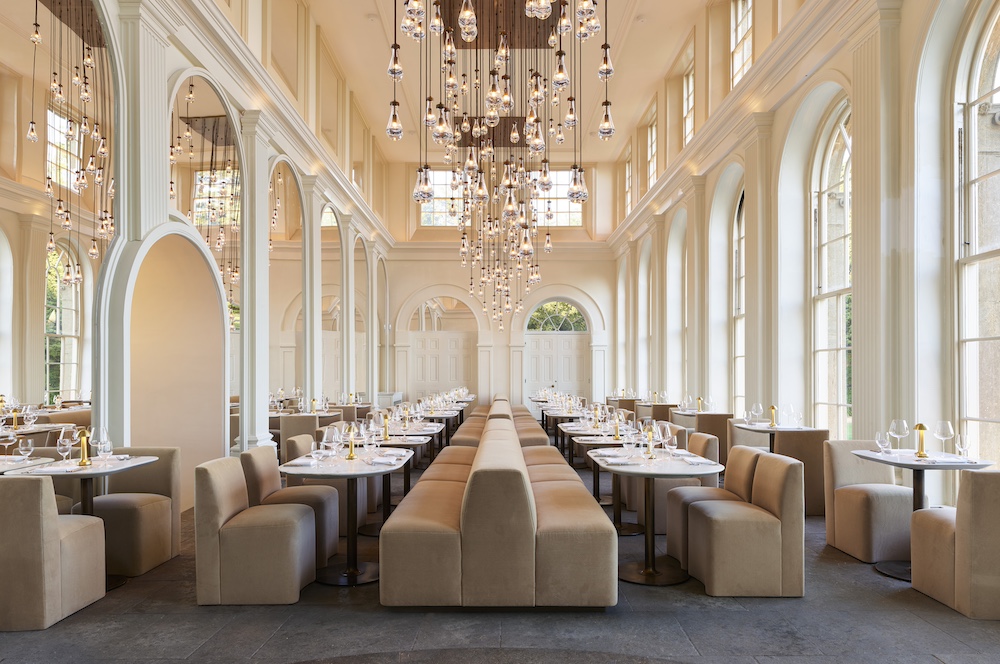
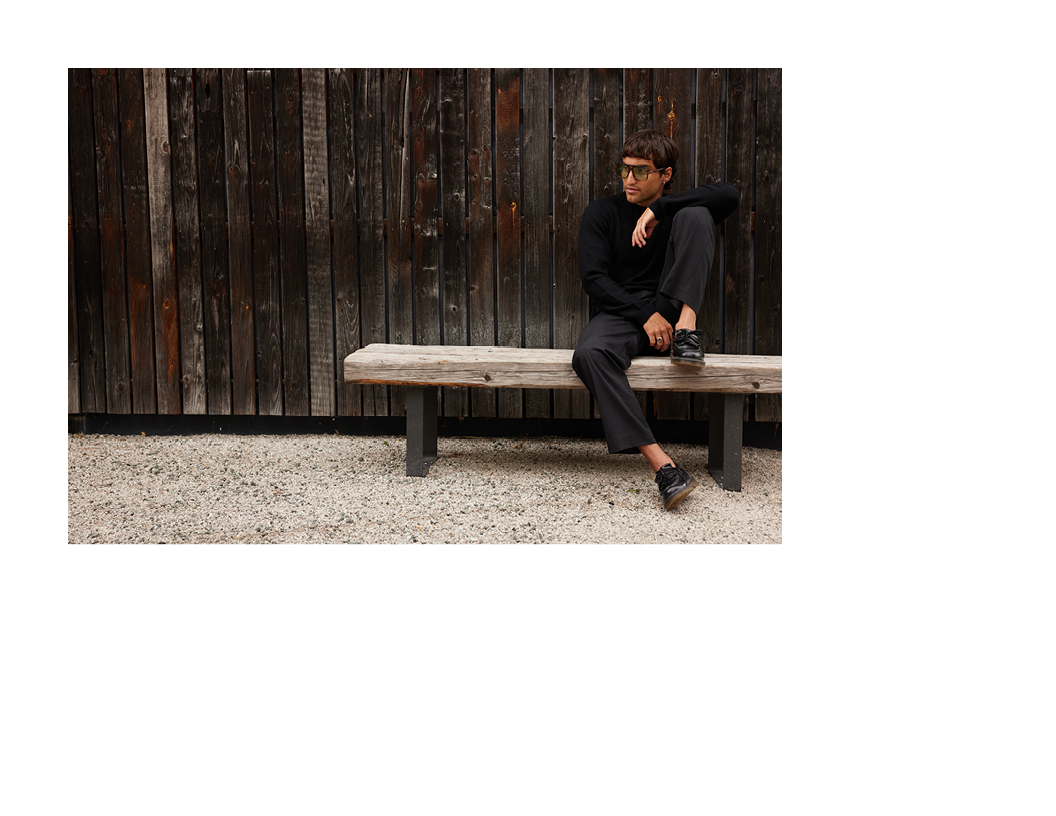
shot at design hotel WIESERGUT
wearing thoughout full looks by AlphaTauri
alphatauri.com
How early in life can a dream inspire someone to take action? Leon Vockensperger’s story is not just a tale of success set against snowy slopes; it is the journey of a child who learned to dream at a young age and kept moving forward without looking back, even when told it was “too late”. The 25-year-old German athlete tells Schön! alive how failure can turn to motivation and how an injury can be used for the greater good.
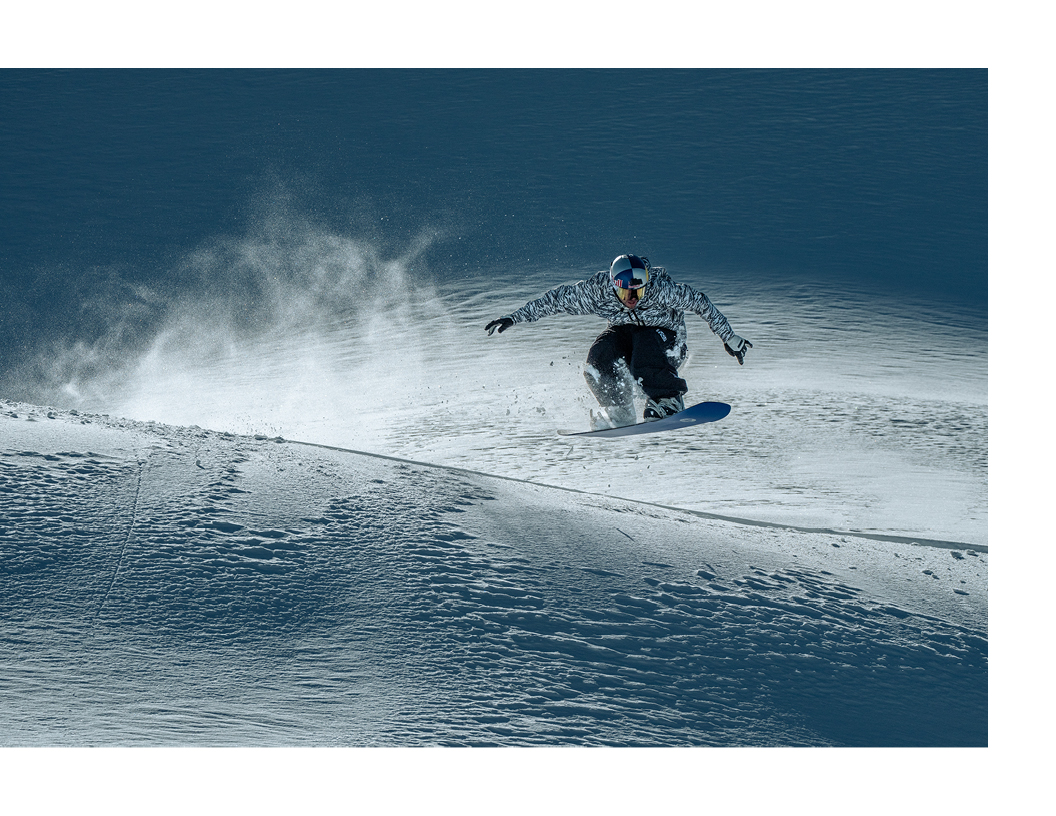
Leon Vockensperger performs at the Red Bull Snow
Backcountry Camp in Revelstoke, BC Canada, 2024.
photography. Chad Chomlack – Red Bull Content Pool
When did you start snowboarding and when did it turn into something more serious for you?
I used to think I started snowboarding at three, but recently my dad showed me photos and said I was actually two. I had no idea. It’s funny how early things begin without us realising. It started to feel serious at seven when I got my first gear from a sponsor, but everything changed when I was 13 and heard about a sports boarding school. Until then, I was on my own, struggling with school and lacking direction.
Seeing a path to becoming a professional gave me purpose; I worked hard to improve my grades and applied, but I got rejected at first. One coach said I was too old and not good enough. That was hard to hear. But another coach believed in my effort, and gave me a one-year trial. I trained harder than ever. We did not have much money, so my dad and I would ride in the morning and sell the pass after. That taught me resilience. I stayed focused and found my way.
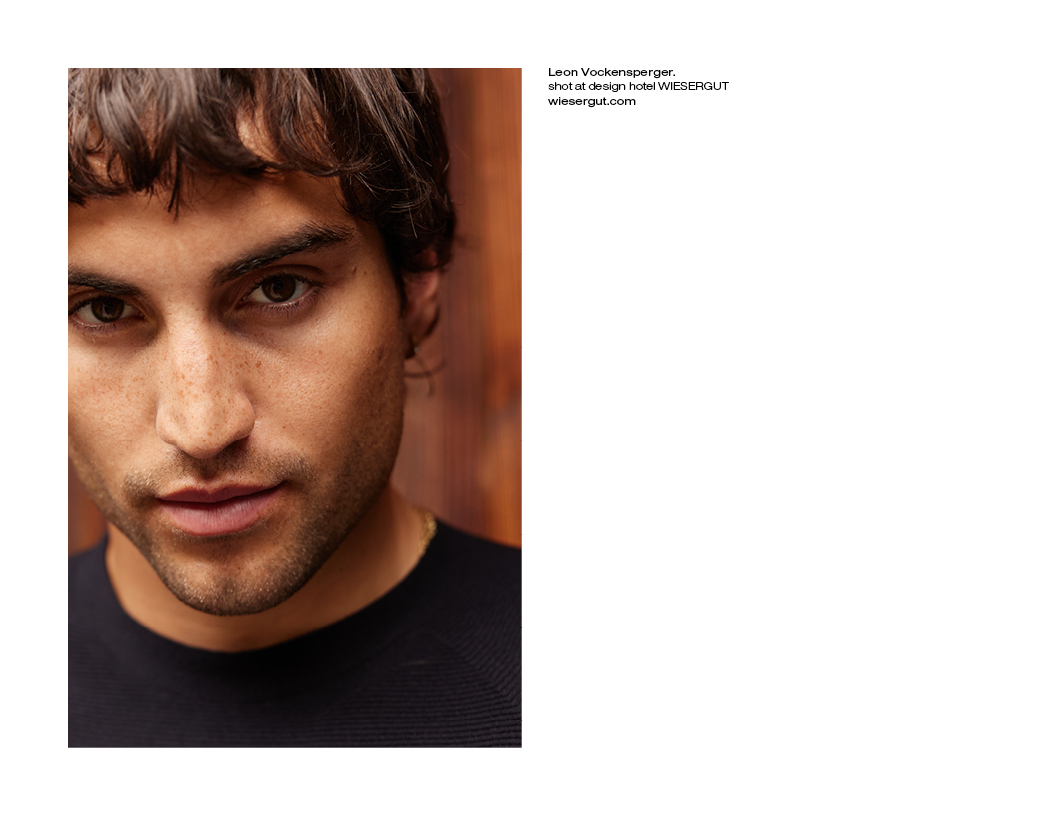
Leon Vockensperger.
shot at design hotel WIESERGUT
wiesergut.com
Can you recall a memory or environment from your childhood that still echoes in who you are today?
There are so many memories that stick with me. My mum always told me, “You can be whoever you want to be, as long as you’re not hurting anyone. Wear what you want, act how you want, express yourself fully. And if someone can’t handle your light, don’t dim it.” My dad taught me about values. We didn’t have a lot, but we spent our money on the right things: experiences. We didn’t eat out, but we travelled.
I celebrated my third, fourth, and fifth birthdays in Bali. That was long before Bali became what it is today. When I went back at 16, it was a completely different place. Being able to witness that kind of change opened my eyes. It taught me to dream big, to take risks, to try – whether that’s taking a trip, launching a project or trying a trick. You just have to give it a shot. You only miss the shots you don’t take.
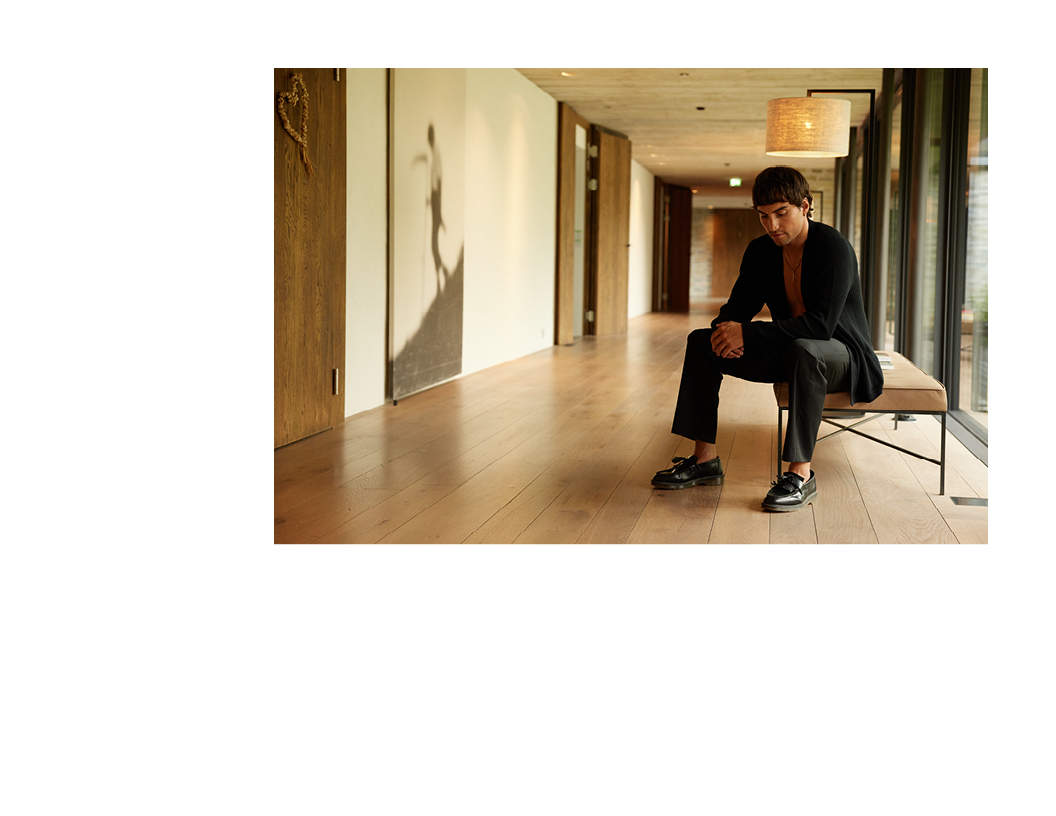
When you are not performing or competing, who are you at your core and how do you stay connected to that version of yourself?
That is an important question. As an athlete, it is easy to confuse what you do with who you are. Success and praise can blur the line. My dad used to tell me, even when I was just starting and not very good, “When you look in the mirror, you need to see Leon, not the snowboarder. Never lose Leon.” I did not fully understand it then, but now I do.
To stay connected to that part of myself, I focus on routine. I spend time with family and loved ones. Meditation helps; structure helps. These things keep me grounded, but the most important part is being honest with myself. I ask why I am doing something. Is it ego, fear or something real? Is it okay to act from ego if you are aware of it? The danger is in self-deception. That is when you drift. For me, staying true means checking in. Those quiet moments help me return to who I really am.
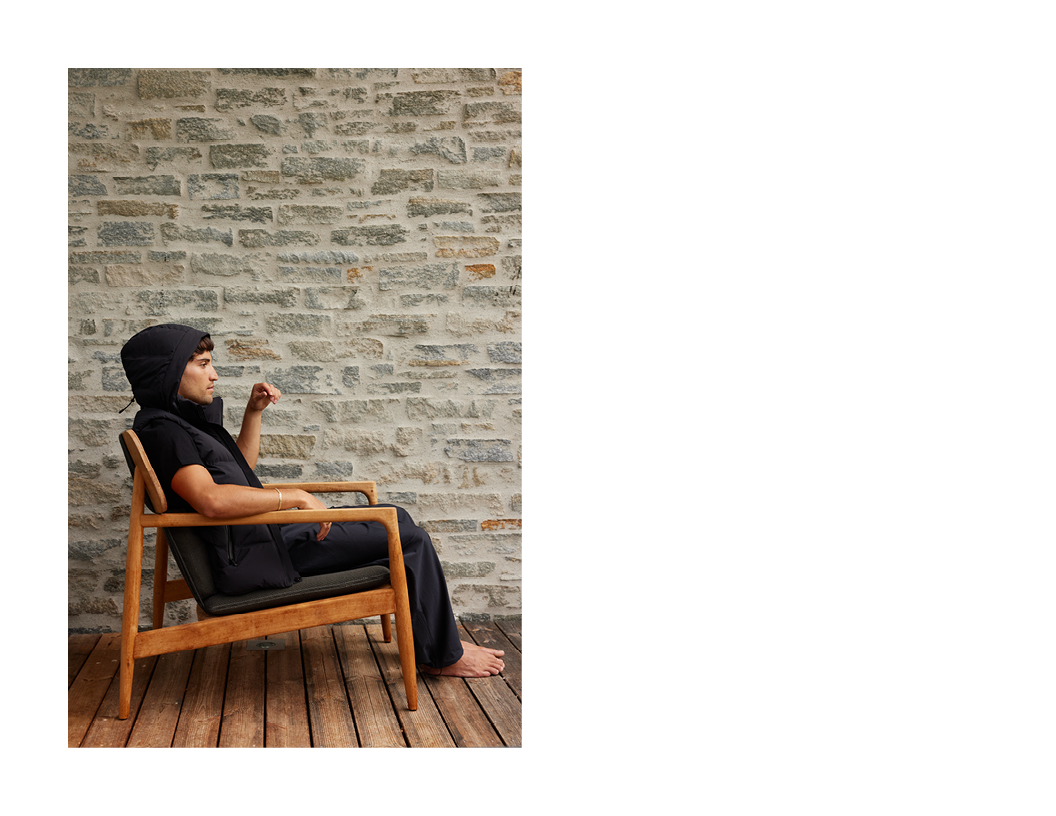
What do you rely on more, mental strength or physical strength, and how do you train each?
Like many athletes, I focused more on physical training because it is the visible part but, over time, I realised how much performance depends on the mind. When I heard that success is often 80% mental and only 20% physical, it really stayed with me. I had been training the opposite way. I started working on my mindset with the help of professionals, and it changed everything because, if your mind is not right, it does not matter how strong you are; you will not perform.
Resilience came through experience. I have faced injuries and difficult moments. With my last injury, there were days I truly wondered if I could keep going, but I told myself to take it one day at a time. Slowly, the weight lifted. A bit of light came in, and I moved forward. Now I see those moments as a test, like life asking if you are really ready for what you want.
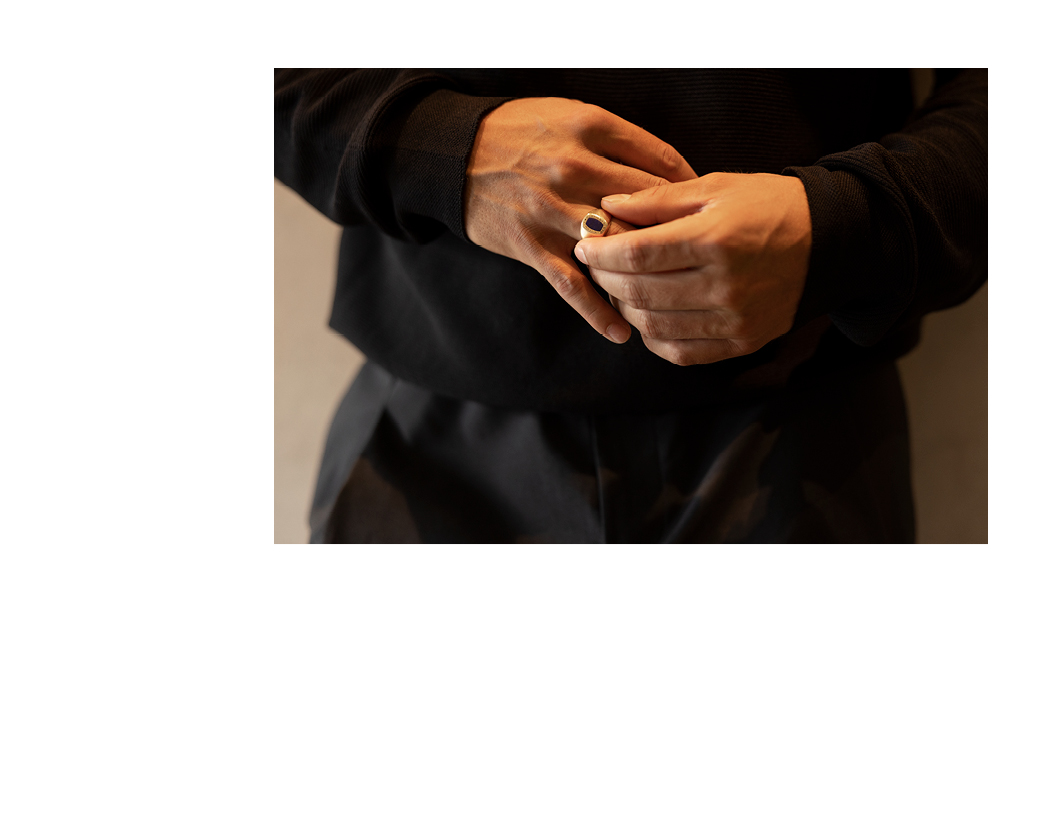
Can you share a moment when failure opened a path that success could not?
Definitely. When I didn’t get accepted onto the team at 13 – hearing I wasn’t good enough, that it was too late – that crushed me, but I didn’t accept it. I kept going, kept trying, found new ways. That failure pushed me to work harder than everyone else, and it worked. It took time, but then everything happened fast: boom, boom, boom! Suddenly, I had made it. I reached the top and won a World Cup. That rejection, which looked like a failure, actually helped me more than any early success ever could have.
What keeps you going beyond visibility, trophies or recognition?
It’s about proving to little Leon that his dream was possible, reaching the heights I imagined as a kid. It was never about money or fame. Of course, earning well from snowboarding felt great at first, but if you cannot feel good without external success, you will never find real happiness. I have seen it in others too: that drive to keep pushing, to never settle. It can lead to amazing things but also to burnout. The real challenge is knowing when to pause and recognise that you are already living the dream; to be present, to enjoy your family and your life, because if you do not, you risk missing what truly matters.
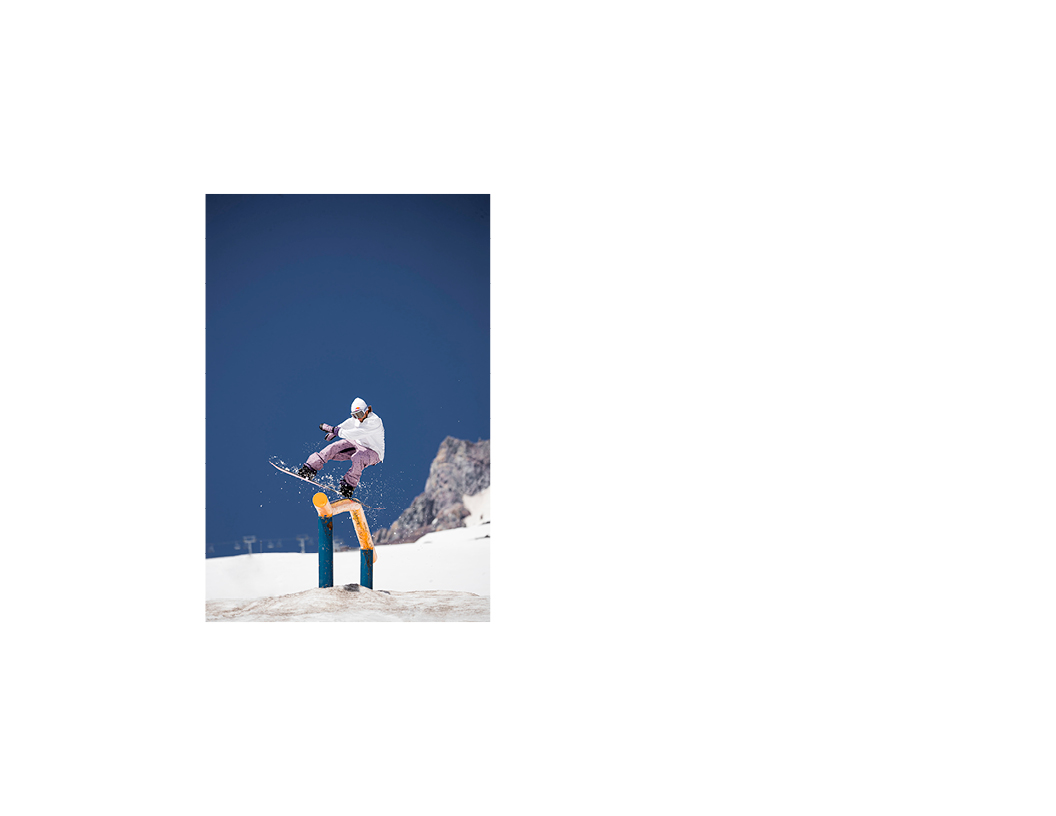
Leon Vockensperger hits the rail
at Timberline Lodge, 2022.
photography. Emily Tidwell – Red Bull Content Pool
Where do you find art in sport? Do you see yourself as a kind of creator when you move?
I love art. It lets me express what I cannot always put into words, and that is exactly what snowboarding does for me. It feels like poetry in motion. The way you move and ride reflects your inner state. If I am not feeling great, it shows. Snowboarding is emotional and expressive. It is my way of creating and releasing what I feel. I also paint. I am not a great painter, but it gives me an outlet, just like fashion or any creative process that stimulates my mind. Whether it is an outfit, a painting or a snowboard trick, it helps me communicate in ways that words often cannot.
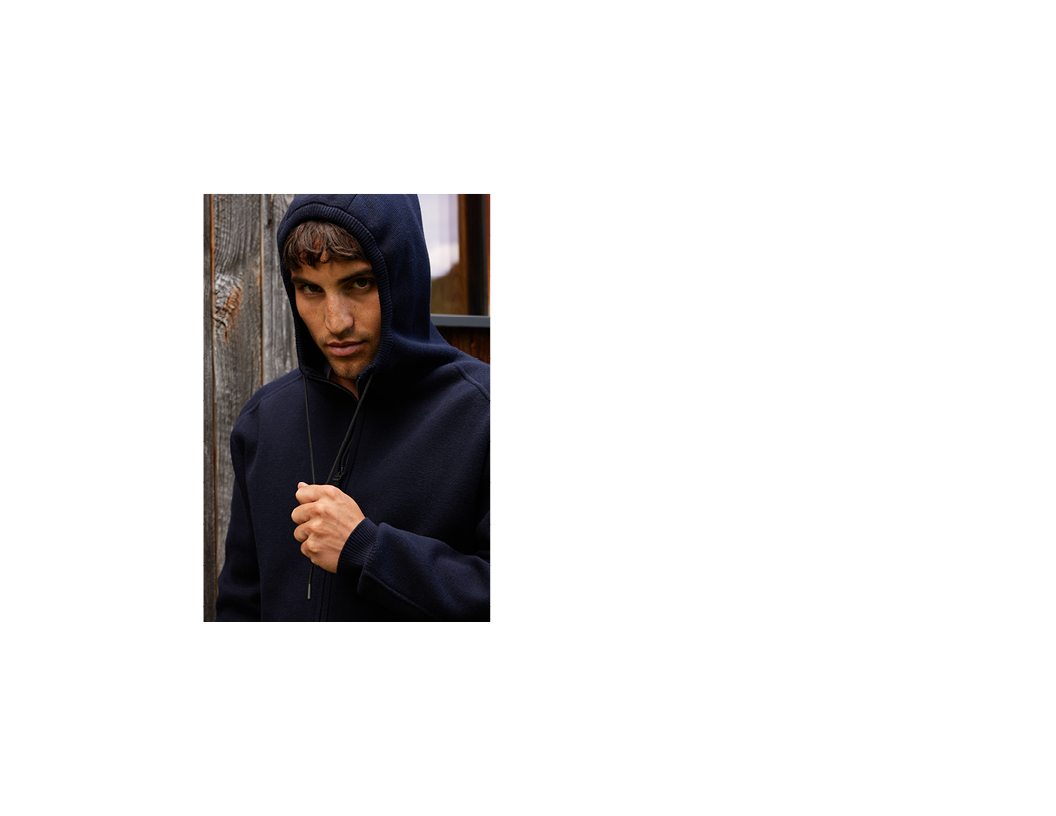
Talking about style – not just what you wear but what it says – what does wearing AlphaTauri mean to you on a personal level, beyond performance?
AlphaTauri is a great fit for me because it connects sport and fashion, which reflects who I am. As a snowboarder, it is not considered typical to care about modelling or clothes. I have been questioned for it, but I genuinely love fashion. I love beautiful things and people who express themselves through style. If I see someone with a great outfit, I ask them where they got it.
Aesthetics matter to me. AlphaTauri allows me to show that side of myself. I can wear one of their jackets to train, to a meeting or even on a bike ride. It works everywhere and looks right in every setting. It proves that performance and style can go hand in hand. For me, it is the perfect way to show that sport and fashion are not separate – they belong together.
What’s the dream you hold close that feels too big to say out loud?
I have many dreams outside of snowboarding. I think it is beautiful to have different passions. One of my biggest goals is to build a company that truly helps people. It is not connected to being an athlete, but I find entrepreneurship exciting. Like sport, it takes vision and effort, and it can create real impact. That dream feels distant, but others feel closer. I want a family. I want a house with space and a garden where the kids can play. I could talk about dreams forever. Some days I believe in them fully, other days I doubt it all, but I keep dreaming. It keeps me going.
You recently had an accident involving your eye. Is everything okay now?
Yes, my eye is okay now. But at first, it was frightening. I woke up and could not see. I thought I had lost my eye. It was a dark moment, but it taught me something important: we take so much for granted, like seeing colour or the faces of people we love. I usually never post about injuries. Some people do, and I respect that, but it does not sit right with me; even if people mean well, it does not help me. This time, I asked myself how to turn the attention into something meaningful. So I partnered with a charity that helps children regain their sight through surgery. That gave the experience purpose. No, my eye will never be 100% again, but I can see. I can see colour. I can see the people I love. And that means everything.
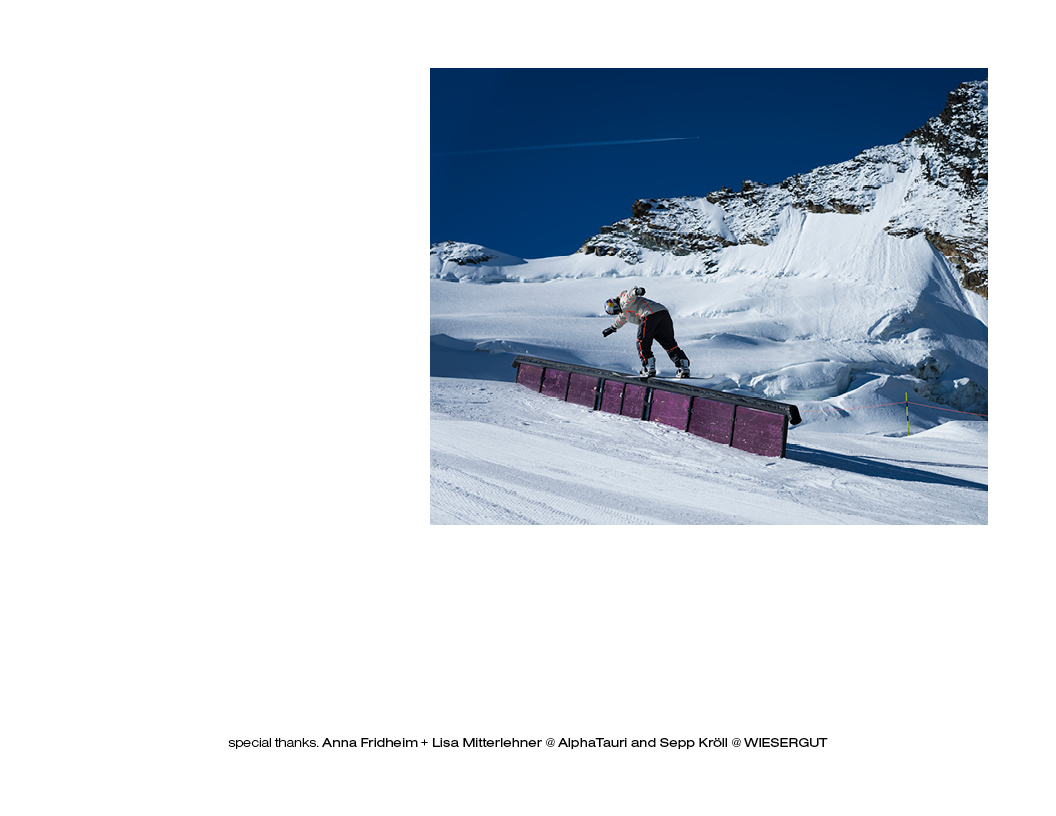
Leon Vockensperger performs
at the Red Bull Performance Camp in Saas Fee, Switzerland 2021
photography. Lorenz Richard – Red Bull Content Pool
Get your print copy of Schön! alive at Amazon.
Download your eBook.
words. Alper Kurtel
photography. Stephanie Pistel
special thanks. Anna Fridheim + Lisa Mitterlehner @ AlphaTauri and Sepp Kröll @ WIESERGUT