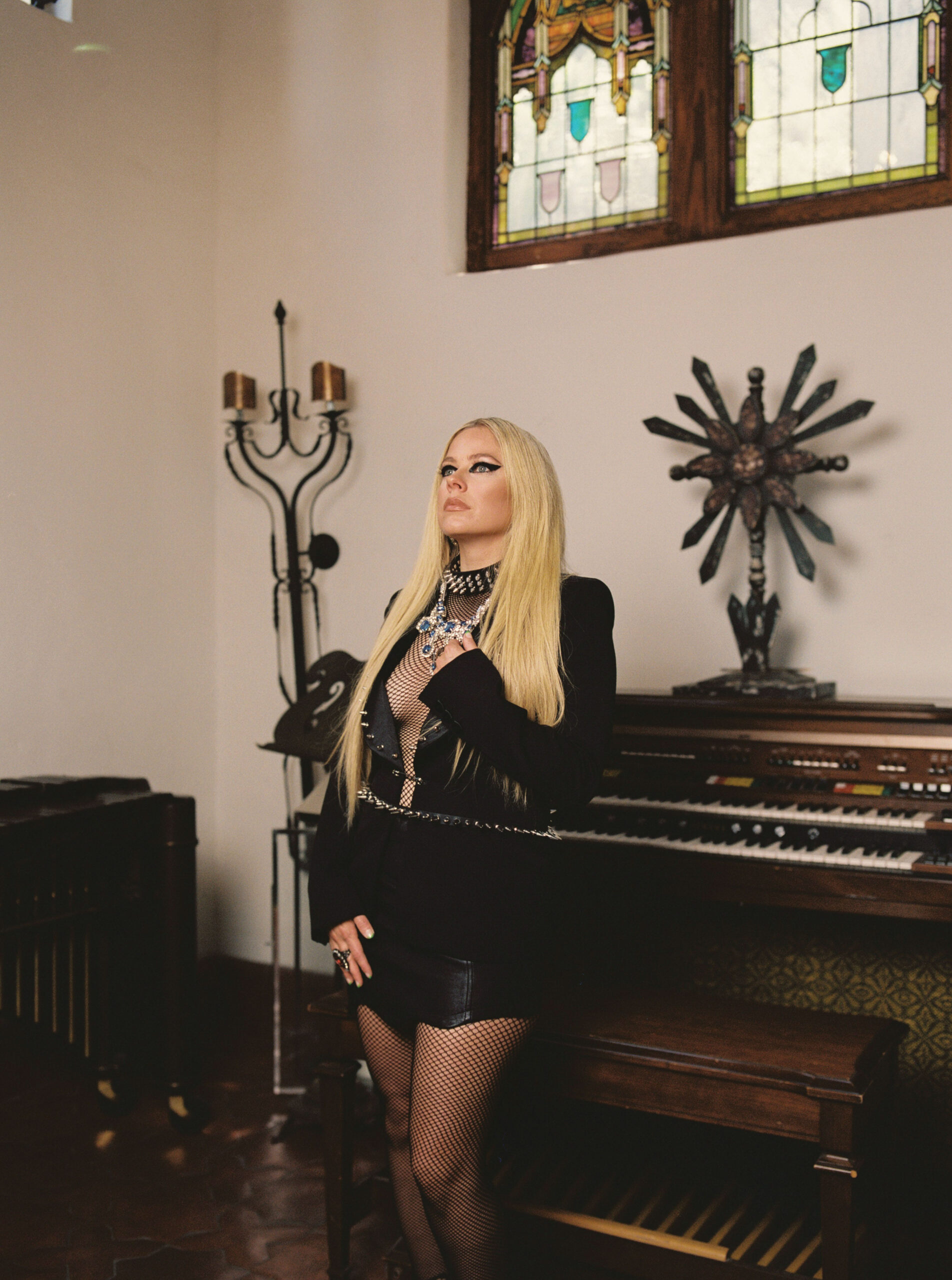
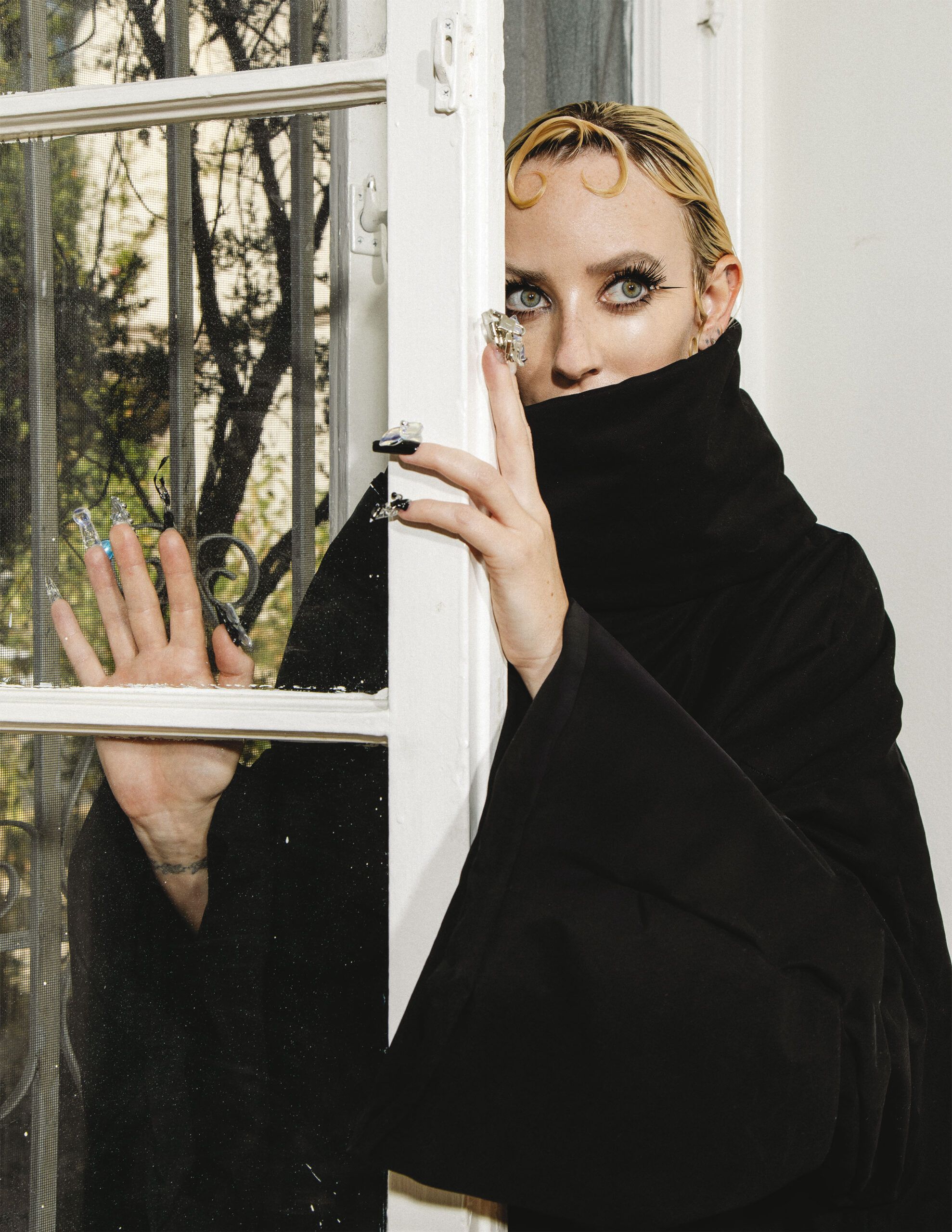
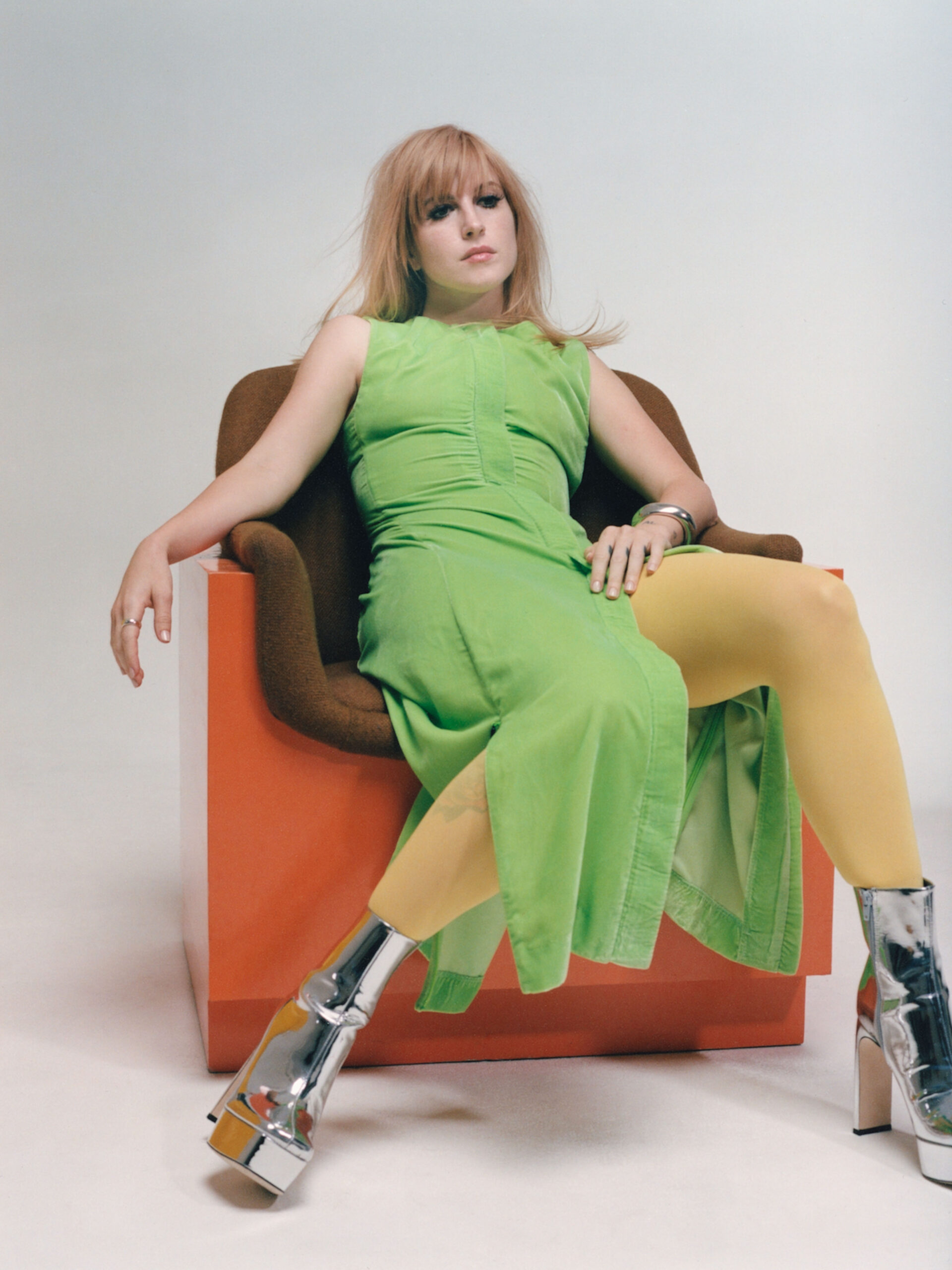
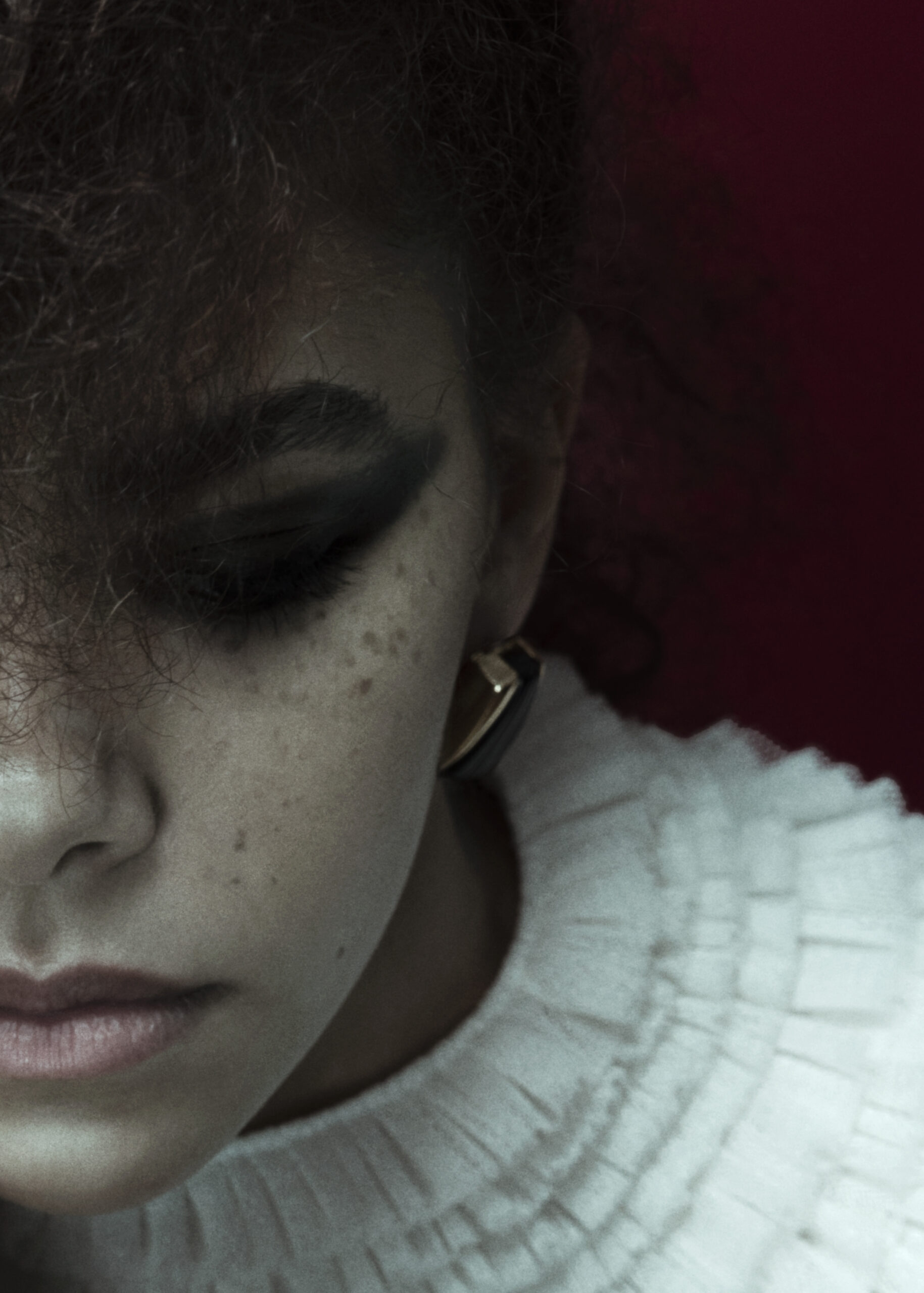
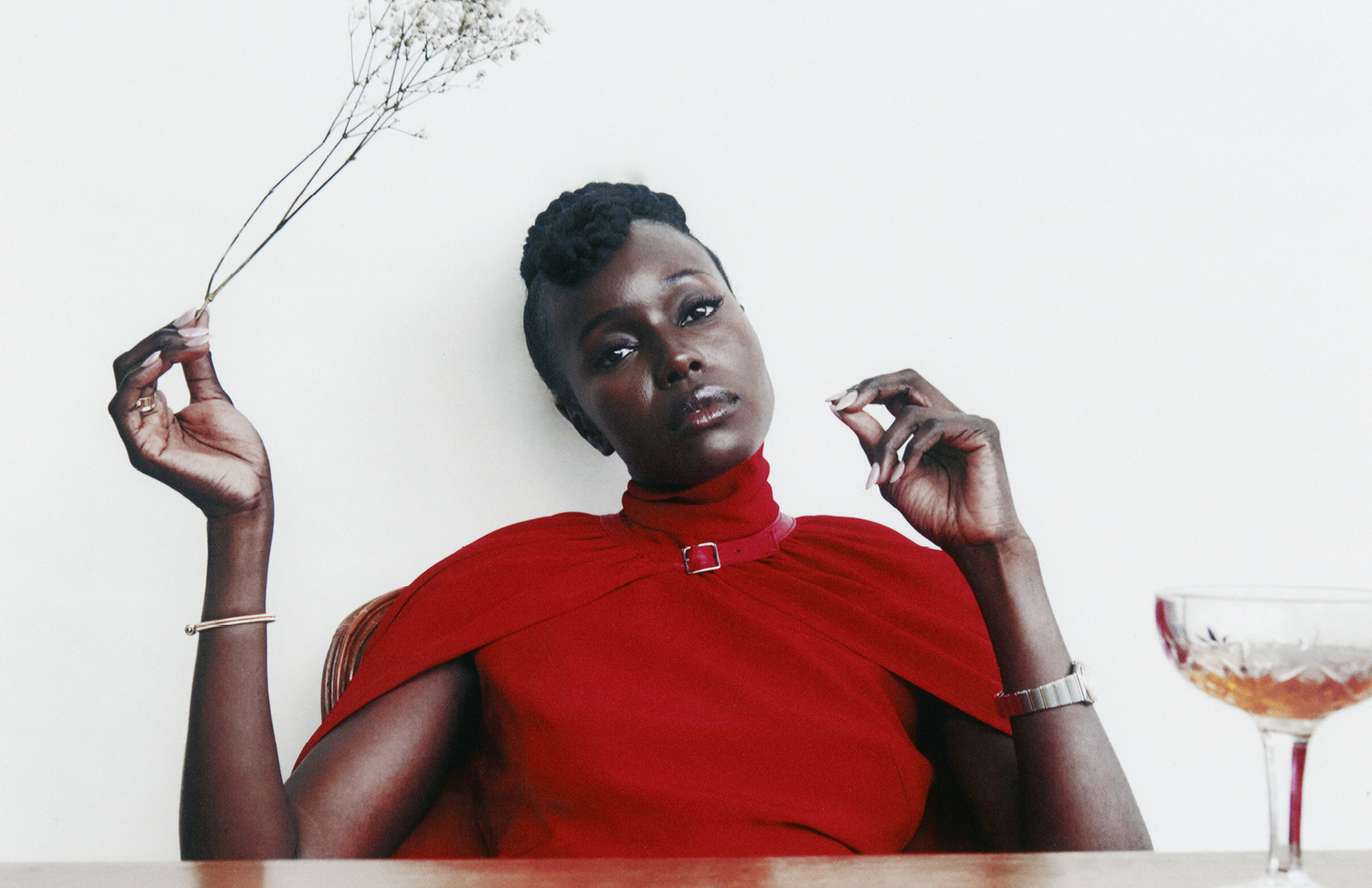
There is something quietly intimate about ‘Bedford Park‘. Written and directed by Stephanie Ahn, the film follows Audrey, a Korean American physical therapist living in Brooklyn, as she moves through the complicated space between who she is at home and who she becomes when she steps outside of it. At home, she is a daughter carrying the weight of family expectations, translating for her parents and navigating the unspoken responsibilities that come with being part of an immigrant family. Outside of it, she has built a world of own, filled with music, photography and the small freedoms that allow her to feel like herself.
Then she meets Eli, and that carefully constructed balance begins to shift. Their relationship is tender and complicated, unfolding over a brief period of time but leaving an impact that extends far beyond it. Through Eli, Audrey begins to see the possibility of a life that exists outside of obligation, and to recognize how rare it is to feel completely seen by another person.
For Moon Choi, who plays Audrey, that sense of living between worlds was immediately familiar. Born and raised in Seoul before moving to Japan as a child, Choi spent her formative years navigating different cultures and languages. Her connection to Audrey became even more personal as production stretched across seven years, allowing Choi to grow alongside a character who herself is searching for a way forward. The film’s long journey also allowed her to bring pieces of her own life into Audrey, including her love of film photography. Her personal camera appears in the film, while photographs she took herself ultimately became part of Audrey’s world.
That extended process also shaped Choi’s relationship with her co-star Son Sukku. The two had been friends and scene partners for 15 years before making the film, but ‘Bedford Park’ marked their first time acting together in English. What could have been an obstacle instead became another way of making their characters feel unfamiliar to one another, despite the deep trust they already shared.
During TIFF, Schön! spoke with Choi about finding Audrey through music and photography, working with a longtime friend, and more.
When you were younger, was there a particular film, book, character, or performance that first made you fall in love with the idea of make-believe and think, “I want to do this”?
I think I moved around a lot as a kid. I was born and raised in Seoul, South Korea, but my family moved to Japan when I was nine, and I graduated elementary school there. That was six years of living and spending my childhood — very formative years — in Japan. I knew that my roots were Korean, and I had to go back to Korea at some point because of my father’s job.
At that time in Japan, it was the golden age of Japanese drama TV series. I’m not sure if you’re familiar with that, but these days, we have K-dramas or K-films trending worldwide. At that time, Japanese drama TV series were the best of all Asian TV series. I grew up watching romance, very ’90s Japanese retro romance TV series, and they used to have commercial breaks very often, like every 10 minutes. Every 10 minutes, I would imitate the main characters. I didn’t even realize I wanted to act, but I was so drawn into the setting that I tried to mimic them and repeated their lines.
I remember a TV series called ‘Love Generation’. It was the biggest hit of the 1990s Japanese drama with Takuya Kimura, who’s still the hottest, most popular Japanese actor. I was very drawn to Japanese dramas, and there was one TV series called ‘Glass Mask’. It’s based on a very long-running Japanese cartoon. I don’t know if you’re familiar with Japanese anime or manga.
When you mentioned that, I thought about ‘Kiki’s Delivery Service’. It’s such a beautiful movie.
I love that studio. I grew up watching a lot of Japanese anime and Japanese TV series. I was drawn to ‘Kiki’s Delivery Service’ and ‘Totoro’, these very personal stories of human connection, and oftentimes they’re staged in a way that feels like a love story. A lot of Japanese dramas incorporate family drama as well. It’s about normal people living their lives in Tokyo, but still falling in love, falling out of love, and then having this obligation as a daughter or as a son, being asked to be loyal to their parents. It’s very similar to Korean tradition as well. I think I was oblivious to the fact that I wanted to be an actor, but I think that’s how I developed an interest in storytelling overall.
A lot of the themes that you talk about are very prevalent in ‘Bedford Park’. Is that what attracted you when you were reading the script? Did those themes really seem very apparent to you when you were reading it?
I think there were many qualities that really drew me into the story. That’s a major part of it. Another major part was the fact that Audrey seemed very disoriented in her own body. I could imagine that because I have all these Korean American cousins and friends who live in New York and LA. You’re asked to play the Korean daughter at home, but then when you go out, you’re a physical therapist living in Brooklyn. You have all these amazing, unique friends, and you love listening to music.
Some people might say, “Well, that’s weirdo music. What music do you listen to?” She has her zone. She has a taste for music and a taste for photography, so she has that passion. Once she goes home to her parents’ house, she’s engaged in this role where she still needs to play the daughter. For parents who don’t speak English, she needs to answer the phone for them and read the mail for them. It’s the double life of being a descendant of immigrants. I think that’s what also appealed to me and really resonated with me. Although I’m not an immigrant, I’ve had similar experiences moving around.
Her headphones almost act like a character in the film; it’s almost like her safe space.
Stephanie shared the playlist with me. She has amazing taste in music. She shared Audrey’s playlist and Eli’s playlist. For Eli’s playlist, I don’t think I’ve ever listened to any of it, just on purpose, to give him his own universe. For me, I listened to Boston. I listened to Sufjan Stevens, who did the score for Call Me by Your Name. Bon Iver is one of my favourites; I even went to their concert before I was cast for this part.
She has that taste in music, and I think listening to her playlist along the way — even during preparation — I listened to it for years and years. It took us seven years to make this film happen. For the past maybe five years, I’ve been listening to that playlist along with my own playlist. That actually changed my taste in music as well.
How did you build Audrey over those seven years, and what was it like growing alongside her as you yourself changed?
When I first auditioned for the part, I think I had just turned 30 or 31, and Audrey in the script is 36 years old, so just about mid-30s. Her parents are talking to her about getting married, about her age, and about what she’s going to do with her life. Stephanie told me that I looked a little too young to be Audrey. I thought I could play someone a bit older, and she said, “But still, there’s something, there’s a layer that could form. It doesn’t have to be physicality, but it could be something about aging as a woman after 32 or 33.”
We never knew it was going to take this long because we never knew there would be COVID. It was before COVID, and then in 2020, COVID happened. Everything was shut down, both in Korea and America, and Stephanie and I were trying to figure out how to make this film happen with Gary Foster, our main producer. We waited and waited, and three years passed, four years passed. After four years, after post-COVID, we decided to make a short film as a proof of concept. We shot that in Brooklyn in two days. We were going to show it to financiers and other possible investors.
When I went back to Korea, I showed it to my co-actor in the play that I was doing, and that was Son Suk-ku, my co-actor, who’s Eli. Actually, in the feature that Stephanie wrote 10 years ago, Eli was a Caucasian guy. Eli Wokoliak was a white guy. When Son Suk-ku saw the short film, he said, “I love this character. I love these scenes. If this were Korean, I would definitely do it.” I said, “You know, I do think that you would be a really, really good fit for Eli, because when I first read the scripts five years ago, I actually thought about you because he has that Tom Hardy vibe that not many Korean actors do.” He said, “Yeah, yeah, why don’t you talk to your director maybe?”
I did, and Stephanie said, “I never thought of this character as a Korean guy,” because she never had that image of a Korean guy who was an ex-wrestler, rough, crass. I showed her some of his clips, and she said, “I love him. I really like him.” Then they met on Zoom, and boom, that started everything.
You guys needed that pause to find him for Eli. I think that is a blessing in disguise, almost.
Also, because we’ve been friends for a long time. We’ve been friends for 15 years. He’s my best scene partner. We were in acting workshop. We did two short films and two plays together. We never did a feature film together, but I knew that he was a wonderful actor, and he had become a superstar after COVID with his film and his TV series that were double mega hits of the year.
All the timing and everything just turned out to be the best timing for us to make this film happen. Sometimes in hindsight, you think that it was a really long time to just wait and wait and see if we get funding at all. But then, when I look back, it was really, really worth it. I’m happy that we had those years.

What was it like building these two characters and approaching the more intimate scenes, knowing that you guys already had this friendship over 15 years?
It’s so natural for us to just act together, which could be a little risky, I guess, because if you’re too familiar with each other, it might be risky. I think there was another challenge for both of us because we never acted in English together. We are Korean actors; usually, we act in Korean. That put a new layer and a new character to the person who was playing Eli and the person who was playing Audrey, because we were speaking and acting in English. It was a big hurdle for both of us, but I think that put a new layer on it that made each other look new to us. We don’t really need to talk about what our plan is or what we’re going to do in the scene. We understand our process.
It’s also amazing to see someone you think you know and how that person works with his own process, but then when he brings something that’s totally unexpected, I think that’s such a good surprise, and it’s really inspiring for me as well. We don’t even really comment on each other. We don’t need to. We don’t want to because we want to just give that room for each other. There’s so much trust between us that we didn’t try to do something new because we knew that the whole circumstance of filming in the U.S. and acting in English would be so new to both of us. We would try to focus together and really just connect.
I wouldn’t know that you guys had never really acted in English before.
It was good that we had those years as a bonus. We did have our dialect coach because we do have an accent in some words, so we had pretty intensive sessions starting about a month before shooting. Stephanie used to comment on things like, “This line, you’d kind of sound Korean,” or “This line…” Son Suk-ku has a very attractive but funny accent that he got from living in Chicago. I don’t know what friends he had back in Chicago. He has a very chill accent. It was challenging, but it was worth it. It was fun.
How do you think Audrey’s relationship to caretaking shaped her, and at what point in the film does she begin to realize that she needs to take care of herself and follow her own path?
I think meeting Eli and seeing him, learning that he has a daughter, and seeing him work during the day, go to school during the day, and work in the afternoons while still trying to leave his past behind and take care of his daughter — all of that affects her. The more she started learning who Eli is, I think she realised what she wants to do with her life as well, and I think it was inspiring for her to listen to his stories.
When you take a look at the scene between the two of them, she’s the one who’s asking questions about his life. “So what do you want to do after school? What do you want to do? Where’s your daughter?” She has so much interest because she wants to know what he does to overcome his trauma, and I think learning how he’s dealing with his life really inspires her. She’s very oblivious to that. There’s no epiphanic moment where she’s like, “Oh, this is what I want to do with my life,” but she’s slowly melting into this world of her relationship with Eli and learning to reflect upon herself. If I were to pick a scene, that would be the dinner scene at Eli’s place, when she really gets to know him and tells him that he should become a social worker.
What was it like filming those final scenes, particularly the moment between Audrey and her mother at the end of the movie?
It was a really heartbreaking scene. She knows physically that her body cannot take this happening because she’s doing something for the sake of her parents, not for herself. She knows that she’s in love with Eli, but she can’t be with him because he needs to go and work and support his daughter. I think she’s just way too heartbroken, but she can’t cry, and she’s just accepting the fact that this person came into my life and left, but left with something so inspiring for me. Those moments that they were together — I think it’s only after Eli left her that she learned, “I could breathe around him.”
What was so special about that person? I felt like I was just being myself. I wasn’t trying to become somebody her parents wanted me to be, or someone she’s aspiring to become. She just felt like herself, and I think she felt seen by Eli. The fact that I’m broken, I can’t get pregnant, I have all these demons inside me, but he just understands her and accepts her. I think the feeling of being seen by somebody is so strong, and that makes you feel like you can breathe.
I’m just looking back in my own life, thinking, who’s been somebody who I feel like I can breathe around, apart from my parents or my close, close best friends? It’s a very, very profound human connection, I think. Sometimes it takes a very long time to feel that around a person, but sometimes you instantly have this connection with somebody who probably has similar scars or similar backgrounds, who understands what you’ve been through and respects you for how you’ve become what you’ve become.
If you could go back and speak to Audrey at the beginning of the film, what would you tell her?
This is a sweet question. I think I’d tell her to be open, to discover whatever comes into her life, because they’re only together for maybe three months. I think I’d tell her to be more open and open to meeting new people, meeting Eli, just because she tends to hide in her own cave, I think. Listening to music with headphones is her own zone. It might be a comfort zone, but still, it could be like her own cage. She’s trying to engage herself in that bubble, but I want her to be more open and just come out of that bubble.
I think that’s what Eli taught her unintentionally, too: to come out of your bubble and just be yourself. There was a very short montage that was shot right after the very ending, where she’s holding her camera and walking down the streets of Brooklyn, taking photos of people and streets. We had that for Sundance, but we edited it because the ending at the subway is what Stephanie wanted. It was like her bookend, so we respected that choice. We did shoot that extra ending of what happened to Audrey. She’s with her camera, walking the streets of Brooklyn, taking pictures of people and maybe smiling from time to time, looking at these people and the world.
Through that journey of this film, I think she’s come to be very open to herself. I actually have this camera right now.
I was going to ask you if you got into photography or if you were already a budding photographer before this.
Actually, in the original script, Stephanie wrote it as her drawing all the time. I love film photography, so I do take a lot of film photos for my actors and directors, and she actually incorporated that into Audrey’s character. It’s my personal camera. The photos that come after the credits are actually my photos. I took them. It’ll be in the film forever, which is pretty special.

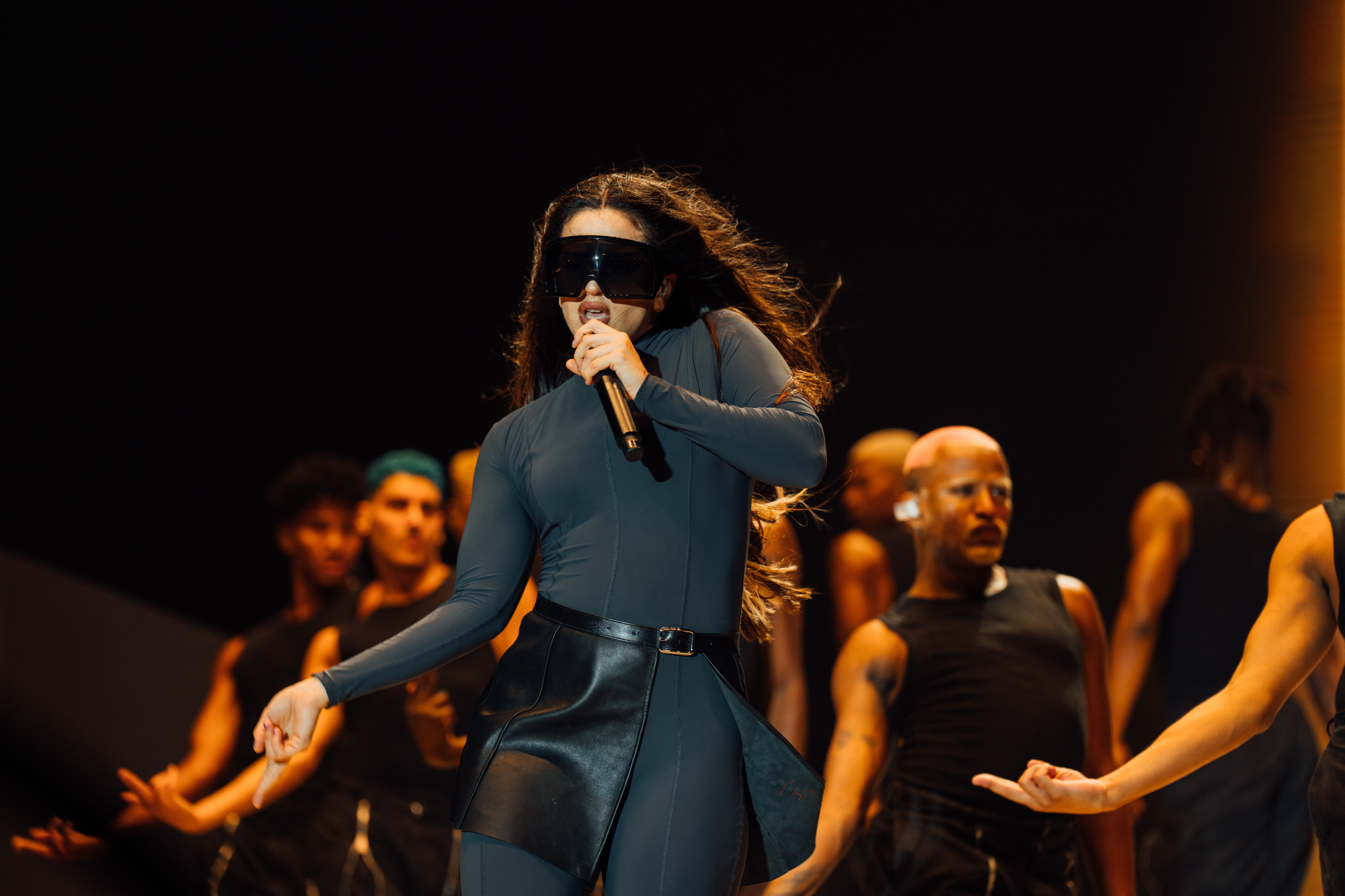
photography. Mallory Turner
talent. Moon Choi
editor + interview. Kelsey Barnes