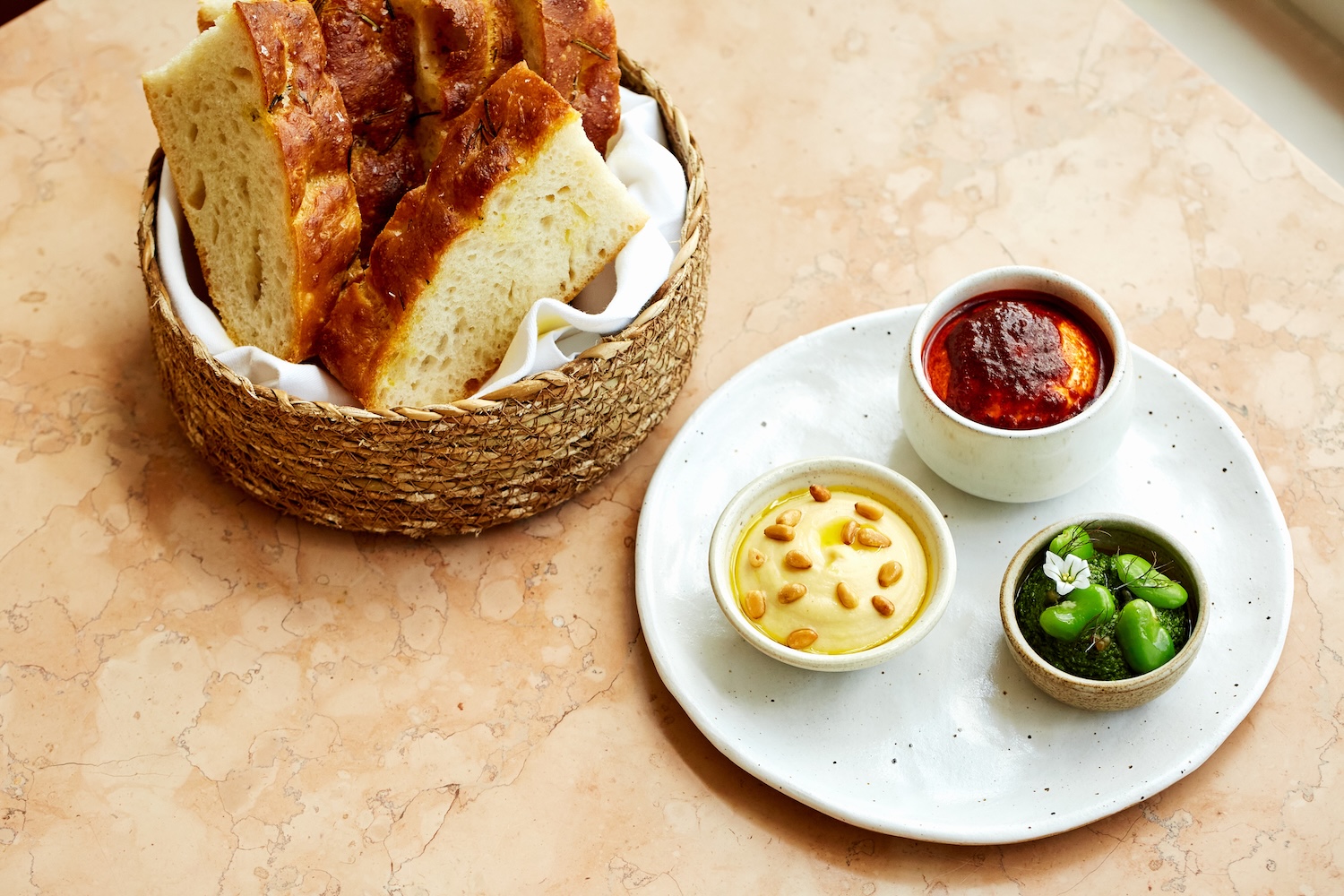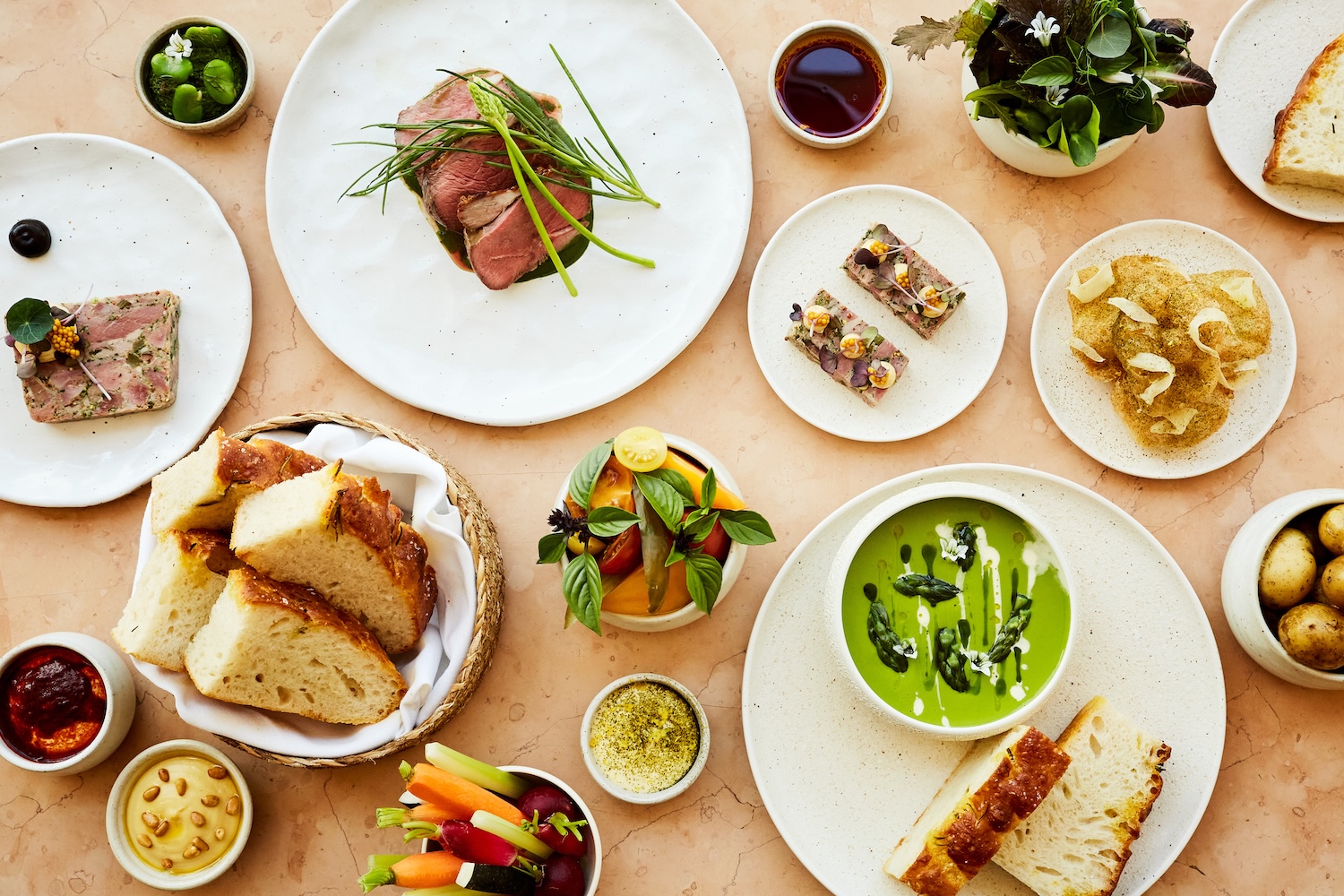


 Tucked between the peaks of the South Tyrolean Alps and the sun-kissed slopes of Merano’s wine country lies Hanswirt, a boutique hotel and restaurant where heritage is not just preserved but lived. At its helm is Matthias Laimer, a chef and host whose roots run 21 generations deep. He doesn’t just cook in a historic setting; he cooks with it – letting centuries of family stories and regional ingredients simmer into every dish.
Laimer’s kitchen is one of quiet rebellion. Here, you won’t find molecular foam or fleeting trends, but a deep respect for ingredients that still carry the scent of soil. One foot in the garden, one in the future, Laimer champions a cuisine that is as grounded as it is evolving.
Schön! sits down with the South Tyrolean chef to talk about cooking from legacy, making peace with tradition, and why even the odd snail in a salad is a sign of doing things right.
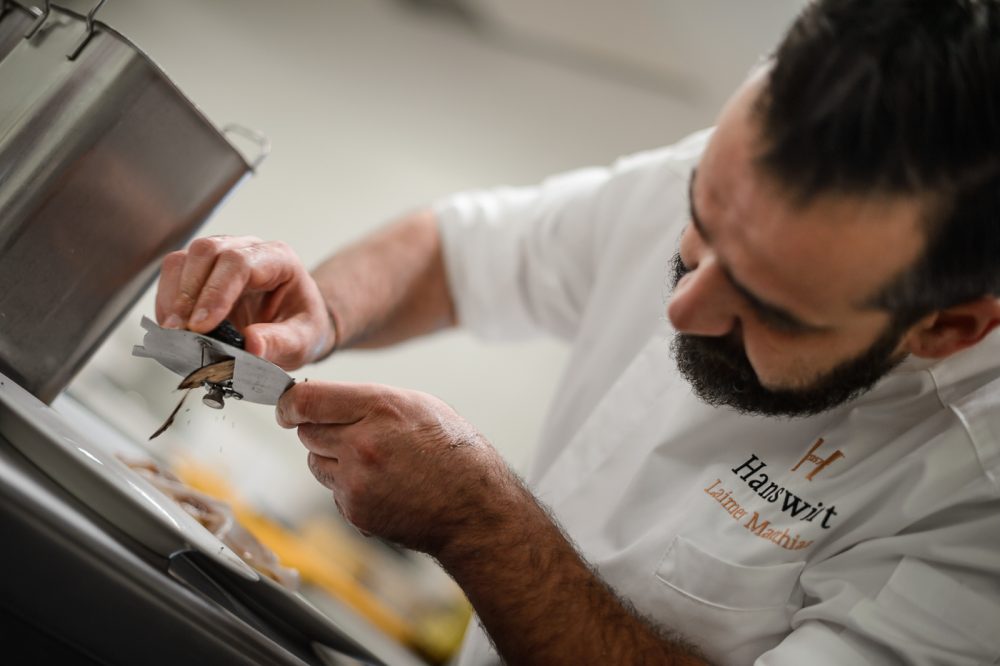 Your family has run Hanswirt for over 20 generations. Do you remember the moment when the weight, or maybe the privilege, of that legacy first hit you?
Not really. I grew up here. It was my nursery. For me, it was just normal. My father was born in this house. It was only later that I realised we might be a bit different. But it never felt like a burden. Maybe more like a quiet privilege.
You’ve modernised many rooms and dishes, yet Hanswirt is still deeply rooted in its history. How do you personally strike the balance between tradition and modernity?
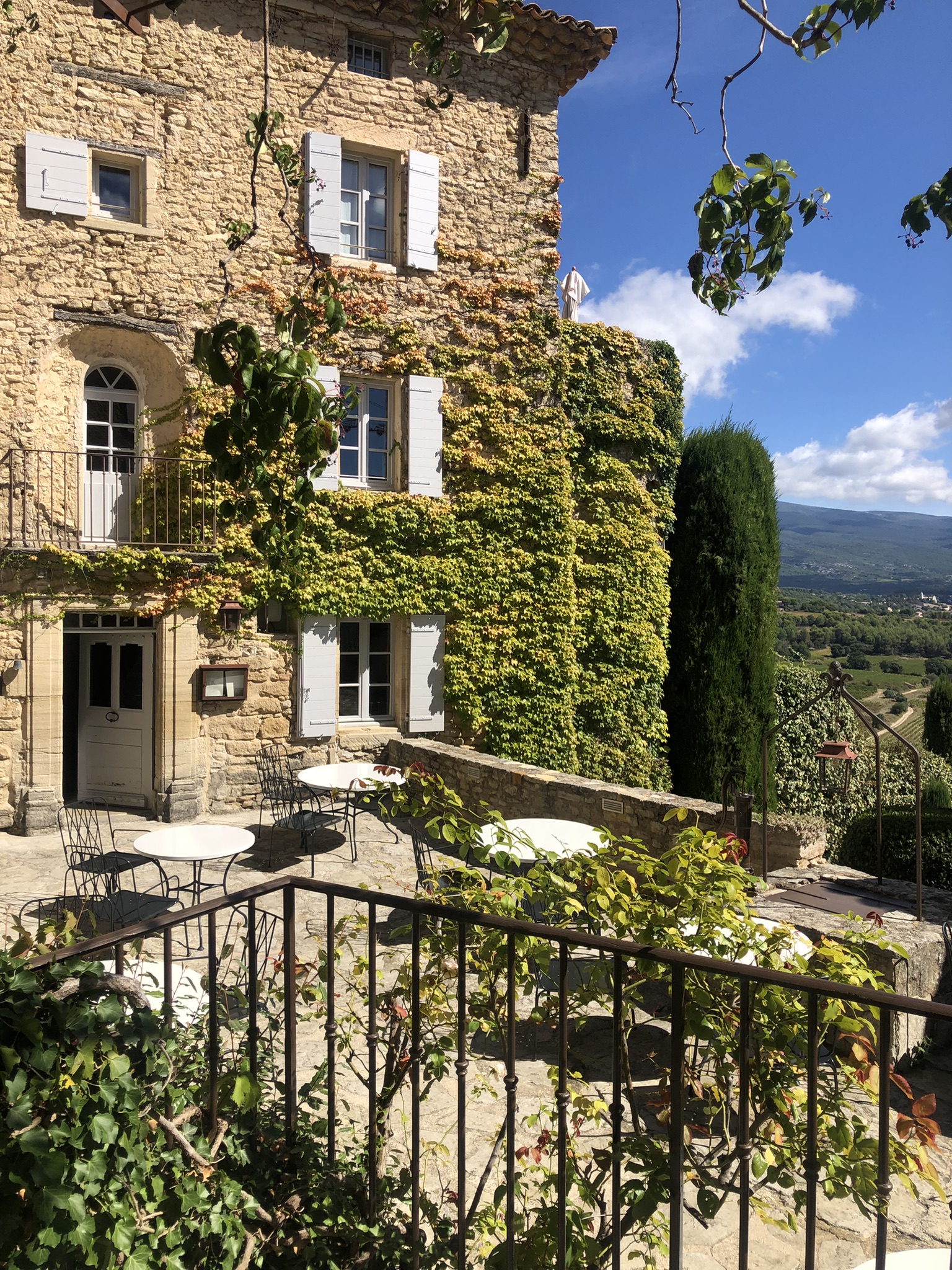
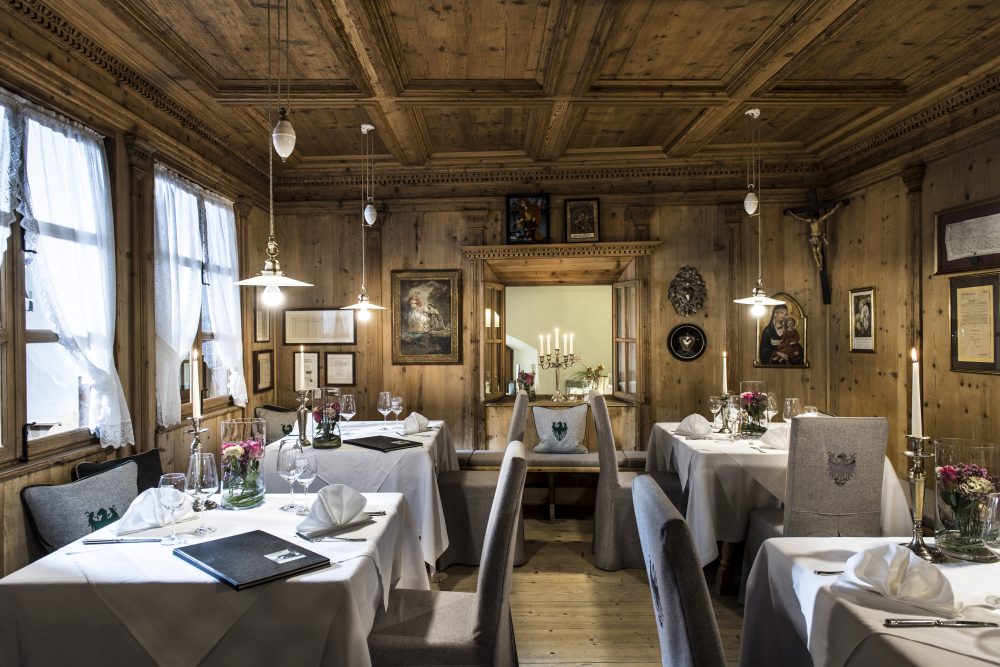
The house does that on its own. It’s over 650 years old and full of character. No wall is straight, no ceiling the same. You can’t fake that. Modern design is exciting, as long as it doesn’t feel sterile. And tradition only becomes a problem when it turns dusty. My sister and my aunt take care of the interiors. Together we create spaces that breathe history but don’t feel old.
What does “cooking from tradition” actually mean to you? Are we talking about techniques, ingredients, stories, or something harder to pin down?
To me, tradition means knowing where you come from, but also choosing how to reinterpret it today. Our cooking used to be much heavier. Lard was standard, often out of necessity. These days, we’ve got a broader range and more freedom to choose. Fat still carries flavour, no doubt. But now we cook with more lightness and more possibilities. Most importantly, it has to taste good.
You use a lot of produce from your own organic farm. Why is that connection to the land, and to origins, so important to you?
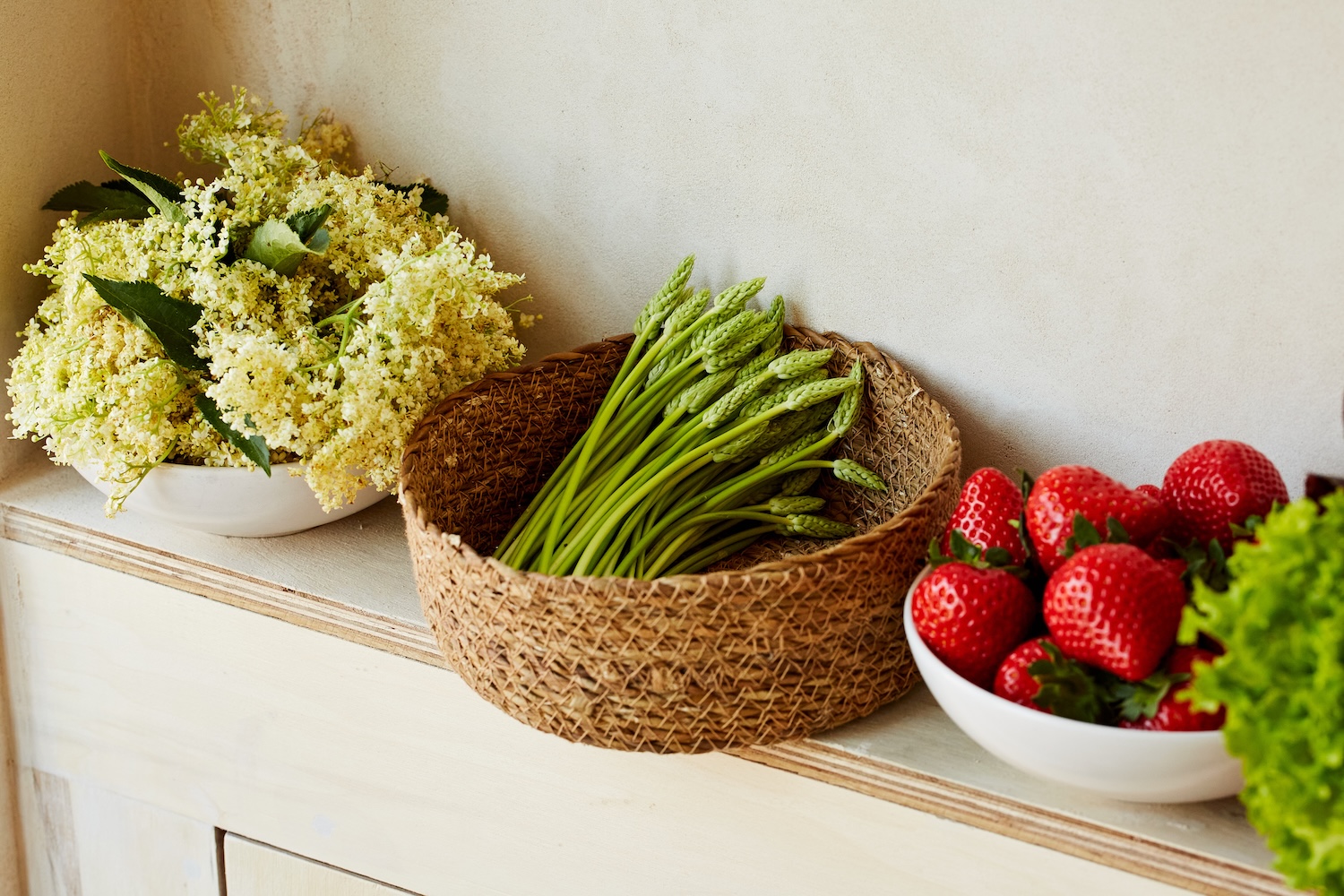
Because you can taste it. Anyone who’s had a tomato that tastes of sun, soil and life understands why it matters. Our salad just feels different in the mouth. Maybe there’s a snail in there, but I say, just move it aside and keep eating. I once bought a perfect-looking apple in New York. Glossy and flawless. But it tasted like nothing. Our food might not look like it belongs in a catalogue, but it has soul.
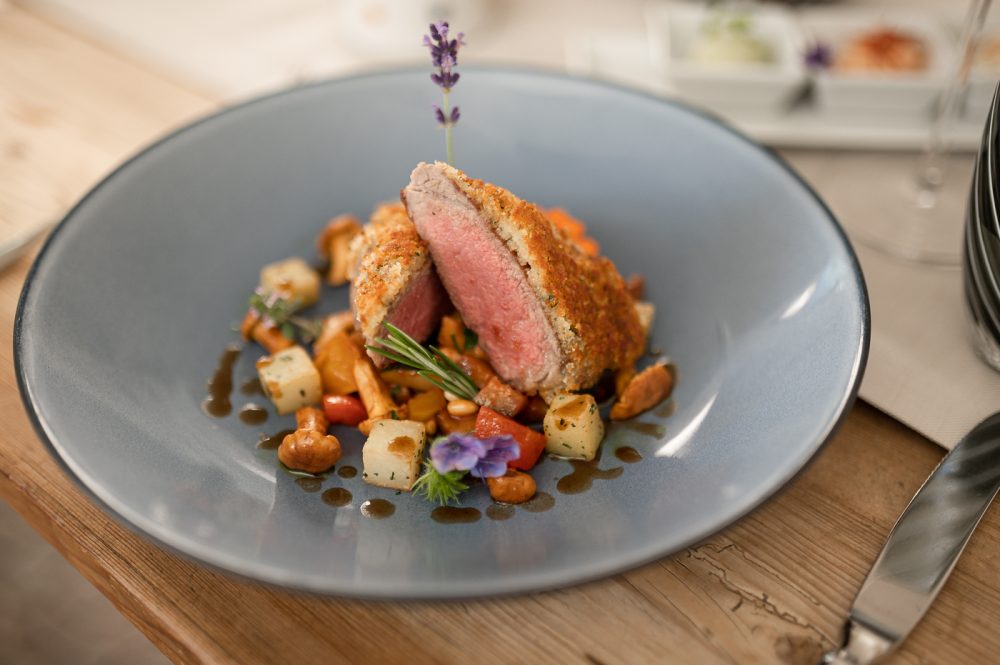 Is there a dish that, for you, really captures the spirit of Hanswirt? What makes it special?
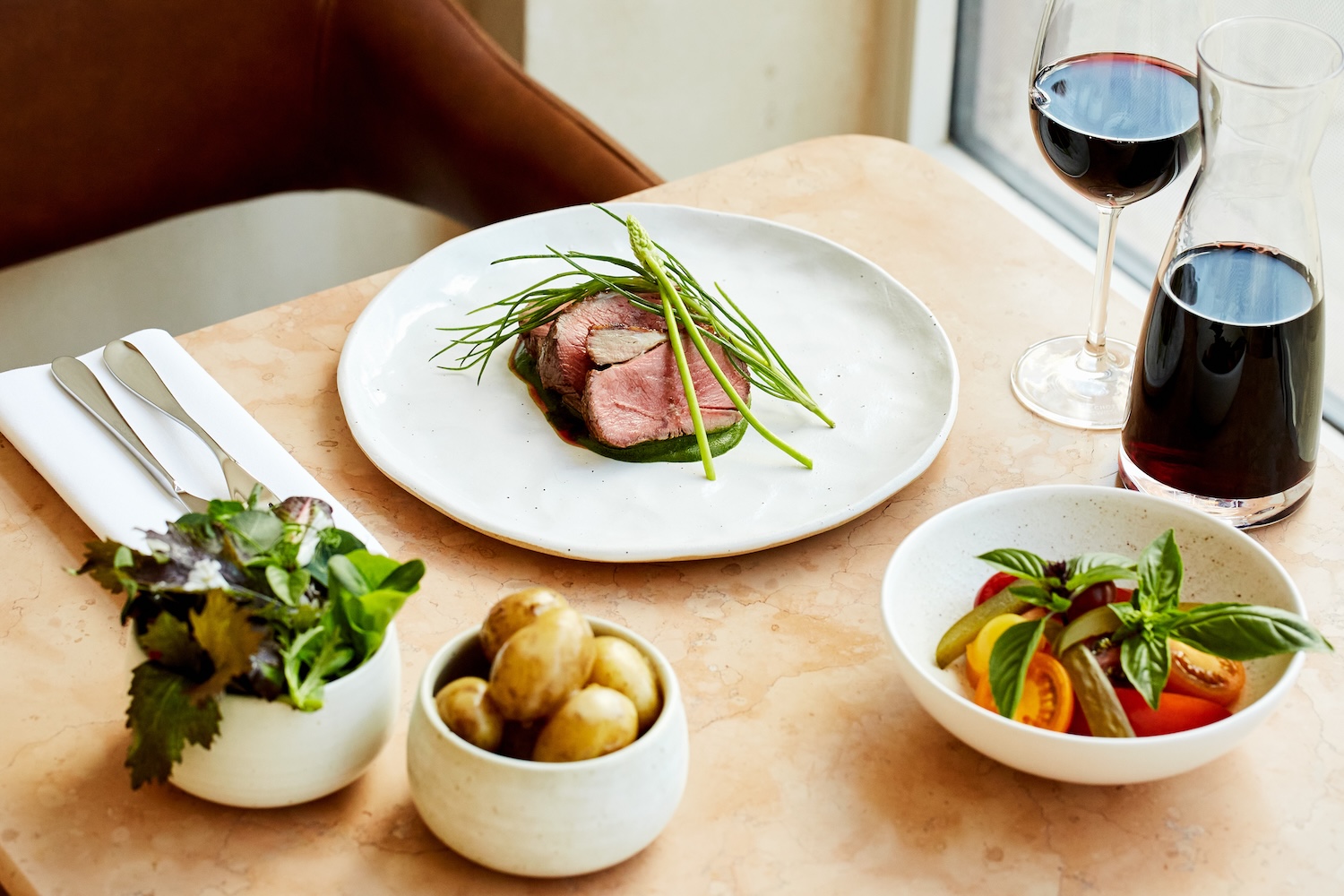
A few, actually. Classic veal Wiener Schnitzel, fried in butter, with homemade lingonberries. Or braised veal shank with creamy saffron risotto. That one’s a highlight. I only cook what I love. If I don’t like a dish, it doesn’t work. I’m a host. That means cooking with enthusiasm. Vegetarian dishes, like grilled aubergine with burrata, are much loved by our guests too.
You grew up here, went away briefly to train, and then came back. How did that journey shape your view of South Tyrolean cuisine?
I’ve always been more of a hands-on person than a theorist. I was lazy at school but sharp in service. I started waiting tables at weddings when I was 12. I trained as a waiter, not a chef. I was the first Italian to compete in service in Montreal in 1999. Then came the military, an internship in Freiburg, and a summer season in Switzerland. Everything I didn’t learn formally, I taught myself. Like in life. Being abroad showed me how special our ingredients and traditions really are, especially when you reimagine them.
South Tyrol sits at the crossroads of Alpine clarity and Mediterranean ease. How does that cultural duality influence your cooking?
We live at the intersection of three countries. South Tyrol has always been a place in transit. Everything grows here. Olives, artichokes, grains, and herbs. Our food brings together the best of both worlds. The depth of Alpine cooking and the lightness of the Italian. Guests often say, I ate a lot, but I feel light. That’s the goal.
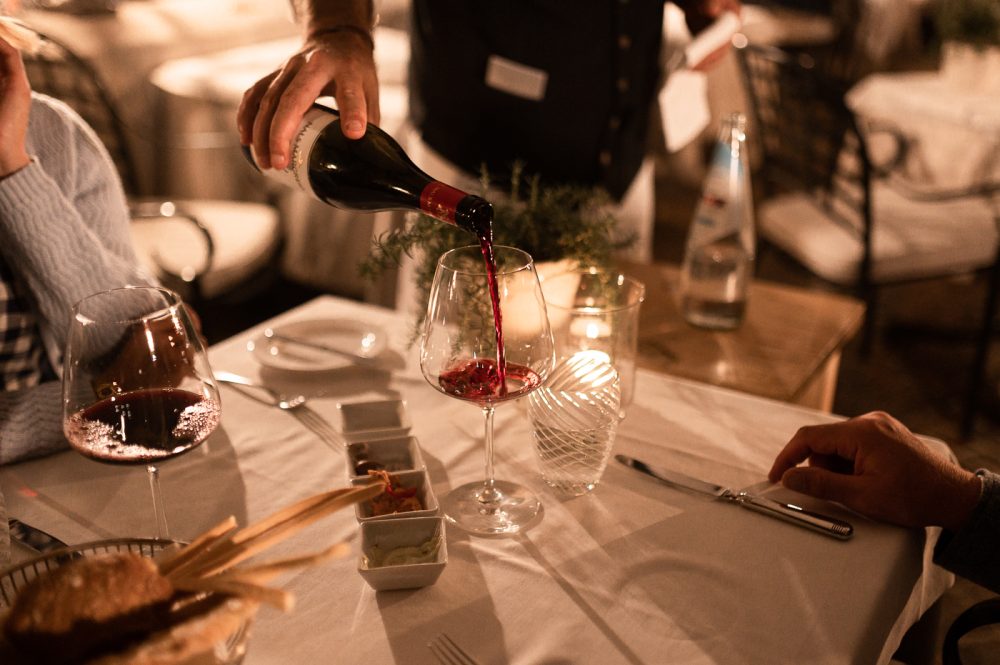
You work closely with your sommelier to pair dishes with wines like Franciacorta or Lagrein. How important is that kitchen and cellar dialogue for you?
Very. We have two sommeliers and over 300 wines, mostly from South Tyrol and Italy. For special menus like our romantic dinner, we plan things together. But on a normal day, I cook, and they find the wine to match.
 At Hanswirt, sustainability goes beyond the plate. From solar panels to minimising food waste. How do you make tradition future-proof?
If we hadn’t always worked sustainably, we wouldn’t still be here. It’s not a trend, it’s survival. Anything I throw out is beyond saving. Carrot peels and celery ends go into our stocks. I always say, as long as the plates come back clean, we’re good. Young chefs still have to learn that kind of respect – for the product and for the people who grow it. That’s something you learn by watching. Some values in life are passed down without words.
What do you want your guests to take away from a meal at Hanswirt, beyond a good menu?
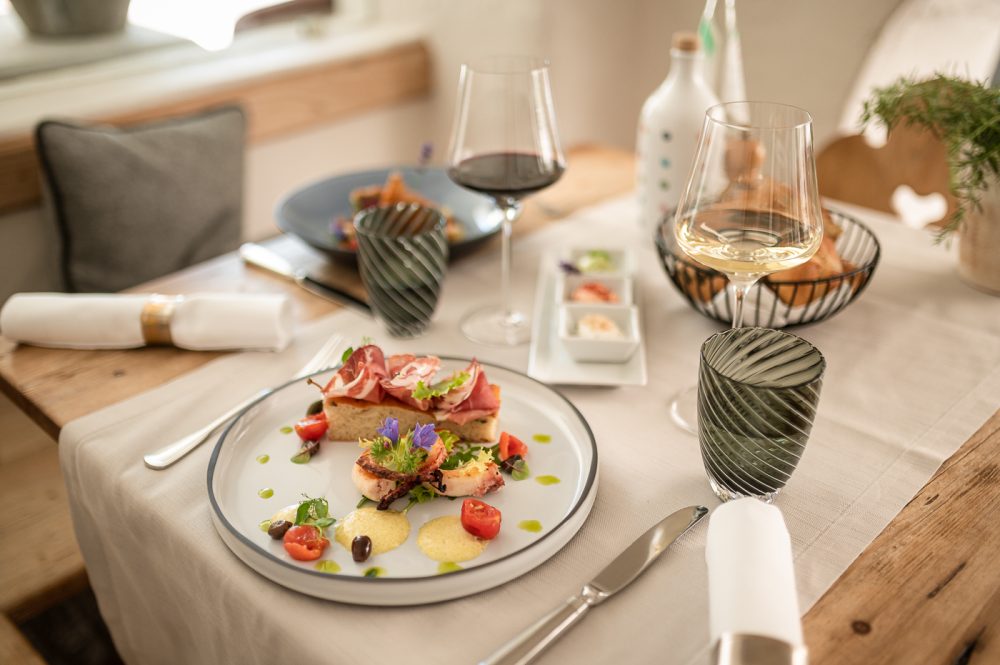
A good meal is more than what’s on the plate. A perfect evening starts at home. You dress up, make an effort. Then you arrive, see white tablecloths, and get attentive but unintrusive service. You talk about the food, and enjoy being together. I want guests to remember a specific dish the next day. That little moment of surprise, that’s what I’m after.
 And finally. What kind of legacy do you want to leave, as a chef and host, when you think about the long history of Hanswirt?
Phew, that question’s 30 years too early. I’m only 45. I still have some growing up to do. If there’s one thing I’d pass on, maybe it’s this. Cook with heart, host with joy, and stay true to yourself. I live my life like Pippi Longstocking. Exactly the way I like it.