A hotel that takes its name from the neighbourhood where it’s located leaves no doubt: it has an unwavering affinity with the area. Such is the case with Le Pigalle, the 40-room bolt hole in Paris’s 9th arrondissement. The hotel sits at the heart of its namesake neighbourhood on rue Frochot, one of the streets that branch off Place Pigalle. While it’s housed in a traditional Haussmannian building – a fact which makes it irrevocably Parisian – its identity is first and foremost defined by the streets that surround it.
To fully understand the hotel, you therefore first need to know a little about the area. Named after the sculptor Jean-Baptiste Pigalle, it became a hotspot for nightlife in the late 1880s, with the opening of several cabarets (perhaps none more famous than the Moulin Rouge). This would lay the foundations for the next decades: Pigalle became the place to go for music halls, theatres, bars and brothels. Since then, it has evolved and today is defined by a new energy, but vestiges of its former character remain present.
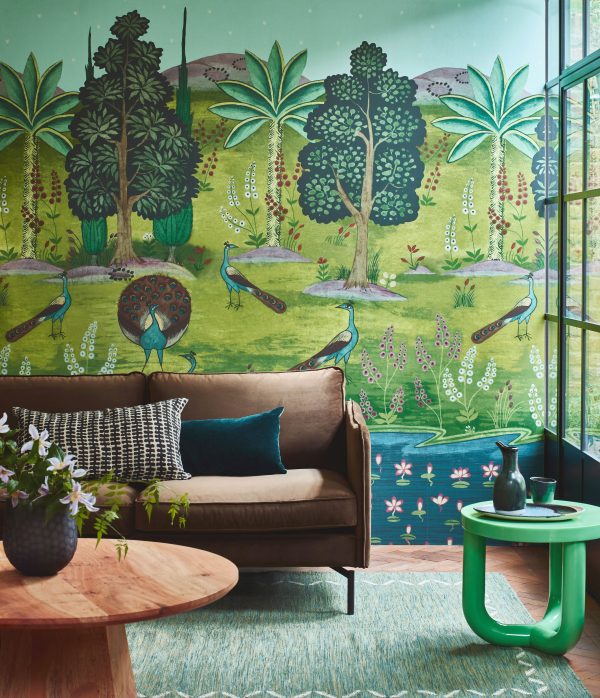
The hotel taps into this history of art, performance and pleasure. The leopard-print floor runner in the main areas nods to the area’s red-light days, while the walls in the rooms are decorated with framed art, show posters, programmes and book pages that become a local archive. None of it is overdone: the decor strikes the right balance between nodding to the past and appealing to contemporary aesthetics. Mid-century modern furniture – including a turntable console with a selection of choice records – and Le Labo toiletries lend a universally sophisticated mood, while the typical Parisian wooden flooring, the distant rumble of the metro and details such as vintage light switches remind us that we’re in the French capital.

Not everything about Le Pigalle celebrates the past; it also has a strong link with the neighbourhood’s present. The hotel collaborates with several local businesses: the breakfast pastries come from a boulangerie around the corner and merch features illustrations from an artist based up the road in Montmartre. However, the ties run deeper than just collaborations. It starts with a sense of stylised casualness which perhaps best defines Pigalle by day now – shops and eateries have a highly curated informality to them – and which is conveyed the moment you walk through the door. At Le Pigalle, there is no dedicated reception desk or lobby; rather, when Schön! alive arrives to check in, the hotel team is sitting, working at a large quartz table near the entrance. No uniforms or name tags set them apart; they exude the trendy energy of Pigalle and blend in with guests relaxing or working on laptops around them.

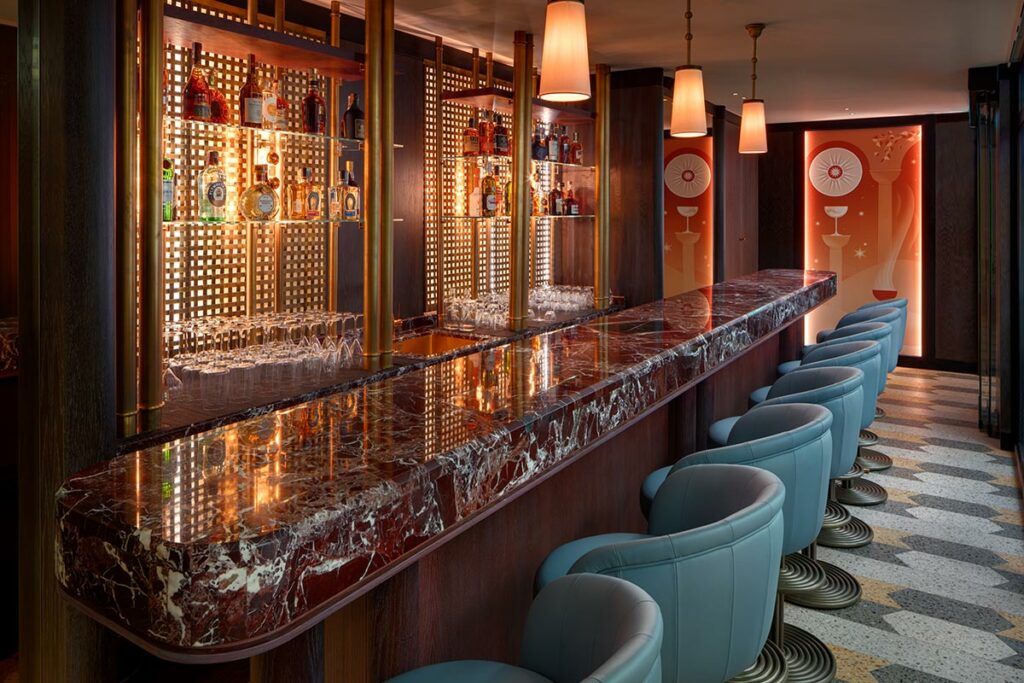
Like other hotels of its generation, Le Pigalle has very much adopted the concept of a third space: the ground floor is multi-functional with a bar and a restaurant through which people flow all day long. This is reflected in the menu, which spans everything from coffee to cocktails, breakfast to late-night snacks. Food is served from 7am to 11pm on weeknights and until 2am on weekends. Certain dishes are even available all night for room service. The menu fuses Parisian classics with global food trends, resulting in an offering that is uniquely its own: croque-monsieur sits side-by-side with a roasted carrot and grilled halloumi dish, for example. On the dessert menu, chocolate mousse and crème brûlée share the spotlight with a half-baked cookie.

Some hotels feel like closed worlds meant only for overnight guests. This isn’t the case at Le Pigalle. Hotel guests drift down from their rooms; others wander in from outside, whether for business meetings, cocktail catch-ups or a leisurely meal. In the evening, the crowd is a real mix. The large quartz table at the entrance (the one at which Schön! alive had checked in earlier in the day) has been reserved by a large group of sequin-clad party-goers while a couple of regulars get comfy on a nearby sofa for a post-yoga drink and snacks. As dinner ends, a DJ starts his set. On Fridays and Saturdays, resident DJs take over the decks from 10pm, transforming the space into a party hive in keeping with Pigalle’s reputation as a nightlife destination.
It’s easy to get caught up in the moment, and guests needn’t worry about partying the night away. In that respect, Le Pigalle breaks with hotel conventions: breakfast is available until 4pm and is a typically Parisian affair. Instead of a buffet, guests build their own combination following a menu-based formula reminiscent of the city’s ubiquitous café breakfast: choose a soft drink, a hot drink, a viennoiserie and a savoury dish. During the week, it’s a popular hotspot with Parisians for breakfast meetings, but on a Saturday morning when the neighbourhood is still waking up, a few early birds settle on the terrace outside to people-watch while sipping a flat white.

This brings us to another important cornerstone of Le Pigalle. While coffee has long been the drink of choice in French cafes, France was late to third-wave coffee. The hotel was one of the forerunners in introducing an already globally popular coffee philosophy to Parisian streets: it opened Café Pigalle next door at a time when few such establishments existed in the city. Here too, Le Pigalle has made a point of nurturing ties with local businesses: Lomi, roasters based in the nearby 18th arrondissement, supplies the beans for both the coffee shop and the hotel.
When we travel, many of us want to connect with the place as authentically as we can. In that sense, Le Pigalle has achieved what it set out to do: it gives guests a glimpse into the neighbourhood’s past while also capturing its current energy. The hotel exists in a continuous, evolving dialogue with its surroundings and guests are warmly welcomed into that conversation.

Find out more about Le Pigalle here.
words. Ginger Rose Clark
edit. Huma Humayun
images. Courtesy of Le Pigalle