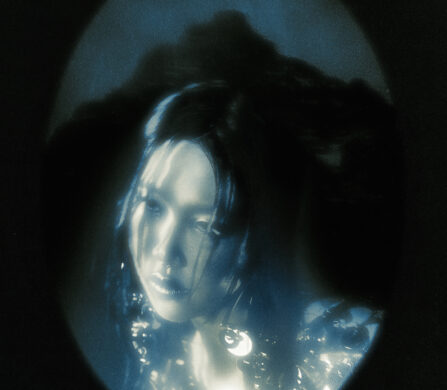
In her new album, ‘Tell Me How You Really Feel’, Katelyn Tarver invites listeners into the emotional aftermath of heartbreak, transformation, and self-discovery. Written largely in the year following her divorce, the record captures the complexity of rebuilding a life and identity while navigating grief, confusion, freedom, fear, and hope all at once. Through introspective lyricism and fearless honesty, Tarver explores what it means to confront pain without looking away from it, turning deeply intimate experiences into songs that feel both cathartic and universally relatable.
Known for her vulnerability as both a songwriter and storyteller, Tarver uses this album as a reflection of personal rebirth — not as a dramatic overnight reinvention, but as a gradual process filled with uncertainty, emotional extremes, and hard-earned clarity. Themes of feminine transformation, emotional resilience, and reclaiming one’s sense of self run throughout the project, giving the album an undercurrent of strength even in its most fragile moments.
Speaking with Schön!, Tarver opens up about the healing power of songwriting, the courage it takes to release personal work and the evolving confidence she has found through embracing honesty in both her music and her life.
In your new album, ‘Tell Me How You Really Feel’, you sing openly from the heart, drawing on vulnerability and pain. Can you speak about the emotions that led you to share this body of work with the world?
I wrote most of this album the year following my divorce. I was feeling every emotion that exists — sadness, excitement, confusion, fear, grief, numbness, and a sense of freedom and possibility. I tried to channel all of it in hopes that people going through something similar could feel some solidarity.
The album centres on the idea of rebirth. What has that process looked like for you?
I used to imagine rebirth as this dramatic transformation — standing on a mountain with the wind in my hair, feeling like a completely new person. In reality, it’s been much more subtle and gradual. It looked like tearfully calling friends for advice, feeling optimistic one day and terrified the next, and taking risks even when I was scared. It’s been rewarding, messy, and full of ups and downs.
Your music explores themes of feminine transformation. How do you envision the next season of the woman you are becoming?
My hope is that I continue caring less about what other people think I should do, believe, say, or feel. I’ve struggled with seeking reassurance and permission from others, and I know a lot of women relate to that. I’m trying to let go of people-pleasing tendencies and step into a stronger sense of confidence and self-belief. It’s a process, but every risk and choice I make for myself helps me grow.
Was there any fear or hesitation in releasing such an intimate album?
Totally. But that comes with the territory. The desire to hopefully give listeners something meaningful outweighed the fear. I’m grateful when other artists are honest and vulnerable in their work, so I wanted to do the same.
How did expressing these emotions through music help you move toward healing?
When I can express a feeling in a song, it helps close the loop on that experience. Writing lets me explore emotions from every angle. It’s similar to journaling or therapy — getting everything out of my head and putting it somewhere else. That always helps with healing.
Was it difficult to access such a vulnerable emotional space while creating the album?
Honestly, no. I’m an actor, a songwriter, and a Scorpio — it’s harder for me to get out of that emotional headspace.
What are your biggest inspirations when making music?
Conversations with my friends. If you took a shot every time I mention calling a friend on the album, you’d get drunk pretty quickly.
There’s a strength that runs through the record even in its most fragile moments. What does strength mean to you now?
I think anyone who creates something and shares it with the world is brave and strong. It’s incredibly difficult to put yourself out there knowing people may critique or judge you. The strength comes from continuing to create anyway.
Was there a lyric or moment on the album that felt almost too personal to release?
The last song on the album is basically a diary-entry-style stream of consciousness about running into my ex-husband, getting drunk, and going home together. It felt crazy to release something that personal — but ultimately, I thought, why not?
If you could speak to a younger version of yourself just starting out in the industry, what would you tell her?
Your thoughts, ideas, feelings, and experiences are the most interesting things about you — and don’t be afraid to disappoint people.
‘Tell Me How You Really Feel’ is out now.
photography. Shervin Lainez
talent. Katelyn Tarver
words. Kitana M. Crowelle